
Compare no-fly Northern Lights cruises from the UK for 2027: Ambassador sailings from London Tilbury and Bristol, when to go, prices and tips for seeing the aurora.
Compare no-fly Northern Lights cruises from the UK for 2027: Ambassador sailings from London Tilbury and Bristol, when to go, prices and tips for seeing the aurora.
How long should your Whitsundays sailing trip be? We compare 2 days 1 night, 3 days 2 nights and 3-night trips, with the couples-friendly boats for each.
Disclosure: this guide contains affiliate links. If you book through them, Luxury Cruising earns a commission from BackpackerDeals at no extra cost to you.
The short answer: for a romantic overnight sail in the Whitsundays, pick a small boat with a private double cabin and your own bathroom. The most private option on sale right now is the Whitsunday Getaway catamaran, which takes just 8 adults in 4 private ensuite cabins. If you want more time on the reef, Summer Jo’s 3-night trip is the one to book.
The Whitsundays has dozens of overnight boats leaving Airlie Beach, but many of them are built for backpackers: bunk rooms, shared bathrooms and a party on deck. This guide skips those. We compared the overnight trips listed on BackpackerDeals and kept only the ones that suit couples who want comfort, privacy and a calmer pace, while still getting to Whitehaven Beach, Hill Inlet and the coral reefs.
Prices below are the “from” prices listed on 14 October 2026. They vary by cabin type and departure date, so check the current price before you book. Some links in this guide are affiliate links: if you book through them, we may earn a small commission at no extra cost to you.
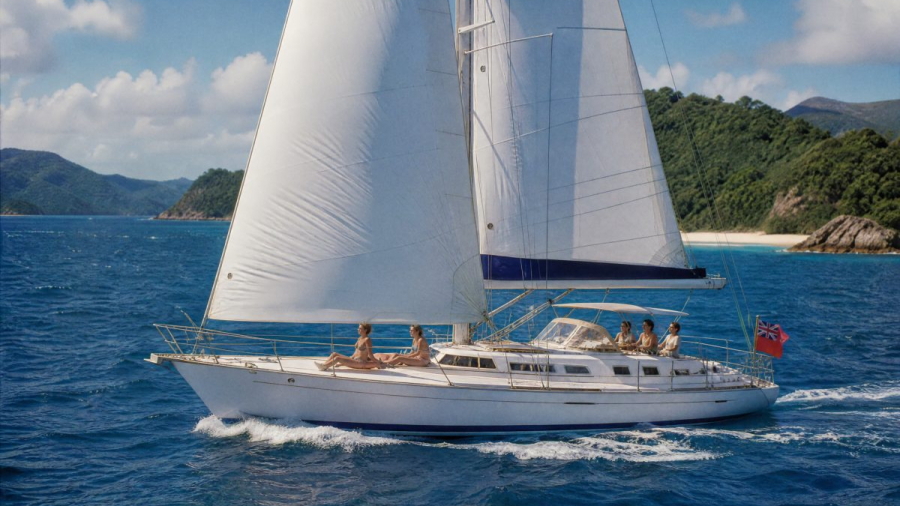
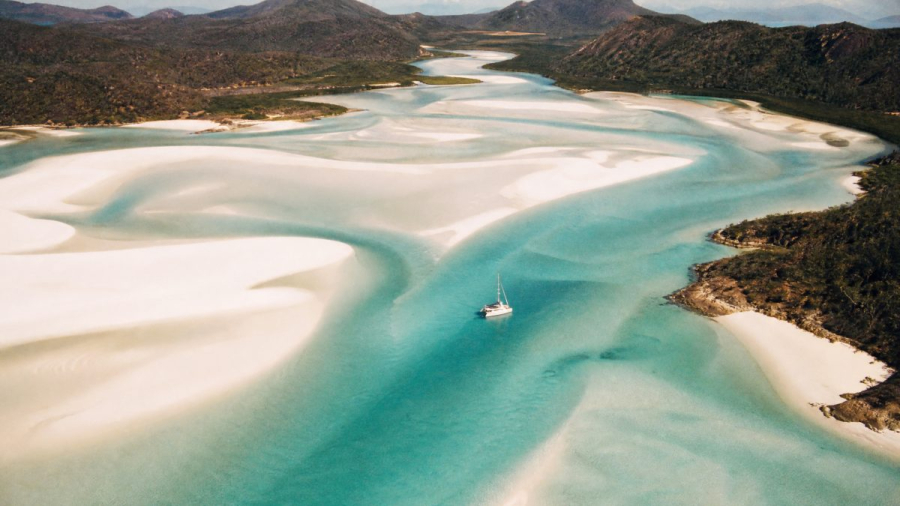
Photos on this page are illustrative and do not show the specific boats reviewed.
| Boat | Trip length | Max guests | Private ensuite cabin? | Minimum age | From (AUD) | Best for |
|---|---|---|---|---|---|---|
| Whitsunday Getaway | 2 or 3 nights | 8 | Yes, all 4 cabins | 18 | $2,095 | Privacy and romance |
| Summer Jo (3 nights) | 3 days, 3 nights | 33 | Yes, private double and queen options | 12 | $1,530 | Outer reef and diving |
| Summer Jo (2 nights) | 2 days, 2 nights | 33 | Ensuite cabins | 18 | $765 | Best value with an ensuite |
| Prima | 2 days, 1 night | 12 | Yes, 2 cabins only (book early) | 4 | $1,164 | Small-group sailing |
| Waltzing Matilda | 2 days, 1 night | 14 | Not stated, ask before booking | Not stated | $515 | Lower budget, small group |
| ReefSuite | 2 days, 1 night (not a sailing trip) | Not stated | Yes, private underwater suite | 6 | $1,495 | A once-in-a-lifetime night on the reef |
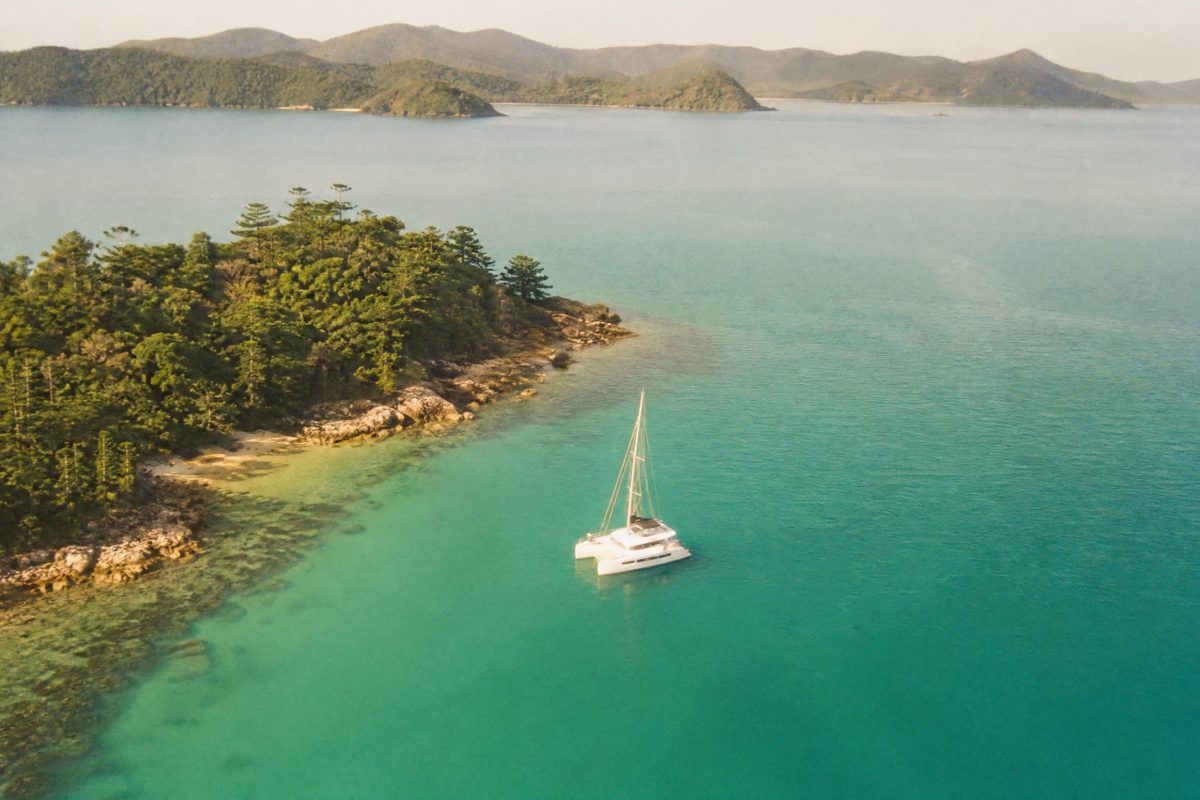
This luxury catamaran is the closest thing to a private yacht charter without paying for the whole boat. It takes a maximum of 8 guests, all adults, in 4 private double cabins. Every cabin has its own bathroom with a toilet, basin and shower, plus air conditioning, USB charging and 240-volt power.
You choose between 2 and 3 nights. The 2-night trip leaves the Coral Sea Marina at 3pm and anchors at Nara Inlet on Hook Island for sunset. Day two takes you to the Hill Inlet lookout and Whitehaven Beach, then on to Border Island. The 3-night trip adds more time snorkelling the fringing reefs around Hook Island and an overnight stop near Hayman or Langford Island.
Why we like it: the small group, private bathrooms and bath and beach towels supplied. Meals are cooked on board, from reef fish in coconut and lime to BBQ steaks.
Worth knowing: it’s the priciest boat here, and the listing had no reviews yet when we checked. Drinks are BYO.
Check Whitsunday Getaway dates and prices
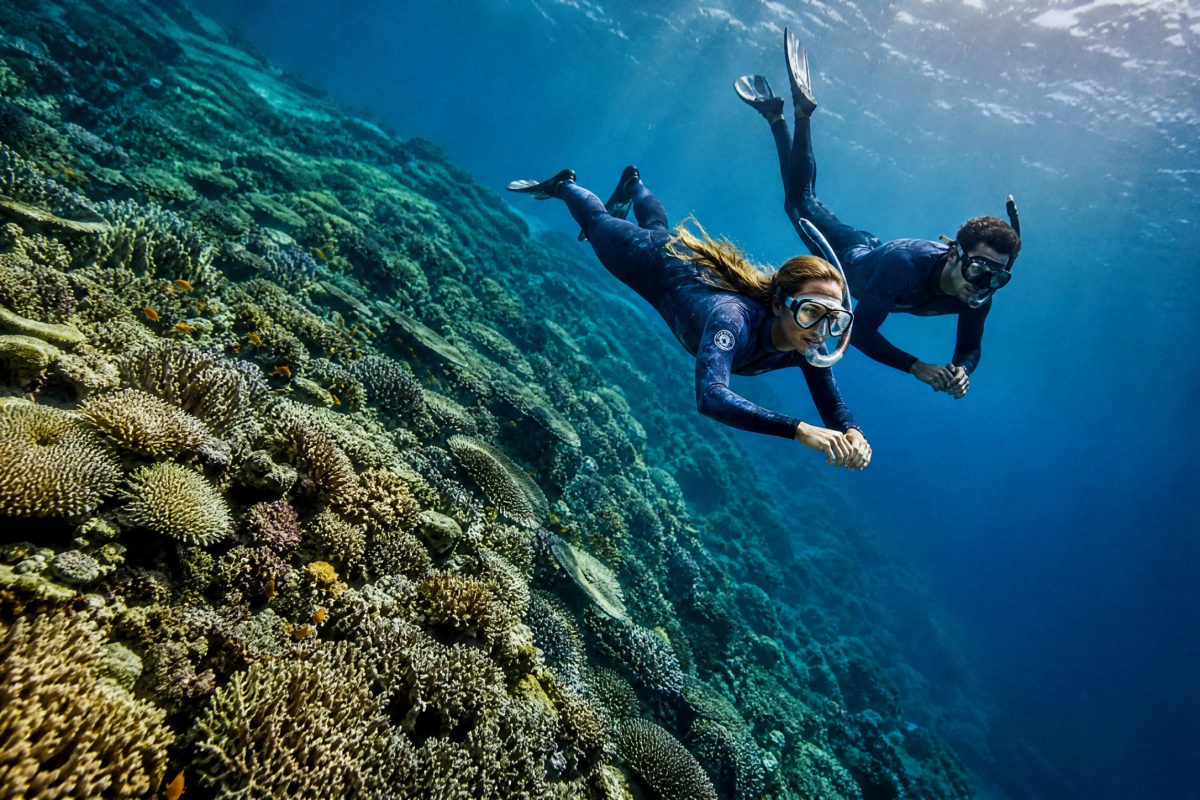
Summer Jo is a newly renovated mega yacht, so it’s bigger and more social than Whitsunday Getaway. It earns its place here because you can book a private double or private queen cabin with an ensuite, and every cabin is air-conditioned.
The 3-night trip is the only sailing trip on this list that reaches Bait Reef on the outer Great Barrier Reef, one of the best snorkel and dive spots in the region. It finishes with a sunrise walk to the Hill Inlet lookout and time on Whitehaven Beach. All meals are cooked by an on-board chef.
Why we like it: the outer reef, a dive instructor on board, and night dives for certified divers. The listing says Summer Jo is the only boat in the Whitsundays offering them.
Worth knowing: it carries up to 33 guests and the minimum age is 12, so expect a livelier mix of people. Diving costs extra and is paid on board.
Check Summer Jo 3-night dates and prices
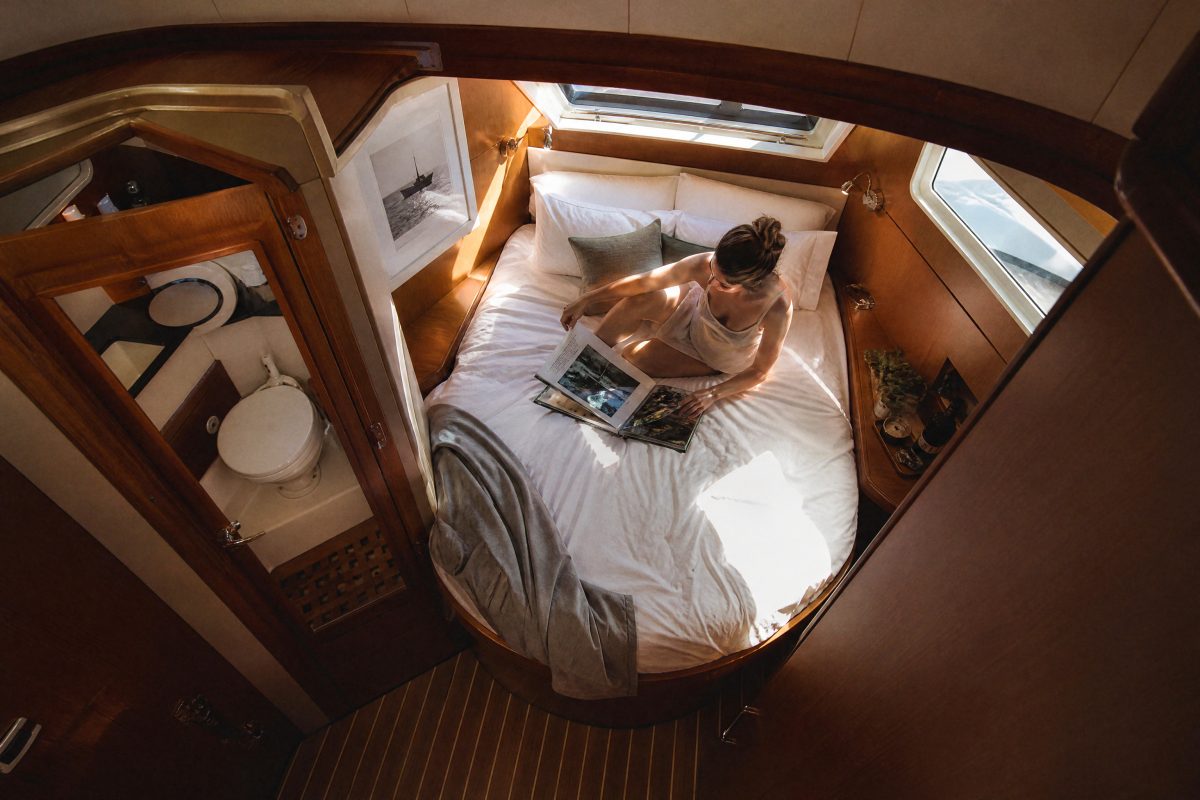
Same boat, shorter trip, adults only. You still get air-conditioned ensuite cabins and chef-cooked meals, plus snorkelling around Hook Island and Border Island and a morning at Hill Inlet and Whitehaven Beach. It had a 5-star rating from 26 reviews when we checked.
Worth knowing: this trip stays among the islands and doesn’t go out to the outer reef. Pick the 3-night trip if the reef is your priority.
Check Summer Jo 2-night dates and prices
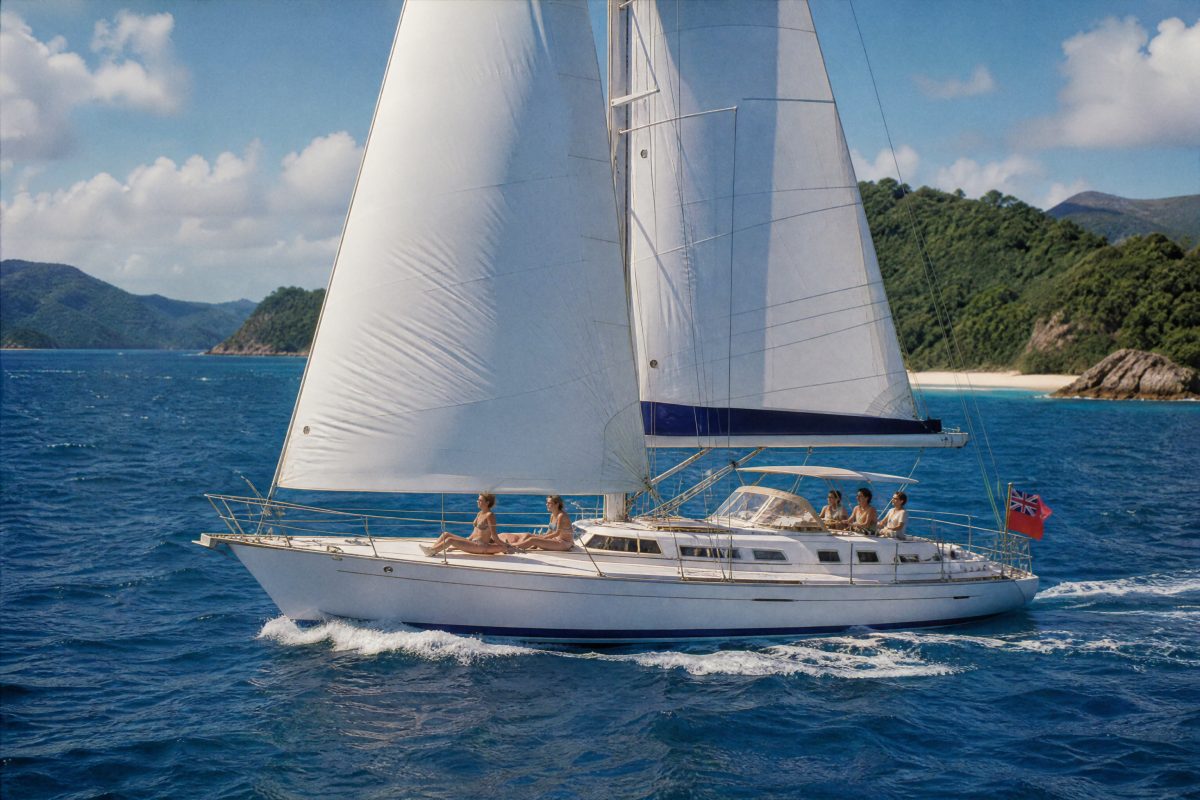
Prima is a proper sailing yacht that takes a maximum of 12 guests, so it feels intimate. It has only 2 private double cabins with their own bathroom. The other cabins share facilities, so book the ensuite cabins early. The trip covers Whitehaven Beach and the Hill Inlet lookout, with all meals, snorkel gear, stinger suits and bath towels included. It was rated 4.76 from 25 reviews when we checked.
Worth knowing: it’s a 1-night trip and the minimum age is 4, so you may share the boat with families. Special diets carry a small surcharge.
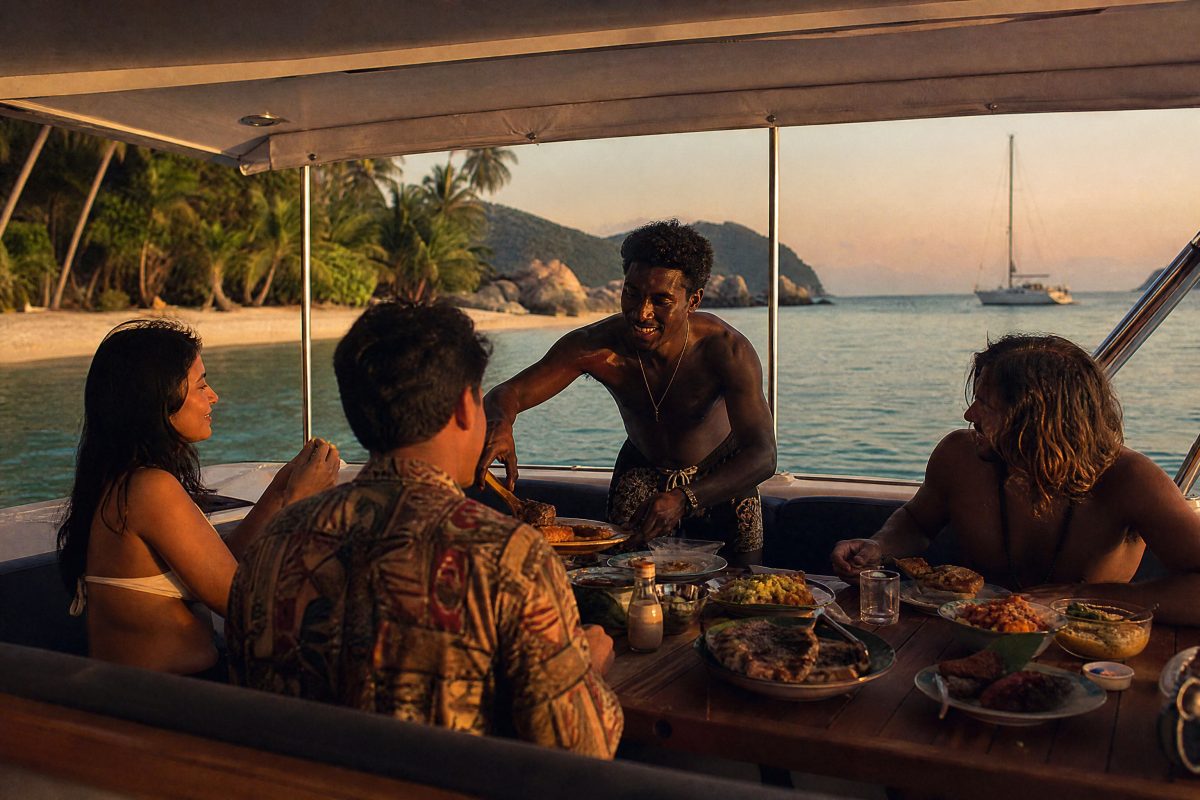
If price matters most, Waltzing Matilda is a relaxed overnight cruise for a maximum of 14 guests, with shaded deck space, an Aussie BBQ, snorkelling and time at Whitehaven Beach and Hill Inlet. There’s no Wi-Fi on board, which many couples will see as a plus.
Worth knowing: the listing doesn’t describe the cabins, so ask whether a private double is available before you book. Diving isn’t offered on this trip.
Check Waltzing Matilda dates and prices
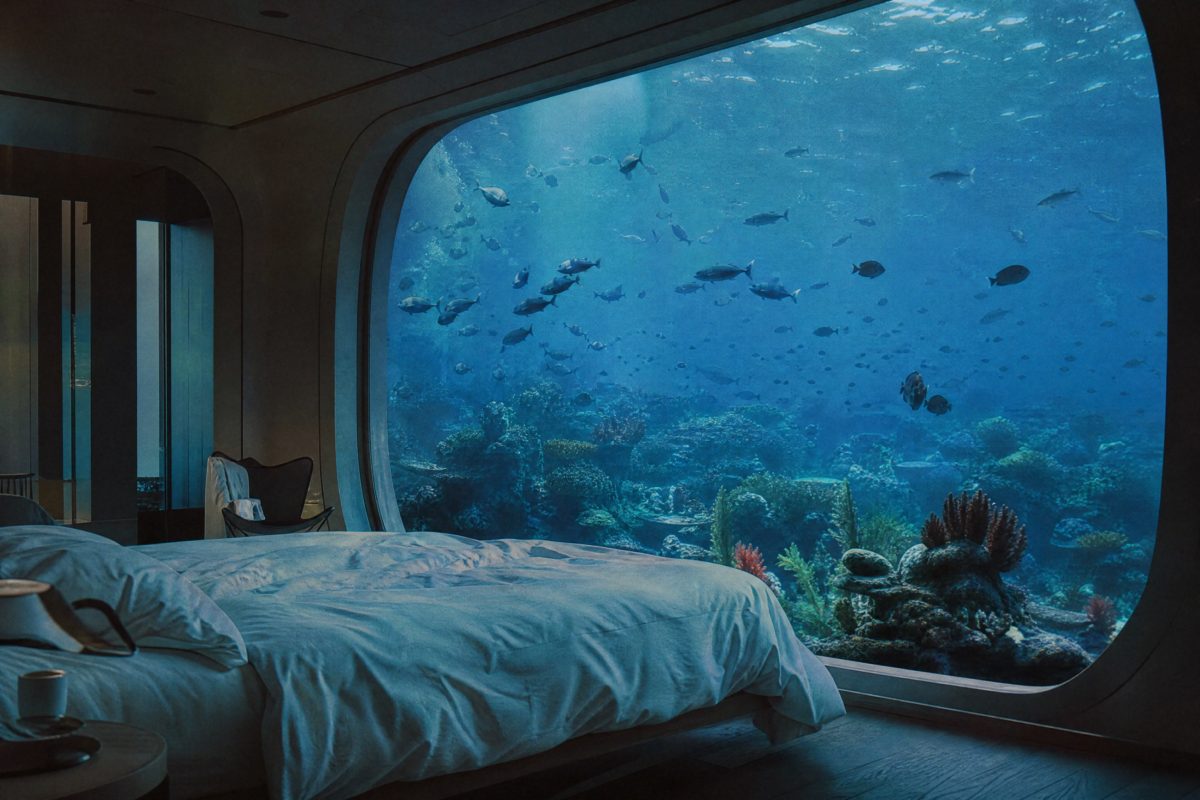
This one isn’t a sailing trip, but it’s the most memorable overnight stay in the Whitsundays. You cruise out to the Reefworld pontoon on Hardy Reef and spend the night in a private suite with floor-to-ceiling windows looking straight into the reef, a king or twin bed and a glass-walled ensuite. Breakfast, lunch and dinner are included, and it leaves from Airlie Beach.
Worth knowing: there are very few suites, so dates sell out. Pair it with a 2-night sail for the ultimate trip.
Check ReefSuite dates and prices
All are good trips for the right traveller, but not for couples who want privacy.
Not sure how many nights to book? See our guide to 2 days 1 night vs 3 days 2 nights in the Whitsundays, which compares what each trip length gives you.
The Whitsundays gets around 300 days of sun a year. The dry season, roughly May to November, brings the best weather, and humpback whales pass through between about June and October. Stinger season runs from around October to May. Boats supply full-length stinger suits for snorkelling, and you should wear one all year.
Fly into Whitsunday Coast Airport at Proserpine, which has direct flights from Brisbane, Sydney and Melbourne. Airlie Beach is about 40 minutes away by shuttle or taxi. If you fly into Hamilton Island instead, the ferry to Airlie Beach takes 35 to 50 minutes. Arrive at least the day before your sailing.
Yes. Every trip in this guide includes meals on board, usually breakfast, lunch and dinner plus snacks. Most boats cater for vegetarian and gluten-free diets if you tell them in advance, sometimes for a small surcharge.
On most boats, yes. They’re BYO, with no bar on board, and most don’t allow glass bottles or red wine. Check the rules for your boat before you shop.
Generally no. Expect little or no phone signal around the outer islands too.
No. Snorkelling gear is included on the sailing trips. Diving is an optional extra on boats such as Summer Jo.
All the sailing trips in this guide visit Whitehaven Beach and the Hill Inlet lookout.
September can be one of the best months to cruise. School holiday crowds begin to disappear, prices often become more attractive and temperatures remain pleasant in many parts of the world.
But it’s also a month when some destinations face their biggest weather challenges of the year.
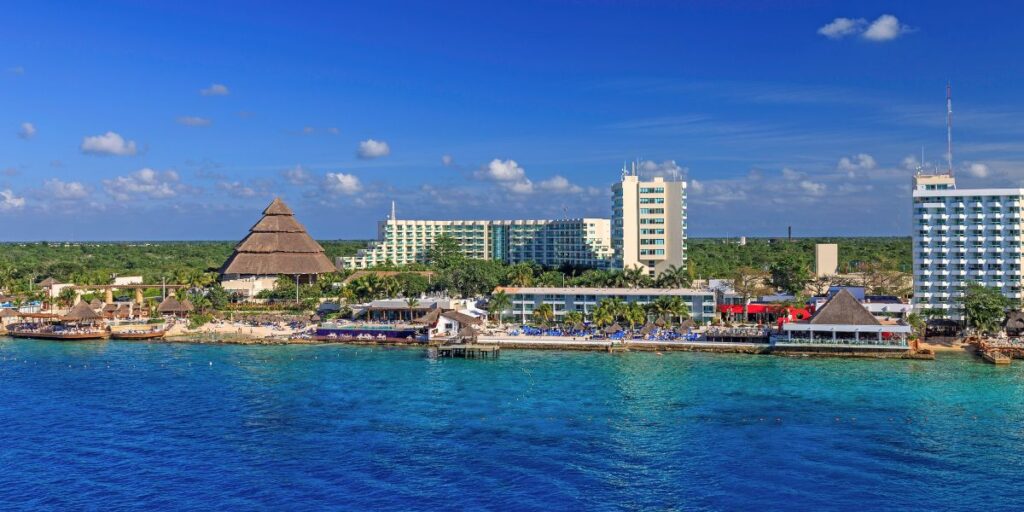
From hurricane-prone islands to rough Atlantic crossings, there are a few itineraries that deserve a little extra thought before you hit the book button.
Here are the cruise destinations we’d avoid in September.
If there’s one destination that stands out above all others in September, it’s the Eastern Caribbean.
September is typically the most active month of the Atlantic hurricane season. Islands across the region can experience tropical storms, heavy rainfall and periods of rough seas.

Cruise lines are experts at adapting. Ships will change course long before a storm becomes a safety concern. However, that often means altered itineraries and missed ports.
Read more: What Really Happens When You Cruise During a Hurricane
If you’ve got your heart set on visiting specific islands, September probably isn’t the month to take the risk.
The Western Caribbean faces many of the same challenges as the Eastern Caribbean during September.
Destinations in Mexico, Belize and Honduras can all be affected by tropical weather systems. The Gulf of Mexico is also particularly vulnerable during the peak of hurricane season.
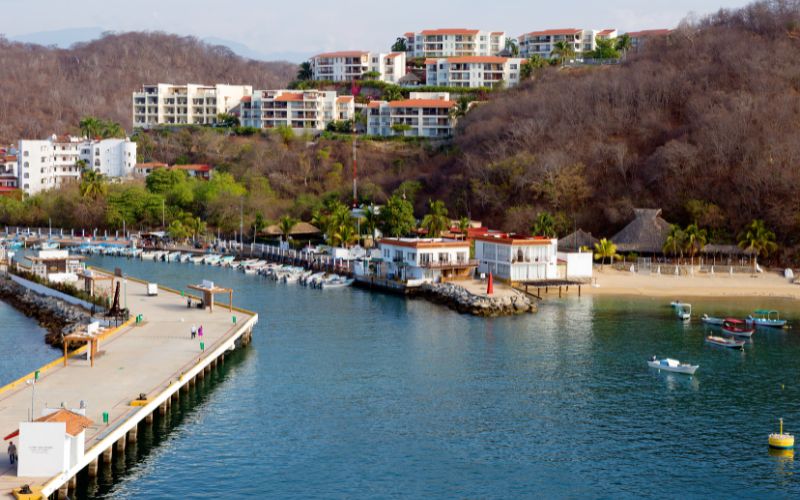
Again, the main concern isn’t safety. It’s the increased likelihood that your carefully planned itinerary could look very different by the end of the week.
Some cruisers are happy to go wherever the captain points the ship. Others prefer a little more certainty.
September is one of the most active months of the Pacific typhoon season.
Typhoons are essentially the same type of weather system as hurricanes, just with a different regional name. While cruise lines monitor conditions carefully, storms can lead to itinerary changes and occasional port cancellations.
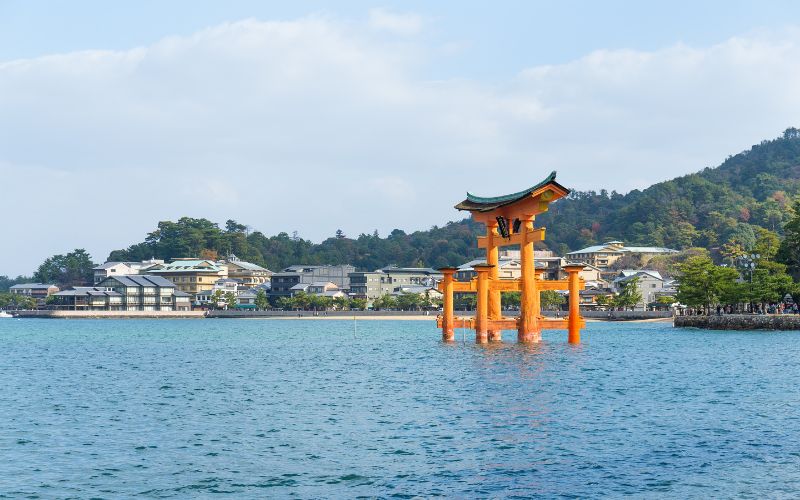
Japan remains an extraordinary cruise destination, with fascinating cities, beautiful scenery and outstanding food. But September isn’t always the easiest month to experience it.
Travellers seeking calmer conditions may find spring or late autumn more appealing.
Not every cruise challenge comes from tropical storms.
The Bay of Biscay, located between western France and northern Spain, has a reputation among experienced cruisers for producing some lively sea conditions.
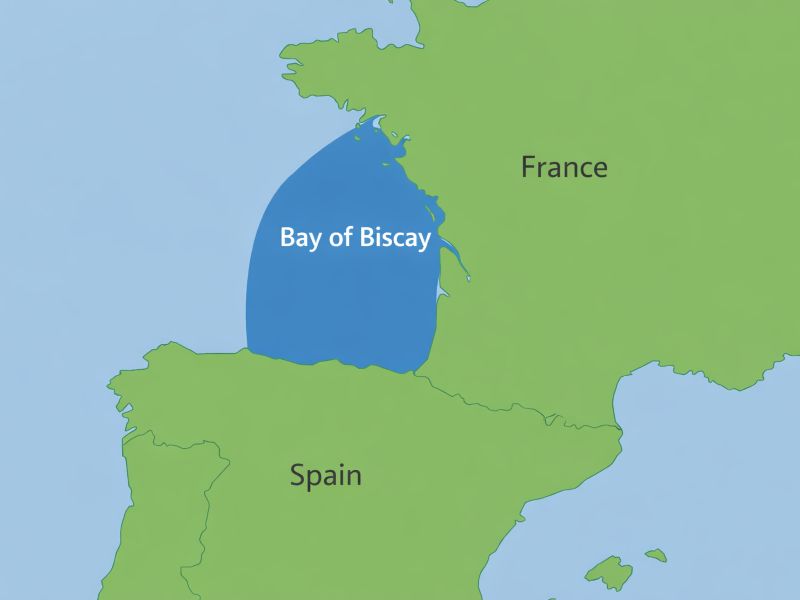
September marks the start of a more unsettled weather pattern across parts of the North Atlantic. While plenty of crossings remain perfectly smooth, the chances of rough seas begin to increase compared with the height of summer.
If you’re prone to seasickness, this is one route that deserves careful consideration.
Read more: The 8 Roughest Seas In The World For Cruise Ships
This might be the most controversial destination on the list.
September is actually a very popular time to cruise Canada and New England, particularly as autumn colours begin appearing across the region.
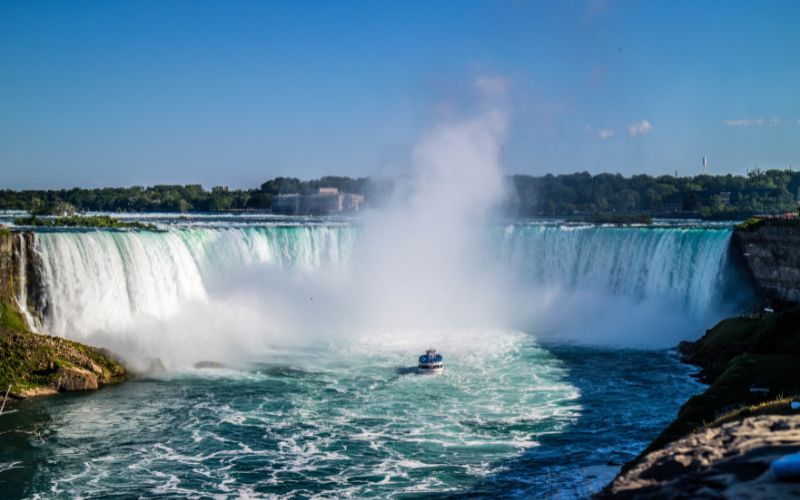
The issue is that Atlantic hurricane season doesn’t stop at the Caribbean. Occasionally, tropical systems move northwards and affect parts of the US and Canadian coastline.
Most sailings operate without any problems at all, but the risk of weather-related disruption is higher than many travellers realise.
Alaska’s cruise season is drawing to a close by late September.
Temperatures are lower, daylight hours are noticeably shorter and rainfall becomes increasingly common. Wildlife remains active, but some shore excursions and seasonal attractions begin winding down as the season ends.

The scenery is still spectacular, but conditions are much less reliable than they are during midsummer.
For first-time visitors especially, earlier sailings usually provide a better introduction to Alaska.
Don’t miss these offers…
September sits in an awkward position on the cruise calendar.
In some destinations it’s one of the best months to travel. In others, it’s right in the middle of storm season or the start of worsening weather conditions.
That doesn’t mean you should automatically avoid every destination on this list. Plenty of September cruises operate without a hitch. But understanding the seasonal risks before you book can help you choose an itinerary that’s more likely to deliver the holiday you’re hoping for.
Sometimes the best cruise decision isn’t choosing where to go – it’s choosing when.
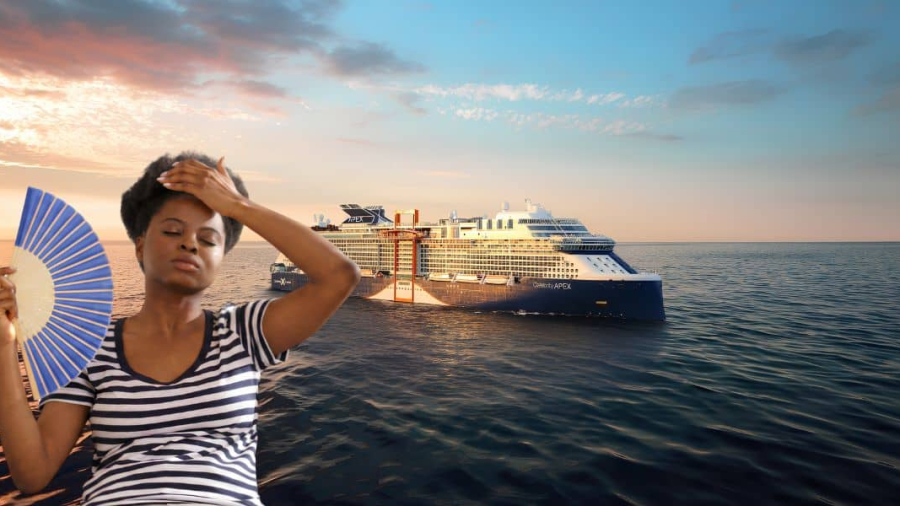
For many people, a Mediterranean cruise is the ultimate summer holiday. Wandering through colourful Greek villages, sipping coffee in an Italian piazza or exploring centuries-old streets in Spain has plenty of appeal, and it’s easy to see why the region remains one of the world’s most popular cruise destinations year after year.

However, recent summers have brought another feature that’s becoming increasingly difficult to ignore – extreme heat. Temperatures above 40°C have become more common across parts of Spain, Italy and Greece, and while that doesn’t mean Mediterranean cruises should be avoided altogether, it can make sightseeing a lot more demanding than many travellers expect.
The good news is that the cruise world is full of alternatives. If the thought of climbing steep streets in blazing sunshine doesn’t sound particularly relaxing, there are plenty of destinations where summer temperatures are much kinder. And for anyone who has already booked a Mediterranean cruise, there are plenty of simple ways to stay comfortable without missing out on the experience.
The ship itself is rarely the problem. Modern cruise ships are well equipped for hot weather, with air-conditioned lounges, shaded outdoor spaces and swimming pools providing plenty of opportunities to cool down between ports.
It’s when passengers step ashore that the weather can become much more noticeable.

Many of the Mediterranean’s most famous ports were built centuries before anyone worried about staying cool. Historic centres often have narrow streets, limited shade and plenty of uphill walks. Places such as Santorini, Dubrovnik and parts of Rome can involve climbing hills, standing in queues or walking across exposed archaeological sites during the hottest part of the day.
For some travellers that’s all part of the adventure, but for others it can quickly become exhausting. Families with young children, older passengers and anyone with certain medical conditions may find that a day of sightseeing feels much harder when temperatures climb into the high 30s or beyond.
That certainly doesn’t mean Mediterranean cruises are no longer worth booking. Millions of people continue to enjoy them every summer, and cruise lines are still seeing huge demand. It simply means that the weather is becoming another factor worth considering when choosing where to cruise.
If the Mediterranean is all about sunshine and ancient cities, Norway offers almost the complete opposite in the best possible way.

Summer is the perfect time to cruise the Norwegian Fjords, when waterfalls are flowing, mountains remain dusted with snow in places and daylight seems to stretch on forever. Temperatures are generally comfortable for walking, making it far easier to enjoy scenic viewpoints, hiking trails or picturesque waterfront towns without constantly searching for the nearest patch of shade.
The scenery does most of the talking here. Sailing through towering fjords is every bit as memorable as arriving in a famous Mediterranean port, just with a much cooler breeze.
Iceland has become increasingly popular with cruise passengers over the past few years, and it’s easy to understand why.

Summer temperatures often sit comfortably between 10°C and 15°C, creating ideal conditions for exploring waterfalls, volcanic landscapes, black sand beaches and geothermal springs. Rather than worrying about overheating, many visitors end up packing an extra jumper for shore excursions.
Long daylight hours also mean there’s plenty of time to explore, and on some sailings the famous midnight sun means daylight can last almost around the clock.
Alaska proves that a summer cruise doesn’t have to involve beaches and sun loungers to be unforgettable.
Instead of historic city centres, the highlights here include glaciers, whales, bears and some of the most spectacular scenery anywhere in the world. Summer temperatures are usually comfortable enough for spending hours outdoors, whether that’s watching wildlife from the deck or taking a shore excursion into the wilderness.
It’s a completely different style of cruise, but for travellers looking to escape the heat while still enjoying an unforgettable holiday, Alaska is hard to beat.
The British Isles don’t always receive the attention they deserve when people are planning a cruise, but they can make an excellent alternative during the summer months.
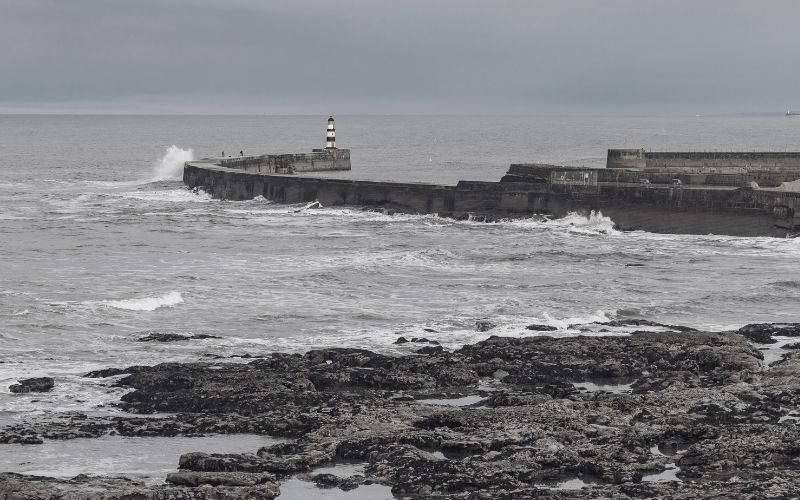
Cruises around England, Scotland, Wales and Ireland combine historic cities with dramatic coastlines, castles and charming fishing villages. Even during a warm spell, temperatures are generally much easier to manage than southern Europe, making walking tours and sightseeing a far more comfortable experience.
It also offers something a little different for travellers who have already visited the Mediterranean several times and fancy a change of scenery.
Yes, we’ve had our own heatwaves, but they’re still a few degrees below what you’d experience in the Med – especially the further north in the UK that you sail.
For travellers who enjoy exploring cities on foot, the Baltic is one of the best summer cruise regions available.
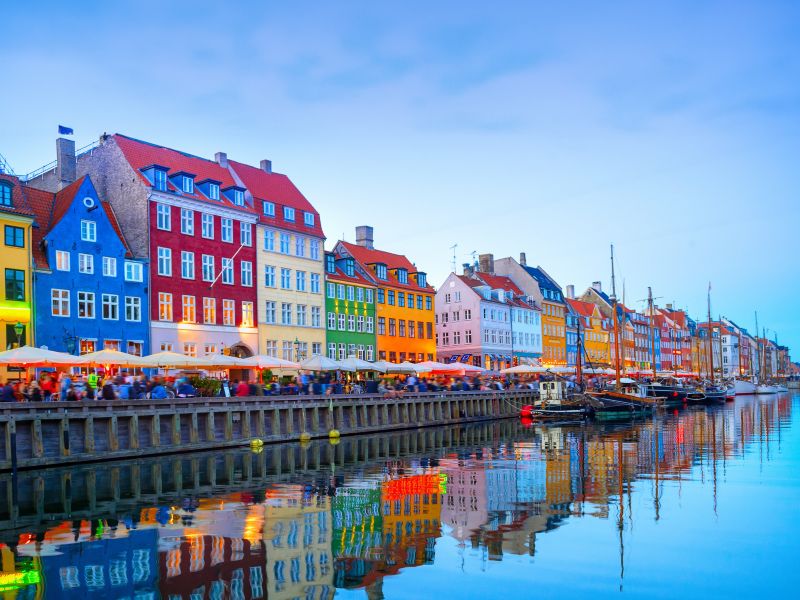
Ports such as Copenhagen, Stockholm, Helsinki and Tallinn are packed with history, beautiful architecture and excellent museums, but without the intense heat that can make sightseeing more difficult further south.
Summer brings long daylight hours here too, giving visitors even more time to enjoy each destination without feeling rushed.
Late summer and early autumn are particularly beautiful for cruises around Canada and New England.
The region combines attractive coastal towns, fresh seafood, rugged coastlines and, later in the season, spectacular autumn colours. Temperatures are generally pleasant for walking, making it easy to spend a full day exploring without the relentless heat that can sometimes accompany Mediterranean sightseeing.
It’s a destination that feels wonderfully relaxed, with a completely different pace to many European cruises.
For anyone with flexibility over when they travel, heading to the Southern Hemisphere opens up even more possibilities.
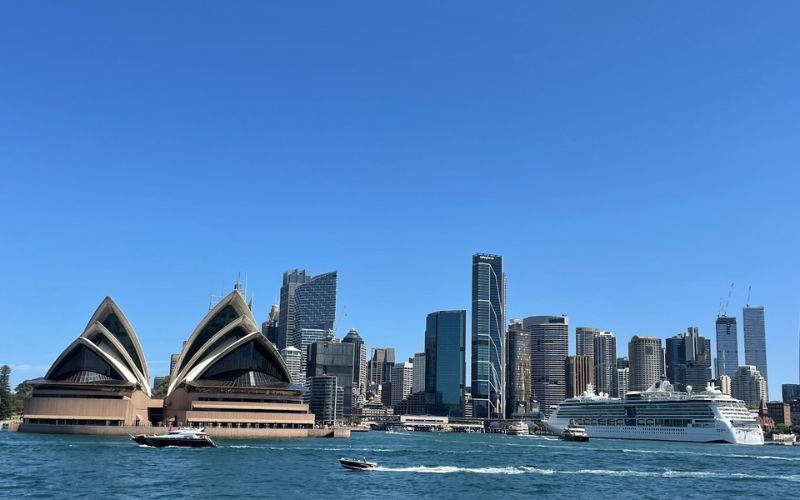
Australia can certainly become very hot during its own summer, particularly in the north, but cruises visiting the southern cities or combining Australia with New Zealand often enjoy far more comfortable conditions than southern Europe during peak Mediterranean season.
New Zealand is particularly appealing for travellers who enjoy nature, with spectacular fjords, rolling green landscapes and outdoor adventures that are much more enjoyable when temperatures remain moderate.
For those who really want to leave the heat behind, expedition cruises into the Arctic or Greenland offer a completely different kind of adventure.
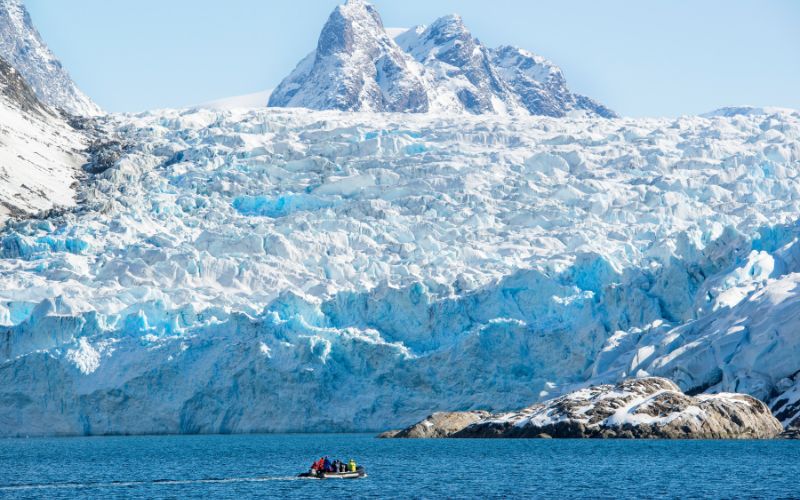
These voyages focus on dramatic icebergs, remote landscapes and incredible wildlife rather than beaches and beach clubs. Polar bears, whales and enormous glaciers replace crowded tourist attractions, while cool temperatures make spending time on deck surprisingly enjoyable.
They’re certainly not the cheapest cruises available, but they offer experiences that are difficult to find anywhere else in the world.
If a Mediterranean cruise is already on the calendar, there’s no reason to panic if the forecast looks particularly warm.

Choosing morning shore excursions can make a huge difference, as temperatures are often much more comfortable before midday. Lightweight clothing, a wide-brimmed hat and plenty of sunscreen quickly become essentials, while carrying more water than seems necessary is never a bad idea.
Many experienced cruisers also build regular breaks into their day. Instead of trying to see every attraction in one go, stopping for a cold drink in an air-conditioned café or visiting a museum during the hottest part of the afternoon can make sightseeing much more enjoyable.

Portable fans and cooling towels have also become increasingly popular among regular Mediterranean cruisers, especially during the height of summer. You can also sometimes get one for your cruise cabin by asking guest services or your cabin attendant. Of course, in a heatwave they’re likely to be in high demand!
Perhaps most importantly, it’s worth remembering that it’s perfectly acceptable to skip an excursion altogether. Spending a quieter day enjoying the ship while many other passengers head ashore can be surprisingly relaxing, particularly if the weather is exceptionally hot.
The Mediterranean isn’t suddenly becoming a destination to avoid. Its history, culture, beaches and incredible food continue to attract millions of cruise passengers every year, and for good reason.
That said, as hotter summers become more common, it’s understandable that some travellers are beginning to look further afield. Whether it’s sailing between Norwegian fjords, spotting whales in Alaska or exploring Iceland’s volcanic landscapes, there are plenty of cruises where comfortable temperatures are simply another part of the holiday.
Sometimes the best way to escape the heat is simply to point the ship in a different direction.


August is one of the busiest months in the cruise calendar. Schools are out, families are travelling, and some of the world’s most popular cruise destinations are packed with holidaymakers.
Add in soaring temperatures and the start of more active storm seasons, and some itineraries become a lot less appealing than they look in the brochure.

That doesn’t mean you can’t have a great August cruise. Plenty of people do. But if you’re flexible about when and where you travel, there are a few destinations that are worth thinking twice about this time of year.
Here are the cruise destinations I’d suggest you avoid in August – and why.
I thought I’d just dive straight in with something controversial, and pick the most popular summer cruise destination for the top of this list!
If you’ve ever dreamed of strolling around Rome, Athens or Dubrovnik under glorious blue skies, August certainly delivers on the sunshine.
But, there are two huge problems with Med cruises in August. August combines peak European school holidays with some of the hottest weather of the year.
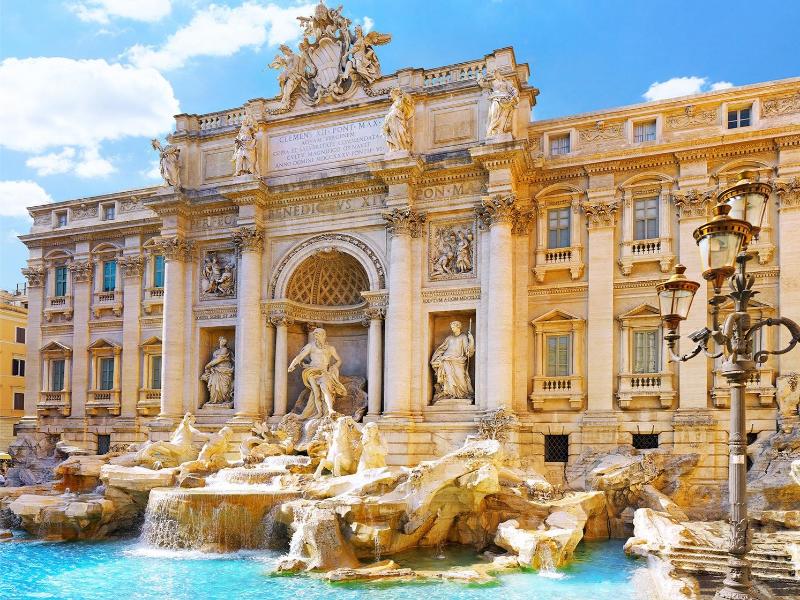
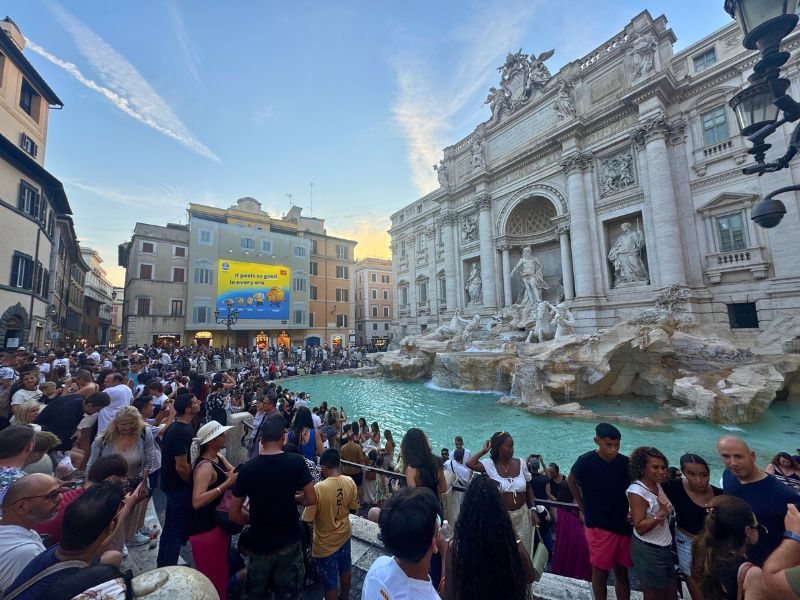
Temperatures regularly climb above 35°C, and in recent years heatwaves have pushed them far beyond that. Spending hours on a walking tour can quickly become exhausting, especially when shade is limited.
Last Rome, we took an open top bus tour in Rome. Even though it had a shade on the roof, after an hour we were literally sitting in puddles of our own sweat! Grim!
Popular ports are also at their busiest. Long queues, crowded attractions and packed city centres can take some of the shine off destinations that are otherwise fantastic to visit.
For many cruisers, May, June, September or October offer a far more comfortable Mediterranean experience.
Yes, I am going to the Mediterranean again this August – but this time I’m going on the world’s biggest ship, Legend of the Seas, and I have no plans to get off!
This is another hugely popular cruise destination, but one that’s best visited at other times of the year. And that’s because August falls right in the middle of Atlantic hurricane season.

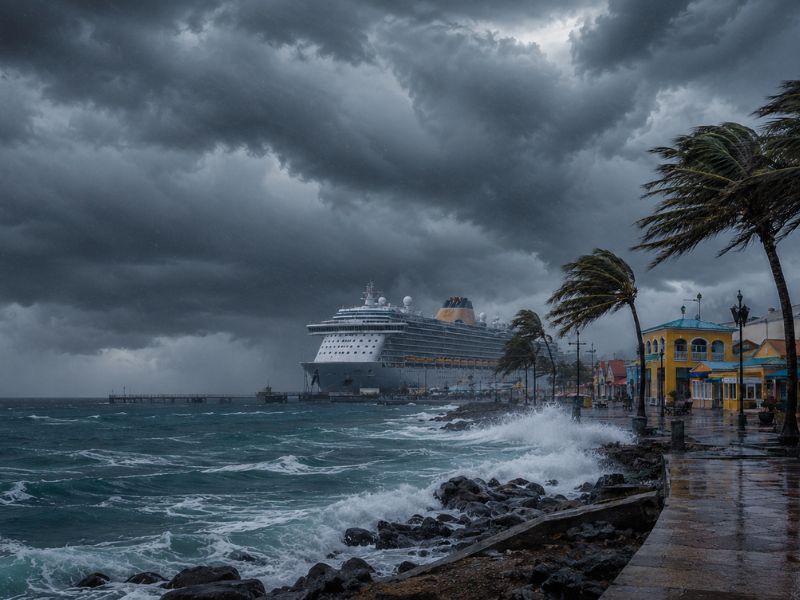
Modern cruise ships are exceptionally good at avoiding bad weather, and cruise lines won’t knowingly sail into dangerous conditions. The bigger issue is uncertainty.
If a tropical storm develops, itineraries can change quickly. Ships may skip ports, alter routes or substitute destinations at short notice. You could still enjoy excellent weather throughout your sailing, but there’s a greater chance that the cruise you booked won’t be exactly the cruise you get.
For travellers who are focused on specific ports rather than the ship itself, that unpredictability can be frustrating.
Suggested read: What Happens If There’s A Hurricane During Your Cruise
Bermuda is often seen as a safer alternative to the Caribbean, but August brings a few of the same challenges.
Temperatures and humidity are near their annual peak, making sightseeing less comfortable than during spring or autumn. The island also sits within the wider Atlantic hurricane region, meaning tropical systems can occasionally affect sailings.

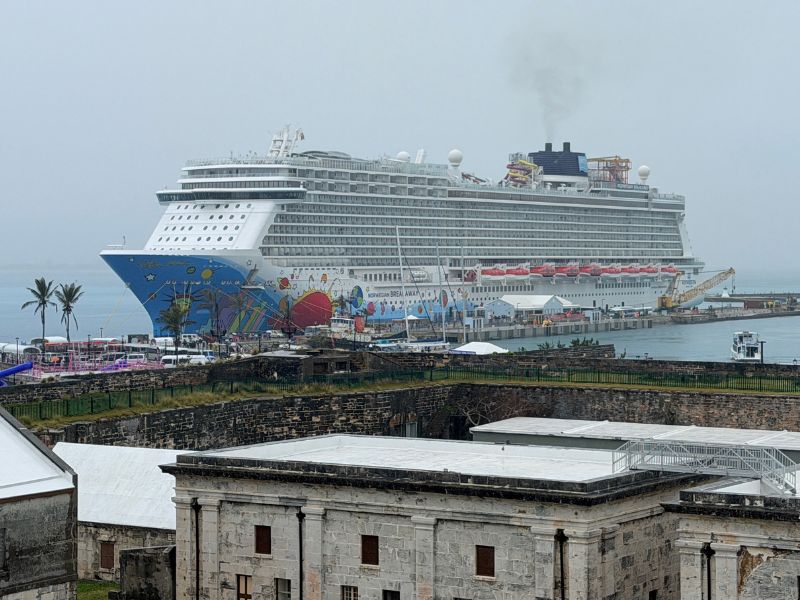
One of Bermuda’s biggest attractions is simply enjoying its beautiful beaches and outdoor spaces. When the weather becomes hot and sticky, some of that appeal starts to fade.
It’s still a lovely destination, but there are better months to visit.
Many cruise destinations across South-East Asia experience monsoon conditions during August.
That doesn’t mean it rains all day, every day. Tropical weather often arrives in short, intense bursts. However, frequent downpours can affect excursions, visibility and overall sightseeing plans.
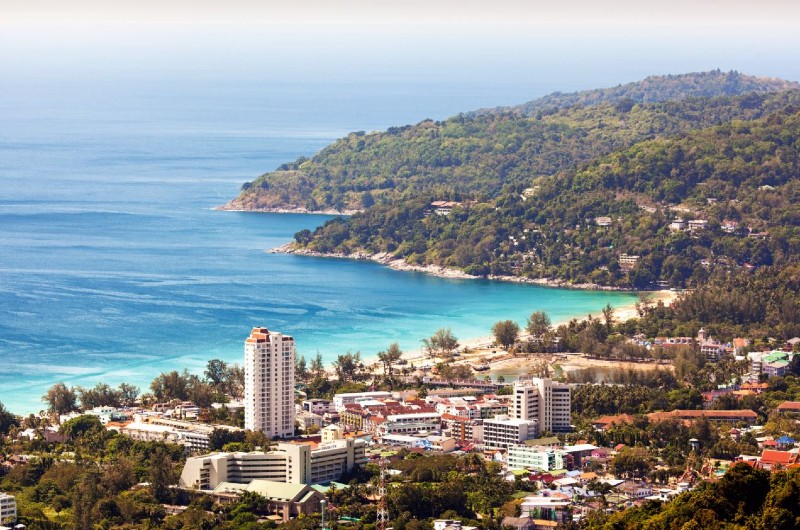
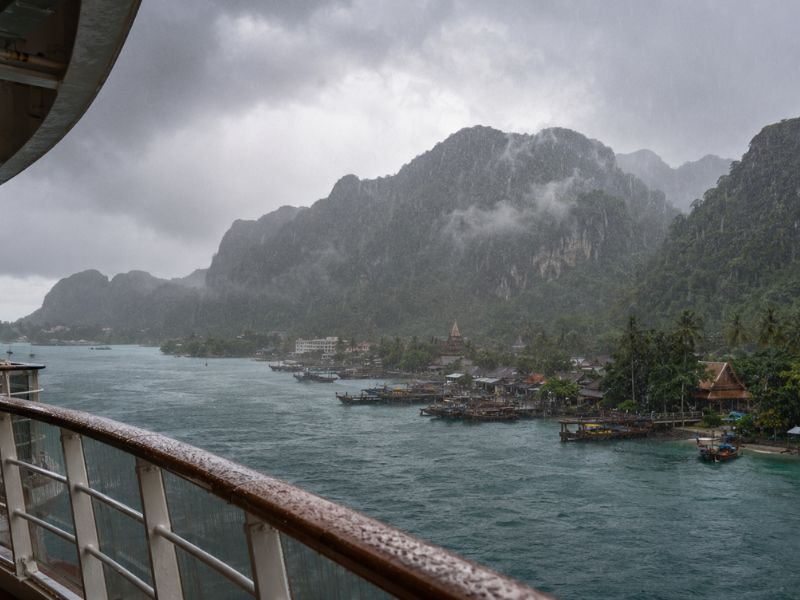
The humidity can also come as a shock to visitors who aren’t used to it. Even relatively short walks can feel uncomfortable when temperatures and moisture levels combine.
Countries such as Thailand, Vietnam and Malaysia are all wonderful cruise destinations, but they’re generally better enjoyed outside the heart of the rainy season.
August remains one of Alaska’s most popular cruise months, but it’s also when the weather starts becoming less predictable.

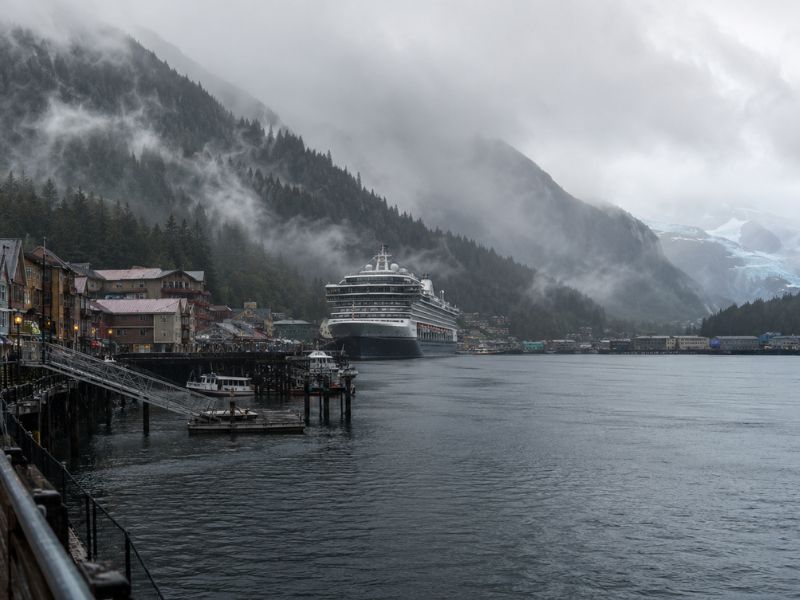
Rainfall increases compared with early summer, and some regions can experience long periods of wet weather. Low cloud can also obscure the mountain views and glaciers that many passengers are hoping to see.
Wildlife sightings remain excellent, which is why Alaska still attracts huge numbers of visitors at this time of year. But if your priority is clear skies and postcard-perfect scenery, June and early July often offer better conditions.
Don’t miss these offers…
August isn’t a terrible month to cruise. In fact, it’s one of the most popular months of the year.
The challenge is that popularity often brings crowds, heat and higher prices, while some destinations also face increased weather risks.
If August is the only time you can travel, don’t panic. Cruise lines sail these itineraries for a reason. But if you have flexibility, choosing a different destination – or even travelling a few weeks earlier or later – can make a huge difference to your holiday.
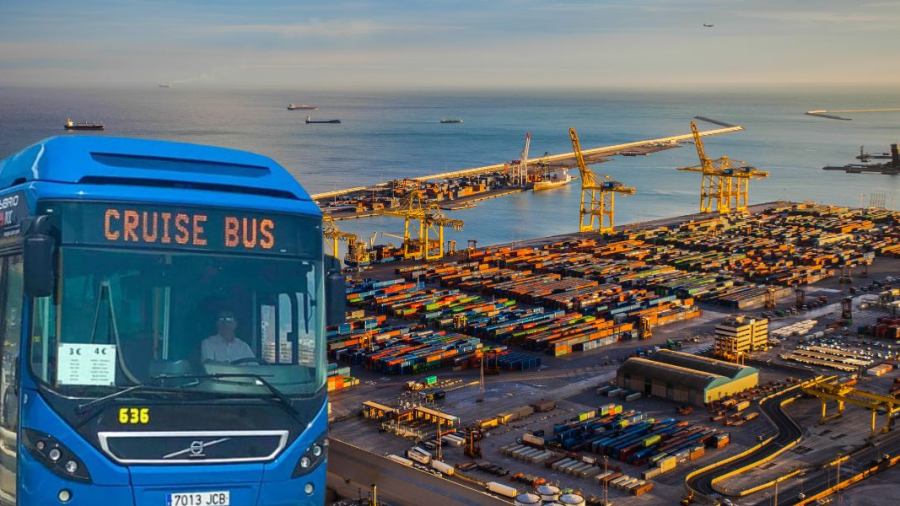
When a cruise itinerary lists Rome, Paris or London, it’s easy to picture stepping off the ship and straight into a world-famous city. Cafés, landmarks, a gentle wander and a late lunch before heading back onboard.
The reality is often very different.
Many cruise ports are technically correct but geographically cheeky. You are docking at the port that serves the city, not the city itself. Sometimes that means an hour on a train. Sometimes it means a very early alarm, spending more time on a coach than at the destination, and a watchful eye on the clock all day.
None of these ports are scams, but they do catch people out, especially first-time cruisers or anyone squeezing sightseeing into a port-heavy itinerary.
Here are some of the biggest offenders, and what you really need to know before you plan your day.
Labelling the port of Civitavecchia as ‘Rome’ is probably the most famous example of expectation versus reality.
Rome is absolutely doable as a day trip, but it’s not a casual one. You’ll need an early start, a plan, and realistic expectations about how much you can see. Many people underestimate the energy required, especially in summer heat.
The port area itself offers very little for tourists, so it’s Rome or nothing. This is why Civitavecchia regularly tops lists of ports that surprise people the most. You’re not wrong to be excited. Just don’t expect an easy stroll into the Eternal City.
I’ve spent the day in Civitavecchia. It was okay, but on repeat visits I’ve always stayed on the ship and enjoyed the peace and quiet while everyone else heads to the city.
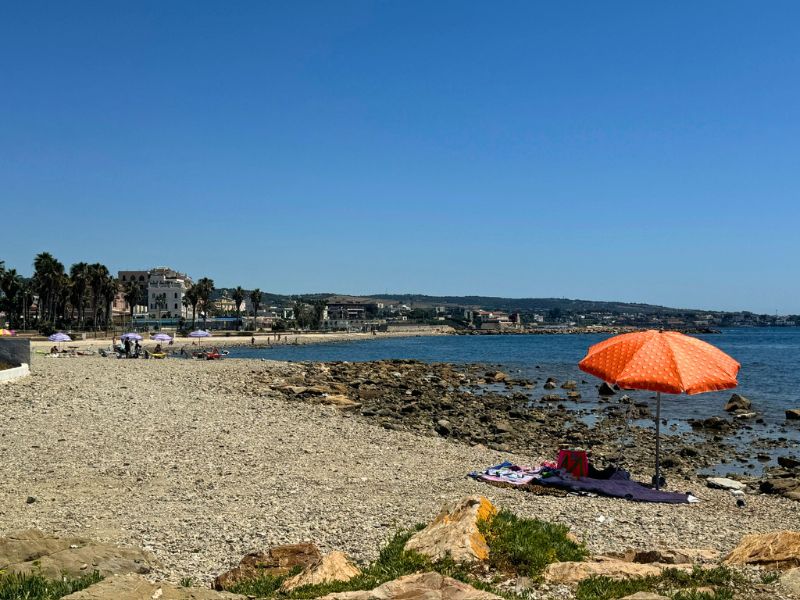
Civitavecchia has a rocky beach, but it’s nothing special. There’s a small market along the seafront and some overpriced restaurants.
So, by all means, get off if you’d like to have a wander, but this is port you can definitely skip. Stay on the ship and you’ll enjoy your pick of the best sunloungers and no queues for anything – which is great if your ship has waterslides!
Suggested read: 5 Ports Where Cruisers Say “Stay On The Ship”
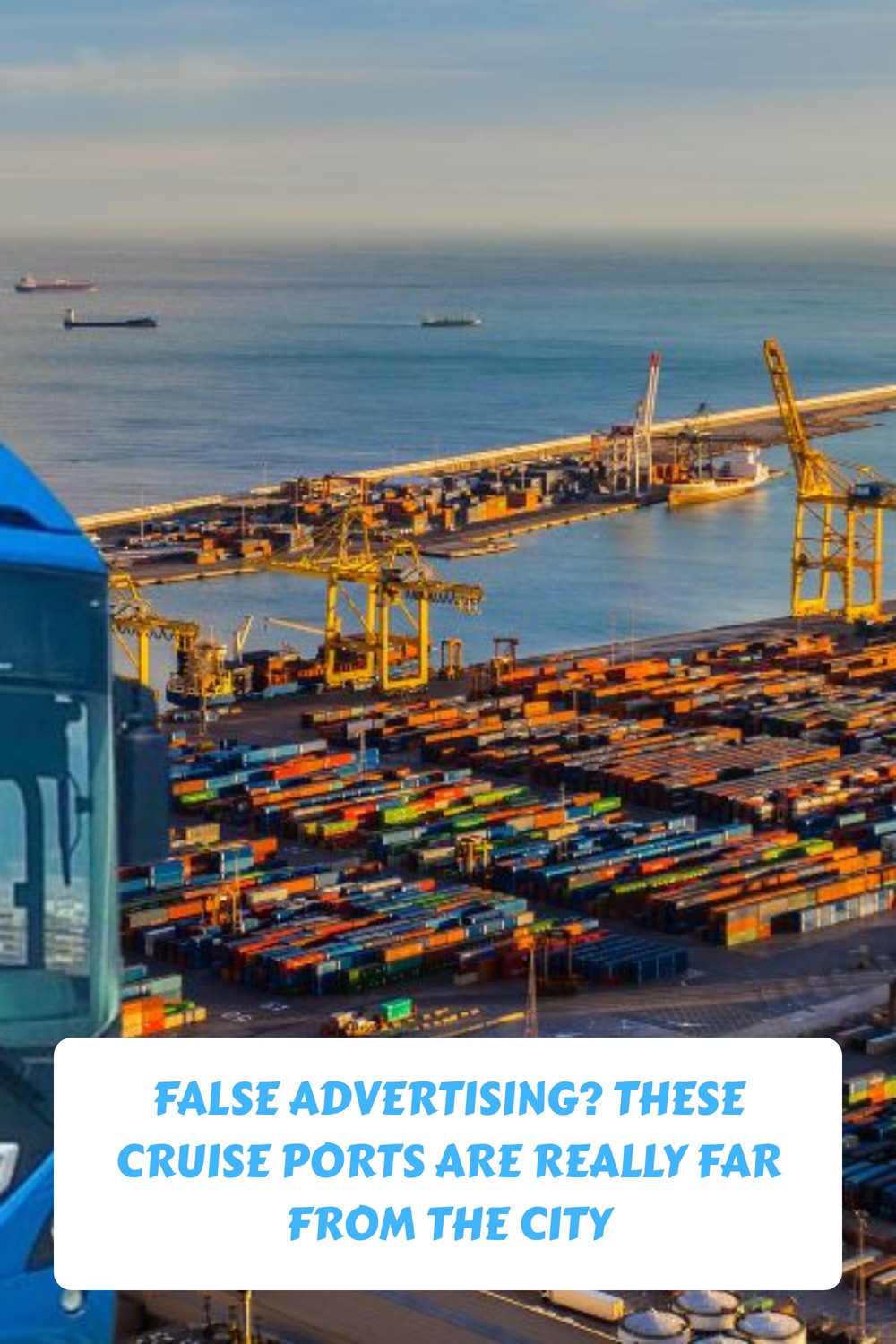
An excursion to Paris could mean spending eight hours on a coach…
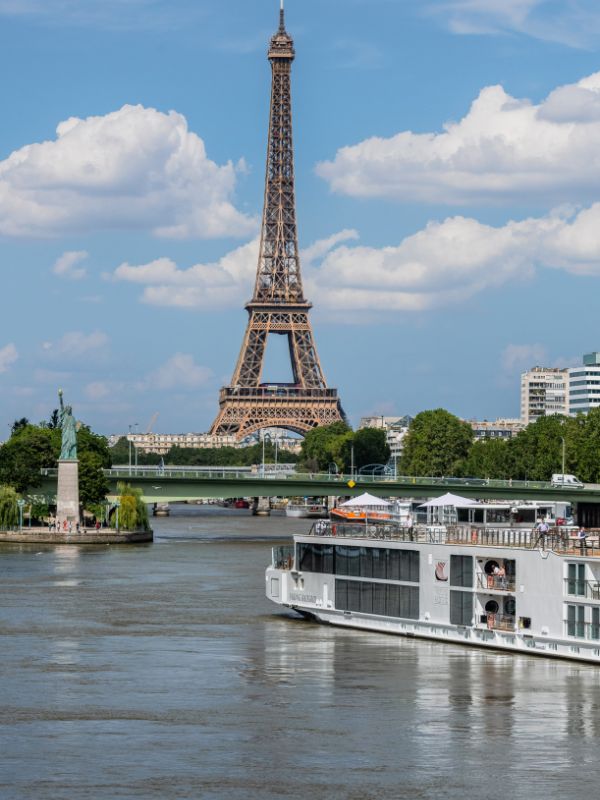
Paris on a cruise itinerary sounds magical. Le Havre, less so.
Travelling to Paris from Le Havre makes for a very long day with limited flexibility. You’ll see some icons, but you’ll also spend a lot of time watching the clock. Many people don’t realise quite how far it is until they’re already committed.
If you do go, I’d recommend choosing an excursion. The traffic can be unpredictable and people are often late back. So you’ll want to know that the ship will wait for you if that happens.
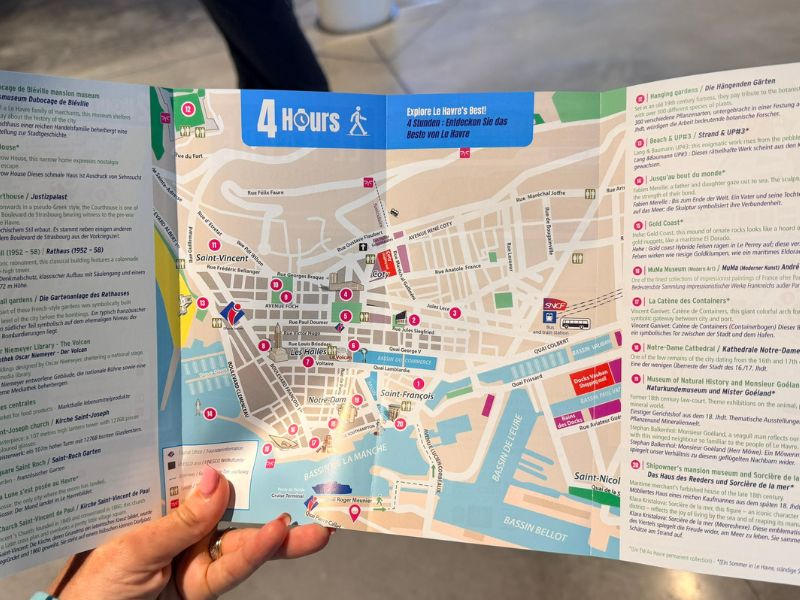
Le Havre itself is a rebuilt, modern city with UNESCO-listed architecture. It’s worth a visit if you haven’t been before. The problem is, that if you just wander, you’ll miss the good bits.
In the cruise terminal, you can grab a paper map which has a 2-hour and a 4-hour self guided walking tour. Follow this and you’ll make sure you see all the good bits.
If you’ve been to Le Havre before, it’s probably not worth a visit. Instead, I suggest heading to Honfleur – a postcard-pretty harbour town with colourful buildings, seafood restaurants and art galleries.
The Italian port of Livorno is often sold as a gateway to Florence, Pisa or both.

Trying to combine both Florence and Pisa in one day is where things get stressful. Many cruisers only realise too late that Florence deserves far more time than a rushed few hours.
This is a port where planning really matters. Choose one destination, accept that it will be a highlight reel rather than a deep dive, and factor in crowds, queues and walking time.
Pisa is much easier and closer than Florence, which is ideal if you want a more relaxed day. Florence is very busy and packed with tourists, it’s probably one to avoid in the summer.
Most passengers leave immediately, but Livorno itself is actually a pleasant seaside city with canals and seafood restaurants.
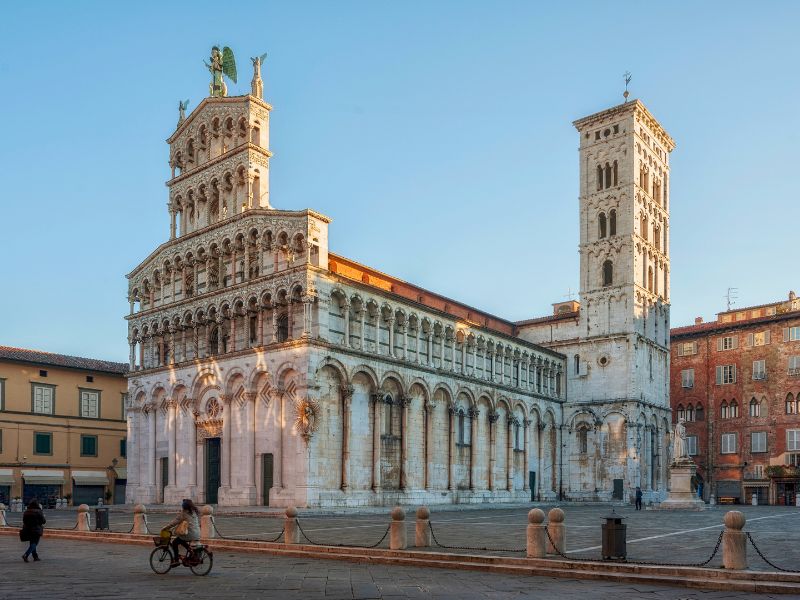
Alternatively, you could head to Lucca. This is an underrated gem. It will take you about an hour to get there, but it’s quieter, prettier and easier to explore than Florence. You can walk the ancient city walls and climb the Guinigi Tower.
La Spezia is also labelled as Florence/Pisa, but it’s even further than Livorno.

La Spezia sits in a genuinely beautiful part of Italy, but itineraries can be a bit ambitious about what’s realistic.
Florence is over two hours away, each way, and that’s before crowds and queues. Many people don’t realise how far it is and assume they can combine destinations.
La Spezia itself isn’t a destination port, but its location gives you some other good options if you pick carefully. I really wish they would label this port at La Spezia (Cinque Terre) because that’s a much better idea than heading to Florence or Pisa!
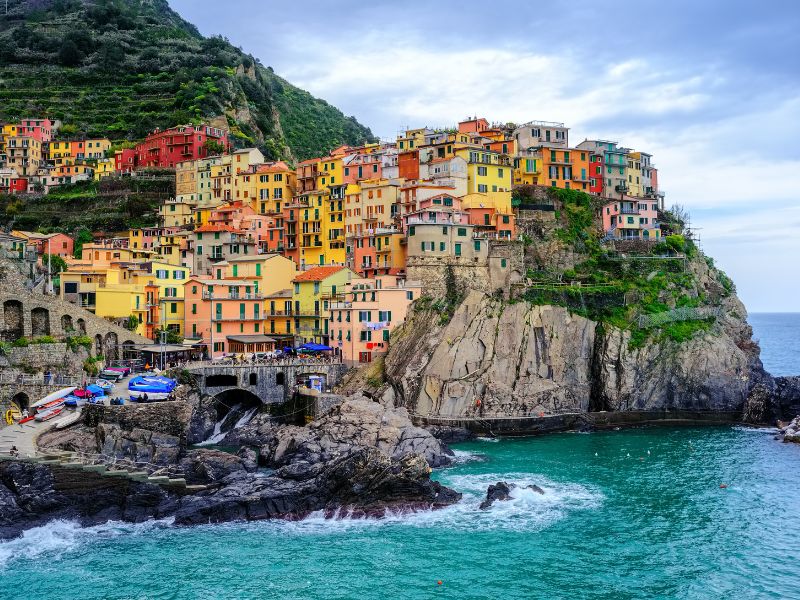
Cinque Terre is one of Italy’s most beautiful coastal destinations, made up of five colourful cliffside villages linked by trains, walking trails and boats. The villages are famous for their pastel-painted houses, tiny harbours, dramatic sea views and relaxed Italian atmosphere.
It’s just 9 miles from La Spezia and a great way to spend the day is to hop between villages, enjoy fresh seafood and soak up the Mediterranean charm.
Alternatively, you could head to nearvby Portovenere. Often described as a quieter alternative to Cinque Terre, it has equally stunning scenery but far fewer crowds.
In my opinion, leaving Cádiz is a mistake.
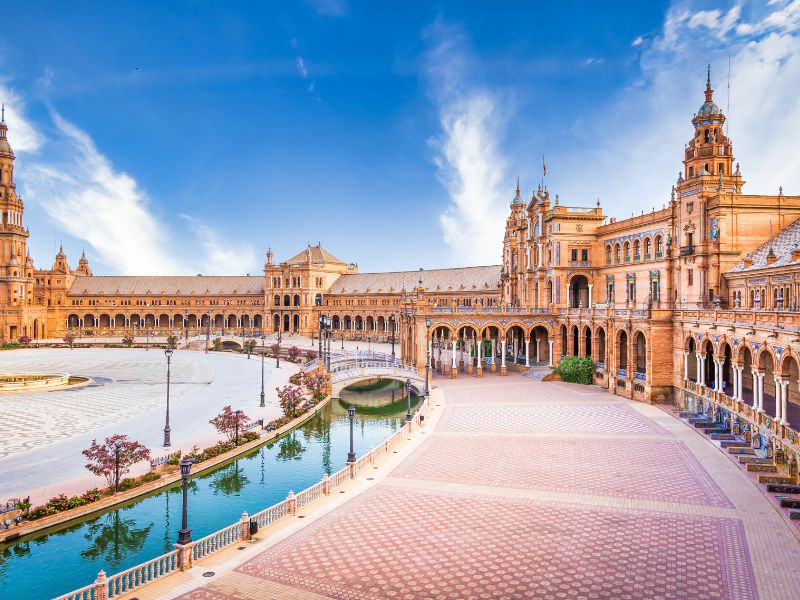
Cádiz is a lovely port city in its own right, but many cruisers head straight for Seville. In my opinion, that’s a mistake.
Skipping Cádiz in favour of a bigger city turns your port day into a tightly scheduled excursion rather than a relaxed explore. Seville is stunning, but you’ll only scratch the surface.
I would definitely recommend staying in Cádiz. It’s actually one of my favourite ports and a good example of where staying local can actually be more rewarding than chasing the headline city.

Cádiz is one of the oldest cities in Western Europe and has a wonderfully authentic Spanish atmosphere. The historic old town is packed with narrow streets, lively tapas bars, beautiful squares and golden beaches, all within easy walking distance of the port.
Berlin is nowhere near the coast.
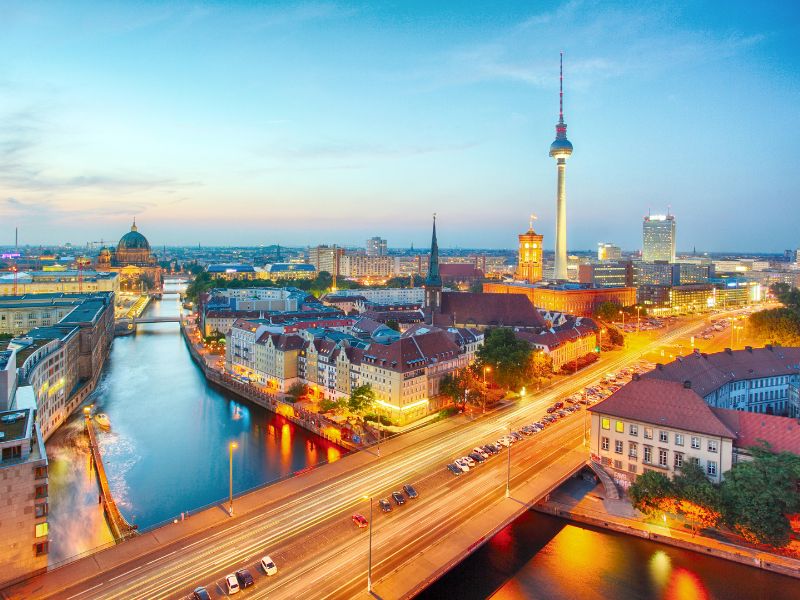
Berlin being listed as a port stop raises eyebrows once you look at a map. Warnemünde is about three hours from Berlin, making this one of the longest capital city day trips commonly offered on cruises.
The excursion is possible, but it’s intense. Early departure, limited time in the city, and a late return.
Unless visiting Berlin is a bucket-list experience for you, I actually think most cruisers are better off staying locally in Warnemünde or visiting nearby Rostock instead.
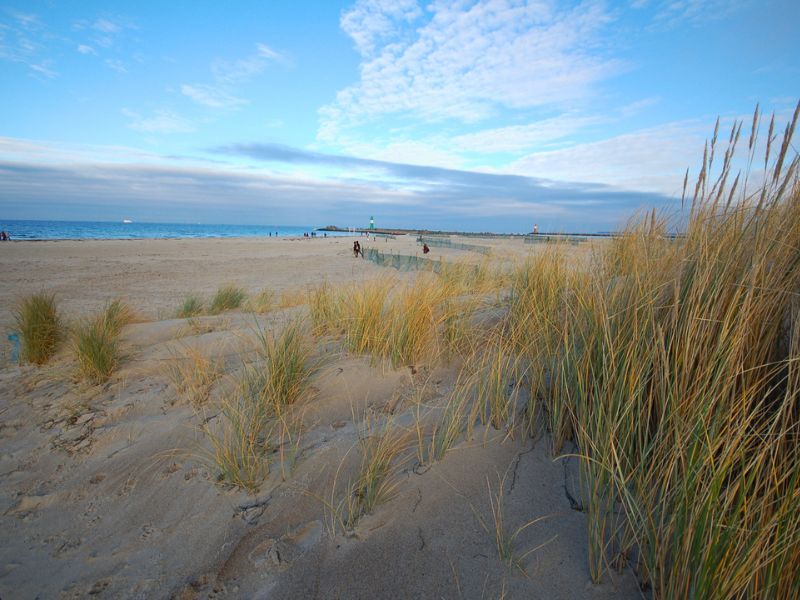
Warnemünde itself is a lovely seaside town with a huge sandy beach and a picturesque canal lined with cafés and fishing boats. You can stroll along the waterfront, climb the lighthouse for panoramic views, browse independent shops or simply enjoy fresh seafood and German beer by the harbour.
Just a short train ride away, Rostock offers a completely different experience with its medieval architecture, colourful old town buildings and historic churches. It’s much less touristy than Berlin, easier to explore in a day and gives you a more authentic feel for northern Germany.
Tianjin is another of the more extreme examples of a gateway port.
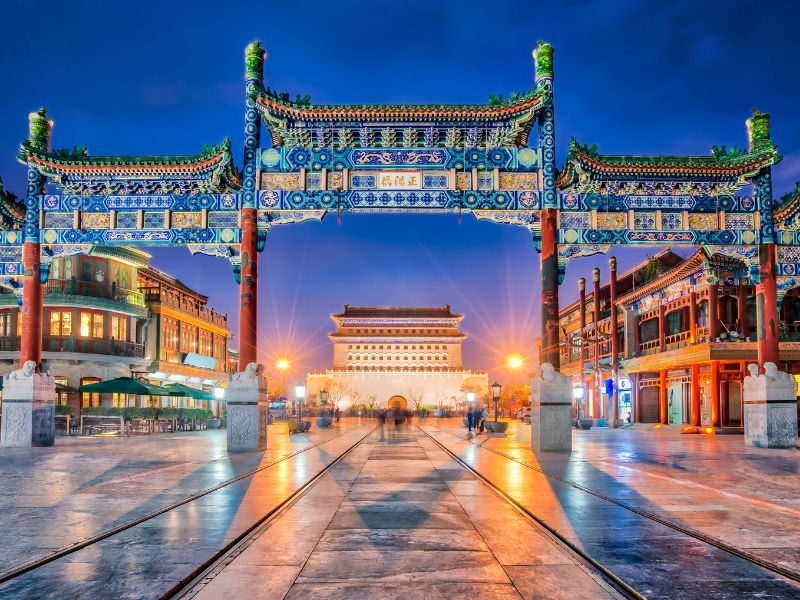
While many cruise lines market Port of Tianjin as a gateway to Beijing, the reality is that it’s an extremely long and exhausting day trip.
Depending on traffic, the drive can take up to five hours each way, meaning you may spend more time on a coach than actually sightseeing.
Beijing itself is huge, crowded and often affected by heavy traffic, so visiting major attractions like the Forbidden City or Great Wall of China can involve lots of queuing and rushing around.
Unless Beijing is somewhere you’ve always dreamed of seeing, I’d seriously consider staying closer to the port instead. Tianjin is a fascinating city in its own right, with a mix of Chinese culture and European-style architecture left behind from its colonial history. You can explore riverside promenades, traditional streets, markets and local restaurants without the stress of a marathon day trip.
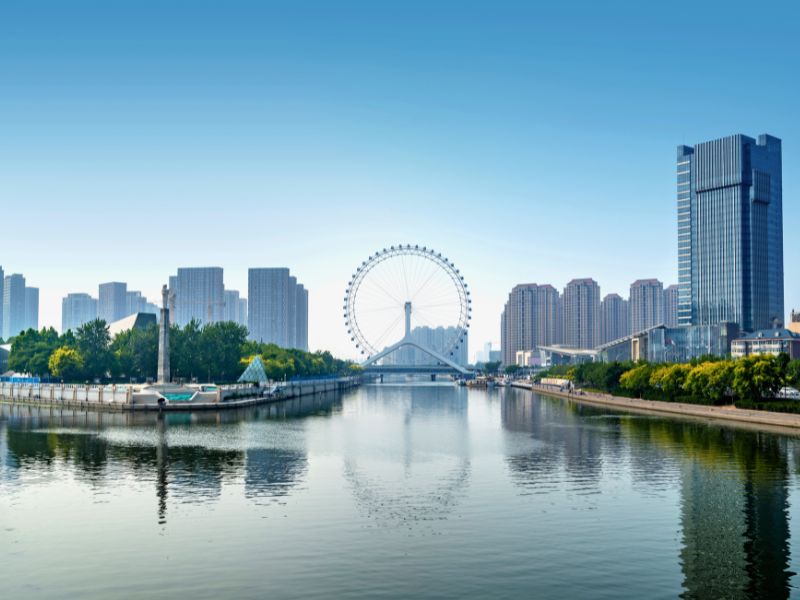
Another good option is focusing on the coastal area around Tianjin for a more relaxed experience, especially if you enjoy food, culture and seeing somewhere that feels less touristy.
Bangkok traffic can be horrendous.

Laem Chabang is the main cruise port for Bangkok, but it’s roughly two hours from the city, and that’s on a good day. Bangkok traffic is notoriously chaotic, and what looks like a manageable journey on paper can easily turn into hours stuck in congestion.
By the time you’ve travelled into the city, navigated the crowds and made the long journey back, you may only get a rushed glimpse of places like the Grand Palace or floating markets.
Pattaya is much nearer and offers beaches, markets, temples, rooftop bars and plenty of restaurants without spending half the day in traffic. It takes about 30 to 60 minutes to get there.
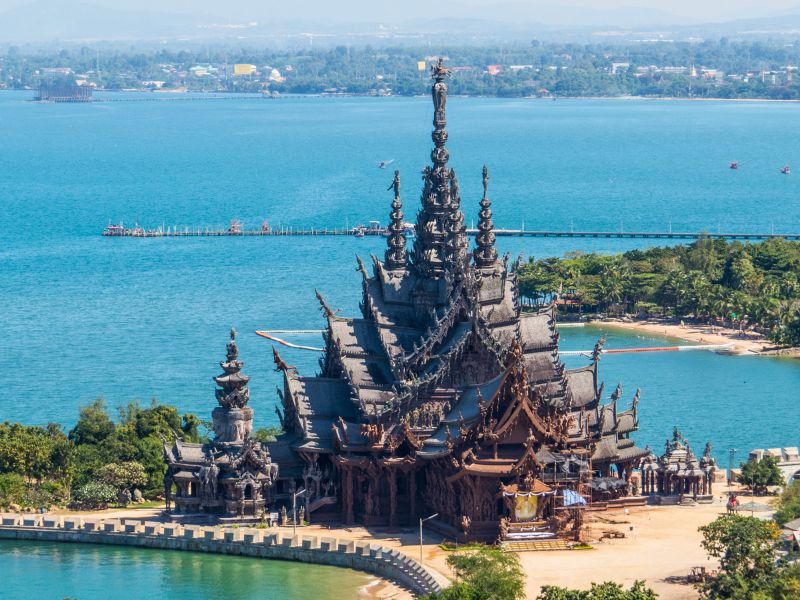
For a more cultural experience, the beautiful Sanctuary of Truth is an incredible hand-carved wooden temple by the sea and one of Thailand’s most impressive attractions.
British cruisers already know Southampton is not London. Others may be surprised.
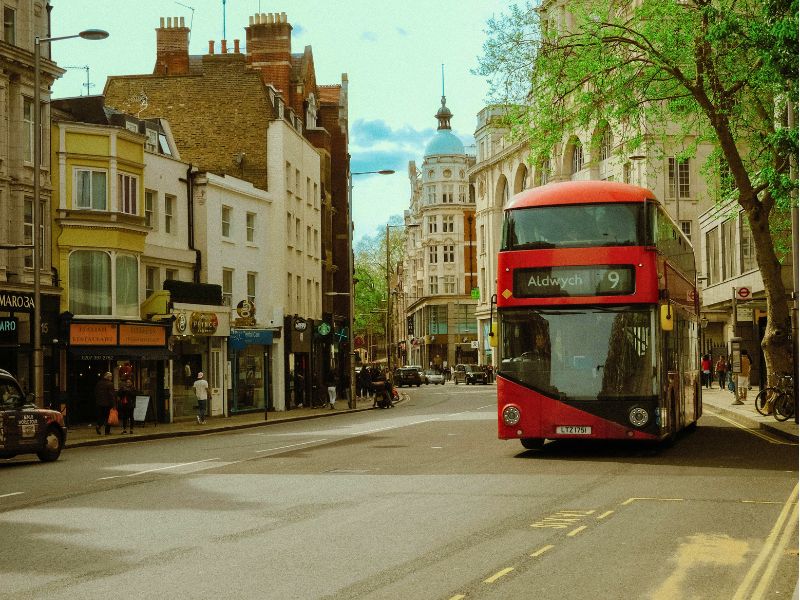
Although many cruise itineraries market Port of Southampton as a gateway to London, I actually don’t think London makes a great cruise port day unless you’ve never been before and are happy with a very rushed visit.
The journey can take several hours each way depending on traffic, and once you arrive, you’re dealing with one of the busiest cities in the world. You’ll likely spend much of the day travelling between landmarks rather than properly enjoying them.
Instead, I think most cruisers are better off exploring closer to Southampton. The city itself has strong maritime history, including links to the RMS Titanic, plus shopping, restaurants and easy waterfront walks.

Suggested read: Fun Things To Do In Southampton
Dover is also not London.
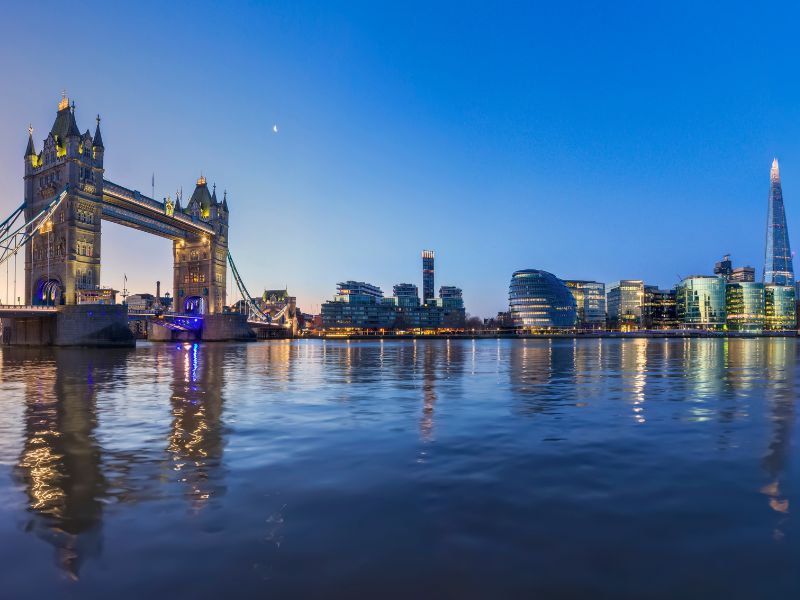
While Port of Dover is often sold as a gateway to London, I don’t think London is the best use of a cruise stop. The journey can be long and unpredictable, especially with London traffic.
The white cliffs of Dover are definitely worth looking out for, but you’ll see those from the ship. Dover itself isn’t great, unless you like castles, in which case, you could head to Dover Castle.

Instead, I would suggest heading to Canterbury for a day trip. Its medieval streets, historic pubs and stunning cathedral make it one of the most beautiful cities in England, and it’s much easier to explore in a few hours than London.
You could also visit charming seaside towns like Deal or Margate for a more relaxed coastal day without the stress of a major city excursion.
If a port is far from the headline city, planning becomes everything.
Trains are often faster and more reliable than coaches, especially in Europe, but only if you’re confident navigating stations and timetables. Always build in buffer time.
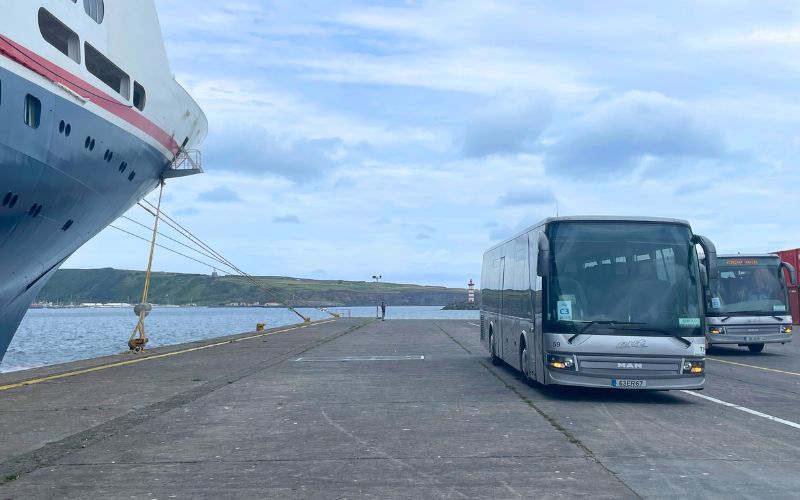
For very long distances, cruise line excursions or reputable third-party tours with a return-to-ship guarantee are worth considering. Being stranded 100 miles from port is not a memory you want.
Choose from over 4,000 excursions with a return-to-ship guarantee
Read more: Shore Excursions Group Review
Finally, don’t dismiss the port itself. Many gateway ports are industrial, but some have underrated nearby towns that offer a far more relaxed and enjoyable day than a long journey inland.
Cruise itineraries don’t lie, but they don’t tell the whole story either. Knowing which ports are gateways rather than destinations can turn a stressful day ashore into one you actually enjoy.
For big, headline destinations that are really embarkation or debarkation ports, the best solution often isn’t squeezing everything into a port day at all. It’s adding a hotel stay before or after your cruise.

Ports like Civitavecchia, Southampton or Dover are primarily designed for ships to start and end their journeys. That’s when they work best for sightseeing. One night in Rome or London gives you far more freedom than a rushed day trip ever could.
Even a single overnight stay can make a huge difference. You can arrive without watching the clock, see the main highlights at a relaxed pace, enjoy a proper evening meal, and not worry about missing the ship. It also builds in a buffer against travel delays, which is never a bad thing with flights and trains.
If a destination really matters to you, turning it into a pre- or post-cruise stay often transforms the entire experience.
Cruise itineraries are brilliant at selling the dream, but they’re not always great at explaining the geography. A city name on the itinerary doesn’t guarantee an easy day ashore, and sometimes it means hours on a coach for a whistle-stop visit that barely scratches the surface.
None of these ports are bad stops, but they do reward realistic expectations and a bit of planning. If you go in knowing the distances, build in buffer time, and stay flexible about what you actually want to see, you’ll enjoy the day far more.
Sometimes the best choice isn’t chasing the famous city at all, but discovering something closer, calmer and a lot less rushed.

Step onboard a cruise ship that’s designed for Asia guests and you’ll notice something feels different almost immediately – and it’s not just the language on the daily programme.
From the way meals stretch late into the evening to the kinds of social spaces that stay busy long after sunset, these ships are designed around habits many western cruise lines barely consider.
Most people assume cruise ships are built to one global template, with only minor tweaks for itinerary. In reality, ships designed for the Asian market often make very deliberate design and programming choices – some obvious, others quietly tucked into deck plans and cabin details.
Some of these features are instantly appealing, others take a bit of adjustment, and a few might genuinely change how you feel about a ship once you’re onboard. And there’s one small detail in particular that tells you more about a ship’s intended audience than almost anything else…
Not all cruise ships serving Asia are designed in the same way, and it’s definitely worth knowing which market a ship was originally built for.
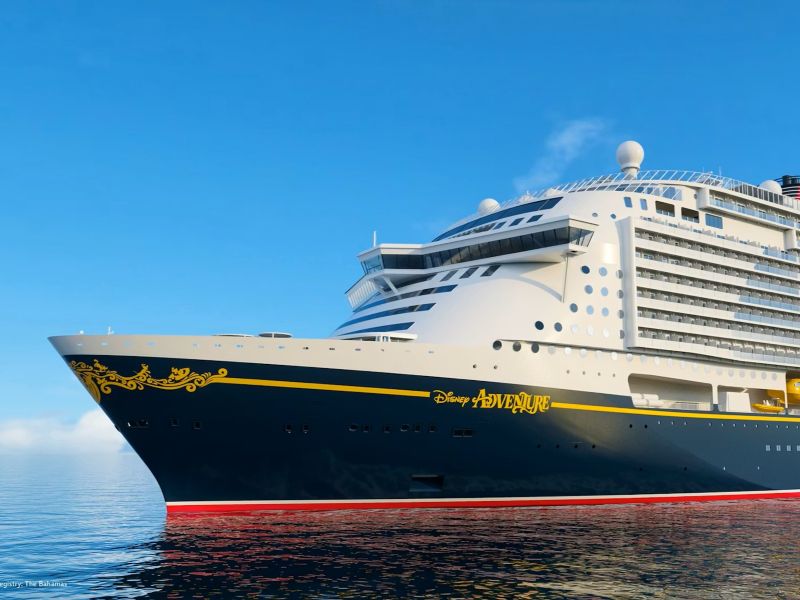
The most Asia-focused ships belong to the Dream Cruises brand, but main mainsteam American and European-owned cruise lines also have ships that are marketed almost exclusively for Asian guests.
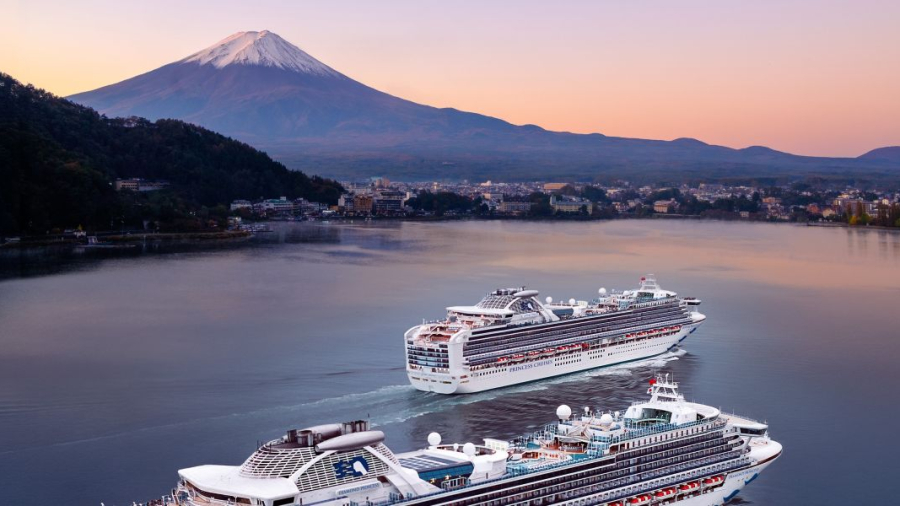
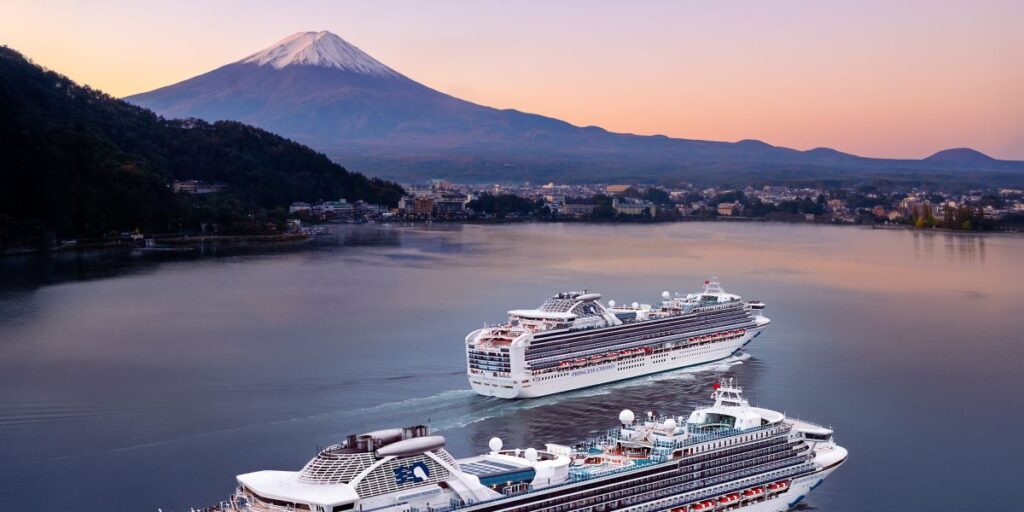
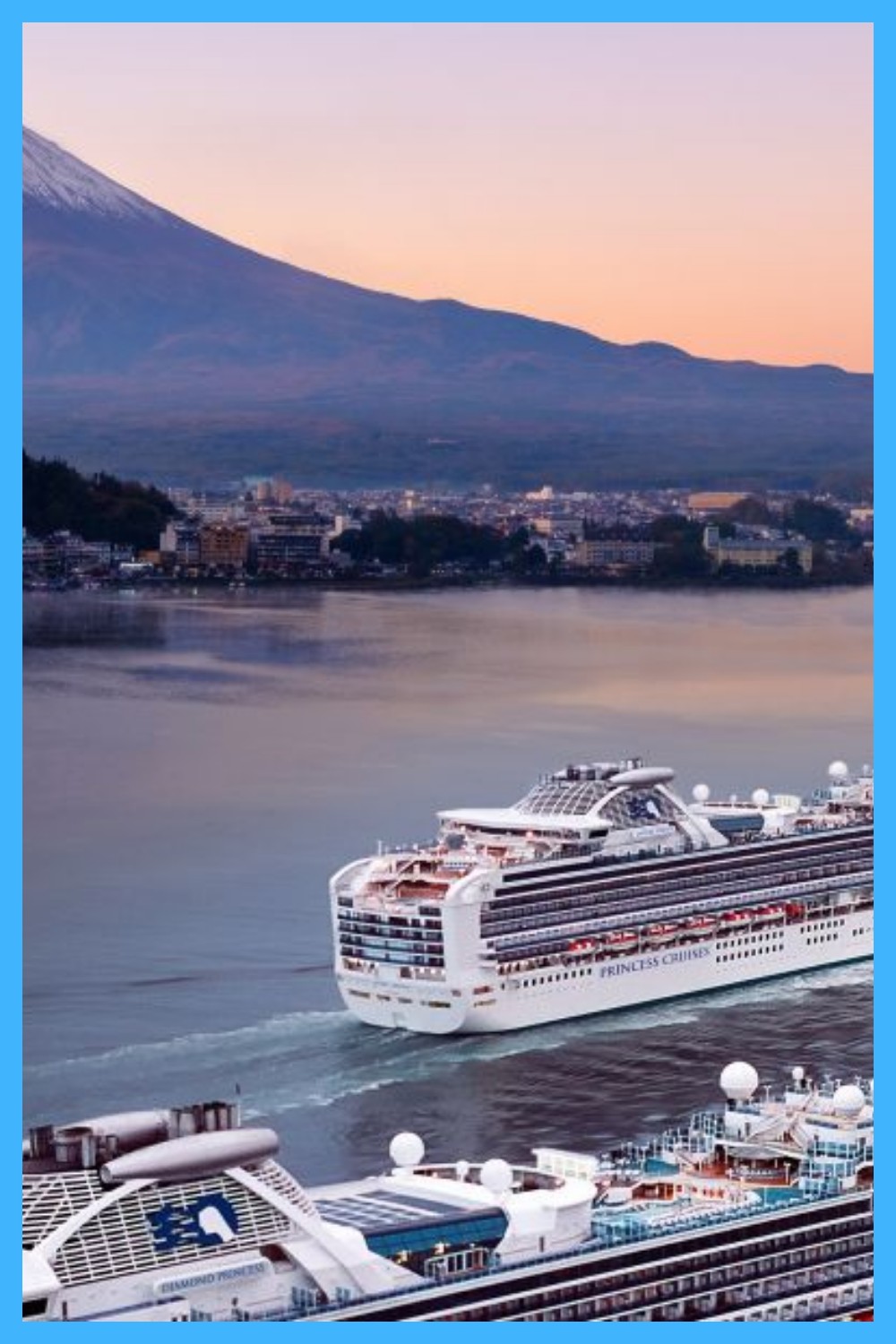
Royal Caribbean’s Spectrum of the Seas was purpose-built for the Asian market from the outset, while Princess Cruises has taken a more tailored approach: Diamond Princess leans more heavily towards Japanese preferences, whereas Majestic Princess incorporates stronger Chinese influences.
Norwegian Joy is a good reminder that these design choices aren’t fixed – it was originally launched as Norwegian Cruise Line’s Asia-focused ship before being extensively renovated for an American audience.
Cruise lines are still evolving in this space too, with Disney Cruise Line’s Disney Adventure set to become its first ship designed specifically for the Asian market, bringing Disney’s own take on regional cruising preferences.
Cruise ships designed for the Asian market usually treat food as a headline feature, not an afterthought. Rather than adding one token Asian restaurant, these ships build whole dining ecosystems around regional cuisines and eating habits.
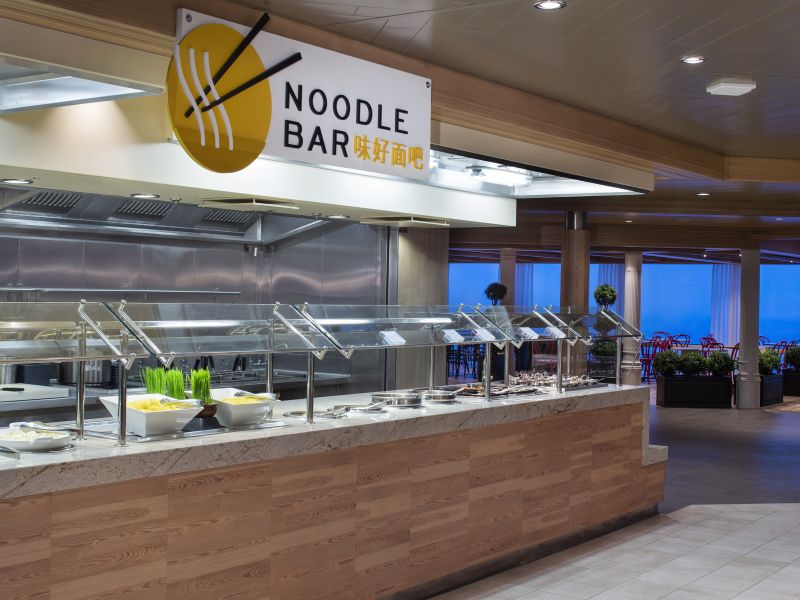
Spectrum of the Seas, for example, was designed specifically for Asia and includes venues such as Sichuan Red and a dedicated Noodle Bar, alongside a buffet that places far more emphasis on Chinese dishes than Royal Caribbean’s Western-deployed ships – though still with a lean into world cuisine.
On Genting Dream, dining is similarly central to the onboard experience, with hot pot, Asian specialities and late-night options designed for group dining. These ships recognise that meals are social events, often shared by extended families or groups of friends, and they’re built to accommodate longer, more leisurely dining styles.
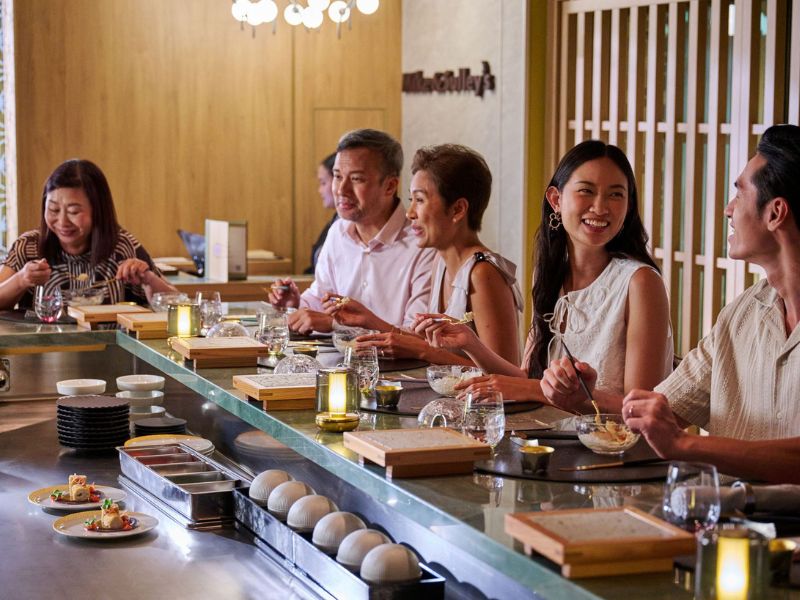
For western cruisers, the key difference is that Asian food isn’t “alternative” dining on these ships – it’s mainstream, plentiful and woven into the rhythm of the day.
While most cruise ships have casinos, Asia-market ships often treat them as a core attraction – and they tend to have more of a focus on table games than slots. Casinos on these ships are noticeably larger and more central than you might expect, with layouts designed to handle high footfall and long playing sessions.
There is also a clear emphasis on VIP gambling areas, reflecting the importance of premium gaming to the Asian cruise market.

Similarly, ships such as Genting Dream position their casinos as flagship venues, closely integrated with nearby bars and late-night dining. The result is an onboard flow that supports social gambling as an evening activity, rather than something you dip into briefly before a show.
Many American cruise ships are now doing similar things with casinos, particularly with a market of cruisers who gamble in order to get perks through casino loyalty programmes.
But there are still differences, especially with the slot-to-table game ratio on the ships.
Karaoke is a huge cultural touchstone across much of Asia, and ships designed for this market take it seriously. Ships designed for the Asian market will often host a dedicated karaoke venue where guests can sing throughout the cruise, rather than just on one themed night. The experience is designed to be accessible and social, with constant turnover and a relaxed attitude to participation.
On Majestic Princess, karaoke goes a step further with private karaoke suites that can be booked by small groups.

This mirrors the KTV model popular across East and Southeast Asia, where friends and families sing together in their own space rather than performing in front of strangers.
It’s a subtle but important design difference and can feel surprisingly liberating: no stage fright, no waiting list, just a room, a microphone and a group of people egging each other on. It’s one of the clearest signs that a ship has been designed with Asian social habits in mind.
On ships designed for the Asian market, tea is treated as a cultural pillar rather than a background beverage. Instead of tea simply being folded into cafés or afternoon tea service, these ships often feature dedicated tea rooms or lounges focused on high-quality loose-leaf teas and calm socialising.

On Royal Caribbean’s Asia-deployed ships, including Spectrum of the Seas, tea venues are positioned as daytime gathering spaces, appealing to multi-generational groups who may not gravitate towards bars or pool decks. The emphasis is on authenticity, ritual and choice, with menus that go well beyond basic black or green tea.
Disney Adventure, which sails on short cruises out of Singapore, features ‘Bewitching Boba and Brews’, a cafe focusing on fashionable bubble teas.

This approach reflects how tea is consumed across much of Asia: slowly, socially and with intention. It also broadens the onboard social landscape, offering a relaxed alternative to louder venues. For travellers more familiar with coffee-led cruise culture, these tea spaces can feel like a subtle but meaningful shift in how ships accommodate different rhythms of daily life.
Another noticeable difference on ships designed for Asian markets is the reduced emphasis on large, resort-style pool decks. While pools are still present, they are often smaller relative to the ship’s size, with less space devoted to all-day sunbathing and more allocated to indoor venues.
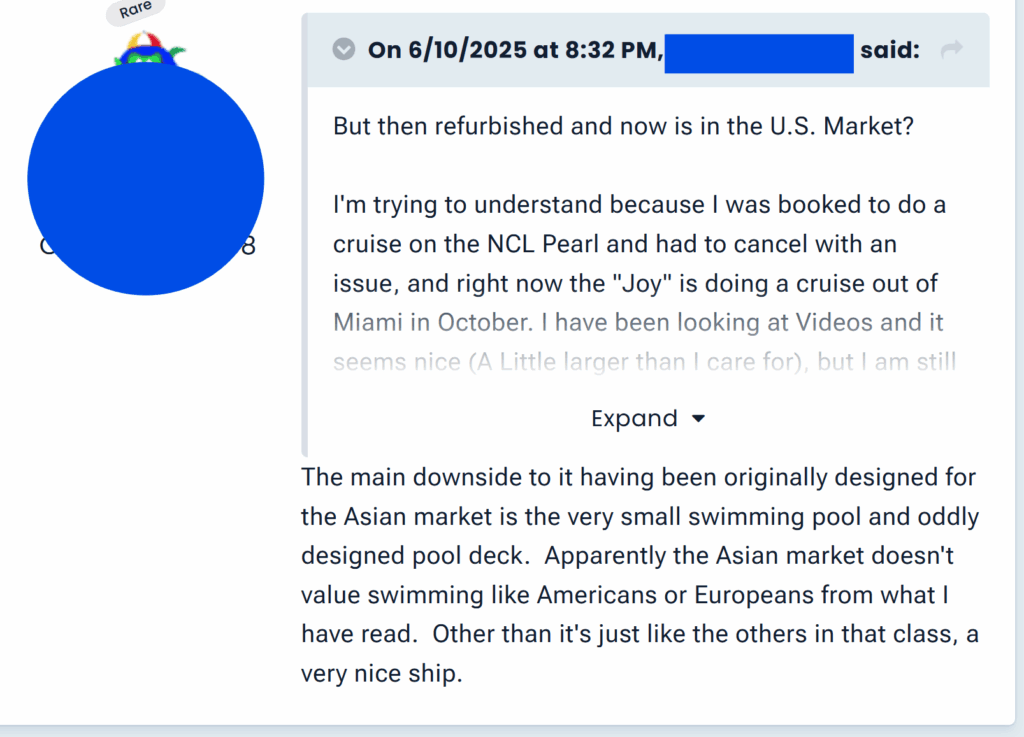
Some cruisers of Norwegian Joy, a ship originally built for the Asian market but renovated for US guests, have noticed it has a (slightly) smaller pool compared to sister ships.
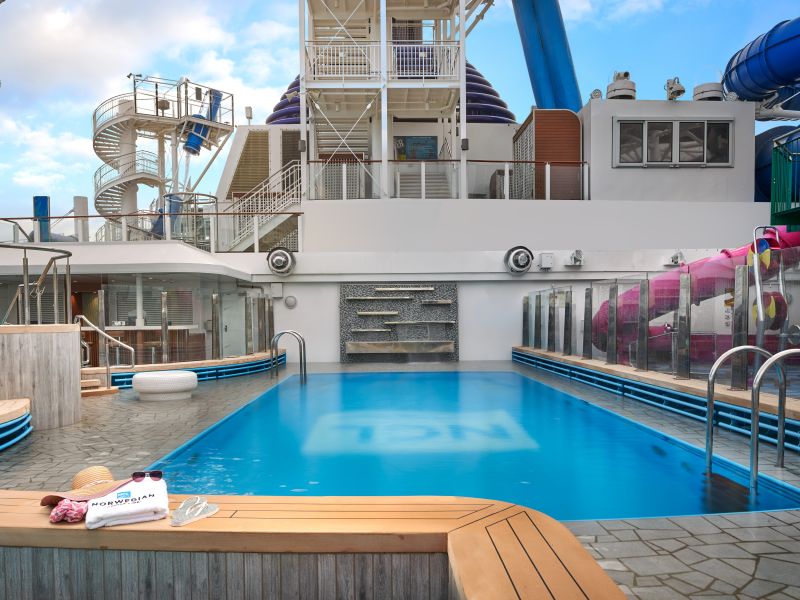
This reflects different travel habits and itinerary patterns. Many Asian cruises operate on shorter sailings, port-intensive routes, or during seasons when sunbathing isn’t the primary focus.
The weather in Asia is often too hot and humid to be outdoors for long and many people prefer to stay out of direct sunlight. As a result, designers prioritise indoor entertainment, dining and retail venues that remain busy regardless of weather.
Ships like Genting Dream illustrate this balance well, offering pools and outdoor areas without making them the defining feature of the ship. The trade-off is often a livelier indoor atmosphere, particularly in the evenings, with more places for groups to gather, eat and socialise long after sunset.
Mahjong is more than a casual pastime across much of Asia; it’s a deeply social activity that can anchor entire afternoons or evenings. Cruise ships built for this market often reflect that by including dedicated mahjong or card rooms, rather than relying on generic libraries or multi-purpose lounges.
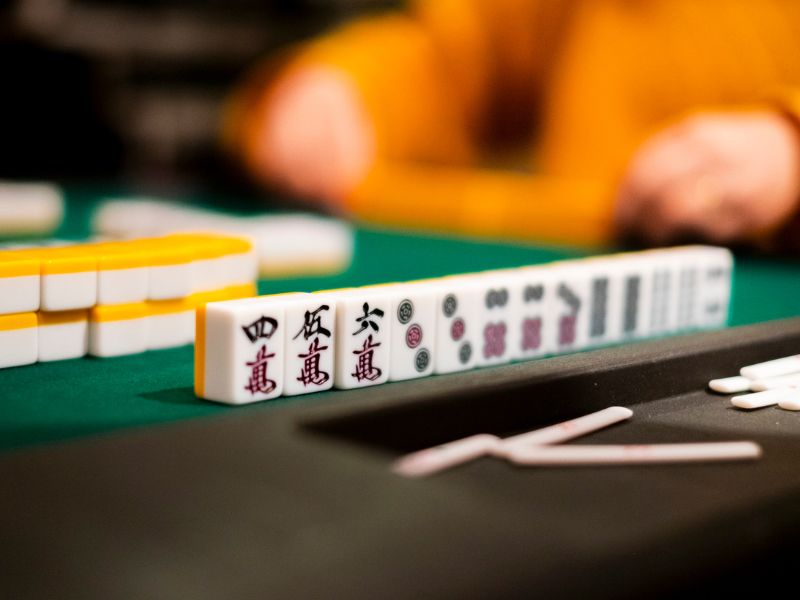
These spaces are designed with long sessions in mind: comfortable seating, appropriate table layouts and a tolerance for noise and animated conversation. On ships such as Genting Dream, mahjong rooms are clearly defined venues, signalling that this is an expected and valued part of the onboard experience.
The inclusion of a mahjong room is a strong indicator of who the ship is really built for. It acknowledges group travel, extended family cruising and social activities that don’t revolve around scheduled entertainment. Even for guests who don’t play, these rooms contribute to the ship’s overall character and sense of cultural specificity.
One of the most quietly telling features of Asia-focused deployment is the inclusion of bidets or washlets. On ships operating extensively in Japan and surrounding markets, these are often installed not only in higher-category cabins but also in public restrooms. Diamond Princess is a well-known example, having incorporated bidets as part of its Japan-facing design and refurbishment strategy.
In regions where washlets are standard at home, their absence would be noticeable, so their presence onboard signals a clear understanding of guest expectations. For cruise lines, this is less about luxury and more about normality.
For travellers from regions where bidets are less common, it can feel like an unexpected upgrade. More importantly, it highlights how ships designed for specific markets adapt at a very practical level, right down to the bathroom fixtures, rather than relying on a one-size-fits-all global template.
Don’t miss these offers…
Cruise ships designed for the Asian market aren’t better or worse – they’re just built around different assumptions about how people actually spend their time onboard.
Food is social and central, evenings run late, group activities matter, and quiet comforts are designed in rather than added as upgrades. And maybe that sounds like how you cruise anyway? If so, maybe you’d love an Asian cruise ship even more!
For some travellers, these ships will feel instantly intuitive. For others, they can be a fascinating culture shift, where karaoke rooms replace piano bars and tea lounges rival cocktail venues for popularity. Even details like pool layouts or bathroom fittings start to make sense once you view the ship through that lens.
The key takeaway is that cruise ships aren’t as universal as they look in marketing photos. If you know what a ship was designed for – and who it was designed for – you’re far more likely to enjoy it. And you might even discover a few features you didn’t know you’d been missing.
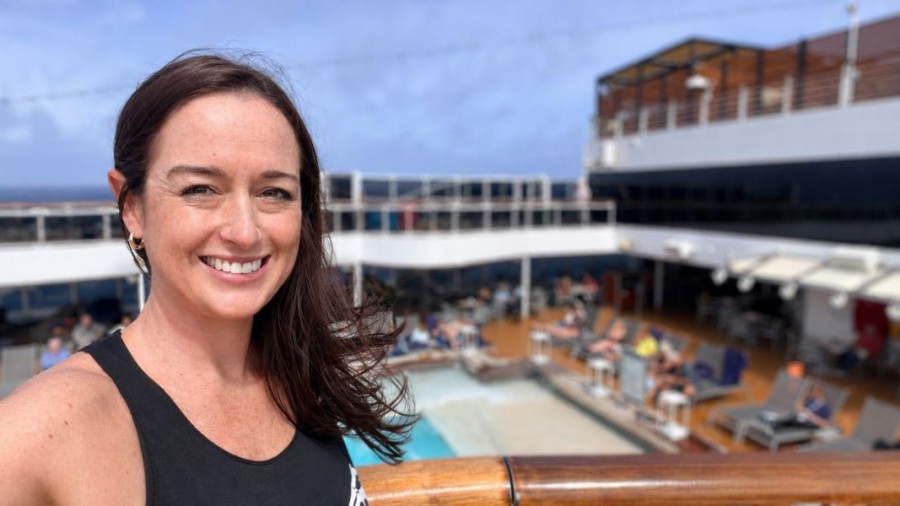
A transatlantic cruise sounds wonderfully romantic. Endless ocean views, peaceful sea days and time to properly switch off.
But when I booked one with nine sea days and two kids in tow, I started to wonder if it would actually be everything we hoped for.
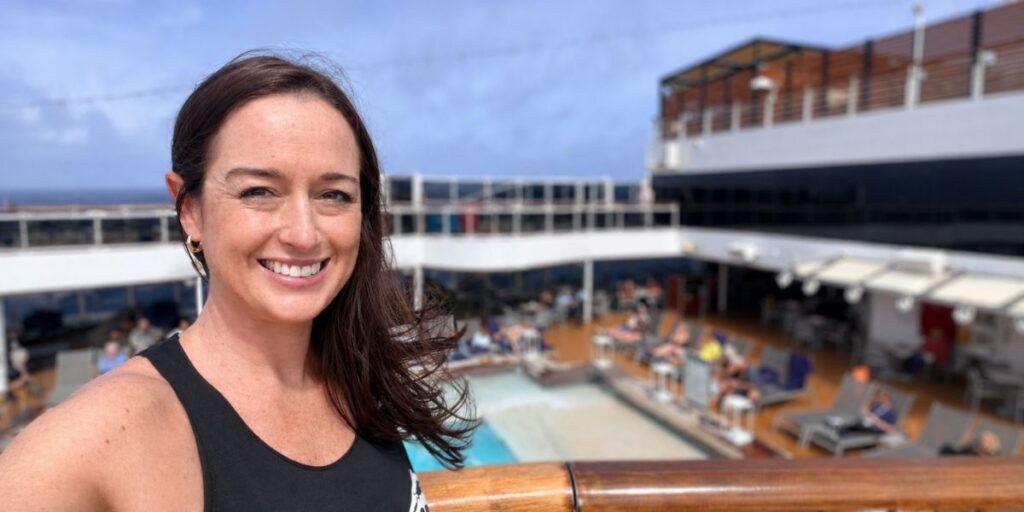
Would the sea be rough? Would we get bored? And what do you even do on a cruise with almost no ports?
After crossing the Atlantic on Holland America Line’s Nieuw Statendam, I can honestly say the experience surprised me in ways I didn’t expect.
I’d wanted to cruise with Holland America Line again for a while, but as it’s a premium cruise line, I needed to find something that worked with our budget.
That’s when I noticed something interesting. The transatlantic sailing was significantly cheaper than many of their other cruises.
The timing also lined up perfectly with the kids’ school holidays. Then I spotted a Kids Sail Free offer too, which made the deal even more tempting. Holland America Line kindly offered me an extra discount in exchange for posting content during the cruise and that sealed it.
We opted for Holland America’s Have It All package, which includes drinks, WiFi, speciality dining and shore excursions. This made the trip even better value for money.
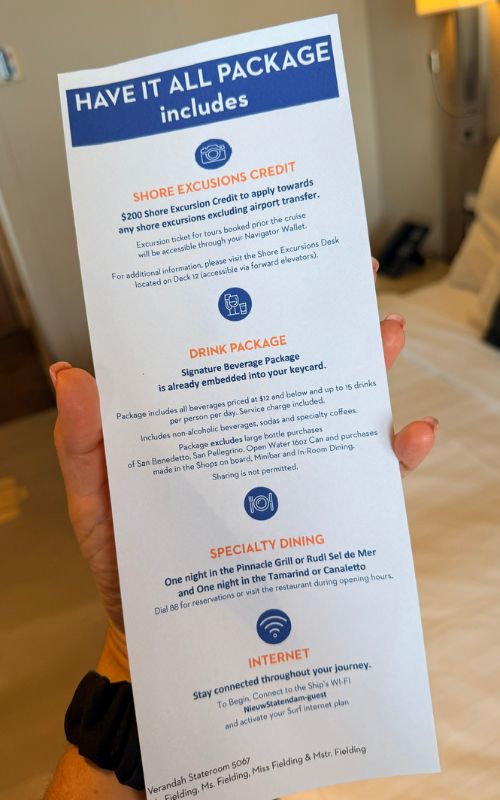
Still, I couldn’t help wondering if this bargain cruise was too good to be true.
Most cruises stop somewhere almost every day. This one didn’t.
Aside from a single port stop in Bermuda, the itinerary was essentially nine straight days at sea while crossing the Atlantic.
The kids naturally had questions about sailing through the Bermuda Triangle. They imagined a mysterious triangle-shaped hole in the ocean where ships disappear forever.
We watched a few YouTube videos together about what the Bermuda Triangle actually is and how cruises pass through it safely all the time. That quickly put their minds at ease.
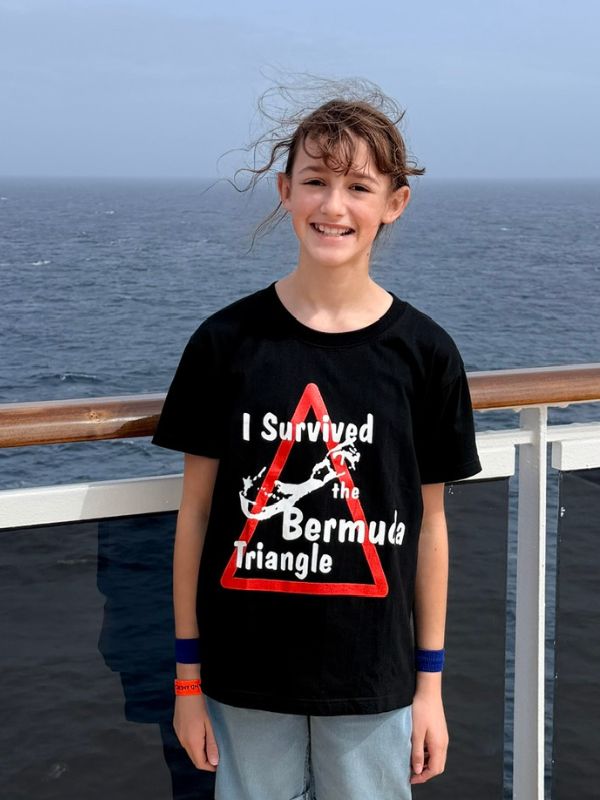
Mine took a little longer.
Would the Atlantic be rough? Would the weather be miserable? Would we run out of things to do? Would the kids get cabin fever?
Nine sea days felt very different from our usual port-heavy cruises.
Stepping onto Nieuw Statendam felt like coming home.
I had such fond memories from my solo cruise to Iceland on this ship last year and I was genuinely excited to be back onboard.
The atmosphere immediately felt warm and welcoming. I quickly remembered how much I loved the food, the friendly crew and all the little touches that make Holland America cruises feel so special.
The first couple of days were exactly what I dreamed of. Bright sunshine. Calm seas. Plenty of time spent out on deck enjoying the ocean views while sipping cocktails.
Then the weather changed.
Not dramatically. It just became a bit grey.
For much of the crossing it hovered around 15 to 20°C, with cloudy skies and occasional rain. It felt more like British spring weather than a tropical cruise.
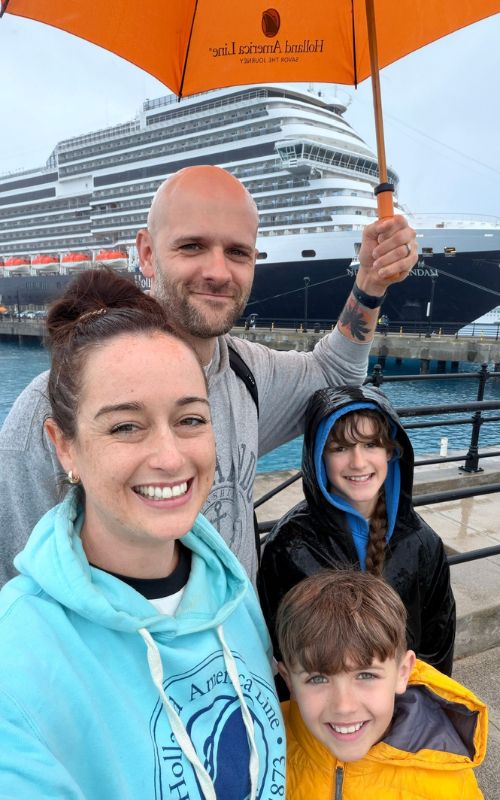
What surprised me most, though, was how calm the Atlantic actually was.
I’d imagined huge waves and dramatic storms, but most of the time the ship simply had a gentle sway. The crossing felt far more peaceful than I expected.
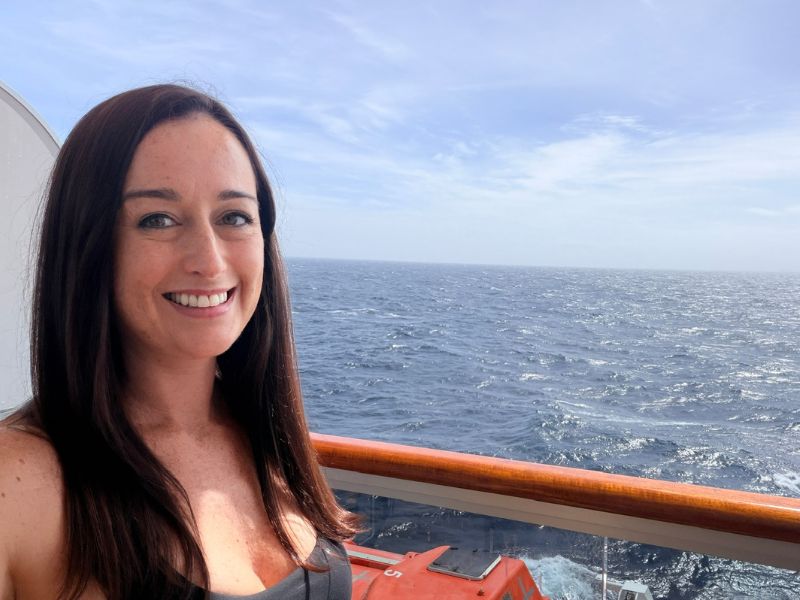
One thing I was particularly curious about was how this cruise would work with children.
Holland America isn’t typically known as a family-focused cruise line, and on this sailing there were very few children onboard.
In the kids club there were just five children, including my two. We also saw a couple of toddlers and a couple of teens, and that was it for kids on the whole ship!
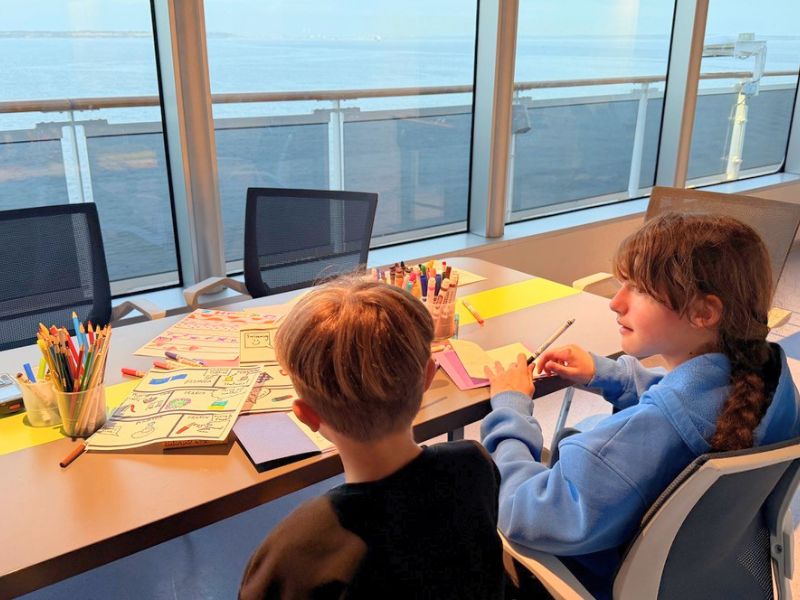
Because there were so few children, the kids club operated slightly differently. You needed to book a slot the day before to secure a place. But once they were in there, my kids absolutely loved it.
Another funny thing about sailing west across time zones is that the days become 23 hours long. Every other day, the clocks go forward an hour.
That meant the kids found it harder and harder to wake up in the morning, and some days they slept much later than usual. But once they were awake, there was always something to do..
This was the question everyone asked before the cruise. And the surprising thing is that the days somehow went incredibly fast.
The daily schedule wasn’t packed with activities like on some cruise lines, but there was always enough to fill the day.
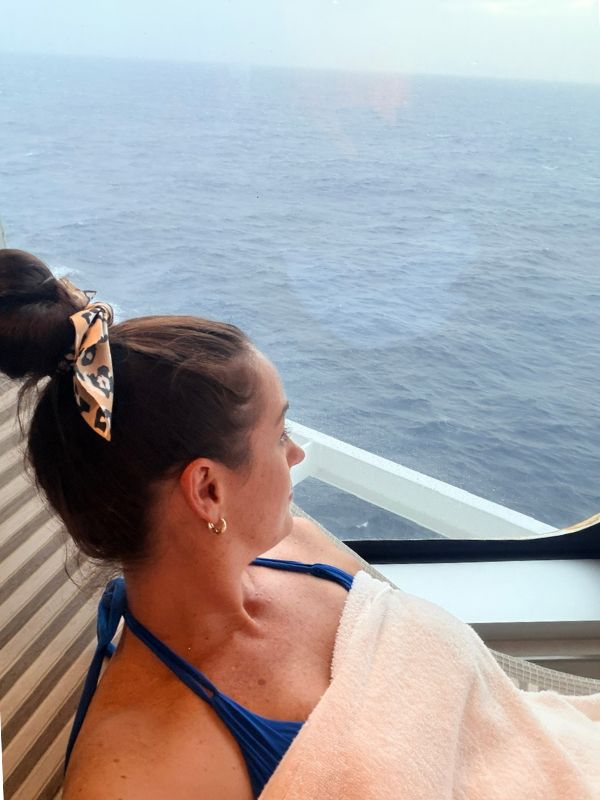
We spent our time:
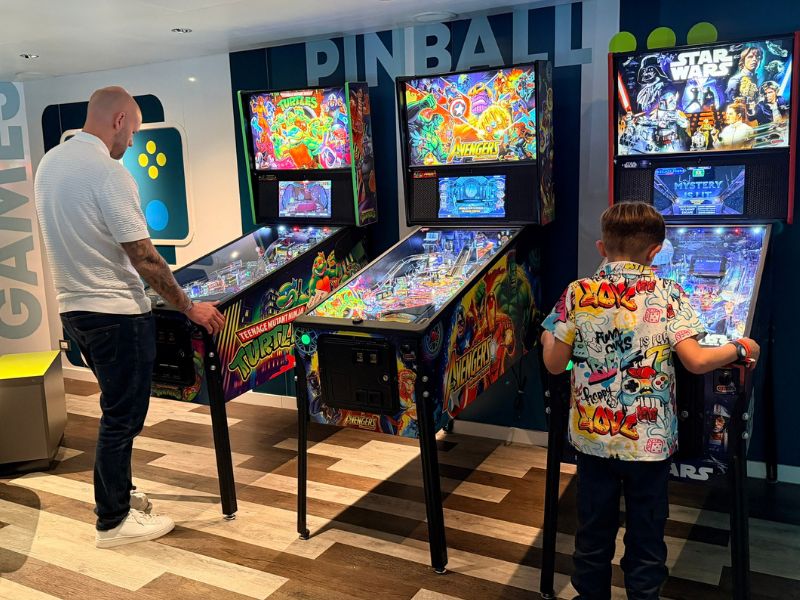
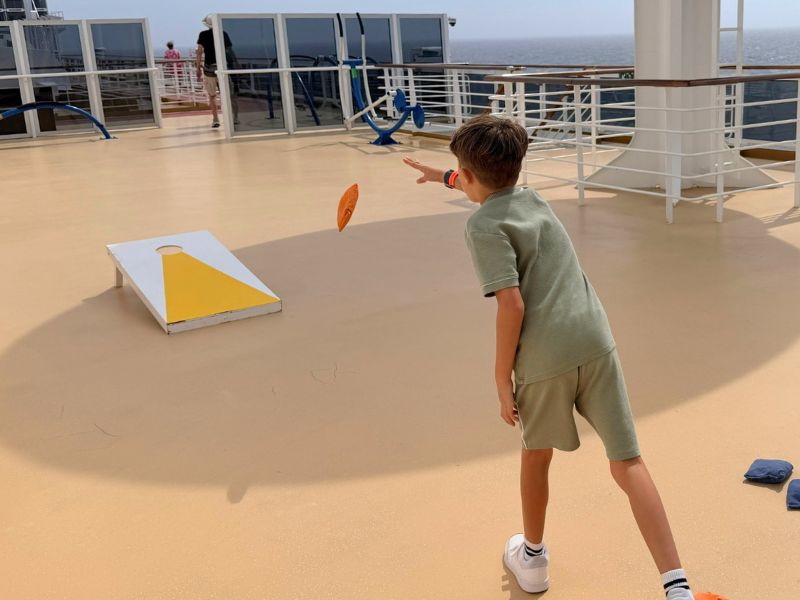
The kids also loved High Score, the ship’s free arcade. It’s technically the teen club, but during certain hours it opens to all ages. We spent quite a bit of time there playing pinball, air hockey, table football and video games.
I also relaxed the rules on screen time slightly during this cruise.
Normally the kids barely touch their iPads onboard, but with WiFi included they occasionally watched videos or played games in the cabin. And honestly, after so many sea days, I didn’t feel too guilty about it.
The atmosphere on this cruise was incredibly relaxed.
Most passengers were American or Dutch and many were retired. Everyone seemed friendly and in no rush to be anywhere.
When you spend that many consecutive days at sea, something interesting happens.
You start recognising people around the ship.
You see the same faces at breakfast. You bump into the same people at trivia quizzes and in the lifts. It creates a calm, sociable atmosphere that feels very different from busy cruises where everyone disappears into ports each day.
I’d been slightly worried about how fresh everything would stay after so many days without restocking supplies, but somehow the salads stayed perfectly crisp the entire time. They must have some kind of magical cruise ship refrigeration system.

The Have It All package also made a huge difference to the overall experience.
Having drinks included means you can order cocktails, wine or speciality coffees without constantly thinking about the cost. Over nine sea days, that definitely adds up.
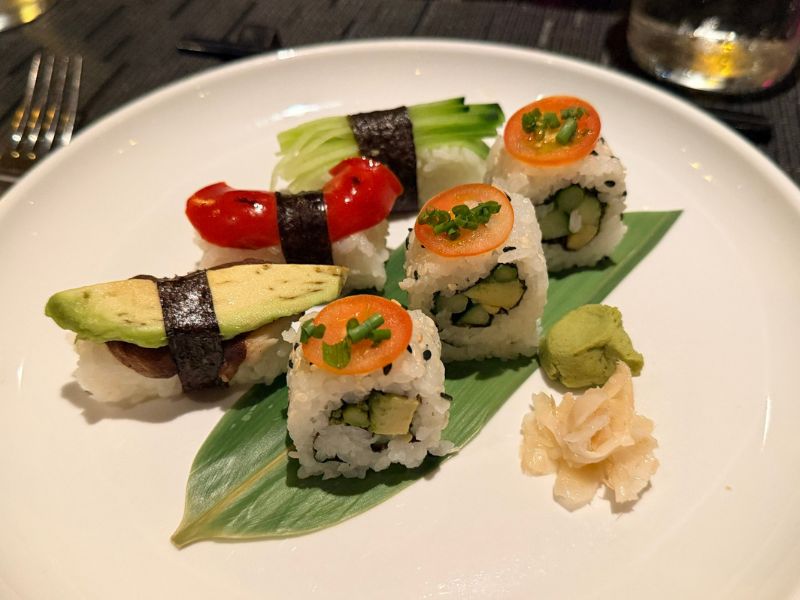
We also loved the speciality dining restaurants, especially Tamarind, which serves incredible Asian fusion food.
Before the cruise, this was my biggest concern. But surprisingly… It never happened.
Between the gym, kids club, restaurants, games, movies and simply wandering around the ship, the days always felt comfortably full without feeling exhausting.
And before we knew it, we were already approaching the UK.
A transatlantic cruise isn’t for everyone, and that’s part of its appeal. It’s perfect for people who genuinely enjoy sea days, slow mornings and simply watching the ocean drift by. If you love reading, relaxing and having nowhere particular to be, it can feel wonderfully peaceful.
However, if you mainly cruise for the ports or prefer constant high-energy entertainment, this style of sailing may feel a little too quiet.
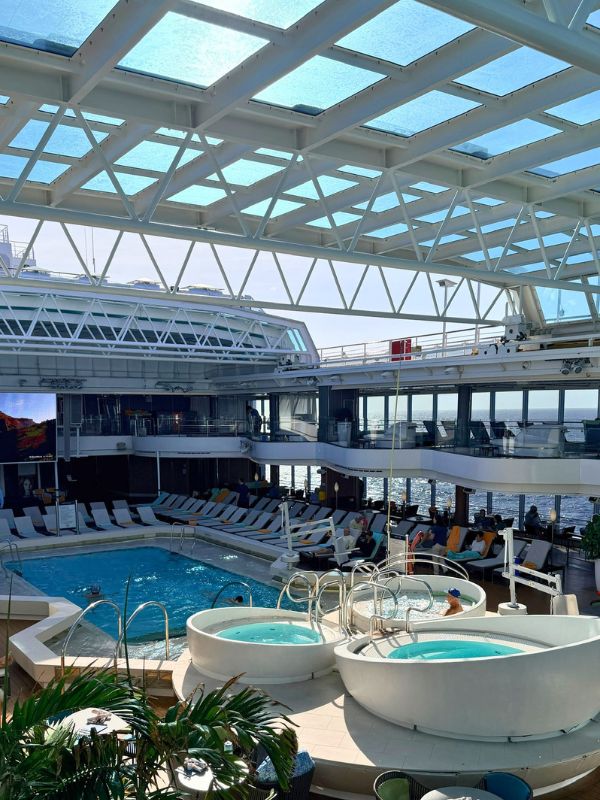
I also think choosing the right ship makes a huge difference. Features like the indoor pool, gym and family spaces helped keep the experience enjoyable for all of us.
So was the transatlantic cruise a mistake?
Not at all. In fact, we absolutely loved it.
The slower pace, calm atmosphere and feeling of completely disconnecting from normal life made this cruise feel very different from any other itinerary we’ve done.
And while nine sea days sounded daunting at first…
It ended up being one of the most relaxing cruises I’ve ever taken.
I also have a video of this cruise, take a look here…
Don’t miss the latest Holland America Line offers…
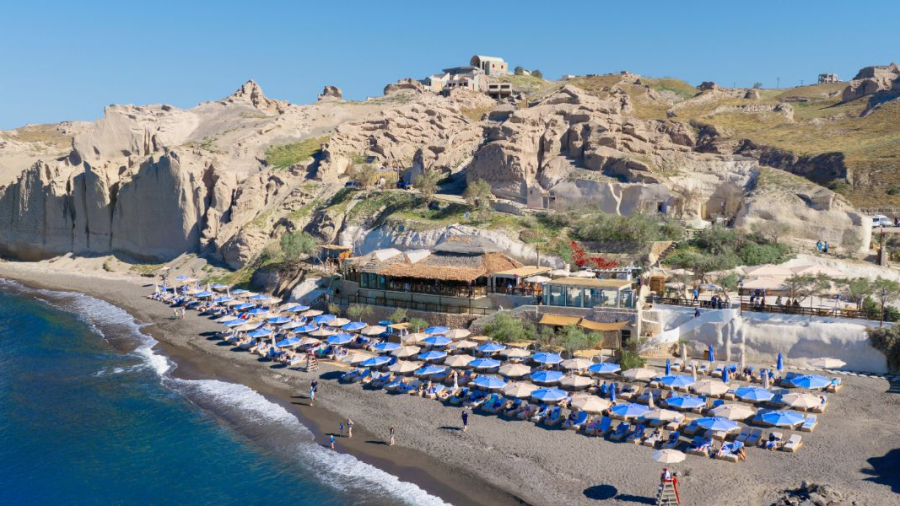
Royal Caribbean International has opened its first Royal Beach Club in Europe, giving cruise passengers visiting Santorini a new way to experience the Greek island.

The Royal Beach Club Santorini welcomed its first guests when passengers sailing on Odyssey of the Seas visited the new venue as part of a full-day shore excursion called Ultimate Santorini Day.
The experience combines visits to some of the island’s most famous towns with time at the new beach club on the volcanic black sand shores of Vlychada.
The launch marks the first time Royal Caribbean has introduced its beach club concept in Europe, expanding a model that has previously been used in the Caribbean.
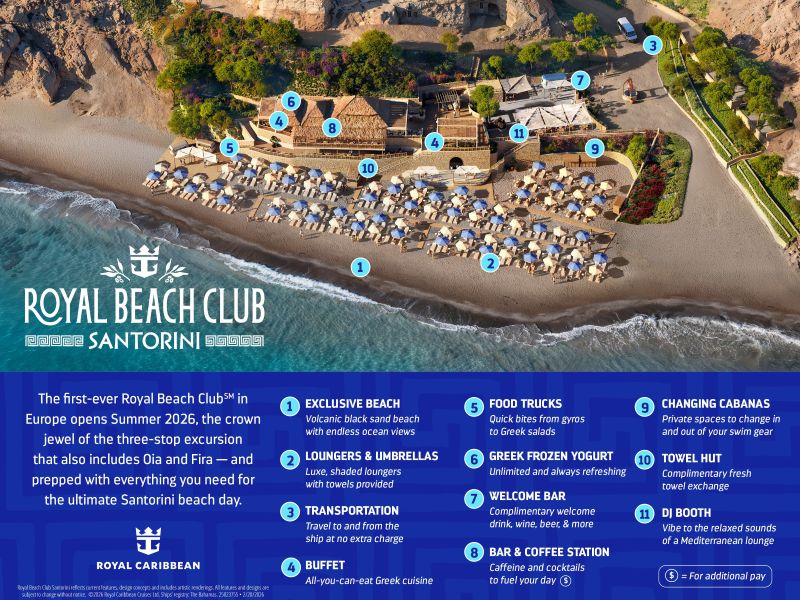
The full-day excursion begins with a scenic ferry journey along Santorini’s dramatic coastline before guests head across the island to explore two of its best known locations.
One of the stops is Oia, the postcard-perfect village famous for its whitewashed buildings and blue-domed churches overlooking the caldera. Visitors can wander through narrow lanes filled with boutiques and viewpoints that offer some of the most recognisable views in Greece.

The tour then continues to Fira, the island’s capital. Here guests have time to explore cafés, small shops and galleries while enjoying views across the cliffs above the Aegean Sea. The town has a livelier atmosphere and offers plenty of places to relax before the final part of the excursion.
The day concludes at the Royal Beach Club Santorini, located on the black sand beach of Vlychada.
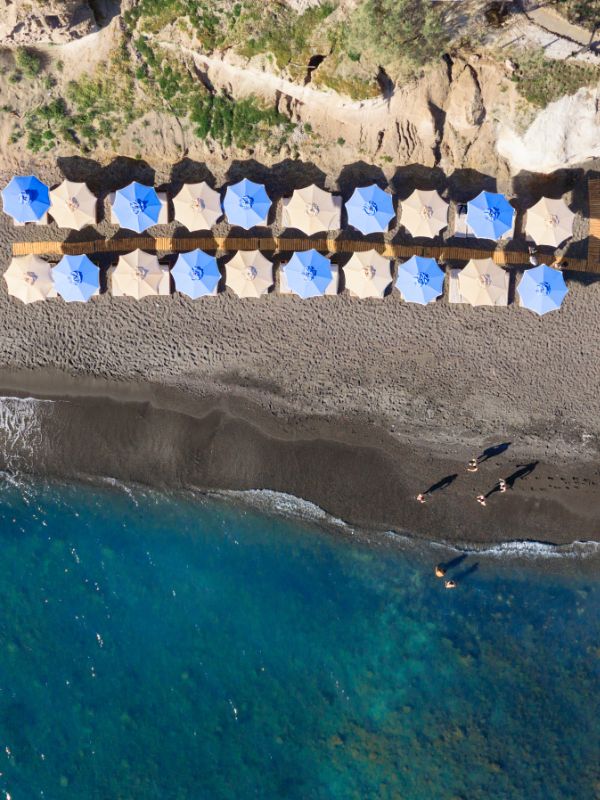
Guests visiting the club have access to a private beachfront setting with sun loungers, umbrellas, towels and Wi-Fi included. Food and drinks are also part of the experience, with options ranging from Greek dishes and buffets to snacks and frozen yoghurt. Visitors also receive a welcome drink, along with wine and draft beer.
Michael Bayley, president and CEO of Royal Caribbean International, said Santorini continues to be one of the cruise line’s most popular destinations and that the new beach club allows the company to offer a more complete experience for visitors to the island.
Jason Liberty, chairman and CEO of Royal Caribbean Group, added that the concept is designed to combine Santorini’s well known landmarks with time to enjoy the island’s beach culture.
Royal Beach Club Santorini is part of Royal Caribbean Group’s wider strategy to develop destination experiences linked to its cruises, giving guests exclusive places to relax ashore.
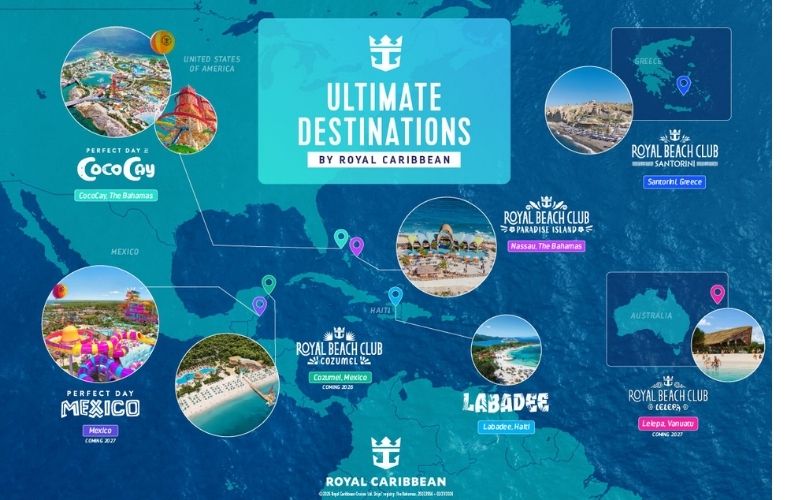
The concept began with the launch of Perfect Day at CocoCay in the Bahamas in 2019. Royal Caribbean completely redeveloped the private island to include a large waterpark, beach areas, pools and exclusive cabanas, creating a destination designed specifically for cruise guests.
Following the success of CocoCay, the cruise line began expanding the idea with new private destinations and beach clubs in different regions.
The company also opened Royal Beach Club Paradise Island in Nassau, Bahamas, which began welcomig guests in December 2025. The project will combine a private beach club experience with Bahamian food, music and culture, offering cruise passengers a day resort-style experience close to the busy cruise port.
More destinations currently under development are Royal Beach Club Cozumel in Mexico and Royal Beach Club Lelepa in Vanuatu.
With the opening of Royal Beach Club Santorini, Royal Caribbean is now bringing the concept to Europe for the first time. Unlike the Caribbean destinations, which are purpose-built private resorts, the Santorini location combines sightseeing with a beach club visit as part of a guided excursion.
The expansion shows how the cruise line is increasingly investing in its own shore experiences, giving passengers curated destinations that can reduce crowding, offer guaranteed amenities and create a more structured day in port.
Santorini is one of the most famous cruise destinations in the Mediterranean, known for its dramatic volcanic cliffs, whitewashed villages and iconic blue-domed churches. Millions of visitors travel to the Greek island each year, with many arriving by cruise ship for a single day in port.
However, the popularity of the destination can also create challenges for cruise passengers. On busy summer days, several ships may anchor off the island at the same time, bringing thousands of visitors ashore within a few hours.
During peak periods, as many as 17,000 cruise passengers can disembark in a single day, often heading to the same two locations: Fira and Oia.
These towns are famous for their narrow pedestrian streets and cliffside viewpoints. While the scenery is spectacular, the limited space means large crowds can quickly build up once tour groups and cruise excursions arrive. Oia’s small paths in particular can become heavily congested during the tourist season as visitors gather to take photos or watch the sunset.

Another challenge for cruise passengers is simply getting to and from the island’s main town. Cruise ships cannot dock directly in Santorini, so guests are tendered to the old port below Fira and must then take a cable car, walk roughly 600 steps, or ride a mule to reach the town above. At busy times, queues for the cable car can become very long, especially when multiple ships are in port at once.
Because of these issues, many cruise visitors spend much of their limited time navigating crowds or waiting in lines rather than relaxing and enjoying the island. That is one reason cruise lines have increasingly looked for alternative experiences that spread visitors out across Santorini.
By including a private beach stop and organised touring, Royal Caribbean’s new Royal Beach Club excursion aims to give guests a more balanced day on the island, combining the famous cliffside towns with time to relax away from the busiest areas.
Don’t miss the latest Royal Caribbean offers…

Carnival Corporation is facing a growing legal battle after a major cyberattack that allegedly exposed more than 8.7 million records led to multiple class action lawsuits in the United States….
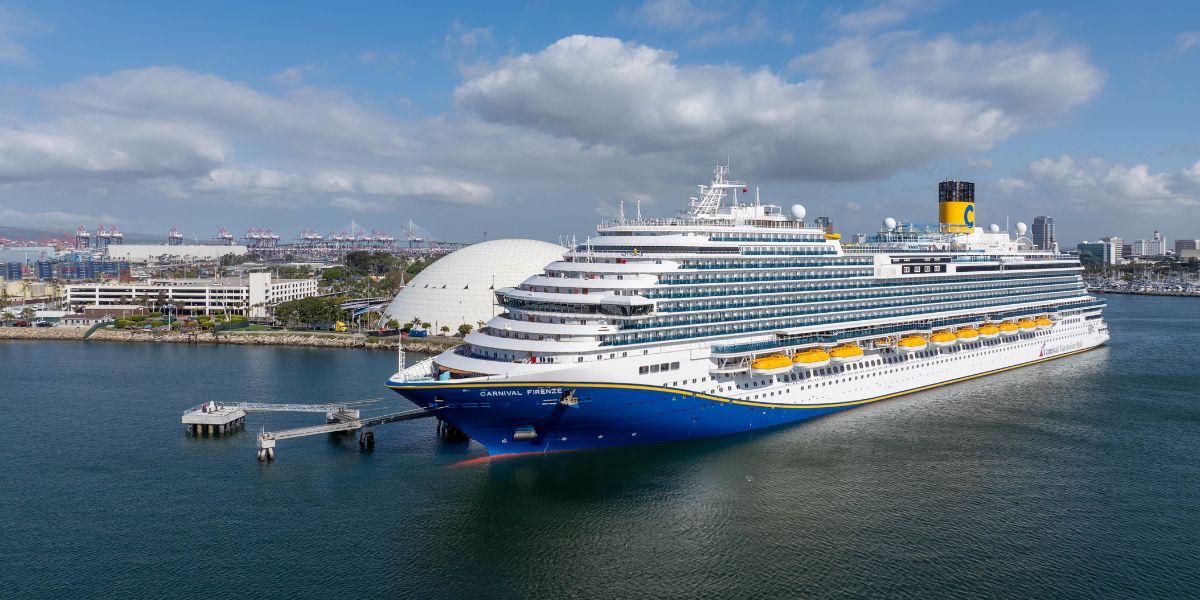
A person has died after reportedly falling from a balcony aboard Carnival Cruise Line’s Carnival Firenze while the ship was sailing near Catalina Island off the coast of California. The…
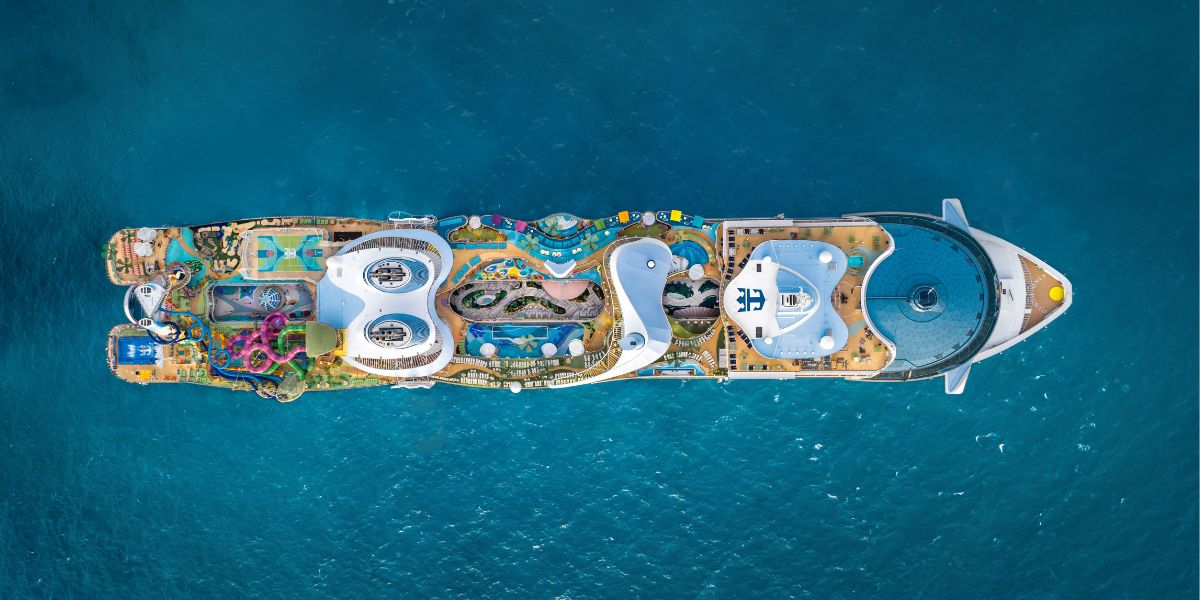
Royal Caribbean has confirmed plans to build two more Icon Class cruise ships, extending its investment in the largest vessels ever built for the cruise industry. The cruise line announced…

River cruise line AmaWaterways has announced its biggest expansion yet, revealing plans to grow its fleet to more than 50 ships by 2032 as demand for river cruising continues to…