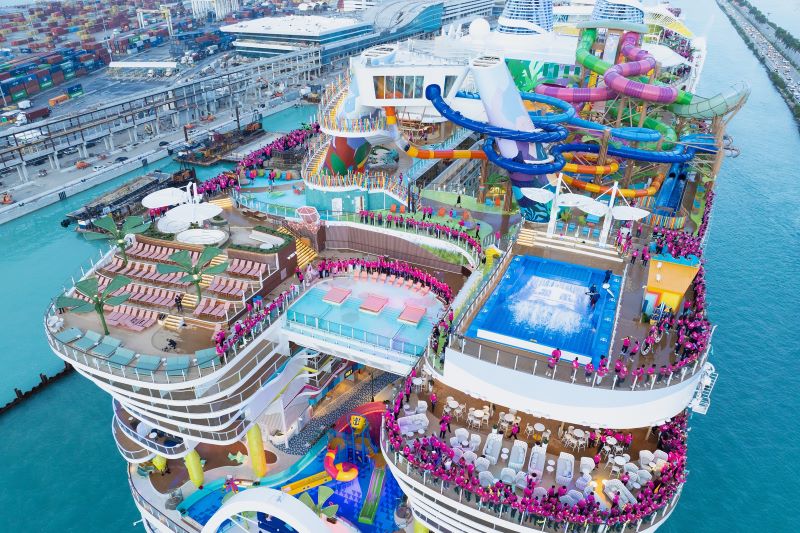
Think you know what cruising is really like? Some of the biggest “facts” about cruise holidays simply aren’t true.
From endless buffets to being trapped at sea with nothing to do, cruise myths have a habit of sticking around. And while some are easy to spot, others sound convincing enough to fool even experienced cruisers.
A few might even be putting people off cruising for no good reason.
So, which cruise myths are complete nonsense – and which ones have a surprising amount of truth behind them?
MYTH: Cruise ships are the cause of over-tourism
REALITY: Cruise passengers represent just 2% of tourists in the world. Even in a sensitive location like Venice, cruise passengers make up only 5% of visitors.
The cruise industry recognises the importance of tacking destination overcrowding and works closely with communities in key locations to address their concerns.
Photo credit: Edmund Hochmuth
MYTH: Cruise ships are breeding grounds for gastro-intestinal diseases
REALITY: Illnesses like norovirus are much more common on land than on-board cruise ships.
Despite its reputation as the “cruise ship virus”, norovirus is far more commonly associated with outbreaks on land. According to the CDC, cruise ships account for only around 1% of all reported norovirus outbreaks.
Cruise ships also have strict procedures in place to reduce the risk of illness spreading. Some cruise lines may screen passengers for signs of illness before boarding and ask those who have recently experienced symptoms to report them.
Once on board, passengers are encouraged to wash their hands regularly, while crew follow detailed cleaning and sanitation procedures. If cases of gastrointestinal illness are detected, cruise lines can introduce additional measures to help prevent an outbreak from spreading.
MYTH: Cruise ships operate outside the law once they’re in international waters
REALITY: Cruise ships are highly regulated, even when at sea. They are covered by local, national and international laws wherever they sail.
Cruise ships up to 12 nautical miles from the coast are with a country’s territorial waters and almost all of the laws of that country will apply.
Ships between 12 and 24 nautical miles from the coast are within a country’s contiguous zone and that country has certain rights.
Ships more than 24 nautical miles from the coast are considered to be in international waters and are covered by the laws of their flag state (where the ship was registered, which is often the Bahamas).
Cruise lines voluntarily report any serious crime allegation on oceangoing voyages worldwide, regardless of the ship’s location and flag.
REALITY: Serious crimes can happen on cruise ships, but reported incidents are relatively uncommon considering the millions of people who cruise each year.
Cruise ships have extensive security measures in place, including CCTV, security teams and controlled access to the ship.
In the US, the Cruise Vessel Security and Safety Act requires certain alleged crimes and missing-person incidents on applicable cruise ships to be reported to the FBI. The US Department of Transportation publishes this data in its Cruise Line Incident Reports, with figures broken down by cruise line and type of incident.
Take a look at the security centre on board a cruise ship…
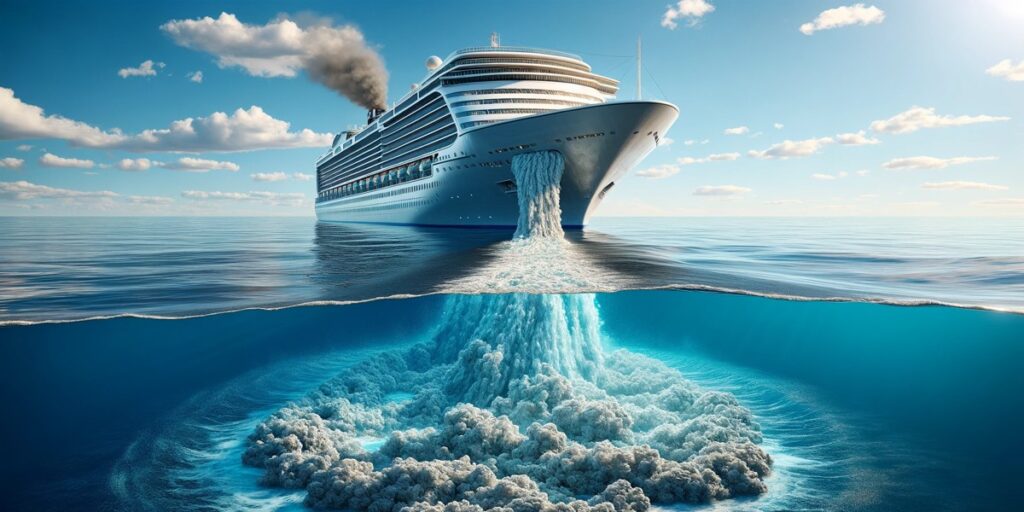
MYTH: Cruise ships release untreated sewage into the ocean
REALITY: Cruise ships have strict rules governing how sewage and wastewater can be discharged at sea.
Modern cruise ships have onboard wastewater treatment systems designed to treat sewage before it is discharged. However, international MARPOL regulations do allow untreated sewage to be discharged in certain circumstances, including when a ship is more than 12 nautical miles from the nearest land and specific conditions are met.
So, while cruise ships can legally discharge sewage at sea, they can’t simply dump untreated waste wherever they like.
MYTH: Cruise ships are really bad for the environment
REALITY: Cruise ships do have an environmental impact, but the industry is investing heavily in ways to reduce it.
Modern cruise ships are increasingly using technologies designed to cut emissions, improve energy efficiency and reduce waste. These include more efficient engines and hull designs, shore power systems that allow ships to switch off their engines while in port, and advanced systems for treating wastewater and managing waste on board.
Waste is another area where cruise lines are making changes. Ships have extensive systems for sorting, recycling and processing waste produced on board, while strict international regulations govern what can be discharged at sea.
There’s still a long way to go, and cruising certainly isn’t impact-free. But newer ships and technologies are changing how cruise lines tackle their environmental footprint.
This video shows some of the environmental technologies and practices being introduced on cruise ships:
MYTH: People going overboard on cruise ships is becoming more common
REALITY: People do go overboard from cruise ships, but these incidents are extremely rare compared with the millions of people who cruise each year.
In comparison, Cruise Radio documented 19 overboard incidents in 2024 across the cruise industry. This figure includes both passengers and crew members and isn’t an official global statistic, but it helps put the rarity of these incidents into perspective.
Cruise ship railings are specifically designed to help prevent accidental falls, and simply falling overboard during normal use of the ship is extremely unlikely.
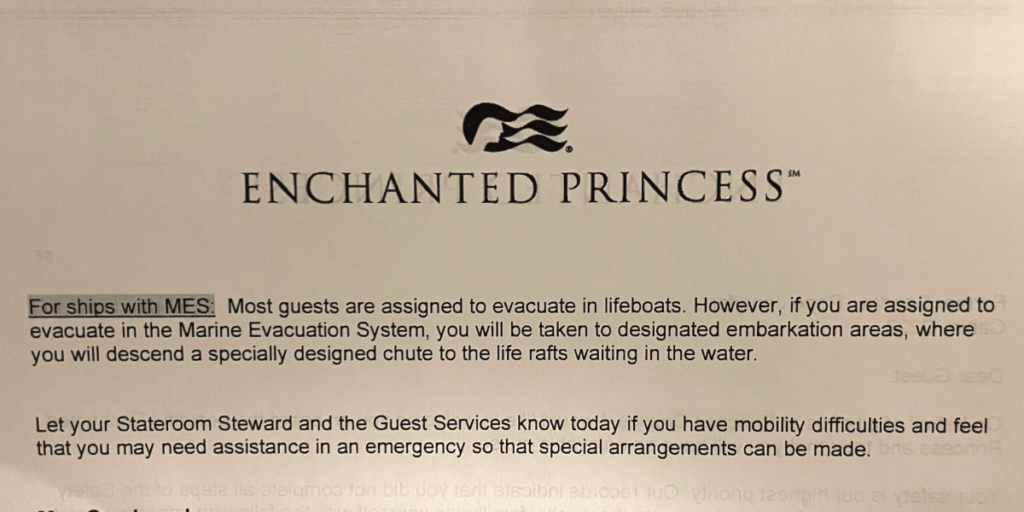
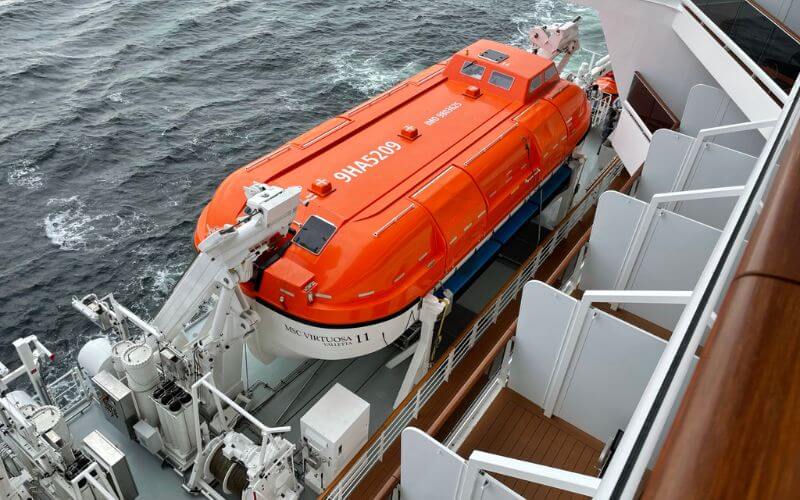
MYTH: Cruise ships don’t always have enough lifeboats for everyone
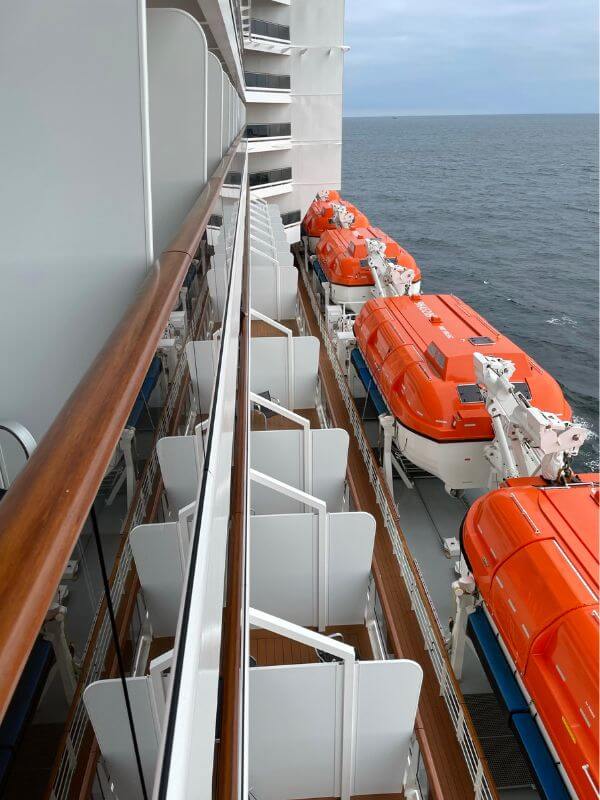
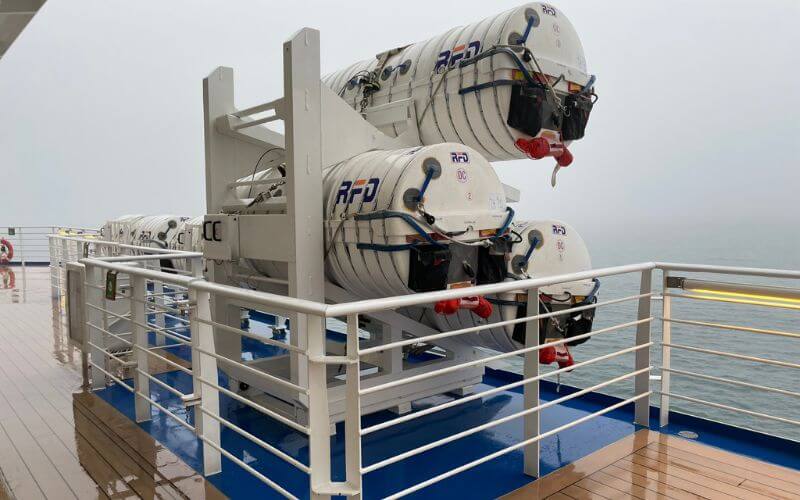
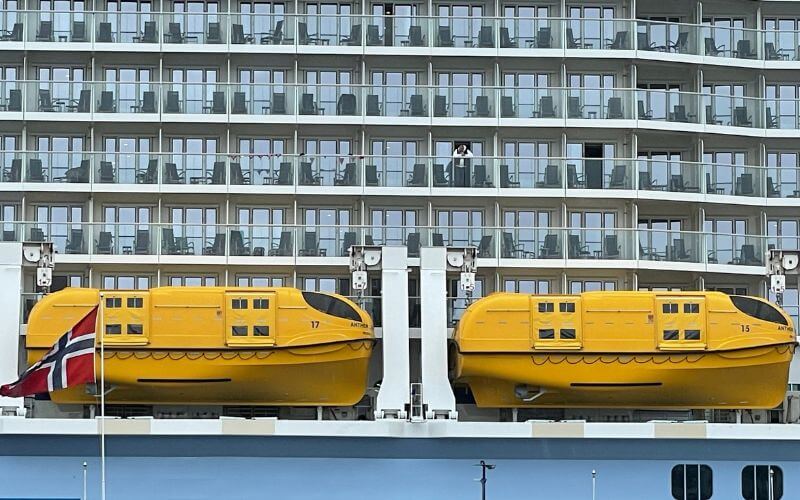
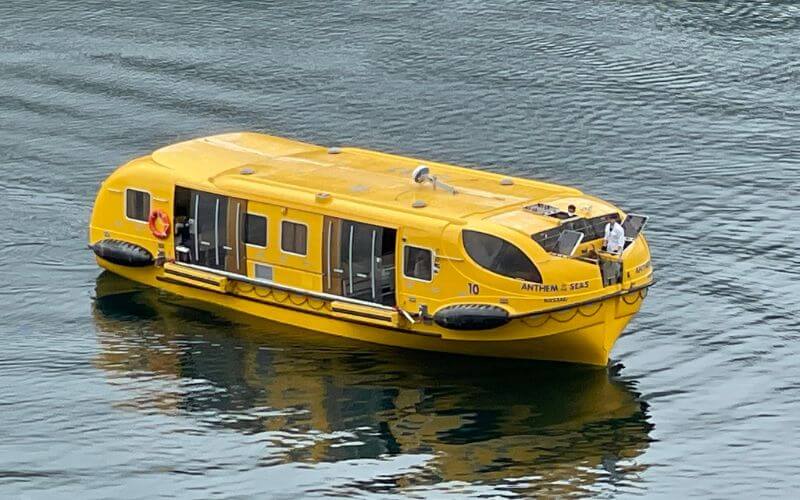
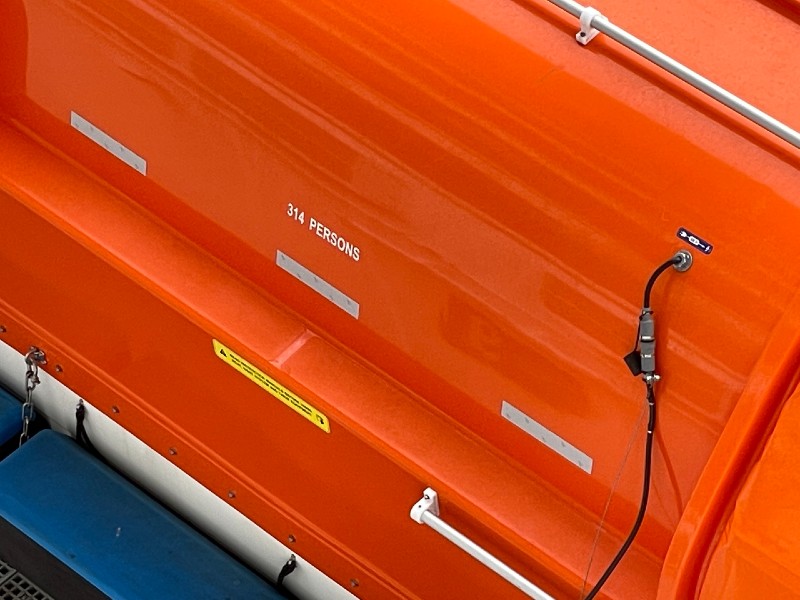
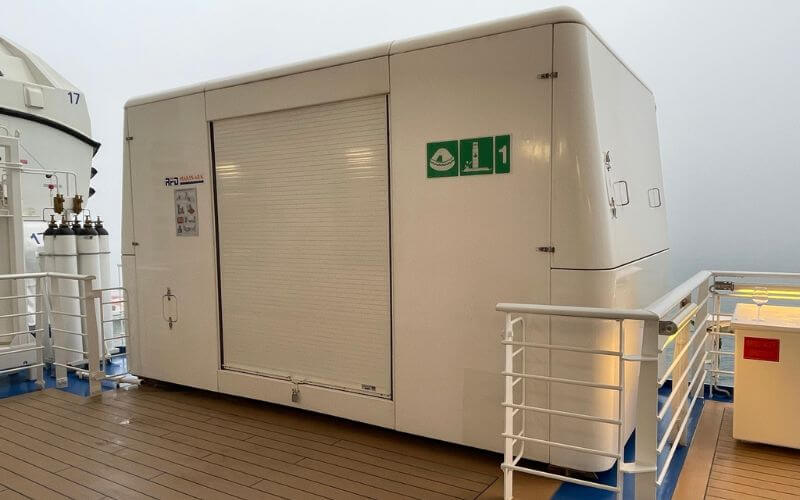
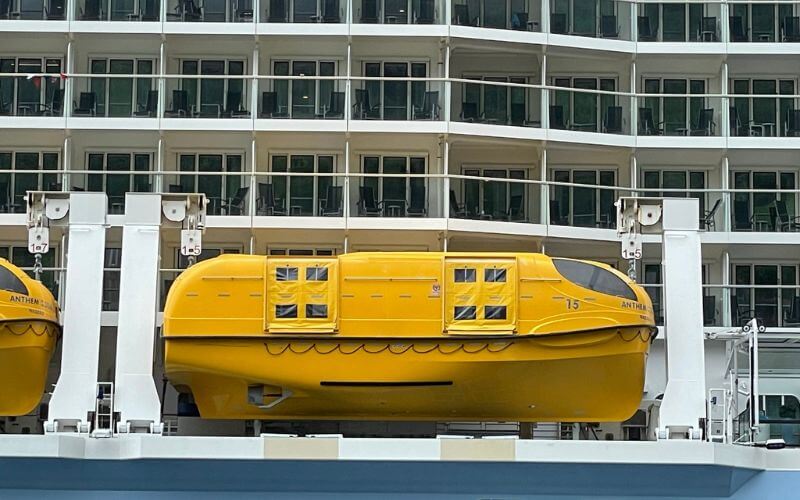
REALITY: By law, every cruise ship must be equipped with enough survival craft to accommodate at least 125% of the number of people on-board
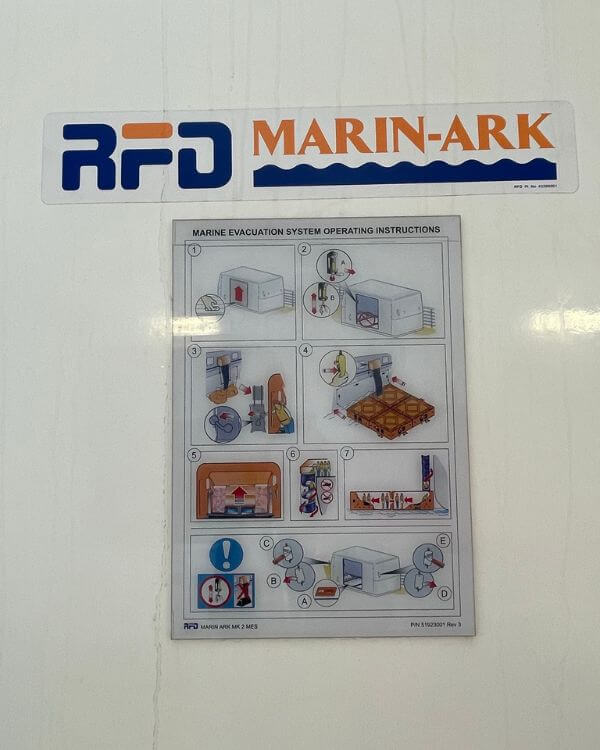
All cruise lifeboats are tested to meet rigorous international guidelines. Cruise ships must also carry enough lifejackets for everyone on-board, although in reality, they usually have many more than are legally required.
The idea that ships aren’t safe is just one of those myths about cruising that’s hung around as a scare story.
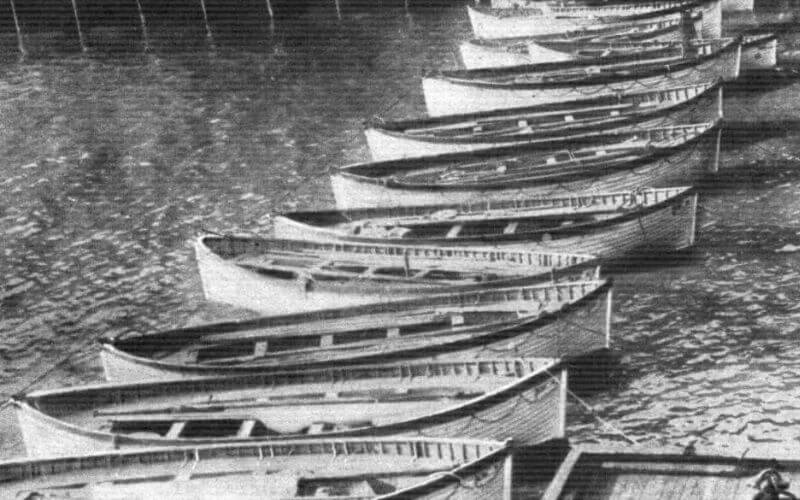
Ever since the Titanic disaster, safety standards were completely overhauled.
Final Word
Cruising is quite different from most other types of holiday, so perhaps it’s no surprise that a few myths have stuck around.
Of course, cruise ships aren’t perfect. Illness, crime and accidents can happen, and the environmental impact of cruising shouldn’t be ignored. But some of the claims you hear about cruise holidays are exaggerated, outdated or simply missing important context.
If one of these myths has been putting you off booking a cruise, hopefully you now have a clearer picture of what life at sea is actually like.
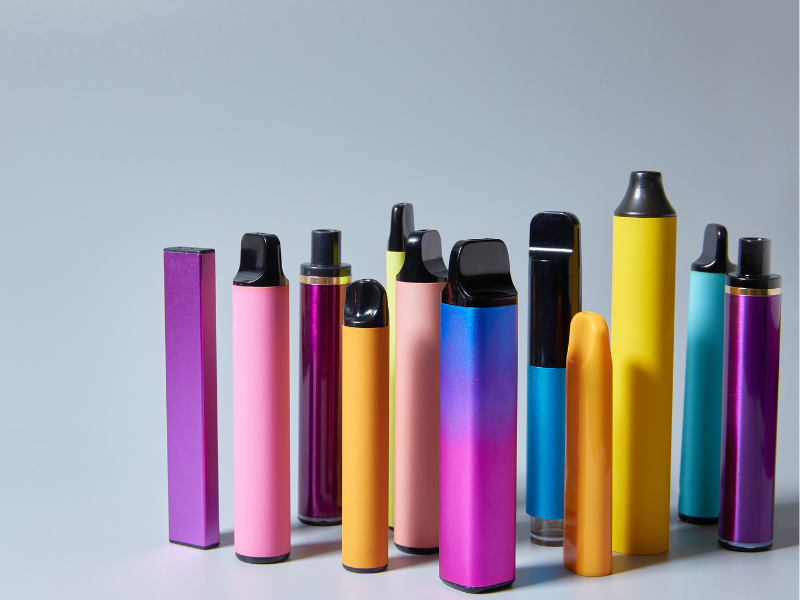
You might assume vaping rules are more relaxed than smoking on a cruise ship. But that’s not always the case.
Some cruise lines treat vapes exactly the same as cigarettes, while others have their own rules that can catch passengers out. Get it wrong, and you could end up with your vape confiscated or even face penalties onboard.
Before you pack your vape, there are a few important things every cruiser should know. Are the rules really as strict as you think?
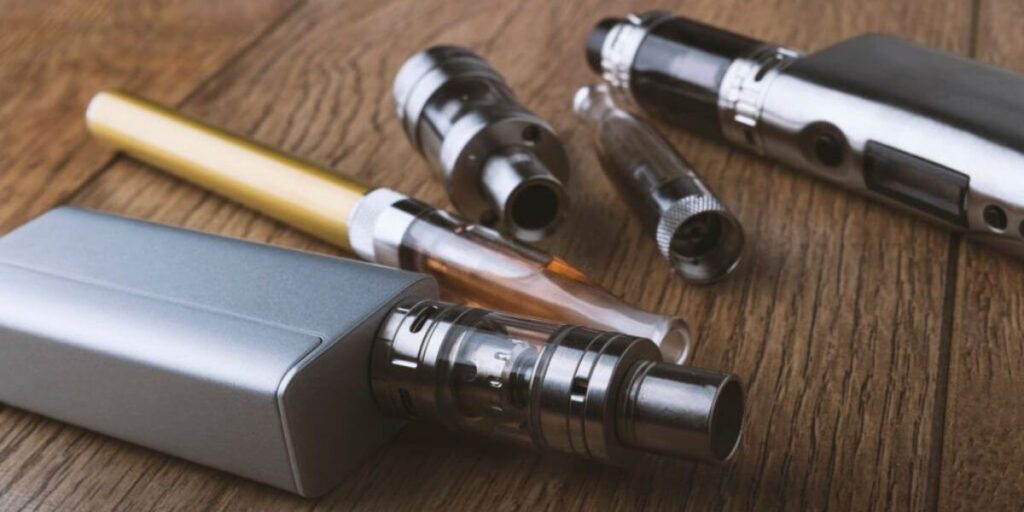
You Can Bring a Vape With You
You can bring a nicotine vape onto most cruise ships, but it’s generally treated the same as a cigarette. That means you can only use it in designated smoking areas. Vaping in your cabin or on your balcony is prohibited on almost every major cruise line.
However, you can’t bring THC or marijuana products onboard, including weed vapes, edibles or oils. Many cruise lines also ban CBD products, even if they’re legal where you live.
Even though marijuana has been legalized in many countries and US states, the major cruise lines still have strict zero-tolerance policies. This also applies to medical marijuana, so if you rely on it, you’ll need to speak to your doctor before you travel about suitable alternatives for your time at sea.
Bringing prohibited drugs onto a cruise ship can have serious consequences. Depending on the circumstances, they may be confiscated, you could be denied boarding or removed from the ship, and in some destinations you could even face legal action.
Cruise lines take these rules very seriously. All luggage is screened before boarding, and if security finds banned substances, you shouldn’t expect any leniency.
You can’t vape in your stateroom or on your private balcony. Cruise lines generally treat vaping the same as smoking, so it’s only permitted in designated smoking areas.
Exactly where you can vape varies by cruise line and ship. Some only allow smoking and vaping in a few outdoor areas, while others also have indoor smoking lounges or designated casino sections.
On many ships, smoking and vaping are allowed in parts of the casino while you’re playing slot machines, although table games are often smoke-free because you’re sitting much closer to other guests.
Smoking areas are usually easy to spot thanks to the ashtrays, but if you’re unsure, Guest Services can point you in the right direction.
Some vapers argue that vapour is less intrusive than cigarette smoke, especially as many use e-cigarettes to help them quit smoking. However, cruise lines generally apply the same rules to both in order to minimise the impact on other passengers.
Costa Cruises used to be one of the few exceptions, allowing smoking and vaping on private balconies. However, that policy has now changed, and vaping is now only permitted in the ship’s designated smoking areas. You may still find older information on parts of Costa’s website saying otherwise, but its current contractual terms make the updated rule clear.
Cruise Line’s Individual Policies on Vaping
Here’s a quick look at the vaping policies of some of the world’s biggest cruise lines. They’re broadly similar but it’s worth reading the policy for your chosen cruise line:
Carnival Cruise Line Vape Policy
Carnival Cruise Line treats vaping and e-cigarettes in the same way as traditional cigarettes. They can only be used in designated smoking areas, and vaping is strictly prohibited in cabins and on private balconies.
Guests caught vaping in their cabin or on their balcony face a $500 charge per violation. Serious or repeated breaches may also result in everyone staying in the cabin being removed from the ship without a refund.
Weed vapes, marijuana and CBD products are completely prohibited, even if they have been prescribed for medical use. Carnival follows US federal law, so these items are banned onboard, in cruise terminals, during transfers, on shore excursions and at private islands.
Royal Caribbean Vape Policy
Royal Caribbean only allows electronic cigarettes and vape pens to be used in designated smoking areas onboard. They aren’t permitted in staterooms, on private balconies or in any other indoor public area. Guests who smoke or vape in their cabin or on their balcony will be charged a $250 cleaning fee and may face further action under the cruise line’s Guest Conduct Policy.
Princess Cruises only allows e-cigarettes and vapes to be used in designated smoking areas. These generally include a section of the open deck, and on some ships may also include a cigar lounge or part of the nightclub.
Smoking and vaping are prohibited in all staterooms and on private balconies. Guests who break this rule will be charged a $250 fine for each occurrence, which is added to their onboard account.
The casino is also non-smoking, except for designated slot machines where guests may smoke or vape while actively playing. You can find full details in Princess Cruises’ smoking policy.
NCL Vape Policy
Norwegian Cruise Line treats vaping and e-cigarettes the same as traditional cigarettes. They can only be used in designated smoking areas, which include selected indoor and outdoor locations depending on the ship.
Smoking or vaping in your stateroom or on your balcony is prohibited. Guests who break this rule will be charged a $250 cleaning fee, and may also have to pay for any damage caused to furniture, carpets, towels or other furnishings.
You can find the designated smoking areas for every ship in NCL’s smoking policy.
Disney Vape Policy
Disney Cruise Line only allows e-cigarettes and vapes to be used in designated smoking areas. These are more limited than on many other cruise lines, and on some ships certain smoking areas are only available between 6 pm and 6 am.
Guests who smoke or vape in their stateroom or on their verandah will be charged a $250 stateroom recovery fee to cover the cost of deep cleaning.
If you’re sailing on Disney Adventure, be aware that vapes and e-cigarettes are completely prohibited because the ship sails from Singapore, where they are illegal.
On almost every cruise line, vaping is treated the same as smoking a traditional cigarette. That means you won’t be able to vape in your cabin or on your balcony, and you’ll need to stick to the ship’s designated smoking areas instead.
If you’re used to taking a quick puff whenever you fancy it, that might take a little getting used to. But it’s not worth breaking the rules. Depending on the cruise line, you could be hit with a hefty fine, charged for extra cleaning or even removed from the ship.
The good news is that as long as you know the rules before you sail, bringing your vape onboard shouldn’t be a problem. Just make sure you only use it where it’s allowed, and you’ll avoid any unpleasant surprises.
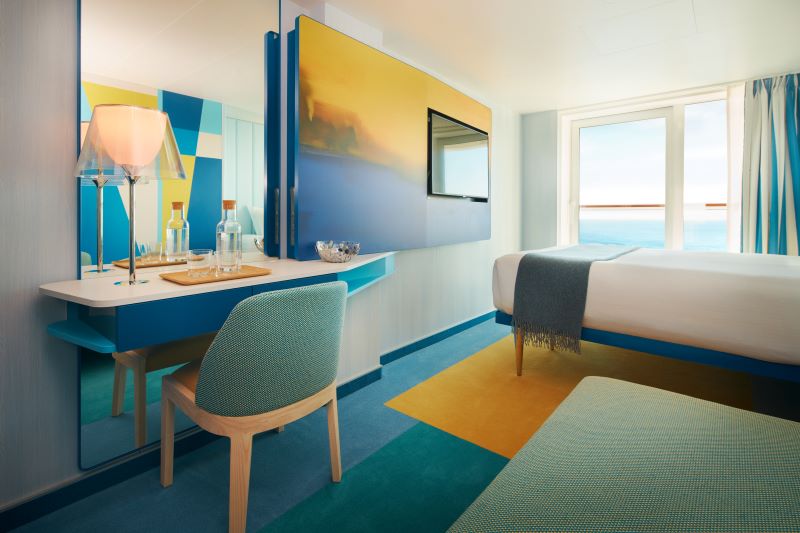
Don’t assume that cruise cabins are just hotel rooms at sea!
They might look that way at first glance – but there are loads of little quirks that can catch you out if you’re not prepared.
From hidden storage to slightly odd bathroom setups, here are some cruise cabin secrets that’ll make your trip smoother (and a lot more comfortable).
1. There Usually Aren’t Enough Plug Sockets
If you’re travelling with phones, tablets, cameras and maybe a hair tool or two, you’ll quickly notice the lack of plug sockets. Modern ships are a little better, but there are still limitations – and on older ships, expect just a small number of outlets.
Most cabins have a mix of US and European outlets – UK plugs are rare, but it depends on the ship. A simple EU adapter and a USB hub (non-surge protected) will make life much easier, although you need to check what’s permitted on your cruise line, as the rules can vary.
One rule that you should always follow – avoid bringing anything with surge protection, as those are typically banned for safety reasons. Cruise ship wiring doesn’t like surge protected adapters.
Some people find cabins freezing, others say they’re too warm – it really depends on the ship and even the exact room.
Air con is centrally controlled, so while you can usually adjust it slightly, you won’t get full control. If you like it cool, you might struggle. If you feel the cold, it can get a bit chilly at night.
Make sure you get used to the air con controls and find a setting that works for you early. And if you’re finding that the room is too cold, ask your cabin steward if they can help – they can often rustle up some blankets.
Rooms being too warm is a trickier issue – fan availability on ships is limited. A lot of cruisers bring their own small ones.
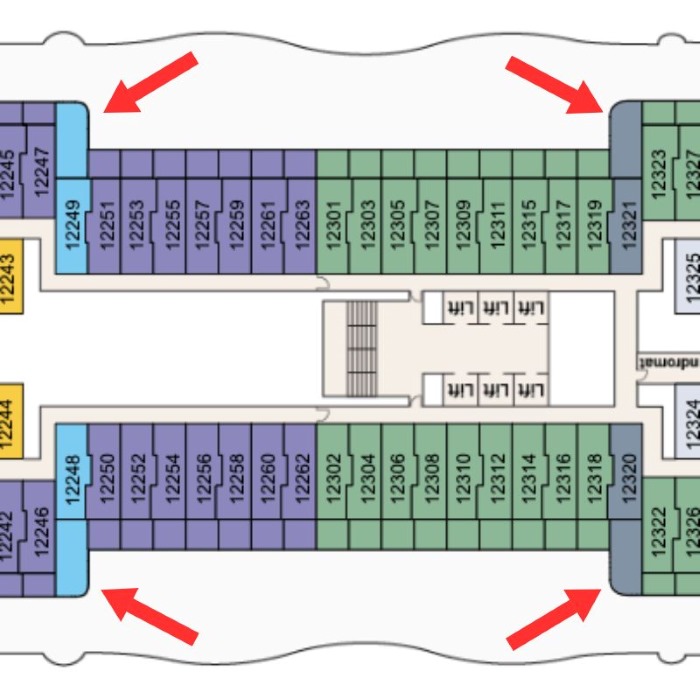
3. Cabin Location Matters More Than You Think
Not all cabins are created equal – and location can make a big difference to your experience.
Cabins near lifts are convenient but can be noisy. Staying under the buffet or directly under the pool deck? Expect early morning scraping chairs. Forward cabins can feel more movement, while aft cabins sometimes have vibration.
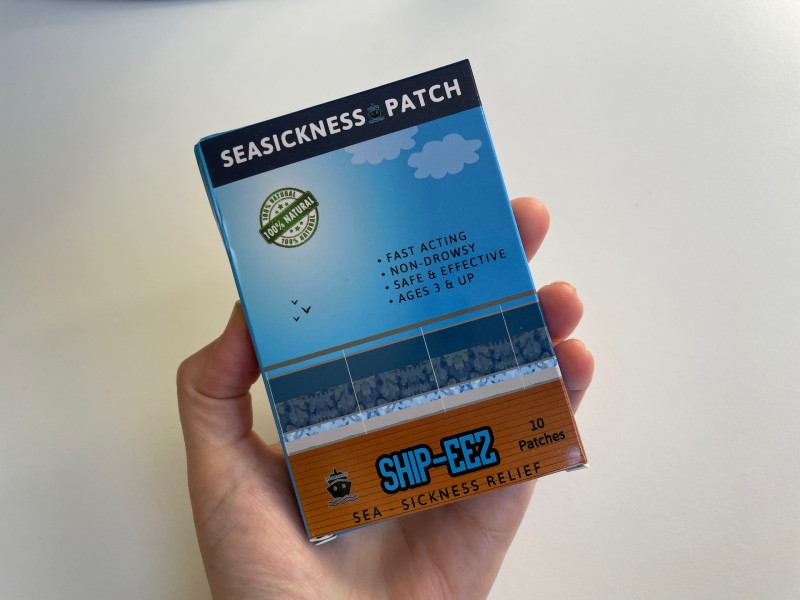
Midship cabins on lower decks are usually the most stable if you’re worried about seasickness.
It’s worth checking deck plans before you book – it can save you a lot of hassle later.
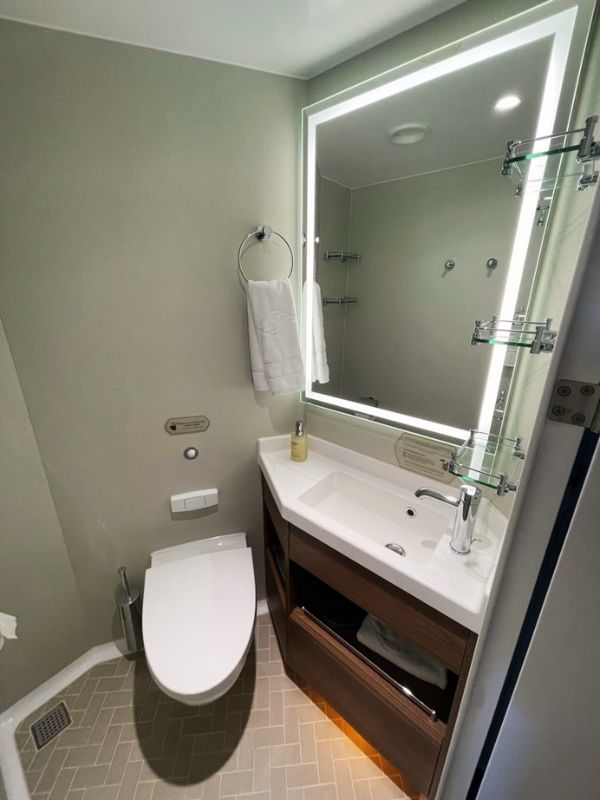
4. Cruise Toilets Are Vacuum Powered
Cruise ship toilets aren’t like the ones on land – they use a vacuum system, a bit like on aeroplanes.
They’re powerful, a bit noisy, and very sensitive. You should only flush toilet paper, and even then only the thin paper provided by the cruise line – anything else can cause blockages, which isn’t something you want to deal with mid-cruise.
Especially as a blockage won’t just affect your cabin, but usually at least a few on your deck, or worse.
That first flush can be a bit of a shock, but you’ll get used to it quickly! Just make sure you’re careful with what you put in there.
5. Storage Is Clever (But Not Always Obvious)
Cruise cabins are designed to maximise space, and there’s often more storage than you first realise.
Look for hidden shelves, drawers under sofas, and cupboards tucked behind mirrors. Under-bed storage is especially useful – perfect for suitcases or bulky items.
A good tip is to keep less-used items packed away and rotate things as needed, rather than trying to unpack everything at once.
6. Your Cabin Key Card Controls the Power
This one will either catch you off guard, or you’ll find it completely normal – depending on how often you travel and stay in chain hotels.
Most cruise cabins have a slot by the door where you insert your key card to activate the electricity. No card = no lights, no sockets, no air con. It can be a bit confusing if you’re new to it!
It’s designed to save energy, but it can be a bit annoying if you want to charge devices while you’re out. Many cruisers use an old loyalty card or spare card to keep the power running. Not exactly encouraged… but very common.
7. Your Cabin Walls Are Magnetic (But the Bathroom Isn’t)
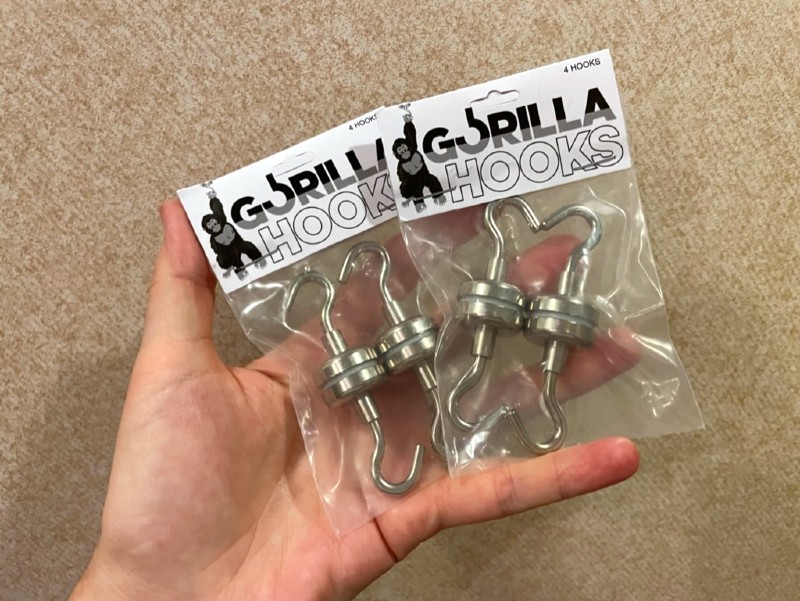
Here’s a handy little trick – most cabin walls are made of metal, so magnets will stick to them.
Magnetic hooks are brilliant for hanging jackets, bags or even organising paperwork like daily schedules and excursion tickets.
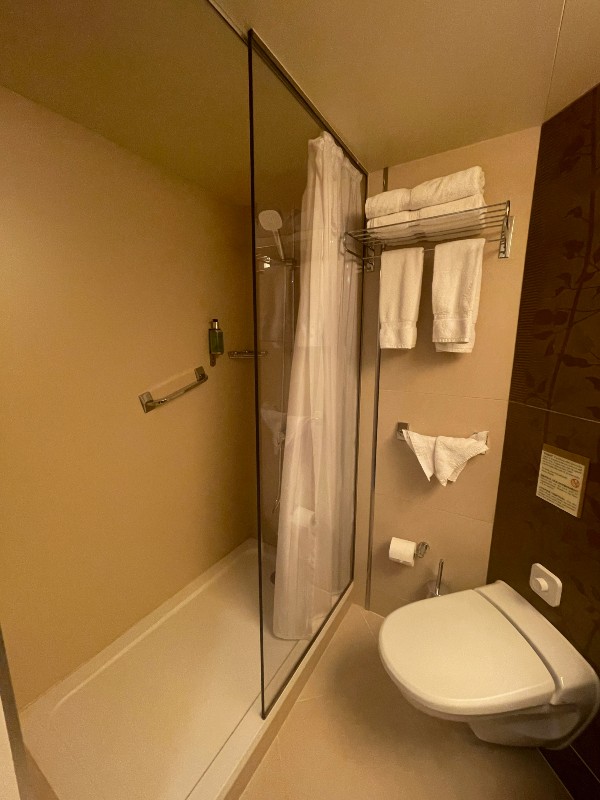
Just don’t expect them to work in the bathroom. Shower walls are usually tile or fibreglass, so you’ll need suction hooks there instead. Though there’s usually enough bathroom space to store your essential toiletries anyway.
8. Cruise Ship Bathrooms Don’t Always Have Ventilation
Not every cabin bathroom comes with an extractor fan – which can be… interesting if you’re sharing a small space. Even those that do have a fan might not have a very powerful one.
A simple fix is to bring a light room spray or hanging freshener. Nothing too strong, just enough to keep things fresh.
Candles and anything with an open flame are strictly banned, so stick to sprays or oils (and check cruise line rules before bringing diffusers).
Cruise cabin beds are surprisingly flexible. They’re usually set up as two singles that can be pushed together to make a double.
If it’s not how you expected when you arrive, just ask your cabin steward – they’ll sort it quickly. Don’t do it yourself, it’s best to let them do it as they can make sure it’s done properly.
Beyond that, though, don’t expect to move much else. Most furniture is fixed or weighted to stop it sliding around at sea.
10. Leaving the Balcony Door Open Can Cause Chaos
It’s tempting to let in some fresh sea air, but opening your balcony door while your cabin door is also open creates a wind tunnel.
Paperwork goes flying, doors slam, and it can be surprisingly forceful.
If you want fresh air, just keep one door closed – and maybe keep loose items tucked away just in case.
And never leave your cabin with the balcony door left open – you might have a hard time getting back into the cabin due to the wind!
11. Tap Water Is Safe to Drink
There’s often confusion about this, but yes – cruise ship tap water is perfectly safe.
It’s filtered and treated to high standards, and it’s the same water used in restaurants and bars across the ship.
The only downside to the tap water is that it might not be very cold. You’ll get ‘cold’ water, but really it’s tepid.
Bringing a reusable water bottle is a great idea – it saves money and cuts down on plastic. But you’ll usually get colder water from the dispensers around the ship.
Not all “standard” cabins are equal. Some have surprisingly good features without costing extra.
Corner aft cabins often have larger balconies, while some forward-facing rooms offer huge windows and unique views.
Even just the design of the ship can result in a slightly larger balcony – something you might not need to pay extra for.
It’s worth doing a bit of research before booking – you might be able to snag a much better cabin for the same price. Deck plans are super valuable for this.
13. Inside Cabins Can Still Feel Connected to the Outside
Worried about feeling boxed in with no window if you book an Inside cabin?
Many ships have a live bridge cam channel on the TV, showing real-time views from the front of the ship. It’s a simple trick, but it helps you stay connected to the outside world.
Some people even leave it on overnight for a gentle “sunrise” wake-up.
Being honest, don’t expect an incredible Ultra-HD view – but it’s a handy way to see how light (or not) it is outside.
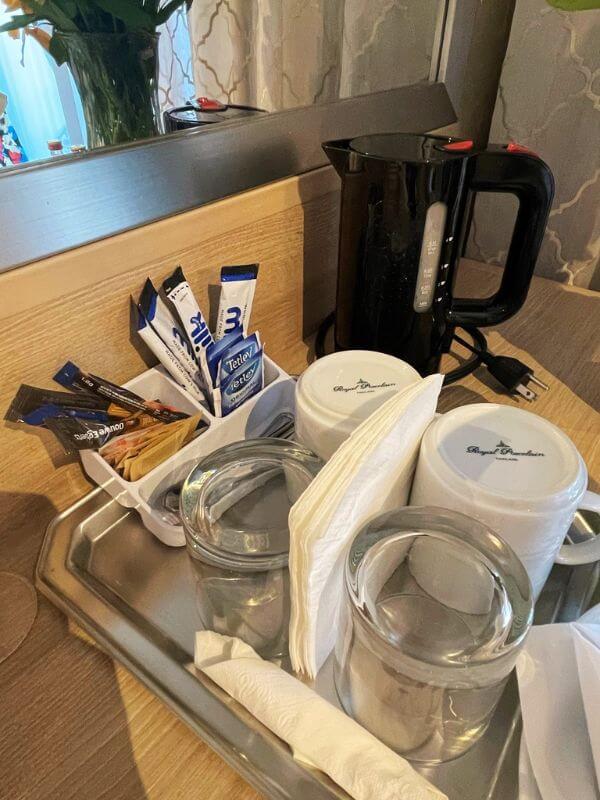
This one is for my UK readers. If you’re used to a cuppa whenever you fancy it, this one can catch you out.
Most cruise cabins don’t come with kettles, especially on international cruise lines. You’ll usually need to head to the buffet or order room service for tea and coffee.
Some UK-focused lines like Marella Cruises, P&O Cruises and Cunard do include kettles – but it’s always worth checking before you sail.
Final Word
Cruise cabins are clever little spaces – but they definitely don’t behave like your average hotel room. Once you understand the quirks, from power slots and plug sockets to vacuum toilets and hidden storage, everything just becomes easier.
A bit of planning goes a long way, and knowing what to expect means fewer surprises (and fewer annoyances) once you’re onboard.
Get these basics right, and your cabin becomes exactly what it should be – a comfortable, stress-free base for your cruise holiday.
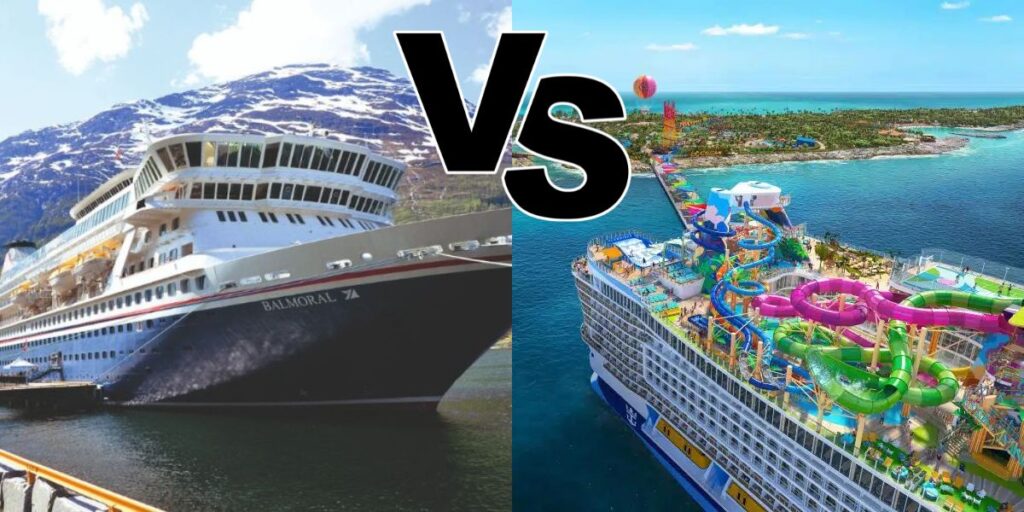
For a lot of cruise travellers, especially first-timers, the instinct is pretty simple. Newer ship equals better ship. Older ship equals compromise. And honestly, I used to think that too.
It makes sense on the surface. If you’re spending a fair bit on a holiday, why wouldn’t you want the latest ship with the shiny restaurants, clever cabin tech and enough attractions on the top deck to rival a seaside amusement park?
But cruise ships don’t really work like cars or mobile phones. Newer doesn’t automatically mean better for every kind of traveller, and older definitely doesn’t automatically mean tired, shabby or second best…
Defining Older Cruise Ships
There is no strict rule on what makes a cruise ship “old”.
However, when I was putting this guide together, I did some research. And of the approximately 320 cruise ships that are operating today, around half have been built within the last 20 years, and the other half still sailing predate that – some by quite a bit! (source)
There are several tall sailing ships that are over 100 years old. When it comes to regular cruise ships, many sail for around 40 years before being scrapped.
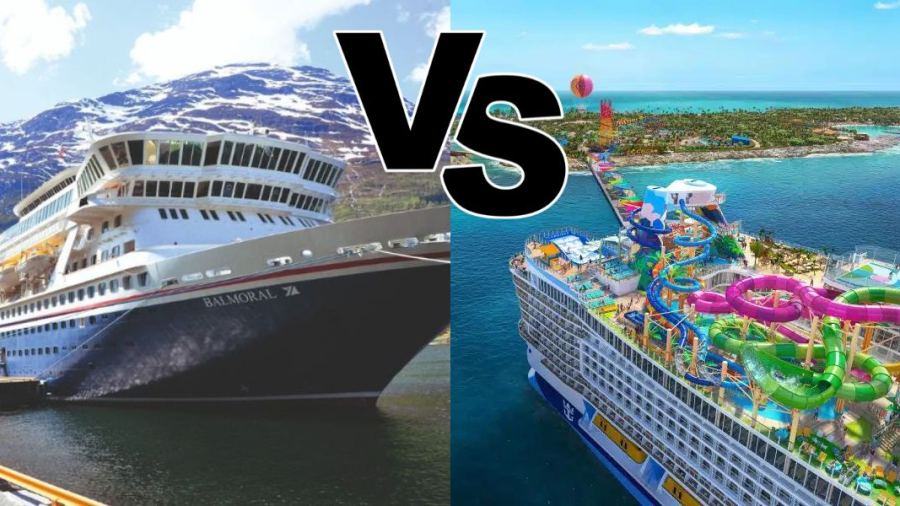
Also, here’s something interesting. The average gross tonnage of ships built within the last 20 years is around 97,000, compared with 50,000 for ships built before 2006. So in practical terms, more modern cruise ships have pretty much doubled in size.
That matters, because when people ask whether old cruise ships are still worth booking, what they’re often really asking is something slightly different.
They’re asking whether they should choose a smaller, simpler, more traditional ship – or pay extra for a larger, more feature-heavy floating resort.
And that’s where things get really interesting.
Because yes, age matters – but not quite in the way people think.
Cruise Ship Age Matters Less Than You Think
If I had to boil the whole debate down into one sentence, it would be this: the launch year matters, but the experience matters more.
A 20-year-old ship that’s been properly refurbished can feel fresher, smarter and more enjoyable than a much younger ship that hasn’t been especially well looked after. Equally, a brand-new ship can be absolutely worth the premium if you’ll genuinely use what it offers.
A ship’s age can hint at certain things. Older ships are more likely to be smaller, to have fewer balcony cabins, fewer speciality restaurants and less of the headline-grabbing stuff on the top deck.
Newer ships are more likely to have bigger spas, more dining choice, more family attractions, more tech and more modern cabin layouts.
But there are other questions that matter just as much.
What Actually Matters More Than Age
When you strip it back, these are the factors that really shape your cruise:
When the ship was last refurbished
How big it is and how many passengers it carries
What kind of onboard experience you want
That’s why “old versus new” is really only the starting point. The better question is whether the ship fits the holiday you actually want.
Cruise Ships Haven’t Just Got Newer – They’ve Got Bigger
This is the biggest shift in modern cruising, and it’s the part that gets lost when people focus purely on age.
Yes, the fleet is younger in many cases. But more importantly, newer ships are usually much larger. That size change affects almost everything about the onboard experience – the atmosphere, the passenger mix, the dining options, the entertainment and even the kinds of ports a ship can visit.
A ship built before 2006 is, on average, a very different proposition from one built afterwards.
Older ships were generally designed as comfortable bases for a holiday. Newer ships, especially at the mainstream end, are increasingly designed as destinations in themselves.
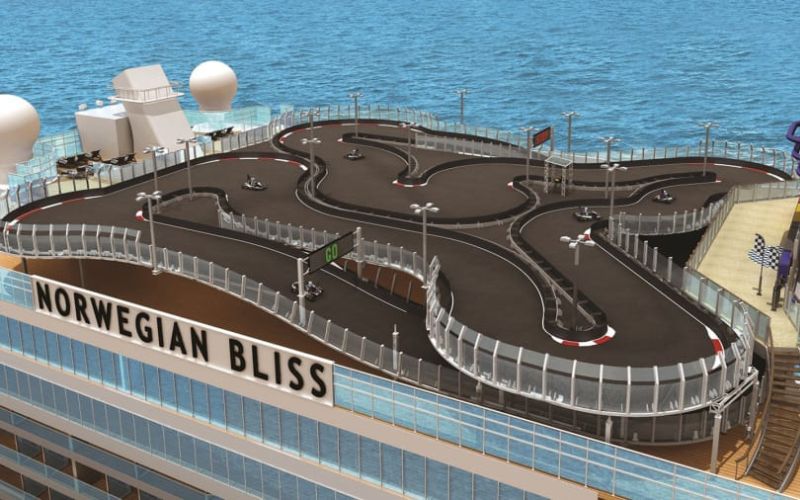
That’s why you now see waterparks, go-karts, zip lines, neighbourhood-style layouts and huge suite complexes. The ship is no longer just transport and accommodation. It’s part theme park, part resort, part entertainment complex.
That’s brilliant for some people, but not for everyone. Older ships tend to feel simpler. Less frantic. More like “ships”, frankly.
If you take one practical tip from this guide, make it this one: check refurbishment history.
A ship launched in 2003 but heavily refurbished in 2018 may feel far newer than expected.
When people worry about older ships, they’re rarely thinking about safety. They’re thinking about what they’ll notice day to day.
Worn furniture
Dated cabins
Limited plug sockets
Tired bathrooms
Carpets that have seen better days
Those concerns are valid. But they’re not solved by checking the build year alone.
What to Look For in a Refurbishment
Not all refurbishments are equal. Some are transformative, others are cosmetic.
Look for:
Cabin upgrades, not just public areas
New or updated dining venues
Refreshed soft furnishings and decor
Added features (slides, bars, lounges, etc.)
Improved layout or usability
Some older ships hit a sweet spot here – lower price, smaller scale, but modern enough not to feel tired. That’s often where the best value is.
8 Key Differences That Matter
1. Size and Crowds
This is the biggest practical difference, and it affects almost everything else.
Newer ships are typically much larger, often carrying 4,000–6,000 passengers or more. That scale allows for more venues and attractions, but it also means more people competing for the same spaces – whether that’s the buffet at lunchtime, loungers on sea days or seats for a popular show.
Older ships, by contrast, are usually smaller and easier to navigate. You’re less likely to feel like you’re constantly walking from one end of a small city to the other just to grab a coffee. Embarkation, disembarkation and moving around the ship can all feel a bit more straightforward.
That doesn’t automatically mean older ships feel empty or newer ships feel overcrowded – design plays a role too – but if you’re sensitive to crowds, size is something you’ll notice very quickly.
2. Atmosphere
Older ships often feel calmer and more traditional. There’s usually less background noise, fewer competing venues and more spaces designed simply for sitting, reading or watching the sea.
You’re more likely to find proper lounges, quieter bars and open deck areas without something shouting for your attention every five minutes.
Newer ships tend to feel busier and more energetic. There’s more going on, more announcements, more activities and more of a “what shall we do next?” vibe. For some people, that’s exactly what they want. For others, it can feel a bit relentless.
A useful way to think about it is this: older ships feel more like a ship with entertainment, while newer ships feel more like a resort that happens to float.
3. Onboard Attractions
If you want waterparks, zip lines, surf simulators, go-karts, skydiving simulators or full-on production shows, you’re looking at newer ships. They’ve been designed to keep people entertained onboard for days at a time, especially on itineraries with lots of sea days.
Older ships are simpler. You’ll still have pools, theatres, bars, quizzes, live music and the usual cruise staples, but you won’t find the same level of headline-grabbing attractions.
Whether that matters depends entirely on you. If you’re the sort of person who books a cruise partly for the ship itself, newer will feel like an upgrade. If you’re more interested in relaxing, reading, eating well and exploring ports, you may not miss those extras at all.
4. Dining Options
Newer ships have leaned heavily into dining variety.
It’s not unusual to find 15, 20 or even more dining venues on a modern ship, ranging from included options to speciality restaurants covering everything from steakhouses to sushi to teppanyaki. That level of choice can be great if you like variety and don’t mind planning meals or paying for upgrades.
Older ships tend to have fewer options. Typically a main dining room, a buffet and a handful of alternatives. That can sound like a downside, but it often means a simpler experience with fewer decisions and less temptation to spend extra.
There’s also an argument that on smaller ships, the main dining experience can feel a bit more consistent simply because the operation isn’t trying to cater to quite so many different venues at once.
5. Cabins and Technology
Newer ships generally have more balcony cabins, more modern layouts and better in-room tech. That includes things like multiple plug sockets, USB ports, better lighting, bigger TVs, smarter storage and more contemporary bathrooms.
Older ships can feel a bit behind in those areas. You might find fewer sockets, more limited layouts or bathrooms that haven’t changed much in years. That doesn’t make them unusable, but it can be noticeable, especially if you’re used to modern hotels.
That said, some older ships do have larger cabins or more usable space, and not everyone cares about having an app to control the lights. It’s one of those areas where “better” depends on what you actually value.
6. Itineraries
This is one of the biggest advantages older ships have.
Because they’re smaller, they can access ports that larger ships simply can’t. That might mean docking in smaller, more interesting destinations, avoiding the busiest mega-ship ports or offering routes that feel a bit less repetitive.
Newer, larger ships often stick to ports that can handle their size. That tends to mean more established routes and, in some cases, a heavier focus on private islands or heavily developed cruise destinations.
If your priority is seeing new places rather than experiencing the ship itself, this is where older ships can really stand out.
7. Passenger Mix
The type of ship you choose can subtly influence who else is onboard.
Newer ships, with all their attractions and family-friendly features, tend to draw more families, larger groups and first-time cruisers. That can make for a lively, energetic atmosphere – but also a busier one, particularly during school holidays.
Older ships often attract more experienced cruisers, couples and people who are less interested in the big attractions. That can translate to a slightly quieter, more laid-back vibe overall.
It’s not a hard rule – you’ll find a mix everywhere – but the feel of the crowd can differ more than people expect.
8. Value for Money
Older ships are usually cheaper – although it will vary. Sometimes significantly so. You might pay 30–50% less compared to a newer ship on a similar itinerary, which can mean upgrading your cabin, extending your trip or simply saving money.
Newer ships come at a premium, and often with more opportunities to spend once you’re onboard. That doesn’t make them bad value, but it does mean you should be clear about what you’re paying for.
If you’re going to use the extra restaurants, enjoy the shows and make the most of the facilities, the price can make sense. If not, you may find yourself paying more for things you barely touch.
For a lot of people, this is the turning point. Not which ship is “better”, but which one gives them the best overall holiday for their budget.
Who Should Book Older Ships?
You care more about where you’re going than what’s on the top deck
If your cruise is about the destinations, not the ship itself, older ships make a lot of sense. You’re paying for the itinerary, not the zip line you’ll never use.
You prefer a calmer, less hectic atmosphere
Older ships tend to feel more relaxed. Fewer announcements, fewer crowds, fewer people trying to do the same thing at the same time.
You don’t need endless dining and entertainment options
If you’re happy with a main dining room, a buffet and a few bars, you won’t miss having 20 restaurants and a packed activity schedule.
You’d rather save money or upgrade your cabin
The lower fares on older ships often mean you can stretch your budget further – whether that’s a balcony instead of an inside, or an extra night or two.
You like a more traditional cruise experience
Think promenade decks, ocean views and spaces designed for sitting and watching the sea rather than filling every corner with attractions.
You’ve cruised before and know what you actually use
Repeat cruisers often realise they don’t need the newest ship every time. Once you know what you enjoy, it’s easier to skip the extras.
When Are New Ships Worth the Extra?
You want the ship to be part of the main attraction
If the idea of a floating resort appeals, newer ships deliver. You’re not just travelling – you’re experiencing the ship itself.
You’re travelling with kids or a mixed group
Newer ships are built for variety. Slides, kids’ clubs, shows and multiple dining options make it easier to keep everyone happy.
You enjoy lots of choice, especially for food and entertainment
If you like having options – and plenty of them – newer ships are hard to beat. There’s always somewhere new to eat or something to do.
You have several sea days
The more time you’re onboard, the more those extra facilities start to matter. On a sea-day-heavy cruise, a bigger ship can feel worth it.
Modern cabins and tech are important to you
If things like USB ports, a big TV and more contemporary bathrooms matter, you’ll notice the difference on newer ships.
You’re new to cruising and want a safe bet
For first-time cruisers, newer ships can feel like an easy introduction. More familiarity, more choice and fewer chances to feel underwhelmed.
How Ship Age Impacts Safety
This is the concern people don’t always say out loud – but it’s usually there.
If a ship is 20 or 25 years old, is it still safe?
The short answer is yes. Age on its own isn’t a safety issue.
Cruise ships are subject to strict international regulations and constant inspection. They don’t just get checked every now and then – maintenance is ongoing, and it’s planned down to individual systems.
And remember, ships are maintained constantly – not just as part of the occasional dry dock.
Engines, navigation equipment, safety systems, lifeboats, firefighting equipment – all of it is routinely tested, serviced and replaced when needed.
Crew can carry out significant repairs while the ship is still in operation, and systems are maintained on rolling schedules. Dry dock is just the bigger, more visible part of that process – where hull inspections, major overhauls and larger upgrades take place.
If anything, older ships are often subject to more frequent inspections and maintenance cycles, not less.
There’s also a commercial reality behind it. Cruise lines won’t keep a ship in service if it becomes too expensive to maintain safely. At that point, it’s either sold on or retired altogether.
So the idea of a cruise line knowingly operating an unsafe ship just doesn’t hold up.
TODAY’S BEST CRUISE DEALS!
Don’t miss these offers…
Before You Book: What to Check
Before choosing between an older or newer ship, look at:
Last refurbishment date
Ship size and passenger capacity
Itinerary and number of sea days
Dining options (included vs extra cost)
Cabin photos, not just descriptions
Reviews mentioning condition and upkeep
And most importantly, be honest about what you actually want from your cruise.
Because in the end, newer isn’t automatically better, and older isn’t automatically worse.
Older ships can offer better value, more interesting itineraries and a more relaxed experience. Newer ships can offer more facilities, better cabins and more onboard entertainment.
The best choice isn’t the newest ship. It’s the right ship.
There’s a special little moment on embarkation day when you finally step into your cruise cabin for the first time.
After the airport, the port, the queues, the check-in desks and the general chaos of travel day, this is when it all starts to feel real. You’ve made it. The holiday has officially begun.
It’s also very tempting, of course, to throw yourself onto the bed, admire the view and do absolutely nothing for half an hour. Fair enough. But before you settle in properly, there are a few things worth doing first.
Nothing too dramatic, and definitely nothing that’ll eat into your first cocktail of the trip, but a handful of smart cabin tasks can make the rest of your cruise run much more smoothly.
1. Drop Your Bags and Take a Proper Look Around
The first thing to do when you arrive is the simplest one – put your bags down and take in the room. Even if your suitcase hasn’t arrived yet and you’ve only got your carry-on with you, it’s worth pausing for a couple of minutes before rushing off again.
This is your base for the next few days, and getting your bearings straight away helps the whole cabin feel less like a temporary stop and more like your own little space at sea.
Have a quick wander around. Open the wardrobe, look in the bathroom, check where the desk is, clock the storage space and see what sort of outlets you’ve got.
If you’ve booked a balcony cabin, this is also the moment for the classic first step outside. It’s part practical, part excitement, and both are equally valid.
Also, you might want to take a photo of the cabin. Trust me, this it the nicest it will look all week, no matter how tidy you are!
2. Make Sure It’s Okay
You don’t need to conduct a full inspection worthy of a shipping surveyor, but it is worth giving the cabin a quick once-over as soon as you get in.
Check that the lights work, the air conditioning is blowing properly, the safe opens, the bathroom looks clean and there’s nothing obviously broken, missing or out of place. Cruise cabins are turned around quickly between sailings, so the odd issue can slip through.
This matters most on embarkation day because it’s when problems are easiest to sort.
If a lamp isn’t working, the the bathroom smells funky or the bed isn’t set up as requested, it’s much better to raise it early than discover it later when everyone else is also asking for help. Most issues are fixed quickly – but only if someone knows about them.
Having an issue with your cabin isn’t uncommon or anything to get upset about. Just let your cabin steward known and there’s a 99% chance it’ll be fixed within the hour.
3. Consider Asking For An Upgrade
If you walk into your cabin and your heart sinks, know that you may not have to stay in that cabin.
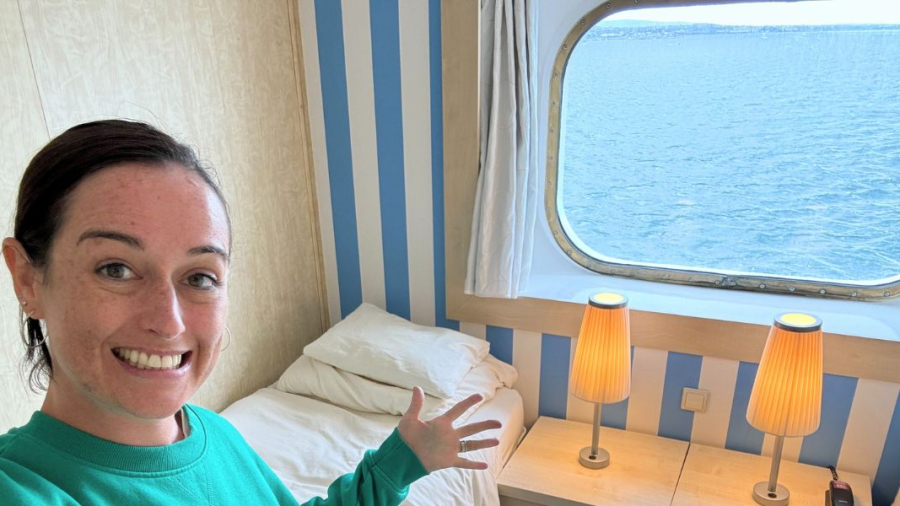
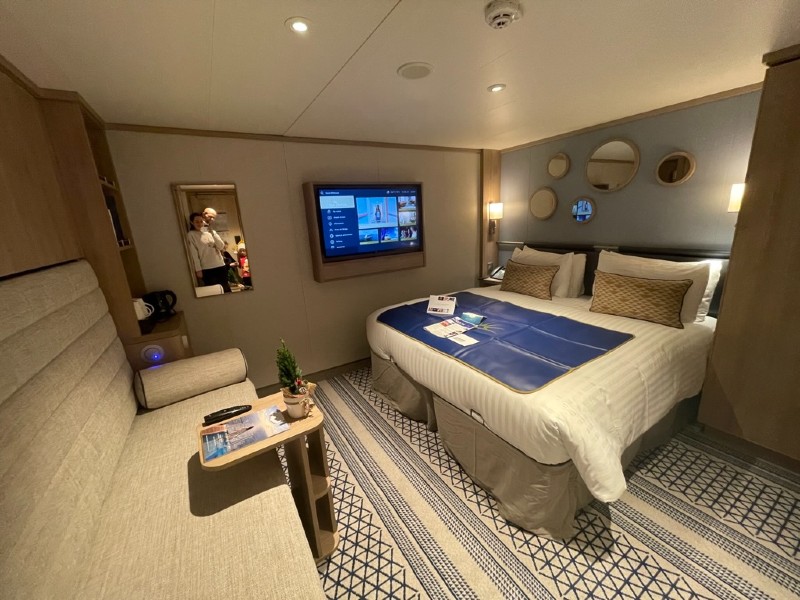
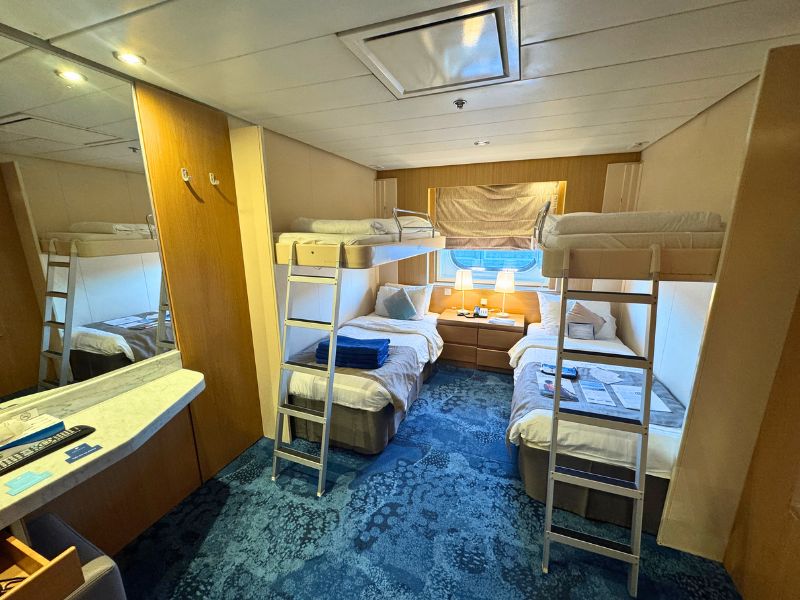
This happened to me when I booked a two-week cruise over Christmas in the cheapest cabin on P&O Arvia. The cruise was expensive and it was all we could afford. But when I walked in to the cabin and saw how little space there would be four our family of four, I decided to see if there were any other options.
Our original room
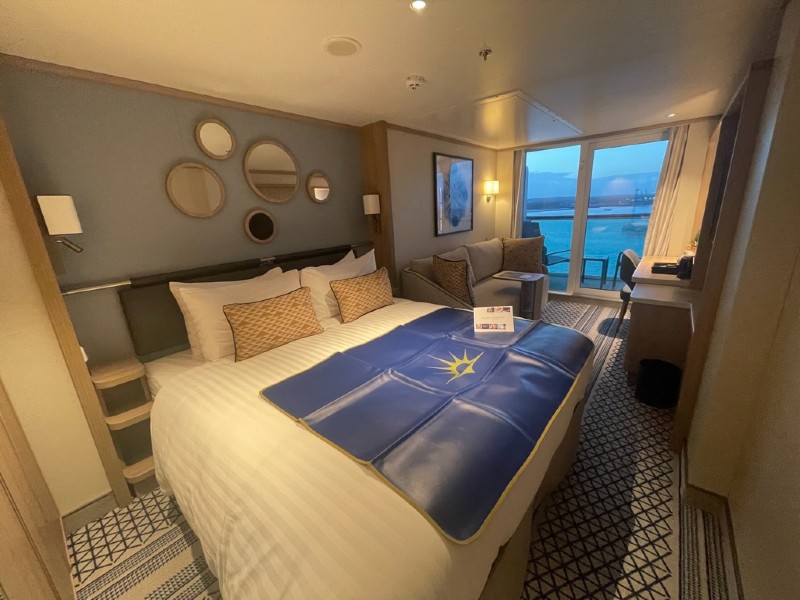
I immediatley went to reception and asked if they had anything else. Luckily for me, someone in a balcony cabin had cancelled at the last minute, and so we were offered an upgrade.
The price to upgrade was just £260, which was an absolute bargain, as booking the balcony room originally would have cost us a lot more than that.
We were given the keys to our new room and we loved it! It made such a difference to wake up there on Christmas morning.
Our new room
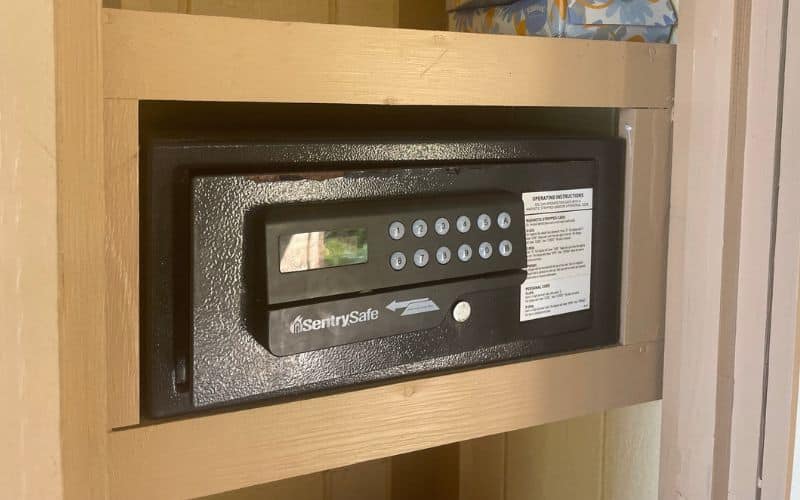
4. Put Your Valuables in the Safe Straight Away
Once you’ve had your first look around, put anything important in the safe and get it out of the way. Passports, spare cash, jewellery, laptops, car keys, wallets – anything you don’t need to have on you should be stored safely rather than left on the desk or stuffed into a random drawer.
It’s not about being paranoid. Cruise cabins are generally very safe, and your steward will be in and out cleaning during the sailing. But embarkation day is busy, you’re unpacking, you’re distracted, and that’s exactly when things are easiest to misplace.
Popping your valuables in the safe from the start means you won’t spend the first evening wondering where you left your passport. Keep your cruise card with you and stash the rest.
5. Unpack As Soon As You Can
Unpacking is one of those jobs nobody feels like doing, but it makes a huge difference on a cruise.
Cabins are usuall pretty compact, and even the nicest ones can start to feel cramped if you live out of an open suitcase for a week. The quicker you hang things up, fill the drawers and get the cases out of sight, the quicker the room feels calm and usable.
It’s especially worth hanging up anything that creases easily – dresses, shirts, linen bits, dinner outfits – so they’ve got a chance to drop out before you wear them.
Once you’ve unpacked, slide the cases under the bed if there’s room. It’s one of the easiest ways to reclaim floor space. Even on a short cruise, it’s still worth doing. A tidy cabin feels bigger, and on a ship, bigger always feels better.
There’s something psychologically refreshing about changing out of whatever you travelled in and into proper cruise clothes.
It doesn’t matter whether you arrived by car, train or after a long-haul flight – your embarkation-day outfit has done its job. Swapping it for something fresh is a very effective way of telling your brain that the stressful bit is over now.
This is especially handy if you’ve packed a first-day outfit in your carry-on, which is always a smart move. Maybe that’s swimwear and a cover-up if you’re heading straight to the pool deck, or maybe it’s something casual for exploring the ship and grabbing lunch.
Either way, you’ll feel much more comfortable, much more put together and much more like you’re actually on holiday. It’s a small reset, but it works brilliantly.
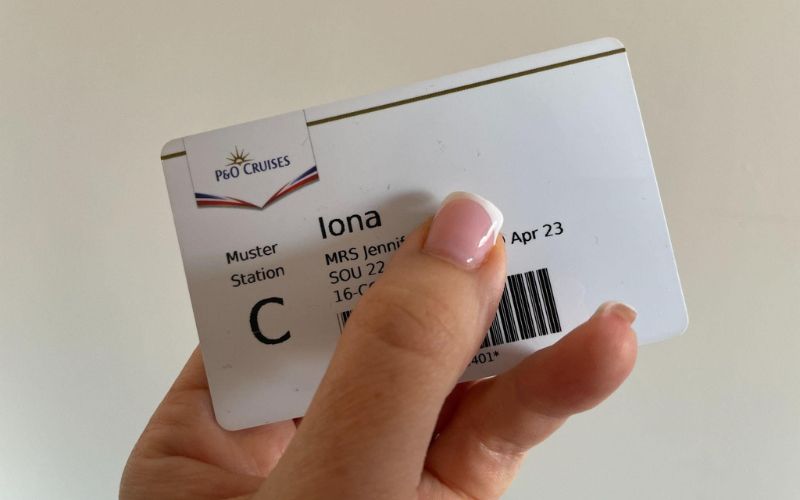
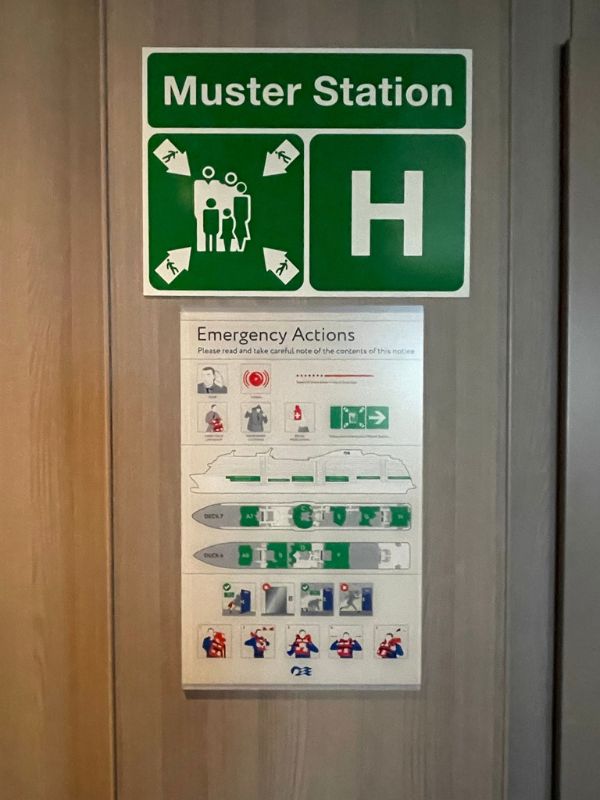
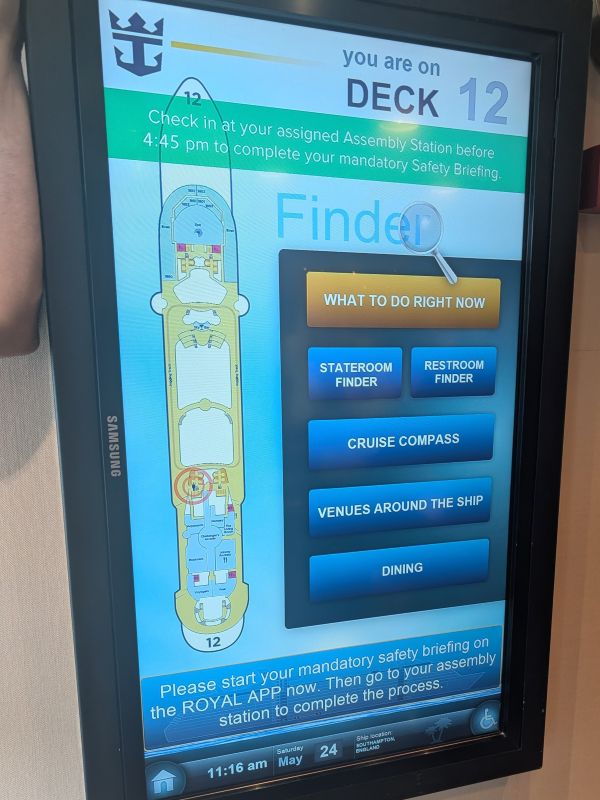
Nobody boards a cruise ship thinking, “Excellent, can’t wait for the safety drill,” but it’s one of the few genuinely non-negotiable things you need to do on embarkation day.
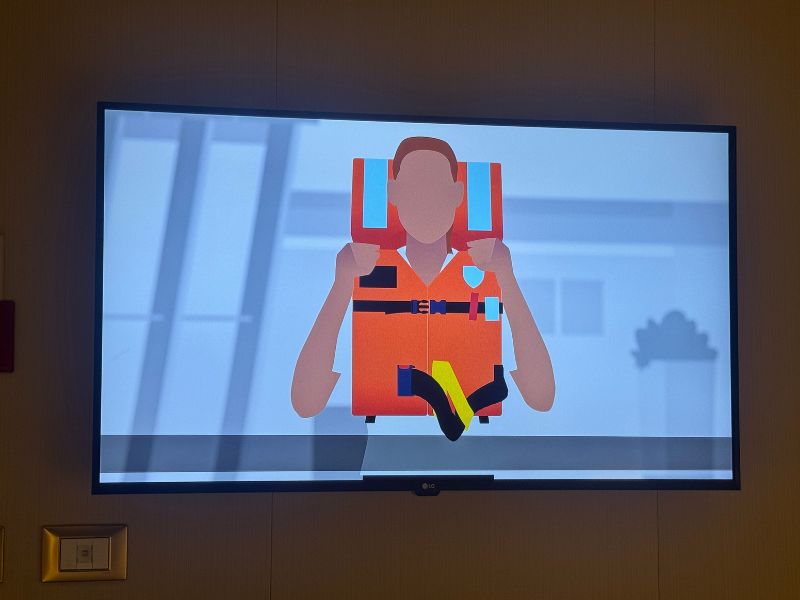
Many cruise lines now use e-muster systems, which usually means watching a short safety video on your cabin TV and then physically checking in by tapping your cruise card at your station. Others still do a more traditional drill.
Either way, get it done early. It’s much nicer to tick it off before the ship gets busier and before you’re halfway through a drink wondering whether you still need to go. Once it’s done, you can properly relax and get on with enjoying the holiday.
There’s a good chance you’ll even do it before you’ve made it to your cabin. If so, win.
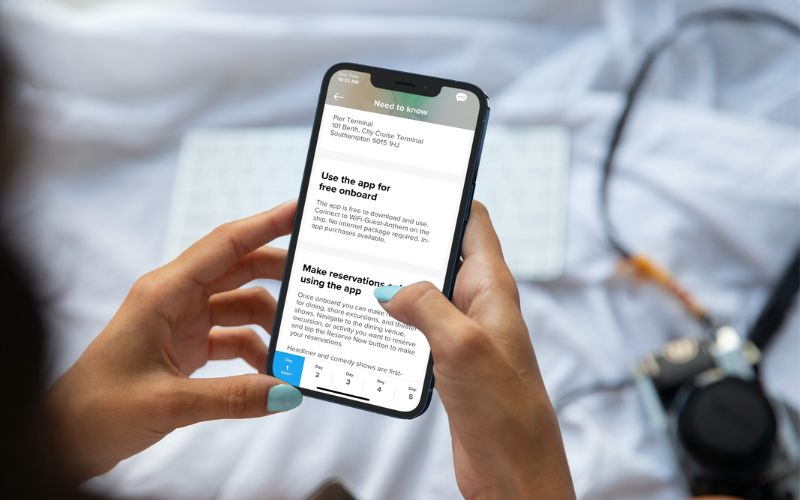
If your cruise line has an app – and most do now – hopefully you’ll have already downloaded it and logged in while at home.
On many ships, the app is where you’ll find daily schedules, dining times, deck plans, reservation systems and even chat functions for messaging other people in your group.
Some parts of the app won’t be available until you’re onboard, so now’s the time to log back in and see what extra features you have (more on those later)
If you’ve bought WiFi, now’s also a good time to activate it. Sorting that while you’re still in port can be easier if anything goes wrong, and it means you’re not fiddling with login screens later.
Don’t forget airplane mode too – cruise ship roaming charges are the sort of holiday surprise nobody wants. A few minutes of tech admin now can save a lot of faff later.
The daily planner doesn’t look exciting at first glance, but it’s actually one of the handiest things in your cabin. Whether it comes as a printed sheet, on the TV or through the cruise app, it tells you what’s happening on board and when.
That includes the fun stuff – sailaway parties, shows, quizzes, live music, deck events – but also the practical bits, like dining times, drill instructions and venue opening hours.
Having a quick read early on helps you spot anything you’d otherwise miss. Maybe there’s a first-day special at the spa, a welcome event you’d enjoy or an activity that books out quickly. It also helps you get a sense of the ship’s rhythm.
One of the nice things about cruising is that there’s always something going on, but unless you check the planner, you can easily drift past the best bits without realising.
10. Look At All The Papers On The Desk
The desk in your cruise cabin will likely have an arrangement of papers on it. Don’t ignore these.
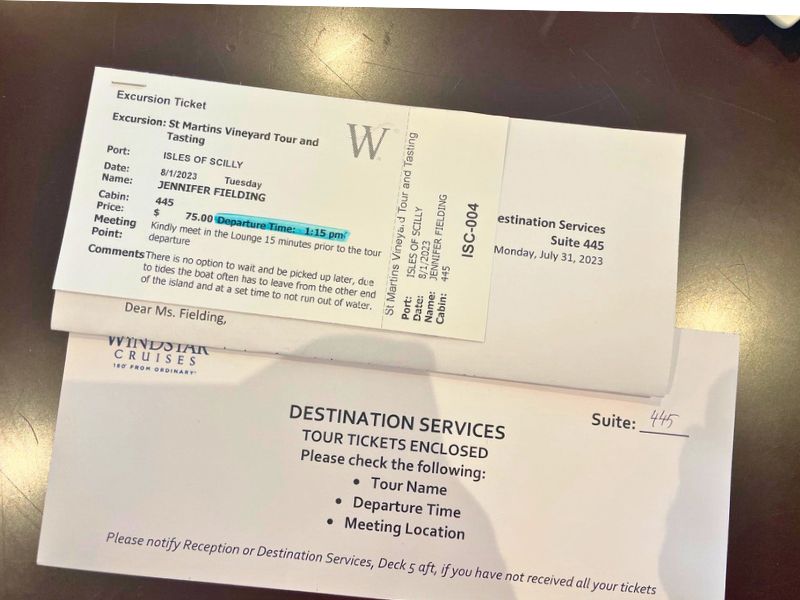
Some of them will be vital things like excursion tickets that you need to keep safe, or wristbands that children must wear at all times that have their muster station letter on.
Other things are special offers or invitations to events like wine tastings, cookery classes and spa events. These can often book up quickly, so if you want to do one of these, now’s the time to pick up the phone in your cabin and call to book your place.
11. Book Anything Important Before Everyone Else Does
Embarkation day is prime time for booking the things. Some ships only open up availability once you’re onboard, so it’s important that you make your bookings early on embarkation day.
For example, Virgin Voyages let you book your dining in each of the restaurants before your cruise. But when I checked, the only slots available were 5pm or 9pm. However, once I got on the ship, I checked again and there were many more times available. The next day, they had gone again.
Specialty restaurants, spa appointments, shows, limited-capacity attractions, sometimes even excursions – the best slots can disappear quickly once everyone gets on board and starts checking the app. That’s why it’s worth using a few quiet minutes in your cabin to get organised.
Even if you think you might decide later, it often pays to reserve a time and then change it if needed. It’s much easier to tweak a booking than to find there’s nothing left at all.
This is particularly true on ships where entertainment needs reserving, or on cruises with a lot of sea days where everyone’s competing for the same prime evening spots. Handle it early and you won’t spend the rest of the cruise mildly annoyed that the steakhouse is full.
12. Check the Bed Configuration
Cruise ship beds are wonderfully flexible, which is great in theory but does mean the setup isn’t always exactly how you expected when you first walk in.
If you requested a double bed and found twins, or you’re sharing with a friend and were hoping not to be pushed together all week, check it straight away and mention it as soon as you can.
The same goes if you’ve got children or extra guests in the cabin and need the sofa bed or Pullman arrangements sorted.
None of this is usually difficult to fix, but it’s much nicer to get it done early in the day than to realise at bedtime that the room still isn’t set up properly. Cruise staff are used to these requests, so don’t feel awkward asking. Better a quick conversation now than a less cheerful one later when everyone’s tired.
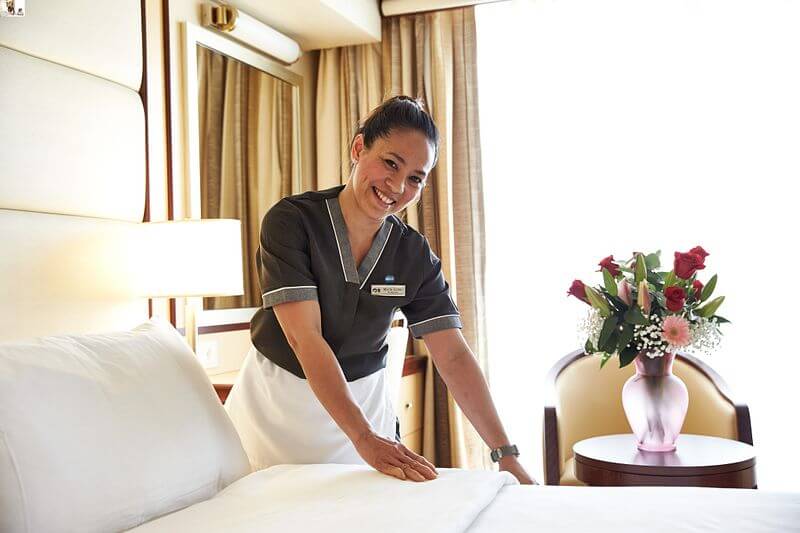
13. Meet Your Cabin Steward
At some point not long after you arrive, you’ll probably meet your cabin steward. It might just be a quick hello in the corridor, or they may pop in and introduce themselves while they’re working nearby. Either way, it’s worth taking a minute to say hello properly.
Your steward plays a huge part in how smoothly your cabin experience goes, and a friendly introduction sets the tone nicely.
This is also the perfect moment to make any simple requests. Extra pillows, extra towels, more hangers, ice, a mattress topper, separate beds, a sofa bed left out – whatever you need, ask early.
They may not be able to do everything instantly on the busiest day of the cruise, but they can usually sort most things pretty quickly. A little friendliness goes a long way, and it makes future requests feel much easier too.
This one’s optional, but plenty of experienced cruisers do it and it’s easy enough if it gives you peace of mind.
A quick wipe over the high-touch areas in your cabin can be a sensible little embarkation-day habit, especially after a long journey through airports, terminals and busy public spaces. You’re not trying to deep-clean the room – the steward’s already done that – just freshen the bits that get touched most.
Think door handles, light switches, the TV remote, the phone, the safe keypad and maybe the bathroom taps. It only takes a minute or two if you’ve packed antibacterial wipes in your carry-on, and it can be particularly reassuring at the start of the trip.
Cruise ships work hard on hygiene, but no one’s ever been upset they spent sixty seconds wiping the remote before using it all week.
15. Set Up a Charging Spot
If you travel with a phone, watch, camera, Kindle, earbuds and whatever else modern life seems to require, then setting up a charging spot early is one of the smartest little things you can do.
Cruise cabins don’t always have loads of sockets, and the ones they do have aren’t always where you’d ideally want them. Rather than charging things randomly all over the room, pick a sensible place and make that your device corner.
That way, you’re not hunting for cables every night or leaving your phone balanced precariously somewhere ridiculous. It also helps keep the cabin tidier, which matters more than you’d think in a compact space.
If you’ve brought an approved multi-USB charger, even better. Once your charging setup is sorted, the whole room feels more organised – and you’re far less likely to wake up to a phone battery on 12 per cent.
I used to have the setup above, which was crazy when I thnk about it. Now instead, I have one multi-adaptor that handles everything…
16. Leave the Cabin and Go Enjoy the Ship
Once the essentials are sorted, don’t spend too long hiding in your room. It’s easy to get sucked into unpacking, fiddling with drawers and generally nesting, but embarkation day is one of the most exciting parts of the whole cruise.
The ship is buzzing, the bars are open, lunch is being served somewhere and the holiday atmosphere is fully kicking in. You’ve done the practical jobs – now go enjoy the fun part.
Head up on deck, grab a drink, take a wander around the ship, get your bearings and soak it all in. This is also a brilliant time for photos before things get too messy or crowded.
Your cabin matters because it’s your home base, but the reason you’re here is everything happening outside it. Get the smart stuff done first, then get out there and start the holiday properly.
Final Thoughts
Getting to your cruise cabin for the first time is one of the best moments of embarkation day – but a little bit of early organisation can make that first afternoon, and the rest of your trip, much smoother.
You don’t need to overthink it, and you definitely don’t need a military-style checklist. Just focus on the things that genuinely matter – unpacking, checking the room, sorting the safety drill, booking anything popular and getting your cabin set up in a way that works for you.
Do that, and you can settle in quickly, avoid a few common annoyances and get on with the important business of actually enjoying your cruise.
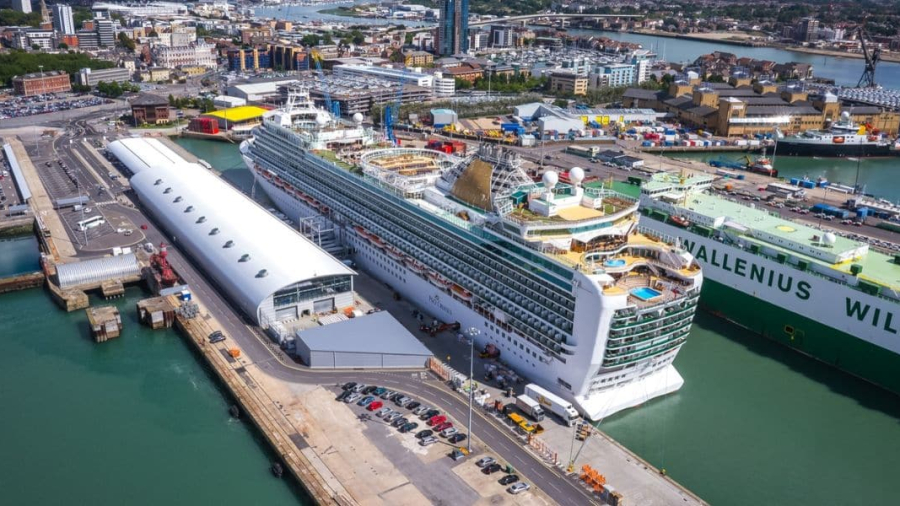
Modern cruise ships are so enormous that your brain almost struggles to process their size properly. You can stand beside one in port and still not fully realise just how huge it is.
The first time I boarded a big cruise ship, I genuinely got lost for days. Finding my cabin was hard enough. Working out which side was port and which was starboard. Even harder.
And today’s newest ships make those older ships look tiny.
Some are taller than skyscrapers, longer than several football pitches and carry more people than many small towns. But the really surprising part isn’t just their size… it’s how they actually manage to float in the first place.
The Size of an Average Cruise Ship
Cruise ships are measured in terms of gross tonnage (GT), which is a measurement of the internal volume of a ship. The average cruise ship has a gross tonnage of 120,000 GT.
But how long is a cruise ship? Well, an average-sized cruise ship is 1,000 feet long – the same length as three football fields or ten blue whales. The average cruise ship carries around 3,000 guests and has 15 decks.
However, cruise ships come in all different sizes, ranging from small yacht-style cruise ships carrying fewer than 100 guests, to huge mega-ships that can accommodate over 7,000 guests plus more than 2,000 crew members.
The World’s Biggest Cruise Ship
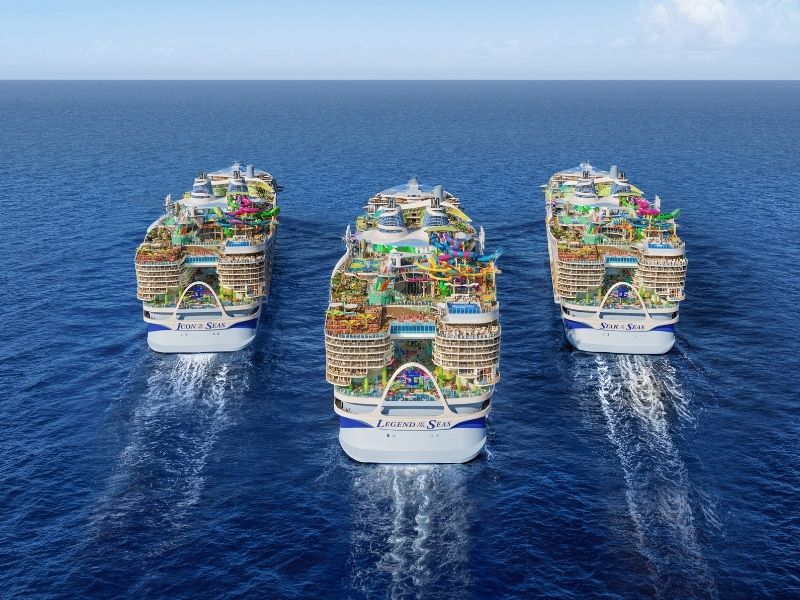
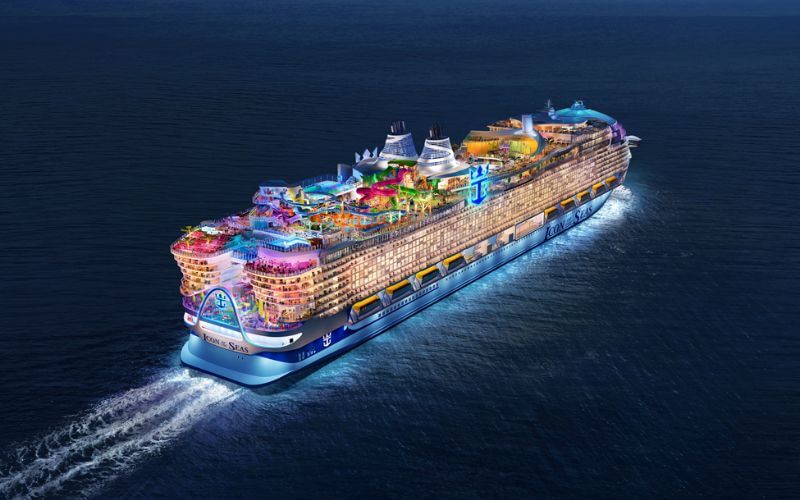
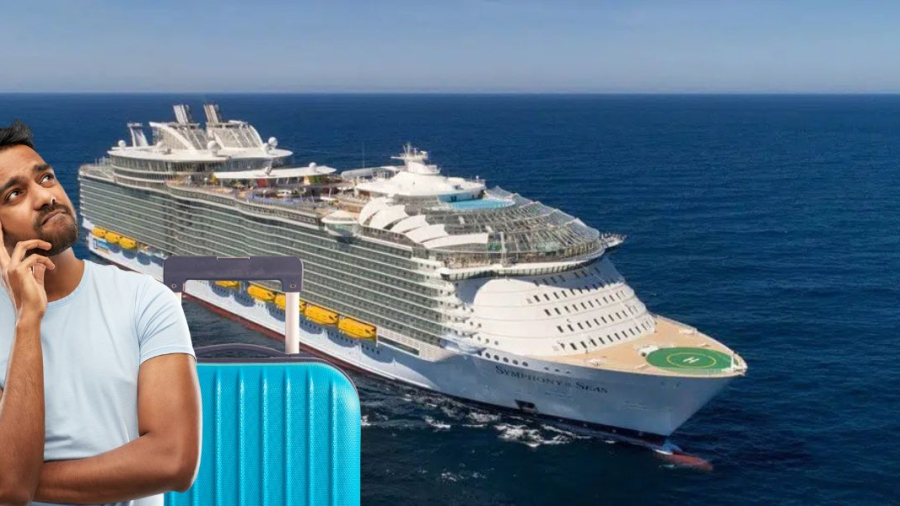
The biggest cruise ship in the world is Icon of the Seas, with a gross tonnage (internal volume) of 248,663 GT. The ship is 1,198 feet long and can carry 7,600 passengers and 2,350 crew members.
The longest cruise ship in the world is Icon of the Seas, but before Icon, it wasn’t Wonder – it was actually Harmony of the Seas. This ship is four inches longer than Wonder of the Seas, with a length of 1188.1 feet compared to 1187.8 feet.
It’s really hard to find the weight of a cruise ship, because so many people think that the gross tonnage is the weight. It’s not – it’s a measure of volume only, and doesn’t tell you how much the ship actually weighs in deadweight tons.
Also, the ships tend to be a bit big to fit on a set of scales! I’ve seen estimates that put the Oasis-class ships for Royal Caribbean at around 600,000 tons or 600,000,000 kilograms, but these aren’t backed by evidence, so I don’t know how accurate they are.
The Height of a Cruise Ship
The average cruise ship tends to be around 200 feet tall, though there are some that are closer to 250 feet tall. The height of a cruise ship depends on the number of decks that it has – average ships have around 15 passenger decks, but some can have as many as 20.
How to Compare the Sizes of Cruise Ships
Cruise ships are usually measured in terms of length, internal volume (gross tonnage) and passenger capacity.
Most medium- and large-sized cruise ships are of a similar length. The difference between mega-ships and their medium-sized cousins comes in terms of width, height and internal volume.
The largest cruise ships are wider and have more decks than smaller-sized ships. This adds more weight, as does the addition of more swimming pools, hot tubs and other weighty facilities.
Passenger capacity is a good way to compare cruise ships. However, it’s important to consider that there are two different measures of passenger capacity for a ship: double occupancy and maximum occupancy. For a ship to sail at maximum occupancy, every bed would need to be filled in every stateroom. In reality, this very rarely happens as sofa beds and extra bunk beds, which come down from the ceiling, aren’t always used.
How Many People Fit on a Cruise Ship
The most people that can fit on a cruise ship is around 9,950 people. The largest cruise ship in the world in terms of maximum passenger capacity is Royal Caribbean’s Icon of the Seas.
This ship has a maximum passenger capacity of 7,600 as well as a crew capacity of 2,350. [Source]
The Growing Size of Cruise Ships
Cruise ships have been getting larger all the time, with a demand for mega cruise ships coming from cruisers championing the notion that ‘bigger is better’.
Of course, cruise ships will always be limited in terms of size by the ports that they visit. Some ports can only handle ships of a certain size because the dock is only so big, the water is only so deep and the port itself only has the staff and facilities to handle so many passengers at one time.
Contracts are signed on the build of new cruise ships years in advance of their completion, so we can spot whether the trend is for cruise ships to get larger or smaller.
It can be tricky to understand exactly how big a cruise ship is without seeing it with your own eyes. How big is 1,000 feet in real life? To help you visualise the size of cruise ships, I’ve made comparisons between average cruise ships and other large things.
For these cruise ship size comparisons, I’ve used 1,000 feet as the average length of a large cruise ship.
The Size of a Whale Compared to a Cruise Ship
Cruise ships are at least ten times larger than whales. The average cruise ship is 1,000 feet long, whereas the largest blue whales are no more than 100 feet long. Some whales are very small, such as the dwarf sperm whale, which is just nine feet long.
The Size of an Aircraft Carrier Compared to a Cruise Ship
Aircraft carriers and cruise ships are roughly the same size. The largest aircraft carrier at sea, the Gerald R Ford Class aircraft carrier, has a length of 1,106 feet, only slightly smaller than the world’s largest cruise ship, Icon of the Seas, which is 1,198 feet long.
The Size of a Container Ship Compared to a Cruise Ship
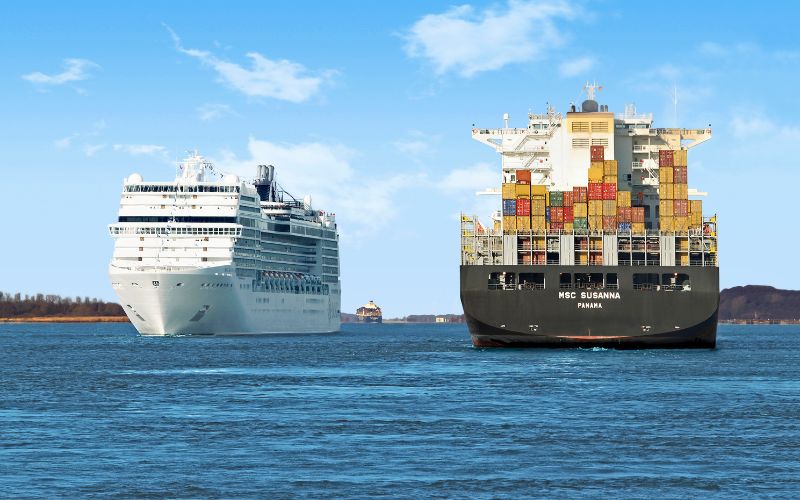
Most container ships are of a similar size to large cruise ships. However, the largest container ships in the world are longer than cruise ships. Container ships can be up to 400 meters in length – around 10% longer than the biggest cruise ships.
The gross tonnage (volume) of container ships versus cruise ships is roughly equivalent. However, the world’s biggest cruise ship, Icon of the Seas, has a gross tonnage of approximately 80,000 GT, greater than the largest container vessels. The largest cruise ships also have a greater beam (width).
Whereas the largest container ships operate with around 25 crew members, cruise ships like Icon of the Seas have up to 2,350 crew on board to look after the guests.
The photo below shows a 400-meter-long container ship, one of the biggest in the world. It was taken by my port pilot friend, John. You can read what it’s like to be a ship’s pilot here.
The biggest cruise ship in the world, Icon of the Seas, is three times longer than an American football field. Smaller expedition yachts or river cruise ships are more similar in size to a football field, with a length of around 300 feet.
Football (soccer) pitches, in comparison, vary in size from 100 yards to 130 yards.
The Size of Noah’s Ark Compared to a Cruise Ship
Noah’s Ark was much smaller than most modern cruise ships. It would have been similar in size to Silversea’s luxury expedition cruise Silver Cloud, which carries around 250 guests. The average cruise ship carries around 3,000 guests.
According to the Bible (Genesis 6:15), the dimensions of Noah’s Ark were: 300 cubits in length, 50 cubits in width and 30 cubits in height.
A cubit is an ancient measurement of length that is based on the distance from the elbow to the tip of the longest finger. This makes the exact length of a cubit uncertain, but it is most likely to be around 20 inches.
Based on the information in the Bible, we can estimate that Noah’s Ark would have been about 510 feet long and 50 feet tall. This means that Noah’s Ark was around half the length and one-quarter of the height of the world’s largest cruise ship, Icon of the Seas, which is 1,198 feet long.
The Size of Titanic Compared to a Modern Cruise Ship
The average modern cruise ship is two and a half times bigger than the Titanic, which was 882 feet long with a gross tonnage of 46,428 GT and space for 2,435 guests. The average cruise ship is 1,000 feet long with a gross tonnage of 120,000 GT and space for 3,000 guests.
By today’s standards, the Titanic would have been a medium-sized ship. Her dimensions and capacity are not dissimilar to some luxury cruise ships still sailing today.
The following table compares the size of Titanic to Regent Seven Seas’ ship Seven Seas Mariner:
As we’ve learned, cruise ships are pretty massive. But what about the parts that make up the cruise ship? Let’s find out how big they are…
The Size of a Cruise Ship Propeller
The largest propellers on cruise ships are about 20 feet tall. Known as azipods, each ship has three of these huge propellers to propel the ship and manoeuvre it in port.
Get a close-up look at Royal Caribbean ships’ propellers in this video:
A large cruise ship that’s between 900 and 1,100 feet in length can store 1-2 million gallons of fuel in its fuel tanks. Smaller cruise ships will carry significantly less, with yacht-style cruise ships carrying about 200,000 gallons. [Source]
The newest cruise ships use liquefied natural gas (LNG) rather than diesel. LNG is a relatively new fuel source for cruise ships and is used to power the latest ships, such as P&O Cruises’ Iona, Costa Smeralda and others.
LNG has a lower fuel density than diesel, so a vessel using LNG needs to have twice as much tank space available. LNG-powered cruise ships store fuel across three tanks. Two of the tanks are 115 feet long and 26 feet in diameter, the other is 91 feet long with a diameter of 16 feet.
Both diesel and LNG-powered cruise ships are able to sail for up to two weeks without refuelling.
The Size of the Engine on a Cruise Ship
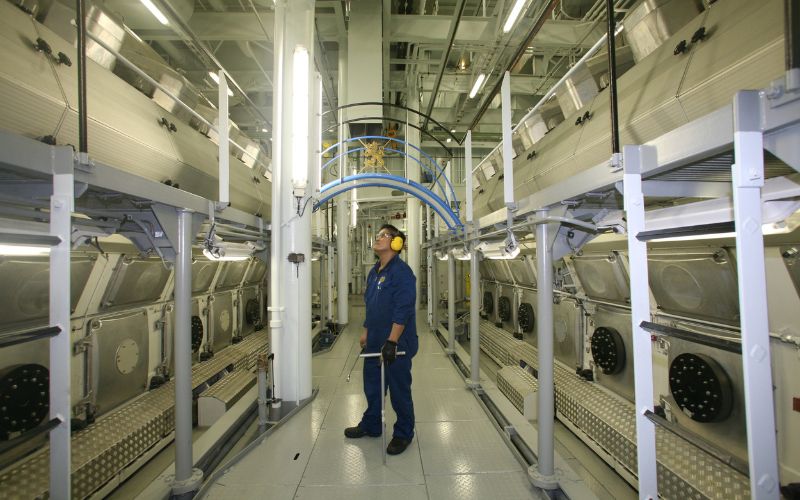
The engine room on a cruise ship is three to five decks high. Most cruise ships have four engines, each of which is around 25 meters long and around 17 meters high. The largest cruise ships have six of these engines.
The different parts of the engine are divided into separate water-tight compartments, one for the main engines and another for the heating and air-conditioning system. This is for safety reasons. If a penetration to the hull or fire happens, multiple compartments help contain the damage.
If you’d like to see what it looks like inside a cruise ship engine room, take a look at this fascinating video:
Cruiser ship anchors are usually 10 to 20 feet high and weigh around 30,000 pounds (13,600 KG). The anchor chain is around 1,400 feet long and each individual link weighs over 100 pounds.
Most cruise ships have two anchors. Anchor designs vary, as do the weights and dimensions, which are carefully calculated for each ship.
Queen Elizabeth 2 had two forward anchors, one of which is displayed as a landmark in the ship’s homeport of Southampton. The anchor is 4.3m (14ft) high, 2.7m (9ft) wide and weighs 13 tonnes.
This video shows Legend of the Seas dropping her anchor:
Most cruise ships have standard inside cabins that are between 150 and 185 square feet and standard balcony cabins that are between 170 and 220 square feet. Cruise ship cabins are generally the size of a small hotel room with enough room for a queen-size bed, wardrobe, bathroom and a small desk or vanity area.
Each ship will have many different cabin types, ranging from single inside cabins to huge suites.
Luxury cruise ships often have much larger suites than regular cruise ships. The Regent Suite on board Regent Seven Seas Splendour is the largest suite at sea and measures 4,443 square feet. This is over four times the size of the average UK home.
This video shows what an inside cabin is like on a cruise ship and how it can accommodate a family of four.
I hope that this article will help you understand how big a cruise ship is. I do believe, however, that until you step on board for yourself, the sheer scale of a cruise ship is quite a difficult thing to comprehend.
Whether you’re stepping ashore to explore a new port or preparing to say goodbye at the end of your voyage, what you do before you leave the ship can make or break your day.
A little preparation keeps things smooth, stress-free and far more enjoyable – trust me, I’ve seen some very frazzled people who got it all wrong!
Here are the essential things you should always do before getting off a cruise ship – split into what you should do on port days and on embarkation day (since they’re completely different).
Things You Should ALWAYS Do Before You Get Off the Ship in Port
1. Check the All-Aboard Time (and Ship’s Time!)
All-aboard time is sacred. The ship waits for no one – unless you’re on a cruise-line excursion – and ports often run on a different local time than the ship.
One tiny time-zone mismatch and you could watch your floating hotel sail away without you. Double-check both times every port day, no exceptions.
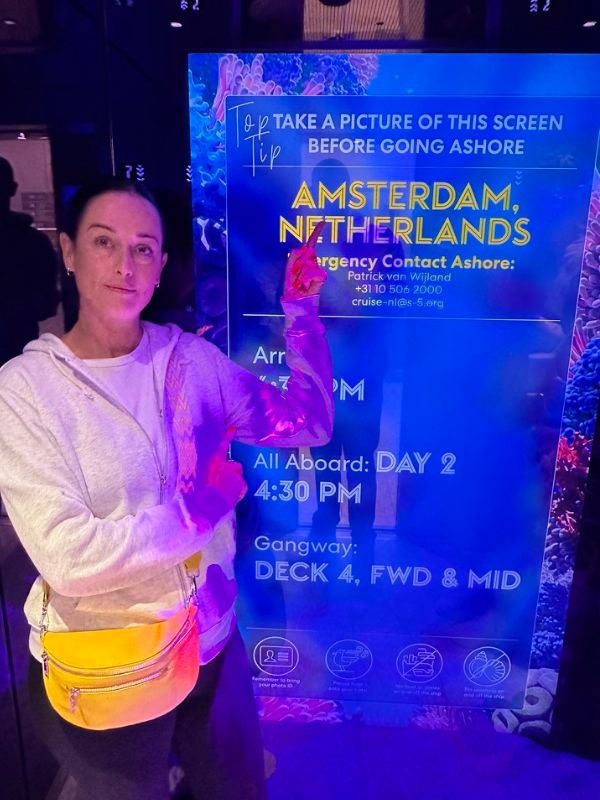
I like to take a photo of it so I have no doubt about what time I need to be back onboard.
Also, make sure you’ve made a note of your ship’s phone number. Yes, they have one – find it on the app or printed daily planner. It may also be on cruise cruise card, but not always.
If you are held up shoreside, call the ship and maybe they will keep the gangplank down a little longer for you.
2. Bring Your Cruise Card, Photo ID and Any Required Documents
You’ll need your cruise card to get off the ship, get back on again, and also to pass through local port security.
You’ll also be told if there are any other documents you need to take with you before each port visit – it’s rare, but carry those if needed.
As for your passport – well, this splits opinion. A lot of people don’t take it, leaving it in the safe instead.
You don’t need it in most of ports. And if the worst does happen, and you miss the ship, then the crew will go into your cabin and retrieve your passports (but just those) and leave them with the port workers for you.
Still, a lot of people prefer to carry it with them. It’s up to you.
Once, my son lost his cruise card ashore. They asked me if I had his passport for ID. I didn’t, but I did have a photo of it on my phone, which they accepted and let us back onto the ship.
3. Download or Screenshot Maps, Bookings and Directions
Port WiFi is notoriously patchy (in some places – others it can be excellent), and mobile data can be expensive or unavailable altogether, depending on your mobile plan.
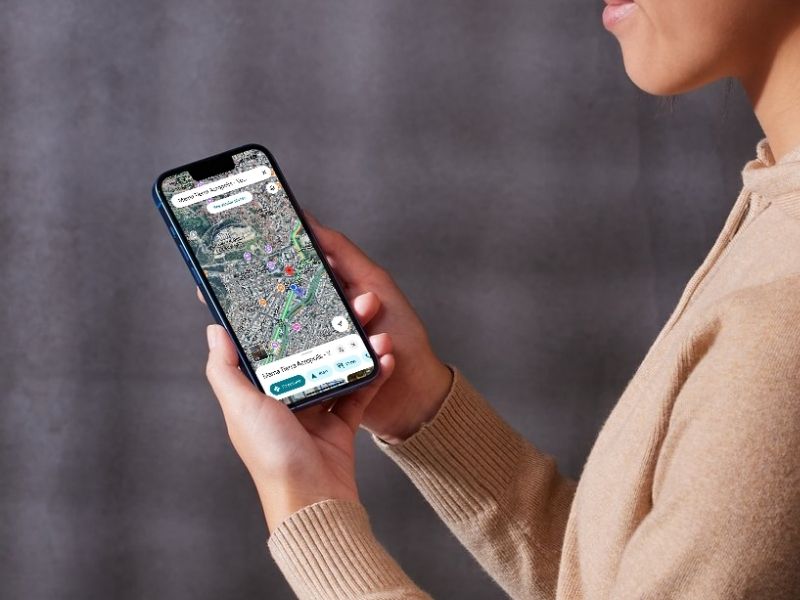
Download offline maps, screenshot excursion tickets, and save restaurant bookings. When everyone else is desperately looking for signal, you’ll already be happily exploring.
4. Confirm Shore Excursion Details
If you’re heading off on an excursion, check the meeting point, meeting time and whether your port is tendering or docked.
Plans sometimes change due to weather or port congestion, and cruise lines update their app frequently. A quick check avoids frantic last-minute dashes.
5. Check the Daily Schedule for Port Rules
Some ports strictly ban taking food ashore. Others have limitations on beverages, souvenirs, shells or wooden items.
Knowing the rules prevents awkward confiscations (and saves you having to wolf down a banana at the gangway while security watches – never a classy moment).
6. Pack a Simple Port-Day Kit
A small bag with the essentials makes a world of difference:
Sunscreen
Water
Portable charger
Local currency
Towel
Medications
Hand sanitiser
Tissues
Hat
Better to pack it now than realise halfway across town that you’ve forgotten something vital.
7. Apply Sunscreen and Bug Repellent Before You Leave
The moment you walk off the ship into Caribbean, Mediterranean or tropical sun, it starts working on you. Which is lovely – until you get sunburn that ruins the rest of your trip.
Apply before you step off, and you’ll thank yourself later. Bug spray is equally important in some ports – especially ones with mosquitos that adore cruise passengers.
8. Check the Weather Forecast
So many people forget to do this!
From sudden tropical showers to chilly sea breezes, port weather can change quickly. A quick look at the forecast ensures you’re dressing comfortably rather than shivering, sweating or scrambling for cover.
If you’re not sure, pack an extra layer. You’re better carrying something you don’t use, than feeling like you have to dash back to grab a jacket or hoodie you wished you’d brought.
9. Eat Before You Go – or Know Where You’ll Eat
Some ports have endless cafés… others have nothing for miles.
A proper breakfast onboard saves time, money and hunger-induced grumpiness later in the day. If you’d rather eat ashore, do a little research first so you’re not stuck wandering aimlessly.
If you’re vegan or vegetarian, I recommend using the Happy Cow app. It show which restaurants have options and the map feature is really handy.
10. Understand Tender Procedures (If Applicable)
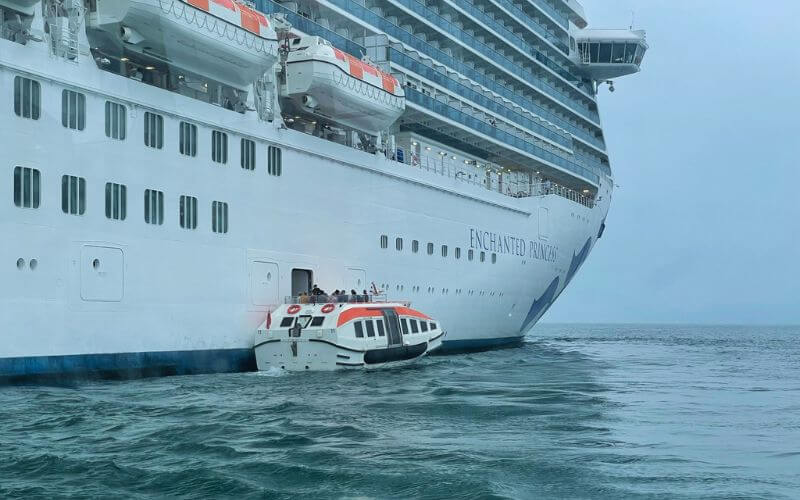
Tender ports require you to catch a small boat to shore. That means queueing for tender tickets, heading to your designated lounge, and waiting for your number to be called.
Missing the process can delay your entire morning – and potentially your excursion. Also if you need special assistance, make sure you’ve let the crew know, or you might not be able to board a tender at all.
You’ll be amazed how easy it is to misplace passports or expensive jewellery in the rush to get ashore.
Lock away anything you don’t need for the day. Your future self will be grateful.
And again, if you’ve declined to take your passport ashore, it makes it easy for crew to find them to hand to the shore team should you miss the ship (yes, they’re able to unlock the safe – otherwise what would happen if you forgot the code you’d used to lock it?)
12. Check for Port-Day Sales or Specials
It’s a little-known secret, but onboard spas, bars and some shops offer the best deals on port days.
If you’re planning to return to the ship early, keep an eye out – it might be the perfect time for a discounted massage or cocktail.
13. Take a Photo of the Ship or a Port Landmark
A simple but brilliant hack. If you’re returning through a maze-like port or a busy taxi area, having a photo helps you find the right terminal or even the right ship.
It’s also just a fun little memory to look back on.
Things You Should ALWAYS Do Before You Get Off the Ship to Disembark at the End of Your Cruise
Leaving a cruise ship is bittersweet. You’re relaxed, sun-kissed, full of memories… and about to enter a world of airport queues, real life and responsibility again.
Preparing properly the night before and the morning of disembarkation keeps your final hours calm instead of chaotic.
The Night Before Disembarkation
1. Settle Your Onboard Account
If there’s one time Guest Services becomes a zoo, it’s the morning of disembarkation. Actually the night before isn’t much better – but it is a little better.
Check your statement the night before and get ahead of any surprises. You’ll stroll off the ship stress-free while others queue in desperation.
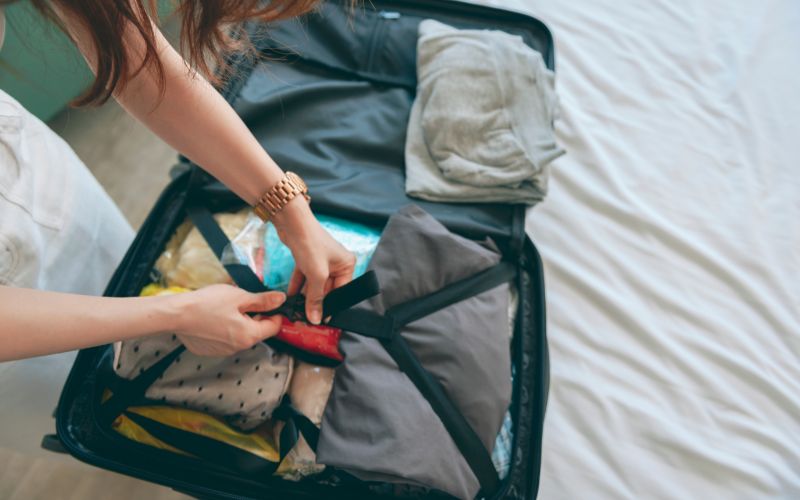
2. Pack Your Suitcases Completely
Leave out just the morning essentials: clothes, toiletries, medication and your travel documents. Everything else goes in the suitcase.
This is also the time to do the classic “drawer check,” because socks love hiding in corners.
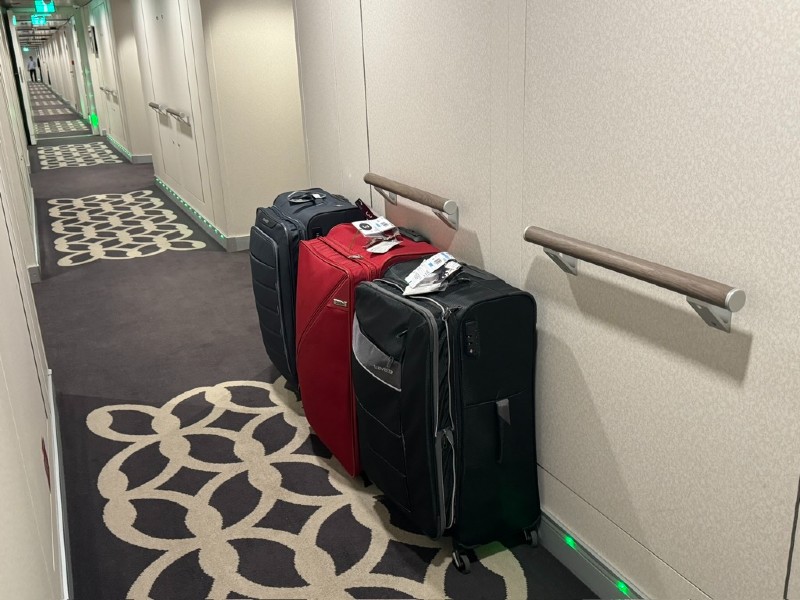
3. Put Suitcases Outside Your Door on Time (If You’re Not Self-Assist)
Cruise lines collect checked luggage the night before. Put it outside by the deadline, labelled correctly, and it will be waiting for you in the terminal.
If you prefer to walk off with all your bags, opt for self-assist – but be prepared for a busy queue for the lifts, or dragging your case up or down several flights of stairs.
4. Confirm Your Disembarkation Group and Meeting Location
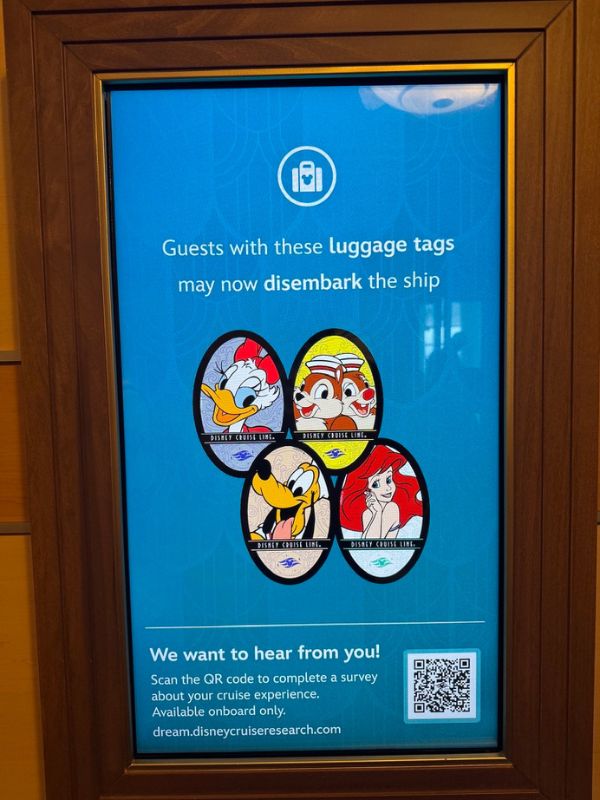
Colour-coded tags, group numbers, waiting lounges… the system varies by line, but you need to know exactly where and when to go.
Sorting it out tonight means you won’t be wandering around half-asleep wondering where everyone went.
5. Charge All Your Devices
Travel day kills batteries quickly. Charge phones, watches, tablets – even your portable charger.
Airports are full of people fighting over a limited number outlets; better not to join them. And if you’ve got a long drive home, rather than a flight, then you’re all going to want your devices charged still – especially the kids in the backseat.
Otherwise, it could be “Are we home yet?” for four hours…
6. Keep Your Essentials in Your Carry-On
This includes:
Wallet
Passports
Travel confirmations
Medication
Glasses
Keys
Chargers
If it’s important, it stays with you.
7. Pre-Book Transfers, Taxis or Ride Shares
Ports get busy. Demand spikes. Pre-booking saves both money and sanity, especially in major cruise hubs like Miami, Barcelona or Southampton.
If you can’t, then don’t worry too much. You’ll still have options. It just might cost a little more, and involve a slightly longer wait.
8. Check Airline Baggage Rules (If You’re Flying)
Nothing ruins the post-cruise glow like paying surprise luggage fees because your souvenir-packed suitcase is suddenly overweight.
Checking the rules now avoids airport drama later. It’s unlikely you’ve packed luggage scales to bring with you but make sure you aren’t breaking other rules – and leave space in your carry-on in case you have accidentally added too much weight.
9. Say Goodbye and Sort Any Tipping
If you’ve had amazing service from certain crew members, the last evening is the perfect time to say thank you – whether with words, a note, or an extra tip. It makes their day, and you’ll sail away with warm feels.
Don’t leave it until the morning, because you might miss them, and things will be hectic enough.
The buffet turns into organised chaos on the final morning. If your ship offers a sit-down breakfast in the main dining room, it’s usually quieter, calmer and infinitely more pleasant.
Not all do, though – some ships might use the dining room as a meeting point for disembarkation groups. So bear that in mind.
2. Recheck the Safe
The number one most forgotten items on cruise ships come from the safe: passports, wallets, jewellery and cash. Open it. Check it. Then check it again. You’ll thank yourself.
One tip that I read somewhere – the night before you disembark, put your shoes in the safe.
Sounds odd, but I tell you now – there’s no chance of you walking off the cruise ship without your shoes! So, this guarantees you’ll remember to check the safe in the morning.
3. Double-Check Your Cabin and Balcony
Look everywhere!
Bathroom shelves
Closets
Under the bed
Behind curtains
Charging areas
Balcony chairs and tables
Phone chargers and AirPods are the usual culprits hiding in plain sight.
I know we’ve already done this step the night before, but you’ll want to check again.
4. Listen for Disembarkation Announcements
Delays happen. Customs takes time. Sometimes, you’re going to be held up – and if you try to walk off the ship before your group is called, you’ll be sent back.
Knowing what’s happening means less waiting around and fewer wrong turns, so keep an ear out and make sure you pay attention.
5. Wear Comfortable Travel Clothes
You’ll be sitting, queueing, lugging bags and possibly rushing… or you’ll be melting in post-cruise humidity.
So definitely dress comfortably, rather than for fashion, and you’ll have a far better travel day.
6. Keep Your Carry-On With You At All Times
Don’t leave it unattended in lounges or corridors.
Disembarkation morning is busy and chaotic, and losing your bag now would be a nightmare. Plus someone will pick it up and hand it to Guest Services, so that’s another queue you need to join…
Things You Should NEVER Do Before Disembarkation
A few common mistakes can turn the smooth end of your cruise into a frantic mess. Avoid these at all costs:
1. Don’t Stay Up Drinking Until 2am
Disembarkation day hits hard if you’re hungover. There’s luggage to haul, queues to stand in and travel ahead.
Save the wild night for literally any other evening. Or if you really, really want to make the most of that drinks package before you leave, try to balance each drink with some water.
Hungover travel is horrendous…
2. Don’t Overpack Your Carry-On
You’ll be carrying it for hours – through corridors, lounges, security and the terminal. Heavy bags make everything harder. If it isn’t essential, then put it in your suitcase.
Or spread it out! If your bag is super heavy and your partners is light, share the load. They can cope.
3. Don’t Leave Packing Until the Morning
Morning packing is a one-way ticket to forgotten items, stress, and being late to your disembarkation group.
Do it the night before and enjoy a chilled breakfast instead. At least aim to get 80% of the way there, so you know that there isn’t as much to sort out in the morning.
4. Don’t Forget to Check Your Account Until the Last Second
Cue the giant Guest Services line and a very cranky start to your travel day. Just don’t do it.
Make sure you’ve kept an eye throughout, and that you are happy with the charges listed.
5. Don’t Assume Your Luggage Will Be Nearby in the Terminal
Checked bags are spread across huge colour-coded sections. Take a moment to note your tag colour and number so you’re not wandering through a sea of suitcases looking confused.
Final Word
Leaving the ship – whether just for the day or for good – doesn’t have to be stressful. With a little preparation and a few smart habits, you can keep your port days smooth, your disembarkation morning calm, and your memories firmly in the “amazing holiday” category instead of “chaotic rush”.
Do the essentials early, avoid the common mistakes, and give yourself the gift of a relaxed, effortless end to your cruise. After all… the magic doesn’t stop just because you’re stepping ashore.
Don’t get your cruise holiday off on the wrong foot from the moment you step onboard!
There’s something wonderful about that first step onto a cruise ship. That sudden switch from dragging luggage around outside amongst a crowd of eager passengers, to then being surrounded by soaring atriums, smiling crew and the hum of thousands of excited holidaymakers… I can’t get enough!
But to make the very best start to your voyage, these are the things you absolutely must do once you first step onboard.
1. Do Your E-Muster or Muster Drill Check-In Immediately
The muster drill is the only non-negotiable task of embarkation day, and fortunately it’s now usually far quicker than the old mass gathering on deck.
Most lines simply require you to watch a short safety video and then pop by your muster station for a quick check-in. Many even let you watch the video on the morning of the cruise – perfect over that hotel breakfast if you’ve stayed near the port the night before.
If you go to your station the moment you board, you’ll have got it out of the way and you’ll be free to enjoy your day without interruption.
2. Consider Upgrading Your Room
If you walk into your cabin and you hate it, now’s the time to see if you can switch it for another one.
I once booked an inside cabin on Arvia for two weeks over Christmas because that’s all my budget would allow. The cabin was in a bad location, right at the very front of the ship, and when I walked in I was shocked at how small it was for four people.
So, I went straight to guest services and asked what else they had. Someone in a balcony cabin had cancelled at the last minute, and so there was a room free.
The balcony cabin was so much bigger, and in an excellent mid-ship spot too.
The price to upgrade was an absolute bargain, and so much cheaper than if I had booked the balcony in the first place! We had a lovely Christmas in this room.
3. Explore The Ship and Get Your Bearings
Cruise ships are floating resorts, and wandering around on day one is the perfect way to get your bearings before things get busy.
Explore! I love to just wander around the ship, peeking into lounges and bars, and looking for fun spots that I’ll want to return to during the cruise.
If you’re travelling with others, choose a central meeting spot too – not for emergencies (that’s your muster station, remember), but simply as a convenient place to regroup if you’re ever separated or staying in different parts of the ship.
4. Look Around The Spa
On embarkation day, the spa will be open so that you can wander around it and take a look at the thermal suite and all of the treatment rooms.
This is the only day that you’ll be able to do it, so even if you don’t think that the spa is for you, it’s definitely worth having a nosy around!
Embarkation day is also when the spa typically offers discounted packages, which can be surprisingly good value. Services on sea days can get booked up quite quickly, so if you’re sure that you want something, it’s worth booking that in on day one.
5. Check Dinner Arrangements or Speak to the Maitre D’
If you’re not thrilled with your allocated dining time or wish to switch from traditional seating to anytime dining, the maitre d’ is the person to speak to – and embarkation day is the best time to catch them.
Also if you’ve any dietary requirements and you are worried about the menus, go have a chat – you’d be surprised what some cruise lines can do for you.
For a lot of cruise lines, this is also the time where you can book speciality restaurants. Popular venues like steakhouses and teppanyaki restaurants can book up quickly, so securing your spot early avoids missing out.
If your cruise line accepts bookings before the cruise, and you missed out, go there on embarkation day – you might be able to snag a cancellation slot, or sometimes they hold some spaces back for those guests.
6. Make Entertainment and Show Reservations
Big headline shows, comedy clubs and immersive experiences often require reservations nowadays, especially on the larger ships.
While you may be able to booking things before you get onboard, more slots often open up once you’re on the ship.
It only takes a few taps in the cruise app to lock in a great time slot, and doing it early means you can plan your evenings around performances you’re genuinely excited about rather than whatever happens to be left.
7. Register at the Kids’ Club
If you’re sailing with little ones, register them at the kids’ club as soon as possible.
The first-day open house is a great time to meet the counsellors, check the timetable and help your children feel comfortable before activities begin.
Many clubs also give the kids their muster bracelets on this day, so you’ll tick off two tasks at once.
It’s a good idea to register even if your child isn’t sure about using them. You aren’t forced to bring them, although some will ask you to pre-book slots. Don’t book those if you aren’t sure, but having them registered in the club is still good, just in case your kid asks you to book them in later.
8. Freshen Up or Change into Cruise Clothes or Swimwear
A travel morning can leave you feeling a bit crumpled, especially if you’ve flown in from a different climate.
Freshening up and slipping into lighter clothes or swimwear immediately helps you feel like your holiday has truly begun.
If you’re clever, board with your swimsuit already on underneath your outfit – you’ll save even more time and can head straight to the pool as soon as you’ve had lunch.
Speaking of lunch…
9. Have Lunch Somewhere Other Than the Buffet
The buffet is the default dining option for new arrivals, which is precisely why it can feel like organised chaos on embarkation day.
Instead, check whether the main dining room, a poolside grill or a small café is open.
These quieter venues let you ease into cruise life at a calmer pace, and you’ll often enjoy far nicer food without juggling plates and weaving through crowds.
10. Put Your Phone on Airplane Mode
Once you’ve sent your final messages and posted your obligatory “I’m onboard!” photo, switch your phone to airplane mode.
Maritime roaming charges are notoriously expensive and can take effect before you even feel the ship move.
You can still connect to the ship’s WiFi for the app without buying an internet package, but airplane mode ensures you stay in control of your costs.
If you know you’re sensitive to motion, take your chosen remedy before the ship even casts off.
Tablets and latched tend to work best when given time to take effect, and taking them early can prevent feeling woozy during sailaway when excitement (and sometimes wind) are at their peak.
It’s an easy precaution that keeps the first evening blissfully comfortable.
Once your cabin is ready, take a few minutes to check that everything is working as it should.
Test the lights, outlets, toilet flush, air-con and shower pressure, and make sure the room is clean and well stocked.
Any problems are usually resolved quickly if reported early, and it’s much easier than trying to chase fixes later in the cruise when maintenance might be busier.
Your cabin steward is the person who will quietly keep your space spotless throughout your voyage.
A quick hello helps build a friendly relationship, and it’s the perfect moment to request any preferences – extra pillows, more hangers, ice each evening, or specific bed arrangements. There are so many things you can get from your cabin steward for free, you just have to ask.
They genuinely want to make your stay comfortable, and being clear from day one helps them help you.
It’s surprisingly easy to misplace things amidst the excitement of exploring the ship, so place passports, wallets, jewellery and other essentials straight into the cabin safe once you have access to your room.
Once they’re secure, you won’t spend the rest of the afternoon patting your pockets or rummaging in bags to check they’re still there.
15. Unpack Once Your Luggage Arrives
When your suitcases finally appear, it’s worth unpacking – and sooner rather than later. Having clothes neatly arranged in drawers and wardrobes instantly makes your cabin feel calmer and more spacious.
Hide empty suitcases under the bed, organise your toiletries and make the space your own – you’ll thank yourself when the week starts flowing smoothly. Especially if you’re in a smaller cabin.
16. Grab a Celebratory First Drink
There’s nothing like that first cocktail or cold beer to mark the beginning of your cruise.
Whether you order a classic piña colada, a glass of fizz or your favourite mocktail, take a moment to savour it.
Find a sunny spot, breathe in the sea air and let the stress of travel melt away. It’s your holiday now – officially.
Sailaway is pure cruise magic – music, dancing, drinks flowing and the coastline drifting away as your holiday truly begins.
It doesn’t matter if you join the energy on the top deck or find a quieter railing to watch the world recede, don’t miss it. It’s one of the highlights of every cruise and sets the perfect tone for the days ahead.
Things You SHOULDN’T Do Immediately After Boarding
1. Don’t Go Straight to the Buffet
The buffet is usually packed on day one, with everyone arriving hungry at once. Tables fill up quickly and navigating the crowds can feel stressful rather than celebratory.
Give it a little time and opt for an alternative lunch spot so your first onboard meal feels relaxed and enjoyable. There’s usually some good spots, like the poolside snack bar or a casual pizza outlet.
Or, eat well before you board – and then you’ll be good all the way until dinner.
2. Don’t Assume Your Cabin Is Ready Straight Away
Cabins take time to turn over after thousands of guests disembark that morning.
You need to wait until the announcement that cabins are ready. Unless you’ve booked a special package giving you early access, then leave the stewards in peace to do their job.
Go enjoy lunch or explore instead. Relax. It’ll be ready soon.
I’ve heard stories of people who have gone to their stateroom early, left some belingings and then the cabin steward has disposed of them because they assumed they belonged to the previous guest.
3. Don’t Skip Muster
It may not be the most glamorous part of the day, but the muster is something you just can’t get out of.
While the exact tasks vary (watching a video or a presentation in person), one thing’s for sure, you absolutely have to visit your muster station so they can tick you off the list.
This is why it’s number one on the list above – get it done and then you can relax.
4. Don’t Overdo Your First Drinks
It’s tempting to go full party mode the minute you step on board, but it’s wise to pace yourself.
Between travel fatigue, warm weather and the gentle motion of the ship, overindulging early can make you feel rather worse for wear before the evening even starts.
Give it a chance before you hit the bar too hard.
5. Don’t Panic If Your Luggage Doesn’t Arrive Quickly
Suitcases are delivered in batches over several hours, and it’s completely normal for different family members’ bags to show up at different times.
As long as you packed your essentials in your carry-on, you’re all set to relax until they appear.
If the ship has sailed away and your bag hasn’t arrived, don’t worry. Just call guest services. They always have some bags there where the tags have fallen off.
You can prevent your paper tags from coming off by using luggage tag holders. I swear by them!
6. Don’t Stress!
Most of the time, cruises go smoothly. But every now and then there might be a minor issue or two – something wrong with your cabin, or a hiccup with boarding, or maybe another passenger was rude to you or something.
And on those blue moon occasions, sometimes a few things might go wrong at once, and it feels like everything’s snowballing. When that happens, just take a breath.
You’re on a cruise.
Things WILL get better. Even if you aren’t a fan of your cabin or you’ve forgotten to pack something you wanted to bring. It’s fine. Relax, let the stress go, and I bet you’ll start having fun.
Things You Should Have Done Before You Board
I get that there’s a lot to do on embarkation day. But many of the things can be done in the weeks leading up to your cruise.
I advise doing as much as possible in advance, so that you can start your cruise in the most relaxing way possible, rather than in a queue on the ship.
Here’s what you should make sure you tick off before you get anywhere neat the ship.
1. Download The Cruise Line App
Most cruise lines have an app these days, and downloading it in advance makes life easier.
It’s where you’ll check in for muster, view your daily planner, make reservations and keep track of your onboard account.
Doing it ahead of time means you won’t be wrestling with connection settings on embarkation day.
2. Book Shore Excursions
Many of the most popular tours sell out well before departure, and onboard prices are usually higher.
Booking in advance guarantees your spot and helps you plan your days ashore with excitement rather than stress.
It’s also often better to book with a third party, despite the concerns you might have…
Save up to 40% on Cruise Excursions!
Choose from over 4,000 excursions with a return-to-ship guarantee
If you need WiFi during your cruise, pre-purchasing nearly always saves money. Packages bought onboard are often more expensive, and buying early means all you have to do is connect when you board.
And if you want to save even more money, then consider buying an eSIM instead. It’s a lot cheaper.
Get 10% OFF GigSky eSIMs
Enter code CRUISEMUMMY10 at checkout to get this discount
Much like internet packages, drink packages can cost noticeably more once you’re onboard.
Even if the offer on the ship says ‘Buy One Get One Half Price’, this will be on an imflated price, and it will almost certainly cost you more overall.
Sorting them before your cruise means better value and one less decision to make on embarkation day. And it means you can enjoy that first drink without even thinking about your budget.
Drinks packages are not for everyone. I’m not saying everyone should book one before they sail. But, if you think you might want one, then do get it before the cruise. Don’t leave it until the morning of.
Final Word
Embarkation day sets the tone for your entire cruise, and with just a little know-how, you can swap stress and crowds for calm, cocktails and pure ocean-going bliss.
Tackle the must-dos early, skip the rookie mistakes, and let the ship work its magic as you ease into holiday mode.
Remember, even if something goes a bit sideways at the start, you’re still on a cruise – sunshine, sea breezes and unforgettable moments are waiting. Take a breath, smile, and enjoy it!
Modern cruise ships don’t carry lifeboats for everyone you see on deck. That sounds alarming… until you understand how the rules actually work.
It’s one of the most common fears I hear, especially from first-time cruisers. The image of Titanic still sticks in people’s minds, and at a glance it can look like there simply aren’t enough boats hanging off the side.
But here’s what most people don’t realise: cruise ships aren’t designed around lifeboats alone anymore. There’s a strict formula behind the numbers, extra capacity built in, and a backup system that rarely gets mentioned.
It looks worrying. It isn’t. And there’s one key detail about modern safety regulations that changes everything.
The Number of Lifeboats Depends on the Size of the Ship
There will usually be enough boats to carry every passenger onboard. Many large cruise ships have up to 20 lifeboats in total.
As well as the lifeboats, there will be a number of inflatable life rafts. Normally, these are reserved for the crew because they’re not as comfortable (and the crew may have to use slides to reach them, rather than stepping onto them from the ship’s deck.
However, on some ships, able-bodied guests would also be required to slide down a chute and into an inflatable life raft in an emergency.
Here’s a letter I received in my stateroom at the start of a cruise on Enchanted Princess. It explains how most guests are assigned lifeboats, but not all are…
I headed out onto the deck to see what the inflatable life rafts look like before they are deployed. Here’s a photo…
There Won’t Be Enough Lifeboats for Passengers AND Crew
Cruise ships do not usually have enough lifeboats for every last person on board, but they will normally have enough for every guest. Most crew members will use inflatable life rafts instead of lifeboats.
There is always provision for every person on board a ship to be safely rescued, but physically, it would be almost impossible to provide enough lifeboats for everyone on the ship.
Lifeboats can only take up so much space along each side of the ship, and they need to be able to be lowered into the ocean.
Also, lifeboats need a person on the ship to launch them, so there has to be an alternate way for them to then evacuate the ship. They could hardly jump once the lifeboat had been lowered.
Cruise lines don’t have to provide enough lifeboats for all passengers according to law. As long as there is enough capacity for 37.5% of passengers alongside each side of the ship in lifeboats (so 75% total), then the rest can be carried in life rafts (source).
Most cruise lines choose to have the additional lifeboat capacity, though – it reassures customers and is better for them.
Life Rafts vs Life Boats
Lifeboats are solid open boats that hang on the size of a cruise ship. Life rafts are inflatable rafts that are completely collapsible and are stored in heavy-duty canisters. Lifeboats are powered with a motor on board, while life rafts are not.
To see what cruise ship life rafts look like and how they work, take a look at this video…
Lifeboats should be inspected periodically by the crew to make sure they are in full working order. You might even see the crew testing the lifeboats during your cruise.
Life rafts are, of course, different. Because they are often equipped with high-pressure gas canisters to allow them to automatically inflate quickly, they can’t really be opened and tested by the crew. Instead, they tend to be sent to a testing centre periodically.
There will be more life rafts on board the ship than necessary. The International Convention for the Safety of Life at Sea (SOLAS) requires that there be life rafts kept on both sides of the ship that could sufficiently hold the entire capacity of the ship, minus the lifeboat capacity on that side.
That’s in case the ship was to capsize, or some other incident rendered half the lifeboats unusable. In these instances, passengers who were not as mobile would be prioritised in the lifeboats on the opposite side, while physically fit and healthy passengers would join the crew in the life rafts.
The odds of such an event happening are tiny. In the last 50 years, there have barely been any cruise ship accidents at sea, barely ever requiring the use of lifeboats, and when they have, they usually haven’t rendered half the ship’s boats unusable. This is excessive caution, which is always a good thing.
The exception, of course, was the Costa Concordia incident in 2012, but this was due to the arrogance and human error of the Captain. Serious lessons have been learned since.
Lifeboat Capacity
Older lifeboats on cruise ships had a maximum capacity of 150 people, which followed the old SOLAS code 4.4.2.1, which limited lifeboats to this size. However, modern lifeboats have been built much larger, with the Schat-Harding CRW55 lifeboat able to hold 370 people.
The SOLAS code does stipulate that larger lifeboats are permitted, provided they meet the same safety standards as those limited to 150 people, which is why these newer lifeboats were permitted (source).
These lifeboats were made necessary with the launch of Oasis of the Seas in 2009, which has a total passenger and crew capacity of 6,700, with a passenger capacity of 5,606. This would require at least 38 lifeboats just for the passengers in the old style, taking up a huge amount of space alongside each side of the ship.
The newer lifeboats offer over twice the capacity but are only around 50% longer. There are 18 of these lifeboats on the Oasis of the Seas, capable of carrying all the passengers and almost all of the crew, but they don’t have to take up the entire length of the ship.
Lifeboats on the Titanic
The Titanic did not have enough lifeboats when it sank. It was carrying just 20 lifeboats, which offered enough capacity for just over half of the people on board, and around a third of the total capacity had the ship been full.
Of the 20 lifeboats, 18 were launched on the night that the ship sank, but many were also under capacity due to poor organisation and the late alarm calls to rouse passengers.
The reason the Titanic didn’t have enough lifeboats was due to the outdated safety regulations at the time, and the complacency of the ship’s owners, White Star Line, who assumed the ship was unsinkable.
There was plenty of space on board the ship to house another 44 lifeboats, which would have been enough. The issue likely wasn’t the cost either – another 32 lifeboats would apparently have only cost $16,000 – a tiny fraction of the total $7.5 million cost of the ship (source).
The safety regulations on lifeboats were massively overhauled following the sinking of the Titanic, which included the formation of the International Convention for the Safety of Life at Sea (SOLAS) in 1914 (source).
TODAY’S BEST CRUISE DEALS!
Don’t miss these offers…
Lifeboat Location
Lifeboats on a cruise ship are stored on both sides of the ship on a deck that is easy for the majority of passengers and crew to get to quickly, normally a little below halfway up the ship (since the top decks don’t normally have accommodations).
Passengers must all attend a mandatory safety briefing on the first day of their cruise at their designated muster station. This will explain where passengers need to go in the event of an emergency, and what they need to do. That way, all passengers are prepped with the knowledge of what to do if they must get to a lifeboat.
Lifeboats are always coloured orange – this is to increase their visibility both for passengers and for rescue ships in the ocean. If any passenger were to accidentally fall overboard, the orange colour also makes it easier for them to make their way to the lifeboat while swimming.
Inside a Lifeboat
Cruise ship lifeboats – and any lifeboats – are required to have a number of items on board for safety, including flares and smoke signals, survival tools including an illuminated compass, fresh water and food, and first aid equipment.
Liferafts aren’t required to have quite as many items, but will have sufficient materials to keep everyone on board safe and well for at least 24 hours if necessary.
Here’s what a life raft storage container looks like on a cruise ship…
There is Food
All lifeboats are required to store food rations, with at least 10,000 kJ (2,390 calories) of energy for each person up to capacity. The food must be stored in airtight and watertight packaging.
Tinned food is common, and lifeboats must keep three tin openers on board as part of their equipment list.
Fresh water is also required – three litres per person. Regulations do permit that lifeboats only need to store two litres per person if they also have desalination materials available to convert seawater into fresh water.
Only Newer Lifeboats Have a Toilet
Older lifeboats often won’t have toilets on board, but the newer ‘mega lifeboats’, first introduced on Oasis of the Seas, do have a toilet. Lifeboats are designed as life-saving amenities, and so toilets were not considered a priority on older models.
With modern signalling and communications, anyone who was in a lifeboat could expect to be rescued relatively quickly and would be able to make use of the toilets on their rescuing vessel if necessary.
And if it came down to it, you would just have to try to go over the side if possible, but in a safe way. This would obviously be much easier for men than women!
A more common issue would be sickness, where seasick passengers would be encouraged to vomit over the sides of the boat if possible, so that it didn’t make other passengers unwell.
They’re Powered by Engines
Cruise ship lifeboats are designed to ensure that the lifeboats can reach a safe distance from the sinking ship quickly if necessary. Life rafts do not always have engines, but they can be launched further out to sea and have oars if required.
Lifeboats and life rafts aren’t designed for long-distance travel. They are designed purely to keep you safely afloat until larger rescue vessels can reach you. Engines are, therefore, useful as a safety measure, but they aren’t designed to get you to land (unless your ship sinks close to the coast anyway).
Sometimes, a cruise ship’s lifeboat will double up as a tender boat. These are used to transport guests to the shore at ports where it’s not possible to dock.
To Conclude
Modern cruise ships are built around redundancy. Lifeboats. Life rafts. Capacity on both sides of the ship. Strict international regulations. Regular inspections.
Yes, you might look at a ship and think there aren’t enough boats.
But the math has already been done.
Every modern cruise ship carries enough evacuation capacity for everyone on board, with backups built in. And thanks to advanced navigation, weather systems and safety procedures, the chances of needing them are extraordinarily small.
The first day of a cruise is one of the most exciting moments of any holiday. You’ve spent weeks counting down, your bags are packed, and the ship is finally waiting for you…
It’s the start of your adventure, a chance to explore somewhere new, meet interesting people, and settle into life at sea. But amidst all that excitement, there are a few smart moves that can make your embarkation day run far more smoothly – and a few common mistakes that can make things stressful.
Whichever cruise line you’re sailng with, these practical do’s and don’ts will help you start your voyage in the best possible way.
1. Do: Arrive Early, But Not Too Early
If you can, arrive in your embarkation city the day before your cruise. It might feel like an unnecessary extra night in a hotel, but it’s well worth it.
Flights can be delayed, trains can be cancelled, and traffic jams can happen at the worst possible time. Getting there the night before gives you a safety cushion and lets you start your holiday without that frantic travel-day rush.
Once you’ve arrived, treat that extra morning as part of the holiday itself. Go for a walk around the local area, have a relaxed breakfast, or do a bit of sightseeing before heading to the terminal.
The only exception to this rule would be if you live within a couple of hours’ drive, and even then I’d be setting off with a few extra hours to spare. There’s always somewhere near the car park where you can go for a coffee if you end up having the easiest drive possible and you’re too early (more on ‘too early’ later…)
2. Do: Hand Off Your Luggage (But Keep a Carry-On)
When you arrive at the port, you’ll see porters waiting to collect passengers’ larger bags.
Hand yours over so it can be delivered directly to your cabin later. In the United States, it’s customary to give them a small tip – a few dollars per bag is fine. In the UK, I noticed that the Americans usually tip the porters, but British people don’t. So you do whatever you feel comfortable with.
Keep a smaller carry-on bag with you for essentials such as travel documents, medication, phone chargers, a swimsuit, sunscreen, and a change of clothes for dinner if you want one. Your main luggage might not reach your cabin until early evening, so anything you’ll want before then should stay with you.
And whatever you do, don’t have your passport in your suitcase that you send onto the ship before you’ve checked in! People do that all the time and it’s an absolute nightmare trying to get them back.
The check-in process involves a lot of small steps, and you could be asked for your passport, boarding pass, and travel documents several times.
Keep them all together in a travel wallet or small folder rather than buried in your main bag.
Having everything ready when you reach the desk makes the process smoother for you and everyone else in line. It’s a small detail, but one that saves a lot of unnecessary rummaging and stress.
Also, it’s a similar point, but you’ll be passing through airport-style security scanners. So if you’re taking electronics, or have watches/belts etc, plan ahead a little so that you aren’t scrabbling to get everything ready when it’s your turn to put your bag on the belt.
Many cruise lines allow passengers to bring a small amount of wine, champagne, beer or soft drinks on board in their hand luggage.
Check your cruise line’s policy before you go, as the rules vary, but it’s often a nice way to start the trip with your preferred drink waiting in your cabin – and it’ll always be cheaper than buying onboard.
Just make sure you carry it on yourself rather than leaving it in checked luggage. Some cruise lines specify that this is what they want you to do.
Snacks are allowed too, and while there is plenty of food on the ship to enjoy, if you want sweets, crisps or chocolate you usually have to pay for these and they can be very expensive.
5. Do: Complete the Muster Drill
What’s involved in the safety drill will vary quite a lot depending on which cruise you take.
Most cruise lines now have an electronic muster drill, which involves watching a short safety video on your phone or cabin TV and then checking in at your designated muster station.
However, on a recent Star Clippers cruise, we had to put on our lifejackets and go to the muster station, then go again the next day for a second in-person drill that was an hour long and involved us being tested with questions about exactly what we should do in an emergency!
Usually, the muster drill only takes a few minutes, so it’s best to do it as soon as you board. That way you can get it out of the way early and won’t have to listen to repeated announcements later in the afternoon.
Or if you do have to listen to the announcements, at least you can be smug that you got yours done already.
6. Do: Make Reservations for Shows and Dining
Popular shows and restaurants can book up quickly, especially on larger ships.
This is another area where the procedured vary. On many cruises, you can make your reservations a few weeks before you sail. But on others, you can only do it once onboard the ship.
For example, on Virgin Voyages, you can reserve your dining from home, but there aren’t many slots available, so you may only see options to reserve 5pm or 9pm. But once you’re on the ship, more open up, so you can snap up those 7pm slots if you do it immediately after embarkation.
If you wait until the second day of your cruise, the best slots might be gone. So this is something that’s definitely worth doing as soon as you board. I like to sit down with a beer and make sure that I’ve reserved everything I can straight away.
If there’s a particular show you’re keen to see, try to reserve it early in the cruise, just in case weather or scheduling changes force a cancellation later on.
This is also a good time to double-check your dining arrangements. If you’d prefer a private table or need to confirm a dietary request, a quick visit to the main dining room staff can save any confusion later.
7. Do: Enjoy the Pool Before It Gets Busy
When passengers first board, most head to the buffet or start exploring, which means the pools and sun decks are often wonderfully quiet and you can have a fresh, clean hot tub to yourself!
Pack your swimwear in your carry-on so you can enjoy a relaxing dip or simply lounge by the water before the crowds arrive.
There’s something special about starting your cruise with that first swim under the sun while everyone is rushing around!
8. Do: Have Lunch Onboard, But Skip the Buffet Rush
One of the first things everyone loves to do on a cruise – and rightly so – is eat.
The main buffet will almost certainly be packed at lunchtime on embarkation day. If you’re onboard early enough, you’ll often find that the main dining room is open until about 2pm, which is a much more relaxing option.
You can also look for alternatives such as a café, pizzeria, or grill near the pool. All good options to avoid the mania that is the buffet on embarkation day.
If you’ve booked a speciality dining package, some restaurants even offer embarkation day discounts – a nice way to ease into your holiday without the crowds.
9. Do: Meet Your Cabin Attendant and Check Your Room
Once cabins are officially ready, take a moment to meet your cabin attendant. They’ll be the person looking after you for the week, and introducing yourself early helps build a friendly rapport.
Check that everything in your room works properly, including the lights, air conditioning, and safe. If you notice anything amiss, report it straight away so it can be sorted before you unpack.
Don’t be one of those people who endures a problem for the duration of your cruise, only to moan about it in a review once you leave! I find that most problems are fixed by the maintenence team within the hour.
And if you’d like any extras such as more hangers, extra pillow or an ice bucket, just ask and they’ll be happy to help.
Embarkation day is a brilliant time to explore areas of the ship that will be busier later on.
The spa usually host short tours and may offer discounts for early bookings. So if you want a peek inside all the treatment rooms and the relaxation area, now’s the time to do it.
Even if you’re not planning to spend hours exercising, it’s worth seeing what’s available – from saunas to sea-view treadmills – and maybe reserving a treatment for a later sea day.
11. Do: Carry a Few Small Notes for Tips
While most gratuities are automatically added to your onboard account, it’s still thoughtful to have a few small notes in your wallet.
A tip for the porter, a helpful bartender, or the person who carries your drink to the pool is always appreciated. It’s a nice personal touch that sets a positive tone for your trip.
Also bear in mind that ATMs may not be easily accessible once you’ve set sail, and any on the ship will likely have a hefty charge involved and may only dish out $50 notes as the smallest denomination. So, if you want to leave cash tips for your cabin steward, make sure you’ve been to the ATM before you cruise.
There’s nothing quite like that moment when the ship’s horn sounds and you begin to move away from the port.
Find a good spot on deck, order a cocktail or mocktail, and soak it all in.
Most ships host a sailaway party with music, dancing, and a lively atmosphere. It’s a fun way to mark the start of your holiday, whether you’re right in the middle of the party or quietly watching from a balcony with a glass in hand.
13. Do: Explore the Ship
Spend some time wandering around to get your bearings. Cruise ships can be vast, and knowing where key spots like the dining rooms, spa, theatre, and lounges are will make life easier later.
I don’t know why, but I always feel a bit uneasy if I go to bed on day one and I haven’t walked around the whole ship yet!
You might even discover a hidden corner or quiet deck that becomes your favourite spot for morning coffee or sunset views.
TODAY’S BEST CRUISE DEALS!
Don’t miss these offers…
1. Don’t Fly In on the Same Day
This is one of the biggest mistakes first-time cruisers make. Flights are unpredictable, and the ship won’t wait for delayed passengers.
The only exception is if you’ve booked a fly-cruise package with Marella or P&O Cruises as they charter the whole plane for cruise guests.
That why I’ve said you should always arrive at least a day early. It’s far less stressful and gives you a proper rest before boarding.
I admit I have flown on the day of the cruise before, but only if the flight is under 2 hours and only if it’s at 6 am to make sure I land before 11 am. I didn’t enjoy it though and wouldn’t recommend it.
2. Don’t Arrive Before Your Assigned Check-In Time
Cruise terminals can only handle so many people at once, which is why lines now assign check-in windows.
Turning up hours early usually just means sitting around until your group is called. Stick to your designated time slot, breeze through the process, and you’ll board in a much better mood.
Yes, sometimes you’ll just be able to join the queue and board earlier, but if everyone does it then it means the queues are manic. So don’t be that person who assumes the time is just a suggestion.
When you first board, it’s tempting to head straight to your cabin, but the crew are still cleaning and preparing rooms at that stage.
Let them finish without interruption.
On rare occasions, passengers have found their door open, assumed it was ready, and left bags inside – only to discover later that their belongings had been removed by staff who thought they belonged to departing guests. Wait for the official announcement that cabins are ready before going in.
4. Don’t Rush to Guest Services
The Guest Services desk is often one of the busiest places on the ship during the first afternoon. Unless you have a genuine issue, such as a key card that won’t open your cabin, save your questions for the next morning or later in the evening when it’s quieter.
Most things can be sorted through the ship’s app anyway. And you don’t want to spend the first day of your cruise queuing unless you really have to.
The moment the ship leaves port, your mobile will search for a signal, and it may connect to a maritime network.
Those roaming charges can be astronomical. Seriously, people often come home with hundreds in charges.
I actually made this mistake very recently when I forgot to switch on airplane mode. Over the first night, my phone used up all my data. Luckily, I had a cap in place so it only cost me £10, but then my phone wouldn’t work until I went online and bought more data.
Switch to airplane mode before the ship sails away and connect to the ship’s WiFi if you need to stay in touch. Or get an eSIM that offers cruise coverage. They often give you a much better deal.
It’s easy to get carried away once you’re on board – souvenir photos, cocktails, spa offers, and duty-free shops all calling your name.
Take it slow and remember that you’ve got several days ahead. You want to enjoy the cruise, not live in regret as you watch that cruise account with its unsettled bill ready to pounce at the end of the sailing.
A little restraint early on keeps your account under control and prevents that dreaded shock. Plus spreading out the fun is a lot more, well, fun.
7. Don’t Try to Do Everything at Once
The first day on board is exciting, but you don’t need to cram in every activity. It can be tempting, but relax, you’ve got plenty of chances.
Take time to settle in, explore, and enjoy being at sea.
The beauty of a cruise is that you’ve got several days to experience it all, so start slow and savour the moment.
You’ll know the must-do attractions and shows for your family, so prioritise booking those but at a time that’s convenient for you. Day one doesn’t have to be the best day of the cruise, after all.
8. Don’t Wait to Book Shore Excursions
The most popular excursions sell out quickly.
If you haven’t already booked online before sailing, make it one of your first priorities once you’re on board. If you leave it too late, you could miss out, and that’ll just be disappointing.
Alternatively, research local options in each port if you prefer to explore independently. Some people view it as risky, because if you don’t book with the cruise line and something happens to stop you getting back in time, the ship would leave without you.
But there are third-party companies you can use to book in advance that offer return-to-ship guarantees, and that could get you a better deal anyway.
Embarkation day can be hectic. There might be queues, delayed luggage, or the occasional technical hiccup. Something might be wrong with your cabin, or you might not see everything you’ve pre-booked in the app.
It’s not common for there to be issues, but sometimes, things happen.
Go with the flow and keep your sense of humour. Once everyone’s settled and the ship is at sea, everything will quickly smooth out. A relaxed attitude makes all the difference, so don’t start your holiday stressed if you can avoid it.
Get the best price on your cruise…
Your first day on a cruise sets the tone for everything that follows.
The key is to stay organised but not rushed, plan ahead while leaving space to relax, and let the small stuff slide.
Once you’re settled on deck with a drink in hand, watching the shoreline drift away, you’ll know the holiday has truly begun.
So, relax – and enjoy it! Day one is part of your cruise, after all!