1-73.jpg

Old vs New Cruise Ships: Does Age Really Matter?


For a lot of cruise travellers, especially first-timers, the instinct is pretty simple. Newer ship equals better ship. Older ship equals compromise. And honestly, I used to think that too.
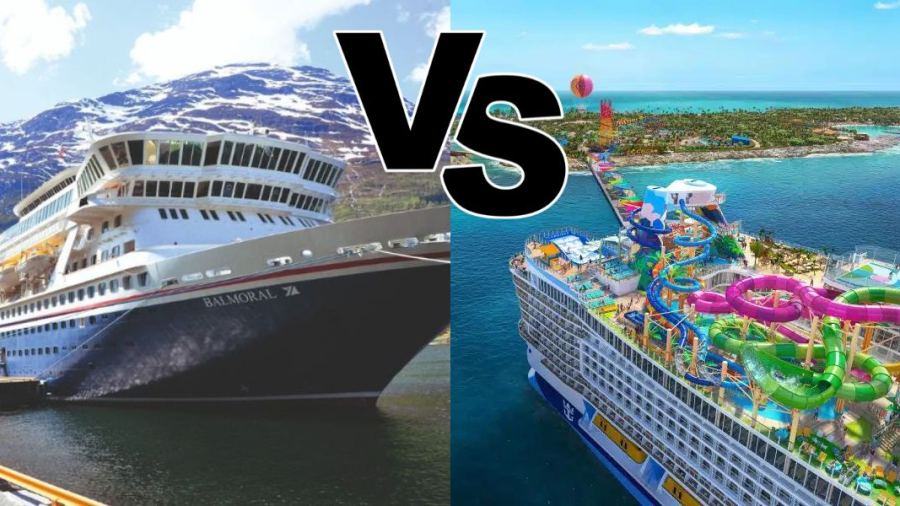
Old Ships vs New Ships

It makes sense on the surface. If you’re spending a fair bit on a holiday, why wouldn’t you want the latest ship with the shiny restaurants, clever cabin tech and enough attractions on the top deck to rival a seaside amusement park?

But cruise ships don’t really work like cars or mobile phones. Newer doesn’t automatically mean better for every kind of traveller, and older definitely doesn’t automatically mean tired, shabby or second best…

Defining Older Cruise Ships

There is no strict rule on what makes a cruise ship “old”.

However, when I was putting this guide together, I did some research. And of the approximately 320 cruise ships that are operating today, around half have been built within the last 20 years, and the other half still sailing predate that – some by quite a bit! (source)

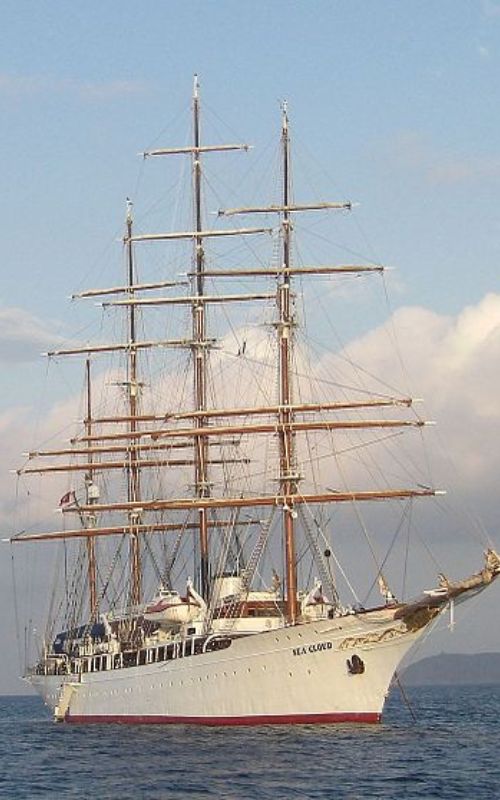
There are several tall sailing ships that are over 100 years old. When it comes to regular cruise ships, many sail for around 40 years before being scrapped.
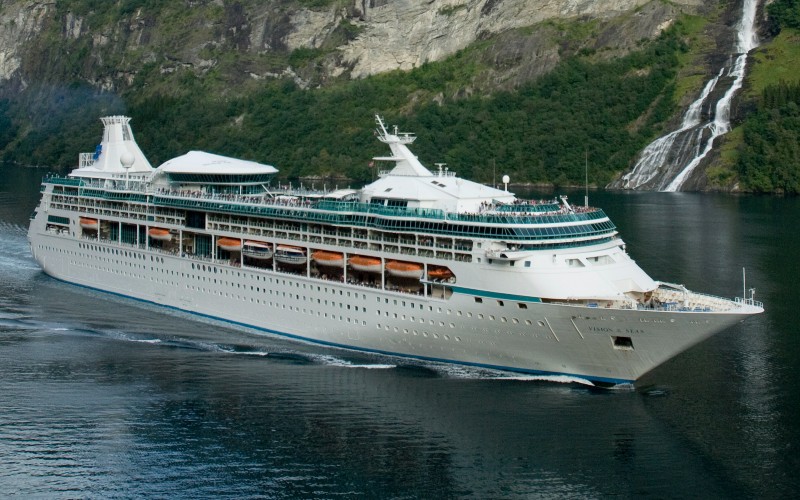
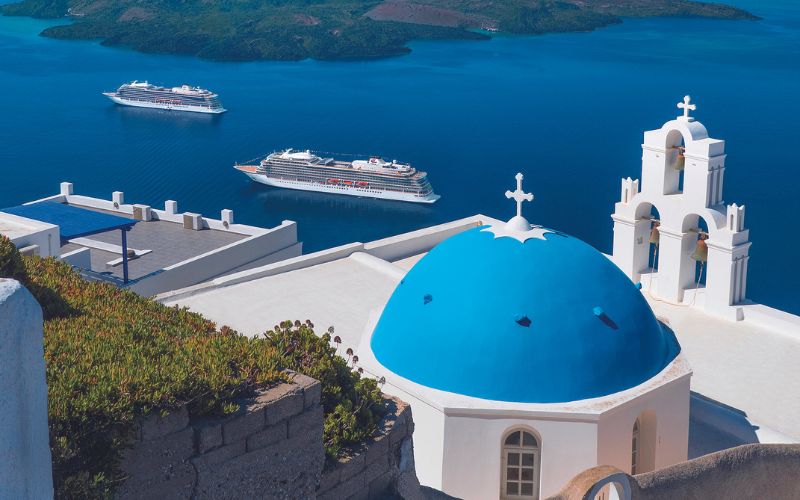
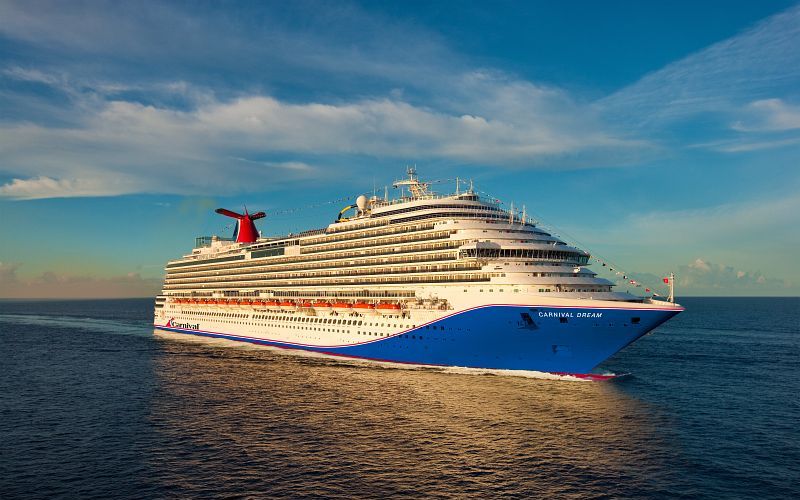
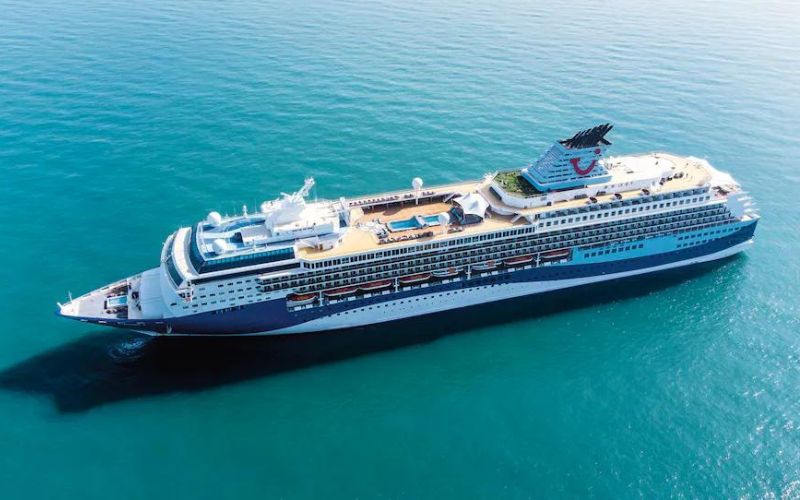
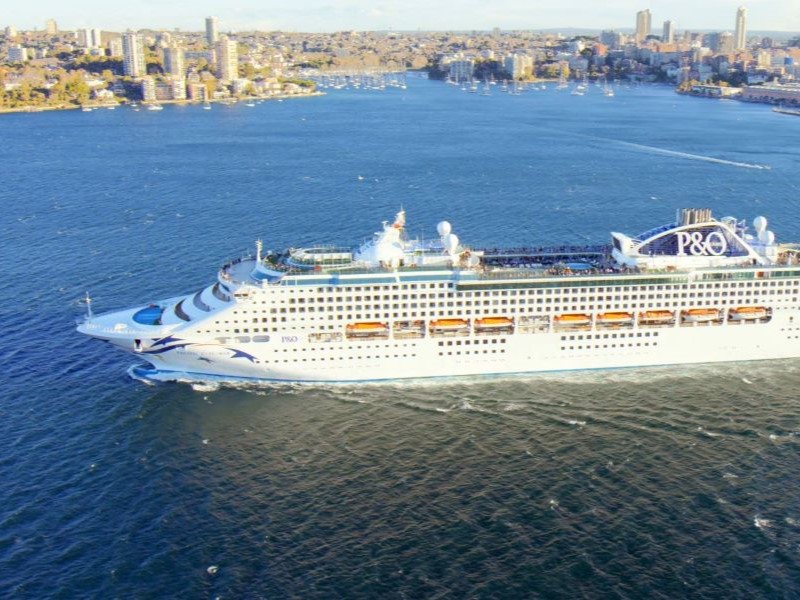
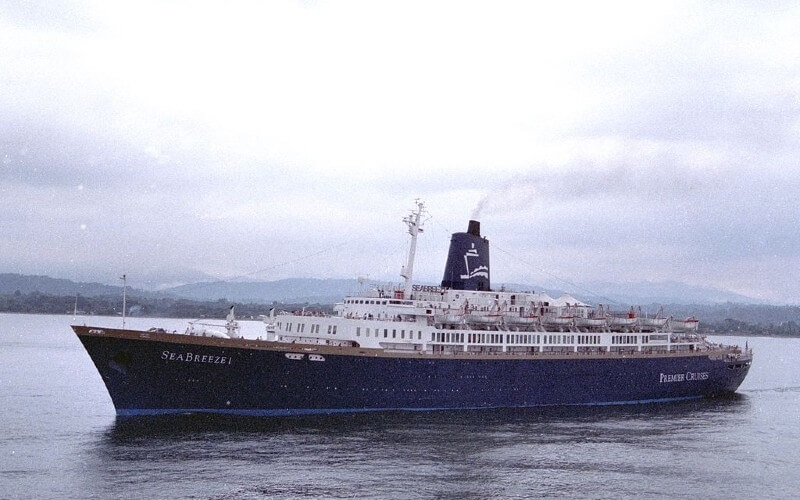
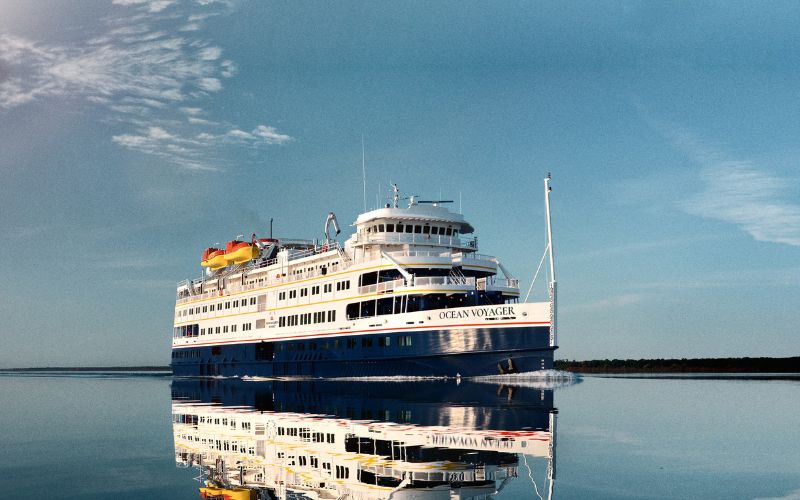
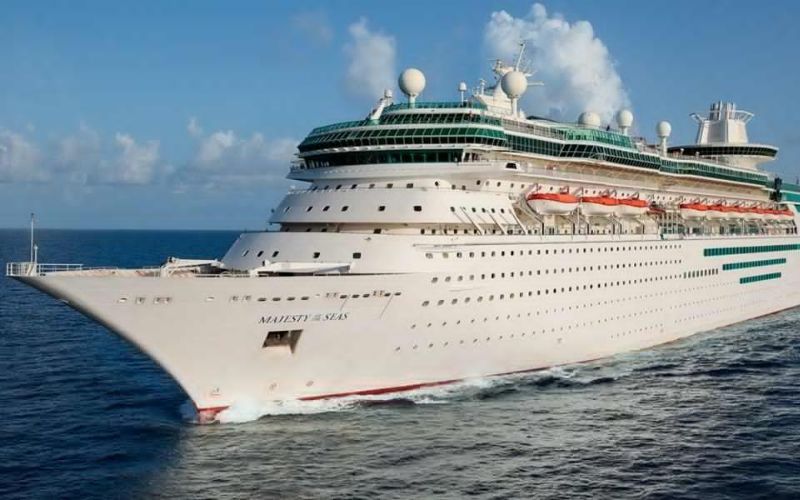
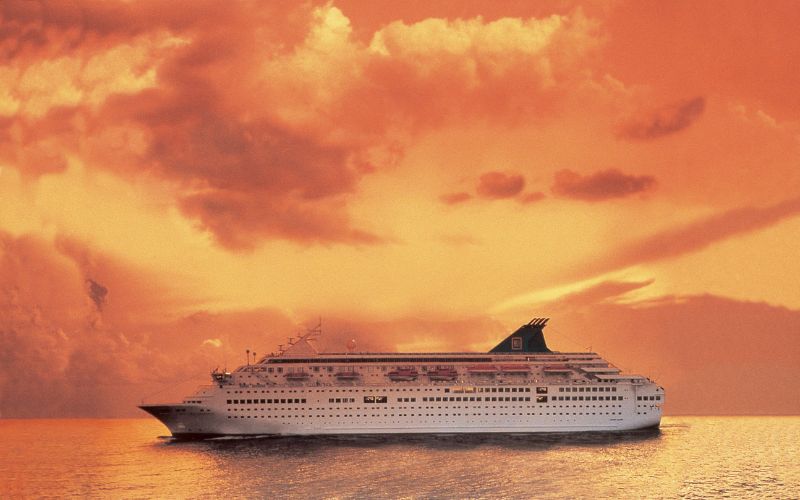
Vision of the Seas

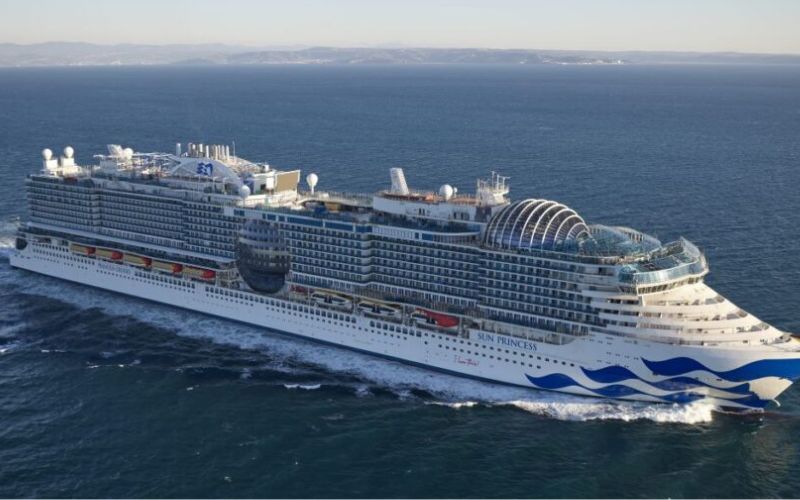
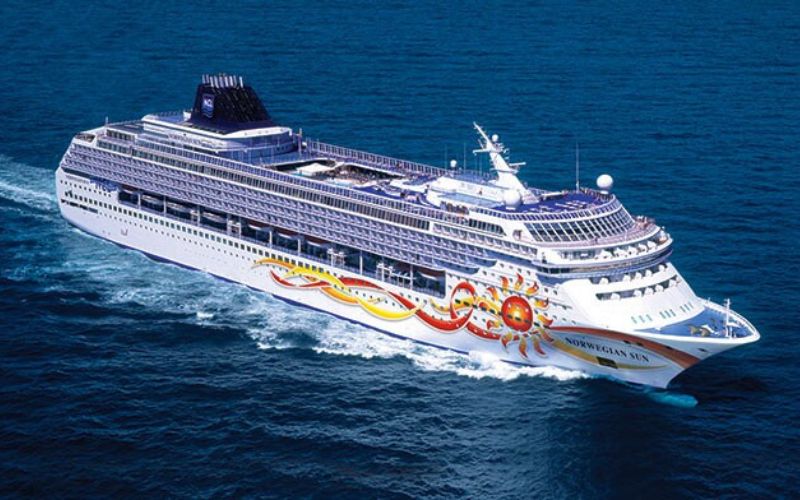
Also, here’s something interesting. The average gross tonnage of ships built within the last 20 years is around 97,000, compared with 50,000 for ships built before 2006. So in practical terms, more modern cruise ships have pretty much doubled in size.

That matters, because when people ask whether old cruise ships are still worth booking, what they’re often really asking is something slightly different.

They’re asking whether they should choose a smaller, simpler, more traditional ship – or pay extra for a larger, more feature-heavy floating resort.

And that’s where things get really interesting.

Because yes, age matters – but not quite in the way people think.

If I had to boil the whole debate down into one sentence, it would be this: the launch year matters, but the experience matters more.

A 20-year-old ship that’s been properly refurbished can feel fresher, smarter and more enjoyable than a much younger ship that hasn’t been especially well looked after. Equally, a brand-new ship can be absolutely worth the premium if you’ll genuinely use what it offers.

Ambassador Renaissance Dining Room

A ship’s age can hint at certain things. Older ships are more likely to be smaller, to have fewer balcony cabins, fewer speciality restaurants and less of the headline-grabbing stuff on the top deck.

Newer ships are more likely to have bigger spas, more dining choice, more family attractions, more tech and more modern cabin layouts.

But there are other questions that matter just as much.

What Actually Matters More Than Age

When you strip it back, these are the factors that really shape your cruise:

  • When the ship was last refurbished
  • How big it is and how many passengers it carries
  • What kind of onboard experience you want

That’s why “old versus new” is really only the starting point. The better question is whether the ship fits the holiday you actually want.

Cruise Ships Haven’t Just Got Newer – They’ve Got Bigger

This is the biggest shift in modern cruising, and it’s the part that gets lost when people focus purely on age.

Yes, the fleet is younger in many cases. But more importantly, newer ships are usually much larger. That size change affects almost everything about the onboard experience – the atmosphere, the passenger mix, the dining options, the entertainment and even the kinds of ports a ship can visit.
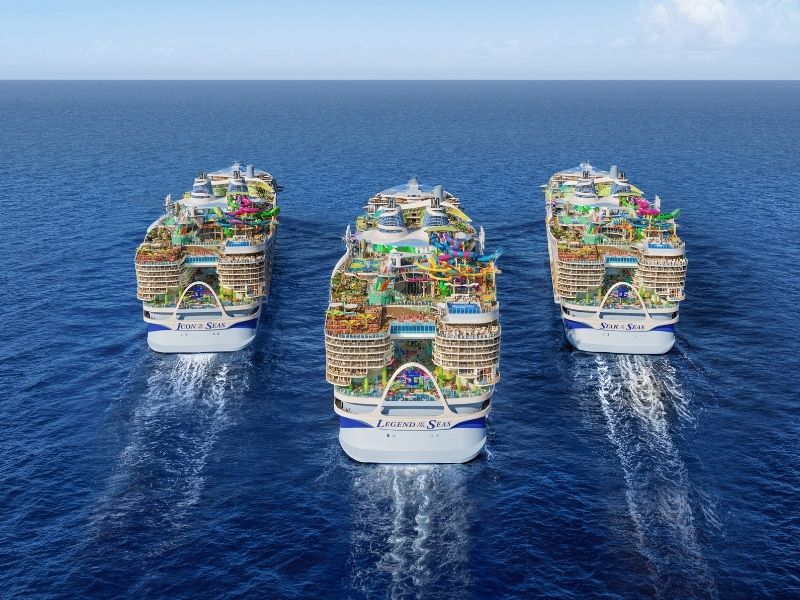
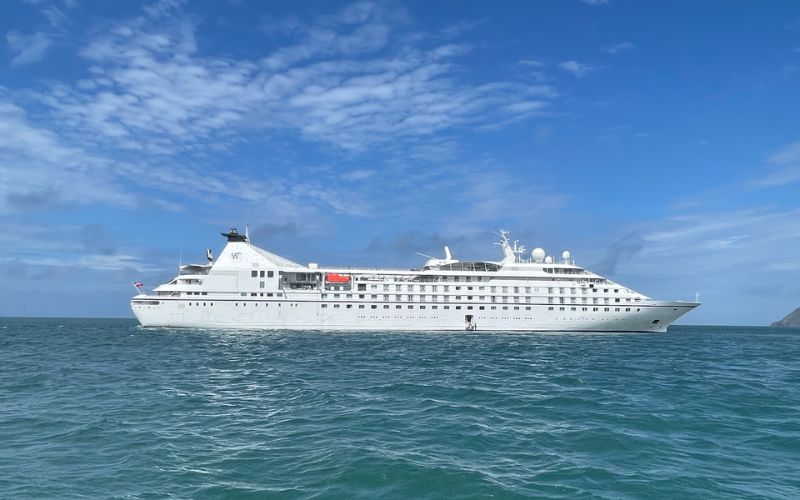
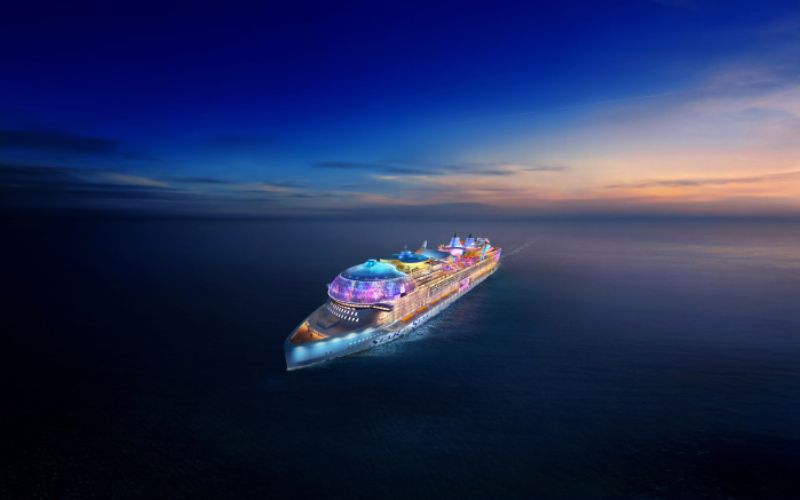
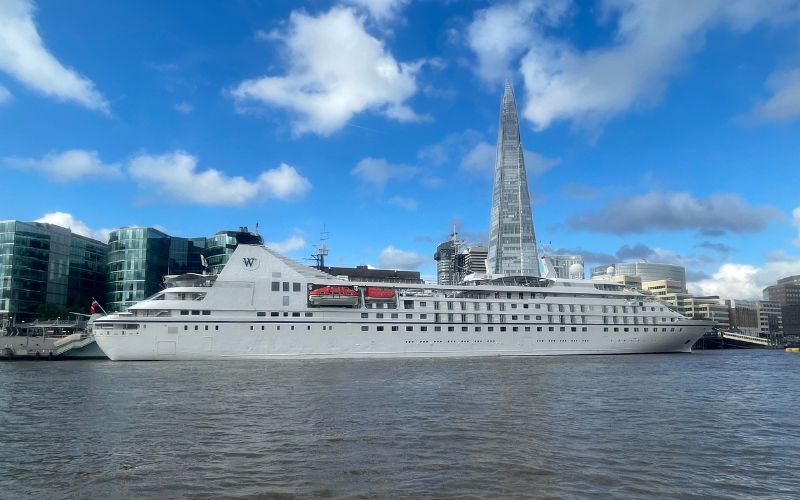
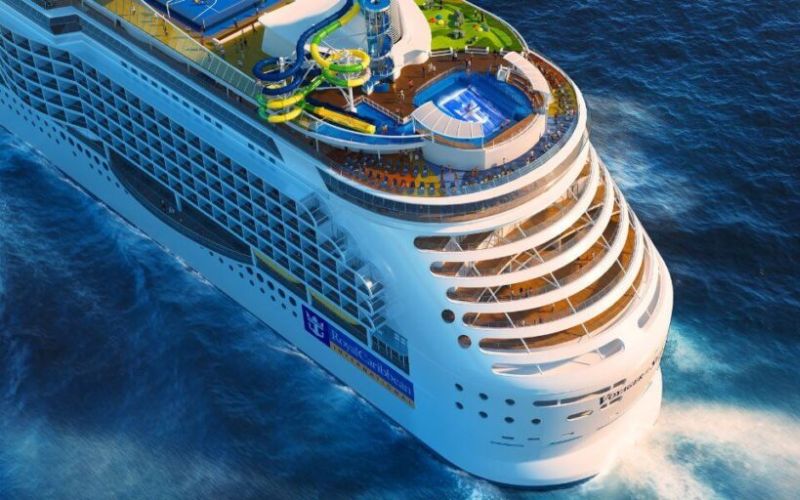
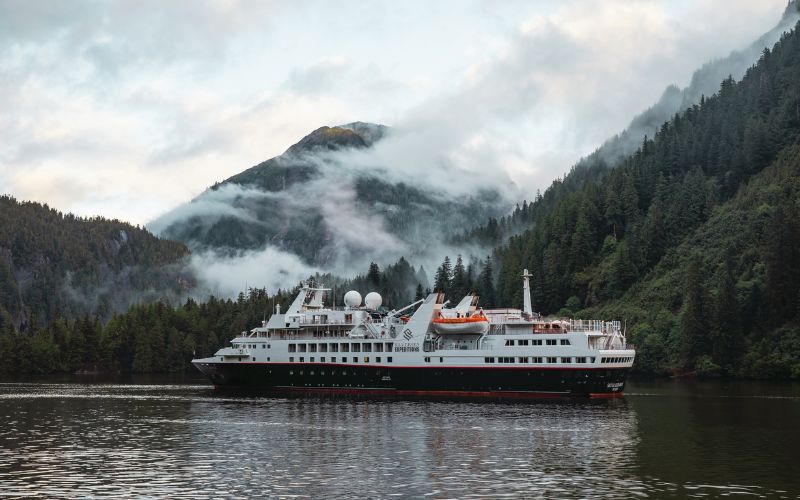
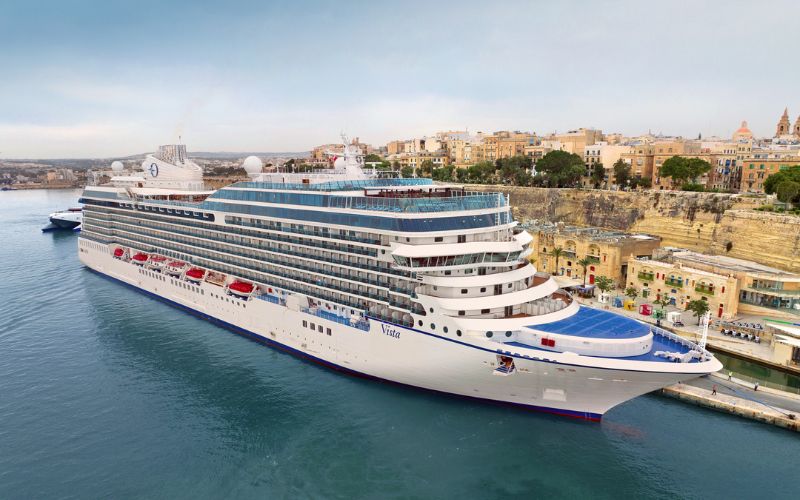
Star Legend Icon of the Seas

A ship built before 2006 is, on average, a very different proposition from one built afterwards.

Older ships were generally designed as comfortable bases for a holiday. Newer ships, especially at the mainstream end, are increasingly designed as destinations in themselves.

That’s why you now see waterparks, go-karts, zip lines, neighbourhood-style layouts and huge suite complexes. The ship is no longer just transport and accommodation. It’s part theme park, part resort, part entertainment complex.
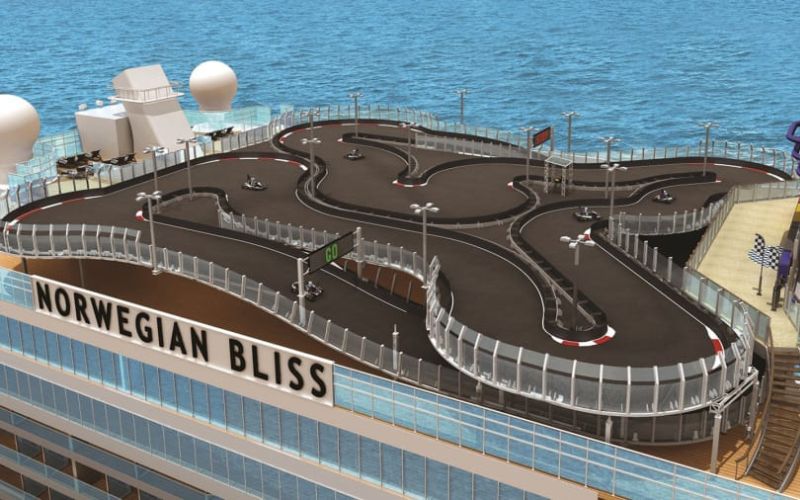
Go Kart Track Norwegian Bliss

That’s brilliant for some people, but not for everyone. Older ships tend to feel simpler. Less frantic. More like “ships”, frankly.

Suggested read: Forget Mega Ships – These Are The Smallest Cruise Ships In The World

Refurbishment Matters More Than Age

If you take one practical tip from this guide, make it this one: check refurbishment history.

A ship launched in 2003 but heavily refurbished in 2018 may feel far newer than expected.
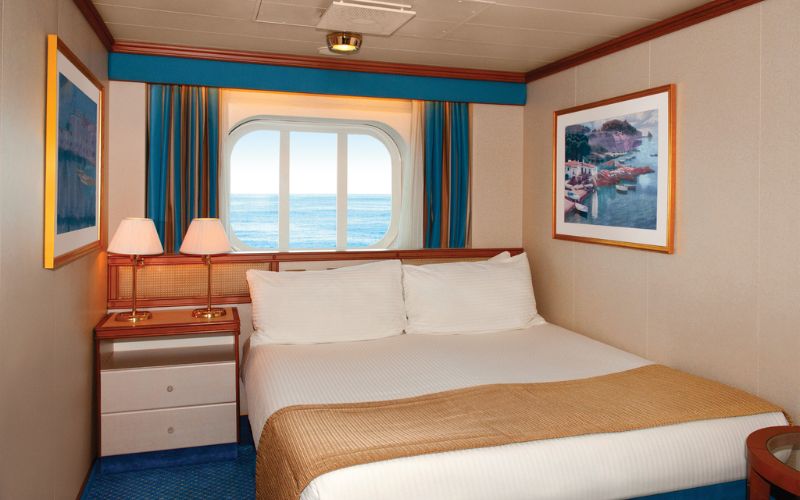
Caribbean Princess Oceanview

When people worry about older ships, they’re rarely thinking about safety. They’re thinking about what they’ll notice day to day.

  • Worn furniture
  • Dated cabins
  • Limited plug sockets
  • Tired bathrooms
  • Carpets that have seen better days

Those concerns are valid. But they’re not solved by checking the build year alone.

What to Look For in a Refurbishment

Not all refurbishments are equal. Some are transformative, others are cosmetic.

Look for:

  • Cabin upgrades, not just public areas
  • New or updated dining venues
  • Refreshed soft furnishings and decor
  • Added features (slides, bars, lounges, etc.)
  • Improved layout or usability

Some older ships hit a sweet spot here – lower price, smaller scale, but modern enough not to feel tired. That’s often where the best value is.

1. Size and Crowds

This is the biggest practical difference, and it affects almost everything else.

Newer ships are typically much larger, often carrying 4,000–6,000 passengers or more. That scale allows for more venues and attractions, but it also means more people competing for the same spaces – whether that’s the buffet at lunchtime, loungers on sea days or seats for a popular show.

This image captures a lively scene at a cruise ship pool, with a large crowd of people gathered around and inside the pool. Many are sitting along the edge, dipping their feet in the water, while others are actively splashing and enjoying the sun. The atmosphere is festive and social, with people of all ages participating in the fun. The upper deck, visible in the background, is lined with additional passengers watching the action below, all under a bright, clear sky.

Older ships, by contrast, are usually smaller and easier to navigate. You’re less likely to feel like you’re constantly walking from one end of a small city to the other just to grab a coffee. Embarkation, disembarkation and moving around the ship can all feel a bit more straightforward.

That doesn’t automatically mean older ships feel empty or newer ships feel overcrowded – design plays a role too – but if you’re sensitive to crowds, size is something you’ll notice very quickly.

2. Atmosphere

Older ships often feel calmer and more traditional. There’s usually less background noise, fewer competing venues and more spaces designed simply for sitting, reading or watching the sea.

You’re more likely to find proper lounges, quieter bars and open deck areas without something shouting for your attention every five minutes.

Quiet Cove

Newer ships tend to feel busier and more energetic. There’s more going on, more announcements, more activities and more of a “what shall we do next?” vibe. For some people, that’s exactly what they want. For others, it can feel a bit relentless.

A useful way to think about it is this: older ships feel more like a ship with entertainment, while newer ships feel more like a resort that happens to float.

3. Onboard Attractions

If you want waterparks, zip lines, surf simulators, go-karts, skydiving simulators or full-on production shows, you’re looking at newer ships. They’ve been designed to keep people entertained onboard for days at a time, especially on itineraries with lots of sea days.
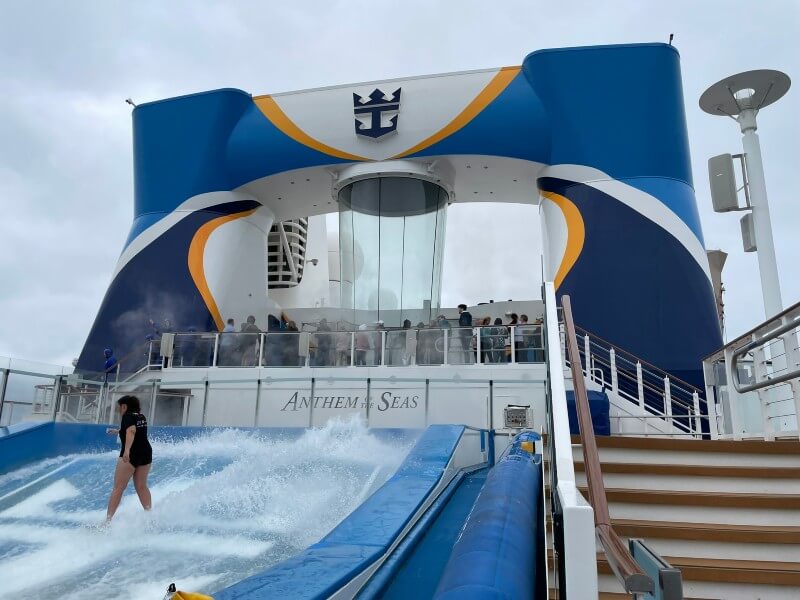
FlowRider and iFly

Older ships are simpler. You’ll still have pools, theatres, bars, quizzes, live music and the usual cruise staples, but you won’t find the same level of headline-grabbing attractions.

Whether that matters depends entirely on you. If you’re the sort of person who books a cruise partly for the ship itself, newer will feel like an upgrade. If you’re more interested in relaxing, reading, eating well and exploring ports, you may not miss those extras at all.

4. Dining Options

Newer ships have leaned heavily into dining variety.

It’s not unusual to find 15, 20 or even more dining venues on a modern ship, ranging from included options to speciality restaurants covering everything from steakhouses to sushi to teppanyaki. That level of choice can be great if you like variety and don’t mind planning meals or paying for upgrades.

HAL main dining room

Older ships tend to have fewer options. Typically a main dining room, a buffet and a handful of alternatives. That can sound like a downside, but it often means a simpler experience with fewer decisions and less temptation to spend extra.

There’s also an argument that on smaller ships, the main dining experience can feel a bit more consistent simply because the operation isn’t trying to cater to quite so many different venues at once.

5. Cabins and Technology

Newer ships generally have more balcony cabins, more modern layouts and better in-room tech. That includes things like multiple plug sockets, USB ports, better lighting, bigger TVs, smarter storage and more contemporary bathrooms.

plug sockets on a cruise

Older ships can feel a bit behind in those areas. You might find fewer sockets, more limited layouts or bathrooms that haven’t changed much in years. That doesn’t make them unusable, but it can be noticeable, especially if you’re used to modern hotels.

That said, some older ships do have larger cabins or more usable space, and not everyone cares about having an app to control the lights. It’s one of those areas where “better” depends on what you actually value.

6. Itineraries

This is one of the biggest advantages older ships have.

Because they’re smaller, they can access ports that larger ships simply can’t. That might mean docking in smaller, more interesting destinations, avoiding the busiest mega-ship ports or offering routes that feel a bit less repetitive.

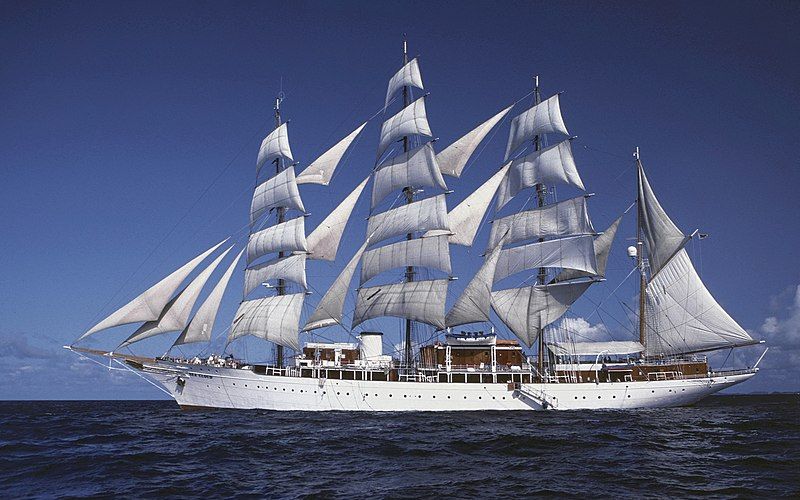
Star Clippers tender

Newer, larger ships often stick to ports that can handle their size. That tends to mean more established routes and, in some cases, a heavier focus on private islands or heavily developed cruise destinations.

If your priority is seeing new places rather than experiencing the ship itself, this is where older ships can really stand out.

7. Passenger Mix

The type of ship you choose can subtly influence who else is onboard.

Newer ships, with all their attractions and family-friendly features, tend to draw more families, larger groups and first-time cruisers. That can make for a lively, energetic atmosphere – but also a busier one, particularly during school holidays.
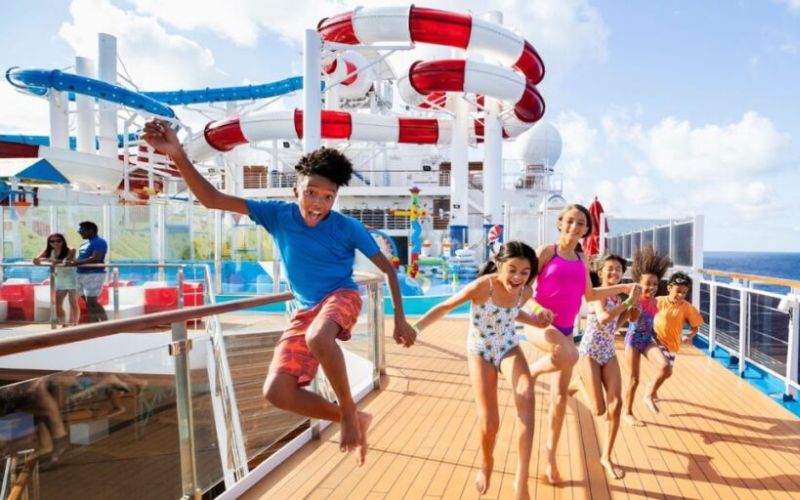
A group of joyful children racing towards the Waterworks aqua park on the deck of a Carnival Cruise ship, with clear blue skies above and the expansive ocean in the backdrop, highlighting the thrill and excitement of cruise ship activities for kids.

Older ships often attract more experienced cruisers, couples and people who are less interested in the big attractions. That can translate to a slightly quieter, more laid-back vibe overall.

It’s not a hard rule – you’ll find a mix everywhere – but the feel of the crowd can differ more than people expect.

8. Value for Money

Older ships are usually cheaper – although it will vary. Sometimes significantly so. You might pay 30–50% less compared to a newer ship on a similar itinerary, which can mean upgrading your cabin, extending your trip or simply saving money.

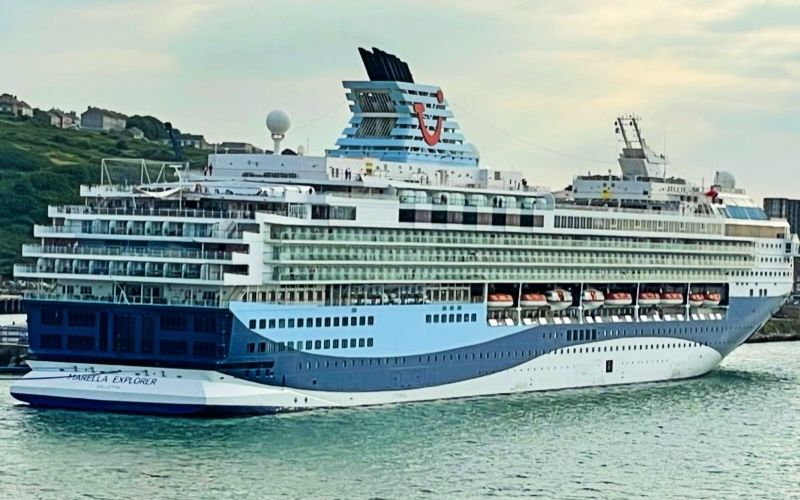
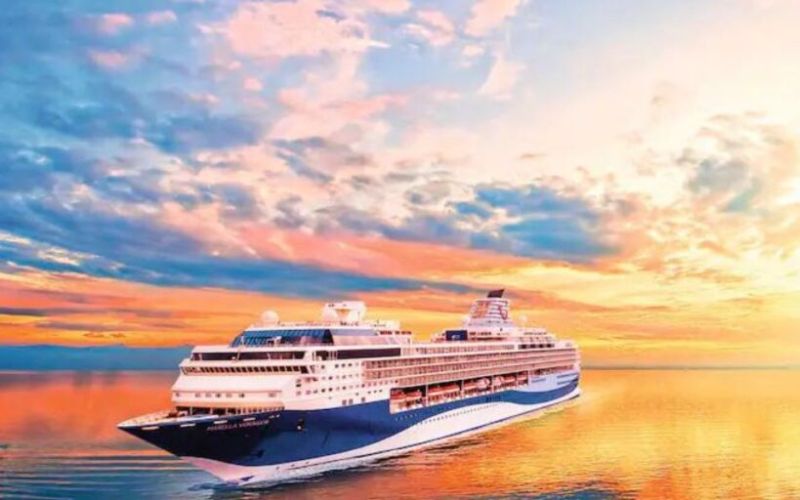
Marella Explorer 2 Royal Suite

Newer ships come at a premium, and often with more opportunities to spend once you’re onboard. That doesn’t make them bad value, but it does mean you should be clear about what you’re paying for.

If you’re going to use the extra restaurants, enjoy the shows and make the most of the facilities, the price can make sense. If not, you may find yourself paying more for things you barely touch.

For a lot of people, this is the turning point. Not which ship is “better”, but which one gives them the best overall holiday for their budget.

You care more about where you’re going than what’s on the top deck

If your cruise is about the destinations, not the ship itself, older ships make a lot of sense. You’re paying for the itinerary, not the zip line you’ll never use.

You prefer a calmer, less hectic atmosphere

Older ships tend to feel more relaxed. Fewer announcements, fewer crowds, fewer people trying to do the same thing at the same time.

An empty swimming pool on the lido deck

You don’t need endless dining and entertainment options

If you’re happy with a main dining room, a buffet and a few bars, you won’t miss having 20 restaurants and a packed activity schedule.

You’d rather save money or upgrade your cabin

The lower fares on older ships often mean you can stretch your budget further – whether that’s a balcony instead of an inside, or an extra night or two.

You like a more traditional cruise experience

Think promenade decks, ocean views and spaces designed for sitting and watching the sea rather than filling every corner with attractions.

You’ve cruised before and know what you actually use

Repeat cruisers often realise they don’t need the newest ship every time. Once you know what you enjoy, it’s easier to skip the extras.

You want the ship to be part of the main attraction

If the idea of a floating resort appeals, newer ships deliver. You’re not just travelling – you’re experiencing the ship itself.

You’re travelling with kids or a mixed group

Newer ships are built for variety. Slides, kids’ clubs, shows and multiple dining options make it easier to keep everyone happy.
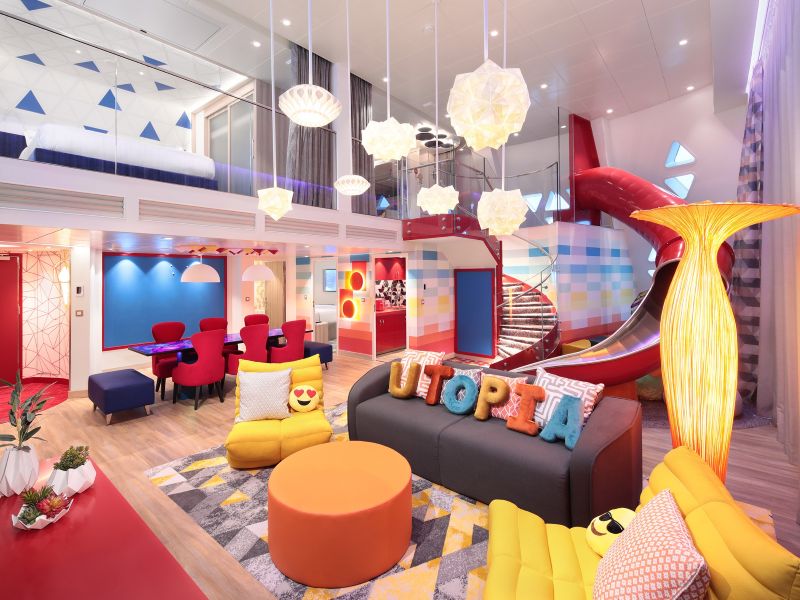
Utopia of the Seas Ultimate Family Suite

You enjoy lots of choice, especially for food and entertainment

If you like having options – and plenty of them – newer ships are hard to beat. There’s always somewhere new to eat or something to do.

You have several sea days

The more time you’re onboard, the more those extra facilities start to matter. On a sea-day-heavy cruise, a bigger ship can feel worth it.
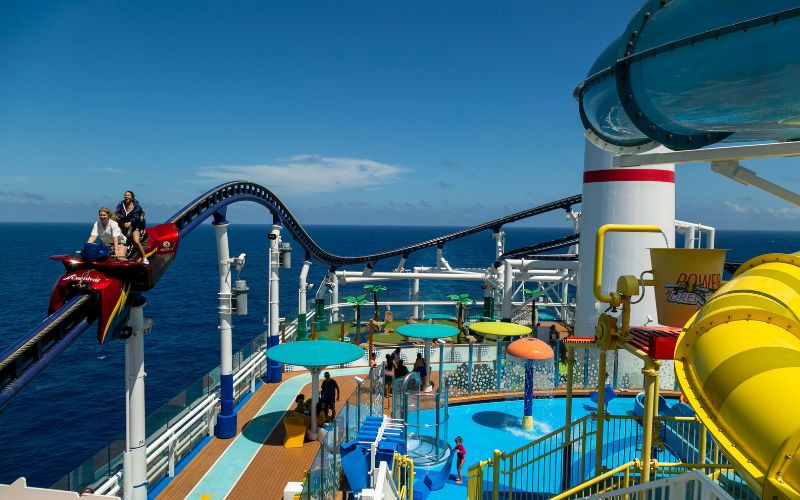
The Mardi Gras cruise ship's top deck is bustling with excitement, featuring the first roller coaster at sea, 'BOLT.' Passengers are enjoying a thrilling ride in a red car on the blue track, with the expansive blue ocean in the background. The deck also hosts a colorful water park area, with guests enjoying the sun and fun activities.

Modern cabins and tech are important to you

If things like USB ports, a big TV and more contemporary bathrooms matter, you’ll notice the difference on newer ships.

You’re new to cruising and want a safe bet

For first-time cruisers, newer ships can feel like an easy introduction. More familiarity, more choice and fewer chances to feel underwhelmed.

This is the concern people don’t always say out loud – but it’s usually there.

If a ship is 20 or 25 years old, is it still safe?

The short answer is yes. Age on its own isn’t a safety issue.
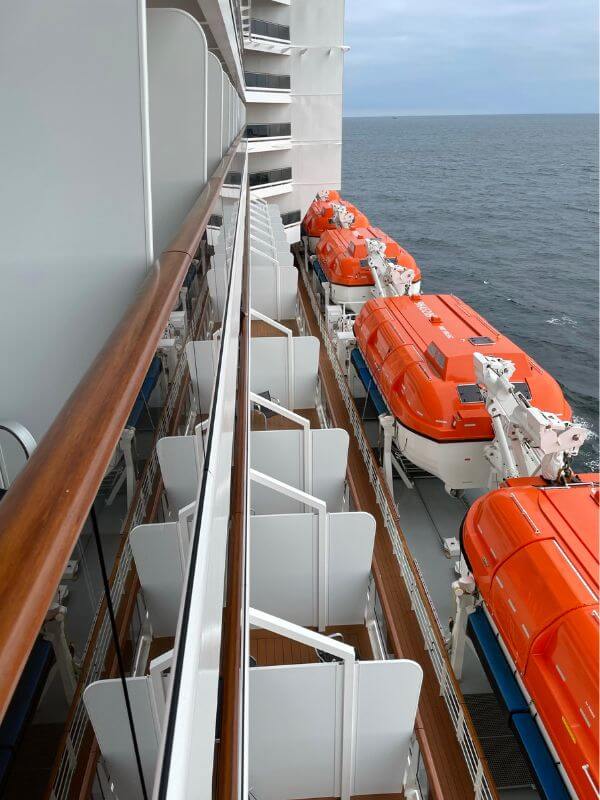
Lifeboats

Cruise ships are subject to strict international regulations and constant inspection. They don’t just get checked every now and then – maintenance is ongoing, and it’s planned down to individual systems.

And remember, ships are maintained constantly – not just as part of the occasional dry dock.

Engines, navigation equipment, safety systems, lifeboats, firefighting equipment – all of it is routinely tested, serviced and replaced when needed.

Crew can carry out significant repairs while the ship is still in operation, and systems are maintained on rolling schedules. Dry dock is just the bigger, more visible part of that process – where hull inspections, major overhauls and larger upgrades take place.

Azura

If anything, older ships are often subject to more frequent inspections and maintenance cycles, not less.

There’s also a commercial reality behind it. Cruise lines won’t keep a ship in service if it becomes too expensive to maintain safely. At that point, it’s either sold on or retired altogether.

So the idea of a cruise line knowingly operating an unsafe ship just doesn’t hold up.

TODAY’S BEST CRUISE DEALS!

Don’t miss these offers…

Before You Book: What to Check

Before choosing between an older or newer ship, look at:

  • Last refurbishment date
  • Ship size and passenger capacity
  • Itinerary and number of sea days
  • Dining options (included vs extra cost)
  • Cabin photos, not just descriptions
  • Reviews mentioning condition and upkeep

And most importantly, be honest about what you actually want from your cruise.

Because in the end, newer isn’t automatically better, and older isn’t automatically worse.

Older ships can offer better value, more interesting itineraries and a more relaxed experience. Newer ships can offer more facilities, better cabins and more onboard entertainment.

The best choice isn’t the newest ship. It’s the right ship.

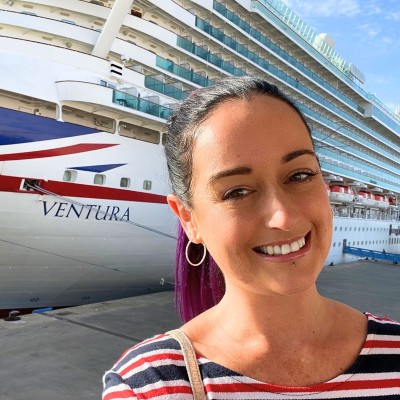
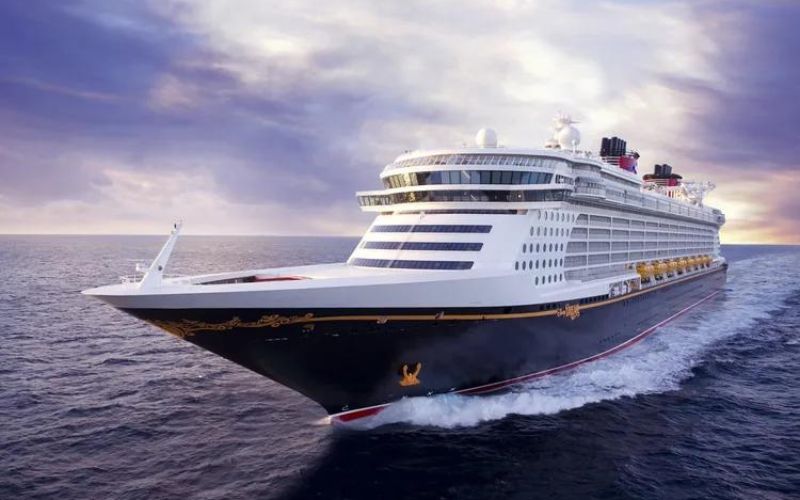
Jenni with Disney Cruise ship at Castaway Cay

Related Posts

If you found this interesting, please share!


Jenni with Disney Cruise ship at Castaway Cay


Source link
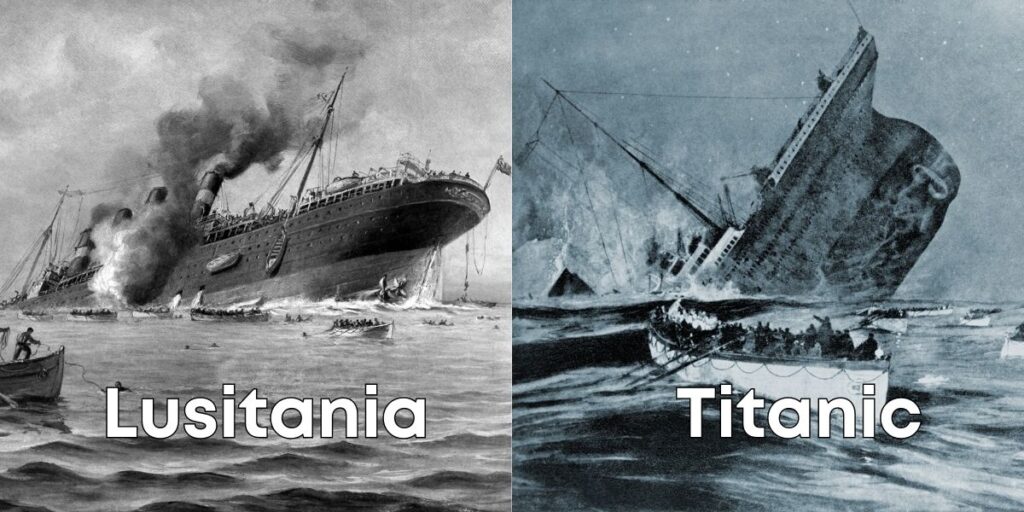
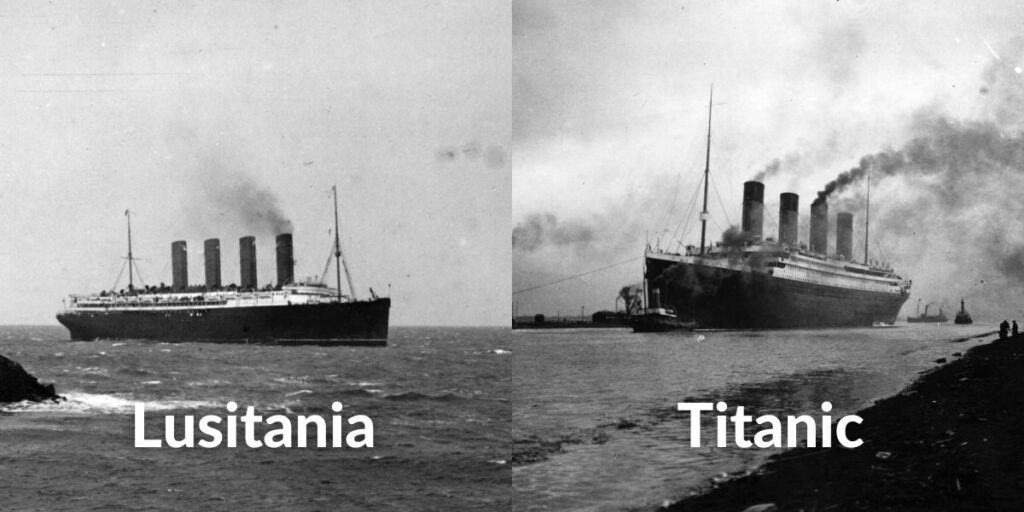
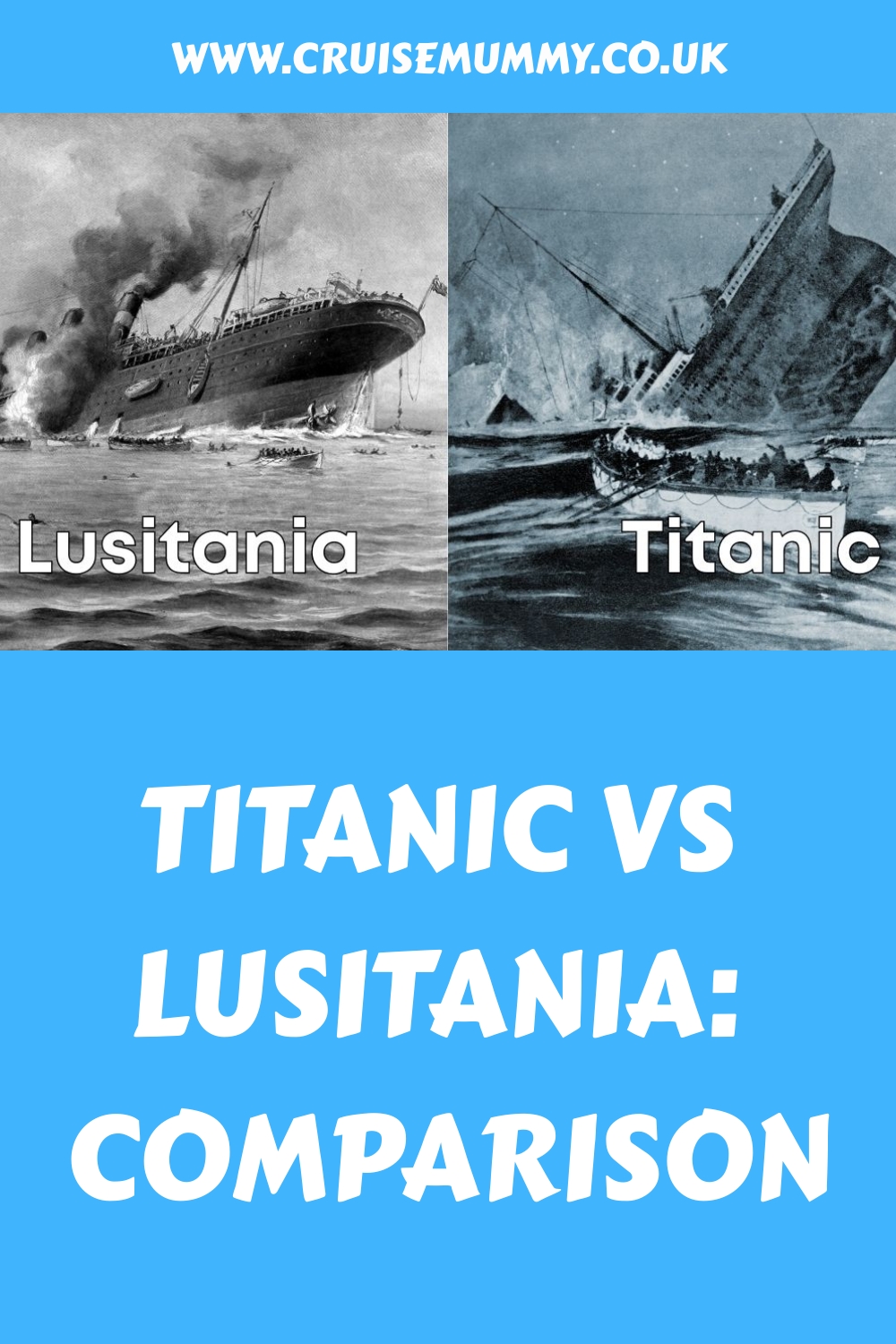
Lusitania-Vs-Titanic-1.jpg

What Made These Ships So Different


Most people have heard of the Titanic. But far fewer know the story of the Lusitania.

Both were famous ocean liners from the early 1900s. Both were symbols of luxury and ambition. And both ended in tragedy.

Yet one became the most famous shipwreck in history, while the other is often forgotten.

Lusitania vs Titanic

So what really separates the stories of Titanic and Lusitania… and why did one become legendary while the other didn’t?

The Similarities Between These Two Ill-Fated Ships

The Titanic and the Lusitania were both the largest ships in the world when they first launched, and both were designed for luxury travel across the Atlantic Ocean. Both ships sank in the 1910s and in each incident, there was a severe loss of life.

The ships were not identical, and they weren’t sister ships despite some people thinking so. In fact, they could be considered rivals.

Lusitania was built in 1906 for Cunard Line (yes, the same cruise company that exists today) while Titanic was built five years later for the competitor White Star Line.

Both were British companies, looking to establish a dominant position to ferry guests from Europe to the US and back. And they tried to do so by building the biggest ships in the ocean at the time. Lusitania came first, but she was later surpassed by Olympic, the sister ship of Titanic.

Size of the Ships

Titanic was the bigger of the two ships. Lusitania launched as the biggest ship in the world in 1906 Lusitania launched as the largest ship in the world in 1906, but Titanic later took that record when she entered service in 1912, a few years later.

This means that Titanic sank as the biggest ship in the world, but Lusitania sank when other larger ships were still sailing.

Lusitania vs Titanic

Let’s look in more detail at the statistics of both ships:

MeasurementsTitanicLusitania
Length882 feet787 feet
Beam (width)92 feet87 feet
Gross tonnage46,328 GT31,938 GT
Maximum capacity (passengers and crew)3,3273,048
Maximum passenger capacity2,4532,198
Crew874850
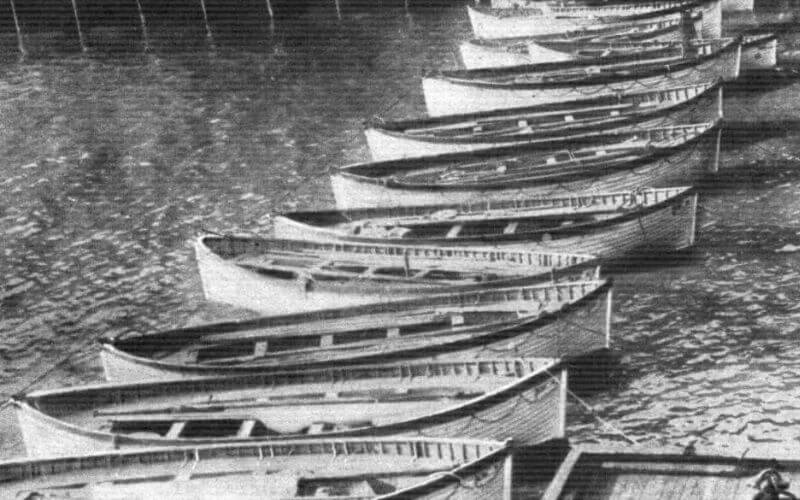
Lifeboat capacity35.4%100%
Maximum speed22 knots25 knots

By every measurement, the Titanic was a bigger ship. She was 12% longer and almost 6% wider. But more importantly, she was over 45% larger in total when you consider gross tonnage, which measures the internal volume of the ship.

That stat becomes even more interesting when you realise that she was only around 9% larger in terms of total capacity. While yes, Titanic did carry more passengers, she also had more space for passengers to enjoy, as there was a higher ratio between passengers and volume of the ship.

We of course know that lifeboat capacity was one of the major issues of the Titanic, and I’ll touch more on her legacy below.

Titanic lifeboats

But an interesting final note is that, despite being launched six years later, Titanic was actually slower than Lusitania. Lusitania could complete a transatlantic crossing between 12-24 hours faster than the Titanic could.

This was a conscious decision when building Titanic. The aim was to focus on luxury in lieu of speed, and Lusitania’s fuel costs were apparently very high due to the amount of coal needed to reach those speeds.

Sinking Incidents

Here’s a quick look at the sinking of both ships:

FactsTitanicLusitania
Sinking date14th April 19127th May 1915
Number of years the ship had been sailing before being sunkLess than one8 years
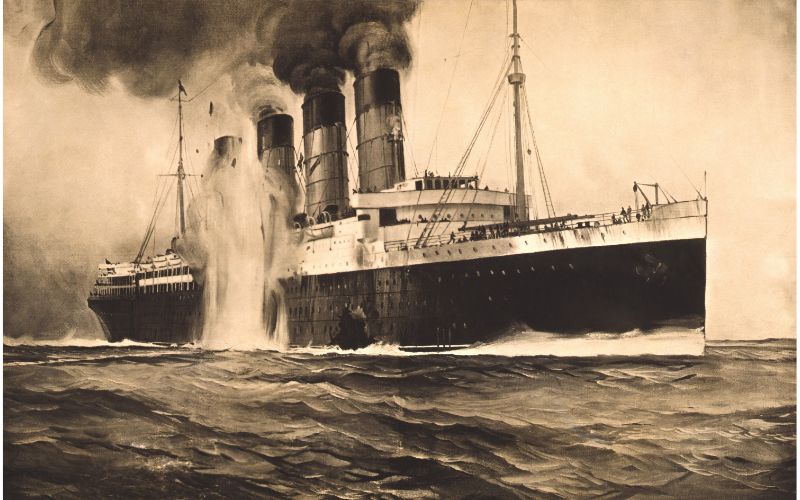
Cause of sinkingCollided with an icebergTorpedoed by a German U-Boat
Time the sinking took2 hours, 40 minutes18 minutes
Total passengers and crew onboard2,2071,949
Total deaths1,5171,198
Survival rate31.3%38.5%

The sinking of both ships was monumental and catastrophic, primarily for the sheer number of lives lost. These were huge disasters.

But there are differences between them too.

The Titanic sank in 1912 on her maiden voyage across the Atlantic. She never completed a single sailing. And there was a huge uproar at the time of her sinking too because of the lack of lifeboats on the ship.

The cause, too, was natural – an iceberg that hadn’t been seen. But also look at the time it took for Titanic to sink – hers was a drawn-out affair, lasting the best part of three hours before she completely sank.

Titanic sinking

Compare that to Lusitania. From the moment she started to sink, she was under the water completely within just 18 minutes. That’s a seriously fast amount of time for a ship her size. And yet, a higher percentage of people survived the Lusitania than did the Titanic.

The story of the Lusitania is a concerning one, for a number of reasons.

Firstly, she was a civilian ship and yet she was sunk without warning by the German navy. However, she was carrying munitions for the British army, which gave the Germans more incentive to sink her. 

Lusitania ship

Then there are the conspiracy theories around Britain trying to put the ship in danger – more on that below.

And finally, there was a higher percentage of women and children who lost their lives in the Lusitania sailing compared to the Titanic.

It’s believed that this was due to the time it took for the ship to sink. With everything happening in just 18 minutes, there was no time for the sense of self-preservation to calm down within the passengers.

Whereas with the Titanic, experts believe that there would’ve been enough time for that initial panic to calm down, and for the men to help the women and children into the lifeboats first as a priority (source).

The Ships’ Legacies

Both the Titanic and Lusitania had major impacts on world history, but for very different reasons.

When the Titanic sank, she famously was not a safe ship, primarily due to the lack of lifeboats. The huge loss of life led to a massive inquest that lasted for years, ultimately overhauling the safety standards of shipping going forward.

If it wasn’t for the sinking of the Titanic, then who knows how long it would’ve taken for shipping safety to be looked at under such a microscope and how many more, smaller tragedies could’ve taken place?

The Lusitania’s legacy is very different but arguably even more important. It was one of the factors that led to the US joining the First World War.

In fact, there have been some, including an intelligence officer in Britain, who believed that Britain had purposefully endangered the Lusitania in order to provoke the Americans into joining the war.

He wrote that Britain purposefully chose not to give the ship an escort, and gave orders which put it more at risk of being attacked by the German navy (source).

Why Titanic Is More Famous

There are a number of reasons why Titanic is more famous than Lusitania. She was the biggest ship in the world when she sank, she was billed as unsinkable, and it sank with natural causes combined with human error, instead of in wartime conditions.

Remember that Lusitania was the biggest ship in the world when she was built, but by the time she was sunk, she had surrendered that title.

And she was hit by a torpedo during the First World War. Yes, she was the biggest maritime loss during that war, but millions lost their lives due to the conflict in general.

Whereas the Titanic was lost because human mistakes were made. Mistakes that could’ve been avoided, and that were later rectified for all future sailings. It was her maiden voyage too, which makes it more of a dramatic event.

And there was the hubris too – the fact that Titanic was declared to be unsinkable, yet didn’t even complete a single sailing. Both ships were major disasters but there are a number of reasons why Titanic became more famous, even before the 1997 movie was made.

There are more than 10 Titanic Museums in the world. While there is also a Lusitania Museum in Ireland, it’s not to the same scale.

One Man Survived Both

A man named George Beauchamp is believed to be the only person who survived both the Titanic and Lusitania disasters. An urban legend names another man, Frank Tower, as a survivor of both but his existence has not been proven.

George Beauchamp’s story is more well-known and has been told by his family. He was a coal stoker on the Titanic who helped to get people into the lifeboats when she started to sink. He later switched to work for Cunard Line on the Lusitania and was onboard when she sank three years later (source).

There are rumours of a Frank Tower who survived both, but his tale is considered to be an urban legend. A ‘Frank Tower’ is listed as a passenger on Lusitania, but never as a worker on either ship (source).

Final Word

There are a startling number of similarities between the Lusitania and Titanic tragedies, but even more differences. They were different ships, sailed by rival cruise lines, and sank under very different circumstances.

Titanic will always be the more famous disaster, and more lessons were learned from her sinking too. And yet the victims of the Lusitania disaster deserve to be remembered equally.

Related Posts:

If you found this interesting, please share!


Jenni with Disney Cruise ship at Castaway Cay


Source link
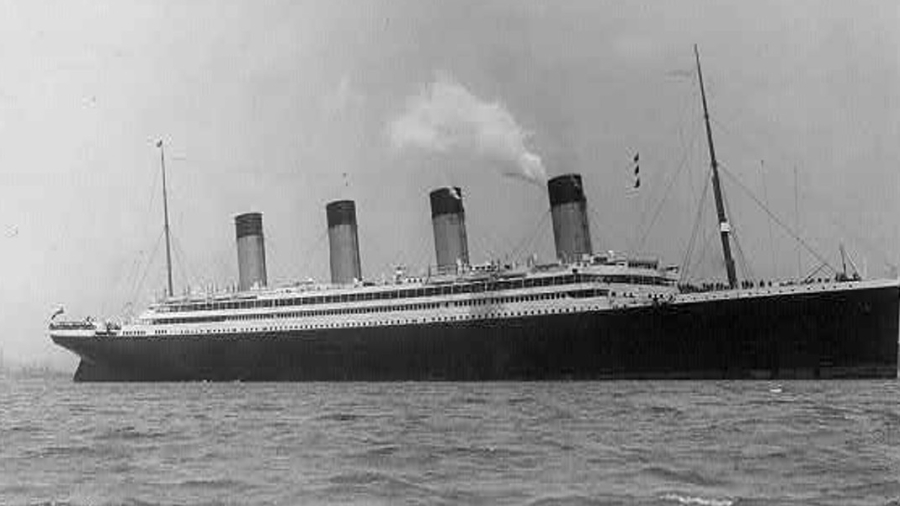
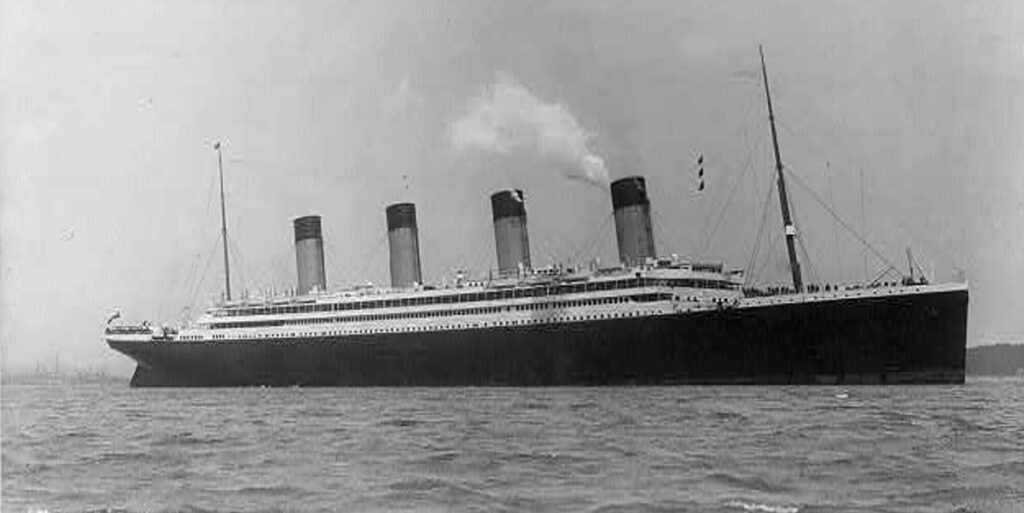
Titanic-Sister-ship-Olympic.jpg

What Happened To Olympic & Britannic


Almost everyone knows the story of the Titanic.

But far fewer people realise she wasn’t alone. The Titanic was actually one of three nearly identical sister ships, all built by the same company around the same time.

One became the most famous shipwreck in history. But the other two had dramatic stories of their own.

So what really happened to Titanic’s sister ships… and why don’t we hear about them nearly as often?

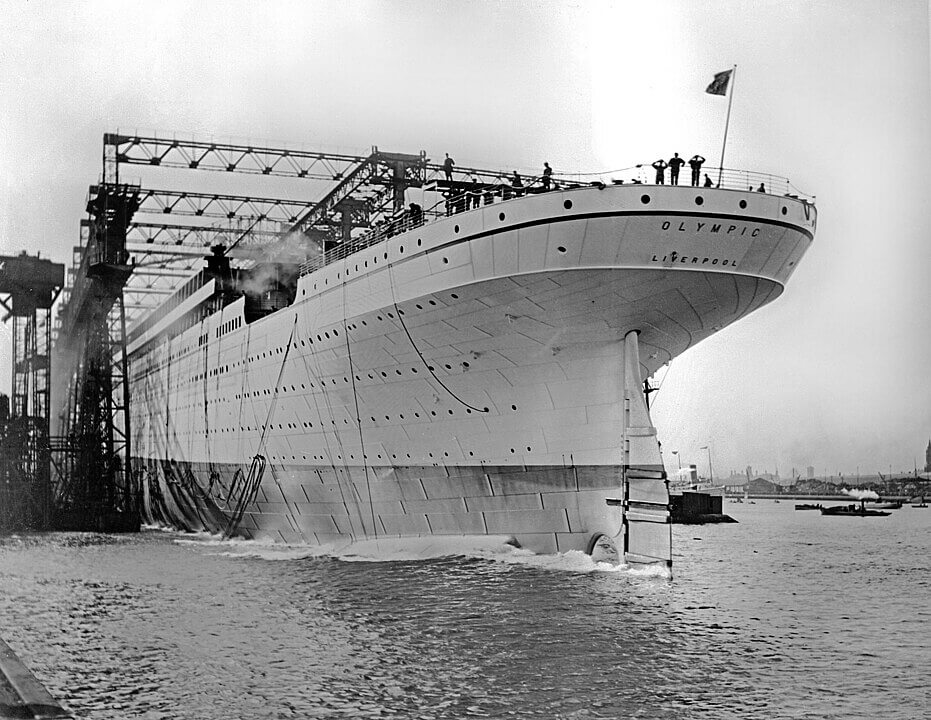
Olympic

About Titanic’s Sister Ships

The Titanic had two sister ships. She was preceded by the Olympic (1911 to 1935) and she was followed by the Britannic (1914 to 1916). The Britannic also sank, but the Olympic had a long life until she was retired.

All three ships were built for the White Star Line by the shipyard Harland & Wolff, and they were designed to be the largest and most luxurious ocean liners in the world.

Unfortunately, for various reasons, they didn’t really get to see out their lives as intended.

The Olympic sailed for 24 years after she was first launched, serving primarily in her intended role as a luxurious passenger liner, although she was commandeered for the war for a few years.

The Britannic didn’t do as well – she was used as a ship for the war too, and was sunk during it.

Let’s look at the story of each ship in a little more detail.

Olympic

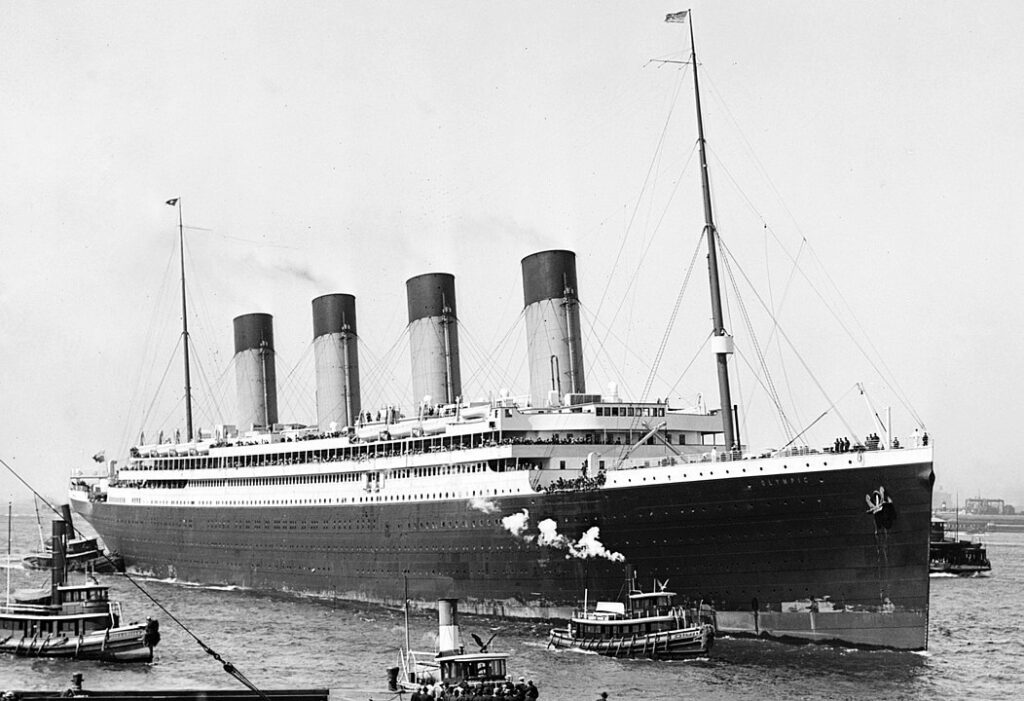
Olympic
RMS Olympic arriving at New York on her Maiden Voyage
Bain News Service, Public domain, via Wikimedia Commons

The RMS Olympic was the first of the new Olympic-class ships to launch, making her debut in 1911. After departing Belfast following her sea trials, she arrived in Liverpool for her public debut. She then sailed to Southampton to prepare for her real maiden voyage.

She was designed to follow a similar route as the Titanic would later attempt – travelling across the Atlantic Ocean with calls first at Cherbourg and Queenstown. She arrived safely in New York after 7 days. She was captained by Edward Smith, who would sadly lose his life on the Titanic a year later.

Because the Olympic was, at the time, the largest ship in the world, this maiden voyage attracted a lot of attention from the press and the general public.

8,000 people came onboard the ship to look around while she was docked in New York, and it’s believed 10,000 people watched her leave the port on the return leg, according to ‘The Olympic Class Ships’, a book by Mark Chirnside.

RMS Olympic at launch
Launch of Olympic in 1910
Robert Welch, Public domain, via Wikimedia Commons

Olympic’s first real negative incident of note took place on her fifth voyage. While sailing alongside the British cruiser HMS Hawke, the ships collided, tearing a couple of holes in the Olympic’s hull. She was able to return to Southampton under her own power and nobody was injured.

Two of the crew onboard during this incident were Violet Jessop (a stewardess) and Arthur John Priest, a stoker. They would work on the Titanic the following year and survive, before working on the Britannic when she also sank, again surviving.

Following repairs, the Olympic re-entered service, and she made efforts to assist the Titanic during the sinking incident. Unfortunately, she couldn’t get there in time.

The Olympic did offer to take the survivors from Cunard’s RMS Carpathia, but that ship’s captain refused, saying that asking the passengers to board a replica of the ship that had just sank would distress them.

The Olympic then returned to dock to be fitted with new temporary lifeboats.

Some of the crew would strike when the new lifeboats were deemed not to be seaworthy, and ultimately 54 of the crew were arrested for mutiny, and while they were found guilty, they were discharged without punishment. Later, the ship would have more permanent lifeboats and davits added.

In 1915 the ship was drafted into the war effort. Unlike many other privately-owned ships, she wasn’t converted into a hospital ship but served instead as troop transportation.

She did rescue crew from the battleship HMS Audacious during service, and once fitted with guns she rammed a German U-boat in the English Channel, forcing it to scuttle.

Post-war, the ship was converted back into a passenger liner and served the cruise line with minimal incidents. She was given numerous upgrades, but by her final years she was proving to be unprofitable.

She was retired in 1935, and she sailed to Jarrow in the North-East to be scrapped. She had completed 257 round trips across the Atlantic by this point.

Read more: Key Differences Between Titanic and Olympic

Britannic

HMHS Britannic was the third and final ship in the Olympic class, and work began on her construction in 1911. However, she wasn’t launched until 1914, by which point her sister Titanic had already sunk.

And so, work began on improving the safety of Britannic before she launched. She was due to have a similar design to her earlier sisters, but changes were made to double-up the hull around the engine and boiler rooms, and to enhance the water-tightness of the central compartments so that the ship could still stay afloat with six compartments flooded.

The biggest change was arguably the addition of davits – cranes that could launch six lifeboats. The ship was planned to have eight of these davits installed but only five were ready when the ship was called into action.

That’s because, in 1915 when she was fully completed, the war was well underway and the ship was needed in service. She only had four weeks’ notice from her engine trials before she went into the war.

She was repainted with large red crosses and a green stripe, so that it was clear she was to be a hospital ship, and she had over 3,300 beds installed along with several operating rooms. Common areas were changed to be able to support wounded soldiers and many of the cabins were kept to house doctors.

She first left Liverpool in December 1915 to retrieve injured troops from the island of Lemnos in the Aegean Sea, and then was moored as a floating hospital off the Isle of Wight.

She then helped to evacuate the Dardanelles in 1916 and ended her military service in 1916, returning to Belfast to be refitted as a passenger ship. Two months later though, she was recalled into service. She made a fourth and fifth trip successfully.

Her sixth mission was her last though – after stopping to refuel as normal in Naples, she struck a mine in the Kea Channel. 35 lifeboats were successfully launched, carrying most of the people onboard. Sadly 30 people were killed.

The reasons that so few people lost their lives in comparison to their sister include the higher temperatures of the water (20 degrees C compared to -2 degrees C), the huge improvement in lifeboat launches (35 were launched by Britannic compared to just 20 for Titanic), and the proximity to land and therefore aid.

Lusitania Is Often Mislabelled As a Titanic Sister, But…

The Lusitania was not a sister ship of the Titanic. She was owned by rival cruise line Cunard (the same Cunard Line that still exists today). People often mistakenly believe they were sisters just because their sinking incidents are similar and were relatively close together in years.

Cunard and White Star Line were rival companies, so it would be like asking if Carnival Celebration and Oasis of the Seas were sister ships, just because they had a similar design. 

Unfortunately, the Titanic and Lusitania are only linked because they are two of the most famous cruise ships to have sunk.

Final Word

The Titanic orphan twins led very different lives, with only the Olympic surviving long enough to really be able to learn the lessons from the sinking of the Titanic.

These three ships should have helped White Star Line to new heights, but poor safety planning and the outbreak of the war meant that only one of the three was able to enjoy the service she was designed for.

It’s also interesting to compare the Titanic to modern cruise ships because it shows you how the three Olympic-class ships would fare when side-by-side with some of the most contemporary vessels. So make sure you check that guide out!

Related Posts

If you found this interesting, please share!


Jenni with Disney Cruise ship at Castaway Cay


Source link
shipwreck-1.jpg

The 11 Most Devastating Cruise Disasters of All Time

Cruise holidays are usually smooth sailing, with thousands setting off every day and returning with nothing more dramatic than a sunburn or a souvenir.

But on rare occasions, things have gone horribly wrong.

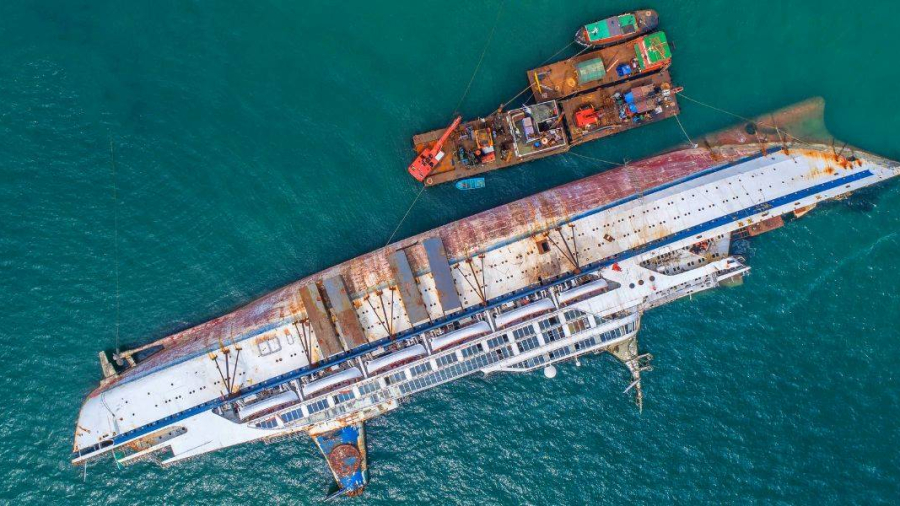
Aerial view of a capsized ship being salvaged at sea, with rust and deterioration visible on its hull, and a salvage barge equipped with a crane moored alongside, highlighting the maritime recovery efforts.

From tragic sinkings to shocking onboard incidents, this guide dives into the worst cruise ship disasters of all time – the moments when paradise at sea turned into something far more terrifying.

Important Definitions

Before we dive into the list, we need to define two things: what is a cruise ship, and what is a “disaster”?

For the purposes of this list, I’ve chosen to include ships that were operating as a cruise ship or as an ocean liner at the time of the disaster. These are ships that were either making long-haul passenger journeys or ships that were sailing for pleasure. This means I’ve chosen not to include ferries such as the MS Estonia or other types of ships.

So, for example, I haven’t included the Lusitania even though she was designed as an ocean liner, because when she was sunk, she had been commandeered for the First World War.

When it comes to the term “disaster”, the definition is a little more vague. There are other articles you can read that will include the Carnival Triumph’s 2012 cruise as a disaster, for example, where the ship lost power and had major issues with sewage. Horrible, absolutely, and I’m sure the passengers onboard called their cruise a “disaster” – but I chose not to include it.

Instead, I’ve kept this list to incidents which involved a loss of life, because I think that’s a definition you absolutely can’t argue is a disaster. It’s also not a list of every cruise ship incident where life was lost, just the worst disasters.

With all that context, let’s take a look…

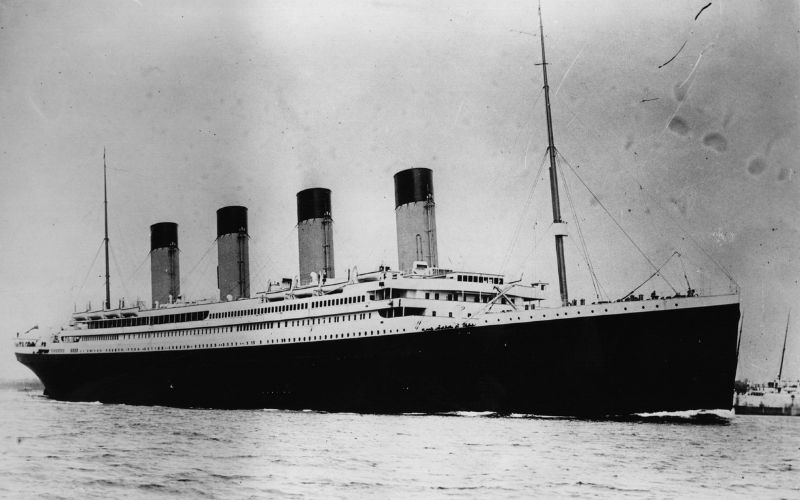
1. RMS Titanic

Historic black and white photo of the RMS Titanic, the iconic British passenger liner, as it sailed on its maiden voyage, with its distinctive four funnels and elegant profile.

Number of deaths – 1,517

Easily the most famous of the disasters on this list, the Titanic is one of the biggest maritime disasters regardless of ship type. With a loss of over 1,500 passengers and crew, it was a horrific tragedy.

The cause of the incident is well documented – the ship hit an iceberg, creating a series of holes along the starboard side of the ship. This caused the hull to buckle and separate, eventually leading to the ship sinking.

A lack of lifeboats meant that many people onboard ended up in the freezing waters, where they had almost no chance of survival. The only good to come of the incident was that it triggered a major overhaul of safety measures on ships, though it is horrendous that it took something of this magnitude to spark those changes.

Read more:

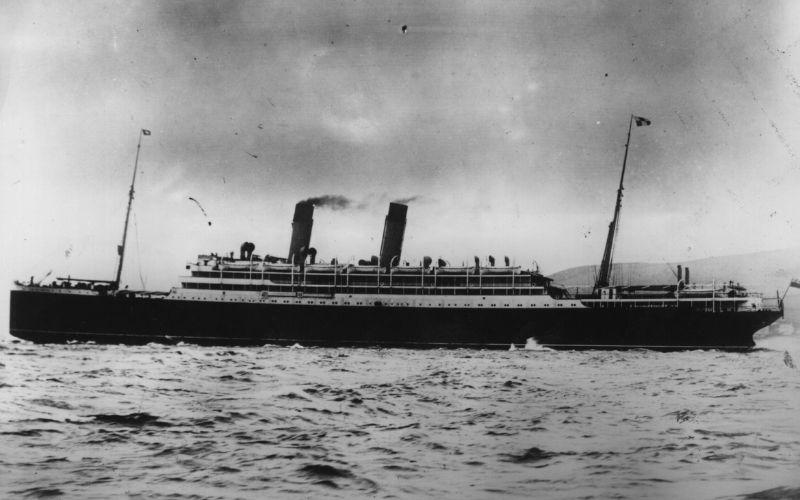
2. Empress of Ireland

Vintage black and white photograph of the RMS Empress of Ireland, an early 20th-century ocean liner, depicted with two funnels billowing smoke as it cruises on the open sea.

Number of deaths – 1,012

The Empress of Ireland was another major shipping disaster which occurred in the early 20th Century – she sank in 1914, only two years after the Titanic, contributing to a bleak time in maritime history which would only get worse as the First World War took hold.

This was a Canadian ship, and she struck another ship, the Storstad, which was a Norwegian Collier. The ships were aware of each other, but the sudden onset of fog made it very difficult to communicate, with only whistles available.

The Empress of Ireland sank once she was hit, leading to the deaths of over 1,000 passengers and crew in the worst peacetime maritime disaster in Canada’s history. The Storstad survived the incident and would ultimately be handed over to the Canadian Pacific Railway company, which had owned the Empress of Ireland, as compensation.

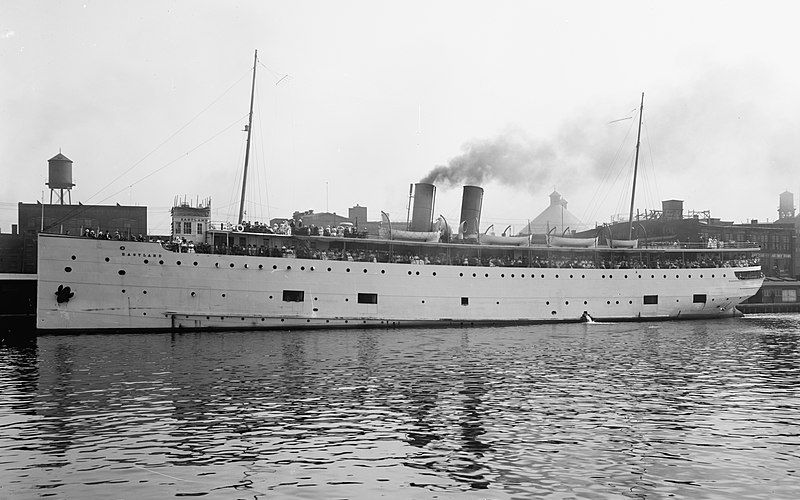
3. SS Eastland

Historic image of the SS Eastland, a passenger ship, moored in a harbor with its deck crowded with passengers, smoke rising from one of its two funnels, reflecting the bustling maritime activity of the era.

Number of deaths – 844

The SS Eastland was a large passenger ship designed for cruises of the Great Lakes. She was built in 1903 and would sail until 1915, when she sank, causing the deaths of over 800 passengers and crew. This is the largest loss of life of any ship on the Great Lakes.

The ship had a history of listing issues, having first almost capsized in 1904 when she was carrying 3,000 passengers. This led to a reduction in her maximum capacity, though further incidents took place, which caused concern. 

On 24th July 1915, the ship would lurch and ultimately capsize while at the dock in Chicago, with many passengers trapped below the decks as the ship sank to the river bottom. Some passengers were also killed after being crushed by heavy furniture. Despite the ship being so close to the dock, it was impossible to get everyone out in time, hence the high death toll.

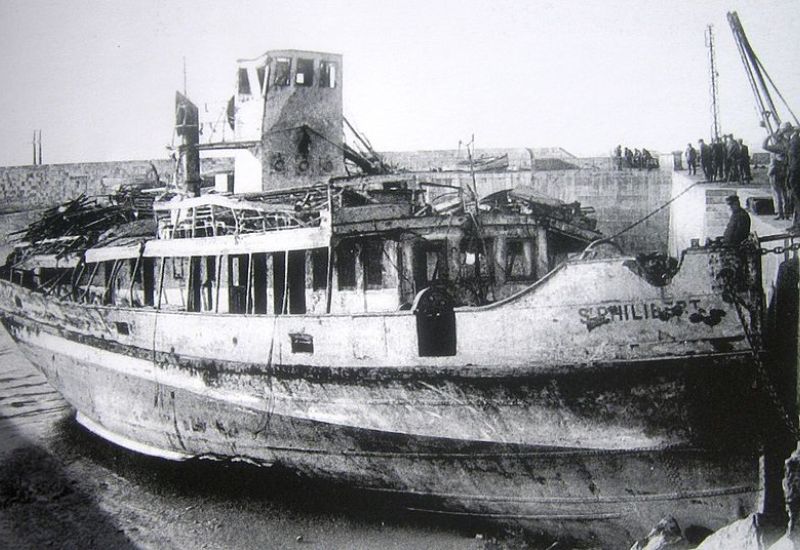
4. Saint-Philibert

Black and white photograph of the wrecked 'Saint-Philibert' vessel, showing extensive damage and decay, as it lies beached with onlookers gathered around, capturing a moment of maritime history.

Number of deaths – Approx. 500

The Saint-Philibert was a small cruise ship that offered cruises along the Loire River and around the northern coast of France. 

She only measured 32 meters in length, but she had an estimated 500 or so people on board on a cruise from Nantes in 1931 – 467 passengers were officially checked onto the ship alongside at least 8 crew members, though there were also children onboard and they weren’t counted.

This was around twice the expected load for the ship, and a combination of being overloaded and bad weather caused issues. As the ship sailed on its return leg, it capsized, leaving behind only 8 survivors.

The victims’ families took the owners of the ship to court, but they were found not to be at fault despite the overcrowding of the ship.

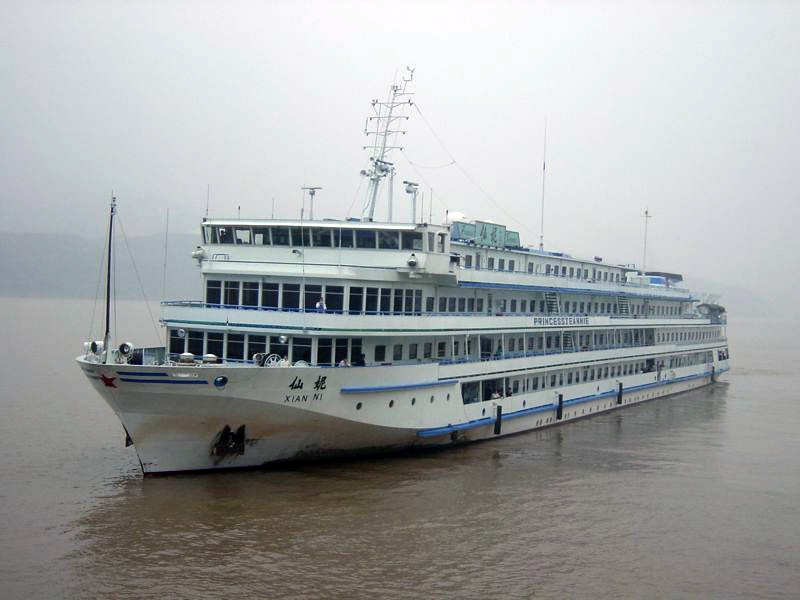
5. Dongfang Zhi Xing

The 'Princess Jeannie' river cruise ship, a multi-deck vessel painted in white and blue, is captured navigating the murky waters of a wide river on an overcast day.

Number of deaths – 442

The most recent cruise ship disaster on this list is also the worst river cruise disaster in history. The MV Dongfang Zhi Xing (roughly translated as the Eastern Star) was sailing along the Yangtze River in 2015, cruising through the renowned Three Gorges.

Unfortunately, on 13th June, the ship was caught in a massive storm – originally thought to be a tornado, though it was later clarified that the tornado occurred 8km away and instead this was a downburst in a thunderstorm. It caused the ship to capsize.

There were 454 people onboard the ship, most of whom were from the Nanjing region of China and in their 60s and 70s. There were around 45 crew members on the ship, as well as five tour guides who were brought onboard to help educate guests on the region. Only 12 people survived the incident, including the ship’s captain and chief engineer.

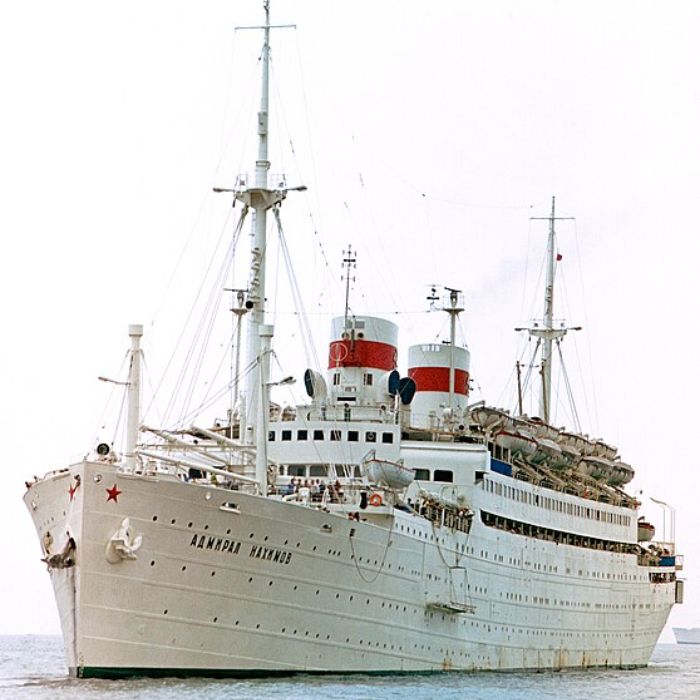
6. SS Admiral Nakhimov

The SS Admiral Nakhimov, formerly a prominent Soviet passenger liner, shown with its classic white exterior, red and black funnel, and deck lined with lifeboats, representing the maritime history of the 20th century.
Photo credit: Leo Medvedev/Лев Леонидович Медведев

Number of deaths – 423

The SS Admiral Nakhimov was originally built as a passenger liner for the North German Lloyd Line in Germany, sailing as the Berlin. She was then used by the Nazis as a hospital ship during the Second World War, before being given to the Soviet Union through reparations. By this time, she had already been hit by mines and sunk once, and she was sunk for a second time in 1947.

She was raised, repaired and renamed and was then used as a passenger service, cruising the Black Sea on a six-day round trip, which she did successfully for almost 40 years.

On 31st August 1986, she collided with the cargo freighter Pyotr Vasev (source). This is despite earlier radioing the freighter and warning of a collision course, with the crew on the freighter claiming that they would turn and pass without incident, despite not changing course.

Of the 888 passengers and 346 crew members onboard, over 400 were killed when the ship sank, most of whom were Ukrainian.

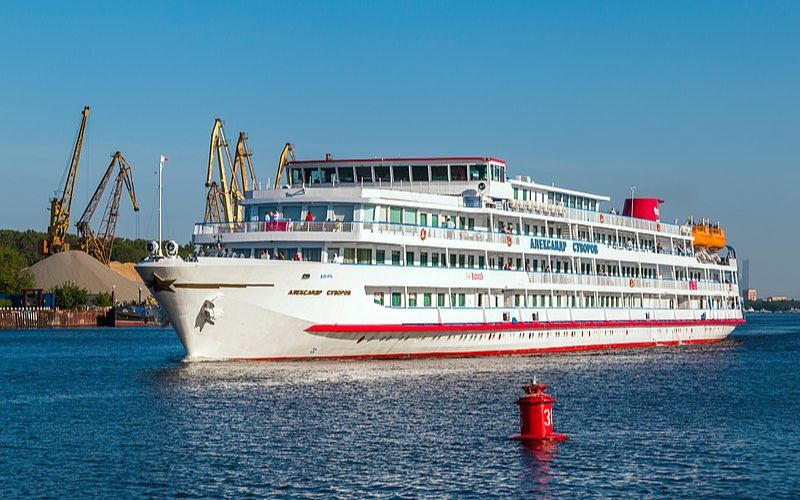
7. Aleksandr Suvorov

The river cruise ship 'Aleksandr Suvorov' glides on calm waters, with its white and red exterior and multiple decks visible against a backdrop of industrial cranes and a clear blue sky.
Photo credit: Mike1979 Russia, CC BY-SA 4.0, via Wikimedia Commons

Number of deaths – 176

The Aleksandr Suvorov is a river cruise ship that is still operating sailings on the Volga, the biggest river in Russia.

On 5th June 1983, while sailing from Rostov to Moscow, an auction was taking place in the cinema hall on the upper deck, with many guests present. However, the ship was trying to pass the Ulyanovsk railway bridge at the wrong point, and it wasn’t noticed until the ship was about to collide.

Girders from the bridge cut through the cinema hall where the auction was taking place, and of the 395 people onboard the ship, almost half were killed. Despite the captain having relinquished control of the ship to his chief mate, he was jailed for six years for the incident.

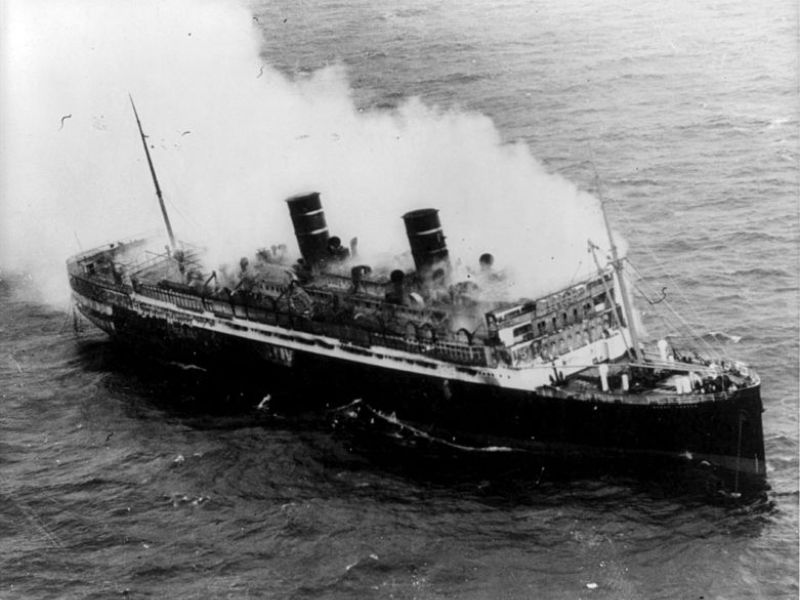
8. SS Morro Castle

Historic black and white photo of the SS Morro Castle engulfed in smoke due to a tragic fire at sea, illustrating a dramatic moment in maritime disaster history.
Photo: International News Photos, Inc., Public domain, via Wikimedia Commons

Number of deaths – 137

The SS Morro Castle is another incident where the ship involved did not actually sink, but still suffered a major disaster that was quite horrific. And it began, on 5th September 1934, with the death of the ship’s Captain by an apparent heart attack, after complaining of feeling unwell earlier in the evening.

Command passed to the Chief Officer, William Warms, and as the night continued, a fire broke out within a writing room. Acting Captain Warms tried to beach the ship, but had to abandon his plan, by which point the ship was in darkness after the electrical cables were burned through.

Passengers gathered on the deck but were not given clear instructions. Some lifeboats were launched, but they contained just 85 people, most of whom were crew. Passengers were forced to jump into the stormy waters, but some died due to being unable to operate the flotation devices, or even after being struck by the devices being thrown into the waters.

In total, 137 people died either on the ship or in the water.

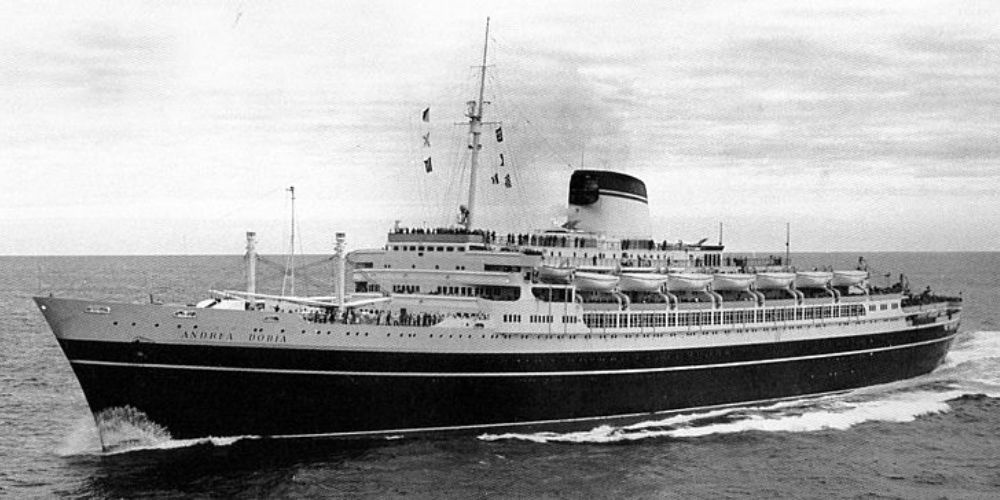
9. SS Andrea Doria

The SS Andrea Doria, an ocean liner, cruising on the high seas captured in a vintage black and white photo, showcasing its elegant design and the majesty of transatlantic travel in the mid-20th century.

Number of deaths – 46

The SS Andrea Doria was a luxury ocean liner that launched in 1953, but only sailed for three years before she sank. On 25 July 1956, the ship collided with the Stockholm, a Swedish passenger liner (source).

The Stockholm was sailing an unorthodox route, avoiding the typical eastbound traffic area and sailing into westbound traffic. Still, this was deemed to be safe because the ships were using radar, though it appears that both ships misinterpreted each other’s course.

While the Andrea Doria did lose half her lifeboats in the collision and subsequent listing, she remained above the water for 11 hours, which meant that the crew could calmly arrange for all guests left alive to be rescued.

The 46 people who lost their lives all died at the moment of the collision. Over 1,600 passengers and crew were rescued.

10. Costa Concordia

Number of deaths – 32

The Costa Concordia disaster is very famous due to its recency and the fact that it’s one of the only major disasters to occur involving what we’d consider to be a modern ocean-faring cruise ship.

The cruise ship ran aground on 13th January 2012, after Captain Francesco Schettino changed the course of the ship to carry out a sail-by of the island of Giglio. Schettino refused to raise the alarm and abandoned ship while passengers were still onboard.

32 people lost their lives in the incident, with the final bodies discovered three years after the ship ran aground, as the ship was being dismantled. Schettino was jailed for his role in the disaster.

Read more:

11. MV Royal Pacific

Number of deaths – 9

The MV Royal Pacific was a cruise ship sailing on a two-night cruise to nowhere from Singapore when she was hit by a fishing trawler on 21st August 1992.

The extent of the damage to the MV Royal Pacific caused her to sink in just 15 minutes.

There were 355 passengers and 179 crew on the ship and most were able to abandon ship quickly on the lifeboats. During the rescue, three people drowned, while another six weren’t found and were assumed to be trapped in the ship. A report declared that there was fault on both ships’ parts for the incident.

Final Word

That’s the list of the worst cruise ship disasters in history by loss of life. If you know of any disasters that I’ve missed in my research, bearing in mind the rules I set out at the start of this guide, then please do let me know and I’ll be sure to update this list.

TODAY’S BEST CRUISE DEALS!

Don’t miss these offers…

Related Posts:

If you found this interesting, please share!

Cruise Mummy

Jenni Fielding is the founder of Cruise Mummy. She has worked in the cruise industry since 2015 and has taken over 30 cruises. Now, she helps over 1 million people per month to plan their perfect cruise holidays.

Read more about me


Source link
The-Love-Boat-Cast-2.jpg

The Love Boat Cast: Where Are They Now?

Is there a more iconic TV show related to cruising than “The Love Boat?” I’ll tell you now – there isn’t.

The show aired from 1977 to 1986 and yet it’s still widely adored. It was set on the luxury passenger cruise ship MS Pacific Princess and was nominated for several Golden Globes before being taken off our screens (but you can stream it, these days).

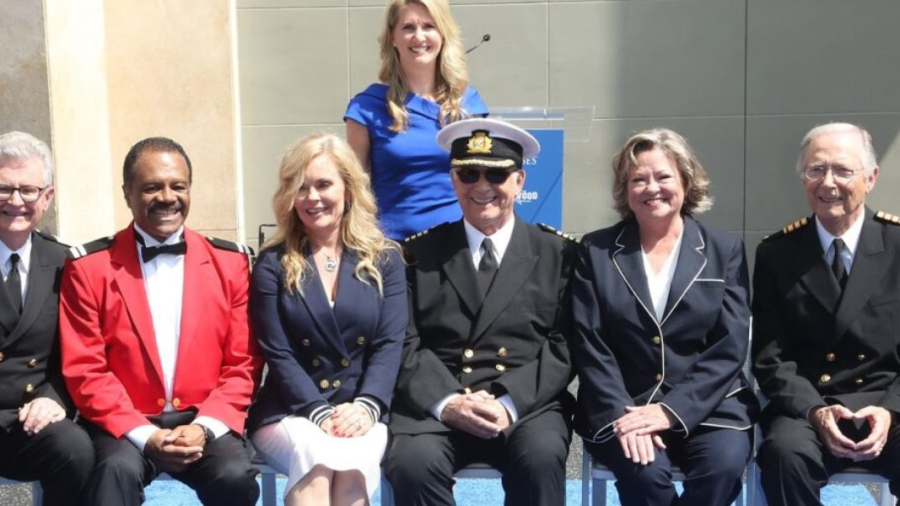
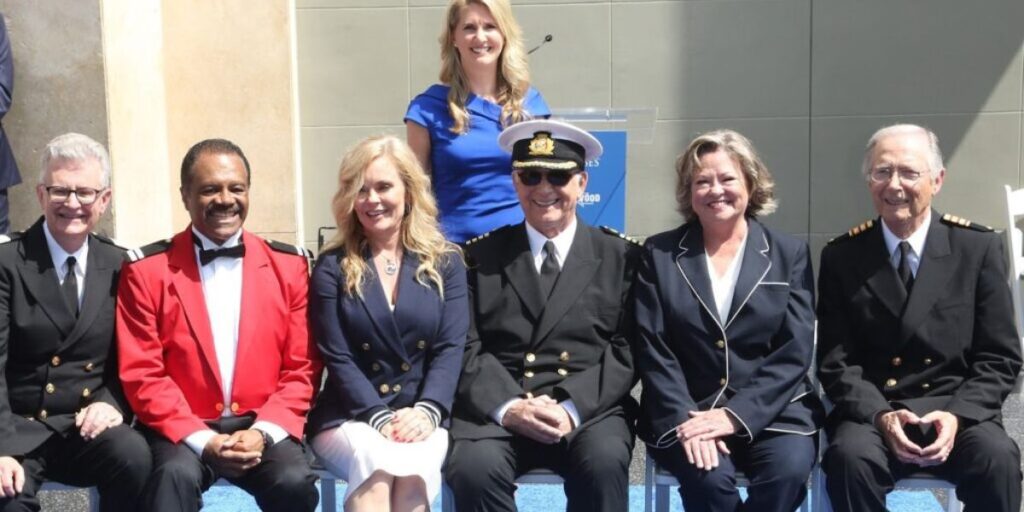
The Love Boat Cast posing together at a Princess Cruises event. The men are dressed in naval-style uniforms and the women in business attire, with one in a casual blue top. They are smiling and seated in front of a podium with a clear sky in the background.

The show brought us tales of love and humorous adventure on the high seas, but what has happened to the cast of the show since? 

1. Gavin McLeod (Captain Merrill Stubing)

Gavin MacLeod’s role as the Captain of The Love Boat was iconic and helped to shape his career in the years that followed. 

This is most obvious in his role as global ambassador for Princess Cruises which he began in 1986, the same year that the show ended. This role gave him the chance to attend ceremonies launching new real-life cruise ships.  

Following his time on The Love Boat, MacLeod spent a lot of time working in the theatre and had relatively few appearances on TV after The Love Boat compared to his many and varied TV shows before he took on the role of Captain Merrill Stubing. 

Gavin MacLeod appeared with Michael Learned in Love Letters and graced the stage in musicals like Gigi and Copacabana from 1997 to 2003. 

That’s not to say he gave up film altogether and his TV appearances in the 1990s and 2000s include Murder, She Wrote, Burke’s Law, Oz, The King of Queens amongst others. 

MacLeod’s commitment to his faith and values led him to take on roles in movies such as Rich Christiano’s Time Changer, exploring themes of time travel and societal morality, and playing the lead in Christiano’s 2009 film, The Secrets of Jonathan Sperry.

Gavin MacLeod the actor (not to be confused with the character of Gavin MacLeod in Supernatural), didn’t limit himself to acting and entertaining, he also served as the honorary Mayor of Pacific Palisades for five years until 2011, when boxing legend Sugar Ray Leonard succeeded him. 

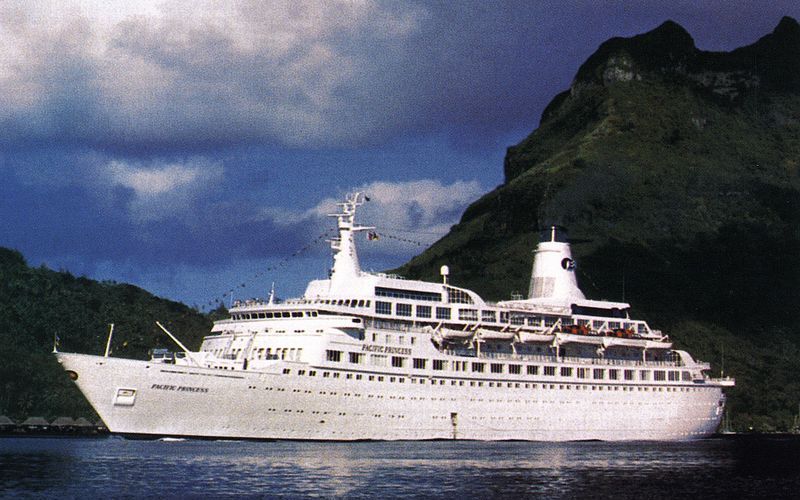
But there is no denying the impact that The Love Boat had on his later years. He celebrated his 80th birthday aboard the Golden Princess (one of the cruise ships run by Princess Cruises) and was presented with a 5-foot-long 3D cake replica of the Pacific Princess – the ship used in The Love Boat. 

The Pacific Princess cruise ship, a large white vessel, is seen in clear waters with a mountainous backdrop. The ship's multiple decks and rows of windows shine under a cloudy sky, conveying a sense of adventure and luxury travel.
Pacific Princess

He attended a couple of Love Boat reunion shows, including The Oprah Winfrey Show in 1997 when he and fellow cast members reminisced about their time on the beloved series. The castmates reunited again on The Talk in 2013, where the hosts dressed in costumes to commemorate the special occasion.

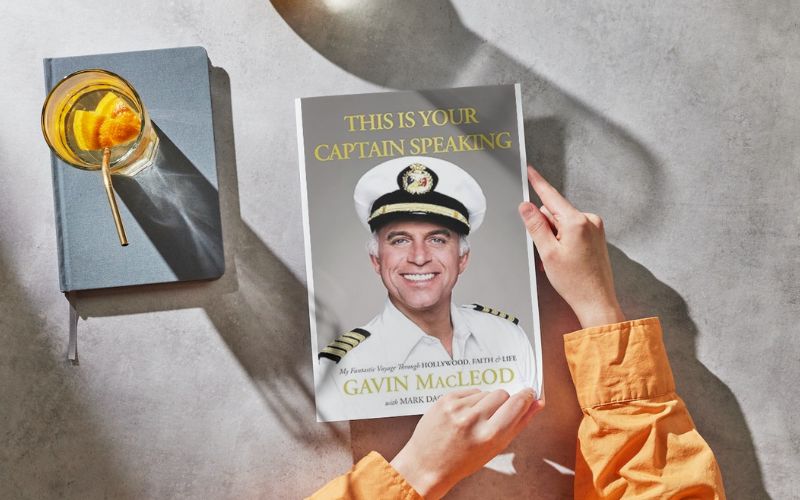
The Love Boat link continued in Gavin MacLeod’s 2013 memoir, This Is Your Captain Speaking: My Fantastic Voyage Through Hollywood, Faith & Life. This book saw him reflecting on his Hollywood journey, enduring friendships, battles with alcoholism, divorce, and his unwavering faith.

A person's hands holding a book titled 'This is Your Captain Speaking' by Gavin MacLeod, with a portrait of the author in a captain's uniform on the cover. Next to the book is a blue journal and a glass of water with a slice of orange, all laid out on a textured surface with sunlight casting a soft shadow.

Gavin MacLeod was not gay, he was married twice to women. His first marriage, to the dancer Joan Rootvik, ended in divorce after 18 years. They shared four children together. 

He found lasting love with Patti Kendig whom he married in 1974. The couple shared over four decades of marriage, and Patti was by his side until his final moments. Despite their clear love for one another they did actually divorce and remarry three years later during the 1980’s.

This is discussed in their 1987 book Back On Course: The Remarkable Story of a Divorce That Ended in Remarriage. In this book, they write about his struggles with alcoholism which contributed to their divorce. They also hosted a radio show together called Back on Course. This show about marriage ran for 17 years.

Gavin MacLeod died at his home in May 2021 at the age of 90. Stephanie Steele Zalin, his stepdaughter said that the cause of death was old age and went on to say:

“He had one of the most amazing, fun blasts of a life of anybody I know. He enjoyed every minute of it, I don’t even think in his wildest dreams he dreamt of the life that he ended up having and creating.”

2. Lauren Tewes (Julie McCoy)

Lauren Tewes

Lauren Tewes only got given the role of cruise director Julie McCoy on the day before production started on the third and final pilot of the show. But she made the role her own and spent seven seasons on The Love Boat until 1984 when Tewes faced a highly publicised battle with cocaine addiction.

This led to her being sacked from the show but she was able to beat her addiction and she later made a guest appearance in a 1985 episode and the subsequent television films during the 1986–87 season.

Lauren Tewes’ cocaine addiction became a significant scandal at the time and despite widespread use of the drug in Hollywood and television during that time, she felt that only she was being punished for it. Tewes openly admits that her struggle with addiction commenced in the late 1970s, well before her dismissal from “The Love Boat.”

A close up shot of Lauren Tewes wearing a stripe shirt

Lauren Tewes’ career continued to flourish after her rehabilitation and she starred in classic 1980s TV series like My Two Dads, The New Mike Hammer, Murder, She Wrote, T. J. Hooker, and Hunter.

In 1994, she moved to Seattle and shifted her focus to regional theatre acting and directing across the country.  

But she couldn’t resist the lure of the Love Boat and in 1998 she reprised her role as Julie McCoy in the reboot Love Boat: The Next Wave. This ran for 2 seasons before she took on the recurring role as a police detective in The Fugitive TV series.

Like many of the cast members, Lauren Tewes has continued to work with Princess cruises attending many events over the years. In 2020, she met with Rebecca Romijn and Jerry O’Connell the hosts of CBS’s romantic adventure dating show “The Real Love Boat”. 

Other than some unflattering photos Lauren Tewes shows no noticeable signs of weight gain beyond what you would expect as she ages. 

Lauren Tewes and The Love Boat cast in white naval uniforms in front of the 'Dawn Princess' cruise ship. They are gathered around a podium, waving and smiling, with maritime flags and the ship's name prominently displayed in the background.

Lauren Tewes has been married three times. Her first marriage was to John Wassel, a TV commercials director, followed by Paolo Nonnis, an Italian drummer, and finally, stage actor Robert Nadir. Tragically, in 1987, she endured the loss of her one-month-old daughter, who was born prematurely.

I’ve actually written a whole post about Lauren Tewes, please have a read if you want to know more about her!

3. Bernie Kopell (Adam “Doc” Bricker)

Bermie Kopell smiling warmly, is seated in an indoor setting for an interview. He's wearing a beige jacket over a white shirt. In the background, there's a shelf with a stack of books and a vase of vibrant yellow and purple flowers.

Bernie Kopell played the role of Dr. Adam Bricker on The Love Boat for all 250 episodes that were made. 

The role became so famous and enduring that much of his career since The Love Boat has been spent playing versions of the same character or parodying himself. 

He played a ship’s doctor in a dream sequence on The Fresh Prince of Bel-Air and took on the role of Doc in a Love Boat-themed spoof of Star Trek: The Next Generation on Saturday Night Live in 1994.

Kopell was able to take advantage of this recognisable persona and starred in a commercial for an anti-snoring product called D-Snore in the 1990s. This advert played on his reputation for having knowledge of medicines (even though he’s not a real doctor), and gave him the chance to state that loud snoring “can even ruin a romantic cruise.”

Bernie Kopell continues to work in film and television despite his advancing years. He is still best known for his role as Dr. Adam Bricker, but has appeared in a range of shows like Charmed, Monk, My Name Is Earl, Scrubs, and as Lex Skelton in Silicon Valley.

In August 2022, Kopell co-starred with Hal Linden in the off-Broadway production “Two Jews Talking” at the Theater at St. Clement’s

Bernie Kopell is still alive (he was born 21 June 1933 so his age is 90 at the time of writing).

He has been married three times. His first two marriages were to actresses Celia Whitney and Yolanda Veloz, respectively. In 1997, he married Catrina Honadle, and together they have two children, Adam (born 1998) and Josh (born 2003).

4. Jill Whelan (Vicki Stubing)

Jill Whelan with blonde hair styled in an updo, featuring large hoop earrings and a patterned garment. She is posing in front of a backdrop with the logos of CBS and Princess Cruises.

Jill Whelan played the role of Vicki Stubing, the daughter of Captain Stubing, during six of the nine seasons of The Love Boat. This was her breakthrough role and remains the series that she is best known for.

When the show came to an end she relocated to New York where she worked as an event producer at Madison Square Garden.

But the lure of the cruise ship was enough for her to make a guest appearance on the revival show Love Boat: The Next Wave. She also starred as Karby Stalter in an episode of The Young and Restless. 

In 1999, she decided to shift her focus away from acting and took on the role of an investigative producer at the Los Angeles television station KCOP. She also ventured into radio as a show host for a show on 1210 WPHT radio.

In November 2001, Whelan won a special episode of “The Weakest Link,” competing against other celebrity stars from the 1970s. She earned $57,000 for her chosen charity. 

In 2013, Jill Whelan began co-hosting The Brian and Jill Show podcast alongside Brian Phelps. The show is a talk radio format discussing recent news events, interviewing guests, and performing sketches.

But it’s fair to say that she has never been forgotten for her time on the Love Boat and In 2015, she joined Princess Cruises as a celebrations ambassador.

A chef in a white uniform stands next to Jil Whelan as they both touch a large illustrated sign of a bulldog wearing a sailor's hat, titled 'The Salty Dog Gastropub.' The sign also includes the pub's location and opening hours, creating a welcoming atmosphere for dining.

In the same year, Jill appeared in an episode of Celebrity Wife Swap where she swapped lives with performer and musician Charo. 

Jill Whelan has been married three times. She met her first husband, Brad St. John, while working as an associate producer for UPN News in Los Angeles. They married in December 1993 and had a son, Harrison, before divorcing in 2001.

Her second husband was Michael Chaykowsky whom she married in April 2004. Her second son, Grant, was born in 2006. However, in 2014, Whelan filed for divorce from Chaykowsky.

In 2017, she married former Denver Broncos quarterback Jeff Knapple. Jill Whelan’s net worth is estimated to be around $1.5 million.

5. Ted Lange (Isaac Washington)

Portrait of Ted Lange with a grey beard, wearing a light-colored fedora and a floral print shirt.

Ted Lange played the role of the ship’s bartender, Isaac, on the Love Boat. He appeared in 246 episodes and also worked as a director and writer for the series. 

Following his departure from the show in 1987, Lange delved into various film projects and made guest appearances on a range of television series, such as 227, The Cleveland Show, Glitch!, Evening Shade, Scrubs, Drake & Josh, The King of Queens, Boy Meets World, Psych, and Are We There Yet? 

He also took part in the production of Love Boat: The Next Wave in 1999, starring as Isaac and directing two episodes.

Love Boat bartender Isaac in a bright red jacket with black lapels and epaulettes engages with a person across a bar counter. He wears a bow tie and a warm, inviting smile. The bar displays an array of colorful cocktails garnished with fresh fruit, creating a lively and sociable atmosphere.

Ted Lange has worked extensively in the world of theatre as a playwright and stage director since his time on The Love Boat. He has written 17 plays, among them “George Washington’s Boy,” a historical drama exploring the relationship between the first president and his favourite slave, and the comedy “Lemon Meringue Facade.”

Lange has been honoured with the NAACP’s Renaissance Man Theatre Award, the Heroes and Legends HAL Lifetime Achievement Award, and the Dramalogue Award. 

He’s a talented man but should not be confused with the Ted Lange who is in a polka band and was at the Mollie B wedding.

Ted appeared in the fourth season of the VH1 reality show Celebrity Fit Club where he was able to lose 28 pounds over the course of the show. 

In 2022 Fred Grandy starred as Horace Tackleberry in the crie comedy TV series Sprung.

Ted Lange was married to Sheryl Thompson, at the time The Love Boat was on TV but they divorced in 1989. The couple share two children, Theodore William IV and Turner Wallace Lange. Ted’s second wife is Mary Ley.

Ted Lange has a net worth of around $4 million.

6. Fred Grandy (Gopher)

Fred Grandy, with distinguished gray hair and a mustache sits comfortably in a brown leather office chair. He's wearing a green plaid shirt and khaki pants, giving an attentive look.

Fred Grandy starred as Gopher on The Love Boat. After the series ended he moved into politics, serving as a member of the United States House of Representatives from the state of Iowa. He served four terms in Congress and sat on several committees. At the time he tried to distance himself from his career as an actor. 

More recently, Grandy has taken on the role of host for The Grandy Group, a morning drive-time radio talk show on 630 WMAL in Washington, D.C. He’s also had various acting roles, including playing Father Corey in General Hospital. 

Grandy has been married twice. His first marriage was to Jan Gough and together, they had a son and a daughter. The couple divorced in 1983. 

In 1987, Grandy tied the knot with romance novelist Catherine Mann, whom he had initially met when she interviewed him. They had a daughter born in 1989. Was Fred Grandy’s daughter hit by a bus? I don’t think so, I cant find any record of this happening.

Fred Grandy has an estimated net worth of $2 million.

Final Word

There you go – the main actors from The Love Boat and where they are now.

Did you watch the show? Maybe you’re watching it for the first time now on Paramount+. It’s the iconic cruise ship TV show and a great way to pass the time that you aren’t actually cruising yourself!

NEW DEALS JUST RELEASED!

See the latest Princess Cruises offers…

Related Topics

If you found this interesting, please share!

Cruise Mummy

Jenni Fielding is the founder of Cruise Mummy. She has worked in the cruise industry since 2015 and has taken over 30 cruises. Now, she helps over 1 million people per month to plan their perfect cruise holidays.

Read more about me


Source link

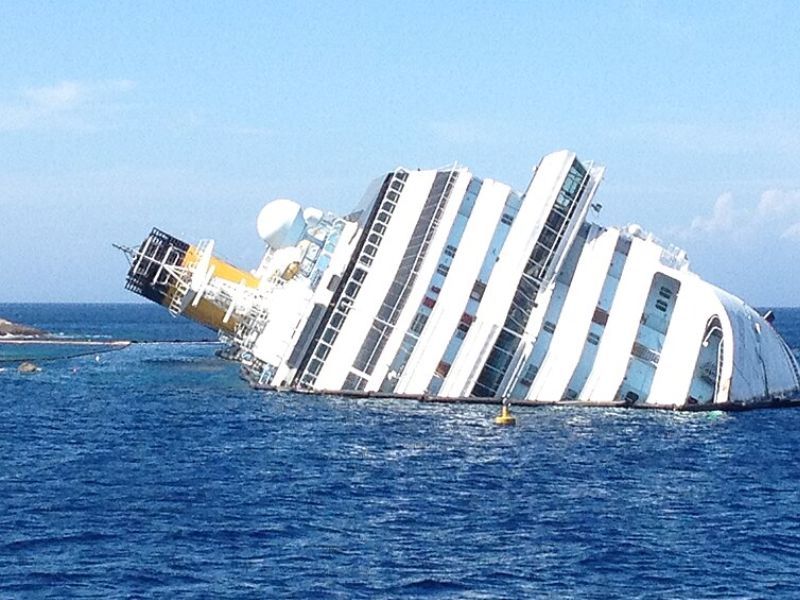
Costa-Concordia.jpg

Inside The Search Effort After The Costa Concordia Tragedy

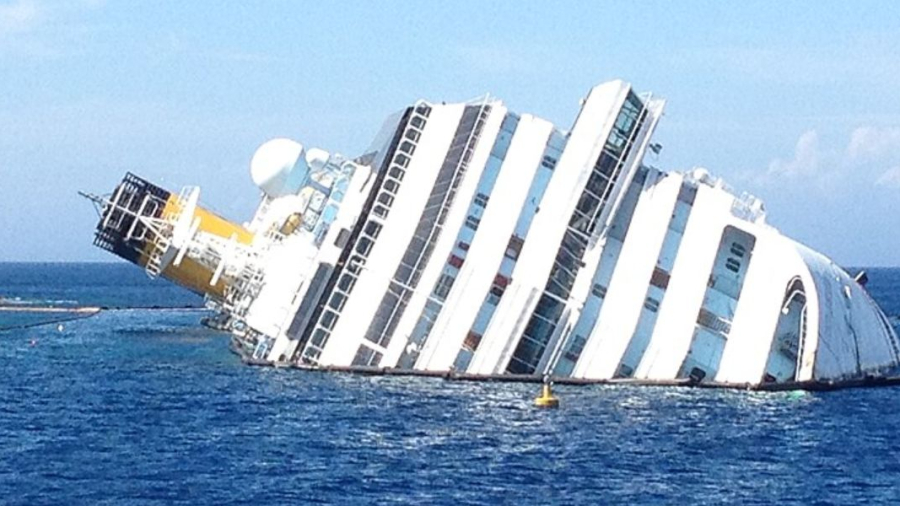
The Costa Concordia was the biggest cruise ship disaster of recent times, when the ship hit rocks off the coast of a Tuscan island and partially sank.

33 people lost their lives due to the errors of the ship’s Captain, including 27 passengers, five crew members, and one member of the salvage team.

But was everybody found? Let’s take a look.

Recovering The Bodies

All 32 bodies of those who died on the Costa Concordia were recovered, although only some of these were discovered in the immediate aftermath of the disaster. In total, it took almost three years to find the last body, which happened during the scrapping of the ship.

The 33rd casualty was never lost at sea – he was a Spanish diver working on the wreck in 2014, preparing it to be righted and towed. He cut his leg on a sheet of metal during the operation, and while he was brought to the surface by a fellow diver, he later died.

Where The Bodies Were Found

The first 17 victims of the Costa Concordia disaster were found in the water and in various accessible parts of the ship when the search first began. Other bodies were found between the hull and the seabed, on Deck 4, and on Deck 3, in difficult parts of the ship to search.

Here’s a timeline of the bodies being found:

  • 13th January 2012 – The Costa Concordia partially sinks. Within the next couple of days, the initial bodies are recovered, with 17 people found and a further 15 confirmed to be missing.
  • February 2012 – A mini-submarine is sent to search the lifeboat deck (Deck 4), which has previously been unsearched due to it being difficult to access. Eight bodies are recovered, including an American couple, a German couple, and the youngest victim, a 5-year-old girl from Italy. Seven bodies remain unaccounted for.
  • March 2012 – As the ship is prepared for the parbuckling process, which will right it in the water, five further bodies are found trapped between the hull and the seabed.
  • October 2013 – With the ship now righted, searches continue and one more body is found, the last passenger – Maria Grazia Trecarichi. Only a crew member remains unaccounted for.
  • November 2014 – The final body is found in a cabin while the ship is being dismantled in Genoa.

After the initial victims were recovered, efforts were made to find the bodies amongst the shipwreck, but they proved difficult.

It wasn’t until April when a previously unsearched area of the lifeboat deck was explored by a mini-submarine, and that’s when eight of the missing bodies were found. It appears as those some of the victims may have been sucked into an elevator shaft or were trapped in the elevators.

The next five bodies were found by divers who were working to set up a robotic device to search the ship as it was being prepared for parbuckling. The bodies had been trapped between the hull and the seabed for over 18 months by this point.

The Last Two To Be Discovered

The last two bodies were found on the Costa Concordia, but only once the ship had been righted. The last passenger to be discovered was Maria Grazia Trecarichi, who was found trapped near the third deck at the back of the ship, in an area where dishes were washed.

Because of the location of the body, it was originally believed that it was the body of the missing crew member, although later tests confirmed it was Maria.

The Last Body Found On The Costa Concordia

The last body to be found on the Costa Concordia was that of Russel Rebello, an Indian waiter on the ship. His body was recovered from a cabin during the scrappage of the ship.

By this time the ship had been righted and towed to Genoa. The dismantling of the ship began in July 2014, and it wasn’t until November that Russel’s body was found. Once the remains were recovered, the body was identified and then received by Russel’s brother, to be flown back to Mumbai to be buried.

The Last Movements Of The Costa Concordia

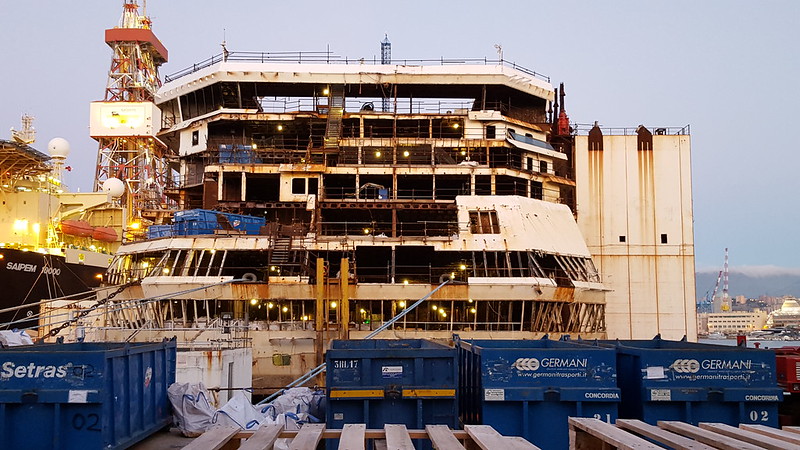
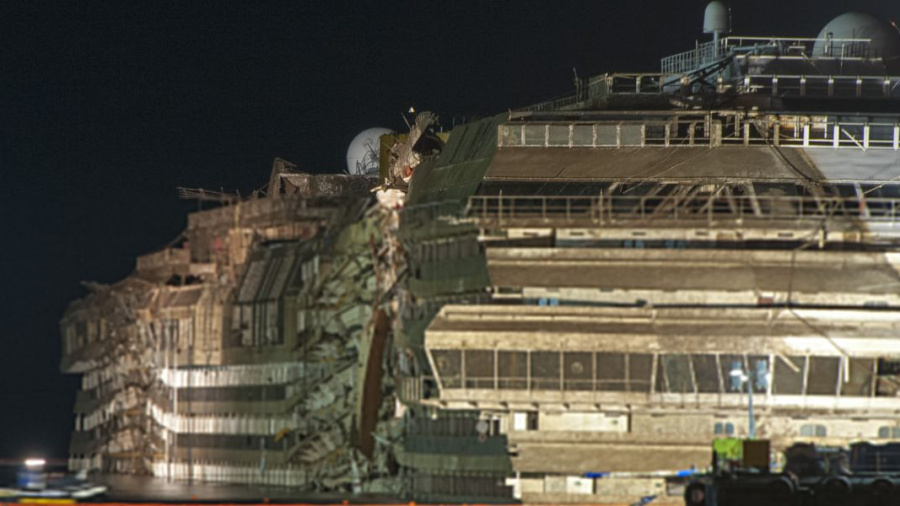
The Costa Concordia is no longer where it sank. She was removed in 2014 and towed to Genoa, where she was dismantled, with the process taking three years in total and being completed in July 2017.

Costa Concordia scraped
Photo: Rab Lawrence, (CC BY 2.0)

All of the bodies on Costa Concordia were recovered, and the ship has been completely broken down. 

Read more: Where Is The Costa Concordia Cruise Ship Now?

Final Word

While it was extremely tragic that these people lost their lives as part of the disaster, it may provide some comfort to the families to have recovered the bodies for proper burial ceremonies and other forms of grieving.

Often, when ships sink, the bodies can be lost at sea. But because of the nature of the disaster, being so close to land, most people were able to escape, and those who sadly died did so on the ship itself or in the entry to the water.

The incident has been attributed to the error of Captain Schettino, and hopefully, with all the new processes we have in place to avoid any course changes that he made, we won’t see another disaster like it. 

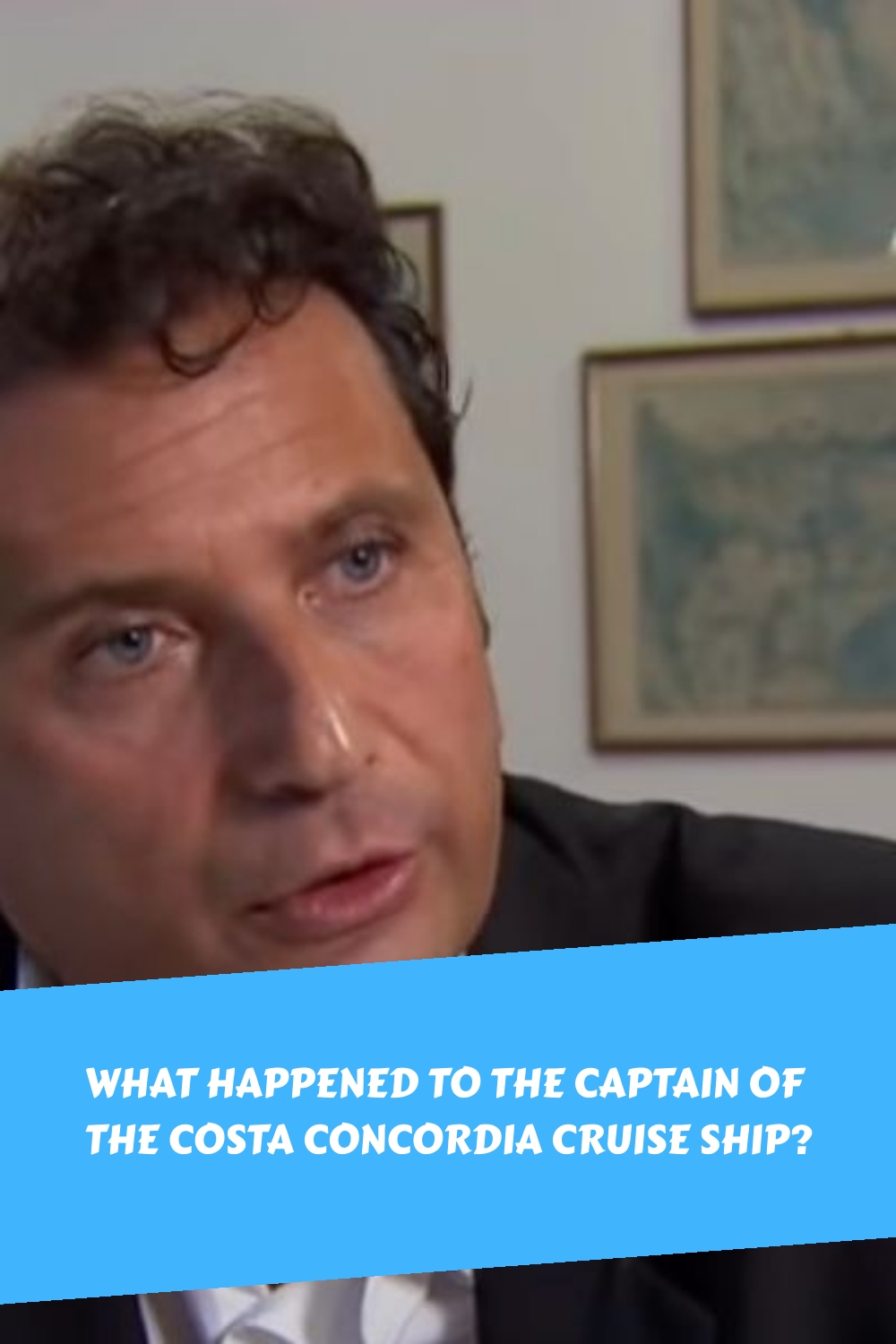
The ship’s captain, Francesco Schettino.
Francesco Schettino – Captain of The Costa Concordia

If you want to know what happened to the Captain after the sinking, then read this article next: What Happened To The Costa Concordia Captain.

NEW DEALS JUST RELEASED!

I’m ALWAYS looking for cruise bargains! These are the best deals I found this week…

Related Posts:

If you found this interesting, please share!

Cruise Mummy

Jenni Fielding is the founder of Cruise Mummy. She has worked in the cruise industry since 2015 and has taken over 30 cruises. Now, she helps over 1 million people per month to plan their perfect cruise holidays.

Read more about me


Source link

Costa-Concordia.jpg

Costa Concordia: Passenger Payouts Revealed

While cruise ship disasters are extremely rare, there is still a very slim chance that something could go wrong. This was proven in 2012 when, due to negligence from the onboard crew, the Costa Concordia sank off the shore of Isola del Giglio in Italy.

There were 3,229 passengers and 1,023 crew on the ship when she sank, and sadly 32 people lost their lives, including some crew and some passengers.

But how about those who survived? What action have they taken since, and what compensation (if any) have they received?

Costa Concordia Passengers Sued The Cruise Line

Some of the passengers of the Costa Concordia did sue the cruise line. The cruise line made an offer of compensation regardless, but some chose to seek litigation, either because the offered sum was too low in their eyes, or because of the trauma brought on by the event.

The biggest lawsuit was brought in Miami, and it wasn’t against Costa Cruises, but instead was a lawsuit against Carnival Group PLC, the parent company (which also owns Carnival Cruise Lines, P&O Cruises, Princess Cruises and more).

This lawsuit was originally brought in 2012 by six of the passengers who had been on the ship and survived. It was asking for $528 million in total damages – $78 million in compensation and $450 million in punitive damages.

The original six plaintiffs were later joined by 33 more survivors who hoped to take the class action suit against Carnival to a successful end, and claim their own share of the hundreds of millions being sought.

Over time, the suits grew and a second was launched. By 2016, there were two suits being brought against Carnival Group – one with 57 plaintiffs, and one with 52 plaintiffs. However, a court in Miami threw the suits out and declared that the survivors weren’t able to seek compensation in the US for the disaster, regardless of whether they were US citizens or not.

Instead, the recommendation was made for affected passengers to bring litigation through the Italian courts, specifically in Genoa. The alternative was to accept the compensation package being offered.

Some other passengers sued the cruise line directly, seeking compensation for post-traumatic stress disorder and other long-term conditions. A lot of the settlements have been made privately, but one passenger was paid $105,000 in 2021 after they won their lawsuit against the company.

Person counting up the compensation money

The Compensation Offer

All of the passengers of the Costa Concordia who survived the disaster were offered compensation, and the cruise line made separate compensation offers to the families of those who lost their lives in the incident.

Around a third of passengers took the compensation offer when it was first made, while others sought legal advice and a smaller percentage tried to take the cruise line to court. Most of the suits failed, but the compensation offers for those passengers still stood.

By 2015, 85% of passengers from the cruise ship had accepted compensation payments. Most of the crew had negotiated their compensation payments and accepted them by this point as well.

The Compensation Package

The compensation package offered to surviving passengers of the Costa Concordia disaster was worth €11,000, which is approximately £9,434 or $12,500. The crew were reimbursed differently, being paid their full wages for either two months or the remainder of their contract, whichever was longer.

The ship’s captain, Francesco Schettino.
Francesco Schettino – Captain of the Costa Concordia

On top of the compensation offered, passengers also received a full refund of their cruise fare and reimbursement for other costs they had incurred, including air and bus travel costs that were originally included in the holiday, and the travel expenses for returning home.

Guests weren’t charged for any expenses they had incurred during the cruise, and they were also able to claim back any medical costs that resulted from the sinking of the ship.

The cruise line recovered as much property from the safes on the ship as possible and paid to have it returned to guests, but there was no separate reimbursement for other belongings lost in the disaster – this was already covered by the compensation offer.

An open suitcase packed for a cruise trip shows neatly organized clothing, a passport, a water bottle, a watch, and a laptop. Surrounding the suitcase are various shoes, a sun hat, and other travel essentials, all laid out on the floor in preparation for the journey.

Costa made clear that the payments made by the cruise line would not impact any payments made to guests by their travel insurance – so guests with insurance would be able to claim for their lost belongings that way as well.

Alongside the financial offer, the cruise line also granted all survivors access to a programme for psychological assistance.

The crew’s compensation was negotiated by a trade union, and alongside their paid wages, they were able to claim up to £2,250 for any lost property on the ship, as well as any expenses incurred as a result of the disaster.

In total, the cruise line paid out over €84 million in compensation to passengers and crew. An average of around €1 million was paid out to family members of the deceased, although for a time the cruise line was unable to find any successors to a German passenger who died on the ship. It’s unclear whether the cruise line has since been able to find family members to make a payment to.

Final Word

The Costa Concordia may seem like a disaster which happened a long time ago, but some of the lawsuits have only been settled as recently as 2021, and there is a chance that further litigation could be brought against the cruise line.

Most of those who were onboard the ship and survived have accepted the offers made to them, closing that chapter. Lessons have certainly been learned and hopefully – with the heightened safety awareness of the senior crew members on ships – we will never see a disaster of this extent ever again.

NEW DEALS JUST RELEASED!

I’m ALWAYS looking for cruise bargains! These are the best deals I found this week…

Related Posts:

If you found this interesting, please share!

Cruise Mummy

Jenni Fielding is the founder of Cruise Mummy. She has worked in the cruise industry since 2015 and has taken over 30 cruises. Now, she helps over 1 million people per month to plan their perfect cruise holidays.

Read more about me


Source link

Costa-concordia-now.jpg

Where Is The Costa Concordia Cruise Ship Now? (2025)

The Costa Concordia is one of the most renowned cruise ships of the recent era, and not for a good reason.

Cruise ship sinkings are extremely rare these days, but the Costa Concordia proved that they can still happen – and that they can still have tragic consequences.

But since the ship sank in 2012, what’s happened to it? Is it still where it crashed, or has it been relocated?

Let’s take a look.

The ship is no more…

The Costa Concordia no longer exists – it has been dismantled for scrap. It lay off the coast of Giglio for over two years after the sinking, before it was recovered and towed to the port of Genoa where it was dismantled.

Costa Concordia scraped
Photo: Rab Lawrence, (CC BY 2.0)

It’s estimated that the final cost for the salvage and scrapping of the ship was likely around $2 billion – around three times the cost of building the ship.

Scrapping the ship would only have recouped around $42 million in steel – a tiny amount compared to the huge sums spent in recovering the ship, and nowhere near even the costs of the scrapping process alone (estimated to be around $100 million).

Because the ship could not be repaired and restored to sailing condition, she was replaced in the Costa fleet by Costa Diadema, which was ordered in October 2012 and entered service for the cruise line two years later.

Costa Concordia Sinking & Salvage Timeline

  • 13 January 2012 – Costa Concordia runs aground at around 9.45 pm and begins to take on water.
  • 14 January 2012 – The last survivors escape the ship.
  • March 2012 – The fuel is removed from the ship by salvage company Smit International.
  • 17 September 2013 – The ship is brought into a vertical position through a process of parbuckling.
  • 14 July 2014 – The ship is slowly refloated in preparation for towing.
  • 23 July 2014 – The ship begins its towing journey, travelling at just 2 knots (equivalent of 2 MPH).
  • 27 July 2014 – The ship reaches Genoa port and dismantling begins.
  • 11 May 2015 – After the initial dismantling is complete, the ship is towed to the Superbacino dock in Genoa where the upper decks will be removed.
  • August 2016 – The last of the sponsons are removed from the ship.
  • 1 September 2016 – The ship is taken into drydock for the final stages of dismantling.
  • 7 July 2017 – The dismantling of the ship is finally completed.
  • May 2018 – Remedial work was completed at the site of the initial salvage operation, to clean the ocean floor and remove the platform used in the parbuckling process.

To briefly explain the parbuckling process – firstly, the funnel is removed from the ship, and then a platform is built underneath the water to support the ship once it is righted.

The next step is to attach steel sponsons to the side of the ship above the water, and then partially fill these with water. The water acts as additional weight so that, with the use of cables, the ship can be pulled upright to sit on the support platform.

Once that’s done, sponsons are added to the previously submerged side of the ship to even it out, and are then emptied of water when the time comes to refloat the ship.

As for those onboard…

All of the people who died on the Costa Concordia were recovered, although it wasn’t a fast process – the last body was only recovered in November 2014, almost three years after the ship ran aground.

The last person to be found was Indian waiter Russel Rebello. He was discovered during the dismantling of the ship, after it had been transported to Genoa.

Prior to this, one Italian passenger had been missing until October 2013, when human remains were discovered. DNA testing showed that those remains belonged to Maria Grazia Trecarichi, and that Rebello was still unaccounted for.

Read more: How They Found All The Bodies On The Costa Concordia

Final word

With any cruise ship sinking incidents such as the Costa Concordia disaster, the priority is always the people onboard, and the loss of life is the real tragedy. But it is also sad to lose a ship, one that thousands of people helped to build and hundreds of crew called their home for months on end.

The scrapping of the Costa Concordia is not the headline – the 32 people who died are those who deserve our thoughts. However, the fact that such a major cruise ship ended up as scrap metal – worth less than a tenth of her cost to build – is a real shame too.

Related posts:

If you found this interesting, please share!

Cruise Mummy

Jenni Fielding is the founder of Cruise Mummy. She has worked in the cruise industry since 2015 and has taken over 30 cruises. Now, she helps over 1 million people per month to plan their perfect cruise holidays.

Read more about me


Source link

Common-cruise-names.jpg

12 Most Common Cruise Ship Names Of All Time

A lot of cruise ships have very unique names, but there are also some popular names that crop up on a regular basis.

Princess Cruises ship sailing with mountains in the backdrop.

It might be that a cruise line repeats a ship name when one retires, or sometimes there are just popular words that feature across different lines – understandable, since there have been so many cruise ships to have ever sailed!

I’ve researched all the major cruise ships that have ever sailed – sticking exclusively to cruise ships – to find the most common names of ships of all time. And here they are…

  1. Spirit (18 ships)
  2. Star (16 ships)
  3. Dream (11 ships)
  4. Explorer (9 ships)
  5. Sea (9 ships)
  6. Sun (8 ships)
  7. Discovery (6 ships)
  8. Sky (6 ships)
  9. Voyager (5 ships)
  10. Majesty (4 ships)
  11. Breeze (4 ships)
  12. Vista (4 ships)

1. Spirit

Norwegian Spirit cruise ship sailing on the ocean under clear blue skies.

“Spirit” is the most popular name for cruise ships – there are 18 that I’ve counted, although a few of those are for one cruise line. It’s a great name that invokes a sense of adventure, or perhaps it just hints at the booze you’ll enjoy if you get a drinks package (I’m kidding)!

Aegean Spirit

Golden Sun Cruises – 2000 to 2001

Aegean Spirit is better known as Enrico Costa, serving as a cruise ship for Costa Cruises. She was originally built in 1951 but only refurbished as a cruise ship in 1965, and for around a year she cruised as Aegean Spirit once sold to Golden Sun Cruises.

Carnival Spirit

Massive carnival spirit, gliding through the open sea.
Carnival Spirit

Carnival Cruise Line – 2001 to present

Carnival Spirit was the first ship in Carnival’s Spirit Class, and despite her age, she remains a popular ship in the fleet. She cruises from Alabama and Seattle.

Marella Spirit

Marella Cruises – 2003 to 2018 (also as Thomson Spirit)

Marella Spirit actually sailed for Holland America Line as an earlier Nieuw Amsterdam ship – she was sold to Thomson Cruises in 2003 and would serve until 2018, being sold that year and later scrapped the same year.

Norwegian Spirit

Norwegian Spirit cruise ship sailing on the ocean under clear blue skies.

Norwegian Cruise Line – 2004 to present

Norwegian Spirit is one of the older ships in the NCL fleet – she was first built in 1998 for Star Cruises, sailing as SuperStar Leo. She was refurbished in 2020.

Regent Spirit

Regency Cruises – 1992 to 1996

Regent Spirit is a ship with a long history, being first built in 1962. She served under a range of cruise lines, with four years spent sailing the Mexican coast and the Mediterranean under the Regent Spirit name.

Seabourn Spirit

A large white cruise named Seabourn Spirit sailing on the water.

Seabourn – 1989 to 2015

Seabourn Spirit was a very popular luxury ship for Seabourn for many years – she first launched in 1989 and served over 25 years for the cruise line. She now sails as Star Breeze for Windstar Cruises, meaning she makes another appearance later in this list…

Spirit of London

P&O Cruises – 1972 to 1974

Spirit of London didn’t last long with the name that she launched with, serving just two years before she was transferred to Princess Cruises and became Sun Princess. So this is another ship you’ll see again in this list – more than once, actually.

Silver Spirit

The Silver Spirit cruise ship from Silversea Cruises passing under the iconic Tower Bridge in London, which is raised to allow the vessel through, highlighting the grandeur of both the ship and the landmark bridge.
Silver Spirit sailing under Tower Bridge

Silversea – 2009 to present

Silver Spirit was the sixth ship to launch in the Silversea fleet, and she continues to offer guests a stunning luxury cruise experience, with a maximum capacity of just 648 guests.

Spirit of Adventure

Spirit of Adventure gracefully sailing across calm blue waters. The vessel is modern and sleek, painted in a dark navy blue with a contrasting yellow funnel. Multiple decks lined with balconies are visible, and the ship is equipped with several large satellite domes. The overcast sky adds a serene and tranquil ambiance to the scene, emphasizing the ship's smooth voyage.

Saga Cruises – 2020 to present

Spirit of Adventure is a modern cruise ship sailing for Saga Cruises, a British cruise line aimed at an older audience. Despite launching in 2020, her maiden voyage was delayed until 2021 due to the global shutdown at the time.

Spirit of Alaska

Spirit of Columbia

Spirit of Discovery

Spirit of Endeavour

Spirit of Glacier Bay

Spirit of Oceanus

Spirit of Yorktown

Spirit of ‘98

Cruise West – Various from 1990 to 2010

Cruise West was a small-ship cruise operator best known for Alaskan cruises. The fleet of ships were all named “Spirit of…”. The cruise line was forced to cease operations in 2010, with the ships sold off.

Wind Spirit

Windstar Cruises – 1987 to present

Wind Spirit is a currently-serving cruise ship for Windstar Cruises – one of three ships to feature a classic sail yacht design. She offers small ship luxury cruises for just 148 guests.

2. Star

A stunning view of the "Star of the Seas" cruise ship, a true star of the seas, as it cruises on the water.

The second most popular name for cruise ships, “Star” is popular because it has a number of meanings – the star/gem of a fleet, but also the shining beacon of light that is beautiful and captivating.

A-ROSA STAR

A-ROSA Cruises – 2005 to present

A-ROSA STAR is a river cruise ship offering luxurious journeys along Europe’s most beautiful rivers. Known for its elegant design and exceptional service, it has been a favourite for river cruise enthusiasts.

Atlantic Star

Pullmantur Cruises – 2009 to 2013

Atlantic Star has featured for several big cruise lines, including P&O Australia and Princess, but it was under Pullmantur that she sailed with that name for four years.

China Star

China Cruises – 2005 to 2017

China Star was a prominent cruise ship for China Cruises, also known under several other “Star” names – Omar Star and Saipan Star.

Norwegian Star

Norwegian Star cruising through the vast blue ocean

Norwegian Cruise Line – 2001 to present

Norwegian Star is a popular ship in the NCL fleet, and one of the longest-serving ships for the cruise line. She sails to various exotic destinations and underwent significant refurbishments in 2018.

Star Breeze

Star Legend

Star Pride

Wind star Star Legend cruise ship sailing the seas
Star Legend

Windstar Cruises – 2014 to present

These three ships used to sail for Seabourn but were sold to Windstar Cruises to serve as the line’s new Star Class of ships, moving away from the traditional sail ships that they had been known for but still offering stunning luxury for guests.

Star Clipper

Star Flyer

Star clipper under the bright blue sky while cruising the sea

Star Clippers – 1992 to present

Star Clipper and Star Flyer are stunning tall ships that offer a unique sailing experience. With their four masts and traditional design, they offer a blend of adventure and luxury, reminiscent of the golden age of sailing.

Star of the Seas

Star of the seas shining alone on a vast deep blue ocean with the skies at the back.

Royal Caribbean – Launching 2025

The second Icon-class ship, Star of the Seas will be the biggest cruise ship in the world when she launches, and will wow guests with a huge range of onboard features.

Star Pisces

Star Cruises – 1993 to 2022

Star Pisces was a cruise ship that was owned by Star Cruises, offering short breaks from Hong Kong. Following the collapse of the company’s parent, Genting Hong Kong, the ship was sold for scrap in 2022.

Star Princess

Princess Cruises – 1989 to 1997

The first Star Princess served for Princess Cruises before being transferred to P&O Australia. She was ultimately scrapped in 2021.

Star Princess

Princess Cruises – 2002 to 2020

The second Star Princess continued the legacy of this popular name. Like her earlier namesake, she also transferred to P&O Australia, and she continues to sail.

Star Princess

Princess Cruises – Due to launch 2025

The third Star Princess ship will be the second Sphere-class ship in the fleet, following Sun Princess. She’ll offer stunning accommodation options and a wealth of great dining venues.

Viking Star

Viking Star with another Viking cruise ship cruising the ocean together

Viking Ocean Cruises – 2015 to present

Viking Star is the first ocean-going ship for Viking Cruises, known for her sophisticated design and cultural enrichment programs.

Wind Star

Wind star resting in a port under a clear, bright sky

Windstar Cruises – 1986 to present

Wind Star is another of the classic Windstar ships to be powered by a mix of motor and sails. Like her sisters, she has a capacity of just 148 guests.

3. Dream

Image of a large cruise ship, Carnival Dream, at a dock.

Do you ever find yourself dreaming of your next cruise? Perhaps a cruise is your dream holiday, as in your perfect option. Either way, it’s no surprise that so many ships have adopted the “dream” name.

Carnival Dream

Carnival dream looking fabulous with its white and blue color under a blue sky

Carnival Cruise Line – 2009 to present

The lead ship in Carnival’s Dream Class, Carnival Dream was the biggest ship in the Carnival fleet when she first launched. She’s still highly popular, offering cruises from Galveston in Texas.

Disney Dream

Disney dream

Disney Cruise Line – 2011 to present

Disney Dream is the first of two Dream-class ships to launch for Disney Cruise Line, followed by her sister Disney Fantasy. While these ships were the biggest in the fleet for a decade, they’ve now been surpassed by the Wish Class.

Dream Princess

Caspi Cruises – 2004 to 2006

This is another cruise ship that has been operated by several cruise lines and under several names, though her longest run was as Song of Norway for Royal Caribbean from 1970 to 1997.

Explorer Dream

Dream Cruises – 2019 to 2021

Sometimes a ship name is made up of just two very popular words – which is why Explorer Dream makes this list again, having already been mentioned in the “Explorer” section above.

Genting Dream

Dream Cruises – 2019 to present

Genting Dream is another cruise ship to have been built for the doomed Genting Hong Kong. She’s also transferred to Resorts World Cruises, but she has kept her name.

Marella Dream

Marella Cruises – 2010 to 2021

Marella Dream (also Thomson Dream, before the rebrand) enjoyed an 11-year stint sailing for the British cruise line, after a longer career as the Westerdam for Holland America Line. She was scrapped in 2022.

MS Dream

Tianjin Orient – 2023 to present

The MS Dream has a storied history, having served as the Adonia for P&O Cruises for a two-year period sandwiched between two stints as the Sea Princess for Princess Cruises. She now sails throughout Asia.

Ocean Dream

Ocean Deluxe Cruises – 2012 to 2015

This is the former Spirit of London ship already mentioned, and following her time under that name and as Sun Princess, she spent her last years as Ocean Dream before she was sunk and scrapped.

Ocean Dream

Pullmantur Cruises / Peace Boat – 2008 to 2021

The Ocean Dream began life as the Tropicale and sailed for Carnival Cruise Lines for several years. She also sailed for Costa Cruises and P&O Australia before becoming the Ocean Dream in 2008. She was scrapped in 2021.

SeaDream I and SeaDream II

SeaDream Yacht Club Slide

SeaDream Yacht Club – 2001 to present

The SeaDream yachts were originally built in 1984 and 1985 respectively and have sailed for Cunard and Seabourn prior to forming the SeaDream fleet. These luxury small ships have a capacity for just 112 passengers each.

4. Explorer

Huge cruise ship named Marella Explorer gloriously sailing the ocean

A cruise offers a sense of adventure, giving you the chance to see parts of the world you otherwise wouldn’t. The name “Explorer” is therefore the perfect choice for a ship that will whisk you off on a journey of a lifetime.

Explorer Dream

Dream Cruises – 2019 to 2021

The Explorer Dream was one short-lived name of this popular cruise ship which had previously spent 20 years sailing as SuperStar Virgo for Star Cruises. After the collapse of Genting Hong Kong, she’s now joined Resorts World Cruises and sails as Resorts World One.

Explorer of the Seas

The Explorer of the Seas fun filled deck shown on a bird's eye view

Royal Caribbean – 2000 to present

One of the oldest ships in the Royal Caribbean fleet, Explorer of the Seas is still a very popular choice for loyal fans who prefer the Voyager-class ships to the biggest ships in the fleet.

Explorer Starship

Exploration Cruise Lines – 1974 to 1989

Explorer Starship spent 15 years sailing for the smaller cruise line Exploration, before becoming well known as the Song of Flower under Seven Seas Cruises and later Radisson. Later in life she would also sail as Le Diamant for Compagnie du Ponant, and then Ocean Diamond.

Marella Explorer & Marella Explorer 2

Marella Explorer 2 cruising the vast teal ocean

Marella Cruises – 2018 to present

The Marella Explorer ships are former Celebrity Cruises ships that were transferred to Marella Cruises to serve the British market. Marella Explorer 2 now operates as the cruise line’s adults-only ship.

National Geographic Explorer

Lindblad Expeditions – 2008 to present

The National Geographic Explorer is an expedition cruise ship designed to handle icy waters, and often sailing to the Arctic and Antarctic seas. She previously sailed for Hurtigruten as the Midnatsol.

Pacific Explorer

P&O Cruises Australia ship

P&O Cruises Australia – 2017 to present

Pacific Explorer is a Sun-class ship currently sailing for P&O Australia, but she spent much of her life sailing as the Dawn Princess for sister brand Princess Cruises.

Sea Explorer

Clipper Group – 2013 to 2014

The Sea Explorer was a name given to a cruise ship that had previously spent much of its life sailing for Renaissance Cruises, before the company went bust in 2001. She’s undergone several name stints and is now known as Hebridean Sky, sailing for Noble Caledonia.

Silver Explorer

Silver Explorer cruising the misty Fjords

Silversea – 2011 to 2023

Silver Explorer is an ice-rated expedition ship that famously sailed for Silversea as a luxury vessel for several years. She had previously sailed under a variety of names such as World Discoverer and Baltic Clipper. She now sails as Exploris One for the Exploris line.

5. Sea 

A majestic white sailing ship with billowing sails on the open sea.
Caption: Mozzihh, CC BY-SA 4.0, via Wikimedia Commons

Sometimes the simplest names are the best, and so there are several ships named after that huge blue expanse that you’ll be sailing on. There’s loads of inspiration you can draw from the sea, and plenty of great ships that bear the name.

Sea Breeze

Sea Breeze I sailing under the gray clear sky

Dolphin Cruise Lines – 1988 to 2000

The Sea Breeze launched for Costa Cruises way back in 1958, sailing for 25 years as the Frederico C. She ultimately ended up at Dolphin in 1988 and was renamed Sea Breeze. She sank in 2000.

Sea Cloud

Sea Cloud II

Sea Cloud Spirit

A grand white sailboat with full sails cruising through the ocean.

Sea Cloud Cruises – 1979 / 2001 to present

The Sea Cloud ships are beautiful sail ships that offer luxury small-ship cruises. Sea Cloud first launched in the 1970s and the latter ships are more recent builds, aiming to recreate the authentic feel of the original.

Sea Diamond

Louis Hellenic Cruise Lines – 2006 to 2007

The Sea Diamond was the former Birka Princess, sold to Louis Hellenic in 2006. She ran aground in 2007 in Santorini, ultimately sinking.

Sea Explorer

Clipper Group – 2013 to 2014

I’ve already covered the ship – now known as the Hebridean Sky – in the ‘Explorer’ section above, but as another “sea” ship she gets a mention here too.

Sea Princess

Princess Cruises – 1998 to 2003, 2005 to 2020

This is the MS Dream I’ve covered above – a ship that completed 20 years of service for Princess Cruises, split between two runs (with a two-year gap as P&O’s Adonia in the middle). She’s now operating in Asia.

…of the Seas

Royal Caribbean ships

Various (Royal Caribbean)

You could make an argument that “Sea” is actually the most popular cruise ship name since the entire Royal Caribbean fleet is named *something* of the Seas. I wanted to give it a brief nod since the “of the Seas” suffix isn’t part of the cruise line name, so it is a branding choice, but really the ships are better known by their first word.

6. Sun

Ocean view of a cruise ship with blue and white stripes. named Sun Princess

It’s no surprise that “Sun” (and slight variants) is one of the most popular cruise ship names – it instantly has you thinking of great weather and the great times that go with it.

Carnival Sunrise

Carnival Sunrise cruising the dark blue ocean under a  clear sky

Carnival Cruise Line – 1999 to present

An older ship, Carnival Sunrise used to be called Carnival Triumph, but she was refurbished in 2019 and given a new name to match her exciting new features.

Carnival Sunshine

Carnival Cruise Line – 1996 to present

The oldest ship sailing in the fleet, Carnival Sunshine was formerly known as Carnival Destiny, but she was rebranded in 2013 when she became the first for Carnival to get the Fun Ship 2.0 upgrades.

Norwegian Sun

Norwegian Sun NCL  with a beautiful sun design on the sides, cruising the sea majestically.

Norwegian Cruise Line – 2001 to present

The second-oldest ship in the NCL fleet, Norwegian Sun is the second of the Sun-class ships and a sister to Norwegian Sky (see below). Despite her age, she is still popular with loyal NCL fans.

Sun Princess

Princess Cruises – 1974 to 1989

This ship makes its third entry in this list – the former Spirit of London and eventual Ocean Dream spent most of her life as the original Sun Princess for Princess Cruises.

Sun Princess

Princess Cruises – 1995 to 2020

The second Sun Princess was the first purpose-built ship for the cruise line since 1984’s Royal Princess. She was sold in 2020 and now operates as Pacific World for P&O Australia.

Sun Princess

Sun Princess back angle shot while cruising

Princess Cruises – 2024 to present

The third ship sailing for Princess Cruises with this name, Sun Princess is the first Sphere-Class ship for the cruise line.

Sun Vista

Sun Cruises – 1997 to 1999

The Sun Vista was an older cruise ship first built in 1963. After launching as Galileo Galilei and later sailing as Galileo, she joined Celebrity Cruises as Meridian. After being sold to Sun Cruises, she sank two years later.

7. Discovery

A large cruise ship, Saga Spirit of Discovery, sailing in the ocean.

“Discovery” is a great name for a cruise ship, because there really is so much that you’ll discover on a cruise holiday – from stunning destinations, to great food, and even just the best ways to relax.

Celestyal Discovery

Celestyal Cruises – 2024 to present

Celestyal Cruises is a Greek cruise operator specialising in itineraries that call at multiple islands per day. In 2024 the former AIDAaura joined the fleet, rechristened to Celestyal Discovery. 

Discovery

Voyages of Discovery – 2002 to 2014

Voyages of Discovery was a British cruise line and Discovery was one of the primary ships, mainly aimed at Brits but with some international guests too. She was broken up in 2014.

Discovery I

Discovery Cruises – 1970 to unknown (scrapped eventually)

Discovery I underwent several names during her sailing career, including Bleheim, Scandinavian Sea, and Venus Venture.

Discovery Princess

Discovery Princess cruising the ocean with a magestic cityscape behind

Princess Cruises – 2022 to present

One of the newest ships in the Princess fleet, Discovery Princess was the final Royal-class ship to launch. She’s extremely popular, with modern features and a wealth of great bars and restaurants.

Marella Discovery

Marella Discovery 2

Marella Discovery cruising the empty sea with shear beauty

Marella Cruises – 2016/17 to present

The Marella Discovery ships are the smallest ships in the Marella fleet, offering family-friendly, all-inclusive cruises for the British market. Both ships previously sailed for Royal Caribbean, as Splendor of the Seas and Legend of the Seas respectively.

8. Sky

 A huge cruise ship cruising on the open sea with a huge mountain behind.

Several ships have been given the name “Sky”, and it’s another great choice. The only thing more expansive than the ocean is the sky, and as well as the connotations of a beautiful blue sky to enjoy on your cruise, it conjures up a sense of sailing off into the great unknown.

Island Sky

Noble Caledonia – 1992 to present

Island Sky currently sails for Noble Caledonia, offering small-ship cruise tours with luxurious accommodations. There are just 59 suites onboard.

Norwegian Sky

 A large cruise ship, NCL Sky, sailing in the ocean.

Norwegian Cruise Line – 1998 to 2004, 2008 to present

Norwegian Sky is a Sun-class cruise ship currently sailing for NCL. She was originally to be called Costa Olympia but the incomplete hull was bought by NCL. She was renamed Pride of Aloha for four years while sailing for NCL America but her name reverted in 2008.

Royal Viking Sky

Royal Viking Line – 1973 to 1991

The Royal Viking Sky was used for luxury cruises around the world when she first launched. She’s undergone several names and been owned by many cruise lines since, including NCL and Princess. She was well known as Boudicca for Fred. Olsen Cruise Lines, too.

Sky Princess

Princess Cruises – 1988 to 2000

The original Sky Princess was first built for Sitmar Cruises as Fairsky and would also serve time sailing as Atlantic Star (yes, the one mentioned above). 

Sky Princess

Sky Princess under a starry night while sailing the ocean.

Princess Cruises – 2019 to present

The second Sky Princess ship to sail for Princess, this Royal-class ship debuted in 2019 and offers some spectacular features, including the impressive Sky Suite.

Viking Sky

Viking sky in one frame with towering mountains

Viking Cruises – 2017 to present

Viking Sky is another luxury cruise ship sailing for Viking on the oceans. She was the third ship to launch following the Viking Star and Viking Sea.

9. Voyager

The back side of Voyager of the seas

Several ships have adopted the name “Voyager” as another name to conjure up that sense of adventure. Book your own voyage to experience a truly unforgettable holiday.

Grand Voyager

Ibero – 2005 to 2011

The Grand Voyager is a cruise ship that has enjoyed many ‘Voyager’ names, including Olympic Voyager and Costa Voyager, while sailing for Costa Cruises. She now sails for the Bohai Ferry Company as Chinese Taishan.

Ocean Voyager

Cruise ship sailing on the lake

American Queen Voyages – 2021 to 2023

Ocean Voyager is a small cruise ship that was best known for sailing for American Queen Voyages, until the company went bankrupt and was forced to sell the ship.

Marella Voyager

Marella voyager cruising the sea during a wonderful sunset posing a majestic reflection on the water

Marella Cruises – 2023 to present

The latest addition to the Marella Cruises fleet, Marella Voyager had previously sailed as the Celebrity Mercury and was due to be the original TUI Explorer 2, but that was delayed and instead the current Marella Explorer 2 took her place.

Seven Seas Voyager

In majestic white. Seven Seas Voyager docked on a port.

Regent Seven Seas – 2003 to present

One of the ultra-luxury ships sailing for Regent Seven Seas, the Seven Seas Voyager is an all-suite vessel with the finest accommodations and service onboard.

Voyager of the Seas

Voyager of the cruising the ocean

Royal Caribbean – 1999 to present

A classic of the Royal Caribbean fleet, Voyager of the Seas is one of just a few ships to have been built pre-2000 to still be sailing for the cruise line. She’s still well-liked too, despite her age and comparatively small size.

10. Majesty

Royal Caribbean's 'Majesty of the Seas' cruise ship, easily identified by its name on the hull, cuts through the blue waters, topped with green-striped decks under a partly cloudy sky.

There are many regal-sounding names for cruise ships, with “Majesty” being the most common of those – a name befitting a holiday where you really are treated as a VIP.

Aegean Majesty

Seajets – 2020 to present

The former Veendam for Holland America Line, the ship was sold to Seajets in 2020 and rebranded as the Aegean Majesty. However she remains laid up since then, not yet having sailed.

Majesty of the Oceans

Seajets – 2021 to present

Another ship sold to Seajets and then remaining unused since, Majesty of the Oceans was better known as Majesty of the Seas for 28 years, operating for Royal Caribbean.

Ocean Majesty

Majestic International Cruises – 1995 to present

A former ferry, the Ocean Majesty has operated as a cruise ship since 1989 following extensive renovations, with the name Ocean Majesty being given to her in 1995. She is still technically sailing though has been used to house asylum seekers in recent years.

Norwegian Majesty

Norwegian Majesty cruising the ocean under the orange sunset sky

Norwegian Cruise Line – 1997 to 2009

This cruise line has had several ‘majestic’ names under different cruise lines, including Royal Majesty and Thomson Majesty. But her longest stint with a single name was as Norwegian Majesty, for 12 years.

11. Breeze

Carnival Breeze sailing the sea with the sunset taking place behind

“Breeze” is a beautiful name for a cruise ship. It has connotations of breezing through the sparkling waters, but also reminds you of that feeling of standing on the deck, drink in hand, as the breeze gently washes over you. Talk about idyllic!

Carnival Breeze

Carnival Breeze in St Thomas

Carnival Cruise Line – 2012 to present

Carnival Breeze is one of the best-loved Carnival ships in the fleet. She is packed with fun features and offers plenty of exciting itineraries from Galveston.

OceanBreeze

Premier Cruise Lines – 1997 to 2000

A relatively short stint as the OceanBreeze for this ship, which had previously sailed as Southern Cross, Calypso and Azure Seas. She was scrapped in 2003.

Sea Breeze

Sea Breeze I sailing under the gray clear sky

Dolphin Cruise Lines – 1988 to 2000

Another mention for the Sea Breeze, which sank in 2000. Check out the Sea section above for more.

Star Breeze

Windstar Cruises – 2015 to present

The Star Breeze is the former Seabourn Spirit. The luxury cruise ship was sold by Seabourn in 2015 after 26 years of service, joining Windstar’s new Star Class.

12. Vista

Oceania Cruises vista docked near a small town

A “vista” is a spectacular view, and is there any better view than the one you’ll get from a cruise ship? Maybe just that view you’ll get of the ship itself as you arrive in port, ready for your holiday to begin!

Carnival Vista

Carnival vista under a bright blue sky

Carnival Cruise Line – 2016 to present

Carnival Vista is the lead ship of Carnival’s Vista Class, alongside sister ships Carnival Horizon and Carnival Panorama. She offers sailings year-round from Port Canaveral.

Sun Vista

Sun Cruises – 1997 to 1999

A second mention for this ship – Sun Vista was the former Galileo and Meridian which sank in 1999. Check out the “Sun” section above for more.

Vista

Vista cruise ship from Oceania Cruises leaving  a small island town as the night approach

Oceania Cruises – 2023 to present

In 2023, Oceania Cruises debuted the new Allura Class of premium-luxury ships with the Vista, to be joined by Allura in 2025. She offers exceptional dining venues and beautiful accommodations.

Vistamar

Plantours & Partner – 1989 to 2012

The Vistamar was a cruise ship sailing for German cruise lines, primarily Plantours & Partner. She would go on to be renamed Med Queen and Orient Queen, and sank following an explosion while berthed in Beirut.

Final Word

Those are the most common cruise ship names, but there are plenty of amazing unique ship names too.

Do you have a particular favourite name for a ship? Maybe you’ve got your own ideas for what the ultimate cruise ship would be called? I’d love to hear them!

Related Posts

If you found this interesting, please share!

Cruise Mummy

Jenni Fielding is the founder of Cruise Mummy. She has worked in the cruise industry since 2015 and has taken over 30 cruises. Now, she helps over 1 million people per month to plan their perfect cruise holidays.

Read more about me

Source link

Costa-Concordia-Captain.jpg

What Happened To The Captain Of The Costa Concordia Cruise Ship?

The Costa Concordia tragedy – where 32 people lost their lives – is one of the worst shipping disasters in recent history. And what makes it worse is that it was completely avoidable – with one man taking more of the blame than any other.

That was the ship’s captain, Francesco Schettino. But what was his role in the incident, and what happened to him as a result? Let’s find out.

The ship’s captain, Francesco Schettino.
Francesco Schettino

What happened to Captain Schettino of the Costa Concordia?

Captain Francesco Schettino of the Costa Concordia was found to have been responsible for the incident where the ship ran aground. He was also found guilty of abandoning the passengers on the ship, and was jailed as a result of his crimes.

Schettino is ruined as a captain – his series of decisions were found to be directly responsible for the loss of life on the ship, and also for preserving his own safety rather than following his legal obligations to care for the ship and the passengers onboard. 

He will spend many years in jail, and once released he will surely never work as the captain of a cruise ship again.

Why did he change course?

The reason Captain Schettino changed the course of the ship was to carry out a sail-by salute of the island of Giglio, where the ship sails near the coast to ‘salute’ the residents. He had successfully performed this manoeuvre previously, but on this occasion, it caused the grounding of the ship.

A sail-by salute was not part of the approved sailing route from Costa – indeed, the cruise line has confirmed that Schettino was responsible for the decision to try the manoeuvre, and denied any knowledge that he would do it.

So, why did he want to do it? It’s essentially a captain showing off. He wanted to show off ‘his’ ship to the island residents and show off to the passengers onboard as they sailed close to the island. He also knew that there was a former cruise ship captain on the island who would ‘appreciate’ the gesture.

But he deviated from the approved route for a sail-by salute – why? He later claimed he was navigating by sight, and that he knew the waters well.

He got it very wrong…

Captain Schettino was found to have deviated from the agreed route for his sail-by salute, which led to the ship running aground. He also abandoned the ship and passengers, when he had a duty to remain onboard.

The biggest mistake that Captain Schettino made was deviating from the approved course and sailing too close to the shore. It was this decision which made the ship strike a rock and begin taking in water, ultimately causing the ship to list and the loss of 32 lives onboard.

Part of the problem was that Schettino was on the ship’s bridge with Moldovan dancer Domnica Cemortan, who later confirmed she was having an affair with Schettino. This led many to speculate that the captain was distracted and was not properly carrying out his duties.

It’s worth noting at this point that the Costa Concordia captain had a wife, Fabiola Russo. He also has a child. Cemortan was his girlfriend, while his wife was at home. 

Once the ship had started taking on water, Schettino made his next mistake – he refused to raise the alarm. He later claimed that he wanted to avoid causing panic. 

He didn’t alert the cruise line about the incident immediately either, and he reportedly lied to the coast guard about the incident, which kept rescue boats away. He may have even ordered passengers away from muster stations. However, he did eventually raise the alarm and told guests to abandon ship.

People started to leave, but then with around 300 people left on the ship, Schettino left the ship. A captain is supposed to remain with the ship until the last person has left – this isn’t just an act of nobility but is a legal responsibility.

He refused to return to the ship despite being ordered to do so, and instead made his way to shore.

He claimed he ‘fell’ off the ship…

The reason Captain Schettino left the Costa Concordia is purely assumed to be an act of self-preservation. Schettino claims he fell off the ship when it turned over, but this is heavily disputed, especially considering his refusal to get back onto the ship.

Costa Concordia sinking
Caption: User:paolodefalco75, CC BY-SA 3.0, via Wikimedia Commons

Schettino said that he would have remained with the ship if he could, but that he fell and his lifeboat was not moving. He was found dry when he got to the shore, which suggests he was likely lying – if he had fallen directly into a lifeboat then he would surely have been injured.

It’s pretty clear that Schettino cared more about his own safety than that of his passengers and crew. He had the opportunity to do the right thing and return to the ship, but he didn’t. His priority was getting himself to shore – no matter what it meant for those left on the ship.

To be clear on how serious this was, it’s worth reviewing the timeline. Schettino left the ship at 11.30pm, and by 1am there were still 100 passengers on the ship. By 3am – over three hours after he’d left, and with ample time for him to return, there were still between 40 and 50 people on the ship.

Of those, 32 people died. It may have been that Schettino couldn’t have saved those lives by being on the ship, but he had a responsibility to help the survivors to escape safely at least.

He refused to get back on board

Schettino refused to board the ship again after abandoning it. He was ordered to return to the ship by the coast guard, and offered the means to do so, but he declined. He later claimed that he would’ve returned if he could.

According to Schettino’s own version of events, he fell from the cruise ship and then couldn’t return to it due to his lifeboat being stationary and it being too dark. He got into contact with Gregorio de Falco, the on-duty commander of the Italian coast guard, to report that he was no longer on the ship.

Recordings of conversations between de Falco and Schettino show that de Falco accused Schettino of abandoning his passengers, and even included the line “Vada a bordo, cazzo”, which literally translates as “F**k, get on board!”.

In the end, Schettino was one of the first from the ship to reach land. He claimed that he would’ve gone back to the ship if a helicopter was available. He was offered a dinghy by a police officer from the island, but declined the offer. It was this police officer, Carlo Galli, who later testified that Schettino was dry when he was found.

As a result of his refusal to get back on the ship, and the decision to abandon the ship in the first place, Schettino was pilloried in the media. He gained the nicknames “Captain Coward” and “Captain Calamity” and was even referred to as “Italy’s most hated man” in the tabloids.

Was he drunk?

There was a lot of speculation that Captain Schettino was drunk when the Costa Concordia ran aground, and some passengers claimed to have seen him drinking wine and doing drugs regularly. However, he tested negative for drugs or alcohol on the night of the incident.
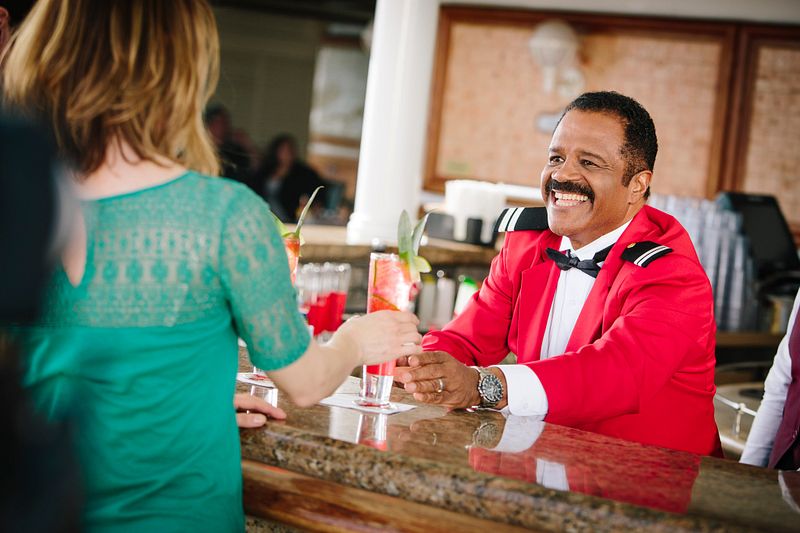
Whether or not Schettino was a regular drinker or someone who took cocaine, as some people claimed in the aftermath of the Concordia incident, we don’t know. All we know is that he was not under the influence of either during the events of the Costa Concordia disaster.

Don’t worry – he was found guilty

Francesco Schettino was found guilty of manslaughter, causing the shipwreck, and abandoning his passengers. His trial lasted 19 months and he subsequently appealed twice, unsuccessfully.

Guilty or not guilty?

Before we get into the details of the trial, it’s worth covering the period between the incident and court proceedings. Schettino was placed in temporary custody following the sinking, and then released to house arrest. In July that year, he was released from house arrest but told to remain in Meta di Sorrento.

The cruise line put the blame for the incident onto Schettino, and fired him in 2012, refusing to pay his legal fees. His trial began later, with his first appearance in court being in December 2014.

He was charged with manslaughter of the 32 people who lost their lives on the ship. He was also charged with causing a maritime accident, of abandoning the ship while people remained onboard, and for failing to cooperate with rescue services. He was found guilty of the first three charges.

Sentencing

When Captain Schettino was found guilty in his trial related to the Costa Concordia disaster, he was sentenced to spend sixteen years in jail, as well as a further five-year banning order from navigation on any ship.

The jail sentence was broken down by the following:

  • 10 years for manslaughter of the passengers and crew who died
  • 5 years for causing the shipwreck in the first place
  • 1 year for abandoning his passengers

Many people criticised the sentence, claiming it was too lenient. There was anger that Schettino was only going to be sentenced to 10 years in prison for the death of 32 people.

Originally the prosecution had been pushing for a much longer sentence – they wanted a total sentence of 26 years and 3 months, broken down as:

  • 14 years for multiple manslaughters
  • 9 years for causing the shipwreck
  • 3 years for abandoning the shipwreck
  • 3 months for failing to contact the authorities as soon as the incident happened

Other crew members were sentenced for their part in the tragedy too, but their sentences were all given as part of a plea bargain, and were much lesser than Schettino’s. They were all jailed for between 12 and 34 months for various crimes including manslaughter, the chaotic evacuation, and other mistakes during the timeline of events.

He did actually go to jail, too

Captain Schettino did go to jail for his part in the disaster. He originally appealed against his jail sentence twice, but failed both times. After the second failure, he reported to the Rebibbia prison in Rome to begin his stint in jail.

Guy in jail

It took Schettino some time to finally begin his sentence. His original court case ended in February 2015, but he lodged his appeal soon after. The Italian appeals court eventually upheld the original sentence decision in May 2016, but Schettino didn’t give up.

He took his appeal to Italy’s Supreme Court of Cassation, and a year later, on 12th May 2017, his sentence was again upheld. Five years after the original disaster, Schettino finally reported to prison to begin his sentence.

He’s still in jail (for now)

Francesco Schettino is still in jail – his sentence was for 16 years and he began in 2017, when he was 57 years old. If he sees out his full sentence, he will be released from prison in 2033, when he is 73 years old.

There’s a chance he could be released early, but it’s expected he will at least serve the majority of his sentence. Some people have called the punishment harsh, claiming that he has been made a scapegoat, but the cruise line has claimed that the sentence is balanced.

Final word

If Captain Francesco Schettino hadn’t taken the risky move to carry out the sail-by salute (navigating by his own eyes), then the Costa Concordia wouldn’t have hit the rock, and the 32 people who lost their lives would still be with us.

He is rightly in prison for his crimes – and cruise ship captains will no doubt have seen the consequences for his negligible behaviour. If they didn’t already know how important it was to make safe decisions with routes and to stay with the ship until everyone is accounted for, then they certainly do now.

The captain was not the only one at fault, and Costa Cruises has learned lessons on how to make it easier to deploy lifeboats when a ship is listing – lessons which other cruise lines have learned from as well.

Cruises are very safe methods of travel, and no captain would take the same risks as Schettino did after seeing how the Concordia disaster unfolded.

Related Posts:

If you found this interesting, please share!

Cruise Mummy

Jenni Fielding is the founder of Cruise Mummy. She has worked in the cruise industry since 2015 and has taken over 30 cruises. Now, she helps over 1 million people per month to plan their perfect cruise holidays.

Read more about me

Source link