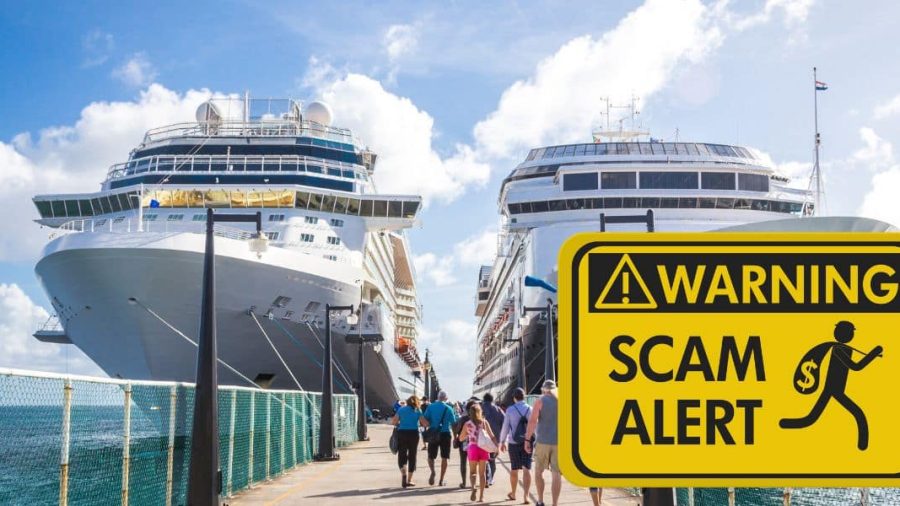
Untitled-design-2-65.jpg

9 Awful Scams Cruisers Need To Know About

You can spend months planning a cruise and still get caught out within minutes of stepping off the ship.

The thing is, cruise passengers are an easy audience for scammers to spot. Sometimes, at least. Think about it – thousands of visitors arrive at once, most are unfamiliar with the local area, and everyone’s trying to make the most of a limited few hours ashore.

Cruise Scam Alert

Add in busy terminals, language barriers and the usual holiday excitement, and it’s no surprise that some ports have become hotspots for tourist scams.

Don’t panic – most cruises pass without a single issue, and millions of people explore ports every year without problems. But a little awareness goes a long way…

1. Fake Taxi Drivers And Inflated Fares

This is probably the most common cruise port scam of all, and it happens everywhere from Miami to Barcelona.

Some drivers target cruise passengers specifically because they know travellers are unfamiliar with local fares and often in a hurry to get to the port, airport or a major attraction. The scam varies slightly too – some drivers might refuse to use the meter or claim it’s broken. Others take unnecessarily long routes to inflate the fare, since they think you’re clueless about where you’re going.

Taxi cash

There have also been reports of fake rideshare drivers approaching passengers outside terminals pretending to be official Uber or Lyft drivers. Once luggage is in the car, the fare suddenly jumps – and arguments become difficult when your bags are locked in the boot.

Even legitimate taxis can try their luck. Some passengers have discovered extra zeros added to card machines or “tourist pricing” applied once they realise you’ve arrived from a cruise ship.

Official taxi ranks are always the safest option. If you’re using rideshare apps, only get into the exact vehicle listed in the app and verify the registration plate before you throw your suitcases in the back.

Taxi from Airport to cruise port

It’s also worth researching typical fares in advance. Knowing roughly what a journey should cost makes it much easier to spot when something feels off.

And if you’re worried? Look for someone who works at the port and they’ll be able to give you a hand.

Read more: Taxi Scam Warning For Popular Mediterranean Port

2. Shore Excursion Scams

Independent shore excursions can be fantastic. In many ports, local operators offer smaller groups, lower prices and more personal experiences than cruise line tours.

But not every excursion company is as reliable as it appears online.

Excursion tour

Some passengers have arrived to find overcrowded minibuses, attractions swapped for souvenir stops, or surprise “dock fees” added at the last minute. Others have booked tours that looked professional online, only to discover they were heavily subcontracted once they arrived.

One of the biggest risks is booking with people standing near the pier offering tours on the spot. Genuine local operators do exist, but scammers know cruise passengers are tempted by last-minute deals.

The biggest red flag is pressure. If someone insists you must book immediately because “the last seats are going”, it’s usually better to walk away.

Before sailing, spend a little time checking recent reviews on independent sites and cruise forums. Reliable operators tend to have consistent feedback from multiple cruisers over a long period, rather than a handful of glowing reviews posted within weeks of each other.

A tour guide with a red flag, showing a group of men around a city.

And if you’re booking independently, always keep an eye on return times. The ship won’t wait for late passengers unless the excursion was booked through the cruise line.

I’d always recommend Shore Excursions Group – tons of 5* reviews, a very generous return-to-ship guarantee and they’re very careful about the tour operators they work with.

Save up to 40% on Cruise Excursions!

Choose from over 4,000 excursions with a return-to-ship guarantee

3. “Free Gift” And Resort Pass Traps

If someone in a cruise port starts offering free bracelets, free drinks, free beach access or a free spa treatment, there’s usually a catch somewhere. And yes, I know that might sound obviously, but people can forget this when they’re cruising – they’re giddy about being on holiday.

St Lucia beach day

These scams are especially common in Caribbean ports where representatives stand near the terminal promising luxury resort access or VIP beach clubs at “no cost”. What they don’t mention upfront is the lengthy timeshare presentation or aggressive sales pitch attached to the offer.

Other versions are simpler but just as awkward. Someone places a bracelet on your wrist, hands you a “gift”, or starts a friendly demonstration before demanding payment afterwards. The idea is to create social pressure and make tourists feel uncomfortable walking away.

Many people will accept something politely before realising they’ve accidentally started a sales interaction they never wanted.

Hold it scam

The easiest rule is also the simplest: avoid accepting unsolicited freebies from strangers in busy tourist areas. A firm “no” is all that’s needed.

If you genuinely want a resort day pass, book through a reputable operator or directly with the resort itself rather than someone approaching you outside the port gates.

4. Skincare And Beauty Product Scams

This is one of the cruise world’s most talked-about scams, particularly in parts of the Caribbean and the Bahamas.

Passengers are lured into luxury-looking skincare shops with free samples and demonstrations promising dramatic results in minutes.

A lady having a massage

Once inside, the atmosphere can become surprisingly intense. Staff move quickly from friendly demonstrations to high-pressure sales tactics, often steering customers towards eye-wateringly expensive creams, serums or beauty devices.

Some travellers later realise they agreed to spend hundreds – or even thousands – far more quickly than they intended. Others claim the amount charged to their card was significantly higher than expected.

These shops often rely on creating urgency and flattery at the same time. You’ll hear phrases like “today only”, “special cruise guest pricing” or “this product usually sells for much more”.

The products themselves aren’t always fake, but the prices can be wildly inflated compared with what similar items cost elsewhere.

A client having a massage

If you do buy anything, check the amount carefully before paying and never feel pressured into making a quick decision. Any genuine luxury brand should still be there tomorrow.

Also, a quick word of warning – this isn’t just a port-side scam. On rare occasions, people have talked about similar things happening in an onboard spa on a ship.

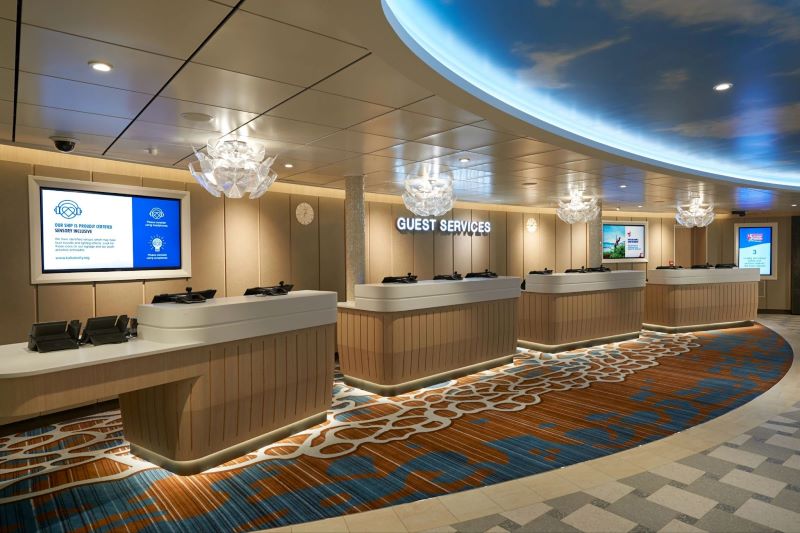
If that ever does happen, just go straight to Guest Services and let them know.

5. Public Transport And Ticket Scams

Not every scam involves someone directly stealing from you. Some rely on confusion instead.

Cruise passengers using public transport for the first time in a foreign city can easily get caught out by unfamiliar systems, especially in busy European ports.

Train

One well-known example involves ticket validation machines. In some cities, buying the ticket isn’t enough – you also need to validate it onboard or at the station before travel begins. Tourists who miss that step can face hefty fines from inspectors.

There have also been reports of broken validation machines, conflicting instructions from drivers and unofficial “helpers” giving misleading advice.

Most of the time, these situations are legitimate misunderstandings rather than organised scams, so don’t instantly assume the worst. Still, tourists often feel targeted because locals seem to avoid the same penalties.
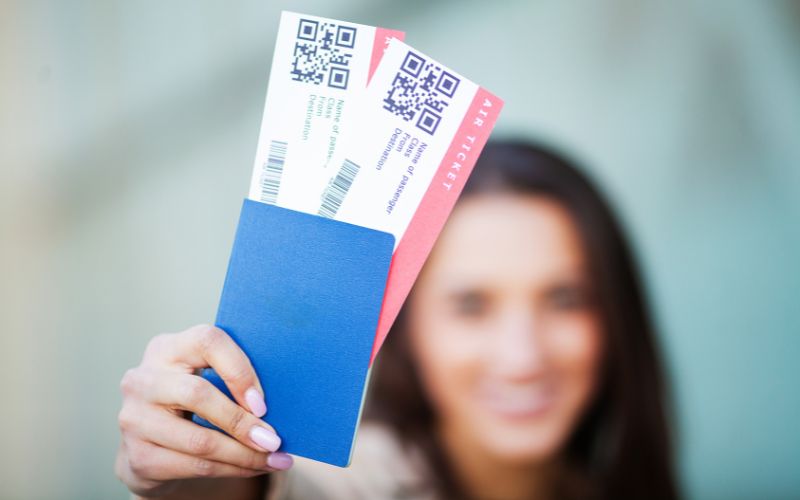
A person holding up a blue passport with two airplane tickets, focusing on the tickets while the person's face is blurred in the background.

A little preparation helps enormously here. Download official transport apps where possible, check how validation systems work before travelling and keep hold of tickets until the journey is fully complete.

And if someone approaches offering to “help” buy tickets from a machine, be cautious before handing over cash or cards.

6. Pickpocket And Distraction Scams

Crowded cruise ports are ideal environments for pickpockets.

Busy shuttle buses, packed tourist streets and popular attractions create exactly the sort of distractions opportunistic thieves look for. And many scams rely less on stealth and more on confusion.
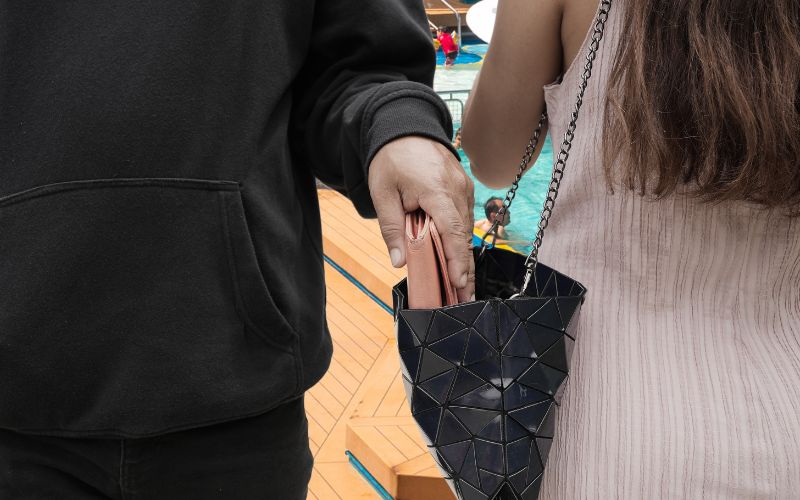
The image captures a pickpocketing scene where a person in a black hoodie is discreetly stealing a wallet from a woman's purse. The woman, unaware, is carrying a stylish geometric black handbag over her shoulder. The background suggests an outdoor setting, likely a crowded place such as a street or tourist area, adding a realistic and cautionary element to the scene.

One common tactic is the distraction approach – someone spills something near you, asks you to sign a petition, tries to sell souvenirs aggressively or starts an argument nearby while another person targets bags, wallets or phones.

Another version involves overly helpful strangers offering to give you a hand with luggage on steep streets or station steps.

Mediterranean ports are particularly known for pickpocketing hotspots, especially around major landmarks and public transport hubs, but it can happen anywhere tourists gather in large numbers.

That said, there’s no need to become paranoid. Most visits ashore are completely uneventful.

Simple precautions make a huge difference:

  • keep valuables zipped away
  • avoid carrying large amounts of cash
  • don’t leave phones loose on café tables
  • stay especially aware in crowded areas

The easier target is usually the distracted one.

7. Fake WiFi Networks And QR Codes

Many cruise passengers search for free WiFi almost immediately after leaving the ship, especially if roaming charges are expensive. Scammers know this and sometimes create fake networks with names designed to look official, such as “Port_Free_WiFi” or “Cruise Terminal Guest”.

Free WiFi hotspot

Once connected, travellers may unknowingly enter passwords, payment details or personal information into fake login pages.

QR code scams are also becoming more common. Fraudsters place fake QR code stickers over genuine signs, directing users to cloned payment pages or malicious websites.

These scams can be surprisingly convincing because people naturally trust signage inside ports, cafés and tourist areas.

Using mobile data is generally safer than public WiFi where possible. If you do connect to public networks, avoid logging into banking apps or entering payment details.

And before scanning any QR code, take a second to check whether the sticker looks tampered with or oddly placed over another sign.

8. Fake Visa, ETA And Cruise Booking Websites

As more countries introduce electronic travel authorisations and online visa systems, fake websites have exploded alongside them.

Some sites charge huge “processing fees” for applications that should cost far less. Others are outright phishing scams designed to collect passport details and card information.

This image shows a woman from behind, seated on a colorful beach chair, using a laptop with a screen displaying a travel booking interface for destination, arrival, and departure options. She's on a sandy beach, symbolizing the ease of planning vacations even while enjoying a relaxed beach setting. The setup underscores the convenience of modern digital tools that enable holiday planning from any location.

Cruise passengers can be particularly vulnerable because visa requirements vary by itinerary, and many travellers are rushing to complete forms shortly before departure.

Fake cruise booking websites and phishing emails are also becoming more sophisticated. Some cloned cruise line pages look almost identical to the real thing, especially on mobile devices.

One common tactic involves emails claiming there’s a problem with your booking or payment, urging you to click a link immediately to avoid cancellation.
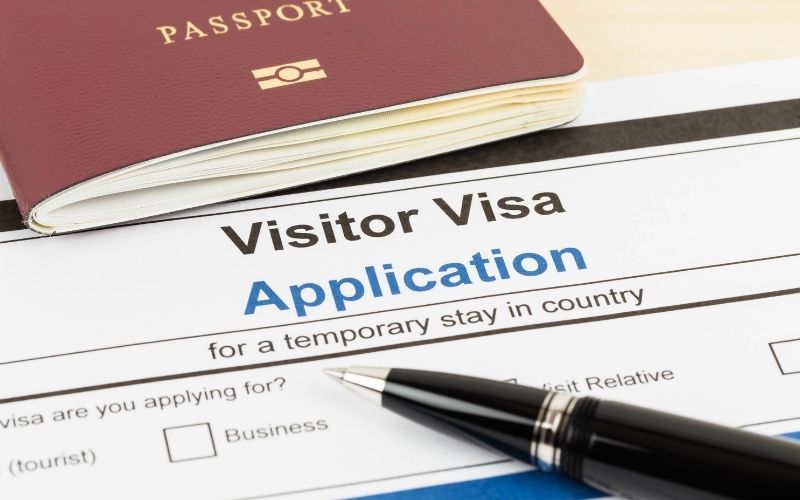
Visa application

The safest approach is always to access cruise bookings and visa applications directly through official websites rather than links sent by email or social media adverts.

If a site looks rushed, contains spelling mistakes or promises “guaranteed approval”, that’s usually a major warning sign.

Read more: Fraudster Jailed for £400,000 Ponzi-Style Cruise Scam That Left Victims Stranded at Ports

9. Currency Exchange And ATM Scams

Cruise passengers often need quick access to local currency, especially in ports where smaller shops and taxis don’t accept cards.

The bad news? Exchange booths in tourist areas don’t always offer fair deals.

A hand holding several 50 Euro banknotes with blurred casino carpet in the background, indicating recent winnings from a casino on the Costa Smeralda cruise ship.

Some advertise “zero commission” while building huge markups into the exchange rate itself. Others rely on confusion around unfamiliar currencies, particularly when travellers are tired or rushing back towards the ship.

ATM scams are another issue in busy tourist areas. Card skimmers, hidden cameras and distraction tactics still exist in some destinations, particularly around standalone cash machines.

One of the most common tricks isn’t technically a scam at all, but it still catches plenty of travellers out – dynamic currency conversion. That’s when a card machine asks whether you’d prefer to pay in your home currency instead of the local one.

It sounds helpful, but the exchange rate is usually much worse.

Currency exchange in the UK

As a general rule, bank-operated ATMs inside banks are safer than standalone machines in tourist hotspots, and paying in local currency almost always gives a better rate.

What To Do If You Think You’ve Been Scammed

Even careful travellers can get caught out occasionally, so don’t panic if something feels wrong after the fact.

If money has been taken from your card unexpectedly, contact your bank immediately and freeze the card if necessary. Take screenshots, photographs and copies of receipts wherever possible, especially if you need to make an insurance claim later.
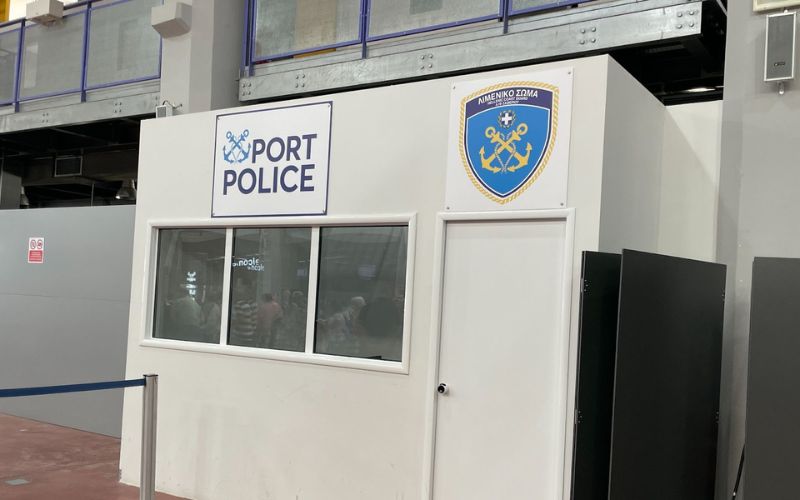
A small port police station box ready to respond and serve people

For serious incidents in port, report the issue to local police and let the ship’s guest services or security team know once you’re back onboard. Cruise lines can’t investigate every dispute ashore, but they may be able to advise on local reporting procedures.

Most importantly, don’t let one bad experience overshadow an otherwise brilliant holiday.

A little caution in busy tourist areas is usually all it takes to avoid the vast majority of these scams altogether.

TODAY’S BEST CRUISE DEALS!

Don’t miss these offers…

Final Word

Cruise scams make headlines because they’re frustrating, memorable and often happen when people least expect them. But they’re still the exception rather than the rule.

The vast majority of cruise passengers never experience anything more serious than an overpriced taxi or an overly pushy salesperson ashore. A bit of awareness – and a healthy scepticism towards anything that seems too good to be true – is usually enough to avoid the most common problems.

Cruising remains one of the easiest and most enjoyable ways to see the world. Knowing what to watch out for simply means you can spend less time dealing with hassle in port and more time enjoying the holiday you actually paid for.
Related Posts

Source link

Untitled-design-202.jpg

10 Reasons You Shouldn’t Book A ‘Guarantee’ Cabin

A guarantee cabin can look like a bit of a steal when you’re pricing up a cruise. Same ship, same itinerary, same holiday. Just cheaper if you let the cruise line pick your room.

Sounds great, right? Well…

Arvia family cabin

The catch is simple enough. You’ve got to be fine with whatever you’re given – not the cabin you’re picturing, not the one someone says you might get, but the one you’d end up with if luck isn’t on your side.

That’s where it falls apart for some people. Here’s what tends to trip people up.

Guarantee Cabins Explained

Just in case you’re new to cruising, let’s quickly go over what we mean by a guarantee cabin. Essentially, they’re exactly what they sound like – you’re guaranteed a cabin in a certain category, but not a specific room.

So instead of choosing your exact cabin number, you’ll book something like an inside, ocean view or balcony guarantee. The cruise line then assigns your cabin for you, sometimes weeks before sailing, sometimes just days before – and occasionally even at the port.

The only thing you’re promised is the category, or better. That means you won’t be downgraded, but you also won’t have any control over where your cabin is located on the ship.

That’s why guarantee cabins are cheaper – you’re trading control for a lower price, and leaving the final decision in the cruise line’s hands.

And here’s why that might be a bad thing…

1. You Can’t Choose Your Cabin Location

You’re picking a category, not a cabin.

So yes, you can choose inside, ocean view or balcony. But where that cabin actually is? That’s completely out of your hands.

Cruise lines don’t admit this, but it’s hardly a secret: not every location on a ship is equal, and there are some that can sometimes be downright problematic.

You could land somewhere great. Or you could be at the very front, the very back, stuck on a low deck, or miles from anything useful.

If you’ve never really cared about location before, it might not bother you. But if you’ve ever looked at a deck plan and thought “I’d rather not be there”, it probably will. And yet by choosing a guarantee cabin,

2. You Could End Up Somewhere Noisy

Some cabins get booked last for a reason.

Under the pool deck is a classic one. Early morning scraping of loungers, people dragging chairs around. So much for that lie-in. Cabins near theatres or night venues can have the opposite problem – noise when you’re trying to sleep at night.

Noise on a cruise

Then there are the less obvious ones. Crew doors opening and closing, service areas, or that heavy, echoing thud when the ship docks if you’re too far forward.

You can’t avoid every bit of noise on a ship, but choosing your own cabin at least gives you a chance to dodge the obvious hotspots.

3. Not Ideal If You Get Seasick

If you already know you get motion sickness, this is where a guarantee can feel like a gamble in the worst way.

Cruise ship in rough seas

Most people find midship, lower down, to be the most stable part of the ship. Head too far forward or aft and you’ll feel more movement, especially if the weather turns.

It doesn’t ruin every trip, but it can make a difference day to day. And if you’ve had a rough crossing before, you’ll know exactly what that feels like.

4. An ‘Upgrade’ Might Not Feel Like One

Yes, upgrades do happen on occasion when you book a guarantee cabin. Just not always in the way people imagine.

You might move up a category without it actually improving your experience. A higher grade cabin on paper could still have an obstructed view, an awkward layout, or be in a spot you wouldn’t have chosen.

Connecting cabins are another one. Handy for families, less so if you weren’t planning on hearing your neighbours.

It’s easy to get caught up in the idea of getting something “better”, but better doesn’t always mean better for you.

5. You Might Not Know Your Cabin Until Late

Sometimes you’ll get your cabin assignment fairly early. Other times it drags on until a few days before sailing. Occasionally, people don’t find out until they arrive at the port.

That uncertainty doesn’t bother everyone. Some people quite like it.

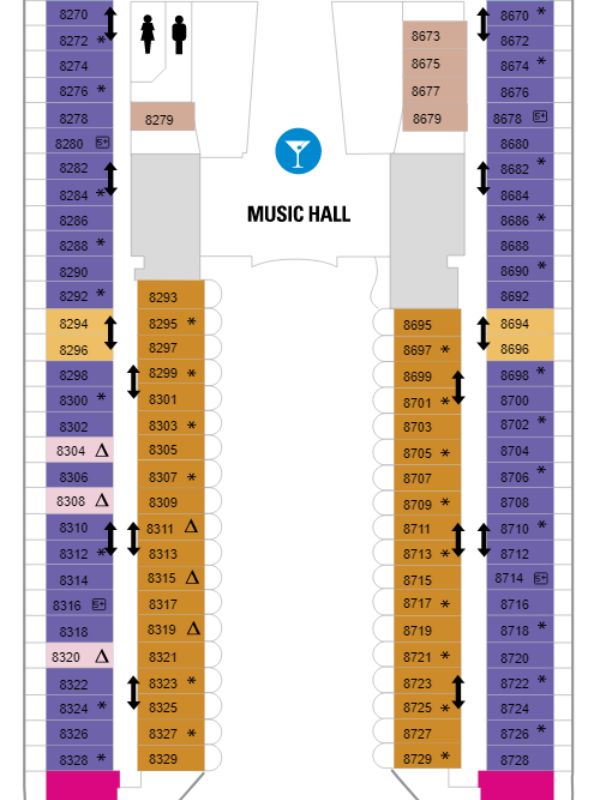
Oasis of the Seas Deck Plan

But if you’re the kind of person who checks deck plans, looks up what’s above and below, or just likes having everything sorted in advance, it can feel a bit unfinished.

Royal Caribbean have introduced a new Early Assign option on some cruises – with a $30 fee. So you can get around the issue of finding out your cabin too late, but it’ll cost you.

Read more: Royal Caribbean Launches $30 Early Assign Pilot To Reveal Guarantee Cabins Sooner

6. It’s Trickier When You’re Travelling With Others

Once other people are involved, and you’re booking more than one cabin, location starts to matter a lot more.

You might want cabins next to each other, opposite each other, or at least on the same deck. With a guarantee, you’re leaving that completely open. Even within the same booking!

Connecting Cabin Adventure of the Seas

It can work out fine. It can also leave you spread across the ship. For families with younger kids, that’s often enough to rule it out straight away.

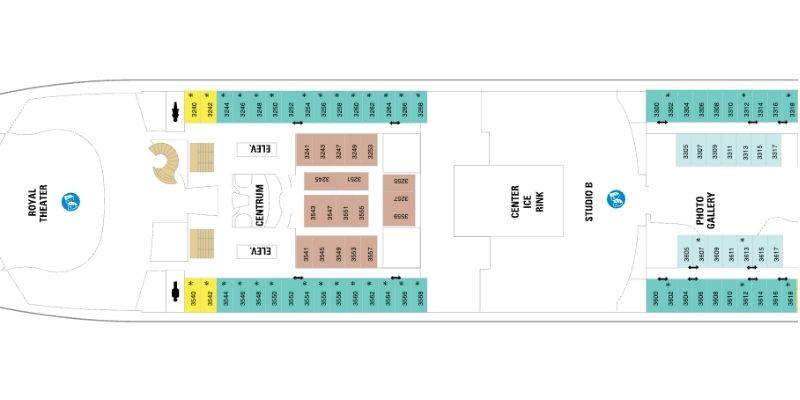
I once booked three guarantee cabins on a Royal Caribbean cruise. I could see that the room type we wanted only existed on Deck 3, so I thought that’s fine, as at least the cabins will all be on the same deck. What I didn’t consider was that deck 3 also had the ice rink and we had cabins on either side of it.

The only way to get to each other’s rooms was to go up to deck 4, along and back down!

7. The Savings Aren’t Always That Big

The price difference is where this either makes sense or doesn’t. If you’re saving a decent chunk, it’s easier to accept the trade-off. If the gap is small, it’s a totally different story!

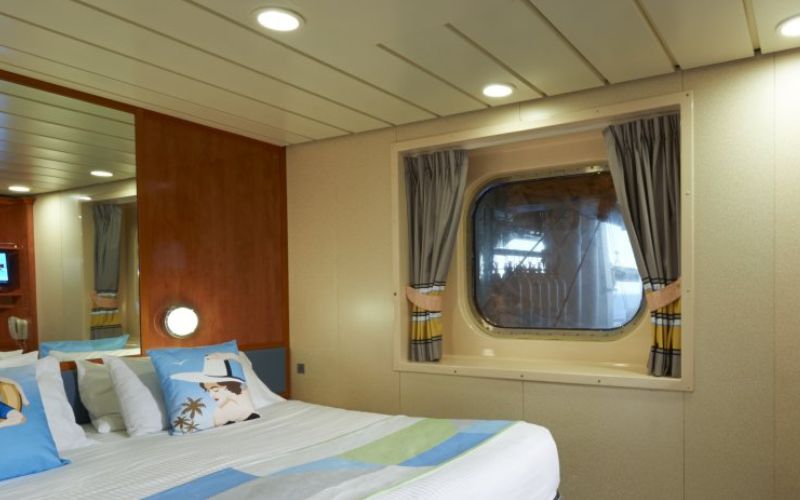
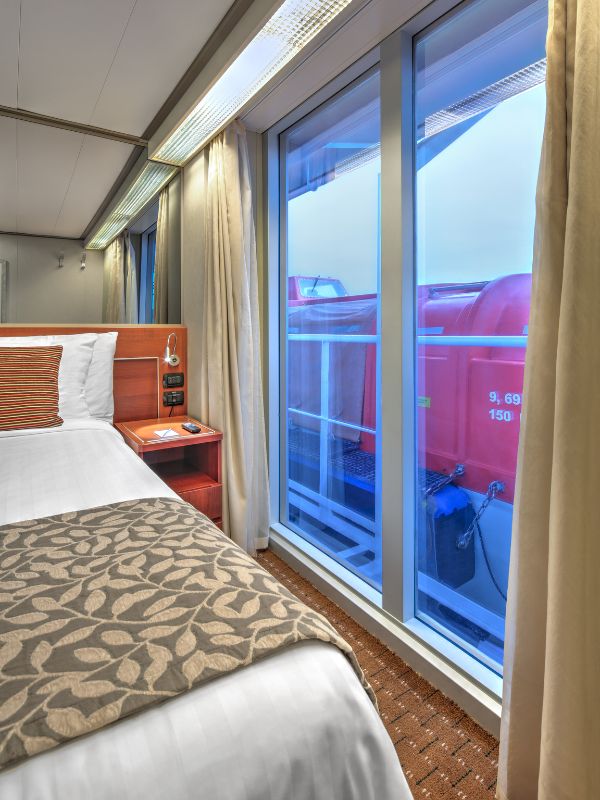
A cozy stateroom on the Norwegian Dawn with an obstructed ocean view, featuring a large bed with colorful striped linens, maritime-themed pillows, and a porthole window partially obscured by lifeboat equipment.

That’s usually when people start second-guessing it. Especially if they end up in a cabin they wouldn’t have picked for themselves.

A quick gut check helps here. If you’d be annoyed getting the worst cabin in that category, the saving probably isn’t enough.

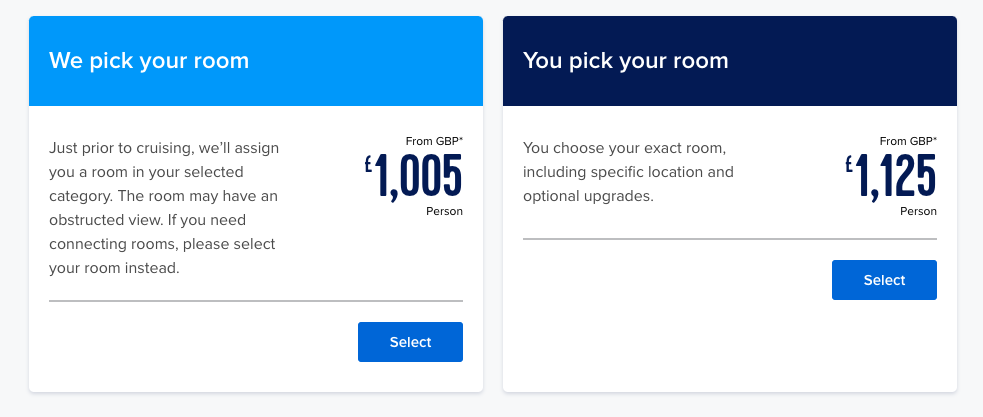
In some cases, I have even seen the guarantee cabin cost more than the ‘pick your room’ option. I’ve no idea why!

Choose Royal Caribbean Room

TODAY’S BEST CRUISE DEALS!

Don’t miss these offers…

8. The Fare Can Be More Restrictive

A lot of the time, when you’re considering a guarantee cabin, it’s not just the cabin itself that you’re giving up control over.

Guarantee fares often come with tighter terms – less flexibility if you need to change anything, sometimes fewer perks, sometimes stricter deposit conditions.

Iona Sea view

It doesn’t always jump out when you’re booking, but it can matter later.

Make sure you take your time with the booking and you fully understand what the rules are with the fare you choose, or you could leave yourself in bother if you want to make changes later.

9. You’re Often Getting Leftover Cabins

Here’s the thing that you need to realise with guarantee cabins – most of the time, these are the cabins that weren’t snapped up earlier. The ‘unwanted’ cabins by those people who wanted to pay more to choose their location.

That doesn’t automatically mean they’re bad. Some are absolutely fine. Occasionally you’ll get a really good one through a late cancellation, which is a nice little win!

But generally, if a cabin sat un-booked for longer, there’s usually a reason. Location, layout, view – something about it wasn’t as appealing to the people who didn’t mind spending a bit more.

10. First-Time Cruisers Are Usually Better Off Choosing

On a first cruise, there’s already a lot that feels new. The ship layout, how everything works, what you actually use during the day.

So adding uncertainty about your cabin into that mix doesn’t always help.

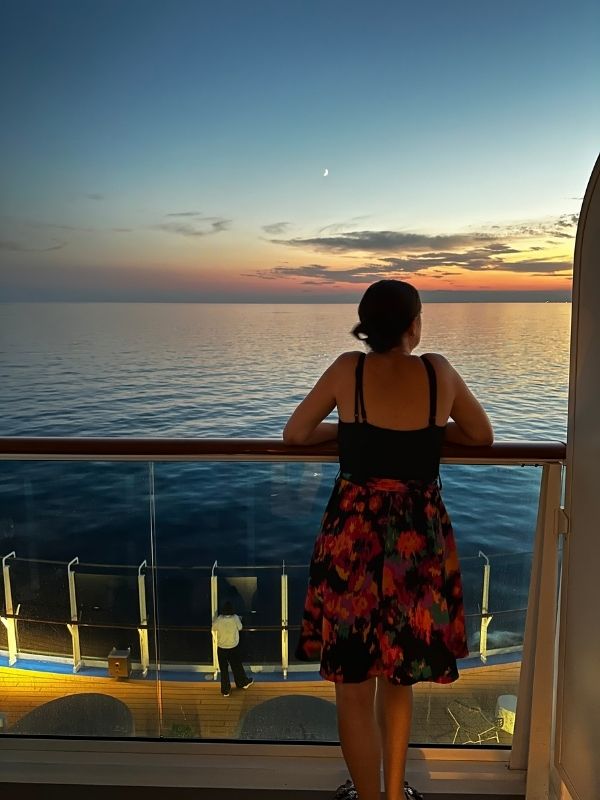
Cruise ship balcony in the evening

Once you’ve done a cruise or two, you’ll have a much clearer idea of what matters to you. At that point, taking a punt on a guarantee feels a lot more informed.

But I would definitely say that choosing your specific cabin is a good idea for your first one.

When A Guarantee Cabin Does Make Sense

For all that, there are plenty of situations where booking a guarantee cabin is the smart move.

Short cruises are probably the easiest example. If you’re only onboard for a few nights, you’re not exactly settling in. You’re out, you’re exploring, you’re making the most of the ship. The cabin becomes somewhere to sleep and get changed, and not much more than that.

Cruise Mummy in outside cabin

It also starts to make a lot more sense when the price gap is properly noticeable. Not £50 or £100 – the kind of saving that actually changes the feel of the booking. Maybe it means upgrading your drinks package, booking more excursions, or just making the overall cost feel more comfortable.

There’s also a type of cruiser it naturally suits.

If you’ve cruised before and already know you’re not that bothered about location, you’re in a much better position to take the gamble. Some people realise pretty quickly that they don’t spend enough time in the cabin for it to matter. Once you know that about yourself, a guarantee fare becomes a lot easier to justify.

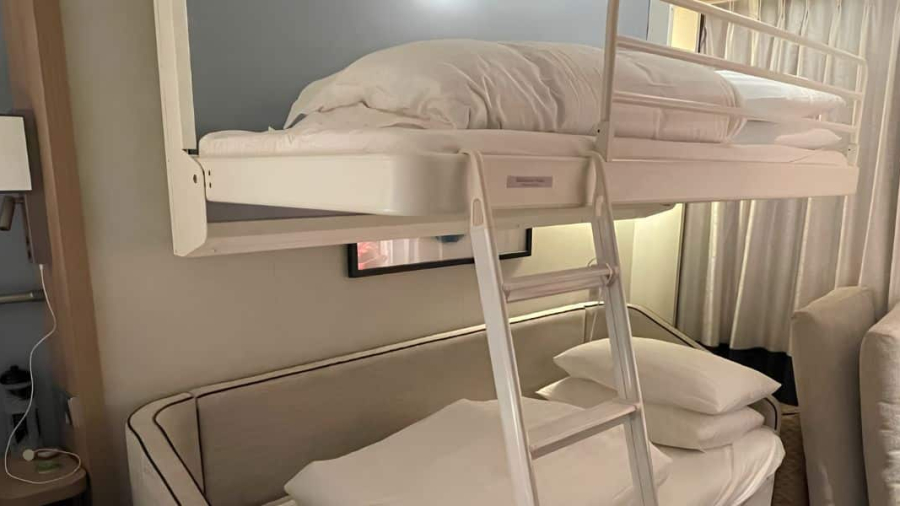
Marella Explorer bunk beds

Last-minute bookings are another good fit. When there are fewer cabins left overall, the gap between “guarantee” and “choose your exact cabin” tends to shrink anyway. At that point, you’re often just taking whatever’s available, so letting the cruise line assign it doesn’t feel like much of a sacrifice.

It can also work well if you’re booking a lower cabin category on purpose. For example, if you’re happy with an inside cabin and not emotionally invested in where it is, there’s less to lose. You’re not worrying about balcony views or specific positions – it’s already a more functional choice.

And then there are people who just enjoy the unknown a bit.

For them, the assignment isn’t a source of stress, it’s part of the experience. Checking the app, waiting for the cabin number to appear, seeing where they’ve ended up – it adds a bit of anticipation rather than taking anything away.

Guarantee cabins work best when you’re flexible, when the saving actually matters, and when the cabin itself isn’t a big part of how you measure the trip. If those boxes are ticked, it can feel less like a gamble and more like an easy win.

Final Word

Guarantee cabins aren’t a bad idea, they’re just not as straightforward as they look.

For some people, they work out perfectly. For others, they’re one of those decisions that feels clever at the time and slightly annoying later.

If you’d be content with the worst cabin in the category, it’s a reasonable gamble. If you wouldn’t, you’re probably better off choosing your cabin and not thinking about it again.

Related Posts

Source link

Untitled-design-4-27.jpg

15 Free Cruise Perks That Might Not Stay Free For Long


Cruise fares have a way of looking like a great deal – right up until you realise how much of the experience now sits in the small print.

What used to feel simple has slowly turned into a mix of packages, upgrades and “enhancements” that somehow always cost a bit extra. Not always of course! But sometimes.

Specialty dining was the obvious starting point, but it didn’t stop there. Quiet spaces, premium attractions and even parts of the entertainment have already slipped into paid territory.

So what might be next? Some of these feel pretty likely, some are already creeping in, and a couple might hit a nerve.

1. Room Service Could Become Almost Entirely Paid

This one feels less like a prediction and more like something already in motion. Room service used to be one of those small touches that made your cabin feel like part of the holiday, not just somewhere to sleep.

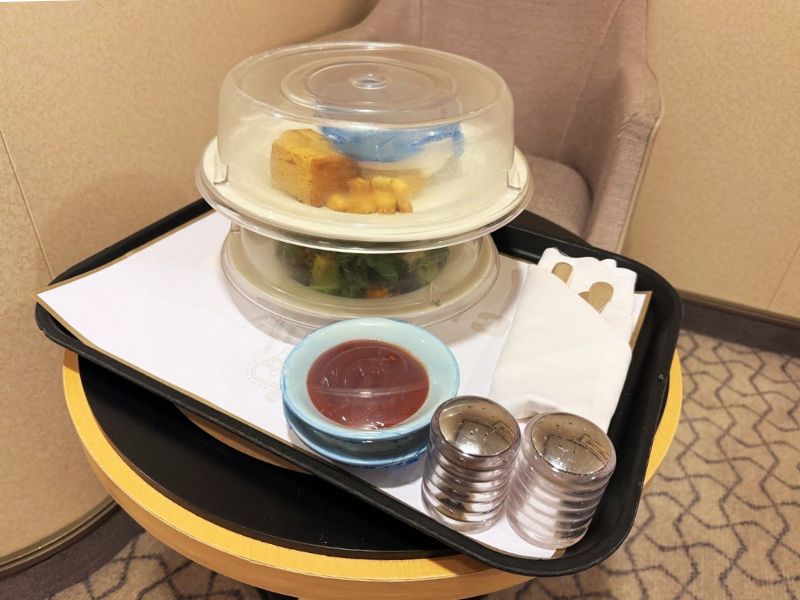
A room service tray on a Cunard cruise ship, featuring covered plates with food, a bowl of sauce, salt and pepper shakers, and neatly arranged napkins and cutlery on a small table.

Now it’s often limited, cut back or only free at certain times. Only a couple of cruise lines, like Disney, keep it completely free at all hours.

Breakfast might stick around longer because it’s such a classic part of cruising, but beyond that, it’s easy to see where things are heading.

Smaller menus, more delivery fees, and fewer genuinely “free” options unless you’re in a suite or sailing on a luxury line.

Read more: Cunard Makes Disappointing Change To Room Service Offering

2. Main Dining Room Menus Could Get More Restrictions

The main dining room isn’t going anywhere, but that doesn’t mean it’ll stay as generous as it once was.A subtle way to cut costs is to keep the venue free while quietly tightening what’s included.

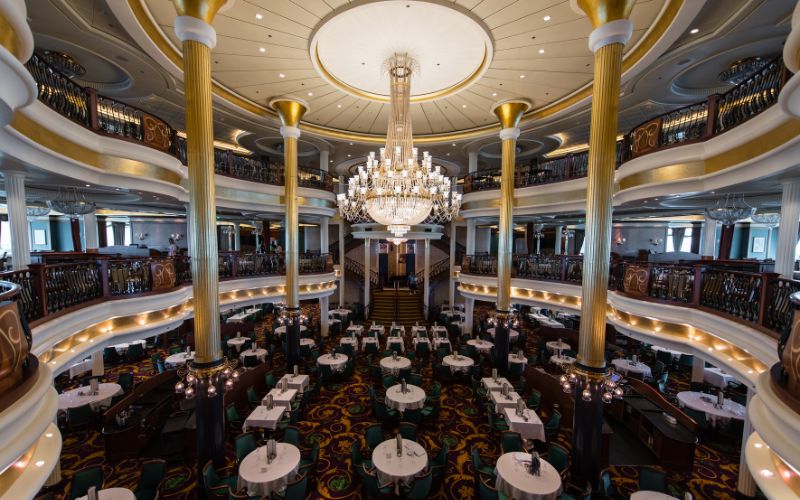
Main dining room of a cruise ship

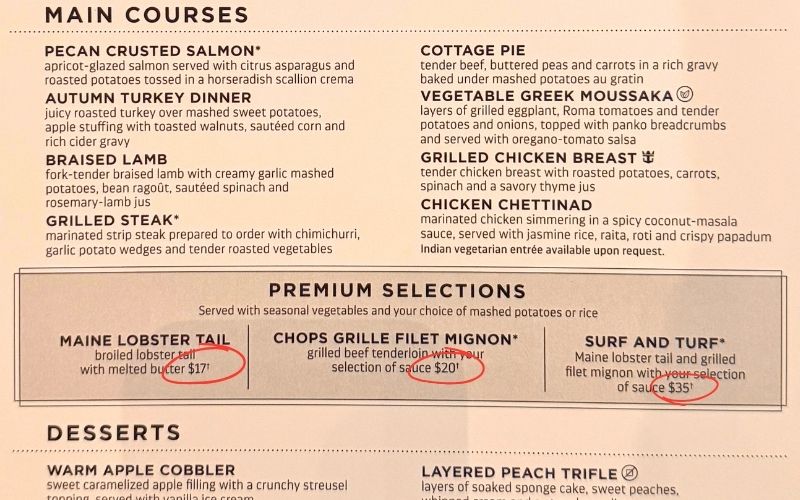
Extra charges for premium steaks and lobster are already common. Here’s the menu from the main dining room of my recent Royal Caribbean cruise so you can see how much the extra charges are…

A small but growing number of cruise lines now charge passengers who order multiple main courses in the main dining room.

Norwegian Cruise Line charges $5 for each additional main course after the first, while MSC Cruises applies a similar $5 fee on some US-based sailings.

Carnival Cruise Line is slightly more generous, including two main courses before charging $5 for the third and any further dishes.

Other cruise lines generally still allow guests to order a second standard main course at no extra cost, but for how long?

Read more: 17 Things Carnival Cruises Quietly Removed

3. Better Theatre Seats Could Come With A Fee

This feels like it’s only a matter of time. Keep the show free, then charge for a better version of the experience.

Iona Headliners Theatre

Reserved central seats, priority entry, front rows, maybe even small VIP sections – it’s an easy upsell. It might annoy people, but it also makes sense commercially, especially on ships where popular shows already mean queuing early.

Cruise lines know people don’t love uncertainty on holiday. If they can turn “Will we get a good seat?” into something you can pay to solve, there’s a good chance they will.

4. More Onboard Shows Could Become Paid Experiences

We’re already seeing the early version of this, usually bundled with drinks, dinner or a more intimate setting. That framing helps – it feels like an “experience” rather than just paying for a show.

For example, MSC Cruises charges extra for its Carousel Productions at Sea shows, which are held in the purpose-built Carousel Lounge. These elaborate, circus-style productions come with a signature cocktail.

AquaTheater

Virgin Voyages now charges extra for immersive dinner shows such as Another Rose and It’s a Ship Show, while its other productions are generally included. And Norwegian Cruise Line has a new adults-only show that’s priced at a whopping $45 per person!

The big headline productions will probably stay included, at least on most ships. But smaller performances, late-night shows, cabaret-style acts or immersive events could increasingly come with a charge.

That’s usually how these things spread – quietly, then all at once.

5. Poolside Loungers In Prime Spots Could Be Reserved For A Price

Finding a good lounger is already competitive enough without turning it into a paid upgrade, but it’s not hard to imagine.

towels on sun loungers

Cruise lines wouldn’t need to charge for every lounger. Just ring-fence the best ones – near the pool, with the best views, or in perfect sun or shade – and suddenly there’s a premium tier.

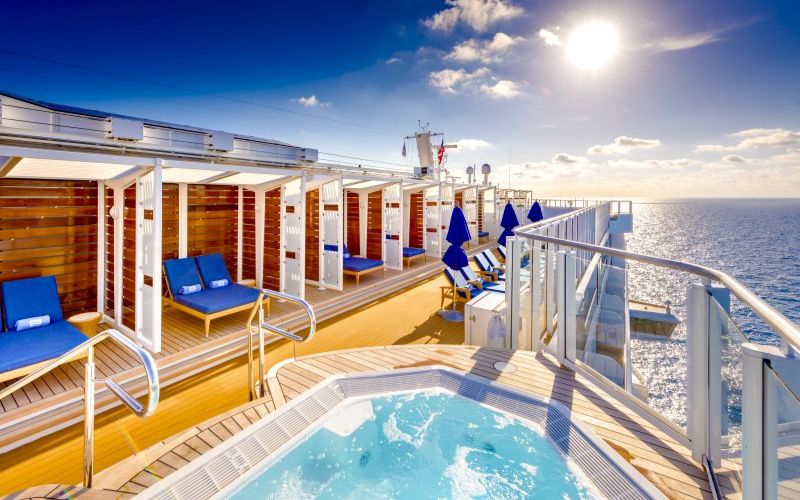
We’ve already seen versions of this with cabanas and exclusive deck areas. A lower-level reservation system doesn’t feel like a huge leap. It wouldn’t be popular, but it would probably sell.

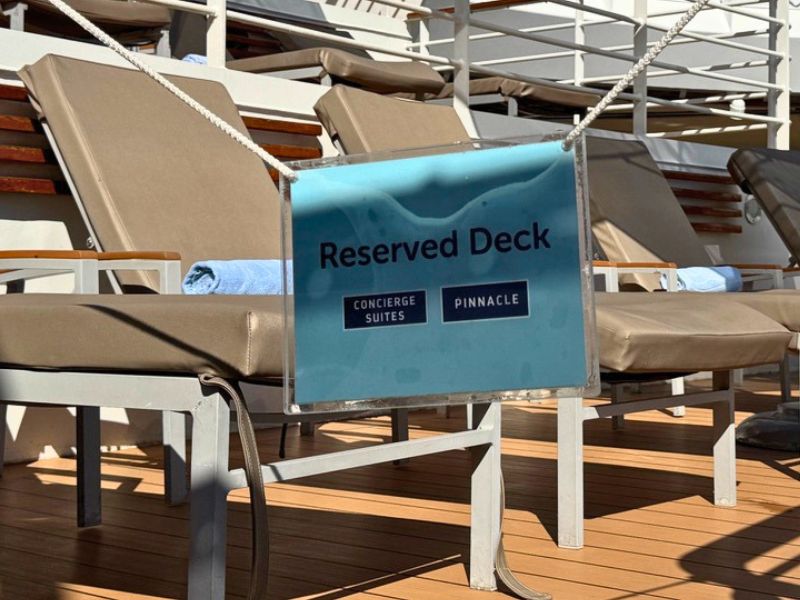
reserved deck on Royal Caribbean cruise

Read more: Cruise Lines Reportedly Trialling New Sun Lounger Reservation System

6. Adults-Only Sun Decks Could Become Even More Common As Upsells

Quiet space is one of the easiest things to monetise at sea.

Vibe Beach Pool

On big ships, especially during sea days, a bit of peace and quiet is in short supply. Cruise lines know that, which is why adults-only areas and premium sun decks have become such reliable money-makers.

The next step might not be creating new spaces, but putting more of them behind a paywall. Instead of being a shared perk, calm becomes something you upgrade into.

Read more: Inside Norwegian Cruise Line’s VIP Vibe Beach Club: Is It Worth the Hype?

7. Kids’ Attractions Could Shift Further Towards Pay-To-Play

Family cruising is full of moments where convenience wins. Parents might not love paying extra, but if it keeps the kids entertained for an hour, plenty will do it.

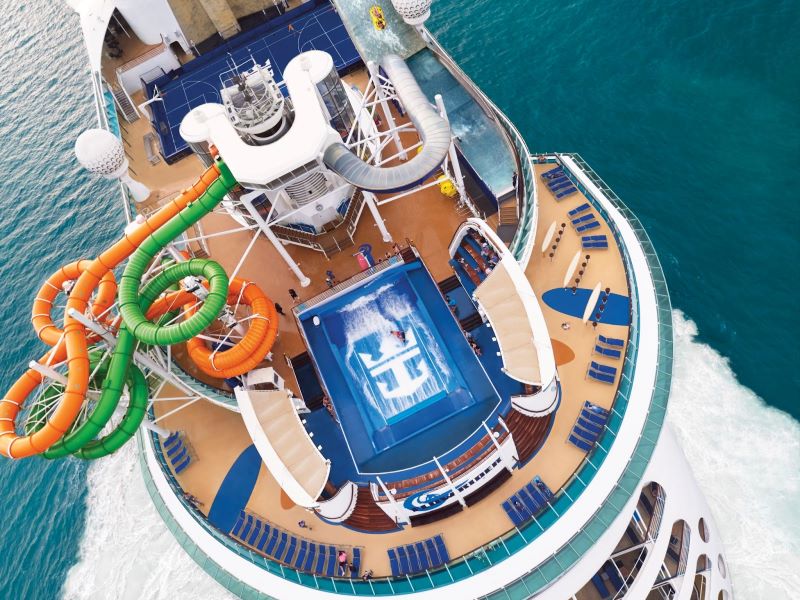
An aerial view showcases the dynamic and colorful waterslides of Liberty of the Seas, twisting above the ship's deck. Below, the deep blue sea rushes past, framing the ship's bustling activity areas, including the pools and lounging decks, inviting a sense of adventure and relaxation on the high seas.

Some ships already charge for things like race tracks, arcades and interactive games, so the model’s there. It wouldn’t be surprising to see more attractions move in that direction.

Not everything, of course – family-friendly fun is still a core selling point. But more “premium” add-ons? That feels very likely.

TODAY’S BEST CRUISE DEALS!

Don’t miss these offers…

8. Faster Access Could Become A Product Of Its Own

Cruise lines have got very good at selling convenience.

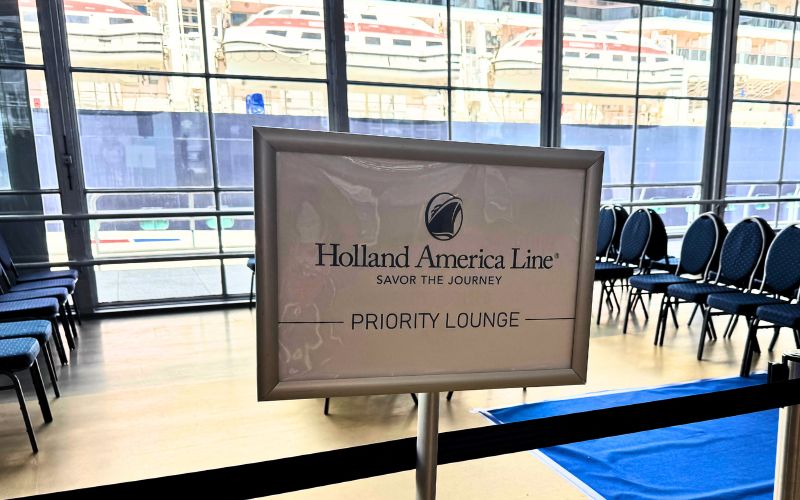
HAL Priority Lounge

Instead of charging for the thing itself, they charge for skipping the hassle around it. Priority embarkation, quicker disembarkation, express tender access, reserved time slots, skip-the-line passes – it’s all part of the same idea.

You see it everywhere now, from theme parks to airlines. People will often pay more to save time than to upgrade the experience itself. Once queues get long enough, the paid shortcut almost sells itself.

Some cruise lines do already offer something a little similar to this, such at The Key by Royal Caribbean.

9. Buffet Upgrades Could Start Appearing

The buffet will probably remain one of the last big “included” areas, but that doesn’t mean every part of it stays free.

Explora Journeys Buffet

Some cruise lines like P&O Cruises, already section off an area of the buffet and transform it into a paid-for dining venue with table service.

I wouldn’t be surprised if we start to see premium stations within the buffet. Things like made-to-order breakfast items, better cuts of meat, upgraded seafood, or more elaborate desserts.

That way, cruise lines can still say the buffet is included, while quietly adding places to spend money.

10. Basic Refreshments Could Be Pushed Into Packages

Drinks have always been a key revenue driver, but it’s not just about alcohol anymore.

Coffee culture and soft drinks matter just as much to a lot of people, especially younger cruisers. Iced coffees and branded café drinks can be just as appealing as a drinks package.

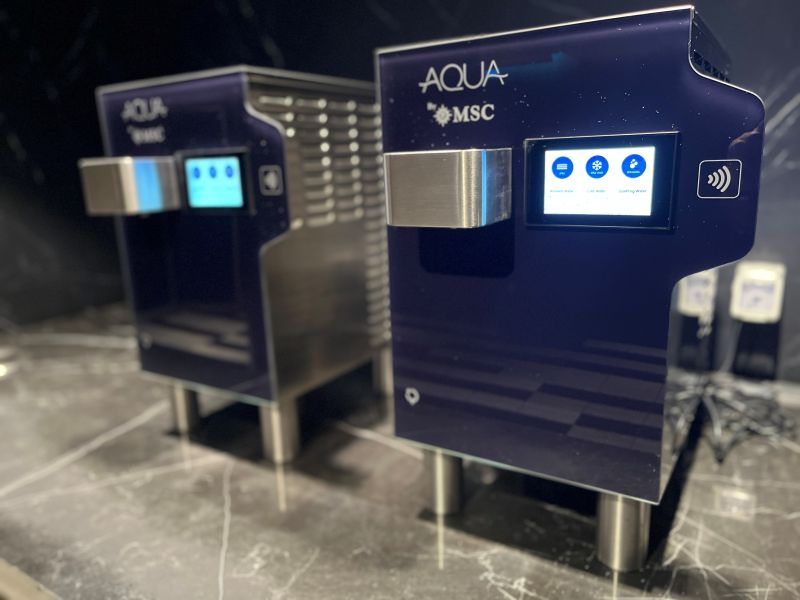
So while tap water will almost certainly stay free, the line between included and extra is shifting. Recently, MSC Cruises launched Aqua by MSC – which is essentially paid-for filtered water. The machine is right next to the regular water machine. I’m not sure if it tastes any different!

11. Housekeeping Could Become More Tiered

Cruises have held onto daily cabin service more than hotels have, but even that’s started to change.

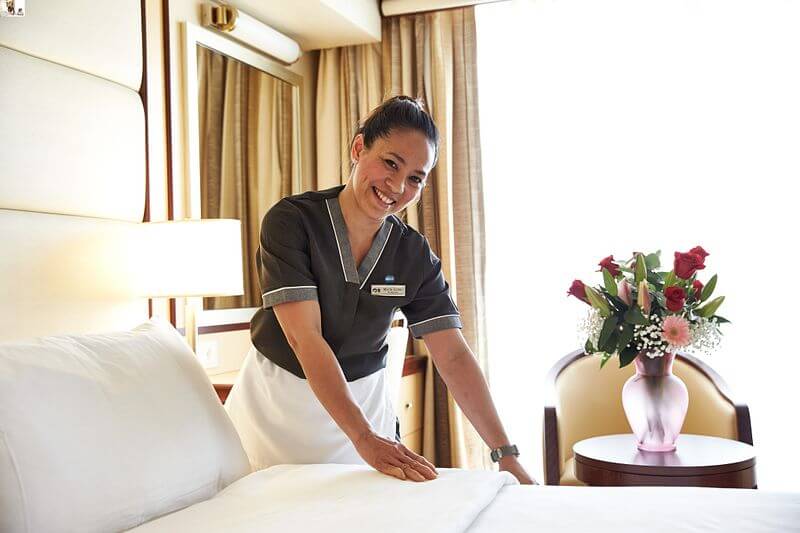
Cabin steward

Some lines have already moved away from twice-daily service. The next step could be framing certain extras as upgrades – whether that’s for sustainability reasons, efficiency, or both.

Daily cleaning will probably remain standard. But things like evening turn-down, extra towel refreshes or more flexible service might slowly shift into higher-tier perks.

12. In-Cabin Extras Could Quietly Disappear

Not every change gets announced. Some of the most noticeable ones are the little things that just… stop appearing.

A collection of Molton Brown toiletries provided on the Seabourn Venture, adding a touch of luxury to the guests' experience. The selection includes four elegantly designed bottles: Relaxing Ylang-Ylang, Heavenly Gingerlily, Orange & Bergamot, and Blossoming Honeysuckle & White Tea bath and shower gels. These premium products are known for their delightful fragrances and quality ingredients, enhancing the pampering experience aboard the ship. Displayed on a sleek surface, these toiletries reflect the ship's commitment to offering high-end amenities to its guests.

Better toiletries, printed daily programmes, chocolates at turn-down, decent stationery, even small touches like hot water delivery – these are easy to remove because they don’t look dramatic on paper.

But regular cruisers notice. And once they’re gone, they often reappear later as “premium” perks in higher cabin categories.

Suggested read: The 7 Most Annoying Cruise Line Cutbacks

13. Casual Dining Venues Could Move Behind A Partial Paywall

The bigger dining shift might not come from high-end restaurants. People already expect those to cost extra.

P&O vegan pizza

It’s the casual spots that feel more at risk – pizza counters, burger joints, noodle bars, pub-style food. Places that used to feel comfortably included.

A small charge here, an à la carte option there, or a venue rebranded as “elevated casual dining” – it doesn’t take much for this to build over time. And smaller charges are often the easiest ones to accept.

Suggested read: Princess Cruises Dining Options Explained

14. Gym And Wellness Access Could Be Split Into Basic And Premium

Most cruise ship gyms are still free, and that will probably stay the case in some form.

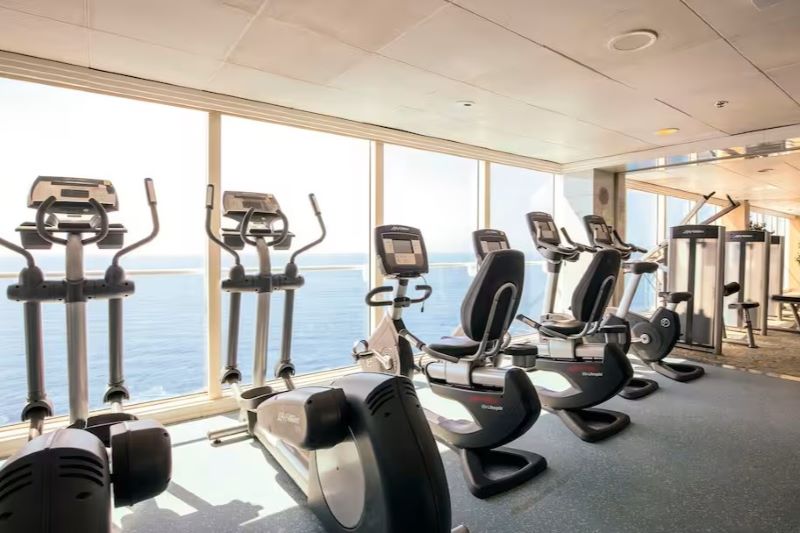
Cruise gym

But wellness is big business now. So the likely move isn’t charging for the gym itself, but creating layers within it.

Basic access stays free, while classes, thermal suites, recovery areas, or quieter fitness spaces come at a cost. It’s not about removing access – it’s about making the better version of it something you pay for.

15. Even “Included” Food Could Get Worse To Push You Towards Upcharges

This is the one people talk about the most, and also the hardest to pin down.

A beautifully plated vegetarian dish consisting of layered grilled vegetables, including zucchini and yellow squash, on a vibrant red pepper coulis. The dish is artistically garnished with a pink flower and drizzled with balsamic reduction.

Cruise lines don’t necessarily need to charge more if they can make the included options feel less appealing. Simpler menus, less variety, slightly lower quality – nothing drastic on its own, but noticeable over time.

Then specialty dining starts to feel less like a treat and more like the obvious choice. Whether that’s intentional or just a side effect of cost-cutting, the end result feels the same.

TODAY’S BEST CRUISE DEALS!

Don’t miss these offers…

Final Word

The bigger shift here isn’t that cruising suddenly becomes fully pay-as-you-go.

It’s that the gap between the basic experience and the better one keeps getting wider. There’ll still be food, entertainment, loungers and somewhere to grab a drink.

But the quieter space, the better meal, the easier seat, the shorter queue – those are increasingly treated as upgrades.

That’s really what’s changing. It’s not just about adding charges. It’s about turning more parts of the experience into tiers. And once that starts, it rarely goes the other way.

Related Posts

If you found this interesting, please share!


Jenni with Disney Cruise ship at Castaway Cay


Source link
41VEY22kVBL._SL500_.jpg

Cruisers Are Snapping These Up In The Amazon Prime Day Sale


A few smart purchases before your cruise can save you money, hassle and cabin frustration once you’re onboard. Some of the best cruise travel gadgets and accessories are heavily discounted right now, but only for a limited time.

These are the Amazon Prime Day deals I’d be looking at before they disappear.

I’ve tried to pick out products that you can order on either side of the pond but some items in the sale aren’t available to be shipped to the UK. I’ve flagged where that’s the case.

1. Cruise Essentials Kit

If you’re new to cruising and don’t want to spend hours researching what to pack, a cruise essentials kit like this can be a surprisingly good starting point. It bundles together several of the accessories that experienced cruisers often recommend, including luggage tag holders, lanyards, towel clips and waterproof phone pouches.

Buying everything separately can quickly add up, so these kits can offer decent value if you’re starting from scratch. It also makes a great gift for someone taking their first cruise.

2. Towel Bands

A windy sea day can quickly turn your neatly arranged sun lounger into a mess, with towels slipping, bunching up or ending up on the deck. These stretchy towel bands keep everything securely in place and take up hardly any room in your suitcase.

I used to use towel clips, but they’re unneccesarily bulky and these are so much easier to pop in your bag!

The bright colours make it easier to spot your chair too, which can save a lot of wandering around the pool deck looking for where you left your towel.

3. Cruise Lanyards

On most cruises, your cabin card is your room key, onboard payment method and ID all rolled into one. You’ll be pulling it out dozens of times a day, whether you’re unlocking your cabin door, ordering a drink or heading on and off the ship.

And if you’re anything like me, you’ll lose it multiple times per day!

A retractable lanyard keeps it close at hand without having to dig through pockets or bags every few minutes. It’s also super handy if you spend time in swimsuits and coverups with no pockets, as it saves stuffing your cruise card down your bra, which apparently, is frowned upon.

Read more: Cruise Passengers Slammed for Storing Cruise Cards in Bras – Am I Being Called Out?

4. Luggage Tag Holders

I absolutely swear by these.

Cruise luggage tags are often just folded pieces of paper, and they often get torn off or damaged before your suitcase reaches your cabin – expecially if you’re flying or if its raining.

These waterproof holders keep your tags protected and securely attached throughout the journey. They’re inexpensive, reusable and one of those little cruise accessories that you’ll use on every sailing for years to come.

Also worth noting – these are the wide ones so they work for every cruise line. Some others are narrow so if your cruise line gives you wide tags, they won’t fit.

5. Magnetic Hooks

If you’ve never cruised with magnetic hooks before, you’re in for a pleasant surprise. Most cruise cabin walls and ceilings are metal, which means these little hooks instantly create extra storage space for hats, lanyards, swimwear, bags and all those bits and pieces that otherwise end up cluttering every surface.

Cruise cabins are cleverly designed, but they’re rarely generous when it comes to storage. A few magnetic hooks can make the room feel far more organised, especially if you’re travelling as a family and sharing one cabin between several people.

6. Waterproof Phone Case

Whether you’re relaxing by the pool, heading to a water park or taking a beach excursion, there are plenty of times on a cruise when your phone is never far from water. A waterproof pouch gives you peace of mind while still letting you take photos, check messages and keep your essentials close at hand.

I particularly like the extra storage pocket on this one, which is handy for cash, cards or your cabin keycard. It’s one of those things that you might not need every day, but when you do need it, you’ll be very glad you packed it.

7. Beach Bag

If you’ve ever tried carrying towels, sunscreen, water bottles, books and everyone’s random bits and pieces to the pool deck, you’ll know how quickly things get out of hand. A large mesh beach bag like this keeps everything together in one place while making it easy to find what you need without digging through a bottomless tote.

The mesh design is perfect for cruises because wet swimwear and towels can dry more easily, and any sand from beach excursions tends to fall straight through rather than coming back onboard with you. It folds down flat when you’re packing too, so it takes up very little suitcase space for something you’ll probably use every day of your holiday.

8. Waterproof Bum Bag/Fanny Pack

If you’re heading ashore for a beach day, water park or boat trip, keeping your valuables safe can be a real headache. This waterproof pouch is large enough to hold much more than just your phone, giving you somewhere secure for your cash, cards, passport, cabin key and other essentials while you’re out exploring.

I particularly like that it can be worn in different ways, making it feel more like a practical day bag than just a waterproof case. It’s the kind of thing you might only use on a few days of your cruise, but those are often the days when protecting your valuables matters most.

9. Cruise Magnets

Cruise cabin doors all look remarkably similar after a long day onboard, which is why so many experienced cruisers decorate theirs. A set of magnets like these makes your cabin much easier to spot and adds a bit of personality at the same time.

There are loads of different designs available, whether you’re celebrating a birthday, anniversary, family reunion, retirement, graduation or just getting excited about your holiday. It’s a simple, inexpensive way to make your cabin feel a little more special and avoid those awkward moments when you accidentally try to open somebody else’s door.

10. Foldable Travel Pillow

Whether you’re flying to join your cruise or facing a long journey home afterwards, a good neck pillow can make a huge difference. Trying to sleep upright on a plane is difficult enough without waking up every few minutes with a stiff neck and aching shoulders.

I like that this set also includes an eye mask and ear plugs, turning it into a complete travel sleep kit. If you’re booking a fly cruise, this is one of those purchases that can improve the holiday before you’ve even stepped onboard the ship.

11. Travel Pill Organiser

If you take regular medication, keeping it organised while travelling can save a lot of stress. A compact pill organiser like this helps you keep everything in one place, making it much easier to keep track of what you’ve taken and what you still need throughout your trip.

It’s also handy for vitamins, supplements or any over-the-counter meds you want to take with you, like simple painkillers or seasickness tablets. Small enough to slip into a handbag, backpack or cabin safe, it’s one of those practical travel items that you probably won’t think much about – until the day you really need it.

12. Water Shoes

A comfortable pair of pool shoes is one of those cruise essentials that many people forget until they’re already onboard. They’re perfect for walking around the pool deck, heading to the buffet for a quick snack or popping into the gym, spa or public showers without having to put on trainers every time.

They’re also ideal for beach days and water-based shore excursions where you want something that dries quickly and protects your feet. Lightweight, easy to pack and surprisingly versatile, these are the sort of shoes that often end up being worn every single day of a cruise.

13. Matching Hawaiian Outfits

Matching cruise outfits definitely aren’t for everyone, but if they make you smile, that’s all that really matters. Cruise holidays are one of the few times when people happily lean into a bit of fun, whether that’s matching Hawaiian shirts, coordinated tropical prints or themed outfits for sailaway parties and sea days.

They also make for some fantastic holiday photos that you’ll look back on for years. If you’ve ever secretly wanted to try matching outfits but never had the right occasion, a cruise might just be the perfect excuse.

14. Casual Jumpsuit

Cruise holidays are all about packing outfits that look good without taking up half your suitcase, and that’s where a jumpsuit can really earn its place. Easy to throw on, comfortable in warm weather and versatile enough for everything from a casual lunch to an evening drink, it’s one of those pieces that works harder than most items in your wardrobe.

And yes, it has pockets – which always feels like a bonus. If you’re trying to pack lighter without sacrificing outfit options, a jumpsuit like this can replace several separate items while still looking effortlessly put together.

15. Travel Hangers

Cruise cabins usually come with some hangers, but in my experience there’s never quite enough if you’re trying to dry swimwear, organise outfits for the week or share a cabin with several people. Usually you can ask your cabin steward for more, but maybe you feel awkward about it, or you want even more than they can find.

These foldable travel hangers weigh next to nothing and take up hardly any room in your luggage. They’re particularly useful for drying swimsuits, cover-ups and other items that you don’t want to throw straight into a drawer. They’re one of those simple travel accessories that can make life onboard a little bit easier without adding any noticeable weight to your suitcase.

16. Suitcase Organiser & Hanger

If you love being organised when you travel, this might be one of the most useful products on the list. Instead of unpacking everything into drawers when you board, you can simply lift the organiser out of your suitcase and hang it up, giving you instant access to your clothes and accessories.

It’s particularly handy in cruise cabins where storage space can be limited and shared between several people. Knowing exactly where everything is from day one can save a surprising amount of time and help keep your cabin looking tidy throughout the cruise.

17. Luggage Straps

Anyone who’s tried juggling a suitcase, hand luggage, a backpack and a coffee through an airport will understand the appeal of this. These simple straps allow you to secure smaller bags to your main suitcase, making it much easier to move around without constantly readjusting everything.

They’re particularly useful for fly cruises, where you’re often navigating airports, transfers and cruise terminals all in the same day. It’s a small travel accessory, but anything that makes getting from home to the ship a little less stressful gets my vote.

18. Tide Stain Remover Pen

Cruises and buffets are wonderful. White clothing and buffets, on the other hand, can sometimes be a risky combination. Whether it’s a splash of coffee at breakfast, a drip of sauce at lunch or a cocktail mishap before dinner, stains have an annoying habit of appearing at the worst possible moment.

So, a stain remover pen is worth packing. It’s tiny, takes up virtually no space and can help save an outfit before a stain has a chance to properly set in. Hopefully you won’t need it, but if you do, you’ll be very glad it’s in your bag.

Final Word

Amazon Prime Day can be a great opportunity to save money on cruise essentials, but try not to get too carried away buying things you’ll never actually use! My advice is simple: focus on products that solve a real problem, make your holiday easier or are things you’d planned to buy anyway.

A few of the items on this list have become regular fixtures in my cruise suitcase, while others are the sort of things I wish I’d discovered sooner. If you spot a good deal on something you’ll genuinely use, Prime Day can be one of the cheapest times of the year to stock up before your next cruise.

Related Posts

If you found this interesting, please share!


Jenni with Disney Cruise ship at Castaway Cay


Source link
Untitled-design-193.jpg

How People Get Cruise Suites Without Paying Full Price


Suite life on a cruise ship looks incredible – private lounges, butlers, huge balconies – but the price tag can be eye-watering. What most people don’t realise is – you rarely need to pay full price!

Cheap cruise suite

I’ve seen suite prices swing wildly depending on timing, ship, and even booking tactics – sometimes by thousands. The difference between overpaying and getting a bargain often comes down to a few secret moves.

Here’s what you need to know before you book – because some of the best deals aren’t obvious at all, and one of them completely flips the “book early” advice on its head…

1. Book As Early As Possible

This is where most savvy cruisers start.

Suites are limited in number, and the best ones go quickly. Cruise lines usually release their lowest prices when itineraries first go on sale, often 12 to 24 months in advance.

Online booking

Booking early can also unlock perks like onboard credit, drinks packages or WiFi. Even if you’re not 100% certain, deposits are often refundable, so there’s little risk in securing a good rate early.

Having said that…

2. Look For Last-Minute Deals

Here’s the twist.

If suites haven’t sold, cruise lines sometimes discount them closer to departure to fill the ship. That’s where last-minute deals can come in.

Disney Destiny Tower Suite

The catch is flexibility. You’ll need to be able to travel at short notice and accept whatever cabins are left. It’s not guaranteed, but when it works, the savings can be significant.

3. Re-Price Your Booking If Fares Drop

Booking early doesn’t necessarily mean you’re locked in at that price.

Cruise fares fluctuate constantly. If you spot your exact suite at a lower price before final payment, some cruise lines or travel agents may let you reprice your booking or offer the difference as onboard credit.

AquaTheater Suites

Even after final payment, it’s sometimes worth asking. Cruise lines may offer onboard credit instead of a refund, which still adds value to your trip.

It’s worth knowing, however, that US cruisers are generally more likely to benefit from repricing than those in the UK.

UK bookings can be more restrictive because they’re often sold as package holidays with different pricing structures and terms. That doesn’t mean it never happens in the UK, but American travellers are typically more accustomed to monitoring fares and requesting price adjustments or onboard credit when prices fall.

Read more: What To Do If Your Cruise Price Drops After Booking

Neptune Suite

4. Use A Bid-For-Upgrade Program

Several cruise lines now let you bid for a cabin upgrade after booking.

The idea is simple – book a lower category, then place a bid to move up to a suite. If your bid is accepted, you’ll pay less than the original suite price in many cases.

Royal Caribbean Upgrade

It’s not guaranteed, but it can be a clever way to access a higher category without paying full fare upfront.

However, it’s important to know how it works, if you want to have the best chance at the upgrade.

The cruise lines let you bid varying amounts, from a set minimum. Then, once it gets close to sailing date, the cruise line will look at who has put the best bid together, and then award those staterooms the upgrade.

But the highest bid doesn’t mean the best one…

Basically, if you’re in an Inside Stateroom and you bid £500pp to upgrade to a Suite, you might be beaten by someone in a Balcony Stateroom only bidding £300pp – because they could then free up their stateroom for someone in an Inside who bid £250pp for a Balcony Stateroom.

Or, if the cruise line thinks that there might be demand for sold-out Balcony Staterooms, they may prefer to free up that cabin even if the offered upgrade is less, because they’re expecting to then sell a Balcony and make even more.

Sky Suite Bedroom

The most profitable upgrade-chains will win.

So, to maximise your chances, book the highest grade of stateroom you are happy with, and then make sure you bid as much as you’re comfortable spending. A Balcony Stateroom bidder is much more likely to win a Suite than someone in an Inside Stateroom.

Read more: How to Upgrade Your Cruise Cabin After Booking

5. Book A Guarantee (GTY) Suite

A guarantee booking means you choose the suite category, but not the exact cabin. Just like with any category of cabin on a ship.

Harmony of the Seas Junior Suite

In return for giving up control over location, you’ll often pay less. The cruise line assigns your cabin closer to departure, sometimes even upgrading you if availability allows.

The trade-off is uncertainty – you could end up near a noisy area or with a less desirable layout – but for many, the savings are worth it.

6. Choose A Lower-Tier Suite (Mini/Junior Suite)

Not all suites are created equal – and you don’t need the biggest one to get a taste of the experience.

Mini-Suites and Junior Suites are usually the most affordable entry point. You’ll still get more space, a better bathroom, and a few upgraded touches compared to a standard cabin.

Junior Suite MSC Cruises

Read more: Cruise Suites vs Mini Suites vs Balcony Cabins

Just be aware that perks vary. Some entry-level suites include access to exclusive areas, while others are simply larger rooms. Always check what’s included so you’re not paying for a label alone.

Read more: The Pros and Cons of Upgrading to a Royal Caribbean Junior Suite

7. Choose An Older Ship

New ships are shiny, exciting and expensive.

Older ships, on the other hand, often have significantly lower suite prices – especially if they’ve been recently refurbished.

Royal Caribbean owner's suite

You might miss out on the latest attractions, but your cabin experience can be very similar. If you’re more interested in spedning time in the suite itself than the newest slides or restaurants, this is an easy win.

8. Pick A Cheaper Destination Or Itinerary

Not all cruise regions are priced equally, especially when it comes to suites.

The Caribbean and Bahamas tend to offer better value because ships sail there year-round and there’s a lot of competition. Compare that to Alaska or Northern Europe, where seasons are shorter and demand is higher, and prices climb quickly.

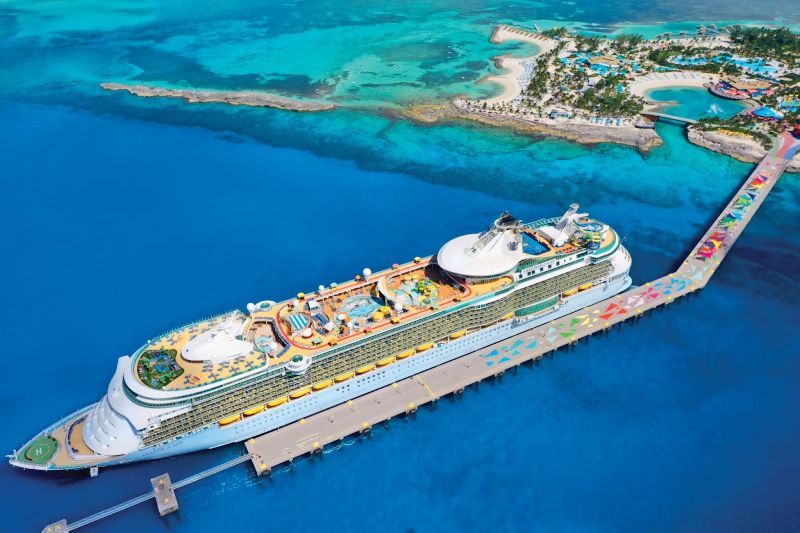
The aerial shot captures Royal Caribbean's Freedom of the Seas docked at the vibrant and picturesque CocoCay. The ship's deck is bustling with activities and amenities, while the crystal-clear Bahamian waters and the island's inviting beaches frame this idyllic cruise destination.

Of course, this depends on where you’re travelling from. It’s much easier for US-based cruisers to save by booking suites on a Caribbean cruise than it is for UK travellers.

But bear in mind, it could be cheaper to book return transatlantic flights and cruise in a suite, than it is to book a suite for a sailing out of the UK.

If your main goal is the suite experience rather than the destination, switching regions can save a surprising amount.

9. Book In The Off-Season Or Shoulder Season

Cruise prices are driven by demand, and suites follow the same pattern as flights and hotels. Travel when fewer people want to sail and prices drop – sometimes dramatically.

Victoria Cruises Suite

In the Mediterranean, that means April, May, late September and October. In the Caribbean, think November, early December and mid-January.

Suite people usually want the ‘best of the best’ and that can include peak dates as well as the premium accommodation. That means that the demand for suites in the off-season can drop even more than the demand for other cabin types.

You’ll often get the exact same suite experience for far less simply by avoiding peak summer and school holidays. It’s an easy tip, but it really is the best way to enjoy lower prices.

10. Look For Major Sales

Sales are one of the easiest ways to bring suite prices down.

Wave season, which typically runs from late December to late February, is when cruise lines roll out some of their strongest offers. Black Friday and Cyber Monday are also worth watching.

Icon Loft Suite

These deals are sometimes just big price cuts, or discount codes you can apply to save a set amount. Or they’ll often bundle extras like free WiFi, drinks or gratuities, which can add up to a meaningful saving.

11. Use A Travel Agent

Travel agents can still unlock deals you won’t easily find yourself.

Iconic Suite

They often have access to group rates, exclusive perks or additional onboard credit. More importantly, they know which ships, sailings and dates offer the best value for suites.

A good agent can save you both money and time, especially if you’re comparing multiple options.

Suite Deals

My preferred luxury cruise specialist can help you compare options, unlock extra perks, and find the right suite for your trip.

12. Use Loyalty Program Perks Or Upgrade Offers

If you cruise regularly, loyalty programmes can start to pay off.

Sky Suite

Cruise lines sometimes offer discounted upgrades or special suite deals to past guests, especially if a sailing isn’t selling as expected.

It’s worth keeping an eye on emails and offers, as these deals don’t always appear publicly.

Also remeber that many cruise lines give you double loyalty points when you stay in a suite, which can make climbing the ranks much faster. Twice as fast, in fact!

13. Book A Shorter Cruise

A simple but effective tactic.

Utopia of the Seas Ultimate Family Suite

Even if the nightly rate is similar, a three- or four-night cruise will cost less overall than a week-long sailing. That makes it a great way to try a suite without committing to a higher total spend.

It’s also a good option if you’re curious about whether the extra space and perks are worth it.

14. Use Credit Card Points Or Travel Rewards

If you collect points, this is where they can really shine.

You might not be able to pay for the suite itself entirely with points, but you can offset major costs like flights, pre-cruise hotels or even onboard spending.

Someone holding a cashback credit card.

That effectively reduces the overall cost of your trip and makes the suite more affordable in real terms.

If you’re in the UK, look at things like Tesco Clubcard points that can be exchanged towards cruise spend.

And if you’re in the US, look for special cruise-line branded credit cards that offer specific cruise rewards.

Read more: Is The Carnival Mastercard Worth It?

15. Stay Flexible With Dates And Sailings

Flexibility ties everything together.

Anthem of the Seas Grand Suite

Prices can vary significantly between sailings that look almost identical on paper. Shifting your departure by a week or choosing a slightly different itinerary can make a big difference.

If you’re willing to adapt your plans, you’ll almost always find a better deal.

Suite Deals

Want the best suite for your budget? My preferred luxury cruise specialist can help you compare options, unlock extra perks, and find the right suite for your trip.

Final Word

Booking a cruise suite for less isn’t about one magic trick – it’s about combining a few smart strategies.

Get the timing right, stay flexible, and use the tools available – from upgrades to points – and that “unaffordable” suite suddenly becomes far more realistic.

And that thing they don’t tell you? Plenty of people in those suites didn’t pay full price either.

Related Posts

If you found this interesting, please share!


Jenni with Disney Cruise ship at Castaway Cay


Source link
Carnival-Room-Steward.jpg

Why I Would NEVER Remove Cruise Gratuities


The fastest way to start an argument in a cruise Facebook group is to mention gratuities. Someone will always say they remove them if the service is bad, and plenty of people will agree.

I’ve never done that. Not once.

Carnival Room Steward

That probably sounds stubborn, or even a bit soft on cruise lines. But it’s not about defending the companies at all. It’s about who actually gets hurt when those charges come off your bill.

Most people don’t realise where that money really goes, or how many people rely on it who never step foot into a dining room or a cabin corridor.

Once you understand that side of cruising, the whole “just remove the gratuities” solution starts to look very different.

What Cruise Gratuities Actually Are

On most cruise lines, gratuities are a daily charge added to your onboard account. They’re sometimes called service charges, which already tells you a lot about how they’re meant to function.

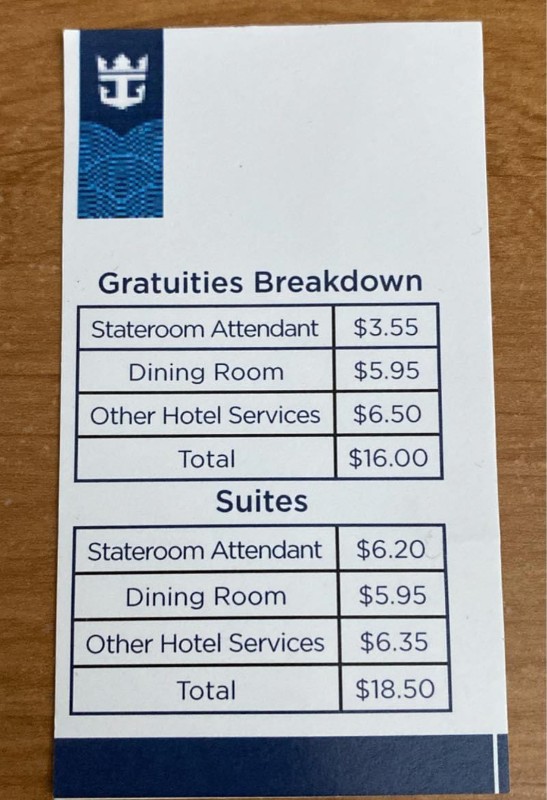
Royal Caribbean gratuities breakdown
An leaflet breaking down gratuities. (Prices increased slightly since)

They aren’t just a tip for your waiter or your cabin steward. On most mainstream lines, they’re pooled and shared across a much wider group of crew.

That includes ‘other hotel services’, which may be people you never see – laundry workers, cleaners, galley workers, assistant waiters, bar back staff, and those working long shifts below deck to keep the ship running smoothly.

laundry worker on a cruise ship

The exact amount varies by cruise line, but it’s usually a fixed daily figure per person. Some lines let you remove or adjust it. Others build it into the fare from the start, so you don’t see it as a separate charge at all.

Read more: Cruise Gratuities: Should You Prepay? Pros & Cons Explained

The key point is this: in practice, gratuities are part of how crew are paid. They’re not a little bonus on top in the way many people imagine. For many roles, that daily charge forms a significant portion of expected earnings.

That doesn’t make the system perfect. It does mean it exists for a reason – and it supports far more people than just the person who brings your drinks at dinner.

Why People Remove Gratuities

I can understand why people do it.

Cruises aren’t cheap, and nobody likes paying extra when something has gone wrong. When you’ve saved for months – sometimes years – for a holiday, expectations are high.

Crew on Discovery Princess

Very occasionally, service does fall short. You might wait ages for drinks. Your cabin might not be cleaned to the usual standard. Mistakes might keep happening in the dining room.

But it’s important to say this clearly: that’s the exception, not the rule.

On the vast majority of cruises, the service is outstanding. Crew members are known for remembering names, dietary preferences, favourite drinks, and small personal details that make people feel genuinely cared for. That reputation doesn’t exist by accident.

When problems do happen, they tend to stand out precisely because they’re unusual.

And when they do happen, it’s normal to feel frustrated. It’s also normal to want some kind of financial acknowledgement that the experience wasn’t what you paid for.
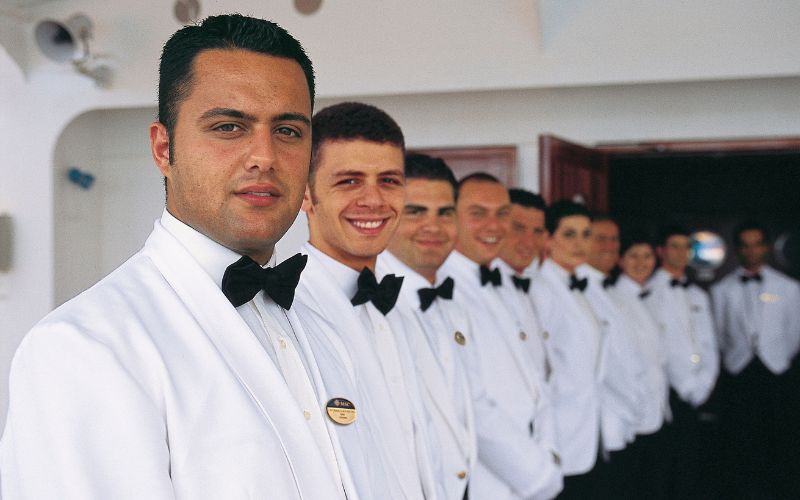
Handsome cruise crew

There’s also the argument that tips should be earned. If the service is bad, why should you still pay?

Add in the fact that gratuities are often presented as “optional,” and it can feel like removing them is simply using the system as intended.

Read more: Can You Refuse Cruise Gratuities?

None of that makes someone unreasonable. It just means they’re reacting to a disappointing experience in the most obvious way the ship presents to them.

Who Actually Loses Out When You Remove Them

This is the part many people don’t fully realise until they look into it more closely. Removing gratuities almost never affects only the person who gave poor service.

chef in galley

On many ships, gratuities are shared across departments. That means your decision impacts people who may have done an excellent job all week – and who may never have interacted with you directly.

  • The person washing your sheets
  • The crew member scrubbing public toilets at 2am
  • The galley team prepping hundreds of meals while you sleep
  • The assistant server quietly topping up water glasses all evening

They’re part of that pool.

Those crew members have no control over whether your waiter was slow, whether a section was short-staffed that day, or whether a system broke down at peak time. They still rely on that money.

cruise crew in galley

For many crew, gratuities aren’t pocket money. They’re a meaningful part of take-home pay. Removing them can mean a real loss, not just a symbolic one.

So while it might feel like you’re sending a message about poor service, the reality is that the message lands on a lot of people who did nothing wrong.

Why Bad Service Is Rarely Just One Person’s Fault

Cruise ships are intense places to work.

Contracts are long. Days are longer. Time off is limited. Crew members may work seven days a week for months at a time.

Staffing levels can change mid-season. People get moved between roles. New hires are constantly being trained. Ships sail full. Turnaround days are tight. Technology fails. Supply deliveries run late.

All of that affects service.

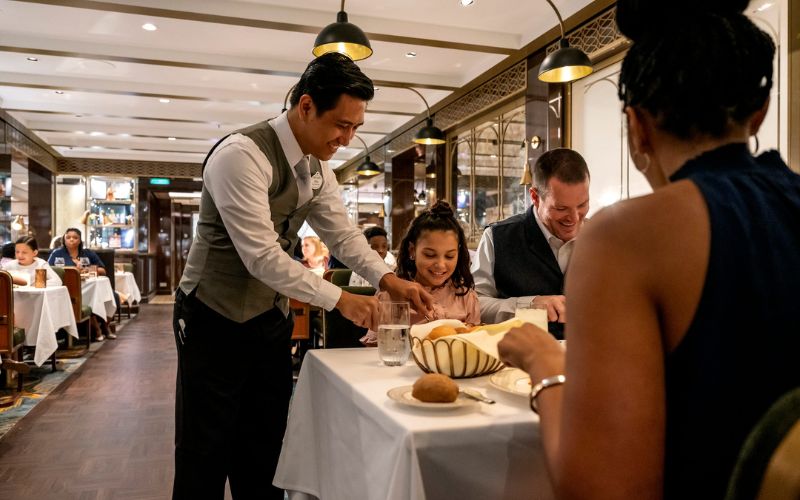
A Disney cruise crew member is serving a family at a beautifully set dining table on the ship. The waiter is placing a bread basket on the table as the family, including a young girl, looks on with smiles. The elegant dining room features other guests enjoying their meals, with polished decor and a warm, inviting atmosphere.

Sometimes what looks like indifference is actually exhaustion. Sometimes it’s inexperience. Sometimes it’s a temporary staffing gap. Sometimes it’s simply that the system is under pressure that day.

That doesn’t mean you should accept poor service without complaint. It does mean that punishing the entire gratuities pool is a very blunt tool for a very specific problem.

Most of the time, the issue is bigger than one crew member – and smaller than the whole team deserves to suffer for.

What I Do Instead When Service Is Bad

If something isn’t right, I deal with it while I’m still on board.

That gives the ship a chance to fix it. And more often than not, they do.

The modern and welcoming Guest Services desk on a Carnival Cruise ship, featuring a curved counter with several computer terminals, informational screens, and elegant lighting, ready to assist passengers with their inquiries.

If your bathroom isn’t clean – tell your cabin steward, they will clean it again. If you food is cold – tell your waiter – they will bring you some more.

If that doesn’t work, a quiet word with a supervisor or a visit to guest services often sorts things out faster than people expect. Cruise lines care deeply about onboard satisfaction scores, and they’re usually keen to put problems right before they escalate.

I also make a point of recognising good service at the same time. Two things can be true. One department might be under pressure, while another is delivering something exceptional.

If something is serious or keeps happening, escalate it properly. That creates a record. It gives management something concrete to respond to.

None of that requires taking money away from people who may have had nothing to do with the problem.

“But Shouldn’t Tips Be Earned?”

This is probably the most common – and most understandable – argument.

On land, in many countries, tips are a direct response to the service you personally receive. You reward or withhold based on that individual interaction.

Cruising doesn’t really operate like that anymore, even if the language still suggests it does.

crew member cleaning sunglasses

The system functions much more like a service charge than a traditional discretionary tip. In reality, most of us are paying part of the crew’s wages through that daily amount, whether we like the wording or not.

That’s not me defending the structure. It’s simply acknowledging how it works.

Opting out doesn’t reform the pay model. It doesn’t push cruise lines to redesign compensation structures. It just shifts the financial impact onto crew members who are least able to absorb it.

If gratuities were rolled into the fare and the word “tip” disappeared, very little would change in practice. The money would still need to come from somewhere.

So for me, this is less about “earning” a tip and more about recognising how the industry has structured pay – and who carries the consequences when passengers opt out.

When It’s Fair to Escalate or Complain

Not all problems are minor. And not all of them should be handled with a polite shrug.

If there are hygiene issues, safety concerns, repeated service failures, or anything that genuinely affects your cruise, that absolutely deserves escalation.

Guest services and onboard management are the right channels. They can investigate, log issues, review staffing, and take corrective action in a way your onboard account simply can’t.

Guest Services on a cruise

Formal complaints – both on board and after the cruise – are also far more powerful than silent financial protests.

Cruise lines respond to documented trends far more than they respond to one passenger quietly removing gratuities at the end of a sailing.

Holding companies accountable matters. But taking pooled income away from crew members who may not even know there’s a problem is a very indirect way of trying to do that.

Removing Gratuities and Tipping Cash Instead Isn’t a Solution

Some people argue that they don’t really avoid tipping. They just remove the automatic gratuities and hand cash directly to the crew members who looked after them.

And honestly, if you want to give extra cash tips to people who gave exceptional service, I think that’s a lovely thing to do.

Cash for a tip

But replacing the pooled gratuities with cash tips isn’t quite as fair as it sounds.

The problem is that cash almost always goes to the visible crew members. Your waiter. Your bartender. Your cabin steward.

It usually doesn’t go to:

  • The laundry crew washing thousands of sheets
  • The galley staff preparing food behind the scenes
  • The cleaners working overnight in public areas
  • The assistant staff quietly helping service run smoothly
  • The crew members you never actually meet

When you remove the automatic gratuities, you’re not removing money from “the cruise line.” You’re changing who receives it.

The people who are already most visible and most likely to receive extra cash often end up doing fine. The quieter behind-the-scenes crew can lose out.

That’s why I see cash tipping as something extra, not something that should replace the shared gratuity system.

thank you cards with cash

If someone gives amazing service, I’ll absolutely hand over extra cash. But I’ll still leave the daily gratuities in place because I know they support a much wider team.

And honestly, one of the best things you can do for exceptional crew members isn’t financial at all.

Fill in the comment cards. Mention names in post-cruise surveys. Tell guest services when somebody went above and beyond.

p&o shine nominations cards

Cruise lines take that feedback incredibly seriously. Positive mentions can help crew members get bonuses, better contracts, promotions, and preferred assignments in future.

That kind of recognition can have a much longer-lasting impact than a few extra dollars slipped into a handshake at the end of the cruise.

The Bigger Picture

Every cruise relies on thousands of people doing unglamorous, exhausting work behind the scenes. Most of them will never be thanked directly by passengers.

Gratuities, for all their flaws, are one of the ways that work is recognised and paid for. Removing them changes real pay packets, not just abstract numbers on a screen.

I’d much rather challenge poor service through complaints, feedback, and pressure on the cruise line than through a system that mostly hits the wrong people.

That doesn’t mean accepting bad experiences. It means being precise about where responsibility actually sits.

For me, keeping gratuities in place isn’t about blind loyalty to cruise lines. It’s about fairness.

It’s about aiming consequences at systems – not at the lowest-paid people working within them.

And that’s why, no matter how bad the service is, I wouldn’t remove them.

Jenni with Disney Cruise ship at Castaway Cay

Related Posts

If you found this interesting, please share!


Jenni with Disney Cruise ship at Castaway Cay


Source link
Untitled-design-1-89.jpg

9 Cruise Drink Package Traps That Catch People Out


Buying a drink package on a cruise feels like a no-brainer. One price, unlimited drinks, no awkward bar bills at the end of the week. What could possibly go wrong?

Quite a lot, as it turns out.

Drinking at a cruise bar

I’ve lost count of the number of cruisers who’ve said, usually halfway through their holiday, “I wish I’d known that before I booked.”

Drink packages look brilliant on the booking screen, but the reality onboard is often very different. Small rules, hidden costs and timing quirks can quietly turn a “great deal” into something you’re trying to justify by day three.

Most people don’t realise how much the maths, the itinerary and even who you’re travelling with can affect whether a package actually makes sense. And there’s one particular mistake almost everyone makes when deciding when to buy.

Before you click “add to booking”, here are the things people only realise when it’s already too late.

1. The Maths Doesn’t Always Work Out

On paper, a drink package looks like a bargain. Unlimited drinks for a fixed daily price feels reassuring, especially when cruise bar menus can look eye-watering.

Cocktails in Nightingales

The problem is the break-even maths. Most packages require you to drink a fairly serious number of alcoholic drinks every single day to get value.

People tend to picture sea days by the pool, cocktails in hand, but forget about early port starts, excursion days, tired evenings and the occasional hangover. Add in the fact that soft drinks, water and coffee might already be included elsewhere and suddenly the numbers stop adding up.

Many cruisers only do the real calculation once they’re onboard and by then it’s far too late. The biggest surprise is not that drink packages are expensive, but how rarely they actually save money.

My drinks package calculator can definitely help. You just enter the drinks you expect to have, it it works out your spend, with and without the drink package.

2. The Best Drinks Aren’t Included

A drink package rarely covers absolutely everything. Premium spirits, top-shelf whisky, certain wines, champagne and speciality cocktails often sit above the package price limit. You’ll still get charged the difference, or sometimes the full amount.

Gin and whisky

My worst experience of this was with Celebrity Cruises. We bought the Classic drink package, and then was disappointed to discover that it only covered drinks up to $12. And there were no cocktails that cheap on the menu!

Being charged up to $8 extra for each drink was very annoying, and made me wish I hadn’t bought the package at all.

The same goes for non-alcoholic drinks on some lines. Fresh juices, branded bottled water, energy drinks or speciality coffees may not be included unless you’ve checked very carefully. This catches people out when they assume the package covers every drink they fancy, only to see small but regular charges appearing on their account.

Paying for a drink package and then being charged extra for water is very annoying. And it also doesn’t feel very responsible of the cruise lines.

3. Everyone In the Cabin Has to Buy The Same

This one catches people out again and again. On many cruise lines, if one adult in a cabin buys a drink package, every other adult in that cabin has to buy it too. It’s designed to stop sharing, but in practice it can completely change the value.

Cruise Mummy with Sun Princess drinks

If you’re travelling with someone who barely drinks alcohol, is pregnant, prefers soft drinks or just doesn’t fancy seven cocktails a day, you’re suddenly paying double for something only one person really wanted.

What felt like a reasonable daily cost becomes a big upfront spend very quickly. Some people assume they can sort it out onboard or make an exception. You usually can’t.

In fact, Royal Caribbean recently cracked down on this – meaning there are no exceptions, even with a doctor’s note.

This rule is normally buried in the small print, not the glossy marketing. It’s one of those details people don’t fully clock until they’re already committed and doing the maths with a sinking feeling.

4. Port Days Can Make It Impossible To Break Even

Drink packages typically only work when you’re actually on the ship. That seems obvious, but it’s surprisingly easy to overlook just how much time you’ll spend off it. On port days, you might be ashore for eight or ten hours, sometimes longer, and your package does nothing for you there.

Great Stirrup Cay Bacardi Bar

By the time you’re back onboard, you may only have a couple of hours before dinner, or you might be exhausted and heading for an early night. Yet you’re still paying the full daily package price.

Cruises with lots of ports, long excursions or early starts are where drink packages lose the most value. People tend to realise this halfway through the cruise, when they notice how few drinks they’re actually ordering on busy days. It’s not that the package is bad. It’s that the itinerary quietly works against it.

There are some exceptions for some cruise lines’ private islands, but you need to check the rules for your cruise line.

With Royal Caribbean, your package will work on Perfect Day at CocoCay. With Carnival the opposite is true for its private islands – the Cheers package only works onboard the ship. And with NCL on Great Stirrup Cay, it depends on your chosen package.

5. There’s Usually a Daily Drink Cap

Unlimited doesn’t always mean unlimited. Several cruise lines put a daily cap on drinks, often somewhere in the mid-teens – 15 is a common number. For most people, that sounds generous and it usually is, but it can still come as a shock.

A cruise ship bartender serving a drink to a cruise guest

If you hit the limit, that’s it. Any additional drinks are charged at full menu price, though hitting 15 drinks in a day might mean they decide not to serve you anymore that day. This is rarely front and centre in the sales pitch, but it matters if you’re buying a package specifically for the freedom to not think about limits.

It also means the package isn’t a licence to go completely wild, even if you wanted it to be. Most people never reach the cap, but the frustration comes from only discovering it exists after you’ve already paid for “unlimited” drinks. It’s another small detail that changes expectations once reality kicks in.

Some cruise lines only count alcoholic drinks in the limit, but others count every drink, even bottles water, coffee and soft drinks.

6. Gratuities and Charges Add Sneaky Extra Costs

The headline price of a drink package is rarely the final price. Most cruise lines automatically add gratuities or service charges on top, often around 15 to 20 percent. That turns a package that looked just about affordable into something noticeably more expensive.

Holland America Cocktail all inclusive

It’s particularly frustrating because these charges are often added later in the booking process, or only clearly shown at checkout. People budget for the advertised daily cost and don’t fully factor in the extras.

Over a week-long cruise, those additional charges add up quickly. It’s not that gratuities are unreasonable, but they do change the value equation. Many cruisers only realise how much more they’ve actually paid once they look back at their booking confirmation or onboard account. By then, the decision is locked in.

7. You Feel Pressure to Drink to Get Your Money’s Worth

This is one of the biggest emotional downsides of a drink package and it’s rarely talked about. Once you’ve paid a big upfront cost, it’s very easy to feel like you should be ordering drinks just to justify it.

Princess Premier cocktail

People find themselves having another cocktail when they don’t really want one, or choosing alcohol over water because it feels wasteful not to. Instead of feeling carefree, the package creates a strange mental checklist.

Have I had enough today? Should I order another? Am I behind? For a holiday that’s meant to be relaxing, that pressure can be surprisingly annoying. Plenty of cruisers report enjoying their drinks less because they felt obligated to keep ordering. It’s not everyone’s experience, but it’s common enough to be worth thinking about before you buy.

8. If You’re Going to Get One, The Best Time to Book It Is Now

If you’ve decided a drink package is right for you, booking it before you sail is always the smartest move. Cruise lines regularly offer discounts pre-cruise, and prices can increase once you’re onboard. Even better, many allow you to cancel and rebook if the price drops.

Royal Caribbean BOGOF drinks

That means there’s very little downside to locking in a package early. You secure a lower price, spread the cost into your holiday budget, and keep the flexibility to reprice later if a better deal appears.

Waiting until you’re onboard usually means paying full price with no option to change your mind later. People often assume deals will pop up during the cruise. They rarely do.

If you see a deal onboard like ‘Buy One Get One Free’ on drink packages, it will almost certainly be a deal on inflated price, and will cost more than it did on land.

If you’re even leaning towards a package, booking early gives you the most control and the least stress.

9. You Can’t Change Your Mind Once You’re Onboard

Once the cruise has started, flexibility disappears quickly. Most drink packages have strict rules around cancellations. Usually, if you don’t cancel by the end of the first day, you’re committed for the entire sailing.

Cruise Mummy with cocktail on Holland America ship

That means if you realise the package doesn’t suit your drinking habits, your itinerary, or your energy levels, you’re stuck with it. There are rarely refunds, partial credits or exceptions. People often assume they can downgrade, swap or cancel later if it’s not working out.

In reality, cruise lines are very firm on this. The regret tends to set in around day three, once patterns become clear. By then, the option to change your mind is long gone.

TODAY’S BEST CRUISE DEALS!

Don’t miss these offers…

Final Word

A drink package isn’t about how much you can drink. It’s about how you actually travel.

For some cruisers, it’s perfect. For others, paying per drink feels more relaxed, more flexible and ultimately more enjoyable. The key is knowing the catches before you board, not after.

I’ve got some handy guides on different cruise lines’ drinks packages – make sure you check those out too.

Related Posts

If you found this interesting, please share!


Jenni with Disney Cruise ship at Castaway Cay


Source link
Untitled-design-3-40.jpg

The Pros and Cons of Booking a Balcony vs. an Inside Cabin


Choosing a cruise cabin is one of those decisions that seems straightforward until you start digging into it. Balcony or inside. View or value. Light or darkness. Suddenly it feels like a personality test rather than a booking choice.

Balcony vs Interior

The truth is, both balcony cabins and inside cabins can be brilliant or disappointing depending on how you cruise, where you’re going, and what you actually enjoy onboard.

Let’s look at each option properly, starting with the basics, before moving into the factors that really shape whether one is worth it for you.

Your Own Private Outdoor Space

The most obvious and most talked-about benefit of a balcony cabin is having your own private outdoor space. It’s not just about stepping outside, it’s about having somewhere that feels personal in an environment that’s otherwise shared with thousands of other passengers.

Explora Journeys balcony

That private space can become part of your daily routine. Morning coffee while the ship pulls into port, a quiet moment in the afternoon with a book, or a glass of wine as the sun goes down. You don’t need to find a spare lounger or fight for a good view. It’s there whenever you want it.

For many cruisers, especially couples, this alone makes a balcony feel worth it. It creates small, calm moments that break up the busier parts of the day and gives you somewhere to retreat without going back inside completely.

Suggested read: Is It OK To Get Intimate on a Cruise Ship Balcony?

Natural Light Makes the Cabin Feel More Spacious

Balcony cabins benefit hugely from natural light, and it’s something you notice almost immediately. The large glass doors let daylight flood into the room, which can make the cabin feel more open, brighter, and simply more pleasant to spend time in.

Ambience balcony

Even when the balcony door is closed, that light changes the atmosphere. The cabin feels less enclosed and more connected to what’s happening outside. On longer cruises, this can make a real difference to how comfortable the space feels over time.

Natural light also helps you stay in tune with the day. You’re not relying on artificial lighting or constantly checking the time to work out whether it’s morning or evening, which can make life onboard feel more relaxed and natural.

Ocean Views You Can Enjoy on Your Own Terms

Having a balcony means the ocean is always there when you want it. You don’t need to head up on deck, or time your visit to avoid crowds. If you see something interesting, you can be outside in seconds.

Disney Destiny Balcony Cabin

This is particularly appealing on sea days, when public decks can get busy, and on early mornings or late evenings when you might not want to be out and about. Watching the ship cut through the water in peace can be surprisingly calming.

It also means you can enjoy the view for as long or as little as you like. Five minutes or an hour, no pressure either way.

A Big Plus on Scenic and Nature-Focused Itineraries

On certain itineraries, a balcony goes from being a nice extra to feeling genuinely valuable. Cruises through Alaska, the Norwegian fjords, Iceland, or other scenic regions often involve slow sailing past dramatic landscapes.

The ACL Private Balcony-Alaska

With a balcony, you don’t have to choose between warmth and the view. You can pop outside for photos, then step back in to warm up with a drink, repeating the cycle as often as you like.

It’s also helpful when wildlife appears unexpectedly. Sometimes, the bridge team might annouce that there’s a whale nearby. Having a balcony means you’re more likely to catch those moments rather than missing them while trying to get to a public viewing area (unless the whale is on the other side, of course).

I’ve seen dolphins and whales several times from my cruise balcony.

Fresh Air Without Leaving Your Cabin

Being able to open the balcony door and let in fresh sea air is something many people don’t think about until they have it. It can make the cabin feel fresher, especially after a long day ashore or following room service.

Drop down french balcony on scenic amber

That airflow can also make the cabin feel less stuffy, even when the door is only open briefly. For some cruisers, especially those who don’t love fully enclosed spaces, this can improve overall comfort more than expected.

It’s a small thing, but it contributes to the sense that the cabin isn’t just a place to sleep, but somewhere you can genuinely relax.

Extra Flexibility in How You Use Your Cabin

A balcony adds another “zone” to your cabin, even if it’s small. That extra space gives you more flexibility in how you use the room throughout the day.

my family eating lunch on the balcony

One person can step outside while the other naps or gets ready. You can enjoy room service without feeling confined to the bed or sofa. On quieter afternoons, the balcony can feel like an extension of the cabin rather than a separate feature.

This flexibility tends to matter more on longer cruises or on itineraries with several sea days, where small comforts add up.

Suggested read: The 9 Best Balcony Cabins At Sea

The Price Increase Can Be Hard to Justify

The biggest downside of booking a balcony cabin is the cost. Balcony cabins can be significantly more expensive than inside cabins, depending on the ship and itinerary.

Balcony on Borealis

That price gap isn’t always small. On longer cruises, or on popular routes, the difference can run into hundreds or even thousands of pounds/dollars. At that point, it’s not just a question of whether a balcony is nice, but whether it’s worth giving up other parts of the holiday to have it.

For some people, the upgrade feels absolutely worth it. For others, it can lead to a nagging sense that they’ve paid a lot for something they’re not fully using. That feeling alone can take the shine off the experience.

You May Use the Balcony Less Than You Expect

It’s very easy to imagine spending hours relaxing on your balcony, but real cruise life often gets in the way. Port days start early and finish late. Sea days are filled with activities, shows, meals, and socialising.

Balcony on a river ship

By the time you’re back in your cabin, you might just want to shower, change, and head out again or go to bed. Many cruisers are surprised by how few times they actually sit out on the balcony for any length of time.

If your balcony use ends up being limited to a quick look outside or a couple of short visits, the extra cost can feel harder to justify in hindsight.

Balconies Are Weather-Dependent

A balcony is only as good as the weather allows it to be. Wind, rain, cold temperatures, or rough seas can make sitting outside uncomfortable or simply not very appealing.

Balcony room in winter

On some cruises, particularly in cooler climates or during shoulder seasons, you might find the balcony is usable only occasionally. Even in warmer regions, strong wind when the ship is moving can limit how enjoyable it is.

There can also be times when balcony doors need to remain closed for safety or operational reasons, which removes one of the key benefits entirely, even if only temporarily.

Privacy Isn’t Always as Private as It Sounds

While balcony cabins offer private outdoor space, they’re not always completely secluded. Depending on the ship’s design, neighbouring balconies can be quite visible, especially if people are standing close to the rail.

Iona Promenade Balcony Cabin

When the ship is docked alongside another vessel, privacy can disappear almost completely. You might find yourself looking straight into another cabin, or being looked back at, which can feel awkward.

For most people this is a minor issue, but if privacy is high on your list, it’s something to bear in mind.

Not All Balconies Have Clear Views

Another potential disappointment is discovering that your balcony view isn’t quite what you expected. Some balconies are partially or fully obstructed by lifeboats, ship structures, or overhangs.

Obstructed view cabin

These cabins are often sold at a lower price, but it’s easy to miss the detail if you’re not checking carefully. An obstructed view can reduce the enjoyment of the balcony, especially if views were a major reason for booking it in the first place.

Even balconies without formal obstructions can be affected by ship design, such as thick railings or deep overhangs that limit sightlines.

Wind and Noise Can Be Distracting

Balconies can be surprisingly noisy at times. Wind noise when the ship is moving can be quite loud, particularly at higher speeds or in exposed locations.

Iona Deck 5 balconies

You may also hear sounds from neighbouring balconies, including conversations, doors closing, or furniture being moved. While this isn’t constant, it can break the sense of peace people often associate with having a balcony.

If your balcony is near the front of the ship and it’s foggy, you can expect to hear the ship’s foghorn blast every minute. Some people find that this makes it difficult to sleep.

For travellers who are sensitive to noise, this can be an unexpected downside.

Less Practical for Some Travellers

Balconies aren’t ideal for everyone. Families with young children may feel they need to be extra vigilant, even with safety features in place. Some people simply don’t feel comfortable with an open outdoor space attached to their cabin.

Midship balcony

Others may find the balcony furniture awkward or uncomfortable, making the space less inviting than expected.

If the balcony ends up feeling like a feature you’re cautious about using rather than enjoying freely, its value drops quickly.

The Most Budget-Friendly Way to Cruise

The biggest advantage of an inside cabin is the price. Inside cabins are almost always the cheapest option available, and that makes cruising far more accessible for a lot of people.

Disney Treasure Inside Staterooms

Choosing an inside cabin can free up a surprising amount of your budget. That money can go towards shore excursions, drinks packages, speciality dining, or even booking an extra cruise later in the year. For frequent cruisers, the savings can really add up over time.

If you see your cabin as a practical base rather than a highlight of the holiday, it often makes far more sense to spend less on it and more on experiences elsewhere.

Exceptionally Good for Sleeping

One of the most underrated benefits of an inside cabin is how well many people sleep in them. With no windows or natural light, inside cabins can be wonderfully dark, which is ideal for deep, uninterrupted rest.

Arvia inside cabin

Early port days, late nights, and time zone changes are all easier to handle when your cabin doesn’t fill with daylight at the crack of dawn. For light sleepers, or anyone who struggles to sleep in bright rooms, inside cabins can be a real advantage.

They’re often (but not always) quieter too, particularly if they’re located away from busy public areas. However the lowest cabins on the ship may pick up the clanging of the engine room.

Often Located in the Most Stable Part of the Ship

Inside cabins are frequently positioned closer to the centre of the ship, both horizontally and vertically. This can help reduce the sensation of movement, which is useful if you’re prone to seasickness.

Regal Princess large balconies deck plan

While no cabin can eliminate motion entirely, location does matter. Mid-ship cabins tend to experience less pitch and roll than those at the front or back, and inside cabins often benefit from this positioning.

For some travellers, this alone is reason enough to choose an inside cabin over other options.

Still, a lot of people say that it’s good to have a view of the horizon if you do suffer from seasickness. So lower Oceanview cabins are actually considered the best choice for many.

Ideal if You’re Rarely in Your Cabin During the Day

If your cruise days are packed with shore excursions, onboard activities, dining, and shows, you may spend very little waking time in your cabin. In that case, paying extra for a view or balcony can feel unnecessary.

Jenni relaxing on a Marella cruise

Inside cabins work perfectly well as a place to sleep, shower, change, and head straight back out again. They’re practical, comfortable, and do exactly what you need them to do without added cost.

For port-heavy itineraries, this can be a particularly smart choice.

Consistent Temperature and Lighting

Inside cabins tend to maintain a more consistent temperature than balcony cabins, which can be affected by sun exposure or heat from open doors. This can make the space more comfortable, especially in warmer climates.

The image shows an interior stateroom on Princess Cruises' Sun Princess. The room features two twin beds with white linens and decorative pillows, separated by a nightstand with open shelving. The walls are light-colored with a simple, modern design, and there is a mirror reflecting part of the room. The overall decor is minimalist and clean, creating a cozy and comfortable atmosphere.

Lighting is also fully under your control. You’re not dealing with bright morning sun or changing light conditions, which some people find disruptive.

For travellers who like predictability and comfort, this consistency is a quiet but important benefit.

More Options Than You Might Expect

Inside cabins aren’t all identical, and modern ships often offer several variations. Some feature virtual balconies with real-time ocean views displayed on a screen, which can help reduce the feeling of being enclosed.

Interior of a cruise ship stateroom with a large bed centered between nautical-themed curtains and a round porthole mirror. The room has a cozy ambiance with a view of the open sea through the window, offering a glimpse of the oceanic journey.

Read more: Best and Worst Carnival Interior Rooms: What to Know Before You Book

Others overlook interior promenades or atriums, bringing in light and a sense of activity. Spa-area inside cabins may come with extra perks, like access to thermal suites.

These options can add value without the full cost of a balcony.

No Natural Light or Sense of Time

The most obvious downside of an inside cabin is the lack of natural light. With no window or balcony, the cabin stays the same regardless of whether it’s bright daylight or the middle of the night outside.

Cosy Desk Space Interior Stateroom Independence of the Seas

For some people this is a bonus, but for others it can feel disorientating. You may wake up not knowing what time it is, or lose track of the day on sea days without checking a clock or phone.

If you rely on daylight to feel awake or energised, this can affect how you feel in the cabin, particularly on longer cruises.

Can Feel More Enclosed Than Other Cabin Types

Even when the square footage is similar to other cabins, inside cabins can feel smaller simply because there’s no visual connection to the outside world.

Interior Stateroom

Without a window or view to draw your eye outward, the walls can feel closer in. This doesn’t bother everyone, but for people who are prone to feeling claustrophobic or restless in enclosed spaces, it’s something to consider carefully.

On longer cruises or on days when you spend more time in the cabin, this can become more noticeable.

This can also affect mood over time. While many people are perfectly happy in inside cabins, others find they feel more tired or flat without access to natural light.

It’s a very personal reaction, but an important one to be honest about.

Less Inviting for Daytime Relaxation

Inside cabins tend to work best as functional spaces rather than places to linger during the day. Without daylight or a view, they’re not always the most appealing spot for reading, relaxing, or enjoying downtime between activities.

Interior Stateroom Independence of the Seas

On sea days in particular, many people prefer to spend time in lounges, on deck, or in their cabin if they have a balcony. An inside cabin may feel more like somewhere you retreat from the day rather than a place you enjoy during it.

If you value daytime cabin time, this is an important factor.

Missing That Personal Connection to the Sea

Part of the appeal of cruising is being surrounded by the ocean. Inside cabins remove that element from your private space entirely.

Noordam Interior

You won’t wake up to the sight of the sea or be able to glance outside to see where you are. While this doesn’t bother everyone, some cruisers feel it disconnects them slightly from the overall cruise experience.

If the ocean view itself is a big part of why you love cruising, an inside cabin may feel like a compromise.

Limited Appeal for First-Time Cruisers

For first-time cruisers, inside cabins can sometimes feel like you’re missing part of the experience. If you’ve never cruised before, you may not yet know how much time you’ll spend in your cabin or how you’ll feel without a view.

Chair and coffee table Interior Stateroom Independence of the Seas

While plenty of first-timers enjoy inside cabins, others later say they wish they’d experienced a balcony at least once to understand the difference.

This doesn’t make inside cabins a poor choice, but it’s worth acknowledging if you’re new to cruising.

Let’s talk money, because it’s the part everyone thinks about first, and then quietly avoids thinking about too hard once they see the total.

A balcony cabin is almost always more expensive than an inside cabin, sometimes a bit more, sometimes a lot more. The tricky part is that the “value” of the upgrade isn’t fixed. It depends on your itinerary, the time of year, how you cruise, and how much you’ll actually use what you’re paying for.

Cruise ship balcony in the evening

So rather than treating balcony as “better” and inside as “budget”, I like to think of it as a simple question: what are you buying, and will you use it enough to enjoy it?

What You’re Really Paying For With a Balcony

When you upgrade from inside to balcony, you’re paying for a few specific things:

  • Private outdoor space
  • Natural light and a sense of openness
  • A personal view on demand
  • A cabin that’s more pleasant to spend time in during the day

If those things will genuinely improve your holiday, the extra cost can feel justified. If you mostly plan to shower, sleep, and head back out again, you might be paying for features you hardly touch.

The “Cost Per Use” Reality Check

Here’s an easy way to sanity-check the upgrade.

Ask yourself, realistically, how often you’ll sit on the balcony for more than five minutes. Not “in your dream cruise life”, but in your actual cruise life, where you’ve got an early excursion, a late dinner, a show booked, and you’re knackered by 10 pm.

Scarlet Lady balcony hammock

If you think you’ll use the balcony every day, maybe multiple times a day, it starts to feel like money well spent. If you suspect it’ll be a quick peek outside and that’s about it, the upgrade can feel painful in hindsight.

I’ve met plenty of people who adored their balcony and used it constantly. I’ve also met people who admitted they barely stepped outside because the ship was too fun, the weather wasn’t great, or they just forgot it was there.

Inside Cabin Value Isn’t Just About Being Cheap

Inside cabins aren’t only good value because they cost less. They can be genuinely better value because they suit the way a lot of people cruise.

Cunard Queen Anne inside cabin

If you:

  • spend most of the day out of the cabin
  • sleep better in complete darkness
  • prefer putting money into excursions or onboard treats
  • want the lowest possible cost so you can cruise more often

…then an inside cabin isn’t a compromise. It’s a smart match.

And if you’re the sort of person who thinks “I’ll be on the top deck for the views anyway”, that’s a fair point. Ships are basically floating viewpoint machines. You don’t need a balcony to see the sea.

When a Balcony Upgrade Tends to Be Worth It

A balcony often earns its keep when:

You’ve got a scenic itinerary.
If your cruise involves fjords, glaciers, wildlife spotting, or long stretches of coastal sailing, a balcony can add real value. You’re not just paying for a fancy door to fresh air. You’re paying for easy, comfortable access to the reason you picked that route.

You expect more sea days or downtime.
On cruises with several sea days, or if you like a slower pace, the balcony becomes part of your daily comfort. It’s your quiet escape from busy decks and loud lounges.

Child on balcony

You know you’ll use the cabin during the day.
If you like afternoon naps, room service, a bit of reading time, or just a breather between activities, the balcony can turn your cabin into a nicer place to actually be.

You’re celebrating something.
If it’s a honeymoon, big birthday, anniversary, or “we deserve a treat” trip, a balcony often feels like part of the occasion. That’s valid too. Value isn’t only practical, it’s emotional.

When It Often Isn’t Worth It

A balcony upgrade may not feel worth it when:

You’re doing a port-heavy itinerary.
If you’re ashore most days from morning until evening, your balcony may not get much use. You might love having it for quick mornings and evenings, but you might also barely notice it.

Panoramic Balcony

The upgrade forces you to cut what you care about most.
If you’ll regret skipping excursions, speciality dining, or a drinks package, those things might deliver more joy than a balcony you use occasionally.

You’re cruising in cooler or windier seasons.
If you’re expecting lots of chilly, wet, or windy days, you may not sit outside much. You’ll still get natural light and the view through the glass, but the “private outdoor space” part might not happen.

You’re booking it out of fear.
Some people worry they’ll feel “stuck” in an inside cabin or they’ll miss out. If that’s your only reason, it’s worth remembering that you can spend all day in bright public spaces with endless sea views, then sleep in a dark, quiet inside cabin like a log.

Here are some helpful tips for making sure you make the right decision – if budget is your main concern.

Compare the upgrade cost against what else you could do with the money.

If the balcony upgrade costs the same as, say, two great excursions and a special meal, which one will you remember more?

Look closely at the cabin category.

A “balcony” isn’t always the same thing. Obstructed views and odd balcony shapes exist, and they can affect whether it feels worth it.

View from inside a Norwegian Prima stateroom with an ADA-accessible obstructed ocean view balcony, featuring comfortable outdoor furniture and a clear glass door, with a glimpse of a lifeboat outside.

Consider booking inside and watching for offers.

Sometimes you can start with an inside cabin and later find upgrade deals, price drops, or bidding-style upgrades depending on the cruise line. It’s not guaranteed, but it can work out well if you’re flexible.

Think about your first cruise differently.

If it’s your first time cruising, it’s not a bad idea to choose based on comfort. If you’re anxious about feeling enclosed, a balcony may be worth it for peace of mind. If you’re mostly excited about exploring the ship and ports, inside can be a brilliant way to try cruising without overspending.

The Bottom Line on Value

A balcony cabin is usually the nicer cabin. An inside cabin is usually the better bargain.

But “best value” is personal. The best choice is the one that gives you the most enjoyment for what you spend, without making you feel like you’ve had to sacrifice the bits of cruising you’re most excited about.

By the time you get to this point, you’ve probably realised there’s no universally “best” cabin type. There are, however, a few smart ways to make the decision easier, and a handful of myths that are worth clearing up before you book.

Tip: Be Honest About How You Actually Travel

This is the most important tip of all. Try to base your decision on how you really behave on holiday, not how you imagine you’ll behave on your perfect, well-rested, endlessly relaxed cruise.

A lady relaxing on the balcony of a criuse next to a table with a drink and a laptop.

If you’re usually out early, busy all day, and back late, an inside cabin will probably suit you just fine. If you love slow mornings, afternoon breaks, and quiet evenings in, a balcony is more likely to earn its keep.

There’s no “correct” cruising style, just different ones.

Tip: Study the Deck Plans, Not Just the Photos

Cabin category matters, but location matters just as much. A well-placed inside cabin can be quieter and more comfortable than a poorly located balcony.

Look for cabins away from lifts, nightclubs, and busy public areas. Check for lifeboats or overhangs that might affect balcony views. A few minutes with the deck plan can save a lot of disappointment later.

Tip: Think About the Itinerary Before the Cabin

It’s easy to choose a cabin first and then look at where you’re going. Flipping that thinking can help.

Scenic routes, cooler climates, and sea-day-heavy cruises tend to favour balconies. Port-heavy itineraries, city-based stops, and action-packed schedules often suit inside cabins better.

Let the itinerary guide the cabin, not the other way around.

Tip: Consider Booking Inside and Upgrading Later

If you’re torn, booking an inside cabin can give you flexibility. Sometimes prices drop, upgrade offers appear, or bidding-style upgrades become available closer to sailing.

It’s never guaranteed, but it can be a low-risk way to start cheaper while keeping an eye out for a balcony at a price that feels right.

I once boarded a cruise, walked in to my inside cabin and hated it. So I went straight down to guest services and asked if they had anything else. They let me upgrade to a balcony for a fraction of what it would havbe cost to book that room originally.

Tip: Don’t Assume “More Expensive” Means “More Enjoyable”

A pricier cabin doesn’t automatically mean a better cruise. Enjoyment comes from feeling comfortable, relaxed, and free to enjoy the things you care about most.

Studio Balcony

For some people, that’s a balcony and a quiet view. For others, it’s knowing they’ve saved money and can say yes to every excursion without thinking twice.

Myth: “A Balcony Is Always Worth the Money”

This is probably the most common myth in cruising. Balconies are lovely, but they’re not automatically good value for everyone or every itinerary.

Plenty of experienced cruisers happily choose inside cabins because they know they won’t use a balcony enough to justify the cost.

Myth: “Inside Cabins Are Dark, Miserable Boxes”

Inside cabins are dark, yes, but miserable is a stretch. Modern ships have comfortable, well-designed inside cabins that are clean, quiet, and perfectly functional.

Many people actively prefer them for sleeping and don’t miss the view at all.

Myth: “You’ll Feel Trapped Without a Balcony”

Cruise ships are full of open decks, lounges, cafés, and viewing areas. You’re never short of places to see the sea or get fresh air.

Your cabin is just one small part of the overall experience.

Myth: “First-Time Cruisers Must Book a Balcony”

Some first-timers love having a balcony. Others are perfectly happy in an inside cabin and are glad they didn’t overspend on their first go.

There’s no rule. First-time cruising is about discovering what you enjoy.

TODAY’S BEST CRUISE DEALS!

Don’t miss these offers…

Final Word

Balcony cabins and inside cabins both have genuine strengths, and both come with trade-offs. One offers light, views, and private outdoor space. The other offers value, comfort, and a surprisingly good night’s sleep.

The best choice isn’t about status, luxury, or what you think you should book. It’s about choosing the cabin that supports the kind of cruise you want to have, without stretching your budget or leaving you feeling like you’ve compromised on what matters most.

Whether you’re watching glaciers from your balcony or sleeping soundly in a dark, quiet inside cabin, the real magic of cruising happens beyond the cabin walls. Choose the option that lets you enjoy that magic in the way that suits you best.

Related Posts

If you found this interesting, please share!


Jenni with Disney Cruise ship at Castaway Cay


Source link
Untitled-design-3-32.jpg

What Cruise Lines Don’t Tell You About Tipping


I love cruising, but I’ve always thought one part of the experience could be far clearer – tipping.

Not because tipping itself is a problem – but because the way it’s presented often feels half-hidden, vaguely explained, or quietly added on when you’re not looking.

Cruise line tipping secrets

For a first-time cruisers, tipping sounds simple: show appreciation for good service.

In reality, it’s layered, pre-charged, auto-added, bundled into packages, and sometimes framed as “optional” even when it doesn’t feel that way in practice.

It’s not uncommon for people to sail thinking everything is covered, only to discover a surprisingly large gratuities total on their onboard account near the end of the trip and an envelope on their bed requesting cash on top.

Disney gratuity envelopes

So, let’s pull back the curtain a little so you can understand everything about tipping – and make the right decisions to benefit the crew who look after you so well!

How Cruise Tipping Actually Works

Although each cruise line has its own wording, most mainstream cruise lines follow a very similar system when it comes to tips.

Automatic Daily Gratuities

Instead of relying purely on guests to tip individually, cruise lines add a fixed daily charge to your onboard account.

An empty teacup with a small amount of tea remaining, placed on a saucer with a spoon, and two one-dollar bills underneath the saucer, symbolizing a gratuity left for service.

This is usually called something like:

  • “Gratuities”
  • “Crew appreciation”
  • “Daily service charge”

This amount is charged per person, per night, and it adds up quietly in the background as your cruise goes on.

You don’t hand money over – it appears automatically on your onboard bill in the same way drinks or excursions would.

The cruise line then pools this money and distributes it across various crew departments.

Who Those Tips Are Meant to Cover

The daily gratuities are designed to cover far more than just the people you see the most. While your cabin steward and your dining room team are included, the pool also usually supports:

  • Galley staff who prepare food
  • Housekeeping support teams
  • Laundry staff
  • Buffet and behind-the-scenes hotel crew

This is one of the reasons cruise lines push guests towards the automatic system – it ensures that the less visible crew are also included in the tipping structure, rather than only those with direct guest contact.

Cabin steward

What’s less clearly explained is exactly how this money is split between departments and individuals.

Most cruise lines don’t publish the detailed breakdown, which makes it difficult for guests to understand where their money really ends up.

Prepaid Vs Onboard Gratuities

Cruise lines give you two main ways to pay these daily tips:

Prepaying Before Your Cruise

You can add gratuities to your booking in advance. This locks the cost into your holiday price and means you won’t see daily tip charges appearing on your onboard account.

Paying Onboard

If you don’t prepay, the cruise line will simply add the charges to your onboard account each day. You usually won’t need to do anything – it happens automatically.

A crew member of Costa Cruises attentively making a bed, with a focus on comfort and neatness, showcasing the detailed and personal care provided onboard, complemented by the warm interior colors and natural light from the cabin window.

The part that isn’t made especially clear in marketing is this: whether you prepay or not, the system assumes you will be paying these gratuities.

They aren’t something you actively opt into – they’re something you have to actively opt out of, and even that isn’t straightforward.

Read more: Cruise Gratuities: Should You Prepay? Pros & Cons Explained

Why This Catches So Many People Out

From a guest’s point of view, the confusion often comes from how cruises are sold:

  • They’re advertised as “great value” or “almost all-inclusive”
  • The daily gratuity amounts are often buried, not made completely clear
  • The wording makes them sound optional, even though they’re added automatically

If you don’t go looking for the information yourself, it’s easy to board thinking it’s all covered, only to feel caught off guard later.

What Cruise Lines Don’t Clearly Explain About Tipping

This is where most people get caught out. The information technically exists, but it’s rarely presented in a way that’s easy to understand unless you already know what to look for.

How Tips Impact Salaries

This is one of the most hotly debated parts of cruise tipping, and it’s where a lot of misinformation circulates online.

Lovely cruise crew

A common claim you’ll see on social media is that cruise lines use guest gratuities to top up crew wages – in other words, that the company pays staff less and uses your tips to make up the difference.

Cruise lines strongly deny that this is how their payroll works.

Carnival, for example, has repeatedly stated that gratuities given by guests are not used to reduce or replace a crew member’s contracted salary.

Brand ambassador John Heald has publicly described these claims as false and misleading, saying that tips go to the crew and are not kept by the company to fund wages.

"Thank you to everyone for your amazing generosity to our crew, they appreciate every single penny so very much as do their families back home who they are giving a better life to."

What’s undeniably true, though, is this: on most mainstream cruise lines, crew members’ base salaries are relatively low (by US standards) and gratuities make up a significant and important part of their overall take-home pay.

Even if tips are technically paid “on top” of salary rather than instead of it, the reality is that:

  • Many crew contracts are designed with gratuities in mind
  • The expected income from tips is baked into how attractive (or not) the base wages are
  • If large numbers of guests removed or stopped paying gratuities, many crew members would see a meaningful drop in their real-world earnings

That’s the uncomfortable grey area cruise lines don’t tend to explain very clearly. They deny using tips to replace wages – but they also rarely advertise just how heavily many roles rely on gratuities to make the job financially viable.

A Disney cruise crew member is serving a family at a beautifully set dining table on the ship. The waiter is placing a bread basket on the table as the family, including a young girl, looks on with smiles. The elegant dining room features other guests enjoying their meals, with polished decor and a warm, inviting atmosphere.

For guests, the key point is this: whether structurally “on top” or not, gratuities are not a small bonus to many crew members. They are a core part of what makes the job workable.

Read more: Why You Can – But Shouldn’t – Opt Out Of Carnival’s Gratuities

“Optional” Gratuities That Don’t Feel Optional

Cruise lines often describe daily gratuities as “discretionary” or “optional”. That wording sounds reassuring – but the reality is a bit different.

On most mainstream cruise lines:

  • The tips are added to your account automatically.
  • You don’t actively opt in – they’re just there.
  • If you want to change or remove them, you usually have to visit Guest Services and ask.

In practice, that can mean queueing, explaining your reasons, and feeling uncomfortable about it. Some cruise lines have made the process more difficult over time, asking guests to justify changes or, in certain cases, directing them to contact the cruise line after the sailing instead.

A smiling customer service representative assists two passengers at the Guest Services Priority Line for Club Orange on a Holland America Line cruise ship, with a bouquet of orange roses on the counter.

The end result is that although the tips are described as “optional”, the system is designed around the assumption that almost everyone will pay them.

Drink Packages Aren’t Tip-Free

One of the most common misconceptions is that buying a drinks package means tipping isn’t an issue anymore.

In reality, gratuities are very much built into that part of the experience too.

Depending on the cruise line:

  • An automatic service charge (often around 15–20%) is added when you buy the drinks package.
  • The same type of charge can apply to speciality dining, spa services and salon treatments.
  • If you don’t buy a package and pay per drink, gratuities are usually added to each purchase.

So while you may not be handing over cash at the bar, you’re still tipping – it just happens invisibly in the background. Cruise lines rarely highlight this in their marketing for packages, which is why so many people are surprised when they see the charges.

Why It’s Usually Cheaper to Prepay Gratuities Early

This is something cruise lines almost never shout about, even though it can make a real difference to your budget.

Many cruise lines increase their gratuity rates over time – typically once every 12-18 months.

If you prepay your gratuities when you book, or at least well before your cruise, you usually lock in the current rate.

A woman with wavy hair and glasses is working on a laptop at a wooden desk in a cozy, well-decorated room. The desk is adorned with several plants, a notebook, and a cup of coffee, creating a warm and inviting workspace. The wall beside her is decorated with framed artwork and a wooden map, contributing to the creative and personal atmosphere of the space.

That means:

  • If the cruise line increases the daily gratuities later, you’re protected.
  • You won’t be charged the new, higher rate onboard.

If you wait and let the tips be added during the cruise instead, you normally pay whatever the rate is at the time you sail, not the rate that applied when you booked.

It’s one of the few areas where booking early can genuinely save money, yet it’s rarely promoted clearly because higher gratuities benefit the cruise line’s overall pricing structure.

Cash Tipping Still Exists

Even with automatic gratuities and service charges, there’s still an unspoken culture of cash tipping in certain situations.

Cash being used for cruise tips

This commonly includes:

  • Cabin stewards who give particularly good service
  • Dining staff in speciality restaurants
  • Butler or concierge staff in suite areas
  • Spa staff and excursion guides
  • Room service delivery

The cruise line messaging tends to imply that everything is “taken care of”, but onboard reality can feel a bit different. It’s not usually mandatory, but it’s still very much part of cruise culture.

TODAY’S BEST CRUISE DEALS!

Don’t miss these offers…

Should You Tip Extra?

This is where it gets personal, and there isn’t one right answer.

When Tipping Extra Makes Sense

Extra tipping can be a thoughtful gesture when:

  • A crew member goes well beyond what’s expected
  • Someone makes a special effort for dietary needs or accessibility
  • Staff help make a celebration, anniversary or birthday genuinely memorable
  • You’re on a private or small-group shore excursion

In these cases, extra cash isn’t about obligation – it’s about recognition.

Carnival bartender

You don’t have to tip extra (you never HAVE to) but a lot of people feel like these are the situations that would justify an extra tip, if you wanted to.

When You Don’t Need to Feel Guilty for Not Tipping Extra

It’s also perfectly reasonable not to “double tip” when:

  • You’ve already paid substantial daily gratuities.
  • Service charges have already been added to spa, salon or dining bills.
  • You’re sailing with a truly all-inclusive luxury line.

You’re not being stingy by trusting that the systems in place have already covered the basics.

The Cultural Side of Things

Cruises attract guests from all over the world. Tipping expectations are different depending on where you’re travelling from.

Cash

Cruise lines often expect US-style tipping behaviour, even though many guests are more familiar with European models where service is built into prices. A lot of confusion comes from that cultural clash.

Read more: Royal Caribbean Gratuities Explained

But there are British cruise lines like P&O Cruises and Marella Cruises where no tipping is expected, because of the culture.

MSC Cruises are a global brand that have different models, depending on where you’re sailing. Cruising in Europe? No tip needed. Sailing the Caribbean from a US port? Automatic gratuities will apply.

How to Tip Smart on a Cruise

There are a number of ways you can make sure you thank the people who need it, without causing yourself any unnecessary stress.

Set a simple tipping budget

Before you sail:

  • Look up your cruise line’s daily gratuity.
  • Multiply it by the number of nights and people.
  • Add a small buffer for occasional cash tips.
A person is seated at a desk, working on financial planning. They are writing in a notebook with a pen while using a calculator. The desk is scattered with coins, a pink piggy bank, dollar bills, and financial documents, all suggesting a focus on saving money and budgeting. The scene reflects a careful and organized approach to managing personal finances.
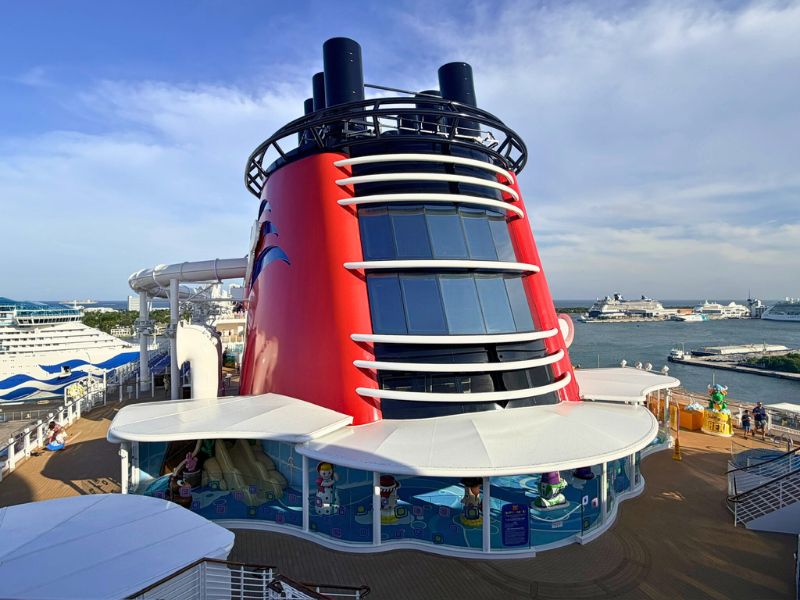
Once you’ve done this, anything extra becomes a choice rather than a surprise.

And if you don’t have the budget for extra cash tips – cruises are expensive sometimes – then don’t stress over it!

Decide Whether to Prepay Or Pay Onboard

There’s no moral right or wrong here, just practical differences:

Prepay if you:

  • Like predictable costs.
  • Want to lock in the current rate before possible increases.
  • Prefer not to see daily charges stacking up onboard.

Pay onboard if you:

  • Want flexibility (depending on the line’s policies).
  • Prefer to keep everything in one final bill.

Carry Small Amounts of Cash

Even in a fairly cash-free cruise environment, it helps to have small notes in local currency.

These are useful for porters, guides, drivers and staff who fall outside the normal tipping pool.

A cheerful bartender in a vibrant blue Hawaiian shirt and straw hat pours a drink at a Royal Caribbean bar, sharing a moment of joy with laughing guests clad in tropical attire, encapsulating the lively spirit of a cruise vacation.

There are cash machines/ATMs on most cruise ships but they’ll often have a minimum withdrawal amount of $50. And Guest Services can’t/won’t always break a note for you. So try not to forget this or, if you feel you want to leave a cash tip, it might end up being $50 at least.

Read more: How Much Cash You Should Bring On A Carnival Cruise

Tip With Intention, Not Pressure

If you’re already paying daily gratuities, your cash tips don’t need to be random or constant.

They’re most meaningful when used for genuinely exceptional service, or for people who make your holiday noticeably easier or better.
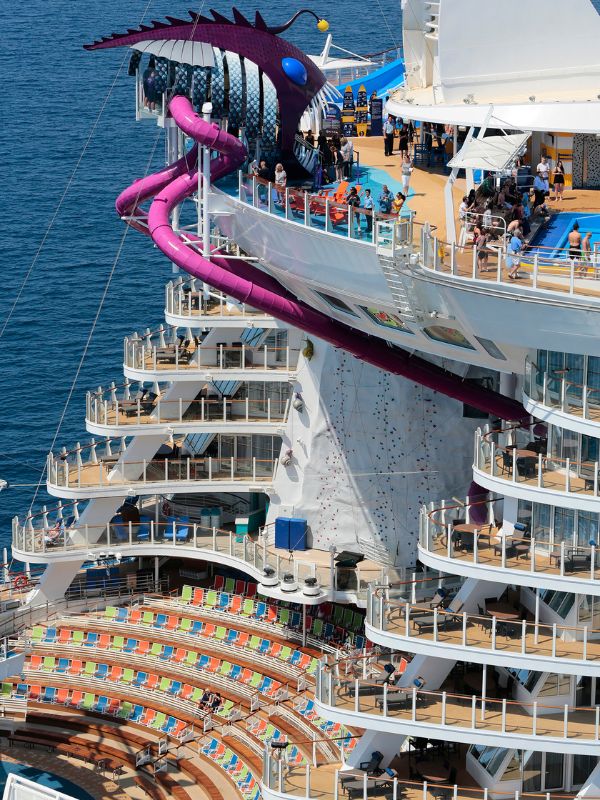
What Crew Members Really Think About Tips

This is where the subject becomes more serious.

For many crew members on mainstream cruise lines, their base wages are relatively low. So, gratuities make up a significant part of their overall income.

Ambassador Crew Service

Because tips are often pooled, your daily gratuities don’t just reward one person – they support a larger ecosystem of staff you never see.

The downside is that this system is not always transparent. Guests rarely know exactly how the money is divided, and crew members aren’t usually able to talk openly about it.

What’s clear is this: when guests remove all gratuities as a protest against the cruise line, it often affects the crew far more than the company.

That doesn’t mean guests should feel forced into tipping. It does mean the system is more complex – and more human – than it first appears.

Suggested read: Former Crew Member Starts Petition for Gratuities to Be Included in Cruise Fares

Common Cruise Tipping Myths

“Tipping is completely optional”

In theory, sometimes. In practice, the entire pay structure for many crew assumes that most guests will pay the automatic gratuities. So yes, technically it’s optional, but if everyone treated it that way, cruise lines would struggle to retain those fantastic crew members.

“If I buy a drinks package, tips are covered”

They are – but usually through automatic service charges that are already built into what you paid. Still, a couple of small additional tips for bartenders can make all the difference for how good the service is.

“The crew are already well paid”

On most mainstream lines, tips are not really a bonus. They’re a core part of income, even if ‘technically’ that’s not the case.

Suggesed read: How Much Cruise Crew Really Earn

“I shouldn’t tip if gratuities are included”

You don’t have to. But small, thoughtful tips are usually welcomed, even on lines that say they aren’t necessary.

“Only Americans bother tipping”

Cruises are international. Once people understand the system, tipping habits tend to converge more than you’d expect. Yes, there’s more of a tipping culture amongst US guests, but most people are happy to pay the automatic gratuities, and tip a little extra if they feel it’s warranted.

TODAY’S BEST CRUISE DEALS!

Don’t miss these offers…

Final Thoughts

I’m not against tipping, quite the opposite. I’m not even against automatic gratuities. What I am against is confusion and surprise.

Cruising should feel relaxing, not like you’re constantly trying to decode what’s really included and what isn’t. Once you understand how tipping works, it becomes much easier to budget properly, make fair choices, and feel good about rewarding great service.

My approach is simple: plan for the automatic gratuities, tip extra when someone genuinely deserves it, and never feel pressured into tipping blindly.

If nothing else, knowing what cruise lines don’t always say out loud helps you stay in control of your holiday – and that’s how it should be.

Related Posts

If you found this interesting, please share!


Jenni with Disney Cruise ship at Castaway Cay


Source link
Untitled-design-2-51.jpg

The 8 Cruise Drink Package Loopholes That Still Work In 2026


If you’ve been cruising for more than about five minutes, you’ll know that drink packages were once the Wild West.

Drinks package loopholes

People shared them, swapped cards, smuggled spirits inside shampoo bottles, and generally treated the rules more as vague suggestions than anything binding.

Naturally, the cruise lines cottoned on. Over the years, they’ve tightened the rules, uploaded new terms and conditions in a slightly sterner font, and trained crew to spot everything from a secretly poured piña colada to a mysteriously shared SeaPass account.

And yet, for all the clamping down, a few very handy workarounds still exist.

Drinks Loopholes Explained

This isn’t about the shady stuff. Not the stuff that’s going to get you a lifetime ban.

The loopholes I’m talking about the little quirks, the harmless oddities, and the surprisingly generous policies that let you enjoy a civilised drink on board without signing your life away to an eighty-pounds-a-day alcohol package.

Cruise Mummy with Sun Princess drinks

These aren’t really loopholes in the legal sense; they’re more like gentle hacks, perfectly allowed, but rarely promoted because the cruise lines would rather you didn’t do it.

The good news is that if you do the maths, you can save a small fortune. And even better, many of these tricks work across multiple cruise lines and ships, so once you learn them, you can carry them from sailing to sailing like a particularly smug travel accessory.

Before we get into the subtler tactics, there’s one category of loophole so effective that it deserves pride of place right at the top.

1. Choose a Cruise Line That Lets You Bring Booze Onboard

Most cruisers don’t realise just how wildly different the bring-your-own rules can be from one cruise line to another.

Some lines treat alcohol like contraband. They’re so strict that you can’t even bring a bottle of water with you. But others have no issues with you bringing a bottle of bubbly, some cans of beer and a whole case of Pepsi Max.

A person's hand displaying a bottle of Grand Michell Brut sparkling wine in a cabin room aboard a cruise ship, with a teal armchair in the background. The label indicates it's a 'Quality Sparkling Wine, Metodo Charmat'.

If you choose carefully, you can quite legitimately enjoy the majority of your drinks without ever paying a bar bill or buying a package.

Disney Cruise Line is the best-known example, and their policy remains one of the most generous anywhere.

Each adult is allowed to bring two bottles of wine or six beers not only on embarkation, but at every single port of call. That means if you call at four ports during a seven-night cruise, you can theoretically walk on with two fresh bottles of wine on five separate occasions.

When we took a transatlantic cruise on the Disney Dream, I found a shop in the Azores where the most expensive bottle of rose wine was 4 Euros. I brough two back on the ship with me.

A couple travelling together could accumulate a frankly heroic amount of booze without ever going near a drinks package.

Explora Journeys balcony

Combine that with the ease of pouring a glass in your cabin before heading out for the evening, and you suddenly begin to understand why so many Disney regulars sail without paying for onboard alcohol at all.

There is a corkage fee, but it only applies if you present the bottle in a bar or restaurant. So many guests happily enjoy their own wine privately and opt in to the ship’s wine list only when they fancy something special.

Disney drink

Several other cruise lines will let you bring a small amount of alcohol onboard as you embark.

If you start paying attention to which cruise lines encourage a modest amount of BYO and which ones shut it down entirely, you realise that choosing the right line is itself one of the strongest drink-package loopholes still standing.

A little homework before you book can save you a small fortune once you’re on the high seas.

Read more: How Much Alcohol Each Cruise LIne Allows You To Bring

2. Make Your Cabin Your Own Private Bar

Even though cruise lines charge corkage to drink your own wine in public venues, some guests may opt to pout a glass in the cabin, and then go and sit in a quiet area on deck. Particularly if they don’t have their own balcony.

This is one of those quiet customs that everyone seems to know about but nobody particularly troubles themselves to enforce. You’re drinking wine the cruise line already allows you to bring on board; you’re simply choosing to enjoy it in a different part of the ship.

glass of wine

Most people who do this keep things discreet. They pour into a regular wine glass or, increasingly, an insulated tumbler that keeps a drink cold and hidden from view.

It’s not sneaky so much as practical. After all, the line has already permitted you to have the wine; they just haven’t necessarily encouraged you to take it for a little walk.

wine glass

If you like wine, and you’re on a line that allows you to bring some on board, you can drastically reduce the amount you spend on drinks packages.

One or two glasses privately before dinner, another from your own stash while watching sailaway, and suddenly you’re only buying the occasional cocktail or speciality drink.

Over the course of a week, that can easily add up to hundreds of pounds saved, all while staying within the rules.

And it’s not just wine you can do this with. I usually carry a little bottle of concentrated cordial with me. I order a glass of tap water and then add a little splash of flavour.

Yes, I could get a drink package for the kids, but they’re happy with squash and it saves not only my wallet but also their teeth compared to drinking fruit juice and fizzy drinks all the time.

3. Watch the Drinks Package Prices Like a Hawk

Drinks packages used to cost whatever they cost, and that was that. But in recent years, the cruise lines have adopted a far more dynamic pricing model, which is a polite way of saying that the numbers jump around a lot.

One week a package might be on sale, the next it’s quietly crept up twenty per cent, and then it’s suddenly part of a limited-time bundle deal if you book a new sailing by Wednesday lunchtime.

It’s chaotic, but in a way that can work very much to your advantage. Watching the drink package prices has often bagged me savings of up to 50%!

drink package sale

The trick here is to treat the drink package a bit like you would a flight or hotel: buy it early if you’re keen, but don’t be afraid to cancel and rebook if the price drops.

On several cruise lines you can do this entirely online before the cruise, which makes it incredibly easy. You simply keep an eye on the promotions, especially around big sale events like Black Friday, and re-purchase when you see a dip.

If your sailing includes one of those “free drinks” promotions built into the fare, the same principle applies.

These offers come and go with startling speed, and sometimes a sailing that didn’t include a drink package on Monday suddenly includes one on Friday, for exactly the same cabin grade.

Marella premium drink package drinks

There’s no guarantee your original fare can be adjusted, but it’s always worth checking. If there’s a change in terms or inclusions, you can sometimes rebook the same cabin type under a new deal and come away with the package for less money than buying it outright.

It all feels a bit like playing the stock market, except the stakes are mojitos and merlot rather than tech stocks. And while it requires a small amount of attention, the payoff can be huge.

The lines won’t shout about this, obviously, but they do allow it, and as long as you’re flexible and willing to pounce when a discount appears, you can game the system quite legally.

Read more: Everything You Must Know About Cruise Drinks Packages Before You Book

4. Choose Itineraries Where a Drinks Package Simply Can’t Pay For Itself

One of the quietest and most satisfying loopholes is not really a loophole at all, but a bit of clever itinerary planning.

The cruise lines love a captive audience. Sea days, private islands and long evenings on board all encourage you to eat, drink and spend in ways that naturally make a drinks package feel tempting.

Coconuts bar Cozumel

But the moment you flip the balance and choose a port-heavy itinerary, the whole economic logic of a package starts to wobble.

If you’re off the ship from nine until five most days, you’re simply not around to make use of unlimited cocktails. In fact, you’ll probably find yourself enjoying a cold beer or a glass of something local while exploring ashore.

A waterfront bar in Spain or Greece will often cost less than half the price of the same drink on board, and it feels infinitely more atmospheric than sitting at a pool bar with three thousand other holidaymakers.

Once you’ve done that a few days in a row, you realise you haven’t actually bought anything on the ship beyond the odd latte.

This is particularly noticeable in regions where the ports are close together and the days ashore are long.

The Mediterranean is a perfect example. A seven-night itinerary with four or five full port days barely leaves you time to get value from a package, unless you’re planning to sprint back on board each afternoon and immediately start drinking.

Princess Cay Bar

Most people don’t. They’re tired from sightseeing, they fancy a shower and a lie-down, and by the time they head out for the evening, they may quite sensibly stick to a single drink.

There’s also a lovely side benefit: drinking ashore allows you to try local wines and regional beers you’d never find on the ship. In a way, you’re not only saving money on the ship; you’re actually upgrading your entire drinking experience.

So the loophole here is really that the best way to beat the drink package system is simply not to need it.

5. Take Advantage Of Your Loyalty Status Or Suite Perks

One of the things I find oddly charming about cruising is how much the loyalty schemes vary from one line to another.

Some give you little trinkets and tote bags; others hand out drink perks that are astonishingly generous. And the higher up the tiers you climb, the more these perks begin to resemble a drinks package you didn’t have to pay for.
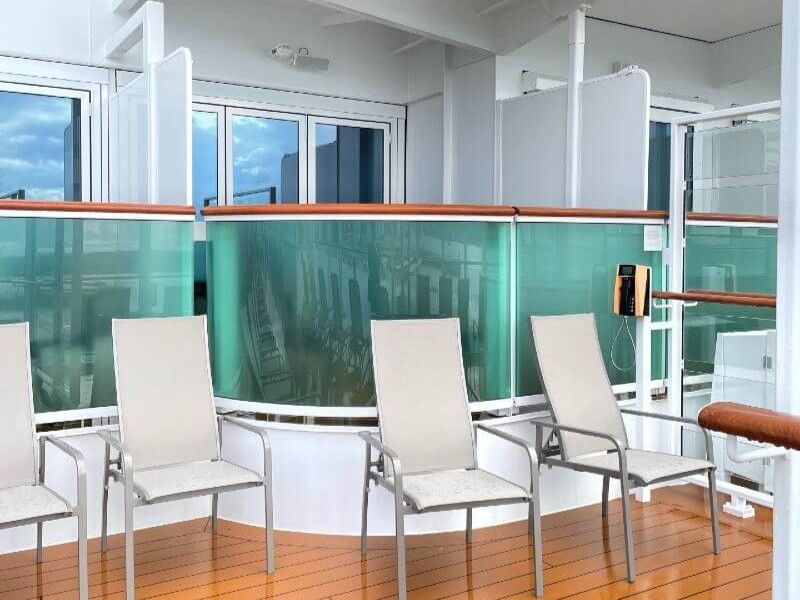
mariner society free cocktail

If you’re in the loyalty program, you may find little cards in your room, offering you a free cocktail here, a special party with free drinks there and maybe even free invitations to events like wine tastings.

Some cruise lines treat their most loyal guests to daily complimentary drinks during set hours, and some grant you a handful of drinks at any time of day, without you spending a penny.

Royal Caribbean starts dishing out daily free drinks once you reach Diamond in the Crown & Anchor Society – from 4 to 6, depending on your level. That might be all you need!

Suite guests often enjoy an even smoother experience. Many ships have private lounges for suite passengers where wine, beer and spirits are poured freely for several hours each night.

suite lounge

Some even include complimentary sparkling wine or premium spirits that would cost a fair bit if ordered at the bar. It’s not unusual to see guests in these lounges quietly enjoying two or three drinks before dinner, chatting to the concierge staff, and then strolling off to the dining room without having put anything on their account.
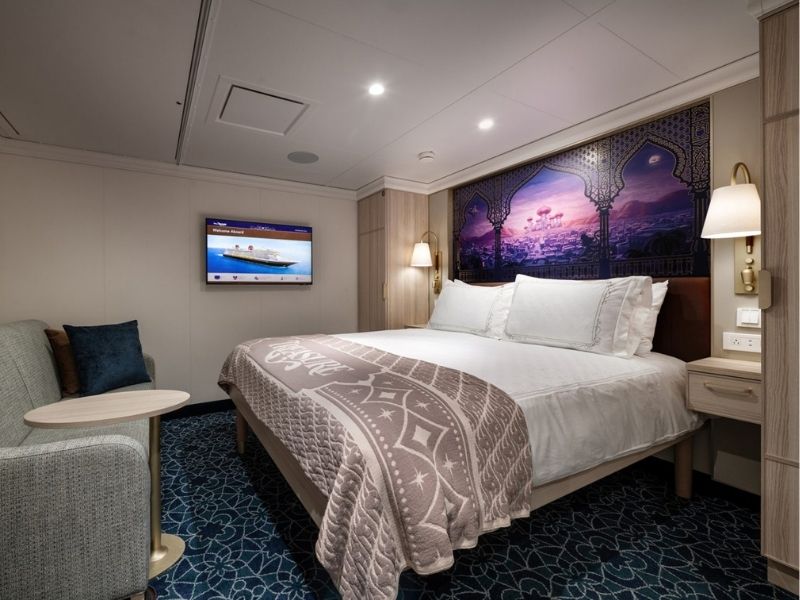
What’s nice about this category of loophole is that it rewards loyalty and long-term cruising rather than short-term tactics.

 If you sail frequently with one line, you eventually reach the point where the cruise line itself is giving you enough complimentary drinks that a package becomes redundant.

And if you happen to book a suite, the perks effectively replicate the experience of a package without the all-day obligation to drink constantly in order to feel you’ve got your money’s worth.

For newcomers, this might not be an immediate benefit, but it’s something to keep in mind if you tend to favour one cruise line over another.

Read more: 7 Reasons The New Carnival Loyalty Program Makes Sense

6. Embrace The Daily Deals

Even without any perks, promotions or portside wine-runs, there’s another way to keep the drinks bill well under control: simply lean into the small everyday offers that most passengers barely notice.

The most obvious example is the drink of the day. Nearly every ship has one, and while it might not always be the exact cocktail you were dreaming of, it’s usually offered at a sizeable saving.

drink of the day

Then there are the happy hours and time-limited promotions that come and go throughout the cruise. Some are tied to specific bars, others to quieter times of day when the ship would love a bit more buzz and spending.

happy hour

A buy-one-get-one-half-price deal here, a reduced price beer bucket there… suddenly it starts to feel like you’re having your own version of a drinks package, just without the daily fee attached to your account.

What makes all of this feel like a loophole is that you are genuinely still treating yourself. You’re having the cocktails, the spritzes, the beers by the pool. You’re just doing it at moments when the ship is offering a sweeter deal.

7. Consider Partial Packages Instead of the Whole Shebang

Another clever twist that often gets overlooked is that you don’t have to buy an alcohol package to feel like you’ve got a package.

Cruise lines now offer a whole menu of alternatives: soft drinks packages, coffee bundles, mocktail passes and water packages that can sharply cut down your casual spending.

soft drinks on Virgin Voyages

Combine one of those with a handful of well-timed paid drinks and possibly a bit of BYO wine back in the cabin, and suddenly the math starts to look extremely friendly.

And there’s a little-discussed psychological perk, too. Having a partial package gives you the comfort of knowing a lot of your consumption is covered, but without the odd pressure that full alcohol packages sometimes create.

8. Let The Casino and Social Events Boost Your Bar Budget

The casino can be a dangerous place if you’re genuinely trying to win money, but from a drinks perspective it can be surprisingly kind.

On many cruise lines, if you speend enough in the casino, you start to receive complimentary drinks from the casino bar.

For example, on Holland America Line, once you accumulate 1,500 casino points, they put a sticker on your card which entitles you to free drinks from the casino bar.

You don’t actually have to be gambing to claim your free drinks. I would often use my sticker to grab a free glass of wine on my way to the theatre.

For the casual gambler, that can translate into several nicely poured cocktails or beers over the course of a night, all essentially included in the cost of a handful of cautious bets.

Free drinks in Casino

Even if you don’t venture anywhere near the slot machines, there’s another overlooked source of free drinks: shipboard events.

Art auctions, captains’ welcome parties, loyal-guest receptions, even certain sailaway celebrations often include a complimentary glass of fizz or a cocktail.

Art auction with free mimosa

These aren’t usually advertised as a way to get a free drink, of course, but they’re an entirely valid part of cruise life and they can add up quite nicely if you enjoy being sociable.

TODAY’S BEST CRUISE DEALS!

Don’t miss these offers…

Final Word

Cruise lines will always nudge you towards the biggest, shiniest drink package because it’s good business for them. But you don’t have to play their game to enjoy a well-watered holiday.

A little knowledge goes a long way. Whether you’re topping up your wine stash in every port, taking full advantage of your loyalty perks, or simply timing your cocktails with a happy hour, there are plenty of ways to sip smartly without breaking any rules.

So the next time someone insists a drinks package is essential, you’ll know better. The smartest cruisers aren’t the ones drinking the most.

They’re the ones paying the least for exactly what they enjoy, glass in hand, sea breeze in their hair and a quietly triumphant smile that says: I’ve beaten the system and I haven’t even left the cocktail bar.

Related Posts

If you found this interesting, please share!


Jenni with Disney Cruise ship at Castaway Cay


Source link