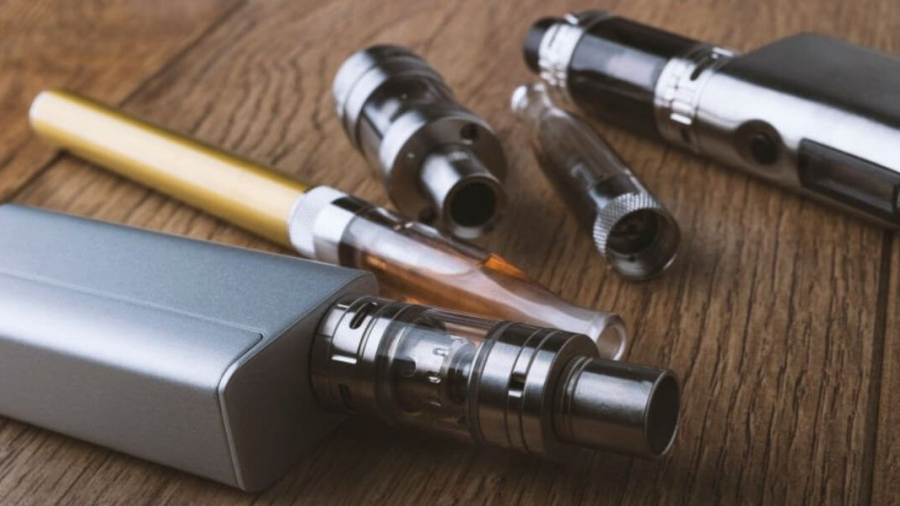
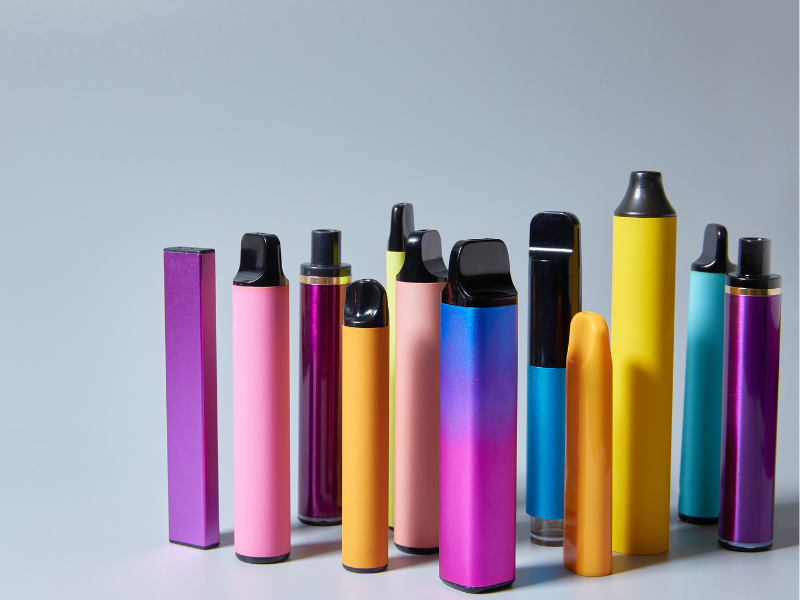
You might assume vaping rules are more relaxed than smoking on a cruise ship. But that’s not always the case.
Some cruise lines treat vapes exactly the same as cigarettes, while others have their own rules that can catch passengers out. Get it wrong, and you could end up with your vape confiscated or even face penalties onboard.
Before you pack your vape, there are a few important things every cruiser should know. Are the rules really as strict as you think?
You Can Bring a Vape With You
You can bring a nicotine vape onto most cruise ships, but it’s generally treated the same as a cigarette. That means you can only use it in designated smoking areas. Vaping in your cabin or on your balcony is prohibited on almost every major cruise line.
However, you can’t bring THC or marijuana products onboard, including weed vapes, edibles or oils. Many cruise lines also ban CBD products, even if they’re legal where you live.
Even though marijuana has been legalized in many countries and US states, the major cruise lines still have strict zero-tolerance policies. This also applies to medical marijuana, so if you rely on it, you’ll need to speak to your doctor before you travel about suitable alternatives for your time at sea.
Bringing prohibited drugs onto a cruise ship can have serious consequences. Depending on the circumstances, they may be confiscated, you could be denied boarding or removed from the ship, and in some destinations you could even face legal action.
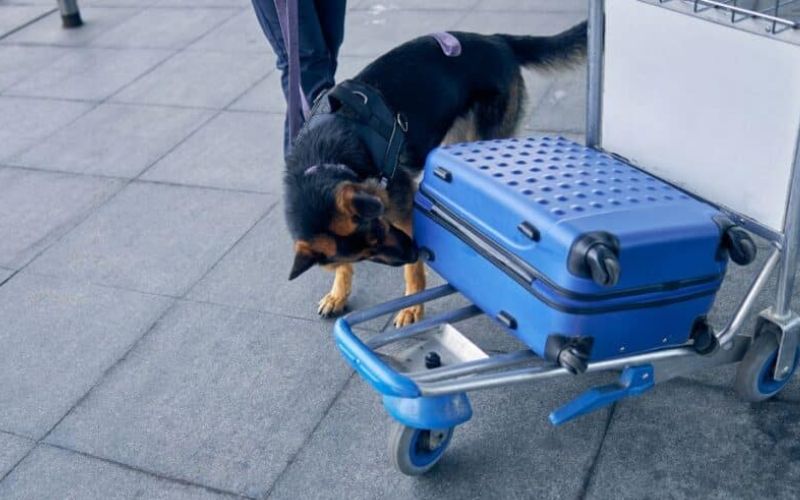
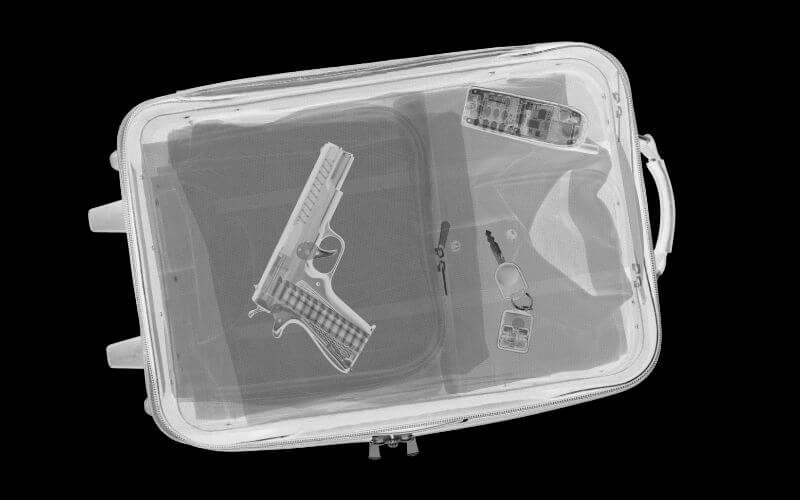
Cruise lines take these rules very seriously. All luggage is screened before boarding, and if security finds banned substances, you shouldn’t expect any leniency.
You can’t vape in your stateroom or on your private balcony. Cruise lines generally treat vaping the same as smoking, so it’s only permitted in designated smoking areas.
Exactly where you can vape varies by cruise line and ship. Some only allow smoking and vaping in a few outdoor areas, while others also have indoor smoking lounges or designated casino sections.
On many ships, smoking and vaping are allowed in parts of the casino while you’re playing slot machines, although table games are often smoke-free because you’re sitting much closer to other guests.
Smoking areas are usually easy to spot thanks to the ashtrays, but if you’re unsure, Guest Services can point you in the right direction.
Some vapers argue that vapour is less intrusive than cigarette smoke, especially as many use e-cigarettes to help them quit smoking. However, cruise lines generally apply the same rules to both in order to minimise the impact on other passengers.
Costa Cruises used to be one of the few exceptions, allowing smoking and vaping on private balconies. However, that policy has now changed, and vaping is now only permitted in the ship’s designated smoking areas. You may still find older information on parts of Costa’s website saying otherwise, but its current contractual terms make the updated rule clear.
Cruise Line’s Individual Policies on Vaping
Here’s a quick look at the vaping policies of some of the world’s biggest cruise lines. They’re broadly similar but it’s worth reading the policy for your chosen cruise line:
Carnival Cruise Line Vape Policy
Carnival Cruise Line treats vaping and e-cigarettes in the same way as traditional cigarettes. They can only be used in designated smoking areas, and vaping is strictly prohibited in cabins and on private balconies.
Guests caught vaping in their cabin or on their balcony face a $500 charge per violation. Serious or repeated breaches may also result in everyone staying in the cabin being removed from the ship without a refund.
Weed vapes, marijuana and CBD products are completely prohibited, even if they have been prescribed for medical use. Carnival follows US federal law, so these items are banned onboard, in cruise terminals, during transfers, on shore excursions and at private islands.
Royal Caribbean Vape Policy
Royal Caribbean only allows electronic cigarettes and vape pens to be used in designated smoking areas onboard. They aren’t permitted in staterooms, on private balconies or in any other indoor public area. Guests who smoke or vape in their cabin or on their balcony will be charged a $250 cleaning fee and may face further action under the cruise line’s Guest Conduct Policy.
Princess Cruises only allows e-cigarettes and vapes to be used in designated smoking areas. These generally include a section of the open deck, and on some ships may also include a cigar lounge or part of the nightclub.
Smoking and vaping are prohibited in all staterooms and on private balconies. Guests who break this rule will be charged a $250 fine for each occurrence, which is added to their onboard account.
The casino is also non-smoking, except for designated slot machines where guests may smoke or vape while actively playing. You can find full details in Princess Cruises’ smoking policy.
NCL Vape Policy
Norwegian Cruise Line treats vaping and e-cigarettes the same as traditional cigarettes. They can only be used in designated smoking areas, which include selected indoor and outdoor locations depending on the ship.
Smoking or vaping in your stateroom or on your balcony is prohibited. Guests who break this rule will be charged a $250 cleaning fee, and may also have to pay for any damage caused to furniture, carpets, towels or other furnishings.
You can find the designated smoking areas for every ship in NCL’s smoking policy.
Disney Vape Policy
Disney Cruise Line only allows e-cigarettes and vapes to be used in designated smoking areas. These are more limited than on many other cruise lines, and on some ships certain smoking areas are only available between 6 pm and 6 am.
Guests who smoke or vape in their stateroom or on their verandah will be charged a $250 stateroom recovery fee to cover the cost of deep cleaning.
If you’re sailing on Disney Adventure, be aware that vapes and e-cigarettes are completely prohibited because the ship sails from Singapore, where they are illegal.
On almost every cruise line, vaping is treated the same as smoking a traditional cigarette. That means you won’t be able to vape in your cabin or on your balcony, and you’ll need to stick to the ship’s designated smoking areas instead.
If you’re used to taking a quick puff whenever you fancy it, that might take a little getting used to. But it’s not worth breaking the rules. Depending on the cruise line, you could be hit with a hefty fine, charged for extra cleaning or even removed from the ship.
The good news is that as long as you know the rules before you sail, bringing your vape onboard shouldn’t be a problem. Just make sure you only use it where it’s allowed, and you’ll avoid any unpleasant surprises.
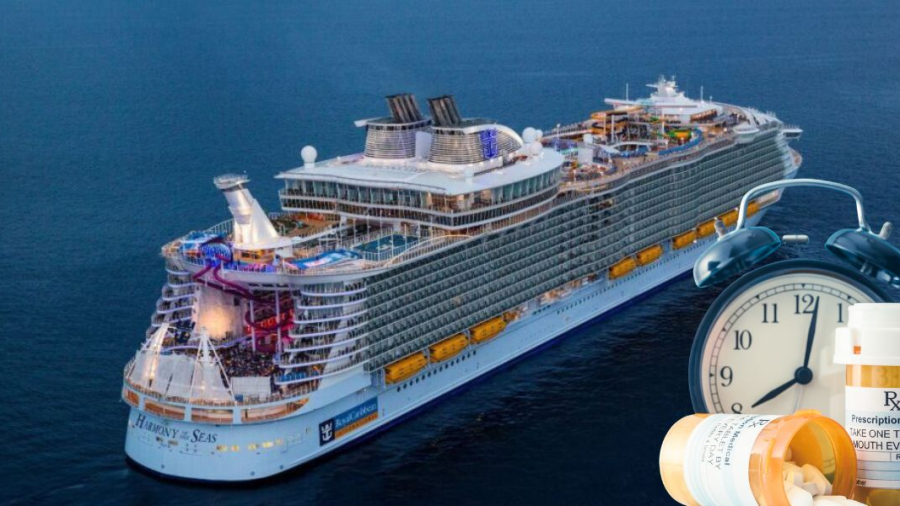
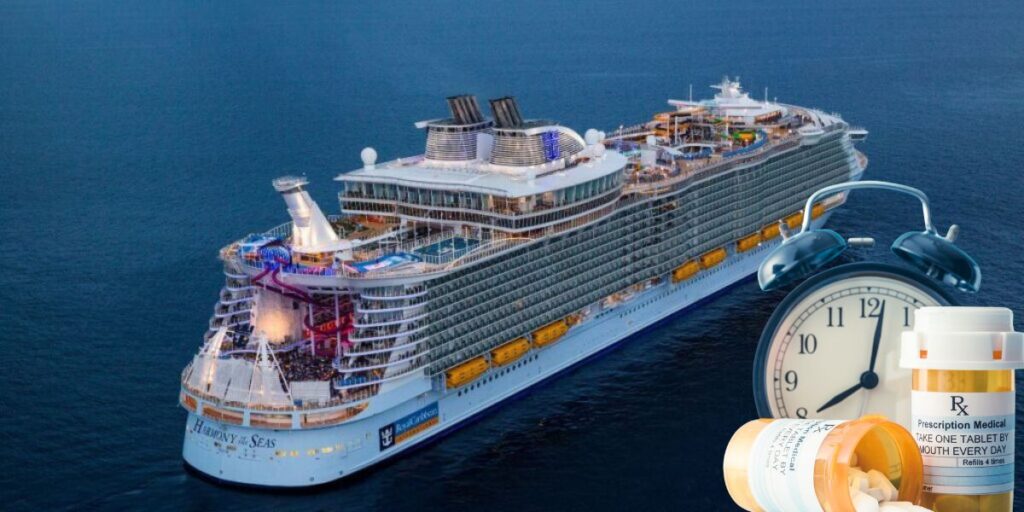
You don’t really think about medication when you’re booking a cruise.
You think about the ship, the cabin, the ports, whether you’ve packed enough for warm evenings on deck. Then, usually quite late in the day, it hits you – what about your tablets? Can you put them in a weekly pill organiser? Do they need to stay in the original box? And what if one of the countries on your itinerary has rules you know nothing about?
The good news is that taking medication on a cruise is usually very straightforward. Most people bring what they need, board without any fuss, and never get asked about it at all.
The catch is that a few small details can matter a lot if they go wrong.
It’s not normally the ship itself that causes problems. It’s everything around it – the flight, the airport, security, and the fact that you may be entering several different countries, all with their own rules.
So before you travel, there are really three things worth checking:
• how you’re packing your medication • what your cruise line allows on board • whether any of your ports have restrictions on what you’re carrying
Get those right, and the rest is usually pretty simple.
Don’t Worry – You Can Take (Most) Medications Onto A Cruise Ship
In general, yes, you can take medication on a cruise. That includes prescription drugs, over-the-counter treatments, and most medical supplies.
Cruise lines are used to this. They expect passengers to travel with medication, and they’re not trying to make life difficult. For most people, it’s a complete non-issue.
You can take most prescription and over-the-counter medication on a cruise without any issue.
Keep medication in your hand luggage, not your checked suitcase.
Original packaging is the safest option, even if you normally use a pill organiser.
Bring enough for the full trip, plus extra in case of delays.
Check the rules for every country on your itinerary, not just the cruise line’s policy.
Carry a prescription copy or doctor’s letter for anything controlled, injectable, or likely to raise questions.
Don’t assume medical cannabis or cannabis-based products will be allowed, even with a prescription.
Where people come unstuck is when they assume that because something is fine on the ship, it must also be fine everywhere else involved in the trip. That’s not always true.
You may be flying before you cruise. You may be going through airport security. You may be visiting countries with much stricter rules than the UK. That’s why it’s worth thinking about the whole journey, not just embarkation day.
Most major cruise lines are broadly similar when it comes to medication. Prescription medicines are generally allowed, and you’re expected to bring enough for the full cruise, ideally with a little extra in case of delays.
The smaller differences tend to be around practical things such as whether medication should stay in its original packaging, whether you need to tell the cruise line about certain medical equipment, and whether they can provide refrigeration for medication that needs it.
Below is a simplified comparison of what you can usually expect from the bigger cruise lines:
Cruise Line
Medication In Original Packaging?
Is There A Fridge In Cabins For Storing Temperature Controlled Meds?
Ambassador Cruise Line
Yes
Yes on Ambience & Renaissance, only in limited cabins on Ambition. Use Guest Services.
Coolers that may not be cold enough – best to use Guest Services.
Where there isn’t a link to a cruise line’s policy, that simply means there isn’t a relevant section published on its website. I’ve checked directly with those cruise lines to confirm the details.
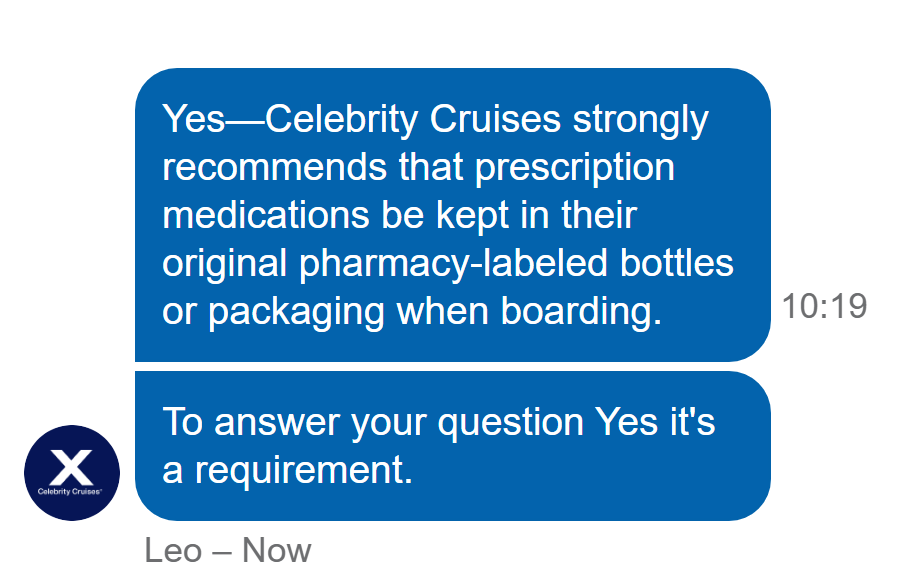
Celebrity Cruises’ wording is slightly inconsistent, as it describes original packaging as both “strongly recommended” and a “requirement”. Realistically, it’s safest to treat that as required.
Original Packaging Vs Pill Dispensers – What’s Actually Allowed?
This is the bit that confuses people most, because the official guidance and real-life experience don’t always sound like they match.
Most cruise lines say medication should be kept in its original packaging, with the pharmacy label visible. Sometimes that’s framed as a requirement, sometimes as strong advice, but the general message is the same.
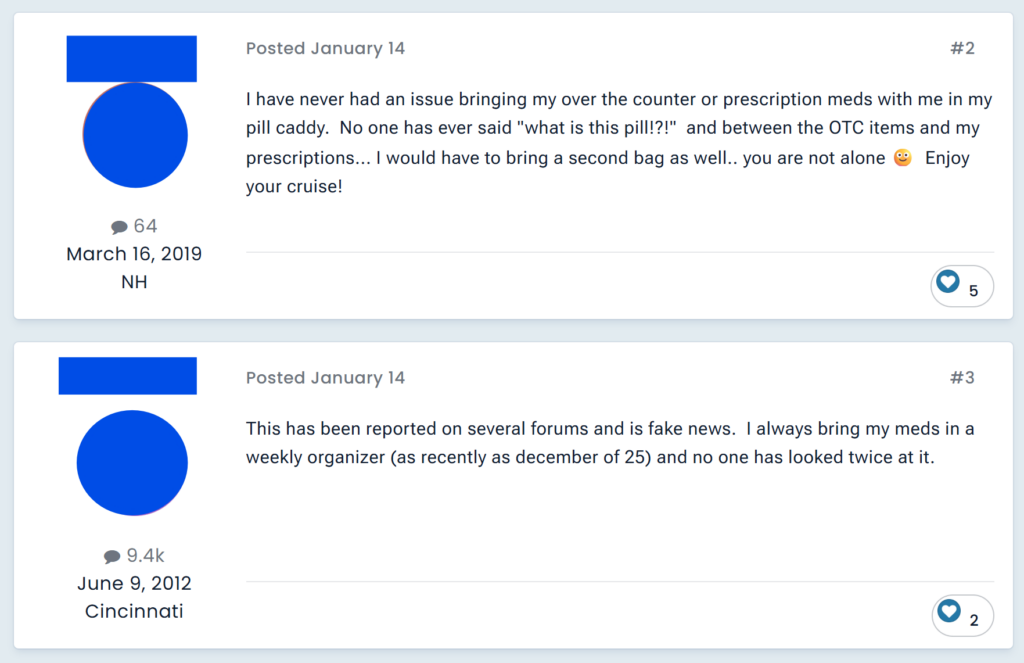
At the same time, plenty of regular cruisers will tell you they use pill organisers all the time and have never had a problem.
Honestly, both can be true.
In day-to-day reality, cruise staff rarely inspect medication closely. Most people aren’t stopped, questioned, or asked to explain what’s in their organiser. But that doesn’t mean the rule is meaningless. It just means you may not be checked.
The issue is what happens if you are.
Original packaging makes everything much easier. It shows exactly what the medication is, who it belongs to, and that it’s been legitimately prescribed or purchased. If you’re dealing with airport security, embarkation staff, or border officials in a stricter country, that clarity helps.
Loose tablets in a pill organiser are much harder to identify. Even when they’re completely legitimate, they can invite extra questions simply because they’re not obvious at a glance.
Honestly, the bigger risk usually isn’t the cruise line at all. It’s airport security or border control in one of your ports of call, where rules may be stricter and staff may be less relaxed about unlabelled medication.
So while pill organisers are undeniably convenient – and for some people essential – they’re best used as a backup to original packaging, not a replacement for it.
The most sensible approach is to take both. Travel with your medication in its original boxes or labelled containers, then use a pill organiser once you’re on board if that makes daily life easier.
That way, you’re covered if anyone asks questions, and you’re not relying on luck or vague reassurance from people online who “never had a problem”.
Because chances are, you won’t have a problem either. But it’s not something you want to be sorting out at the check-in desk while a queue forms behind you.
Medications That Are Restricted or Banned in Certain Countries
A medication that’s completely routine in your home country can be restricted – or even banned – somewhere on your itinerary. It doesn’t matter that it’s prescribed, labelled, and essential. Local laws still apply.
Some countries take a much stricter approach to controlled substances, and that includes medications many people take every day.
A few examples that regularly trip people up:
United Arab Emirates: anti-anxiety meds, sleeping tablets, and strong painkillers (including codeine) may need approval in advance.
Japan: certain ADHD medications and stimulants aren’t allowed at all, even with a prescription, except with special clearance.
Singapore: strict drug laws apply to some sedatives and sleeping pills – documentation is key.
Thailand: controlled medications like codeine can require a permit, especially in larger quantities.
Indonesia (including Bali): some prescription drugs, particularly stronger painkillers, are tightly restricted.
Even something as familiar as codeine can sit in a grey area depending on where you are and how much you’re carrying.
And it’s worth saying again – cruise line policies don’t override any of this. A medication can be perfectly fine on board and still be an issue when you step ashore.
Sometimes you won’t be asked about it at all. Other times, especially in stricter destinations, you might be stopped and questioned.
Checking official government or embassy guidance for each country might feel like overkill, but it’s the one thing that removes the guesswork.
Even with a valid prescription, cruise lines won’t allow cannabis or cannabis-derived products on board. That can include oils, edibles, and CBD products depending on how they’re classified.
That’s before you even factor in local laws, which in many countries are far stricter than people expect.
So you can end up in a situation where your medication is legal at home, banned by the cruise line, and illegal in one or more of your ports.
If this applies to you, it’s worth speaking to your doctor well in advance about alternatives that are actually suitable for travel.
This isn’t something that tends to get waved through quietly. Rules around cannabis are usually clear, and they’re enforced.
“Controlled drugs” sounds more intimidating than it needs to. It simply means certain medications are more tightly regulated because they carry a higher risk of misuse. Many of them are commonly prescribed and taken without any issues day to day.
The difference shows up when you travel.
There may be limits on how much you can carry, extra documentation required, or stricter checks at borders. In some cases, you may need permission before you travel.
If you’re unsure whether your medication falls into this category, it’s worth checking before your trip rather than trying to figure it out mid-journey.
Carrying A Doctor’s Letter Or Prescription Copy Can Be Helpful
Most people won’t be asked for proof of their medication. But if you are, having something to hand makes things much smoother.
A prescription copy is a good baseline. For anything more sensitive – controlled drugs, injectables, or larger quantities – a doctor’s letter is a sensible extra.
It should confirm:
your name and date of birth
the medication
the dosage
that it’s for personal use
Nothing complicated, just clear and official.
You’ll probably never need to show it. But if you do get asked, it can turn a potentially awkward situation into a quick formality.
Travelling With Medical Equipment (CPAP, Oxygen, Injectables, Dialysis)
Tablets are one thing. Equipment takes a bit more planning.
Cruise lines are generally well set up for this, but they do expect advance notice.
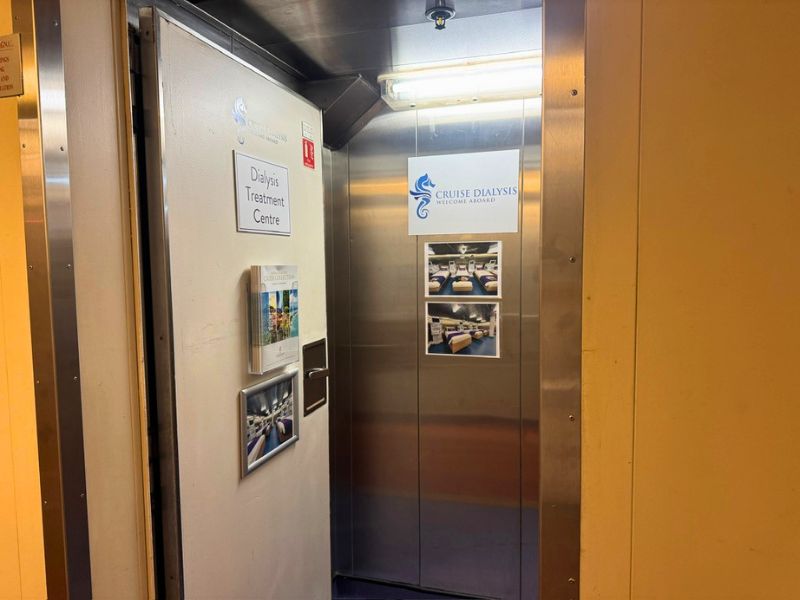
There are medical facilities on any cruise ship, but they’re designed to handle emergencies or unexpected treatments. If you need use of a CPAP machine, oxygen canisters, injectable meds or you’re on Peritoneal dialysis treatment, you need to bring your own equipment and make sure you’ve cleared it with the cruise line in advance.
If you’re on haemodialysis, you may be able to book a specific cruise which has a dialysis treatment room onboard for you.
If you plan to bring any medical equipment, you should let the cruise line know in advance. There may be some nuanced rules on things like the size of oxygen canisters that you’ll need to consider.
Also for CPAP machines, consider distilled water requirements. Cruise lines may be able to provide it but some may charge. Again, ask in advance.
Travelling With Liquid Medication And Airport Security
A quick bit of reassurance for you – liquid medication isn’t treated the same as toiletries. You can carry more than 100ml in your hand luggage if it’s essential and for personal use.
Still, a bit of preparation helps.
Keep it in your hand luggage, not checked bags. If it’s a larger quantity, mention it at security rather than waiting to be asked. And make sure it’s clearly labelled so there’s no confusion about what it is.
Sometimes it’ll be screened separately. That’s routine, not a red flag.
If you’re unsure how it’ll be handled, just give yourself a bit of extra time at the airport. It removes the stress.
TODAY’S BEST CRUISE DEALS!
Don’t miss these offers…
Practicalities of Medication Onboard
Once you’re on the ship, things tend to settle down. At that point, it’s less about rules and more about making sure your medication stays effective and easy to manage.
Keeping Medication At The Right Temperature
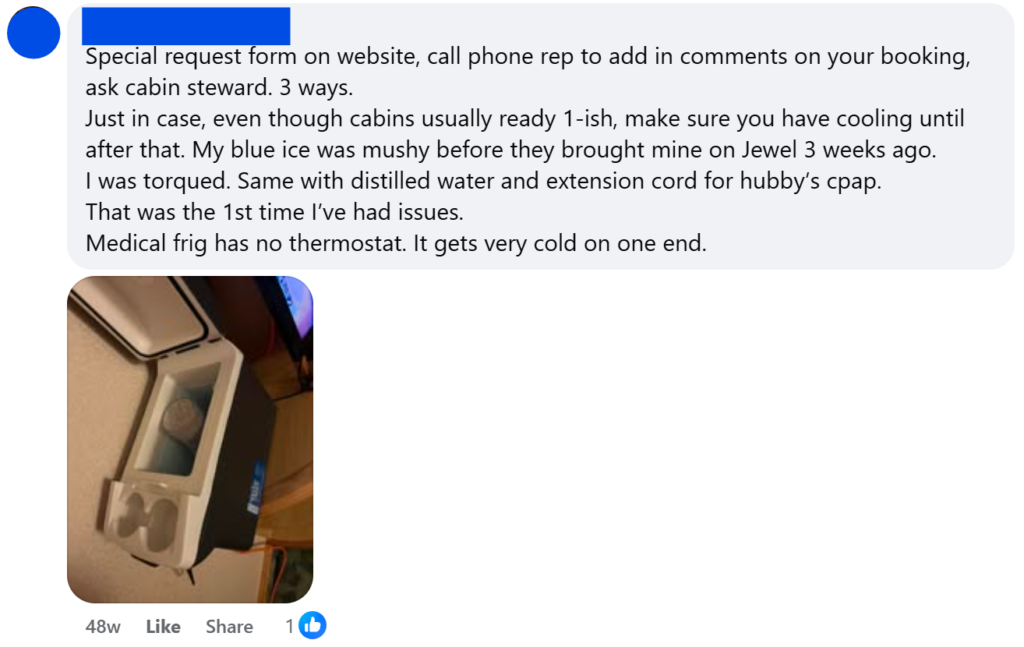
Cabin mini coolers aren’t always true fridges, and they’re not reliable for medication that needs strict temperature control.
If that applies to you, it’s worth requesting a medical fridge ahead of time or speaking to Guest Services as soon as you board.
Also think about embarkation day – there’s a good chance you won’t be getting access to your cabin until later in the afternoon or even early evening, so you might not have access to cooling equipment for a large part of your day.
Most people in this situation use ice packs or other coolers in their hand luggage, just to make sure their meds stay at the right temperature until they can get it stored properly onboard.
Where To Store Medication In Your Cabin
Some people overlook this, but it’s worth thinking about. Bathrooms seem convenient, but they’re usually too warm and humid – extractor fans on cruise ships aren’t always the best!
A drawer or shelf in the main cabin area is a better option – somewhere dry, relatively cool, and out of direct sunlight. Or you could always use the safe, if it’s not something you’re going to need emergency access to at any point, such as allergy medication.
Time Zones And When To Take Your Medication
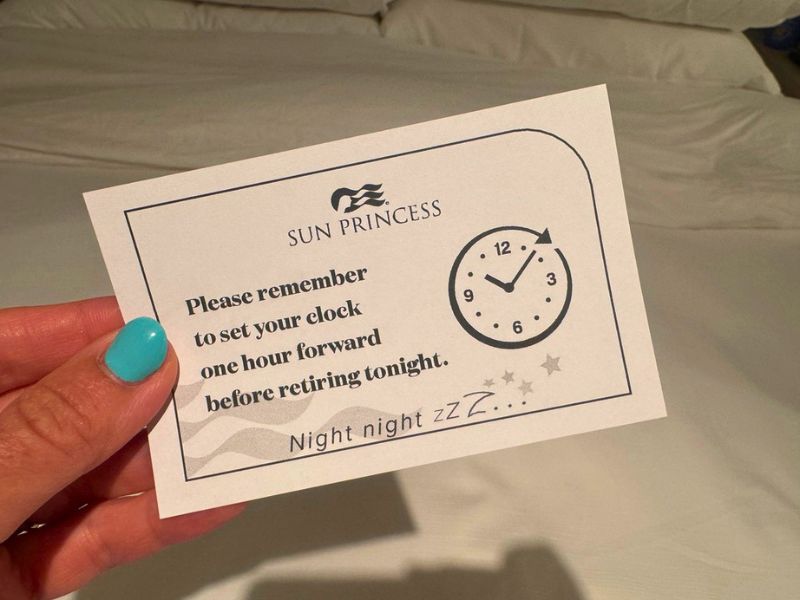
Crossing time zones can throw off your usual routine more than you expect – it’s another of those little things that people just don’t consider!
For most medications, a slight shift isn’t a problem. But if timing matters, it’s worth planning ahead.
Gradual adjustments tend to work better than sudden changes, and if the timing is critical, your GP or pharmacist can give you specific guidance before you travel.
Sharps Disposal Onboard
You won’t be left to deal with this on your own.
Sharps containers are available on board, usually via Guest Services or the medical centre. When one fills up, it can be collected and replaced.
It’s worth sorting early so it’s not something you’re thinking about later in the trip.
What Happens If You Forget Or Lose Your Medication
Forgetting your medication, accidentally not bringing enough, or losing it – all sound like nightmare scenarios, but all are manageable. Don’t panic!
The ship’s medical centre is your first stop. They won’t have everything, but they can often help with basic medication or short-term solutions.
For more specific prescriptions, things depend on where you are. You may need to arrange a replacement in port, which can involve seeing a local doctor first.
This is where having documentation helps. A prescription copy, GP details, or even a photo of the medication can make the process quicker.
It’s also why bringing extra is so important. Replacing medication abroad isn’t always fast or straightforward.
The team onboard your ship can hopefully help direct you to a reputable pharmacy ashore, if needed, or give you information on who to contact port-side for official recommendations.
Unfortunately, in some ports, there will be some dodgy retailers offering cheap medication – don’t risk it.
Medication You Can Buy On A Cruise Ship
Think convenience, not pharmacy – that’s the sort of thing you’ll find on a cruise ship.
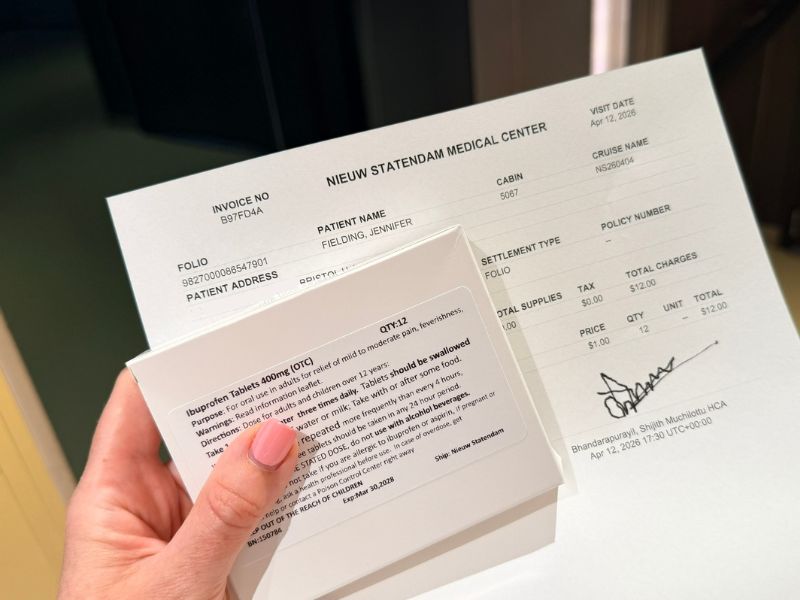
You’ll usually find basics on board, either in the shop or via the medical centre:
pain relief (paracetamol, ibuprofen)
seasickness remedies
cold and flu treatments
antihistamines
simple stomach medications
That’s enough for minor issues, but the range is limited. It’s also more expensive than buying it at home.
Anything more specific will usually mean seeing the ship’s doctor, which comes with a consultation fee.
Prices on board can be surprisingly high, even for simple items.
You’re paying for convenience, and there’s no real competition once you’re at sea.
Something inexpensive at home can easily cost several times more on a ship. It’s fine as a backup. It’s not something you want to rely on. So if you think you might need any of the above, buy before you sail!
Seasickness Medication – What To Bring Vs Buy Onboard
This is one of the few things worth planning for even if you’re not sure you’ll need it.
Most treatments work better if you take them before symptoms start, which is much easier if you already have them with you.
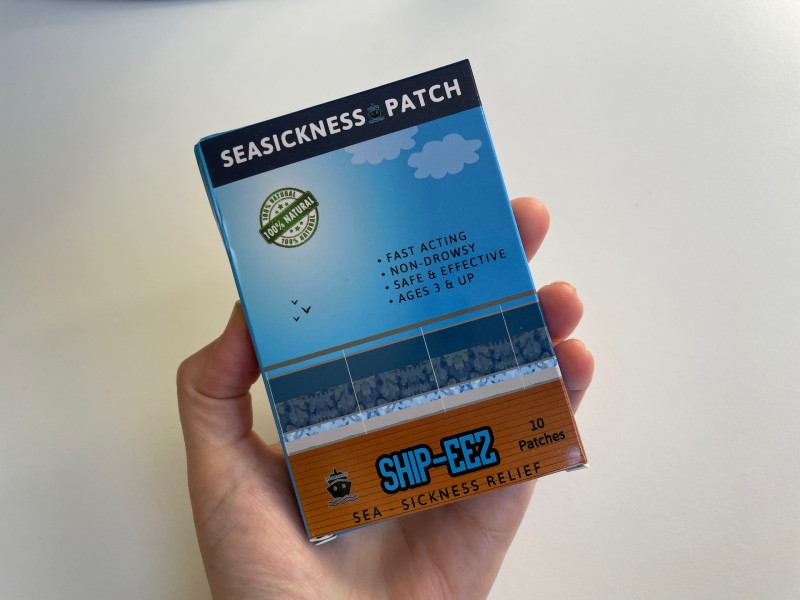
There’s no single best option. Tablets, patches, wristbands, and natural remedies all work for different people.
If you’ve found something that works for you, bring it. Onboard options are usually limited and more expensive. If you’ve never encountered seasickness before then I’d say it’s not an essential purchase before you cruise, but a cheap pack of tablets or patches could be worth buying if you’re at all concerned.
Supplements, Vitamins And Non-Prescription Medication
Vitamins, supplements, and over-the-counter medication can generally be packed without much thought.
Where people run into minor issues is with quantity or unclear labelling. Large amounts of unlabelled tablets can attract questions, particularly at airports or in stricter countries.
Herbal supplements can also fall into a grey area if ingredients aren’t clearly listed or widely recognised.
Keeping everything labelled and, where possible, in original packaging avoids most of that.
For small, personal quantities, problems are rare. It’s just about making things easy to explain if anyone does ask.
Final Checklist – Taking Medication On A Cruise
By now, it probably feels like a lot of detail for something that’s usually straightforward.
In reality, it comes down to a few key habits:
keep medication in your hand luggage
stick to original packaging where you can
bring copies of prescriptions or a doctor’s letter if needed
check rules for every country on your itinerary
avoid anything that may be banned, including cannabis-based products
arrange storage or equipment needs in advance
pack extra in case of delays
bring basic remedies so you’re not relying on onboard shops
Get those right and, for most people, the whole thing passes without a single issue.
My Recommendation
My recommendation for cruise insurance depends on where you live.
These are trusted price comparison sites that will quickly get you lots of quotes to match your exact needs.
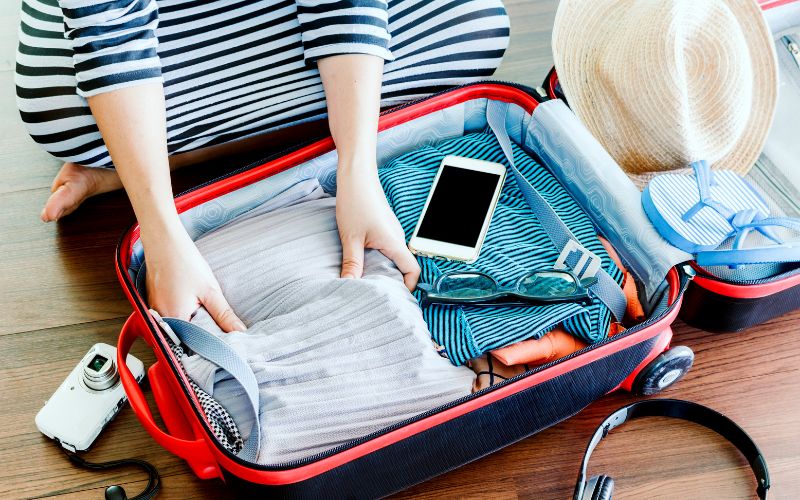
You don’t need a giant suitcase to enjoy a cruise – but most people pack like they do.
Between “just in case” outfits, multiple pairs of shoes and things you never even touch, it’s easy to end up dragging far more than you need.
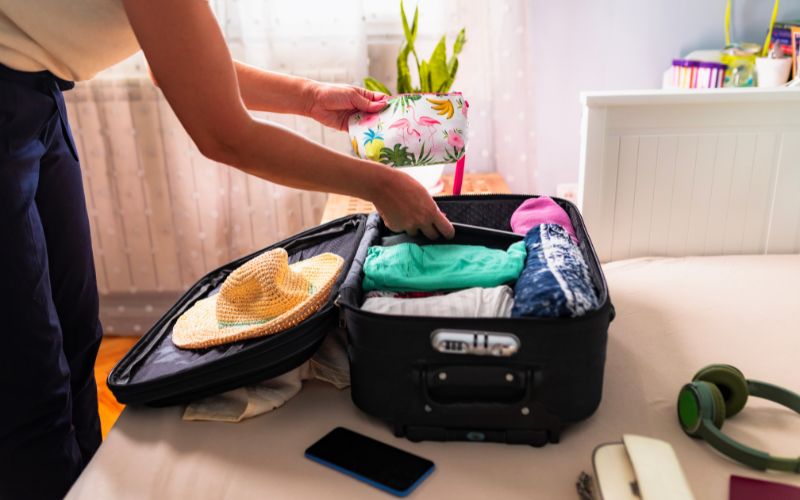
I’ve found that sticking to a single carry-on for a whole week isn’t just doable, it actually makes the whole trip smoother. No waiting around, no heavy lifting, no stress. But there are a few tricks that make it work – and a couple of things people don’t realise until it’s too late.
1. Plan Your Outfits Backwards from Your Cruise
It’s tempting to start with what you want to wear, but the smarter move is to start with your itin erary.
Think about your ports, excursions, sea days and onboard evenings, then build outfits around those. A beach-heavy Caribbean sailing looks very different to a Norwegian fjords cruise, after all.
Your packing list might look like this:
4 port outfits for exploring
3 sea day outfits for by the pool
1 formal outfit
4 smart evening outfits
2 casual evening outfits
Get those outfits out of the closet, but, here’s the key part, know that you’re not going to pack all of those!
That’s because many things can be worn multiple times. You don’t need two brand new outfits for every day. A pair of jeans, for example, might be worn on three days with different tops. If you only wear an evening dress for three hours, you can probably wear it again on another evening.
I promise, if your clothes look clean and smell clean, nobody will notice or care if you rewear things.
Many cruise lines now treat formal nights as optional, and you can always dine in more casual venues if you’d rather skip dressing up entirely. That’s an easy way to cut down your packing.
This is especially true if you’re a man, as the dress code may require long trousers and a jacket, whereas women can get away with a lightweight dress.
If you do enjoy getting dressed up, you can still make it work with a carry-on – just stick to one versatile outfit rather than several “Plan B” options. A simple dress or shirt that can be styled differently goes further than you’d expect.
3. Try Everything On To Narrow Down Your Top Picks
The next step is annoying, but definitely worth it. Once you’ve laid out all of your clothes, try everything on in front of the mirror.
Doing this not only ensures everything fits (and has space left for post-buffet bloat!) but it means that you can identify which shorts or skirts go with which tops, and which cardigans or jackets you might need to match those.
If you don’t love any of the outfits, now’s the time to remove them from your packing pile.
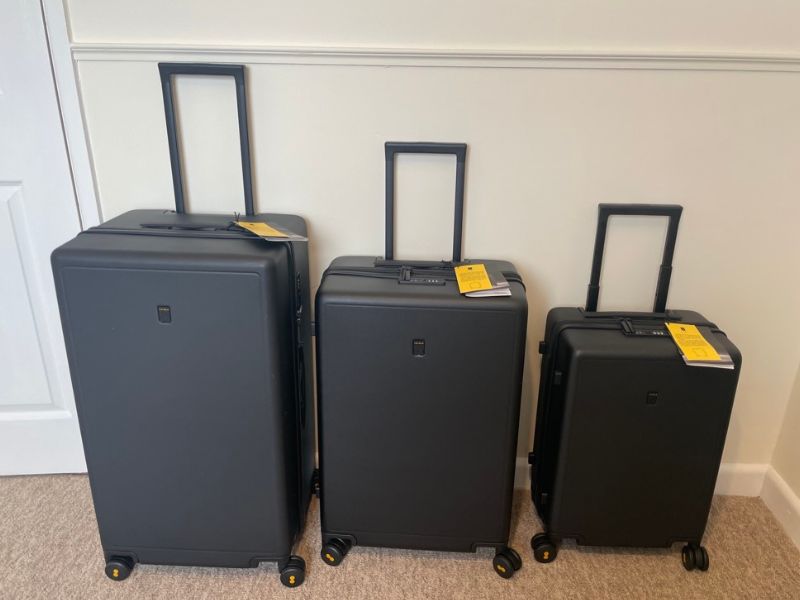
Not all carry-ons are equal. A lightweight case with four wheels makes a huge difference when you’re navigating terminals or rolling along pavements near the port.
Hard shells protect better, but soft cases can squeeze into tighter spaces or expand slightly if needed.
If you’re flying with carry-on, most airlines only care about the size, not the weight. So check their policy, get a case that’s as large as your airline will allow, and then stuff it full. (see number 7 for how I do that)
Enter code CruiseMummy10 at checkout to get this discount
5. Limit Shoes Ruthlessly
Shoes are the quickest way to fill a suitcase. A good rule of thumb is three pairs max – something comfortable for walking, something lighter or smarter for evenings, and something practical for beach or pool days.
Choose pairs that work across multiple outfits rather than niche options. And if you’ve got bulkier shoes, wear them during travel instead of packing them. You’ll instantly free up a surprising amount of space.
Anything chunky should go on your body, not in your case.
Think trainers, jackets, hoodies or even jeans. This is especially useful if you’re flying, but it still applies for no-fly cruises too – less bulk in your bag means easier handling.
Layers are your friend here, especially if you’re heading somewhere with a different climate. You can always take things off once you’re onboard or settled.
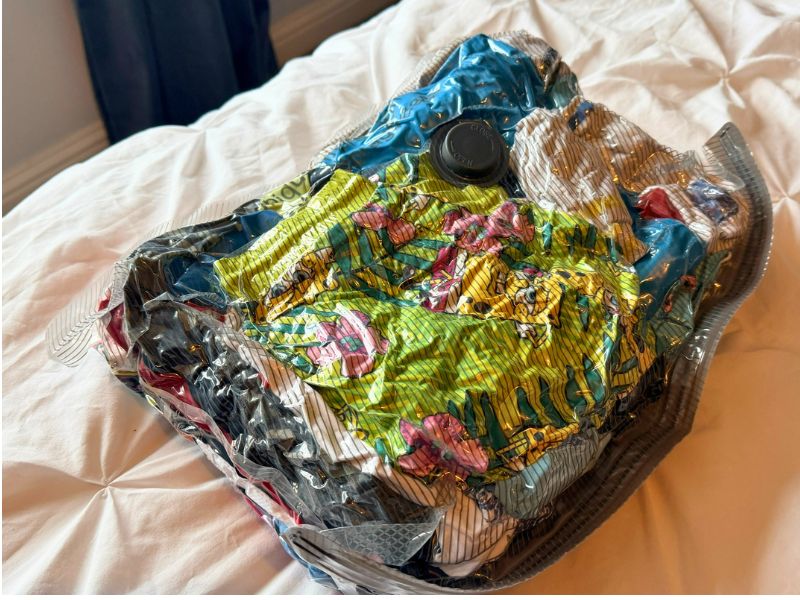
7. Use Vacuum Compression Bags
With these bags, I can get 20kg of clothes into a carry-on bag. So I don’t actually need to pack any less than I would have done with a large checked bag!
The bags I use come with a miniature vacuuum device that sucks the air out. That’s key, as it I can take the device with me to enable me to vacuum pack everything again on the way home.
These are the bags I use. They’re strong, come in all sizes, and the pump is tiny yet powerful.
8. Plan For Laundry Instead of Packing More
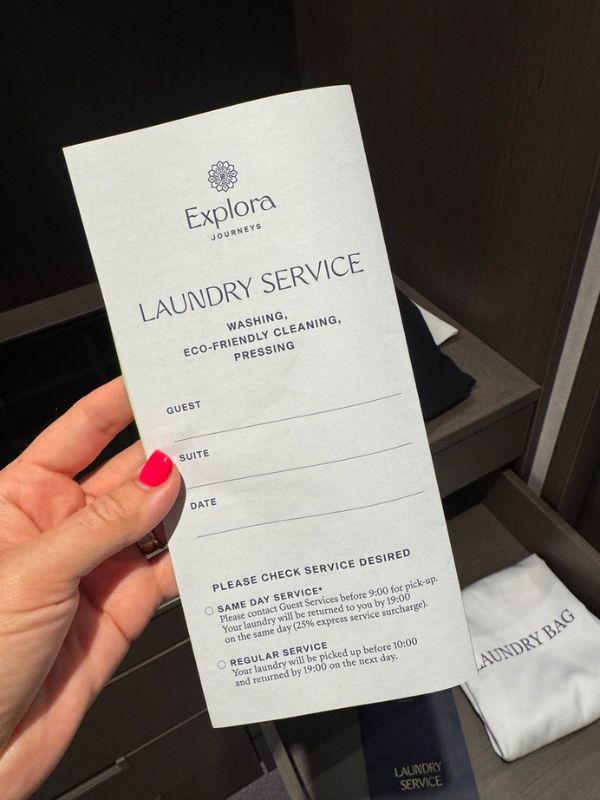
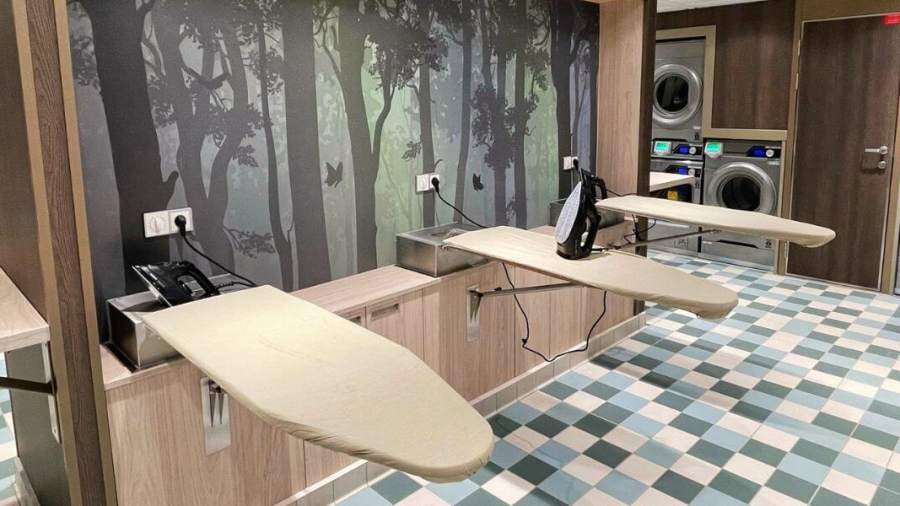
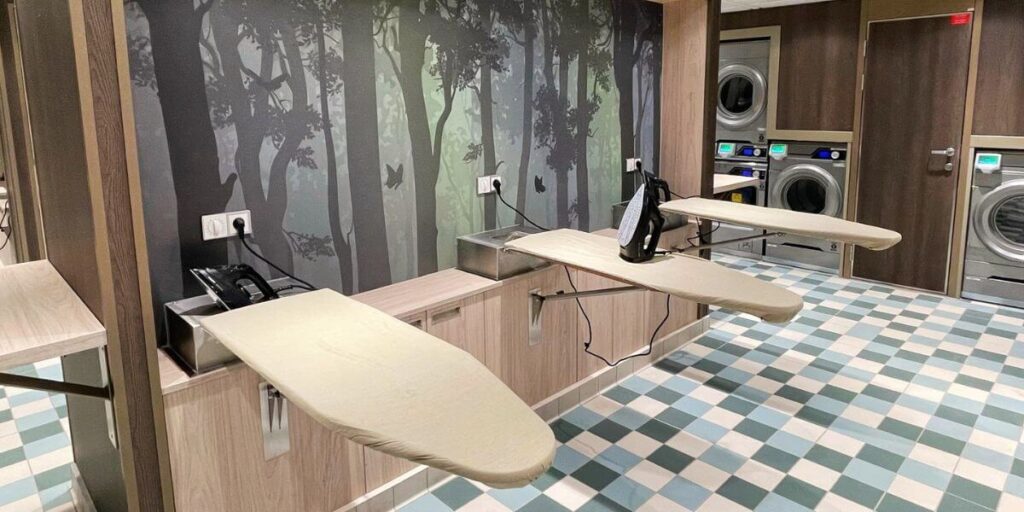
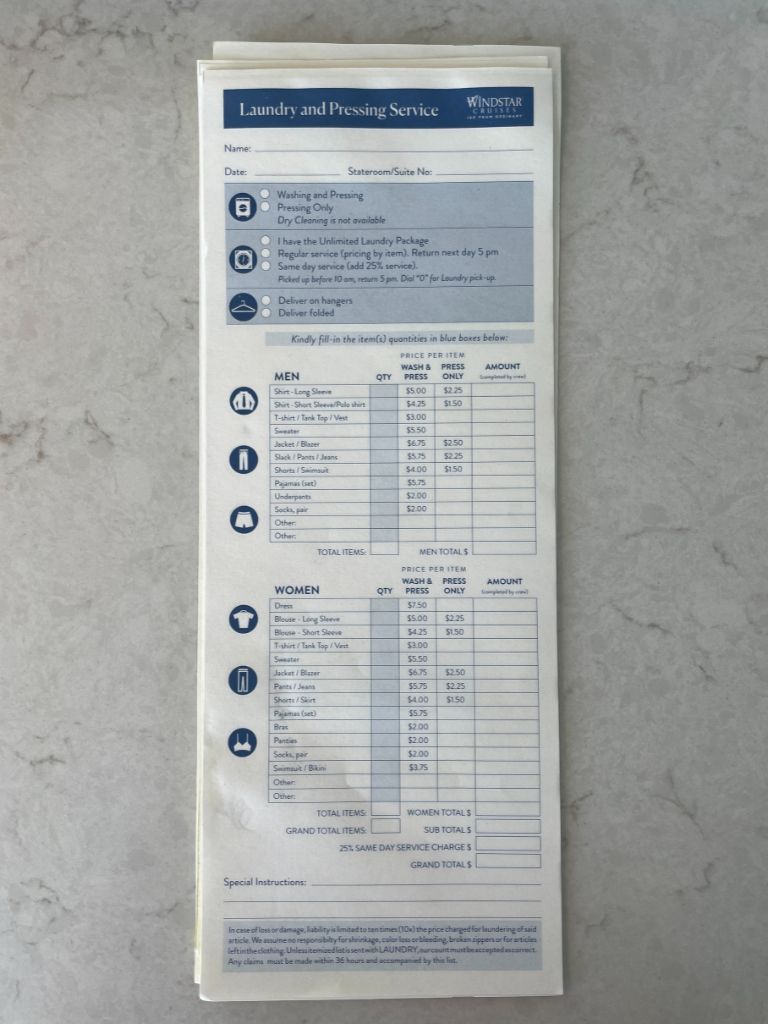
You don’t need a fresh outfit for every single day. Most cruise lines offer laundry services, and some even sell packages with unlimited washing during your trip, which can be surprisingly good value. That can be a game-changer for carry-on travellers.
Even without that, a bit of sink washing with travel detergent goes a long way. Packing for half the cruise and re-wearing items makes a huge difference to space, especially on longer sailings.
Cruise cabins always come with the basics like shower gel and shampoo, so you don’t need to bring those.
Some also provide conditioner and body lotion, so check that as you may be able to leave those at home too.
Decant your essentials into smaller containers and only bring what you’ll actually use. And if you need something specific like a big spray deodorant, consider buying it at the airport.
10. Bring A Big Backpack
Your carry-on isn’t just your suitcase. A small backpack or personal bag is just as important. This is where you keep travel documents, valuables, electronics and anything you might need during embarkation.
This is the one I use…
It’s also handy for excursions later in the cruise, so you don’t need to pack an extra bag. Think of it as your day bag for the entire trip, not just the journey.
11. Use Every Inch of Space
Think beyond the obvious. Stuff socks inside shoes, use gaps between compression bags, and make the most of every corner.
Smaller items can disappear into unused spaces if you’re strategic.
It’s a bit like a puzzle, but once you get the hang of it, you’ll fit far more into a small case than you expect. Hard cases in particular reward careful packing.
TODAY’S BEST CRUISE DEALS!
Don’t miss these offers…
The One-Carry-On Mindset – Why It’s Worth It
There’s something genuinely freeing about travelling this light.
No waiting at baggage claim, no worrying about lost luggage, no dragging heavy cases around. On a cruise, where you’re already unpacking once, it makes things even simpler.
It also forces you to pack more intentionally, which usually leads to a better, less cluttered trip overall. Once you’ve done it successfully, it’s hard to go back to overpacking again.
You don’t really think about medication when you’re booking a cruise.
You think about the ship, the cabin, the ports, whether you’ve packed enough for warm evenings on deck. Then, usually quite late in the day, it hits you – what about your tablets? Can you put them in a weekly pill organiser? Do they need to stay in the original box? And what if one of the countries on your itinerary has rules you know nothing about?
The good news is that taking medication on a cruise is usually very straightforward. Most people bring what they need, board without any fuss, and never get asked about it at all.
The catch is that a few small details can matter a lot if they go wrong.
It’s not normally the ship itself that causes problems. It’s everything around it – the flight, the airport, security, and the fact that you may be entering several different countries, all with their own rules.
So before you travel, there are really three things worth checking:
• how you’re packing your medication • what your cruise line allows on board • whether any of your ports have restrictions on what you’re carrying
Get those right, and the rest is usually pretty simple.
Don’t Worry – You Can Take (Most) Medications Onto A Cruise Ship
In general, yes, you can take medication on a cruise. That includes prescription drugs, over-the-counter treatments, and most medical supplies.
Cruise lines are used to this. They expect passengers to travel with medication, and they’re not trying to make life difficult. For most people, it’s a complete non-issue.
You can take most prescription and over-the-counter medication on a cruise without any issue.
Keep medication in your hand luggage, not your checked suitcase.
Original packaging is the safest option, even if you normally use a pill organiser.
Bring enough for the full trip, plus extra in case of delays.
Check the rules for every country on your itinerary, not just the cruise line’s policy.
Carry a prescription copy or doctor’s letter for anything controlled, injectable, or likely to raise questions.
Don’t assume medical cannabis or cannabis-based products will be allowed, even with a prescription.
Where people come unstuck is when they assume that because something is fine on the ship, it must also be fine everywhere else involved in the trip. That’s not always true.
You may be flying before you cruise. You may be going through airport security. You may be visiting countries with much stricter rules than the UK. That’s why it’s worth thinking about the whole journey, not just embarkation day.
Most major cruise lines are broadly similar when it comes to medication. Prescription medicines are generally allowed, and you’re expected to bring enough for the full cruise, ideally with a little extra in case of delays.
The smaller differences tend to be around practical things such as whether medication should stay in its original packaging, whether you need to tell the cruise line about certain medical equipment, and whether they can provide refrigeration for medication that needs it.
Below is a simplified comparison of what you can usually expect from the bigger cruise lines:
Cruise Line
Medication In Original Packaging?
Is There A Fridge In Cabins For Storing Temperature Controlled Meds?
Ambassador Cruise Line
Yes
Yes on Ambience & Renaissance, only in limited cabins on Ambition. Use Guest Services.
Coolers that may not be cold enough – best to use Guest Services.
Where there isn’t a link to a cruise line’s policy, that simply means there isn’t a relevant section published on its website. I’ve checked directly with those cruise lines to confirm the details.
Celebrity Cruises’ wording is slightly inconsistent, as it describes original packaging as both “strongly recommended” and a “requirement”. Realistically, it’s safest to treat that as required.
Original Packaging Vs Pill Dispensers – What’s Actually Allowed?
This is the bit that confuses people most, because the official guidance and real-life experience don’t always sound like they match.
Most cruise lines say medication should be kept in its original packaging, with the pharmacy label visible. Sometimes that’s framed as a requirement, sometimes as strong advice, but the general message is the same.
At the same time, plenty of regular cruisers will tell you they use pill organisers all the time and have never had a problem.
Honestly, both can be true.
In day-to-day reality, cruise staff rarely inspect medication closely. Most people aren’t stopped, questioned, or asked to explain what’s in their organiser. But that doesn’t mean the rule is meaningless. It just means you may not be checked.
The issue is what happens if you are.
Original packaging makes everything much easier. It shows exactly what the medication is, who it belongs to, and that it’s been legitimately prescribed or purchased. If you’re dealing with airport security, embarkation staff, or border officials in a stricter country, that clarity helps.
Loose tablets in a pill organiser are much harder to identify. Even when they’re completely legitimate, they can invite extra questions simply because they’re not obvious at a glance.
Honestly, the bigger risk usually isn’t the cruise line at all. It’s airport security or border control in one of your ports of call, where rules may be stricter and staff may be less relaxed about unlabelled medication.
So while pill organisers are undeniably convenient – and for some people essential – they’re best used as a backup to original packaging, not a replacement for it.
The most sensible approach is to take both. Travel with your medication in its original boxes or labelled containers, then use a pill organiser once you’re on board if that makes daily life easier.
That way, you’re covered if anyone asks questions, and you’re not relying on luck or vague reassurance from people online who “never had a problem”.
Because chances are, you won’t have a problem either. But it’s not something you want to be sorting out at the check-in desk while a queue forms behind you.
Medications That Are Restricted or Banned in Certain Countries
A medication that’s completely routine in your home country can be restricted – or even banned – somewhere on your itinerary. It doesn’t matter that it’s prescribed, labelled, and essential. Local laws still apply.
Some countries take a much stricter approach to controlled substances, and that includes medications many people take every day.
A few examples that regularly trip people up:
United Arab Emirates: anti-anxiety meds, sleeping tablets, and strong painkillers (including codeine) may need approval in advance.
Japan: certain ADHD medications and stimulants aren’t allowed at all, even with a prescription, except with special clearance.
Singapore: strict drug laws apply to some sedatives and sleeping pills – documentation is key.
Thailand: controlled medications like codeine can require a permit, especially in larger quantities.
Indonesia (including Bali): some prescription drugs, particularly stronger painkillers, are tightly restricted.
Even something as familiar as codeine can sit in a grey area depending on where you are and how much you’re carrying.
And it’s worth saying again – cruise line policies don’t override any of this. A medication can be perfectly fine on board and still be an issue when you step ashore.
Sometimes you won’t be asked about it at all. Other times, especially in stricter destinations, you might be stopped and questioned.
Checking official government or embassy guidance for each country might feel like overkill, but it’s the one thing that removes the guesswork.
Even with a valid prescription, cruise lines won’t allow cannabis or cannabis-derived products on board. That can include oils, edibles, and CBD products depending on how they’re classified.
That’s before you even factor in local laws, which in many countries are far stricter than people expect.
So you can end up in a situation where your medication is legal at home, banned by the cruise line, and illegal in one or more of your ports.
If this applies to you, it’s worth speaking to your doctor well in advance about alternatives that are actually suitable for travel.
This isn’t something that tends to get waved through quietly. Rules around cannabis are usually clear, and they’re enforced.
“Controlled drugs” sounds more intimidating than it needs to. It simply means certain medications are more tightly regulated because they carry a higher risk of misuse. Many of them are commonly prescribed and taken without any issues day to day.
The difference shows up when you travel.
There may be limits on how much you can carry, extra documentation required, or stricter checks at borders. In some cases, you may need permission before you travel.
If you’re unsure whether your medication falls into this category, it’s worth checking before your trip rather than trying to figure it out mid-journey.
Carrying A Doctor’s Letter Or Prescription Copy Can Be Helpful
Most people won’t be asked for proof of their medication. But if you are, having something to hand makes things much smoother.
A prescription copy is a good baseline. For anything more sensitive – controlled drugs, injectables, or larger quantities – a doctor’s letter is a sensible extra.
It should confirm:
your name and date of birth
the medication
the dosage
that it’s for personal use
Nothing complicated, just clear and official.
You’ll probably never need to show it. But if you do get asked, it can turn a potentially awkward situation into a quick formality.
Travelling With Medical Equipment (CPAP, Oxygen, Injectables, Dialysis)
Tablets are one thing. Equipment takes a bit more planning.
Cruise lines are generally well set up for this, but they do expect advance notice.
There are medical facilities on any cruise ship, but they’re designed to handle emergencies or unexpected treatments. If you need use of a CPAP machine, oxygen canisters, injectable meds or you’re on Peritoneal dialysis treatment, you need to bring your own equipment and make sure you’ve cleared it with the cruise line in advance.
If you’re on haemodialysis, you may be able to book a specific cruise which has a dialysis treatment room onboard for you.
If you plan to bring any medical equipment, you should let the cruise line know in advance. There may be some nuanced rules on things like the size of oxygen canisters that you’ll need to consider.
Also for CPAP machines, consider distilled water requirements. Cruise lines may be able to provide it but some may charge. Again, ask in advance.
Travelling With Liquid Medication And Airport Security
A quick bit of reassurance for you – liquid medication isn’t treated the same as toiletries. You can carry more than 100ml in your hand luggage if it’s essential and for personal use.
Still, a bit of preparation helps.
Keep it in your hand luggage, not checked bags. If it’s a larger quantity, mention it at security rather than waiting to be asked. And make sure it’s clearly labelled so there’s no confusion about what it is.
Sometimes it’ll be screened separately. That’s routine, not a red flag.
If you’re unsure how it’ll be handled, just give yourself a bit of extra time at the airport. It removes the stress.
TODAY’S BEST CRUISE DEALS!
Don’t miss these offers…
Practicalities of Medication Onboard
Once you’re on the ship, things tend to settle down. At that point, it’s less about rules and more about making sure your medication stays effective and easy to manage.
Keeping Medication At The Right Temperature
Cabin mini coolers aren’t always true fridges, and they’re not reliable for medication that needs strict temperature control.
If that applies to you, it’s worth requesting a medical fridge ahead of time or speaking to Guest Services as soon as you board.
Also think about embarkation day – there’s a good chance you won’t be getting access to your cabin until later in the afternoon or even early evening, so you might not have access to cooling equipment for a large part of your day.
Most people in this situation use ice packs or other coolers in their hand luggage, just to make sure their meds stay at the right temperature until they can get it stored properly onboard.
Where To Store Medication In Your Cabin
Some people overlook this, but it’s worth thinking about. Bathrooms seem convenient, but they’re usually too warm and humid – extractor fans on cruise ships aren’t always the best!
A drawer or shelf in the main cabin area is a better option – somewhere dry, relatively cool, and out of direct sunlight. Or you could always use the safe, if it’s not something you’re going to need emergency access to at any point, such as allergy medication.
Time Zones And When To Take Your Medication
Crossing time zones can throw off your usual routine more than you expect – it’s another of those little things that people just don’t consider!
For most medications, a slight shift isn’t a problem. But if timing matters, it’s worth planning ahead.
Gradual adjustments tend to work better than sudden changes, and if the timing is critical, your GP or pharmacist can give you specific guidance before you travel.
Sharps Disposal Onboard
You won’t be left to deal with this on your own.
Sharps containers are available on board, usually via Guest Services or the medical centre. When one fills up, it can be collected and replaced.
It’s worth sorting early so it’s not something you’re thinking about later in the trip.
What Happens If You Forget Or Lose Your Medication
Forgetting your medication, accidentally not bringing enough, or losing it – all sound like nightmare scenarios, but all are manageable. Don’t panic!
The ship’s medical centre is your first stop. They won’t have everything, but they can often help with basic medication or short-term solutions.
For more specific prescriptions, things depend on where you are. You may need to arrange a replacement in port, which can involve seeing a local doctor first.
This is where having documentation helps. A prescription copy, GP details, or even a photo of the medication can make the process quicker.
It’s also why bringing extra is so important. Replacing medication abroad isn’t always fast or straightforward.
The team onboard your ship can hopefully help direct you to a reputable pharmacy ashore, if needed, or give you information on who to contact port-side for official recommendations.
Unfortunately, in some ports, there will be some dodgy retailers offering cheap medication – don’t risk it.
Medication You Can Buy On A Cruise Ship
Think convenience, not pharmacy – that’s the sort of thing you’ll find on a cruise ship.
You’ll usually find basics on board, either in the shop or via the medical centre:
pain relief (paracetamol, ibuprofen)
seasickness remedies
cold and flu treatments
antihistamines
simple stomach medications
That’s enough for minor issues, but the range is limited. It’s also more expensive than buying it at home.
Anything more specific will usually mean seeing the ship’s doctor, which comes with a consultation fee.
Prices on board can be surprisingly high, even for simple items.
You’re paying for convenience, and there’s no real competition once you’re at sea.
Something inexpensive at home can easily cost several times more on a ship. It’s fine as a backup. It’s not something you want to rely on. So if you think you might need any of the above, buy before you sail!
Seasickness Medication – What To Bring Vs Buy Onboard
This is one of the few things worth planning for even if you’re not sure you’ll need it.
Most treatments work better if you take them before symptoms start, which is much easier if you already have them with you.
There’s no single best option. Tablets, patches, wristbands, and natural remedies all work for different people.
If you’ve found something that works for you, bring it. Onboard options are usually limited and more expensive. If you’ve never encountered seasickness before then I’d say it’s not an essential purchase before you cruise, but a cheap pack of tablets or patches could be worth buying if you’re at all concerned.
Supplements, Vitamins And Non-Prescription Medication
Vitamins, supplements, and over-the-counter medication can generally be packed without much thought.
Where people run into minor issues is with quantity or unclear labelling. Large amounts of unlabelled tablets can attract questions, particularly at airports or in stricter countries.
Herbal supplements can also fall into a grey area if ingredients aren’t clearly listed or widely recognised.
Keeping everything labelled and, where possible, in original packaging avoids most of that.
For small, personal quantities, problems are rare. It’s just about making things easy to explain if anyone does ask.
Final Checklist – Taking Medication On A Cruise
By now, it probably feels like a lot of detail for something that’s usually straightforward.
In reality, it comes down to a few key habits:
keep medication in your hand luggage
stick to original packaging where you can
bring copies of prescriptions or a doctor’s letter if needed
check rules for every country on your itinerary
avoid anything that may be banned, including cannabis-based products
arrange storage or equipment needs in advance
pack extra in case of delays
bring basic remedies so you’re not relying on onboard shops
Get those right and, for most people, the whole thing passes without a single issue.
My Recommendation
My recommendation for cruise insurance depends on where you live.
These are trusted price comparison sites that will quickly get you lots of quotes to match your exact needs.
Some cruise lines feel like a black-tie gala at sea. Others feel more like a laid-back beach resort where nobody’s overthinking what they’re wearing. And most fall somewhere in between.
The thing is, cruise lines don’t really advertise themselves this way. Two ships might both promise “relaxed luxury” or “something for everyone” – but step onboard, and the atmosphere can feel completely different.
So I’ve ranked cruise lines from the most formal and traditionally elegant to the most casual and laid-back. Not just what people wear, but how the cruise feels day to day – from dining and entertainment to the type of crowd you’ll be sailing with.
If you’re looking for a classic, elegant cruise experience, these are the lines where formality is part of the DNA – not just something that appears on certain nights.
1. Cunard
Cunard is the gold standard for traditional cruising. Everything from the ship design to the daily schedule leans into a more refined, old-school experience.
I received a Cunard advert in the post yesterday – on the thickest card with gold leaf embossing. Fancy!
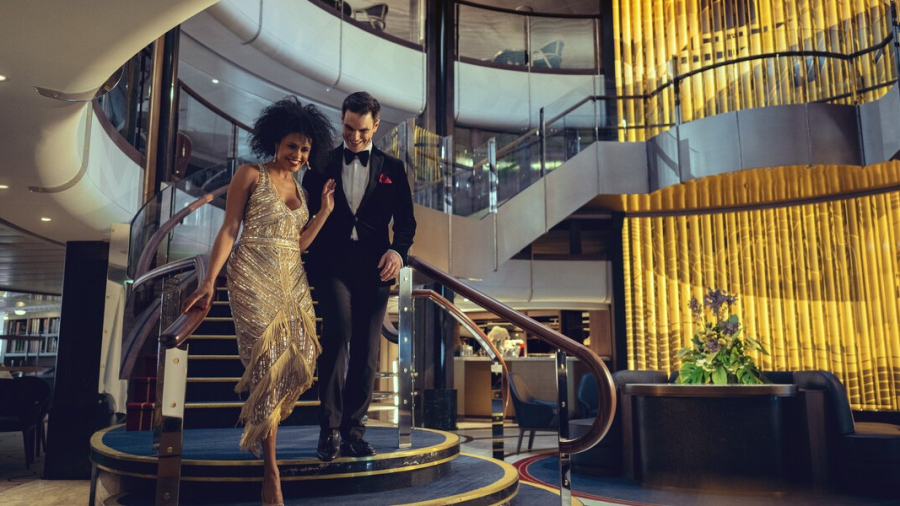
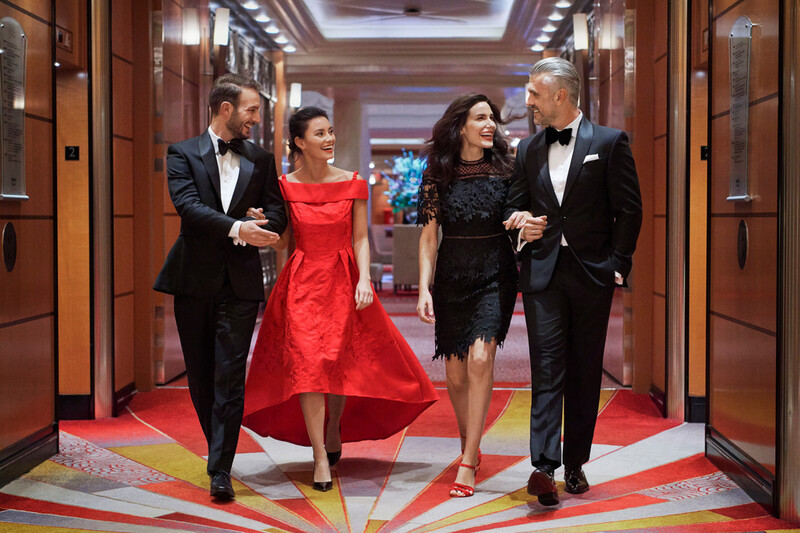
Evenings are a real event, with many guests dressing up whether it’s a Gala Night or not. Expect ballroom dancing, formal dining and a slower, more elegant pace overall. The core experience is unmistakably formal.
Interestingly though, Cunard isn’t a particularly expensive cruise line. I’ve sailed with Cunard three times and never paid more than £99 for my cruise! You can watch this video to see how I fit in…
If you want the feeling of a luxury cruise without the luxury price tag – Cunard could be ideal.
2. Silversea
Silversea blends luxury with a more modern feel, but it still sits firmly towards the formal end of the spectrum.
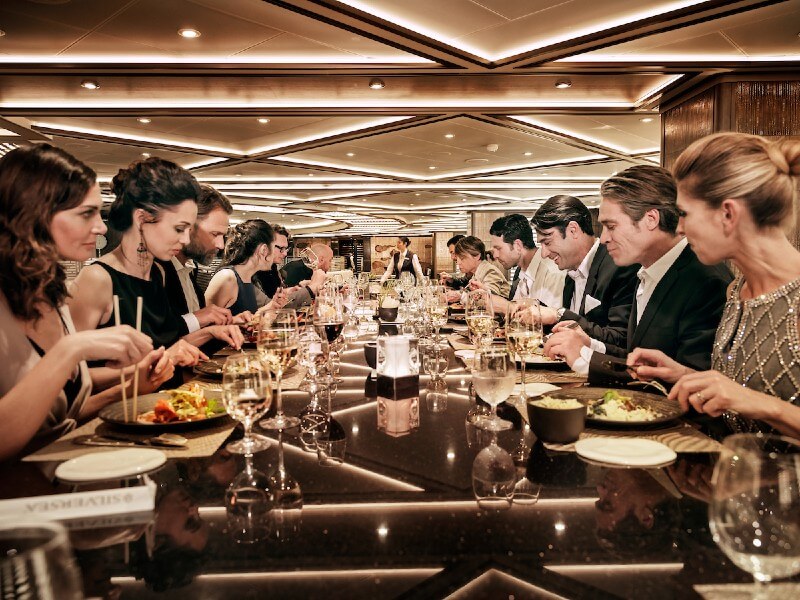
Service is highly attentive, dining is a major focus, and evenings naturally feel more dressed up – even when formalwear is technically optional. On longer sailings in particular, guests tend to embrace the occasion. It’s less rigid than Cunard, but still very much a polished, upscale experience.
Regent Seven Seas Cruises feels undeniably posh, with elegant ships, highly attentive service and some of the most refined dining at sea. The atmosphere is sophisticated, and guests generally make an effort in the evenings.
It’s luxurious and polished rather than stuffy, making Regent one of the fanciest cruise lines without the stricter traditions you’ll find on Cunard.
4. Seabourn
Seabourn offers an ultra-luxury experience that feels elegant and sophisticated without being overly traditional. The small ships, attentive service and refined dining create a naturally polished atmosphere, and guests generally dress smartly in the evenings.
After 6 pm, the usual dress code is “Elegant Casual”, with collared shirts or sweaters and trousers suggested for men, while women typically wear dresses, skirts or smart trousers. Jackets are optional on most evenings, and elegant jeans are permitted in the dining venues.
Seabourn’s ocean ships may also have formal evenings, when jackets are required for men in The Restaurant and many guests choose cocktail dresses, suits or eveningwear. However, alternative restaurants remain Elegant Casual, so dressing formally is never compulsory across the entire ship.
The expedition ships, Seabourn Venture and Seabourn Pursuit, have no formal evenings at all.
Saga Cruises offers a traditional, distinctly British cruising experience, with elegant ships, attentive service and guests who generally enjoy dressing smartly for the evening.
After 6 pm, the usual dress code is evening-casual. Smart dresses, elegant tops and trousers or skirts are recommended for women, while men are expected to wear a smart open-neck shirt and trousers.
Formal nights are still an important part of the Saga experience. Cruises of four to seven nights normally have one, while longer cruises have two or more. On these evenings, women typically wear cocktail dresses, evening gowns or elegant separates, while men are expected to wear a suit and tie or dinner jacket.
Saga feels polished and traditional without being as grand or ceremonious as Cunard, but it is still one of the more formal cruise lines sailing from the UK.
6. P&O Cruises
P&O Cruises offers a very classic British cruise experience, but without feeling overly rigid. Evenings usually follow an “Evening Casual” standard, with a step up to Black Tie on selected nights.
The Black Tie dress code is strictly enforced, with men requiring a jacket and tie to enter the dining rooms, although the buffet is also an option for those who wish to opt out.
Many guests do embrace the dressier side, especially on longer sailings, but there are always more relaxed venues if you’d rather keep things low-key. It’s traditional, but with enough flexibility to suit different styles.
Fred. Olsen Cruise Lines keeps that traditional cruise spirit alive, but in a more low-key, friendly way. There’s a clear shift to smarter evenings, and formal nights do feature on many sailings, but the atmosphere is never intimidating.
Guests tend to make an effort, especially at dinner, yet there’s a relaxed, almost homely feel that stops it from feeling overly formal.
Scenic offers an all-inclusive, luxury experience that’s relaxed but still polished. Days are completely casual, while evenings move to an elegant casual style.
The focus is on comfort, service and inclusions, rather than dressing up, but the overall feel remains quietly sophisticated. That said, they are very strict on not allowing men to wear shorts or sandals in the evenings.
Princess Cruises sits comfortably in the middle ground. The atmosphere feels polished, particularly in the evenings, but not overly formal or intimidating.
You’ll find smart casual as the norm, with occasional formal nights where some guests go all out while others keep it simple. Dining and entertainment lean classic, giving it a slightly dressier feel than more modern cruise lines.
Holland America Line has a refined, traditional feel, but it’s noticeably more relaxed than it once was. Evenings are generally smart casual, with “Dressy Nights” offering a chance to elevate things if you want to.
The focus is on good food, music and a more grown-up atmosphere, rather than strict formality. You’ll see a mix of styles, but overall it still leans polished.
Celebrity Cruises leans towards a more modern, “casual chic” style. The ships feel sleek and contemporary, and evenings naturally have a slightly dressier tone without being formal.
Some guests enjoy dressing up for “Evening Chic” nights, but many stick to smart casual throughout. It’s stylish rather than traditional, with a focus on good food, design and atmosphere.
Ambassador Cruise Line leans traditional in structure, but the atmosphere is far more relaxed than you might expect.
There are formal nights and a clear dress code, but enforcement is light and there are always casual alternatives. Guests tend to make an effort if they want to, but there’s no pressure to fully commit.
Azamara is a bit of a hybrid. There are no formal nights, but the overall atmosphere still leans more polished than you might expect.
Evenings have a “resort elegant” feel, with many guests naturally dressing up for dinner without being told to. Combined with its smaller ships and destination-focused itineraries, it feels refined without ever becoming formal or structured.
Explora Journeys feels like a modern luxury hotel at sea. There are no formal nights, no rigid schedules, and very little emphasis on rules – but the overall atmosphere is effortlessly stylish.
Evenings lean towards an elevated resort-casual look, with guests dressing well without going over the top. It’s refined, contemporary and intentionally low-key.
SeaDream Yacht Club is slightly different, with a smaller, yacht-style atmosphere that feels more intimate and relaxed during the day. But come evening, there’s still a clear expectation to look smart and put together.
There are no formal nights, yet the standard remains high, with guests dressing for dinner and enjoying a refined, sociable atmosphere. It’s understated rather than showy, but definitely still on the formal end.
Windstar Cruises delivers a yacht-style experience that’s intimate and easy-going. There are no formal nights, and the dress code stays firmly in “country club casual” territory.
Evenings are smart but relaxed, with guests dressing neatly rather than formally. It feels upscale without being showy, with a strong emphasis on comfort and atmosphere.
Marella Cruises has a relaxed, friendly holiday atmosphere, so there’s very little pressure to dress formally. Most guests keep things casual during the day and make a little more effort for dinner, but the overall feel is much closer to a resort holiday than a traditional cruise.
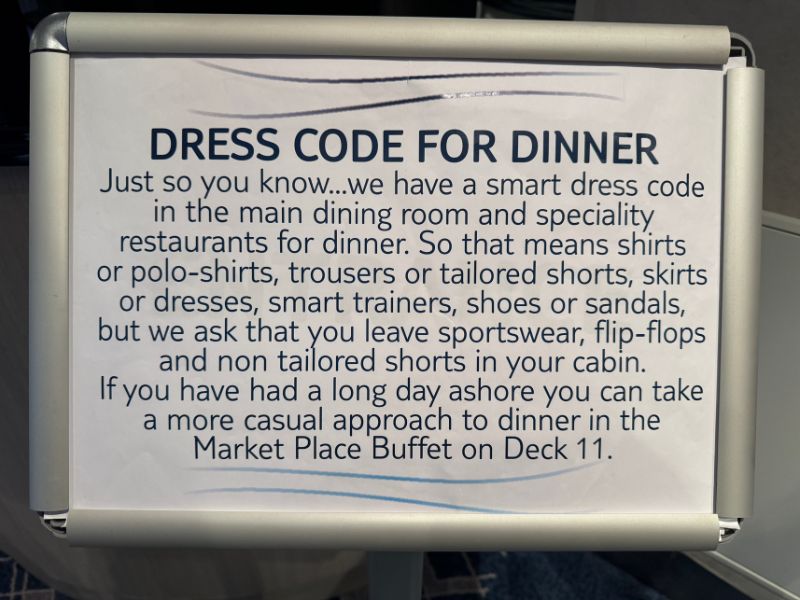
Dress codes vary by restaurant and are divided into Beachwear, Casual and Smart. In Smart venues, guests can wear shirts or polo shirts, trousers or tailored shorts, skirts or dresses, and smart shoes, sandals or trainers. Jackets and ties are optional.
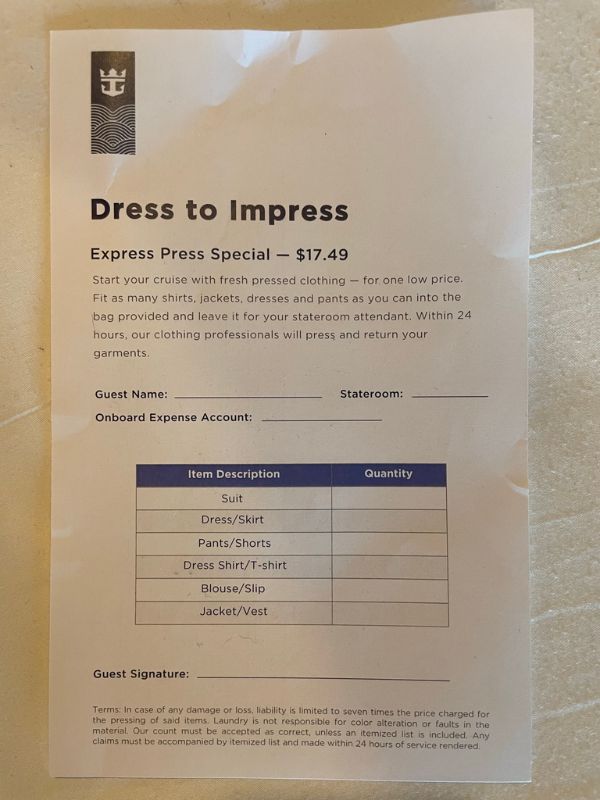
Marella has replaced the traditional formal night with a more relaxed “Dress to Impress” night. It gives guests the chance to dress up, but how far they take it is entirely up to them. Some wear suits and cocktail dresses, while others simply choose a smarter version of their usual evening clothes.
Overall, Marella is one of the more casual cruise lines. There are a few basic rules in selected restaurants, but you won’t need formalwear and you’re unlikely to feel out of place if you prefer to keep things simple.
19. Star Clippers
Star Clippers offers a relaxed sailing experience that feels more like a private yacht than a cruise ship.
There are no formal nights, and evenings stay very low-key, with simple expectations like long trousers and collared shirts for dinner. The atmosphere is informal, sociable and refreshingly uncomplicated.
MSC Cruises offers a lively, European-style cruise experience where anything goes within reason. Evenings usually sit at smart casual, but you’ll see a wide range – from very dressed up to very relaxed.
Gala nights and themed events add a bit of glamour if you want it, but there’s no pressure to take part. It’s energetic, varied and fairly easy-going.
Royal Caribbean is all about variety. With so much going on onboard, the atmosphere is naturally more relaxed, even in the evenings.
Smart casual is the norm for dinner, while “Dress Your Best” nights give you the option to dress up if you fancy it. In my experience, most people don’t dress up for these nights. You’ll see everything from jeans to suits, and both feel perfectly acceptable.
Disney Cruise Line keeps things fun and family-focused, which naturally makes it more relaxed. Evenings are generally casual to smart casual, with optional formal or semi-formal nights on longer sailings, and people do tend to be a little bit more dressy if eating in the adults-only restaurants.
The real focus is on themed experiences like Pirate Night, where dressing up is about fun rather than formality.
Costa Cruises has a laid-back, European feel where individuality is part of the experience. Evenings are generally smart casual, but there’s no strong expectation to dress up.
Some guests embrace themed or elegant nights, while others don’t – and both feel perfectly normal. It’s lively, sociable and far from formal.
Celestyal Cruises is one of the most relaxed cruise lines when it comes to atmosphere. While there are suggested dress codes and the occasional gala night, they’re rarely enforced in practice.
Many guests head straight from a busy day ashore to dinner without changing, which gives the whole experience a very easy-going feel.
Norwegian Cruise Line built its entire brand around “freestyle cruising”, and that extends to what you wear.
There are no formal nights, no set dining times and very few rules. Even in the evenings, it’s more about looking neat than dressing up. You’ll see a huge range of styles, and nobody stands out for being too casual.
Virgin Voyages takes things even further, with no dress code at all.
You can wear pretty much anything, anywhere – even in restaurants. Instead of formal nights, the focus is on fun, themed events like Scarlet Night or pyjama parties. It’s bold, modern and completely different from traditional cruising.
Carnival Cruise Line is one of the least formal cruise lines at sea. The atmosphere is lively, fun and extremely laid-back, with most guests prioritising comfort over dressing up.
Most evenings are classed as “Cruise Casual”, and the suggested clothing includes jeans, casual dresses, polo shirts and smart shorts. Carnival also holds “Cruise Elegant” nights, when some guests wear suits, cocktail dresses or even evening gowns, but plenty keep things much simpler.
There are still basic dress rules in the main dining rooms, while the buffet offers an even more relaxed alternative. Overall, though, Carnival is a line where dressing up is optional rather than an important part of the experience.
It is ideal for anyone who wants a fun cruise without worrying too much about what to pack or wear to dinner.
TODAY’S BEST CRUISE DEALS!
Don’t miss these offers…
Which Cruise Line Is Right For You?
Choosing the right cruise line isn’t just about price or itinerary – it’s about how you want your holiday to feel.
If you love dressing up, taking your time over dinner and enjoying a more traditional atmosphere, the cruise lines near the top of this ranking will suit you best. They offer that sense of occasion that some people absolutely love.
If you prefer a balance, where you can dress up when you feel like it but won’t feel out of place when you don’t, look towards the middle of the ranking. These cruise lines offer smarter evenings without putting you under too much pressure.
And if the idea of packing formalwear fills you with dread, the cruise lines near the bottom of the list are likely to suit you better. You can keep things casual and focus entirely on enjoying your holiday.
There’s no right or wrong choice here, only what fits your personal style. Get that right, and everything else tends to fall into place.
Can you wear shorts or jeans to dinner? Do you really need a formal outfit? And how strict are cruise lines, actually?
The answer varies more than you might think. Some cruises are completely relaxed, while others still lean into formal nights and smart evening wear.
Here’s what cruise dress codes really mean, what you’ll actually see onboard, and what you need to pack.
What Do We Mean By Cruise Dress Codes?
“Smart casual”, “formal”, “evening chic”… they all sound fairly self-explanatory, but the reality can vary wildly depending on the cruise line.
On one ship, smart casual might mean a collared shirt and chinos. On another, you’ll see people in jeans and t-shirts and nobody bats an eyelid.
That’s because cruise dress codes aren’t universal. Each cruise line sets its own expectations, and even then, how those rules are followed onboard can be very different from what’s written on the website.
There are a few constants, though. Dress codes mainly apply in the evenings, particularly in main dining rooms and speciality restaurants. During the day, cruises are much more relaxed – think shorts, T-shirts and swimwear around the pool (with a cover-up indoors).
Where it gets more confusing is in the evenings. Some lines expect a noticeable step up, others barely change at all, and a few still hold onto proper formal nights.
And that’s where things can catch people out!
Types 4 Dress Codes On Cruises
Cruise lines love their own terminology, but most dress codes fall into a few familiar categories. Once you understand these, everything else becomes much easier to decode.
Casual
This is what you’ll wear most of the time. Shorts, T-shirts, sundresses, polos – anything comfortable goes, as long as it’s not got offensive slogans or anything that could cause an issue for other guests.
You’ll see this during the day on every cruise line, and on some ships, it carries right through into the evening too.
Smart Casual
This is the most common evening dress code, and the one that causes the most confusion.
It basically means a step up from daytime wear – think collared shirts (or polo shirts) instead of T-shirts, dresses or blouses instead of beachwear, and generally looking a bit more put together. Jeans are often fine, but ripped or overly casual styles sometimes aren’t.
Formal / Gala Nights
This is where things get dressier – but how dressy depends on the cruise line. On some ships, it’s full black tie with tuxedos and evening gowns.
On others, it’s more of a “make an effort” night where a shirt and jacket or a cocktail dress will do. These are usually optional, but they’re still a big part of the traditional cruise experience on certain lines.
Theme Nights
Often overlooked, but very much part of cruise life.
Think White Nights, 80s parties or Caribbean-themed evenings. These are always optional, but they can be some of the most fun nights onboard if you join in.
Are Dress Codes Actually Enforced?
Some cruise lines talk a big game when it comes to dress codes – but what actually happens when you turn up to dinner is often very different.
In reality, enforcement varies hugely. On some ships, turn up underdressed and you’ll be politely turned away. On others, you could bend the rules quite a bit and no one will bat an eyelid – at least, nobody employed by the cruise line. Other guests may be judging you!
It’s one of the biggest differences between cruise lines, and something that can really shape the onboard atmosphere.
The table below breaks it down in a simple way. It focuses specifically on dinnertime in the main dining rooms, as that’s where dress codes matter most.
And when we talk about enforcement, we’re not referring to the obvious basics – like wearing shoes or not turning up in swimwear. This is about how strictly the finer details are applied, like whether you’d actually be stopped for wearing jeans or shorts when they’re technically not allowed.
Use it as a quick guide to get a feel for how relaxed – or strict – each cruise line really is.
Cruise Line
Shorts In Main Dining Room
Jeans In Main Dining Room
Jeans On Formal Nights
Dress Code Strictly Enforced
Azamara
No
Yes (smart)
N/A – No formal night
No
Ambassador
No
Yes (smart)
No
Yes
Carnival
Yes
Yes (smart)
Yes (smart)
No
Celebrity
No
Yes (smart)
Yes (smart)
No
Celestyal
Sometimes
Yes
Yes
No
Costa
Yes
Yes
N/A – No formal night
No
Cunard
No
No
No
Yes
Disney
Yes
Yes
Yes
No
Explora Journeys
Yes (tailored)
Yes
N/A – No formal night
No
Fred. Olsen
No
Yes (smart)
No
Yes
Holland America
No
Yes (smart)
No
No
MSC
Yes (tailored)
Yes
Yes
No
Norwegian (NCL)
Yes
Yes
N/A – No formal night
No
Oceania
No
Yes (smart)
N/A – No formal night
Yes
P&O Cruises
Yes (tailored)
Yes (smart)
No
Yes
Princess
No
Yes (smart)
No
Yes
Royal Caribbean
Yes
Yes
Yes (smart)
No
Scenic
No
Yes (smart)
N/A – No formal night
Yes
SeaDream
No
No
N/A – No formal night
Yes
Silversea (Classic)
No
No
No
Yes
Silversea (Expedition)
No
No
N/A – No formal night
Yes
Star Clippers
No
Yes (smart)
N/A – No formal night
No
Virgin Voyages
Yes
Yes
N/A – No formal night
No
Windstar
Yes (tailored)
Yes (smart)
N/A – No formal night
No
I used to think that it was there more ‘expensive’ cruises where you had to dress up more, but that’s not the case at all. Some budget cruise lines are notoriously strict. While some luxury lines let you wear whatever you feel most comfortable in.
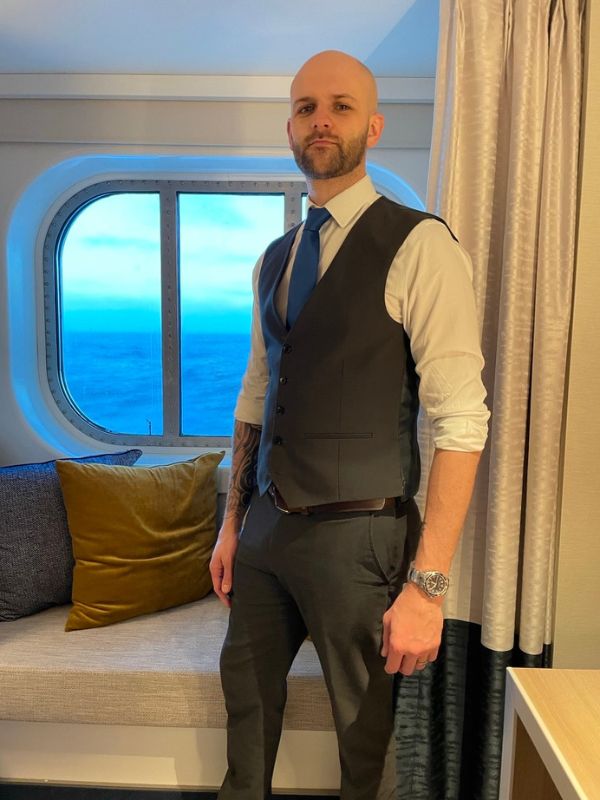
My husband was once turned away from the dining room on a P&O Cruise while wearting suit trousers, a collared shirt, tie and waistcoat. They demanded a jacket even in the summer heat. He didn’t have a jacket on the ship as he thought the smart waistcoat would be a more sensible option.
We looked around the dining room. All the men had their jackets on the back of their chairs. My husband pointed out that the other men weren’t wearing jackets. The dining room host said that he needed the jacket just for the walk from the desk to the table!
After hearing the clarification of the rule, my husband suggested borrowing a jacket from another guest for a few moments, as our table was just a steps away. At this point, they relented and let us in.
Other cruise lines are for more relaxed about the rules. On Royal Caribbean, MSC, Disney Cruise Line and NCL, formal night is seen more as an optional thing. If you don’t want to dress up, you can still eat dinner in the main dining room.
And when it comes to children, there are no dress codes. So if your children don’t want to wear formal clothes, or prefer something that’s still smat but a little more comfortable, that’s always fine.
If you’re unsure, the safest approach is simple – pack one or two outfits that meet the “smart” or “formal” brief, and then relax. It’s always easier to dress up than it is to realise you don’t have the option.
Dress Codes By Cruise Line
Azamara
Azamara keeps things firmly in the “resort casual” camp, with a relaxed but polished feel throughout the ship. There are no formal nights, although you’re welcome to dress up if you fancy it.
In restaurants, you’ll need to avoid beachwear, shorts, caps and distressed jeans, but otherwise it’s easy-going and unfussy.
Ambassador Cruise Line
Ambassador takes a more traditional approach, with three clear dress codes across your cruise. Casual is fine during the day and on relaxed evenings.
Smart dress means shirts, trousers, dresses or smart separates for dinner and shows.
Formal nights – usually one or two depending on sailing length – call for suits, dinner jackets or cocktail-style outfits. However, you can always opt for the buffet if you’d rather keep things casual.
Carnival
Carnival keeps things relaxed overall, with a simple day-to-night shift. Daytime is fully casual – think shorts, T-shirts and swimwear.
Evenings are mostly “cruise casual”, so jeans, polos and summer dresses are all fine. On one or two “Cruise Elegant” nights, it steps up slightly – shirts and jackets for men, dresses or dressy outfits for women – but full formalwear is optional. Theme nights like White Night or 80s parties are also common.
Celebrity leans towards “casual chic”, with a slightly more polished feel than mainstream lines.
Days are relaxed, but evenings step up to smart casual – think dresses, blouses, shirts and trousers. One or two “Evening Chic” nights add a dressier option, but formalwear isn’t required and smart casual is still perfectly acceptable.
Celestyal Cruises
Celestyal suggests a “relaxed but elegant” style in the evenings, with dresses or smart outfits for women and trousers with shirts for men.
In reality, it’s very laid-back, with many guests staying in daytime wear. There may be a single gala night on longer sailings, but even that feels optional rather than expected.
Costa Cruises
Costa keeps things fairly relaxed, with a casual approach during the day and an “elegant if you feel like it” attitude in the evenings. Most nights, smart casual works perfectly for dinner, with optional dressier outfits for special occasions. There’s no strong push towards formal nights – it’s more about effortless, European-style dressing than strict rules.
Cunard
Cunard is one of the most formal cruise lines at sea. Days are relaxed, but most evenings call for proper smart attire – think jackets, collared shirts, dresses or elegant separates.
On Gala Evenings, it steps up to full black-tie, with tuxedos, evening gowns and themed events. You can avoid dressing up by using casual venues, but the overall atmosphere is undeniably formal.
Disney keeps things firmly in the “cruise casual” camp, with a family-friendly, relaxed approach. Shorts, T-shirts and sundresses are fine most evenings, although swimwear isn’t allowed in dining rooms.
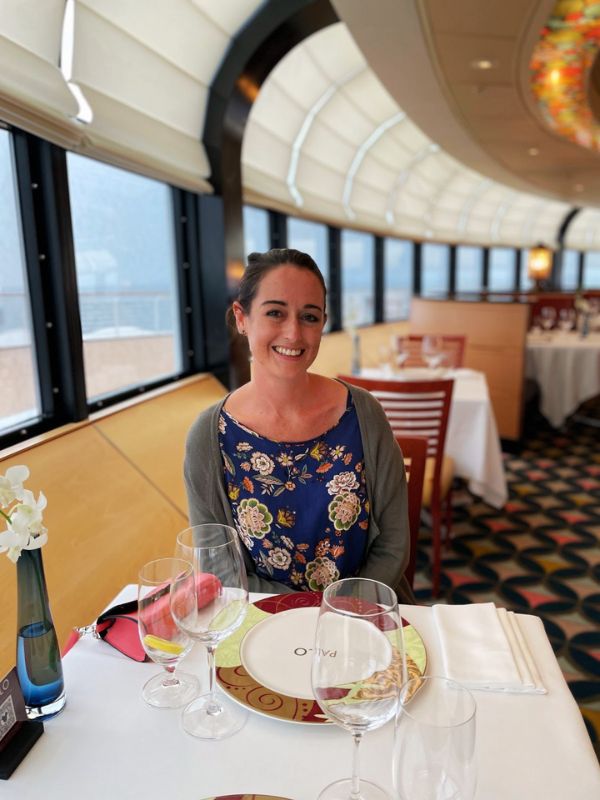
Palo restaurant on Disney Magic
On longer cruises, you’ll get optional formal or semi-formal nights, plus fun themed events like Pirate Night. You can dress up if you want, but there’s no pressure – most guests keep it comfortable and casual.
Explora Journeys
Explora Journeys keeps things effortlessly upscale, with no formal nights at all. Days are completely relaxed, while evenings move to an elevated resort-casual style – think chic, polished outfits rather than anything overly dressy.
Tailored shorts are often fine, but sportswear, flip flops and caps aren’t welcome in the evenings. It feels refined without ever being formal.
Fred. Olsen Cruise Line
Fred. Olsen keeps things traditional but relaxed, with a clear shift from casual days to smarter evenings. During the day, anything comfortable goes.
In the evenings, it’s smart casual – think shirts, chinos, dresses or smart separates – with no beachwear or flip flops in dining rooms. Some sailings may include formal nights, but overall it feels low-key rather than dressy.
Holland America Line
Holland America strikes a nice middle ground, with casual days and a clear move to smart casual in the evenings. That means collared shirts, dresses or smart separates for dinner, with shorts and beachwear not allowed in main restaurants.
On “Dressy Nights”, many guests step things up with jackets or dressier outfits, but it’s not strictly formal.
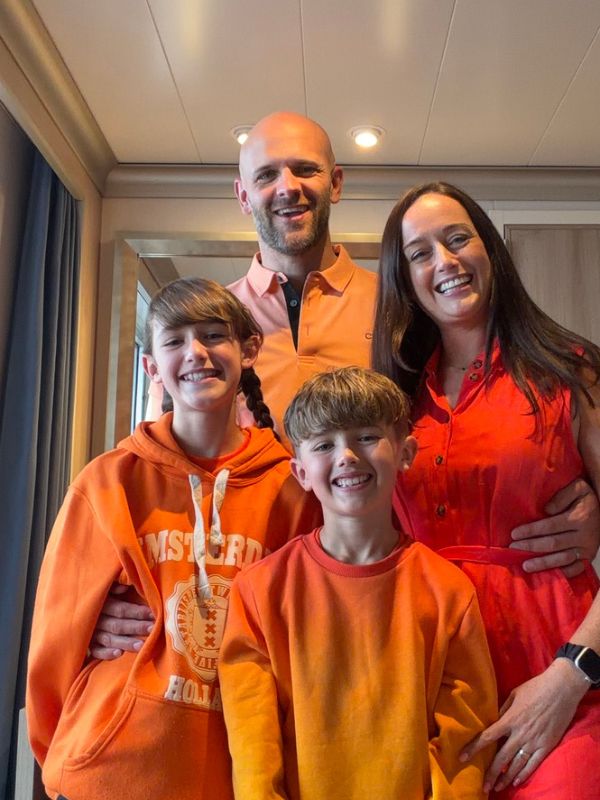
You’ll definitely want to pack something orange too, because the Orange Party is a lot of fun and most people dress up!
MSC Cruises
MSC sits in that easy middle ground, with casual days and a noticeable step up in the evenings.
Smart casual is the norm for dinner – think collared shirts, dresses or tailored outfits – while Gala Nights invite you to dress up as much (or as little) as you like. There’s also a strong focus on themed parties, like White Nights, adding a fun, dress-up element without strict rules.
Norwegian Cruise Line
NCL is one of the most relaxed cruise lines when it comes to dress codes, leaning into its “freestyle cruising” approach. Days and evenings are both casual, with no formal nights at all. For dinner, it’s more about looking neat than dressing up – think shorts, polos, dresses or smart-casual outfits, especially in speciality restaurants.
Oceania Cruises
Oceania goes for “effortless sophistication” – polished, but never formal. Days are relaxed with resort-style wear, while evenings move to a refined smart casual look. Think dresses, blouses, collared shirts and tailored trousers, with shorts and T-shirts limited to casual venues at night. There are no formal nights, but the overall feel is quietly upscale rather than laid-back.
P&O strikes a balance between relaxed and traditional, with casual days and “Evening Casual” as the standard at night – think shirts, trousers, dresses or smart separates.
On selected “Black Tie” nights, it’s a proper step up to tuxedos, suits or formal dresses. You can still dress down in casual venues, but the overall feel leans classic cruise.
Princess Cruises
Princess keeps things classic and fairly traditional, with smart casual as the baseline most evenings – think dresses, skirts, shirts and trousers. During the day, it’s relaxed and practical.
On select evenings, it steps up to formal, where suits, dinner jackets or cocktail dresses are encouraged. It’s not overly strict, but it does lean towards a more polished, traditional cruise feel.
Royal Caribbean offers a flexible mix of casual, smart casual and formal nights. Days are relaxed, while most evenings sit at smart casual – think collared shirts, dresses or blouses.
On “Dress Your Best” nights, you can go full formal with suits or evening wear, but it’s optional. Overall, it’s varied but not strictly enforced.
Scenic keeps things firmly in the relaxed luxury category, with no formal nights at all. Days are casual and comfortable, while evenings move to an elegant casual style – think dresses, blouses, collared shirts and trousers.
Jackets and ties are optional rather than expected, giving it a polished feel without any real pressure to dress up.
SeaDream Yacht Club
SeaDream leans into a “yacht club” feel, with stylish but relaxed days and a clear step up in the evenings. Dinner calls for casually elegant outfits – dresses, blouses, collared shirts and trousers – with no jeans, shorts or flip flops allowed. There are no formal nights, but the evening standard is definitely polished.
Silversea
Silversea has two slightly different dress codes depending on the type of cruise. On classic (ocean) voyages, days are relaxed resort wear, while evenings follow an “elegant casual” standard – think dresses, blouses, collared shirts and tailored trousers.
On longer sailings, you’ll also get a few “formal optional” nights where guests can dress up, but it’s never required.
Expedition cruises are more relaxed. Evenings stay firmly in elegant casual, with no real push towards formalwear at all. Across both, shorts, T-shirts and very casual footwear aren’t allowed indoors after 6pm, so there’s always a polished feel in the evenings.
Star Clippers
Star Clippers is about as relaxed as it gets, with a laid-back, sailing yacht atmosphere. Days are fully casual, and even in the evenings there’s no real formality – just long trousers and a collared shirt for men, with similar casual-smart outfits for women. Jackets are optional, and it’s all very easy-going and informal.
Virgin Voyages throws traditional dress codes out completely.
There are no formal nights and no real rules about what to wear, even in restaurants – you’ll see everything from swimwear to dressed-up looks. It’s all about self-expression, with themed events like Scarlet Night and pyjama parties adding to the fun. If anything, the “dress code” is simply: wear what you like.
Windstar keeps things relaxed but polished, with a yacht-style feel throughout. Days are completely casual, while evenings shift to a “country club” standard – think collared shirts, smart tops, dresses or tailored trousers. Jeans are usually fine if they’re neat, and jackets are optional. There are no formal nights, just an easy, quietly elegant vibe.
What To Wear On A Cruise – Practical Tips
Packing for a cruise is where dress codes suddenly feel very real. You don’t need a different outfit for every occasion, but you do need a bit of range.
Start with your cruise line – that will dictate how smart your evenings need to be. Then think about your itinerary. Hot weather, cooler evenings, air conditioning and excursions all play a part, so layers are your best friend.
For most cruises, a simple formula works: a few casual daytime outfits, a couple of smarter evening looks, and one dressier option just in case. Comfortable shoes are essential – both for the ship and for port days.
The biggest mistake? Overpacking. Most people wear the same outfits on rotation and never touch half of what they bring.
Keep it simple, keep it versatile, and you’ll be absolutely fine.
Most cruise lines are relaxed, but there are still a few easy mistakes that can catch you out – usually at the worst possible moment, like when you’re heading to dinner.
Swimwear in restaurants is the big one. Even the most laid-back cruise lines expect you to cover up and put shoes on before heading indoors. It sounds obvious, but it trips people up all the time.
Flip flops and very casual footwear can also be an issue in the evenings, especially in main dining rooms. Some lines allow them, others don’t – and it’s not always clearly signposted.
Sportswear, gym gear and beachwear are another common no-go for dinner, even on casual ships. And while jeans are often fine, ripped or distressed styles usually aren’t.
Clothing with offensive slogans or graphics is also a definite no. Cruise lines are very family-focused environments, and anything seen as inappropriate can get you asked to change.
Finally, don’t assume shorts will always be acceptable at night. On some cruise lines they’re fine, on others they’ll get you turned away.
If in doubt, aim slightly smarter than you think you need to – it’s the easiest way to avoid any awkward wardrobe changes.
This one catches people by surprise. On cruises, certain symbols – especially pineapples and sometimes flamingos – can have hidden meanings linked to the swinging lifestyle.
It’s not something most people will notice, but it’s worth being aware of before packing that pineapple shirt or dress, just to avoid any unexpected attention.
Cruise dress codes might sound complicated at first, but once you break them down, they’re much easier to navigate.
Most cruises are far more relaxed than people expect. As long as you’ve got a mix of casual outfits, something a bit smarter for the evenings, and one dressier option just in case, you’ll be covered for pretty much anything.
The biggest thing to remember is that every cruise line is different. What feels perfectly normal on one ship might feel completely out of place on another – which is why it always pays to check before you pack.
But don’t overthink it. Cruises are meant to be easy, and your wardrobe should be too. Pack smart, keep it simple, and you’ll spend far less time worrying about what to wear – and far more time enjoying your holiday.
If you’ve ever stood in the cruise terminal wondering why security is rooting through someone’s suitcase while the rest of us are melting in the queue, odds are they’ve packed something from this list.
From sneaky booze to suspicious “romantic accessories,” these are the items most likely to get confiscated before you’ve even seen your cabin.
It’s not about being naughty – it’s about knowing what makes cruise security twitchy, and what you can bring instead to keep your holiday running smoother than a piña colada at sailaway.
1. Sneaky Booze
Every week, cruise security catches dozens of hopeful guests trying to sneak alcohol onboard.
People get creative: gin disguised in water bottles, rum hidden in fake shampoo containers, wine bladders stuffed into socks. The goal? Avoiding those bar prices or pricey drinks packages.
Unfortunately, most cruise lines only permit a small alcohol allowance – typically one sealed 750 ml bottle of wine or Champagne per adult. Anything beyond that, especially hard liquor or beer, is confiscated. Some lines will return it at the end of your cruise; others pour it away there and then.
Security has seen every trick in the book, so even the most convincing “conditioner bottle” will get flagged on the scanner. Don’t risk wasting good rum – or worse, holding up the queue.
Check your cruise line’s policy in advance – they’re all different. If you want to enjoy a tipple in your cabin, stick to the permitted wine or Champagne.
Otherwise, budget for onboard drinks or look out for happy-hour specials. You’re on holiday – let the bartender do the heavy lifting.
2. Large Bottles of Non-Alcoholic Drinks
Bringing a case of bottled water or two-litre bottles of cola might sound sensible, but large containers are one of the most frequently seized items.
The official reason is safety (glass bottles can break, plastic bottles can leak). The unofficial reason is suspicion – alcohol disguised as cola is one of the oldest tricks in the cruising book.
Lines like Carnival and Royal Caribbean now specify “sealed cans or cartons only” for soft drinks. Unsealed or oversized bottles are simply thrown away at security.
Fill it up at water dispensers once you’re onboard – the ship’s water is purified and perfectly safe. If your caffeine addiction runs deep, bring small sealed cans of fizzy drinks if your cruise line allows. You’ll save money and space in your luggage.
3. Unsealed or Fresh Food
You’d be surprised how many people pack entire picnics for embarkation – or worse, leftover sandwiches from the hotel breakfast buffet.
Sadly, all fresh or unsealed food gets confiscated. It’s a health-and-safety thing: perishables can attract pests, spoil in your suitcase, or violate import laws at different ports.
Customs takes this seriously. That “innocent” banana from the buffet can land you a fine if you forget it in your bag when disembarking somewhere like Australia or New Zealand.
What to pack instead:
Stick to pre-packaged snacks like crisps, cereal bars or biscuits. They’re safe, hygienic and ideal for excursions. And remember – you’re about to board a floating buffet. You won’t go hungry.
4. Extension Cords and Power Strips
Cabin plug sockets are precious real estate, so people often bring power strips or multi-plug adaptors to charge phones, tablets and straighteners all at once.
Unfortunately, anything with a surge protector or multiple outlets is a major fire hazard at sea. Cruise ships run on different voltage systems, and one dodgy extension can take out an entire circuit.
Even travel power strips that claim to be “cruise-safe” can be confiscated if the officer on duty decides they’re questionable.
Bring a simple non-surge adaptor and a small USB charging hub.
Many newer ships have USB and USB-C ports built into the bedside lamps. Ask your cabin steward for help if you’re short on sockets – they’ve seen it all before.
5. Clothes Irons, Steamers and Hot Plates
Nothing says “formal night panic” like discovering your evening dress looks like it’s been balled up since 2019.
Still, personal irons, travel steamers and anything with an exposed heating element are banned. Fire is the biggest fear at sea, and irons are an obvious culprit.
Even hair straighteners sometimes raise eyebrows if they look industrial. Security staff are trained to err on the side of caution.
Hang your clothes in the bathroom while you take a hot shower – the steam works wonders.
Many ships also offer self-service laundrettes or pressing rooms for a small fee. A travel-size wrinkle-release spray is a cruiser’s best friend.
6. Candles and Incense
We all love a nice scent or the cosy feel of a flickering candle but cruise ships are basically floating hotels made of highly flammable materials.
One forgotten candle or stick of incense could spell disaster. Even the tiniest tealight is banned.
You might think a quick whiff of lavender won’t hurt, but your cabin steward will notice the smell immediately – and confiscate the evidence before you can say “namaste.”
Use battery-operated candles or a plug-in diffuser (if allowed). A few reed sticks or a fabric-safe room spray can keep things fresh without risking a fire drill.
7. Sharp Objects and Weapons
This category covers everything from kitchen knives to martial arts gear and replica swords. Even decorative blades from a souvenir shop might not make it past security. The rule is simple: if it can stab, slice or bludgeon, it’s staying on shore.
You don’t need to worry about razors, nail clippers or small grooming scissors – those are fine – but anything larger than four inches is a no.
What to pack instead:
Pack travel-safe grooming tools and leave the serious steel at home. If you’re a diver or fisherman bringing specialist gear, declare it at check-in and let the crew store it safely for you.
8. Drones, Hoverboards and Starlink Devices
Drones are the bane of ship security. They’re cool, sure, but launch one off your balcony and you could hit another passenger, damage equipment, or lose it forever to the deep blue sea.
Hoverboards, e-scooters and large lithium batteries are equally banned for fire and safety reasons.
And in case you were wondering – no, you can’t bring your personal Starlink or satellite router. Cruise lines are very protective of their Wi-Fi revenue streams.
If you want aerial footage, take your drone ashore where it’s allowed, or use a GoPro for onboard shots. For internet, buy a WiFi package or wait for port stops – consider it enforced relaxation.
9. CBD Products and Other “Legal but Not Allowed” Substances
CBD might be the latest wellness craze for some, and genuinely essential medication for others, but even legal cannabis-derived products are banned on most ships.
The issue is international law: what’s legal in Southampton might be illegal in the Bahamas. Ships don’t take the risk, so they confiscate anything remotely hemp-related.
Even vapes or gummies labelled “THC-free” can cause problems if security isn’t sure what’s inside.
Stick to standard painkillers or doctor-prescribed medication, always in the original packaging. If you use CBD for anxiety or sleep, ask your GP for an approved alternative before you travel.
10. Fans and Small Appliances
Cruise cabins can get warm, especially in tropical climates, so plenty of passengers pack portable fans.
The problem is that some use open blades or draw more power than the ship’s system can handle. Likewise, kettles, coffee makers and toasters are all banned for obvious reasons – fire again.
Security often allows small USB-powered fans, but it’s a grey area.
What to pack instead:
Bring a compact USB fan if your cruise line allows it, or ask your cabin steward for extra airflow options.
And before you pack a kettle, remember that 24-hour room service and a buffet full of tea bags exist for a reason.
11. Portable Speakers
It’s always “just one song” until someone’s blasting drum and bass on the balcony at midnight.
Carnival has officially banned personal speakers altogether, and other lines are following suit to keep the peace. Ships are social spaces, not nightclubs – unless the cruise director says so.
Bring headphones or a tiny, quiet speaker if it’s explicitly allowed. Otherwise, enjoy the onboard entertainment – live bands, deck DJs and karaoke are already included in your fare.
12. Handcuffs and “Bedroom Accessories”
Yes, this really happens. Security routinely confiscates handcuffs, restraints and certain adult toys – not because they’re prudish, but because they fall under the same category as “weapons” or “restricted items.”
Plus, nothing says awkward like explaining the pink fluffy cuffs to a stone-faced security officer.
Or worse, greeting a cabin steward who wanders in to see you tied to the bed…
If you’re bringing romantic accessories, keep them discreet, battery-powered and non-metallic. Remember, luggage is scanned – and the staff have seen everything.
13. Firearms and Ammunition
This should go without saying, but it’s worth repeating: firearms, ammunition and replica weapons are strictly forbidden.
Even licensed gun owners can’t bring them onboard. Security takes this extremely seriously – if a weapon is found, you’ll likely be denied boarding and possibly face legal trouble.
Absolutely nothing resembling a gun, even as a souvenir or costume prop.
If you’re travelling internationally, double-check your luggage before flying – even an empty bullet casing can cause chaos at security.
14. Decorations, Curtains and Door Stickers
Decorating your cabin door has become a cruise tradition – birthdays, anniversaries, or just for fun.
But anything that blocks corridors, damages doors or breaches fire codes will be removed. Some decorations, like string lights or curtains, are banned altogether because of the materials used.
And yes, pineapple stickers and “code” décor that might be misinterpreted as an invitation for extracurricular activities have been known to cause problems too.
Stick to magnetic decorations or removable paper signs if your cruise line allows them. Keep it clean, lighthearted and family-friendly. You can still make your door stand out – just not to security.
Final Thoughts
Most of these rules come down to three things: safety, security and revenue. If something could cause a fire, hurt someone, break a law in port, or undercut the cruise line’s profits, it’s likely to be confiscated.
Before you pack, take five minutes to check your cruise line’s “Prohibited Items” list – it’s always available online. Pack smart, stay honest, and don’t be that passenger watching your fake shampoo bottle of vodka disappear into the bin.
After all, the fewer items you lose at security, the quicker you’ll be sipping something cold on deck, smugly aware that this time, you beat the system by simply following the rules.
No matter how carefully you pack your clothes, creases are almost inevitable once you unpack in your cruise cabin. Even formal outfits folded with care can end up needing a bit of attention after travelling.
Whether you’re heading off on your first cruise or you’re a seasoned cruiser, there are a few simple ways to keep your clothes looking smart and crease-free on board.
But before we get started, there’s one crucial point you need to be aware of…
You Are Not Allowed to Bring an Iron on a Cruise
While you might be tempted to pack a compact travel iron or a clothes steamer, it’s important to know that these items are strictly prohibited on most cruise lines, regardless of their size. The same restriction typically applies to personal clothes dryers, too.
But luckily, there are a few other cruise-approved methods to keep your clothes looking good and wrinkle-free.
How to Deal With Wrinkled Clothes on a Cruise
I have five solutions to keep your clothes wrinkle-free, from self-service laundry rooms to some simple hacks you can do in your cabin. Let’s go over each option.
1. Use the self-service laundry room
While in-cabin irons are not provided on cruise ships due to fire safety concerns, there are alternatives available. You can sometimes request an iron from the housekeeping staff or find one in the ship’s dedicated laundry area. Additionally, the onboard laundry service is a convenient option for taking care of your garments.
You can find more detailed information about using laundry services on a cruise ship in my Cruise Ship Laundry Guide.
Some cruise lines do offer self-service rooms with ironing equipment. This information could be beneficial when planning your trip, ensuring you are well-prepared and can travel with ease. So, below, I’ve compiled a table listing all the cruise lines and whether or not they offer this facility.
Cruise Line
Self-service rooms with ironing equipment available
Azamara
Yes
Carnival
Yes, but only ironing rooms on Carnival Mardi Gras, Carnival Celebration & Carnival Jubilee
Celebrity Cruises
No
Costa Cruises
No
Cunard
Yes
Disney Cruise Line
Yes
Fred. Olsen Cruise Lines
Yes
Holland America Line
Yes, but only on Amsterdam and Maasdam ships
Marella Cruises
No, but allows guests to bring a travel iron on board
MSC Cruises
No
Norwegian Cruise Line
No, but you can request an iron and board from guest services
P&O Cruises
Yes
Princess Cruises
Yes
Royal Caribbean
No
Virgin Voyages
No
2. Use a flat iron
For those of you who might be surprised, let me clarify: Yes, I’m referring to hair straighteners, also known as flat irons or curling irons.
It’s important to remember that a traditional iron is off-limits when packing for a cruise, but you can bring your hair straighteners or a curling iron. These can come in handy not just for your hair but also for getting the creases out of your clothes.
Straighteners can work wonders on small fabric wrinkles. For example, they can be great for straightening collars or smoothing down hems on shirts and dresses. Just check that they are clean and free from any hair product residue to avoid staining your clothes.
Of course, hair straighteners and curling irons won’t replace a traditional iron’s effectiveness. Still, while you’re on a cruise and working with what’s available, they become a versatile and surprisingly effective tool to remove creases from your clothes.
TODAY’S BEST CRUISE DEALS!
Don’t miss these offers…
3. Use the pressing service
If you have more delicate items or simply don’t fancy the chore of ironing during your cruise, a pressing service can be a convenient solution. This service, offered by most cruise lines, can handle various clothing items and fabrics, ensuring they look their best.
It’s worth noting that fees for this service vary depending on the cruise line and type of garment, with the higher-end costs tending to represent suits and evening gowns.
The table below provides an approximate cost per item for pressing across various cruise lines, giving you an idea of what you can expect to pay.
Remember that these figures are subject to change, and it’s always best to check the latest information with your cruise line of choice.
Cruise Line
Approx cost per item for pressing only
Azamara
$2 to $5
Carnival
$2.80 to $12.99
Celebrity Cruises
$4 to $15
Costa Cruises
$2 to $9
Cunard
$2.50 to $15.50
Disney Cruise Line
$2 to $6.60
Fred. Olsen Cruise Lines
£1 to £5
Holland America Line
$2.50 to $6.50
Marella Cruises
£1.35 to £4.65
MSC Cruises
$1.30 to $9.90
Norwegian Cruise Line
$1.95 to $11.95
P&O Cruises
£3.00 to £12.00
Princess Cruises
$1.25 to $11.50
Royal Caribbean
$1.99 to $14.99
Virgin Voyages
$4
Windstar
$1.75 to $9
4. Use crease release spray
Crease release sprays can be a quick and effective solution to wrinkled clothing while on a cruise. These sprays are easy to pack, convenient to use, and don’t require an iron. One of the popular choices among travellers is wrinkle release spray.
To use a crease release spray, all you have to do is spray the product onto your wrinkled garment, smooth and stretch the fabric, and let it dry. The product helps to relax the fibres in the fabric, reducing the appearance of creases. This can be particularly useful for lightly wrinkled clothing and when you’re rushing to get ready.
You can purchase it from various online retailers, including Amazon. Please always remember to follow the instructions on the product label to ensure the best results.
5. Hang clothes in a steamy bathroom
Another easy and effective method to remove wrinkles from your clothes while on a cruise is to hang them in a steamy bathroom. This age-old trick is quite popular among travellers and doesn’t require any special equipment or products.
To use this method, simply hang your wrinkled garments in the bathroom while you take a hot shower. The shower’s heat and steam will help relax the fibres in the fabric and smooth out the wrinkles.
To maximise the effectiveness of this method, make sure to close all doors and windows in the bathroom to keep the steam in. You’re meant to do this anyway. You should also smooth out the garment with your hands after the shower.
Also, remember to hang your clothes away from the shower to prevent them from getting wet. This method is especially effective for lightweight and delicate fabrics that can easily be damaged by an iron.
So next time you’re getting ready for a formal dinner or a special event on your cruise, consider using the steamy bathroom method to have your clothes looking their best.
More Tips to Avoid Wrinkled Clothes on a Cruise
With these ironing alternatives, you can always look your best on your cruise, even without access to an iron. However, you can take some additional steps to avoid wrinkled clothes altogether.
Here are a few more tips to keep your clothes looking fresh and crease-free throughout your cruise:
1. Unpack straight away
As soon as you get to your cabin and your suitcases have been delivered, make sure to unpack your suitcases. Clothes left folded in luggage for long periods are more likely to develop deep creases and wrinkles.
You can minimise the risk of wrinkles forming by hanging your clothes in the wardrobe or laying them flat in drawers as soon as possible. Plus, it’s always nice to get settled into your cabin, so you can start enjoying your cruise experience.
2. Choose synthetic fabrics
One simple trick to avoid creases and wrinkles in your clothes is to choose clothing made of synthetic fabrics. Materials like polyester, nylon, and elastane are less prone to creasing than natural fabrics like cotton or linen. Synthetic fabrics are often lightweight and easy to pack, making them a great choice for travel.
In fact, some of my favourite cruise dresses are made from synthetic fabrics. They not only look good, but also maintain their shape throughout the cruise without needing any ironing. You can take a look at some of these crease-resistant dresses on Amazon that I personally recommend for a cruise.
3. Don’t stress over it!
Lastly, try not to stress over wrinkles or creases in your clothes. Remember, you’re on a cruise to relax and enjoy yourself. It’s all about having a good time and making lasting memories.
While we all want to look our best, a few wrinkles in your clothes won’t detract from the great experiences you’ll have on board.
Indeed, everyone is in the same boat, quite literally! The likelihood is that most fellow passengers are dealing with the same issue, and they are far more interested in enjoying the cruise than worrying about a few creases. So, take a deep breath, let it go, and focus on having the most enjoyable cruise possible.
For many cruisers, formal night is a highlight of the trip – the perfect excuse to dress up, feel a little glamorous and enjoy a special evening onboard.
For others, the idea of getting fancy isn’t quite as appealing, and the good news is that Royal Caribbean gives you plenty of ways to opt out without hiding in your stateroom.
Whether you love it or plan to avoid it, here’s everything you need to know about Royal Caribbean’s formal night before you sail.
Yes, Formal Nights Are Still a Thing
Royal Caribbean does have formal nights on cruises, but they aren’t strict. There is a Royal Caribbean dress code that guests can follow, but there are plenty of relaxed places on the ship if you don’t want to dress up.
If you want to know more about formal nights on Royal Caribbean cruises, then these are six things to be aware of before you sail:
1. Most Cruises Have 1-2 Formal Nights
The number of formal nights on a Royal Caribbean cruise depends on the length of the itinerary. For cruises up to 5 nights, there is normally one formal night. 6-7 night cruises will have two formal nights. Longer cruises may have a third formal night.
Royal knows that packing your formalwear means that you’ll want to make the most of it. If you’re sailing for a week, it would feel like a shame to only wear it for one night, which is why you get two opportunities.
But there has to be a balance because going to the effort of getting dressed up for formal night too regularly becomes a chore, which isn’t exactly how a holiday should feel.
Which is why there’s a good balance between the length of the cruise and the number of formal nights – not so many that you feel like you’re on an old-timey formal vacation and you can’t properly relax, but enough to make it feel like bringing that cocktail dress and pressed suit on board was worth the effort.
2. Expect the First Formal Night on Day 2 of Your Cruise
Most Royal Caribbean cruises have a formal night on the second day of your cruise itinerary, regardless of the length of the cruise. If your cruise is long enough to have a second formal night, this will either be on day 5 or day 6.
For 6-night cruises, it will of course always be day 5 for the second formal night – on day 6, you’ll be enjoying the last night of your cruise, and since your luggage may be getting collected that evening ahead of your departure, you don’t want to have to carry your formalwear around in your overnight bag with you.
7-night cruises tend to have the second formal night on day 6, although it depends on your ship. On the Oasis-class ships, it depends on where you are sailing – western itineraries tend to have the second formal night on day 5, while eastern itineraries move it to day 6 (source).
If you’re sailing on a longer cruise, then the formal nights can vary – it’s best to speak to the cruise line directly to find out when they are, if you need to know in advance. Otherwise, you’ll get a full itinerary once you board the ship.
NEW DEALS JUST RELEASED!
Don’t miss the latest Royal Caribbean offers…
3. It’s Not Even Called ‘Formal Night’
Formal night on Royal Caribbean isn’t too formal. It’s been renamed as ‘Dress to Impress’, and while the suggested dress code lists suits with ties, tuxedos, evening gowns and cocktail dresses, there’s no requirement to dress up to the nines if you don’t want to.
The Royal Caribbean dinner dress code is fairly chilled, and there’s no listed dress code for children. Feel free to dress them up in shirts, trousers, waistcoats and party dresses too. But if your kid wants to wear tennis shoes or won’t wear a tie, that’s absolutely fine.
Overall, don’t expect a really stuffy night. It’s not meant to be really upper-class and uncomfortable, but more the chance to have fun getting ready, getting some photos taken, looking your glam best, and making the night something of a treat.
I’ve found that on cruises from Southampton on Anthem of the Seas, people generally dress up more than they do on Royal Caribbean cruises in the Bahamas and Caribbean. This could be because Brits like to get dressed up more than Americans do, or it could be because the hot weather of the Caribbean puts people off from wearing sequins, floor-length gowns and dinner jackets.
If dressing up really isn’t something that you’ll enjoy, don’t let it put you off a cruise, because it’s much more relaxed, and you have options available to avoid feeling like you’re out of place.
The formality only extends to the dress code, and even that is suggested. There aren’t any other formal procedures you have to go through, although expect a long queue for the ship’s photographers, as a lot of people will want to get their photos taken when dressed in their best. These aren’t mandatory, though, so skip those queues if you aren’t fussed.
4. Don’t Fancy It? No Problem
You don’t have to dress up for formal night on a Royal Caribbean cruise, and you don’t have to wear a full suit or dress. It’s optional – you won’t be turned away from the main dining venues if you’ve dressed smart casual, and there are venues you can go to when dressed casually if you prefer.
Formal night used to be something that was more strictly enforced, but times are changing. Royal Caribbean are one of the few cruise lines to still publish its formal dress code, but that doesn’t mean you absolutely must adhere to it. The priority is the comfort of yourself and of other guests too.
There are some strict rules that will be enforced – you’re not meant to wear shorts to the main dining rooms (although you will get away with smart shorts and a collared shirt), and you can never wear pool wear into the dining rooms either.
I saw a child get turned away from the buffet when he tried to go in to grab some ketchup while wearing swimming shorts and no shirt, so this is strictly enforced.
For a formal night, you should aim for smart casual, really at a minimum. If you plan to eat at the Chef’s Table on formal night, that’s somewhere where the formal dress code will be enforced, so bear that in mind.
It’s important to wear what makes you feel comfortable, but other guests don’t want to get dolled up to then sit next to a table of people in shorts and t-shirts, so it’s a balance.
5. Feel Free to Get Glammed Up If You Want To – Suits & Dresses Are Common
If you want to adhere to the formal dress code on a Royal Caribbean cruise, you should wear either a suit with a tie or a tuxedo, or an evening gown or cocktail dress.
Crucially, it doesn’t specify that those rules apply to men and women respectively, so women who wish to wear a suit or tuxedo, or men who wish to wear a dress, can do so, provided it is done with sincerity.
Remember that you don’t have to adhere to this code, though, and provided you’ve made the effort to dress smart casual, you won’t be turned away from the main dining room. In fact, you probably won’t be turned away if you wear casual clothes, but it’s nice to make some effort for everyone else.
So jeans with a jacket, or trousers with a collared shirt or blouse top will be perfectly fine. Ideally, avoid the ripped jeans look, but again, that’s up to you.
If you’re worried that your clothes will look creased after being stuffed into your suitcase, don’t be. Royal Caribbean offers an ‘Express Press Special’ on arrival day, so that you can have all of your nicest outfits ironed and delivered to you ready for the big night.
6. It’s Super-Relaxed, Don’t Worry
Formal night on Royal Caribbean is not strict. The dress code only applies to the Main Dining Room and speciality restaurants. Even if you don’t adhere to the formal dress suggestions, you’ll still be allowed to enter, provided you aren’t in pool wear or barefoot.
The speciality restaurants on the ship have their own dress code, which supersedes the formal night dress code, so don’t feel like you have to get overdressed to visit these restaurants if you have a booking.
And if you don’t even want to be surrounded by the feel of formal night at all, then the Windjammer buffet restaurant is open throughout the formal night as a casual venue, where you’ll be fine dressed in shorts and a t-shirt.
Formal night isn’t designed to be intimidating or exclusive, but gives cruisers the chance to feel the nostalgia of classical cruising and to dress to impress their loved ones. People often love to get their glad-rags on and have some beautiful formal pictures taken.
But spend five minutes on cruise forums, and you’ll see plenty who don’t like formal nights as well, and who don’t take part. So whatever you’d prefer to do, you won’t feel like you stick out on the night. There’ll be a real mix of people dressed up and not.
The Bottom Line
The key thing to remember is that formal night is meant to be fun, not something that makes you anxious or uncomfortable.
The idea is that you can have fun getting dressed up if you want to, and you won’t feel strange since there’ll be a lot of other people dressed up and embracing the theme too. But there’ll equally be a lot of people who don’t go all out, and that’s fine too.
Cunard cruises are famous for their timeless elegance – think grand staircases, gala evenings and that classic ocean-liner style.
With over 175 years of tradition behind them, it’s no surprise that the line has one of the most distinctive dress codes at sea.
But what does that really mean for your suitcase? Can you wear jeans? How smart is “smart”?
In this guide, I’ll break down exactly what to wear on a Cunard cruise – from daytime outfits to gala nights – plus how to stay comfortable while still fitting perfectly with Cunard’s refined style.
Cunard’s Daytime Dress Code is Casual
During the day, Cunard passengers are free to dress casually and comfortably, including jeans, shorts and T-shirts. Casual clothing is perfectly acceptable for daytime activities such as exploring the ship, attending onboard events or enjoying leisure time on deck.
However, most people on a Cunard cruise will be dressed very smartly, even in the daytime. Although you can wear casual clothing like jeans during the day, ripped or scruffy jeans aren’t the best choice.
Cunard is known for its elegant and sophisticated atmosphere, and ripped jeans may not align with the overall ambience the cruise line seeks to maintain. The same goes for cut-off jean shorts that are very short and show a lot of flesh.
But if your jeans or denim shorts are smart, there’s no reason why you can’t wear them in the daytime.
Cunard has two main dress codes for evenings: Gala Evenings (also known as formal nights) and Smart Attire (also known as informal nights).
Formal Dress for Gala Evenings
On these nights, passengers are expected to dress up in more formal attire. For men, this typically means a tuxedo, dinner jacket or a dark suit with a tie. For women, this means a formal gown, cocktail dress or dressy separates. Jeans are not considered appropriate for Gala Evenings.
Smart Casual Dress for Smart Attire Nights
On Smart Attire nights, passengers can dress more casually but are still expected to maintain a sense of elegance. For men, this usually means a jacket, a collared shirt and dress trousers. Women can wear a dress, skirt or dressy trousers with a blouse.
Although jeans are not explicitly prohibited during Smart Attire evenings, it’s recommended that you choose dressier, dark-wash jeans without any rips or excessive wear. Pair them with a more formal top and shoes.
So dark jeans and a crisp shirt, or a nice top with smart shoes or heels, are absolutely fine to wear in the evenings on a Cunard cruise.
These dress codes are mainly enforced in the main dining rooms and other public areas of the ship during the evening. When dining in more casual venues or spending time in your own stateroom, you can generally wear what you like, including jeans.
Tips for Packing Clothes for Your Cunard Cruise
When planning your wardrobe for a Cunard cruise, consider the following tips:
Bring at least one formal outfit for Gala Evenings.
For Smart Attire nights, pack a few versatile pieces that can be dressed up or down, such as dark jeans, blazers, dressy tops or skirts.
Don’t forget comfortable clothing for daytime activities and excursions.
Pack appropriate footwear, including dress shoes for formal nights and comfortable walking shoes for daytime activities.
Remember to check the weather and plan accordingly, bringing layers and appropriate outerwear for the regions you’ll be visiting.
Final Word
Cunard’s dress code might sound formal at first, but once you’re on board, it simply adds to the magic of the experience. Dressing up for dinner or a gala evening feels like stepping back into a golden age of cruising – and it’s all part of what makes Cunard so special.
During the day, smart casual is perfectly fine, and yes, you can wear jeans – just keep them neat and stylish. In the evenings, a little effort goes a long way, and you’ll feel right at home among fellow guests who love the occasion as much as you do.
So pack your favourite outfits, polish your shoes, and get ready to enjoy the timeless elegance that Cunard is known for. After all, half the fun of a Cunard cruise is looking the part while you’re living it.
NEW DEALS JUST RELEASED!
Don’t miss the latest Cunard offers…
Related Posts
If you found this interesting, please share!
Jenni Fielding is the founder of Cruise Mummy. She has worked in the cruise industry since 2015 and has taken over 30 cruises. Now, she helps over 1 million people per month to plan their perfect cruise holidays.