
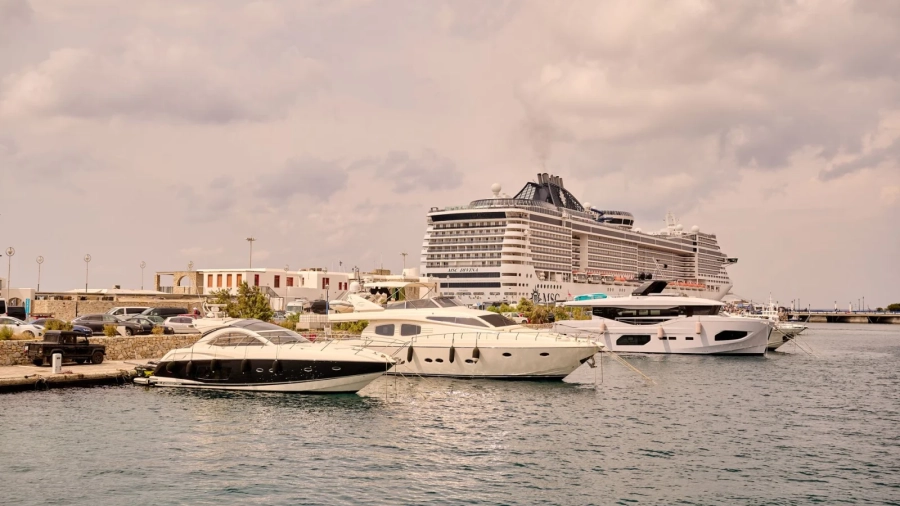
Why are Costa cruises so cheap? Mostly because Costa keeps its headline fare low and charges separately for things many travelers assume are included: drinks, bottled water at dinner, a daily service charge, Wi-Fi and specialty dining. It also sells to many European markets at once, lets passengers board at several ports on the same cruise, and drops prices late to avoid sailing with empty cabins.
Free: see this week's reduced fares from Southampton, checked by hand →
A low fare doesn’t mean a bad cruise. Costa is Italy’s best-known cruise line and part of Carnival Corporation. It runs big modern ships with full meals, shows and pools included. You just need to know what your fare covers before you compare it with other lines. Here’s an honest breakdown, with prices and fleet facts as of October 2026.
Why are Costa cruises so cheap? 8 real reasons
1. The base fare covers the basics, and little else
The basic Costa fare covers your cabin, meals in the main dining room and buffet, entertainment, pools, the gym and kids’ clubs. It doesn’t include most drinks, room service, specialty restaurants, Wi-Fi, spa access or shore excursions. Even at breakfast, the free drinks are limited to coffee, tea, milk and juice. Because the extras are unbundled, Costa’s advertised price usually looks lower than a similar cruise elsewhere.
2. Some extras surprise first-timers
Costa follows the European norm on water. Tap water is free at the buffet, but the main dining room usually sells bottled still or sparkling water, often for around €3.50 a liter. Drinks ordered at the bar carry an extra 15% charge. American cruisers in particular often don’t expect these small costs, and they add up over a week.
3. A mandatory daily service charge
Costa adds a hotel service charge to your onboard account every night. On European itineraries it’s €11 per person per night for guests aged 15 and over and €5.50 for children aged 4 to 14. Children under 4 don’t pay. South American and Asian sailings use US-dollar rates of about $14.50 and $16 per adult. The charge is lower than some US lines, but it isn’t in the fare you first see. You can ask Guest Services to adjust it before you leave the ship. Once you’ve disembarked, it can’t be changed.
4. Board-anywhere itineraries keep the ships full
On many Mediterranean cruises you can join or leave the ship at several ports. A typical week might include Savona, Civitavecchia, Marseille and Barcelona, and passengers from each country start their holiday at the port nearest home. This keeps cabins filled week after week and lets Costa sell the same cruise in Italy, France, Spain and Germany at once. The trade-off is noticeable. Every embarkation port means a new wave of guests, and on some days the ship can feel busier and less settled.
5. Big ships and economies of scale
The newest ships in the fleet, Costa Smeralda and Costa Toscana, are huge. Both run on LNG and carry well over 5,000 guests at double occupancy. More cabins per ship lowers the cost per guest for fuel, crew, port fees and food, and Costa passes much of that saving on in the fare.
6. An older fleet that’s already paid for
Costa now has eight ships after Costa Fortuna left the fleet in September 2026 to become Margaritaville at Sea Beachcomber. Most of the eight were built between 2007 (Costa Serena) and 2014 (Costa Diadema). These ships have mostly paid back their building costs, so Costa can price them aggressively. Refurbishments have updated many areas, but some cabins and bathrooms still look their age. Our guide to Costa cruise ships by size, age and class shows which ships are newest.
7. Higher guest-to-crew ratios
Like other mass-market lines, Costa has more guests per crew member than premium and luxury brands. Staff costs are one of a cruise line’s biggest expenses, so this is a major reason fares stay low. Onboard, it can mean slower bar service at peak times and less personal attention in the dining room.
8. Last-minute pricing to fill cabins
An empty cabin earns nothing, while a cheap one still brings in money from drinks, excursions and the service charge. So Costa often drops prices sharply close to departure, especially outside school holidays. Those are the very low fares that make people ask why Costa is so cheap.
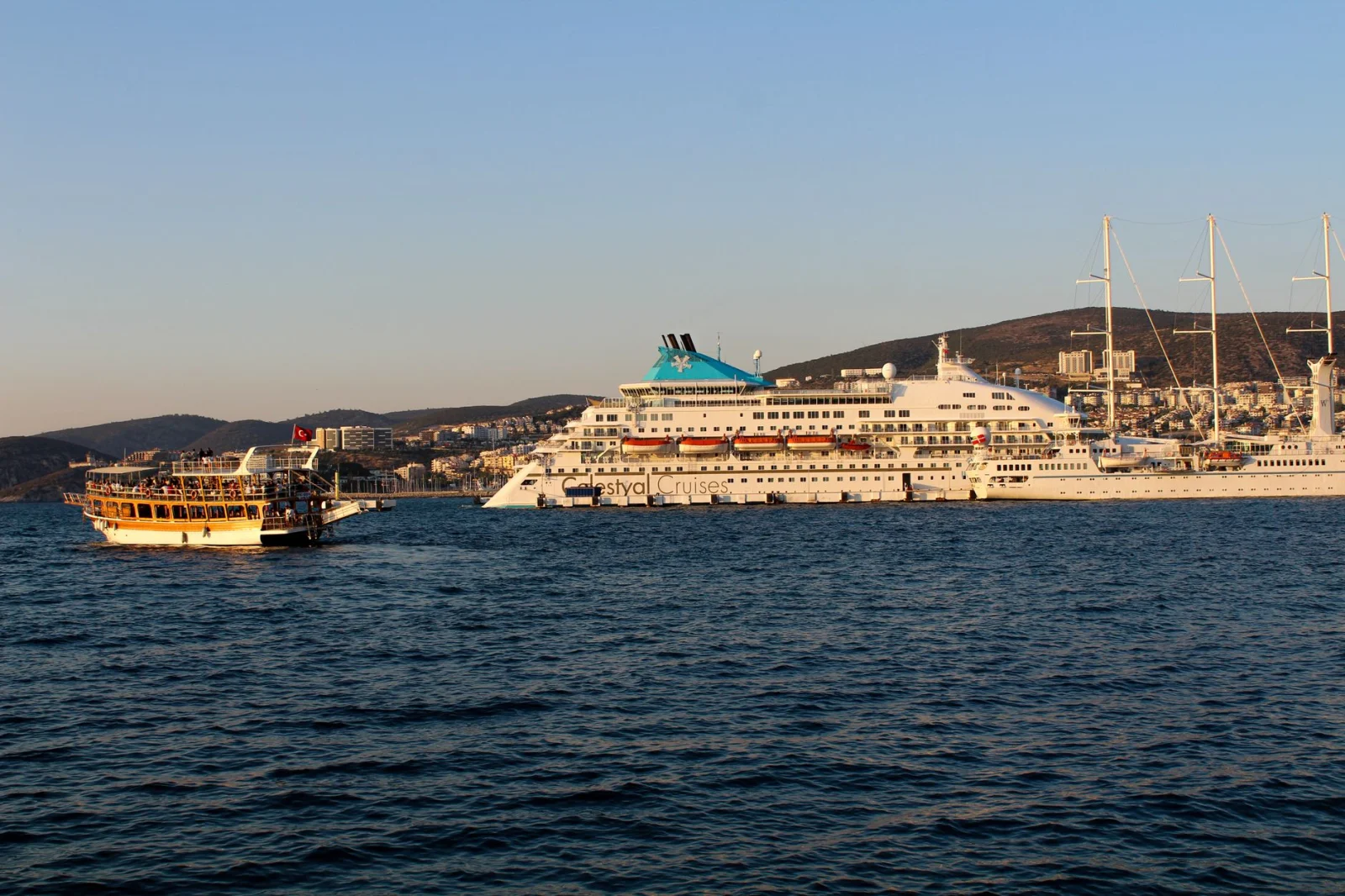
Costa vs MSC and other lines: what’s included
Costa’s closest rival is MSC Cruises, another European line that charges separately for many extras. This table compares the basics on standard fares. Service charges change often, so check the current rate for your sailing before you book.
| What you get | Costa | MSC Cruises | Typical US lines (Royal Caribbean, Carnival) |
|---|---|---|---|
| Main meals and buffet | Included | Included | Included |
| Daily service charge (adult) | €11 in Europe | €12 in Europe; $17 in the Caribbean | Roughly $16-$21 per night depending on line and cabin (more for suites) |
| Water with dinner | Bottled, charged; tap water free at the buffet | Similar European approach on many sailings | Free tap water in the dining room |
| Drinks package | Optional (My Drinks); included in “Cruise Plus Drinks” fares and suites | Optional, or included in higher fare types | Optional, usually pricier per day |
| Onboard language | Italian first, multilingual announcements | Multilingual | English |
| Typical fare level | Low, with frequent deals | Low, with frequent deals | Mid-range |
Costa and MSC are priced similarly, so the right choice usually depends on ship, itinerary and atmosphere rather than cost. If MSC is on your shortlist, look at our MSC cruise ships ranked by real customer reviews.
Costa cruise reviews: what passengers like and don’t like
Costa cruise reviews are mixed, and the split usually comes down to expectations.
What passengers often like:
- A lively, sociable atmosphere, with late dinners, dancing, themed parties and lots of families in summer
- Italian dishes done well, especially pasta, pizza and gelato
- Itineraries packed with ports, particularly in the Mediterranean
- Very low fares and good-value packages for families, especially when children share a cabin
What passengers often criticize:
- Inconsistent food quality, particularly at the buffet at busy times
- Announcements in several languages, which can feel slow or intrusive
- Crowding in pool areas, the buffet and at muster on full sailings
- The total cost of extras compared with the low headline fare
- Smoking areas and less strict queuing than some passengers are used to
Most passengers who rate Costa highly went in expecting a lively European holiday at a low price. Most who rate it poorly expected an American-style cruise with more included.

How to keep a cheap Costa cruise cheap
A low fare is only a good deal if extras don’t double it. Use this checklist when you budget:
- Add the service charge to your budget. At €11 a night, two adults on a 7-night Mediterranean cruise pay €154 on top of the fare.
- Decide on drinks before you sail. The My Drinks package costs about €42 a night if you buy it onboard, and much less if you prebook. Recent prepaid prices worked out at roughly €29 a night for a week. Do the maths: if you drink a couple of coffees, a soft drink and a glass of wine a day, paying per drink may be cheaper.
- Bring a reusable bottle and fill it with free water at the buffet. You’ll avoid paying for bottled water at every dinner.
- Prebook Wi-Fi only if you need it. Messaging-only packages cost much less than full internet, and paying in advance usually saves 8-10%.
- Book excursions independently in easy ports. Many Mediterranean ports are walkable or close to public transport, and independent tours are often 20-50% cheaper than the ship’s.
- Look at “Cruise Plus Drinks” fares. They can work out cheaper than buying the package separately if you’d buy one anyway.
- Factor in getting to the ship. For North American travelers, flights to Europe and a hotel night before can cost more than the cruise. Costa’s Caribbean cruises from the Dominican Republic and Martinique also need flights.
- Watch for deals, but check the details. Sale fares are often non-refundable or come with fewer perks. Our roundup of cruise deals for 2027 is a good place to compare offers.
Where Costa sails in 2026-27
Costa is very much a European brand, so its schedule centers on the Mediterranean. For 2026-27 the eight-ship fleet is split as follows:
- Mediterranean: Costa Toscana on week-long cruises to Italy, France, Spain and Tunisia.
- Canary Islands: Costa Pacifica from early 2027.
- Caribbean: Costa Fascinosa and Costa Favolosa on 7-night cruises from the Dominican Republic and Martinique.
- South America: Costa Diadema and Costa Serena.
- Middle East: Costa Smeralda, as planned.
- World cruise: Costa Deliziosa.
You can book through Costa’s official website or a travel agent. Agents in Europe sometimes bundle extras into the price.
Is a cheap Costa cruise worth it?
For many travelers, yes. If you want a sociable, port-intensive holiday, don’t mind a multilingual, Italian-led atmosphere and budget for extras from the start, Costa can be one of the cheapest ways to see the Mediterranean by sea. It’s a weaker fit if you want quiet ships, English as the only language, or a fare that covers almost everything. In that case a more inclusive line may cost more upfront but less overall.
For tactics that work on any cruise line, read our guide on how to get cheap cruises.
FAQs
Why are Costa cruises so cheap?
Costa keeps the base fare low and charges for most extras: drinks, bottled water at dinner, Wi-Fi, specialty dining and a daily service charge. It also uses big, efficient ships and older, paid-off ships, lets passengers board at several ports, and cuts prices late to fill empty cabins.
Is Costa a budget cruise line?
It’s a mass-market line with prices at the lower end of mainstream cruising, especially in Europe. It isn’t a no-frills operator, though. You still get full meals, shows, pools and a kids’ club in the fare.
Are Costa cruises good?
They’re good value if you like a lively, Italian-style, international atmosphere and plan your budget for extras. Travelers who expect American-style service, English as the main language and lots of free extras tend to rate Costa lower.
How much is the Costa service charge?
On European sailings it’s €11 per person per night for guests 15 and older and €5.50 for children aged 4 to 14. Children under 4 don’t pay. South American and Asian sailings use higher US-dollar rates, and rates can change for departures from December 2026.
Do you have to pay for water on Costa?
Tap water is free at the buffet, but the main dining room usually serves bottled water at a charge. Many passengers refill a reusable bottle at the buffet or buy a soft-drinks or drinks package that includes water.