The Port of Los Angeles has taken a major step towards expanding its cruise infrastructure, confirming plans to develop a new, purpose-built cruise terminal as passenger demand continues to rise and the city prepares to host the 2028 Summer Olympics.
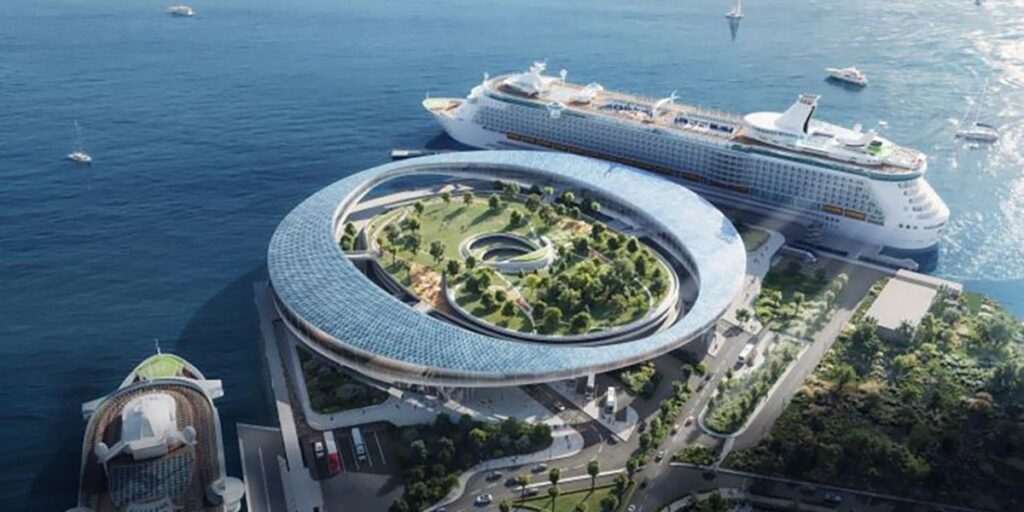
The project will see the port’s Outer Harbor transformed into a modern cruise complex designed to accommodate the world’s largest ships, while also supporting long-term sustainability and economic growth for the region.
The development will be delivered by Pacific Cruise Terminals, a joint venture between Carrix, Inc. and JLC Infrastructure, which will also operate the facility once it opens.
“Carrix is one of North America’s leading cruise terminal operators with a great track record developing large-scale infrastructure projects,” said Gene Seroka, Port of Los Angeles Executive Director.
Although no completion date has yet been confirmed, the facility will be known as the Harbor Cruise Terminal and Park once operational. The port first signalled its intention to modernise and expand its cruise infrastructure in the summer of 2024, when it issued a formal request for proposals.
Growth Drives Need For Expansion
Cruise activity at the Los Angeles waterfront has surged in recent years. In 2024, the San Pedro-based port recorded its busiest cruise year on record, with the World Cruise Center handling 1.6 million passengers across 241 ship calls. That volume translated into an estimated $1.3 million in economic benefit for the local area.
Major cruise lines including Royal Caribbean, Princess Cruises and Norwegian Cruise Line have all maintained a strong presence at the port, and further growth is expected as newer, larger vessels enter service on the West Coast.

Port officials believe the expanded infrastructure will not only allow Los Angeles to welcome more ships, but will also enhance the waterfront experience for residents and visitors while delivering a stronger economic return for the surrounding community.
What The New Harbor Cruise Terminal Will Deliver
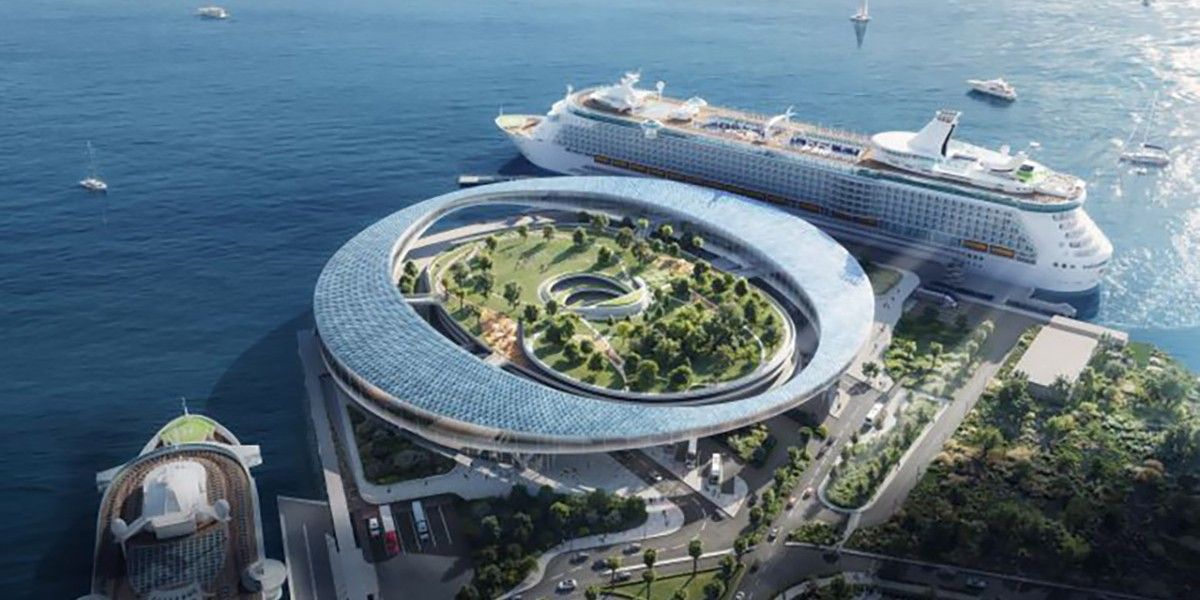
Plans for the Harbor Cruise Terminal and Park show a distinctive circular terminal building, with cruise berths on either side capable of handling the largest ships currently in service. At the heart of the structure will be an open-air green space, designed as a public park with stepped seating overlooking the harbour.
Sustainability is a central element of the design. The new terminal will feature shore power capabilities, allowing ships to connect to the local electricity grid while alongside, significantly reducing emissions compared with running onboard engines.
“It will be an investment in our workforce, sustainability, resilience and innovation – keeping us ready for the opportunities of tomorrow,” Seroka said.
The environmental focus builds on recent progress at the port, which has reported record-low emissions on a per-TEU basis. Port authorities have indicated that further reductions are planned as part of wider modernisation efforts.
World Cruise Center Also Set For Redevelopment
Alongside the new Outer Harbor terminal, Pacific Cruise Terminals will also oversee a redevelopment of the existing World Cruise Center. The facility has been in operation since 1988 and currently consists of two terminal buildings, two cruise berths and a shared baggage handling structure used by multiple cruise lines.
“This new Outer Harbor cruise terminal and World Cruise Center redevelopment will allow us to capture more of the rapidly growing cruise business, while also establishing Los Angeles as the primary West Coast gateway for cruise operations,” Seroka said.
While detailed plans for the World Cruise Center upgrade have not yet been released, the dual investment signals a long-term commitment to positioning Los Angeles at the forefront of the US cruise industry as demand continues to accelerate.
Get the best price on your cruise…

Related Posts
If you found this interesting, please share!
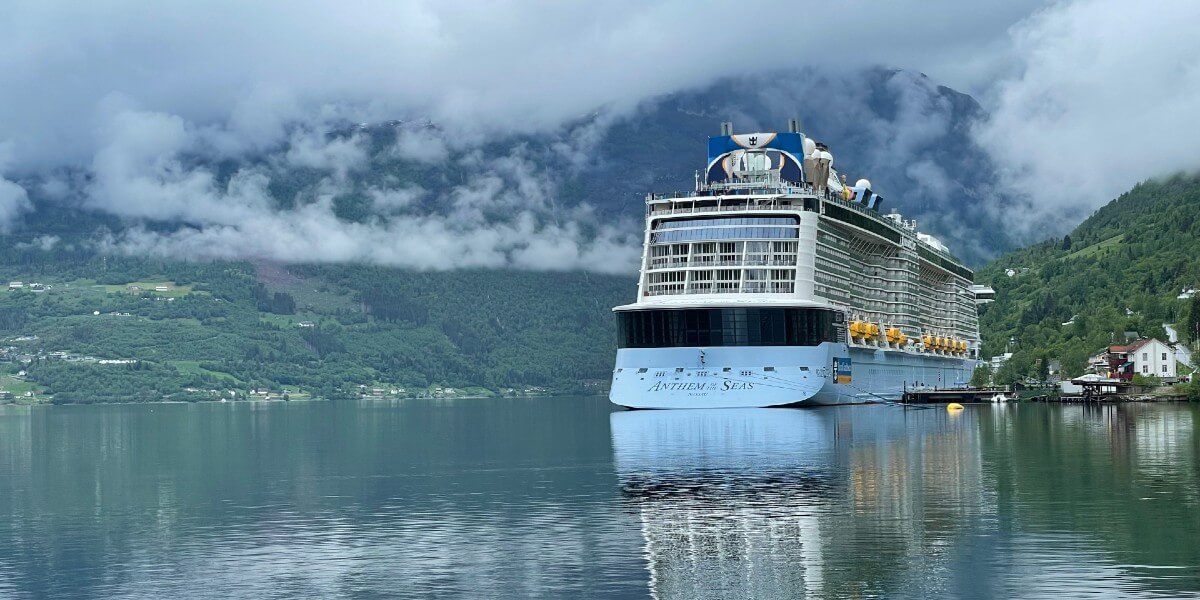
Royal Caribbean’s Anthem of the Seas has been forced to slow its return to Sydney following a technical issue, resulting in a significant delay to debarkation and the cancellation of…
Cruise ships are designed to help you relax – and that’s exactly why so many passengers accidentally leave things behind. More than one in five cruisers admit they’ve lost something…
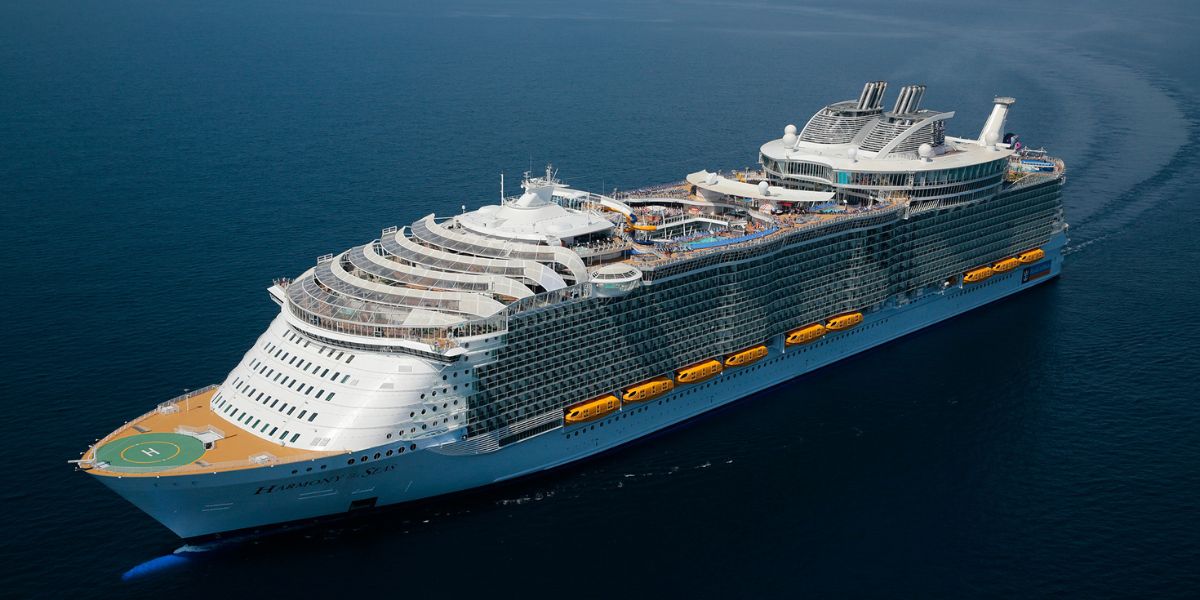
Winter Storm Fern is continuing to cause significant disruption to cruise operations across large parts of the continental United States, with multiple cruise lines adjusting itineraries, arrival times and embarkation…
MSC Cruises has revealed plans to launch a brand-new year-round cruise programme from La Romana in the Dominican Republic, with operations set to begin in November 2026. The move marks…
Source link