A repositioning cruise is a one-way sailing that moves a ship from one cruising region to another when the seasons change, such as from the Caribbean to Europe in spring or from Alaska to Hawaii or Australia in autumn. These voyages often cost less per night than regular cruises and include more sea days, but they need extra planning for one-way flights, time changes, weather and travel documents.
Free: download our 2027 Luxury Cruise Calendar →
What Is a Repositioning Cruise?
Cruise lines follow the weather and the demand. Alaska, Northern Europe and the Mediterranean are summer destinations, while the Caribbean, Australia and South America peak in the northern winter. Twice a year, ships have to get from one region to the other, and rather than sail empty, the cruise lines sell those relocation voyages as cruises.
That is a repositioning cruise (sometimes called a “repo” or relocation cruise). Because it starts in one city and ends in another, often on a different continent, it works differently from a round-trip cruise. Itineraries are typically longer, commonly around 12 to 20 nights for ocean crossings, with a run of consecutive sea days in the middle and a handful of ports at each end. Shorter coastal repositioning cruises of two to five nights also exist, for example along the US West Coast or between Seattle and Vancouver.
When Repositioning Cruises Are Offered and Where They Go
The two main windows are spring (roughly March to May), when ships head north for summer, and autumn (roughly September to November), when they head south or west for winter. Exact dates vary by cruise line and year, so always check the current schedule.
| Route | Typical direction and season | Typical length | What to expect |
|---|---|---|---|
| Transatlantic | Florida or New York to Europe in spring; Europe (Southampton, Barcelona, Rome) to Florida in autumn | About 10 to 16 nights | Several sea days in a row; stops such as Bermuda, the Azores, Madeira or the Canary Islands |
| Panama Canal | West Coast to Florida in autumn; Florida to the West Coast in spring | About 14 to 20 nights | A full canal transit plus Mexican, Central American and Caribbean ports |
| Alaska to Hawaii or California | Vancouver or Seattle to Honolulu or Los Angeles in autumn; reverse in spring | About 5 to 16 nights | Shorter coastal runs or longer Pacific sailings with four or more sea days |
| Transpacific | Asia (often Japan) to Alaska or Vancouver in spring; reverse in autumn | About 14 to 21 nights | Crossing the International Date Line; cool, sometimes rough North Pacific weather |
| Asia or Hawaii to Australia | Into Australia and New Zealand around September to November; out around March to May | About 14 to 30 nights | South Pacific islands, long sea stretches, crossing the equator |
| Short coastal repositions | Either season, between nearby home ports | About 2 to 5 nights | A low-cost way to sample a ship |
For travelers in the US, the most common options are transatlantic crossings to and from Florida and the Northeast, Panama Canal sailings between the coasts, and Pacific voyages from the West Coast. Many transatlantic repositioning cruises start or end in Southampton, England, which is also the home port for Cunard’s Queen Mary 2, a ship that runs scheduled Southampton to New York crossings of around seven nights.
Repositioning Cruise Tips: Money and Logistics
1. Compare the price per night, then add the extras
The headline appeal is value. Because sailings have many sea days and run at less popular times, the fare per night is often lower than on a regular seven-night cruise to the same region. Do the maths on a per-night basis, then add the costs that grow with trip length: daily gratuities or service charges, drinks or Wi-Fi packages priced per day, and specialty dining. On a 15-night voyage, per-day charges alone can add a noticeable sum, so check each line’s current rates before you compare.
2. Price the one-way flight before you commit
A cheap cruise fare can be cancelled out by an expensive one-way flight home. Search the flight at the same time as the cruise, and compare a simple one-way ticket with an open-jaw (multi-city) return, which sometimes costs less. The guide to finding cheap flights with Google Flights explains how to track prices and test multi-city searches. Leave a buffer: fly in at least a day before embarkation, and avoid booking a flight for the morning you disembark until you know the ship’s arrival time and how long immigration usually takes.
3. Treat the final port as a destination
Ending in Barcelona, Rome, Lisbon, Southampton, Honolulu or Sydney is an opportunity. Adding two or three nights at the end lets you explore without the cost of a separate long-haul flight, and it gives you a buffer if the ship arrives late. Check where the cruise terminal actually is, too: Rome’s port is Civitavecchia, about an hour or more from the city, and Southampton is roughly two hours from central London by road.
4. Check passports, visas and entry rules for a one-way trip
Round-trip cruises from US ports can sometimes be taken by US citizens with a birth certificate and government photo ID. That does not work for a one-way voyage that starts or ends abroad: you will need a valid passport. Many countries also expect it to be valid for several months beyond your travel dates.
- United Kingdom: US citizens and most other visa-free visitors need a UK Electronic Travel Authorisation (ETA) before traveling, including when a cruise begins or ends in Southampton.
- Europe: The EU’s Entry/Exit System registers non-EU travelers at Schengen borders. The separate ETIAS travel authorization had not yet become mandatory at the time of writing, with reports pointing to 2027 at the earliest. Check the official EU site before you travel.
- United States: Non-US travelers arriving by ship generally need an ESTA or a visa.
Rules change, so confirm requirements with the cruise line and official government websites when you book and again before you sail.
5. Look at port taxes and fees
Port taxes and government fees are usually shown separately from the fare and vary by itinerary. A crossing with few port calls can carry modest fees, while a long voyage with many stops can carry more. Compare the full price including taxes, not just the advertised fare.
6. Insure the whole journey
A repositioning cruise involves long-haul flights, overseas embarkation and, often, remote stretches of ocean far from a port. Travel insurance that covers missed departures, medical care at sea and medical evacuation matters more than usual. The cruise insurance buyer’s guide covers what to look for in a policy.
Repositioning Cruise Tips: Life on Board
7. Know which way the clocks will move
On a long east-west crossing, the ship changes its clocks gradually, usually by an hour on several nights. Sailing west (for example, Europe to the US) generally means gaining hours, giving you a run of 25-hour days, which many passengers find an easy way to adjust without jet lag. Sailing east (the US to Europe, or Asia to North America) means losing an hour on those nights, which can feel tiring. Transpacific and South Pacific voyages also cross the International Date Line, where a calendar day is either skipped or repeated.
8. Choose your cabin side for sun or shade
On an east-west ocean crossing in the northern hemisphere, one side of the ship faces south for much of the day. Heading west, that is the port (left) side; heading east, it is the starboard (right) side. If you want sun on your balcony, pick the south-facing side; if you prefer shade, pick the other. On crossings with cooler weather, a sunny balcony can make a real difference.
9. Expect changeable weather and pack layers
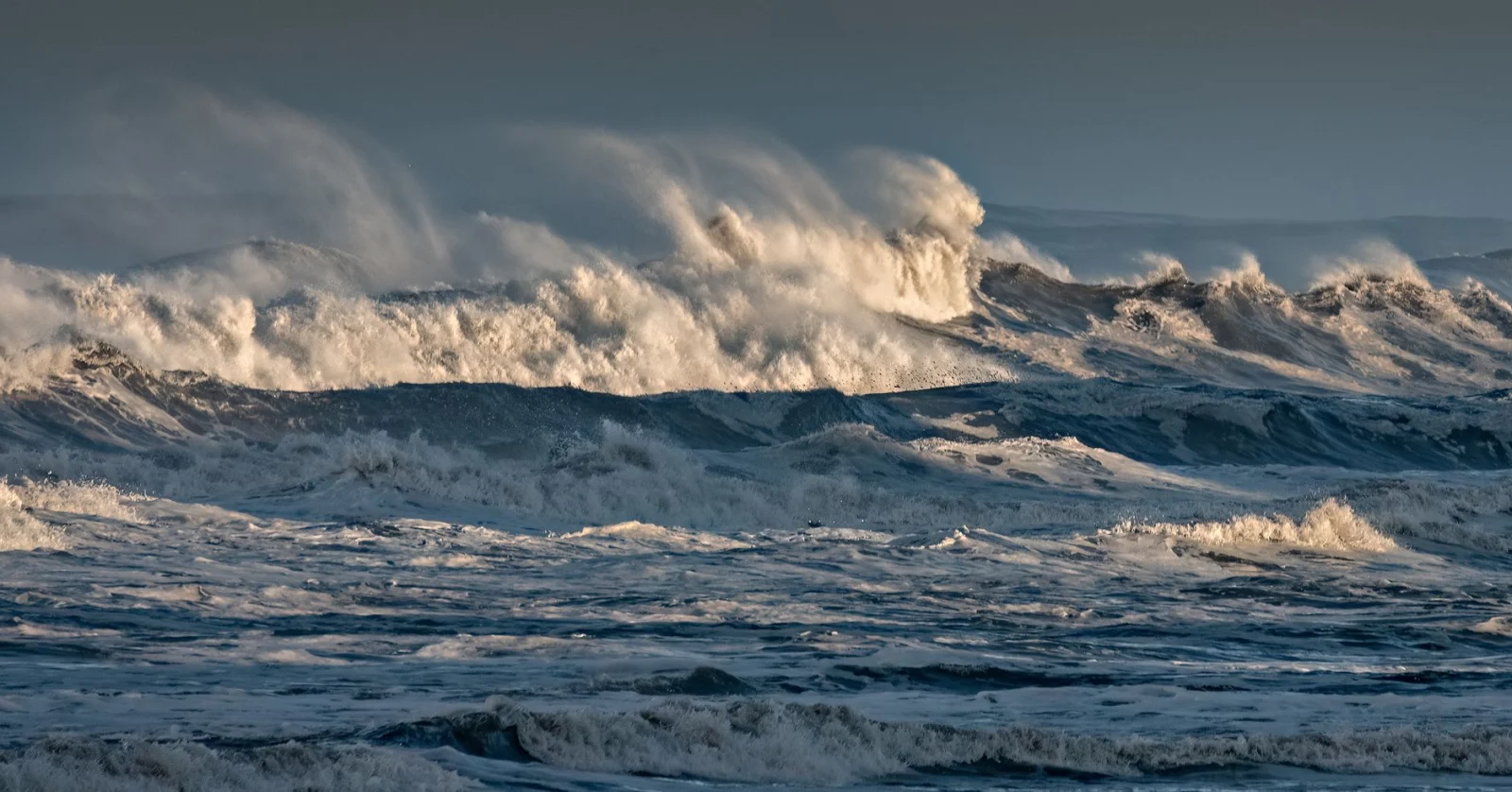
Spring and autumn crossings can bring cool, windy days and rougher seas, especially in the North Atlantic and North Pacific, followed by warm, humid weather as the ship nears the Caribbean, Hawaii or the tropics. Pack layers, a light waterproof jacket and something warm for the deck. If you are prone to seasickness, bring remedies, and consider a cabin on a lower deck and closer to the middle of the ship, where motion is usually felt least.
10. Plan your sea days
Five to eight sea days in a row is the defining feature of an ocean crossing. Some passengers love the quiet; others find it too long. Cruise lines usually add extra lectures, classes, trivia, shows and spa offers on these voyages. Bring books and downloaded entertainment, and look through these fun things to do on a cruise ship for ideas. Spa treatments and popular restaurants book up fast on sea days, so reserve early.
11. Pack for the flight, not just the ship
The ship does not care how much luggage you bring, but your one-way flight will. Long voyages tempt people to overpack, so check your airline’s baggage limits and fees for the flight at the end. Plan on doing laundry partway through: many ships have self-service launderettes or paid laundry bags, which lets you pack lighter.
12. Use a short repositioning cruise to try a ship, and set price alerts
If you are not sure about a long crossing, a two- to five-night coastal repositioning cruise is an inexpensive way to sample a new ship or cruise line. For longer voyages, set fare alerts with the cruise line, a travel agent or a price-tracking site. Repositioning fares can fall closer to departure if cabins remain unsold, though the best cabins and lowest grades can sell out, so weigh waiting against choice.
Transatlantic Repositioning Cruise: What Is Different
A transatlantic repositioning cruise is the most popular type for US and UK travelers. Westbound autumn crossings typically leave from Southampton, Barcelona, Rome (Civitavecchia) or other European ports and end in Fort Lauderdale, Miami, Tampa, New York or another East Coast port. Southern routes often stop in Madeira, the Canary Islands or the Azores before a long stretch to the Caribbean or Florida; northern routes from Southampton may call in Ireland, Iceland or Bermuda depending on the itinerary.
Expect around six to eight consecutive sea days on a typical crossing. Atlantic hurricane season runs from June 1 to November 30, so autumn crossings can occasionally be rerouted, and ports at the US end may be swapped or skipped. Spring eastbound crossings avoid most of that but lose an hour on several nights.
Is a Repositioning Cruise Right for You?
A repositioning cruise usually suits travelers who:
- Enjoy sea days and the ship itself as much as the ports
- Have the time for a 12- to 20-night trip, plus travel at each end
- Want a lower price per night and are flexible on dates
- Like the idea of combining a cruise with a stay in a new city
It may not suit those who want a port every day, have limited vacation time, are very prone to seasickness, or would face a costly one-way flight home.
FAQs
What is a repositioning cruise?
It is a one-way cruise that moves a ship between cruising regions at the end of a season, for example from the Caribbean to Europe in spring or from Alaska to Hawaii in autumn.
Are repositioning cruises cheaper?
They are often cheaper per night than regular cruises, but the total fare for a long voyage can still be high, and one-way flights and per-day charges add to the cost.
When are repositioning cruises offered?
Mainly in spring (about March to May) and autumn (about September to November), when ships move between summer and winter regions.
How long is a transatlantic repositioning cruise?
Most run around 10 to 16 nights, with roughly six to eight sea days in a row during the crossing.
Do I need a passport for a repositioning cruise?
Yes. Because these cruises start and end in different countries, a valid passport is needed, and some destinations, such as the UK, also require an electronic travel authorization.