
Free: download our 2027 Luxury Cruise Calendar →
When we think about travel, images of scenic beaches, street food, and historical landmarks often come to mind. But for travellers who enjoy a bit of mental stimulation with their adventures, there’s something extra satisfying about experiences that require a touch of strategy.
Whether navigating a cultural nuance or learning a new game, these moments add unexpected richness to your journey. Here are five strategic travel experiences that add brainpower to your itinerary!
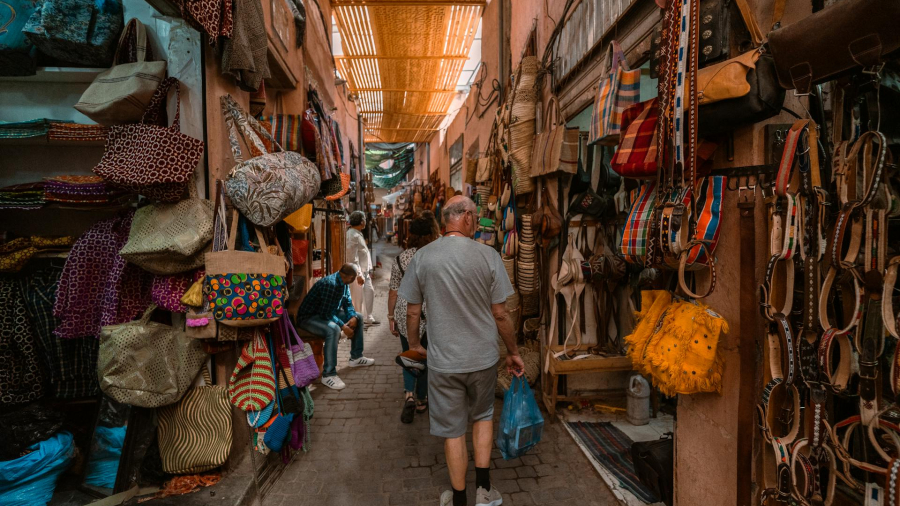
1. Mastering the Markets in Marrakech
Shopping in Morocco’s bustling souks is more than a retail experience—it’s a mental dance that demands awareness, quick thinking, and cultural sensitivity.
Haggling is not only expected but celebrated, and doing it well requires understanding the rhythm of negotiation. Knowing when to make a counteroffer, express interest or indifference, and walk away without offending the seller is a strategic skill.
Beyond pricing, you’ll also need to assess quality, compare vendors, and make decisions in a chaotic, fast-moving environment. From handcrafted leather goods to colourful textiles and aromatic spices, the markets are a treasure trove that rewards careful decision-making.
Travellers who lean into the experience often find that bargaining becomes just as memorable as the souvenirs they bring home.
2. Cracking the Tokyo Subway System
Japan’s railway network is renowned for its punctuality and coverage, but to the uninitiated, Tokyo’s subway system can feel like a sprawling labyrinth.
With multiple operators, colour-coded lines, and countless station exits, navigating Shibuya to Asakusa during rush hour requires more than a glance at Google Maps.
Success lies in pre-planning your route, understanding signage (some of which may only be in Japanese), and learning the etiquette of the system—such as where to queue, when to whisper, and how to navigate complex transfers. Even locals can find themselves stumped by certain route combinations. But once you get the hang of it, there’s a deep sense of satisfaction in moving through the city like a seasoned Tokyoite.
If you’re feeling extra adventurous, try purchasing a day pass and hopping on and off to explore lesser-known neighbourhoods. It becomes an urban puzzle with delicious ramen or tranquil gardens waiting at every stop.
3. Playing Table Games in Monaco’s Casinos
For many travellers, exploring a new city includes checking out its nightlife. In places like Monaco, Macau, or even European resort cities, casinos can be part of that experience.
If you’re curious about table games but don’t want to dive into high-stakes territory, consider trying the blackjack free bet variant.
Unlike traditional blackjack, where doubling down or splitting your hand requires an additional bet, the free bet variant lets you make these moves without putting more money on the line. It adds a strategic twist to the game—do you take the free double down or play it safe? Is this the right moment to split?
This variant is ideal for casual players who enjoy making calculated choices but want to limit their financial risk. It turns the game into a low-pressure mental challenge, perfect for an hour or two of evening fun abroad.
Just remember: it’s all about the experience, not the outcome.
4. Navigating Street Food Like a Local in Bangkok
Bangkok is a paradise for food lovers, especially those who crave flavour, variety, and a little adventure. But diving into the city’s legendary street food scene requires more than an empty stomach. You’ll need to apply some quick decision-making skills to eat well and safely.
First, look for long lines of locals—that’s usually a sign of quality and freshness.
Second, watch the preparation process; cleanliness and ingredient handling speak volumes.
Finally, understanding peak times can help you catch food at its freshest and avoid long waits.
Choosing what to try is another strategic game. You may need to balance curiosity with caution with everything from grilled satay skewers and mango sticky rice to deep-fried insects.
Bonus points if you learn a few key phrases in Thai to communicate your spice tolerance or dietary preferences!
Eating like a local in Bangkok isn’t just about savouring new flavours—it’s a dynamic cultural exchange that rewards attentiveness, adaptability, and a bit of bravery.
5. Planning a Spontaneous Day Trip in Europe
In Europe, spontaneity often pays off—but only if you plan it right. Let’s say you’re based in Berlin or Barcelona and have a free day. With an efficient rail network at your disposal, a well-executed day trip can turn into the highlight of your travels.
The strategy comes in balancing flexibility with research.
You’ll want to check train schedules, weather forecasts, and ticket availability. Many European railways offer discounts for same-day bookings or group travel. Use that to your advantage.
Pick a destination that aligns with your mood—a medieval town, a beachside village, or a scenic hike. Then plan your route to maximise time on-site and minimise backtracking. With the right approach, you can squeeze in a museum visit, a local meal, and a leisurely walk before returning to your base city.
Planning a spontaneous day trip sharpens your logistical thinking and rewards you with rich, compact memories that feel special because they weren’t pre-scripted.
Wrapping Up
From the backstreets of Southeast Asia to the blackjack tables of Europe, travel offers countless ways to challenge your mind and test your instincts.
These moments may not come with a trophy, but they leave you with something even better: stories, skills, and the thrill of having figured it all out.