
Step onboard a cruise ship that’s designed for Asia guests and you’ll notice something feels different almost immediately – and it’s not just the language on the daily programme.
From the way meals stretch late into the evening to the kinds of social spaces that stay busy long after sunset, these ships are designed around habits many western cruise lines barely consider.
Most people assume cruise ships are built to one global template, with only minor tweaks for itinerary. In reality, ships designed for the Asian market often make very deliberate design and programming choices – some obvious, others quietly tucked into deck plans and cabin details.
Some of these features are instantly appealing, others take a bit of adjustment, and a few might genuinely change how you feel about a ship once you’re onboard. And there’s one small detail in particular that tells you more about a ship’s intended audience than almost anything else…
Ships Designed For the Asian Market
Not all cruise ships serving Asia are designed in the same way, and it’s definitely worth knowing which market a ship was originally built for.
The most Asia-focused ships belong to the Dream Cruises brand, but main mainsteam American and European-owned cruise lines also have ships that are marketed almost exclusively for Asian guests.
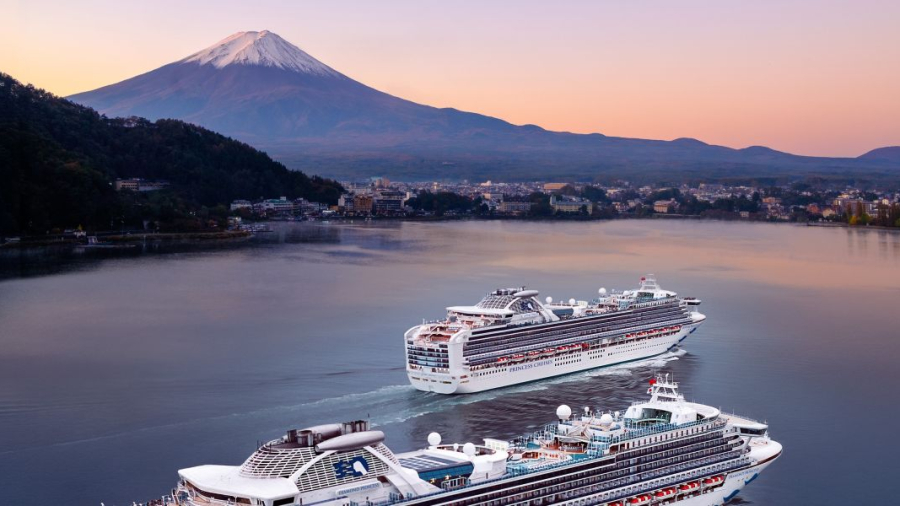
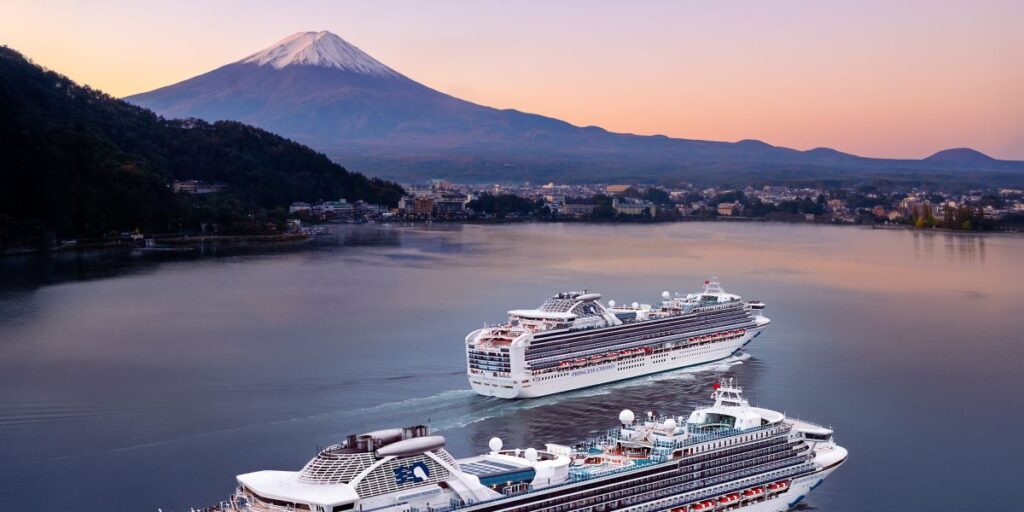
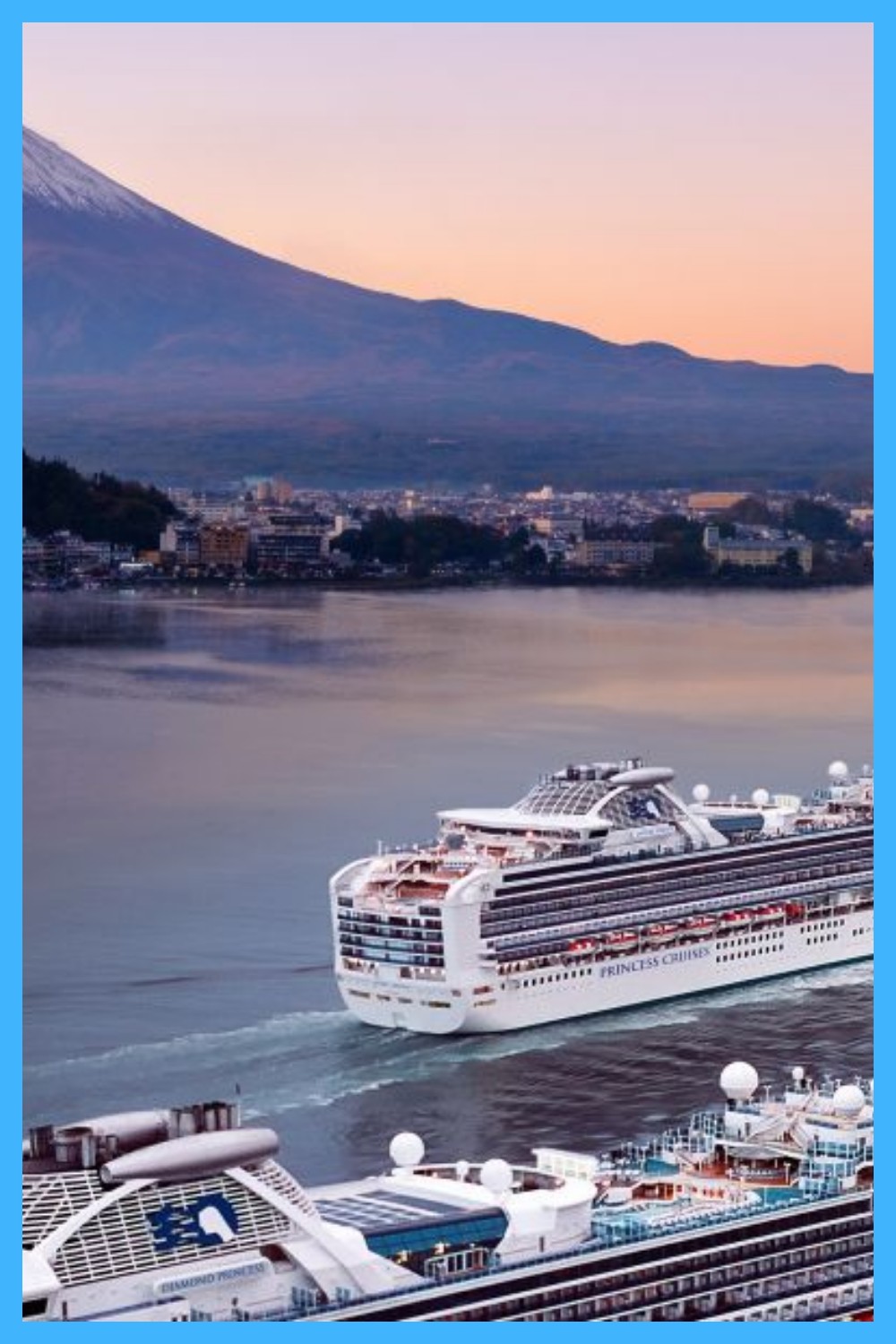
Royal Caribbean’s Spectrum of the Seas was purpose-built for the Asian market from the outset, while Princess Cruises has taken a more tailored approach: Diamond Princess leans more heavily towards Japanese preferences, whereas Majestic Princess incorporates stronger Chinese influences.
Norwegian Joy is a good reminder that these design choices aren’t fixed – it was originally launched as Norwegian Cruise Line’s Asia-focused ship before being extensively renovated for an American audience.
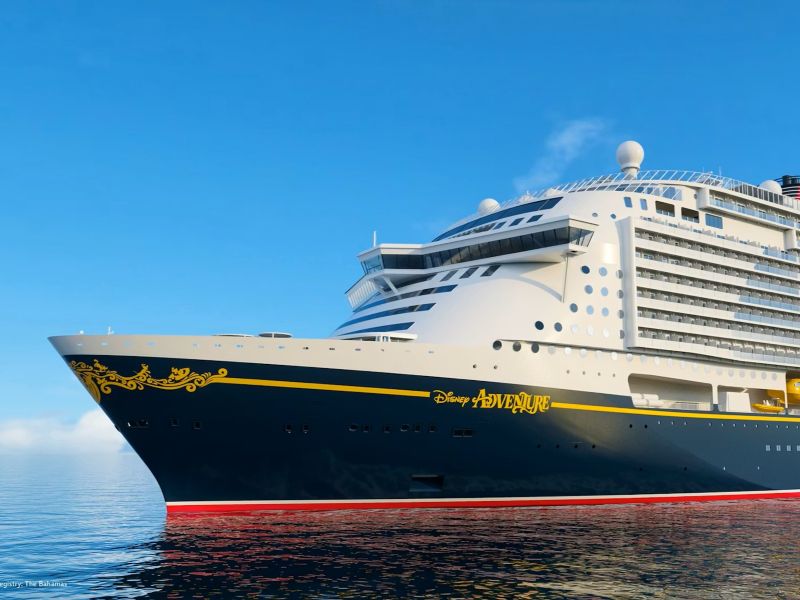
Cruise lines are still evolving in this space too, with Disney Cruise Line’s Disney Adventure set to become its first ship designed specifically for the Asian market, bringing Disney’s own take on regional cruising preferences.
Cruise Ship Features For The Asian Market
1. Special Dining That Genuinely Reflects Asian Tastes
Cruise ships designed for the Asian market usually treat food as a headline feature, not an afterthought. Rather than adding one token Asian restaurant, these ships build whole dining ecosystems around regional cuisines and eating habits.
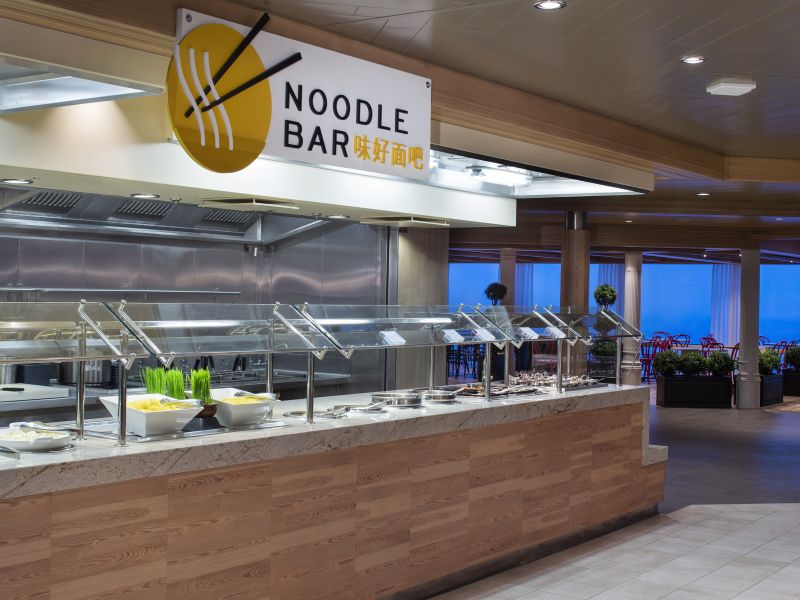
Spectrum of the Seas, for example, was designed specifically for Asia and includes venues such as Sichuan Red and a dedicated Noodle Bar, alongside a buffet that places far more emphasis on Chinese dishes than Royal Caribbean’s Western-deployed ships – though still with a lean into world cuisine.
On Genting Dream, dining is similarly central to the onboard experience, with hot pot, Asian specialities and late-night options designed for group dining. These ships recognise that meals are social events, often shared by extended families or groups of friends, and they’re built to accommodate longer, more leisurely dining styles.
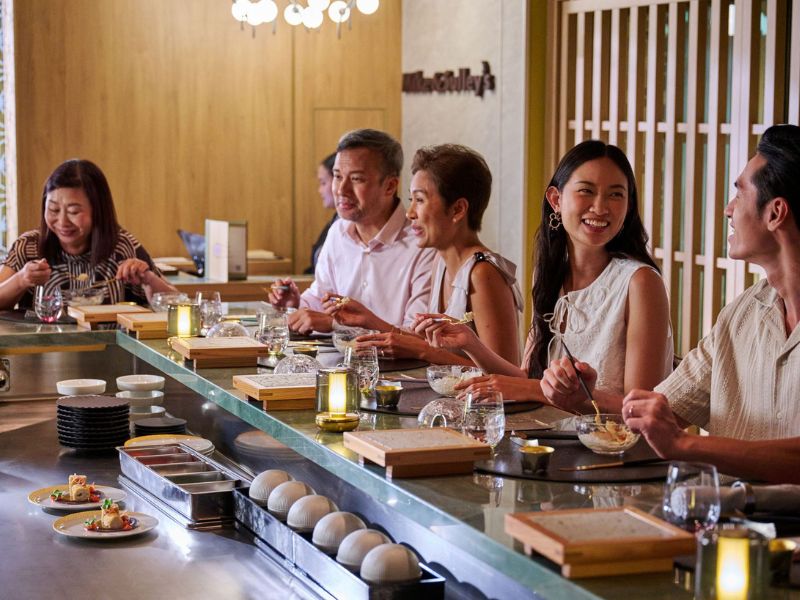
For western cruisers, the key difference is that Asian food isn’t “alternative” dining on these ships – it’s mainstream, plentiful and woven into the rhythm of the day.
2. Larger, More Prominent Casinos
While most cruise ships have casinos, Asia-market ships often treat them as a core attraction – and they tend to have more of a focus on table games than slots. Casinos on these ships are noticeably larger and more central than you might expect, with layouts designed to handle high footfall and long playing sessions.
There is also a clear emphasis on VIP gambling areas, reflecting the importance of premium gaming to the Asian cruise market.
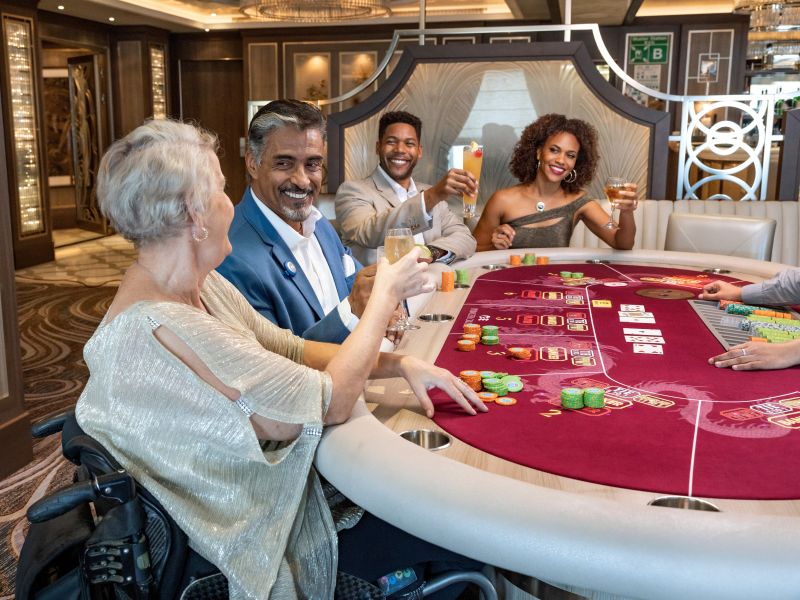
Similarly, ships such as Genting Dream position their casinos as flagship venues, closely integrated with nearby bars and late-night dining. The result is an onboard flow that supports social gambling as an evening activity, rather than something you dip into briefly before a show.
Many American cruise ships are now doing similar things with casinos, particularly with a market of cruisers who gamble in order to get perks through casino loyalty programmes.
But there are still differences, especially with the slot-to-table game ratio on the ships.
3. Karaoke Rooms, Often in Private KTV Style
Karaoke is a huge cultural touchstone across much of Asia, and ships designed for this market take it seriously. Ships designed for the Asian market will often host a dedicated karaoke venue where guests can sing throughout the cruise, rather than just on one themed night. The experience is designed to be accessible and social, with constant turnover and a relaxed attitude to participation.
On Majestic Princess, karaoke goes a step further with private karaoke suites that can be booked by small groups.

This mirrors the KTV model popular across East and Southeast Asia, where friends and families sing together in their own space rather than performing in front of strangers.
It’s a subtle but important design difference and can feel surprisingly liberating: no stage fright, no waiting list, just a room, a microphone and a group of people egging each other on. It’s one of the clearest signs that a ship has been designed with Asian social habits in mind.
4. Tea Rooms and a Stronger Tea Culture Onboard
On ships designed for the Asian market, tea is treated as a cultural pillar rather than a background beverage. Instead of tea simply being folded into cafés or afternoon tea service, these ships often feature dedicated tea rooms or lounges focused on high-quality loose-leaf teas and calm socialising.
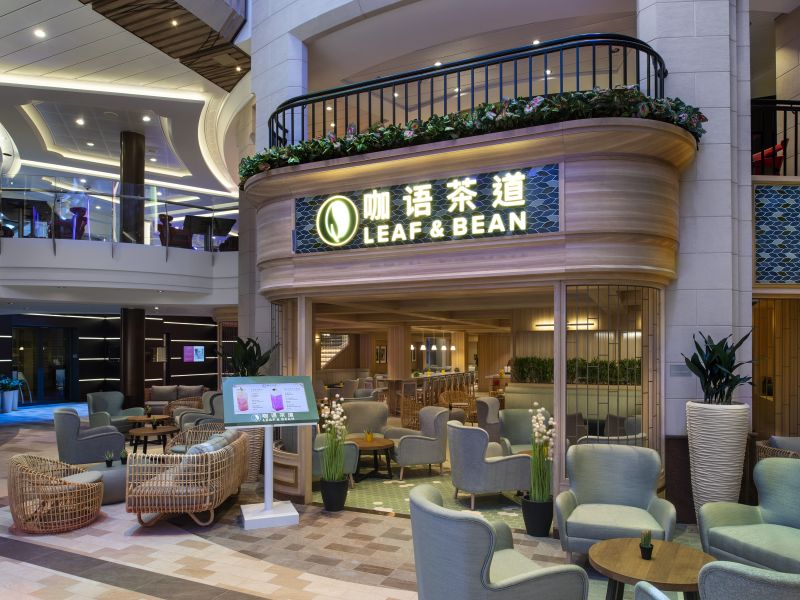
On Royal Caribbean’s Asia-deployed ships, including Spectrum of the Seas, tea venues are positioned as daytime gathering spaces, appealing to multi-generational groups who may not gravitate towards bars or pool decks. The emphasis is on authenticity, ritual and choice, with menus that go well beyond basic black or green tea.
Disney Adventure, which sails on short cruises out of Singapore, features ‘Bewitching Boba and Brews’, a cafe focusing on fashionable bubble teas.
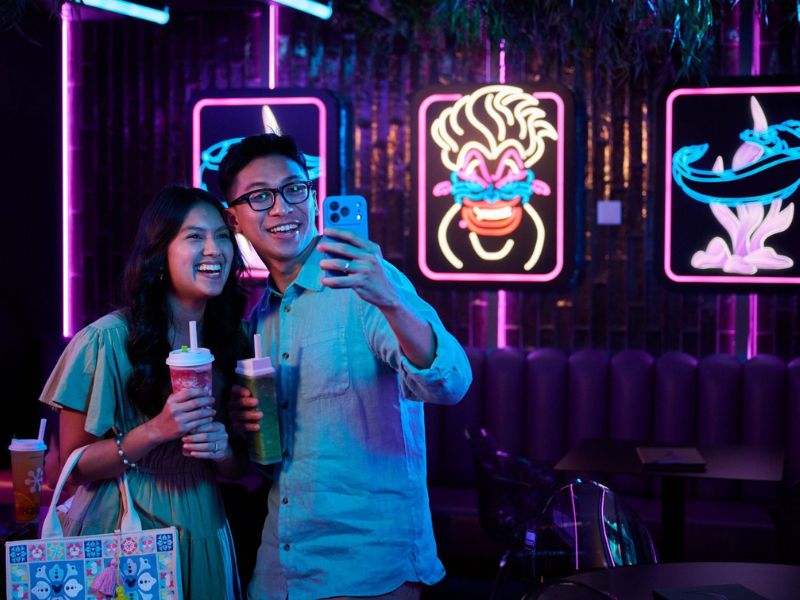
This approach reflects how tea is consumed across much of Asia: slowly, socially and with intention. It also broadens the onboard social landscape, offering a relaxed alternative to louder venues. For travellers more familiar with coffee-led cruise culture, these tea spaces can feel like a subtle but meaningful shift in how ships accommodate different rhythms of daily life.
5. Smaller Pool Areas and Less Emphasis on Sunbathing
Another noticeable difference on ships designed for Asian markets is the reduced emphasis on large, resort-style pool decks. While pools are still present, they are often smaller relative to the ship’s size, with less space devoted to all-day sunbathing and more allocated to indoor venues.
Some cruisers of Norwegian Joy, a ship originally built for the Asian market but renovated for US guests, have noticed it has a (slightly) smaller pool compared to sister ships.
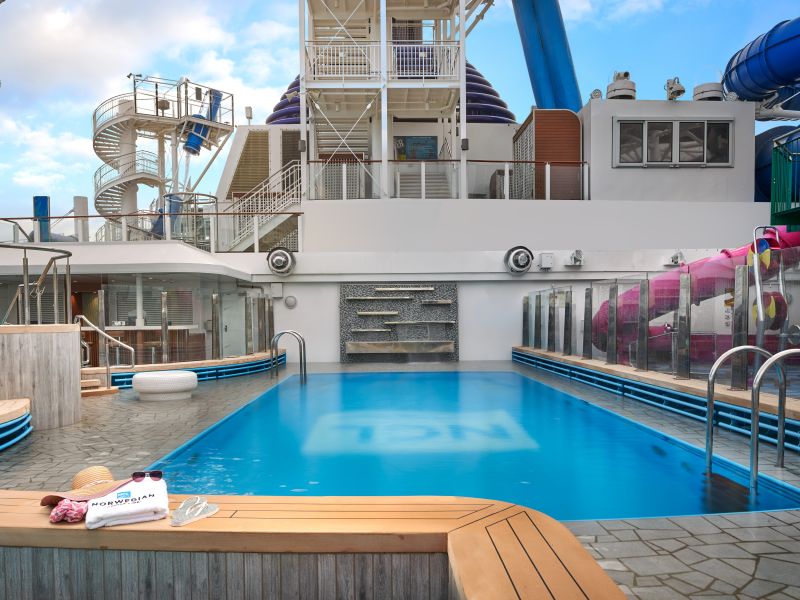
This reflects different travel habits and itinerary patterns. Many Asian cruises operate on shorter sailings, port-intensive routes, or during seasons when sunbathing isn’t the primary focus.
The weather in Asia is often too hot and humid to be outdoors for long and many people prefer to stay out of direct sunlight. As a result, designers prioritise indoor entertainment, dining and retail venues that remain busy regardless of weather.
Ships like Genting Dream illustrate this balance well, offering pools and outdoor areas without making them the defining feature of the ship. The trade-off is often a livelier indoor atmosphere, particularly in the evenings, with more places for groups to gather, eat and socialise long after sunset.
6. Mahjong Rooms and Dedicated Card Spaces
Mahjong is more than a casual pastime across much of Asia; it’s a deeply social activity that can anchor entire afternoons or evenings. Cruise ships built for this market often reflect that by including dedicated mahjong or card rooms, rather than relying on generic libraries or multi-purpose lounges.
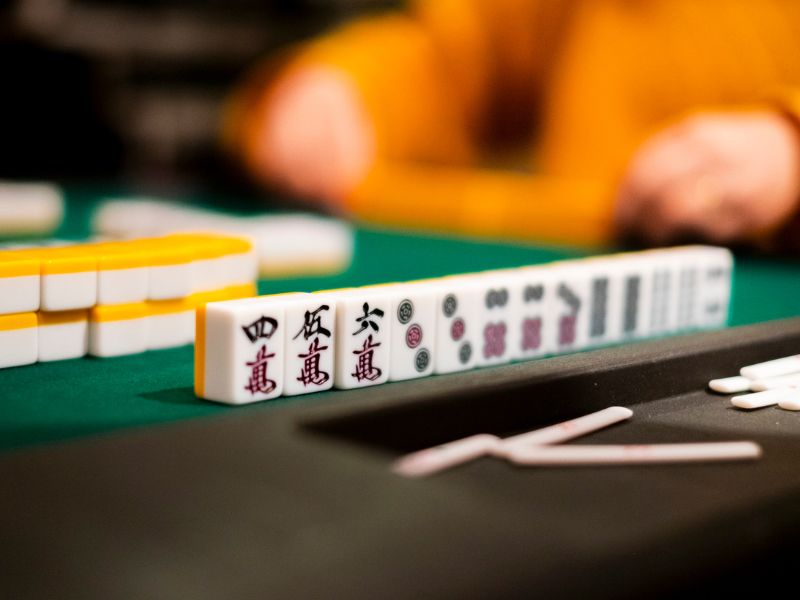
These spaces are designed with long sessions in mind: comfortable seating, appropriate table layouts and a tolerance for noise and animated conversation. On ships such as Genting Dream, mahjong rooms are clearly defined venues, signalling that this is an expected and valued part of the onboard experience.
The inclusion of a mahjong room is a strong indicator of who the ship is really built for. It acknowledges group travel, extended family cruising and social activities that don’t revolve around scheduled entertainment. Even for guests who don’t play, these rooms contribute to the ship’s overall character and sense of cultural specificity.
7. Bidets and Washlets in Cabins and Public Bathrooms
One of the most quietly telling features of Asia-focused deployment is the inclusion of bidets or washlets. On ships operating extensively in Japan and surrounding markets, these are often installed not only in higher-category cabins but also in public restrooms. Diamond Princess is a well-known example, having incorporated bidets as part of its Japan-facing design and refurbishment strategy.
In regions where washlets are standard at home, their absence would be noticeable, so their presence onboard signals a clear understanding of guest expectations. For cruise lines, this is less about luxury and more about normality.
For travellers from regions where bidets are less common, it can feel like an unexpected upgrade. More importantly, it highlights how ships designed for specific markets adapt at a very practical level, right down to the bathroom fixtures, rather than relying on a one-size-fits-all global template.
TODAY’S BEST CRUISE DEALS!
Don’t miss these offers…
Final Word
Cruise ships designed for the Asian market aren’t better or worse – they’re just built around different assumptions about how people actually spend their time onboard.
Food is social and central, evenings run late, group activities matter, and quiet comforts are designed in rather than added as upgrades. And maybe that sounds like how you cruise anyway? If so, maybe you’d love an Asian cruise ship even more!
For some travellers, these ships will feel instantly intuitive. For others, they can be a fascinating culture shift, where karaoke rooms replace piano bars and tea lounges rival cocktail venues for popularity. Even details like pool layouts or bathroom fittings start to make sense once you view the ship through that lens.
The key takeaway is that cruise ships aren’t as universal as they look in marketing photos. If you know what a ship was designed for – and who it was designed for – you’re far more likely to enjoy it. And you might even discover a few features you didn’t know you’d been missing.
Get the best price on your cruise…

Related Posts

If you found this interesting, please share!
Source link