
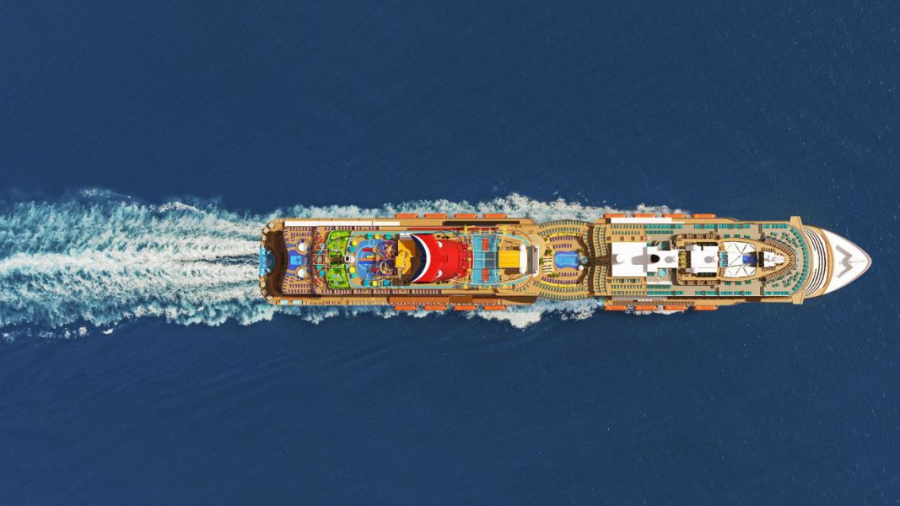
A former passenger is taking action against Carnival following a serious accident.
Carnival Corporation is defending a personal injury lawsuit filed by a former passenger who suffered a broken ankle during a dune buggy shore excursion in the Dominican Republic. This raises fresh questions about cruise line liability for third-party tours.

Karisha McClinton lodged the complaint in the Southern District of Florida on 3rd July 2026. She is seeking damages for an accident that occurred during a port call at Amber Cove while sailing aboard Mardi Gras in July 2025.
The case joins a growing number of legal challenges facing cruise operators over injuries sustained during shore activities marketed and sold through cruise line websites. This highlights the complex relationship between cruise companies and independent tour operators.
Passenger Suffers Multiple Fractures During Buggy Excursion
The day was filled with excitement that turned to tragedy for the McClinton family.
The incident took place on 6th July 2025, when McClinton and her family visited Amber Cove as part of a weeklong Caribbean sailing. According to court documents, McClinton was participating in the “Waterfalls, Buggies & Monkeys” excursion.
This popular shore activity combines off-road driving with nature experiences when her dune buggy overturned on challenging terrain.
McClinton was operating the vehicle with her six-year-old child seated in the front when the buggy flipped on what the lawsuit describes as “dangerous muddy, rocky terrain.” The vehicle landed on her left ankle, trapping her beneath it.
The complaint notes that no injury to the child occurred during the incident. Her husband was forced to physically lift the buggy off his wife, as excursion staff and safety personnel did not immediately respond to provide assistance, according to the legal filing.
Local medical professionals at the scene recommended immediate surgery, but McClinton initially declined treatment in favour of receiving care aboard the cruise ship.
Extensive Medical Treatment Required Following Return Home
The journey back home revealed the true extent of McClinton’s injuries.
Upon returning to her home in San Antonio, Texas, McClinton sought comprehensive medical evaluation that revealed the full extent of her injuries. Doctors determined that her ankle had been broken in three places, necessitating surgical intervention to repair the damage.
The procedure required the implantation of multiple screws and plates to stabilise the fractures and restore function to her ankle.
The lawsuit does not specify the total medical costs incurred or detail any ongoing treatment requirements, though such injuries typically involve lengthy rehabilitation periods and potential long-term mobility impacts.
The severity of the injury and subsequent medical intervention form the basis of McClinton’s claim for damages against Carnival Corporation. Her legal representation argues that the accident was preventable and resulted directly from negligent practices in how the excursion was operated and marketed.
Allegations Centre on Unsafe Conditions and Inadequate Supervision
The unsafe conditions encountered during the excursion raise serious concerns about safety protocols.
McClinton’s legal team at Aronfeld Trial Lawyers has outlined several specific allegations regarding the conditions under which the excursion operated. The complaint asserts that tour operators failed to provide proper instructions on safely operating the dune buggies.
This neglect left participants unprepared for the challenging terrain they would encounter. The lawsuit further claims that the route lacked appropriate safety features.
Only a barbed wire fence served as barrier protection rather than proper safety railings. Additionally, the complaint alleges that McClinton’s buggy was equipped with dangerously worn tyres, compromising vehicle control and increasing accident risk.
Inadequate supervision of the excursion is another key allegation. The legal filing suggests that the combination of poorly maintained equipment, hazardous terrain, insufficient safety infrastructure, and lack of proper oversight created conditions that made an accident virtually inevitable.
These allegations paint a picture of systemic safety failures rather than an isolated incident of misfortune. The case argues that multiple preventable factors converged to cause McClinton’s injury.
Legal Arguments Focus on Carnival’s Marketing and Disclosure Practices
How Carnival marketed the excursion is central to the legal arguments presented.
The crux of McClinton’s legal argument against Carnival Corporation centres on how the cruise line marketed and sold the excursion. Her attorneys contend that Carnival presented the activity as a safe, vetted experience.
This was done without adequately disclosing that an independent third-party operator – not Carnival itself – would be providing the service. The “Waterfalls, Buggies & Monkeys” excursion was discovered and purchased through Carnival’s official website, where it remains available for booking as of publication.
The lawsuit emphasises that Carnival received a portion of profits from selling the tour, creating what the legal team argues is a duty of care towards participants.
“CARNIVAL created the appearance that it was providing the excursion either directly or through agents of CARNIVAL. MCCLINTON placed trust in CARNIVAL – not some unknown entity she had never heard of before,” the complaint states.
This argument suggests that the cruise line’s branding and marketing efforts created reasonable expectations of safety and quality that were allegedly not met. The legal team is pursuing claims of negligence, arguing that Carnival failed in its responsibility to ensure the excursion met appropriate safety standards before marketing it to passengers.
By profiting from the tour’s sale whilst allegedly misrepresenting its oversight and safety vetting, Carnival breached its duty to guests, according to the lawsuit.
Carnival’s Standard Disclaimers Address Third-Party Tour Liability
Carnival’s disclaimers highlight the complexities of liability in shore excursions.
Carnival Cruise Line, like virtually all major cruise operators, maintains detailed disclaimers regarding shore excursions sold through its booking systems. The cruise line’s “Shore Excursion FAQs” web page explicitly states that most tours are operated by independent local companies.
Carnival acts merely as a facilitator for guest convenience. “The majority of shore excursions, including any related transportation, are operated by local independent companies and they are solely responsible for their products, excursions, and any related transportation,” Carnival’s website clearly states.
The company further disclaims responsibility for “any losses, damage, death, injuries, or claims whatsoever arising from, connected with, or related to any activities engaged in by guests while off of Carnival’s ships or tenders in any port of call.”
These standard industry disclaimers represent cruise lines’ efforts to limit legal liability for activities beyond their direct control. Carnival also states that whilst it endeavours to source reputable and reliable tour operators, it cannot continuously monitor and maintain oversight of independent companies and their equipment.
The legal battle will likely hinge on whether these disclaimers adequately protect Carnival from liability. Alternatively, whether the cruise line’s marketing practices and profit-sharing arrangements create responsibilities that supersede standard contractual limitations.
Courts have issued varying rulings on such matters, making the outcome difficult to predict.
Evidence Suggests Prior Warnings About Equipment Problems
Warnings about equipment issues raise questions about Carnival’s responsibility.
McClinton’s legal team has bolstered their argument by pointing to evidence that Carnival may have been aware of potential safety concerns with the excursion prior to the incident. The complaint includes screenshots of customer reviews posted on Carnival’s own excursion booking page referencing equipment malfunctions and operational problems.
Specifically, some reviews mention buggies breaking down during the tour and experiencing gear-related issues. The lawsuit argues that these warnings should have prompted Carnival to conduct additional safety vetting.
Alternatively, they should have removed the excursion from its offerings until improvements were implemented. However, context is important when evaluating this evidence.
The “Waterfalls, Buggies & Monkeys” excursion currently maintains a rating of 4.3 stars out of 5 on Carnival’s website, indicating generally positive guest feedback. Adventure activities inherently carry some risk, and occasional equipment issues do not necessarily indicate systemic safety failures.
The legal question becomes whether the nature and frequency of complaints visible on Carnival’s own platform should have triggered a higher duty of investigation or disclosure.
If Carnival was aware of recurring problems yet continued selling the excursion without additional warnings, this could strengthen the negligence claim.
Shore Excursion Lawsuits Represent Growing Industry Challenge
The increasing prevalence of lawsuits could drive change within the cruise industry.
The McClinton lawsuit is far from unique in the cruise industry. In March 2025, Cruise Hive reported that Norwegian Cruise Line faced similar legal action after an ATV overturned during a shore excursion, injuring a passenger.
Such cases are becoming increasingly common as adventure-oriented shore activities grow in popularity. Earlier incidents have involved even more severe injuries.
Carnival has faced separate litigation after a passenger reportedly lost both legs in a shore excursion accident in the Bahamas, demonstrating the potentially catastrophic consequences when safety protocols fail.
The cruise industry’s reliance on third-party tour operators creates inherent challenges in maintaining consistent safety standards across dozens of ports and hundreds of available activities.
Whilst cruise lines argue they carefully vet operators, maintaining ongoing oversight of independent companies operating in foreign jurisdictions presents practical difficulties.
These legal challenges may ultimately prompt changes in how cruise lines market shore excursions, the depth of safety vetting they conduct, and the prominence of disclaimers presented to guests during the booking process.
Some consumer advocates argue that cruise lines should accept greater responsibility given their role in selecting operators and profiting from tour sales.
Mardi Gras Continues Regular Operations From Port Canaveral
Life goes on for the Mardi Gras amid the legal battle.
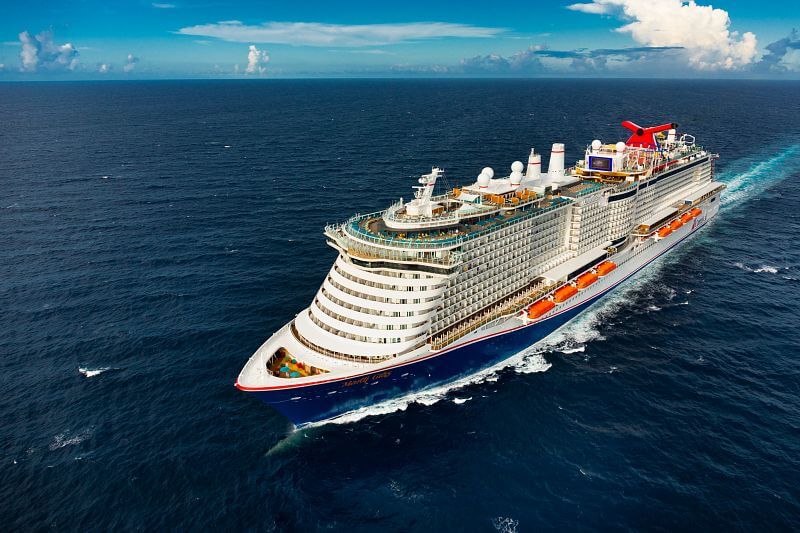
Despite the pending litigation, Mardi Gras has continued normal operations from its homeport at Port Canaveral, Florida. The 180,800-gross tonne vessel remains one of Carnival’s flagship offerings, representing the cruise line’s Excel-class design.
It accommodates up to 5,270 guests in double occupancy. Mardi Gras regularly calls at Amber Cove during its seven-night Eastern Caribbean itineraries, and the “Waterfalls, Buggies & Monkeys” excursion remains available for booking by future passengers.
The cruise line has not suspended sales of the tour or issued any public statements regarding enhanced safety protocols. As of publication, Carnival Corporation has not responded publicly to the lawsuit or issued any statement regarding the allegations.
This silence is typical in active litigation, as companies generally avoid public comment that might affect ongoing legal proceedings.
The case will proceed through the federal court system in Florida’s Southern District, where many cruise-related lawsuits are heard due to the Miami headquarters of major cruise corporations.
Resolution could take months or years depending on whether the parties reach a settlement or proceed to trial.
NEW DEALS JUST RELEASED!
See the latest Carnival cruise offers…
Related Posts
If you found this interesting, please share!

Carnival Cruise Line has cancelled a repositioning cruise aboard Carnival Splendor scheduled for September 2027, citing a change to the ship’s drydock schedule. The affected sailing was set to reposition…
Netflix is set to revisit one of the cruise industry’s most devastating disasters with the release of a new documentary examining the sinking of Costa Concordia. Shipwrecked: Nightmare At Sea…
Nicko Cruises has cancelled yet another voyage aboard the Vasco da Gama. Marking the sixth sailing scrapped since the vessel entered a French shipyard for emergency repairs in late April…
Viking’s Executive Chairman Torstein Hagen joined crew members aboard Viking Vela in Oslo last week to perform the “Viking Row,” a traditional chant supporting Norway’s national football team during their…
Source link