

Gratuities are once again a hot topic in cruising – and this time, the conversation is being led by someone who knows ship life from the inside.

A former cruise ship crew member has launched a petition calling on cruise lines that currently charge gratuities separately to include them in the upfront cruise fare instead. The aim, he says, is to bring more transparency for passengers and greater financial certainty for crew.
The petition has been started by Zlatko Simovski of OwnTheShip.com, who spent six years working at sea. He says the ongoing debate around tips is starting to harm both cruising’s reputation and crew morale.
The Crew Worker Behind the Petition
Zlatko worked on cruise ships for six years, mainly as a pool attendant and lifeguard. Before joining the cruise industry, he grew up in a small developing country, working in construction from the age of 12 while also studying biotechnical sciences.

He says working on cruise ships was extremely important, giving him opportunities he wouldn’t otherwise have had – which is why he feels strongly about speaking up now.
“The cruise industry gave me everything I have in life, and I couldn’t stand aside and watch cruising get a bad name over gratuities,”
How Cruise Gratuities Work
On most cruise lines, gratuities (sometimes called service charges or crew appreciation) are a daily charge added per person, designed to cover tips for crew members who look after guests throughout the cruise.

The exact amount varies by cruise line and cabin type, but on most mainstream cruise lines gratuities typically range from around $14 to $20 per person, per day. Suites usually attract a slightly higher daily rate.
These charges help cover a wide range of crew roles, including cabin stewards, dining staff, and behind-the-scenes crew you may never meet.
There are usually two ways gratuities are handled:
- Prepaid gratuities – Some passengers choose to pay them before sailing, often when booking the cruise or as part of an add-on.
- Paid onboard – If not prepaid, gratuities are automatically added to your onboard account each day and settled at the end of the cruise.
In most cases, you don’t need to do anything – the charges appear automatically unless you’ve already prepaid them.

Technically, on many cruise lines, gratuities can be adjusted or removed by visiting guest services onboard. Policies vary by cruise line, and while it is possible, it’s worth noting that gratuities form a significant part of many crew members’ income.
This is where much of the ongoing debate around cruise gratuities comes from, with passengers holding a wide range of views.
Not all cruise lines handle gratuities the same way.
- Many British cruise lines, such as P&O Cruises and Marella Cruises, include gratuities in the cruise fare as standard.
- Ultra-luxury cruise lines often include gratuities (along with drinks and other extras) as part of an all-inclusive model.
- Most American cruise lines, however, still charge gratuities separately as a daily onboard fee.
Because of these differences, two cruises with very similar headline prices can end up costing different amounts once gratuities are taken into account.
The Petition & Why Now Is The Right Time
According to Zlatko, the growing number of passengers choosing to remove daily service charges has created uncertainty for crew and tension between guests and staff.
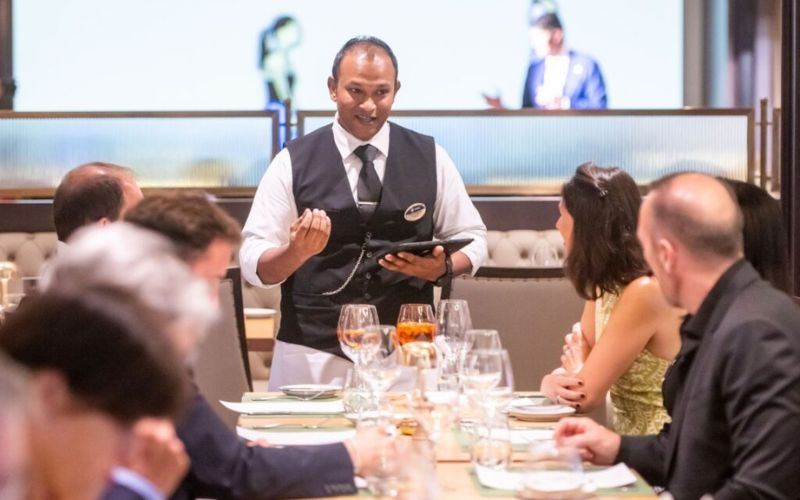
He also believes that passengers aren’t necessarily in the wrong.
“Passengers only want things to be more transparent and straightforward – no surprises, no second thoughts, just one clear price,” he says.
At the same time, he acknowledges that cruise lines are unlikely to act alone.
“In a situation where there’s no law requiring them to include gratuities in the fare, no cruise line will take that step on its own and make its offer look less attractive than the competition.”
His petition calls on cruise lines to act together and agree on a shared approach.
Removing Gratuities Genuinely Affects Crew
One of the most common questions cruisers ask is whether removing gratuities really makes a difference to crew pay.

Based on his experience, Zlatko says the impact varies significantly depending on the role.
- Cabin attendants and dining staff, who serve a fixed group of guests, are often the most affected. If several passengers remove gratuities, their pay can change noticeably from one contract to the next.
- Public-facing roles such as pool attendants and cleaners usually receive gratuities through a pooled system. Their earnings are typically lower, but more stable.
- Behind-the-scenes crew, including laundry and crew-area cleaners, also receive pooled gratuities but do not benefit from cash tips given directly to individual staff.
He adds that when passengers remove gratuities and tip selectively in cash, not all crew benefit equally.
A Common Misconception About Cruise Gratuities…
One of the biggest misunderstandings, according to Zlatko, is the belief that cruise lines keep part of the gratuities.
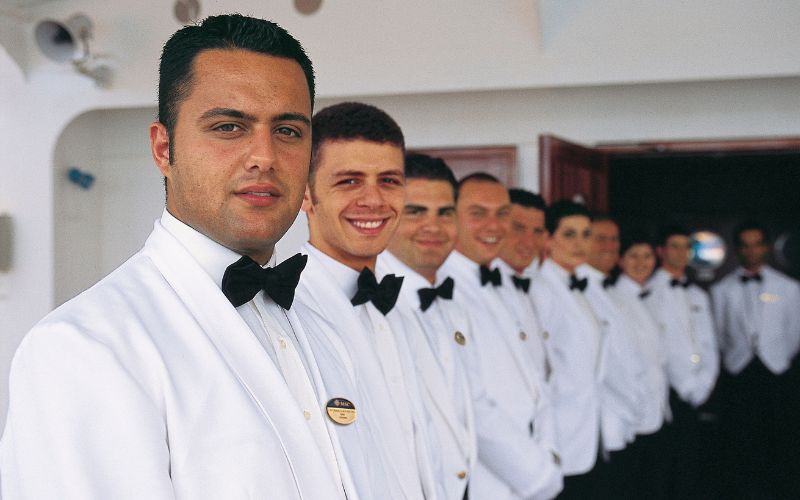
“In today’s world, even a single leak could seriously damage a cruise line’s reputation,” he says. “The last thing these companies would risk playing with is money that belongs to the crew.”
Cruise lines themselves consistently state that service charges are distributed among eligible crew, though exact systems vary by company and role.
There’s a Good Reason Not to Make Gratuities Completely Optional
Many cruisers strongly believe gratuities should remain optional, allowing guests to reward good service as they see fit.

Zlatko’s view is that gratuities already function as part of the overall cost – just framed differently.
“Charging gratuities separately is meant to make the cruise line’s offer look more attractive,” he says. “In every business, the customer pays staff wages one way or another.”
He compares cruising with hotels, where service costs are typically built into higher nightly rates rather than itemised separately.
That said, others argue that optional gratuities give passengers more control and encourage higher service standards – a debate that shows no sign of disappearing anytime soon.
Current Crew Are Reluctant to Speak Up
When asked whether current crew members feel able to speak freely, Zlatko says many are reluctant – not necessarily because they are forbidden to talk, but because cruise work is such a vital opportunity.

“For many crew from developing countries, working on cruise ships is their best chance to support their families,” he says. “Most would rather not take any risk, even if they technically could speak openly.”
The petition’s goal is not to remove gratuities entirely, but to see them included in the cruise fare, similar to how many luxury cruise lines already operate.
Zlatko hopes this would:
- Create clearer, all-in pricing for passengers
- Reduce tension and judgement around tipping
- Provide crew with more predictable income
“Either gratuities are included, or we keep wasting time discussing them instead of focusing on enjoying our cruise,” he says.
Final Word
Gratuities remain one of the most divisive topics in cruising, with strong opinions on all sides.
While some passengers appreciate lower headline fares and flexibility, others would prefer a single, transparent price – even if it’s higher.
This petition represents one former crew member’s perspective, shaped by years of life at sea.
Whether cruise lines will ever agree on a unified approach remains to be seen, but the conversation around tipping clearly isn’t going away.
If you’d like to sign the petition, you can do so here.
Get the best price on your cruise…

Related Posts
If you found this interesting, please share!
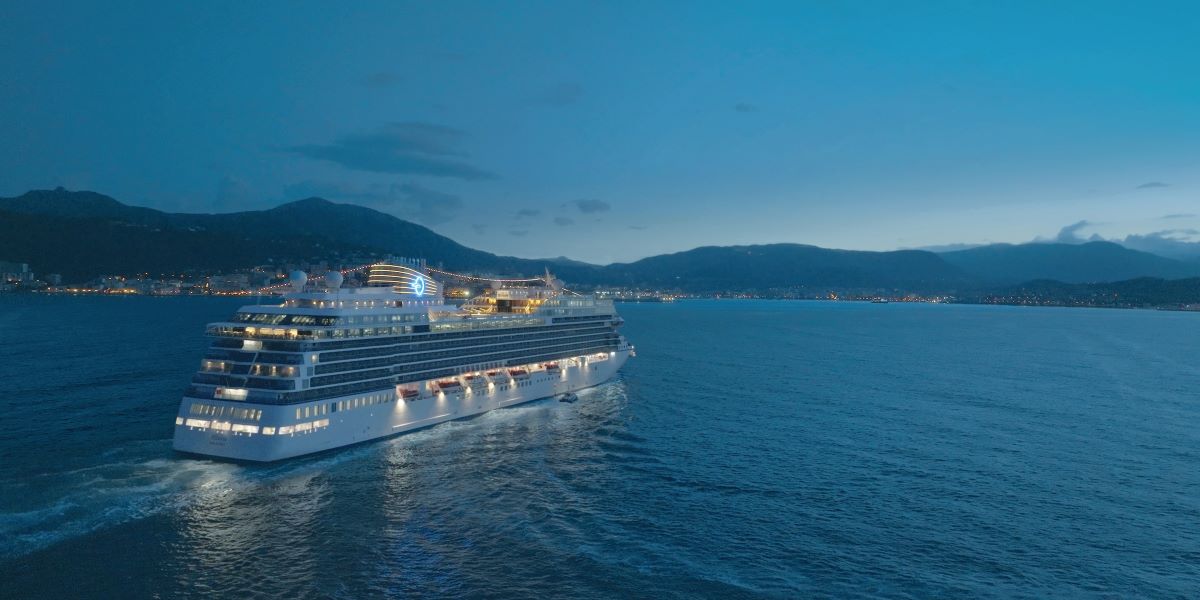
Oceania Cruises has officially transitioned to an adults-only cruise line, with immediate effect for all new reservations. From today (7th January 2026), only guests aged 18 and over will be…
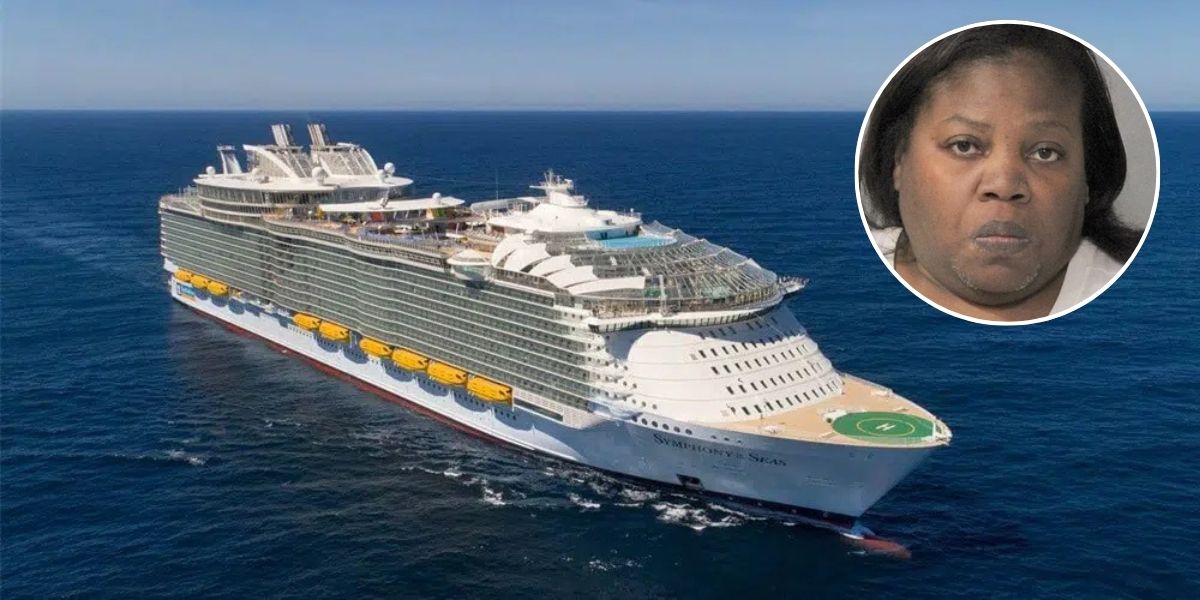
A Long Island travel agent has been arrested on multiple fraud and larceny charges after allegedly taking large sums of money from customers for trips that were never booked, including…
A routine departure check at a major German cruise port has led to the arrest of a cruise ship crew member wanted by the courts on multiple charges. German federal…
Around 200 passengers on a luxury river cruise were forced to welcome the New Year in unexpected circumstances after their ship became stranded on the Danube River due to exceptionally…
Source link