
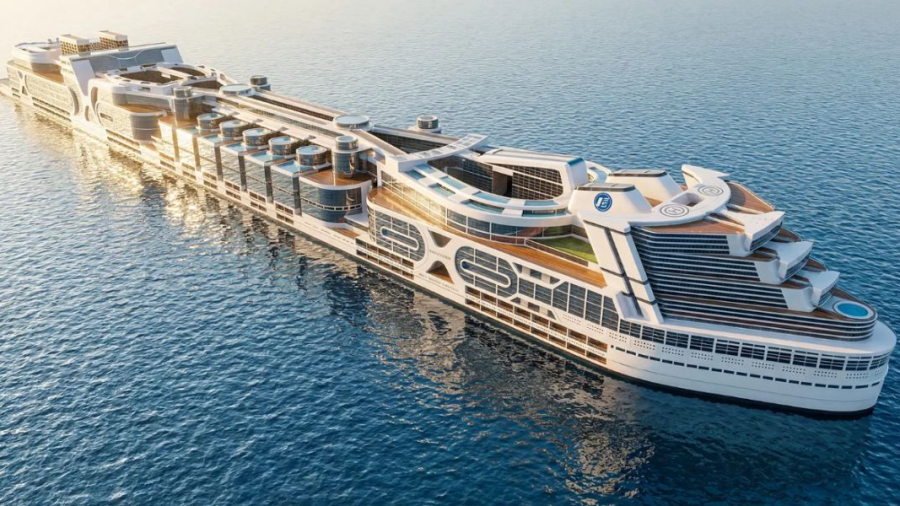
The ambitious Freedom Ship project has resurfaced with renewed plans to create what would become the largest vessel ever constructed, a nuclear-powered floating city capable of housing tens of thousands of people while permanently circumnavigating the globe.
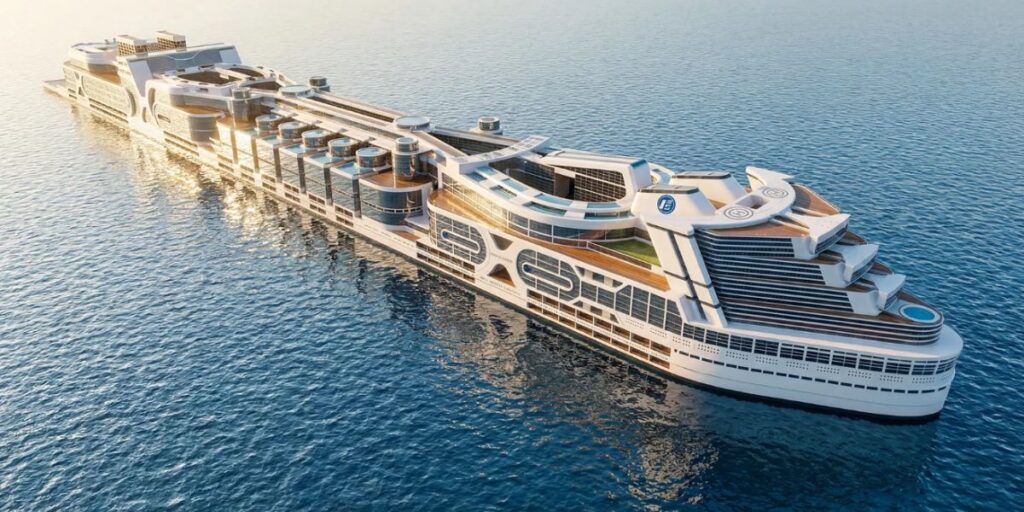
If built, the vessel would stretch almost a mile in length, span approximately 800 feet in width and rise 30 decks above the waterline. The proposed ship would measure more than 2 million gross tons and accommodate up to 80,000 people, including 50,000 permanent residents, 10,000 visitors and 20,000 crew members.
Designed to operate as a self-contained community, Freedom Ship would sail continuously at around seven knots, offering residents a lifestyle at sea while visiting destinations around the world without ever needing to permanently dock.
The scale of the project would eclipse anything currently operating in the cruise industry. By comparison, Royal Caribbean’s Icon of the Seas, presently the world’s largest cruise ship, measures 1,198 feet long and 248,663 gross tons.
Floating City Would Remain Offshore
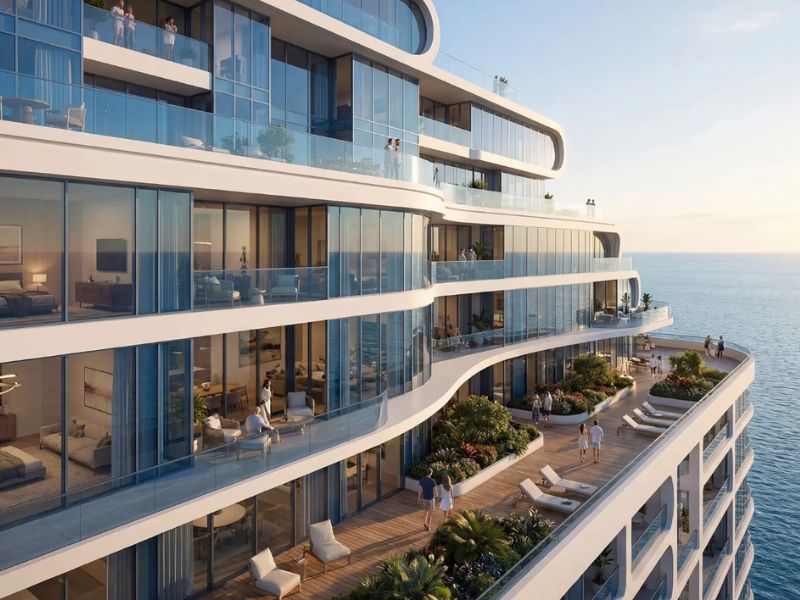
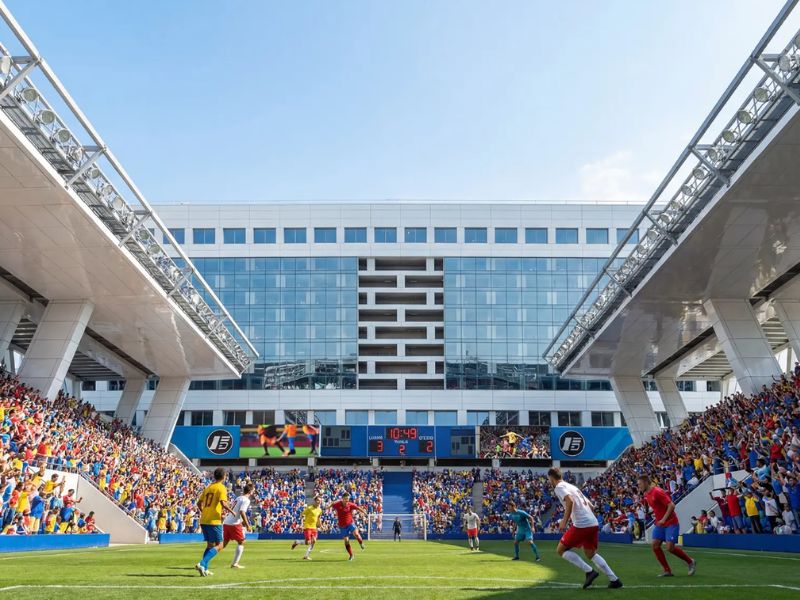
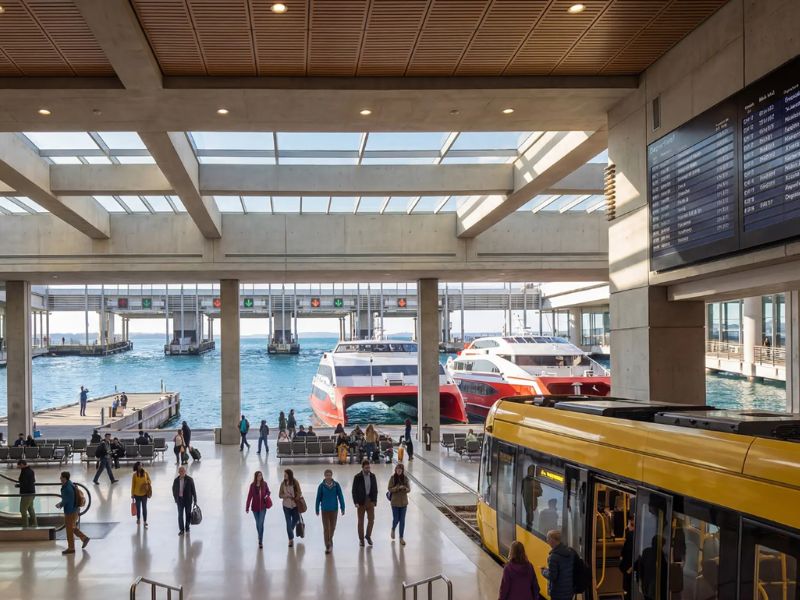
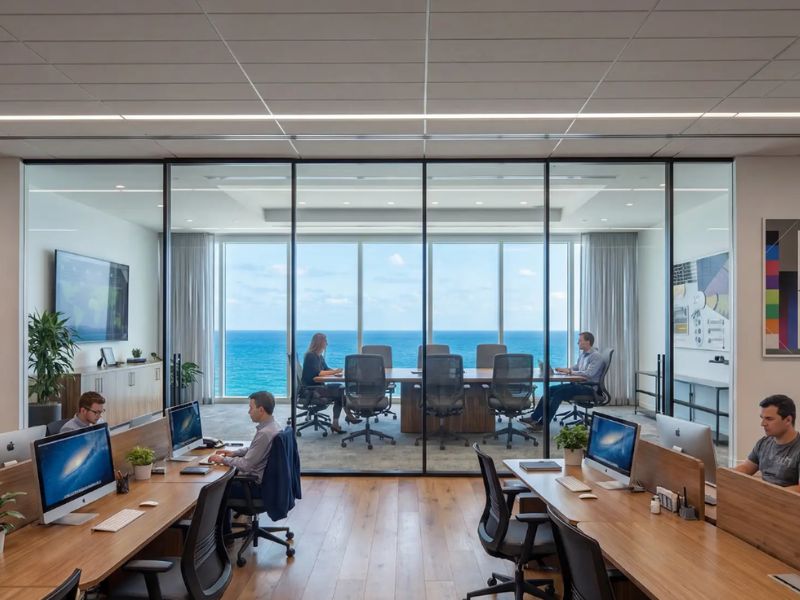
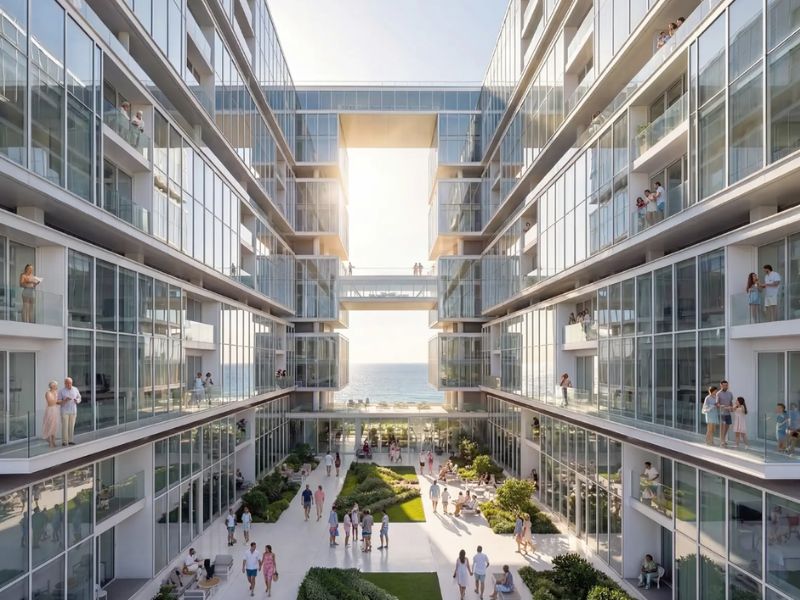
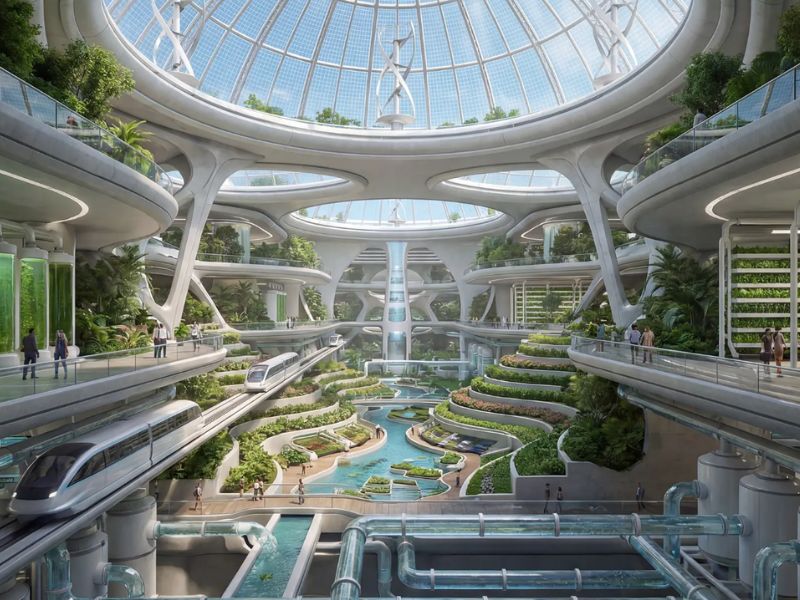
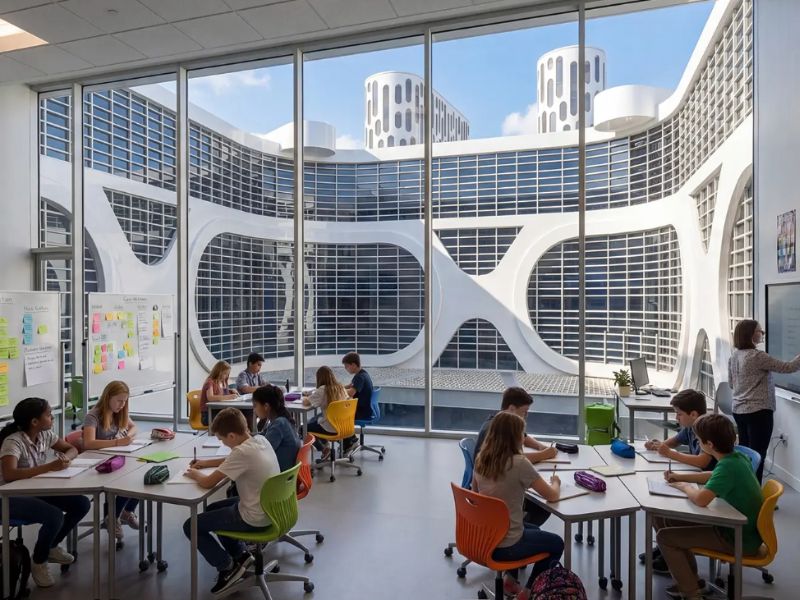
Plans outlined by Freedom Cruise Line International, Inc. envision far more than a traditional cruise ship. The vessel would function as a floating city complete with schools, hotels, retail outlets, restaurants, museums, green spaces, a water park and a 15,000-seat stadium.
Because of its immense dimensions, the ship would be unable to berth at conventional cruise ports. Instead, it would remain anchored or positioned offshore, with residents and visitors transferred to land using shuttle vessels.
Project supporters believe nuclear propulsion could provide the vast amount of energy required to sustain such a large community while reducing emissions compared with conventional marine fuels.
Despite the renewed attention, the concept remains in its early stages. Freedom Ship was first proposed during the 1990s and has spent decades as a largely theoretical project without moving into construction.
The latest vision carries an estimated cost exceeding €14 billion, highlighting the significant financial commitment that would be required before work could begin.
“We are firmly convinced that we can achieve this, but the crucial factor remains funding,” said CEO Roger Gooch.
According to the company, construction would take place in Indonesia if financing is secured, with a projected build time of three to four years.
Major Challenges Remain
While supporters continue to promote the concept, many maritime observers remain doubtful that the project can overcome the substantial engineering, regulatory and financial obstacles standing in its way.
Building a vessel several times larger than the biggest cruise ships currently in service would present unprecedented challenges, from structural engineering and propulsion systems to safety regulations and operational logistics.
Questions also remain over nuclear licensing requirements, environmental approvals, insurance considerations and whether a shipyard exists with the capability to construct a vessel of such extraordinary size.
Nevertheless, project leaders remain optimistic about the proposal’s prospects.
“It’s an extraordinary concept,” said project director Sridev Mookerjea. “With a good dose of perseverance, we can turn this dream into reality.”
For now, Freedom Ship remains one of the most ambitious concepts ever proposed for the maritime industry. Until funding is secured and questions surrounding construction, regulation and long-term operations are addressed, the project remains firmly in the realm of vision rather than reality.
Get the best price on your cruise…

Related Posts
If you found this interesting, please share!
Disney Cruise Line is preparing to introduce its first-ever charge for room service aboard Disney Adventure, marking a significant departure from a long-standing guest perk that has traditionally been included…
A Tennessee woman who lost both of her legs following a devastating shore excursion accident in the Bahamas is pursuing legal action against Carnival Corporation and the operators of the…
A major search operation remains underway in St. Kitts and Nevis after a cruise passenger disappeared while hiking on Mount Liamuiga during a port visit from a Royal Caribbean cruise…
Celebrity Cruises is significantly expanding its Captain’s Club loyalty programme, introducing two new membership levels above Zenith and adding a series of milestone rewards designed to recognise its most frequent…
Source link