
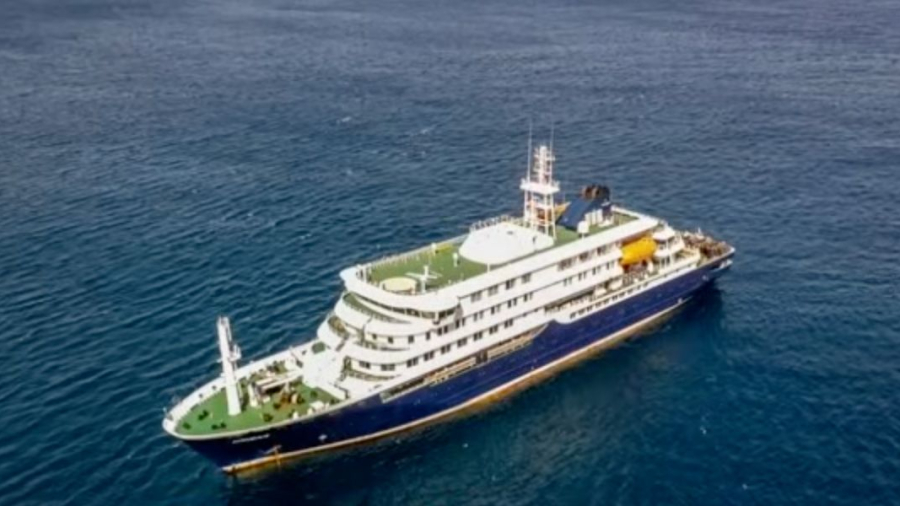
Three passengers have died and multiple others have been taken seriously ill following a suspected hantavirus outbreak aboard the expedition cruise ship MV Hondius, in what is being described as an extremely rare incident at sea.
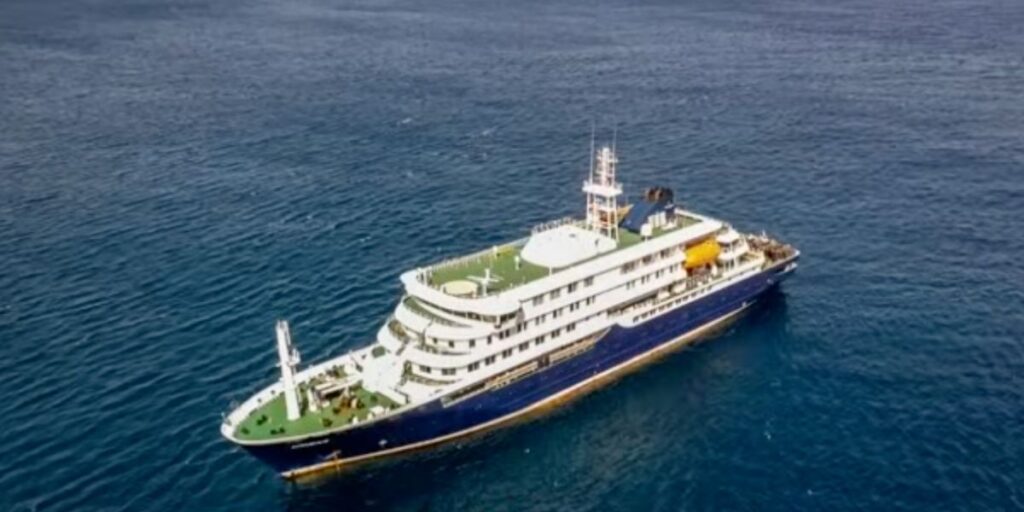
The vessel, operated by Oceanwide Expeditions, was sailing across the Atlantic from Ushuaia in Argentina to Cape Verde when the outbreak emerged.
The World Health Organization has confirmed that one passenger tested positive for hantavirus, while five additional cases are currently being treated as suspected infections.
Of the six people affected, three have died. Among them are a Dutch husband and wife aged 70 and 69, who became ill during the voyage. A third passenger also died, with reports indicating their body remains onboard the ship.
A 69-year-old British passenger is currently in intensive care in Johannesburg, South Africa, and is the only laboratory-confirmed case so far. Two crew members are also unwell.
Health Authorities Monitoring Developing Situation
The World Health Organization has confirmed it is actively supporting the response to what it describes as a “public health event involving a cruise vessel sailing in the Atlantic Ocean.”
In its statement, the agency said: “To date, one case of hantavirus infection has been laboratory confirmed, and there are five additional suspected cases. Of the six affected individuals, three have died and one is currently in intensive care in South Africa.”
Further laboratory work, including genetic sequencing, is underway to determine the exact strain of the virus and whether all cases are linked to the same source.
At the time of the outbreak, MV Hondius was carrying up to 170 guests, alongside 57 crew members and 13 expedition guides. Even with six known or suspected cases, this represents around 3.5% of passengers onboard, a notable proportion for a serious illness.
The ship is now off Cape Verde and appears to have been stationary for at least 24 hours. Reports suggest that local authorities have not yet granted permission for ill passengers or crew to disembark for treatment, complicating the medical response.
What Is Hantavirus And How Serious Is It?
Hantavirus is a rare but potentially fatal disease typically contracted through exposure to infected rodent urine, droppings or saliva. It is highly unusual for cases to be associated with cruise ships.
There are several different types of hantavirus, and the severity can vary depending on the strain and a person’s overall health.
One form, known as hantavirus pulmonary syndrome, can take between one and eight weeks to show symptoms. Early signs include fatigue, fever and muscle aches, followed by coughing and shortness of breath as the illness progresses.
Another form, haemorrhagic fever with renal syndrome, develops more quickly, often within one to two weeks. It can cause severe headaches, blurred vision, internal bleeding and, in the most serious cases, kidney failure.
Medical experts say there are currently no vaccines or specific antiviral treatments available. Care is focused on managing symptoms, often requiring intensive hospital support such as oxygen therapy or ventilation.
Some specialists have noted that the Andes strain, commonly found in South America where the cruise began, can in rare cases spread between people. However, hantavirus is generally not considered easily transmissible from person to person.
Experts have also warned that patients can deteriorate rapidly. In severe cases, death can occur within days of symptoms becoming serious.
How Did The Outbreak Start?
Investigators are now working to determine how the passengers were exposed to the virus and whether it was transmitted between passengers.
Epidemiologists suggest it is likely that those infected contracted the virus before boarding the ship, as hantavirus can have a long incubation period of up to eight weeks.
It remains unclear whether all six cases involve the same strain or if multiple exposures may have occurred. Health officials have stressed that confirming this will be key to understanding the situation.
The possibility of further cases has not been ruled out, particularly given the delayed onset of symptoms associated with the virus.
Unusual Incident Raises Questions For Expedition Cruises
Outbreaks of illness on cruise ships are not uncommon, but they are usually linked to gastrointestinal diseases such as norovirus, E. coli or salmonella. While unpleasant, these rarely result in fatalities.
In contrast, no hantavirus outbreaks linked to cruise ships have been reported in at least the past 30 years, according to available data.
The situation is particularly concerning given the nature of expedition cruising. Ships like MV Hondius operate in remote regions with limited access to medical facilities, which can make emergency situations more challenging to manage.
MV Hondius is a Polar Class 6 ice-strengthened vessel designed for voyages in Antarctica and the Arctic. It typically carries guests aged between 30 and 80, with many travellers in older age groups who may be more vulnerable to severe illness.

Oceanwide Expeditions advises that passengers should be in good overall health and capable of spending extended periods ashore during expeditions, although the trips themselves are not considered highly physically demanding.
The current voyage, which departed on 20th March 2026, may have been a rare repositioning sailing combining Antarctic exploration with a transatlantic crossing ahead of the ship’s Arctic season, due to begin later in May.
Ongoing Investigation
Health authorities continue to monitor the situation closely as testing and analysis continue.
Experts have emphasised the importance of quickly identifying and treating cases, particularly given the severity of the disease and the lack of targeted treatments.
There are also ongoing efforts to review passengers’ recent travel histories to identify any possible exposure to high-risk environments before boarding.
For now, the outbreak remains under investigation, with officials working to determine whether additional cases may emerge and how such a rare and serious illness came to affect passengers on a cruise ship.
Related Posts:
If you found this interesting, please share!

Thousands of cruise passengers are urgently rearranging travel plans after Spirit Airlines abruptly ceased operations on Saturday 2nd May 2026, cancelling all flights with immediate effect just as the summer…
Parents, you’ve gotta be quick with this one… P&O Cruises has unveiled a limited-time Early May Bank Holiday promotion that allows additional guests to sail from just £49 per person…

Royal Caribbean International has opened its first Royal Beach Club in Europe, giving cruise passengers visiting Santorini a new way to experience the Greek island. The Royal Beach Club Santorini…

Carnival Corporation is facing a growing legal battle after a major cyberattack that allegedly exposed more than 8.7 million records led to multiple class action lawsuits in the United States….
Source link