
A good cruise isn’t defined by the ship alone. It’s shaped by what happens when you step ashore. Some ports are built around tourism, while others feel more local, with markets, side streets, and everyday routines unfolding close to the dock. Over the course of a trip, those differences begin to stand out. The routes in this guide focus on destinations where the experience extends beyond the harbor.
Immersive Expedition Voyages to Antarctica
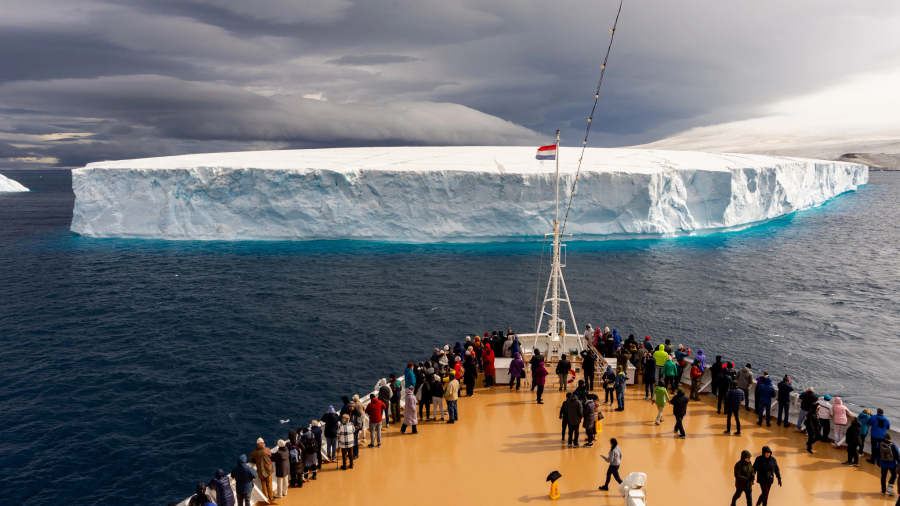
Antarctica isn’t a place you can visit casually on a cruise, which is part of what makes it so unforgettable. Most voyages to this remote region begin in Ushuaia, Argentina, where ships depart from the port near Avenida Maipú before crossing the Drake Passage. The journey can be rough, but by the time the first icebergs appear, passengers are already tuned into the environment. Landings usually take place at Neko Harbor or Cuverville Island, where zodiac boats bring small groups ashore. You’ll walk on snow-covered ground with penguin colonies nearby and almost no human structures in sight.
There’s a practical side to these trips that matters. This is why the most excellent Antarctica cruises are built around flexibility, allowing captains to adjust routes based on ice conditions and wildlife activity. That often means more time near whale feeding areas or active penguin rookeries. Guides are usually scientists or naturalists who explain what you’re seeing, whether it’s how glaciers break apart or why certain species gather in specific bays.
Back on the ship, daily briefings are held in observation lounges, where maps and weather charts are laid out. After a few days, the geography starts to feel familiar, with names like Lemaire Channel and Paradise Bay sticking in your mind. There’s always something to watch, even if it’s just ice drifting slowly past the deck.
Sun-Drenched Island Hopping in the Greek Isles
Cruising through the Greek Isles feels different with each stop. In Santorini, ships anchor offshore and passengers take tenders into Fira’s Old Port. From there, many head up the cable car, but the zigzag walking path is still in use, lined with vendors and shaded corners where locals take breaks. Up top, streets like Nikolaou Nomikou in Oia get busy by late morning, especially near the blue-domed churches. Early starts make a big difference here.
On Mykonos, the layout is more compact. The harbor opens into narrow lanes around Matogianni Street, where shops and galleries sit side by side. It’s easy to drift into the quieter edges of town, especially near the windmills or along the path toward Little Venice. You’ll notice how quickly things change once you step a few blocks away from the main flow.
Delos is often included on cruise itineraries in Greece, and it’s well worth the stop. The archaeological site is spread out, with stone streets leading past temples and mosaics uncovered over decades. Back on board, evenings are usually relaxed, with views of island silhouettes fading into the distance.
Cultural Exploration and Tradition in Japan
Japan is a popular destination for small-ship cruising, partly because many of its most interesting ports aren’t designed for large vessels. Places like Kanazawa, reached via the port on the Sea of Japan coast, offer a quieter way into the country. From there, it’s a short ride to Omicho Market, where vendors sell fresh seafood, produce, and prepared meals in tightly packed rows. The market has been operating for centuries, and it still feels like part of everyday life.
If this style of cruising suits you, it’s worth taking the time to find small ship cruises in Japan that focus on regional ports and longer stays in each destination. That extra time makes it easier to explore places like Nagasaki’s Dejima district or the hillside streets around Glover Garden, where historic trade routes shaped the city’s layout. Onboard, local experts lead talks on history or seasonal customs, adding useful context before you head ashore.
Kyoto is often included through nearby ports like Kobe or Osaka. Once in the city, areas like Gion and streets such as Hanamikoji offer a look at traditional architecture that’s still in use. You might pass a tea house, a small shrine, or a residential lane where locals go about their daily routines. Timing matters here. Early mornings are quieter, especially around Yasaka Shrine or along the Philosopher’s Path.
Majestic Glaciers and Wildlife Watching in Alaska
Alaska cruises are usually centered around the Inside Passage, with stops in towns like Juneau, Skagway, and Ketchikan. Each has its own character. In Juneau, many visitors head straight to Mendenhall Glacier, where trails lead out toward Nugget Falls. The visitor center offers a clear overview of how the glacier has changed over time, with marked lines showing previous ice positions.
Skagway still carries its Gold Rush history in visible ways. Broadway Street runs through the center of town, lined with restored buildings that now house small museums and local shops. Just outside town, the White Pass and Yukon Route railway climbs through steep terrain, with views over valleys and old mining paths.
Glacier Bay is often a highlight of the cruise. Ships usually enter early in the morning, and the atmosphere stays quiet as they move through the park. Rangers come on board to point out wildlife and explain the ice formations along the way. Wildlife is part of daily life here. Bald eagles are easy to spot near the shoreline, and humpback whales often surface near the ship.
Tropical Relaxation Through the Caribbean Islands
Caribbean cruises cover a wide range of islands, each with a slightly different feel. In San Juan, Puerto Rico, ships dock near Old San Juan, making it easy to walk straight into the historic district. Calle de la Fortaleza runs through the center, lined with pastel buildings and balconies. El Morro sits at the edge of the city, with open grounds where locals fly kites and gather in the evenings.
In Charlotte Amalie, St. Thomas in the U.S. Virgin Islands, the layout shifts from busy waterfront streets into steeper residential areas. Main Street is close to the port, but walking a few blocks inland brings quieter lanes and higher viewpoints overlooking the harbor. Skyline Drive is one of the best spots for that, especially in the late afternoon.
In Nassau, Bahamas, the main port area opens onto Bay Street, where most shops and foot traffic gather. A short walk inland leads to the Queen’s Staircase and Fort Fincastle, both set slightly above the town. These areas feel less crowded, making it easier to understand the island’s older structures and overall layout.
Which horizon will you chase first?
The cruise destinations above don’t follow a single idea of what cruising should look like. Some are shaped by remote landscapes, while others center on cities and everyday life near the water. What matters most is how each place feels once you step ashore. The more destinations you experience, the easier it becomes to figure out what kind of trip suits you best.