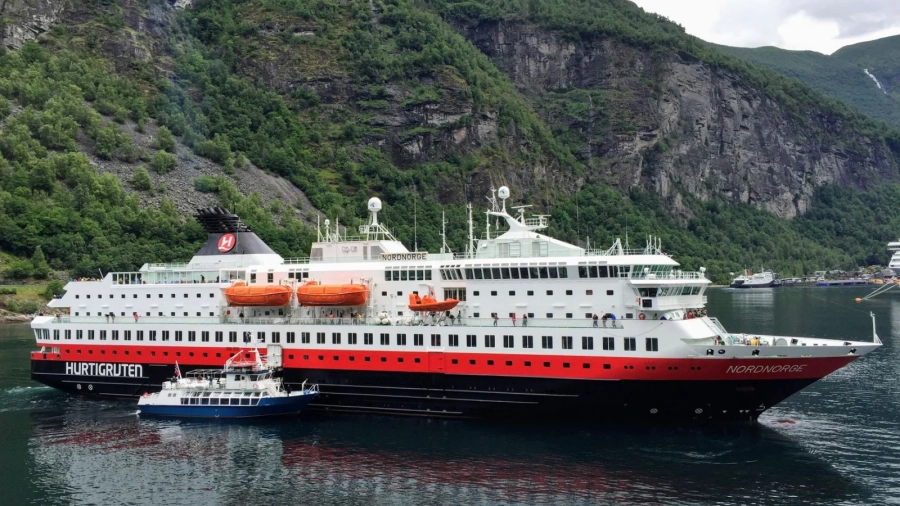
The best side of ship for an Alaska cruise depends on which way you sail. On a one-way northbound cruise (Vancouver to Seward or Whittier), the starboard (right) side faces the mainland coast more often. Southbound, it is the port (left) side. On a round-trip from Seattle or Vancouver you pass the same coast in both directions, so neither side has a real advantage. On the big glacier days the ship turns so both sides get a view.
Free: get the printable Alaska Cruise Planner 2027: best month, best route and real fares →
So choosing the wrong side will not make you miss Alaska. The rest of this guide explains where the side does make a difference, with a table for each itinerary type and advice on whether it is worth paying extra for a particular side.
Best Side of Ship for an Alaska Cruise, by Itinerary
| Itinerary | Side with more coastline | How much it matters | Notes |
|---|---|---|---|
| One-way northbound (Vancouver or Seattle to Seward/Whittier) | Starboard (right) | Moderate | Mainland and the Gulf of Alaska coast stay on your right; open sea on the left across the Gulf |
| One-way southbound (Seward/Whittier to Vancouver or Seattle) | Port (left) | Moderate | The same view in reverse; starboard looks out over the Gulf |
| Round-trip from Vancouver | Either | Low | You sail the Inside Passage both ways, so each side sees the mainland for half the trip |
| Round-trip from Seattle | Either | Low | Open Pacific sailing west of Vancouver Island; land is often far away on both sides |
| Glacier day (Hubbard, Glacier Bay, Tracy or Endicott Arm, College Fjord) | Either | Very low | Ships usually pivot or turn in front of the glacier |
Northbound One-Way Cruises: Choose Starboard
If you sail from Vancouver (or occasionally Seattle) to Seward or Whittier, the North American mainland is to the east of you, which is on your right. Celebrity Cruises’ own guidance says the best views of Alaska’s coastline on northbound sailings are likely to be on the starboard side.
The difference is most noticeable on the final stretch across the Gulf of Alaska. Heading northwest past Hubbard Glacier toward Prince William Sound, the coast and the Chugach and St. Elias mountains lie to starboard, while the port side looks out over open water. In the Inside Passage the gap is smaller, because islands such as Vancouver Island, Prince of Wales Island and Admiralty Island are visible to port as well.
Southbound One-Way Cruises: Choose Port
Southbound is simply the reverse. Leaving Seward or Whittier, the coast is on your left, so a port-side balcony gives you more land views across the Gulf and down through Southeast Alaska. The starboard side faces the Gulf of Alaska for much of the first part of the trip.
If you are booking a cruisetour that combines a land trip to Denali with a one-way cruise, check the direction before choosing a cabin. A cruise-first package usually sails northbound, and a land-first package usually sails southbound.
Round-Trip Cruises: Best Side of the Ship From Seattle or Vancouver
Most seven-night Alaska cruises are round trips. Because you sail north and then come back down a similar route, each side of the ship faces the mainland for roughly half the time. The choice of side matters very little here.
From Vancouver, ships enter the Inside Passage soon after leaving the city and stay in sheltered water between Vancouver Island and the mainland. You often see land on both sides. As you sail out under the Lions Gate Bridge, Stanley Park is on the port side and the North Shore mountains are to starboard.
From Seattle, ships normally head out into the Pacific and sail up the outer coast of Vancouver Island rather than through the Inside Passage. This means a sea day or so where the view is much the same from either side. Seattle round trips also call at a Canadian port, usually Victoria, to meet US cabotage rules. The best side of the ship for an Alaska cruise from Seattle is really a matter of personal preference. Pick based on sunrise or sunset if you have a favorite (see below).
Glacier Days: Why the Side Matters Least Here
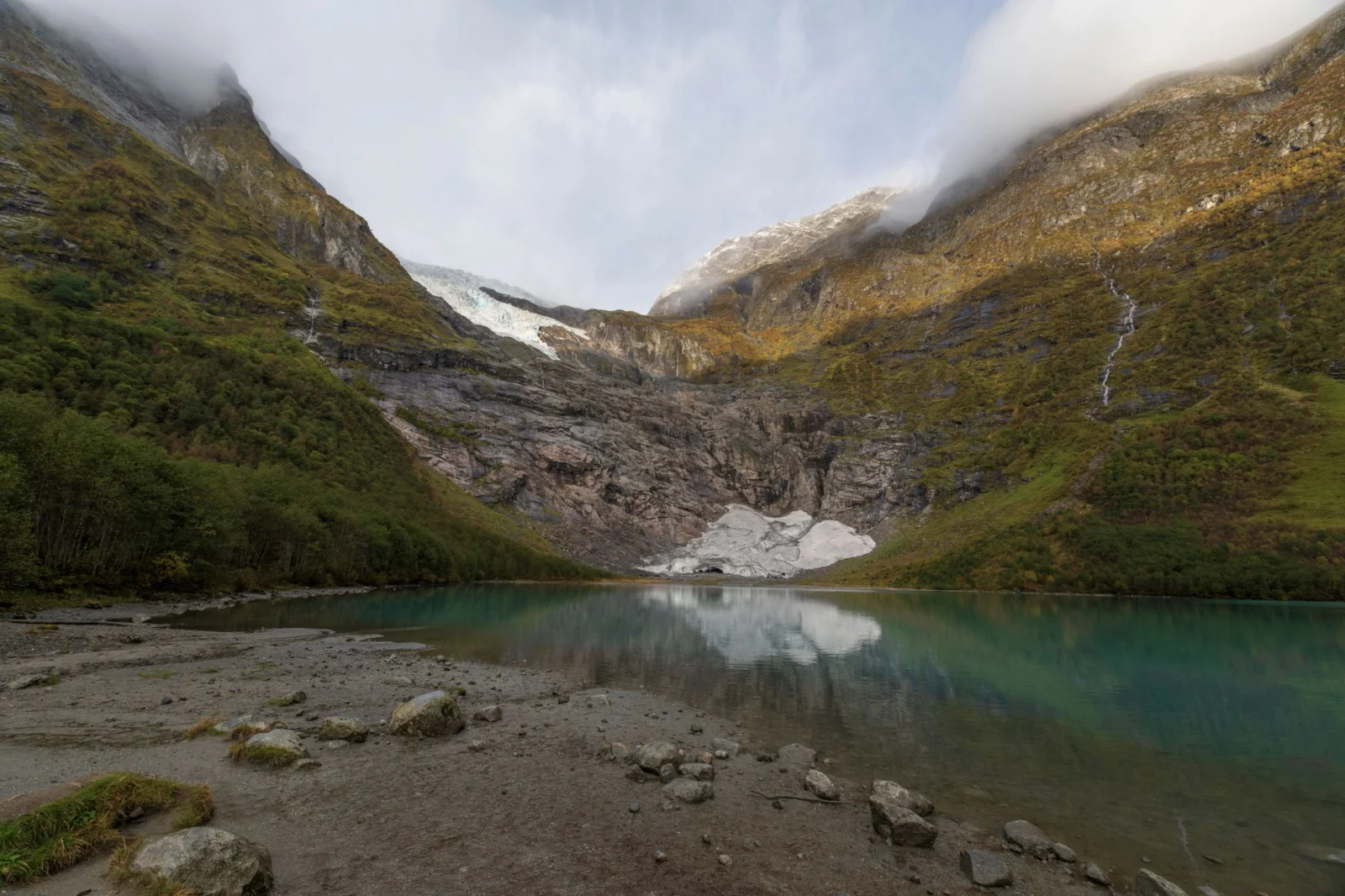
Many people worry most about the glacier day, but it is actually the day when your cabin side matters least. Captains know every passenger wants to see the ice, so they plan for it:
- Hubbard Glacier. Ships approach as close as ice and safety allow, then slowly rotate so both sides face the glacier for a while. Celebrity mentions full 360-degree turns at Hubbard.
- Glacier Bay National Park. Only a limited number of large ships get permits each day. They spend several hours in the bay, with National Park Service rangers on board, and pause and turn at tidewater glaciers such as Margerie Glacier.
- Tracy Arm and Endicott Arm. These narrow fjords south of Juneau have steep walls and waterfalls on both sides, so there is scenery whichever way you face. Ice conditions sometimes stop big ships from reaching the glaciers at the end. In that case some lines switch to Endicott Arm and Dawes Glacier, where Celebrity also says ships can turn fully.
- College Fjord. Common on Princess Gulf of Alaska sailings, this fjord is lined with glaciers on both sides, and the ship turns at its head.
In practice, the best glacier views often come from the open deck at the bow (where ships allow access) or the top decks, not from a balcony. Glacier Bay in particular is worth watching from public areas, where rangers give commentary.
Which Side Faces the Port When You Dock?
This is one of the most common questions, and there is no fixed answer. Ships can dock on either side depending on the berth they are given, the direction of approach, the wind and the captain’s choice. In busy ports such as Juneau, Ketchikan and Skagway, several ships share the waterfront and berth assignments vary from one sailing to the next.
When you are in port, the view from a dock-side cabin is often the pier, the town or another ship. The other side may look out over the water and mountains, which can be the nicer view. Our Juneau cruise port guide covers where ships tie up in Alaska’s capital, the port-by-port Alaska guide describes each stop, and our Alaska cruise ports guide with map shows the route south to north, glaciers included.
Balcony vs Public Decks vs Aft Cabins
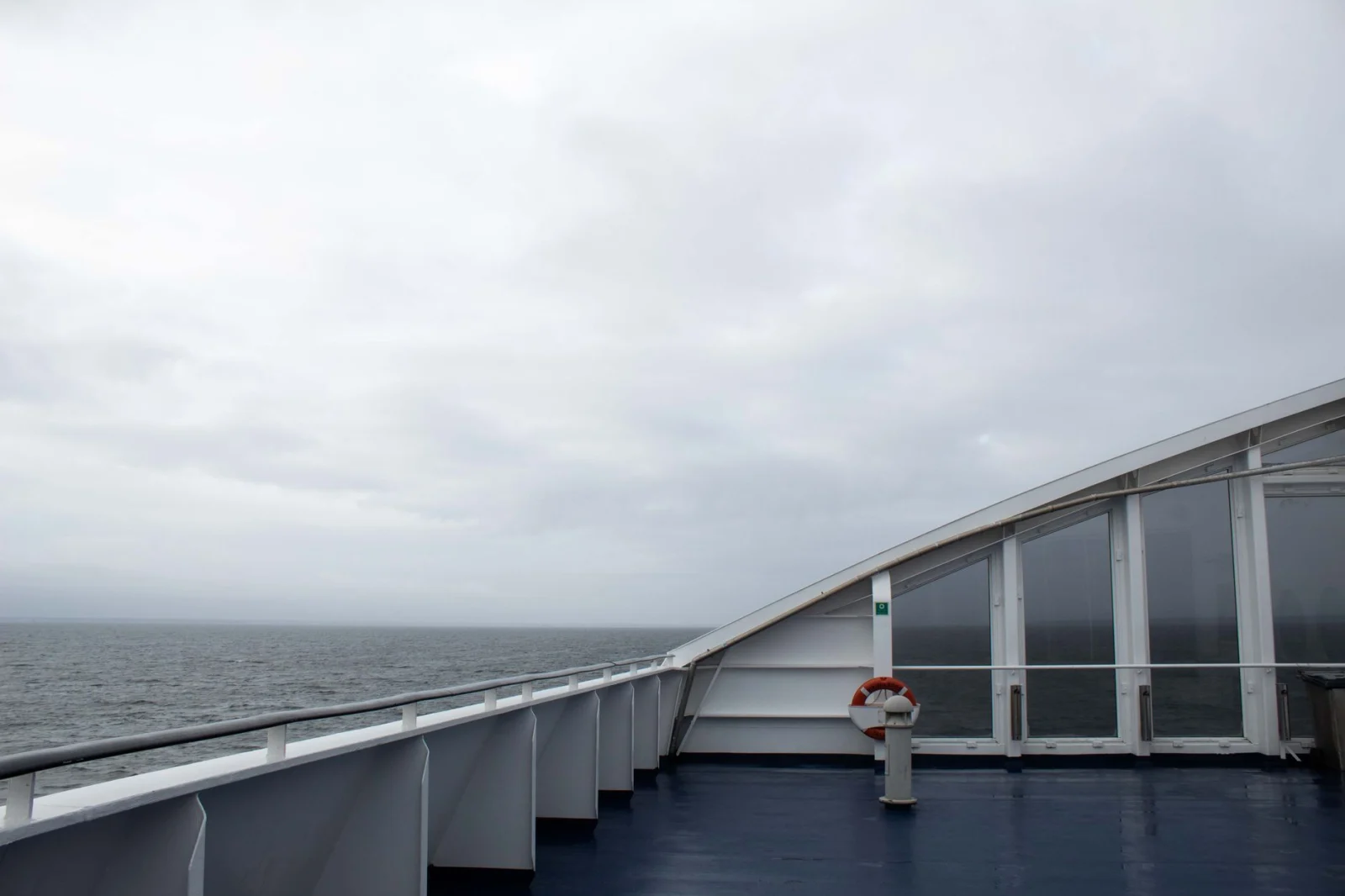
On many Alaska sailings, the type of cabin matters more than which side it is on.
Balcony cabins
A balcony lets you step out for a whale, an eagle or a misty fjord at 5am without dressing for the top deck. The Inside Passage is full of scenery that rewards that kind of casual watching. If you are deciding whether a balcony is worth it, see our balcony vs inside cabin comparison.
Public decks
Open decks give you a 360-degree view, so you see both sides at once. On glacier days, the forward observation areas and top decks are where most passengers gather. An inside cabin plus time on deck is a perfectly good way to see Alaska.
Aft (stern) cabins
Cabins at the very back of the ship look backward over the wake. That gives a wide view of both shores as the coastline slips past behind you. They avoid the port-or-starboard question altogether, but they can feel more vibration and motion, and they are popular enough to sell out early on many Alaska sailings.
Is It Worth Paying Extra for a Particular Side?
For most passengers, no. Cruise lines usually do not charge a different fare purely for port or starboard. The price is set by cabin category and location. But the “right” side can sell out first on one-way sailings, which leaves you with a higher category if you insist on it.
It makes sense to put the side first if:
- You are on a one-way cruise and plan to spend much of your time on the balcony.
- You are a keen photographer and want the coast and the low evening light on the same side.
- Mobility makes it hard to get up to the open decks.
Otherwise, pick a well-placed cabin (midship for less motion) and spend glacier mornings on deck.
Sunrise, Sunset and Other Viewing Tips
- Sun direction. Heading north, sunrise is on the starboard side and sunset is to port. Heading south, it is the reverse. In midsummer the sun sets very late, so evening light lasts a long time.
- Pack binoculars. Whales, bears and mountain goats are often too far away for the naked eye, whichever side you are on.
- Dress for the deck. Even in July, standing in front of a glacier is cold and windy. Bring a warm layer, a hat and gloves.
- Listen for announcements. The bridge or naturalist often calls out wildlife sightings and says which side to look.
FAQs
Is port or starboard better for an Alaska cruise?
Starboard is better on a one-way northbound cruise and port is better southbound. On round trips from Seattle or Vancouver, both sides see a similar amount of coastline.
Which side of the ship is better for the Inside Passage?
Northbound, the mainland is on the starboard side and southbound it is on the port side. But islands are visible from both sides through much of the Inside Passage, so the difference is small.
What is the best side of the ship for Glacier Bay?
Neither. Ships spend several hours in Glacier Bay and turn at the tidewater glaciers so both sides get a view. Public decks with ranger commentary are often the best spot.
Will I miss the view if I book an inside cabin in Alaska?
No. The open decks and observation lounges give you views on both sides. A balcony adds comfort and convenience, but it is not essential to see the glaciers or wildlife.