
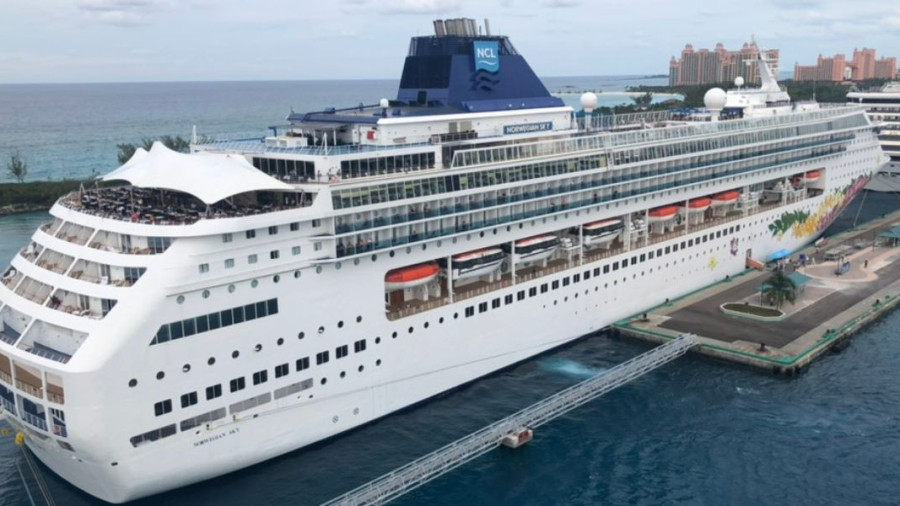
Norwegian Cruise Line Holdings has cut its 2026 profit forecast after warning that higher fuel costs, weaker demand and earlier booking problems are putting pressure on the business.
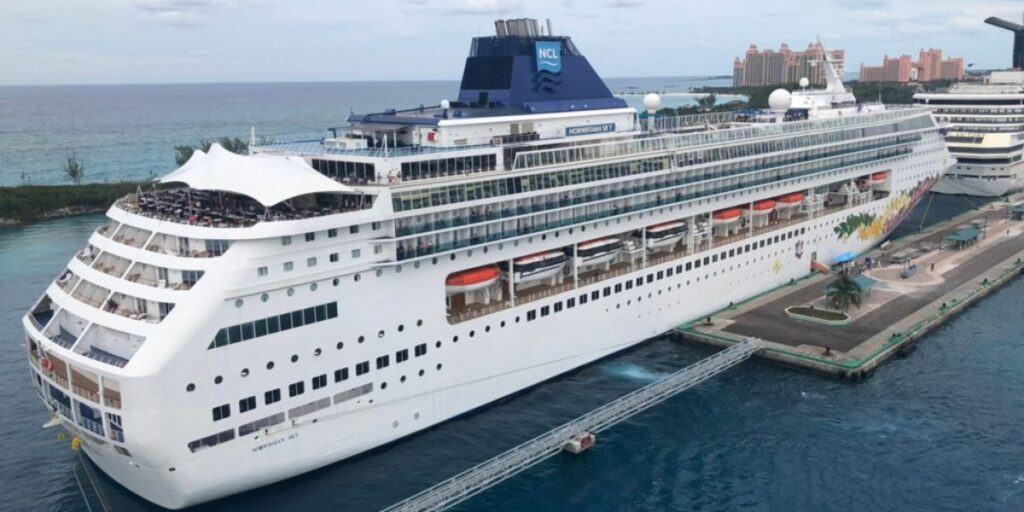
The company, which owns Norwegian Cruise Line, Oceania Cruises and Regent Seven Seas Cruises, now expects adjusted earnings of $1.45 to $1.79 per share for the year. Its previous forecast was $2.38 per share.
The downgrade is significant because Norwegian’s first quarter was not weak overall. Revenue rose 10% year on year to $2.33 billion, while GAAP net income reached $104.7 million. Adjusted EBITDA rose 18% to $533 million, which was ahead of the company’s guidance.
However, the cruise group said the outlook for the rest of 2026 has become more difficult because of disruption in the Middle East, higher fuel prices and softer demand, especially for Europe cruises during the summer season.
Reuters reported that Norwegian’s shares fell around 7% in morning trading after the announcement.
Why Norwegian Has Cut Its Forecast
Norwegian said it is facing several problems at the same time.
The first is fuel. Cruise ships use large amounts of fuel, so changes in oil prices can have a major impact on profits.
The company reported fuel expense of $169 million in the first quarter. It now expects fuel to cost $782 per metric ton for the full year, net of hedges, based on spot prices from 28th April 2026. Reuters reported that this was up from a previous expectation of $670 per metric ton.
Norwegian has protected itself from some fuel price rises. As of 31st March 2026, it had hedged around 51% of its expected 2026 fuel use. It had also hedged around 28% of its expected 2027 fuel use.
But that still leaves a large part of its fuel needs exposed to market prices. The company said a 10% change in fuel prices, net of hedges, would affect full-year adjusted earnings per share by around $0.08.
This matters because the Middle East conflict has pushed up oil prices and created uncertainty around global energy supply. Reuters reported that oil prices rose above $100 a barrel after US and Israeli strikes on Iran led to the closure of the Strait of Hormuz.
Bookings Were Already Behind Target
Fuel is not the only issue.
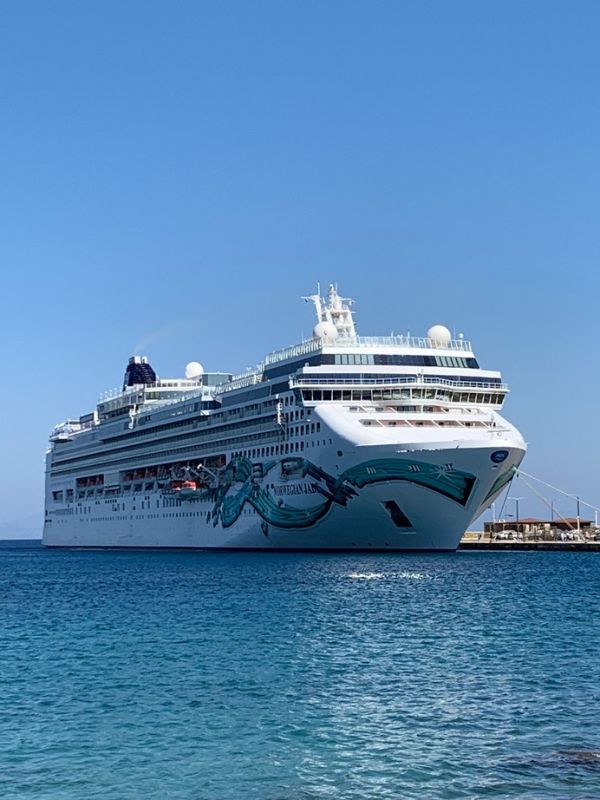
Norwegian said it entered 2026 behind its targeted booking curve. In simple terms, that means the company did not have as many future bookings as it wanted at that point in the year.
The company also pointed to “execution missteps”. It said it remains below its “optimal booking range” and that softer demand linked to geopolitical uncertainty has made it harder to close the gap.
This is important because cruise lines rely heavily on advance bookings. Strong early bookings give a cruise company more control over pricing. Weak bookings can make it harder to hold fares, especially if demand later becomes uncertain.
Norwegian said recent events linked to the Middle East conflict have affected bookings across all three of its brands. The company said the impact was especially noticeable in Europe during the summer season.
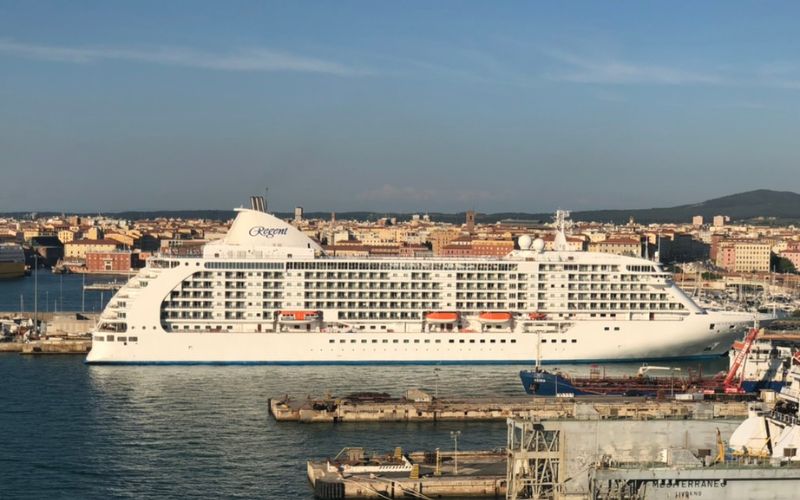
That creates a particular challenge for Norwegian Cruise Line Holdings because Oceania Cruises and Regent Seven Seas Cruises are premium and luxury brands. Those brands often sell longer, higher-value itineraries, including Europe sailings.
What The Latest Figures Show
Norwegian’s first-quarter figures show a company that is growing, but not as strongly as investors expected.
Revenue rose to $2.33 billion, up from $2.13 billion a year earlier. But Reuters said this was slightly below what analysts expected.
The company carried 861,060 passengers during the quarter, compared with 669,099 in early 2025.
Ships also sailed fuller than last year, with occupancy reaching 103.8%, up from 101.5%. (Cruise occupancy can go above 100% because some cabins have more than two guests.)
Norwegian reported adjusted earnings of $0.23 per share for the quarter. That was better than analysts expected, helped by cost savings across the business. Even so, investors focused more on the weaker outlook for the rest of 2026.
Norwegian now expects full-year adjusted EBITDA of $2.48 billion to $2.64 billion, down from its earlier forecast of $2.95 billion.
The company also warned that the amount of money it makes from its cruises is expected to fall by around 3% to just 5% this year.
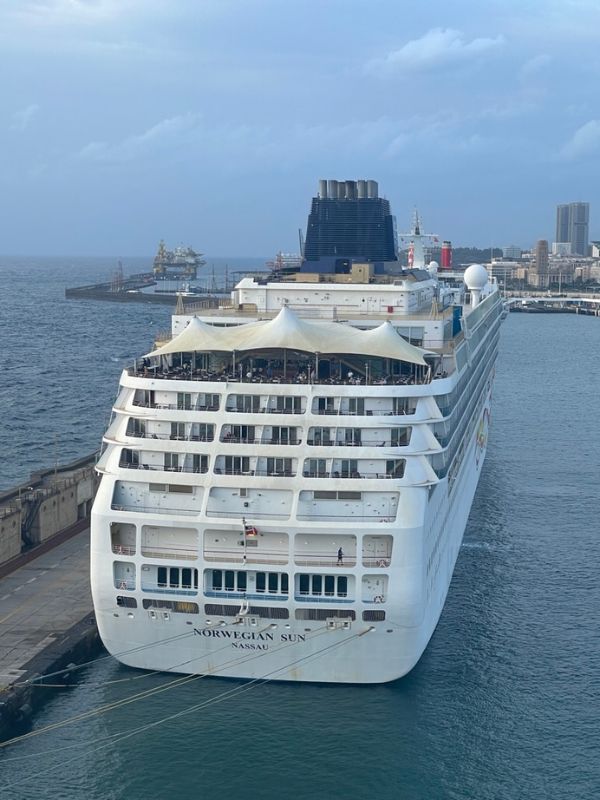
Cost Savings Are Already Under Way
Norwegian has started a cost-saving programme worth around $125 million in expected annual run-rate savings.
These savings are focused on SG&A costs. That stands for selling, general and administrative expenses, which mainly cover corporate and shoreside business costs rather than direct ship operating costs.
Reuters reported that a Norwegian Cruise Line spokesperson said the company was making some role and position adjustments within its shoreside organisation.
The company recorded $12.2 million in restructuring costs in the first quarter. Its first-quarter filing said these costs included severance and other fees linked to certain employee terminations.
Executives also said on a post-earnings call that annual salary and benefits costs would reduce by 15% for 2026.
Suggested read: How Much Do Cruise Ship Workers Make?
Chief executive John Chidsey said: “During the quarter, we acted with urgency to simplify, optimize, and streamline the organization, including executing SG&A savings initiatives totaling $125 million in expected run rate savings.”
He added: “These are long-term structural actions that we believe will help offset near-term pressures and position the business for stronger performance over time.”
Chief financial officer Mark Kempa said: “During the quarter we delivered better-than-expected cost performance across the business.”
He also said the company now expects full-year adjusted net cruise cost excluding fuel to be approximately flat to last year.
Leadership Change Adds To The Reset
The forecast cut comes during a period of change at Norwegian Cruise Line Holdings.
Former chief executive Harry Sommer stepped down earlier this year and was replaced by John Chidsey, who previously led Subway, Burger King, Avis and Budget Rent A Car in the United States.
The company also appointed five new independent directors, effective 31st March 2026.
How Royal Caribbean And Carnival Compare
Norwegian is not the only cruise company facing higher fuel costs.
Royal Caribbean has also cut its 2026 profit forecast because of fuel costs. Reuters reported that Royal Caribbean lowered its adjusted profit forecast to $17.10 to $17.50 per share, down from $17.70 to $18.10.
Royal Caribbean said it was 59% hedged for the remainder of 2026 at below-market rates. Reuters also reported that Mediterranean bookings had recovered after about a month of disruption linked to the Iran war.
Carnival has also cut its annual profit forecast because of higher fuel costs. Reuters reported that Carnival expected more than $500 million in higher fuel expenses, partly offset by operational gains from higher yields and lower non-fuel costs.
There is an important difference between the three companies.
Carnival is especially exposed to sudden fuel price moves because it is the only major US cruise operator that does not usually hedge fuel. Royal Caribbean has been affected by fuel prices, but its booking position appears stronger.
Norwegian’s problem is more complex because it was already behind its targeted booking curve before the latest Middle East disruption made demand softer and fuel more expensive.
Debt Also Matters For Norwegian
Norwegian Cruise Line Holdings is also carrying a large debt burden.
As of 31st March 2026, the company had total debt of $15.2 billion.
That makes cost control more important because high debt means higher interest costs and less room for error.
Norwegian expects net interest expense of around $695 million for the full year 2026.
The company also has major investment commitments. It expects newbuild and growth capital expenditure of around $2.9 billion in 2026 and around $2.9 billion again in 2027, before falling to around $1.8 billion in 2028.
These figures include spending on new ships, private island developments and other growth projects.
Norwegian Is Still Growing
Despite the weaker profit forecast, Norwegian is not pulling back from long-term growth.
The company recently took delivery of Norwegian Luna, its latest new ship for Norwegian Cruise Line.
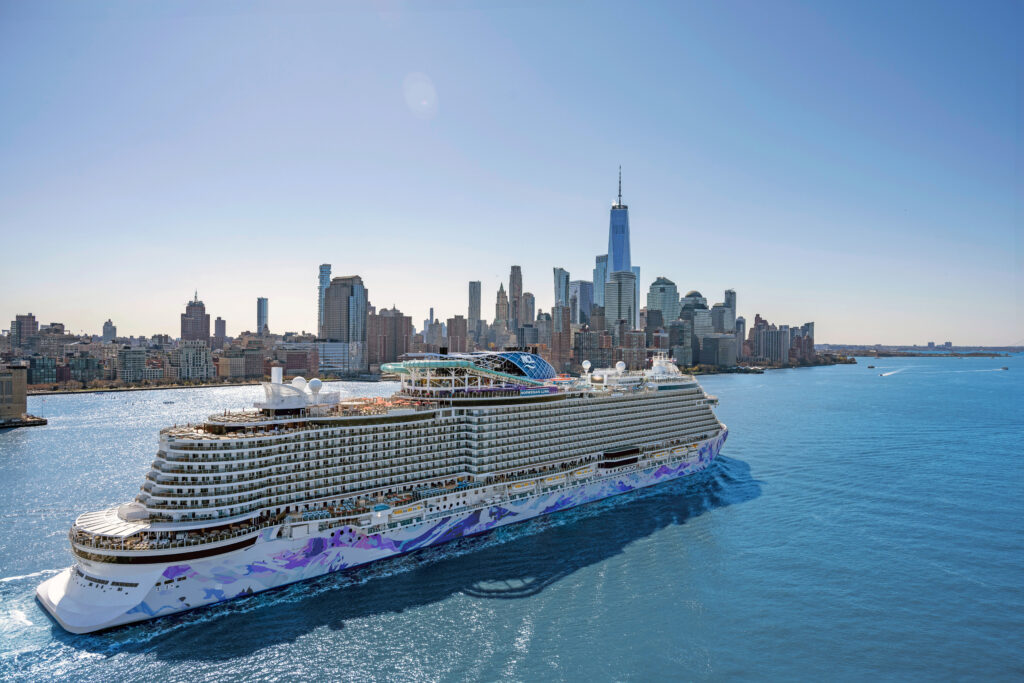
Norwegian Luna includes family attractions such as the Aqua Slidecoaster, Moon Climber and mini-golf, as well as adult-focused entertainment including LunaTique.
Oceania Cruises has also announced a major transformation of Oceania Marina during a dry dock planned for October 2026. Every stateroom is due to be redesigned, with upgrades also planned for public spaces.
Oceania has also announced Oceania Aurelia, a refurbished and reimagined ship currently sailing as Oceania Nautica. It is expected to debut in late 2027 as a small-ship luxury product for extended global travel.

Across its three brands, Norwegian Cruise Line Holdings operates 35 ships and offers itineraries to around 700 destinations worldwide. The company says it expects to add 16 more ships through 2037.
What This Could Mean For Cruisers
Norwegian has not announced guest service cuts, cruise cancellations or onboard reductions as part of this financial update.
That is an important point.
The cutbacks announced so far are mainly corporate cost savings and shoreside role adjustments. They are not the same as cutting food, entertainment or service on ships.
However, passengers may still see the effects of Norwegian becoming more focused on efficiency.
The company is likely to pay close attention to which itineraries are performing well, how cruises are priced and how much passengers spend before and during their sailing.
Weak demand on some routes could lead to more promotions, while stronger routes may hold firmer pricing.
It is also possible that Norwegian will become more selective about future deployment, especially if Europe demand remains under pressure.
For now, ships are still sailing, occupancy remains above 100%, and the company is still taking delivery of new vessels.
The bigger message is that Norwegian is trying to reset expectations for 2026. Higher fuel prices, Middle East uncertainty, weaker Europe demand and earlier booking mistakes have combined to create a tougher year than the company originally expected.
For cruisers, the most likely near-term impact is not cancelled holidays or immediate service cuts. It is a cruise line becoming more careful about costs, pricing and where it places its ships.
NEW DEALS JUST RELEASED!
Don’t miss the latest NCL offers…
Related Posts:

If you found this interesting, please share!

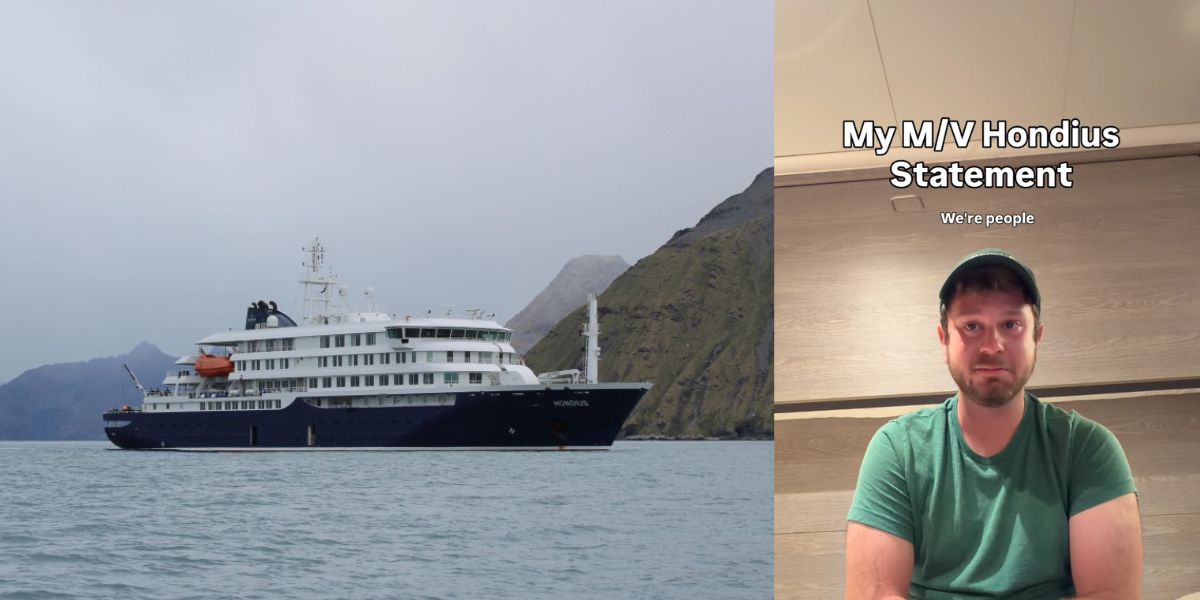
A US travel blogger stranded aboard MV Hondius has shared an emotional video plea as passengers remain confined on the expedition cruise ship following a suspected hantavirus outbreak that has…

Carnival Cruise Line has warned loyal passengers they must actively enrol in its upcoming Carnival Rewards programme or risk losing their existing VIFP Club status when the new system launches…
Star Princess has arrived in Seattle for the first time as Princess Cruises begins the ship’s inaugural Alaska season. The new Sphere Class ship will sail weekly roundtrip cruises from…
Three passengers have died and multiple others have been taken seriously ill following a suspected hantavirus outbreak aboard the expedition cruise ship MV Hondius, in what is being described as…
Source link