
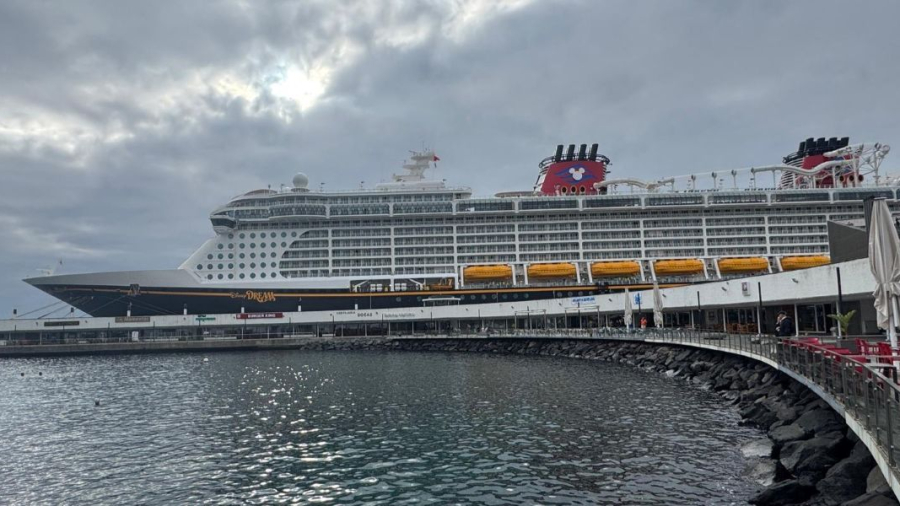
Spanish authorities have launched an investigation into an alleged poisoning incident involving two crew members aboard Disney Cruise Line’s Disney Dream after the vessel arrived in Vigo, Spain, on 24th July 2026.
The female crew member, an Argentinian national, was hospitalised following the suspected tampering of her water bottle by a fellow employee.
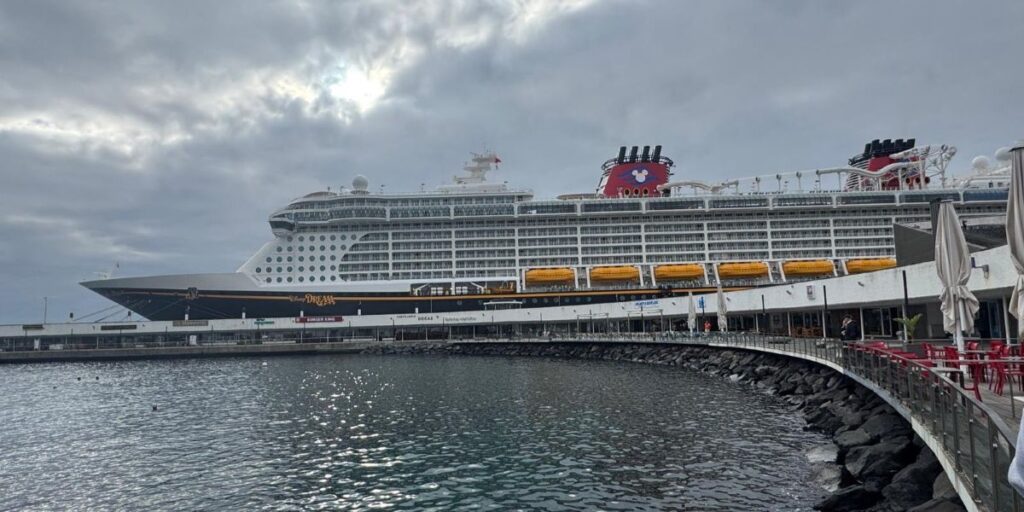
According to Spanish news outlet Faro de Vigo, the crew member first fell ill whilst the 129,690-gross tonne Disney Dream was docked in Vigo during a seven-night transatlantic sailing.
Initial medical treatment was provided in the ship’s medical facility, where she reportedly informed medical staff that she suspected her water bottle had been tampered with by another crew member.
The severity of her condition necessitated transfer to Fátima Hospital in Vigo for additional treatment and observation.
Following her discharge from the medical facility, she filed a formal complaint with Spain’s National Police, alleging that she had been deliberately poisoned and naming a specific fellow crew member as the suspected perpetrator.
The identities of both crew members involved in the alleged incident remain confidential at this time. Details regarding their specific roles and responsibilities aboard the Disney vessel have not been disclosed by authorities or the cruise line.
Spanish Civil Guard Boards Vessel For Evidence Collection
Spain’s Civil Guard boarded Disney Dream to conduct their investigation into the alleged poisoning shortly after the complaint was filed.
The law enforcement officers focused their initial efforts on securing and analysing the water bottle that the victim claimed had been contaminated.
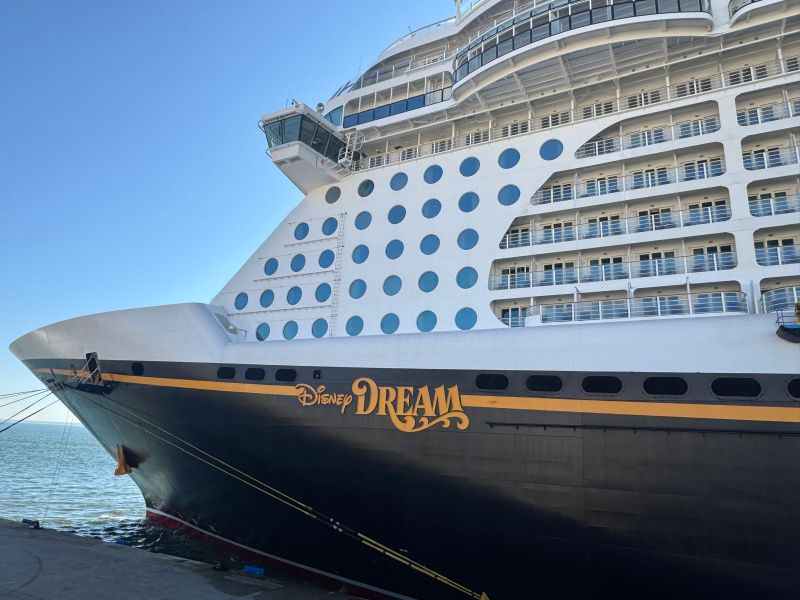
The vessel was detained briefly whilst authorities collected evidence, but the investigation did not significantly disrupt the ship’s scheduled operations.
At present, it remains unclear whether the Civil Guard or the National Police will assume primary responsibility for leading the investigation going forward, as both agencies have been involved in the preliminary stages.
Laboratory analysis of the water bottle’s contents is currently underway to determine what substance, if any, was used in the alleged poisoning.
Early reports suggest that the contaminant may have been chlorine, though this has not been officially confirmed by toxicology testing.
Chlorine Access Common Aboard Cruise Ships
The substance believed to have been used in the alleged poisoning – chlorine – is readily available throughout the ship as part of routine sanitation and water treatment operations.
Cruise vessels, including Disney Dream, utilise chlorine to sanitise swimming pools, hot tubs, and the fresh water supply distributed throughout the ship.
In typical cruise ship operations, chlorine is used in carefully measured, diluted amounts that pose no health risk to passengers or crew.
The concentrations employed for pool maintenance and water purification are regulated by maritime health standards and are considered safe for normal exposure.
However, according to medical information from MedlinePlus, exposure to high concentrations of chlorine can be extremely dangerous.
When consumed or inhaled in significant quantities, chlorine reacts with moisture in the body to form highly corrosive hydrochloric acid and hypochlorous acid, which can cause severe internal burns and respiratory damage.
The availability of chlorine in various locations throughout the ship means that crew members with certain roles – particularly those involved in maintenance, housekeeping, and pool operations – would have legitimate access to the chemical substance.
This widespread access complicates the investigation, as determining how the alleged perpetrator obtained the substance may prove challenging for authorities.
Disney Cruise Line Maintains Zero-Tolerance Policy
Disney Cruise Line has not issued a public statement regarding the alleged poisoning incident as the investigation continues.
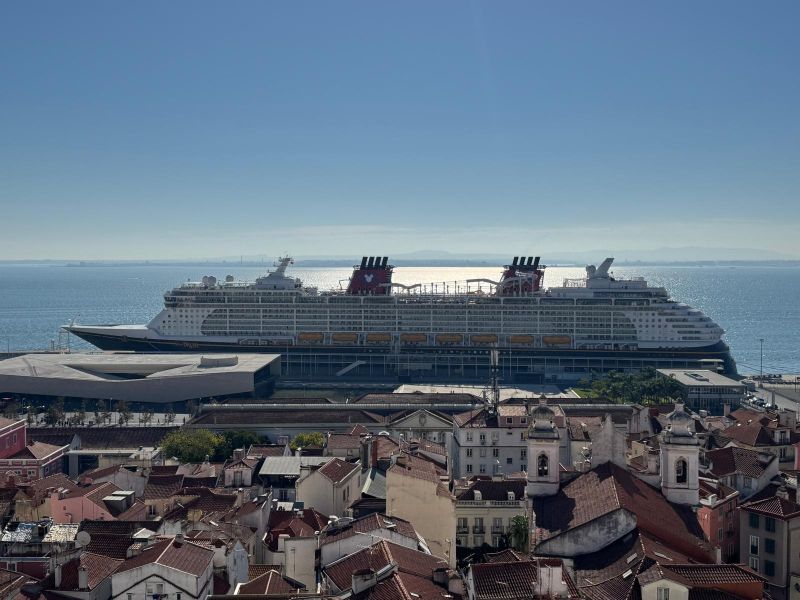
The company typically refrains from commenting on active law enforcement matters but has historically maintained a strict zero-tolerance policy regarding criminal activity or violence aboard its vessels.
The cruise line’s safety protocols and crew conduct policies are designed to protect both passengers and the 1,458 crew members who live and work aboard Disney Dream.
Any violations of these policies can result in immediate termination and potentially criminal prosecution, depending on the severity of the incident.
Disney Cruise Line employs comprehensive background checks for all crew members prior to employment and maintains security personnel aboard each vessel.
The company also works closely with law enforcement authorities in various jurisdictions when incidents occur, providing full cooperation with investigations.
The alleged poisoning represents a serious breach of the trust and safety that cruise lines work diligently to maintain.
For the crew members living in close quarters aboard Disney Dream, such incidents can create an atmosphere of uncertainty and concern, even when operations continue normally.
No Arrests Made As Investigation Continues
Despite the formal complaint filed by the alleged victim and the evidence collected by Spanish authorities, no arrests have been made in connection with the incident.
The investigation remains active, with authorities likely awaiting laboratory results from the water bottle analysis before proceeding with potential charges.
Spanish law enforcement agencies must establish not only that a harmful substance was present in the water bottle but also gather sufficient evidence linking the suspected crew member to the alleged tampering.
This process can be time-consuming, particularly when the incident occurs in the complex environment of a cruise ship with hundreds of potential witnesses and multiple access points.
The suspect crew member has reportedly been identified by the victim, but their current status – whether they remain aboard Disney Dream or have been removed from duty – has not been publicly disclosed.
Cruise lines typically have the authority to confine crew members to quarters or remove them from service pending investigation outcomes.
International maritime law can complicate such investigations, as cruise ships operate under the flag state of their registration whilst visiting ports in multiple countries.
Disney Dream is registered in the Bahamas, which adds another layer of jurisdictional complexity to the Spanish investigation.
Ship Operations Continue Without Disruption
Despite the serious nature of the alleged incident, operations aboard Disney Dream have continued as scheduled.
The vessel completed its seven-night one-way sailing from Barcelona, Spain, to Southampton, United Kingdom, disembarking passengers on time on 27th July 2026.
According to cruise tracking data, the investigation did not cause delays or itinerary changes to the transatlantic voyage.
Disney Cruise Line assured that there is no danger to current guests or other crew members aboard the 4,000-passenger vessel.
On the same day as disembarkation, 27th July, Disney Dream commenced her next scheduled voyage – a seven-night round-trip sailing from Southampton exploring the Norwegian Fjords.
This itinerary includes port calls at Rotterdam in the Netherlands, followed by visits to the Norwegian ports of Måløy, Ålesund, and Bergen.
The ship will continue to operate from her Southampton homeport throughout the summer season, offering various Northern European itineraries until 14th September 2026.
Following the conclusion of her European deployment, Disney Dream will reposition to Fort Lauderdale, Florida.
Disney Dream’s Deployment Schedule Remains Unchanged
Disney Dream’s autumn repositioning to Fort Lauderdale will mark her return to the Caribbean and Bahamas market, where she will homeport through mid-April 2027.
From the Florida port, the vessel will offer a variety of sailings to tropical destinations, including Disney’s private island paradise, Castaway Cay.
The 129,690-gross tonne ship was delivered to Disney Cruise Line in 2011 and remains one of the fleet’s most popular vessels.
Disney Dream features 1,250 staterooms and can accommodate approximately 4,000 guests at double occupancy, making her one of the larger ships in the Disney fleet.
The vessel is known for her innovative design features, including the AquaDuck water coaster, extensive children’s programming areas, and adult-exclusive spaces.
Disney Dream offers Broadway-style entertainment, multiple dining venues, and the signature Disney service that has made the cruise line a favourite among families.
Her deployment schedule for 2026-2027 represents a typical seasonal pattern for Disney Cruise Line, with European sailings during the summer months when demand for Northern European cruising peaks, followed by Caribbean and Bahamas itineraries during the autumn, winter, and spring seasons when North American guests seek warm-weather destinations.
Broader Implications For Crew Safety And Wellbeing
This alleged poisoning incident highlights the unique challenges of ensuring crew safety and wellbeing in the closed environment of a cruise ship.
With approximately 1,500 crew members living and working in close proximity aboard Disney Dream, interpersonal conflicts can occasionally escalate beyond typical workplace disputes.
Cruise lines invest heavily in crew welfare programmes, including conflict resolution services, mental health support, and clear reporting mechanisms for safety concerns.
However, incidents like the alleged poisoning underscore the importance of continuous vigilance and improvement in these areas.
The cruise industry has faced increased scrutiny regarding crew working and living conditions, particularly following the challenges presented during the global pandemic.
Modern cruise operations now place greater emphasis on crew wellbeing, recognising that happy, safe crew members provide better service to guests and contribute to a positive shipboard culture.
As this investigation unfolds, it may prompt Disney Cruise Line and other operators to review security protocols surrounding access to potentially dangerous substances aboard their vessels.
Enhanced monitoring and storage requirements for chemicals like chlorine could become standard practice across the industry.
Get Expert Help Planning Your Disney Cruise
Get your trip planned to perfection, at no extra cost
Related Posts
If you found this interesting, please share!

Virgin Voyages has revealed its first-ever Scandinavia and Baltic season for summer 2028. This marks a significant expansion into northern European waters with Valiant Lady based in Amsterdam, a new…

MSC Group could become the latest major cruise company to enter Europe’s growing river cruise market, with a new report suggesting the company is evaluating a move through its luxury…
Passengers who paid thousands of dollars to sail on what was promoted as the world’s first dog-friendly cruise say they have been left out of pocket after the voyage was…

TUI Cruises has begun trialling a paid reservation system for premium theatre seats aboard Mein Schiff 7, marking a potential shift in how cruise lines manage main show seating. For…
Source link