Yes, cruise ships hire doctors, and they need a lot of them. Every large ocean-going cruise ship carries at least one physician, and big ships usually carry two or more plus a team of nurses. A cruise ship doctor typically earns somewhere around $7,000 to $15,000 a month for the months worked on board, with a free cabin, meals and flights included, but the job asks for several years of emergency-style experience and a good tolerance for being on call.
Below we look at what the role actually involves, the qualifications cruise lines ask for, how pay and contracts are structured, and how to apply. Pay figures here come from recruiters, published adverts and medical career guides, so treat them as typical ranges rather than guarantees.
Do cruise ships have doctors on board?
They do. Members of Cruise Lines International Association (CLIA) follow medical guidelines developed with the American College of Emergency Physicians (ACEP). Those guidelines say that while a ship is at sea, at least one physician and one other clinical provider (usually a nurse) should be available for emergency care around the clock, and at least one clinician should remain on board in port.
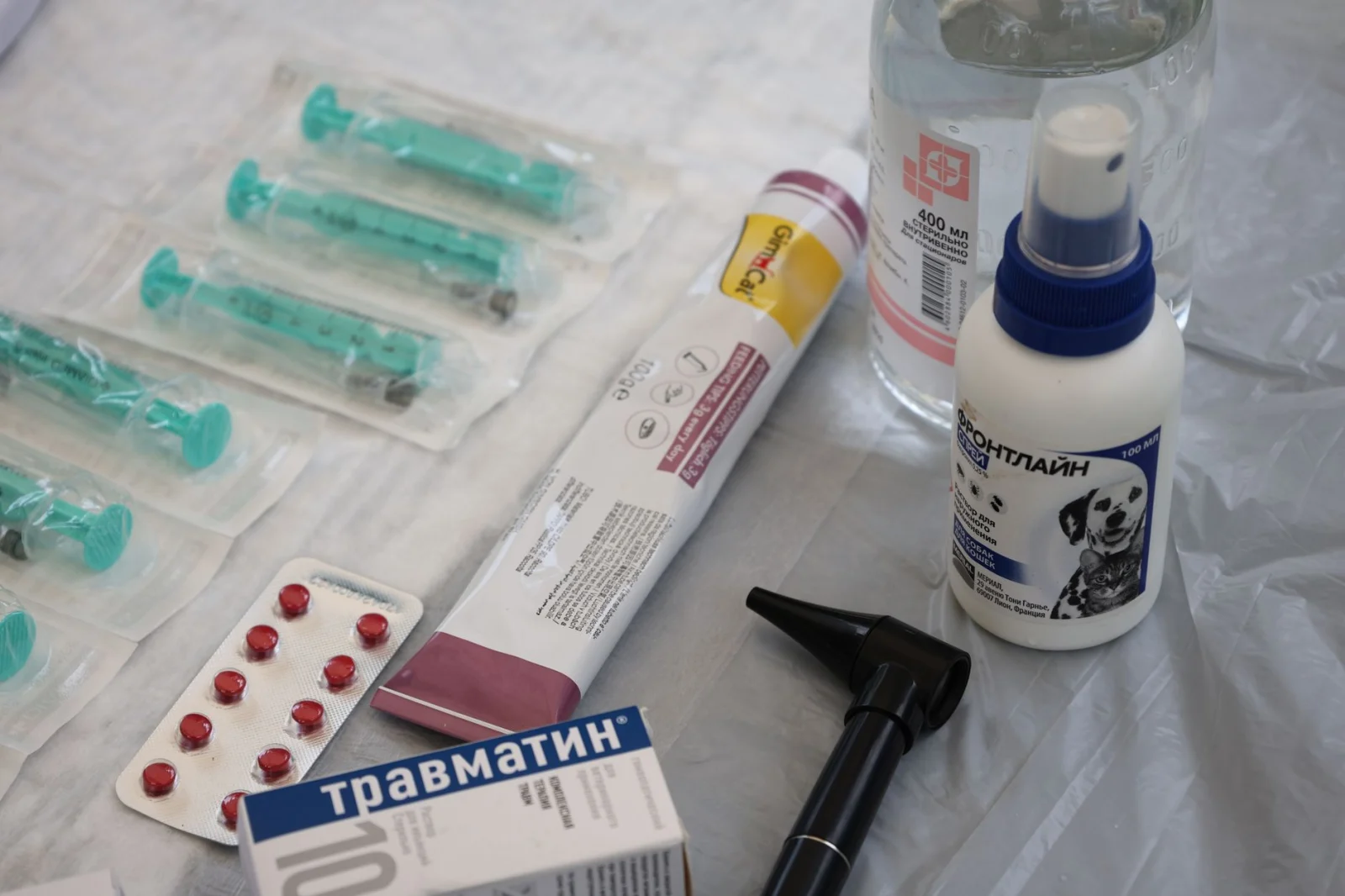
The onboard medical center is closer to a small urgent care clinic than a hospital. ACEP’s guidelines list equipment such as cardiac monitors, defibrillators, an ECG, a ventilator, oxygen, basic laboratory testing and at least one inpatient bed per 1,000 passengers and crew. What a ship cannot offer is surgery, specialist care or a full intensive care unit, which is why serious cases are stabilized and then transferred to a hospital ashore or evacuated.
Passengers pay for treatment in the medical center, and charges are not usually covered by US health plans or Medicare at sea, which is one reason we always recommend reading a cruise insurance buyer’s guide before you sail.
What does a cruise ship doctor do?
A cruise ship doctor is part emergency physician, part family doctor and part occupational health officer. Typical duties include:
- Clinic hours for passengers: seasickness, respiratory infections, minor injuries, sunburn, dental pain and chronic conditions that flare up on vacation.
- Emergencies: chest pain, strokes, falls, fractures and allergic reactions, often with limited backup and sometimes far from port.
- Crew health: a big ship can have well over 1,000 crew members, and the medical team handles their sick calls, injuries, fitness checks and occupational health.
- Public health: monitoring and reporting gastrointestinal and respiratory illness, working with the ship’s sanitation teams and health authorities such as the CDC’s Vessel Sanitation Program in US waters.
- Evacuation decisions: advising the captain when a patient needs to leave the ship by tender, at the next port or by helicopter.
- Paperwork and drills: medical records, pharmacy stock, emergency response drills and training crew first responders.
The medical team: doctors and nurses
On larger ships the team is usually led by a senior doctor (often called Senior Physician, Chief Medical Officer or “P2/SMO” depending on the line), supported by one or more junior or second physicians and several registered nurses. Smaller luxury and expedition ships may carry a single doctor and one or two nurses. Nurses run much of the clinic, triage walk-ins, give medications, manage crew health programs and are part of every emergency response, so cruise ship nursing jobs are a parallel career path with similar contract patterns.
Cruise ship doctor requirements
The ACEP cruise ship guidelines set the baseline that most major lines build on. Individual cruise lines and recruiters then add their own preferences. In summary:
| Requirement | What lines and guidelines typically ask for |
|---|---|
| Medical degree and license | MD, DO, MBBS/MBChB or equivalent, with a current, unrestricted license to practice |
| Experience | At least 3 years of post-graduate experience in general and emergency medicine, or board certification in emergency, family or internal medicine |
| Life support certification | ACLS (or ALS equivalent) and BLS for all clinicians |
| Extra certifications | ATLS for at least one physician on board; PALS or APLS on ships that carry young children |
| Practical skills | Suturing, fracture and dislocation management, procedural sedation, emergency cardiac care; ultrasound skills increasingly valued |
| Language and IT | Fluent English and comfort with electronic medical records |
| Fitness | A seafarer medical exam and, often, background checks and vaccinations |
Recruiters such as Pro Sea Staff say most successful applicants come from emergency medicine, family medicine, intensive care, anesthesia or remote medicine backgrounds. Specialists from narrow fields can struggle, because a ship doctor has to handle almost anything that walks through the door.
Do you need a US license?
Most big cruise ships are registered (flagged) in countries such as the Bahamas, Panama, Malta or Bermuda, so the crew is international and lines generally accept licenses from a range of countries. A US license is not automatically required, but recent, verifiable emergency-type experience in a well-regulated health system is. Requirements vary by line, so check each job listing.

Cruise ship doctor salary: what can you expect?
The cruise ship doctor salary question is where online figures differ the most, because they mix up ranks, currencies and paid versus unpaid months. Here is what credible sources currently suggest:
- Recruiter figures: Pro Sea Staff, which recruits for lines including Princess, Holland America, Seabourn and Carnival, says most passenger ship doctors earn roughly $8,000 to $12,000 per month, depending on ship experience, years in practice and certifications.
- Other agencies: MatchMedics quotes typical salaries of about $8,000 to $12,000 a month across the lines it works with.
- Senior roles: senior or lead physician adverts have been seen at around $10,000 to $15,000 a month.
- Short or temporary posts: some relief contracts advertise lower monthly rates, in the $6,000s.
Ignore salary aggregator sites that show a cruise ship doctor earning around $20 an hour. Those figures appear to blend in non-physician jobs and do not reflect real ship physician contracts.
How the pay really works
A monthly rate only applies to the months you are on board. With a common rotation of four months on and two months off, a doctor earning $10,000 a month would gross about $80,000 a year if the leave is unpaid, which is less than many US emergency physicians earn ashore. The trade-off is that living costs on board are close to zero.
Tax is another area full of myths. The BMJ notes that the job can be tax free for some doctors, but that depends entirely on your citizenship and residency. US citizens are taxed on worldwide income, and while some may qualify for the foreign earned income exclusion, working at sea does not make earnings automatically tax free. Speak to a tax adviser who understands seafarers before you sign.
Contracts and benefits
Contracts typically run three to six months, with four months on and two months off being a common pattern. Most lines include:
- A private officer cabin (doctors usually hold officer rank)
- All meals on board
- Flights to and from the ship at the start and end of each contract
- Malpractice or medical indemnity cover provided by the company in most cases
- Health cover while on contract, plus use of crew facilities and some guest areas
- Sponsored training and continuing medical education on some lines
Things to check carefully in the written offer: whether leave is paid, pension or retirement contributions, health cover between contracts, notice periods (lines can sometimes end contracts at short notice while doctors must give longer notice) and who pays for travel home if a contract ends early.
What is the job really like?
The appeal is easy to see: you see the world, share an officer’s social life, and practice varied, hands-on medicine. Some doctors can bring a partner on board under spouse policies, depending on the line and rank.
The downsides are real too. You are on call for long stretches, often for weeks without a full day off. You may be the most senior medical person for hundreds of miles, making decisions without a specialist to call. Sea days with a full ship and a norovirus outbreak can be exhausting, and you live where you work. The crew community is close-knit, and as with any shipboard role (see our look at what cruise cabin stewards secretly hate passengers doing), keeping on good terms with colleagues in a confined space matters.
Women are well represented in ship medical teams. If you are exploring options more widely, our guide to the best cruise ship jobs for women covers other roles at sea.
How to get hired as a cruise ship doctor
- Build the right experience. Aim for at least three years of recent post-graduate work in emergency medicine, family medicine or critical care. Rural or remote medicine experience is a plus.
- Get your certifications current. ACLS and BLS are essential; adding ATLS and PALS makes you more flexible for the lines that require them. Point-of-care ultrasound skills help you stand out.
- Apply directly or through an agency. The big groups (Carnival Corporation brands, Royal Caribbean Group, Norwegian Cruise Line Holdings, MSC and others) post medical vacancies on their careers sites. Specialist recruiters such as Pro Sea Staff and MatchMedics also place doctors with several lines.
- Prepare for interviews. Expect clinical scenarios about managing emergencies with limited resources, plus questions about teamwork and life at sea.
- Complete onboarding. This usually includes a seafarer medical, background checks, vaccinations, visas (such as the C1/D crew visa for non-US crew on ships calling at US ports) and maritime safety training.
- Start as a junior physician. Many doctors begin as a second physician and move up to senior roles after a few contracts. Some later move into fleet medical management ashore.
FAQs
How much does a cruise ship doctor make?
Recruiters commonly quote around $8,000 to $12,000 per month, with senior roles reaching about $15,000. Pay usually covers only the months on board, so annual income depends on your rotation.
Do cruise ships hire doctors from the US?
Yes. Cruise lines recruit internationally, and US-trained physicians with emergency, family or internal medicine experience are eligible, provided they meet the line’s experience and certification requirements.
How many doctors are on a cruise ship?
Most large ships carry at least two doctors and several nurses. Industry guidelines call for at least one physician and one other clinician to be available 24 hours a day at sea. Smaller ships may have one doctor.
What qualifications do you need to be a cruise ship doctor?
A medical degree, a current unrestricted license, about three years of post-graduate experience in emergency, family or internal medicine, and ACLS and BLS certification. Many lines also want ATLS and PALS.
Is being a cruise ship doctor tax free?
Not automatically. Tax depends on your citizenship and residency. US citizens owe tax on worldwide income, though some may qualify for exclusions. Get professional tax advice.