
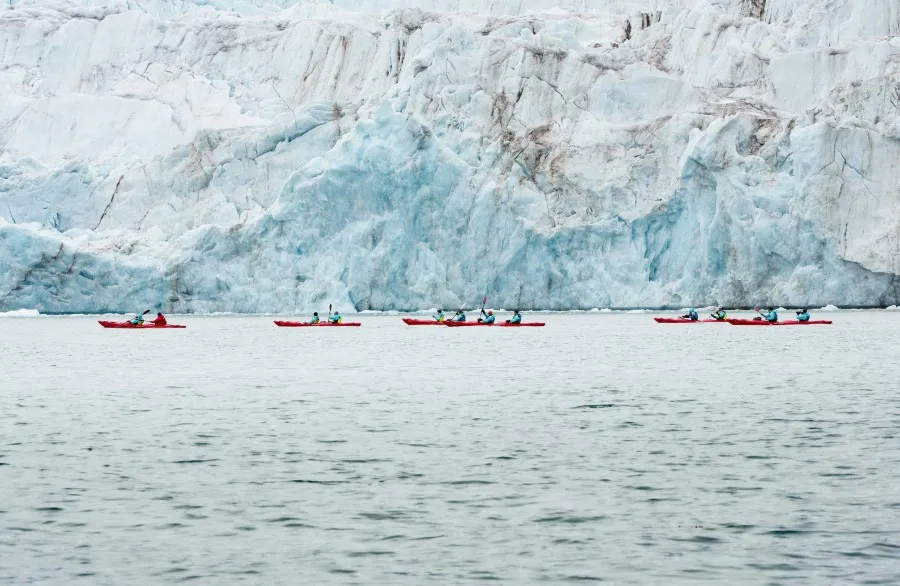
Antarctica, the Arctic and the edge of the map
Small ships, daily landings by Zodiac, and wildlife you can’t see anywhere else. Here’s how expedition cruising works, where to go, when, and what it really costs.
What makes an expedition cruise different
A regular cruise is built around the ship. An expedition cruise is built around getting off it. Ships are small, often 100 to 200 guests, and most days you go ashore in Zodiacs, the rigid inflatable boats that can land on a beach with no pier.
Where to go
Four polar voyages cover most of what people mean by “expedition cruise”.
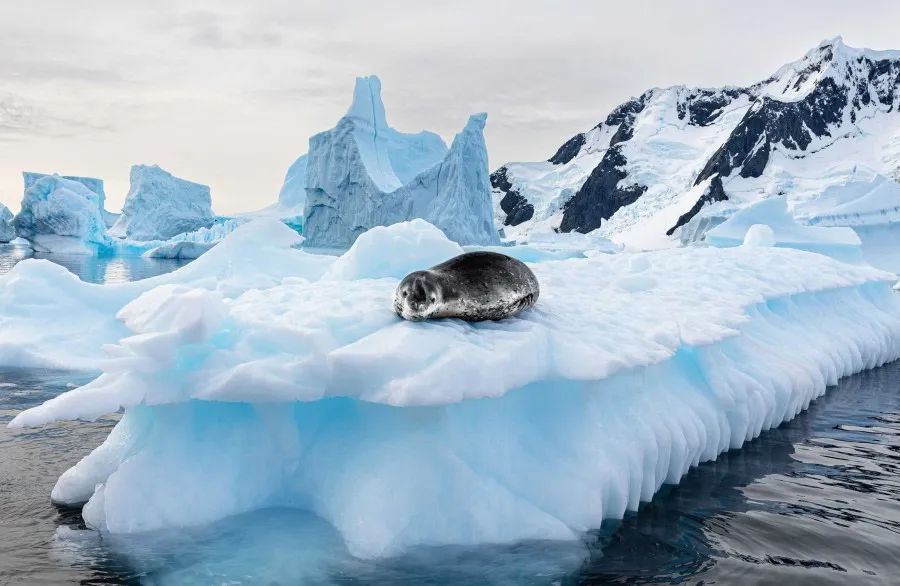 November to MarchAntarctic PeninsulaThe classic Antarctica voyage: about 10 to 12 nights from Ushuaia, Argentina, with two days crossing the Drake Passage each way. Penguin colonies, whales, leopard seals and icebergs the size of buildings.Read our full guide →See voyages & prices →
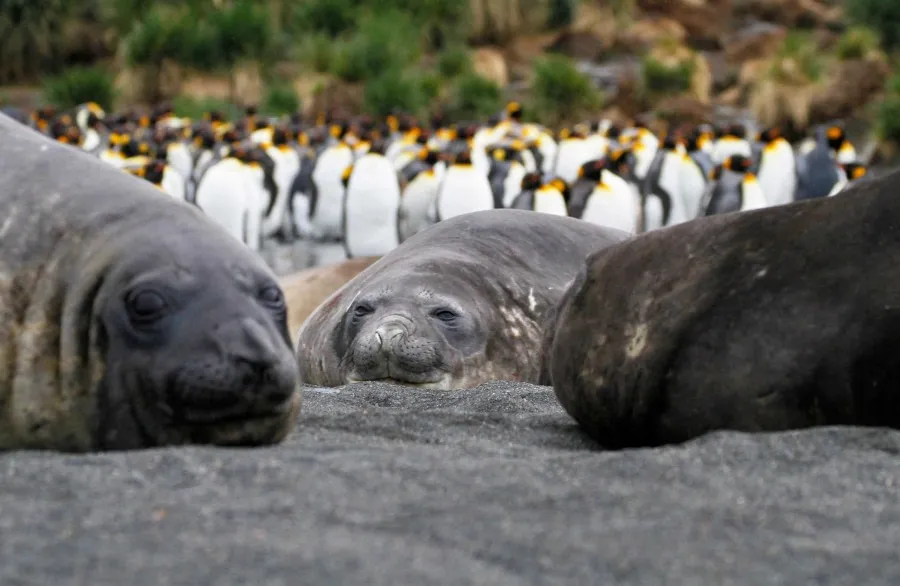 October to MarchFalklands, South Georgia and AntarcticaThe big one, usually 18 to 22 nights. South Georgia’s king penguin colonies number in the hundreds of thousands, and elephant seals crowd the beaches. Shackleton is buried at Grytviken.See voyages & prices →
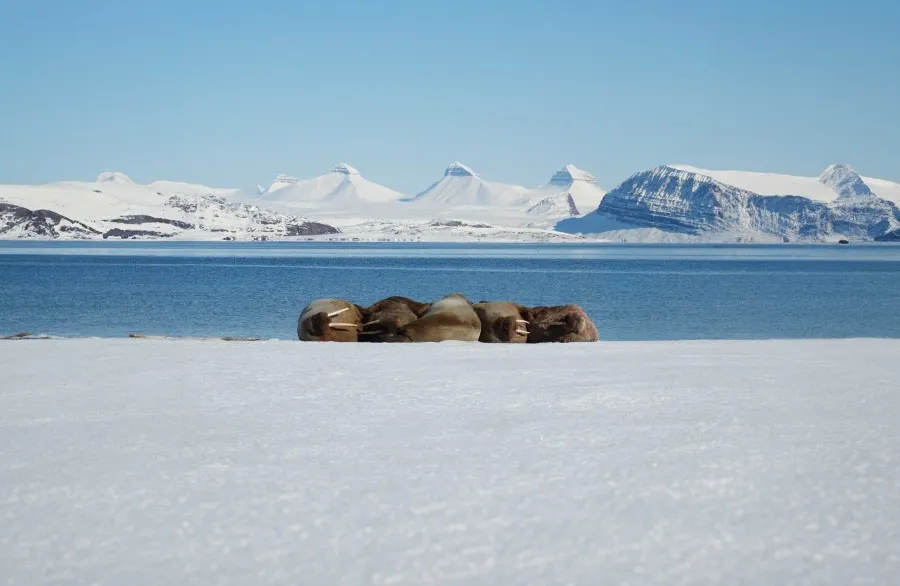 Late May to AugustSvalbard (Spitsbergen)Norway’s Arctic archipelago, from Longyearbyen. The best place on earth to see polar bears from a ship, plus walrus, Arctic foxes, glaciers and 24-hour daylight. Short cruises start at 5 nights.Read our full guide →See voyages & prices →
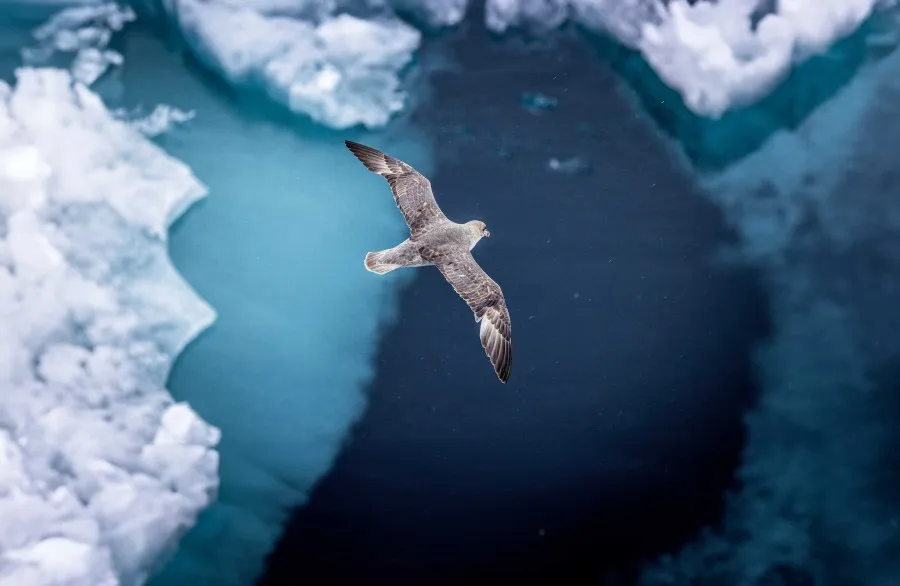 June to SeptemberGreenland and the Arctic OceanEast Greenland’s Scoresby Sund, one of the largest fjord systems in the world, plus remote Jan Mayen and the edge of the pack ice. September voyages can bring the first Northern Lights.See voyages & prices →
When to go
Polar seasons are short, and each part of the season is different.
| Region | When | What you get |
|---|---|---|
| Antarctica | November | Fresh snow, penguins courting and nesting, the lowest fares of the season |
| December–January | Peak season: the mildest weather, penguin chicks hatching, up to 20 hours of daylight, the highest fares | |
| February–March | The best whale watching, chicks growing up, often the best value | |
| Svalbard | Late May–June | The most sea ice and the best polar bear chances, snow still on the mountains |
| July–August | Ice retreats so ships can sail further north, Arctic flowers and seabirds, midnight sun | |
| Greenland | August–September | Fjords clear of ice, fall colors on the tundra, a chance of Northern Lights |
What it costs
Expedition cruises cost more per night than big-ship cruises, because you’re paying for a small ship, an expert team and the landings. As a rough guide, per person with two sharing, in US dollars:
In the current Black Friday sale (prices checked Nov 17, 2026, book by Dec 2): Oceanwide Expeditions has a 5-night Svalbard cruise from $3,250, a 10-night Antarctica voyage from $5,850 and 20 nights to the Falklands, South Georgia and Antarctica from $12,100. See the voyages →
Usually included: your cabin, all meals, landings and Zodiac cruises, the talks on board, and on many ships, rubber boots on loan. Usually extra: flights to the start port (Ushuaia, Longyearbyen or Reykjavik), a hotel night before, kayaking or camping supplements, gratuities, and travel insurance with emergency evacuation cover.
How to choose a ship
Oceanwide Expeditions
A Dutch polar specialist with small expedition ships: Hondius (170 guests, Polar Class 6), Ortelius and Plancius (108 guests each) and the sailing ship Rembrandt van Rijn (33 guests). Many voyages run in “basecamp” style, with activities such as kayaking and hiking built in.
BLACK FRIDAY Up to 25% off polar voyages, booking by Dec 2.
Affiliate links: we may earn a commission at no extra cost to you. Prices on Oceanwide’s US site are in US dollars.
Planning from the UK? The prices on this page are in US dollars as a guide. UK fares are quoted in pounds and can differ, so check the price in your own currency before you book.
Expedition cruise questions
Is the Drake Passage really that rough?
It can be. Most Antarctic Peninsula voyages start in Ushuaia, Argentina, and spend about two days crossing the Drake Passage each way. Some crossings are calm (crews call it the "Drake Lake"), others are rough enough to keep you in your cabin for a day. Bring seasickness tablets or patches and take them before you leave port. If you want to skip the crossing, "fly the Drake" voyages fly you from Punta Arenas, Chile, to King George Island, though flights can be delayed by weather.
Can I see polar bears in Antarctica?
No. Polar bears live only in the Arctic, and penguins live only in the Southern Hemisphere. For polar bears, go to Svalbard or East Greenland (late May to August is best). For penguins, go to Antarctica, the Falklands or South Georgia.
How fit do I need to be?
You need to be steady enough to step from a gangway into an inflatable Zodiac boat, with crew holding your arm, and to walk on uneven, sometimes snowy ground. There are no long hikes unless you choose them, and you can always stay on board for a landing. If you have mobility concerns, ask the cruise line before you book, as some ships have a doctor but no hospital nearby.
How far ahead should I book?
For the best cabins and the peak weeks (late December and January in Antarctica, June and July in Svalbard), 12 to 18 months ahead. Expedition lines also run sales, including Black Friday offers in November, and sometimes release last-minute cabins at a discount.
What should I pack?
Layers rather than one heavy coat: thermal base layers, a fleece, a waterproof jacket and waterproof pants, a warm hat, two pairs of gloves, good sunglasses and strong sunscreen (the light off snow and ice is intense). Most expedition lines lend you rubber boots for landings, but check what your ship provides.
Do I need special travel insurance?
Yes. Almost every expedition line requires insurance that includes emergency medical evacuation, because the nearest hospital can be days away. Check the cover amount your cruise line asks for before you buy a policy.