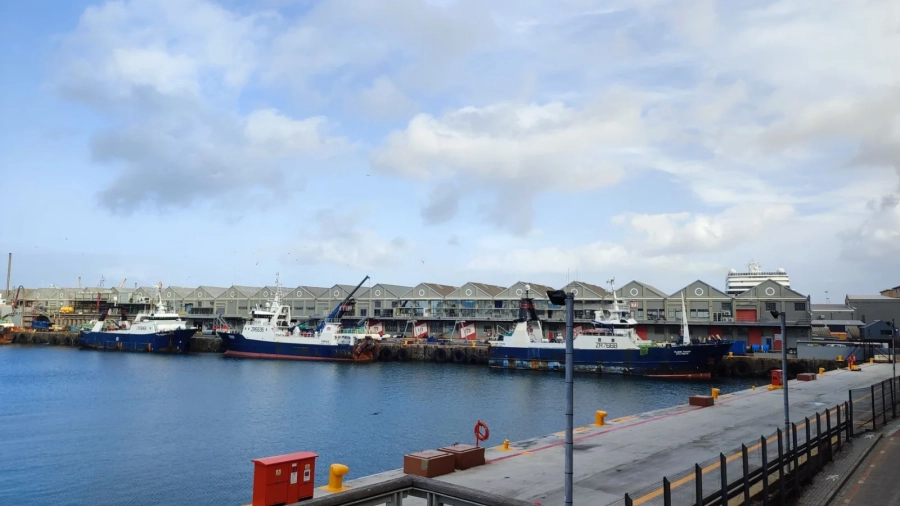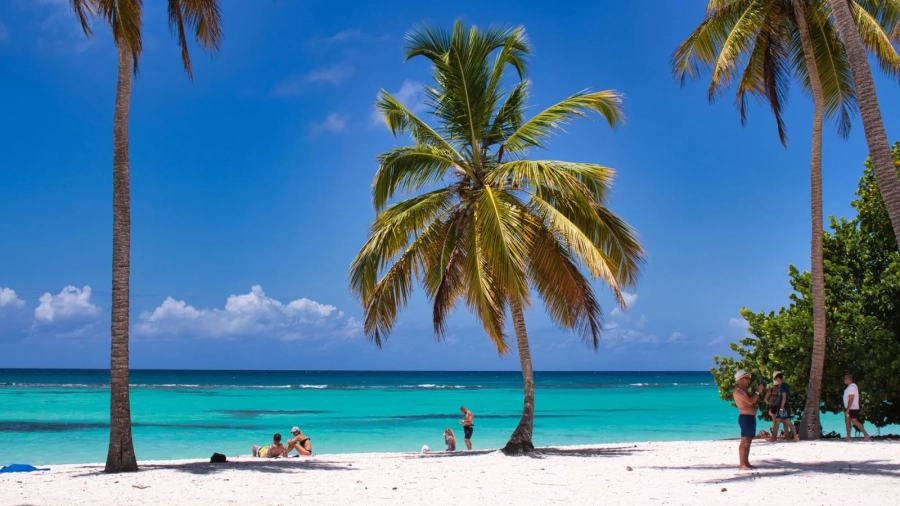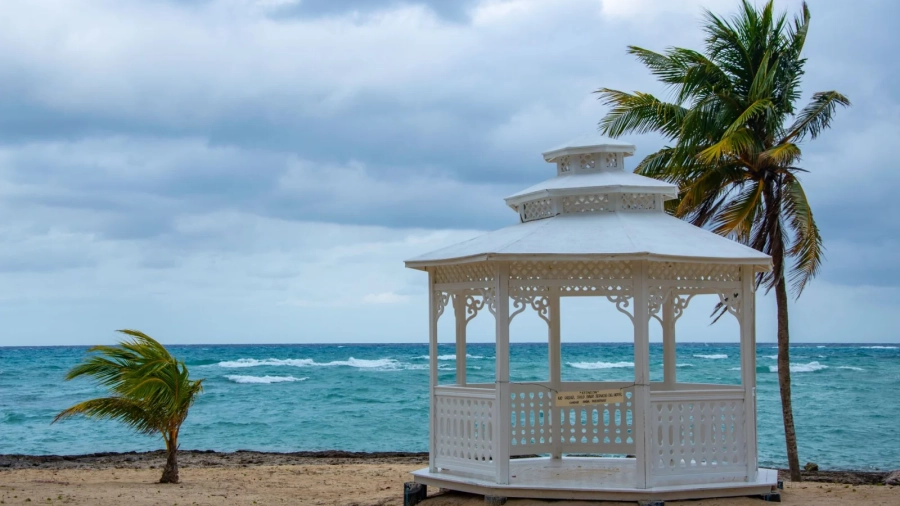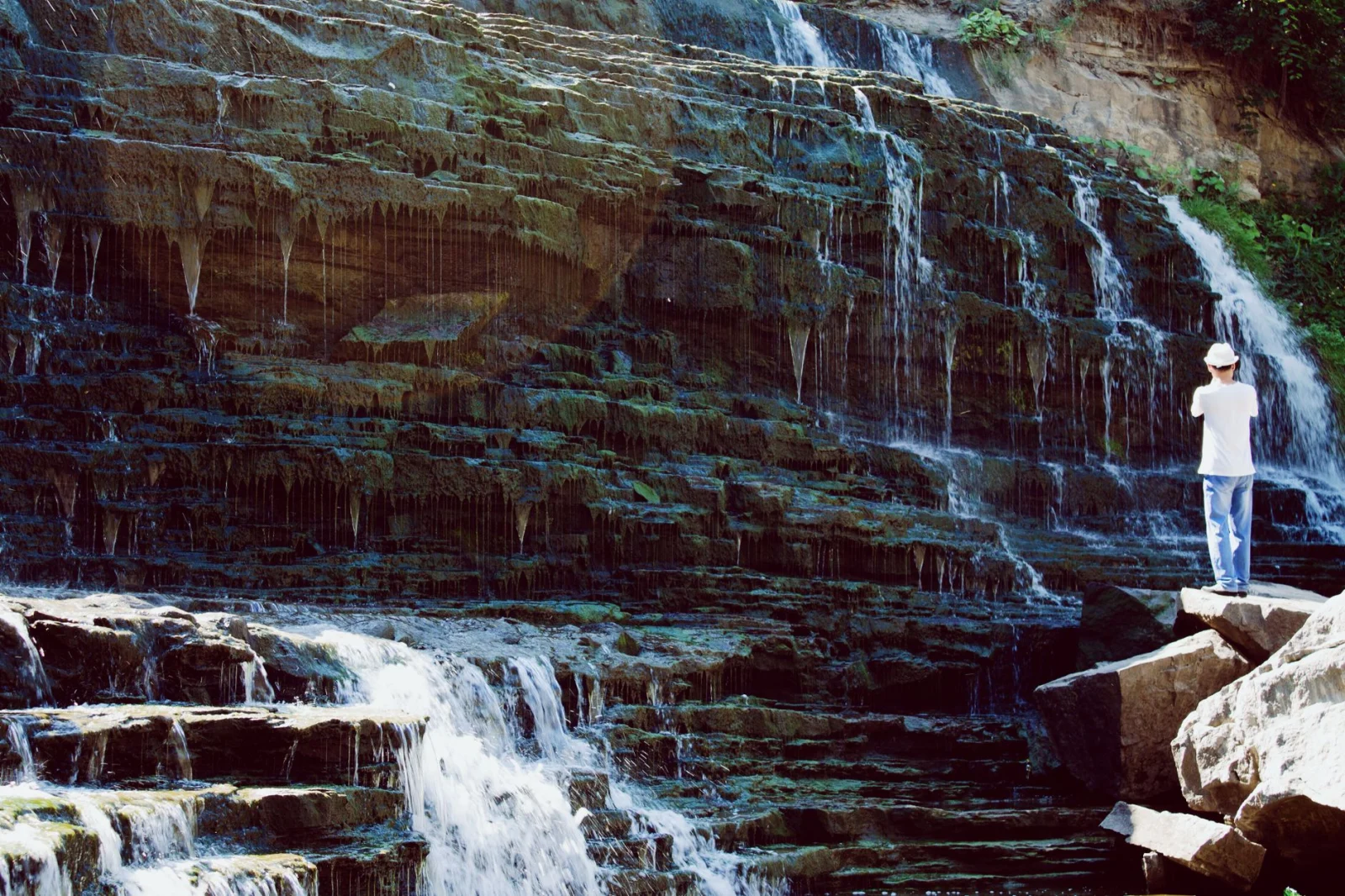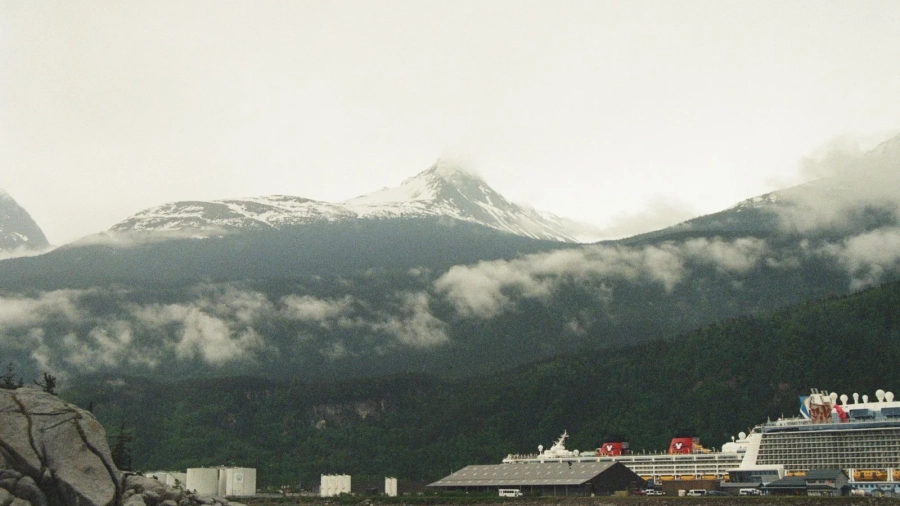
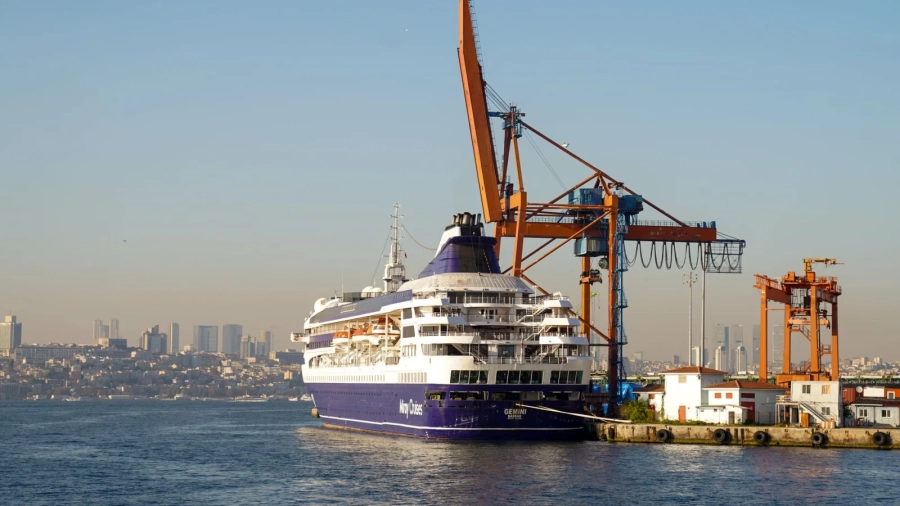
Large cruise ship moored at a harbour with white cliffs, the scene for Dover cruise parking and embarkation

Dover Cruise Parking: On-Port Valet, Shuttle Car Parks and Alternatives

The most convenient option for Dover cruise parking is the official on-port valet service run by Cruise and Passenger Services (CPS) for the Port of Dover: you drive straight to the cruise terminal, hand over your keys, and your car is kept in a secure, undercover car park inside the port. If you want to spend less, off-site operators such as Port Parking Cruise and Relyon run shuttle buses to the terminals in around 6 to 10 minutes. Whichever you choose, book ahead, because peak summer sailings fill up.

Dover is having a busy run as a cruise port. Around 200,000 cruise guests and 115 ship calls were expected in 2026, and Carnival has confirmed that Carnival Miracle will be based in Dover from May to September 2027. That means more cars competing for spaces on the busiest days. Below we explain how the terminals work, compare the main parking choices, and cover the train and chauffeur alternatives so you can pick what suits your cruise.

Dover Cruise Terminals: Where You Are Heading

Dover’s cruise terminals sit in the Western Docks, a short distance from the town centre and well away from the busy Eastern Docks ferry port. When you drive in, follow signs for “Western Docks” and “Cruise Terminals” rather than the ferry lanes, which can queue heavily in summer.

Terminal 1 and Terminal 2

There are two cruise terminals. Terminal 1 is the older of the two and is housed in a converted Victorian railway station, a listed building with plenty of character. Terminal 2 is a newer, purpose-built building on the same stretch of dockside. Both handle embarkation and disembarkation, and on busy days two or more ships can be in port at once. Your cruise line will tell you which terminal you are using in your boarding documents, and some lines (Holland America, for example) state it on their port pages. The satnav postcode commonly used for the cruise terminals is CT17 9DQ.

Which Cruise Lines Sail From Dover?

More than 20 cruise lines use Dover. Saga Cruises, Holland America Line, Carnival Cruise Line, AIDA and Seabourn are regulars, and Viking ships call frequently. Carnival Miracle’s 2027 summer season from Dover adds 8 to 12 night sailings to the British Isles, Northern Europe, Scandinavia and the Baltic. If you are weighing up lines that suit a more relaxed, grown-up style of cruising, our guide to the best cruises for over 50s covers several that sail from UK ports.

Dover Cruise Terminal Parking: The Official On-Port Option

The Port of Dover has contracted Cruise and Passenger Services (CPS) to run its cruise car parking. CPS is a specialist cruise valet operator and also works at other UK ports. The service is booked through the CPS website (cruiseparking.co.uk) or by phone, and the Port of Dover’s own cruise car parking page points passengers there.

How Dover Cruise Terminal Parking Works

  1. Drive directly to the cruise terminal and follow the signs for cruise parking.
  2. Reception staff log your booking, complete security checks and photograph your car.
  3. You receive a barcoded receipt and head into the terminal to check in for your cruise, while your bags go to the ship.
  4. A CPS driver takes your car to the secure, undercover car park within the port.
  5. When you return, follow the signs from the arrivals hall to key collection, hand over your receipt, and marshals direct you to your car.

The big advantage is that there is no shuttle bus and no extra transfer: you leave the car at the terminal and collect it in the same place. The car park is inside the port’s security perimeter, and it is regularly patrolled by the Dover Harbour Board Police. This is the option to choose if you have mobility needs, lots of luggage, or simply want the least hassle.

How Much Is Parking at Dover Cruise Terminal?

Prices vary by length of cruise and season, and CPS does not publish a fixed tariff, so the only reliable way to see the current rate is to get a quote for your dates on the CPS site. As a rule, on-port valet parking costs more per day than off-site parking, and a minimum charge typically applies on short stays. Booking in advance is cheaper than turning up, and spaces are not guaranteed on the day.
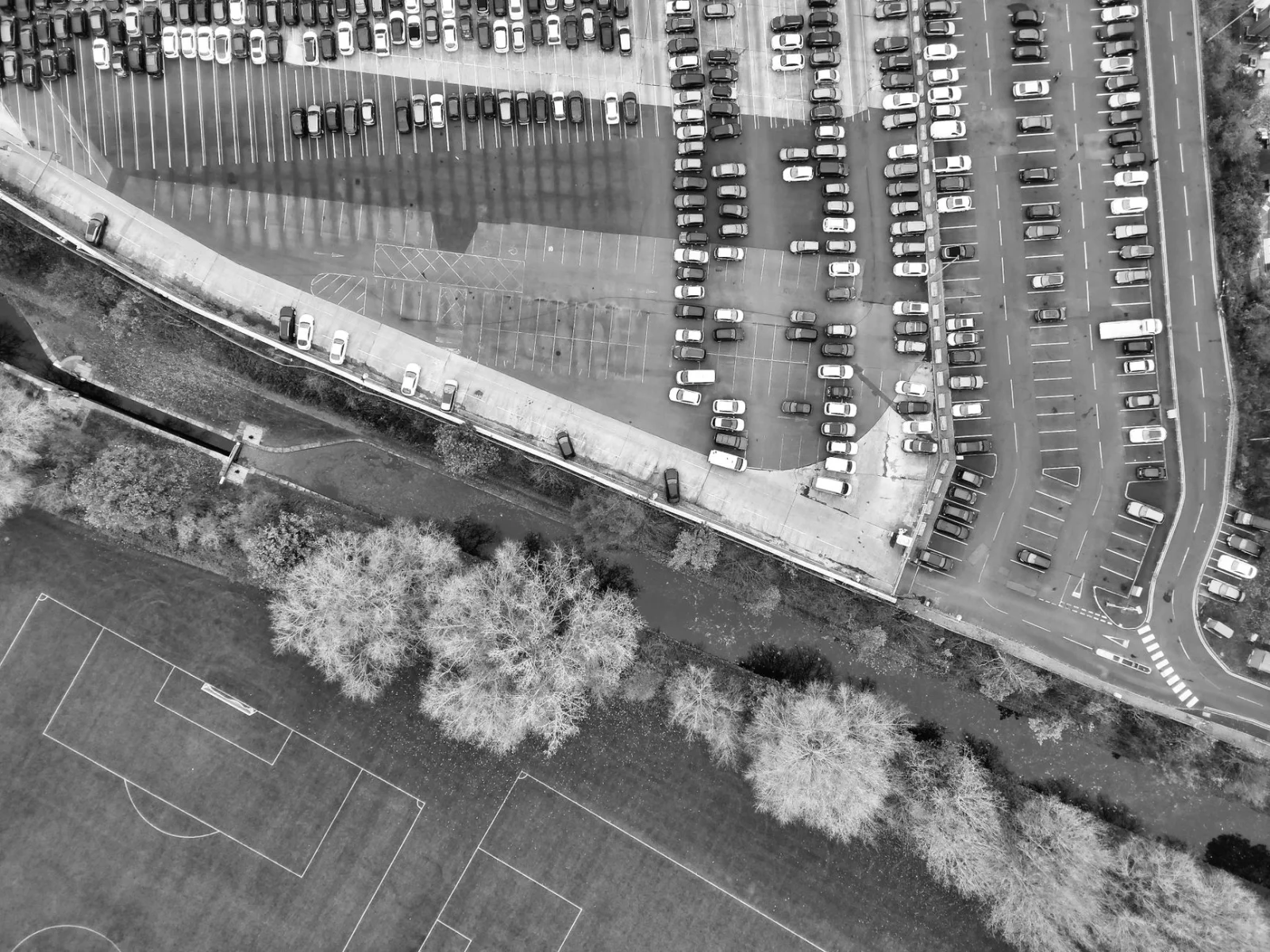
Aerial view of rows of parked cars in a secure car park, similar to long-stay cruise parking near Dover
Off-site car parks near Dover can be cheaper than parking at the terminal. Photo: Altaf Shah on Pexels

Off-Site Dover Cruise Parking With a Shuttle

If you are happy to take a short bus ride, off-site car parks in and around Dover usually cost less than parking at the terminal. The two best-known cruise-focused operators are below. Both are bookable direct or through comparison sites such as Holiday Extras.

Port Parking Cruise (Western Heights)

Port Parking’s cruise car park is on South Military Road at Western Heights, on the hill above the Western Docks (postcode CT17 9UE; satnavs may not recognise it, so use the full address and the operator’s directions). You park outside reception, hand over your keys, and staff help load your bags onto a free shuttle that reaches the port in about 6 minutes. Staff then move your car to the main compound.

  • Security includes 24-hour CCTV, lighting, electric gates and a heavy-duty main gate.
  • There are a small number of EV charging points (pay on arrival and bring your own lead).
  • Only standard cars are accepted: no trailers or commercial vehicles.
  • The shuttle runs between 7am and 6pm only, with no transfers on Christmas Day, Boxing Day or New Year’s Day.

Relyon Cruise and Port Parking (Coombe Valley)

Relyon is based on the Coombe Valley industrial estate (Poulton Close, CT17 0HL), roughly two and a half miles from the docks. It is a private, secure compound with CCTV and 24-hour security patrols, staffed around the clock, and its shuttle buses run to the cruise and ferry terminals. Comparison sites have listed Relyon from around £5.25 per day, though rates change with demand, so check the latest price for your dates. It is well reviewed on Google, and it is a sensible choice if your ship returns early in the morning, because its shuttles are not limited to daytime hours.

Dover Cruise Parking Options Compared

Option Location Transfer to ship Best for Watch out for
CPS official valet (on-port) Inside the Western Docks None: drop off at the terminal Convenience, mobility needs, heavy luggage Usually the most expensive; prices only shown when you quote
Port Parking Cruise Western Heights, CT17 9UE Free shuttle, about 6 minutes Value with a very short transfer Shuttle runs 7am to 6pm only; no trailers
Relyon Coombe Valley, CT17 0HL Shuttle, about 10 minutes Lower cost, 24-hour staffing Slightly longer ride; check the drop-off arrangements for cruise passengers
Hotel stay and park Dover and nearby towns Taxi or hotel shuttle (varies) Travelling the day before Not every hotel allows parking for the length of a cruise

Which Dover Cruise Parking Option Should You Choose?

A simple way to decide is to think about your arrival and return times, not just the price:

  • Your ship docks very early. Cruise ships often arrive back at around 6am to 7am and start disembarking soon after. If you are taking an early self-carry departure, an off-site car park whose shuttle starts at 7am may mean waiting around, so on-port valet or a 24-hour operator is the safer bet.
  • You have limited mobility or lots of bags. On-port valet removes every transfer. You hand your car over at the door and collect it at the same building.
  • You are on a long voyage. Over two or three weeks the daily difference adds up, so an off-site shuttle car park can save a meaningful amount.
  • You are towing or driving a large vehicle. Check size limits before booking. Port Parking only takes standard cars in a 2.4m by 4.8m bay, so ask the official operator or Relyon about vans and larger vehicles.

One thing many guides miss: make sure your booking covers the full cruise, including the return day. Most operators give a short grace period if your ship is delayed, but overstay charges can apply, so keep their phone number handy and call if your return changes.
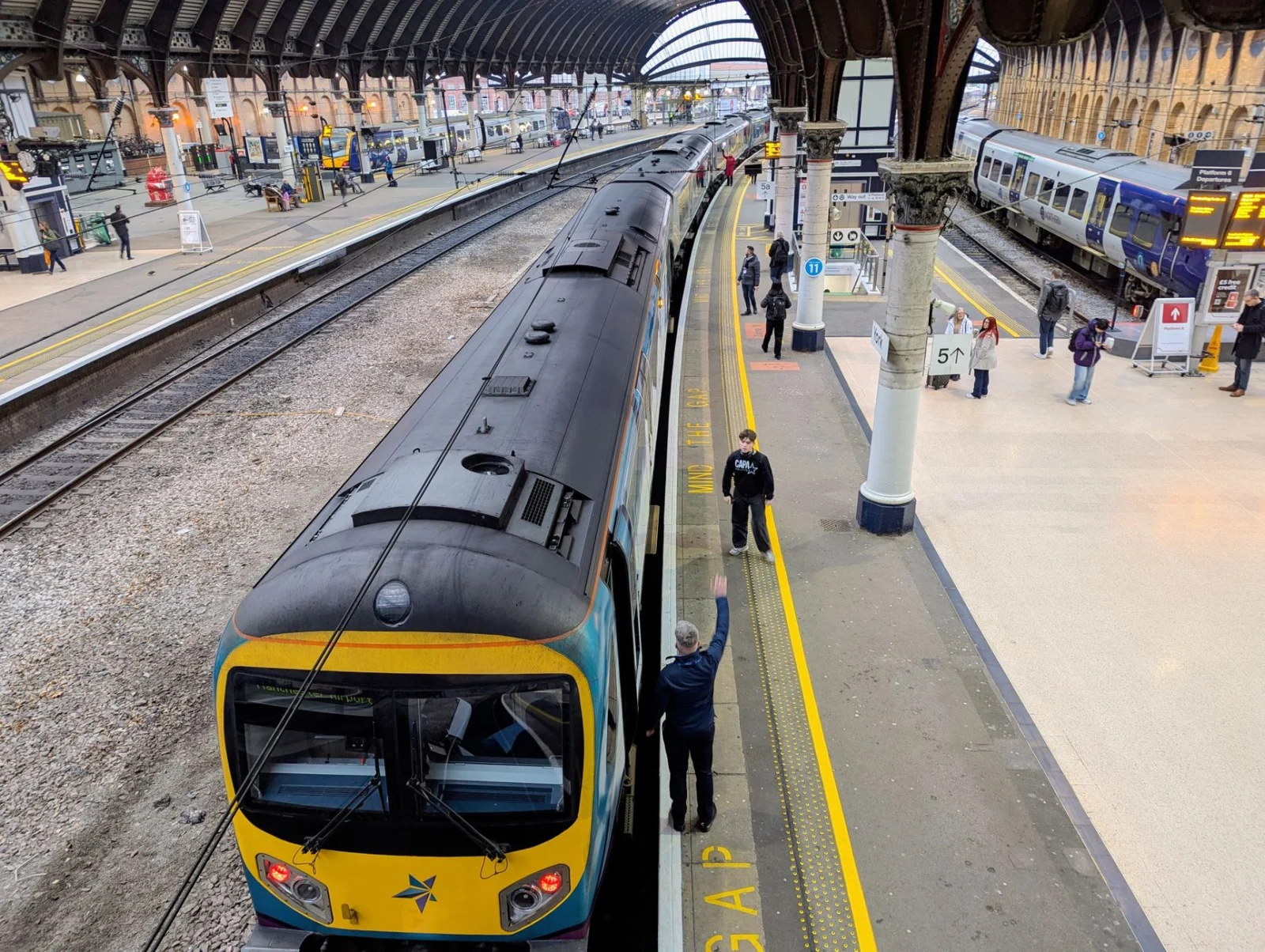
Passengers waiting on a railway platform, an alternative to driving to a Dover cruise
Southeastern high-speed trains link London St Pancras with Dover Priory. Photo: Mike Norris on Pexels

Alternatives to Parking at Dover

Train From London to Dover Priory

If you live near London or along a Kent rail line, the train is a good alternative to parking. Southeastern high-speed services run from London St Pancras to Dover Priory in about 1 hour 5 minutes, with direct trains roughly hourly. Advance fares can be cheap if you book early. Dover Priory is about 2.5km from the cruise terminals, roughly a five-minute drive. Uber does not operate in Dover and taxis can be scarce on busy mornings, so pre-book a taxi to the terminal rather than relying on the rank.

Cruise Line Transfers and Chauffeur Services

Some lines take the journey out of your hands. Saga Cruises, for example, includes a chauffeur service with its ocean cruises: a private car for up to 75 miles each way, or a shared nationwide service from elsewhere on the UK mainland. Other lines sell coach transfers from London or regional pick-up points. If one is included in your fare, you may not need to park at all.

Stay the Night Before

Travelling the day before takes the stress out of embarkation, especially if you live a long way from Kent. Some hotels in and around Dover offer stay-and-park deals, but check whether parking is allowed for the length of your cruise and how you get to the port. Our round-up of hotels near UK cruise ports is a good place to start.

Tips for a Smooth Arrival at Dover

  • Book your Dover cruise parking as soon as your cruise is confirmed, particularly for summer and school holiday sailings.
  • Allow extra time on the A20 and A2 in summer, when traffic for the ferry port can back up through Dover. Follow signs for the Western Docks to avoid the ferry queues.
  • Check your arrival window in your cruise documents and do not turn up hours early: terminals manage check-in by time slot.
  • Keep your parking confirmation and the operator’s phone number on your phone for the return trip.
  • Take valuables, house keys and medication out of the car before handing it over.

Also sailing from Southampton at some point? Our Southampton cruise parking guide covers the options there. And if you are still choosing your next voyage, see the latest cruise deals for 2027.

FAQs

Can I leave my car at Dover cruise terminal?

Yes. The Port of Dover’s official cruise parking is a valet service run by Cruise and Passenger Services. You drop your car at the terminal and it is kept in a secure, undercover car park inside the port. Book in advance, as spaces are not guaranteed on the day.

How much is cruise parking at Dover?

It depends on the length of your cruise and the season. On-port valet parking is usually the priciest option, while off-site car parks with shuttles have been listed from around £5 per day. Get a quote for your dates from each operator to compare.

Is there free parking in Dover for cruise passengers?

There is no free long-stay parking for cruise passengers at the port. On-street and town centre parking is not suitable for a week or more, so use a paid cruise car park or travel by train or transfer instead.

Which is the best place to park for a cruise from Dover?

For convenience, the official on-port valet service is best because there is no transfer. For value, off-site operators such as Port Parking Cruise or Relyon are cheaper and only a short shuttle ride from the terminals.

How far is Dover Priory station from the cruise terminal?

Dover Priory is about 2.5km from the cruise terminals, around five minutes by taxi. Pre-book a taxi on busy mornings, as Uber is not available in Dover.
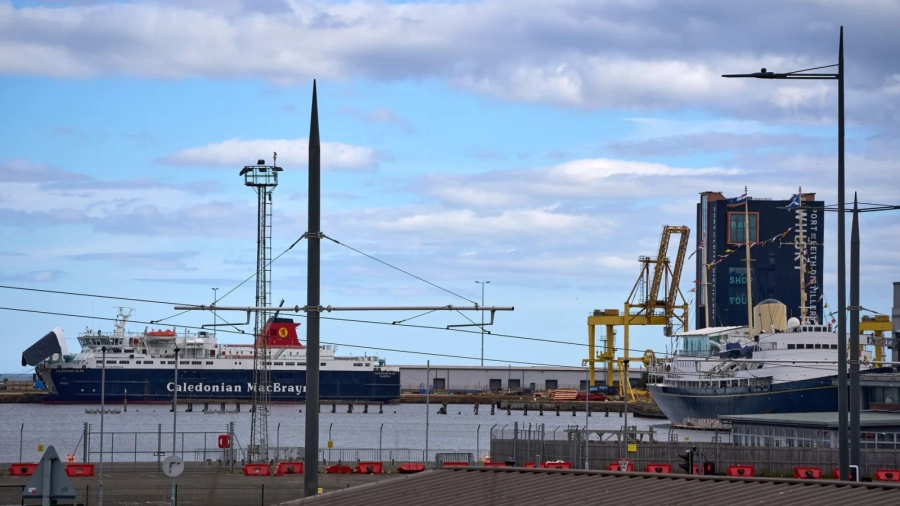

Cruise ship berthed in a Scottish harbour, the kind of departure that needs Rosyth cruise terminal parking

Rosyth Cruise Terminal Parking: Prices, Booking and Alternatives

Rosyth cruise terminal parking is on site, a short walk from the terminal building, and it must be booked in advance through your cruise line. Fred. Olsen, the main line sailing round trips from Rosyth, currently charges £16 per night for a standard car. You book by phone at least three days before departure, and the car park recognises your number plate, so there is no voucher to print.

The rest of this guide covers how the port car park works and what it costs. It also covers parking near a hotel or station instead, and the easiest driving routes to Rosyth from Edinburgh, the north and the west.

Who sails from Rosyth cruise terminal?

Rosyth sits on the Fife side of the Firth of Forth, just across the water from South Queensferry, and is often sold as “Edinburgh (Rosyth)”. It is a small terminal run by port operator Forth Ports. Most of the ships that start and end their cruises here belong to Fred. Olsen Cruise Lines.

For 2027, UK agents list Balmoral on a spring and early-summer programme of round trips from Rosyth, from late April to late June. The programme includes Norwegian fjords sailings of five to ten nights, Scottish islands cruises and a longer British Isles voyage. If you are weighing up the fleet, our guide to the best Fred. Olsen cruise ships compares Balmoral with its fleet-mates.

One common mix-up: ships calling at “Edinburgh” for a day often anchor off South Queensferry or berth at Leith or Newhaven, not Rosyth. Check the port printed on your ticket before you plan your parking. The arrangements below apply only to Rosyth.

How Rosyth cruise terminal parking works

There is one official car park for cruise passengers, inside the port and about 50 metres from the main terminal entrance. Spaces are limited, so it is not a turn-up-and-pay car park. Here is how it works with Fred. Olsen:

  • Book ahead: call Fred. Olsen Guest Services on 0800 0355 145 at least three days before you sail. Have your registration number and car make ready, and say if you need a disabled space.
  • Price: £16.00 per night for a standard car. Camper vans, vans and anything larger than a normal car cost 50% more.
  • No vouchers: the car park uses vehicle recognition linked to your registration, so you do not need a paper permit. Book in the car you will actually drive, and tell the line if that changes.
  • Unbooked parking: if you arrive without a booking and a space is available, the charge goes on your onboard account. Do not count on getting a space this way.

As a rough guide at the current rate, parking for a 7-night cruise costs about £112, and a 10-night voyage about £160. Prices can change between seasons, so confirm the rate when you book. If you sail with a different line, ask them directly, because parking is arranged through the cruise operator rather than sold separately to the public.

Arriving on embarkation day

Follow the signs for the cruise terminal and the port gatehouse. Drive first to the luggage drop area, where porters take your cases, then staff direct you to the car park. Port staff check your car against the pre-booked list. The terminal seats about 250 people and is used for disembarking guests in the morning and embarking guests in the afternoon. Turn up at the check-in time printed on your ticket rather than early.

From the terminal to the ship is about 1 km, and a transfer coach usually takes passengers along the quay. Let the line know in advance if anyone in your party has limited mobility. The line says there is no wheelchair assistance in the car park itself.

Things worth knowing before you go

  • No EV charging: Fred. Olsen says there are no electric car charging points at Rosyth. Arrive with enough charge for the trip home, or plan a charging stop near Dunfermline or Inverkeithing.
  • No left luggage and no shops or cafes within easy walking distance of the terminal.
  • Satnav: use KY11 2XP. The what3words address for the car park is blatantly.across.luggage.
Rows of parked cars in an open car park, similar to the secure parking used at Rosyth cruise terminal
Parking at Rosyth must be pre-booked through your cruise line. Photo: Luke Miller on Pexels

Cheaper alternatives to parking at Rosyth

Rosyth does not have the crowd of independent cruise parking firms you find around Southampton. Still, there are a few other ways to get there, and they can make sense depending on where you live and how long you are away.

Park at or near a station and take a taxi

Inverkeithing is the nearest railway station, roughly a 10-minute taxi ride from the terminal. Station parking and private driveway spaces in Rosyth and Inverkeithing are listed on booking apps such as JustPark, sometimes from a few pounds a day. Before you book, check the space allows stays of a week or more. Then add the return taxi fare and compare the total with the port car park. For a short cruise the official car park often wins on simplicity, while on a longer voyage the gap can widen. Fred. Olsen lists Cowdenbeath Taxi Service (01383 610111), and other local firms also cover the port. Pre-book your return taxi for disembarkation morning.

Stay the night before at a hotel with parking

If you are driving from England, the Highlands or the islands, a hotel stay before you sail takes the stress out of embarkation day. The DoubleTree by Hilton Edinburgh Queensferry Crossing sits at North Queensferry, about five minutes’ drive from Inverkeithing, and has free on-site parking for guests. Rosyth also has a small choice of hotels, and Dunfermline, about 10 to 15 minutes away, has the widest range of budget and mid-range chains.

Some hotels will let you leave the car for the length of your cruise, either free or for a fee. This is the “hotel and parking” deal people search for. It varies by hotel and season, so ask the hotel directly and get it confirmed in writing. For more options around the country, see our round-up of hotels near UK cruise ports.

Get dropped off

Friends or family can drop you at the luggage area on embarkation day and pick you up after disembarkation. This costs nothing in parking. Collections can be busy on disembarkation morning, so agree a meeting point near the terminal in advance.

Train to Inverkeithing, then a taxi or shuttle

Trains between Edinburgh Waverley and Inverkeithing take about 25 minutes and run frequently through the day. From Inverkeithing, take a taxi to the terminal, as there is no train or bus straight to the quay. On disembarkation day Fred. Olsen sometimes runs a paid shuttle back to Inverkeithing station. It is booked on board on a first-come, first-served basis.

Rosyth cruise parking options compared

Option Typical cost Best for Watch out for
Official port car park £16 per night (Fred. Olsen); 50% more for larger vehicles Ease: luggage drop and a short walk to check-in Must book 3+ days ahead; limited spaces; no EV charging
Station or driveway parking plus taxi Varies; check app prices plus two taxi fares Longer cruises, if it works out cheaper Check maximum stay and security; pre-book taxis
Hotel stay and park Room rate, plus any parking fee Long drives the day before Long-stay parking is not guaranteed; confirm in writing
Drop-off and pick-up Free Locals and those with a willing driver Busy at disembarkation; agree timings
Train to Inverkeithing plus taxi Rail fare plus a short taxi Edinburgh and central belt travellers Luggage on trains; shuttle back is not guaranteed
A modern cable-stayed road bridge crossing a wide estuary, like the Queensferry Crossing route to Rosyth
Most drivers reach Rosyth over the Queensferry Crossing. Photo: Anthony oz on Pexels

Driving to Rosyth cruise terminal

The terminal address is Rosyth Cruise Terminal, Forth Ports, Rosyth, Dunfermline KY11 2XP. Once you are close, follow the brown and white cruise signs and the directions to the port gatehouse.

From Edinburgh and the south

Head for the M90 and cross the Firth of Forth on the Queensferry Crossing. It is free to use, unlike the old tolled Forth Road Bridge, which is now mostly for buses and taxis. Once in Fife, leave the motorway and follow the cruise signs into Rosyth. Allow around 40 minutes from central Edinburgh and about 30 minutes from Edinburgh Airport, plus extra time for traffic on the approach to the bridge.

From Aberdeen, Dundee, Perth and the north

Come south on the M90. Fred. Olsen’s directions say to leave at junction 1B for the B981, then follow the cruise signs to the port. The roads near Perth and Kinross can be slow on summer Saturdays, so build in a buffer.

From Glasgow and the west

You can take the M8 and M9 towards the Queensferry Crossing, or cross further west on the Kincardine Bridge (A985) and follow the Forth coast east towards Rosyth. The A985 route can be quieter if the motorway approaches to the crossing are busy.

Tips for a smooth start to your Rosyth cruise

  • Book parking when you book or confirm your cruise. Spaces are limited and popular sailings, such as Norwegian fjords departures in May and June, fill up first.
  • Double-check the registration you gave the line. Vehicle recognition depends on it.
  • Pack a small bag with medication and documents to keep with you. Your cases go at the luggage drop, before you park.
  • Plan for drinks and onboard extras. Our guide to Fred. Olsen drinks packages explains what is included.

FAQs

How much is parking at Rosyth cruise terminal?

Fred. Olsen currently charges £16 per night for a standard car, and 50% more for camper vans, vans and larger vehicles. Confirm the rate when you book, as it can change.

Do I need to pre-book parking at Rosyth?

Yes. Book through your cruise line at least three days before departure. Unbooked parking, if a space is available, is charged to your onboard account.

Is there free parking at Rosyth cruise terminal?

No, the port car park is paid. A free drop-off and pick-up is the only no-cost option. Some hotels may include parking during your cruise, but check first.

What is the nearest train station to Rosyth cruise terminal?

Inverkeithing is the nearest station, about a 10-minute taxi ride from the terminal. Trains from Edinburgh Waverley take about 25 minutes.

Are there EV charging points at Rosyth cruise terminal?

No. Fred. Olsen says there are no electric vehicle charging points at the Rosyth terminal car park, so plan your charging before you arrive.

Cruise ship moored in an English harbour, illustrating Portsmouth International Port parking for cruise passengers

Portsmouth International Port Parking: Cruise Parking Guide 2026-27

For most cruise passengers, the easiest choice for Portsmouth International Port parking is the on-site APCOA multi-storey car park, a few minutes’ walk from the terminal, at £15 per 24 hours. If you would rather hand over your keys at the door, Cruise and Passenger Services (CPS) runs the official valet service. Book either one before you travel: the port says it cannot guarantee spaces for drivers who turn up without a booking.

Below you’ll find each option for Portsmouth cruise parking: how it works, what it costs, cheaper alternatives in the city, the train and taxi route, and hotels that let you park for the length of your cruise.

Where cruise ships dock in Portsmouth

Cruise ships use Portsmouth International Port, on George Byng Way in the north of Portsea Island. Cruise traffic shares the site with the cross-Channel ferries to France and Spain. The terminal sits just off the end of the M275, so you reach it without driving through the city centre. The postcodes are worth saving:

  • PO2 8RU takes you to the cruise terminal and the drop-off area.
  • PO2 8SP takes you to the APCOA multi-storey car park. The what3words address is ///teach.rich.index.

Portsmouth is smaller than Southampton, but it has become a regular stop for mid-sized and smaller ships. The port expected more than 70 cruise calls in 2026, its 50th year. Fred. Olsen opened the season with Borealis, and Ambassador Cruise Line ran its first Portsmouth turnaround sailings with Ambition. Virgin Voyages, Saga, Viking, AIDA, Phoenix Reisen and expedition lines such as Lindblad also called. Shore power is being added in 2026, so ships can plug into the local grid while they are alongside. Sailing schedules for 2027 are still being published, so check your own cruise documents for the terminal and check-in time.

Portsmouth International Port parking: the on-site car park

The official self-park option is the long-stay multi-storey run by APCOA. It is open 24 hours and is only a few minutes’ walk from the terminal. APCOA lists around 525 spaces, including disabled bays and EV charging points. It is Park Mark accredited and uses number plate recognition cameras.

Prices at the APCOA car park

Length of stay Charge
Up to 10 minutes Free
Up to 1 hour £5.50
Up to 3 hours £7.50
Up to 5 hours £9.50
Up to 24 hours £15.00
Each extra 24 hours (or part of one) £15.00
Motorcycles Free

These are the tariffs the port and APCOA listed in late 2026. Check the latest rate when you book, because they can change.

Booking and paying

Cruise passengers are strongly advised to pre-book through APCOA’s Portsmouth booking site. The car park can sell out on busy days when cruise ships and ferries are both in port. If you pay on the day, you pay on arrival, not when you leave. The ground-floor machines take cards only, or you can use the APCOA Connect app. Some cruise lines, including Ambassador, also let you arrange a parking permit through your booking. Check with your line before you book separately.

Things to check before you drive in

  • Height limit: the maximum height is 2.1 metres. That rules out most campervans and cars with roof boxes.
  • EV charging: there are a small number of chargers inside the car park and more outside the terminal entrance. Don’t rely on getting a charge after a long cruise.
  • Accessible parking: APCOA has a few disabled bays that can only be pre-booked, so reserve one early if you need it.

Valet parking at Portsmouth cruise terminal

The port’s official valet partner is Cruise and Passenger Services (CPS), which also runs valet parking at Southampton, Dover and Liverpool. You drive straight to the terminal, a CPS team member checks your car in and moves it to a secure car park, and you walk in with your luggage. When you get back, your car is returned to the terminal for you.

CPS doesn’t publish fixed Portsmouth prices on its public pages. Valet usually costs more than self-parking, so get a quote for your exact dates and compare it with the APCOA price. Valet is the better choice if you have mobility needs, a lot of luggage, or no wish to walk across a car park on a wet morning.

Drop-off and pick-up

If someone is driving you to the ship, use the drop-off point outside the terminal building (PO2 8RU). There are short-stay bays of about 20 minutes nearby. APCOA’s car park is also free for the first 10 minutes, which helps if you need to unload or wait briefly. On disembarkation morning, agree a meeting time with your driver. Ships often clear passengers in groups, and the bays fill quickly.

Rows of parked cars on a level of a multi-storey car park, like the long-stay option at a cruise port
Pre-booking is the safest way to get a long-stay space near the terminal. Photo: chickenbunny on Pexels

Cheaper parking near Portsmouth cruise terminal

If you are looking for the cheapest parking at Portsmouth cruise terminal, look slightly further afield. The port itself points passengers to several alternatives:

  • NCP Portsmouth Market Way (PO1 4AH): a 24-hour city-centre car park that can be pre-booked. Its pay-on-the-day rate for 3 to 24 hours was listed at £9.95, which can work out cheaper than the port for a long cruise. Confirm the multi-day price when you book. It is about two miles from the terminal, so allow for a short taxi ride.
  • Gunwharf Quays: the shopping centre by Portsmouth Harbour offers bookable parking. Check its current rates and maximum stay before you commit.
  • Portsmouth City Council car parks: several council car parks allow long stays. Check the conditions on each, because not all of them allow multi-day parking.
  • Private driveways and garages: sites such as JustPark list residents’ spaces near the port. Read the reviews, check the access arrangements and ask what happens if your ship returns late.

Whatever you choose, add the cost of two taxi journeys to the parking price before you decide. For a short cruise, the on-site car park often ends up costing about the same once the taxis are included, and it is far less hassle.

Park and sail from Southampton Airport

The port also lists a park-and-sail product from Southampton Airport, about 22 miles away. It can suit people driving from the west or north who prefer to leave the car off Portsea Island. Check what the transfer to Portsmouth includes before you book.

How to work out the real cost of your parking

The APCOA car park charges in 24-hour blocks, so the time you arrive matters as much as the length of your cruise. If you park at 11am on embarkation day and your ship docks back seven days later at 7am, you’ll pay for seven 24-hour periods, which is about £105. If disembarkation runs late and you leave the car park after 11am, you move into an eighth block and pay £120. Here’s a quick guide based on the current tariff:

Cruise length APCOA on-site (approx.) Best for
3 nights £45 to £60 Short breaks. On-site parking is simplest.
7 nights £105 to £120 Most passengers. Compare with a valet quote.
14 nights £210 to £225 Worth comparing with city car parks and park and sail.

Plan to arrive no earlier than your check-in slot, because arriving hours early can push you into an extra day. For longer cruises, compare the options carefully.

Getting to the port by train and taxi

Leaving the car at home is often the least stressful choice. Direct trains run to Portsmouth from London Waterloo, London Victoria, Brighton, Gatwick Airport, Southampton and Cardiff. There are two stations to know:

  • Portsmouth & Southsea is the closest station for the cruise terminal. There is a taxi rank outside, and the port is about five minutes away by car.
  • Portsmouth Harbour is the end of the line, next to Gunwharf Quays and the Isle of Wight ferries. It is further from the cruise terminal, so expect a slightly longer taxi ride.

Walking from Portsmouth & Southsea takes about 20 minutes, which isn’t practical with cruise luggage. Book a local taxi firm ahead for early arrivals. Ambassador’s port guide lists several Portsmouth firms. Many cruise lines, Ambassador among them, also run coach transfers from towns around the UK, which can work out cheaper than parking for a couple travelling together.

A neat hotel room with a made bed, the kind of stay-and-park option cruise passengers book the night before sailing
A night nearby means an unhurried start on embarkation day. Photo: cottonbro studio on Pexels

Hotels near Portsmouth port with parking

If you live a long drive away, a stay-and-park deal lets you arrive the night before and leave the car at the hotel while you cruise. The port suggests checking:

  • ibis Portsmouth Centre: close to the city centre and the stations. It has offered stay-and-park packages, which are worth comparing with the port car park.
  • Solent Hotel & Spa: at Whiteley, near junction 9 of the M27. It is a more comfortable pre-cruise base with easy motorway access, but you’ll need a taxi to the port.

Always confirm that the hotel will keep your car for the full length of your cruise, whether parking is charged per night, and how you get to the terminal in the morning. For more options, see our guide to hotels near UK cruise ports.

Motorhomes, campervans and tall vehicles

Vehicles taller than 2.1 metres can’t use the multi-storey. The port has limited hard standing in front of the car park for vehicles boarding early ferry sailings. After 10pm, vehicles may only park along the yellow fence line, and you must report to terminal security. This arrangement is meant for ferry passengers waiting overnight, not for leaving a motorhome while you cruise. Portsmouth City Council also restricts overnight parking for motorhomes on its streets and in its car parks. If you are travelling by campervan, book a valet service or private secure storage before you go.

Our recommendation

For most cruises from Portsmouth, pre-booking the APCOA car park is the best balance of price, convenience and peace of mind. Choose CPS valet if you want door-to-door service or have mobility needs. On a long cruise, compare a city car park or a hotel package once taxis are included. If you are also weighing up sailings from Southampton, our Southampton cruise parking guide compares options there. For inspiration on where to sail next, browse our cruise deals for 2027.

FAQs

How much is parking at Portsmouth International Port?

The on-site APCOA car park charges £15 for up to 24 hours and £15 for each extra 24 hours, so a seven-night cruise costs about £105 to £120. Shorter stays start at £5.50 for an hour.

Do I need to pre-book Portsmouth cruise parking?

Yes, it is strongly recommended. The port says it cannot guarantee spaces for drivers who arrive without a booking, and the car park can sell out on busy cruise and ferry days.

Is there valet parking at Portsmouth cruise terminal?

Yes. Cruise and Passenger Services (CPS) runs the port’s valet service. You hand over your car outside the terminal, and it is returned there when your cruise ends.

What is the postcode for Portsmouth cruise terminal parking?

Use PO2 8SP for the APCOA multi-storey car park and PO2 8RU for the cruise terminal drop-off.

Which train station is closest to Portsmouth cruise port?

Portsmouth & Southsea is the most convenient station. The terminal is about a five-minute taxi ride away, and there is a taxi rank outside the station.

Cruise ship berthed in a harbour, illustrating hotels near Newcastle cruise terminal

Hotels Near Newcastle Cruise Terminal With Parking (2026 Guide)

The closest of the hotels near Newcastle cruise terminal is Premier Inn North Shields (Ferry Terminal), about 0.6 miles from the Port of Tyne, with free parking while you stay. For the cruise itself, most guests use the port’s own secure car park beside the terminal, which you book through your cruise line. We could not find any local hotel advertising a park-and-cruise package for 2026.

Staying the night before? See our pick of the best hotels near Newcastle and other UK cruise ports.

Newcastle’s cruise ships leave from the Port of Tyne International Passenger Terminal at Coble Dene, North Shields (NE29 6EE), on the north bank of the river and about nine miles from Newcastle city centre. This guide covers the best places to stay, how cruise parking works, and how to reach the terminal by car, train, Metro or plane.

Hotels Near Newcastle Cruise Terminal at a Glance

Hotel Area Approx. distance to terminal Parking for guests Best for
Premier Inn North Shields (Ferry Terminal) North Shields About 0.6 miles Free on-site Closest stay
Travelodge Newcastle Cobalt Business Park Cobalt, North Tyneside Roughly 3 to 4 miles On-site, limited (check with hotel) Budget
Village Hotel Newcastle Cobalt, North Tyneside Roughly 3 to 4 miles On-site, charged after 4 hours Pool, gym and spa
Premier Inn South Shields (Port of Tyne) South Shields Short drive via the Tyne Tunnel Free on-site Travellers from the south
Newcastle Quayside and city centre hotels Newcastle About 9 miles Varies; often paid A night out before sailing

Distances are approximate road distances; check a route planner for your exact journey.

The Best Hotels Closest to the Port of Tyne

Premier Inn North Shields (Ferry Terminal)

This is the obvious choice if you want to wake up minutes from the ship. Premier Inn says the hotel is within walking distance of the ferry terminal, which is the same building cruise passengers use, and it has free on-site parking for guests plus its own restaurant for dinner and breakfast. Walking with large cases is possible but not much fun, so most people take a short taxi or drive across. Parking here covers your hotel stay only; if you want to leave the car for the length of a cruise, ask the hotel directly, as we could not find a published policy allowing it.

Travelodge Newcastle Cobalt Business Park

A newer budget hotel on Silver Fox Way, close to the A19, with a bar and café serving breakfast and evening meals. Travelodge’s own page describes parking as free but limited and first come, first served, while another section mentions paid parking, so confirm before you arrive.

Village Hotel Newcastle

Also at Cobalt Business Park, this is the pick if you want facilities the night before: an indoor heated pool, gym, sauna, steam room and a pub and grill. Parking is free for the first four hours, then charged by the day, and the hotel notes that penalty charges apply, so it suits an overnight stay rather than leaving a car for a week.

River Tyne at dusk with bridges and riverside buildings near Newcastle cruise terminal
The Tyne links Newcastle city centre with the cruise terminal at North Shields. Photo: Bastien Neves on Pexels

Staying South of the River or in Newcastle

Premier Inn South Shields (Port of Tyne)

If you are driving up from the south via the A1(M) or A19, a hotel on the south bank can save you time on sailing day. Premier Inn South Shields (Port of Tyne) has free parking for guests, and the terminal is a short drive through the Tyne Tunnel. The tunnel is tolled: from 1 May 2026 the car toll is £2.60, or £2.34 with a pre-paid account, according to the operator TT2.

Newcastle Quayside and city centre

If you would rather spend the evening on the Quayside, a city hotel works well, but parking is usually paid and you are around nine miles from the ship. Many guests park at the port, stay in town and take the Metro or a taxi, or arrive by train and skip the car altogether. Allow around 30 minutes by taxi from Newcastle Central Station to the terminal.

Newcastle Cruise Terminal Parking: How It Works

For Newcastle cruise terminal parking, the main option is the port’s secure car park, booked through your cruise line rather than directly with the port.

  • Fred. Olsen guests book by phoning Guest Services, quoting their vehicle registration and make. Fred. Olsen’s FAQ lists the price as £19.25 per night, with vans and camper vans charged 50% more. You must book at least three days before departure, and spaces are limited. The car park is about 100 metres from the terminal entrance, and porters take your luggage from the car.
  • Ambassador Cruise Line guests arrange a car parking permit through Ambassador. Its port guide says the car park is reserved for Ambassador guests on its sailings, with a shuttle bus to the terminal. Ambassador does not publish a price on that page, so ask when you book.
  • Access is limited. Ambassador notes the car park is open only on embarkation and disembarkation days and locked while you sail, so pack everything you need before you leave the car.

Private driveways and small car parks near the port also appear on parking apps such as JustPark and YourParkingSpace. These can be cheaper, but security, distance and luggage handling vary, so read the listing carefully.

Do any hotels offer cruise parking packages?

Unlike Southampton, where several hotels sell stay-and-park deals, we found no hotel near the Port of Tyne advertising a park-and-cruise package for 2026. Some airport hotels sell packages for parking while you fly, which are not designed for cruise passengers. If you compare ports, our guide to Southampton hotels with cruise parking shows how those deals work.

Train waiting at a railway station platform, one way to reach Newcastle for a cruise
Newcastle Central is on the East Coast Main Line. Photo: Shovan Datta on Pexels

How to Get to the Port of Tyne

  • By car: Use NE29 6EE and follow signs for the International Passenger Terminal. From the A1 and A19, head for North Shields and the A187 and follow Coble Dene. There is a small drop-off area outside the terminal; arrive at your allocated check-in time to avoid queues.
  • By train: Newcastle Central Station is on the East Coast Main Line. A taxi to the terminal takes about 30 minutes.
  • By Metro: Take the Metro to Percy Main, then a short taxi or bus, or a 20 to 30 minute walk.
  • By air: Newcastle International Airport is about 14 miles away, roughly 35 minutes by taxi depending on traffic, or you can take the Metro via the city centre to Percy Main.
  • By taxi: Local firms named by the cruise lines include Blueline Taxis, and Fred. Olsen notes a taxi booking machine inside the terminal for your return.

The terminal is also used by DFDS ferries to Amsterdam, so the area can be busy; leave a little extra time.

Which Cruise Lines Sail From Newcastle?

Fred. Olsen Cruise Lines is the main line on the Tyne and celebrated 20 years of Newcastle sailings in August 2026. Balmoral was scheduled for 17 cruises from the Port of Tyne between February and September 2026, from one night to 14 nights, to Norway, Iceland, the Baltic and Europe’s cities and rivers. Fred. Olsen has announced 27 sailings from Newcastle for 2027, its largest programme there so far.

Ambassador Cruise Line ran its fourth no-fly summer season from the Port of Tyne in 2026, with Ambition sailing five itineraries between 22 August and 22 September. Ambassador has announced that its no-fly sailings in 2027 and 2028 will be for adults only.

Fjord cruises are among the most popular trips from the Tyne, as Norway is a short sail away. See our guide to Norwegian Fjords cruises from the UK for itineraries and the best time to go.

If you would rather leave your car at the port itself, our guide to Newcastle cruise terminal parking explains how to book, current prices and the cheaper alternatives.

FAQs

Can you park at Newcastle cruise terminal?

Yes. The Port of Tyne has a secure car park next to the International Passenger Terminal for cruise guests, but it must be pre-booked through your cruise line. Fred. Olsen guests book through Guest Services at least three days before sailing; Ambassador guests arrange a parking permit through Ambassador.

How much is cruise parking at the Port of Tyne?

Fred. Olsen’s parking FAQ lists £19.25 per night for cars, with a 50% supplement for vans and camper vans. Prices can change, so confirm the current rate with your cruise line when you book.

Which hotel is closest to Newcastle cruise terminal?

Premier Inn North Shields (Ferry Terminal) is the closest, roughly 0.6 miles away in North Shields, with free on-site parking for hotel guests during their stay.

Do any hotels near the Port of Tyne offer park and cruise packages?

We could not find any hotel near the terminal advertising a park-and-cruise package for 2026. The usual approach is a night at a nearby hotel, then the port’s official car park for the cruise. If you want to leave your car at a hotel, ask the hotel directly before booking.

What is the nearest Metro station to the Port of Tyne?

Percy Main is the nearest Metro station. From there it is about a 20 to 30 minute walk, or a short taxi or bus ride, to the terminal.

Palm trees and calm turquoise water on a Caribbean beach, similar to the best beaches in St Kitts

The 7 Best Beaches in St Kitts Near the Cruise Port (2026 Guide)

The best beaches in St Kitts near the cruise port are South Frigate Bay (about 10 minutes from Port Zante, with calm water and lots of beach bars), South Friar’s Bay (around 15 minutes, good for swimming and snorkeling) and Cockleshell Bay (20 to 25 minutes, with views of Nevis). None are walkable from the ship, but taxis are plentiful and fares are regulated, so a beach day is easy to do on your own.

This guide compares seven St Kitts beaches near the cruise port, explains which side of the island has calmer water, and covers taxi fares, facilities and how long to allow before all-aboard.

St Kitts Beaches Near the Cruise Port at a Glance

Ships dock at Port Zante in Basseterre, on the island’s southwest (Caribbean) coast. Most of the good beaches lie southeast of town, along the road to Frigate Bay and the Southeast Peninsula. Drive times below are typical estimates from Port Zante in normal traffic; they can stretch on busy multi-ship days.

Beach Side Approx. drive Best for Facilities
South Frigate Bay Caribbean 10 min Beach bars, convenience, calm water Many bars, loungers, water sports
North Frigate Bay Atlantic 10 min Long walks, fewer crowds Limited; resort amenities nearby
Half Moon Bay Atlantic 10-15 min Scenery, beachcombing Very few
South Friar’s Bay Caribbean 15 min Swimming, snorkeling, relaxed day Beach bars, restaurant, loungers
White House Bay Caribbean 20 min Snorkeling, upscale lunch Beach club, limited sand
Sand Bank Bay Atlantic (sheltered cove) 20 min Quiet, unspoilt beach None; bring everything
Cockleshell Bay Caribbean (the Narrows) 20-25 min Nevis views, calm water, lively bars Bars, restaurants, loungers, water sports

Atlantic vs Caribbean side: why it matters

St Kitts has two very different coastlines. The Caribbean (leeward) side, which includes South Frigate, South Friar’s, White House and Cockleshell, is generally calmer and better for swimming and snorkeling. The Atlantic (windward) side, including North Frigate Bay and Half Moon Bay, catches the trade winds, so expect more waves, stronger currents and, on some days, conditions that are better for walking than swimming. Lifeguards are rare on St Kitts beaches, so if you are traveling with children or weaker swimmers, stick to the Caribbean side.

1. South Frigate Bay: The Closest Beach to St Kitts Cruise Port

If you want the closest beach to St Kitts cruise port with plenty going on, South Frigate Bay is the usual answer. It sits on the Caribbean side of the narrow Frigate Bay isthmus, roughly 10 minutes by taxi from Port Zante.

The beach is lined with casual bars and grills (often called “the Strip”), and vendors rent loungers, umbrellas and snorkel gear. Prices vary from bar to bar, and some waive or reduce chair fees if you buy food and drinks, so ask before you sit down. The water is usually calm, and the beach gets busy on days when several ships are in port.

Good to know: Because it is so close, South Frigate Bay is the safest choice if your ship has a short call or an early all-aboard time.

2. North Frigate Bay

Just across the isthmus from South Frigate, North Frigate Bay faces the Atlantic. It is a long, wide stretch of sand that sits in front of the large resort area, including the St Kitts Marriott. It is usually quieter than South Frigate, but there are fewer independent bars, and the sea is livelier.

Choose it for a walk along the sand or a few hours with a book. If the waves look rough or the flags are up, hop back across to the Caribbean side, which is only a few minutes away. Some resorts sell day passes, but availability changes, so check directly rather than turning up and hoping.

3. Half Moon Bay

Half Moon Bay curves around the Atlantic coast at the northern end of the Frigate Bay area. It is scenic and uncrowded, but it is exposed to the ocean, so swimming is often not advisable. Think of it as a beautiful stop for photos and a stroll rather than a place to spend the day in the water. There are very few facilities, so it pairs well with lunch back at South Frigate Bay.

Sun loungers and umbrellas lined up in front of a casual Caribbean beach bar
Many St Kitts beaches near the cruise port have bars that rent loungers and umbrellas. Photo: Philippe WEICKMANN on Pexels

4. South Friar’s Bay

South Friar’s Bay is a long Caribbean-side beach about 15 minutes from the port, just past Frigate Bay on the road to the Southeast Peninsula. It is one of the best beaches in St Kitts for swimming, with generally calm, clear water.

Facilities are good. Carambola Beach Club, an upscale restaurant and beach club, sits on this bay and is also sold by some cruise lines as a shore excursion. More casual options include Shipwreck Beach Bar at the other end, which is known for its relaxed atmosphere and the snorkeling around the nearby rocks. Loungers and umbrellas are available at both ends, with prices that vary by venue.

Tip: The beach is long and the terrain undulates, so pick your end before your taxi drops you off.

5. White House Bay

White House Bay lies on the Southeast Peninsula, about 20 minutes from Port Zante. It is a sheltered bay that is better known for snorkeling and its beach club than for a long stretch of sand. Snorkelers come for the reef and the remains of a wreck close to shore.

The beach club Salt Plage, part of the Christophe Harbour development, is a popular spot for drinks and sunset views. The shoreline is narrower and stonier than at Frigate Bay, so water shoes are useful. The government fare schedule lists this run at around US$30 for up to four people from Basseterre.

6. Sand Bank Bay

Sand Bank Bay is a small, crescent-shaped cove on the Atlantic side of the Southeast Peninsula, roughly 20 minutes from the cruise port. Unusually for the Atlantic coast, it is fairly sheltered, so it can be good for swimming on calmer days.

The appeal is that it feels unspoilt. There are no bars, vendors or public restrooms, and the final stretch of road is rough. Bring water, snacks, shade and snorkel gear, and arrange a fixed pick-up time with your driver before you are dropped off, since there is no taxi rank here.

7. Cockleshell Bay

At the southern tip of St Kitts, Cockleshell Bay faces the Narrows, the channel that separates St Kitts from Nevis. Expect a drive of 20 to 25 minutes from Port Zante and a maximum fare of around US$40 for up to four people under the government schedule.

It is one of the most popular beaches for cruise passengers, thanks to calm, shallow water and a strong line-up of beach bars. Reggae Beach Bar & Grill is the long-standing favorite, and Spice Mill offers a more upscale lunch with views of Nevis. Loungers, umbrellas and water sports such as jet skis and kayaks are usually available. Neighboring Banana Bay, home to the Park Hyatt St Kitts, is close by if you want something more polished.

Snorkeler floating in clear turquoise water over a sandy seabed near the shore
The Caribbean side of St Kitts usually has the calmest water for swimming and snorkeling. Photo: Abdulaziz hasan on Pexels

St Kitts Taxi Fares From the Cruise Port

Taxi fares on St Kitts are regulated under the Vehicles and Road Traffic (Maximum Fares) Regulations. The latest schedule we found was published in 2021, so treat these as a guide and confirm the price when you get in. Fares are quoted in both US and Eastern Caribbean dollars.

From Basseterre to 1-4 people (max) 5+ people (per person)
Frigate Bay (nearer end) US$8 US$2
Frigate Bay (Half Moon Bay end) US$20 US$5
White House Bay US$30 US$8
Cockleshell Bay / Majors Bay US$40 US$10

A few practical points:

  • Shared taxis quote per person. At Port Zante, many drivers fill a minivan and charge each passenger, which is often good value for couples. Agree the price, whether it is one way or return, and the currency before you leave.
  • Waiting time costs extra. The schedule allows a waiting charge after the first 15 minutes, so a driver who waits for you at a remote beach will charge for it. It is usually simpler to agree a pick-up time.
  • Carry small US bills. US dollars are widely accepted, but change may come back in Eastern Caribbean dollars.
  • Get the driver’s number. For Sand Bank Bay and the quieter coves, a phone number is your lifeline home.

How Long to Allow Before All-Aboard

Your ship will not wait for independent travelers, so build in a buffer. The beaches on the Southeast Peninsula are reached by a single main road, and on busy days taxis back to town can be in demand at the same time.

  • Frigate Bay beaches: aim to leave the beach at least 60 minutes before all-aboard.
  • South Friar’s, White House, Sand Bank and Cockleshell: allow 75 to 90 minutes, especially if you need to wait for a taxi.
  • Pinney’s Beach on Nevis: reachable by water taxi or ferry, but the extra crossing adds risk. Only consider it on a long port day, and ideally on an organized excursion.

Keep in mind that all-aboard is usually 30 minutes or more before departure, and the time on the ship’s daily planner is ship’s time, which can differ from local time.

Which St Kitts Beach Should You Choose?

  • Short port day or first visit: South Frigate Bay.
  • Calm swimming and snorkeling: South Friar’s Bay or White House Bay.
  • Bars, views and a full beach day: Cockleshell Bay.
  • Peace and quiet: Sand Bank Bay (bring supplies) or North Frigate Bay.
  • Families with young children: South Frigate or Cockleshell, both on the calmer Caribbean side with food nearby.

St Kitts is one of the ports that often impresses first-time visitors; see how it compares with other islands in our guide to the best and worst Caribbean cruise ports according to our readers. If you are still choosing dates, it is also worth checking the worst months to cruise the Caribbean, since summer and early autumn sit in hurricane season. And if your itinerary also calls at Grand Cayman, our guide to the best things to do in Grand Cayman covers Seven Mile Beach and Stingray City.

FAQs

Can you walk to a beach from the St Kitts cruise port?

Not really. Port Zante sits on the Basseterre waterfront, and there is no good swimming beach within easy walking distance. The closest proper beach, South Frigate Bay, is roughly a 10-minute taxi ride away.

What is the closest beach to the St Kitts cruise port?

South Frigate Bay and North Frigate Bay are the closest, both around 10 minutes by taxi from Port Zante. South Frigate is on the calmer Caribbean side and has the most beach bars.

How much is a taxi from Port Zante to the beach?

St Kitts taxi fares are set by government regulation. The most recent published schedule we could find (2021) lists maximums from Basseterre of US$8 to US$20 to Frigate Bay, US$30 to White House Bay and US$40 to Cockleshell Bay for one to four people, with a per-person rate for larger groups. Shared cruise taxis often quote per person, so agree the price and currency before you set off.

Which St Kitts beach is best for snorkeling?

South Friar’s Bay (especially the rocky end near Shipwreck) and White House Bay are popular for snorkeling, and South Frigate Bay can also be good on calm days. Bring your own mask or rent one on the beach.

Is Cockleshell Bay worth the drive from the cruise port?

For many cruise passengers, yes. It is around 20 to 25 minutes away, has calm water, beach bars such as Reggae Beach Bar, and views across the Narrows to Nevis. Just leave a generous buffer for the drive back.

Turquoise water and palm-lined beach on Jamaica's north coast, one of the easy things to do in Ocho Rios

17 Best Things to Do in Ocho Rios, Jamaica (2026 Cruise Port Guide)

The best things to do in Ocho Rios are climbing Dunn’s River Falls, riding the rainforest bobsled and zip line at Mystic Mountain, swimming at the Blue Hole (Island Gully Falls), tubing the White River and relaxing on Turtle Beach, which sits right beside the cruise pier. Most of the big attractions are 10 to 30 minutes from the port by taxi or tour bus, so even a short cruise call is enough for one major outing plus some time in town.

Below are 17 things to do in Ocho Rios, Jamaica, chosen with cruise passengers in mind. For each one we cover how far it is from the pier, how long to allow and who it suits. We also give an honest update on how the area has recovered from Hurricane Melissa.

Is Ocho Rios open after Hurricane Melissa? (2026 update)

Hurricane Melissa struck Jamaica at the end of October 2025. The worst damage was in the southwest and west of the island, and Ocho Rios on the north coast recovered faster than many areas. Here is where things stand as of late 2026:

  • Cruise calls: The Ocho Rios cruise port reopened on November 11, 2025, when Holland America’s Zuiderdam and MSC Divina docked. Carnival was among the first lines to send ships back, and Royal Caribbean has Ocho Rios on Western Caribbean itineraries for the 2026 to 2027 season. Jamaica’s tourism ministry reported more than 736,000 cruise passengers across the island between January and July 2026.
  • Attractions open: Dunn’s River Falls and Park and Ocho Rios Bay Beach (Turtle Beach) reopened on November 11, 2025. Mystic Mountain, Yaaman Adventure Park, catamaran cruises and rafting tours were reported as running again by late November 2025. Dolphin Cove is operating, although its owners reported lower visitor numbers in early 2026 as the island recovered.
  • Still worth checking: We could not find official reopening notices for every smaller site, including Green Grotto Caves, Firefly and some inland river and off-road routes. Reports from early 2026 said some interior tubing and off-road tours were running modified routes or fewer departures. Before you go, check with the operator or your cruise line’s shore excursion desk.

Also bear in mind that itineraries can still change at short notice. Ships have swapped Montego Bay, Falmouth and Ocho Rios at various points since the storm, so always check your final port before booking anything independently.

Ocho Rios cruise port at a glance

Ships tie up at one of two piers. Turtle Bay Pier is the main terminal, with restrooms, a taxi stand and tour desks, and it is barely half a mile from the town center. Reynolds Pier (often called the James Bond Pier) sits a little further west, has very few facilities and is roughly a 15-minute walk from town. Both are within walking distance of Turtle Beach, Island Village and the shops along Main Street.

Jamaica uses the Jamaican dollar, but US dollars are widely accepted for taxis, tours and souvenirs. Carry small bills, because change usually comes back in Jamaican dollars. Licensed taxis have red number plates, and you should agree the fare (and whether it is per person or per car) before you get in.

Things to do in Ocho Rios: distance from the cruise port

Distances and times are approximate and assume normal traffic on the A3 coast road. “Time to allow” includes the round trip from the pier.

Attraction Distance from pier Time to allow Best for
Turtle Beach (Ocho Rios Bay Beach) Walkable, a few minutes 1 to 3 hours Easy beach time, short calls
Island Village and craft market Walkable, about 10 minutes 1 to 2 hours Shopping, souvenirs
Turtle River Park Walkable, about 10 to 15 minutes 30 to 60 minutes Free, low-key stroll
Mahogany Beach About 1 mile east 2 to 3 hours Quieter beach, snorkeling
Dunn’s River Falls About 2 to 3 miles west, around 10 minutes 3 to 4 hours First-time visitors, families
Dolphin Cove Next to Dunn’s River, around 10 minutes 2.5 to 4 hours Families, animal encounters
Mystic Mountain Near Dunn’s River, around 10 to 15 minutes 3 to 4 hours Thrill seekers, views
Konoko Falls and Park About 2 miles uphill, around 10 minutes 2 to 3 hours Gardens, gentler falls climb
White River tubing or rafting About 3 miles east, around 10 to 15 minutes 2.5 to 3.5 hours Relaxed adventure
Fern Gully Starts just south of town 30 to 60 minutes (by car) Scenic drive
Blue Hole (Island Gully Falls) Inland, around 25 to 35 minutes 3.5 to 4.5 hours Swimming, rope swings, cliff jumps
Scotchies (Drax Hall) About 5 miles west, around 15 minutes 1.5 to 2 hours Jerk chicken and pork
James Bond Beach, Oracabessa About 12 miles east, around 25 to 30 minutes 3 to 4 hours Bond fans, calm beach
Green Grotto Caves About 20 miles west, around 35 to 45 minutes 3 to 4 hours Caves, history, rainy days
Firefly (Noël Coward’s home) About 20 miles east, around 40 to 50 minutes 3.5 to 4.5 hours History, sweeping coastal views
Nine Mile (Bob Marley) Inland mountains, around 1.5 to 2 hours each way 6 to 7 hours Reggae fans, long port days only
People climbing terraced limestone rocks under a cascading tropical waterfall in Jamaica
Waterfall climbs like Dunn's River Falls are the classic Ocho Rios shore excursion. Photo: Designecologist on Pexels

17 best things to do in Ocho Rios, Jamaica

1. Climb Dunn’s River Falls

This is the attraction most people picture when they think of Ocho Rios. The falls drop roughly 180 meters (about 600 feet) over terraced limestone straight onto a beach, and guides lead climbing groups up the rocks in a hand-holding chain. The climb takes about an hour, and you can step off at several points if it feels too much. Wear water shoes (they are sold and rented on site), and bring a waterproof pouch for your phone. The park opens early on cruise days, and the first hour is noticeably quieter. Non-resident admission has been listed at around US$25 for adults, but check the current price, because most tours include it.

2. Ride the bobsled and zip line at Mystic Mountain

Mystic Mountain sits on a hillside just west of town. The Sky Explorer chairlift carries you up through the forest for views over the bay, and at the top you can ride a gravity-powered bobsled track inspired by Jamaica’s famous Olympic team, fly along a canopy zip line or cool off in the pool. The site reopened within weeks of Hurricane Melissa. Many shore excursions combine it with Dunn’s River Falls, which makes for a full but manageable day.

3. Swim at the Blue Hole (Island Gully Falls)

Up in the hills behind town, the Blue Hole is a series of turquoise pools and small cascades with rope swings and jumping ledges at different heights. It is less polished than Dunn’s River, which is the appeal for many visitors. The road up is narrow and bumpy, so allow extra time for the return trip, and go with a guide who knows the pools. Water levels and access can change after heavy rain.

4. Meet dolphins at Dolphin Cove

Next door to Dunn’s River Falls, Dolphin Cove offers dolphin swims and encounters, plus stingray and shark programs in a natural cove. Programmes vary a lot in price and length, so pick one that fits your port time. If you have concerns about captive marine animals, it is worth reading up before you book.

5. Float down the White River

Just east of town, the White River offers gentle tubing and bamboo rafting through shaded, green banks. It is a good choice if you want something active but not strenuous. Some inland river operators ran reduced schedules during the recovery, so confirm the route and timings when you book.

6. Relax on Turtle Beach

Ocho Rios Bay Beach, which everyone calls Turtle Beach, is a few minutes’ walk from the cruise piers. It charges a small entry fee (a few hundred Jamaican dollars) that covers restrooms and showers. It is the easiest option if you have a short call or simply want a swim without arranging transport.

7. Snorkel at Mahogany Beach

About a mile east of the pier, Mahogany Beach is smaller and calmer than Turtle Beach, with loungers, a bar and decent snorkeling just offshore. A short taxi ride gets you there, or you can walk along Main Street in roughly 25 minutes.

8. Explore Konoko Falls and Park

Konoko Falls sits in the hills above town and is a gentler, quieter alternative to Dunn’s River. It has a smaller waterfall you can climb, landscaped gardens, a small zoo and a museum on the island’s Taíno and colonial past. It works well for families and anyone who wants waterfalls without the crowds. Shaw Park Gardens, an older botanical garden with views over the bay, is nearby if you want more greenery.

9. Drive through Fern Gully

Fern Gully is a roughly 3-mile stretch of road on the A3 heading south from Ocho Rios, cut through a former riverbed and shaded by hundreds of species of fern. You do not stop for long, but it is a striking drive and is often included on routes to Nine Mile or the Blue Hole. Roadside craft sellers line parts of the gully.

10. Stroll through Turtle River Park

This small, free park in the middle of town has walkways, ponds full of turtles and fish, and shaded benches. It is an easy add-on to a walk around the craft market or Island Village.

11. Tour the Green Grotto Caves

West of Ocho Rios near Discovery Bay, the Green Grotto Caves are limestone caverns with stalactites and an underground lake. The caves are linked to stories of the Taíno, Spanish soldiers and wartime smugglers. Guided tours take about 45 minutes underground. We could not confirm a post-hurricane reopening date, so check with the operator or your cruise line before you plan around it.

12. Eat jerk at Scotchies

Scotchies is one of the best-known jerk restaurants in Jamaica. Its Ocho Rios branch at Drax Hall, west of town, was reported as operating normally after the storm. Order jerk chicken or pork with festival (sweet fried dumplings) and roasted breadfruit. It is easy to combine with Dunn’s River or Mystic Mountain, as long as you leave time to get back to the ship.

Colorful hand-carved wooden souvenirs and crafts on display at a Caribbean market stall
Ocho Rios craft stalls are a short walk from the cruise pier. Photo: Doğan Alpaslan Demir on Pexels

More things to do in Ocho Rios: shopping, beaches and day trips

13. Shop at Island Village and the craft market

Island Village, right by the pier, has shops, cafés and a beach area. The Ocho Rios craft market in town sells wood carvings, jewelry, Blue Mountain coffee and rum cakes. Prices at the craft stalls are open to negotiation, so stay friendly and walk away if the price does not feel right. Expect plenty of offers from vendors and touts around the port.

14. Visit James Bond Beach in Oracabessa

Oracabessa, east of Ocho Rios, is where Ian Fleming wrote the Bond novels at his GoldenEye estate (now a resort). James Bond Beach nearby has calm water and a laid-back feel. GoldenEye and the roads into Oracabessa were reported as fully open in late 2025, but check the beach’s opening hours before you go.

15. See the view from Firefly

Firefly was the hilltop home of playwright Noël Coward, and it has one of the finest views on the north coast. The house is simple, but the history and the panorama over Port Maria are the draw. It is a longer drive, so it suits a full port day. Check that it is open before you set off.

16. Make the trip to Nine Mile

Bob Marley’s birthplace and resting place is in the hills of St Ann. The tour covers his childhood home and mausoleum, and guides share stories and music along the way. The winding road means 1.5 to 2 hours each way from Ocho Rios, so only attempt it on a long port day and ideally on a cruise line excursion.

17. Sail on a catamaran or ride a horse into the sea

Catamaran trips leave from the Ocho Rios waterfront for snorkeling and coastal sailing, and some drop you at Dunn’s River Falls. Catamaran and powerboat tours were among the first to restart after the storm. Several stables nearby offer beach-and-swim horseback rides, which are popular with cruise passengers and usually take about half a day.

How to plan a day in Ocho Rios from the cruise port

Most ships stay in Ocho Rios for 7 to 9 hours. Here is how that time tends to fit:

  • Under 6 hours: Stick to Turtle Beach, Island Village, Turtle River Park and the craft market, or take one quick trip to Dunn’s River Falls.
  • 6 to 8 hours: Pick one major activity, such as Dunn’s River, Mystic Mountain, the Blue Hole or White River tubing, then add lunch or beach time. Popular pairings are Dunn’s River with Mystic Mountain, or Dunn’s River with Dolphin Cove.
  • 8 hours or more: Longer trips such as Green Grotto Caves, Firefly or Nine Mile become realistic.

All-aboard tips: Plan to be back at the pier at least 45 to 60 minutes before all-aboard. Traffic on the A3 can back up when several ships are in port, and the road to the Blue Hole is slow. The ship will not wait for independent tours that run late, while cruise line excursions are covered if they are delayed. Several ships in port at once also means crowded falls, so go early or book an excursion with a timed entry.

If you are weighing up which Jamaican stop suits you best, our guide to Jamaica’s cruise ports ranked by reviews compares Ocho Rios with Montego Bay and Falmouth. Many Western Caribbean itineraries pair Ocho Rios with Mexico, so it is also worth reading our list of the best things to do in Cozumel cruise port. And if you have not booked yet, look through the latest cruise deals for 2027 for sailings that include Jamaica.

If you enjoy Caribbean stops like Ocho Rios, our round-up of the best cruise ports in the world suggests more ports worth adding to your list.

Many Jamaica itineraries pair with George Town too, so read our guide to the best things to do in Grand Cayman.

Visiting the Dominican Republic on the same trip? See our guide to the best things to do in Amber Cove.

FAQs

How do you spend a day in Ocho Rios on a cruise?

Most passengers spend the morning on one main attraction, usually Dunn’s River Falls, Mystic Mountain or the Blue Hole, then have jerk for lunch and spend the afternoon on Turtle Beach or shopping near the pier. Aim to be back at the ship 45 to 60 minutes before all-aboard.

Can you walk to Dunn’s River Falls from the Ocho Rios cruise port?

It is not practical. The falls are about 2 to 3 miles west along a busy road without good sidewalks. A taxi or tour takes around 10 minutes. Turtle Beach, Island Village and the craft market are all walkable.

Is Ocho Rios open to cruise ships after Hurricane Melissa?

Yes. The port reopened to cruise ships on November 11, 2025, and Dunn’s River Falls reopened the same day. Major lines, including Royal Caribbean and Carnival, have Ocho Rios on their schedules. A few smaller attractions may still run reduced hours, so check before you go.

Is Ocho Rios safe for cruise passengers?

The main tourist areas and attractions are busy and generally safe for visitors who take normal precautions. Use licensed taxis with red plates, keep valuables out of sight, agree fares in advance, and politely decline unofficial guides. Check your government’s latest travel advice before you sail.

Do I need Jamaican dollars in Ocho Rios?

Not usually. US dollars are widely accepted at attractions, taxis and shops near the port, but carry small bills and expect change in Jamaican dollars.

Turquoise Caribbean harbour with boats, the arrival view for cruise passengers exploring things to do in Grand Cayman

15 Best Things To Do in Grand Cayman on a Cruise (Port Guide)

The best things to do in Grand Cayman on a cruise are wading with the stingrays at Stingray City, spending a few hours on Seven Mile Beach, snorkelling the Kittiwake wreck or the reefs near George Town, and touring the island for the Crystal Caves, Pedro St. James and Rum Point. Ships anchor off George Town and tender passengers ashore, so plan on losing 30 to 60 minutes at each end of the day. That still leaves time for one big excursion or two smaller ones.

Below are 15 things to do in Grand Cayman, from free sights near the tender pier to half-day trips, with drive times, published prices and a port-day planner.

Grand Cayman cruise port: how tendering works

Grand Cayman has no cruise pier. Ships anchor in George Town Harbour and local tenders run passengers to two landings on the waterfront, the North Terminal and the South Terminal (Royal Watler). The ride takes about 10 minutes, but on busy days the queue for tender tickets can take longer. Voters rejected a cruise pier proposal in a 2025 referendum, so tendering is here to stay.

  • Who goes first: guests on ship excursions usually get tender priority, so independent travellers should leave a buffer before tour start times.
  • Weather: if strong winds from the west make George Town Harbour too rough, ships sometimes tender to an alternative landing on the south coast, or skip the call altogether.
  • Getting back: the last tender usually leaves 30 minutes before all-aboard. Aim to be back at the pier an hour early.
  • Money and roads: US dollars are accepted almost everywhere, but your change may come back in Cayman Islands dollars (CI$1 is worth about US$1.20). Traffic drives on the left.
  • Taxis: taxis and shared vans wait at both landings. Fares are set by the government. Recent cruise passengers report paying about US$4 to US$8 per person each way in a shared van to the public beach on Seven Mile Beach. Always confirm the price, and whether it is one way or return, before you get in.

Things to do near the Grand Cayman cruise port

These are walkable or a short taxi ride from the tender landings, and suit a short call.

1. Walk the George Town waterfront

Harbour Drive runs right past both landings and is lined with duty-free jewellery and watch shops, cafés and souvenir stalls.

2. Cayman Islands National Museum

The museum is on Harbour Drive, a short walk from the tender landings, in the oldest surviving public building in the islands, which dates from the 1830s. Galleries cover natural and cultural history, plus the old gaol. Visitor admission is US$15 for adults. It’s open Monday to Friday 9am to 5pm and Saturday 10am to 5pm, so check which day your ship calls.

3. Rum cake and rum tasting

Tortuga Rum Cakes are the classic Cayman souvenir. Shops around the terminal sell them vacuum-packed, so they travel well. If you’d rather taste rum than cake, Cayman Spirits Co., which makes Seven Fathoms rum, runs distillery tours and tastings in George Town, a short taxi ride from the port.

4. Snorkel straight from the shore

You don’t need a boat to see good coral here. Eden Rock and Devil’s Grotto are just south of the cruise landings and have coral grottoes and tunnels close to shore. Smith Barcadere (also called Smith Cove), a small sheltered cove about 10 minutes south by taxi, has calmer water for less confident swimmers. Rent gear locally and watch for boat traffic near the harbour.

White sand beach with palm trees and calm turquoise Caribbean water on a sunny day
Seven Mile Beach is the easiest beach day from the tender pier. Photo: Yaman Nejdet Han on Pexels

Grand Cayman beaches and water excursions

Most cruise passengers come for the sea. These are the best Grand Cayman excursions in or on the water.

5. Seven Mile Beach

Seven Mile Beach starts about 10 minutes north of the cruise port. (Despite the name, it’s about five and a half miles long.) The water is usually calm and clear, with a soft coral-sand beach. Public Beach has free access, shade, restrooms and beach bars nearby. Cemetery Beach is quieter, with reef snorkelling just offshore.

6. Stingray City and the Sandbar

This is Grand Cayman’s signature excursion. Boats head into the North Sound to a shallow sandbar, where the water is about 3 to 4 feet deep, and southern stingrays glide around your legs while crew members feed them. Most tours combine the sandbar with one or two snorkel stops and take three to four hours from the pier, including the drive to the marina. Fins are not allowed at the sandbar, and the rays should not be lifted out of the water.

7. Starfish Point and Rum Point

Starfish Point is a shallow beach on the north coast where red cushion starfish rest in knee-deep water. It’s about an hour’s drive from George Town, or a stop on many North Sound boat tours. The rules matter here: taking starfish out of the water is illegal, because it can suffocate them, and offenders can be fined. Look but don’t touch. Rum Point is about five minutes away and has hammocks, a beach bar and calm water. The frozen Mudslide is said to have been invented there.

8. Dive or snorkel the Kittiwake wreck

The USS Kittiwake, a 251-foot former US Navy submarine rescue ship, was sunk as an artificial reef off the north end of Seven Mile Beach in 2011. It sits in about 62 feet of water, and the top of the wreck is shallow enough to see clearly from the surface, so snorkellers enjoy it as much as divers. You must go with a licensed operator, because swimming out from shore is not allowed. A US$25 marine park fee is normally included in the tour price.

9. Wall dives and reef snorkelling

Cayman is known for wall diving, where the reef drops away into very deep water close to shore. George Town dive shops run two-tank trips timed for cruise passengers; bring your certification card.

More things to do in Grand Cayman: island sightseeing

These sights make a good half-day tour by ship excursion, private driver or hire car.

10. Cayman Turtle Centre

The Turtle Centre in West Bay is about 25 minutes from the port. It has green sea turtles, a snorkel lagoon and a freshwater pool with a slide. Full park admission is listed at about US$47 for adults, and a cheaper “Turtle Safari” ticket covers the turtle exhibits only. It’s open daily from 8am to 5pm. Animal welfare groups have long criticised the centre’s breeding of turtles for meat, so read about both sides before you decide whether to go.

11. Hell

Hell, also in West Bay, is a patch of jagged black limestone that you view from a platform. Next to it are a gift shop and a post office where you can send a postcard “from Hell”. Allow 15 minutes.

12. Camana Bay

Camana Bay is a pedestrian town about 10 minutes from the port, between Seven Mile Beach and the North Sound. It has restaurants, shops, a farmers’ market and an observation tower with free views over both coasts.

13. Pedro St. James

Pedro St. James, in Savannah, is about 20 minutes east of George Town. This 1780 stone great house is the oldest surviving stone building in the islands, and it’s where Cayman’s first elected assembly met in 1831 and where the abolition of slavery was proclaimed in 1835. Self-guided entry is about CI$15, guided tours run on the hour.

14. Cayman Crystal Caves

Guided walks lead through three limestone caves with stalactites and a crystal-clear cave lake, set in dry tropical forest in North Side, about 40 to 45 minutes from George Town. Tours last about 90 minutes and run several times a day. They must be booked ahead and cost about US$45 for adults. Wear closed shoes.

15. Queen Elizabeth II Botanic Park

The botanic park is also in North Side, about 40 minutes away, and is easy to combine with the Crystal Caves. It has woodland trails, a lake and a heritage garden. It also hosts the Blue Iguana conservation programme, where you can often see these endangered iguanas. Admission is CI$20 for adults, and the park is open daily from 9am.

Snorkeller swimming above a shallow coral reef with tropical fish in clear blue water
Shallow reefs and wrecks make Grand Cayman a top snorkelling stop. Photo: wewe yang on Pexels

What you can do in a 6 to 8 hour port day

After tender queues you’ll have about five to six hours ashore. Drive times are from the George Town cruise terminal.

Activity Drive time from port Time needed Rough cost Good for a short call?
George Town waterfront and National Museum Walk 1 to 2 hours Free / US$15 museum Yes
Shore snorkelling (Eden Rock, Smith Barcadere) Walk to 10 min 1 to 3 hours Gear rental Yes
Seven Mile Beach 10 to 15 min 2 to 5 hours Free, plus taxi Yes
Camana Bay 10 min 1 to 2 hours Free to browse Yes
Stingray City and snorkel stops 15 to 25 min to marina 3 to 4 hours Tour price Yes, if booked ahead
Kittiwake snorkel or dive Boat from West Bay or George Town 2 to 4 hours Tour price (marine park fee included) Yes
Turtle Centre and Hell 25 min 2 to 3 hours About US$47 Turtle Centre Yes
Pedro St. James 20 min 1.5 hours About CI$15 Yes
Crystal Caves and Botanic Park 40 to 45 min 4 to 5 hours About US$45 plus CI$20 Only on a long day
Rum Point and Starfish Point by road About 1 hour 4 to 5 hours Taxi or car hire Only on a long day

A sensible combination for a first visit is Stingray City in the morning and Seven Mile Beach after lunch. If you’ve been before, try the east-side loop instead: Pedro St. James, the Crystal Caves and the Botanic Park. Planning more Western Caribbean stops? Our guides to the best things to do in the Cozumel cruise port and things to do in Ocho Rios, Jamaica use the same format.

Tips for planning Grand Cayman excursions

  • Book ahead in peak season. From December to April popular Stingray City boats and cave tours can sell out.
  • Know the trade-off. A ship excursion guarantees the ship will wait if the tour runs late, and you get tender priority. Independent tours are often cheaper with smaller groups, but getting back is your responsibility.
  • Protect the reef. Don’t stand on coral, don’t take shells or starfish, and use reef-safe sunscreen. More than 40% of Cayman’s waters are marine parks, and fines apply.
  • Skip the Bioluminescent Bay unless you’re staying overnight. The glowing-water tours in the North Sound only run after dark, so they rarely fit cruise schedules.
  • Check fares before you sail. Our cruise deals for 2027 include Western Caribbean sailings that call at Grand Cayman.

For another Caribbean stop, our Amber Cove cruise port guide covers excursions, beaches and getting around.

For more ideas ashore, our pick of food and wine shore excursions covers tours from Alaska to the Caribbean.

If your Caribbean itinerary also stops in Basseterre, our guide to the best beaches in St Kitts near the cruise port compares seven easy beach options within a short taxi ride of the ship.

FAQs

Is Grand Cayman a tender port?

Yes. Cruise ships anchor off George Town and tender passengers to the North and South Terminal landings. Voters rejected a proposed cruise pier in a 2025 referendum, so tendering continues.

Can you walk to Seven Mile Beach from the cruise port?

Not really. The south end of the beach is roughly 2 to 3 miles from the tender landings along a busy road. A shared taxi van takes about 10 minutes and costs a few dollars per person.

What is there to do in Grand Cayman without an excursion?

Walk the George Town waterfront, visit the National Museum, snorkel from shore at Eden Rock or Smith Barcadere, and take a shared taxi to Seven Mile Beach or Camana Bay. All of these are easy to do on your own.

Is Stingray City worth it on a cruise day?

For most first-time visitors, yes. It takes three to four hours from the pier, fits easily into a normal port call, and is the experience Grand Cayman is best known for.

Can you touch the starfish at Starfish Point?

Leave them alone. Lifting starfish out of the water is illegal in the Cayman Islands because it can suffocate them, and offenders can be fined.

Cruise ship docked at a tropical Caribbean port with palm trees, like Amber Cove in the Dominican Republic

15 Best Things to Do in Amber Cove Cruise Port (2026 Guide)

The best things to do in Amber Cove are a lazy day at the port’s big free pool and lazy river, a ride on the port zip line, and short trips out to the 27 Waterfalls of Damajagua, the Puerto Plata cable car, the old town’s Fort San Felipe and Amber Museum, or a nearby beach such as Playa Dorada or Sosúa. Puerto Plata town is only about 15 minutes away by taxi, so you can pack plenty into a single port day.

Amber Cove is a purpose-built cruise port on Maimón Bay on the north coast of the Dominican Republic. Carnival Corporation opened it in 2015, and it covers around 25 acres. Below you will find a numbered list of the top things to do, what is free and what costs extra, how to get around, and the practical details worth knowing before you go ashore.

Amber Cove Cruise Port at a Glance

Amber Cove has two berths and is used mainly by Carnival Corporation brands. Carnival Cruise Line calls most often, and you will also see ships from Princess, Holland America, Costa and other group brands. Ships from Norwegian and a few other lines call now and then. The port is private, so it is not open to walk-in visitors. Everyone inside is either a cruise passenger or there on a booked tour.

Don’t mix Amber Cove up with Taíno Bay, a newer cruise port right in Puerto Plata city about 20 minutes’ drive to the west. Some tour operators collect from both. Always check which port your ship uses before you book an independent excursion.

Fact Details
Location Maimón Bay, Puerto Plata province, Dominican Republic
Distance to Puerto Plata town About 6 miles, roughly 10 to 15 minutes by taxi
Main cruise lines Carnival, Princess, Holland America, Costa and other Carnival Corporation brands; occasional calls by other lines
Currency Dominican peso (DOP); US dollars are widely accepted in the port and by taxis
Language Spanish; English is spoken in the port and on most tours
Free in port Main pool and loungers, lazy river, bicycle taxis from the ship, Wi-Fi in some cafes and shops
Paid in port Zip line, umbrellas, cabanas, water sports, food and drinks

Things to Do in Amber Cove Without Leaving the Port

Lots of passengers never go past the port gates, and that’s a perfectly good choice. The port works like a small resort, and you can do most of these things without booking anything.

1. Spend the Day at the Free Pool and Lazy River

The main draw is the large pool area, often called the Aqua Zone. It has a winding lazy river, a swim-up bar, a waterslide and a splash area for younger children. Using the pool and the loungers is free. Umbrellas, floats, lockers and the VIP areas cost extra. Loungers near the water fill up quickly when two ships are in, so get off early if a poolside spot matters to you. Note that the waterslide has height and weight limits.

2. Ride the Zip Line Over the Port

A zip line runs over the port and the pool area. You can ride it in your swimsuit or normal clothes, with no excursion to book. Reports from recent years put it at around $28 for unlimited rides during your call, but check the current price on the day. Holland America lists a minimum age of 8 and a minimum weight of 80 lbs for the zip line.

3. Rent a Cabana for a Private Base

If you’re in a group or want shade and service, the port has poolside, hillside, oceanfront and overwater cabanas. They cost hundreds of dollars a day. For example, Holland America lists its overwater Ocean Cabana from $499 for up to eight guests, including waiter service, bottled drinks, zip line passes and an hour of water sports. Split between a family or group of friends, the cost per person is more reasonable. Book through your cruise line, because cabanas sell out.

4. Try Kayaks, Paddleboards and Pedal Boats

You can rent kayaks, stand-up paddleboards and pedal boats for a calm paddle on the bay. Past prices have been around $35 an hour, and shorter half-hour slots are sometimes offered. The water inside the cove is usually sheltered, so it suits beginners.

5. Head Up to the Sky Bar for the View

The hillside Sky Bar has some of the best views in the port, looking over the ships, the bay and the green mountains behind Puerto Plata. Other places to eat and drink include Coco Cana’s oceanfront restaurant and lounge, Café Cibao and a cabana bar. Your ship’s drinks package and Wi-Fi plan don’t cover the port, so budget for bar prices.

6. Shop for Amber, Larimar, Cigars and Coffee

The shopping village has duty-free stores and local craft stalls. Look out for Dominican amber, blue larimar stone (found only in the Dominican Republic), hand-rolled cigars, Dominican coffee and cacao, rum and mamajuana, a local spiced drink. Buy amber and larimar from shops that give a certificate or receipt, because fakes are common across the Caribbean.

Turquoise natural pool beneath a jungle waterfall in the Dominican Republic
The 27 Waterfalls of Damajagua are the most popular adventure tour from Amber Cove. Photo: Labskiii on Pexels

Best Amber Cove Excursions

If you want more than a pool day, there’s plenty within an hour of the pier. These are the most popular Amber Cove excursions. You can book most of them through your cruise line or with reputable independent operators.

7. Climb and Slide the 27 Waterfalls of Damajagua

This is the port’s signature adventure. You hike up a forested river valley with a guide, then jump, slide and swim back down through a chain of limestone pools and cascades. Cruise line versions often pair it with a short zip line course. Princess describes one such tour as about 5.5 hours, rated strenuous, with a minimum age of 8. It includes a 45-minute uphill hike and about a 30-minute drive each way. Closed-toe water shoes are required, so bring your own or expect to rent a pair. This tour isn’t for anyone with back, knee or heart problems, or for anyone who is pregnant.

8. Take the Puerto Plata Cable Car Up Mount Isabel de Torres

The Teleférico carries visitors to the top of Pico Isabel de Torres, about 2,600 feet above the city. At the top you’ll find botanical gardens, walking paths and a replica of Rio’s Christ the Redeemer statue. On a clear day the view over the coast is superb. Tickets have usually been inexpensive, around $10 return in recent reports, but the cable car can close in strong wind or heavy rain. Go early, before the clouds build.

9. Explore Fort San Felipe and the Old Town

Fort San Felipe is a 16th-century Spanish fortress on the Puerto Plata waterfront. It’s compact, easy to see in under an hour, and has good views along the Malecón seafront promenade. Afterwards, walk to Parque Central (Plaza Independencia), with its white Victorian-style gazebo and cathedral, and the colourful, photogenic Umbrella Street nearby.

10. Learn About Amber at the Amber Museum

Puerto Plata’s amber museum occupies a handsome old mansion in the town centre. It shows pieces of Dominican amber with insects and plant matter trapped inside, alongside larimar and other local minerals. It’s a small, quick visit that fits well into a city tour or a taxi tour of the town.

11. Go to the Beach: Playa Dorada, Cofresí or Sosúa

Amber Cove sits right next to Maimón Beach, and the port sells beach-club excursions with loungers and service. For a classic resort beach, Playa Dorada is a short taxi ride away. Cofresí and Costambar are about six minutes from the port. Sosúa, about 40 minutes east, has a sheltered bay with calm water that’s good for snorkelling.

12. Visit Ocean World Adventure Park

Ocean World is at Cofresí, only a few minutes from the port. It offers marine animal shows and paid encounter programmes, plus a beach and pools. It suits families with children. Some travellers choose not to visit attractions with captive marine mammals, so read up and decide what feels right for you.

13. Taste Dominican Chocolate, Coffee and Cigars

Cultural tours often stop at small cacao and coffee producers or cigar workshops, where you see how the products are made and can taste or buy them. These are gentle, half-day options and a good alternative to the more physical tours.

14. Ride an ATV or Buggy Through the Countryside

Off-road buggy and ATV tours head along dirt tracks through farmland and small villages, sometimes with a stop at a river or beach. Expect to get very muddy after rain. Bring sunglasses or a bandana for the dust, and clothes you don’t mind ruining.

15. Day Trip to Cayo Arena (Paradise Island)

Cayo Arena is a tiny sandbar off the northwest coast with excellent snorkelling. It’s a long day: travellers report roughly an hour by road each way plus a boat ride of around 40 minutes. Only consider it on a long port call, and preferably through your cruise line, so the ship knows where you are if there are delays.

Colorful street with local taxis and Victorian buildings in a Caribbean town
Taxis wait at the Amber Cove stand to take cruise passengers into Puerto Plata town. Photo: Victor Crespo on Pexels

Getting Around Puerto Plata from the Cruise Port

It’s too far to walk from Amber Cove to town, but getting around is easy:

  • Bicycle taxis: Free pedal taxis carry passengers between the ship and the port village, which helps anyone who finds walking hard.
  • Taxis: There’s an official taxi stand inside the port. Fares aren’t metered, and reported round-trip fares to town vary a lot, from about $25 to $70 per car depending on the driver and how long you want them to wait. Agree the price, the currency and the return time before you set off.
  • Independent tours: Outside operators meet guests in a separate pickup area at the port entrance. Choose a company with a clear back-to-ship guarantee.
  • Cruise line tours: These cost more, but the ship will wait for you if the tour runs late, which counts for a lot on longer trips such as Cayo Arena.

Money, Safety and Practical Tips

The local currency is the Dominican peso, but US dollars are accepted almost everywhere cruise passengers go. Carry small bills for tips and taxis. Major cards work in the port shops.

The US State Department rates the Dominican Republic at Level 2, “exercise increased caution”, because of crime. In practice that means the usual sensible steps: stick to licensed taxis or organised tours, keep your phone and jewellery out of sight in town, use ATMs inside banks or the port, and don’t wander into quiet areas alone.

  • Bring reef-safe sunscreen, a hat, water shoes and a dry bag if you’re doing waterfalls or boat trips.
  • Midday is hot and humid all year, and short tropical showers are common.
  • Make sure you’re back on board in good time. Traffic into and out of Puerto Plata can slow at busy times.
  • Check your cruise line’s app for the all-aboard time, which is usually 30 to 60 minutes before departure.

Comparing Caribbean stops on your itinerary? See our guide to the best things to do in Cozumel cruise port, our Grand Cayman shore day guide, or what experts rate as the best cruise ports in the world.

FAQs

Can I get off the ship at Amber Cove without booking an excursion?

Yes. You can walk off and use the free pool, lazy river and loungers, or take a taxi from the official stand to Puerto Plata or a nearby beach.

What is free to do at Amber Cove?

The main pool, lazy river, loungers, bicycle taxis from the ship and Wi-Fi in some cafes are free. The zip line, umbrellas, cabanas, water sports, food and drinks all cost extra.

What is the best beach near Amber Cove?

Playa Dorada is the easiest classic resort beach, a short taxi ride away. Sosúa, about 40 minutes east, has calmer water for snorkelling. Maimón Beach is right next to the port.

How far is Amber Cove from Puerto Plata?

About 6 miles, or roughly 10 to 15 minutes by taxi. Amber Cove is a separate port from Taíno Bay, which is in Puerto Plata city itself.

Is Amber Cove safe for cruise passengers?

The port itself is private and secure. In town, take normal precautions: the US State Department advises increased caution for the Dominican Republic because of crime, so use licensed taxis or tours and keep valuables hidden.

Cruise ship docked beside a small Alaska town with forested mountains rising behind

Juneau Cruise Port Guide: Docks, Glacier Access and 2026 Changes

The Juneau cruise port sits right on the downtown waterfront, so most passengers step off the ship and are in the middle of Alaska’s capital within a few minutes’ walk. The exception is the AJ Dock, about a mile south, where a low-cost shuttle runs into town. From there you can explore on foot, take a bus or shuttle to Mendenhall Glacier, or join a whale-watching or icefield tour.

Juneau is the busiest cruise port in Alaska, and it now has rules to match. Below you’ll find what changed in 2026, how the docks work, how to reach the glacier on your own, and how to plan a port day that doesn’t feel rushed.

Juneau Cruise Port at a Glance

Juneau can’t be reached by road from the rest of North America, so almost every visitor comes by sea or air. Cruise ships tie up along Gastineau Channel, with Mount Juneau and Mount Roberts rising steeply behind the town. The season runs from late April to early October, and the city expected around 1.69 million cruise visitors in 2026.

Detail What to know
Season Late April to early October
Daily passenger cap (from 2026) 16,000 Sunday to Friday, 12,000 on Saturdays
Ships per day No more than five large ships (voluntary agreement since 2024)
Main docks AJ, Franklin, Cruise Ship Terminal, Alaska Steamship, plus a tender float
City passenger fees $5 Marine Passenger Fee and $3 Port Development Fee, usually built into your cruise fare
Summer daylight Around 18 hours near the June solstice

Juneau Cruise Ship Docks Explained

Your ship’s berth makes a real difference to your day, so check it in the daily planner the night before. Ships use these locations, listed roughly from south to north:

  • AJ Dock: The farthest berth, about a mile south of downtown. A shuttle bus runs throughout the day for a small fee (around $5) and drops passengers near the tram base or close to the Alaska State Museum. The walk along South Franklin Street takes about 20 minutes if you prefer to stretch your legs.
  • Franklin Dock: Privately owned and an easy walk to the shops and restaurants of South Franklin Street.
  • Cruise Ship Terminal and Alaska Steamship Dock: City-owned berths in the heart of the waterfront, beside the tram base station and a short stroll from Marine Park and the visitor information kiosks.
  • Tender float: When five ships are in, one may anchor in the channel and tender guests to a float between the terminal and Franklin Dock.

How far is downtown Juneau from the cruise port?

From the central docks, downtown is effectively on your doorstep: you’ll be on South Franklin Street within five minutes. From the AJ Dock, allow 15 to 20 minutes on foot or a few minutes on the shuttle. A seawalk linking the Franklin and AJ docks is in permitting, but it wasn’t ready for the 2026 season.

What Changed at the Juneau Cruise Port in 2026

Several changes affect how busy Juneau feels and what you can do there:

  1. Daily passenger limits. Under an agreement between the City and Borough of Juneau and the cruise industry, ships are scheduled so that no more than 16,000 passengers arrive on a weekday and 12,000 on a Saturday. Peak days used to reach about 21,000. The cap is managed through scheduling, so you won’t be turned away at the gangway, but some lines moved calls to Ketchikan or other ports as a result. Double-check your itinerary if you booked early.
  2. Marine Park rebuild. The small waterfront park is being redeveloped with permanent food vendor spaces, a stage and seating. During construction, seasonal food carts moved near the downtown library parking garage.
  3. Mount Roberts tram closure. The Goldbelt Tram, normally the headline attraction next to the docks, closed after an incident on April 30, 2026 and stayed shut through most of the summer while it was inspected and recertified. Check its status before planning a 2027 visit around it.
  4. A fifth dock is coming. Huna Totem Corporation’s Áak’w Landing, a new berth near the Coast Guard station at the north end of the waterfront, has its tidelands lease signed. The company has scaled back the land-side design because of rising costs, and opening is currently targeted for the 2028 season.
Blue glacier ice meeting a calm lake with mountains and low cloud behind
Mendenhall Glacier is around 12 miles from the cruise docks. Photo: David Yu on Pexels

Juneau Cruise Port to Mendenhall Glacier

Mendenhall Glacier is about 12 miles from downtown and is the most popular trip from the Juneau cruise port. The glacier is steadily retreating, so views from the visitor center are more distant than they were a decade or two ago. The walk to Nugget Falls, under 2 miles round trip on a mostly flat trail, gets you closer to the ice and the waterfall.

The Forest Service visitor center was set to open daily from 9 a.m. to 6 p.m. in summer 2026, a return to longer hours after staffing cuts in 2025. A small fee applies to enter the visitor center itself; the trails and viewpoints are free.

Ways to get to the glacier

Option Cost (approx.) Time each way Best for
Ship’s excursion Highest About 30 minutes Guaranteed return to the ship
Private glacier shuttle from the waterfront Mid-range, round trip About 30 minutes Independent travelers who want ease
Capital Transit bus (Routes 3, 4 or 8) $2 per adult, cash only, exact change Up to 90 minutes including a 1.5-mile walk Budget travelers with a long port day
Taxi or rideshare Varies with demand About 25 minutes Small groups splitting the fare

The city bus drops you at Dredge Lake Road, about 1.5 miles from the visitor center along a flat paved path. It’s a good value option, but only if you have plenty of time in port.

A note on glacial outburst floods

Since 2011, a basin beside the glacier known as Suicide Basin has filled with meltwater and drained suddenly most summers, flooding parts of the Mendenhall Valley. Releases in 2025 and August 2026 caused high water on the river. These events mainly affect homes downstream, not the visitor center area, but trails near the river can close at short notice. Check local alerts if your visit falls in late summer.

Things to Do Near the Juneau Cruise Port

You don’t need an excursion to fill a day in Juneau. These options are all within walking distance of the central docks:

  • Alaska State Museum: Excellent collections of Alaska Native art, Russian-era artifacts and Gold Rush history, around ten minutes on foot from the waterfront.
  • Sealaska Heritage Institute: The Walter Soboleff Building showcases Tlingit, Haida and Tsimshian art, and the nearby arts campus often has carvers at work.
  • Totem poles: Look for poles along the waterfront and outside public buildings. A self-guided walk takes in several.
  • Juneau-Douglas City Museum: A compact museum on mining and local history next to the State Capitol.
  • Hiking: The Mount Roberts Trail starts from the top of Basin Road and climbs to the tram’s upper station. Perseverance Trail follows an old mining route up Gold Creek valley. Both start within walking distance of downtown.
  • Food: Juneau is known for fresh king crab, halibut and salmon. Waterfront crab shacks and the long-running Red Dog Saloon on South Franklin Street are always busy on five-ship days, so eat early or late.

Shops close to the docks lean heavily toward jewelry and souvenirs. For Alaska Native-made art, look for the Silver Hand label or shop at the Sealaska Heritage store.

Popular excursions

Whale watching leaves from Auke Bay, about 30 minutes north, and humpbacks are commonly seen through summer. Helicopter flights land on the Juneau Icefield for glacier walks or dog sledding, though bad weather often cancels them, so a morning slot gives you a backup chance. Floatplane trips to Taku Glacier Lodge pair scenery with a salmon bake. Some lines now offer culturally focused tours too, such as Holland America’s Alaska Heritage tours.

Colorful waterfront buildings under a misty mountain on a rainy day
Rain gear is essential for a day ashore in Juneau. Photo: Ekam Juneja on Pexels

Tips for a Smooth Day at the Juneau Cruise Port

  • Pack for rain. Juneau sits in a temperate rainforest and gets rain on most summer days. A waterproof jacket with a hood beats an umbrella. Our guide to what to wear on a cruise covers layering for cooler destinations.
  • Check the ship count. Cruise schedules for Juneau are published by CLIA Alaska. On a five-ship day, head out early or save the busiest sights for late afternoon.
  • Bring some cash. City buses need exact change and some food carts prefer cash.
  • Book independent tours with a buffer. If you aren’t on a ship’s excursion, the ship won’t wait for you. Aim to be back at least an hour before all-aboard.
  • Expect long days. With around 18 hours of light in June, late departures mean you can enjoy the evening ashore once the day-trippers have left.

Juneau rewards a little planning. Check your berth, look at the ship count, and pick one big activity plus a wander around town. That combination works for most visitors.

FAQs

Is the Juneau cruise port walkable?

Yes. The Franklin Dock, Cruise Ship Terminal and Alaska Steamship Dock are all a few minutes’ walk from downtown. Only the AJ Dock is farther out, about a mile, and a shuttle runs from there.

How many cruise passengers are allowed in Juneau per day?

From 2026, ships are scheduled to bring no more than 16,000 passengers Sunday to Friday and 12,000 on Saturdays, with no more than five large ships a day.

Can I get to Mendenhall Glacier without an excursion?

Yes. Private shuttles leave from the waterfront, and the Capital Transit city bus costs $2 each way, though it adds a 1.5-mile walk and takes much longer.

Is the Mount Roberts Tramway open?

The Goldbelt Tram closed after an incident on April 30, 2026 and remained closed through most of that summer. Check with your cruise line or the operator before relying on it for a 2027 visit.

Where can I find the Juneau cruise port schedule?

CLIA Alaska publishes a port schedule showing which ships are in Juneau each day, along with arrival and departure times.

Cruise ship docked in an Alaska port town beneath forested mountains, typical of Alaska cruise ports

Alaska Cruise Ports: A Port-by-Port Guide (2027)

The main Alaska cruise ports are Juneau, Ketchikan, Skagway, Sitka and Icy Strait Point, with Haines on some sailings and Victoria, British Columbia, on most round trips from Seattle. Most 7-night Inside Passage cruises start in Seattle or Vancouver and visit three of these ports, plus a day of glacier viewing. One-way Gulf of Alaska cruises begin or end at Seward or Whittier, near Anchorage.

Below you’ll find what each port is like, how far you’ll walk from the ship, the excursions worth booking, and what has changed for the 2026 and 2027 seasons. There’s also a quick comparison table and a port day planner sorted by what you want to see.

Alaska cruise ports at a glance

The table gives you the basics for the ports of call that show up most on mainstream itineraries. “Walkable” means you can reach the main sights on foot from where the big ships usually dock.

Port Best for Walkable from the ship? Signature excursion
Juneau Glaciers, whales, flightseeing Yes, downtown docks (Mendenhall needs transport) Whale watching plus Mendenhall Glacier
Ketchikan Native culture, totem poles, salmon Yes downtown; shuttle from Ward Cove Misty Fjords floatplane
Skagway Gold Rush history, mountain scenery Yes, a short walk into town White Pass & Yukon Route railway
Sitka Russian and Tlingit history, wildlife No, shuttle from the main terminal Sea otter and wildlife boat tour
Icy Strait Point Whales, bears, a quieter day Yes around the port; Hoonah is a longer walk Point Adolphus whale watching
Haines Eagles, bears, small-town feel Yes Chilkoot or Chilkat wildlife trips
Victoria, BC Gardens, harbour, a city evening Partly, about 2 km to the Inner Harbour Butchart Gardens

Inside Passage cruise ports, one by one

Juneau

Alaska’s capital can’t be reached by road, so most visitors arrive by sea, and cruise ships berth right on the edge of downtown. The Mount Roberts Tramway leaves from beside the docks and climbs to trails and viewpoints. Bars, shops and the Alaska State Museum are within walking distance. Mendenhall Glacier is about 12 miles away. Shuttle buses run there, or you can combine it with a whale-watching trip, which is the best-selling excursion here. Helicopter landings on the Juneau Icefield and dog-sledding camps on the ice are the big splurges. Book them early, and have a backup plan if low cloud grounds the flights.

Juneau is also the port where the rules have changed most. Under a voluntary agreement between the city and the cruise industry, from 2026 Juneau aims to cap arrivals at 16,000 passengers a day, falling to 12,000 on Saturdays, on top of an existing limit of five large ships a day. City figures reported after the 2026 season show it still welcomed about 1.73 million cruise passengers, slightly more than in 2025, because the cap spreads visitors across the week rather than cutting them. Some lines, including Royal Caribbean, have moved calls from Juneau to Ketchikan and Icy Strait Point, so check that Juneau really is on your itinerary.

Ketchikan

Ketchikan is often the first or last Alaska port on a round trip from Seattle or Vancouver. Downtown berths sit right next to Creek Street, the old boardwalk district built on pilings over a salmon stream. From late July you may see salmon heading upstream there. Totem Bight State Historical Park, Saxman Native Village and the Totem Heritage Center showcase the region’s Tlingit, Haida and Tsimshian traditions. The headline excursion is a floatplane flight over Misty Fjords National Monument. Some ships, Norwegian in particular, dock at Ward Cove instead. It’s a privately built facility a few miles north of town, linked by shuttle and city buses, so plan for the extra travel time. With Juneau capped, Ketchikan was expected to receive more cruise passengers than Juneau in 2026.

Skagway

Skagway is a restored Klondike Gold Rush town at the head of the Lynn Canal, with a population that grows several times over in summer. The docks are a short walk from Broadway, where the boardwalks, saloons and Klondike Gold Rush National Historical Park buildings are. Most people come for the White Pass & Yukon Route railway, a narrow-gauge line that climbs nearly 3,000 feet to the summit of White Pass in about an hour. Longer versions continue into Canada, so take your passport. Hikers can tackle the Lower Dewey Lake trail straight from town.

Sitka

Sitka was the capital of Russian America, and you can still see that in St. Michael’s Cathedral and the Russian Bishop’s House. Sitka National Historical Park has a coastal trail lined with totem poles. Most large ships use the Sitka Sound Cruise Terminal, roughly 5-6 miles north of town, and shuttle buses run into the centre. Smaller ships sometimes tender passengers ashore downtown instead. Boat tours on Sitka Sound regularly see sea otters and humpback whales. The Alaska Raptor Center and the Fortress of the Bear are popular half-day stops.

Icy Strait Point

Icy Strait Point is owned by Huna Totem Corporation, an Alaska Native corporation, and was built around a restored 1912 salmon cannery near the Tlingit village of Hoonah. It now has its own cruise docks, so most ships tie up rather than tender. Whale watching in the waters off Point Adolphus is among the most reliable in Southeast Alaska, and the ZipRider zipline is one of the longest anywhere. Because only one or two big ships call on most days, it feels much quieter than Juneau or Ketchikan. Royal Caribbean and others have added calls here as Juneau capacity has tightened.

Haines

Haines sits just across the water from Skagway and turns up on fewer big-ship itineraries, which is part of its appeal. The town is walkable from the dock. Excursions focus on the Chilkat Bald Eagle Preserve, bear viewing along the Chilkoot River (best from late summer when the salmon are running), and river float trips.

Cruise ship sailing past a tidewater glacier and icy blue water in Alaska
Scenic cruising days are often the highlight of an Alaska itinerary. Photo: Henry C Wong on Pexels

Scenic cruising: Glacier Bay, Hubbard Glacier and Tracy Arm

Most itineraries include at least one day spent cruising slowly past glaciers rather than docking anywhere. On these days a balcony really is worth having. Our guide to whether a balcony is worth it over an inside cabin covers the trade-offs.

  • Glacier Bay National Park: Access is limited by National Park Service permits, so only certain ships (often Holland America, Princess and a few others) sail in. Park rangers come aboard to give commentary. Margerie Glacier is the usual centrepiece.
  • Hubbard Glacier: Roughly 6 miles wide at its face. It sits in Disenchantment Bay near Yakutat and is mostly seen on Gulf of Alaska itineraries and some longer round trips.
  • Tracy Arm and Endicott Arm: After a large landslide raised safety concerns in 2025, many lines dropped Tracy Arm for 2026. Holland America, Carnival and Royal Caribbean are among them. Ships go to neighbouring Endicott Arm and Dawes Glacier instead, and Virgin Voyages has made the same swap on 2027 sailings. If Tracy Arm matters to you, read the small print on your itinerary.

Inside Passage vs Gulf of Alaska itineraries

Inside Passage round trips from Seattle or Vancouver are the most popular choice. They usually last seven nights, with three Alaska ports and one scenic glacier day. Flights are simpler because you fly in and out of the same city, and the sheltered route means calmer water for most of the trip. Foreign-flagged ships leaving Seattle must stop at a foreign port under the US Passenger Vessel Services Act, which is why so many Seattle round trips call at Victoria, often for an evening visit.

Gulf of Alaska (one-way) cruises run between Vancouver and Seward or Whittier. They usually include Hubbard Glacier or College Fjord, and they pair easily with a land tour to Denali. Holland America’s new Alaska Heritage Tours are one example. The downsides are open-ocean days in the Gulf and open-jaw flights, which can cost more.

Alaska cruise homeports

  • Seattle: The busiest Alaska homeport. The 2026 season was forecast at around 2.1 million passengers across two terminals. From 2027, homeported ships are required to plug into shore power at the dock.
  • Vancouver: Canada Place handles Inside Passage round trips and the southern end of Gulf of Alaska cruises. It was forecasting a record of about 1.4 million passengers for 2026.
  • Seward: On the Kenai Peninsula, about 125 miles from Anchorage by road. The Alaska Railroad links the two, with dedicated cruise trains on many sailings.
  • Whittier: On Prince William Sound, reached from Anchorage through a single-lane tunnel shared by cars and trains. A fire in September 2026 destroyed the dock at Whittier’s new $80 million Glacier Getaway Terminal, which Huna Totem built with Norwegian Cruise Line Holdings and which opened in 2024. Huna Totem was still assessing the damage at the time of writing. If you’re booked on a 2027 Norwegian, Oceania or Regent sailing via Whittier, watch for updates.
Humpback whale raising its tail fluke above calm dark water near forested Alaska coastline
Whale watching is possible from almost every Inside Passage port. Photo: Stuart Robinson on Pexels

Best Alaska cruise ports by interest: a port day planner

Most port guides rank the ports from best to worst. It’s more useful to match each port to what you want from the day, then book that excursion there rather than repeating the same type of tour three times.

  1. Whales: Icy Strait Point (Point Adolphus) or Juneau (Auke Bay). Book a whale tour in one port, not both.
  2. Walking on or near a glacier: Juneau, for Mendenhall or a helicopter icefield landing. Skagway also offers glacier helicopter tours.
  3. Bears: Haines or Icy Strait Point, and from Ketchikan by floatplane to remote viewing sites, especially from late July when salmon run.
  4. History: Skagway for the Gold Rush, Sitka for Russian America and Tlingit heritage.
  5. Native art and totem poles: Ketchikan, which has the largest collection of standing totem poles of any of the ports.
  6. A do-it-yourself day: Skagway and Juneau are easiest to explore on foot. Sitka and Ward Cove calls need a shuttle first.
  7. A day with fewer crowds: Haines, Icy Strait Point or a Saturday in Juneau, when the lower 12,000 cap applies.

A practical tip: check whether your ship is in port in the morning or afternoon before booking flightseeing. Low cloud can cancel floatplane and helicopter trips, and a morning slot leaves time to rebook if that happens.

Best time to cruise Alaska

The season runs from late April to early or mid-October, and lines have stretched both ends in recent years. May is often the driest month and has the lowest fares, though some trails and attractions may still have snow. June and July have the longest days and the warmest weather, but also the most people. August brings salmon runs and good bear viewing, along with more rain. September is quieter and cheaper, with autumn colour and a chance of the northern lights late in the month, but it’s also wetter. Whales are around all season. If price matters most, look at May and September departures. Our roundup of when to book and the cruise deals worth watching for 2027 explains how early-booking and wave-season offers compare.

If you are planning an Alaska sailing on a Royal Caribbean ship, our guide to which Ovation of the Seas cabins to avoid explains which side and deck work best.

Before choosing a cabin, see whether port or starboard on an Alaska cruise gives you better views on your itinerary.

FAQs

Where do Alaska cruises stop?

Most Alaska cruises stop at three of Juneau, Ketchikan, Skagway, Sitka and Icy Strait Point, with Haines on some sailings. Seattle round trips also call at Victoria, BC. Gulf of Alaska cruises add Hubbard Glacier or College Fjord and start or end in Seward or Whittier.

What is the best port in Alaska for a cruise?

It depends on what you want to see. Juneau has the widest choice of glacier and whale excursions, Skagway is best for history and its scenic railway, Ketchikan for Native culture, and Icy Strait Point for whale watching away from the crowds.

What are the must-do stops on an Alaska cruise?

For a first-time visitor, a good mix is Juneau for glaciers and whales, Skagway for the White Pass railway, Ketchikan for totem poles and Misty Fjords, plus a scenic day at Glacier Bay or Hubbard Glacier.

Does Juneau limit cruise passengers?

Yes. From 2026, a voluntary agreement with the cruise industry aims to keep arrivals to 16,000 passengers a day, or 12,000 on Saturdays, with no more than five large ships a day. Some lines have moved calls to Ketchikan and Icy Strait Point as a result.

Which Alaska ports does Royal Caribbean visit?

Royal Caribbean’s Alaska sailings typically visit Juneau, Skagway, Ketchikan, Sitka and Icy Strait Point, with Victoria on Seattle round trips. It has reduced Juneau calls since 2026 and has been adding Icy Strait Point and Ketchikan. Check your specific sailing on the line’s website.