Regal Wings, a leading luxury airfare booking partner renowned for its white glove concierge service, is proud to announce its selection as the preferred airline booking partner for Riverside Luxury Cruises, the all-inclusive, European luxury river cruise line.
Regal Wings
This partnership signifies a significant milestone for both Regal Wings and Riverside Luxury Cruises, as they solidify their shared dedication to deliver seamless and extraordinary journeys to discerning travelers from start to finish.
Riverside Luxury Cruises
Riverside Luxury Cruises, known for unparalleled service and curated itineraries has recognized Regal Wings as an ideal ally in providing guests with exceptional travel experiences. By partnering with Regal Wings, Riverside Luxury Cruises is offering travel advisors convenient access to premium airfare options for their clients, while further enhancing the air travel experience for guests with white glove concierge service every step of the way.
“At Regal Wings, we are thrilled to be chosen as the preferred airline booking partner for Riverside Luxury Cruises,” said Amanda Harkins, Director of Marketing at Regal Wings. “This partnership represents our shared commitment to excellence in travel, where every aspect of the journey is meticulously crafted to exceed our clients’ expectations. Together, we look forward to creating unforgettable travel memories for our mutual customers.”
With Regal Wing’s extensive network of airline partnerships and combined 150 years of experience, travel advisors can expect a seamless booking experience and access to 24/7 concierge service for their clients when they embark on a luxury European river cruise. This collaboration ensures that guests enjoy stress-free travel experiences to and from an exceptional Riverside Luxury Cruises voyage, allowing them to focus on immersing themselves in the beauty and luxury of their river cruise.
“Riverside Luxury Cruises’ partnership with Regal Wings delivers greater convenience for our valued travel advisors,” said Jennifer Halboth, CEO of Riverside Luxury Cruises. “We are always exploring opportunities to further enhance our product and bring value to our guests and travel advisor partners. With Regal Wings, guests can be assured of personalized and attentive service throughout their luxurious and immersive Riverside experience.
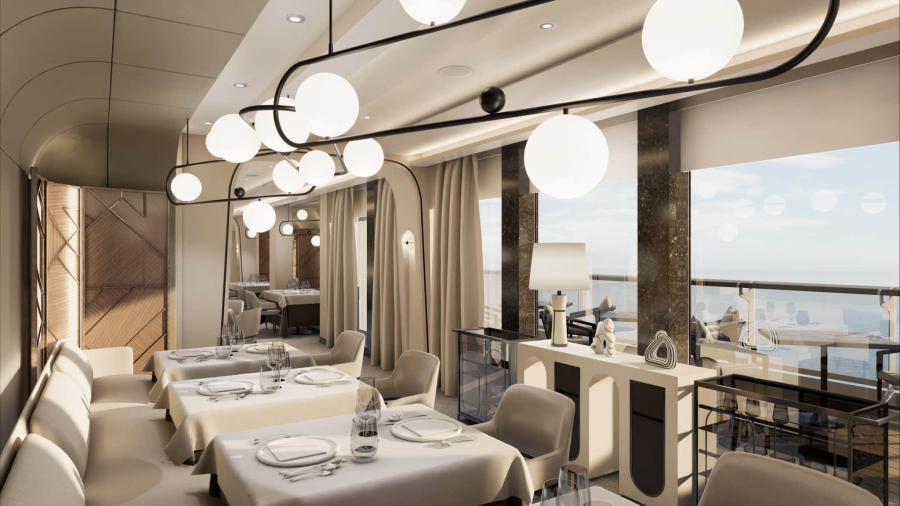
Explora Journeys is delighted to announce the launch of its new Italian concept for Anthology, a signature fine-dining experience that offers guests an unparalleled gastronomic adventure through the diverse and rich landscapes of Italian cuisine.
Anthology
“Anthology is more than just a restaurant; it’s a voyage through Italy’s gastronomic landscape. For me, Italian cuisine is about respecting the people, the ingredients, and the traditions that have been passed down through generations. It’s about sharing the soul of Italy, one dish at a time. This will be a culinary reflection of the rich tapestry of the sights, scents and flavors of Italian cuisine, which I am deeply passionate about.” said, Franck Garanger, Head of Culinary Explora Journeys.
You can now view a copy of the Anthology Menu – View Menu.
Curated by Franck Garanger, Anthology showcases refined Italian cuisine, taking guests on a unique culinary journey and offering a truly memorable gastronomic experience. Franck discovered his passion for cooking at an early age. He commenced his career as an apprentice at the Michelin Star restaurant, Le Vert D’ Eau in Angers with French Master Chef Jean-François Piers. Prior to joining Explora Journeys, Franck has worked at numerous world-renowned restaurants alongside some of the most notable culinary names including Paul Bocuse, Alain Passard and Thierry Marx. Furthermore, Franck spent more than a decade for luxury ocean travel brands in leading culinary positions.
A Culinary Voyage Through Italy
Each dish on the menu is a celebration of Italy’s finest regional ingredients and flavors, masterfully crafted to highlight the cultural brilliance and culinary heritage of the Mediterranean. The restaurant tells the story of Italy’s culinary brilliance through a creative expression of culture, heritage, and passion. The menu is an ingenious display of creativity – a vibrant tapestry of regional flavors and authentic ingredients. Highlights include Mediterranean seabass with Arabica coffee and tonka bean and scallop cannelloni with black truffe. Plant-based options are available for each course.
Guests are invited to immerse themselves in the different styles and tastes of Italy’s universally loved cuisine, from the renowned delectable flavors of Piedmont’s truffle-rich countryside in the North to the famed specialties of Italy’s South. Each plate celebrates the local produce and time honored techniques of every region in Italy.
Explora Journeys
Set in contemporary, refined elegance, Anthology offers an intimate yet elevated dining atmosphere with the opportunity to dine outdoors overlooking the azure-blue waters of the Western and Eastern Mediterranean. The dining experience is complemented by impeccable, attentive service, ensuring every guest feels truly special. Dining at Anthology is truly a one-of-a-kind experience enabling discovery and enrichment, setting a new standard for luxury travel dining.
Atlas Ocean Voyages is enhancing its Cultural Expeditions’ Atlas Focus Lab programming by introducing new Stargazing and Astronomy Workshops on select 2024 and 2025 expeditions. Atlas will also feature two special voyages highlighting the total solar eclipse scheduled on August 12, 2026. World Navigator will be positioned in the Arctic region off Patreksfjordur, Iceland, and World Traveller will be positioned in the Mediterranean off Palma de Mallorca, Spain, ensuring optimal viewing locations centered in the path of totality for each location.
Stargazing & Astronomy Workshops
Throughout each Stargazing and Astronomy Workshop, guests will engage in conversations about the cosmos with fellow explorers while viewing the galaxy with advanced telescopes on deck. Talks and lectures will cover topics ranging from the birth of the universe to the latest astronomical discoveries, leaving guests with a greater appreciation for the sky above. Featured on three expeditions in 2024 aboard World Navigator, guests will have the opportunity to enrich their journey with enlightening talks led by Astronomer Jonathan H. Ward.
Astronomer Charles Barclay will lead the World Voyager expedition in 2025, departing on June 10, 2025, for 12 nights from Leith (Edinburgh) to Trondheim. Additional Stargazing and Astronomy Workshop expeditions to Northern Europe in 2025 will be announced soon.
“There has always been a close connection to stargazing and the sea, from captains navigating with the stars to novice astronomers gazing at the night sky on deck,” shares James Rodriguez, president and CEO of Atlas Ocean Voyages. “The Atlas Ocean Voyages team looks forward to welcoming Jonathan Ward and Charles Barclay onboard as our expedition guides to the galaxy as we further elevate the onboard experience for our guests to new heights.”
Charles BarclayJonathan H. Ward
Jonathan H. Ward is the author of space history books, an astronomer, and an avid astrophotographer. His most recent book, “Through the Glass Ceiling to the Stars,” was written in collaboration with astronaut Eileen Collins, the first American woman to pilot and command space missions. His previous book, “Bringing Columbia Home: The Untold Story of a Lost Space Shuttle and Her Crew,” was optioned for development as a feature film and was awarded the Space Hipsters Prize for Best Space and Astronomy Book of 2018. He has been an active speaker on space-related topics as a NASA/JPL Solar System Ambassador since 2012. His enrichment lectures include “The Sky Above Us” planetarium presentations and leading stargazing sessions on deck. Jonathan was elected as a Fellow of the Royal Astronomical Society in September 2018 and is president of the Greensboro (North Carolina) Astronomy Club.
Charles Barclay, a previous Vice President of the Royal Astronomical Society, directed the Blackett Observatory in Wiltshire for 25 years. He is at the forefront of astronomy education and outreach in the UK, serving as a National Astronomy Education Coordinator for the International Astronomical Union, UK Team Leader for the Astronomy and Astrophysics Olympiad, and an Academic Visitor in the Oxford University Astrophysics Department. Recognized by the Royal Astronomical Society with the 2023 Service Award for his outstanding contribution to astronomy education, Barclay lectures on diverse astrophysics topics internationally and writes for popular astronomy magazines.
2026 Eclipse Expeditions
World Navigator will mark the August 12, 2026, solar eclipse in Patreksfjordur, Iceland, while World Traveller will sail the Mediterranean Sea between Palma de Mallorca, Spain, and Banyuls Sur Mer, France. Both itineraries have been carefully curated to position the vessels in the most optimal locations on the globe for viewing the eclipse.
“This year’s solar eclipse was one of the most sought-after travel experiences in 2024 and Atlas Ocean Voyages is thrilled to offer not one, but two voyages to optimum locations for the next solar eclipse in 2026,” shares James Rodriguez, president and CEO of Atlas Ocean Voyages.
Both journeys will feature expert astronomers serving as expedition guides. They will share their knowledge of the solar eclipse and detailed descriptions of the uninterrupted views of the stars above. Guests will enjoy special lectures, advanced telescopes on deck, and engaging conversations about the cosmos with fellow explorers. These expeditions are expected to be popular and anticipated to sell out quickly.
For information and reservations, call a travel advisor or 1.844.44.ATLAS or visit www.AtlasOceanVoyages.com.
Oceania Cruises, has revealed the next chapter in its culinary story as it highlights new Relaxed Yet Refined dining venues aboard its eight small, luxurious ships.
New sushi and Indian cuisine offerings at Terrace Café and a revamped poolside lunch menu at Waves Grill are in the spotlight as the line redefines The Finest Cuisine at Sea.
Frank A. Del Rio, President of Oceania Cruises, commented: “Food is the foundation of what we do on board each of our ships, and globally, in the destinations we visit. We are renowned for serving The Finest Cuisine at Sea, as it is at the very core of our business.
A Cruise Created by Foodies, For Foodies
“This does not always mean a white linen tablecloth and starched napkins at one of our award-winning specialty restaurants – finest does not always mean the fanciest. It’s also a perfectly prepared pizza or an enticing burrata dish enjoyed al fresco with a crisp glass of white wine as you set sail.”
Bernhard Klotz, Vice President of Food and Beverage, added: “Beauty lies in the simplicity of how we create The Finest Cuisine at Sea; the perfect combination of the most innovative culinary team, the freshest ingredients, and the best food-centric ships, this is where the magic lies.
Food Brings People Together
“Food brings people together, food brings joy; we are here to ensure that every bite of every meal makes our guests smile – from a decadent ice cream sundae by the pool to an exquisite soufflé – The Finest Cuisine at Sea is everywhere on board our ships.”
With the addition of a daily sushi station as well as an Indian Corner in Terrace Café, the venue’s impressive array of international cuisines expands even further. Open for breakfast, lunch, and dinner, Terrace Café is the center of the line’s relaxed dining options.
Expansive Sushi Station
The expansive sushi station boasts 45 brand-new recipes, created by Oceania Cruises’ newly appointed Executive Culinary Directors, Chefs Alex Quaretti and Eric Barale, along with their talented team. These include two types of sashimi per day, two types of uramaki, three kinds of nigiri, and a daily vegetarian option.
The new Indian Corner operates once every cruise during dinner service and features 15 authentic Indian recipes.
“Our staff hails from every corner of the globe and being able to bring their knowledge and their experience to the table, literally, is a wonderful thing,” said Chef Alex. “Creating the new Indian dishes for Terrace Café is a perfect example of this; some of these recipes have been handed down through generations. It’s a privilege to be able to see them through a new lens and to bring them to new audiences. The butter chicken and the dhal are already proving to be popular choices with our guests.”
Waves Grill
Waves Grill, Oceania Cruises’ poolside relaxed lunch venue, allows guests to experience the acclaimed culinary reputation of the cruise line without leaving their lounge chairs if they so wish. The menu has been revamped offering new favorites to sample alongside well-loved signature dishes, which have become the venue’s hallmark.
The menu now features more than 20 revised options, including a new selection of cold sandwiches, plus hot sandwiches and burgers. These include the signature Surf & Turf Wagyu burger; a wagyu beef patty with lobster medallions and truffle mayonnaise; and a new Philly Cheesesteak hot sandwich comprising shredded sirloin steak, provolone, sautéed onion, bell peppers and mushrooms. All are now served with a choice of French fries or sweet potato fries.
More Than 20 Revised Menu Options
“At each of our relaxed yet refined venues, our guests can still savor the ritual and theater of a dining experience. You can linger, relax, and enjoy. Guests are not rushed through, these are absolutely not “fast” food options; it’s simply a different ambiance and setting,” explained Chef Alex.
Not to overlook the line’s award-winning specialty restaurants, Chefs Alex and Eric and their team have more surprises to share before the end of the year as they take a thorough review of all menus across all ships.
Chef Alex said: “We have so much going on ahead of the launch of Allura in just over a year. But there are exciting plans afoot for all our ships. We have new dishes to unveil in Red Ginger, our signature pan-Asian venue; there will be an expansion of Oceania Cruises’ exclusive wine pairing luncheon options; and a fresh look at the menus for the grande dame of the line’s dining venues, The Grand Dining Room.”
Additional information
Marina and her sister, Riviera, were the very first true foodie ships in the world, joined now by Vista in 2023, and Allura in 2025, and were the first ships ever to have an onboard cooking school. They have more galley space and more fresh food storage than any other ship, and they were built around the galleys in the shipyard.
Oceania Cruises has the highest percentage of culinary personnel devoted to the dining experience than any other cruise company. To ensure the impeccable quality of each dish, the line has one chef for every ten guests; half of the crew on board is dedicated to the cooking or serving of food.
For additional information on Oceania Cruises’ small-ship luxury product, exquisitely crafted cuisine, and expertly curated travel experiences, visit OceaniaCruises.com, call 855-OCEANIA, or speak with a professional travel advisor.
As travelers seek authentic experiences in storybook destinations, AmaWaterways continues to meet their expectations with new river ships and itineraries tailored to their needs. The line is proud to announce two new river ships launching in 2026: AmaKaia joins AmaDara on the MekongRiver and AmaSofia will sail Europe’s Rhine and Danube Rivers.
Two New River Ships for 2026
With an expected launch date of May 24, 2026, AmaSofia will be the award-winning cruise line’s 24th ship to sail on Europe’s most popular rivers. AmaSofia’s inaugural 14-night itinerary, aptly named Magnificent Europe, follows the route of emperors, kings and queens as it journeys between Amsterdam and Budapest. Guests will sail on three rivers through four countries on an immersive exploration of local culture, history, foods and traditions. Highlights include guided bike rides through scenic vineyards and small towns, visits to a pretzel bakery, tours of numerous castles and palaces, culinary tours, and deep dives into many of the region’s most historic cities. The custom-designed luxury AmaSofia will have 31 departures in 2026, featuring multiple itineraries on the Danube, such as Melodies of the Danube, Romantic Danube, and the very popular Christmas Markets on the Danube.
AmaKaia is expected to embark on its first seven-night itinerary on August 3, 2026. Guests will explore the ancient cultures of Vietnam and Cambodia while enjoying regional delicacies, a wide range of daily included excursions, local onboard entertainment, and the luxury amenities AmaWaterways is known for. Exploration opportunities include traditional “xe-loi” (trishaw) rides, visits to local workshops and monasteries, a Buddhist Blessing Ceremony, and learning about the region’s histories from those who taught it and, in many cases, lived it. The two seven-night itineraries, Charms of the Mekongand Riches of the Mekong both offer guests a unique blend of well-known sites and off-the-beaten-path experiences, creating memories that will last a lifetime. AmaKaia will be doing 22 sailings in 2026 and upwards of 38 in 2027. Land extensions are available in several cities including Siem Reap, home of the world’s largest religious structure, Angkor Wat.
Cruising with AmaWaterways includes fine dining in multiple venues, including The Chef’s Table specialty restaurant, unlimited wine, beer and soft drinks with lunch and dinner, daily Sip & Sail cocktail hour with wine, beer, spirits and soft drinks, a daily variety of small group excursions, including hiking, biking and special interest tours, high-quality Wi-Fi, a Wellness Program with a variety of host-led fitness classes, airport transfers, and much more.
For more information or to reserve an AmaWaterways river cruise and land package, contact your preferred Travel Advisor, call 1.800.626.0126 or visit AmaWaterways.com.
In the 21st century, cities are undergoing a transformation like never before. With rapid advancements in technology, urban areas are evolving into smart cities, creating a seamless blend of innovation and daily life. These smart cities leverage cutting-edge technologies to enhance the quality of life for their residents, streamline urban management, and promote sustainable practices.
The Essence of a Smart City
A smart city is not just about high-tech gadgets and modern infrastructure; it’s about creating an environment that is efficient, sustainable, and responsive to the needs of its inhabitants. This involves integrating information and communication technologies (ICT) into urban management to improve services and infrastructure. From traffic management to waste disposal, every aspect of city life can benefit from smart technology.
Enhancing Urban Living with Technology
One of the primary goals of smart cities is to improve the quality of urban living. Technologies such as the Internet of Things (IoT), artificial intelligence (AI), and big data analytics play crucial roles in achieving this objective.
Transportation
Smart transportation systems use real-time data to optimize traffic flow, reduce congestion, and enhance public transit efficiency. For instance, smart traffic lights can adjust their timing based on real-time traffic conditions, reducing wait times and lowering emissions. Additionally, mobile apps provide real-time updates on public transportation schedules, making commuting more convenient for residents.
Energy Management
Smart grids and renewable energy sources are central to the energy management systems in smart cities. These grids use data to monitor and manage energy consumption efficiently, ensuring a stable supply while minimizing waste. Solar panels and wind turbines, integrated with smart grids, contribute to a city’s sustainability efforts, reducing reliance on fossil fuels.
Sustainable Urban Development
Sustainability is a cornerstone of smart cities. Urban planners incorporate green spaces, energy-efficient buildings, and sustainable transportation options to minimize environmental impact. For example, smart waste management systems use sensors to monitor waste levels in bins, optimizing collection routes and reducing fuel consumption.
Water Management
Water is a precious resource, and smart cities use technology to manage it effectively. Smart water meters and leak detection systems ensure efficient water use, while IoT-enabled irrigation systems optimize water usage in public parks and green spaces.
Citizen Engagement and Governance
Smart cities also focus on enhancing citizen engagement and improving governance. Through digital platforms and mobile apps, residents can easily access city services, provide feedback, and participate in decision-making processes. This creates a more inclusive and responsive urban environment.
E-Governance
E-governance platforms enable citizens to access a wide range of services online, from paying bills to reporting issues. This not only improves convenience but also increases transparency and accountability in municipal operations.
Technology in Entertainment and Leisure
Smart cities are not just about efficiency and sustainability; they also aim to enhance the leisure and entertainment options available to residents. High-speed internet and widespread connectivity facilitate access to various digital entertainment platforms. For example, many residents enjoy online gaming, and popular Sweet Bonanza Game offer engaging ways to unwind after a busy day in a smart city. The availability of such games demonstrates how technology seamlessly integrates into urban life, providing both practical and recreational benefits.
Challenges and Considerations
Despite the numerous benefits, the transition to smart cities comes with its challenges. Privacy concerns, cybersecurity threats, and the digital divide are significant issues that need to be addressed. Ensuring that all residents have access to smart technologies and the skills to use them is crucial for the equitable development of smart cities.
Data Privacy and Security
With the extensive use of data in smart cities, protecting citizens’ privacy is paramount. Robust cybersecurity measures and clear data governance policies are essential to safeguard sensitive information.
Bridging the Digital Divide
To ensure that the benefits of smart cities are accessible to all, efforts must be made to bridge the digital divide. This involves providing affordable access to technology and digital literacy programs, especially for underserved communities.
Conclusion
Smart cities represent the future of urban living, where technology and sustainability intersect to create vibrant, efficient, and responsive environments. By leveraging advanced technologies, these cities aim to improve the quality of life for their residents while promoting sustainable development. As we continue to innovate and address the challenges, the vision of truly smart cities will become a reality, offering a blueprint for urban development in the digital age.
Can you rent a car without a credit card? Yes, you can, but it’s a bit tricky. While most big car rental companies take debit cards, there are extra things you need to know. So, which places let you rent a car without credit, and what should you check before booking?
Many think a credit card is necessary to rent a car, but this is only sometimes true. Companies like Enterprise, Hertz, and Avis let you use a debit card for a rental. However, some rules come with this. For instance, you might have to be 25 or over and pass a credit look before renting with a debit card.
Companies might also limit the kind of cars you can get or ask for a bigger security deposit. I think it’s important to look at the specific rules and policies of the rental place beforehand. This can prevent surprises or problems when you get your rental car.
Understanding Car Rental Without a Credit Card
You can rent a car without a credit card, but be ready for extra paperwork. You might need two government IDs. This can be hard if you don’t usually carry extra IDs. Also, renting without a credit card means you’ll pay more upfront.
If your rental is pricey, the full payment and a deposit will be taken from your checking account, leaving you short on cash. With a credit card, you can possibly avoid rental insurance and the chance to dispute charges.
Rental Company
Debit Card Policy
Alamo
Accepts debit cards at airport locations with proof of return travel and a $200 refundable deposit
Avis
Requires renters to be at least 25 years old, credit check, and vehicle restrictions based on location
Budget
Accepts debit cards for reservations if the renter is at least 25 years old, may require a refundable security deposit of at least $100
Dollar
Allows renting with a debit card for non-premium or luxury rentals without a credit check if booked 24 hours in advance, along with a $500 deposit and the full rental cost upfront
Enterprise
Permits renting with a debit card at airport locations with proof of return travel, covering the entire cost plus a $200 deposit; additional requirements may apply at non-airport locations
The rules for renting a car without a credit card differ from company to company. Some, like Alamo and Enterprise, make it easier. Yet, Avis and others have more rules. Always compare these policies when planning car rentals without a credit card.
Renting a car without a credit card can be done with some effort and knowledge of the rules. With the proper documents and enough money, you can rent without a credit card without too much stress.
How to Rent a Car Without a Credit Card
When you get the rental, you must show a credit or debit card. Budget will hold an amount on your debit card. This amount equals the rental’s estimated cost. It can change depending on the car type and location. For Budget, the lowest hold amount is $100, often for insurance or prepaid.
Remember, this hold affects your account balance during the rental. Ensure you have funds for the rental and any other uses. Once the rental ends and all payments are settled, Budget removes the hold.
For renting without a credit card, know your options with top rental brands:
At airport sites, Enterprise rents with debit cards on proof of return travel, full rental cost, a $200 deposit, and a credit check.
Hertz accepts debit cards for rentals saved in your profile, with a credit check, and need for 2 IDs and travel proof.
Alamo, Dollar, and Thrifty allow debit card rentals with 24 hours notice and a refundable deposit of $200 to $500.
Picking a car rental without a credit card has its challenges. Expect a big security deposit. You might face a credit check and get less protection than a credit card offers. Yet, with careful policy checks and readiness for the extra demands, you can still get a car.
Rental Company
Debit Card Accepted?
Minimum Age
Additional Requirements
Budget
Yes
25 (18 in NY)
Deposit hold, potential credit check
Enterprise
Yes, at airport locations
25
Proof of return travel, $200 deposit, credit check
Hertz
Yes, with saved card info
25
Credit check, 2 forms of ID, proof of travel
Alamo
Yes
25
Reservation 24 hours in advance, $200 deposit
Eligibility Requirements for Debit Card Rentals
Most major rental car companies will let you pay with a debit card. To do this, you need to meet certain rules. This includes being old enough, having a good credit score, and showing extra documents.
Minimum Age Criteria
Your age is significant when trying to rent a car with a debit card. For example, Avis and Budget say you must be 25 or older. But in New York, the limit drops to 18. Hertz also has its own age rules, especially for fancier cars. Before you try to rent with a debit card, make sure you know the proper age rules.
Credit Check Procedures
A credit check may be part of renting with a debit card. Dollar won’t check your credit, but Avis and Payless might. The check is to see if you’re likely to pay your bills. Always be ready for this check when using a debit card to rent.
ID and Additional Documentation
Being of the right age and having good credit is just the start. You also need extra papers when renting with a debit card. You might need two IDs, a flight ticket for airport rentals, and proof you have enough money in your bank to pay. Know what your rental company needs so you can get your car smoothly.
Knowing the rules for using a debit card to rent a car is smart. Always check what your rental company needs beforehand. This way, you’ll have everything ready, and your car rental process will go smoothly.
Car Rental Companies That Accept Debit Cards
If you’re considering renting a car without a credit card, many options are available. Most big rental companies now let you use a debit card. You can rent from Alamo, Avis, Budget, and more. Just know that each one has their own rules for debit card use.
At Enterprise, you can get a car with a debit card at airports. You need proof you’re leaving and have enough money for the rental plus a $200 deposit. Avis is a bit stricter. They want a credit card to book at certain places. Also, you must be at least 25 or 18 in New York to rent without a credit card.
Budget also accepts debit cards if you’re at least 25 (or 18 in New York). With Hertz, setting up your debit card online might let you rent a car without a credit card, but expect a possible credit check.
For international trips, renting a car without a credit card is doable in many places. Places like Lisbon, Dublin, and cities in Portugal welcome debit cards. This makes it easy to rent without a credit card around the world.
Rental Company
Minimum Age for Debit Card Rental
Additional Requirements
Avis
25 (18 in NY)
May still require credit card to secure rental at some locations
Budget
25 (18 in NY)
None specified
Enterprise
25
Proof of return travel, funds to cover cost + $200 deposit (at airport locations)
Hertz
20
Debit card must be saved to profile, possible credit check
The key to renting a car without a credit card is to read up on rental companies’ policies. While many now take debit cards, the details can differ. A little homework lets you hit the road with ease, even if you don’t have a credit card.
Navigating Security Deposits and Holds on Your Account
If you choose a debit card for a rental car, you must know about security deposits and account holds. These steps help the rental company cover any damages or extra costs. Here’s a closer look at how these work.
The Typical Hold Amounts
When you hand over your debit card for a rental, the company may place a hold. This hold is usually the same as the total expected rental cost. Yet, this amount might sometimes be $100 or more, especially for certain types of rentals or if you paid ahead. If you rent a car in Florida without a credit card, the hold might change slightly.
Duration of the Account Holds
The hold on your account can last for your whole rental period. It might even stay a few more days after you return the car. This extra time covers any additional charges or if you’re late returning the car.
Renting without a credit card in places like Ontario, Canada, or the UK might mean the hold lasts longer. This is because of different banking rules and possible currency changes.
Implications for Account Fund Availability
The debit card holds mean your money is locked up, and you can’t use it. This can be tough if you need the money for other travel costs or emergencies.
Here’s how to deal with holds:
Make sure your account has enough money for the rental and the hold.
Ask about hold policies before you rent to avoid surprises.
Use a separate account for travel expenses if you can.
Expect the hold to last a few days after you return the car.
Strategies for Avoiding Credit Checks
Some companies, like Dollar and Thrifty, let you use a debit card without checking your credit. However, you must meet certain conditions.
To rent with a debit card and skip the credit check, you usually must be 20 or 25, depending on the company. Also, could you make sure you book at least 24 hours ahead? You’ll need to show extra papers when you pick the car up, like proof of your return travel when renting from airports.
Additionally, you need to bring two types of ID. You also need enough money in your account for the rental fee and a security deposit, which can be between $200 and $500.
Final Thoughts
To rent with a debit card, a bit of research is key. Each rental company might have different rules. Choosing a debit card to rent gives some peace of mind. It also helps control your spending. By knowing what’s required, more places are within reach. And more and more rental companies are welcoming debit cards.
Rent A Car Without A Credit Card FAQ
Can I rent a car without a credit card?
It is possible to rent a car without a credit card at certain rental companies that accept debit cards.
Do rental companies require a credit card to rent a car?
Most rental car companies require a credit card to cover the rental charges and as a form of security deposit.
Is it possible to rent a car with a debit card instead of a credit card?
Some rental companies do allow you to rent with a debit card, but you may need to meet additional requirements such as presenting a debit or credit card at the time of rental.
What are the ways to rent a car if I don’t have a credit card?
If you don’t have a credit card, you can explore options such as using a prepaid card, presenting a debit card, or possibly undergoing a credit check.
Can I use a prepaid card to pay for a rental car?
Some rental car companies may accept prepaid cards as a form of payment, but it’s important to check with the specific rental location beforehand.
Are debit cards accepted by rental car companies?
While some rental companies accept debit cards, not all do, and some may have restrictions on using debit cards for rentals.
What should I know about renting a car if I don’t have a credit card?
If you’re renting without a credit card, be prepared for additional requirements such as presenting a credit or debit card at the time of pickup and possibly undergoing a credit check.
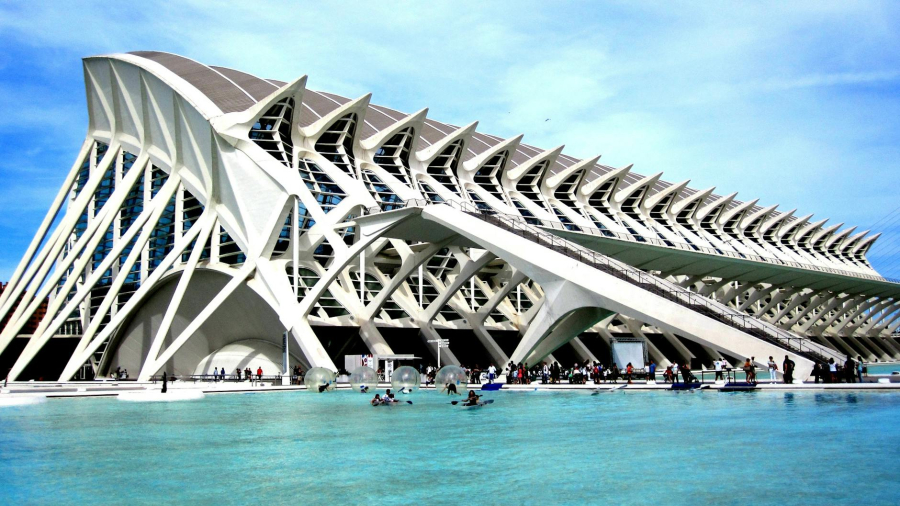
Valencia, located on the southeastern coast of Spain, is a vibrant port city known for its rich history, innovative architecture, and the sweet fragrance of oranges wafting through its streets. As a popular stop on Mediterranean cruise itineraries, Valencia offers travelers a delightful blend of old-world charm and modern sophistication. Whether you’re strolling through the historic Barrio del Carmen or marveling at the futuristic structures in the City of Arts and Sciences, Valencia promises an unforgettable experience.
Upon docking in Valencia, one of the first things you’ll notice is the abundance of oranges and the delightful aroma they release into the air. This scent is so captivating that it has inspired various orange scented perfumes that aim to bottle the essence of Valencia’s most famous fruit. As you explore the city, these citrus notes provide a refreshing backdrop, enhancing the sensory experience of your visit. Whether you’re savoring freshly squeezed orange juice at a local café or exploring the lush gardens where these fruits are on display, the orange truly is the heart of Valencia.
Must-Visit Attractions in Valencia
The City of Arts and Sciences: An architectural masterpiece designed by Santiago Calatrava, this complex is a must-see for any visitor. It includes several futuristic buildings such as the Hemisfèric (IMAX cinema and digital projections), the Umbracle (a landscaped vantage point and car park), the Príncipe Felipe Science Museum (an innovative centre of interactive science), the Oceanogràfic (the largest aquarium in Europe with over 500 marine species), and the Palau de les Arts Reina Sofía (which hosts opera and other performing arts).
Valencia Cathedral: This stunning example of Gothic architecture houses what is reputed to be the Holy Grail. The cathedral is a testament to Valencia’s religious history and its blend of architectural styles from Romanesque to Baroque adds to its unique charm.
Mercado Central: One of Europe’s oldest running food markets offers a vibrant place to sample local foods and shop for fresh produce, including, of course, Valencia oranges. The building itself, with its modernist architecture, is also worth admiring.
Valencia is the birthplace of paella, and no visit would be complete without trying this famous dish at a local restaurant. For a truly Valencian experience, seek out paella with rabbit and chicken, cooked over an open fire with local ingredients. Tapas bars also abound, offering a variety of small dishes like patatas bravas, squid, and Iberian ham, which are perfect for an evening out.
Cultural Experiences
Las Fallas Festival: If your cruise coincides with March, you’re in luck. Las Fallas is one of the most vibrant and fiery festivals in Spain, where locals create and then burn large papier-mâché figures in a celebration that fills the city with music, traditional costumes, fireworks, and parties.
Silk Exchange (La Lonja de la Seda): A UNESCO World Heritage site, this group of Gothic buildings showcases the economic power of Valencia in the 15th century. The intricate detailing and stunning courtyards are a photographer’s dream.
Outdoor Activities
Turia Gardens: This park is set in a former riverbed and runs right through the city, providing miles of walking and cycling paths, sports facilities, and tranquil spaces to relax away from the buzz of the city.
Beaches: Valencia boasts some beautiful beaches such as Malvarrosa and El Saler. Spend a day relaxing on the golden sands or enjoying water sports in the Mediterranean.
Valencia is a city where the past and future collide in the most picturesque way. For cruise travelers, it offers a chance to immerse themselves in Spanish culture, history, and cuisine all within the setting of a beautiful Mediterranean landscape. The pervasive scent of oranges, the taste of authentic paella, and the sight of extraordinary architecture make Valencia a must-visit destination on any Mediterranean cruise itinerary.
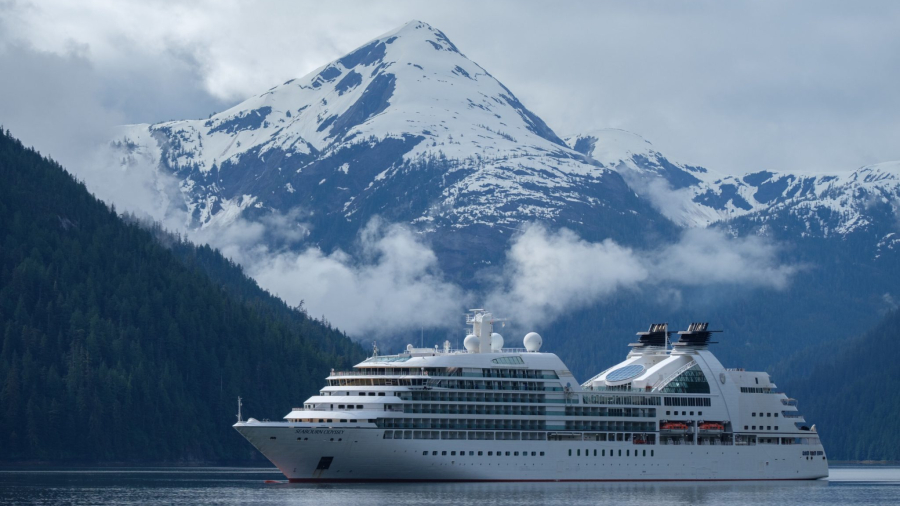
Seabourn kicks off its 2024 Alaska season today with Seabourn Odyssey departing from Vancouver for an enriching and in-depth schedule to some of the region’s most popular destinations and rarely visited ports throughout the Inside Passage. The season will also mark Seabourn Odyssey‘s final season with the cruise line, providing one more opportunity for guests to sail on the iconic ship.
2024 Alaska Season Begins
Seabourn Odyssey will sail on 12 seven-day voyages from May through August 2024, sailing northbound or southbound between Vancouver and Juneau, with different sites, scenes, adventures, and ports to experience each way. Each seven-day voyage can also be combined to create a longer, more immersive 14-day round-trip Vancouver voyage. The ship will also offer two 10-day Alaska Fjord Odyssey itineraries, as well as one 11-day Inside Passage & Alaska Fjords voyages, scheduled round trip from Vancouver in June. In addition, guests may choose from a number of immersive experiences through Seabourn’s popular and unique Ventures by Seabourn program, featuring optional guided kayak and Zodiac tours led by the line’s world-class expedition team. The ship will complete its final season with a 22-day Farewell Voyage, traveling through Alaska before crossing the Pacific to Japan.
“While Seabourn will continue sailing to Alaska in the future, this upcoming season marks the final journeys of Seabourn Odyssey to ‘the Great Land,’ and we invite our guests to embark on one final voyage with her before she departs our fleet,” said Natalya Leahy, president of Seabourn. “As our very experienced Alaska Captain Tim Roberts shared with me once, ‘you have not seen Alaska until you have sailed with Seabourn’. This is because our meticulously crafted itineraries will take our extraordinary guests on the ultimate retreat into nature with a blend of up-close adventures and ultra-luxury amenities to immerse themselves in the beauty of Alaska. The ship’s intimate size and yacht-like atmosphere will grant them unparalleled intimacy with the land’s vast wildlife and breathtaking wilderness.”
Seabourn Odyssey’s 2024 Alaska season includes:
Seabourn Odyssey Tour
Seven-Day Alaska Itineraries – Each seven-day Alaska itinerary features days of pure cruising through jaw-dropping settings such as Seymour Narrows, Stikine Strait, Snow Pass and the Behm Canal, interspersed with landings at culturally significant towns from Ketchikan to Sitka to Wrangel, Alaska, and Prince Rupert and Alert Bay in British Columbia. Each sailing will include at least one scenic cruise of glaciers like Tracy or Endicott Arm or Glacier Bay.
On the 10-Day Alaska Fjords Odyssey, guests travel roundtrip from Vancouver with multiple sea days through destinations such as Queen Charlotte Sound, Clarence Strait, Snow Pass, Sumner Strait, Misty Fjords and more, as well as visits to Ketchikan, Sitka, Icy Strait Point, Juneau, and the Tlingit village of Klawock on Prince of Wales Island. There will be abundant opportunities to go deeper with Ventures by Seabourn activities at Inian Island, Tracy Arm or Endicott Arm and Misty Fjords.
11-Day Inside Passage & Alaska Fjords is a roundtrip voyage from Vancouver with a day to explore Wrangell on an eponymous island at the heart of the Tongass National Rain Forest, setting for the Stikine River, Shakes Glacier, and Anan Creek Bear Observatory, home to the largest pink salmon run in the Inside Passage.
Ventures by Seabourn in-depth experiences
Seabourn Odyssey’s 2024 Alaska season will offer a variety of luxurious adventures through Ventures by Seabourn, featuring optional escorted activities for guests to get up close to wildlife and other wonders via hike, kayak, catamaran, and Zodiac with skilled expert guides leading the way. Ventures by Seabourn will include explorations of Hubbard Glacier, Tracy/Endicott Arm, Inian Islands, Rudyerd Bay (Misty Fjords), Alert Bay in British Columbia, and more. Ventures by Seabourn excursions are led by the ship’s expedition elite, world-class team of naturalists, science, wildlife and historical experts who regularly interact with guests throughout each sailing, sharing insights and in-depth knowledge on the history, ecology, and culture of respective regions.
22-day Farewell Voyage
Seabourn has also planned special activities and entertainment to commemorate Seabourn Odyssey’s 22-day Farewell Voyage, departing September 2, 2024, from Seattle, Wash., to Yokohama, Japan. The one-of-a-kind voyage will feature a number of memorable tributes to Seabourn Odyssey‘s greatest moments, including appearances from the original team and performing cast, incredible local artists, and unique gifts and memories to be made with their Seabourn family. The ship will traverse the glacial scenery of Alaska’s southern reaches, visit the wildlife havens of Kodiak Island and Dutch Harbor, and explore the cultural enclaves of Japan’s Hokkaido Island to revel in the first turn of fall foliage.
Get To Know Seabourn
Seabourn represents the pinnacle of ultra-luxury ocean and expedition travel and operates a suite of seven modern ships. The all-inclusive, boutique ships offer all-suite accommodations with oceanfront views; award-winning dining; complimentary premium spirits and fine wines available at all times; renowned service provided by an industry-leading crew; a relaxed, sociable atmosphere that makes guests feel at home; a pedigree in expedition travel through the Ventures by Seabourn program and two new ultra-luxury purpose-built expedition ships, including Seabourn Venture that launched in 2022 and Seabourn Pursuit in 2023.
Seabourn takes travelers to every continent on the globe, visiting more than 400 ports including marquee cities and lesser-known ports and hideaways. Guests of Seabourn experience extraordinary offerings and programs, including partnerships with leading entertainers, dining, personal health and wellbeing, and engaging speakers.
For more details about Seabourn, or to explore the worldwide selection of Seabourn cruising options, contact a professional travel advisor, call Seabourn at 1-800-929-9391 or visit www.seabourn.com.
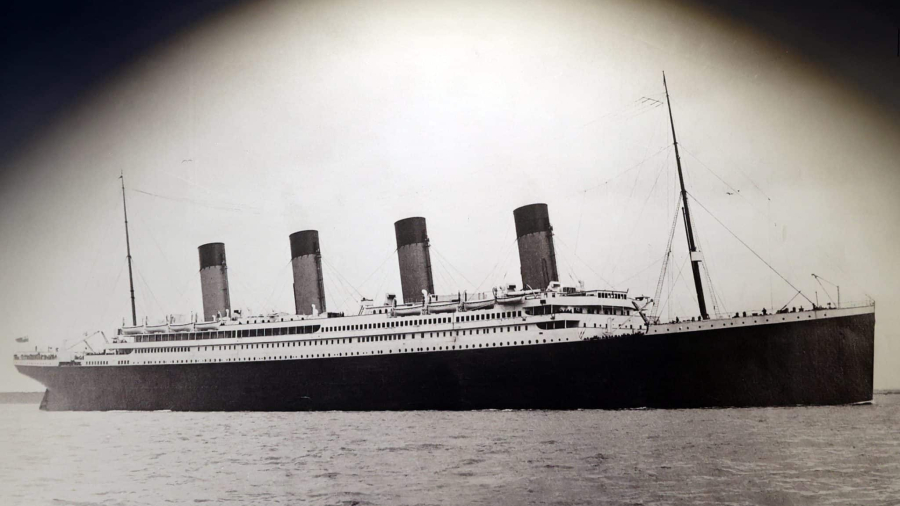
I am fascinated by the economics of the RMS Titanic, an emblem of luxury at the dawn of the 20th century. The Titanic ticket prices mirror the societal stratification of that era.
Titanic Ticket Prices
In 1912, the ticket cost on the Titanic varied significantly, reflecting the class disparities within the ship itself. For many, to inquire how much a ticket was is to understand the extravagance the legendary ship promised its first-class passengers.
With an RMS Titanic ticket costing as much as 870 pounds for a paragon suite in 1912 money—a fortune translating today into an astronomical sum—it becomes clear that journeying on the Titanic was a manifestation of the epoch’s pinnacle of luxury.
A third-class ticket wasn’t immune to hefty pricing either. While costing just 7 pounds, these prices for titanic tickets still represented a significant expenditure for the average individual of the time, revealing that even the lowest class onboard this majestic vessel necessitated a substantial financial commitment. When discussing how many tickets were on the Titanic, I find it’s an exploration of not merely currency and rates but the tangible value of an extraordinary, yet tragic, human adventure.
Getting a Ticket on the Titanic
The Titanic ticket prices are as intriguing now as they were over a century ago, prompting me to peel back the layers of history and analyze what these costs truly encapsulated. Exploring the price of Titanic tickets in 1912 also allows me to throw into stark relief how these sums equate to current financial standards, helping us gauge the accurate scale of the Titanic’s elegance and allure that appealed to its diverse group of passengers.
Key Takeaways
The cost of a ticket on the Titanic in 1912 indicated the rigid social hierarchy of that era.
Prices for Titanic tickets for a first-class suite were as much as 870 pounds, which would be close to 105,000 pounds today when adjusted for inflation.
How much were the Titanic tickets? Third-class tickets were priced at 7 pounds, nearly 7% of the yearly salary for a skilled English worker at the time.
Reflecting on the price of a ticket on the Titanic provides insight into the luxury and exclusivity that was available—and valued—aboard the ship.
RMS Titanic ticket prices, even for the most modest accommodations, required a significant financial outlay by today’s standards.
Understanding the Hype Around Titanic Ticket Prices
When I delve into the history of the RMS Titanic, it’s impossible not to be captivated by the luxury and grandiosity the ship promised. The ticket prices, a reflection of this magnificence, have long been a topic of bewilderment and fascination. But what exactly made these tickets so sought after, and how do the costs translate to today’s currency?
The Fascination with the Titanic’s Grandeur
The allure of the Titanic is timeless. Its luxury, the promise of crossing the Atlantic with utmost elegance, and the tragic romance of its maiden voyage have remained unmatched in popular culture. Behind the grand narrative, the numbers tell a tale of luxury that could only be afforded by the wealthiest in society. A first-class ticket price aboard the Titanic wasn’t merely a pass to travel; it was an entry to an exclusive world of decadence.
Comparing Past and Present Values
The results are staggering when I investigate how much a first-class ticket on the Titanic was and then compare it to today’s standards. A first-class suite boasted a modern equivalent price tag often exceeding 100,000 pounds or a formidable $133,132. Moving down a tier, a second-class ticket price for Titanic wasn’t modest either, yet it paled compared to the astronomical costs of the suites above. Meanwhile, a third-class ticket, though much more affordable, still represented a substantial expense for the average individual of that era.
In my research, I’ve come across detailed price structures that illustrate this dramatic variance among the different classes. The following table offers a snapshot of the costs passengers faced at the time, adjusted to today’s values. It creates a clearer understanding of passengers’ investment in their journey on the legendary ship.
Class
1912 Ticket Price
Today’s Equivalent
First Class (Suite)
£870
$133,132
First Class (Berth)
£30 – £870
$4,591 – $133,132
Second Class
£12
$1,834
Third Class
£3 – £8
$579 – $1,542
As I reflect on this data, it’s clear that the fare thee well Titanic was more than a voyage—it was a statement of one’s status and a step into historical immortality.
How much is a first-class ticket?
For Titanic, it was a price that few could afford, but many dreamed of, even a century later. With every new revelation about the ticket price, the ship continues to command our awe, respect, and sad remembrance.
Unpacking the Cost of Luxury: Titanic’s First Class Experience
When considering the price of a first-class ticket on the Titanic, it was clear that passengers were not merely paying for a voyage across the Atlantic but investing in an unparalleled experience of luxury. For the RMS Titanic’s first-class passengers, the journey was as much about the luxurious environment as the destination itself. Understanding this grandeur begins with a look at the lavish accommodations designed for the elite and the exclusive onboard amenities that set the standard for high society’s seafaring adventures.
Lavish Accommodations for the Elite
The first-class accommodations aboard the Titanic were crafted to mirror the grandeur of the most exquisite European hotels. Rooms with ornate wood paneling, plush carpets, and fine linens were just the beginning. The luxury extended to the extravagant suites, such as the one purchased by Charlotte Drake Cardeza, which boasted a private 50-foot promenade deck, offering an unmatched level of elegance and privacy. The price of a first-class ticket on the Titanic reflected the access to this incredible luxury that money could afford at the time.
Exclusive Onboard Amenities for First Class Passengers
Aboard the Titanic, first-class passengers could enjoy culinary masterpieces rivaling the finest restaurants. With menus featuring oysters, pâté de foie gras, and lamb with mint sauce, dining was an event in itself. For leisure, the ship was equipped with amenities that would make today’s luxury cruise liners envious, like an onboard gym, a squash court, and even Turkish baths. The well-being and entertainment of passengers were paramount, ensuring that every moment on the Titanic was indulged.
As fascination with the Titanic’s first-class legacy endures, the prospect of a modern replica has spurred conversation and curiosity. Questions arise, such as “How much will the Titanic 2 tickets cost?” and “How much will a ticket for Titanic 2 cost?” as enthusiasts and history buffs ponder the opportunity to relive the splendor of the past. The prospect of buying Titanic 2 tickets incites both excitement and wonder, proving that the allure of Titanic’s sumptuous past remains ever-present in contemporary society.
More Than Just a Journey: Second Class Comforts on Titanic
When history recalls the RMS Titanic, much fanfare is given to the luxury of first class, yet it was in the second class that one could find a harmonious balance of comfort and value. During the Titanic’s time, how much was a second-class ticket on the Titanic? It was a typical query, reflecting an interest in the accessible luxury the ship offers. Indeed, the second-class accommodations on the Titanic were cited as akin to first-class on other liners of the time. Reflecting on these comforts, one cannot help but marvel at the quality that greeted those who ventured on this fateful journey.
Privileges Accorded to Second Class Passengers
The voyagers in second-class cabins on the Titanic enjoyed advantages unprecedented for the period. Among these were modest yet refined second-class rooms, typically fitted with bunk beds, washbasins, and communal, clean second-class bathrooms. A library and smoking room were exclusive to second-class gentlemen, fostering an atmosphere of cultured leisure.
Dining and Social Life in Titanic’s Second Class
The dining experience for 2nd class cabins on the Titanic cannot be understated. The respectable second-class titanic dining saloon could seat 393 passengers and prided itself on white linen, fine china, and silver service. It often surprises its guests with the sumptuous diversity from roast beef to curries. Social interaction flourished within this space, contributing to the memorable experience of their voyage.
Here’s a glimpse into the second-class ticket cost about the comforts provided:
Feature
Description
Ticket Price (1912)
Private Cabins
Comfy rooms with bunk beds and a washstand.
$36 – $80
Shared Amenities
Access to a library and smoking room.
Included in ticket
Dining Experience
Multi-course meals with diverse menu options.
Included in ticket
I resonate with the allure that such experiences held for the average passenger—comforts now perhaps not as indulgent as those of contemporary cruising. Still, at the time, second-class rooms on the Titanic were a badge of leisure, and the voyage itself was a slice of elegance for the emerging middle class.
The Third Class Experience: Perception Versus Reality
When we reflect on the Titanic, images of grandeur and luxury often come to mind, especially regarding the first—and second-class accommodations. Yet, how much was a third-class ticket on the Titanic? Surprisingly, third-class tickets represented an affordable option for many emigrants hoping to start a new life in America. The price of these ship tickets, while significantly less than those of the upper classes, still offered passengers reasonable comfort and amenities that might surprise modern perceptions of ‘steerage.’
Third-Class Accommodations and Facilities
In the early 20th century, third-class accommodations on the Titanic were considered quite advanced. Unlike the cramped and bleak conditions on many other vessels of the era, third-class accommodations on the Titanic included access to well-maintained communal areas and even a deck space. While essential, the third-class cabins on the Titanic offered more than just a place to lay one’s head. They provided a sense of dignity and respect to their occupants.
When exploring the value of third-class tickets, it’s intriguing to note the amenities that accompany the relatively low cost. These tickets were not merely ship tickets; they were passed to a more comfortable journey across the Atlantic than many third-class passengers would have experienced on alternative steamships of the time.
Dining Arrangements for Third-Class Travellers
The dining experiences for third-class passengers on the Titanic defied many expectations. Although dining facilities were more modest than the other classes, the quality and variety of food available challenged the standard fare for third-class travel in that era. The price of third-class tickets included meals that were quite substantial—travelers enjoyed hearty, home-style fare that often featured fresh bread, porridge, meats, and a range of vegetables. The ship ticket price ensured no one went hungry, underscoring the White Star Line’s commitment to passenger comfort.
Comparison
Third Class on Titanic
Typical Third Class on Contemporary Ships
Accommodations
Private and family cabins
Open dormitory-like spaces
Amenities
Outdoor spaces, designated communal areas
Limited common areas, often no outdoor
Dining
Multiple meals a day, diverse menu options
Often sparse and lacking variety
Value for Cost
Comparable to second-class on other ships
Typically indicative of ‘steerage’
Reflecting on how much a third-class ticket on the Titanic was worth, it becomes clear that these tickets were not merely about transport—they were about providing a level of service and care that was commendable for the time. The relentless tales of the Titanic seldom shine a light on third-class accommodations.
Yet, these humble passages represent a narrative of hope and resilience as poignant and central to the Titanic’s legacy as the stories from its grander decks.
Titanic Ticket Prices in Retrospect
In reflecting upon the cost of the Titanic, it becomes evident that the RMS Titanic cost was a testament to its era’s expectations of luxury and exclusivity. A fundamental divergence in ticket costs magnifies how much money the Titanic cost passengers seeking different levels of comfort and elegance. Below is a comparison table offering a glimpse into the varied ticket costs that travelers paid to be aboard the RMS Titanic, juxtaposed with today’s approximate values.
Class
1912 Ticket Cost
Equivalent in 2024 USD
First Class (Suite)
£870
$133,132
First Class (Berth)
£30 – £870
$4,591 – $133,132
Second Class
£12
$1,834
Third Class
£3 to £8
$460 – $1,224
The revenue generated from many Titanic tickets for first-class passengers alone was a staggering 18,091 pounds—a figure now valued close to $2.75 million. The cost of the Titanic ship highlights the colossal investment made into its construction and the level of opulence passengers were paying for.
Such affluence begs the question: how much did the Titanic cost in terms of human character beyond mere monetary value? The RMS Titanic’s ticket prices vividly reflect the ambition for grandeur. Mirroring society’s structure at the time, each ticket category represented a distinct social status and onboard experience. As a writer delving into the past, I find the RMS Titanic’s pricing framework a fascinating narrative of economic history, societal values, and maritime luxury.
The Societal Context: Why Were Titanic Ticket Prices So High?
When we examine the economics of the era during which the RMS Titanic set sail, ticket prices clearly reflected the more comprehensive societal and economic stratification. Understanding the full picture requires examining the value of currency and average annual earnings at the time.
The Economics of the 1912 Era
My analysis begins over a century ago, in 1912. During this period, the British pound sterling held significant purchasing power, and the average skilled worker in England might see an annual income of approximately 100 pounds. To put this into perspective regarding RMS Titanic tickets, the cost of a third-class ticket ate up roughly 7% of this yearly salary. It was a substantial sum for many seeking new opportunities across the Atlantic.
Cost Analysis Relative to Average Annual Earnings
A deeper cost analysis, contrasting the ticket prices with the average annual earnings, reveals just how exclusive the Titanic voyage was. Numerous first-class cabins on the Titanic beckoned the affluent with their opulent allure. The number of first-class rooms became a symbol of glamour and luxury, only accessible to a select few based on their economic means. An individual occupying one of these rooms could be spending what a skilled worker would earn in nine years, a staggering disparity that emphasizes the inequality of the times. To illustrate, Charlotte Drake Cardeza, a first-class passenger, would have spent approximately 870 pounds—almost $4,000 then—for her ticket.
An intriguing fact I’d like to share is the currency value: 20 pounds in 1912 would equal a substantial sum today, and a pound in 1920 still retained more value than today, further amplifying the expense incurred by Titanic travelers.
As I review these figures, I ponder whether passengers aboard the Titanic could have predicted that their journey would remain etched in history, both for its tragic end and as a representation of the Edwardian era’s grandeur and excess. The lucrative RMS Titanic ticket illustrates a time when wealth was flaunted, and mobility was as much about social status as it was about traversing oceans. This, in my view, answers much about why Titanic ticket prices were so high—they weren’t merely a fee for passage but a price tag on luxury and, for some, a symbol of prosperity.
Demystifying RMS Titanic’s Enormous Construction Costs
When discussing the RMS Titanic, it’s impossible not to reflect on the colossal investment that went into its creation. In 1912 dollars, the cost of the Titanic ship was a staggering $7.5 million, an amount that mirrors approximately $180 million today when adjusted for inflation. This monumental sum underscores the extravagance that the White Star Line aspired to embody in the Titanic.
The Financial Backing of Titanic’s Construction
The White Star Line’s vision for the Titanic was not just that of a mode of transportation; this ship was to be the pinnacle of maritime luxury. This ardent desire for supremacy on the seas meant the company was willing to pour substantial capital into ensuring every aspect of the vessel from the keel up was nothing short of extraordinary. Indeed, the Titanic ship’s cost reflected its unparalleled splendor and the cutting-edge technology it housed.
Inclusion of State-of-the-Art Technology and Design
The high cost of the Titanic was justified by its state-of-the-art offerings. It featured advanced safety devices, powerful wireless telegraphy equipment, and the finest navigational instruments that money could buy during that era. Additionally, the luxurious design elements—grand staircases, opulent staterooms, and expansive promenade decks—all contributed to the how much money the Titanic cost narrative. The ship was designed to awe and comfort its passengers at every turn, an endeavor with a hefty price tag. The RMS Titanic cost built not merely a vessel, but a floating palace replete with the era’s most advanced amenities.
Feature
Cost in 1912
Equivalent Cost Today
Ship Construction
$7.5 million
~$180 million
Luxury Accommodations
Included in total
Included in total
Advanced Safety Equipment
Included in total
Included in total
Wireless Telegraph
Included in total
Included in total
Navigational Instruments
Included in total
Included in total
This table not only breaks down the various components that contributed to the question of how much the Titanic cost but also contextualizes the vastness of the enterprise. From physical construction to the luxury within, the RMS Titanic cost was part of an ambitious project that solidified its status as the most legendary cruise liner in history.
The Calibre of Passengers Aboard the Titanic
The voyage of the RMS Titanic is remembered for the tragedy of its sinking and the illustrious list of first-class passengers on the Titanic that embodied the pinnacle of early 20th-century affluence. I remember looking over historical passenger manifests and being struck by the pronounced social stratification visible in the distinctions between titanic class accommodations. It was a time when the wealthiest occupants could, and would, indulge in extravagant spending to ensure an opulent sea voyage on what was then the grandest ocean liner ever built.
Wealthiest Occupants and Their Extravagant Spending
Among the first-class passengers on the Titanic, names like John Jacob Astor IV, the wealthiest man aboard, became synonymous with luxury. His fortune was estimated at around $87 million—an almost unfathomable sum. These affluent passengers could afford the most lavish 1st class rooms on the Titanic, contributing significantly to the wealth of Titanic passengers. The amenities, from personal maids and butlers to private lounge areas, testified to a culture of luxury unimaginable to the other classes aboard.
Social Stratification and Its Reflection on Ticket Prices
The price disparity between the various levels of travel reflected the era’s social stratification, with RMS Titanic’s first-class cabins starkly contrasting with the more modest third-class berths. The luxury of the first-class cabins on the Titanic was designed to cater to those accustomed to the finest things in life—a trend encapsulated within the quality and quantity of space afforded to first-class passengers. With reports stating how many first-class cabins were on the Titanic, it is clear that exclusivity was as prized as luxury itself, with only a select few enjoying the epitome of nautical splendor.
A Glimpse into the Fate of Wealth: Titanic Claims and Litigations
The sinking of the RMS Titanic not only led to a tragic loss of life but also ushered in a wave of legal disputes and titanic insurance claims that highlighted the complex nature of financial compensation after maritime disasters. Among these trials, the plight of the survivors who sued the White Star Line stands out as they sought redress for their overwhelming losses. What followed after the Titanic disaster was an intricate dance between insurers and the bereaved, all under the mournful shadow of one of the 20th century’s most iconic tragedies.
The Aftermath of the Tragedy and Financial Compensation
The disaster led to an onslaught of lawsuits totaling $16 million—in essence, a demand for financial compensation by the survivors and relatives of those who perished. However, a legal shield known as the Limitation of Liability Act drastically curtailed these claims. The unexpected outcome? The White Star Line only paid a fraction of the demanded sum, leaving many to deal with the disillusionment of unmet claims.
The Extravagant Insurance Claims Post-Disaster
This first-class passenger’s Charlotte Drake Cardeza claim remains particularly notable among the numerous accounts. She cited an astonishing loss of personal belongings totaling over $177,000 at the time, which included luxurious dresses and ornate jewelry. Today, such claims would be valued at $4.2 million, demonstrating the immense personal wealth aboard the Titanic and the profound financial implications at stake.
Claimant
Loss Reported
Compensation Sought
Amount Received
Charlotte Drake Cardeza
$177,000
$4,200,000 (Today’s Value)
Part of the collective $664,000
General Claims
N/A
$16,000,000
$664,000
My research into the legal aftermath further reveals that the journey aboard Titanic was an opulent adventure and a financial gamble. As survivors sought reparations, they entered a maelitz of legal boundaries and the cold calculus of insurance assessments—a stark contrast to the grandeur they experienced aboard the ill-fated voyage.
Assessing the Comparative Value of Titanic Tickets Today
Given the luxury and opulence associated with the RMS Titanic, one might wonder how its fare would measure up against the extravagance of today’s cruise ships. As I delve into the comparison, it’s intriguing that modern cruise prices paint a fascinating image when placed side-by-side with Titanic’s historical prices.
Modern Cruise Costs versus Titanic’s Historical Prices
Modern cruise lines offer a wide range of choices, from budget-friendly interior cabins to lavish multi-room suites with exclusive amenities. A suite aboard a premium cruise line could easily command prices in the tens of thousands, particularly for lengthy voyages with durations and amenities similar to those of the Titanic’s maiden voyage.
What Would a Titanic Ticket Cost You Now?
If the Titanic were to set sail today, stepping aboard could bring back a hefty sum. The allure of embarking on the Titanic 2’s maiden voyage has prompted speculation on how much Titanic 2 tickets cost. Equating Titanic’s first-class suite to an ultra-luxury suite on an extended world cruise today, we’re talking about prices that would only appeal to the wealthiest of travelers—much like it did in 1912.
The majesty and tragedy of the Titanic continue to capture imaginations worldwide. It’s not just about the price of a ticket; it’s about the experience, the history, and the connection to a bygone era, all of which are priceless.
Titanic Ticket Prices and the Legacy of the Unsinkable Ship
As I delve into the story of the RMS Titanic, it’s clear that its legacy holds a profound place in history, not only as the Unsinkable Ship but also for its striking reminder of human ambition and fragility. The lasting allure of Titanic goes beyond the tragic narrative of its maiden voyage; it speaks to our intrigue with luxury and the lengths individuals went to experience the pinnacle of travel in their era. The price of Titanic tickets in 1912 symbolizes the economic postures of the time, offering a window into the lifestyles of the affluent nurtured by the Industrial Revolution.
The Lasting Allure of the Titanic’s Story
The RMS Titanic has always been emblematic of the extremes of human ingenuity and hubris, sparking a fascination that persists over a century later. It’s not just the sheer scale of the tragedy that feels arresting but the stories connected with those who boarded, from the hopeful emigrants in third class to the illustrious magnates in first class. The mythos of Titanic are stirred by anecdotes of life onboard, framed by the sheer costliness of the tickets reflecting the opulence intended for its passengers.
How Ticket Prices Contribute to Titanic’s Mythos
Consider the anecdotes of those who held an RMS Titanic ticket—their tales have infused the ship’s story with an extraordinary sense of character and time. Unwittingly, they became a part of a story much more significant than their arrival on the other side of the Atlantic, now interwoven with the fabric of early 20th-century history. Discussions of new Titanic ship tickets ripple through the present, drawing a direct line from that fated journey to a modern world still captivated by the grandeur it represented and the human appetite for luxury and adventure.
Frequently Asked Questions (FAQ)
How much was a ticket on the Titanic?
The cost of a ticket on the Titanic varied depending on the class. A first-class ticket on the Titanic could cost around £870 (equivalent to around £87 million in today’s money). A second-class ticket cost about £12, and a third-class ticket was around £7.
What were the different ticket prices for the Titanic?
The ticket prices for the Titanic varied depending on the class. First-class passengers paid around £870 for a ticket, second-class passengers paid about £12, and third-class guests paid around £7 for their tickets.
Who could afford the expensive ticket on the Titanic?
Wealthy individuals, such as American businessman John Jacob Astor, mainly purchased the expensive tickets on the Titanic. The first-class passengers enjoyed luxurious accommodations, such as a private promenade deck and suites with private facilities.
What amenities were included in a first-class ticket on the Titanic?
A first-class ticket on the Titanic provided access to luxurious amenities, including a swimming pool, Turkish bath, squash court, gymnasium, and a reading and writing room. First-class passengers also had the option to dine in a grand dining saloon and access a la carte restaurant and a veranda café.
How many third-class passengers were left behind during the sinking of the Titanic?
There were 709 third-class passengers on the Titanic, and tragically, many of them perished in the tragic fate of the Titanic. Some survivors reported that third-class passengers faced challenges in accessing the lifeboats during the sinking.
What did a second-class ticket on the Titanic offer?
A second-class ticket on the Titanic provided passengers with comfortable accommodations, shared cabins, and access to communal areas like the library and dining rooms. Second-class passengers enjoyed better facilities compared to third-class guests.
How do the ticket prices on the Titanic compare to today’s prices?
Back in 1912, the ticket prices on the Titanic varied depending on the class. Today, the cost of a first-class ticket on the Titanic, adjusted for inflation, would be around £87 million. The second-class and third-class tickets would also be significantly higher in today’s money.
What was included in a suite on the Titanic?
A suite on the Titanic typically consisted of two bedrooms, a sitting room, and a private bathroom. The suites were available for first-class passengers and provided luxurious and comfortable accommodations during the voyage.
How many trunks were left behind by passengers on the Titanic?
Passengers on the Titanic left behind 14 trunks containing their personal belongings and possessions. These trunks held the belongings of passengers who tragically lost their lives during the sinking of the Titanic.
Final Thoughts
As I reflect upon the RMS Titanic ticket prices, it’s clear that they are more than mere historical footnotes. These figures represent the zenith of luxury and opulence during the early 20th century, casting light on the distinct societal class structures of the era. The diverse range of ticket prices, from third-class berths to the prestigious first-class cabins on the Titanic, underscores the lengths individuals would go to partake in what was anticipated to be an extraordinary, unparalleled voyage.
The investment in a first-class ticket was not simply a purchase for safe passage across the Atlantic; it was an entry into an exclusive world of luxury, where the 1st class Titanic rooms and other premium amenities were the day’s pinnacle of comfort and elegance. Even now, the fascination persists when I ponder how much a first-class ticket is worth or how much it costs to see the Titanic remain at its watery grave. Perhaps it’s the stories and dreams woven into the fabric of each room in Titanic that still captivate our imagination and make the ship’s journey immortal in our collective memory.
Titanic first-class tickets symbolize the revolutionary period’s commitment to extravagance and the bittersweet reminder of the human cost of timeless ambition. Over a century later, the Titanic and her stories continue to enchant us as they hold on to their unique place in history, both for their representation of the ultimate in luxury travel and for the tragic legacy sealed on that fateful April night.