
The best cruise lines to work for depend on your role, nationality and languages, but five stand out for different reasons: Royal Caribbean for sheer scale and promotion paths, Disney Cruise Line for shorter contracts and strong benefits, MSC Cruises for structured training, Cunard for experienced hospitality staff who want a classic luxury setting, and AIDA Cruises for German speakers. All of them share the basics of cruise ship work: multi-month contracts, long days with few full days off, and free food and accommodation on board.
This guide compares each line’s typical contracts, benefits and hiring routes, then covers what every applicant needs (STCW safety training, a seafarer medical and the right visa) and how to pick the line that suits you. Cruise lines publish little about pay, so where figures vary or aren’t public we say so rather than guess.
Best Cruise Lines to Work For: Quick Comparison
| Cruise line | Typical contract | Main language on board | Stand-out benefit | Best suited to |
|---|---|---|---|---|
| Royal Caribbean International | Around 4-8 months | English | Huge fleet, lots of internal promotion | Ambitious first-timers and tipped roles |
| Disney Cruise Line | 3-8 months, most 4-6 | English | Matched retirement plan, theme park admission | Guest-facing and entertainment staff |
| MSC Cruises | Often around 5-7 months (reported) | English, plus European languages valued | Pre-boarding training academies | Multilingual applicants |
| Cunard | Varies by role | English | Small, upscale fleet with formal service | Experienced hotel and fine-dining staff |
| AIDA Cruises | About 3-6 months | German with guests, English among crew | EU-standard contracts for EU citizens | German speakers |
Contract lengths come from the lines’ own career pages where published, and from reputable cruise press where not. They vary by position, and senior and officer roles usually differ from the ranges above.
What Working on a Cruise Ship Is Really Like
Before comparing employers, it helps to know what is common to almost every line:
- Contracts, not permanent jobs (at first). Most crew sign on for several months, then go home for a break, often around six to eight weeks, before the next contract.
- Long hours. Ten to twelve hours a day, seven days a week, is normal in many departments. Time off is usually counted in hours, so you may get an afternoon ashore in port rather than whole days off.
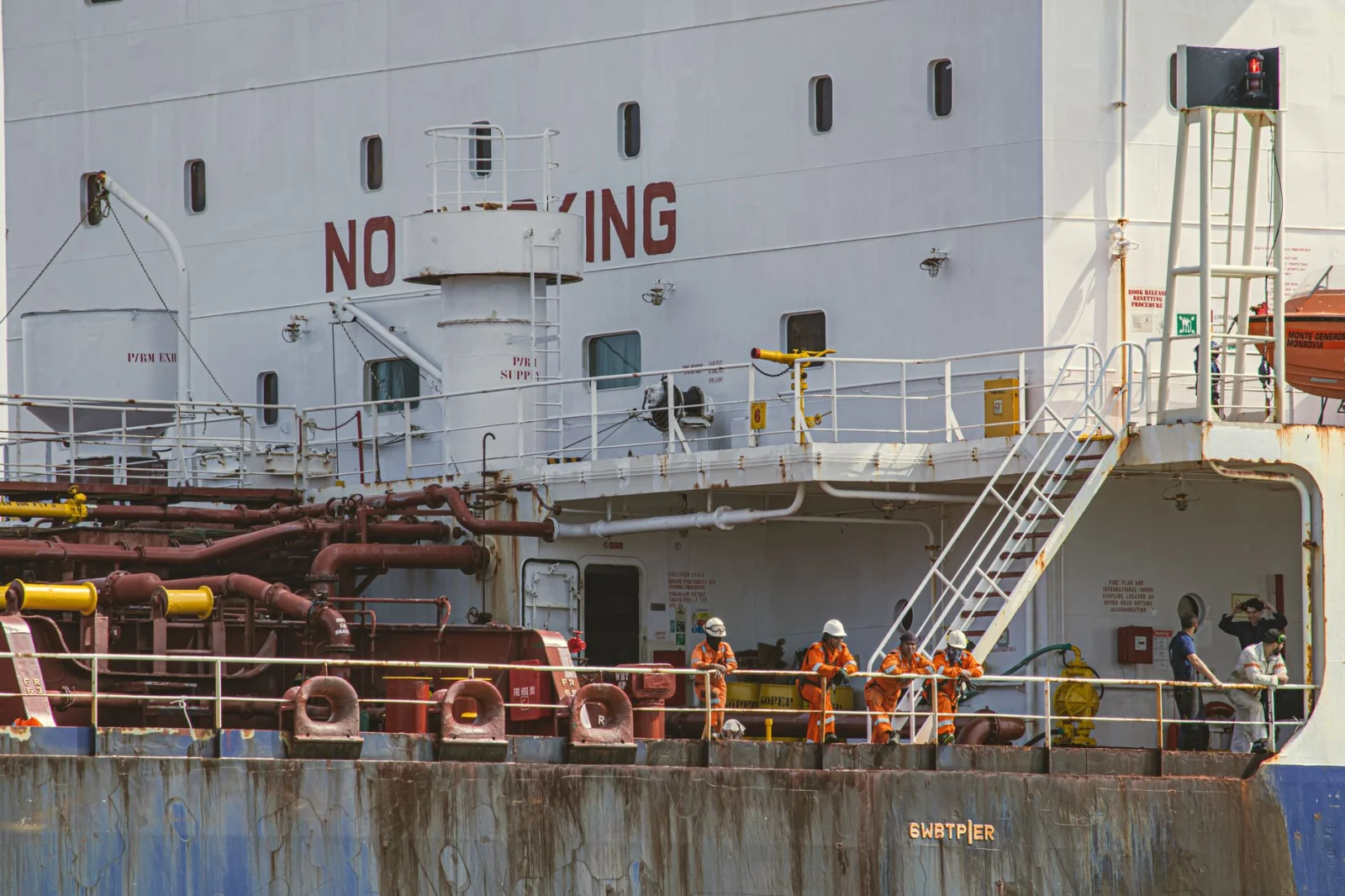
- Room and board included. Crew typically share a cabin, eat in a crew mess and have crew-only facilities such as a bar, gym and sometimes a pool.
- Flights usually paid to and from the ship for most crew, though terms vary by line and contract.
- Pay varies widely. Base salaries for entry-level roles are modest, and in tipped or commission roles (bar, dining, spa, retail, casino) a large share of earnings can depend on guests and sales. Lines rarely publish pay, so ask the recruiter for the exact package in writing.
1. Royal Caribbean International
Royal Caribbean is one of the world’s biggest cruise brands, and that scale is its main appeal for crew. More ships means more vacancies, more departments and more room to be promoted. Its newest Icon-class ships carry several thousand crew each; our guide to Royal Caribbean ships by age shows how varied the fleet is, from older, smaller ships to the latest mega-ships.
Contracts and benefits
- Contracts typically run around four to eight months depending on the role.
- Benefits reported for crew include accommodation, meals, medical care on board, crew gyms, free messaging-app Wi-Fi and cruise discounts for family.
- Royal Caribbean Group, which also owns Celebrity Cruises, hires through its official careers site and a network of approved recruitment partners in different countries.
Good fit for: first-time crew in hotel, food and beverage roles, and people who want a clear ladder to supervisor and manager jobs.
2. Disney Cruise Line
Disney is often named by crew as a good employer, partly because its contracts are shorter than average. Disney says contracts range from three to eight months, with most positions averaging four to six. The fleet is growing, with new ships added in recent years; see our list of Disney cruise ships from newest to oldest.
Contracts and benefits
- Benefits listed by Disney include a company-matched retirement savings plan after 90 days, complimentary theme park admission for you and your family, bi-weekly pay, medical coverage while on contract, training and recognition programmes.
- Most crew share a cabin and have access to a 24-hour crew gym, recreation room and dining areas.
- You apply through Disney Careers by choosing your country of residence; each country page lists available roles and Disney’s approved local recruitment partner.
Good fit for: people who enjoy guest interaction, youth activities and entertainment, and who are comfortable with Disney’s strict appearance and conduct standards.
3. MSC Cruises
MSC Cruises is a fast-growing, Swiss-based line with a strongly international crew and guests from across Europe and the Americas. It puts a lot of emphasis on training: MSC says it runs pre-embarkation hospitality training at schools in several countries, alongside onboard training and the mandatory STCW safety courses.
Contracts and benefits
- English is a primary requirement, assessed against the CEFR language framework; Italian, Spanish, German or French are a real advantage in guest-facing roles.
- Contracts are reported to be in the region of five to seven months, followed by around two months at home, though this varies by role.
- Crew benefits reported include shared accommodation and meals, crew bar and gym, medical care and free messaging Wi-Fi.
The quality of the guest experience on MSC varies quite a bit between ship classes, as our MSC ships ranked by guest reviews shows, and crew facilities tend to be better on newer ships too.
Good fit for: multilingual applicants, and people from countries where MSC runs training academies.
4. Cunard
Cunard operates four ships: Queen Mary 2, Queen Victoria, Queen Elizabeth and Queen Anne. It is run by Carnival UK, which also manages P&O Cruises, so recruitment goes through Carnival UK and its approved agencies. With a smaller fleet there are fewer vacancies, but the setting is formal and traditional, and transatlantic crossings on Queen Mary 2 are unique in the industry.
Contracts and benefits
- Contract lengths depend on the role; ask the recruiter for exact terms.
- Many roles ask for previous cruise, four- or five-star hotel or upscale restaurant experience, and some request qualifications such as WSET wine certificates or food safety awards.
- Carnival UK job adverts note that some compliance documents or training may initially be at your own cost, with some refundable once your first assignment starts. Cunard says its agencies never charge a fee to apply.
Good fit for: experienced hospitality professionals, especially in fine dining and wine service, who want a classic British luxury brand on their CV.
5. AIDA Cruises
AIDA is Germany’s biggest cruise line, sailing mainly for German-speaking guests. That makes it an excellent option if you speak German, and largely closed if you don’t: German is the language used with guests, and good English is needed because the crew is international.
Contracts and benefits
- AIDA says assignments usually last about three to six months, depending on the role and deployment area.
- EU citizens receive contracts under EU rules including social and health insurance, and after several successful assignments crew can move to a permanent contract.
- Benefits listed include single or shared cabins, free meals and drinks in the crew mess, uniforms cleaned free, crew pool, sauna, gym and bar, internet access, and travel paid for crew joining from outside Germany.
- The minimum age is 18, and tattoos and piercings are accepted.
Good fit for: German speakers, including career changers, as some entry roles don’t require formal training.
Cruise Ship Job Requirements: STCW, Medical and Visas
Whichever cruise line you choose, expect to need the following before you join a ship:
- A valid passport with plenty of validity left.
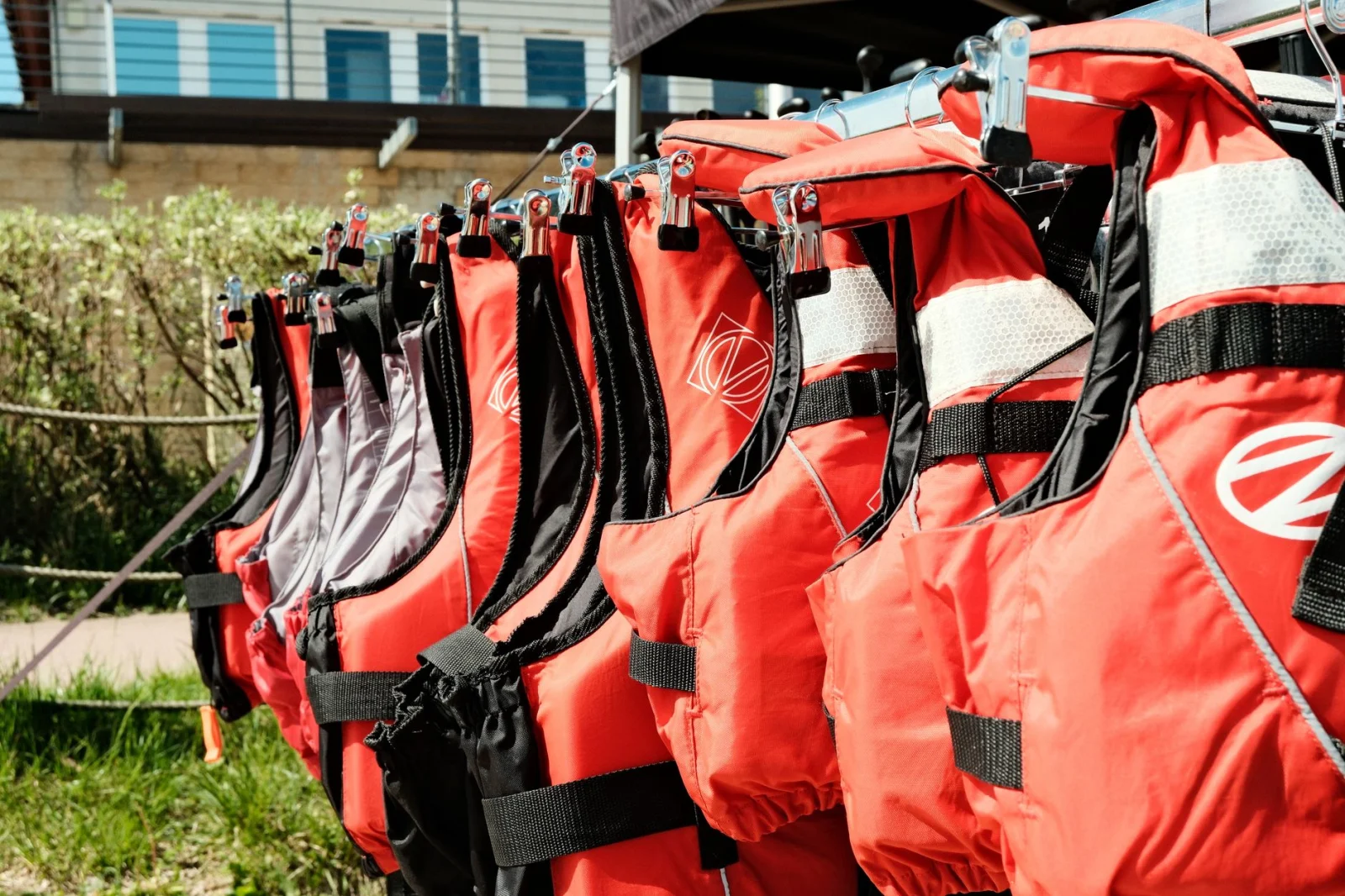
- STCW Basic Safety Training. This international certificate covers personal survival, fire prevention and firefighting, elementary first aid, and personal safety and social responsibility. Passenger ship crew also do crowd and crisis management training. Some lines arrange it after hiring, but applicants who already hold it are often preferred.
- A seafarer medical. You must pass a medical arranged by the line or hold a recognised certificate such as the UK ENG1. Germany has its own sea-fitness certificate for AIDA crew.
- The right visa. If your ship calls at U.S. ports and you are not a U.S. citizen or green card holder, you will usually need a C1/D crew visa, normally applied for after a job offer.
- A background check and, for some lines, a police clearance certificate.
Minimum age is usually 21 for many roles, though some lines (AIDA, for example) accept 18-year-olds.
How to Choose the Right Cruise Line for You
- Start with your languages. English-only speakers have the widest choice with Royal Caribbean, Disney and Cunard; German opens AIDA; other European languages help with MSC.
- Match your experience to the brand. Mass-market lines hire more entry-level staff; luxury and premium brands like Cunard usually want hotel or fine-dining experience.
- Think about contract length. Disney’s and AIDA’s shorter stints suit people who don’t want to be away for eight months.
- Compare the full package, not just base pay. Ask about tips or commission, flights, contract length, leave between contracts and medical cover.
- Read crew reviews critically. Sites like Glassdoor and Indeed carry crew reviews, but they mix shoreside and shipboard staff and change over time, so read recent shipboard reviews rather than relying on a headline score.
How to Apply (and Avoid Job Scams)
Apply only through the cruise line’s official careers website or the recruitment partners it lists for your country. Under the Maritime Labour Convention, seafarers should not be charged fees for recruitment or placement, so treat any “agent” demanding money for a guaranteed job with suspicion. Be wary of offers that arrive by WhatsApp or social media without an interview, and never pay to “reserve” a position. You may pay for your own medical, STCW course or visa in some cases, but those payments go to clinics, training centres or embassies, not to a recruiter.
Many of the well-known Carnival cruise directors started out in the Fun Squad or as performers before being promoted to run a ship’s entertainment.
If one of these employers appeals, our guide to how to get a job on a cruise ship covers the paperwork, typical pay and recruitment scams to watch for.
FAQs
Which cruise line is best to work for?
There’s no single best. Royal Caribbean offers the most vacancies and promotion paths, Disney has shorter contracts and strong benefits, MSC suits multilingual applicants, Cunard suits experienced luxury hospitality staff, and AIDA is ideal for German speakers.
How long are cruise ship contracts?
Most crew contracts last between about three and nine months depending on the line and role, followed by a break at home of roughly six to eight weeks.
Do cruise lines pay well?
It depends on the role. Entry-level base pay is modest, but food and accommodation are free, so many crew save most of what they earn. Tipped and commission roles, officers and specialists can earn considerably more.
Can I apply for jobs at Royal Caribbean online?
Yes. Royal Caribbean Group posts shipboard vacancies on its official careers website, and in many countries it also hires through approved recruitment partners.
Do I need STCW training to work on a cruise ship?
Most crew need STCW Basic Safety Training. Some lines provide it after you’re hired, but having it already can make your application stronger.