
Free: download our 2027 Luxury Cruise Calendar →
Cruising is meant to be a carefree way to explore the world, but increasingly sophisticated scams are putting unsuspecting travellers at risk.
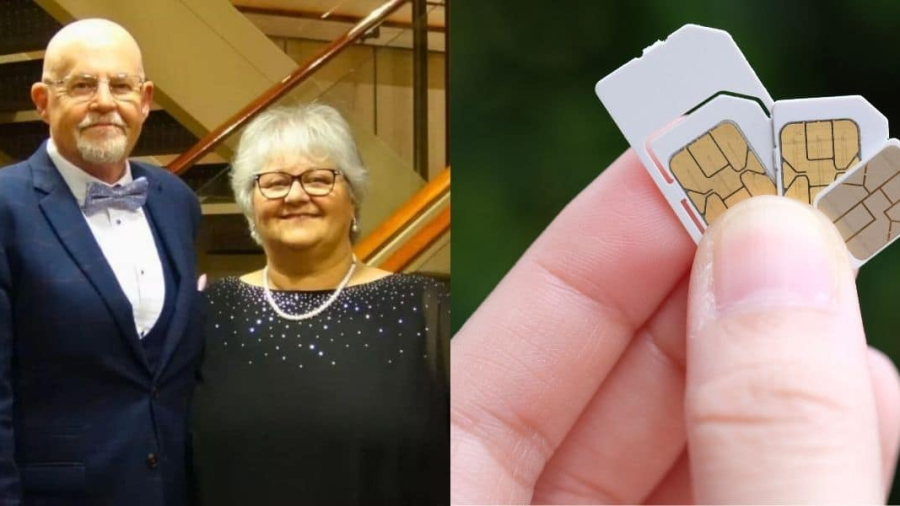
While regular cruisers often watch out for traditional pitfalls like dodgy booking adverts or taxi scams at ports, Stephen and Karen Ratchford recently experienced a frighteningly modern threat—SIM swapping.

How the Scam Unfolded
Stephen and Karen, from the UK, were enjoying their cruise aboard a P&O cruise ship in October 2024 when their dream holiday took an alarming turn during a port stop in Split, Croatia.
The couple quickly realised something was seriously wrong when they discovered their mobile phones had stopped working entirely, leaving them without access to their phone numbers.
SIM swapping is a cybercrime in which fraudsters gain control of victims’ phone numbers by transferring them onto new SIM cards. Once scammers have access, they can intercept text-based verification codes and gain entry to personal data, emails, and banking information.
In Stephen and Karen’s case, the criminals used this access to fraudulently take out loans and overdrafts, including a massive $32,492 (£25,000) loan from HSBC bank.
A Stressful Situation Abroad
Speaking to Grimsby Live, Stephen described the ordeal as “absolutely horrendous.” Stranded halfway around the world, the couple faced the stressful task of regaining control of their finances. Thankfully, the crew aboard the P&O vessel provided critical support, allowing the couple to use the ship’s phone to contact their banks and mobile service provider.

While the exact location of the SIM swap remains unknown, the incident highlighted the importance of being aware of such cybercrimes. Fortunately, once notified, the banks quickly cancelled all fraudulent loans and overdrafts. Additionally, their mobile provider, iD Mobile, provided a goodwill payment of $98 (£75) to compensate for the inconvenience.
Raising Awareness to Prevent Future Victims
Stephen is now committed to raising awareness about SIM swapping and advises fellow cruisers and travellers to strengthen their personal cybersecurity. He points out that two-factor authentication relying on SMS texts has significant vulnerabilities, urging people to use dedicated authentication apps instead. Stephen also suggests setting unique PINs with mobile providers, which helps prevent unauthorised SIM card changes.
Travellers are also advised to be cautious about what they post on social media, as cybercriminals often gather personal details online to bypass security questions required for SIM swapping.
How to Stay Safe
To minimise the risk, travellers should:
- Remain vigilant about their personal cybersecurity
- Limit personal information shared on social media
- Regularly update security measures, especially when abroad
- Use dedicated authentication apps for secure logins
- Set a unique PIN with their mobile provider to protect against unauthorised SIM changes
By following these steps, cruisers and holidaymakers can greatly reduce their vulnerability to cyber scams, ensuring their vacations remain the relaxing escapes they’re meant to be.
Related Reading


If you found this interesting, please share!
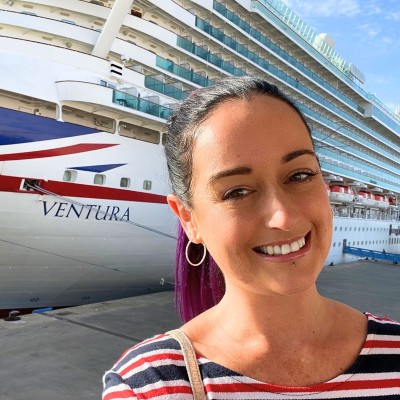
Jenni Fielding is the founder of Cruise Mummy. She has worked in the cruise industry since 2015 and has taken over 30 cruises. Now, she helps over 1 million people per month to plan their perfect cruise holidays.
Captain Kate McCue, everyone’s favourite cruise captain and social media sensation, has announced she’s swapping Celebrity Cruises for a brand-new adventure with luxury newcomer Four Seasons Yachts. Starting in January…

Fred. Olsen Cruise Lines has launched a new “Freedom Fare” package, designed to offer an all-inclusive cruising experience. This package simplifies holiday planning by including a wide range of amenities…
For many cruisers, exploring onboard shops, galleries, and art auctions is an integral part of the cruise experience. However, one family’s excitement quickly turned to disappointment during an art auction…
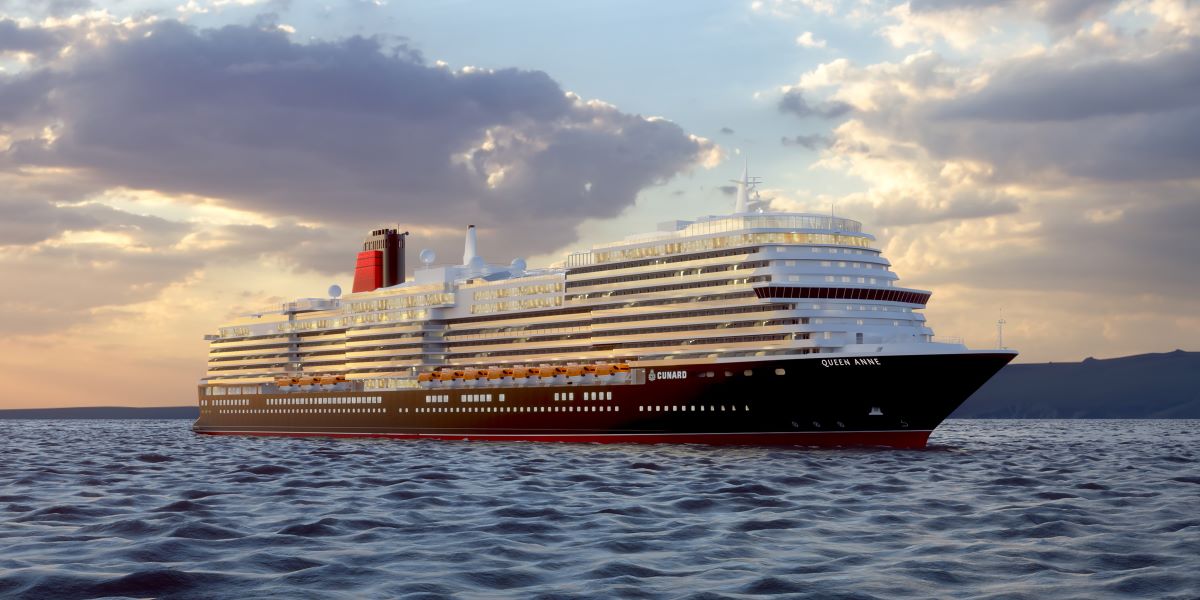
Passengers aboard Cunard’s newest ship, Queen Anne, received an unexpected announcement as the vessel navigated piracy-prone waters between Darwin, Australia, and Manila, Philippines, this weekend. Captain Inger Klein Thorhauge informed…