The easiest way to choose a cruise is to work in order: decide where you want to go and when, set a realistic total budget, then pick the cruise line whose style suits you, followed by the ship, the cabin and how you book. If you get the line and ship right, most other decisions fall into place. This guide on how to choose a cruise takes you through each step, with a quick table to match your travel style to a type of cruise line and a checklist of the extra costs that catch first-timers out.
Free: download our 2027 Luxury Cruise Calendar →
Step 1: Decide where you want to cruise
Start with the destination, because it narrows your options more than anything else. Some regions are served by lots of lines all year round. Others only run in short seasons and on a smaller choice of ships.
- Caribbean and Bahamas: These sail all year, mostly from Florida, Texas and Puerto Rico. There are lots of short three- to five-night trips, so they work well for a first cruise. From the UK you would usually fly out, although some lines also sail winter fly-cruises from Barbados.
- Mediterranean: The main season runs from spring to autumn. Days are full of ports, so you get a lot of sightseeing but less time to relax on board. UK passengers can often sail round trip from Southampton, or fly to Barcelona, Rome (Civitavecchia) or Athens (Piraeus).
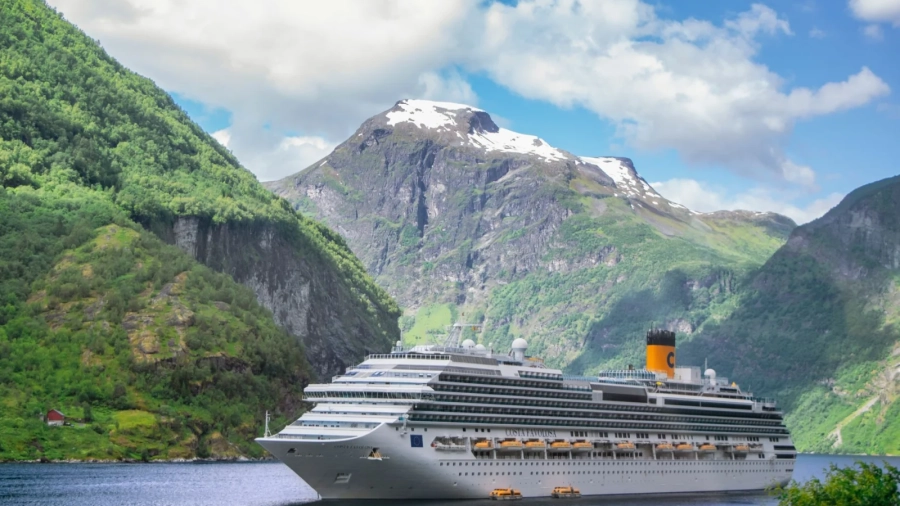
- Northern Europe and the Norwegian fjords: These are summer sailings from Southampton, Dover, Copenhagen and other ports. A fjords trip with no flights is popular with UK cruisers.
- Alaska: The season runs from roughly May to September, from Seattle, Vancouver or Seward. You go for the glaciers and wildlife, not the beaches.
- River cruises: These sail the Rhine, Danube, Douro and other rivers on small boats. You often dock right in the town centre, and there are no sea days.
- Expedition regions: These include Antarctica, the Arctic and the Galápagos. Seasons are short, ships are small and prices are high, and bad weather can change the plan.
Also decide how much you want sea days. Some people love them for the pools, spa and shows, while others get restless. Count the sea days on each itinerary before you commit.
Step 2: Choosing a cruise line that fits your style
Choosing a cruise line matters more than anything else on this list. Two ships in the same port can feel completely different. The usual way to sort the lines is into five broad styles. The table below is a quick decision tool. Lines change their products often, so treat the examples as typical rather than fixed.
| If you are… | Look at | Typical examples | What to expect |
|---|---|---|---|
| A family with kids or teens, or a first-timer on a budget | Mainstream | Royal Caribbean, Carnival, Norwegian, MSC, P&O Cruises | Big ships, waterslides and kids’ clubs, lively nightlife, a low starting fare with lots of paid extras |
| A couple wanting better food and a calmer feel without paying luxury prices | Premium | Celebrity, Princess, Holland America, Cunard, Virgin Voyages (adults only) | Stronger dining, more space per guest and longer itineraries. Some fares bundle drinks or wifi |
| Travellers who want most things included and a small, quiet ship | Luxury | Regent Seven Seas, Silversea, Seabourn, Oceania, Viking Ocean | Smaller ships with high staff-to-guest ratios. Fares often include drinks, tips and sometimes excursions. Far fewer activities for children |
| Culture lovers who dislike sea days and big crowds | River | Viking River, AmaWaterways, Avalon, Uniworld, Riviera | Around 100 to 200 guests, a port almost every day and guided tours usually included. Few facilities on board |
| Wildlife and adventure seekers | Expedition | Hurtigruten, Lindblad, Ponant, Quark, Silversea Expeditions | Zodiac landings, onboard experts and a flexible route. The ship is comfortable but not a resort |
Look past the brochure pictures and check the age range of guests and the dress code, and whether the line is known for families or for quiet adults. It is also worth checking which lines get the worst feedback. Our round-up of the worst cruise lines according to reviews shows the complaints that come up again and again, such as crowding, extra charges and service.
Step 3: Pick the right ship, big or small
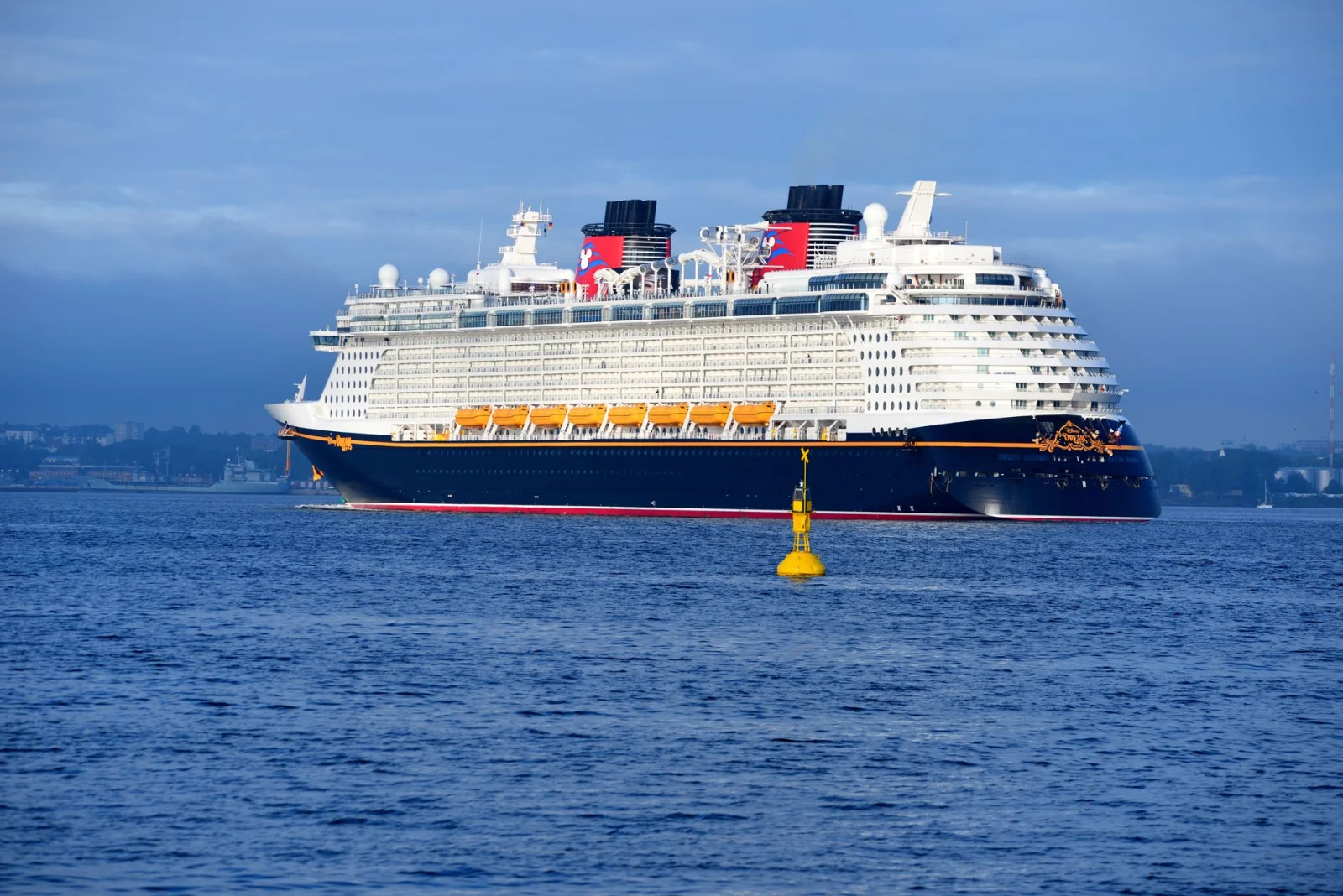
Within one line, ships can differ a lot by age and size. The newest mega-ships carry well over 5,000 guests and have themed areas, big shows and many restaurants. Older or smaller ships in the same fleet can feel more traditional, and they often visit ports the giants can’t reach.
- Choose a big ship if you want lots of things to do, dining options and entertainment, or you are travelling with children who need plenty to keep them busy.
- Choose a smaller ship if you dislike queues and want a more personal feel. Small ships can also visit smaller ports, and you may find tendering and getting off the ship quicker.
- Check the ship’s age and refit history. A recently updated older ship can be better value than paying top price for the newest one.
Step 4: Choose your dates and how far ahead to book
Your dates affect price, weather and how busy the ship is.
- School holidays: Fares and crowds peak in US summer break, spring break, Thanksgiving and Christmas, and in UK school holidays (summer, Easter and the October and February half-terms). If you can travel outside these times, you will usually pay less and share the ship with fewer children.
- Weather: The Atlantic hurricane season runs officially from 1 June to 30 November, and the peak risk is usually from late August to October. Ships reroute around storms, so you may miss a port, but the cruise is rarely cancelled. Mediterranean summers can be very hot, so May, June, September and October are often more comfortable.
- Booking window: For peak dates, suites, family cabins or connecting cabins, booking 9 to 18 months ahead gives you the best choice. The busiest sales period, known as “wave season”, runs roughly from January to March, when many lines offer perks such as onboard credit or bundled extras. Last-minute deals do exist, but they suit flexible travellers who aren’t fussy about cabin location.
For more on timing, see our guide to cruise deals for 2027 and when to book.
Step 5: Pick your cabin
Most lines sell four main cabin types: inside, oceanview, balcony and suite. Within each type, the location of the cabin matters as much as the type.
Which cabins are best?
- Prone to seasickness? Pick a cabin low down and in the middle of the ship, where you feel the least movement.
- Light sleeper? Avoid cabins directly above or below the theatre, nightclub, pool deck, galley or a self-service laundry. Check the deck plan for the decks above and below you as well as your own.
- Balcony worth it? A balcony is usually worth the extra on scenic routes such as Alaska, the fjords or a river. It matters less on a port-heavy Caribbean trip where you are ashore most days.
One cabin or two for a family?
A family of four squeezed into one standard cabin can feel cramped very quickly. Two connecting cabins, or an inside cabin for the children across the corridor from your balcony cabin, can cost about the same as one family suite and give you two bathrooms. Most lines ask that each cabin has at least one adult aged 21 or over (18 on some lines and in some regions), so check the rules before you book.
Choose your own cabin number or take a guarantee?
A “guarantee” fare means the line assigns your cabin. It is cheaper and you sometimes get a free upgrade, but you could end up under a noisy deck or with a restricted view. If location matters to you, pay to choose your exact cabin and check the deck plan first.
Step 6: Work out the real total cost
Many first cruise tips focus on the fare and stop there. Yet on a mainstream line the extras can add a third or more to your bill. Before you compare two cruises, put each one through this checklist. Prices change often, so treat these figures as rough guides and check them when you book.
- Gratuities: Most US-style lines add a daily service charge per guest. At the time of writing, Carnival charges about $17 a day in standard cabins, Princess and Holland America about $18, Royal Caribbean about $18.50 and Norwegian about $20 (more in suites). For two people on a seven-night trip, that comes to roughly $240 to $280. Many luxury lines include tips in the fare. Our guide on whether you should prepay gratuities on a cruise covers the pros and cons.
- Drinks: Unlimited alcohol packages on mainstream lines often cost somewhere around $60 to $110 per person per day, plus a service charge. Many lines also require both adults in a cabin to buy the package. If you drink little, paying per drink is usually cheaper.
- Wifi: Internet is much faster than it used to be, but it is often charged per device, per day. Some fares, such as Celebrity’s All Included, bundle basic wifi.
- Shore excursions: Ship-run tours often cost $80 to $200 or more per person at popular ports. Independent tours or simply exploring on foot can cost far less.
- Speciality dining: Steakhouses, sushi bars and chef’s tables usually charge a cover price or charge for each dish.
- Getting there: Flights, a hotel the night before (strongly recommended if you are flying in), port parking and transfers.
- Travel insurance: Get a policy with cover for cruises, including medical evacuation. This matters especially for anyone travelling from the UK, as normal home health cover doesn’t apply at sea.
A luxury or “all included” fare that looks expensive can work out close to a mainstream fare once you add these costs. Always compare total cost, not the fare alone.
Step 7: Decide who to book with
You can book direct with the cruise line, through an online travel agency or through a specialist cruise travel agent. The fare is often similar because lines control pricing, so the difference usually comes from perks and service.
- Direct: Booking direct is easy to manage online, and you get the line’s own offers.
- Specialist agent: An agent may add onboard credit, prepaid tips or a group rate. They can also help if something goes wrong, and many will watch for price drops for you.
- Online agencies and package sites: These are handy for comparing sailings and, in the UK, for package deals that include flights. Check that the booking is financially protected, for example by ATOL in the UK for packages with flights.
Whichever you choose, read the deposit, cancellation and final payment terms, and check whether the fare is refundable.
How to pick a cruise: a quick recap
- Choose the region and season.
- Match your style to a type of cruise line using the table above.
- Choose the ship by size, age and onboard features.
- Avoid peak school holidays if you can, and book early for popular cabins.
- Pick a cabin location that suits how you sleep and how easily you get seasick.
- Compare total cost, including tips, drinks, wifi and excursions.
- Book with someone who adds real value and offers clear protection.
FAQs
What is the best cruise line for a first-time cruiser?
No single line is best for everyone. Mainstream lines such as Royal Caribbean, Carnival or P&O Cruises suit families and first-timers who want lots to do. Premium lines such as Celebrity or Princess suit couples who want a calmer trip. A short three- to five-night sailing is a low-risk way to try cruising.
How far in advance should you book a cruise?
For school-holiday dates, suites or connecting cabins, book about 9 to 18 months ahead. If you are flexible on cabin and dates, you can find good last-minute fares, but the choice will be smaller.
Which cabin is best if you get seasick?
Choose a cabin on a lower deck in the middle of the ship. You feel the least movement there. A window or balcony also helps, because looking at the horizon can ease nausea.
How much extra should you budget on top of the cruise fare?
On mainstream lines, many passengers spend roughly 25% to 50% of the fare again on gratuities, drinks, wifi, excursions and speciality dining. On luxury lines that include most of these, the extra spend is usually much lower.
Is a big or small cruise ship better?
Big ships offer more activities, dining and entertainment, so they suit families and groups. Small ships feel more personal, have shorter queues and can reach smaller ports, so they suit travellers who care most about the places they visit.