
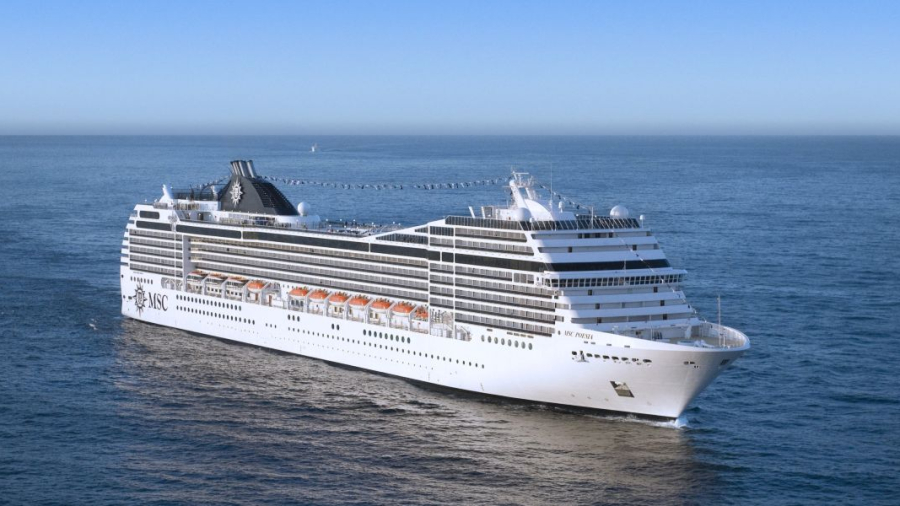
MSC Cruises has introduced a new Digital Remote Check-In solution at Seattle-Tacoma International Airport, enabling passengers to complete cruise formalities before reaching the terminal. The technology, launched during MSC Poesia’s inaugural Alaska season, allows guests using the line’s official airport transfers to bypass traditional check-in queues and proceed directly to boarding.
Revolutionary Technology Transforms Traditional Port Procedures
The innovative system represents a significant departure from conventional cruise embarkation processes that have remained largely unchanged for decades. By relocating check-in procedures from the cruise terminal to the airport, MSC Cruises is addressing one of the most common pain points in the cruise experience – the often lengthy wait times at the port before passengers can board their vessel.
Guests travelling on MSC Cruises’ official airport transfer services now complete all necessary documentation and verification steps at Seattle-Tacoma International Airport itself. This advance processing eliminates the need for passengers to queue at check-in desks upon arrival at the cruise terminal, fundamentally changing the flow of the embarkation day.
Direct-To-Boarding Experience Enhances Guest Satisfaction
According to the company’s official announcement, passengers who utilise the Digital Remote Check-In service can proceed straight to security screening and boarding upon arrival at the cruise terminal. This streamlined approach significantly reduces the time between arriving at the port and stepping aboard the ship, allowing guests to begin their holiday experience considerably earlier than under traditional embarkation protocols.
The technology effectively separates the administrative aspects of cruise check-in from the physical boarding process. By handling document verification, identification checks, and other formalities at the airport, the terminal experience becomes focused purely on security screening and the actual boarding procedure itself.
This represents a notable improvement in operational efficiency for both the cruise line and its passengers. For guests, it means less time standing in queues and more time enjoying onboard amenities from the moment they arrive at the terminal.
MSC Poesia Alaska Season Serves As Testing Ground
The Digital Remote Check-In solution made its debut during MSC Poesia’s inaugural Alaska season operating from Seattle. The timing of this launch demonstrates MSC Cruises’ strategy of introducing new guest-facing technology in key markets where the cruise line is expanding its presence and building brand recognition.
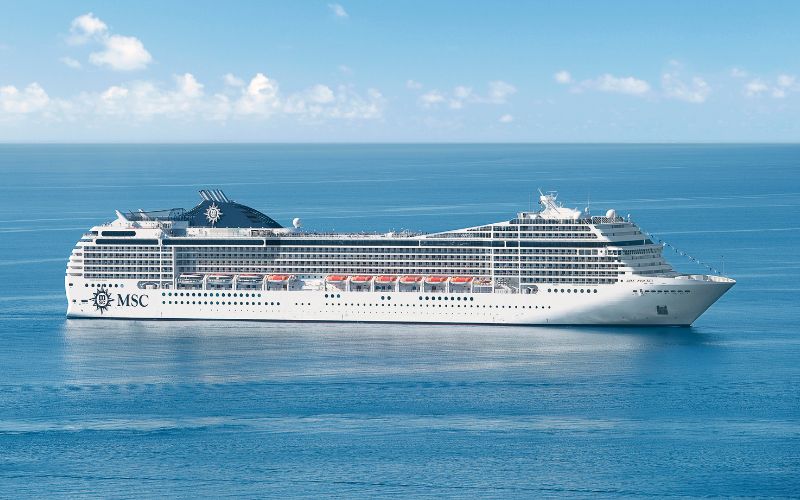
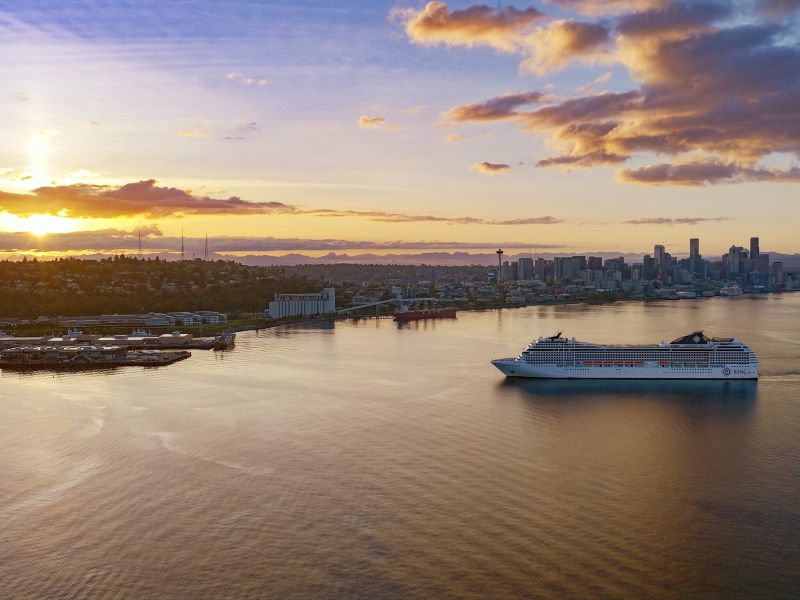
MSC Poesia represents the company’s first vessel to offer a full season of Alaska cruises from Seattle, marking an important milestone in MSC’s North American growth strategy. The ship operates seven-night roundtrip voyages from the Pacific Northwest port, visiting popular Alaska destinations including Ketchikan, Juneau, Skagway, and Victoria, British Columbia.
By pairing the launch of new technology with the inaugural season of a vessel in a key market, MSC Cruises creates a differentiated experience that sets the ship apart from competitors operating in the crowded Alaska cruise market. The Digital Remote Check-In becomes a unique selling point that may influence booking decisions among passengers comparing various cruise options.
Expansion Plans Target Multiple Guest Touch Points
MSC Cruises has confirmed that the Digital Remote Check-In solution will extend beyond airport arrivals to encompass hotels and other selected locations where guests begin their cruise journeys. This broader implementation strategy suggests the technology platform has been designed with flexibility and scalability in mind from the outset.
The expansion to hotels is particularly significant, as many cruise passengers spend one or more nights in the departure city before their cruise. By enabling check-in at hotel locations, MSC can capture guests even earlier in their journey and further reduce congestion at the cruise terminal itself.
Other selected locations could potentially include downtown visitor centres, railway stations, or dedicated pre-cruise facilities. The company’s announcement left the specific locations unidentified, suggesting plans remain under development for various markets based on local infrastructure and passenger flow patterns.
Global Rollout Strategy Follows Seattle Success
Following the Seattle launch, MSC Cruises announced plans to progressively implement Digital Remote Check-In across additional ports throughout its global network. This phased approach allows the company to refine the technology and operational procedures based on real-world experience before expanding to other markets.
The cruise line operates from dozens of homeports worldwide, spanning Europe, the Caribbean, South America, Asia, and the Middle East. A global rollout of remote check-in technology represents a substantial operational undertaking requiring coordination with airport authorities, port facilities, ground transportation providers, and local regulatory bodies in numerous jurisdictions.
Different markets may present unique challenges based on local infrastructure, security requirements, and regulatory frameworks. The progressive rollout strategy enables MSC to adapt the solution to regional variations whilst maintaining a consistent core experience for guests regardless of departure port.
Technology Investment Aligns With Industry Trends
The Digital Remote Check-In initiative underscores MSC Cruises’ commitment to leveraging smart technology to enhance the guest experience, according to the company’s official statement. This investment aligns with broader industry trends seeing cruise lines increasingly adopt digital solutions to streamline operations and improve passenger satisfaction.
Cruise lines across the industry have invested heavily in mobile applications, digital key cards, wearable payment devices, and other technologies designed to reduce friction points throughout the guest journey. MSC’s remote check-in solution represents the next evolution of this trend, extending digital convenience to the pre-embarkation phase of the cruise experience.
The integration of operations mentioned by MSC suggests the Digital Remote Check-In system connects with the company’s broader suite of digital tools and backend systems. This integration enables real-time data sharing between airport check-in points, ground transportation, and the cruise terminal, ensuring all parties have current information about guest status and location.
Operational Efficiency Gains Benefit Multiple Stakeholders
MSC Cruises stated that the remote check-in solution will strengthen efficiency, accuracy, and the overall quality of the guest experience. These benefits extend beyond passengers to encompass the cruise line’s operations and the broader port ecosystem.
For terminal operations, pre-processing guests at remote locations reduces crowding in embarkation halls and allows more predictable passenger flow throughout the boarding period. This can lead to reduced staffing requirements at check-in desks, with personnel redeployed to other guest service functions or eliminated from the cost structure entirely.
Enhanced accuracy results from conducting document verification and check-in procedures in controlled airport environments rather than crowded terminal settings where mistakes are more likely to occur. Digital systems also reduce manual data entry errors and ensure information collected at check-in accurately populates shipboard systems.
Port authorities benefit from reduced congestion around cruise terminals, particularly important in urban ports where cruise facilities share infrastructure with other maritime operations. Smoother embarkation processes also reduce the risk of sailing delays caused by late-boarding passengers.
Competitive Positioning In North American Market
The launch of Digital Remote Check-In in Seattle carries particular significance given MSC Cruises’ relatively recent expansion into the North American market. The Swiss-based cruise line has invested substantially in building brand awareness among North American passengers, who represent the world’s largest source market for cruise travel.
Innovative guest-facing technology provides MSC with a competitive differentiator in a market dominated by established North American cruise brands with decades of local presence and strong customer loyalty. By offering conveniences unavailable on competitor vessels, MSC can attract passengers willing to try a less familiar cruise line in exchange for enhanced experiences.
The Alaska market specifically attracts a high proportion of first-time and occasional cruisers drawn by the destination rather than particular cruise brands. These passengers may prove more receptive to trying MSC Cruises if the embarkation experience demonstrates clear advantages over alternative options, potentially leading to repeat bookings on the company’s vessels in other markets.
NEW DEALS JUST RELEASED!
Don’t miss the latest MSC Cruises offers…
Related Posts
If you found this interesting, please share!


A new residential cruise line has launched reservations for continuous world voyages that welcome cats and dogs on board, marking a first in the growing sector of permanent ocean living….
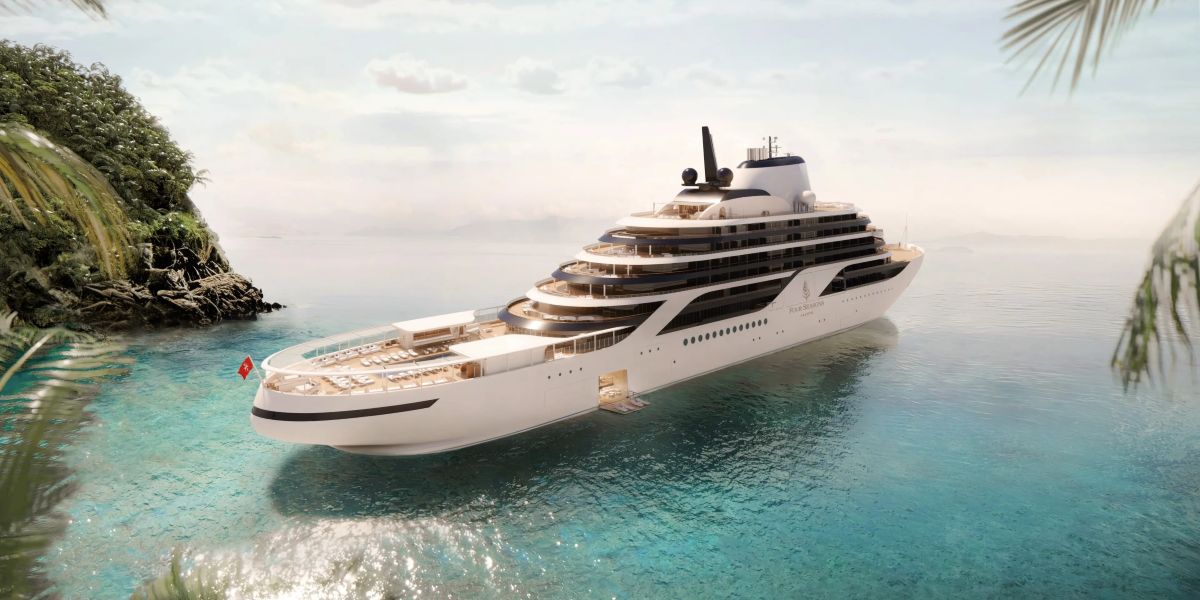
Italian shipbuilder Fincantieri has secured a contract with Marc-Henry Cruise Holdings to construct a third ultra-luxury vessel for Four Seasons Yachts, with delivery scheduled for 2031. The order marks continued…
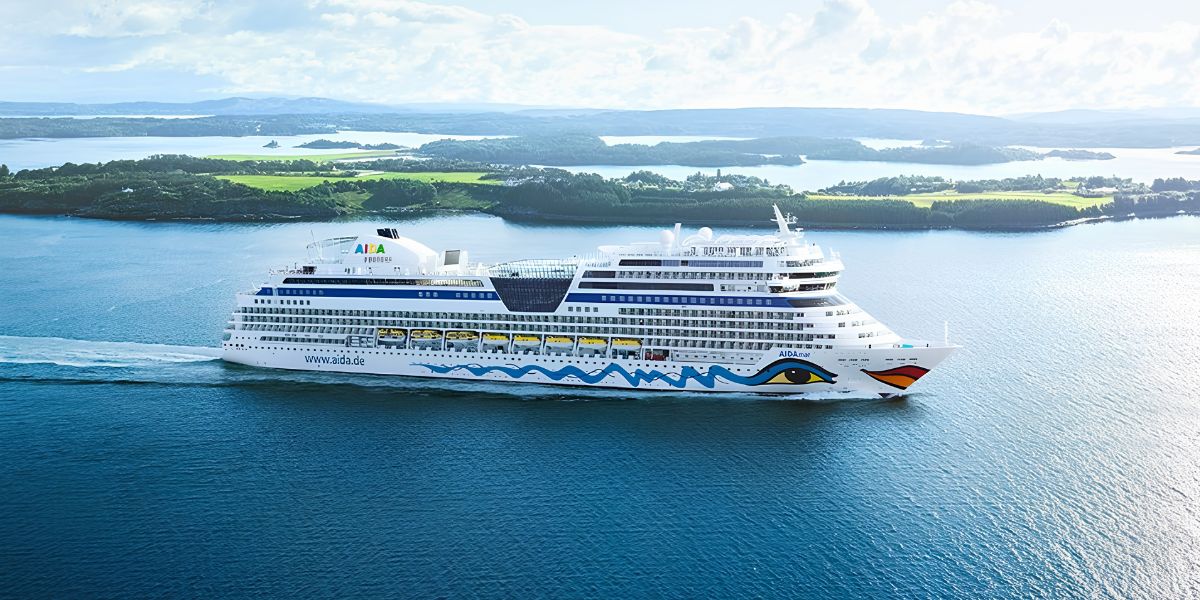
AIDA Cruises has completed an innovative “shipyard experience” cruise that allowed passengers to remain aboard the AIDAmar whilst the vessel underwent routine maintenance and inspections in Rotterdam. The German cruise…

Holland America Line has announced exciting upgrades to the Oosterdam. Its newly renovated Oosterdam will debut with 30 purpose-built solo cabins when it emerges from dry dock in December 2027….
Source link