
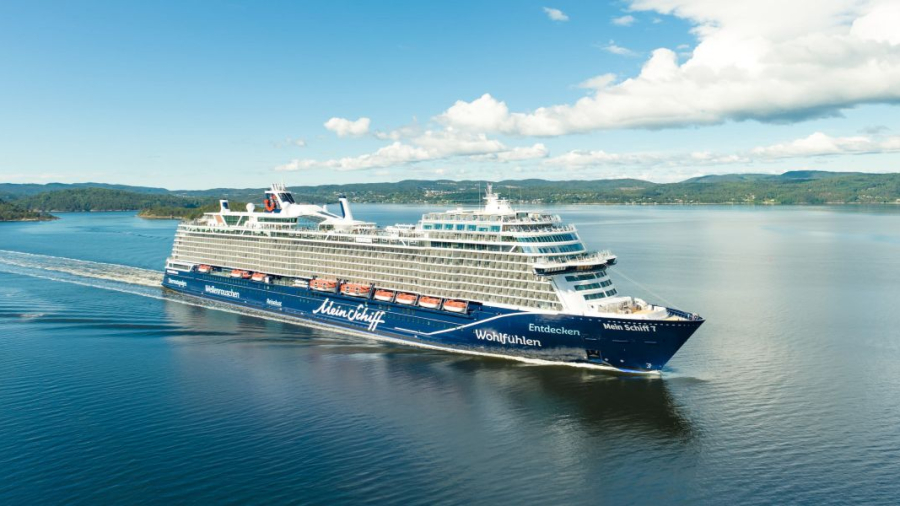
TUI Cruises has begun trialling a paid reservation system for premium theatre seats aboard Mein Schiff 7, marking a potential shift in how cruise lines manage main show seating. For a fee of €14.50–15 per person (approximately $16.50–17 USD), guests can reserve front row seats or other unobstructed views for production shows, though standard seating remains complimentary.

The programme is currently exclusive to Mein Schiff 7, which accommodates 2,534 guests at double occupancy. The ship’s three-storey main theatre seats approximately 1,000 guests, meaning even with multiple showtimes, the venue cannot accommodate every passenger simultaneously.
According to German cruise publication Kreuzfahrt Terminal, the trial represents a test project rather than a fleetwide policy change. TUI Cruises has not issued an official announcement regarding the surcharge, and the option does not yet appear on the cruise line’s official website.
The limited rollout suggests the cruise line is evaluating passenger response and revenue potential before deciding whether to expand the programme to other vessels in the fleet.
Two Premium Seating Options Available To Guests
Passengers aboard Mein Schiff 7 can choose between two distinct reservation tiers. “Showtime Front Row” guarantees a central front row seat, providing the closest possible view of performances.
The second option, “Showtime Plus,” offers an unobstructed view from a location elsewhere in the theatre, though not in the front row.
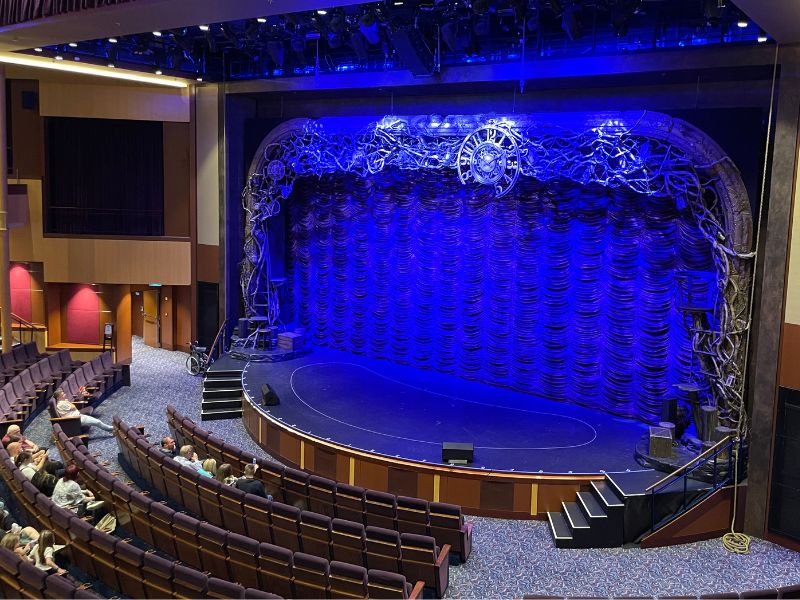
Both reservation categories include a complimentary glass of champagne or cocktail as an added benefit. This beverage inclusion helps position the surcharge as a premium experience rather than simply a seat selection fee.
The pricing structure remains consistent regardless of which show passengers wish to attend, though this could change based on feedback from the trial period. Other cruise lines that charge for premium experiences often adjust pricing based on demand, time of day, or popularity of specific offerings.
Theatre Productions Remain Free For Standard Seating
It is important to note that production shows aboard Mein Schiff 7 continue to be complimentary for all guests. The surcharge applies exclusively to the reserved premium seats, with the majority of theatre seating still available at no additional cost on a first-come, first-served basis.
This approach maintains the traditional cruise model where entertainment is included in the fare whilst creating a new revenue stream from passengers willing to pay for guaranteed premium positioning. The strategy mirrors practices already common in land-based theatres and concert venues, where better seats command higher prices.
Guests who prefer not to pay can still attend any production show by arriving early enough to secure unreserved seating. The reservation system simply provides an alternative for those who value convenience and optimal sightlines enough to pay a premium.
Addressing The Persistent Problem Of Seat Saving
One significant motivation behind the new reservation system appears to be reducing seat saving, a behaviour cruise passengers consistently rank amongst the most frustrating aspects of shipboard life. Seat saving occurs when guests arrive early to claim multiple seats for their party using towels, programmes, or personal items, then leave the theatre until shortly before showtime.
This practice creates tension amongst passengers and can leave latecomers standing even when seats appear available. Theatre staff must navigate the awkward task of determining which saved seats represent genuine early arrivals versus excessive holds.

By offering a paid reservation option, TUI Cruises may discourage seat saving amongst those willing to pay for guaranteed premium placement. If passengers can secure their preferred seats through an official channel, the incentive to save seats informally diminishes.
Whether this will meaningfully reduce the behaviour remains to be seen, but addressing passenger frustrations whilst generating revenue presents an appealing dual benefit.
TUI Cruises Fleet And Passenger Demographics
TUI Cruises operates as a joint venture between TUI AG and Royal Caribbean Group, positioning itself in the German-speaking cruise market with a focus on contemporary, relaxed luxury. The cruise line’s fleet serves primarily German-speaking passengers, with announcements, entertainment, and dining all tailored to this demographic.
Mein Schiff 7, delivered in 2024, represents one of the newest vessels in the TUI Cruises fleet. The ship features the cruise line’s signature “Mein Schiff” design philosophy, which emphasises spacious public areas, diverse dining venues, and extensive wellness facilities alongside traditional cruise entertainment.
The choice to trial the paid seating programme aboard one of the fleet’s newest ships makes strategic sense. Mein Schiff 7’s passengers may be more receptive to premium offerings and willing to experiment with new services.
Additionally, newer ships often serve as testing grounds for innovations that may later spread throughout a fleet. The German cruise market has shown increasing sophistication in recent years, with passengers demonstrating willingness to pay for enhanced experiences.
This cultural context may make TUI Cruises’ passenger base particularly suitable for trialling premium seating options.
Comparison With Reservation Systems On Other Cruise Lines
Several major cruise lines already offer reservation systems for show seating, though these typically operate differently from TUI Cruises’ paid model. Royal Caribbean International and Norwegian Cruise Line both provide complimentary advance reservations for main theatre productions through their respective mobile applications and guest services desks.
However, these free reservation systems do not guarantee specific seats or sightlines. Instead, they ensure access to the theatre within a designated boarding window, typically 15–30 minutes before showtime.
Reserved guests receive priority entry over standby passengers but must still select from available seats upon arrival. Standby guests can queue before performances and are generally admitted 10–20 minutes prior to showtime if capacity remains.
In practice, standby passengers can usually secure seats for most performances, though popular shows and prime showtimes occasionally fill completely.
The key distinction in TUI Cruises’ approach is charging for genuinely premium positioning – front row or unobstructed views – rather than simply managing crowd flow. This represents a more significant philosophical shift toward monetising theatre experiences beyond the base cruise fare.
Broader Trend Toward Premium Area Charges
The potential expansion of paid theatre seating fits within a broader industry trend toward charging for premium spaces and experiences. Many cruise lines already monetise select areas that were once complimentary or have introduced new premium spaces with associated fees.
Norwegian Cruise Line’s Vibe Beach Club, an adults-only sunbathing area on many ships, requires either a daily fee or inclusion in higher-tier fare categories. Thermal suite access in spa areas commands daily or weekly charges across numerous cruise lines, including Carnival Corporation brands and Norwegian Cruise Line Holdings vessels.
Premium poolside cabanas have become standard revenue generators, with pricing ranging from $50 to several hundred dollars per day depending on cruise line, ship, and itinerary. These private spaces offer seating, shade, beverage service, and sometimes food delivery, transforming previously open deck space into bookable real estate.
Some cruise lines have introduced paid priority boarding, paid embarkation day lunch access, and charges for previously complimentary speciality coffee. The steady expansion of à la carte pricing allows cruise lines to advertise lower base fares whilst generating substantial revenue from onboard purchases and upgrades.
If TUI Cruises’ theatre seating trial proves successful financially and receives acceptable passenger feedback, other cruise lines may view it as validation for similar programmes. The precedent of paid premium positioning could extend beyond theatres to other entertainment venues, dining rooms with particularly desirable tables, or observation lounges with optimal viewing positions.
What Success Might Look Like For TUI Cruises
The cruise line will likely evaluate multiple metrics when determining whether to expand the paid seating programme. Revenue generation provides the most obvious measure – if a significant percentage of passengers purchase premium seats consistently, the financial case for expansion strengthens considerably.
Equally important will be passenger sentiment data. TUI Cruises will monitor feedback through post-cruise surveys, social media commentary, and direct guest communications.
If paying passengers express high satisfaction whilst non-paying guests do not report increased frustration, the programme may be deemed successful. Operational considerations also matter.
Does the reservation system create additional work for theatre staff, guest services, or other crew members? Can the technology integrate smoothly with existing booking systems? These practical questions influence whether a trial programme can scale fleetwide.
The cruise line may adjust pricing based on initial results. If premium seats sell out consistently well in advance, higher pricing could be tested. Conversely, if uptake remains modest, promotional pricing or bundling with other amenities might improve appeal.
Variable pricing by show popularity or time of performance represents another potential refinement. Different drink options, additional amenities such as reserved parking for mobility devices, or expansion to multiple seating tiers could emerge from passenger feedback.
The trial period provides valuable data to optimise any future rollout.
Future Implications For Cruise Theatre Entertainment
Should paid premium theatre seating become standard across cruise lines, the nature of shipboard entertainment experiences could shift meaningfully. Passengers might approach show planning more like shore excursions – budgeting for desired upgrades and booking well in advance for popular performances.
This could improve the experience for guests willing to pay by eliminating the need to queue or arrive extremely early. It might also reduce crowding and stress in theatre lobbies before showtime, creating a calmer embarkation process.
However, it could also create a two-tier system where the best views become exclusive to those paying supplements. Families on tight budgets or passengers who have already paid substantial cruise fares might resent additional charges for experiences traditionally included in the cruise price.
The success or failure of TUI Cruises’ trial will be watched closely throughout the industry. For now, the programme remains limited to Mein Schiff 7, with production shows continuing to be complimentary entertainment for all guests willing to accept unreserved seating.
Whether this represents the future of cruise theatre experiences or merely a short-lived experiment remains to be determined.
TODAY’S BEST CRUISE DEALS!
Don’t miss these offers…
Related Posts
If you found this interesting, please share!


Carnival Cruise Line has cancelled nine sailings aboard the Carnival Jubilee between August and December 2027, citing revised operational plans. The affected voyages were scheduled to depart from Galveston, offering…

Viking has announced the names of its next two ocean-going vessels, revealing that the 998-passenger Viking Leda and Viking Vega will join the company’s expanding fleet in late 2028 and…
A German couple has launched legal action against AIDA Cruises seeking a substantial refund after discovering the nudist area aboard AIDAdiva had been dramatically reduced during their 128-day world cruise….

A river cruise on the Danube was dramatically interrupted in the early hours of Friday, 24th July 2026, after the river cruise ship Anna Katharina crashed into a quay wall…
Source link