A collapsed wall at the iconic Port of Fira has forced authorities to redirect all cruise ship shore excursions to Santorini’s alternative ferry port, fundamentally changing how more than 1.2 million annual cruise visitors access the island.
The closure of the famous Karavolades Stairs – which connect the old port to the clifftop capital – came after a private wall bordering the stepped pathway gave way on 27th July 2026.
The structural failure occurred in the early morning hours of Monday, 27th July 2026, when a private wall adjacent to the Karavolades Stairs collapsed onto the historic stepped road.
This pathway has served as one of the primary connections between the Bay of Fira’s old port and the island’s clifftop capital for decades, used by pedestrians, donkey riders, and cruise passengers alike.
Following an assessment of the damage and surrounding infrastructure, Mayor of Thira Anastasios Nikolaos Zorzos made the decision to close the entire stepped road to all traffic.
The closure affects foot traffic, the famous donkey rides that have become synonymous with Santorini tourism, and any other movement along this critical route.
All Cruise Shore Tours Redirected To Athinios Port
George Nomikos, president of the Municipal Port Fund of Thira, announced on Tuesday, 28th July that all cruise ship operations would be fundamentally restructured.
According to local media outlet Atlantea, cruise vessels must now embark and disembark all guests participating in organised shore excursions exclusively from the port of Athinios rather than the traditional Port of Fira.
“All disembarkation and boarding of cruise visitors participating in organised excursions will take place entirely from the port of Athinios, regardless of the percentage they represent in the total number of passengers on each cruise ship,” the directive stated.
This represents a complete reversal of policies implemented just two months earlier.
The decision represents a significant operational shift for cruise lines operating in the region. Athinios serves as Santorini’s main ferry port and is located approximately 2.2 miles south of the Port of Fira, requiring a drive of 20 to 25 minutes between the two locations depending on traffic conditions.
Recent Policy Reversal Adds Complexity To Situation
The timing of this closure creates additional complications given recent policy changes. Just two months before the wall collapse, the Municipal Port Fund had implemented new regulations requiring up to 70 per cent of cruise guests to disembark at the old port at Fira, with no more than 30 per cent arriving through Athinios.
That policy was designed to manage overtourism concerns whilst preserving access to Fira’s iconic cable car and the charming stepped pathways that have made Santorini one of the Mediterranean’s most photographed destinations.
The wall collapse has now forced authorities to completely abandon that approach, at least temporarily.
The rapid policy shift underscores the delicate balance Santorini must maintain between preserving its infrastructure, managing massive cruise tourism numbers, and providing quality experiences for visitors.
The island has long grappled with overtourism concerns, particularly during peak summer months when multiple large cruise ships can arrive simultaneously.
Cable Car Operations Continue Amidst Access Limitations
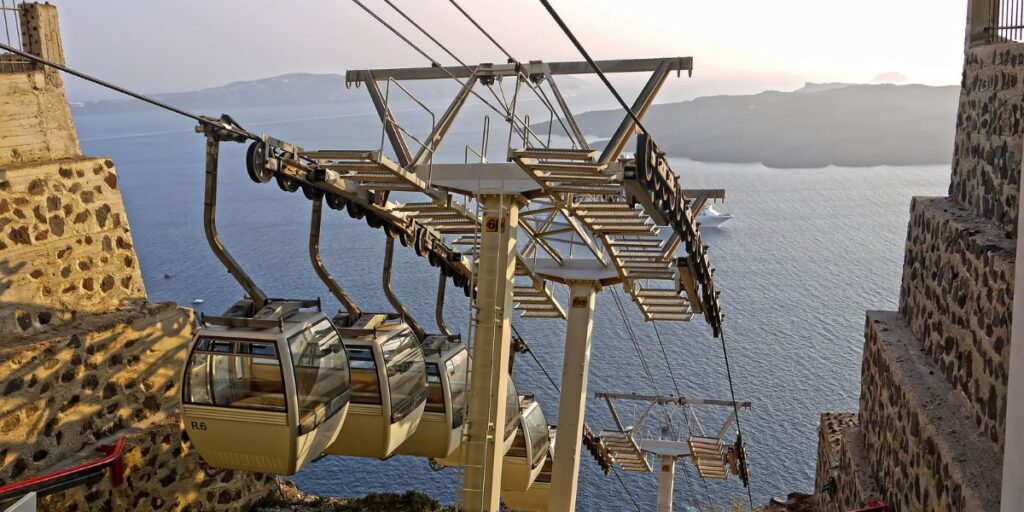
Santorini’s famous cable car system continues to operate despite the road closure.
The cable car, which ranks among the most renowned aerial tramways in the world, provides a three-minute journey from the base of the cliffs to the top, offering spectacular panoramic views of the caldera, volcanic islands, and the Aegean Sea.
The cable car system has long served as a popular alternative to the stepped pathway and donkey rides, particularly for guests with mobility concerns or those seeking a faster, more comfortable ascent.
A one-way journey delivers passengers from sea level to the clifftop community in just three minutes, compared to the significantly longer walk or donkey ride.
However, capacity constraints may prevent the cable car from serving as the primary solution for all cruise passengers.
Whilst the system remains operational, local authorities appear concerned that relying entirely on the cable car could compromise the experience for other visitors, including independent travellers, hotel guests, and residents.
At this time, it remains unclear whether cruise ships will continue to offer tender service to the Port of Fira for guests not participating in organised tours.
Individual cruise lines may make their own determinations based on their vessel capacity, operational requirements, and ability to manage passenger flow.
Impact On Santorini’s Massive Cruise Tourism Industry
Santorini stands as one of the most popular cruise ship destinations in Greece and the broader Mediterranean region, welcoming more than 1.2 million cruise guests annually.
The island’s dramatic volcanic cliffs, whitewashed buildings with blue-domed churches, spectacular sunsets, and unique geological features make it a must-see port of call for Mediterranean itineraries.
The island’s popularity has grown exponentially over the past two decades as cruise tourism has expanded globally.
However, this growth has brought significant challenges, including infrastructure strain, environmental concerns, and tensions between tourism development and quality of life for year-round residents.
The current situation with the wall collapse and subsequent access restrictions highlights the vulnerability of Santorini’s tourism infrastructure.
The island’s dramatic topography – whilst visually stunning – creates logistical challenges for moving large numbers of visitors between sea-level ports and clifftop communities.
Major Cruise Lines Face Operational Adjustments
In the coming weeks alone, vessels from numerous major cruise lines are scheduled to call at Santorini, including Royal Caribbean, Oceania Cruises, Azamara Cruises, Princess Cruises, Norwegian Cruise Line, MSC Cruises, Celebrity Cruises, and TUI Cruises, amongst others.
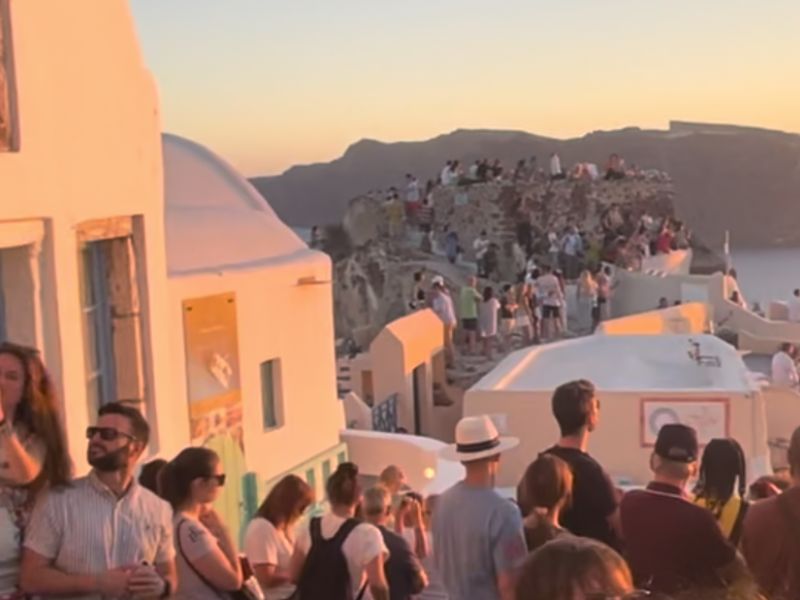
Each of these operators will need to adjust their shore excursion programmes and passenger handling procedures to accommodate the new requirements.
The shift to Athinios presents several operational challenges for cruise lines.
The ferry port, whilst functional and equipped to handle passenger traffic, can become significantly more crowded than the old port at Fira, particularly when multiple ferries and cruise tenders arrive simultaneously.
Public buses and taxis operate between Athinios and Fira, but coordinating transportation for hundreds or thousands of cruise passengers requires careful planning and logistics.
Cruise lines invest substantial resources in shore excursion planning, including pre-arranged transportation, tour guides, restaurant reservations, and timed access to popular attractions.
The sudden shift from Fira to Athinios as the embarkation point requires reworking these carefully planned itineraries, potentially affecting timing, routing, and the overall guest experience.
To date, no cruise line has announced plans to remove Santorini from scheduled itineraries due to these access changes.
However, cruise industry observers note that such decisions may still be forthcoming as operators evaluate their options and determine whether they can provide the quality experience their guests expect.
Historical Context Of Santorini’s Tourism Infrastructure
Santorini’s current tourism infrastructure evolved over decades to accommodate growing visitor numbers whilst working within the constraints of the island’s unique volcanic geography.
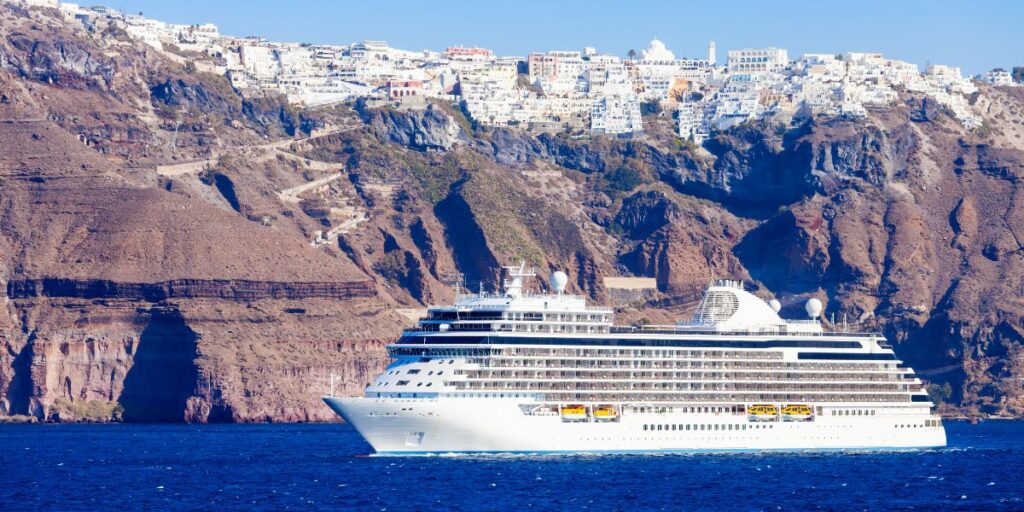
The Port of Fira, also known as the old port, sits at the base of towering cliffs formed by one of history’s most powerful volcanic eruptions approximately 3,600 years ago.
The Karavolades Stairs – now closed due to the wall collapse – represent one of the traditional pathways carved into the cliffsides generations ago.
These stepped roads were originally the primary means of transporting goods and people between the port and clifftop communities before modern infrastructure developments.
The famous donkey rides along these steps became iconic symbols of Santorini tourism, though they have also generated controversy regarding animal welfare in recent years.
The closure of the stepped road eliminates this option entirely for the time being, removing what had been a traditional – if sometimes controversial – element of the Santorini cruise experience.
The cable car system was introduced as a modern solution to the transportation challenge, providing rapid, comfortable access whilst reducing the physical demands on both visitors and working animals.
However, it was never intended to serve as the sole means of transporting the massive numbers of cruise passengers who visit during peak season.
Future Implications And Potential Long-Term Changes
The duration of the stepped road closure remains uncertain, pending assessment of the structural damage and determination of repair requirements.
Private wall collapses can involve complex legal and financial questions regarding responsibility for repairs, particularly when the failure affects public infrastructure and major tourism operations.
Local authorities face difficult decisions about how to manage cruise tourism during the closure period and potentially beyond.
The immediate redirection of all cruise shore excursions to Athinios provides a short-term solution but may prove challenging to sustain throughout the busy summer season.
Some tourism experts suggest this incident could accelerate ongoing discussions about implementing more comprehensive cruise tourism management measures for Santorini.
These might include limiting the number of cruise ships allowed to visit simultaneously, establishing quotas for total daily visitors, or requiring advance booking systems for shore excursions.
The Greek government and local authorities have been under increasing pressure from residents and environmental groups to address overtourism concerns across the country’s most popular islands.
Santorini, along with Mykonos and other Cycladic islands, has been at the centre of these debates as communities struggle to balance economic benefits against quality of life and infrastructure capacity issues.
Whether this wall collapse and subsequent access restrictions will serve as a catalyst for more fundamental changes to how Santorini manages cruise tourism remains to be seen.
For now, cruise lines and passengers must adapt to the new reality of accessing this beloved destination primarily through Athinios rather than the iconic Port of Fira.
TODAY’S BEST CRUISE DEALS!
Don’t miss these offers…
Related Posts
If you found this interesting, please share!

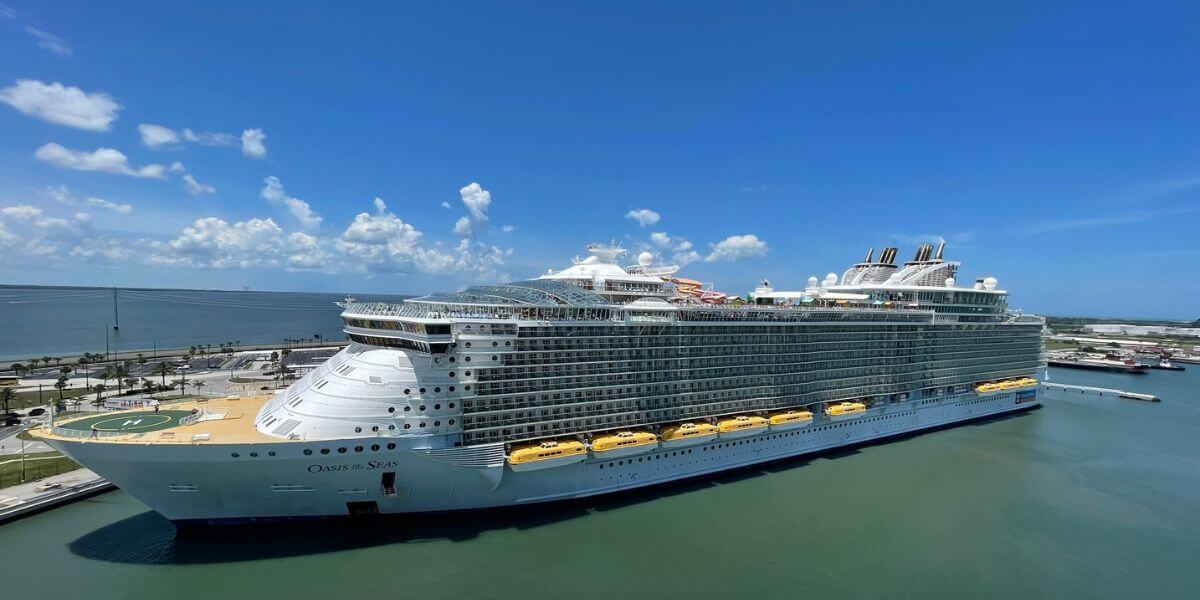
Royal Caribbean’s Oasis of the Seas has taken its entire vacuum plumbing system offline to complete essential maintenance work, rendering all toilets onboard unusable during specific timeframes. The repairs, scheduled…
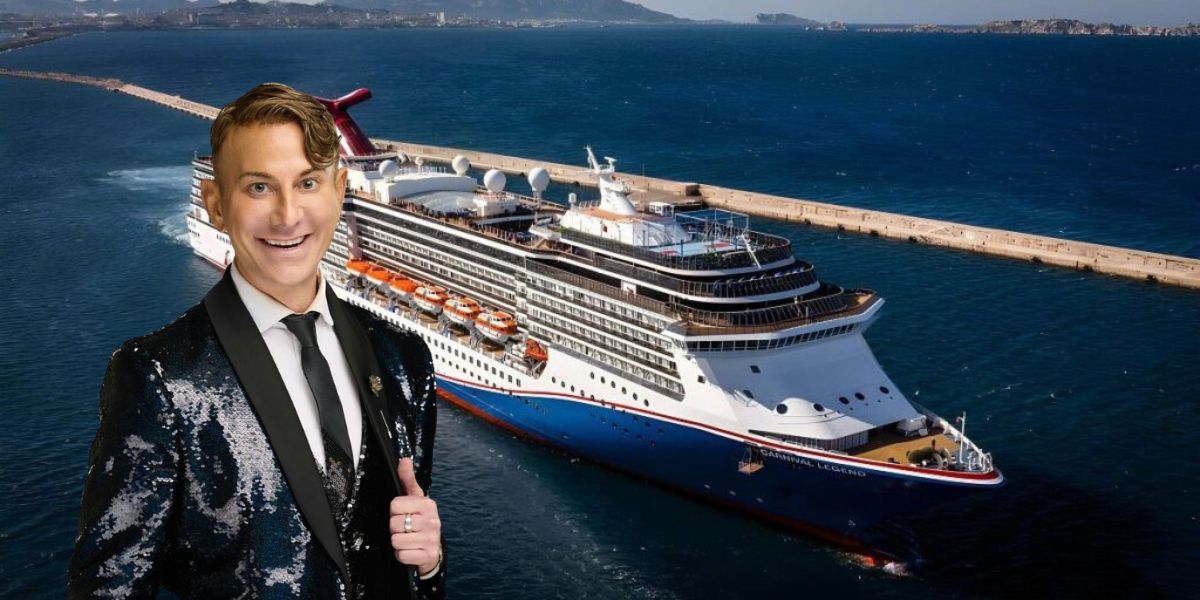
Todd Evans, one of Carnival Cruise Line’s most recognisable cruise directors, has announced his unexpected departure from the cruise line after 16 years of service. The New York native, known…
A Georgia man has been arrested and charged with felony child abuse after allegedly striking two children who were playing tag aboard Carnival Glory during a Bahamas cruise. The 44-year-old…

Celebrity Cruises has implemented a gratuity increase of $1.50 per guest, per day across all stateroom categories, effective 29th July 2026. The adjustment brings standard stateroom gratuities to $19.50 daily,…
Source link