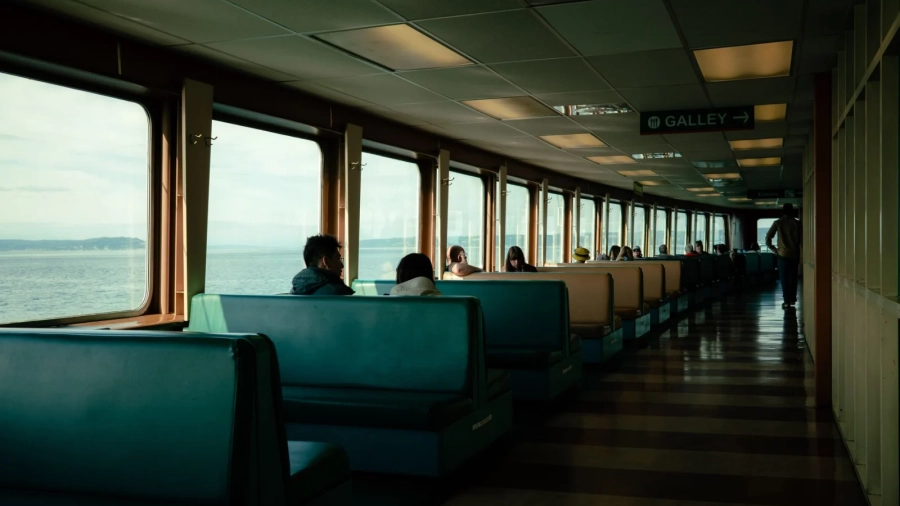
A Carnival interior room is a windowless stateroom of roughly 150 to 200 square feet, and it is the cheapest way to sail with Carnival Cruise Line. Most have two twin beds that convert to a king, and many can sleep three or four people using pull-down bunks or a sofa bed. Within the interior category there are several types, from small upper/lower rooms for solo travelers to premium interiors and themed Cloud 9 Spa, Havana and Family Harbor rooms, so it pays to know the differences before you book.
Free: download our 2027 Luxury Cruise Calendar →
This guide covers sizes, bed setups, every interior type you are likely to see on a Carnival booking page, honest pros and cons, and practical tips for picking a good room on the deck plan.
What you get in a Carnival interior room
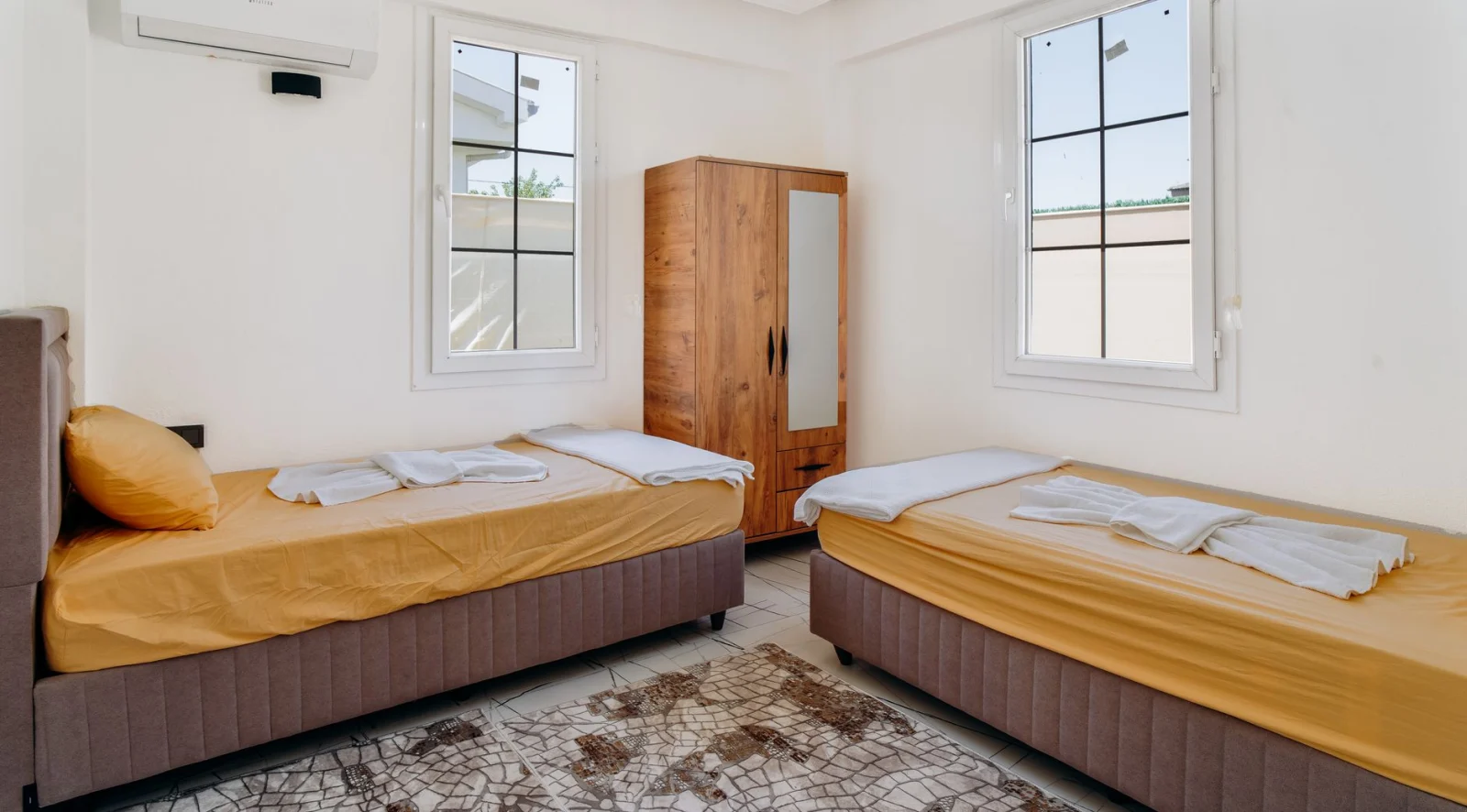
Carnival describes its interiors as its most affordable rooms and suggests them for light sleepers who want a quiet, dark space away from the action. Whatever ship you sail, a standard Carnival interior stateroom usually includes:
- Two twin beds that can be pushed together into a king (some older rooms have fixed twins)
- A desk or vanity with a mirror and a stool or chair
- A closet, drawers and shelves, plus space under the beds for suitcases
- A flat-screen TV, a telephone and individual climate control
- An in-room safe, a hair dryer and a small fridge or cooler
- A private bathroom with a shower, toilet and sink, with shampoo and body wash dispensers
- Daily service from a dedicated room steward, with bathrobes available on request
Power outlets are the area where ships differ most. Newer Excel-class rooms have USB ports and more sockets, while older ships can have just one or two US outlets, a European socket and a couple of USB ports. A non-surge-protected, cruise-approved USB hub and longer charging cables are worth packing.
How big are Carnival interior staterooms?
Sizes vary by ship class, and some newer ships actually have smaller standard interiors than the older ones. Based on published deck plan data at the time of writing:
- Older ships such as the Spirit and Conquest classes: standard interiors around 170 to 185 square feet. Carnival Conquest interiors, for example, are listed at about 170 to 185 square feet depending on the source and the room.
- Excel class (Mardi Gras, Carnival Celebration, Carnival Jubilee): standard interiors are about 158 to 160 square feet, while premium interiors on these ships are around 200 square feet.
- Small interior or upper/lower rooms (category 1A): often around 150 to 160 square feet.
Carnival’s own training material puts a typical interior at around 17 square meters (about 183 square feet), so treat any single figure as an average. Always check the exact category on your ship’s deck plan, because two rooms in the same category can have slightly different layouts.
Carnival interior room types compared
Carnival uses category codes on its booking pages. Not every ship has every type, and the codes can vary, but this table covers the interior rooms you will most often see.
| Interior type | Typical code | Approx. size | Sleeps | What is different |
|---|---|---|---|---|
| Standard interior | 4A to 4I | 158 to 185 sq ft | 2 to 4 | The core room. Higher letters usually mean a better location, such as a higher deck or midship. |
| Upper/lower (small interior) | 1A | About 150 to 160 sq ft | 1 to 2 | One lower bed plus a pull-down upper bunk or sofa bed. Usually the lowest price on the ship. |
| Interior guarantee | IS | Varies | 2 to 4 | You pay a lower fare and Carnival assigns the room later. You cannot choose the location. |
| Picture window (walkway view) | 4J | About 170 sq ft | 2 to 4 | Priced as an interior but has a window facing an outdoor promenade or walkway, so expect people walking past. |
| Obstructed French doors | 4K | Varies | 2 to 4 | Spirit-class only. French doors with views blocked by lifeboats or steel beams. |
| Porthole | PT | About 170 sq ft | 2 to 4 | A small round porthole for some natural light. Some have a sofa bed or Pullman bunks. |
| Premium or deluxe interior | 4N, 4O | About 200 sq ft | Up to 4 | Extra floor space, found on newer ships such as the Excel class. |
| Cloud 9 Spa interior | 4S, 4T | About 150 sq ft on Excel class | Up to 4 | Near the spa, with spa amenities, priority spa bookings and thermal suite access on many ships. |
| Havana interior | HA | Similar to standard | Up to 4 | Caribbean-style decor and access to the Havana pool and bar area on Vista- and Excel-class ships. |
| Family Harbor interior | FA | Similar to standard | Up to 4 or 5 | In the family zone, with Family Harbor Lounge access and one free evening of Night Owls babysitting. |
Fares, perks and codes change, so confirm the details for your sailing on Carnival’s official staterooms page before you pay a premium for any specialty room.
Specialty interiors: are they worth it?
Cloud 9 Spa interior
Cloud 9 Spa interiors put you close to the spa and add perks such as spa-style bath products, priority spa reservations and, on many ships, complimentary access to the Thermal Suite and thalassotherapy pool for the guests in the room. If you would buy a thermal suite pass anyway, the price difference can make sense. Be aware that on Excel-class ships the spa interiors are listed slightly smaller than standard interiors, and some sit forward, where motion is more noticeable. Our detailed look at whether Carnival Cloud 9 Spa room perks are worth it breaks down the value.
Havana interior
Havana rooms are themed around Cuban and Caribbean styling and come with access to the Havana pool area, which is reserved for Havana guests for part of the day. They are aimed at adults, and age rules for the pool area apply at certain times, so check before booking if you are traveling with children.
Family Harbor interior
Family Harbor rooms sit together on a lower deck and come with access to the Family Harbor Lounge, which offers breakfast, snacks, games and family movies, plus one complimentary night of Night Owls babysitting. Some Family Harbor rooms have a double sofa bed and bunks, which makes them one of the better Carnival cruise rooms that sleep 4 or 5 without booking two cabins.
Carnival interior room for 3 or 4: how the beds work
Many travelers ask whether a Carnival interior room for 3 is comfortable. It can be, but it depends on the bed setup listed for that exact room:
- Pull-down Pullman bunk: folds out of the ceiling or wall above the main beds. It saves floor space but suits children and agile adults best, and it reduces headroom when down.
- Sofa bed: converts at night and gives a seating area by day. Usually the more comfortable option for a third adult.
- Two Pullmans: the usual way an interior sleeps four. With four people, floor space and bathroom time get tight very quickly.
If you need a room for four adults, compare the price of two interiors with one larger room. Two interiors give you two bathrooms and often cost less than you would expect. When you look at the room on the booking page, check the listed occupancy and bed notes rather than assuming every interior sleeps four.
Pros and cons of a Carnival interior room
Pros
- Lowest fare. Interiors are typically the cheapest way onto any Carnival ship. At the time of writing, short Bahamas sailings on older ships can work out to around $100 per person per night including gratuities, though prices vary widely by date and ship.
- Total darkness. With no window, the room is pitch dark with the lights off, which many people find helps them sleep in.
- Often quieter and more stable. Inside rooms midship on lower decks tend to feel less motion than outside rooms high up or at the ends of the ship.
- More money for the trip. The savings can pay for excursions, specialty dining or a drinks package.
Cons
- No natural light. It is hard to tell whether it is morning or night, and some people feel closed in.
- Smaller space. With three or four guests, the room fills up quickly.
- Corridor noise. Interior doors open onto busy hallways, so you may hear conversations and doors closing.
- No private outdoor space. If watching the sea from your room matters, look at our guide to balcony vs inside cabin pros and cons.
Who should book a Carnival interior stateroom?
- Budget cruisers who plan to spend most of their time on deck, in shows and ashore.
- Short-cruise travelers on three- to five-night sailings, where a balcony adds less value.
- Solo travelers, especially in 1A upper/lower rooms, which can lower the single supplement cost compared with a larger room.
- Families on a budget who choose a room with the right bed setup, or two interiors close together.
- Light-sensitive sleepers who want a properly dark room.
An interior may not suit you if you get claustrophobic, are prone to seasickness and want to see the horizon, or are on a long itinerary with many sea days.
Tips for picking the best Carnival interior room
- Choose midship on a lower or middle deck to reduce motion and keep walking distances short.
- Check what is above and below you. Avoid rooms directly under the Lido deck, pool deck, gym or a show lounge, and rooms above nightclubs or the theater. Our list of Carnival cruise cabins to avoid covers the usual problem spots.
- Avoid rooms next to service doors, laundry rooms and elevator lobbies, which can be noisy at all hours.
- Look for odd-shaped rooms. Some interiors at the ends of corridors or near stair towers have unusual layouts with extra floor space at the same price. Compare room outlines on the deck plan.
- Decide whether a guarantee is right for you. An interior guarantee (IS) can save money, but you could be placed anywhere, including forward or aft.
- Check for connecting doors. Rooms with a connecting door to the next cabin can let in more sound. They are ideal for families booking two rooms, less so for light sleepers.
- Use the ship’s TV camera feed. Many Carnival ships show a live bow or deck camera on a TV channel, which helps if you miss having a window.
- Bring a night light or motion sensor light so you can find the bathroom in the dark without waking everyone.
If you are still deciding on a ship, see our Carnival cruise ships ranked by reviews to compare the newer and older ships.
If you’d like natural light without paying for a balcony, compare the options in our guide to Carnival ocean view rooms.
Cabin styles vary by ship generation, so check our list of Carnival ships by age, from newest to oldest.
For a free lunch near the Lido deck, see the Guy's Burger Joint menu and hours before you sail.
FAQs
How big are the staterooms on Carnival ships?
Interior staterooms are usually about 150 to 200 square feet. Standard interiors on older ships are often around 170 to 185 square feet, while Excel-class standard interiors are about 160 square feet and premium interiors about 200 square feet.
How many people can sleep in a Carnival interior room?
Most sleep two, and many sleep three or four using a sofa bed or pull-down Pullman bunks. Some Family Harbor rooms sleep up to five. Check the occupancy listed for the specific room.
Can you change rooms on a Carnival cruise?
Before sailing you can ask Carnival or your travel agent to change your room or upgrade, subject to availability and any fare difference. Once on board, changes are possible only if rooms are available, so ask at Guest Services early in the cruise.
Are Carnival interior rooms worth it?
For most short cruises, yes. You get the same food, entertainment and ship access as every other guest for the lowest fare. They are less suited to people who feel closed in or who want a sea view from their room.
What are the best rooms on a cruise ship for a low price?
Midship interiors on a middle deck, away from noisy venues, usually offer the best value. Premium interiors and well-placed porthole or picture window rooms can add space or light for a small extra cost.