
The Baked Alaska parade is a cruise dining room tradition in which waiters march between the tables carrying the meringue-covered ice cream dessert, usually to music, while guests clap and wave their napkins. It is less common than it once was, but Carnival, Ambassador and Princess are among the lines still associated with it. Holland America, meanwhile, features the dessert at its new farewell dinner.
It is one of several food traditions that define the classic idea of a cruise, alongside the midnight buffet, ice sculptures, Champagne towers and the Captain’s Dinner. Here is where they came from, how they have changed and how likely you are to see them in 2026.
What is the Baked Alaska parade?
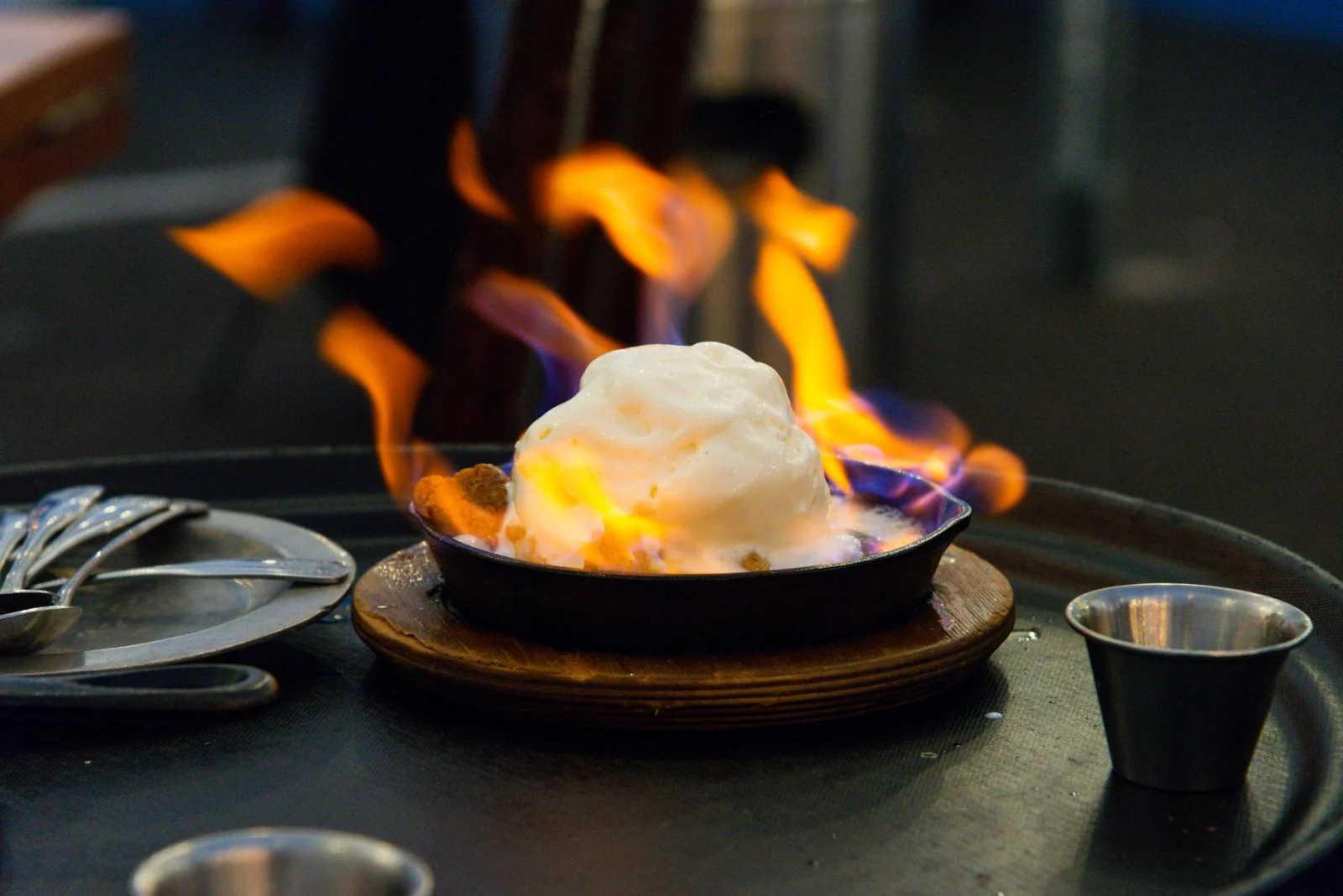
Baked Alaska is a slab of sponge cake topped with ice cream and sealed in meringue, then briefly baked or torched. The meringue acts as insulation, so the ice cream stays frozen while the outside browns.
The parade turns that dessert into a piece of theater. Dining room staff file out of the galley with the dessert held high, and loop through the restaurant to music. The dining room usually joins in by clapping or twirling napkins. It usually falls on one of the last evenings, and often doubles as a thank-you to the waiters and the galley team.
Where the cruise tradition came from
The dessert is older than the parade, and its story is contested. Britannica’s better-supported account credits Charles Ranhofer, head chef at Delmonico’s in New York, who called his version “Alaska, Florida” as a nod to the contrast of cold and hot. The Alaska reference is tied to the US purchase of the territory in 1867. The name “baked Alaska” spread after Fannie Farmer’s 1896 Boston Cooking-School Cook Book. Other accounts credit Antoine’s in New Orleans, and no single story has been proved.
The cruise connection is just as hazy. One of the earliest possible references is in John Maxtone-Graham’s maritime history The Only Way to Cross, which mentions waiters on the German liner Amerika in 1905 carrying “combinations of fire and ice” through the dining rooms. Whether that dessert was Baked Alaska is less clear. The parade seems to have become a firm fixture on cruise ships after World War II, and it was at its peak from the 1950s through the 1980s.
How the parade has changed
The biggest change is the fire. Waiters once carried desserts with real flames, which is a striking sight in a crowded dining room at sea. Many lines dropped the ceremony in the 1990s, probably because of concerns over open flames and fading interest in the dessert. Today’s parades typically use lights or sparklers instead.
Timing has changed too. With flexible dining and multiple restaurants, far fewer guests are in the main dining room at once, and a parade has less of an audience than it did in the era of two fixed sittings. As a result, some ships now serve Baked Alaska without the march.
Which cruise lines still do the Baked Alaska parade?
Few lines promise the parade in writing, and it can vary by ship, season and crew. Use this as a starting point rather than a guarantee.
| Cruise line | What to expect |
|---|---|
| Carnival | Brought Baked Alaska back in a 2017 menu revamp; the parade is linked to the final night in the main dining room |
| Ambassador | Actively celebrates the tradition, including its own Baked Alaska parade |
| Princess | Parades have been widely documented on its ships, but reports vary by sailing |
| Holland America | Baked Alaska features on the menu of its “Until We Sail Again” farewell dinner, being introduced fleetwide in 2026; a parade is not confirmed |
| Cunard | Named among lines that keep it, in some reports only on special occasions such as New Year’s Eve |
| Silversea | Reported to arrange it on advance request |
How to make sure you see it
This is the part most guides leave out. If you have your heart set on the parade, it pays to plan a little:
- Ask your head waiter early in the cruise which night it is likely to happen, since it may not be listed in the daily program.
- Eat in the main dining room on the last two nights. Guests who book a specialty restaurant for the final evening often miss it.
- If you use flexible dining, ask about arrival time. An early table may be finished before the parade starts, so ask when it is planned.
- Mention allergies in advance. Baked Alaska typically contains egg, dairy and gluten, and the waiters can often offer an alternative dessert.
The midnight buffet: mostly gone, not forgotten
The midnight buffet was once the highlight of a cruise, particularly the once-a-voyage gala version with elaborate desserts, fruit carvings and ice sculptures. Passengers would queue up simply to photograph it before anyone was allowed to eat.
Most lines phased these out over the past two decades or so. Rising costs and food waste played a part, as did the arrival of 24-hour dining. What remains is more casual:
- Carnival phased out its Grand Gala Buffet about 20 years ago, but now runs a late-night buffet of snacks such as pizza and chicken tenders, reported in early 2026 as open from 11:30 p.m. to 2:30 a.m.
- MSC has continued to offer more traditional midnight spreads on select ships and itineraries.
- Celebrity has been reported to serve a late-night buffet until about 1 a.m.
- Princess passengers have occasionally reported midnight spreads on longer voyages.
Champagne waterfalls and ice sculptures
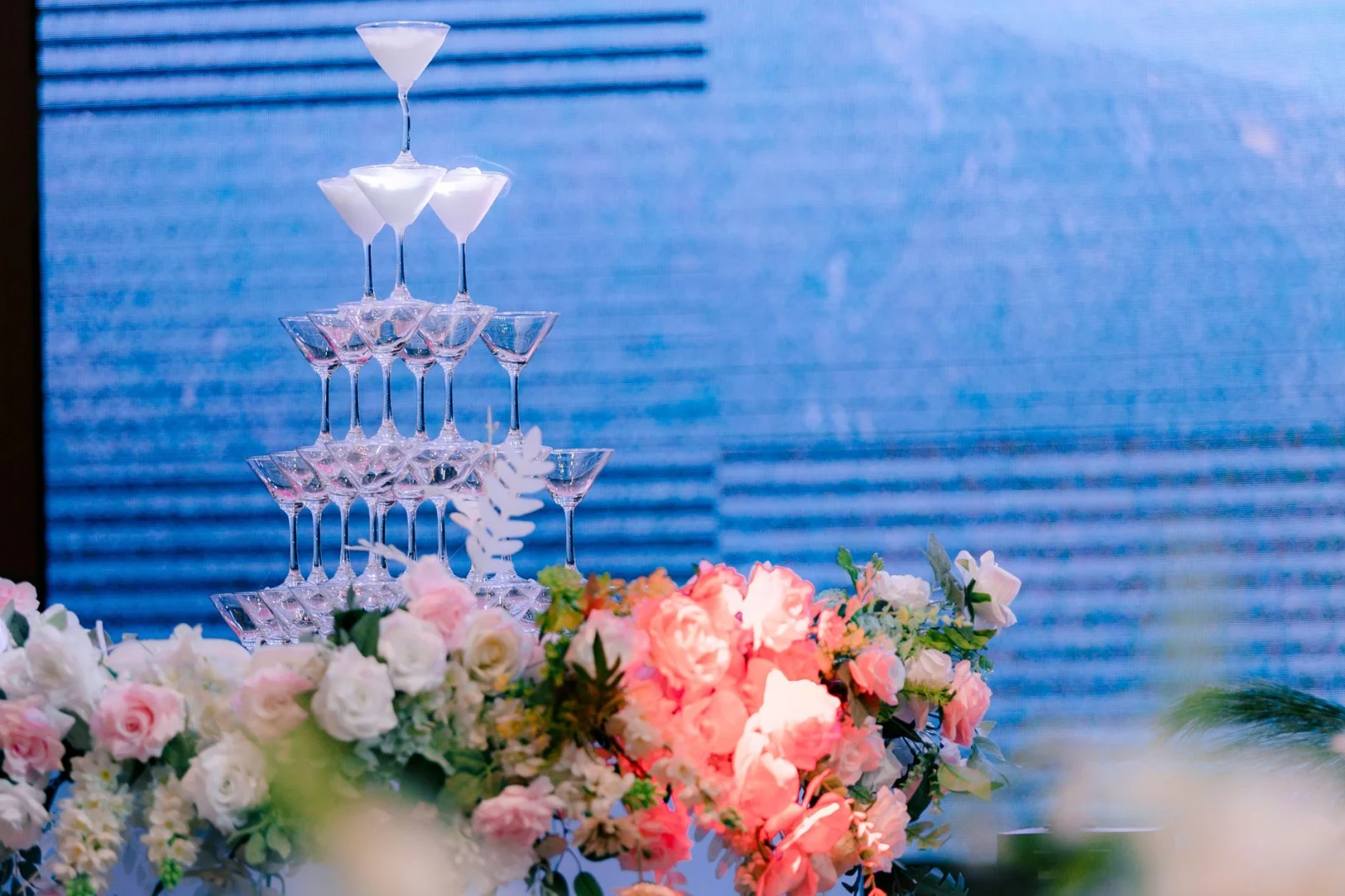
The Champagne waterfall involves a pyramid of stacked coupes filled from the top, so the wine cascades down the tiers. Princess is the line most closely tied to it, generally staging it around an early formal night. It remains a popular photo moment, though it is worth confirming in your daily program, since details vary by ship.
Ice sculptures have become rarer now that the big midnight displays have gone. You may still see them at gala receptions, on deck or in culinary demonstrations, especially on longer voyages and more traditional lines, but they are no longer a given.
The Captain’s Dinner and other formal traditions
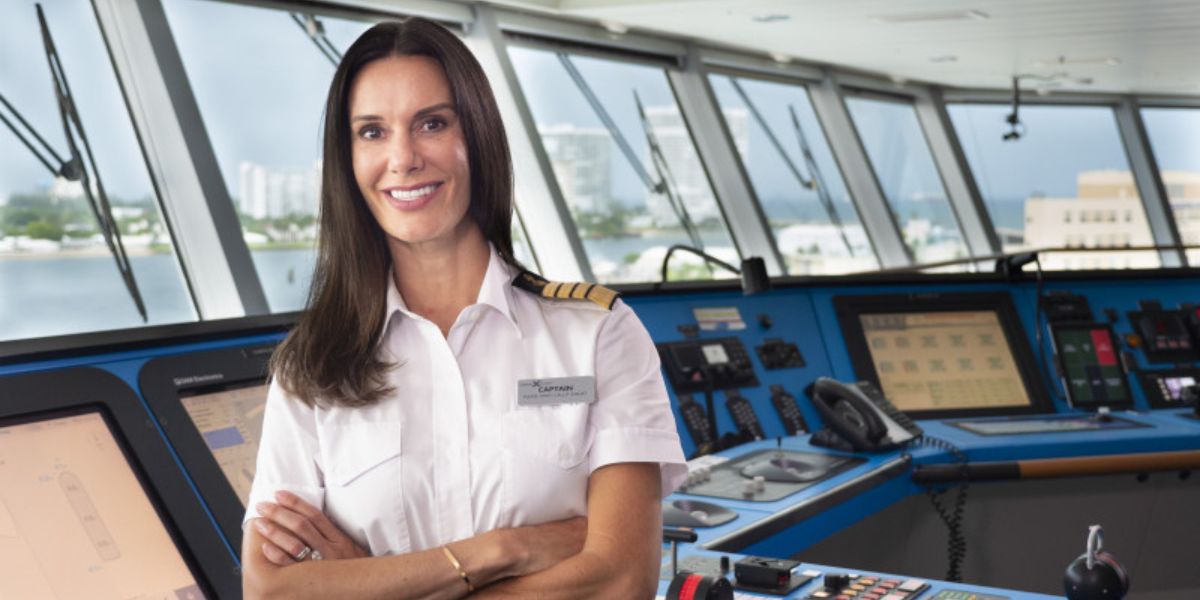
The Captain’s Dinner usually refers to a gala-night menu, or to an invitation-only table hosted by a senior officer. Very few guests dine with the captain in person, and invitations tend to go to frequent cruisers or top-suite passengers. A more realistic experience for most guests is the captain’s welcome toast, often held on a formal night.
Traditions like this are also being reinvented. Holland America’s “Until We Sail Again” farewell dinner, reported in June 2026, features live string music, with the captain, officers and crew circulating to thank guests on the final night, and Baked Alaska among the desserts. If food is your main reason for sailing, our guide to the cruise lines with the best food compares the leading options, and you can take it ashore with our list of the best food-themed shore excursions.
FAQs
What is a Baked Alaska parade?
It is a dining room ritual in which waiters march between tables carrying Baked Alaska, usually to music, while guests clap and wave napkins. It usually happens toward the end of a cruise.
Where did Baked Alaska originate?
Its origins are disputed. Britannica’s better-supported account credits Charles Ranhofer, chef at Delmonico’s in New York, who linked his dessert to Alaska after the US purchased the territory in 1867.
Which cruise lines still do the Baked Alaska parade?
Carnival, Ambassador and Princess are among the lines associated with it, and Holland America and Cunard have also been named in recent reports. Practice varies by ship, so check with your line.
Do cruise ships still have midnight buffets?
Very few do in the traditional sense. MSC has kept them on select ships and itineraries, and Carnival now serves a casual late-night buffet instead.
Is the Baked Alaska on a cruise really on fire?
Mostly no. Many lines now use lights or sparklers rather than open flames, although a small flaming touch may appear on some desserts.