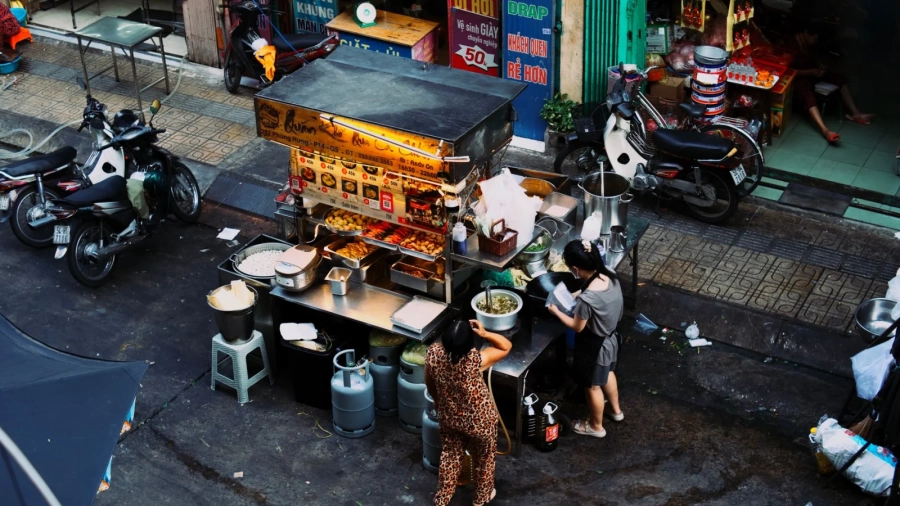
The best food shore excursions mix a local specialty with a real place to eat it: Alaskan crab and salmon cooked at a wilderness lodge, pizza made by hand in Naples, cava tasted in the vineyards outside Barcelona, or street food eaten on the pavements of Saigon. Choose a tour built around one cuisine with small groups and enough time to eat properly. Then check that it gets you back to the ship with time to spare.
Free: download our 2027 Luxury Cruise Calendar →
This guide groups the best food excursions on cruises by region for 2026-27. It covers what separates a great culinary tour from a rushed one, whether to book through the cruise line or independently, and how to handle dietary needs once you are on shore.
What Makes a Great Food Shore Excursion?
Most ports sell some kind of “taste of” tour, but quality varies a lot. These are the things worth checking before you book:
- One clear focus. A tour built around a single thing, like a crab feast, a cava cellar or a pasta class, usually beats a broad “city highlights with tastings” coach trip.
- Group size. Food tours work best with small groups. A walking tour of 12 people can step into a tiny bakery, but a group of 40 cannot.
- Actual food quantity. Read whether tastings add up to a meal. Many full tours replace lunch, so you can skip the buffet before you go.
- Transfer time. Some ports sit a long way from the food. Phu My in Vietnam is about 90 minutes each way from Ho Chi Minh City, according to Holland America’s own tour notes. That leaves far less time at the table than the tour length suggests.
- Hands-on vs tasting. Cooking classes take longer and need more concentration. Tasting walks are better if you also want to see the town.
The Best Food Shore Excursions by Region
The list below covers food and wine shore excursions in four regions. It picks well-established tour types that cruise lines and local operators were selling for the 2026 season. Exact names, menus and departure times change from ship to ship, so check your own line’s excursion list for the details.
Alaska: Crab, Salmon and Lodge Feasts
- Taku Lodge feast and five-glacier seaplane, Juneau. Run by Wings Airways and sold by several major lines, this tour flies you over the Juneau Icefield to a historic lodge across from Hole-in-the-Wall Glacier. There you eat wild coho salmon grilled over an alder wood fire. The whole tour takes about three hours and runs from late April to late September. It is one of the few places near Juneau where you dine with a view of a glacier. Our Juneau cruise port guide explains how the waterfront and seaplane docks are laid out.
- Juneau salmon bake. This is a simpler, cheaper option. Several outdoor salmon bakes near town serve alder-grilled salmon in a rainforest setting, often combined with a visit to a nearby glacier.
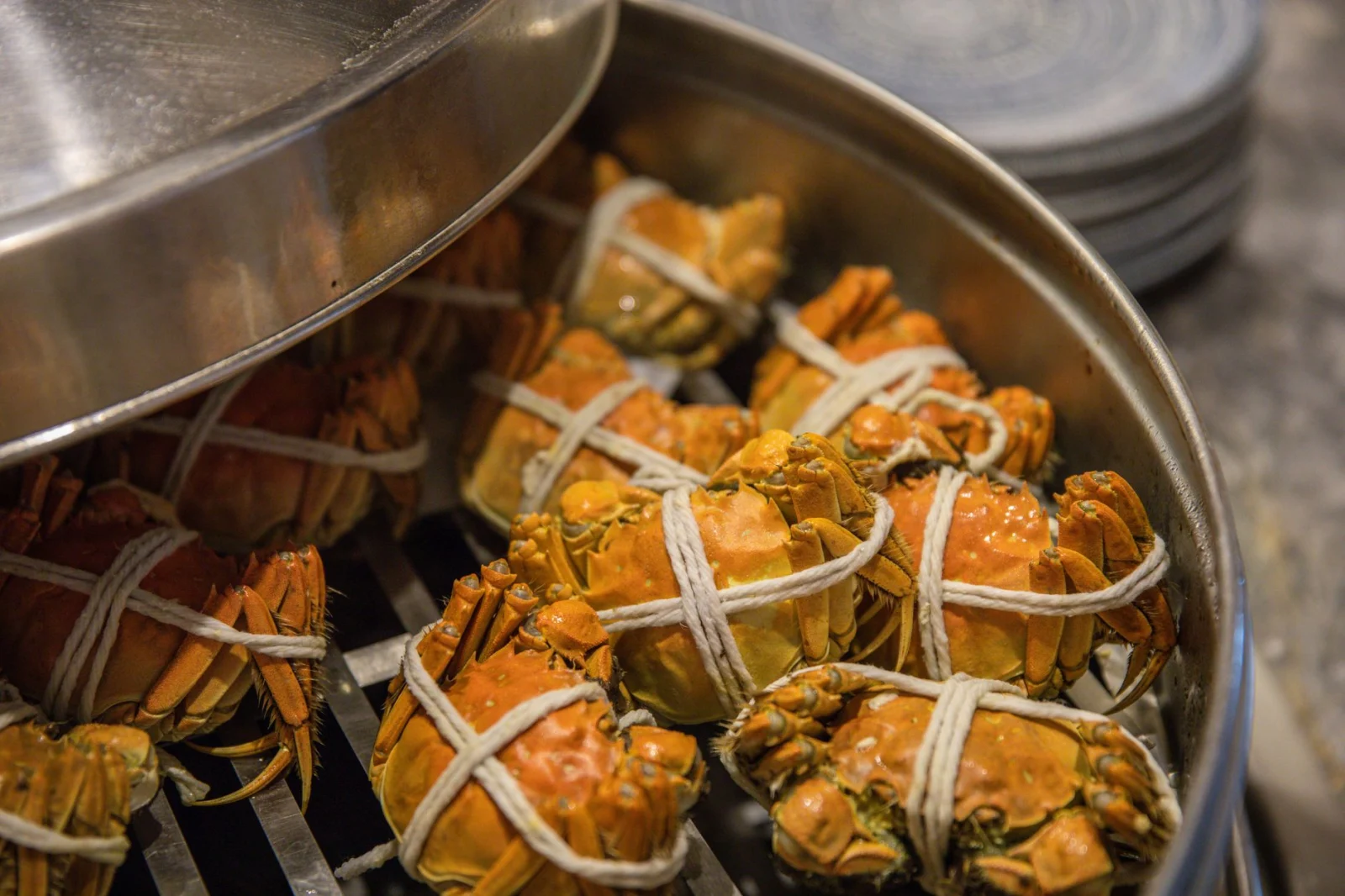
- George Inlet Lodge crab feast, Ketchikan. A boat or coach takes you to a former cannery bunkhouse on George Inlet for all-you-can-eat Dungeness crab. Some versions add a boat ride where crew pull crab pots. Princess and NCL both sell it, and other lines offer similar wilderness crab feasts.
- Crab at Icy Strait Point. The privately run port near Hoonah has its own crab restaurant on the waterfront. Many lines also sell a short village tour that ends with a crab feast. It is easy to do on your own because everything is within walking distance or on the free shuttle.
For a full look at which ports appear on each route, see our Alaska cruise ports guide.
Mediterranean and Western Europe: Pasta, Pizza and Wine
- Pizza-making or street food in Naples. Naples is the home of pizza, and many tours either take you to a pizzeria to stretch your own dough or walk you through the old town for fried pizza, sfogliatella pastries and espresso.
- Cooking class near Sorrento. Farmhouse classes on the Sorrento peninsula typically cover handmade pasta or gnocchi with a lemon grove visit and a limoncello tasting. They often depart from Naples or as tender calls at Sorrento.
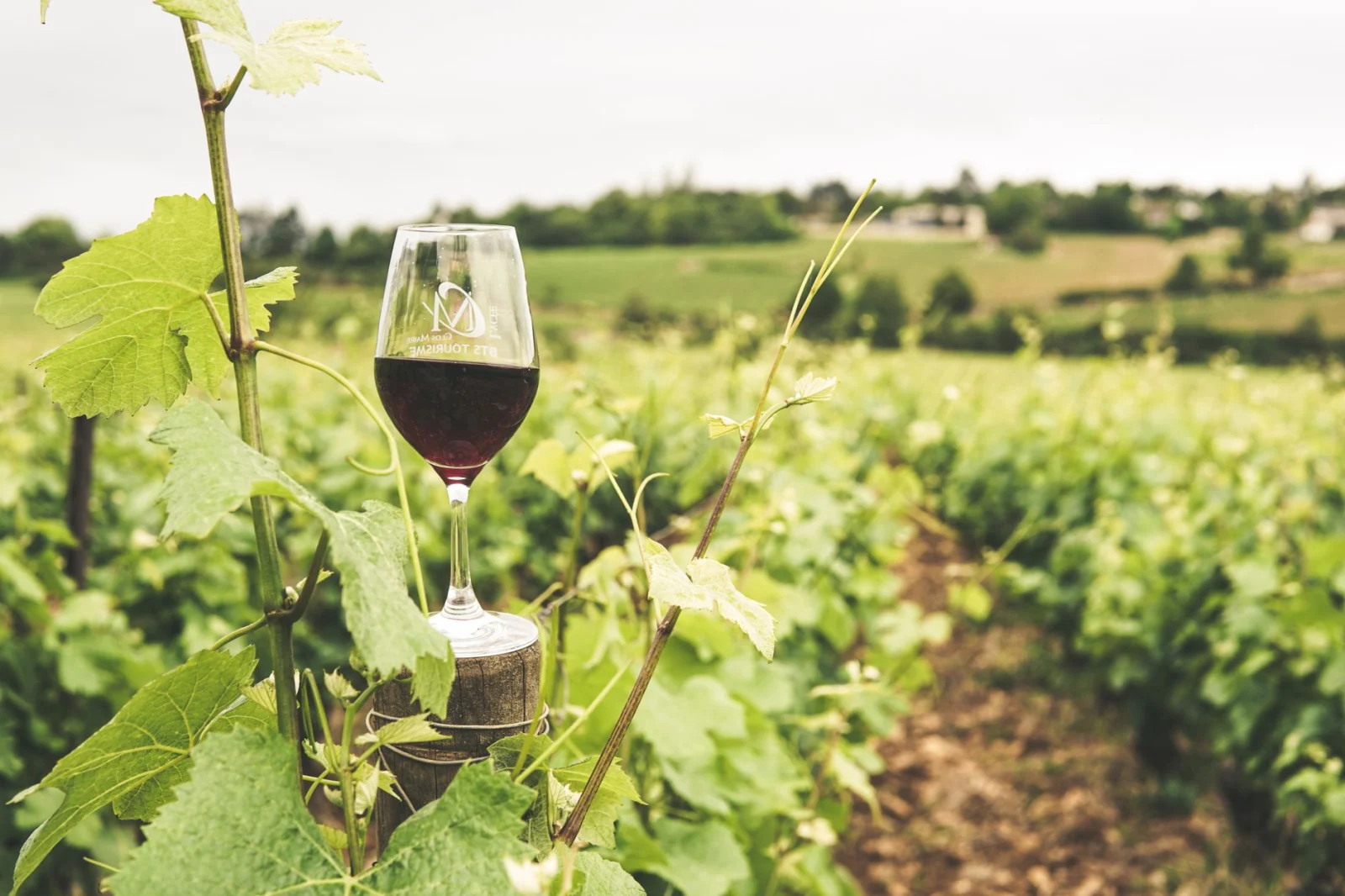
- Tapas walk and cava country, Barcelona. You can do a tapas and market walk around La Boqueria and the Gothic Quarter. Or take a half-day trip to the Penedès region, where most Spanish cava is made, for a cellar tour and tasting.
- Chianti or Tuscan farm lunch from Livorno. Many ships calling at Livorno offer winery visits in the Chianti hills with olive oil tastings and a long lunch. It is a gentler alternative to the crowds in Florence.
- Saint-Émilion from Bordeaux. Smaller ships that sail up the Gironde to Bordeaux put you within easy reach of this UNESCO-listed wine village, which is known for cellar tours and Merlot-based reds.
- Lisbon food walk. Lisbon is a good port for doing it yourself: custard tarts (pastéis de nata), tinned fish, cured ham and ginjinha cherry liqueur, all within walking or tram distance of the cruise terminal.
- Santorini winery visit. The island’s volcanic soil produces crisp Assyrtiko whites. Winery tours often combine tastings with local tomatoes, fava and cheeses, sometimes with a caldera view.
For more ideas in this region, from Rome to the Greek islands, see our pick of the best Mediterranean cruise excursions.
Caribbean: Jerk, Rum and Chocolate
- Jerk and local food in Jamaica. Ocho Rios and Falmouth tours often stop at roadside jerk centres for pork and chicken smoked over pimento wood, plus festival dumplings and Red Stripe.
- Mount Gay rum tasting, Barbados. Mount Gay’s visitor centre near Bridgetown runs guided tastings of one of the world’s oldest rum brands. It is close to the cruise port, so it fits easily into a short call.
- Tree-to-bar chocolate in St Lucia. Hotel Chocolat’s Rabot Estate near Soufrière runs a cocoa experience that follows the bean from the tree to the finished bar. Lunch at the estate restaurant uses cacao in savory dishes too.
- Old San Juan food walk, Puerto Rico. Walking tours through the old city usually include mofongo, local coffee and a piña colada, which was invented in San Juan.
Asia and the Pacific: Street Food and Coffee Farms
- Saigon street food from Phu My, Vietnam. Expect pho, banh mi and fresh spring rolls, often by motorbike or on foot around Ben Thanh Market. The 90-minute drive each way makes this a long day, so a ship-run tour gives you peace of mind.
- Tokyo food markets and sake. Ships calling at Tokyo or Yokohama offer tours of the Tsukiji Outer Market, department store food halls, and sake or wagyu tastings in Ginza.
- Kona coffee farm, Hawaii. Kailua-Kona is a tender port on the Big Island. Most tours visit a small coffee farm on the slopes above town, often combined with Hawaiian historical sites or a sea turtle beach.
- Hawker centres in Singapore. Singapore’s hawker culture is on UNESCO’s intangible heritage list. A guided hawker tour (or a simple taxi to Maxwell or Lau Pa Sat) is one of the cheapest great meals on any cruise.
Food Excursion Types at a Glance
| Excursion type | Good ports to try it | Best for | Watch out for |
|---|---|---|---|
| Seafood feast | Ketchikan, Juneau, Icy Strait Point | Big appetites, scenery | Shellfish allergies; boat or seaplane weather delays |
| Cooking class | Naples, Sorrento, Livorno, Cozumel | Hands-on travelers | Longer duration; little time to explore |
| Wine or cava tasting | Barcelona, Bordeaux, Santorini, Livorno | Wine lovers | Coach time to vineyards; minimum drinking age rules |
| Street food walk | Lisbon, Naples, Saigon, Singapore, San Juan | First-time visitors who want to see the city too | Heat, walking distance, hygiene standards vary |
| Spirit or chocolate tour | Barbados, St Lucia, Jamaica | Short port calls | Tastings can be small; not a full meal |
Booking Through the Cruise Line vs Independently
The biggest difference is what happens if you are late. Princess, for example, says that if one of its own tours runs late, the ship will wait, or the line will arrange transport to the next port if it cannot. Other major lines work in a similar way. An independent tour does not carry that promise. If traffic or a slow lunch holds you up, the ship can leave without you, and getting to the next port is at your own expense.
Independent food tours do have real advantages, though. Groups are often smaller, menus are more local, and you can choose a well-reviewed specialist rather than whichever operator the line has contracted. Some operators that focus on cruise passengers offer their own “back to ship” guarantee, but read the terms carefully and keep a generous buffer.
A sensible rule is this: book through the cruise line when the food is a long drive away (Saigon from Phu My, Chianti from Livorno, Penedès from Barcelona). Go independent when the food is close to the pier (Lisbon, Old San Juan, Bridgetown, Icy Strait Point).
Dietary Needs on Culinary Shore Excursions
Onboard dining teams can usually handle allergies well. On shore it is a different story, because menus are set by the local operator. To give yourself the best chance:
- Tell the cruise line or tour operator about allergies and dietary needs when you book, not on the day. Princess, for example, asks guests with dietary concerns to tell it in advance.
- Avoid tours where one ingredient is the whole point if you cannot eat it. A crab feast is a poor choice with a shellfish allergy, and a cheese-heavy Tuscan lunch may not suit a dairy-free diet.
- Cooking classes are often the most flexible, because you are making the food yourself and swaps can be planned.
- Carry an allergy card translated into the local language, plus any medication you need.
- If you follow a plant-based diet, look for market walks and cooking classes rather than set lunches. Our guide to the cruise lines with the best food shows which lines take food seriously on board too.
Tips for Getting the Most From Food Excursions
- Book early on popular tours. Small-group food tours and seaplane lodge trips have limited seats and can sell out before sailing.
- Do not eat a big breakfast. Most food tours serve plenty, and the tastings are the point.
- Check the drinking age. Wine and rum tours follow local rules, and some cruise lines set their own minimum age for alcohol tastings.
- Bring cash in small notes for extra snacks, tips and market stalls, especially in Asia and the Caribbean.
- Allow time to buy food to take home. Customs rules apply when you return to the US, so check what you can bring back before buying cured meats or cheeses.
- Have a weather backup in Alaska. Seaplane tours are often cancelled for low cloud, so note a second choice in case it happens.
Once you have eaten your way around one port, you could balance things out with one of these bucket-list adventure shore excursions, from Alaska rafting to cave tubing in Belize.
FAQs
What is a food shore excursion?
It is a tour from a cruise port built around local food or drink, such as a tasting walk, a cooking class, a winery visit or a seafood feast. Many replace lunch.
Are food excursions on cruises worth it?
They usually are if the port has a strong food culture close to the pier. They are less worthwhile when most of the day is spent on a coach, so check the transfer time first.
Should I book food tours through the cruise line or independently?
Book through the line when the food is far from the port, because the ship waits for its own tours. Book independently when the food is a short walk away and you prefer a smaller group.
Can food shore excursions handle allergies?
Often, but not always. Give details when you book, avoid tours where the key ingredient is one you cannot eat, and carry a translated allergy card.