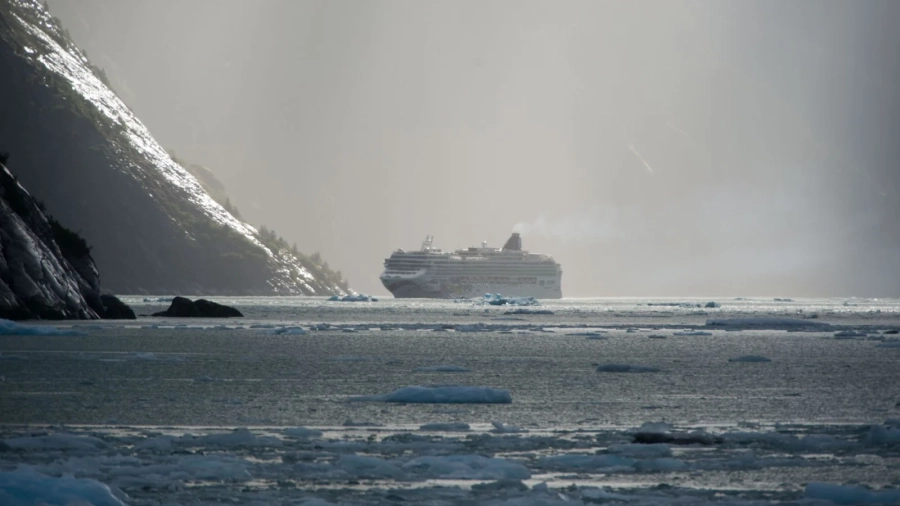
Most Alaska cruise ports sit along two corridors: the sheltered Inside Passage of Southeast Alaska (Ketchikan, Juneau, Skagway, Icy Strait Point, Sitka and Haines) and the Gulf of Alaska coast further north (Seward, Whittier, Valdez and Kodiak). Round-trip cruises sail from Seattle or Vancouver and stay mostly in the Inside Passage, while one-way “cross-Gulf” cruises link Vancouver with Seward or Whittier, the gateways for Anchorage.
Free: get the printable Alaska Cruise Planner 2027: best month, best route and real fares →
Below is a south-to-north guide to every port you are likely to see on an itinerary, the scenic glacier days that sit between them, and what changed for the 2026 season and beyond.
Alaska Cruise Ports Map: South to North Route Table
There is no single “Alaska cruise ports map” that fits every itinerary, but the geography is simple once you see the order. This table lists the main ports and scenic stops roughly from south to north, the way most ships meet them.
| Order | Port or stop | Region | Type | Best known for |
|---|---|---|---|---|
| 1 | Seattle, Washington | Pacific Northwest | Embarkation (round trip) | Most round-trip sailings; Pike Place Market |
| 2 | Vancouver, British Columbia | Pacific Northwest | Embarkation (round trip and one-way) | Canada Place terminal; scenic start through the Inside Passage |
| 3 | Victoria or Prince Rupert, BC | British Columbia | Foreign stop | Required call on most Seattle round trips |
| 4 | Ketchikan | Inside Passage | Port of call | Totem poles, Creek Street, Misty Fjords |
| 5 | Wrangell and Petersburg | Inside Passage | Small-ship ports | Petroglyphs, Norwegian heritage, fishing |
| 6 | Tracy Arm / Endicott Arm | Inside Passage | Scenic cruising | Narrow fjords, Sawyer and Dawes glaciers |
| 7 | Juneau | Inside Passage | Port of call | Mendenhall Glacier, whale watching, tramway |
| 8 | Sitka | Inside Passage (outer coast) | Port of call | Russian and Tlingit history, raptor center |
| 9 | Icy Strait Point (Hoonah) | Inside Passage | Port of call | Whales, ZipRider, Native-owned destination |
| 10 | Glacier Bay National Park | Inside Passage | Scenic cruising (permit only) | Tidewater glaciers, park rangers aboard |
| 11 | Haines | Upper Lynn Canal | Port of call | Bald eagles, quieter town |
| 12 | Skagway | Upper Lynn Canal | Port of call | Gold Rush town, White Pass railway |
| 13 | Hubbard Glacier | Gulf of Alaska (Yakutat Bay) | Scenic cruising | One of the largest tidewater glaciers in North America |
| 14 | Valdez | Prince William Sound | Occasional port | Mountains, Columbia Glacier tours |
| 15 | College Fjord | Prince William Sound | Scenic cruising | A string of glaciers named after US colleges |
| 16 | Whittier | Prince William Sound | Embarkation (one-way) | Closest cruise port to Anchorage |
| 17 | Seward | Kenai Peninsula | Embarkation (one-way) | Kenai Fjords National Park, Alaska Railroad |
| 18 | Homer and Kodiak | Cook Inlet / Gulf of Alaska | Occasional ports | Fishing, bears, longer voyages |
The quick rule: if your cruise starts and ends in the same city, you are almost certainly sailing the Inside Passage (stops 1 to 12). If it starts in Vancouver and ends in Seward or Whittier, or the reverse, you will usually add Hubbard Glacier or College Fjord and cross the open Gulf of Alaska.
Alaska Cruise Embarkation Ports
Seattle
Seattle runs the largest share of round-trip Alaska sailings from two terminals: Pier 66 (Bell Street) downtown and Pier 91 (Smith Cove) a short drive north. Because of the US Passenger Vessel Services Act, foreign-flagged ships sailing round trip from Seattle must call at a foreign port, which is why Victoria or Prince Rupert in British Columbia usually appears near the end of the trip. Check which pier your ship uses before booking a hotel.
Vancouver
Vancouver’s Canada Place terminal sits right on the downtown waterfront. Sailing north from here takes you through the protected waters east of Vancouver Island, so the first day is often scenic. Vancouver is also the southern end of most one-way Gulf of Alaska cruises. US citizens need a valid passport to fly into Canada.
Seward and Whittier (for Anchorage)
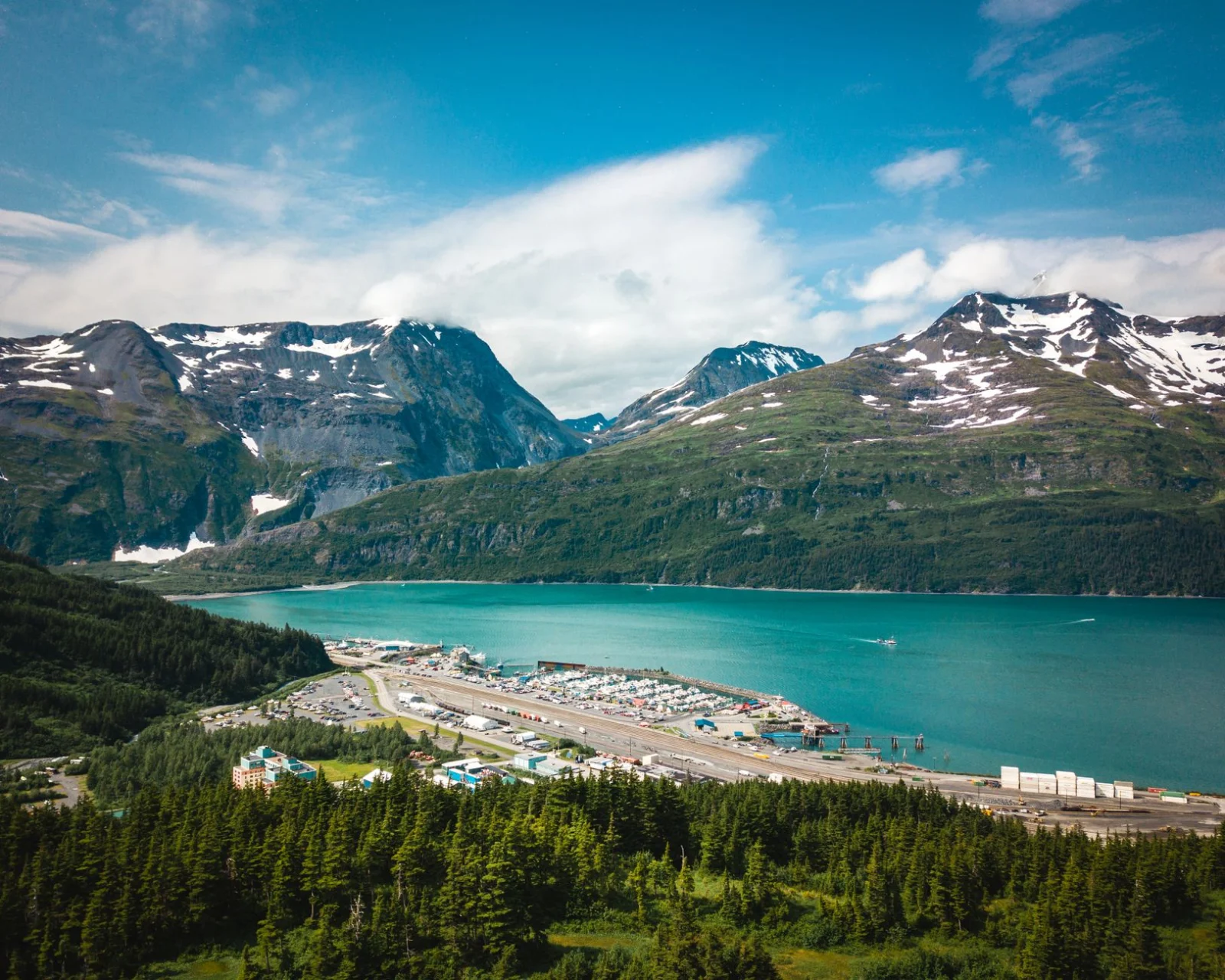
Big ships do not normally dock in Anchorage itself for one-way cruises. Instead they use Seward, about 125 road miles south, or Whittier, about 60 miles away through the Anton Anderson Memorial Tunnel, a single-lane tunnel shared by cars and trains that runs on a set schedule. The Alaska Railroad connects both ports with Anchorage, and many cruise-and-land packages continue to Denali from there.
Whittier update: on 15 September 2026, a fire destroyed the newer $80 million cruise dock in Whittier, built and operated by Huna Totem Corporation and used since 2024 by Norwegian Cruise Line, Oceania Cruises and Regent Seven Seas Cruises. The state fire marshal declared it a total loss and the cause was still under investigation at the time of reporting. NCLH ships were reported to still be scheduled to call at Whittier in 2027, but if you are booked on a Whittier sailing, confirm with your line which berth it will use and how transfers will work.
Main Alaska Cruise Ports of Call
A typical seven-night Inside Passage cruise visits three of these six Alaska cruise ports of call, plus one scenic glacier day.
Ketchikan
Usually the first Alaska stop heading north, Ketchikan is known for its totem pole collections at Totem Bight and Saxman, the historic boardwalk of Creek Street, and floatplane trips over Misty Fjords National Monument. It is one of the wettest towns in the US, so pack a rain jacket. Most ships dock downtown, but Norwegian Cruise Line ships often use Ward Cove, a two-berth facility opened in 2021 about six miles north of town; shuttles run between the two. Our guide to cruise ports that are far from the city centre explains how to plan around docks like this.
Juneau
Alaska’s capital can only be reached by sea or air. The headline sights are Mendenhall Glacier, whale-watching trips in the nearby channels, and the Goldbelt Mount Roberts Tramway that leaves right from the waterfront. Juneau is also the port most affected by crowd limits: from 2026 the city enforces a cap of 16,000 cruise passengers a day Sunday to Friday and 12,000 on Saturdays, alongside an earlier five-ships-a-day agreement. That should make busy days less crowded, but popular excursions such as the glacier and whale tours still sell out, so book them early.
Skagway
Skagway preserves its 1898 Klondike Gold Rush streetscape inside a national historical park, and the White Pass and Yukon Route railway climbs from town toward the Canadian border. Since 2022, rockslides above the Railroad Dock have forced closures and restrictions at what was the town’s largest cruise berth, and the borough has been redeveloping the nearby ore terminal area into new cruise berths. Berth assignments here can change at short notice, so check your docking spot and all-aboard time on the day.
Icy Strait Point (Hoonah)
Icy Strait Point is a privately developed destination owned by Huna Totem Corporation, a Native corporation, next to the Tlingit village of Hoonah. It now has two piers, Ocean Landing (2016) and Wilderness Landing (2021, built with Norwegian Cruise Line), so most ships dock rather than tender. Expect whale watching, bear-viewing trips, a restored 1912 salmon cannery and the ZipRider, one of the world’s longest ziplines. Hoonah itself is under two miles away by road and footpath.
Sitka
Sitka faces the open Pacific rather than the Inside Passage, so it appears on fewer itineraries. It was the capital of Russian America, and today you can visit St. Michael’s Cathedral, the Russian Bishop’s House, Sitka National Historical Park’s totem trail and the Alaska Raptor Center. Large ships usually berth at the private Sitka Sound Cruise Terminal several miles north of town, with shuttles into the centre; smaller ships may tender.
Haines
Just across the water from Skagway, Haines is quieter and less commercial. It is best known for the Alaska Chilkat Bald Eagle Preserve, river float trips and a small arts scene. Only a handful of lines call here, so it suits passengers who want a slower day ashore.
Scenic Cruising: Glaciers Between the Ports
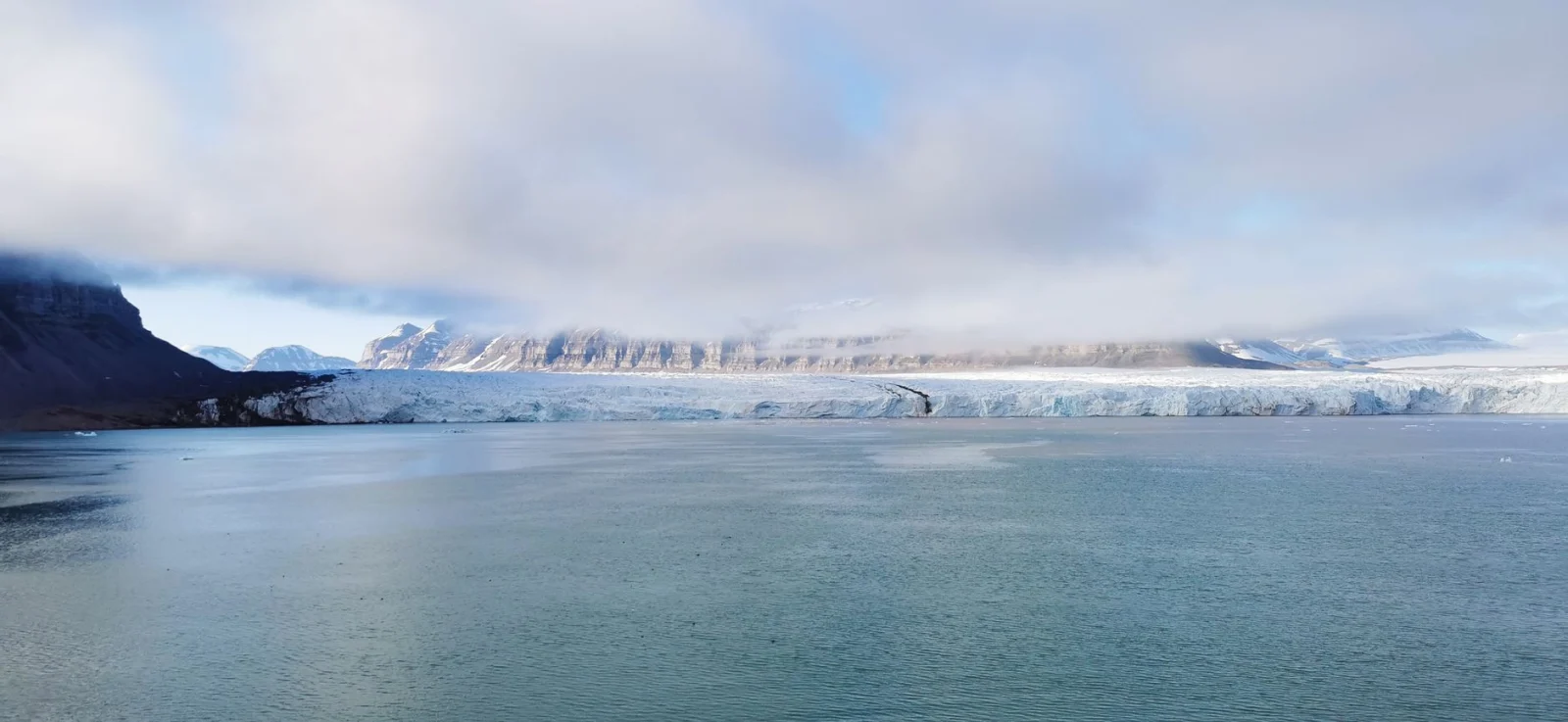
Some of the best days on an Alaska cruise are spent on deck rather than ashore. These are not ports, as you don’t get off, but they shape which itinerary you should pick.
- Glacier Bay National Park: entry is limited by National Park Service permits, so only some ships and sailings include it. Park rangers usually come aboard to give commentary. Holland America Line and Princess Cruises hold many of the permits, which is worth checking if Glacier Bay is a must.
- Hubbard Glacier: in Yakutat Bay on the Gulf of Alaska, with an ice face several miles wide. It features on many one-way cruises and some longer round trips. Ice conditions decide how close ships can get.
- Tracy Arm and Endicott Arm: twin fjords south of Juneau. Tracy Arm ends at the Sawyer Glaciers and Endicott Arm at Dawes Glacier. Ice and narrow channels mean larger ships sometimes switch from one to the other or turn back early.
- College Fjord: in Prince William Sound, near the northern end of one-way cruises. Its glaciers carry the names of East Coast colleges such as Harvard and Yale.
Smaller and Less Visited Alaska Cruise Ports
Small expedition ships and some longer voyages reach ports the big ships skip. If you see these on an itinerary, it usually signals a smaller vessel or a 10 to 14 night trip.
- Wrangell: one of Alaska’s oldest towns, with Petroglyph Beach and access to the Anan Wildlife Observatory for bear viewing.
- Petersburg: a working fishing town with strong Norwegian roots, reachable only by small ships through the narrow Wrangell Narrows.
- Valdez: in Prince William Sound, the end of the Trans-Alaska Pipeline, with dramatic mountains and Columbia Glacier boat trips.
- Kodiak: a large island famous for Kodiak brown bears and fishing; seen mostly on longer voyages and repositioning cruises.
- Homer: on Kachemak Bay at the end of the Sterling Highway, popular for halibut fishing and bear-viewing flights to Katmai and Lake Clark.
- Anchorage: occasionally visited by smaller ships, but most cruise passengers arrive by train or coach from Seward or Whittier.
Inside Passage vs Gulf of Alaska: Which Route Should You Choose?
| Inside Passage round trip | Gulf of Alaska one-way | |
|---|---|---|
| Starts and ends | Seattle or Vancouver | Vancouver to Seward or Whittier (or reverse) |
| Typical ports | Ketchikan, Juneau, Skagway plus one of Icy Strait Point, Sitka or Haines | Similar Inside Passage ports, then Hubbard Glacier or College Fjord |
| Flights | Simple round-trip flight | Open-jaw flights, often into Anchorage |
| Sea conditions | Mostly sheltered | One or two days in more open water |
| Land add-on | Less common | Easy to add Denali or Kenai Peninsula |
If you want to add a land tour, the one-way route is usually the better fit. Holland America, for example, has been expanding its land programmes, including the new Alaska heritage tours launched ahead of its 80th anniversary.
Tips for Planning Your Alaska Port Days
- Check the docking location, not just the port name. Ketchikan (Ward Cove), Sitka and Skagway can all put you some distance from the main sights.
- Book signature excursions early. Mendenhall Glacier, whale watching, floatplanes and the White Pass railway have limited seats, and Juneau’s passenger caps don’t change that.
- Look at the ship schedule. Port schedules published by Cruise Line Agencies of Alaska show how many ships share your port day.
- Dress in layers. Summer days can range from cool and wet in Ketchikan to sunny and mild in Skagway on the same cruise.
- Time your booking. Alaska sails roughly May to September, and fares for the shoulder months are often lower; our guide to cruise deals for 2027 and when to book covers the offers worth watching.
Which Is the Best Cruise Ship to Alaska?
There isn’t one best ship, but the right one depends on the ports you want. If Glacier Bay is important, pick a line that holds permits for your sailing date, most often Holland America or Princess. If you want smaller ports such as Haines, Wrangell or Petersburg, look at small expedition ships or luxury lines with lower passenger counts. Big resort ships suit families on Seattle round trips but are more likely to use outlying docks and miss the narrowest fjords.
Wondering where to book your cabin? We explain the best side of the ship for an Alaska cruise for northbound, southbound and round-trip itineraries.
FAQs
What are the main Alaska cruise ports?
The most visited ports of call are Ketchikan, Juneau and Skagway, followed by Icy Strait Point, Sitka and Haines. Embarkation ports are Seattle and Vancouver for round trips, and Seward or Whittier for one-way cruises.
Where does an Alaska cruise go?
Most Alaska cruises sail the Inside Passage of Southeast Alaska, a chain of islands and fjords between British Columbia and Skagway. One-way cruises continue across the Gulf of Alaska to Hubbard Glacier and Prince William Sound.
Do Alaska cruises stop in Anchorage?
Rarely for large ships. One-way cruises end in Seward or Whittier, and passengers travel to Anchorage by train or coach, which takes roughly two to four hours depending on the port.
Is there a limit on cruise passengers in Juneau?
Yes. From 2026, Juneau limits cruise passengers to 16,000 a day Sunday to Friday and 12,000 on Saturdays, managed through ship scheduling.
Which Alaska cruise port is best?
It depends on your interests: Juneau for glaciers and whales, Skagway for Gold Rush history and the railway, Ketchikan for Native culture, and Icy Strait Point for wildlife with fewer crowds.