
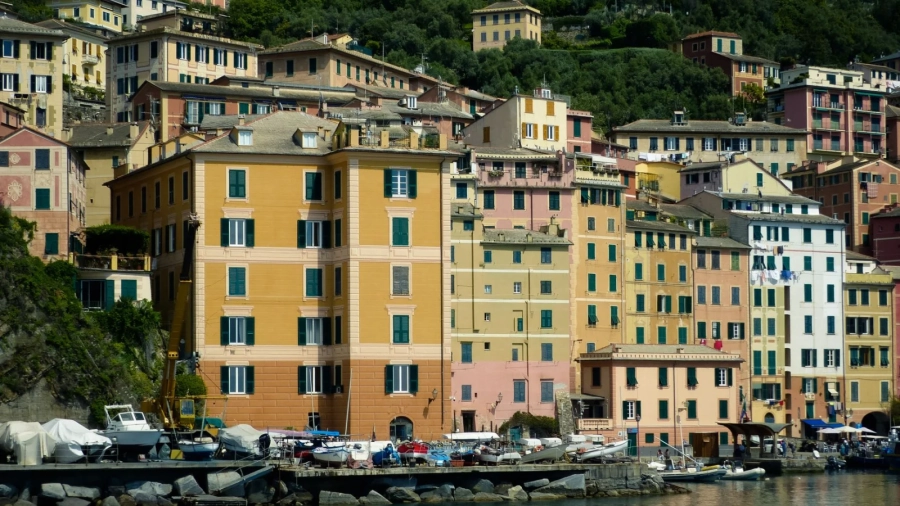
The best Mediterranean cruise excursions are the ones that fit the hours your ship is actually in port: Pompeii from Naples, the Vatican from Civitavecchia, the Acropolis from Piraeus, Ephesus from Kusadasi and Sagrada Família from Barcelona top almost every list. Before you choose, check two things: how long the transfer from the pier to the sight takes, and whether the sight now needs a timed or named ticket. Many of the big ones do.
Free: see this week's reduced fares from Southampton, checked by hand →
This guide covers 16 Mediterranean shore excursions port by port. For each one you get a realistic transfer time, the booking rules in force for 2026 and 2027, and whether it works best as a ship tour, an independent tour or on your own.
Mediterranean cruise excursions at a glance
Transfer times are typical one-way times from the cruise terminal in normal traffic. Summer traffic, tender queues and train delays can add a lot to them.
| Port | Excursion | Transfer (one way) | Best booked as |
|---|---|---|---|
| Naples | Pompeii | 35–45 min by train or road | DIY or independent |
| Naples | Amalfi Coast | 1 hr 30 min–2 hrs by road | Ship tour |
| Civitavecchia | Vatican Museums & St Peter’s | 50–60 min by train, about 90 min by coach | Ship tour or independent |
| Civitavecchia | Colosseum & ancient Rome | 75–90 min by train or coach | Ship tour or independent |
| Livorno | Florence | About 90 min by road | Ship tour or independent |
| Livorno | Pisa | About 30 min by road | DIY |
| La Spezia | Cinque Terre | Walk or bus to station, then 5–25 min by train | DIY |
| Messina | Taormina | 45–70 min by train or road | DIY or independent |
| Piraeus | Acropolis | 30–45 min by road or metro | Independent |
| Santorini | Oia village | Tender, cable car, then about 30 min by road | Ship tour |
| Mykonos | Delos | About 30–40 min by boat | Independent or ship tour |
| Kusadasi | Ephesus | About 20–25 min by road | Independent |
| Istanbul | Hagia Sophia, Blue Mosque, Topkapi | About 15–20 min by tram or taxi | DIY or independent |
| Barcelona | Sagrada Família & Park Güell | 20–30 min by taxi | DIY with pre-booked tickets |
| Barcelona | Montserrat | About 1 hr by road | Ship tour or independent |
| Dubrovnik | Old Town & city walls | 10–20 min by bus | DIY |
The 16 best Mediterranean shore excursions, port by port
Italy
- Pompeii (Naples). Commuter trains from Naples reach the Pompeii Scavi stop, beside the Porta Marina entrance, in about 35–40 minutes. Tickets are now named and capped at 20,000 visitors a day. From mid-March to mid-October you also choose a morning or afternoon entry window, and you have to use the window printed on your ticket. Book ahead and carry ID that matches the name on the ticket.
- Amalfi Coast (Naples). Positano and Amalfi are lovely, but the single coast road is slow and is often gridlocked in summer. On a one-day call this is where a ship tour makes the most sense. Some lines also run it by boat in high season. Don’t try to fit Pompeii and Amalfi into the same day.
- Vatican Museums and St Peter’s (Civitavecchia). Regional trains take about 50–60 minutes to Roma San Pietro, which is roughly a 15–20 minute walk from the Vatican. Book a timed Museums slot about 90 minutes after your train is due in. The Museums close on Sundays except the last Sunday of the month. On Wednesday mornings, St Peter’s may close for the papal audience.
- Colosseum and ancient Rome (Civitavecchia). Rome is about 70 km from the port. On an eight-hour call you will realistically get only 2.5–3 hours in the city. Pick either the Vatican or the Colosseum and Forum, not both, and book Colosseum time slots ahead.
- Florence (Livorno). Florence is about 90 minutes away by road. By train it takes longer once you add the shuttle and the change at Livorno Centrale. The Uffizi and the Accademia (home of Michelangelo’s David) use timed tickets and are closed on Mondays.
- Pisa (Livorno). Pisa is the easy, low-stress option: about 30 minutes by road. You can pair the Leaning Tower with a walk round Lucca’s walls. Book a timed climb if you want to go up the tower.
- Cinque Terre (La Spezia). From the port, walk 25–30 minutes or take a short bus or taxi to La Spezia Centrale. Trains then link the five villages, which are about 5 minutes apart, so Monterosso is around 25 minutes away. A one-day Cinque Terre Train Card costs roughly €19.50–€32.50 depending on season. Choose two or three villages instead of trying to see all five.
- Taormina (Messina). Taormina is about 52 km from the port. Trains take 45–70 minutes to Taormina-Giardini, and you then need a short bus or taxi ride up to the old town. The Greek theatre, with Etna in the background, is the highlight.
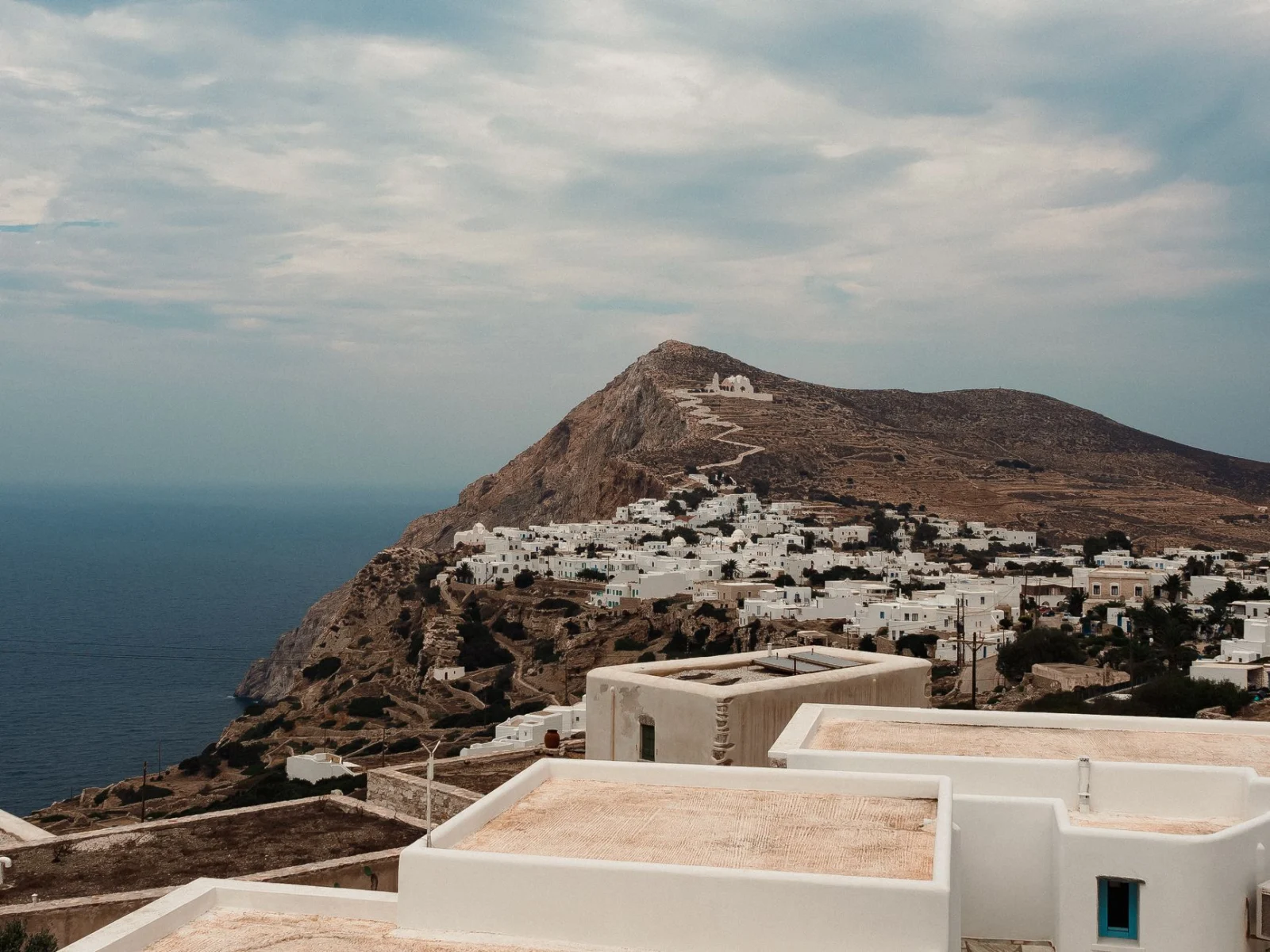
Greece and Turkey: best excursions on an eastern Mediterranean cruise
- Acropolis (Piraeus). Every ticket now has a one-hour entry slot, the daily cap is 20,000 visitors, and the adult fare is €30. Summer morning slots can sell out weeks ahead. Cruise groups tend to crowd the site between about 10am and 2pm, so an early slot is worth having.
- Oia, Santorini. Most ships anchor in the caldera, so you tender to the Old Port and then take the cable car or 500-plus steps up to Fira. Cable car queues can run to an hour on busy days. Oia is a further bus or coach ride. Ship tours often land passengers at Athinios and go straight to Oia, which saves a lot of queuing. Leave a generous buffer for the last tender.
- Delos (Mykonos). Boats from Mykonos take about 30–40 minutes to this UNESCO-listed island of ruins. It is exposed and hot, and check your call day, because boat schedules vary. If you would rather stay on Mykonos, Little Venice and the windmills are an easy walk from the Old Port.
- Ephesus (Kusadasi). The site is about 20–25 minutes from the pier. Entry was €40 for adults in 2026, and the Terrace Houses cost extra but are well worth it. Shade is scarce, so go early.
- Istanbul old city. Ships dock at Galataport in Karaköy, and the tram runs across the Golden Horn to Sultanahmet. Foreign visitors pay to enter Hagia Sophia and use a separate entrance. Topkapı Palace is usually closed on Tuesdays. The Blue Mosque is free but closes to visitors at prayer times.
Spain and Croatia
- Sagrada Família and Park Güell (Barcelona). Both sights use timed tickets. On the official site, basic Sagrada Família entry is about €26, or €36 with a tower. In peak months, book at least two to four weeks ahead. The Tower of Jesus is structurally complete but is not expected to open to visitors before 2027.
- Montserrat (Barcelona). The mountain monastery is about an hour from the port by road. A rack railway or cable car takes you up the last stretch. It works best on a longer call or as a pre- or post-cruise day.
- Dubrovnik Old Town and walls. Buses run from Gruž port to Pile Gate in 10–20 minutes. The walls ticket costs about €40 in high season, and the full loop takes 60–90 minutes. The walls are busiest between 9 and 11am, when ship tours arrive.
If your itinerary is still undecided, our comparison of western vs eastern Mediterranean cruises shows which of these ports each route usually includes.
Ship excursion, independent tour or DIY?
None of these three options is always best. It depends on the transfer distance and how much margin your port call leaves.
- Ship excursions cost the most and use larger groups. Their key advantage is that the ship waits if the tour is late. Choose them for long transfers (Rome, Florence, Amalfi, Oia) and for tender ports.
- Independent tour operators usually run smaller groups at lower prices. Many offer a “back to ship” guarantee, but read what it covers. Usually it means paying for you to reach the next port if you miss the ship. It does not mean the ship will wait.
- Doing it yourself is the cheapest and most flexible option. It works best where the sight is close or the trains are simple: Pompeii, Pisa, Cinque Terre, Dubrovnik, Istanbul and Barcelona.
How to manage the all-aboard risk
Ships do not wait for independent passengers, and the all-aboard time is usually 30–60 minutes before departure. A simple rule is to plan to be back at the pier at least 90 minutes before all-aboard on long-transfer days. Allow at least 60 minutes on short ones. Keep your watch on ship time, since it can differ from local time in Greece and Turkey. Save the port agent’s number from the daily programme, carry a copy of your passport and enough cash for a taxi, and check the strike calendar for Italy and Greece the day before.
Fees and rules to budget for
- Greek cruise levy: €20 per passenger for Santorini and Mykonos from June to September, €12 in April, May and October, and €4 in winter. Most other Greek ports cost €1–€5. It is usually added to your onboard account only if you go ashore.
- Venice access fee: in 2026, day visitors to Venice’s historic centre paid €5–€10 on 60 peak days between April and July. If your cruise calls at or near Venice, check whether the fee applies to your date.
- Named or timed tickets: Pompeii, the Acropolis, the Vatican Museums, the Colosseum and Sagrada Família all use them. Buy from official sites or reputable sellers, and be wary of copycat ticket sites.
Still choosing a ship? See our guide to the best Mediterranean cruises, and our roundup of the best cruise ports in the world for more port ideas.
Before booking a big-city tour, check our guide to cruise ports that are far from the city, including how long it really takes to reach Rome, Florence and Paris.
If food is the highlight of your trip, see our pick of the best food shore excursions, from Naples pizza to Barcelona cava.
If you would rather swap sightseeing for something more active, see our roundup of bucket-list adventure shore excursions around the world.
FAQs
Should I book Mediterranean cruise excursions through the ship or on my own?
Book through the ship for long transfers such as Rome, Florence, the Amalfi Coast and Santorini’s Oia, because the ship will wait if the tour runs late. Close sights such as Pompeii, Pisa, Dubrovnik and Barcelona are easy to do on your own or with a small independent tour.
Can you see Rome on a cruise stop at Civitavecchia?
Yes, but only partly. Rome is 50–90 minutes away each way, so an eight-hour call leaves roughly 2.5–3 hours in the city. Focus on either the Vatican or the Colosseum and Forum, and book timed tickets in advance.
Do I need to book Pompeii tickets in advance?
It is strongly recommended. Pompeii caps daily visitors at 20,000, tickets carry your name, and from mid-March to mid-October you have to enter during the morning or afternoon window you booked.
Which Mediterranean ports are easiest to explore without a tour?
Barcelona, Dubrovnik, Kusadasi (for a taxi to Ephesus), Istanbul, La Spezia (for Cinque Terre) and Naples (for Pompeii) are the most straightforward, because the transfers are short or the trains are simple.