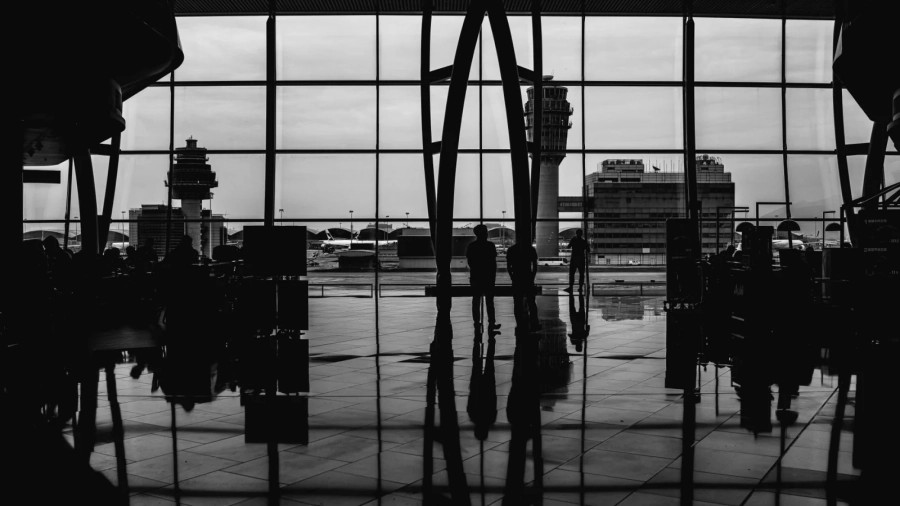
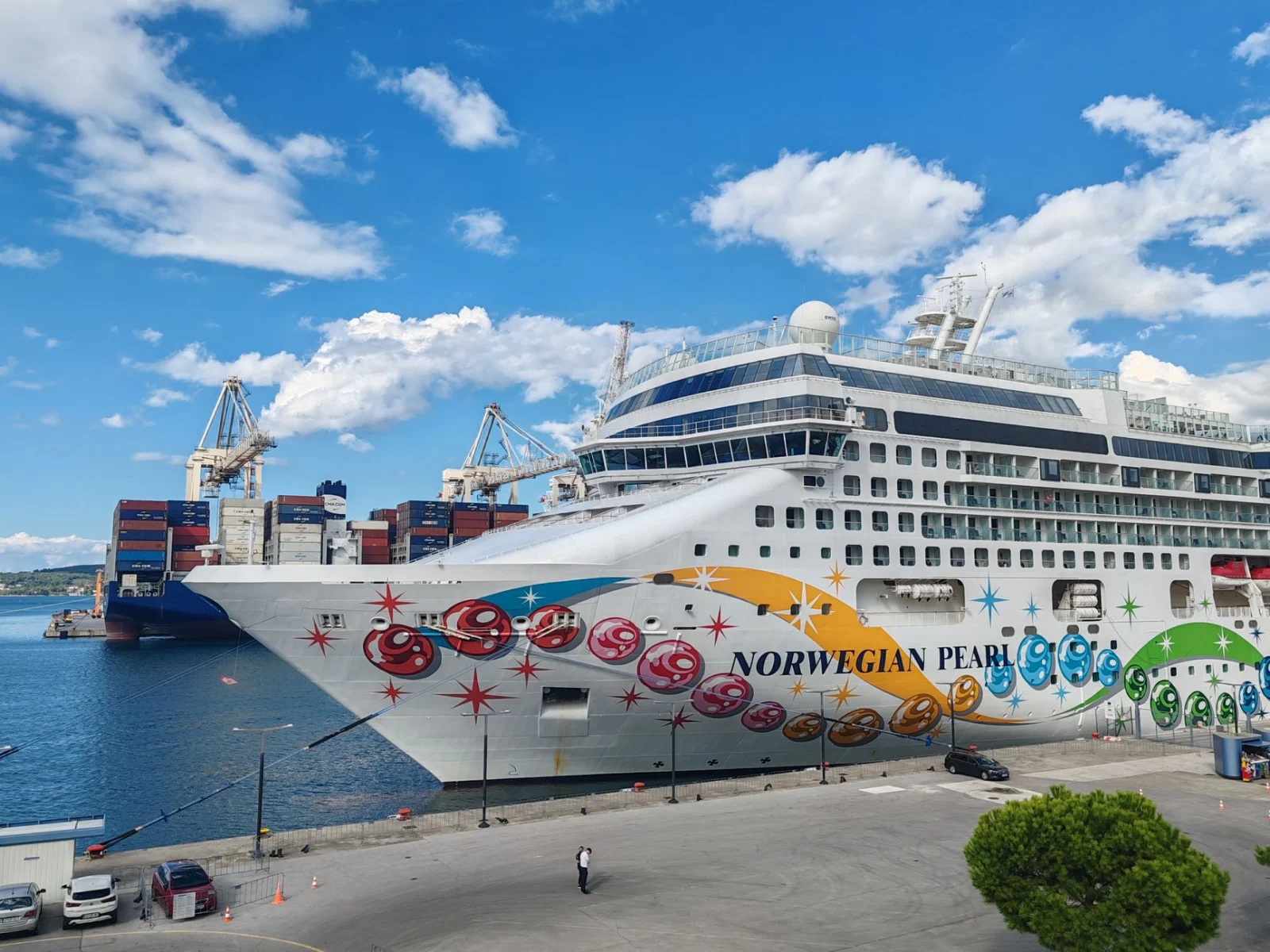
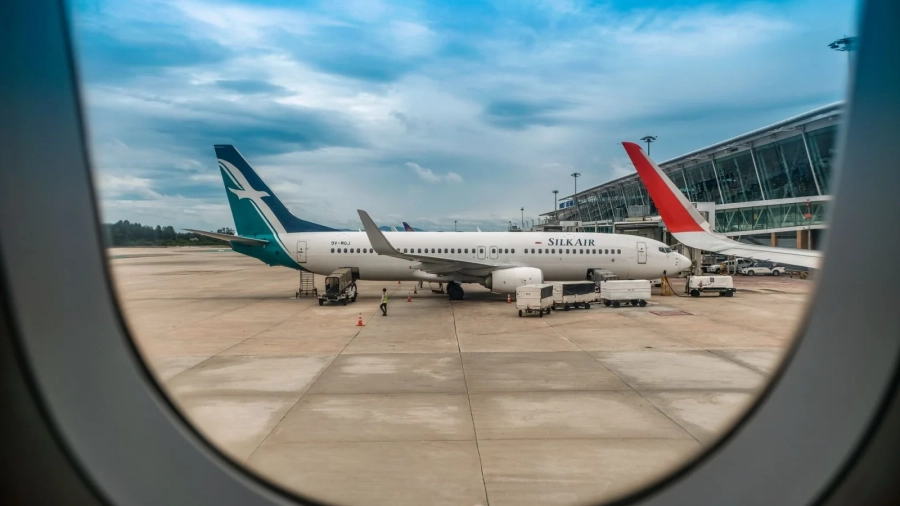
CLEAR airport security is a paid, private biometric membership (CLEAR+) that lets you confirm your identity with a face scan at a CLEAR pod instead of queuing to show your ID to a TSA officer. A CLEAR ambassador then walks you to the front of the physical screening line. When comparing CLEAR vs TSA PreCheck, the key point is that they speed up different steps: CLEAR handles the ID check, while PreCheck makes the bag and body screening easier.
For cruise passengers flying into Florida, Texas or California ports, the right choice depends on how often you fly, which airports you use and whether a credit card or airline status pays for it. This guide explains how CLEAR works, what it costs in 2026, how it stacks up against PreCheck and whether it is worth it for a cruise trip.
What Is CLEAR Airport Security and How Does It Work?
CLEAR is run by a private company, Clear Secure, not by the government. Its airport product is called CLEAR+ (often written CLEAR Plus). After you enroll, your identity is linked to your biometrics, so at the airport you:
Head to the dedicated CLEAR+ lane at the security checkpoint.
Step up to a CLEAR pod and verify your identity, usually with a quick face scan (fingerprints are a backup at some pods).
Scan your boarding pass or let the system pull it up.
Get escorted by a CLEAR ambassador to the front of the TSA screening line, either the standard lane or the PreCheck lane if your boarding pass shows PreCheck.
At some airports CLEAR is adding automated eGates that match your face to your ID and boarding pass, replacing the walk with an ambassador. Tampa International Airport, for example, announced CLEAR+ lanes with eGates rolling out from fall 2026.
Enrollment is quick compared with government programs. You can start online and finish at any CLEAR airport location without an appointment, using a government-issued ID. There is no interview or background check like there is for PreCheck.
CLEAR vs TSA PreCheck: The Key Differences
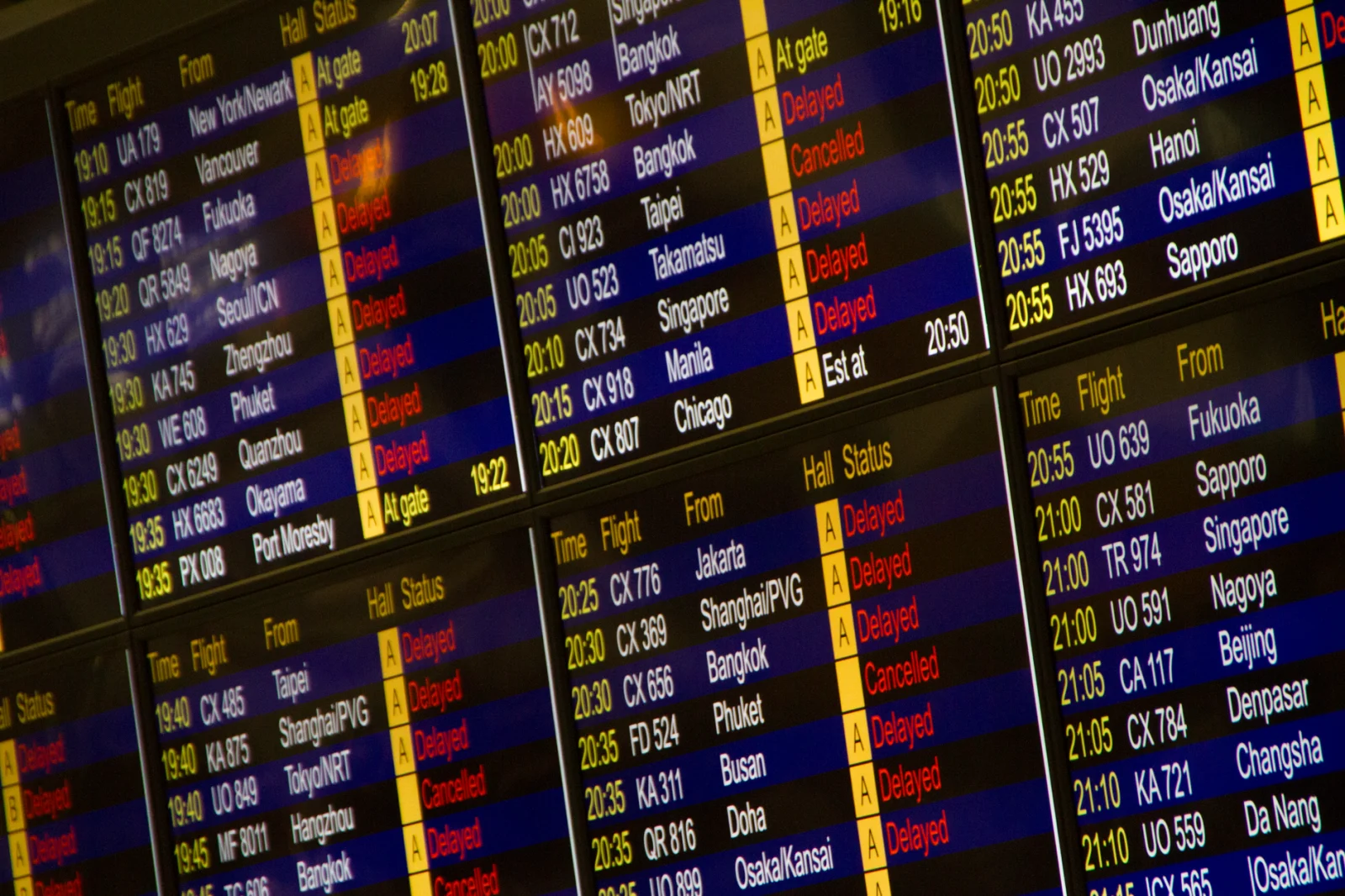
People often treat these as rival options, but they solve different bottlenecks. TSA PreCheck is a government Trusted Traveler program run by the Transportation Security Administration. Approved members use a separate lane where they can usually keep shoes, belts, light jackets, laptops and 3-1-1 liquids in place. TSA says around 99% of PreCheck passengers wait less than 10 minutes.
Feature
CLEAR+
TSA PreCheck
Who runs it
Private company (CLEAR)
U.S. government (TSA)
What it speeds up
Identity and document check
Physical screening of you and your bags
Typical cost (2026)
$219 per year
About $78 to $85 for five years, depending on enrollment provider
Renewal
Every year (auto-renews)
Every five years, about $69 to $78
Airports
Around 60 U.S. airports
More than 200 U.S. airports
Shoes, laptops, liquids
Must come out unless you also have PreCheck
Can usually stay in
Background check
No
Yes, plus fingerprints at enrollment
Children
17 and under go free with a member
17 and under can join a parent if PreCheck shows on their boarding pass
Prices are as published by CLEAR and TSA at the time of writing and change regularly, so check before you pay.
Using CLEAR and TSA PreCheck together
The fastest combination is to have both. CLEAR skips the ID queue, then the ambassador drops you at the front of the PreCheck screening lane, where you keep your shoes on and your laptop in your bag. If you only have CLEAR, you still go through standard screening. If you only have PreCheck, you queue for the PreCheck ID check, which at most airports is short anyway.
A newer wrinkle is TSA PreCheck Touchless ID. At a growing list of airports (TSA announced an expansion to about 65 in 2026), PreCheck members flying with participating airlines can opt in to have their face matched to their passport photo, which removes the ID check without paying CLEAR. Where Touchless ID is available, CLEAR’s time saving can shrink to almost nothing.
Long ID-check queues are where CLEAR saves the most time. Photo: 海风 张 on Pexels
How Much Does CLEAR Plus Cost in 2026?
CLEAR has raised its price several times. As of mid-2026, the standard CLEAR+ membership costs $219 per year. Other details worth knowing:
Family add-ons: up to three adults can be added for $125 each per year.
Kids: children 17 and under can use the CLEAR lane with a member at no charge.
PreCheck bundle: CLEAR also enrolls people in TSA PreCheck and has offered discounted first-year CLEAR+ pricing to those who sign up for both together.
Extras: membership includes faster entry at some stadiums and venues and a set of partner discounts.
For a couple, that is $344 a year at full price, which is why most people who keep CLEAR long term get it discounted or reimbursed.
CLEAR discounts through Delta, United and credit cards
Linking a frequent flyer account can cut the price. According to CLEAR and recent reporting, approximate 2026 rates are:
Delta SkyMiles: $209 for general members; $179 for Silver, Gold and Platinum Medallion members and eligible Delta SkyMiles Amex cardholders; $129 for Diamond Medallion, who lost the free benefit from June 1, 2026. Invitation-only Delta 360 members still get it free.
United MileagePlus: $209 for general members; $179 for Premier Silver to Platinum and eligible United cardholders; $129 for Premier 1K. Global Services members get it free.
Credit cards: American Express raised its CLEAR+ statement credit to up to $219 per calendar year on eligible cards such as The Platinum Card in July 2026, which can cover the full fee. Other premium travel cards offer credits that cover TSA PreCheck or Global Entry instead.
Discount levels and card benefits change often, so confirm the current rate on clearme.com or with your card issuer before renewing.
Is CLEAR Worth It for Cruise Passengers?
CLEAR is not used at cruise terminals. It only helps with the flights before and after your sailing, and mainly on the way home, because you depart through airport security in your embarkation city. That makes the answer to “is CLEAR worth it” depend on a few practical questions.
Which Florida cruise airports have CLEAR?
Florida is where many U.S. cruisers fly to, and CLEAR covers the busiest airports serving the big ports:
Orlando International (MCO) for Port Canaveral: CLEAR lanes at the East and West checkpoints and Terminal C. If you are still choosing a flight, our guide to the closest airports to Port Canaveral compares the options.
Miami International (MIA) for PortMiami.
Fort Lauderdale-Hollywood (FLL) for Port Everglades.
Tampa International (TPA) for Port Tampa Bay, with CLEAR+ lanes announced for fall 2026.
Smaller airports such as Sanford (SFB) or Palm Beach (PBI) may not have CLEAR, so check CLEAR’s location list against both your home airport and your port airport before signing up.
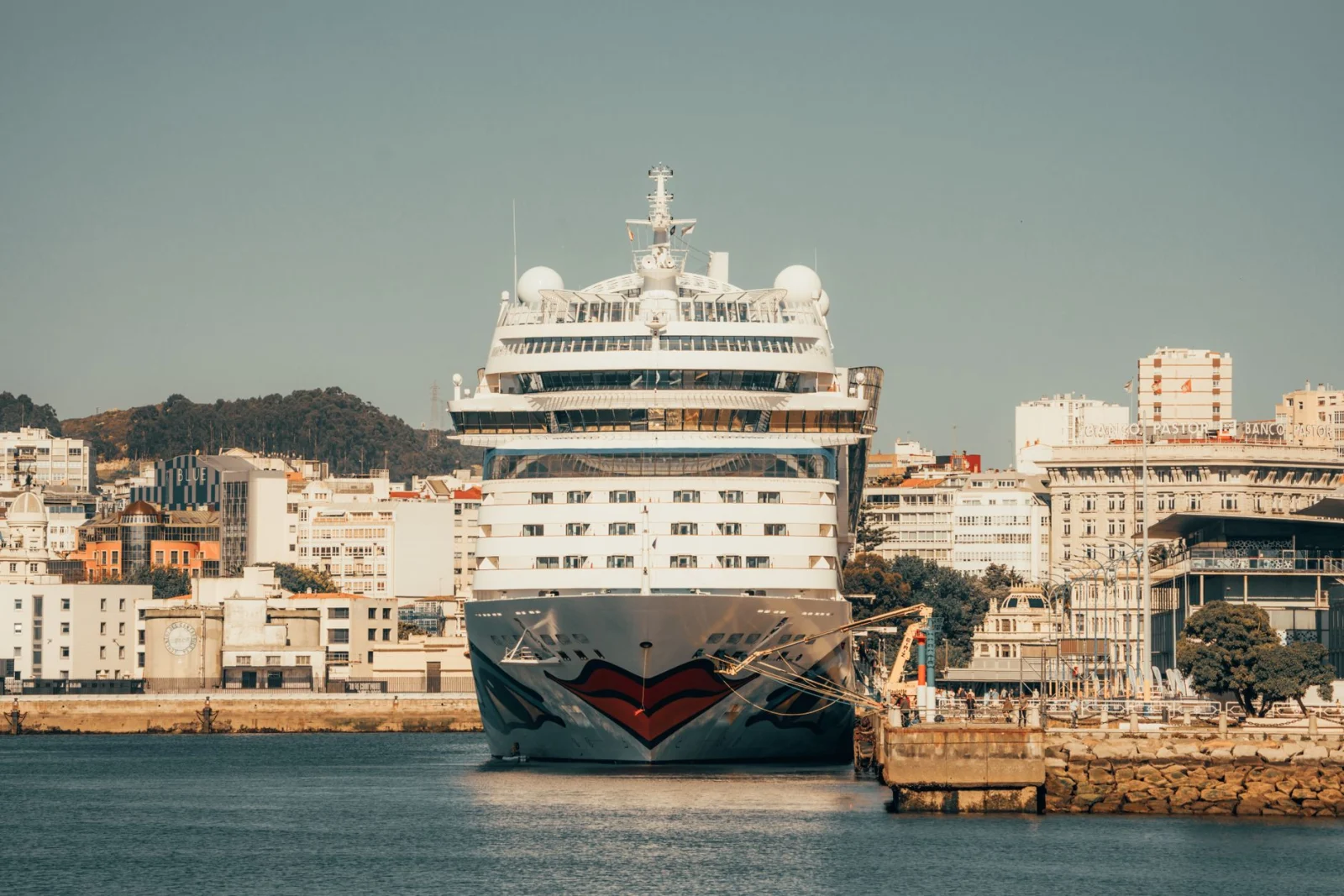
CLEAR helps on the flight to your cruise, not at the cruise terminal itself. Photo: Janez Temlin on Pexels
When CLEAR Makes Sense and When It Doesn’t
For most people who cruise once or twice a year, TSA PreCheck alone gives the best value: it costs less than $20 a year averaged over five years, works at far more airports and makes the screening itself easier. CLEAR becomes worth considering when:
You fly often, especially for work, from a large hub where the ID line is the main delay.
A card credit or airline status pays for all or most of the fee.
You often fly at peak times, such as Saturday and Sunday turnaround days when Orlando, Miami and Fort Lauderdale fill with cruisers heading home.
You don’t qualify for PreCheck yet or are waiting for approval and want some speed in the meantime.
It is less useful if your home airport has no CLEAR lane, your airports already have Touchless ID, or you only fly a couple of times a year. A sensible approach is to get PreCheck first, then add CLEAR only if it is free or cheap through a card or status.
Whatever you choose, saving money on the flights themselves often matters more than shaving minutes off security. Our Google Flights guide to finding cheap flights walks through tracking fares to your departure port.
REAL ID and Other 2026 Changes to Know
REAL ID enforcement began at U.S. airport checkpoints in May 2025. CLEAR does not replace it: you still need a REAL ID-compliant license, a passport or another TSA-accepted ID. Since February 1, 2026, travelers who arrive without acceptable ID can pay a $45 TSA ConfirmID fee for identity verification, which covers a 10-day travel window but can take 10 to 30 minutes or more and isn’t guaranteed. Cruisers sailing internationally will usually carry a passport anyway, which avoids the problem.
Also allow plenty of time on disembarkation day. Many ships finish disembarking in the morning, and port-city airports get very busy late morning and early afternoon. CLEAR or PreCheck can help, but booking a flight with a comfortable buffer matters more. If you are still planning your trip, see our comparison of the cheapest 7-day cruises out of Florida.
Only if your home airport has CLEAR and its PreCheck line regularly backs up at the ID check, or if a credit card or airline status covers most of the fee. For one or two flights a year, PreCheck alone is usually enough.
How much does CLEAR Plus cost in 2026?
The standard CLEAR+ price is $219 a year at the time of writing, with up to three adult add-ons at $125 each and children 17 and under free in the lane with a member. Delta, United and card discounts can lower or cover it, and prices change, so check clearme.com.
What is the downside to using CLEAR?
It only speeds up the ID check, not the physical screening, so without PreCheck you still remove shoes, laptops and liquids. It is also expensive each year, operates at roughly 60 airports rather than all of them, and sometimes the PreCheck line is just as quick.
Does CLEAR work at cruise terminals?
No. CLEAR is used at airport security checkpoints (plus some stadiums and venues), not at cruise port check-in. It only helps on the flight legs of your trip, mainly the flight home from your departure port city.
Does CLEAR replace a REAL ID?
No. CLEAR verifies your identity at its pods, but you still need acceptable ID such as a REAL ID-compliant license or passport. Since February 2026, TSA charges a $45 ConfirmID fee to travelers who show up without acceptable ID.
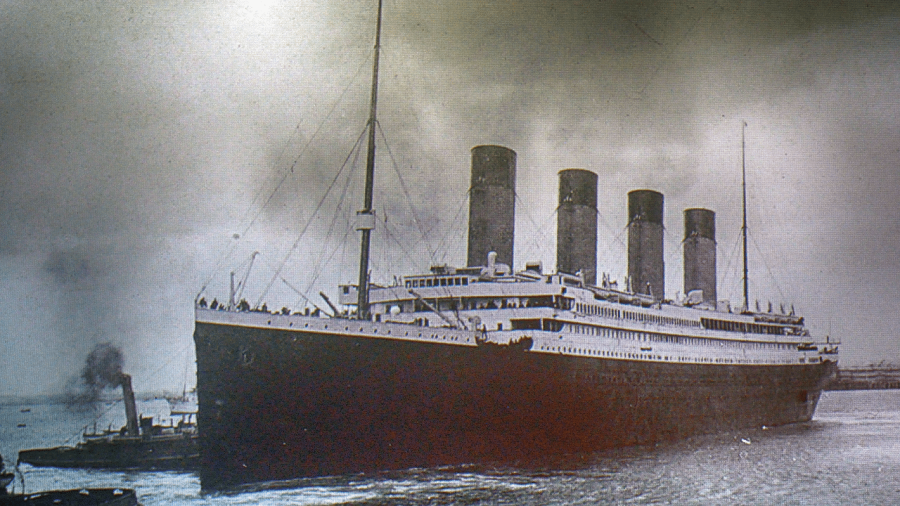
The sinking of the Titanic remains one of the most tragic and iconic maritime disasters in history. On the evening of April 14, 1912, the luxurious passenger ship struck an iceberg in the North Atlantic Ocean. Despite being hailed as an unsinkable ship, the Titanic succumbed to the frigid waters in the early morning hours of April 15, resulting in the loss of over 1,500 lives.
Where did the Titanic sink?
The exact location of the ship’s final resting place was unknown for many years until a joint US-French expedition led by Dr. Robert Ballard finally located it in 1985.
The exact coordinates where the Titanic struck the iceberg and sank are 41.726931° N, 49.948253° W.
You can look at the map below to see where the Titanic sank. (You may need to zoom out).
When did the Titanic Sink?
On April 15th, 1912, at approximately 2:20 a.m. on April 15, 1912, Titanic sank into the North Atlantic Ocean about 400 miles south of Newfoundland. Over 1,500 passengers and crew members perished in the icy waters.
Scientific research on the Titanic wreckage has shed light on the events leading up to the ship’s demise. The ship’s hull was discovered to contain weak rivets and slits, compromising its structural integrity. These findings have been corroborated by news reports from the time, revealing the significance of these factors in the ship’s sinking.
The weak rivets and slits in the Titanic’s hull were instrumental in allowing the frigid seawater to infiltrate the ship’s compartments rapidly. As the Titanic began to take on water, the hull became increasingly compromised, ultimately causing the ship to sink. This realization has prompted further investigation into the ship’s construction and maintenance, serving as a cautionary tale for future maritime endeavors.
In conclusion, the sinking of the Titanic serves as a poignant reminder of the devastating consequences that can arise from structural flaws and the immense power of nature. As highlighted by scientific research and historical news reports, the weak rivets and slits in the hull played a significant role in the ship’s demise. This tragic event continues to capture the imagination of people worldwide and remains a pivotal moment in maritime history.
Timeline of the Sinking
The sinking of the Titanic took place on the evening of April 14, 1912. As the ship sailed through the North Atlantic Ocean, it collided with an iceberg, triggering a series of events leading to its tragic demise. The impact of the iceberg caused significant damage to the Titanic’s hull, compromising its structural integrity.
The ship began to take on water rapidly over several hours, starting in the late evening. Despite efforts to evacuate and save as many passengers as possible, the Titanic sank in the early morning of April 15, 1912. The loss of over 1,500 lives marked a devastating chapter in maritime history. The sinking of the Titanic continues to serve as a reminder of the need for safety and precautionary measures in oceanic travel.
Preparations for Departure
The preparations for the departure of the Titanic were meticulous and extensive. On April 10, 1912, the luxurious passenger ship set sail on its maiden voyage from Southampton, England. The port of departure was bustling with activity as the crew made final arrangements before departure.
Before embarking on the historic journey, the Titanic underwent numerous checks to ensure its seaworthiness. The ship’s hull compartments were sealed to make it virtually unsinkable, a claim that would tragically be proven false. The crew also conducted safety drills and lifeboat exercises to prepare for emergencies.
The departure preparations included loading essential supplies such as food, water, and coal for propulsion. The stowing of cargo and luggage was meticulously organized, ensuring the comfort of both first-class and third-class passengers.
As the departure date approached, last-minute checks were carried out on the ship’s systems, including the radio operator maintaining a 24-hour watch for incoming messages. Despite several warnings of icebergs along the route, the Titanic’s crew remained confident in the ship’s ability to navigate through any danger.
Little did they know the Titanic’s departure marked the beginning of one of the most tragic sinkings in maritime history. The ship’s collision with an iceberg in the North Atlantic Ocean on April 14, 1912, shattered the confidence in its supposedly unsinkable nature and claimed the lives of more than 1,500 passengers and crew.
It wasn’t until 1985 that the wreckage of the Titanic was discovered on the ocean floor, over 70 years after its sinking. The sinking’s massive scale and tragic nature have made it a significant event in modern history, attracting the attention of maritime historians, conspiracy theorists, and the general public alike.
As the sister ship of the Olympic-class ships and the shining symbol of luxury and opulence, the Titanic’s preparations for departure marked the beginning of a journey that would forever be etched in our collective memory.
Titanic on its Maiden Voyage
The Titanic’s maiden voyage commenced on April 10, 1912, from the port of Southampton, England. This grand and historic journey was destined for New York City, with planned stops in Cherbourg, France, and Queenstown (now known as Cobh), Ireland. The ship’s departure marked the beginning of what would tragically become one of the most infamous events in maritime history.
The Titanic, often called the “Millionaire’s Special,” was a luxurious passenger ship designed to cater to the wealthy elite. On board were notable passengers such as John Jacob Astor, Benjamin Guggenheim, and Molly Brown, all adding to the ship’s glamorous reputation.
The first stop on the voyage was Cherbourg, where passengers embarked and disembarked amidst much fanfare. After a brief stay, the Titanic continued its journey to Queenstown, where additional passengers joined the ship before venturing into the vast Atlantic Ocean.
High expectations and excitement surrounded the maiden voyage of the Titanic, as this brand-new ship was hailed as a marvel of engineering and opulence. Unfortunately, the tragic events that unfolded on April 14, 1912, forever changed the course of maritime history, leaving a profound and lasting impact on the world’s collective memory.
Disaster Strikes: The Tragic Sinking of the Titanic
As the Titanic made its way through the Atlantic Ocean, iceberg warnings were received throughout April 14, 1912. These warnings, primarily from nearby ships, alerted the crew to icebergs in the “Iceberg Alley.”
Despite these warnings, the Titanic continued to sail at full speed, confident in its reputation as an unsinkable ship. However, tragedy struck later that evening. At 11:40 PM, the ship collided with a massive iceberg, tearing open several of its hull compartments.
Immediately upon impact, the ship’s crew sounded the alarm and started to take immediate action. Captain Edward Smith ordered the ship’s wireless telegraph operator to send distress signals to nearby vessels. However, some of these signals were not received due to various factors, such as radio operator workload and super refraction.
As the seriousness of the situation became apparent, lifeboats were prepared for evacuation. However, there were not enough lifeboats to accommodate all the passengers and crew on board. This, along with a lack of proper emergency drills, contributed to a chaotic and tragic sinking.
Ultimately, the Titanic sank in the early hours of April 15, 1912, taking the lives of over 1,500 people. The disaster has since become one of the most infamous and tragic sinkings in maritime history, prompting significant changes in maritime regulations for the safety of all future ocean liners.
Final Minutes and Impact of the Sinking
In the final minutes of April 14, 1912, the Titanic’s fate was sealed. After receiving several iceberg warnings, the luxury passenger ship sailed at full speed through the treacherous waters of Iceberg Alley. At 11:40 PM, disaster struck as the Titanic collided with a massive iceberg.
The impact immediately tore open multiple hull compartments, rapidly causing the ship to take in water. Panic and chaos ensued as the crew sounded the alarm and initiated evacuation protocols. However, the shortage of lifeboats became painfully evident.
With only enough lifeboats to accommodate a fraction of the passengers and crew onboard, a devastating loss of life was inevitable. The lack of proper emergency drills further compounded the tragic situation. Amid the chaos, acts of heroism and selflessness were witnessed, but ultimately, the sinking of the Titanic claimed the lives of more than 1,500 people.
The immediate aftermath of the sinking brought shock and grief to the world. News of the tragic event spread rapidly, captivating public attention and prompting an outpouring of sympathy. The sinking of the Titanic forever altered maritime history, a stark reminder of the consequences of complacency and the importance of safety measures at sea.
Causes of the Titanic Sinking
The sinking of the Titanic is one of the most infamous tragedies in maritime history. On the evening of April 14, 1912, the luxurious passenger ship collided with an iceberg in the North Atlantic Ocean. Despite being hailed as the “unsinkable ship,” the Titanic’s fate was sealed when the impact tore open multiple hull compartments, causing the ship to take in water rapidly. The shortage of lifeboats and the lack of proper emergency drills further compounded the tragic situation, resulting in the loss of over 1,500 lives. This article explores the causes and factors that led to the sinking of the Titanic.
Design Flaws in the Ship
The sinking of the RMS Titanic, the luxurious passenger ship famously known as the “unsinkable ship,” was a tragedy that shocked the world. This disaster was primarily caused by several design flaws that significantly impacted the ship’s ability to withstand the collision with the iceberg.
One of the main design flaws was the inadequate hull compartments. The Titanic was divided into 16 compartments, each separated by walls that were supposed to prevent flooding. However, these compartments were partially sealed at the top, allowing water to spill over from one compartment to another. When the iceberg punctured multiple compartments, the water quickly overwhelmed the ship’s ability to stay afloat.
Furthermore, the materials used in the construction of the Titanic needed to be better. Despite being a massive ship, the hull was made of relatively thin 2.5cm double-plank steel. This was not enough to withstand the impact of the collision, leading to extensive damage and flooding.
Additionally, the ship was equipped with insufficient lifeboats, only enough to accommodate about half of the passengers and crew. This lack of adequate lifeboats significantly compromised the chances of survival for those on board.
Lastly, the safety features on the Titanic were different from the standards required for a ship of its size. The 24-hour radio watch needed to be adequately enforced, and iceberg warnings from nearby ships were not heeded. These shortcomings further contributed to the chaotic sinking.
In conclusion, the tragic sinking of the Titanic resulted from design flaws that manifested in the inadequate hull compartments, the use of subpar materials, the lack of sufficient lifeboats, and the inadequate safety features. These flaws ultimately hampered the ship’s ability to withstand the collision with the iceberg, leading to one of the most notorious sinkings in modern history.
Inadequate Lookout and Safety Procedures
The inadequate lookout and safety procedures on the Titanic played a significant role in the ship’s tragic sinking. This safety feature needed to be adequately enforced despite being equipped with a 24-hour radio watch. As a result, iceberg warnings from nearby ships were not heeded, depriving the crew of crucial information that could have prevented the collision.
Additionally, the lookouts on the Titanic needed to be more vigilant in maintaining a proper watch. On the fateful night of the sinking, the crew failed to spot the iceberg until it was too late. This lack of attention and awareness significantly contributed to the disaster.
Furthermore, safety protocols should have been addressed throughout the voyage. For instance, the Titanic was designed to conduct regular iceberg patrols, but this practice should have been addressed. Had these patrols been carried out diligently, the crew may have been able to identify the iceberg field known as “Iceberg Alley” and take preventive measures.
Overall, the inadequate lookout and failure to implement proper safety procedures on board the Titanic resulted in one of the most tragic sinkings in modern history. The consequences of these shortcomings were profound, leading to the loss of numerous lives and forever shaping the way maritime safety is approached.
Poor Weather Conditions
Poor weather conditions greatly influenced the sinking of the Titanic during its ill-fated journey. The ship encountered rough seas, making navigation more challenging and increasing the risk of accidents. Additionally, icebergs in the Atlantic Ocean posed a significant threat to the massive ship.
Despite receiving iceberg warnings from nearby ships, the Titanic maintained a high speed. This decision worsened the situation by reducing the time for the ship to change course or take necessary precautions. The crew may have underestimated the danger posed by the icebergs, leading to a lack of urgency in responding to the warnings.
These poor weather conditions, combined with the decision to maintain high speed despite iceberg warnings, ultimately contributed to the tragic sinking of the Titanic. The collision with an iceberg caused irreparable damage to the ship’s hull compartments, leading to its eventual demise on the ocean floor. The sinking of the Titanic remains one of the most tragic and significant events in maritime history.
The Devastating Aftermath
The sinking of the Titanic on the fateful night of April 15, 1912, profoundly impacted the world. The tragedy captured global attention and resulted in a devastating loss of life. The luxurious passenger ship, deemed unsinkable, struck an iceberg in the North Atlantic Ocean, leading to its untimely demise. Despite its massive size and advanced technology, the Titanic ultimately succumbed to the forces of nature, sinking to the ocean floor and becoming one of history’s most tragic sinkings. The aftermath of this disaster raised numerous questions and controversies, fueling conspiracy theories and maritime investigations. The loss of the Titanic continues to serve as a reminder of the fragility of human endeavors and the importance of learning from past mistakes.
Loss of Life
The sinking of the Titanic on April 15, 1912, resulted in a devastating loss of life. The casualty count was tragically high, with approximately 1,500 passengers and crew members perishing in the icy waters of the Atlantic Ocean.
Among the victims were individuals from various demographics. Most casualties were third-class passengers, comprising around 75% of the total deaths. This group consisted of immigrants seeking a new life in America. The first-class passengers included a smaller portion of the casualties, roughly 40% losing their lives aboard the luxurious passenger ship.
Notable victims included prominent individuals such as American multimillionaire John Jacob Astor IV, British journalist William Thomas Stead, and American entrepreneur Benjamin Guggenheim. Their deaths, along with the numerous others, added to the tragic scale of the sinking.
The loss of life due to the Titanic sinking remains one of maritime history’s most mourned and remembered events. To this day, the sinking serves as a reminder of the risks and dangers associated with ocean travel, and a testament to the bravery and sacrifice of those on board the ill-fated ship.
Investigation into the Tragedy
Immediately after the tragic sinking of the Titanic, two large-scale official inquiries were conducted to investigate the events leading up to the disaster. These inquiries aimed to shed light on the causes of the sinking, address any potential accountability, and provide recommendations for future maritime safety.
The British Board of Trade led the first official inquiry, led by Lord Mersey. This inquiry focused on gathering testimonies from survivors, crew members, and other witnesses to organize the sequence of events. It also examined the ship’s construction, equipment, and safety procedures. The second official inquiry was conducted by the United States Senate, led by Senator William Alden Smith. This inquiry aimed to determine whether any legal action needed to be taken and examined the activities of the White Star Line, the company that owned the Titanic.
While these inquiries provided some public disclosure of information, they also concealed specific details. Both investigations revealed that the Titanic had received multiple iceberg warnings. Still, crucial information regarding the ship’s limited number of lifeboats and the failure to conduct sufficient lifeboat drills was not fully disclosed. Additionally, the inquiries did not delve deeply into the potential responsibility of wealthy individuals and influential figures, such as J.P. Morgan, who had financial and political ties to the Titanic’s owners.
Overall, these official inquiries provided some insight into the tragedy of the Titanic sinking. However, they also served to protect specific interests and concealed vital information. Through subsequent investigations and the tireless efforts of maritime historians, the full extent of the tragedy and its causes has been brought to light.
Searching for the Wreckage
Searching for the Wreckage of the Titanic has been a lengthy and challenging process, marked by multiple search expeditions and the utilization of advanced underwater technologies. The quest to locate the famous ship began in the years following its tragic sinking on April 15, 1912, in the North Atlantic Ocean.
One of the earliest attempts to find the Titanic wreck occurred in 1912, just months after the disaster. However, this initial effort proved unsuccessful due to limited technology and knowledge about the ocean floor. It wasn’t until 1985 that the wreckage was eventually discovered by a joint US-French expedition led by Dr. Robert Ballard.
The subsequent search expeditions, including those in 1996 and 2000, further explored and documented the site using advanced submersibles, remotely operated vehicles (ROVs), and high-resolution sonar systems. These underwater technologies allowed researchers to capture detailed images and video footage of the sunken ship.
Locating and exploring the Titanic wreck presented numerous challenges, from the extreme depth of approximately 12,500 feet to the harsh environmental conditions of the North Atlantic. The hull compartments of the ship have also deteriorated significantly over the years, making it challenging to map the wreckage accurately.
Despite these obstacles, the search efforts have yielded important discoveries and findings. The expeditions have revealed the severe damage to the Titanic’s bow and stern, providing insights into the ship’s chaotic sinking. They have also uncovered artifacts and personal belongings, shedding light on the lives and experiences of those aboard the luxurious passenger ship.
Searching for the wreckage of the Titanic has not only brought closure to the historical mystery but also deepened our understanding of the tragic event. As advancements in underwater technologies continue, there may be even more significant findings to uncover.
A tribute to Ida and Isidor Straus, victims of the Titanic.
Titanic Sinking FAQs
How Did Titanic Sink?
The Titanic was considered to be unsinkable, yet it tragically sank on April 15th, 1912. The ship collided with an iceberg in the North Atlantic and suffered extensive damage to its hull compartments, causing it to sink into the freezing waters below.
How long did Titanic take to sink?
The Titanic took approximately two hours and forty minutes to sink after colliding with an iceberg in the North Atlantic Ocean on April 15th, 1912.
How many died in Titanic?
Over 1,500 people died in the disaster, making it one of the deadliest maritime tragedies in history.
Are there any Titanic survivors still alive?
No, there are no survivors of the Titanic still alive. The sinking of the Titanic is one of the most infamous tragedies in history and resulted in the death of over 1,500 people. All known survivors of the Titanic have since passed away.
How many people survived the Titanic?
Out of the 2,223 passengers onboard the Titanic, only 706 people survived.
One of the most famous families to have perished in the Titanic disaster was the Strauses. Isidor and Ida Straus, the proprietors of Macy’s department store, were both prominent members of New York society at the time.
When offered a seat on a lifeboat, Isidor declined so he could remain with his wife. They stayed together until the very end, as the ship eventually sank not wanting to be seperated in anyway.
Ida reportedly said, “‘Isidor we have been together for all these years. Where you go, I go.’”
To use Google Flights to find cheap flights, enter your departure and arrival airports (you can add several of each), open the Date grid or Price graph to see which days are cheapest, then switch to the Cheapest tab and set the bag filter so the fares shown are the ones you would really pay. If you aren’t ready to book, turn on Track prices so Google emails you when the fare changes. When you are ready, book directly with the airline from the booking options list.
This guide covers each of those tools as they work in late 2026. It also covers something most Google Flights guides skip: using the same tools to get to a cruise port, which comes with its own rules about timing, airports and one-way tickets.
How to use Google Flights: the basic search
Google Flights is a search engine, not a travel agent. It compares fares from more than 300 airlines and online travel agencies, then sends you to one of them to buy the ticket. A standard search takes five steps:
Choose the trip type. Round trip, one-way or multi-city, from the drop-down at the top left.
Set passengers and cabin. Economy, premium economy, business or first. Prices change a lot between cabins, so set this before you compare anything.
Enter where you’re flying from and to. You can type a city name (such as “Miami”) to cover every airport there, or add several specific airports to a single search.
Pick your dates. The calendar shows the lowest price for each day. Cheaper days are shown in green. Google says these calendar prices refresh about once every 24 hours, so check the live price before you rely on one.
Review the results. Use the filters and the Best and Cheapest tabs (covered below), then choose your outbound flight and your return.
Find the cheapest days with the Date grid and Price graph
Run a search, then look just above the results for the Date grid and Price graph buttons. On the mobile app, they sit behind the dates bar.
Date grid shows a table of fares for different combinations of departure and return dates. Moving the trip one or two days earlier or later often costs much less. Tuesday, Wednesday and Saturday departures are often cheapest on domestic routes, but the grid shows the real pattern for your route.
Price graph shows the fare over several weeks or months. It’s most useful when your trip length is fixed but the start date isn’t, for example a 7-night cruise with several sailing dates.
Below the results, Google may also add notes such as “Prices are less than usual”, “Prices unlikely to drop” or “Prices likely to increase”. These predictions are based on past fares for similar trips. They are useful as a guide, but Google itself says they are not guaranteed.
Search several airports at once
Searching from more than one airport is among the most effective ways to save money with Google Flights, and many travellers never use it. Click the departure or destination field and add extra airports separated by commas, for example EWR, JFK, LGA, or MIA, FLL, PBI. Results from every airport then appear in one list. Google also has an Airports insight that flags when a nearby airport is cheaper.
Always add the cost of getting from the airport to where you are going. A fare that’s $60 cheaper but lands 70 miles away can cost more once you pay for the ride.
Comparing nearby airports in one search often finds a cheaper fare. Photo: Oscar Chan on Pexels
Best vs Cheapest tab: which one to use
Since late 2024, Google Flights results are split into two tabs, and as of 2026 both are still there:
Tab
What it shows
When to use it
Best
Flights with the best balance of price, length, number of stops and ease of booking
Most trips, and especially any flight with a fixed deadline, such as a cruise departure
Cheapest
The lowest fares, including online travel agency prices and itineraries built from separate tickets
Flexible trips where you can accept extra hassle to save money
The Cheapest tab can be useful, but look at what it includes before you book. Google says these fares may mean collecting and re-checking your bags between flights, or landing at a different airport in the same city. If you are on separate tickets (also called “self-transfer”) and the first flight is late, the second airline doesn’t have to rebook you. That’s a risk worth thinking about whenever you have something you can’t miss at the end of the trip.
Use filters for bags, stops and airlines
The filter bar above the results lets you narrow the list before you compare prices:
Stops: nonstop only, one stop or fewer, or any.
Airlines: include or exclude specific carriers or alliances, which is useful if you collect miles with one of them.
Bags: add a carry-on or a checked bag, and Google adds the airline’s bag fees to the fares shown. This matters a lot when comparing a basic economy or low-cost fare with a standard fare that includes a bag.
Times, duration and connecting airports: set limits on departure and arrival times, total travel time, or the airports you’re willing to connect through.
Fares still leave out some fees, such as seat selection and credit card charges, so check the final total on the airline’s checkout page.
Explore the map when you’re flexible
If you know when you want to travel but not where, open Explore from the menu, or leave the destination blank. You will see a map of fares from your home airport. You can set a rough time frame (for example “a week in February”), limit the results to nonstop flights, and zoom into a region such as the Caribbean or Europe.
Google has also added an AI tool called Flight Deals. You describe a trip in plain language, such as “a week somewhere warm in March with nonstop flights”, and it suggests matching fares. It launched in the US, Canada and India in 2025 and was later expanded to many more countries. It is useful for ideas, but for an exact route, a normal search with the Date grid gives you more control.
Track prices and get alerts
When you’re signed in to a Google account, every search shows a Track prices switch. Turn it on and Google emails you when the fare changes noticeably. You have two options:
Specific dates: watches your exact route and dates. If you pick a particular flight first, you can track that flight alone.
Any dates: watches the route as a whole and tells you about low fares on dates near the ones you searched.
Your tracked flights appear on the Google Flights home page, each with a price history chart. A good habit is to keep tracking after you have booked. Most major US airlines no longer charge change fees on standard economy fares and above, so if the price drops you may be able to rebook and get the difference back as a travel credit. Basic economy fares usually don’t allow this.
Is the Google Flights price guarantee still offered?
Yes, but only on a limited scale. As of late 2026, Google’s terms say some flights carry a “Price guarantee” badge. If you buy one of these flights through Book on Google and the price of the same itinerary later drops, Google pays you the difference through Google Pay after you fly. The conditions are strict:
You must be in the US, and the trip must be a one-way or round trip departing from the US. Multi-city trips don’t qualify.
The fare must drop by at least $5. Each itinerary gets one payout, and total payouts are capped at $500 per calendar year.
Any change or cancellation, by you or the airline, makes the booking ineligible.
Google says it can change or end the programme at any time, so check the badge and the current terms before you count on it.
Most searches won’t show the badge at all, so don’t choose a flight just because it has one.
Flying in a day early takes the stress out of embarkation day. Photo: Tanhauser Vázquez R. on Pexels
Using Google Flights to fly to a cruise
This is where the usual cheap-flight advice needs adjusting. Your ship won’t wait for a delayed plane. If you book your own flights rather than the cruise line’s air package, the cruise line has no duty to help you catch up with the ship. These habits help:
Fly in the day before
Search for a flight that lands the day before embarkation, and use the Price graph to compare that day with the day before it. A spare day costs a hotel night but protects a cruise worth thousands. For winter sailings from Northeast or Midwest cities, where snow delays are common, some cruisers allow two days. Our fly-cruise checks most people forget before they book cover the rest of the planning.
Use the Best tab, not the Cheapest
For the flight to the ship, use nonstop or protected single-ticket connections. A self-transfer itinerary from the Cheapest tab can save $40, but it is a bad trade if one late flight means missing the ship.
Search every airport that serves your port
Add all the realistic airports in one search, then add the transfer time and cost. Some ports are much further from the main airport than people expect. Our guide to cruise ports that are really far from the city explains why that matters.
Cruise port
Airports to add in Google Flights
Approximate distance to the port
PortMiami
MIA, FLL
MIA about 9 miles; FLL about 30 miles
Port Everglades (Fort Lauderdale)
FLL, MIA, PBI
FLL only a few miles; MIA about 25 miles; PBI about 45 miles
Port Canaveral
MCO, MLB, SFB
MCO about 45 miles; MLB about 28 miles; SFB about 60 miles
Galveston
HOU, IAH
Hobby about 41 miles; Bush Intercontinental about 70 miles
Seattle
SEA
About 14 to 20 miles depending on the pier
Barcelona
BCN
Roughly 10 to 12 miles to the cruise terminals
Southampton
LHR, LGW, SOU
Heathrow about 70 miles; Gatwick about 80 miles; Southampton Airport just a few miles, but with few international routes
Two patterns are worth knowing. For Port Canaveral, Orlando (MCO) usually has the most flights and the lowest fares, but Melbourne (MLB) can be closer and quieter. For Galveston, Hobby is closer and mostly served by Southwest, while Bush Intercontinental has far more airlines. Allow extra time for Houston traffic.
One-way and open-jaw tickets for repositioning cruises
Repositioning cruises (Fort Lauderdale to Barcelona, Seattle to Vancouver, or Miami to Southampton, for example) start and end in different places. In Google Flights, choose Multi-city and enter the outbound flight to the start port and the return from the end port. Then compare that price with two separate one-way tickets. On many transatlantic routes a multi-city booking with one airline or alliance is cheaper, and it keeps both flights in one booking. Domestic one-way fares in the US are often reasonable on their own. Use the Date grid on the return flight too, since you can usually choose to fly home on the day you disembark or a day later.
Watch the fare after you book the cruise
Set up price tracking as soon as your cruise is booked, even if the sailing is a year away. You will learn the normal fare for your route, which makes it easy to spot a genuinely good price. If you are still choosing a sailing, browse our cruise deals for 2027 and check flight prices for each option in Explore before you commit.
Book directly with the airline
When you select a flight, Google Flights shows a list of booking options: the airline itself and often several online travel agencies. Agencies are sometimes a few dollars cheaper, but booking direct usually makes changes, refunds and disruption handling simpler, because you deal with the airline instead of a middleman. This matters most on a trip to a cruise, where a schedule change needs fixing quickly. Choose an agency only when the saving is large enough to justify the extra hassle.
Once your flights are booked, our guide to CLEAR airport security explains whether it is worth paying to speed through the checkpoint.
If you still need to fly to your embarkation port, our guide to the best time to book flights for cheap tickets explains when fares are usually lowest and why flying in the day before is worth it.
One-way and multi-city searches are especially useful if you are planning a cruise that ends in a different country, and these repositioning cruise tips cover the flight logistics in more detail.
FAQs
How do I search Google Flights for flights to anywhere?
Leave the destination blank or open Explore. Google Flights shows a map of fares from your airport, which you can filter by travel dates, trip length and nonstop flights.
How do I set a flight tracker on Google Flights?
Sign in to your Google account, search your route and dates, and turn on the Track prices switch. You can track specific dates, a single flight or any dates. Alerts arrive by email.
Do all airlines show up on Google Flights?
No. Google Flights compares more than 300 airlines and travel agencies, but some carriers and some fares are missing. If a budget airline you know about doesn’t appear, check its own website too.
Can you book a flight directly on Google Flights?
Usually not. Google Flights sends you to the airline or a travel agency to complete the booking. The exception is Book on Google, which is offered on some fares and is required for the price guarantee.
Is the Google Flights Cheapest tab worth using?
It is worth checking, but read the details. Its lowest fares may use separate tickets or different airports. For anything with a fixed deadline, such as a cruise departure, the Best tab is usually the safer choice.
Royal Caribbean has announced that its highly anticipated Royal Beach Club Paradise Island will officially open in December 2025, bringing an exclusive new experience to guests cruising to Nassau, Bahamas.
This first-of-its-kind beach retreat will offer a mix of relaxation, adventure, and family-friendly activities in a stunning 17-acre venue just 10 minutes from the Port of Nassau.
Guests sailing on Royal Caribbean itineraries that call at the island will be able to purchase day passes to access the Royal Beach Club starting in spring 2025, though the exact cost of the passes has not yet been disclosed.
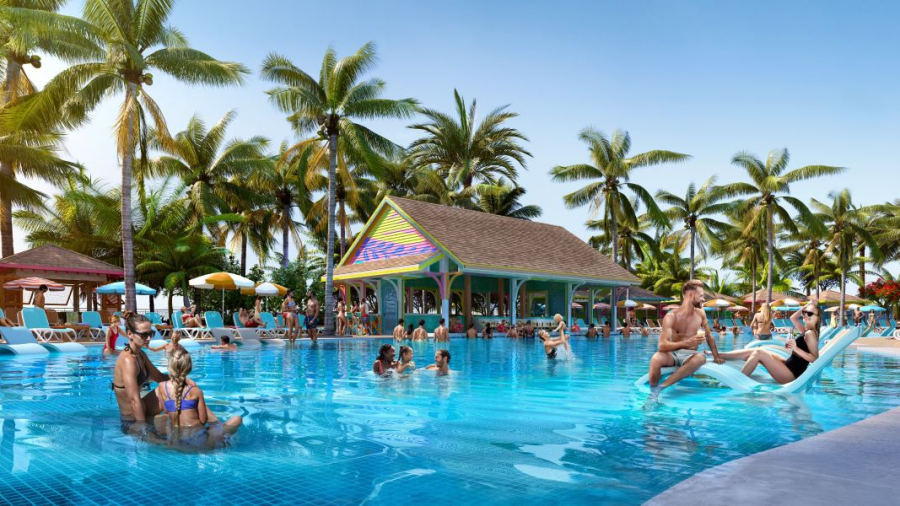
The beach retreat will be divided into three distinct zones – Chill Beach, Party Cove, and Family Beach – with each area offering a unique experience to suit different types of travellers.
From laid-back beachfront lounges to family-friendly fun and high-energy parties, the Royal Beach Club promises to deliver a memorable day ashore.
Chill Beach is designed for guests seeking a more peaceful and tranquil escape.
Visitors can relax in sun loungers on the sand, cool off in The Deep End pool, or browse locally made crafts at the beach’s artisan huts. This area will also offer an array of dining options where guests can savour fresh, local cuisine.
Party Cove will bring a vibrant, high-energy atmosphere, complete with a live DJ spinning music and the main attraction -The Floating Flamingo, which Royal Caribbean says will be the world’s largest swim-up bar.
Guests can also choose to access the Party Cove VIP area, where poolside service is available.
Family Beach caters to travellers with children. Young cruisers can join in on fun games like paddle ball and tug-of-war, while parents can relax as their kids splash around in The Shallow End, a zero-entry pool designed with little ones in mind.
The area will also be home to the resort’s most exclusive offering, the Ultimate Family Cabana.
The Ultimate Family Cabana is a two-story luxury retreat available for private rental. The cabana, which accommodates up to 12 guests, comes with its own private whirlpool, water slide, bathroom, frozen drink machine, and a dedicated attendant.
Only one Ultimate Family Cabana will be available at the entire resort, making it one of the most coveted options for families seeking a private, upscale experience. Pricing for this unique cabana has yet to be revealed.
Private cabanas and amenities
In addition to the Ultimate Family Cabana, the Royal Beach Club will feature 40 other private cabanas that guests can rent for the day.
These private spaces are expected to offer elevated comfort, shade, and VIP service, making them a popular option for travellers seeking privacy and luxury.
The 17-acre site will include multiple pools, beach bars, and eateries. Day passes will cover access to all of these amenities, as well as a short water taxi ride from the cruise pier in Nassau to the Royal Beach Club.
Cabanas and day passes will be available for pre-booking starting in spring 2025, and passengers are encouraged to reserve early, especially for the one-of-a-kind Ultimate Family Cabana, which is expected to be in high demand.
A sustainable and eco-friendly destination
Royal Caribbean is placing a strong emphasis on environmental sustainability at Royal Beach Club Paradise Island.
The development is being managed in partnership with the Bahamian government, with a commitment to preserve the island’s natural beauty and protect its marine environment.
The cruise line has partnered with SEV Consulting Group, a Bahamian environmental firm, to ensure the resort adheres to the highest environmental standards. Measures include:
Turtle nesting protection to ensure that the local wildlife is not disturbed.
Removal of invasive species to preserve the island’s natural biodiversity.
Installation of an advanced wastewater treatment facility to ensure that waste is managed properly and safely.
Implementation of a zero-waste-to-landfill policy to minimise the environmental impact of daily operations.
The initiative is part of Royal Caribbean’s broader commitment to sustainability and eco-friendly tourism. These measures are designed to ensure that guests can enjoy the natural beauty of Paradise Island while knowing their experience is eco-friendly.
The Royal Beach Club Paradise Island is the latest in Royal Caribbean’s lineup of private destinations, offering a new spin on the traditional private island experience.
The concept aims to cater to all types of travellers, offering everything from adrenaline-pumping activities to peaceful beach escapes.
Royal Caribbean is also offering guests a sneak peek at what’s to come with the development of two additional private destinations:
Royal Beach Club Cozumel (opening in 2026)
Perfect Day Mexico (opening in 2027)
These two new resorts will join Perfect Day at CocoCay (Bahamas) and Labadee (Haiti) as Royal Caribbean’s most iconic and sought-after private destinations.
Itineraries that include the Royal Beach Club
Guests on itineraries from several major homeports, including Miami, Port Canaveral, Port Everglades, Galveston, Baltimore, and New York, will have the opportunity to visit the Royal Beach Club on their cruise.
Royal Caribbean ships sailing from these ports are expected to offer calls to the Royal Beach Club, which will become a key highlight for Bahamas-bound cruises. The location is just 10 minutes by water taxi from Nassau Cruise Port, making it an easy and convenient shore excursion for guests.
For many travellers, the opportunity to visit two private destinations in a single cruise will be a major draw.
For instance, itineraries could potentially include stops at Perfect Day at CocoCay and the Royal Beach Club Paradise Island, offering guests two completely different private island experiences on the same trip.
While Perfect Day at CocoCay is known for its thrill-packed water park and record-setting water slides, Royal Beach Club Paradise Island is being positioned as a more serene, upscale beach escape with opportunities for family fun, laid-back relaxation, and high-energy parties.
Royal Caribbean’s Royal Beach Club Paradise Island is set to become one of the most exciting new additions to the cruise line’s growing portfolio of private destinations.
With the ability to cater to different types of holidaymakers – from party-seekers to families and relaxation enthusiasts – the club offers a tailored experience that goes beyond the traditional beach day.
With the opening date set for December 2025, guests will have to wait just a little longer to enjoy the serene shores, bustling party zones, and family-friendly activities of this 17-acre retreat.
Passengers sailing from Miami, Port Canaveral, and Galveston can look forward to including this unique experience as part of their Bahamas itinerary.
As pre-booking for day passes and cabana rentals opens in spring 2025, it’s expected that high-demand options like the Ultimate Family Cabana will be reserved quickly.
If you’re planning to cruise with Royal Caribbean in late 2025 or beyond, this new addition might be one of the most exciting parts of your itinerary.
NEW DEALS JUST RELEASED!
Don’t miss the latest Royal Caribbean offers…
Related posts
If you found this interesting, please share!
Jenni Fielding is the founder of Cruise Mummy. She has worked in the cruise industry since 2015 and has taken over 30 cruises. Now, she helps over 1 million people per month to plan their perfect cruise holidays.
The Ritz-Carlton Yacht Collection has officially christened its second luxury yacht, Ilma, during a celebratory ceremony at Port Everglades, Ft. Lauderdale, on 11th December, 2024. The event followed maritime tradition…
MSC Cruises is introducing a 15-drink-per-day limit on its all-inclusive alcoholic beverage packages. The change will apply to package purchases made from 18th December 2024, and will take effect for…
Elite members of Royal Caribbean’s Crown & Anchor loyalty program have expressed frustration after a new policy was introduced regarding the way free daily drinks are served on board. As…
Guests aboard Royal Caribbean’s Allure of the Seas had an unexpected encounter on Wednesday, 11th December 2024, when a yacht collided with the massive cruise ship while it was docked…
MSC Cruises is introducing a 15-drink-per-day limit on its all-inclusive alcoholic beverage packages.
The change will apply to package purchases made from 18th December 2024, and will take effect for cruises departing on or after 1st April, 2025.
The policy aligns MSC Cruises with industry standards, as other major cruise lines, including Carnival Cruise Line, already have similar daily limits for alcoholic drinks.
Despite the new restriction, there are some guests who have reacted positively to the change, noting that 15 alcoholic drinks per day is still a generous allowance.
The drink limit resets at 6 am each day, meaning passengers have a fresh allowance of 15 alcoholic drinks to enjoy on each day of their cruise.
MSC Cruises explained the change as part of its efforts to encourage a “healthy and balanced approach to indulgence”.
A statement shared by passengers on social media noted, “There’ll be plenty of time to savour all our delicious cocktails, beers, wines, and spirits, while also promoting a healthy and balanced approach to indulgence, allowing us to maintain high-quality service whilst creating an enjoyable and responsible atmosphere for all our guests.”
Key details of the new drink limit
While the change introduces a cap on alcoholic beverages, passengers still have options if they wish to exceed the 15-drink limit.
Unlike some cruise lines, MSC Cruises will allow passengers to purchase additional drinks at full price after reaching the daily limit. This offers greater flexibility for those wanting to continue their onboard celebrations.
Of course, it also means that there are some who will view the change just as a way of making more money – since guests are still allowed to drink more than 15 drinks per day, as long as they pay extra.
Importantly, the change only affects alcoholic beverages. All other drinks included in MSC’s drink packages – such as soft drinks, juices, bottled water, coffee, and tea – will remain unlimited.
This applies to packages like the Easy, Easy Plus, Premium Extra, Non-Alcoholic, and Minors Drink packages.
Guests sailing on MSC Yacht Club, the cruise line’s exclusive “ship-within-a-ship” luxury offering, will continue to have unlimited access to alcoholic drinks as part of their upgraded, all-inclusive experience.
Passengers booked on Grand Voyages or World Cruises will be offered different drink package options. These itineraries typically include a Dine & Drink Package, with the option to upgrade to more extensive packages, such as Easy Plus or Premium Extra.
The new drink package limits also apply to MSC’s private island destinations, including the Ocean Cay MSC Marine Reserve in the Bahamas and Sir Bani Yas Island in the UAE.
The change affects MSC Cruises’ three main drink packages that include alcoholic beverages:
Easy Package
Selected cocktails, spirits, house wines, Heineken (bottled or draft), soft drinks, and hot beverages (like tea, coffee, and hot chocolate) are included.
Easy Plus Package
Includes frozen and fruit cocktails, a wider variety of spirits, a broader beer selection, and a greater selection of wines by the glass. Guests also receive a 10% discount on bottled wine.
Premium Extra Package
Offers access to premium cocktails, premium spirits, champagne by the glass, and a broader selection of wines and beers. It also includes a 25% discount on bottled wine and champagne purchased on board.
MSC Cruises isn’t the first cruise line to introduce a cap on alcoholic drinks.
Carnival Cruise Line was one of the first to implement a 15-drink-per-day limit on its popular Cheers! package. Carnival does not allow passengers to purchase additional alcoholic drinks once the limit has been reached, whereas MSC Cruises will.
Holland America Line, Princess Cruises, Cunard, and P&O Cruises – all brands under the Carnival Corporation umbrella – have similar daily limits on their drink packages.
Notably, P&O Cruises allows guests to purchase drinks after reaching the 15-drink limit, similar to MSC’s policy. P&O guests get a 20% discounts on those extra drinks.
Other cruise lines take a different approach.
For example, Royal Caribbean and Norwegian Cruise Line do not have a specific drink cap but maintain control by only allowing one or two drinks per order and monitoring for visible signs of intoxication.
Many ultra-luxury cruise lines offer complimentary premium spirits and fine wines with no limits as part of their standard offering.
Why the change?
While MSC Cruises has not provided a detailed reason for the change, it is believed that the decision is in line with industry best practices.
By capping daily alcohol consumption, cruise lines can ensure that passengers remain safe, and the cruise line can better manage alcohol-related incidents.
This policy also helps protect the company from liability issues that can arise when guests become excessively intoxicated. It allows crew members to better monitor alcohol consumption, encourage moderation, and ensure that guests have a safer, more enjoyable cruise experience.
However, it could be a way for the cruise line to generate extra revenue from those guests who do drink more than 15 alcoholic beverages per day.
The introduction of a 15-drink-per-day limit for alcoholic beverages on MSC Cruises is part of a larger industry-wide trend aimed at promoting responsible drinking while still offering guests a comprehensive selection of drink packages.
Guests will still be able to purchase drinks beyond the daily limit at full price, and non-alcoholic drinks remain unlimited.
This policy brings MSC Cruises in line with other major cruise brands, including Carnival, Holland America, and P&O Cruises, while still offering passengers the opportunity to purchase additional drinks after reaching the cap – an option not available on all cruise lines.
Guests planning to sail with MSC Cruises from April 2025 onward will need to be aware of these changes, especially if they plan to purchase an all-inclusive drink package.
While the daily limit may feel restrictive to some, it’s unlikely to affect the vast majority of passengers who do not consume more than 15 alcoholic beverages per day.
NEW DEALS JUST RELEASED!
Don’t miss the latest MSC Cruises offers…
Related posts
If you found this interesting, please share!
Jenni Fielding is the founder of Cruise Mummy. She has worked in the cruise industry since 2015 and has taken over 30 cruises. Now, she helps over 1 million people per month to plan their perfect cruise holidays.
The Ritz-Carlton Yacht Collection has officially christened its second luxury yacht, Ilma, during a celebratory ceremony at Port Everglades, Ft. Lauderdale, on 11th December, 2024. The event followed maritime tradition…
Royal Caribbean has announced that its highly anticipated Royal Beach Club Paradise Island will officially open in December 2025, bringing an exclusive new experience to guests cruising to Nassau, Bahamas….
Elite members of Royal Caribbean’s Crown & Anchor loyalty program have expressed frustration after a new policy was introduced regarding the way free daily drinks are served on board. As…
Guests aboard Royal Caribbean’s Allure of the Seas had an unexpected encounter on Wednesday, 11th December 2024, when a yacht collided with the massive cruise ship while it was docked…
The Ritz-Carlton Yacht Collection has officially christened its second luxury yacht, Ilma, during a celebratory ceremony at Port Everglades, Ft. Lauderdale, on 11th December, 2024.
The event followed maritime tradition with a ceremonial blessing and the symbolic breaking of a Champagne bottle on the ship’s hull, marking the start of Ilma’s service under good fortune and safe travels for all on board.
The event was attended by prominent figures from The Ritz-Carlton Yacht Collection, including Jim Murren, executive chairman and CEO, and Ernesto Fara, president and CFO, alongside Captain Magnus Bengtsson and General Manager Sasha Tyas.
Also present was Father Sandford Sears, affectionately known as “Father Sandy,” who led the official blessing.
A unique aspect of Ilma’s christening was its group of godmothers, a collective of female leaders from The Ritz-Carlton Yacht Collection’s shipboard and shoreside teams.
This gesture reflects the company’s commitment to recognising the contributions of women across all levels of the organisation.
“The christening of the Ilma marks a significant moment in our journey as we officially welcome this extraordinary yacht into our fleet. The Ilma represents growth and the exciting future of The Ritz-Carlton Yacht Collection,”
“We are incredibly grateful to all those who have worked tirelessly to bring this beautiful yacht to life, from our dedicated team members to our global partners.”
Jim Murren, executive chairman and CEO of The Ritz-Carlton Yacht Collection.
The event was attended by local officials, employees from the company’s Ft. Lauderdale office, and invited guests, all of whom gathered on board Ilma to mark the occasion.
The Ilma joins Evrima in the Caribbean
The Ilma is The Ritz-Carlton Yacht Collection’s second vessel, following the launch of its sister ship, Evrima, which debuted in 2022.
After its official christening, Ilma will join Evrima in sailing the Caribbean for the 2024-25 winter season, offering exclusive voyages to the region’s most sought-after islands.
Ilma made its official debut earlier in the year, sailing from Monte Carlo to Rome in September 2024 as part of a series of inaugural voyages in the Mediterranean.
After its Caribbean season, the yacht will head north for summer 2025, exploring the picturesque waters of Northern Europe.
The 2025 itineraries will mark The Ritz-Carlton Yacht Collection’s first-ever sailings in the North and Baltic Seas, where guests can visit iconic destinations such as Copenhagen, Reykjavík, and Bordeaux.
These new voyages are designed to offer a blend of cultural discovery, stunning natural beauty, and the company’s hallmark ultra-luxury experience.
Expanding the Ritz-Carlton Yacht Collection
The Ritz-Carlton Yacht Collection aims to redefine the concept of luxury cruising, offering a more intimate and exclusive experience compared to larger, traditional cruise ships.
The Ilma will continue this trend, following the path set by the Evrima. The brand positions itself as a bridge between the worlds of private yacht charters and small-ship luxury cruises.
The name “Ilma,” which means “water” in Maltese, reflects the ship’s emphasis on elegant design, refined service, and deep respect for the maritime tradition.
With itineraries spanning the Caribbean, Mediterranean, and Northern Europe, Ilma aims to offer passengers a new level of exclusivity and refinement at sea.
As The Ritz-Carlton Yacht Collection expands its fleet and enters new regions, the company is poised to attract travellers seeking ultra-luxury cruises with a focus on immersive destination experiences, world-class dining, and personalised service.
Suite Deals
I recommend booking with luxury specialists Panache Cruises for the best service.
Related posts
If you found this interesting, please share!
Jenni Fielding is the founder of Cruise Mummy. She has worked in the cruise industry since 2015 and has taken over 30 cruises. Now, she helps over 1 million people per month to plan their perfect cruise holidays.
MSC Cruises is introducing a 15-drink-per-day limit on its all-inclusive alcoholic beverage packages. The change will apply to package purchases made from 18th December 2024, and will take effect for…
Royal Caribbean has announced that its highly anticipated Royal Beach Club Paradise Island will officially open in December 2025, bringing an exclusive new experience to guests cruising to Nassau, Bahamas….
Elite members of Royal Caribbean’s Crown & Anchor loyalty program have expressed frustration after a new policy was introduced regarding the way free daily drinks are served on board. As…
Guests aboard Royal Caribbean’s Allure of the Seas had an unexpected encounter on Wednesday, 11th December 2024, when a yacht collided with the massive cruise ship while it was docked…
Cruise vacations often evoke images of relaxation, sun-soaked decks, and endless entertainment. However, lurking beneath the surface of this seemingly idyllic experience are serious risks that few passengers contemplate until it’s too late. One of these risks is the perilous reality of falling overboard—a situation that can lead to dire consequences far beyond the initial scare.
Understanding the Risks
Falling from a cruise ship is rare, but it does happen. According to various sources, including research conducted by experts in maritime safety, over 300 people have fallen overboard from cruise ships since 2000. Incidents are generally classified into three categories: voluntary overboard situations (like suicide), intentional acts (such as daring jumps), and accidental falls. Unfortunately, the consequences can often be fatal; survival rates in these cases are startlingly low.
“People typically don’t just fall overboard unless some reckless behavior is at play,” Brian Salerno, a former senior vice president for maritime policy at Cruise Lines International Association (CLIA), emphasized. In fact, many individuals found to have gone overboard were often intoxicated, exhibiting behavior that led to their tragic circumstances.
Rescue Logistics and Challenges
If a passenger does fall overboard, the immediate response is critical. Most cruise ships have protocols in place for such emergencies, but the realities of the ocean make rapid rescues challenging. When a person goes overboard, crew members must immediately take stock of the situation, sounding alarms and initiating search-and-rescue operations.
Experts have highlighted several factors that complicate rescue efforts:
Time Delay: Crew members typically become aware of the situation only after a companion reports a person missing, which can take hours. By the time they initiate a response, valuable time has already been lost.
Ship’s Course: On average, a cruise ship must travel about a mile to turn around, leading to delays in search operations. During this time, the individual may already be suffering from hypothermia or other serious injuries.
Searching a Vast Ocean: The sea can be an unforgiving environment. As Ross Klein, a cruise industry researcher, explains, “It’s a huge ocean. Just being found is already a huge challenge… the longer you’re out there, the lower the possibility of being recovered.”
Hypothermia: Depending on water temperatures, hypothermia can set in as quickly as 15 minutes, further diminishing chances of survival. Those who remain conscious for an extended duration face increased risks of drowning if they are not quickly located and rescued.
Safety Measures Aboard Cruises
While cruise ships are equipped with numerous safety features designed to prevent accidents, the effectiveness of these measures can vary widely between companies. Here are several safety measures intended to minimize the risk of falls overboard:
High Railings: All cruise ships are required to have railings that meet minimum height specifications—typically around 42 inches. This is intended to act as a barrier against accidental falls.
Surveillance Systems: Some modern ships are equipped with advanced man-overboard detection systems that utilize sensors and cameras to identify when someone has fallen into the water. However, many older ships lack such technology, putting passengers at considerable risk.
Passenger Briefings: Cruise lines generally conduct safety briefings before embarking. These sessions are crucial for informing passengers of safety protocols, including how to behave near railings and the procedures to follow in case of emergencies.
Alcohol Management: Cruise ships often promote drink packages, which can encourage excessive consumption. In fact, research indicates that up to 60 percent of overboard incidents involve alcohol, pointing to a significant need for stricter alcohol service policies.
The Importance of Legal Representation
Despite the precautions taken by cruise lines, incidents occur. When they do, legal recourse becomes essential for passengers or their families. The complexities of maritime law and the responsibilities of cruise lines can make it a challenge to obtain justice.
Hiring a Carnival Cruise Ship Accident Lawyer can significantly improve your chances of winning your case, ensuring that you understand your rights and the potential liabilities of cruise operators.
Conclusion: Stay Informed, Stay Safe
While cruise vacations offer extraordinary experiences, they come with hidden dangers that must be understood. Overboard incidents can lead to tragic outcomes, and the realities of rescue logistics only add to the complexity of such situations. By staying informed about the risks, adhering to safety guidelines, and engaging legal representation when necessary, you can protect yourself and your loved ones as you enjoy your journey at sea.
Knowledge is power, and ensuring your safety begins with understanding the potential hazards of cruising. Stay vigilant, enjoy your vacation, and prioritize safety at every turn.
Carnival Cruise Line is considering adding confetti cannons to its list of prohibited items after a recent guest complaint highlighted the potential environmental impact of the popular party accessory.
The issue came to light when a passenger on Carnival Breeze shared their experience on social media, claiming that their family’s gender reveal party was “ruined” after the ship’s security confiscated their confetti cannons.
The guest, who had brought the party-popper-style cannons to announce the gender of a baby, said they were not aware of any rule against the item.
The incident occurred during one of Carnival Breeze’s 4- or 5-night Western Caribbean itineraries from its homeport in Galveston, Texas, though the exact date of the cruise is unknown.
The issue was addressed by John Heald, Carnival Cruise Line’s Brand Ambassador, who responded to the guest on his popular Facebook page.
While acknowledging the family’s disappointment, Heald provided a clear explanation of why confetti cannons were confiscated, even though they are not explicitly listed as prohibited items.
“The biggest reason is that had you done this outdoors and some of the confetti had gone overboard we would be in breach of environmental rules and regulations,”
John Heald
Many types of confetti contain microplastics, metallic elements, or non-biodegradable materials, all of which can harm marine life.
Cruise lines must adhere to strict international laws regarding the discharge of waste into the ocean, and any object – no matter how small – can pose a risk to marine ecosystems.
Heald also noted that Carnival does allow confetti to be used indoors in certain controlled settings, such as in show finales in the theatre or at organised wedding events.
In these cases, housekeeping teams can safely collect the confetti without it posing a risk to the marine environment. However, personal use of confetti cannons, especially outdoors, is more difficult to control.
Heald confirmed that he would reach out to Carnival’s executives to discuss adding confetti cannons to the line’s official prohibited items list.
While the current list does not specifically name confetti cannons, it does state that “Carnival conducts security scanning of all luggage and reserves the right to confiscate any item, which in Carnival’s sole discretion, is deemed dangerous or can pose a risk to the vessel or its guests.”
Although confetti cannons may not seem dangerous, they can pose environmental hazards and could potentially cause minor injuries if fired incorrectly. As a result, their inclusion on the prohibited items list seems increasingly likely.
Carnival, like most cruise lines, frequently updates its list of prohibited items as new safety and environmental concerns arise. The list aims to protect passengers, crew, and the marine environment.
Sometimes, the banned items may seem unexpected or unnecessary to guests, but Carnival maintains that every rule has a reason.
A recent example of this was Carnival’s ban on Bluetooth speakers, which drew criticism from some passengers. The cruise line explained that loudspeakers could interfere with emergency announcements and disrupt the onboard experience for other passengers.
Other prohibited items include any devices with heating elements, such as clothes irons, steamers, immersion heaters, and heated blankets, due to their potential fire risk.
Items like helium balloons are also banned to prevent accidental littering of the ocean, and Carnival has long stopped offering single-use plastic straws and stirrers on its ships.
If confetti cannons are officially added to the prohibited items list, guests will be notified via Carnival’s website, email communications, and the pre-cruise “What to Pack” information.
NEW DEALS JUST RELEASED!
See the latest Carnival cruise offers…
Related posts
If you found this interesting, please share!
Jenni Fielding is the founder of Cruise Mummy. She has worked in the cruise industry since 2015 and has taken over 30 cruises. Now, she helps over 1 million people per month to plan their perfect cruise holidays.
Elite members of Royal Caribbean’s Crown & Anchor loyalty program have expressed frustration after a new policy was introduced regarding the way free daily drinks are served on board. As…
Guests aboard Royal Caribbean’s Allure of the Seas had an unexpected encounter on Wednesday, 11th December 2024, when a yacht collided with the massive cruise ship while it was docked…
MSC Seashore passengers experienced a minor scare on the first night of their 7-night Caribbean and Bahamas cruise as reports of smoke and electrical issues surfaced on social media. The…
The implementation of a controversial new $42 (860 pesos) per-person tax in Mexico has been postponed until July 1, 2025. The tax, originally set to take effect on January 1,…
Guests aboard Royal Caribbean’s Allure of the Seas had an unexpected encounter on Wednesday, 11th December 2024, when a yacht collided with the massive cruise ship while it was docked at Nassau Cruise Port in the Bahamas.
Yacht crash image credit: Dayanni Devi Bhagwandin
According to witnesses, the smaller vessel lost power and drifted into the ship’s port side (left side) stern at a slow speed.
Passengers on board the 6,780-guest Allure of the Seas reported hearing and seeing the incident, though many said they didn’t feel a thing due to the ship’s immense size.
“This boat apparently lost power, or something, and drifted into the back of our ship,” one passenger shared online. Others echoed this sentiment, noting that the impact was so minor that many guests on board didn’t even notice it had happened.
One passenger posted on Facebook, “Didn’t feel a thing,” while another added, “We didn’t either and my son was standing up surfing,” referencing the ship’s surf simulator attraction.
While the Allure of the Seas appears to have escaped the incident unscathed, the same cannot be said for the yacht. Passengers shared videos of the allision online, showing that the yacht’s mast was broken and the top portion of the vessel had visible damage.
“A yacht just slammed into the Allure of the Seas while in port at Nassau. Don’t know if the Allure was damaged. The yacht’s mast was broken,” a current passenger shared on social media.
As of now, Royal Caribbean has not released an official statement regarding the incident, nor have they commented on any potential damage to the Oasis-class ship.
It is also unclear who was on board the yacht or whether any injuries were sustained. The identities of those on the yacht have not been disclosed.
Given the sheer size of the Allure of the Seas – 225,282 gross tons and 1,180 feet long – any damage to the cruise ship would be minimal compared to the much smaller yacht, which would likely have measured between 20 to 45 feet.
In maritime terms, this type of incident is classified as an allision rather than a collision. A collision occurs when two moving vessels strike each other, while an allision is when a moving vessel strikes a stationary one.
Fortunately, the incident has had minimal impact on the cruise schedule. Guests reported a short delay in the ship’s departure from Nassau, which was originally scheduled for 5 p.m. but was delayed by less than an hour.
“Our departure was delayed almost an hour due to this incident,” one passenger noted on Reddit.
The short delay was likely caused by the need to assess any possible damage to the ship, document the incident, and communicate with the owners of the yacht. Cruise ships are required to conduct safety and operational checks before departure if an incident occurs while docked.
Despite the delay, the ship is now back at sea, sailing at a speed of 16 knots per hour, and is on track to complete its 4-night Caribbean sailing as scheduled.
The ship departed from PortMiami on December 9, 2024, and has already made a stop at Perfect Day at CocoCay, Royal Caribbean’s private island destination. Nassau was the second and final port of call for the voyage, which is set to end in Miami on December 13, 2024.
Given the short delay and lack of significant damage, the cruise line is unlikely to offer any compensation to guests, as such minor delays are considered standard in the cruise industry.
While allisions are rare, they do happen from time to time, especially in busy port areas like Nassau and Cozumel. The size and manoeuvrability of smaller vessels, as well as the limited space in crowded harbours, increase the chances of such events.
In 2022, Royal Caribbean’s Mariner of the Seas experienced a similar incident when it was struck by a cargo ship while docked in Freeport, Bahamas. The impact lodged the smaller ship into the side of the Voyager-class vessel, but fortunately, the Mariner sustained only minimal damage, and there were no injuries reported.
Another well-known allision occurred on December 20, 2019, when two Carnival cruise ships — Carnival Glory and Carnival Legend — collided while both were docked in Cozumel, Mexico.
During this incident, Carnival Glory struck Carnival Legend and narrowly missed Royal Caribbean’s Oasis of the Seas, another Oasis-class ship similar to Allure of the Seas. The collision caused extensive damage to Carnival Glory’s stern and some damage to Carnival Legend’s bow.
These incidents highlight the risks that come with operating in busy cruise ports where multiple vessels are moving in and out of berths.
For now, Royal Caribbean’s Allure of the Seas has resumed its voyage with no significant disruption, and the passengers on board will likely enjoy the rest of their Caribbean adventure as planned.
NEW DEALS JUST RELEASED!
Don’t miss the latest Royal Caribbean offers…
Related posts
If you found this interesting, please share!
Jenni Fielding is the founder of Cruise Mummy. She has worked in the cruise industry since 2015 and has taken over 30 cruises. Now, she helps over 1 million people per month to plan their perfect cruise holidays.
Elite members of Royal Caribbean’s Crown & Anchor loyalty program have expressed frustration after a new policy was introduced regarding the way free daily drinks are served on board. As…
Carnival Cruise Line is considering adding confetti cannons to its list of prohibited items after a recent guest complaint highlighted the potential environmental impact of the popular party accessory. The…
MSC Seashore passengers experienced a minor scare on the first night of their 7-night Caribbean and Bahamas cruise as reports of smoke and electrical issues surfaced on social media. The…
The implementation of a controversial new $42 (860 pesos) per-person tax in Mexico has been postponed until July 1, 2025. The tax, originally set to take effect on January 1,…
Elite members of Royal Caribbean’s Crown & Anchor loyalty program have expressed frustration after a new policy was introduced regarding the way free daily drinks are served on board.
As of 6th December 2024, guests on Freedom of the Seas and Utopia of the Seas found that crew members were required to open alcoholic beverages — including beer and wine — before they could be taken from the bar.
This change applies to free drinks given to members of the Crown & Anchor program’s top tiers: Pinnacle members, who receive six daily drink vouchers, Diamond Plus members, who receive five, and Diamond members, who receive four.
Previously, loyalty members were able to request unopened cans or bottles to be taken to their cabins for later consumption, a perk that many valued for its flexibility.
The new rule was met with strong criticism from long-time Royal Caribbean cruisers, with many calling it a “money grab” and accusing the cruise line of undermining the benefits they had earned through years of loyalty.
Loyalty members were quick to voice their dissatisfaction on social media, arguing that the new policy unfairly targets those who are using their complimentary drink vouchers.
Some believe it’s an attempt to push passengers into purchasing Royal Caribbean’s Deluxe Beverage Package, which offers unlimited drinks for a daily fee.
One of the most frustrating aspects for guests was that the rule didn’t apply to purchases made using cash or charged to the guest’s on-board account.
In these instances, alcoholic drinks could still be taken away unopened. This distinction led to confusion and accusations of unfair treatment.
Clarification of the new drink policy
Initially, crew members appeared to be confused about the policy change, with some guests being denied unopened bottles of both alcoholic and non-alcoholic beverages, such as soda and water.
However, after complaints were raised, this part of the policy was rolled back. As of 8th December 2024, only alcoholic beverages are required to be opened before being handed to guests.
One guest contacted Royal Caribbean CEO Michael Bayley’s office and later shared the response they received from the cruise line’s Executive Office Escalations team. The email clarified the details of the new policy:
“Please know that our beverage policies are in place to ensure that all guests are able to enjoy their drinks safely and responsibly. Recently, we have updated this policy to include the following: Any canned or bottled alcoholic beverages ordered at our bars must be opened before leaving the venue,” the statement read.
The clarification went on to note that the policy does not apply to non-alcoholic drinks, like canned soda or bottled water, unless those drinks are ordered through the Deluxe Beverage Package.
This statement was meant to ease the concerns of guests who had previously been told that even soft drinks would have to be opened before leaving the bar.
Royal Caribbean has not provided an official, detailed explanation for the change, but the response from the Executive Office points to “safety and responsibility” as the primary reason.
The cruise line said the updated policy is designed to ensure that crew members can better monitor the consumption of alcohol on board.
By requiring that alcoholic drinks be opened at the point of service, crew members can more effectively track how much alcohol each passenger has consumed.
This is important in identifying guests who may be at risk of overconsumption, as crew members can see how many drinks have been served and consumed in real-time.
Cruise lines face increased pressure to manage alcohol consumption among passengers. Royal Caribbean’s updated drink policy may be a similar measure to ensure the well-being of its passengers.
Another possible reason is that unopened alcoholic drinks could be taken to cabins and shared with other passengers, essentially allowing guests to bypass drink limits.
Under the new rule, if guests want to take a drink back to their room, they can still do so, but only if it is open, making it less practical to share later.
This approach also reduces the chances of guests stockpiling drinks in their staterooms, which would make it difficult for crew members to monitor total alcohol consumption.
It also aligns with cruise industry standards that limit how much alcohol guests can bring on board at embarkation.
Passengers on other ships have not yet reported the same restrictions, though some suspect it’s only a matter of time before the policy is enforced on other ships, especially if it aligns with the cruise line’s larger safety and responsibility objectives.
For now, Diamond, Diamond Plus, and Pinnacle members sailing on these two ships should be prepared for their free alcoholic drinks to be opened at the bar before they can take them away. Guests can still receive unopened sodas and water to bring back to their staterooms, provided they are not part of the Deluxe Beverage Package.
The new drink policy has left many loyal Royal Caribbean cruisers feeling disappointed. While some understand the safety rationale, others see it as another way for the cruise line to increase profits by pushing guests toward purchasing the Deluxe Beverage Package.
NEW DEALS JUST RELEASED!
Don’t miss the latest Royal Caribbean offers…
Related posts
If you found this interesting, please share!
Jenni Fielding is the founder of Cruise Mummy. She has worked in the cruise industry since 2015 and has taken over 30 cruises. Now, she helps over 1 million people per month to plan their perfect cruise holidays.
Guests aboard Royal Caribbean’s Allure of the Seas had an unexpected encounter on Wednesday, 11th December 2024, when a yacht collided with the massive cruise ship while it was docked…
Carnival Cruise Line is considering adding confetti cannons to its list of prohibited items after a recent guest complaint highlighted the potential environmental impact of the popular party accessory. The…
MSC Seashore passengers experienced a minor scare on the first night of their 7-night Caribbean and Bahamas cruise as reports of smoke and electrical issues surfaced on social media. The…
The implementation of a controversial new $42 (860 pesos) per-person tax in Mexico has been postponed until July 1, 2025. The tax, originally set to take effect on January 1,…