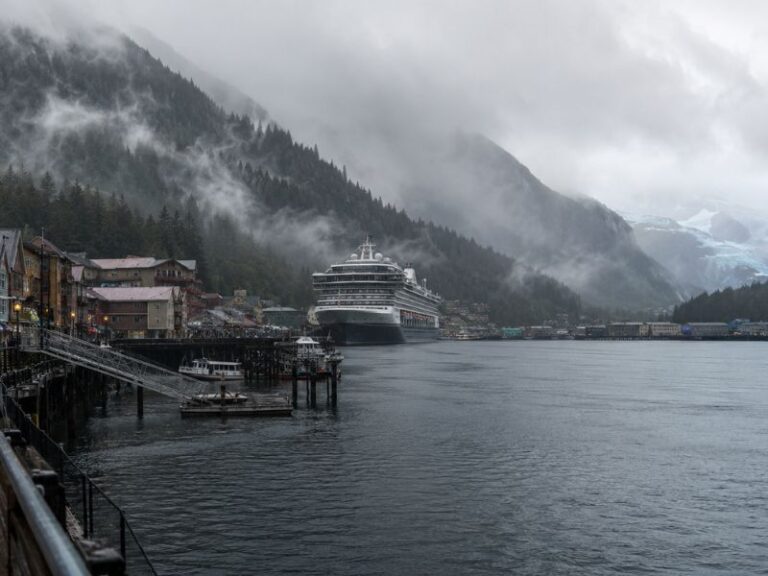
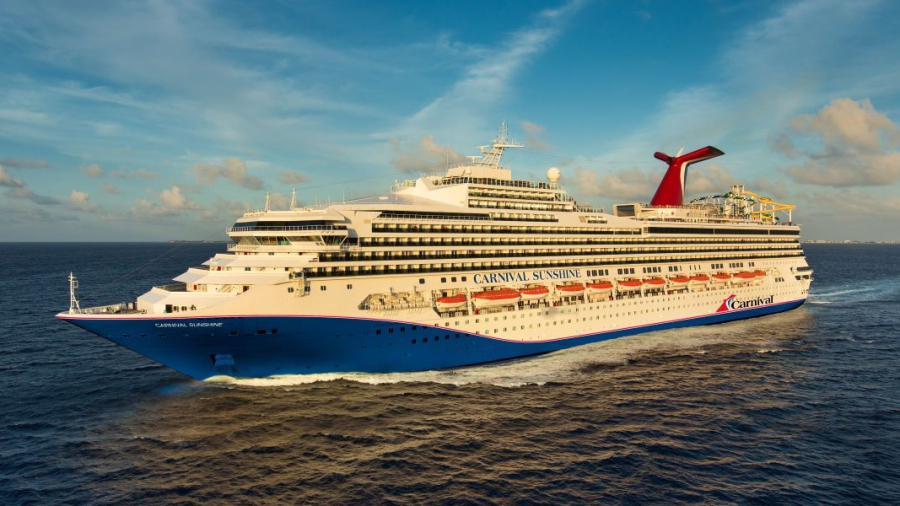
Carnival-Sunshine.jpg

Carnival Withdraws Priority Benefits On Two September Sailings

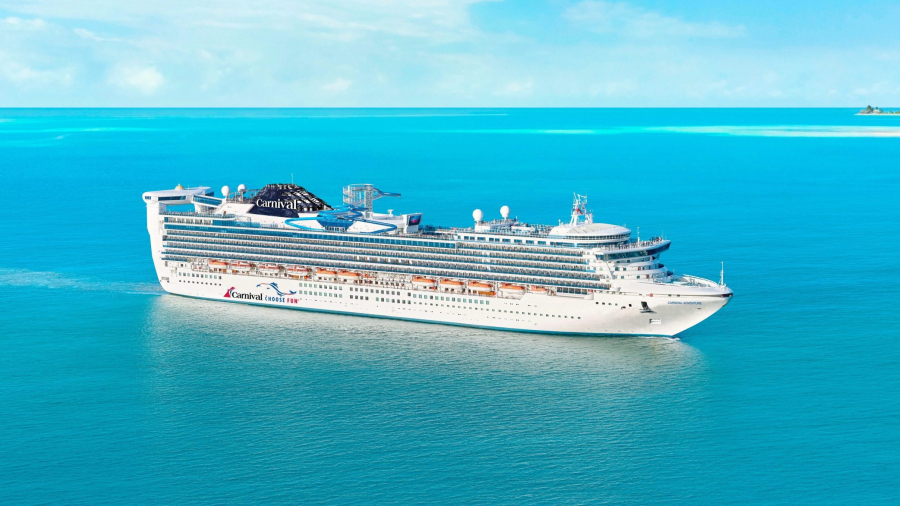
Carnival Cruise Line has suspended priority embarkation and debarkation benefits on two cruises scheduled for 5th September 2026, just days after unveiling its revamped loyalty programme on 1st September.

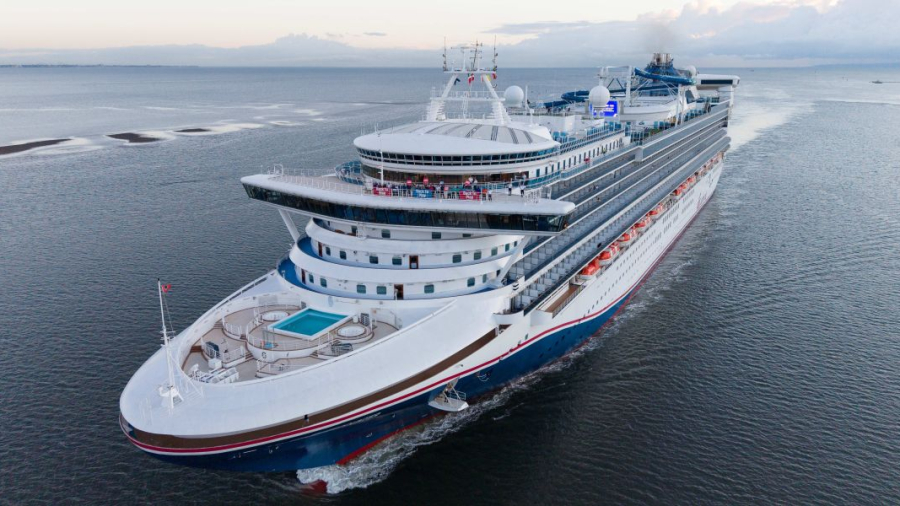
The cancellation affects Platinum-tier guests sailing aboard Carnival Sunshine from Norfolk and Carnival Vista from Port Canaveral, both on eight-night itineraries. The cruise line cited an unusually high concentration of elite-status passengers aboard each vessel.

Carnival Rewards Programme Launch Quickly Followed By Benefit Suspensions

The Miami-based cruise line introduced its new Carnival Rewards programme on 1st September 2026, promising enhanced recognition and benefits for its most loyal guests across multiple status tiers.

The programme replaced the previous VIFP (Very Important Fun Person) Club structure and was designed to deliver more meaningful rewards to frequent cruisers who have demonstrated their loyalty over multiple sailings.

However, within days of the launch, Carnival notified passengers booked on the two affected September sailings that specific benefits would be unavailable. The suspension specifically targets priority embarkation and debarkation privileges – perks that allow elite-status guests to board the ship ahead of general passengers and disembark more quickly at the end of the cruise.

Both affected departures are eight-night voyages sailing on 5th September 2026. Carnival Sunshine will depart from Norfolk, Virginia, whilst Carnival Vista is scheduled to sail from Port Canaveral, Florida.

The simultaneous suspension on two ships departing on the same day suggests the issue may be more widespread than initially apparent.

High Concentration Of Platinum Guests Triggers Benefit Withdrawal
High Concentration Of Platinum Guests Triggers Benefit Withdrawal

Carnival attributed the cancellation of priority boarding benefits to an exceptionally high number of Platinum-level guests booked on both sailings.

When a significant portion of passengers aboard a single sailing hold elite status, the practical implementation of priority benefits becomes challenging and potentially meaningless.

The cruise line’s loyalty programme operates on a tiered system, with guests earning points based on the number of cruise days sailed. Platinum status typically requires a substantial cruise history with Carnival, representing guests who have sailed multiple times and accumulated considerable points within the programme.

These frequent cruisers expect recognition for their loyalty through tangible benefits that distinguish their experience from first-time passengers. When elite-status guests comprise an overwhelming majority of passengers, however, priority embarkation loses its exclusivity.

If hundreds of guests are all entitled to “priority” boarding, the benefit effectively ceases to function as a priority at all. Queue lengths remain substantial, and the promised advantage evaporates in practical terms.

The situation highlights a fundamental challenge facing cruise lines as their loyalty programmes mature. Carnival has been operating for more than five decades, building a substantial base of repeat guests who have achieved high-tier status through years of faithful patronage.

The September sailings appear to represent an extreme case where the concentration of loyal guests exceeded the operational capacity to deliver meaningful differentiated service.

Christine Duffy Acknowledges Difficulty In Making Elite Guests Feel Special

Christine Duffy Acknowledges Difficulty In Making Elite Guests Feel Special

Carnival Cruise Line President Christine Duffy has publicly acknowledged the challenge the company faces in ensuring elite-status guests receive appropriate recognition.

As the number of passengers holding top-tier status continues to grow, the cruise line finds it increasingly difficult to make everyone feel genuinely special and valued for their loyalty.

Duffy’s comments reflect a broader industry concern about loyalty programme inflation. As cruise lines encourage repeat bookings through generous point-earning structures and status matches, the upper tiers of these programmes naturally expand.

What was once an exclusive designation becomes increasingly common, diluting the perceived value of the status itself.

The president’s acknowledgement also suggests Carnival recognises the tension between rewarding loyal guests and maintaining operational efficiency. Whilst the cruise line wants to honour its most frequent passengers, it must also ensure smooth embarkation and debarkation processes for all guests aboard.

When system constraints prevent delivery of promised benefits, the company faces criticism from disappointed elite guests who feel their loyalty has been devalued.

This candid admission from senior leadership indicates Carnival is grappling with how to restructure its rewards programme to remain sustainable as its loyal customer base continues to expand.

The new Carnival Rewards programme was presumably designed to address some of these challenges, but the immediate benefit cancellations suggest the underlying issues persist.

Operational Realities Of Priority Embarkation At Scale

Operational Realities Of Priority Embarkation At Scale

Priority embarkation represents one of the most valued benefits within cruise loyalty programmes because it directly impacts the guest experience on embarkation day.

Arriving at the terminal, bypassing lengthy queues, and boarding the ship quickly allows guests to begin their holiday without frustration. For frequent cruisers, this perk reinforces the tangible value of their loyalty.

However, the operational logistics of priority boarding become exponentially more complex as the number of eligible guests increases.

Cruise terminals have finite space for separate queues and limited staffing to manage multiple boarding streams simultaneously. Check-in counters, security screening, and gangway access points all represent potential bottlenecks in the embarkation process.

Carnival Sunshine accommodates approximately 3,000 passengers at double occupancy, whilst Carnival Vista carries roughly 4,000 guests. If a substantial percentage of these passengers hold Platinum status or higher, the priority queue could easily contain hundreds or even more than a thousand guests.

Processing that volume through a “priority” channel eliminates any time advantage over standard boarding.

The debarkation process faces similar constraints. Priority disembarkation typically allows elite guests to exit the ship before general announcements for other passengers.

When hundreds of guests simultaneously claim this privilege, the gangways and terminal facilities become congested, negating the intended benefit. The operational reality simply cannot support truly prioritised service for such large numbers.

Passenger Sentiment And Loyalty Programme Trust

Passenger Sentiment And Loyalty Programme Trust

The benefit cancellations just days after the new programme launch have generated considerable discussion amongst Carnival’s loyal passenger base.

Many frequent cruisers who have invested significant time and money achieving elite status feel disappointed when promised perks fail to materialise, particularly when the notification arrives shortly before sailing.

Loyalty programme members value consistency and reliability in their benefits. When a cruise line introduces a new rewards structure, passengers expect the promised perks to be honoured unless truly extraordinary circumstances arise.

Cancelling benefits on two sailings within days of launching the revamped programme raises questions about whether Carnival adequately tested the new system before implementation.

Trust forms the foundation of effective loyalty programmes. Guests who repeatedly choose Carnival over competing cruise lines do so partly because they value the recognition and benefits their status provides.

When those benefits are withdrawn – even for legitimate operational reasons – it erodes confidence in the programme’s value proposition. Passengers may question whether future benefits will similarly disappear when circumstances prove challenging.

The situation also highlights the importance of managing guest expectations. Some frequent cruisers have suggested Carnival should cap the number of elite-status bookings on particular sailings or offer alternative compensation when benefits cannot be delivered.

Others argue the cruise line should invest in enhanced terminal facilities and processes to accommodate larger numbers of priority guests without compromising the benefit’s value.

Industry-Wide Challenges With Maturing Loyalty Schemes

Carnival’s predicament reflects broader challenges facing the entire cruise industry as loyalty programmes mature and elite tiers become increasingly populated.

Norwegian Cruise Line, Royal Caribbean International, and other major operators have all grappled with similar issues as their most faithful guests accumulate status over years of repeat cruising.

The fundamental economics of loyalty programmes create natural tension between growth and exclusivity. Cruise lines want to encourage repeat bookings by offering attractive benefits, but as more passengers achieve elite status, the cost and complexity of delivering those benefits increases substantially.

The programmes must balance rewarding loyalty with maintaining financial viability and operational feasibility.

Some cruise lines have responded by introducing even higher status tiers above their traditional top levels, creating new exclusive categories that only the most devoted guests can reach.

Others have shifted benefits away from operational perks like priority boarding towards onboard credits, complimentary amenities, and recognition gifts that don’t create service delivery challenges.

The cruise industry’s loyalty programmes also face different dynamics than airline frequent flyer schemes, which pioneered many loyalty concepts.

Cruise passengers typically book well in advance and commit to specific sailings, making it difficult for cruise lines to manage the distribution of elite guests across departures.

Airlines can adjust pricing and availability to influence demand patterns, whilst cruise lines must fill ships regardless of loyalty status distribution.

Implications For Carnival’s Rewards Programme Evolution

The September benefit cancellations suggest Carnival’s new Rewards programme may require further refinement to address operational realities.

The cruise line faces a delicate balancing act between honouring loyal guests and ensuring benefits remain deliverable and meaningful across its fleet and diverse itinerary portfolio.

One potential solution involves implementing capacity management for specific benefits. Carnival could establish maximum numbers of priority embarkation slots per sailing, with elite guests claiming spots on a first-come, first-served basis when booking.

This approach would ensure the benefit remains valuable for those who receive it whilst setting clear expectations for all elite members that availability is not guaranteed on every sailing.

Alternative benefit structures might also prove necessary. Rather than universal priority embarkation for all Platinum guests, Carnival could offer tiered boarding times based on status level, spreading elite guests across multiple priority windows throughout the embarkation period.

This approach would still provide faster boarding than general passengers whilst managing queue lengths and maintaining operational efficiency.

The cruise line might also consider dynamic benefit adjustments based on sailing characteristics.

Shorter cruises departing from popular homeports might offer different perks than longer voyages from secondary ports, recognising that operational constraints vary significantly across Carnival’s diverse deployment pattern.

Technology solutions, including mobile app-based virtual queuing, could help manage embarkation flows more effectively.

Looking Ahead For Carnival’s Loyal Passenger Base

Looking Ahead For Carnival's Loyal Passenger Base

Despite the immediate challenges with the September sailings, Carnival’s commitment to recognising and rewarding loyal guests remains central to its business strategy.

Repeat passengers form the backbone of the cruise line’s customer base, and maintaining their satisfaction and continued loyalty is essential for long-term success.

The cruise line’s willingness to acknowledge the problem publicly through President Christine Duffy’s comments suggests transparency about the challenges ahead.

Rather than quietly cancelling benefits without explanation, Carnival has opened dialogue about the difficulty of making every elite guest feel special as the loyal customer base expands.

Future programme adjustments will likely emerge as Carnival gathers data and feedback from the new Rewards structure.

The cruise line has historically demonstrated responsiveness to guest concerns, adjusting policies and procedures when passenger sentiment indicates changes are necessary.

The initial stumbles with the September departures may ultimately lead to a more robust and sustainable loyalty programme that better serves both the cruise line and its most devoted guests.

For passengers holding elite status with Carnival, the situation underscores the importance of understanding that benefits, whilst promised, may occasionally face operational limitations.

Setting realistic expectations whilst advocating for fair treatment when promised perks cannot be delivered will help maintain constructive dialogue between the cruise line and its loyal community.

The relationship between Carnival and its repeat guests has weathered challenges before and will likely continue evolving as both parties adapt to changing circumstances in the dynamic cruise industry.

NEW DEALS JUST RELEASED!

See the latest Carnival cruise offers…

Related Posts

Source link

Royal-Beach-Club-Nassau.jpg

Beach Club Closed for Entire Day Due to Charter

Royal Caribbean International has cancelled all guest reservations for Royal Beach Club Paradise Island in Nassau on 23rd January 2027, after a chartered sailing reserved exclusive use of the entire facility.

The cruise line is issuing full refunds to affected passengers who had pre-booked day passes to the popular beach venue.

Royal Beach Club

The closure stems from a chartered sailing aboard Allure of the Seas, which will be operating a special four-night Groove Cruise departing Miami on Thursday, 21st January 2027.

Nassau represents the only port of call on this themed voyage, which has sold out completely and caters to electronic dance music enthusiasts.

The Groove Cruise markets itself as the world’s longest-running and most successful electronic dance music cruise festival, having first launched in 2004.

The sailing transforms the 5,718-passenger vessel into what organisers describe as a “floating festival” featuring more than 10 stages of continuous music programming, alongside artist meetups, competitions, mental health workshops, and various other activities designed specifically for the charter group.

With the entire beach club reserved exclusively for charter guests, Royal Caribbean confirmed there would be no additional capacity available for other cruise passengers that day.

Three Ships Scheduled for Nassau with Conflicting Itineraries

Three different Royal Caribbean vessels are scheduled to call at Nassau on the affected date: Allure of the Seas, Brilliance of the Seas, and Utopia of the Seas.

However, only passengers aboard the two non-chartered ships will face cancelled beach club reservations, as the Allure charter guests will have exclusive access.

Brilliance of the Seas, carrying up to 2,142 guests, will be sailing from Miami on a three-night itinerary departing Friday, 22nd January 2027.

That voyage includes port calls at both Nassau and Royal Caribbean’s private island destination, Perfect Day at CocoCay.

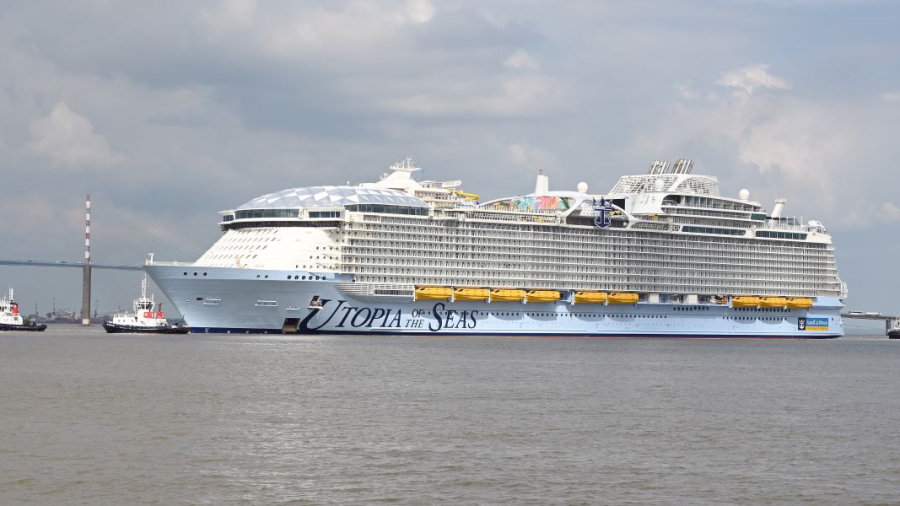
Similarly, Utopia of the Seas – accommodating up to 5,668 passengers – will depart Port Canaveral on Friday, 22nd January 2027 on a three-night cruise that also features Nassau and Perfect Day at CocoCay.

Passengers aboard both these vessels who had booked Royal Beach Club day passes received notification that their reservations would be cancelled with full refunds processed.

Notification Process and Refund Arrangements

Royal Caribbean reached out directly to guests who had pre-booked shore excursions to the beach club for the impacted sailing date.

The notification, which was subsequently shared on social media platforms including Facebook, explained the situation clearly to affected passengers.

“Recently, one of our chartered sailings has reserved the entirety of our Royal Beach Club Paradise Island in Nassau, Bahamas, during our January 23, 2027, visit,” the cruise line’s message confirmed.

“As a result, we’ll need to cancel your ‘Royal Beach Club – Open Bar Day Pass.’”

The cruise line assured passengers that full refunds would be processed back to the original form of payment used when booking the excursion.

Royal Caribbean also clarified that because of the complete charter reservation, no alternative pass types or capacity would be available at the beach club for that specific day.

Alternative Shore Excursion Options Remain Available

Whilst the Royal Beach Club Paradise Island closure limits one popular option, Royal Caribbean emphasised that numerous other shore excursions in Nassau remain available for booking.

The Bahamian capital offers a diverse range of activities catering to various interests and activity levels.

Popular alternatives include snorkelling tours exploring the vibrant coral reefs and marine life surrounding the islands, alternative beach day experiences at other Nassau locations, and historical tours showcasing the destination’s colonial architecture and rich cultural heritage.

The iconic “swimming with the pigs” excursions – a signature Bahamian experience that has gained international fame – also remain available, subject to capacity.

Tour availability depends on individual excursion capacity limits, and Royal Caribbean noted that the most sought-after experiences tend to fill up quickly.

Passengers are encouraged to book replacement excursions as soon as possible through the cruise line’s website, the Royal Caribbean mobile app, or whilst onboard their vessel.

No other shore tours beyond Royal Beach Club Paradise Island are impacted by the charter arrangement.

Guests also retain the option to explore Nassau independently, experiencing the destination’s restaurants, shopping districts, beaches, and attractions at their own pace without booking organised excursions.

Royal Beach Club Paradise Island’s Growing Popularity

Royal Beach Club Paradise Island's Growing Popularity

Royal Beach Club Paradise Island has rapidly become one of the most sought-after shore excursions for Royal Caribbean guests visiting Nassau since opening.

The facility represents the cruise line’s significant investment in enhancing the destination experience in the Bahamas, complementing their existing private island resort at Perfect Day at CocoCay.

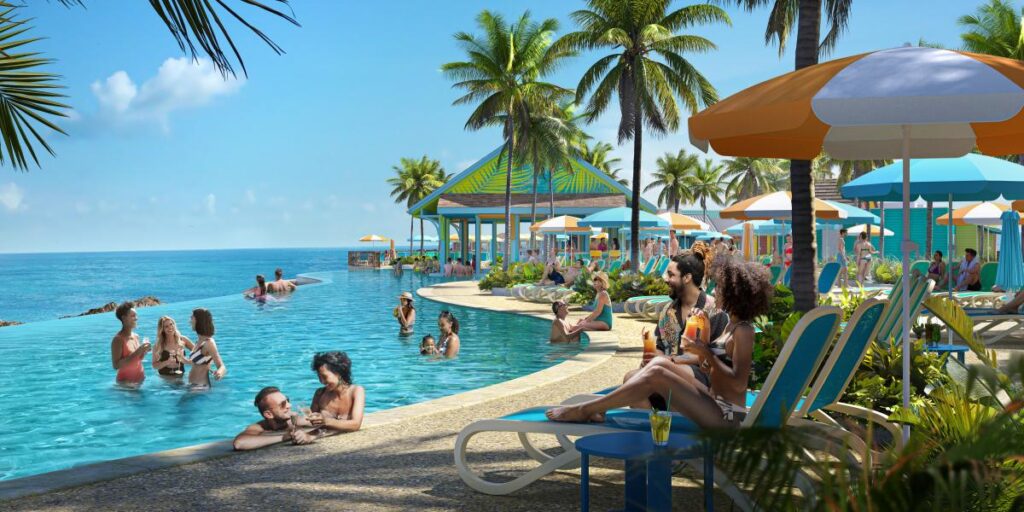
The beach club offers guests an elevated experience with premium amenities, including pristine beach access, multiple pools, food and beverage service, water sports activities, and various relaxation zones.

Different pass types cater to varying preferences and budgets, with options ranging from general admission to premium packages with enhanced inclusions.

The venue’s popularity reflects broader industry trends towards cruise lines developing their own shore-side facilities, providing controlled environments where they can guarantee service quality and capture additional revenue.

These proprietary destinations have become increasingly important competitive differentiators in the cruise industry.

Royal Beach Club Paradise Island forms part of Royal Caribbean Group’s expansion of beach club destinations across the Caribbean.

The company has announced plans for additional beach clubs in various locations, recognising that these facilities resonate strongly with contemporary cruise passengers seeking curated experiences alongside traditional independent exploration.

Charter Sailings Increasingly Common Across Industry

Chartered cruise sailings have become an established segment of the cruise industry, with ships frequently reserved by specific groups for exclusive use.

These arrangements benefit cruise lines through guaranteed occupancy and often higher per-passenger revenue, whilst offering charter organisers complete control over the onboard experience.

Music festivals represent one of the most popular charter categories, with electronic dance music cruises, rock festivals, jazz cruises, and country music sailings all attracting dedicated followings.

These themed voyages create unique experiences that combine destination exploration with continuous entertainment programming tailored to specific musical genres.

Beyond music, lifestyle cruises catering to various interests – from wellness retreats to fan conventions – regularly charter vessels.

Large corporate groups also frequently book entire ships for incentive programmes, recognition events, product launches, or company conferences, taking advantage of the captive audience and built-in amenities that cruise ships provide.

Royal Caribbean has confirmed that Allure of the Seas will operate another chartered sailing on 7th March 2027, demonstrating the ongoing demand for exclusive ship reservations.

These charter arrangements are scheduled well in advance and typically involve extensive coordination between the cruise line and charter organisers.

Impact on Royal Caribbean’s Operational Flexibility

The decision to grant a charter group exclusive access to Royal Beach Club Paradise Island highlights the operational complexity cruise lines navigate when balancing charter commitments with regular passenger expectations.

Whilst Royal Caribbean maintains ownership and operational control of the beach club, charter agreements can include exclusive access to shore-side facilities as part of comprehensive packages.

This situation differs from typical port days where shore excursion capacity is managed across multiple ships and various tour operators.

The beach club’s status as a Royal Caribbean proprietary venue means the cruise line can extend exclusive access rights to charter groups, similar to how they might offer exclusive onboard venues or experiences.

For passengers on non-chartered sailings visiting Nassau the same day, the cancellation represents a disappointment, particularly for those who had specifically selected their cruise with the beach club visit in mind.

However, Royal Caribbean’s advance notification and full refund policy, combined with alternative excursion availability, helps mitigate the disruption.

The incident also underscores the importance of understanding that cruise itineraries and shore excursion availability can change due to various operational factors.

Whilst cruise lines strive to deliver advertised experiences, charter commitments, capacity constraints, weather conditions, and port operational changes can all necessitate modifications.

Looking Ahead for Beach Club Expansion

Looking Ahead for Beach Club Expansion

Royal Caribbean Group continues expanding its portfolio of beach club destinations across the Caribbean region, with several developments in various planning and construction stages.

These facilities represent significant capital investments designed to enhance the cruise experience whilst creating additional revenue opportunities beyond traditional onboard spending.

The company’s beach club strategy reflects confidence in the model’s long-term viability and passenger appeal.

By developing proprietary shore-side destinations, Royal Caribbean gains greater control over the guest experience, ensures consistent service standards, and captures spending that might otherwise go to independent tour operators or local businesses.

Future beach club locations under development promise to bring similar elevated experiences to additional Caribbean markets, potentially reducing pressure on existing facilities like Paradise Island through expanded capacity across multiple venues.

As these new locations come online, they should provide passengers with more options whilst also creating operational flexibility for the cruise line.

The success of Royal Beach Club Paradise Island, evidenced by its popularity and the demand that led to this charter arrangement, validates Royal Caribbean’s investment strategy in developing distinctive shore-side experiences.

This approach aligns with broader industry trends towards vertical integration and creating comprehensive vacation experiences that extend beyond the ship itself.

Want the best Royal Caribbean deal?

Get a free quote from Cruise Mummy’s trusted travel agent, with exclusive onboard credit and expert help at no extra cost.

Related Posts

Source link

Utopia-of-the-Seas-2.jpg

Royal Caribbean Seeks Volunteers To Surrender September Utopia Booking

Royal Caribbean International has contacted passengers booked on Utopia of the Seas’ 4th September 2026 sailing from Port Canaveral, asking volunteers to move to later departures in exchange for substantial compensation.

The cruise line is offering full refunds plus complimentary upgrades to Ocean View Balcony staterooms for guests willing to transfer to alternative sailings within the following month.

Utopia of the Seas

The email sent to passengers ahead of the three-night Bahamas sailing asked whether guests and their travel parties had flexible arrangements.

Royal Caribbean presented the opportunity as a question rather than a directive, seeking volunteers rather than forcing changes to existing bookings.

According to the communication, passengers who agree to move their cruise will receive a complete refund of their paid cruise fare.

Additionally, they will be transferred to one of three alternative sailings with a complimentary upgrade to an Ocean View Balcony stateroom at no extra cost.

The cruise line did not provide an official explanation for the request in the email.

However, industry observers note that similar offers have historically been extended when vessels face overbooking situations or when operational considerations require passenger redistribution.

Three Alternative Sailings Offered Within Four Weeks

Three Alternative Sailings Offered Within Four Weeks

Unlike some previous voluntary change programmes that have asked passengers to switch ships or ports entirely, Royal Caribbean’s latest offer maintains consistency for affected guests.

All three replacement options depart from Port Canaveral aboard Utopia of the Seas, ensuring minimal disruption to travel logistics.

The alternative departure dates include 11th September 2026, 18th September 2026, and 2nd October 2026.

Each sailing follows an identical three-night Bahamas itinerary, calling at Nassau and the cruise line’s private island destination, Perfect Day at CocoCay, before returning to Port Canaveral.

This arrangement means passengers who accept the offer need only delay their holiday by one to four weeks.

In exchange, they essentially receive a free cruise upgrade, as the balcony stateroom category typically commands significantly higher fares than inside or ocean view accommodations.

The original 4th September sailing was scheduled to return to Port Canaveral on 7th September 2026.

All replacement cruises follow the same three-night duration and port calls, maintaining the Bahamas focus that attracted passengers to the original booking.

Similar Offer Extended To Harmony Of The Seas Passengers

The Utopia of the Seas offer was not an isolated incident. Royal Caribbean simultaneously contacted passengers booked on a two-night Harmony of the Seas sailing departing 3rd September 2026, also from Port Canaveral.

Interestingly, these Harmony passengers were offered the opportunity to transfer to the same 4th September Utopia of the Seas sailing that other guests were being asked to vacate.

This cross-ship manoeuvring suggests the cruise line may be addressing capacity balancing across multiple vessels rather than a simple overbooking scenario.

One Harmony of the Seas passenger shared their experience on social media, noting the peculiarity of being directed toward the very sailing from which Utopia guests were being moved.

This simultaneous shuffling of passengers between ships indicates complex logistical planning by Royal Caribbean’s yield management team.

The coordination of these offers across two ships departing on consecutive days from the same homeport demonstrates the sophisticated inventory management systems cruise lines employ.

Royal Caribbean operates multiple vessels from Port Canaveral, Florida’s second-busiest cruise port, requiring careful orchestration of passenger flows and ship capacity.

Passengers Express Mixed Reactions To Voluntary Switch Programme

Reactions among booked passengers varied considerably, with some expressing enthusiasm whilst others felt disappointed at not receiving the offer.

One guest posted in the unofficial Royal Caribbean forum on Reddit about their eagerness to accept the compensation package.

“Did anyone else get this offer for Utopia this weekend? We are booked in an inside room and submitted our ‘yes’ to this about an hour after getting the email,” the passenger wrote.

They noted, however, that confirmation had not yet arrived despite their prompt response.

The disparity in who received offers created confusion within the cruise community.

Several passengers booked on the same 4th September sailing reported they had not received any communication, though they observed others discussing the offer in the sailing’s dedicated Facebook group.

Some cruisers expressed disappointment at being excluded from the opportunity, viewing the package as exceptionally generous.

The prospect of receiving a full refund plus a significant stateroom upgrade whilst only postponing travel by a few weeks struck many as an attractive proposition.

This selective distribution of offers is common practice in the cruise industry.

Lines typically target specific stateroom categories or booking channels when seeking volunteers, using algorithms to determine which passengers to approach based on various factors including stateroom type, fare paid, and loyalty status.

Understanding The Mechanics Of Cruise Overbooking

Whilst Royal Caribbean has not confirmed the reason behind this particular offer, overbooking remains a common practice across the travel industry.

Airlines, hotels, and cruise lines regularly sell more inventory than they can accommodate, calculating that a predictable percentage of customers will cancel or modify their plans.

For cruise lines, overbooking serves as a revenue protection strategy.

When passengers cancel close to departure, ships risk sailing with empty staterooms that could have been sold.

By slightly overselling capacity, cruise lines ensure maximum occupancy even when last-minute cancellations occur.

The practice becomes problematic only when fewer cancellations materialise than anticipated.

In such cases, cruise lines must find volunteers willing to accept compensation in exchange for moving to alternative sailings, exactly as Royal Caribbean has done with the Utopia of the Seas departure.

Utopia of the Seas, with capacity for 5,668 passengers at double occupancy, represents one of Royal Caribbean’s largest vessels.

The ship entered service in 2024 as the second Oasis-class vessel dedicated to short Bahamas sailings from Port Canaveral, following sister ship Oasis of the Seas.

Managing inventory across such a large vessel requires sophisticated systems.

Even a handful of staterooms can represent significant revenue, motivating cruise lines to maximize every available berth through strategic overbooking and yield management practices.

Cruise Line’s History Of Voluntary Compensation Programmes

Royal Caribbean has extended similar offers to passengers on previous occasions.

Cruise industry news outlet Cruise Hive has documented multiple instances where the cruise line sought volunteers to switch sailings in exchange for compensation.

A recent example involved Voyager of the Seas’ Alaska sailing, also departing on 4th September 2026.

In that case, Royal Caribbean offered passengers the option to cancel their booking entirely for a full refund plus future cruise credit, providing an alternative to switching sailings.

The consistency of these programmes demonstrates Royal Caribbean’s established protocols for managing capacity challenges.

Rather than unilaterally moving passengers or downgrading accommodations, the cruise line seeks volunteers through attractive incentive packages.

These voluntary programmes contrast sharply with the more heavy-handed approaches occasionally necessary when operational issues force sailing cancellations.

By offering substantial compensation, Royal Caribbean maintains goodwill whilst addressing whatever logistical or commercial considerations prompted the request.

The cruise industry has learned from past controversies involving denied boardings and forced cabin changes.

Proactive volunteer programmes, though costly in the short term, preserve customer relationships and brand reputation far more effectively than involuntary changes.

Port Canaveral’s Role In Royal Caribbean’s Florida Operations

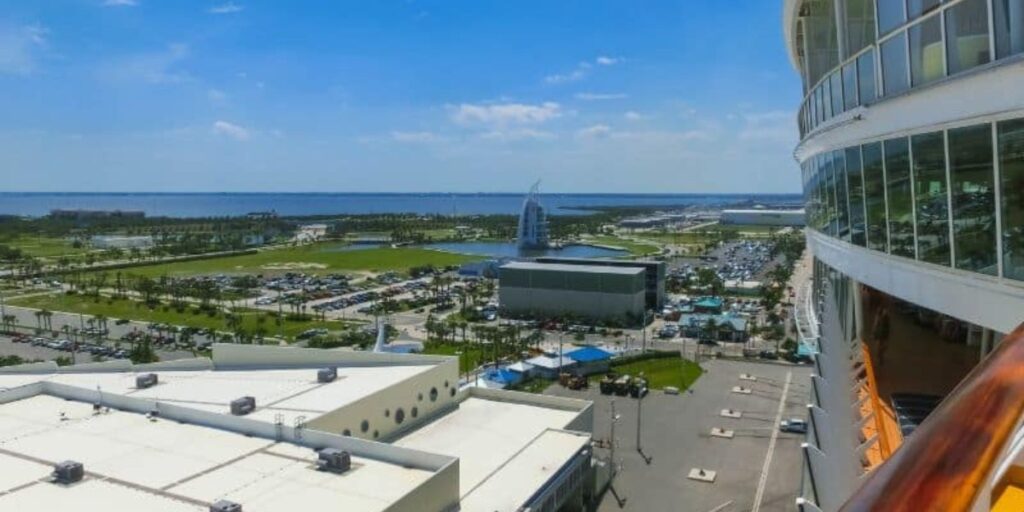
Port Canaveral serves as a crucial homeport for Royal Caribbean, hosting multiple vessels on year-round itineraries.

Port Canaveral Cruise Port

The port’s proximity to Orlando’s theme parks and excellent highway access make it an attractive embarkation point for domestic travellers, particularly those combining cruise holidays with pre- or post-cruise stays.

Royal Caribbean operates several ships from the port, including Utopia of the Seas on short Bahamas getaways and other vessels on longer Caribbean itineraries.

This concentration of capacity requires careful coordination to prevent operational conflicts and manage passenger flows through terminal facilities.

The port has invested heavily in infrastructure to accommodate the world’s largest cruise ships.

Utopia of the Seas measures 236,857 gross tonnes and spans 1,188 feet in length, requiring specialized berthing facilities and passenger handling capabilities.

Florida remains the global epicentre of cruise operations, with Port Canaveral ranking among the busiest cruise ports worldwide.

The state’s year-round warm climate, lack of state income tax, and extensive tourism infrastructure make it ideal for cruise operations serving the North American market.

What This Means For Future Cruise Bookings

What This Means For Future Cruise Bookings

For prospective cruise passengers, incidents like this highlight both the complexities and opportunities within cruise booking practices.

Whilst overbooking can create inconvenience, voluntary compensation programmes often result in significant value for flexible travellers.

Passengers booking cruise holidays should understand that their contracts typically permit the cruise line to make certain changes to itineraries, ships, and sailing dates.

Reading the terms and conditions carefully helps set appropriate expectations about what protections exist should changes become necessary.

Those with rigid travel schedules may wish to book well in advance in higher-demand stateroom categories, as cruise lines typically approach lower-fare, more flexible passengers first when seeking volunteers.

Business travellers or those coordinating with non-refundable air travel face greater risk from any sailing changes.

Conversely, flexible travellers might view such offers as opportunities.

The compensation packages Royal Caribbean offers volunteers often exceed the original booking value, effectively providing free upgrades and enhanced experiences for minimal inconvenience.

The incident also underscores the importance of monitoring email communications from cruise lines in the weeks before departure.

Passengers who ignore pre-cruise emails might miss opportunities or important operational updates affecting their bookings.

Industry Context And Passenger Rights

The cruise industry operates under different regulatory frameworks than airlines, particularly for voyages embarking and disembarking at the same US port.

These “closed-loop” cruises, including the Bahamas sailings from Port Canaveral, follow distinct rules compared to international air travel or one-way cruise itineraries.

Passenger rights vary considerably depending on jurisdiction and circumstances.

When cruise lines proactively seek volunteers with compensation, passengers retain control over whether to accept.

Involuntary changes typically trigger different contractual provisions, though cruise line terms of service generally permit significant operational flexibility.

Royal Caribbean, as part of Royal Caribbean Group, maintains established customer service protocols refined over decades of operation.

The company’s approach to capacity management reflects industry-wide practices whilst incorporating brand-specific policies designed to maintain its reputation for customer satisfaction.

As cruise ships grow ever larger and sailing frequencies increase, capacity management will remain a persistent operational challenge.

The cruise industry’s return to full operations following the pandemic pause has brought renewed focus to yield management and overbooking practices as lines seek to maximize revenue from each sailing.

Royal Suite Class Deals

I recommend booking with luxury specialists Panache Cruises for the best service.

Related Posts

Source link

Seven-Seas-Splendor-2.jpg

Passenger Dies During Luxury Cruise Near Ireland

A passenger aboard Regent Seven Seas Cruises’ Seven Seas Voyager died during the vessel’s visit to Ireland on 28th August 2026, prompting a medical transfer to shore.

Irish authorities confirmed the death is being treated as a medical emergency rather than a criminal matter, and the luxury cruise ship continued its scheduled itinerary without disruption.

Medical Emergency Handled By Local Authorities

The 698-guest Seven Seas Voyager was positioned off Greencastle on the western shore of Lough Foyle in County Donegal when the passenger was brought ashore. The deceased individual was subsequently transported approximately 39 miles to Letterkenny University Hospital, where local medical protocols were followed.

A spokesperson from Foyle Port confirmed the incident to Ireland Live, stating that the passenger passed away onboard the vessel and was landed ashore at Greencastle for transfer to the hospital. The entire operation was coordinated by the ship’s agent and handled by the Gardaí in accordance with Irish regulations.

The exact timing of the passenger’s death has not been disclosed publicly, though the transfer occurred during the ship’s scheduled call to the Irish port. Such procedures are standard maritime protocol when a passenger dies aboard a cruise vessel in international waters or during port visits.

No Criminal Investigation Underway

Irish police, known as the Gardaí, confirmed to local media outlets that they are treating the situation strictly as a medical emergency. Authorities have stated clearly that no criminal investigation is being conducted in connection with the passenger’s death.

The decision not to pursue a criminal investigation indicates that initial assessments found no suspicious circumstances surrounding the death. This is consistent with standard procedures for medical emergencies at sea, where natural causes or pre-existing medical conditions are often factors.

No information has been released publicly regarding the identity of the deceased passenger. Similarly, the specific cause of death has not been disclosed, which is typical practice to protect the privacy of the deceased and their family members during such difficult circumstances.

Ship Maintained Schedule Following Incident

Despite the sombre event, Seven Seas Voyager continued its planned itinerary without significant disruption. The vessel proceeded to visit Belfast and Cobh in Ireland before arriving in Southampton, England, on 1st September 2026 as scheduled.

The ability to maintain the cruise schedule demonstrates the professionalism of the crew and the established protocols for handling such emergencies whilst minimising impact on other passengers. Cruise lines maintain detailed procedures for medical emergencies, including deaths at sea, which allow operations to continue whilst respecting the dignity of those involved.

The ship’s itinerary was part of a 12-night Viking Vistas cruise that had departed from Reykjavik, Iceland, on 20th August 2026. This sailing showcased destinations across the North Atlantic and Irish coastline, offering passengers a combination of scenic ports and cultural experiences.

Current Sailing Affected By Unrelated Change

Current Sailing Affected By Unrelated Change

Seven Seas Voyager embarked on its subsequent voyage from Southampton on 1st September 2026, a 10-night cruise scheduled to conclude in Copenhagen, Denmark, on 11th September. However, this sailing did experience an itinerary modification entirely unrelated to the passenger death.

A planned call to Zeebrugge, Belgium, was cancelled to allow the ship to remain in Southampton for shore power testing. This technology allows cruise ships to plug into electrical power whilst docked, reducing emissions by shutting down onboard generators.

As a result of the change, Seven Seas Voyager remained in Southampton through 2nd September before continuing to Rotterdam in the Netherlands. The remainder of the itinerary includes port calls to Kristiansand and Oslo in Norway, Lysekil in Sweden, Aarhus in Denmark, and Kiel in Germany before the cruise concludes in Copenhagen.

Shore power testing represents an important step in the cruise industry’s environmental initiatives, allowing ports and ships to work together in reducing air pollution in harbour areas. Many European ports have been installing shore power infrastructure as part of broader sustainability commitments.

Seven Seas Voyager’s Luxury Offering

Seven Seas Voyager's Luxury Offering

Seven Seas Voyager entered service in 2003 and remains a cornerstone of Regent Seven Seas Cruises’ all-inclusive luxury product. The vessel is the third oldest ship in the line’s current six-ship fleet, which has built a reputation for offering one of the most inclusive cruise experiences in the industry.

The ship underwent a significant refurbishment earlier in 2026, with extensive upgrades throughout the vessel. The renovation included refreshed public spaces, upgraded suites, and completely redesigned bathrooms, ensuring the 23-year-old ship maintains competitive standards against newer luxury vessels.

With a capacity for 698 guests, Seven Seas Voyager maintains the intimate atmosphere that luxury cruise passengers expect whilst offering the amenities and service levels associated with Regent’s brand. The ship’s size allows access to smaller ports that larger vessels cannot reach, enhancing itinerary flexibility.

Seven Seas Voyager operates a diverse range of itineraries spanning the Mediterranean, Northern Europe, and the Middle East. These voyages range from week-long sailings to extensive Grand Voyages exceeding 50 nights, catering to passengers seeking both shorter breaks and immersive long-distance cruising experiences.

Regent’s Fleet Expansion Plans

Regent Seven Seas Cruises is preparing for significant fleet growth with the upcoming introduction of Seven Seas Prestige. The 77,000-gross-ton vessel is scheduled to debut on 13th December 2026 with a 14-night maiden voyage from Barcelona, Spain, to Miami, Florida.

Seven Seas Prestige represents the newest class of ships for the luxury line and will join sister ship Seven Seas Grandeur, which entered service in 2023. These vessels mark a step up in size and capacity for Regent whilst maintaining the all-suite, all-balcony configuration that has become the brand’s hallmark.

Norwegian Cruise Line Holdings, the parent company of Regent Seven Seas Cruises, has placed orders for three additional Prestige-class sister ships with Italian shipbuilder Fincantieri. These vessels are scheduled to debut in 2030, 2033, and 2036, ensuring continued fleet expansion over the next decade.

The investment in new tonnage reflects confidence in the luxury cruise segment’s continued growth. Despite representing a small portion of the overall cruise market by passenger numbers, luxury cruising commands premium pricing and attracts passengers with higher spending power.

Industry Context For Medical Emergencies At Sea

Deaths aboard cruise ships, whilst tragic, are not uncommon given the demographic profile of many cruise passengers and the length of voyages. Modern cruise ships carry medical facilities and trained medical personnel to handle emergencies, though their capabilities are limited compared to land-based hospitals.

The average age of cruise passengers, particularly in the luxury segment, tends to be higher than the general population, which naturally increases the likelihood of medical emergencies. Longer cruises, such as the 12-night sailing Seven Seas Voyager was operating, present additional risk factors simply due to the extended time at sea.

Cruise lines maintain protocols for handling deaths at sea, including procedures for preserving remains, notifying next of kin, and coordinating with local authorities in the nearest suitable port. These protocols are developed in consultation with maritime law experts and international regulations.

The availability of morgue facilities aboard cruise ships is standard practice, though cruise lines rarely publicise this aspect of shipboard operations. These facilities allow for dignified handling of remains when deaths occur during voyages, particularly on longer sailings far from home ports.

Passenger Support And Assistance Measures

When a passenger death occurs, cruise lines typically provide support services to travelling companions and family members. This assistance can include counselling services, help with travel arrangements, and liaison with local authorities and consular officials when international passengers are involved.

The financial implications of a passenger death can also be significant, with cruise lines often working with travel insurance providers to facilitate claims and repatriation of remains. This underscores the importance of comprehensive travel insurance, particularly for older travellers or those with pre-existing medical conditions.

For fellow passengers aboard the ship, cruise lines generally maintain discretion about medical emergencies and deaths, balancing respect for the deceased and their family with the need to continue providing a positive experience for other guests. Staff are trained to handle these situations with sensitivity and professionalism.

The incident aboard Seven Seas Voyager serves as a reminder of the importance of medical preparedness when travelling, particularly on cruise vacations. Passengers with significant health concerns should consult their physicians before embarking and ensure they carry adequate supplies of any necessary medications for the duration of their voyage.

Related Posts

Source link

1f95650b-f233-4951-94c1-85b768fa1cde_47000465.avif.avif

Nor Cruises Signs MOU For Up To Five New Cruise Ships

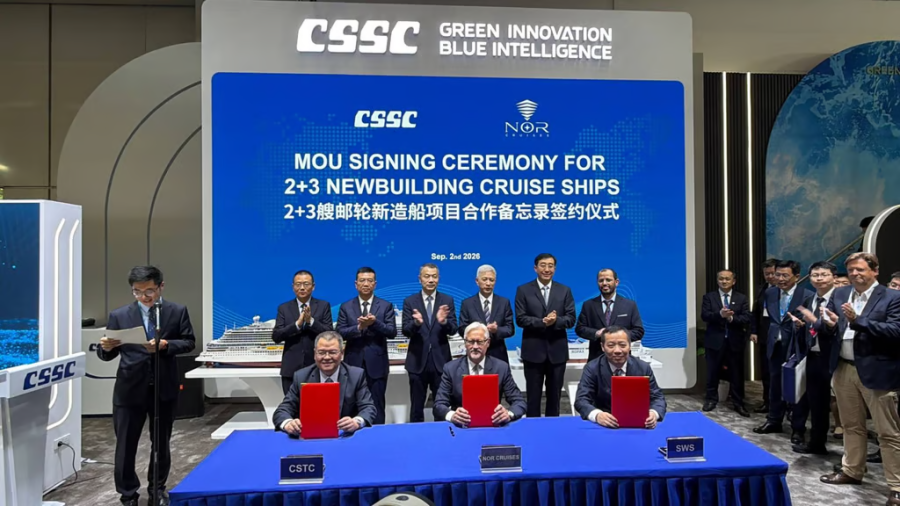
Nor Cruises, a little-known Norwegian maritime company, has signed a memorandum of understanding with Shanghai Waigaoqiao Shipbuilding for two new cruise ships plus options for three more, potentially opening the door to the first large cruise ships built in China for a foreign operator.

Cruise Industry News reports the vessels at roughly 82,000 gross tons, while the South China Morning Post, citing Waigaoqiao, reports 84,000 tons. The agreement was signed at SMM Hamburg and remains an MOU rather than a final construction contract. Few details have been disclosed about delivery dates, onboard product, deployment or how Nor Cruises plans to operate the proposed fleet.

Source: Cruise Industry News

Source link

Carnival-Adventure-scaled.jpg

Carnival Adventure Odor Complaints Prompt AMSA Inspection

Passengers aboard Carnival Adventure have reported sewage-, rotten-egg-, and diesel-like odors, with some guests saying they experienced nausea, breathing difficulties, and other symptoms during recent Sydney sailings. The Australian Maritime Safety Authority confirmed to Cruise Mummy that it received an odor complaint in August and sent an inspector aboard the ship to speak with the captain and relevant crew.

AMSA said the odor was no longer present during the inspection, but its likely source and cause were identified. Carnival was already carrying out remedial work, and AMSA did not issue a formal defect. Cruise Mummy also reported first-hand passenger accounts involving plumbing and cabin-condition complaints. Carnival Adventure continues operating from Sydney.

Source link

waterpark2-1500x995copy10.jpg

NCL’s Great Tides Waterpark Opens Today At Great Stirrup Cay

Norwegian Cruise Line’s nearly six-acre Great Tides Waterpark is scheduled to open to paying guests today, September 4, at Great Stirrup Cay in The Bahamas, coinciding with a call by Norwegian Luna. NCL previewed the attraction this week for officials, media and invited guests after a ribbon-cutting ceremony.

The park features 19 waterslides, the 170-foot Tidal Tower, the 800-plus-foot Wandering River with a swim-up bar and immersive tunnel, Splash Cay for younger guests, and Cliffside Cove with 10- and 15-foot cliff jumps. Three new food trucks are also part of the waterpark experience. NCL says guests can purchase admission through their myNCL accounts after booking a cruise.

Source link

SeaDream-Yacht-Club.jpg

SeaDream Yacht Club Unveils SeaDream III For 2029 Debut

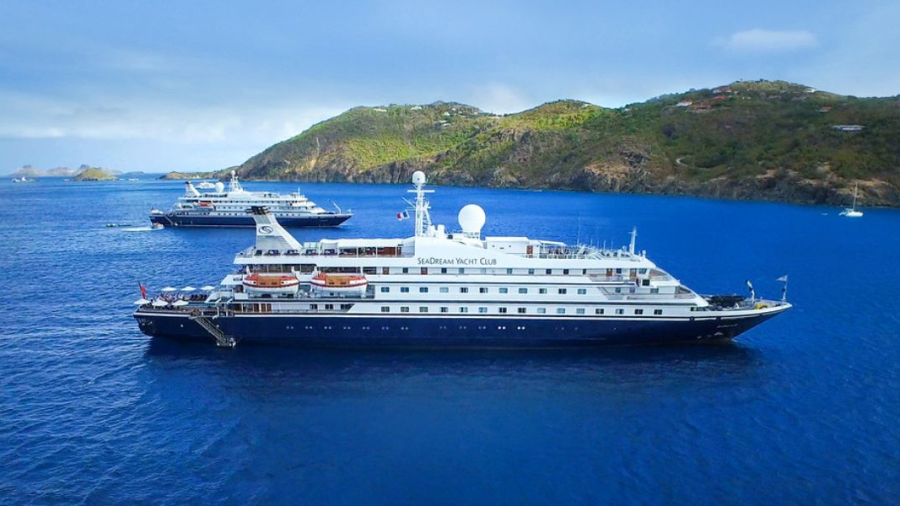
SeaDream Yacht Club has unveiled plans for SeaDream III, a new 151-metre hybrid-electric yacht scheduled to enter service in July 2029 as the company marks its 25th anniversary.

The new vessel will expand SeaDream’s operation beyond the Mediterranean and Caribbean, with an ambitious inaugural programme covering six continents, 74 countries and 392 ports during its first 26 months.

SeaDream Yacht Club

SeaDream III is due to welcome guests for the first time on 10th July 2029, sailing from Hong Kong to Tokyo.

Founder Atle Brynestad announced the project as he reflected on SeaDream’s first quarter-century, which has taken the company through the aftermath of the 11th September attacks, the global financial crisis and the Covid-19 pandemic.

SeaDream III will be considerably larger than the company’s two existing yachts, measuring 151 metres long and 21.8 metres wide. SeaDream says the additional size is intended to give the vessel the capability to operate a much broader range of worldwide itineraries while retaining the small-ship approach of SeaDream I and SeaDream II.

The company has stated that SeaDream III will carry 230 guests and approximately 200 crew, providing a near one-to-one crew-to-guest ratio.

A New Hybrid-Electric Yacht

SeaDream III will use hybrid-electric propulsion supported by a large battery installation. According to Brynestad, the system will allow the yacht to approach some destinations with its engines switched off, reducing noise during arrival.

The vessel will also feature three marinas designed to support water sports, extending one of the features associated with SeaDream’s existing yachts.

SeaDream Yacht Club

Crew facilities are receiving particular attention in the new design. Crew members are set to have private cabins, while dedicated facilities will include professional gyms and a separate sun deck with a jacuzzi.

Construction will take place at China Merchants Cruise Shipbuilding in China, with European engineering companies and suppliers of technical equipment and other systems also involved in the project.

“We have extremely high standards for quality, craftsmanship, technology, different solutions and environmental performances,” Brynestad said.

SeaDream has not yet disclosed full details of the yacht’s accommodation, public spaces, dining facilities or other onboard amenities, with further information expected as construction progresses.

The vessel’s size represents a substantial change for the brand, although Brynestad said the intention is to retain the operating philosophy established aboard SeaDream I and SeaDream II.

That includes an informal onboard environment without formal nights, restaurant reservations or fixed approaches to dining. Guests will continue to be able to eat indoors or outside, while the company intends to maintain its emphasis on personalised service and flexible dining.

Brynestad described the next stage of the company’s development as “global yachting”, reflecting the much wider geographical reach planned for SeaDream III.

During its first 26 months of operation, the yacht is planned to visit 392 ports across 74 countries on six continents. Its itineraries will also provide access to 206 UNESCO World Heritage destinations, according to the company.

The vessel is being designed to reach smaller ports, remote islands and coastlines that are inaccessible or unsuitable for larger cruise ships.

SeaDream I And II To Remain In Service

The arrival of SeaDream III will expand rather than replace SeaDream Yacht Club’s existing fleet.

SeaDream has confirmed that SeaDream I and SeaDream II will continue operating in the Mediterranean and Caribbean after the new yacht enters service. Brynestad said the two original vessels are expected to remain with the company for “many, many years”.

pool-on-seadream

The expansion comes as SeaDream celebrates 25 years since its establishment in September 2001.

Brynestad, who previously founded Seabourn Cruise Line in 1988 and served as chairman of Cunard Line, recalled that SeaDream had been operating for only 11 days when the terrorist attacks of 11th September 2001 severely disrupted travel.

The company subsequently navigated the financial crisis of 2008 and 2009 before facing the unprecedented shutdown of the global cruise industry during the Covid-19 pandemic.

In summer 2020, SeaDream I and SeaDream II continued operating when most passenger shipping around the world had stopped. Brynestad cited the period as one of several major challenges the company and its employees have faced during its first 25 years.

SeaDream 2

Staff retention was a major theme of his anniversary message. SeaDream awards employees a diamond on a company service pin for every five years they have worked with the business, and Brynestad said he has personally presented more than 170 diamonds, pins and diplomas during 2026. Some employees now have five diamonds after working with SeaDream since its earliest days.

The company has also developed a significant full-yacht charter business over the past quarter-century. More than 500 complete yacht charters have taken place for occasions including weddings, birthdays, anniversaries and family gatherings, as well as corporate events.

SeaDream’s long-standing guests were also highlighted during the anniversary. Some have accumulated between 50 and more than 200 days aboard the company’s vessels, while Brynestad said two guests have sailed for 1,400 days with SeaDream and have another 47 voyages booked.

SeaDream III will now form the centrepiece of the company’s next phase of expansion. Further details covering its design, technology, onboard facilities, cuisine and destination programme are expected to be released as the project advances towards its scheduled July 2029 debut.

Planning a SeaDream cruise?

Get expert help with booking your trip.

Related Posts

Source link

Carnival-Encounter-with-new-livery.jpg

Carnival Ship Drops Port Call Over Shallow Channel Conditions

Carnival Cruise Line has removed Cairns from Carnival Encounter’s upcoming Great Barrier Reef itinerary after reduced channel depths were deemed too shallow for the ship to safely reach the cruise terminal.

Carnival Encounter with new livery

The 108,865-gross-ton vessel is due to leave Brisbane on 5th September 2026 for a six-night cruise, with the change announced to passengers on 1st September, four days before departure.

Cairns had been scheduled for 8th September, but the cancellation has prompted Carnival to bring forward the ship’s Airlie Beach visit and add Townsville as a replacement destination.

“Current channel depths have reduced and are now too shallow to allow for the safe passage of our ship to Cairns Cruise Terminal, and the issue will not be fixed before our planned visit,” Carnival said in its notice to guests. “The safety of our guests is our top priority, so our scheduled visit to Cairns can no longer proceed.”

Carnival did not specify what had caused the reduction in channel depths or provide a timeframe for the conditions to be resolved.

Townsville Added To Revised Itinerary

Carnival Encounter’s scheduled visit to Willis Island on 7th September remains unchanged.

Rather than continuing to Cairns the following day, the approximately 2,600-passenger ship will now visit Airlie Beach on 8th September, one day earlier than originally planned. Townsville has been added to the itinerary for 9th September.

Carnival Adventure Encounter

Passengers will be able to arrange shore excursions for the new Townsville call after boarding, either through the Carnival HUB app or at the Carnival Adventures Desk.

Any prepaid Carnival shore excursions booked for Cairns will be refunded automatically.

The itinerary adjustment will also affect the end of the cruise. Carnival Encounter is now scheduled to arrive back in Brisbane at 8am on 11th September, one hour later than its original 7am arrival time.

No compensation was outlined in the passenger notice for travellers whose onward arrangements may be affected by the later return.

Further Cairns Calls Remain Scheduled

The cancelled visit comes as Carnival Encounter continues its year-round programme from Brisbane, which includes a range of Great Barrier Reef itineraries.

Cairns remains on the schedule for subsequent Carnival Encounter cruises, although continued restrictions in the channel could potentially affect future calls if conditions remain unsuitable for the ship.

Cairns Australia

The vessel is next scheduled to return to the area later in September. Carnival Encounter is due to depart Brisbane on 26th September on a seven-night itinerary, with Airlie Beach scheduled for 28th September and an overnight Cairns visit beginning on 29th September.

Willis Island is then scheduled for 1st October before the ship returns to Brisbane on 3rd October.

As of the notice concerning the 5th September departure, Carnival had not announced changes to that later itinerary.

Carnival Encounter recently underwent enhancements and is part of Carnival Cruise Line’s expanded Australian operation. The line has scheduled further Great Barrier Reef cruises from Brisbane into 2027 and 2028, with Cairns included on a number of itineraries.

NEW DEALS JUST RELEASED!

See the latest Carnival cruise offers…
Related Posts

Source link

Serenade-of-the-Seas-2.jpg

Serenade Of The Seas Sailing Cancelled After Repair Delays

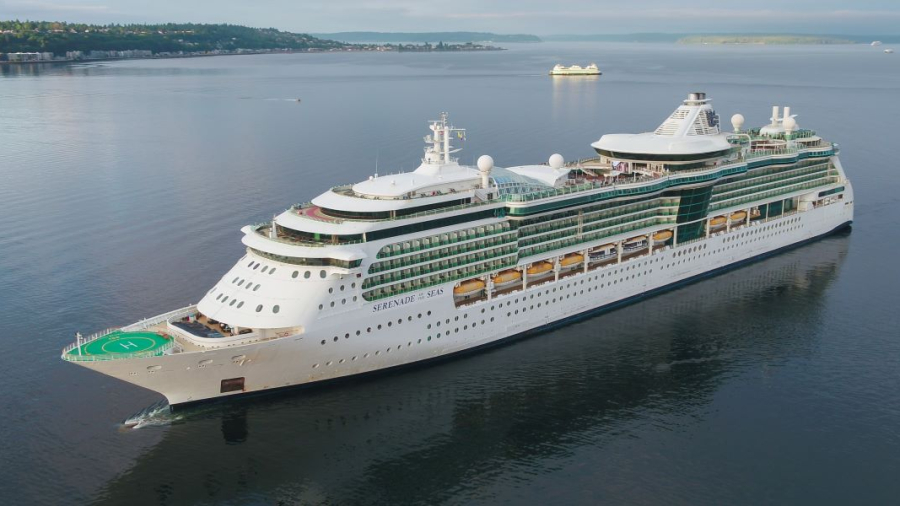
Royal Caribbean International has fully cancelled the 30th August 2026 departure of Serenade of the Seas from Vancouver, following days of unsuccessful repair attempts whilst guests remained aboard the vessel.

The cruise line announced that passengers must disembark by 11:59 p.m. on 2nd September 2026, ending hopes for even an abbreviated Alaska cruise after technical issues prevented the ship from safely departing.

Serenade of the Seas

Passengers eagerly boarded Serenade of the Seas on 30th August expecting to embark on a seven-night Alaska cruise, only to find themselves stranded in Vancouver harbour whilst repair crews worked around the clock on an undisclosed technical problem.

The cruise line initially optimistic about resolving the issue, kept guests aboard with promises of a shortened sailing. Royal Caribbean first notified passengers on 22nd August about a delay and modification to the itinerary.

The original seven-night voyage was to be reduced to a five-night sailing, visiting only Ketchikan and Prince Rupert instead of the originally planned ports. An earlier communication to guests stated: “Due to necessary maintenance requiring additional time in Vancouver, British Columbia, we will now depart on Tuesday, September 1, 2026, at 9:00 PM.”

This optimistic timeline, however, proved impossible to meet as repair work dragged on longer than anticipated.

Full Cancellation Announced After Extended Repair Attempts

Full Cancellation Announced After Extended Repair Attempts

Despite round-the-clock efforts by technical teams, the repairs could not be completed in time for a safe departure. The latest letter distributed to guests aboard the vessel explained the difficult decision to cancel the entire sailing.

“As you may know, Serenade of the Seas has been experiencing a technical issue. Despite our teams’ around-the-clock efforts to complete the necessary repairs, we were unable to resolve the issue in time for the ship to safely depart. As a result, we must cancel this sailing,” the communication read.

The announcement came as a particular blow to passengers who had already spent several days aboard the stationary vessel, watching their holiday slip away whilst hoping for a last-minute resolution. Many had already made significant adjustments to their travel plans when the initial delay was announced.

Passenger Frustration Mounts As Holiday Dreams Evaporate

Social media channels filled with disappointed comments from guests aboard Serenade of the Seas as news of the full cancellation spread. The frustration was amplified by the belief that the cruise line may have anticipated the outcome earlier than disclosed.

“Frustrating to be on this cruise! Disappointed as they likely knew this would be the outcome, more time to figure out options would have been nice!” one guest commented on Facebook, expressing a sentiment shared by many of the 2,143 passengers affected.

The extended period of uncertainty whilst aboard the ship added to passenger frustration. Rather than being notified of the cancellation immediately, guests remained in a state of limbo for days, unable to make alternative holiday arrangements or change flights home.

Beyond those currently aboard, passengers booked on upcoming September departures have also expressed concern about whether their cruises might face similar cancellations. With only three sailings remaining in the vessel’s Alaska season, the pressure is on Royal Caribbean to complete repairs quickly.

Comprehensive Compensation Package Offered To Affected Guests

In response to the cancelled sailing, Royal Caribbean has assembled a substantial compensation package for the disappointed passengers. All guests will receive a full refund of their cruise fare, ensuring they are not financially penalised for the cancellation beyond their control.

Additionally, the cruise line is providing a 100 per cent future cruise credit equal to the original fare price paid. This credit offers considerable flexibility, as it may be used on any Royal Caribbean sailing, aboard any ship, and to any destination in the company’s global deployment.

The future cruise credit must be used within one year from the date of issue. This type of generous compensation has become Royal Caribbean’s standard response when sailings must be abruptly cancelled or when overbooking situations force guests to forfeit their planned holidays.

Recognising the additional financial burden of changing travel arrangements, the cruise line is also reimbursing flight change fees. Guests can claim up to $200 USD per person for domestic flights or $400 USD for international flights, helping to offset the costs of rebooking air travel.

To facilitate making these arrangements whilst still aboard the vessel, Royal Caribbean has provided complimentary WiFi access to all passengers. This allows guests to contact airlines, travel agents, and family members without incurring additional charges during an already stressful situation.

Serenade Of The Seas’ Vancouver Alaska Programme

Serenade Of The Seas' Vancouver Alaska Programme

The 90,090-gross-tonne Serenade of the Seas has been homeported in Vancouver throughout the 2026 Alaska season, offering seven-night roundtrip voyages to some of the region’s most popular destinations.

The ship’s itineraries typically include calls at Sitka, Juneau, Ketchikan, Icy Strait Point, Skagway, and Prince Rupert, along with scenic glacier cruising experiences. The exact ports of call vary depending on each departure date, allowing the cruise line to showcase different aspects of Alaska’s stunning coastline and wildlife-rich waters.

These voyages have long been popular with cruise enthusiasts seeking to experience the natural beauty of the Last Frontier. With the 30th August departure now cancelled, only three sailings remain on Serenade of the Seas’ Alaska calendar – departures scheduled for 6th September, 13th September, and 20th September 2026.

The cruise line faces a tight deadline to complete repairs if these final voyages are to operate as planned. At present, Royal Caribbean has confirmed there is no change to the 6th September departure.

However, the cruise line has advised booked guests to maintain close contact and monitor official communications as repair work continues, as the situation could evolve rapidly.

Technical Issues Plague Vessel’s Recent Operations

Technical Issues Plague Vessel's Recent Operations

Whilst Royal Caribbean has not disclosed specific details about the technical malfunction affecting Serenade of the Seas, the fact that the vessel has been unable to leave port strongly suggests problems with the propulsion system. Such issues would prevent the ship from safely navigating the challenging Alaskan waters.

This is not the first time Serenade of the Seas has experienced technical difficulties whilst operating Alaska itineraries. During the 2025 season, the vessel was forced to adjust or cancel multiple port visits throughout June and July due to reduced speed capabilities and the need for propulsion repairs.

The recurring nature of these problems raises questions about the ageing vessel’s mechanical reliability and whether more extensive refurbishment work may be required. At 23 years old, having entered service in 2003, Serenade of the Seas is amongst Royal Caribbean’s older vessels.

The ship underwent a significant refurbishment in 2020 as part of Royal Caribbean’s Royal Amplified modernisation programme, receiving updated dining venues, new technology features, and refreshed staterooms. However, even extensive renovations cannot entirely eliminate the challenges that come with operating ageing mechanical systems.

Sister Ship Faced Similar Propulsion Problems

Serenade of the Seas is not alone in experiencing technical difficulties amongst Royal Caribbean’s Radiance-class vessels. Her sister ship, Radiance of the Seas, encountered remarkably similar problems during the final weeks of her Alaska season in late August and early September 2023.

Both vessels belong to the cruise line’s Radiance class, which represents some of the oldest ships in the Royal Caribbean fleet. Radiance of the Seas entered service in 2001, making her two years older than Serenade of the Seas.

The pattern of propulsion-related issues affecting multiple ships in the same class suggests potential systemic concerns with this generation of vessels. As these ships continue to age, maintaining their complex mechanical systems becomes increasingly challenging, particularly when operating in demanding environments such as Alaska’s Inside Passage.

The Radiance class consists of four ships in total: Radiance of the Seas, Brilliance of the Seas, Serenade of the Seas, and Jewel of the Seas. All were built between 2001 and 2004, making them between 22 and 25 years old.

Industry Context And Fleet Management Challenges

The cancellation highlights the ongoing challenges cruise lines face in maintaining ageing vessels whilst meeting passenger expectations for reliable service. Royal Caribbean operates one of the industry’s largest and most diverse fleets, with ships ranging from brand-new vessels featuring cutting-edge technology to older ships that have served for over two decades.

Whilst newer ships in Royal Caribbean’s fleet, such as the Oasis-class and Icon-class vessels, incorporate the latest propulsion technology and redundant systems, older vessels like Serenade of the Seas rely on mechanical systems that require increasingly intensive maintenance as they age.

Alaska’s cruise season places particular demands on ships due to the remote locations, challenging navigation conditions, and limited repair facilities available in the region. When technical problems arise, ships may need to remain in ports like Vancouver or Seattle where adequate shipyard facilities and parts are available.

The timing of this cancellation, coming near the end of Alaska’s cruise season, adds additional pressure on Royal Caribbean to resolve the issues quickly. The company must balance the desire to complete the remaining scheduled sailings with the paramount importance of passenger safety and operational reliability.

Future Implications For Upcoming Departures

Future Implications For Upcoming Departures

Passengers booked on the three remaining September departures face considerable uncertainty about whether their cruises will operate as scheduled. The 6th September sailing is particularly at risk, as it is scheduled to depart just four days after guests from the cancelled voyage must disembark.

Royal Caribbean has stated there is currently no change to the 6th September departure, but this position could shift rapidly depending on the progress of repair work. The cruise line has urged booked guests to stay in close communication and monitor official channels for updates.

If repairs cannot be completed in time for the 6th September sailing, Royal Caribbean may face difficult decisions about whether to cancel that voyage as well or potentially reposition another vessel to fulfil the commitment.

However, repositioning a ship on short notice would be logistically complex and potentially impossible given Alaska’s late-season timing. The 13th and 20th September departures may have better prospects if additional time allows repair teams to fully resolve the technical issues.

However, guests booked on these voyages would be wise to purchase travel insurance and maintain flexible travel arrangements until Royal Caribbean provides definitive confirmation that the ship has been cleared to sail.

Want the best Royal Caribbean deal?

Get a free quote from Cruise Mummy’s trusted travel agent, with exclusive onboard credit and expert help at no extra cost.

Related Posts

Source link