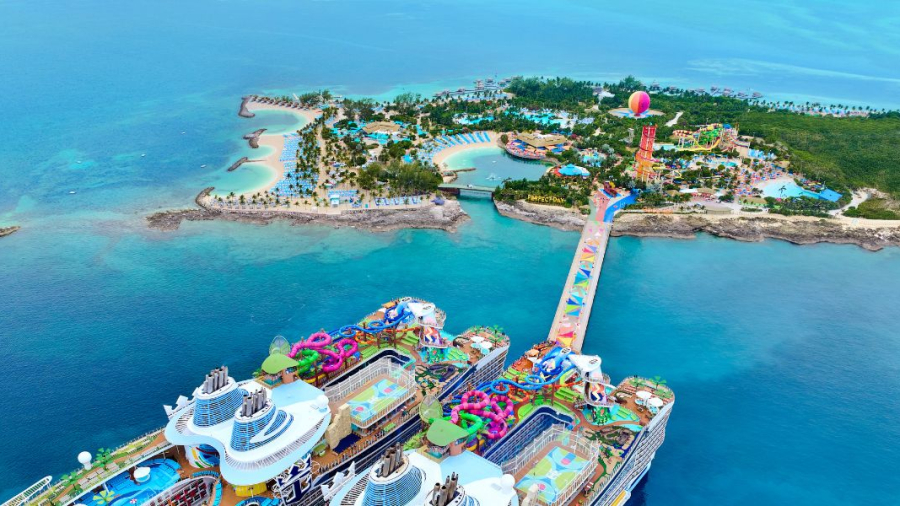
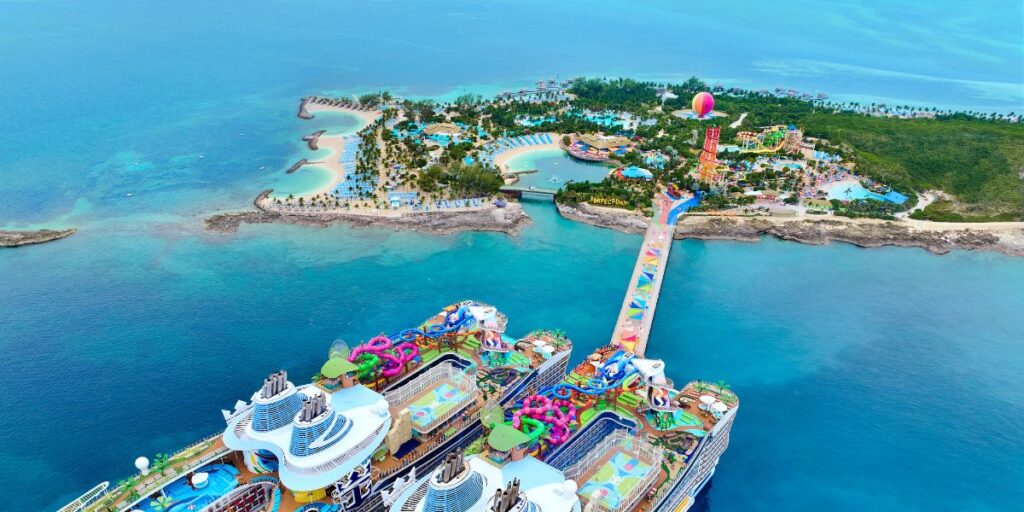
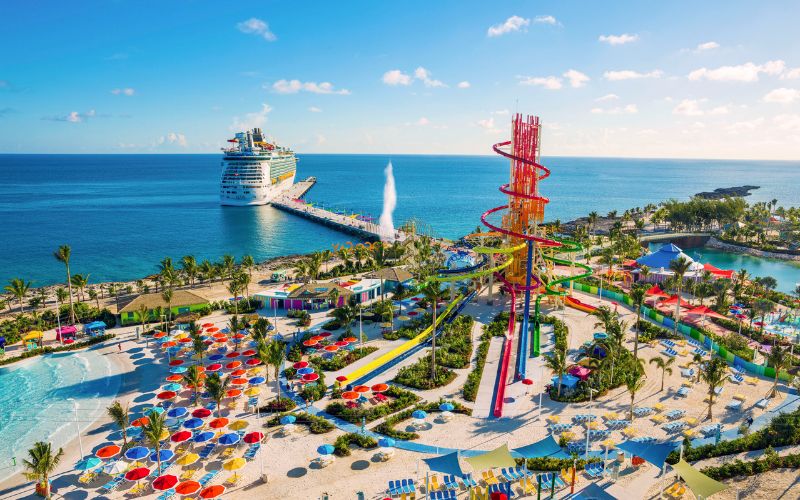
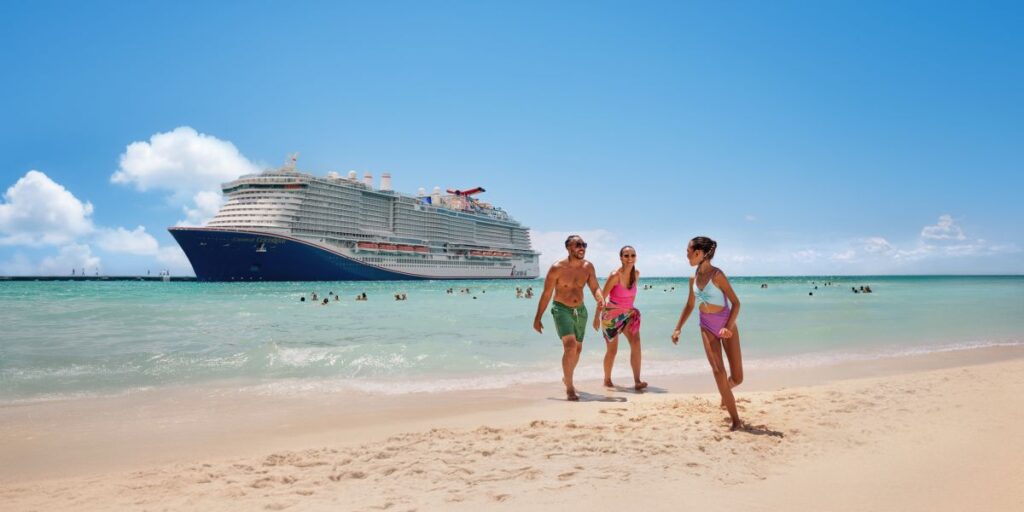
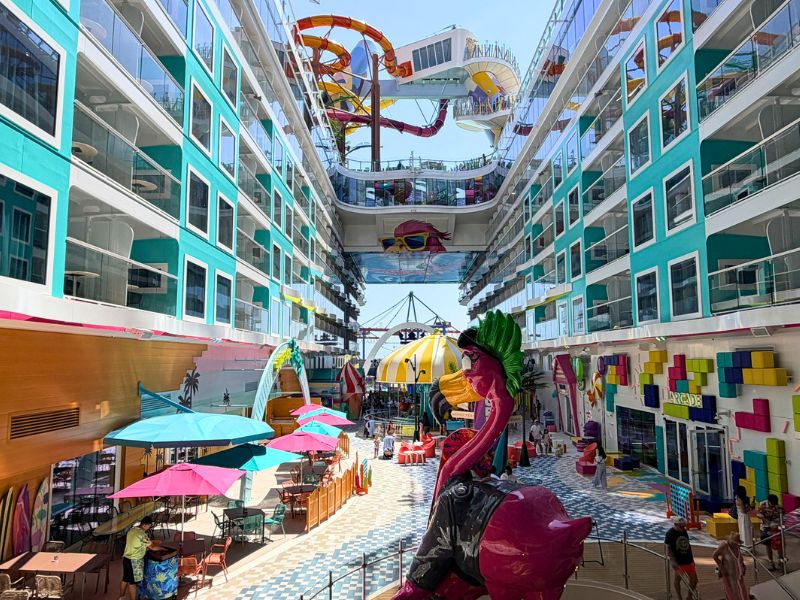
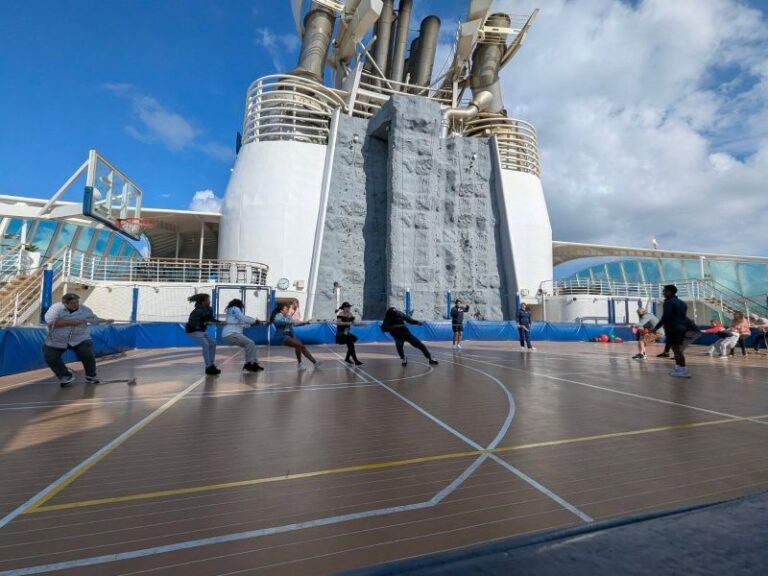
Royal Caribbean has changed the official branding of its private Bahamian destination, removing the word “at” from Perfect Day at CocoCay and adopting the shorter name Perfect Day CocoCay.
The change has already been introduced across Royal Caribbean’s website, marketing materials and online booking system, as well as reservation invoices. Celebrity Cruises, which began calling at CocoCay in April 2024, has also updated its references to the destination.
Royal Caribbean publicly highlighted the change in a social media video posted on 27th August 2026, using a performer at CocoCay to demonstrate that the former wording is being retired.
In the video, the performer repeatedly attempts to welcome guests to “a Perfect Day at CocoCay”, with the word “at” obscured by a ship’s horn sound. She eventually delivers the revised greeting: “Welcome to Perfect Day CocoCay!”
“Say goodbye to the ‘at’ in Perfect Day at CocoCay – from now on, it’s Perfect Day CocoCay,” the video is captioned. “A different name, with the same award-winning island experience you know and love.”
Royal Caribbean also referenced the change on Instagram, writing: “The ‘at’ in Perfect Day CocoCay has left the chat.”
The Facebook video had attracted nearly 60,000 views by 29th August, while the Instagram version had received more than 2,200 likes.
Branding Aligns With Other Royal Caribbean Destinations
Royal Caribbean has not provided a detailed explanation for dropping the preposition, and the change does not indicate any alteration to the destination itself. However, the revised name more closely follows the naming conventions the company uses for other destinations within its growing portfolio of private and exclusive experiences.
Royal Caribbean groups these locations and developments under its “Ultimate Destinations by Royal Caribbean” branding.
Its beach club projects, for example, follow a consistent “Royal Beach Club” naming format tied directly to their locations. These include Royal Beach Club Paradise Island in the Bahamas and the planned Royal Beach Club Santorini in Greece.
The shortened CocoCay name also follows the format previously chosen for the company’s proposed Perfect Day Mexico project near Costa Maya.
That development was announced as Perfect Day Mexico rather than Perfect Day at Mexico. The original project subsequently encountered opposition in Mexico and will not proceed as initially designed.
Using Perfect Day CocoCay therefore gives Royal Caribbean a more consistent naming structure should the company introduce additional Perfect Day destinations in the future.
CocoCay Remains Central To Private Destination Strategy
CocoCay has become an important part of Royal Caribbean’s Caribbean deployment, with the destination designed specifically around visits from the cruise line’s ships. Celebrity Cruises expanded its own Caribbean offering to include calls there beginning in April 2024.
The latest change is a branding adjustment rather than a new destination or redevelopment announcement, meaning passengers with CocoCay included on their itineraries will increasingly see Perfect Day CocoCay used throughout Royal Caribbean and Celebrity Cruises booking and travel documents.
Elsewhere in Royal Caribbean’s private destination portfolio, Labadee in Haiti remains branded as an “Exclusive Destination” rather than using either the Perfect Day or Royal Beach Club names.
Royal Caribbean has not operated calls at Labadee since March 2024 amid continuing security concerns and civil unrest in Haiti. Suspensions affecting the destination have been extended through at least June 2027, affecting more than 60 future itineraries.
Where possible, alternative port calls are being arranged for cruises affected by the extended Labadee cancellations.
For CocoCay, however, the latest development is considerably simpler: the destination remains the same, but one word has disappeared from its name.
Want the best Royal Caribbean deal?
Get a free quote from Cruise Mummy’s trusted travel agent, with exclusive onboard credit and expert help at no extra cost.
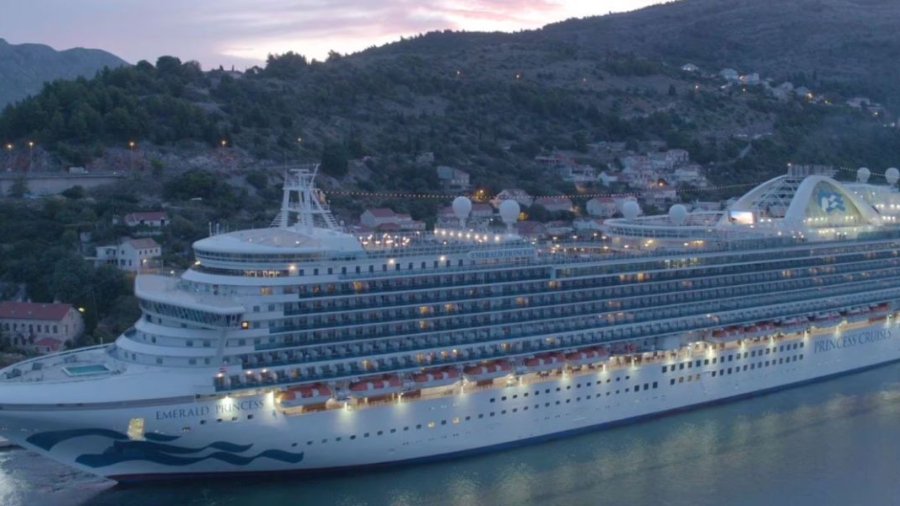
Princess Cruises has approached select passengers booked on Emerald Princess’s 1st September 2026 Alaska sailing with an incentive package to voluntarily change their travel plans. The offer includes a full refund plus matching future cruise credit and up to $800 per person in travel expense reimbursement.
The strategic move comes just days before the sold-out seven-night Inside Passage cruise departs from Vancouver. This marks another instance of the cruise line seeking volunteers to adjust their bookings on high-demand sailings.
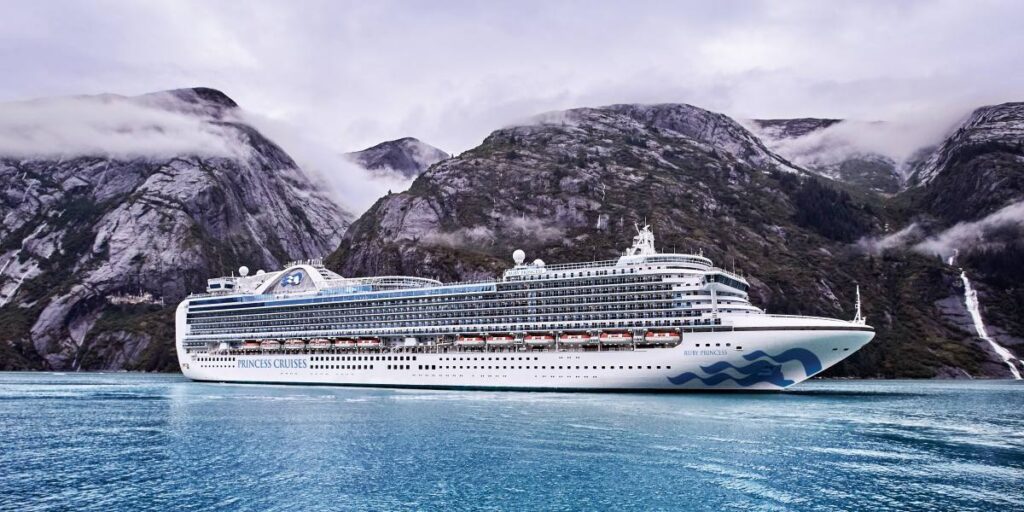
The affected voyage is a seven-night roundtrip Inside Passage cruise departing Vancouver, British Columbia, on 1st September 2026. Emerald Princess will return to port on 8th September.
The itinerary features calls at three of Alaska’s most popular ports – Juneau, Skagway, and Ketchikan. It also includes scenic cruising through the spectacular Glacier Bay National Park.
According to the email sent to eligible passengers, the offer represents what Princess Cruises describes as “exceptional savings” for those willing to modify their travel arrangements. The communication arrived in guests’ inboxes less than a week before the scheduled departure date.
Comprehensive Compensation Package For Affected Passengers
The compensation structure offered to passengers willing to change their plans is notably generous and multi-faceted. Guests who accept the offer will receive a complete 100% refund on their current cruise booking, ensuring they lose no money on their original reservation.
Beyond the full refund, Princess Cruises is providing future cruise credit equivalent to 100% of the base cruise fare paid, though this excludes taxes and fees. This future cruise credit remains valid for two years from the date of issue and offers considerable flexibility in its application.
The credit can be applied towards any Princess cruise departing within that two-year window, providing passengers with extensive options across the line’s global deployment. Additionally, the credit is valid for vacation protection plans, hotel accommodations, or flights booked through Princess Cruises’ booking system, making it particularly valuable for those planning comprehensive cruise holidays.
To sweeten the deal further, passengers who accept the voluntary change offer will be reimbursed up to $800 per person for documented travel expenses. This reimbursement can cover costs such as non-refundable airfares, hotel bookings, or other travel-related expenditures already incurred in preparation for the September cruise.
First Come, First Served Basis With Opt-Out Option
Princess Cruises has made clear that accepting this offer is entirely voluntary. There is no obligation for booked passengers to change their travel plans. Those who wish to proceed with their original 1st September sailing can simply ignore the offer and continue with their booked voyage as planned.
However, the cruise line has stipulated that the offer operates on a first come, first served basis. This means passengers interested in accepting must act quickly. Princess Cruises has also reserved the right to withdraw the offer at any time, adding an element of urgency for those considering the proposition.
This approach allows the cruise line to gauge passenger response and potentially halt the offer once sufficient numbers have agreed to move sailings.
Final Alaska Departure Adds Complexity To Decision
One crucial factor complicating passengers’ decision-making is the timing of this particular sailing within Emerald Princess’s deployment schedule. The 1st September 2026 voyage represents the ship’s final Alaska cruise of the season, making it impossible to simply transfer to another Alaska sailing aboard the same vessel.
Following this cruise, Emerald Princess will reposition to Los Angeles, where she will operate Hawaii and California coast itineraries through the autumn and winter months. The ship will not return to Alaska or Vancouver until spring 2027, nearly eight months later.
For passengers specifically seeking an autumn Alaska cruise experience – with its unique wildlife viewing opportunities and changing landscapes – this final sailing holds particular appeal. The timing also coincides with lower rainfall patterns and excellent opportunities to witness the northern lights beginning to appear, making it especially desirable for certain travellers.
Understanding The Industry Practice Of Moveover Offers
What Princess Cruises is employing here is known in the cruise industry as a “moveover” offer. This is a standard practice when sailings become oversold or when cruise lines need to free up specific cabin inventory.
These offers are designed to incentivise voluntary changes rather than forcing involuntary moves on passengers. Whilst the email sent to Emerald Princess passengers did not explicitly state the sailing was oversold, the fact that Princess Cruises’ website currently lists the voyage as sold out suggests strong demand has created inventory challenges.
Moveover offers typically appear when bookings exceed available capacity or when specific cabin categories become oversubscribed. The cruise industry has long utilised such offers as a passenger-friendly solution to booking complications, providing generous compensation to ensure guests feel valued despite the disruption to their plans.
Recent Pattern Of Similar Offers Across Princess Fleet
This Emerald Princess offer is far from an isolated incident within the Princess Cruises fleet in 2026. The cruise line has deployed similar strategies on multiple sailings throughout the year, suggesting strong booking demand across its operations.
In April 2026, passengers booked aboard Discovery Princess’s 7th April transpacific sailing received comparable voluntary change offers after that voyage became oversold. Those guests were offered a full refund, 100% future cruise credit, and up to $1,500 for travel expenses – notably more generous in the travel reimbursement component than the current Emerald Princess offer.
Just days later, guests booked on an overbooked 15th April Mediterranean cruise aboard Enchanted Princess also received offer emails. The terms mirrored the Discovery Princess package, providing a full refund, 100% future cruise credit, and up to $1,500 in travel expense reimbursement.
The pattern suggests Princess Cruises is experiencing exceptionally strong demand across multiple markets and ship deployments, necessitating these moveover offers to manage inventory effectively.
Emerald Princess And The Record Alaska Season
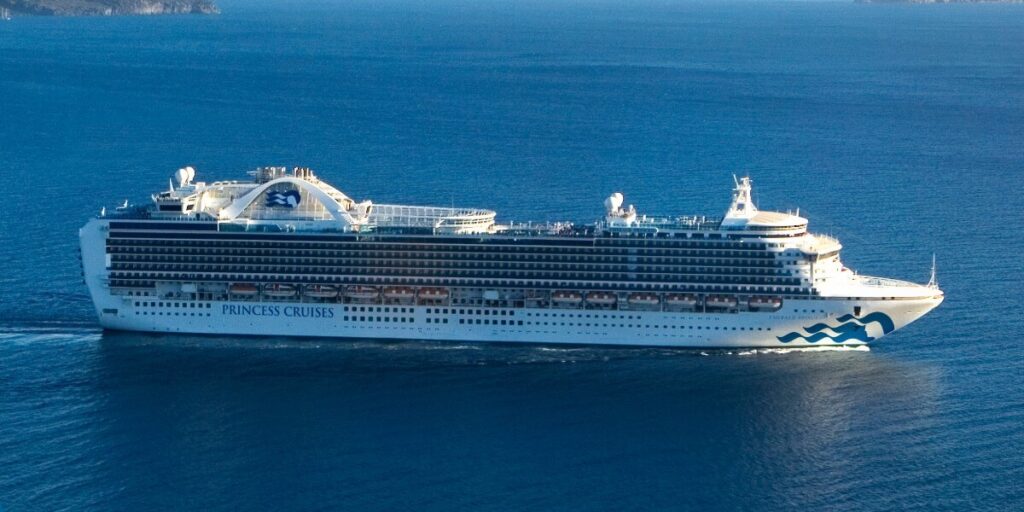
The context for this moveover offer is Princess Cruises’ biggest-ever Alaska season. The cruise line is deploying significant capacity to the region in 2026. Emerald Princess, a 113,561-gross-tonne vessel capable of accommodating 3,090 passengers in double occupancy, represents a substantial portion of that deployment.
Emerald Princess joined the Princess Cruises fleet in 2007 as the line’s second Crown-class ship. It features the distinctive design elements and passenger amenities that have made the class popular among Alaska cruisers.
The vessel offers multiple dining venues, entertainment options, and viewing areas particularly suited to scenic cruising through Alaska’s Inside Passage. Alaska has long been one of Princess Cruises’ signature destinations, with the cruise line maintaining the longest history of any major cruise operator in the region.
The company’s Alaska sailings consistently sell strongly, particularly during the peak summer months and the shoulder season bookends when wildlife viewing reaches its zenith.
What This Means For Future Cruise Planning
For passengers considering this offer, the decision involves weighing immediate travel plans against future flexibility and financial incentives. The 100% future cruise credit effectively provides a free cruise within the next two years, whilst the full refund ensures no financial loss on the current booking.
However, those with inflexible schedules, specific Alaska timing requirements, or travel companions who cannot easily adjust plans may find the offer less appealing despite its generosity. The $800 per person travel expense reimbursement may not fully cover some passengers’ non-refundable costs, particularly for those travelling from distant locations or who booked premium airfare.
The offer also highlights the importance of booking early for popular sailings and considering travel protection that covers cruise line-initiated changes.
As cruise lines continue to experience strong post-pandemic demand, particularly for marquee destinations like Alaska, sold-out sailings and subsequent moveover offers may become increasingly common.
For the broader cruise industry, these offers demonstrate how lines are managing the delicate balance between maximising capacity and maintaining passenger satisfaction. They are using financial incentives rather than involuntary bumping to resolve overbooking situations.
Carnival Cruise Line has confirmed significant changes to complimentary laundry benefits for loyal guests as its new Carnival Rewards programme launches on 1st September 2026.
Platinum and Diamond tier members face reduced bag allowances compared to the current Very Important Fun Person (VIFP) scheme. The cruise line’s brand ambassador, John Heald, clarified on Friday, 28th August that the popular perk is not being eliminated entirely, despite widespread passenger concerns and unfounded reports suggesting the benefit would disappear.
Carnival Cruise Line is replacing its long-standing Very Important Fun Person loyalty programme with the new Carnival Rewards scheme, a transition that has been in the works for several months. The changeover date was originally scheduled for 1st June 2026 but was pushed back to 1st September 2026, giving guests additional time to familiarise themselves with the new structure.
The delay, first reported in November 2025, was designed to ensure a smoother transition for the cruise line’s millions of loyal guests. Carnival has been prominently displaying notices on its website for several months, urging members to opt in to the new programme before the deadline of 31st August 2026.
Current VIFP Laundry Benefits Set To End
Under the existing Very Important Fun Person programme, Platinum tier guests have enjoyed generous complimentary wash-and-fold laundry benefits based on cruise length. For sailings of two to six days, Platinum members receive two free bags of laundry.
That allocation increases to three bags for cruises lasting seven to 13 days, and five complimentary bags for voyages of 14 days or longer.
Diamond tier guests – those who have sailed even more frequently with Carnival – have enjoyed an even more generous benefit. Under the current VIFP system, Diamond level members receive unlimited complimentary wash-and-fold laundry service regardless of cruise length.
This unlimited perk has been one of the most valued benefits amongst Carnival’s most loyal guests, particularly those who embark on extended voyages or sail frequently throughout the year.
The ability to have unlimited laundry processed has been especially appreciated by passengers on longer cruises, where the ability to pack light and refresh wardrobes mid-voyage adds significant convenience and comfort. Many Diamond guests have cited this benefit as a key reason for maintaining their loyalty to Carnival over competing cruise lines.
New Bag Limits Under Carnival Rewards Structure
The new Carnival Rewards programme introduces specific bag limits for both Platinum and Diamond tier guests, structured according to cruise duration. For shorter sailings of three to six days, Platinum guests will receive one complimentary bag of laundry, whilst Diamond guests will be allocated two free bags.
On week-long and intermediate cruises lasting seven to 13 days, the allocation increases to two bags for Platinum members and three bags for Diamond members. For extended voyages of 14 days or longer, Platinum guests will receive four complimentary bags, whilst Diamond guests will get five bags.
The new structure represents a dramatic reduction for Diamond tier guests, who are losing their unlimited laundry benefit. Under Carnival Rewards, Diamond members will receive exactly what Platinum guests currently enjoy under the VIFP programme.
Meanwhile, Platinum guests face an even steeper reduction, receiving fewer bags than they currently enjoy across all cruise lengths.
For three to six day cruises, Platinum guests see their allocation halved from two bags to one. On seven to 13 day sailings, their benefit drops from three bags to two. And on cruises of 14 days or longer, Platinum guests will receive four bags instead of the current five.
Brand Ambassador Addresses Guest Concerns
John Heald, Carnival Cruise Line’s brand ambassador and one of the cruise industry’s most recognisable public faces, took to Facebook on Friday, 28th August to address mounting passenger concerns. His post came in response to unfounded reports circulating on social media and various online forums suggesting that the complimentary laundry benefit was being discontinued entirely.
Heald was firm in his clarification that whilst the benefit is being reduced, it is not being eliminated. His message aimed to correct misinformation that had been spreading amongst Carnival’s loyal guest base, many of whom had expressed frustration and disappointment at the prospect of losing the perk altogether.
The brand ambassador also used his post to remind guests of the critical 31st August 2026 deadline for opting in to the new Carnival Rewards programme. Guests who fail to opt in by this date may face complications or delays in accessing their earned benefits under the new structure.
Heald’s Facebook presence has become an essential communication channel between Carnival and its passengers, with the ambassador regularly fielding questions, addressing concerns, and clarifying policy changes. His posts often generate thousands of comments and reactions, reflecting the passionate engagement of Carnival’s loyal customer base.
Impact On Frequent Cruisers And Diamond Members
The changes to laundry benefits will be felt most acutely by Diamond tier members, particularly those who regularly embark on longer voyages. The loss of unlimited laundry service represents a significant reduction in value for guests who have demonstrated exceptional loyalty to the Carnival brand through years of repeat sailings.
Diamond status is achieved by accumulating a substantial number of cruise points through frequent sailing, and members at this tier have come to expect premium benefits that recognise their commitment. The unlimited laundry perk has been viewed as a tangible expression of appreciation for their loyalty, allowing them to travel with less luggage and enjoy a more convenient onboard experience.
For passengers who sail multiple times per year or who prefer extended cruises, the new limits may require adjustments to packing strategies and expectations. Some guests have expressed concern on social media that the reduced benefit may diminish the overall value proposition of achieving and maintaining Diamond status.
Industry observers note that loyalty programme modifications are becoming increasingly common across the cruise sector as lines seek to balance guest expectations with operational costs. Laundry services represent a significant expense for cruise operators, requiring staff, equipment, water, energy, and consumables.
Comparison With Competing Cruise Line Programmes
Carnival’s decision to introduce caps on complimentary laundry services reflects broader trends in the cruise industry as operators refine their loyalty programmes. Other major cruise lines have taken varying approaches to laundry benefits, with some offering similar perks and others providing alternative amenities.
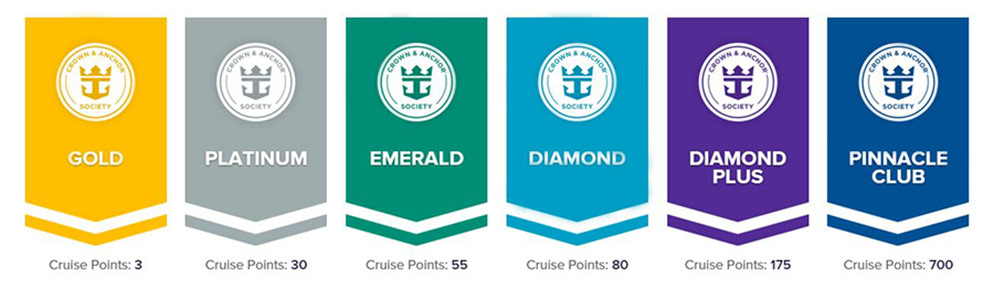
Royal Caribbean International’s Crown & Anchor Society offers complimentary pressing services and discounted laundry for its highest tier members, though not unlimited wash-and-fold service. Norwegian Cruise Line’s Latitudes Rewards programme provides laundry discounts and credits rather than unlimited complimentary service at its premium tiers.
Princess Cruises offers complimentary laundry services for Elite and Platinum members on cruises of six days or longer, though with specific bag limits similar to Carnival’s new structure. Holland America Line provides complimentary laundry service for its highest tier 5-Star Mariners, though the benefit comes with certain restrictions.
Each cruise line structures its loyalty benefits differently, balancing complimentary services with other perks such as priority boarding, speciality dining credits, beverage packages, cabin upgrades, and exclusive events. The value of any loyalty programme depends on individual passenger preferences and sailing patterns.
Deadline For Opting In To New Programme
Carnival has established Monday, 31st August 2026 as the firm deadline for guests to opt in to the new Carnival Rewards programme. The cruise line has been communicating this deadline through multiple channels, including website notifications, email communications, and social media posts from John Heald and other official Carnival accounts.
Guests who have sailed with Carnival under the VIFP programme must actively opt in to transition their status and benefits to the new Carnival Rewards structure. Failure to opt in by the deadline could result in complications accessing benefits or potential loss of accumulated status recognition.
The opt-in process is designed to be straightforward, with guests able to complete the transition through their online Carnival account or by contacting the cruise line’s customer service department. Carnival has emphasised that guests should not delay, as the deadline allows no extensions.
The requirement for guests to actively opt in reflects changes in data privacy regulations and gives Carnival an opportunity to update guest information and preferences. It also ensures that members are aware of the programme changes and have actively consented to the new terms and conditions.
Industry Context And Loyalty Programme Evolution
The cruise industry has undergone significant evolution in recent years, with loyalty programmes becoming increasingly sophisticated and central to cruise line marketing strategies. These programmes are designed to encourage repeat bookings, increase customer lifetime value, and differentiate brands in an increasingly competitive marketplace.
Carnival Corporation, Carnival Cruise Line’s parent company, operates multiple brands including Princess Cruises, Holland America Line, Cunard, Seabourn, and others. Each brand maintains its own loyalty programme tailored to its target demographic and brand positioning.
The company has invested heavily in technology platforms that track guest preferences, sailing history, and onboard spending patterns. The shift from VIFP to Carnival Rewards represents Carnival Cruise Line’s efforts to modernise its loyalty offering and align benefits more closely with operational realities.
The cruise line carries approximately five million guests annually across its fleet of more than 20 ships, making it the world’s largest cruise brand by passenger volume.
Loyalty programme members represent a substantial portion of Carnival’s customer base, with many ships sailing with 50 per cent or more of guests holding some level of status recognition. These repeat guests tend to book more frequently, spend more onboard, and serve as brand advocates who recommend Carnival to friends and family.
What The Changes Mean For Future Sailings
As the 1st September 2026 implementation date approaches, Carnival guests are evaluating how the modified laundry benefits will affect their future cruise experiences. For passengers with bookings departing after the transition date, the new bag limits will apply based on their Platinum or Diamond tier status under Carnival Rewards.
Guests sailing before 1st September will continue to enjoy the current VIFP benefits, including unlimited laundry for Diamond members. This creates a clear dividing line between the old and new programme structures, though it may also generate some frustration amongst passengers whose cruises fall just after the changeover date.
The modifications to laundry benefits may influence booking decisions for some guests, particularly those comparing Carnival to competing cruise lines. However, laundry service is just one component of a broader loyalty programme that includes priority check-in, behind-the-scenes tours, complimentary drinks, speciality dining credits, and other amenities.
Carnival has indicated that the new Carnival Rewards programme will offer enhanced benefits in other areas, though specific details have been communicated primarily to existing VIFP members. The cruise line is positioning the transition as an evolution rather than a reduction, emphasising improvements to the overall guest experience and loyalty recognition.
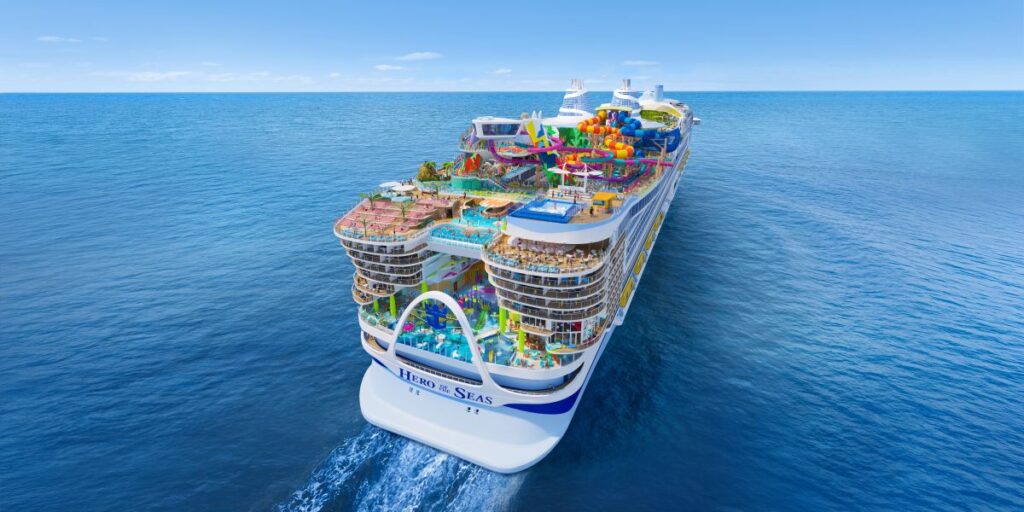
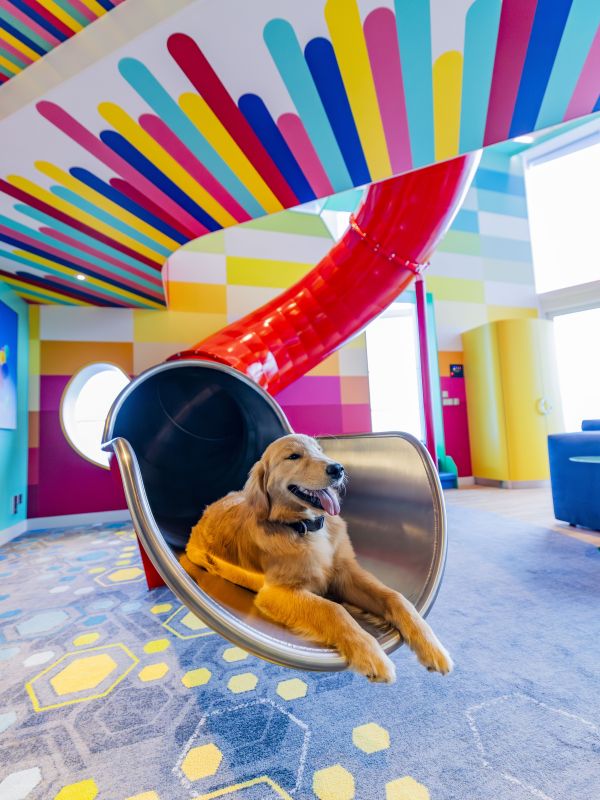
Royal Caribbean International’s CEO Michael Bayley has shortlisted seven potential names for the fourth Chief Dog Officer set to join Hero of the Seas when the Icon-class vessel debuts in summer 2027, inviting cruise enthusiasts to weigh in before making his final selection.
The naming campaign began on 6th August 2026, when Bayley turned to Facebook to solicit suggestions from fans for the female golden retriever who would serve aboard the cruise line’s newest flagship. After receiving hundreds of submissions, the options have been narrowed to Hero, Scout, Marina, Pearl, Coco, Coral, and Sandy.
In a follow-up post on 28th August, Bayley opened voting to the public, writing: “We have now narrowed down the names to the list below based on likes of all the names. So voting is open for the final round before it goes to the distinguished panel of judges (me) for the final decision.”
Passionate Debate Emerges Among Cruise Enthusiasts
The announcement sparked immediate and spirited discussion within Royal Caribbean’s social media community. Within the first eight hours of posting, Bayley’s Facebook message garnered over 1,200 comments as cruisers shared their preferences and reasoning.
Some commenters raised practical concerns about certain options. Several fans noted that naming the dog Hero could create confusion, as she would share her name with the ship itself. Others pointed out similar issues with Coco, which bears a striking resemblance to CocoCay, Royal Caribbean’s private island destination in the Bahamas.
A considerable contingent rallied behind Scout, arguing it would complement the nautical theme established by the previous Icon-class Chief Dog Officers: Rover aboard Icon of the Seas, Sailor aboard Star of the Seas, and Skipper aboard Legend of the Seas. The name maintains the maritime tradition whilst offering a distinct identity.
Heartfelt Tribute Proposal Gains Momentum
A significant number of commenters suggested an addition to the shortlist that wasn’t among the original seven finalists. Many fans proposed the name Dolly as a tribute to country music legend Dolly Parton, who passed away on 25th August 2026, just three days before Bayley’s voting post.
The spontaneous groundswell of support for this alternative demonstrates the emotional connection Royal Caribbean’s community feels toward both the Chief Dog Officer programme and broader cultural moments. However, Bayley has not indicated whether write-in candidates will be considered or if the selection will remain limited to the seven official finalists.
The CEO has not announced an official closing date for the voting period, nor has he revealed when passengers can expect to learn the chosen name. This approach mirrors Royal Caribbean’s strategy with previous Chief Dog Officer announcements, which have often built anticipation through extended engagement campaigns.
The Evolution Of Royal Caribbean’s Chief Dog Officer Programme
The Chief Dog Officer initiative represents one of Royal Caribbean’s most distinctive innovations within the cruise industry. The programme debuted with Icon of the Seas, which launched in January 2024 as the world’s largest cruise ship and the inaugural vessel in the cruise line’s Icon class.
Rover, the first Chief Dog Officer, became an immediate sensation among passengers and crew members alike. The golden retriever’s presence aboard Icon of the Seas proved so successful that Royal Caribbean committed to continuing the tradition with each subsequent Icon-class vessel.
Star of the Seas, which debuted in August 2025, welcomed Sailor as its Chief Dog Officer. The second vessel in the class introduced several enhancements to the programme based on learnings from Icon of the Seas, including dedicated spaces for the dog and structured interaction times for guests.
In February 2026, Cruise Hive reported that Royal Caribbean had confirmed a third Chief Dog Officer would join Legend of the Seas, the third Icon-class ship. A week following that announcement, the cruise line revealed the pup’s name would be Skipper, maintaining the nautical naming convention.
The Therapeutic Purpose Behind The Canine Crew Members
Whilst the Chief Dog Officers undoubtedly provide entertainment value and photo opportunities for passengers, Royal Caribbean emphasises that these animals serve a deeper purpose beyond their adorable appearances. The dogs are specifically intended to provide companionship and emotional support for both guests and crew members during their voyages.
In a June 2025 video showcasing Sailor aboard Star of the Seas, Michael Bayley explained the genesis of the programme. He noted that passengers and crew members alike can experience homesickness whilst at sea, particularly missing their pets back home.
The concept emerged from an informal experiment conducted before the programme’s official launch. Royal Caribbean brought a team member’s golden retriever aboard one of its ships during a turnaround day to gauge reactions.
The response proved overwhelmingly positive. According to Bayley, numerous crew members stopped their duties to hug and interact with the dog, seeking a moment of comfort and connection.
From Spontaneous Test To Signature Programme
“When we saw that, we thought, ‘Wow, this is amazing. People miss their own family dogs,’” Bayley recalled in his video explanation. The spontaneous outpouring of affection from crew members convinced Royal Caribbean’s leadership that having a dog onboard could significantly enhance the well-being of everyone sailing.
The observation proved particularly significant for crew members, who typically spend months away from home during their contracts. The opportunity to interact with a friendly dog provides a brief respite and emotional outlet that can make extended time away from family more manageable.
For passengers, especially those on longer voyages, the Chief Dog Officers offer a unique amenity that distinguishes Royal Caribbean from competitors. Pet owners who must leave their animals at home whilst cruising appreciate the chance to enjoy canine companionship during their holidays.
Royal Caribbean partnered with American Humane, the nation’s first national humane organisation, to develop and implement the Chief Dog Officer programme responsibly. This collaboration ensures the dogs receive appropriate care, training, and working conditions that prioritise their welfare.
American Humane Oversight Ensures Proper Animal Welfare
American Humane’s involvement addresses potential concerns about having animals living and working aboard cruise ships. The organisation provides guidelines for the dogs’ living quarters, work schedules, exercise routines, veterinary care, and rest periods.
Each Chief Dog Officer has a dedicated handler who oversees the dog’s daily care and manages interactions with passengers and crew. The handler ensures the animal doesn’t become overwhelmed and maintains a healthy work-life balance, with plenty of downtime away from public areas.
The dogs undergo specialised training before joining their respective ships, preparing them for the unique environment of a cruise vessel. This training includes socialisation with large groups of people, acclimation to ship sounds and movements, and commands specific to their role.
Royal Caribbean has not yet disclosed whether Hero of the Seas’ Chief Dog Officer will be a golden retriever like her predecessors or if the cruise line might introduce a different breed for this fourth iteration of the programme. The decision to keep certain details under wraps helps maintain public interest and anticipation leading up to the reveal.
Hero Of The Seas Construction Progresses In Finland
Whilst the Chief Dog Officer naming campaign generates excitement, Hero of the Seas herself continues taking shape at the Meyer Turku shipyard in Turku, Finland. The vessel represents the fourth ship in Royal Caribbean’s groundbreaking Icon class, which introduced numerous innovations to the cruise industry.
Icon-class ships measure approximately 250,800 gross tonnes and can accommodate around 7,600 passengers at maximum capacity. These vessels are currently the largest cruise ships in the world, surpassing even Royal Caribbean’s previous record-holding Oasis-class vessels.
Hero of the Seas will feature the signature amenities that have made the Icon class so popular, including multiple neighbourhood concepts, an expanded AquaDome, extensive dining options, and enhanced stateroom categories. Each successive Icon-class ship has incorporated refinements based on guest feedback from earlier vessels.
The ship is scheduled to debut on 11th August 2027 with an inaugural sailing departing from Miami, Florida. This maiden voyage will be a three-night cruise visiting Perfect Day at CocoCay, Royal Caribbean’s private island destination in the Bahamas.
Summer 2027 Deployment Plans Take Shape
Following her inaugural sailing, Hero of the Seas will homeport in Miami and operate a programme of seven-night Caribbean itineraries. The ship will alternate between Eastern Caribbean and Western Caribbean routes, providing passengers with diverse destination options.
Eastern Caribbean sailings typically call at ports such as Philipsburg, St. Maarten; San Juan, Puerto Rico; and Charlotte Amalie, St. Thomas, alongside Perfect Day at CocoCay. Western Caribbean itineraries often include Cozumel, Mexico; George Town, Grand Cayman; and Falmouth, Jamaica.
The Miami homeport positioning places Hero of the Seas in Royal Caribbean’s most important North American market. Miami serves as the cruise line’s headquarters and its busiest embarkation port, offering convenient access for passengers throughout the eastern United States and Latin America.
Royal Caribbean has not yet opened bookings for Hero of the Seas’ regular sailings beyond the inaugural voyage, though the cruise line typically releases itineraries and opens reservations approximately 18 to 24 months in advance. Interested cruisers can expect booking availability to expand throughout 2026 as the ship’s debut approaches.
The addition of Hero of the Seas will give Royal Caribbean four Icon-class vessels in service by summer 2027, with Icon of the Seas, Star of the Seas, and Legend of the Seas already operating. The cruise line has confirmed orders for additional Icon-class ships beyond these four, though delivery dates for the fifth and sixth vessels have not been finalised.
As construction progresses and the debut date approaches, anticipation will continue building not only for the ship itself but also for the reveal of the Chief Dog Officer’s name and eventual introduction of the pup to the cruising public. The naming campaign exemplifies Royal Caribbean’s strategy of engaging its passionate fan community in the development of new ships and programmes, fostering a sense of shared ownership and excitement that extends well beyond the actual sailing experience.
Royal Suite Class Deals
I recommend booking with luxury specialists Panache Cruises for the best service.
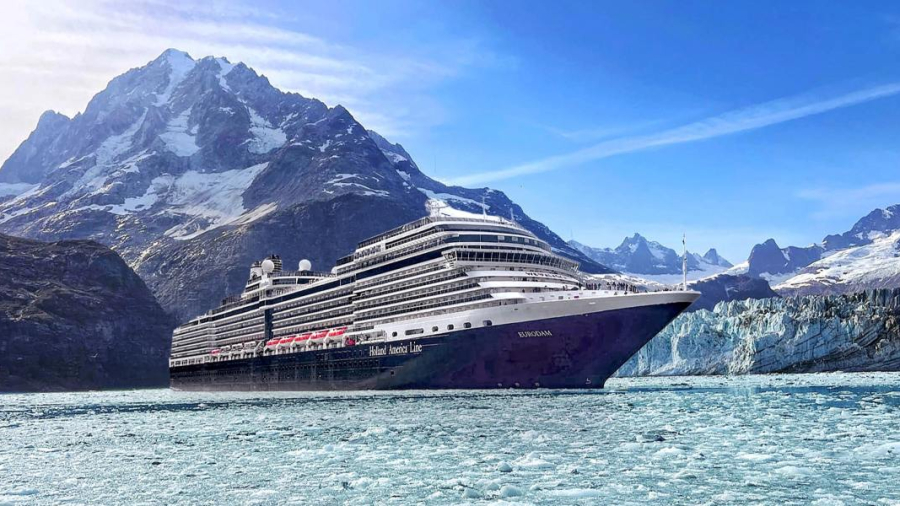
Holland America Line has opened bookings for its 2028 Alaska season, with six ships scheduled to operate voyages ranging from seven to 18 days and several new itinerary features, including a San Diego departure and the Alaska debut of the transformed Oosterdam.
The programme will include Oosterdam, Noordam, Eurodam, Koningsdam, Westerdam and Zaandam, sailing roundtrip from Seattle and Vancouver, between Vancouver and Whittier, and on a new one-way voyage from San Diego to Vancouver.
Among the additions for 2028 is an 11-day California to Alaska: Shores, Fjords & Glaciers cruise aboard Zaandam. The sailing is due to depart San Diego on 29th April 2028 and visit Glacier Bay National Park & Preserve, Juneau, Ketchikan, Wrangell, Klawock and Prince Rupert before arriving in Vancouver.
Select Great Alaska Explorer and Great Bear Rainforest itineraries will also introduce scenic cruising through Nootka Sound on Vancouver Island’s west coast, marking the first time Holland America Line has included the waterway in its Alaska programme.
“What has always set Holland America Line apart in Alaska is our ability to combine the iconic experiences guests dream about with opportunities to see the destination in ways they haven’t before,
“Our 2028 season reflects that approach, pairing the Alaska highlights guests expect with a collection of distinctive experiences, from rare itineraries and lesser-traveled waterways to new ways of enjoying the journey on board. It’s a season designed to give guests an even deeper connection to Alaska.”
Paul Grigsby, vice president of revenue planning and deployment for Holland America Line.
Oosterdam To Return Following Major Transformation
Oosterdam will operate in Alaska following its Holland America Evolution transformation, part of what the cruise line describes as the largest fleet investment in its 153-year history.
The ship is set to become the principal vessel used for Holland America Line’s Alaska Cruisetours, which combine cruises with overland journeys to destinations including Denali and the Yukon. Details of the company’s 2028 Cruisetour programme are due to be announced later.
Changes planned for Oosterdam include new purpose-built Solo Verandah staterooms and Bridgeview Suites with forward-facing panoramic views, along with the addition of the Grand Dutch Café.
The ship will also receive refreshed accommodation and public areas, with other changes drawing on features found aboard Holland America Line’s Pinnacle Class vessels.
“Alaska’s scenery is already unforgettable and Oosterdam will give guests even more ways to experience it,” said Grigsby. “From taking in the mountains and glaciers from a new Bridgeview Suite to pairing a cruise with an unforgettable journey into Denali and the Yukon, Oosterdam will offer guests new ways to connect with Alaska both on board and ashore.”
Oosterdam will also operate a new 16-day Great Bear Rainforest & Alaska Explorer itinerary roundtrip from Vancouver, departing on 28th April 2028. The voyage is scheduled to include the Great Bear Rainforest, Hubbard Glacier, Prince Rupert, Kodiak, Anchorage and Valdez, together with scenic cruising through Johnstone Strait, Grenville Channel and Princess Royal Channel.
Longer Alaska Voyages And Seven-Day Cruises
Noordam will operate two 14-day Great Alaska Explorer departures from Seattle on 4th June and 20th August 2028. Those voyages will call at Juneau, Ketchikan, Prince Rupert, Anchorage, Kodiak and Valdez, while also featuring Hubbard Glacier, Endicott Arm and Dawes Glacier, and scenic cruising through Nootka Sound.
Zaandam is scheduled to sail an 18-day Great Bear Rainforest & Alaska Explorer roundtrip from Vancouver on 13th September 2028. Its itinerary includes Glacier Bay National Park & Preserve, the Great Bear Rainforest, Bella Bella, Homer, Kodiak, Anchorage and Valdez, as well as Nootka Sound.
Seven-day options will continue to make up a significant part of the season.
Oosterdam and Eurodam are scheduled to operate 36 Glacier Discovery sailings between Vancouver and Whittier. These itineraries will include Glacier Bay National Park & Preserve, Juneau, Skagway and Ketchikan, alongside either College Fjord or Hubbard Glacier.
Koningsdam, Zaandam and Oosterdam will together offer 46 roundtrip Vancouver Alaska Inside Passage departures, visiting Glacier Bay, Juneau, Skagway and Ketchikan.
Westerdam and Noordam will meanwhile operate 45 seven-day Alaska Explorer voyages roundtrip from Seattle. Those cruises will visit Juneau, Sitka and Ketchikan, with either Glacier Bay National Park & Preserve or Endicott Arm and Dawes Glacier included depending on the sailing.
Across the wider 2028 programme, Holland America Line plans to continue its Alaska Up Close enrichment programme, with onboard experts, National Park Service Rangers and wildlife specialists. The line also plans more than 200 Alaska shore excursions covering activities including whale watching and bear viewing.
Glacier calls and scenic cruising are scheduled to include Glacier Bay, Hubbard Glacier, Dawes Glacier, Tracy Arm and College Fjord.
Holland America Line has also announced early-booking incentives for the season through its Have It All package. The offer includes shore excursion and speciality dining credits, prepaid crew appreciation, an Elite Beverage Package, premium Wi-Fi and up to US$300 per person in onboard credit.
Members of the Mariner Society loyalty programme can also receive up to US$400 in onboard credit per stateroom on qualifying 2028 Alaska bookings for a limited period.
Early-booking prices announced by the cruise line start from £1,184 per person for selected seven-day Alaska Inside Passage sailings.
NEW DEALS JUST RELEASED!
Don’t miss the latest Holland America Line offers…
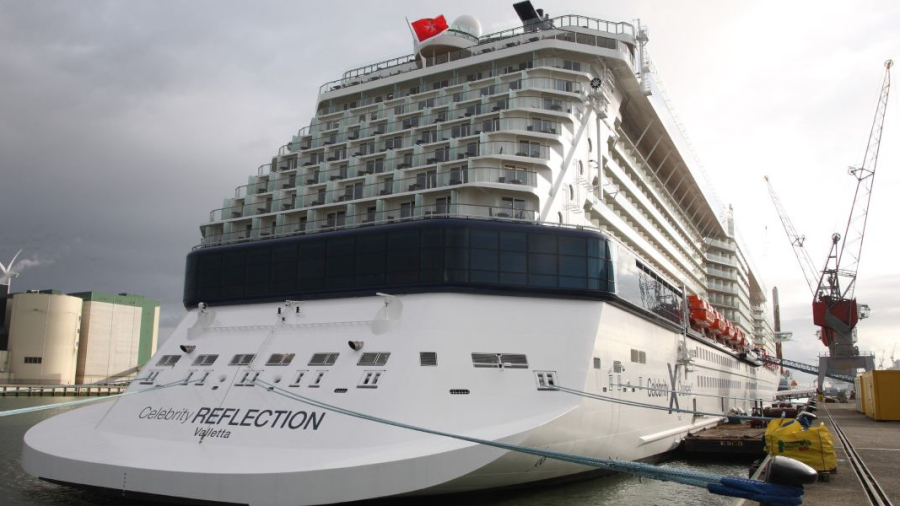
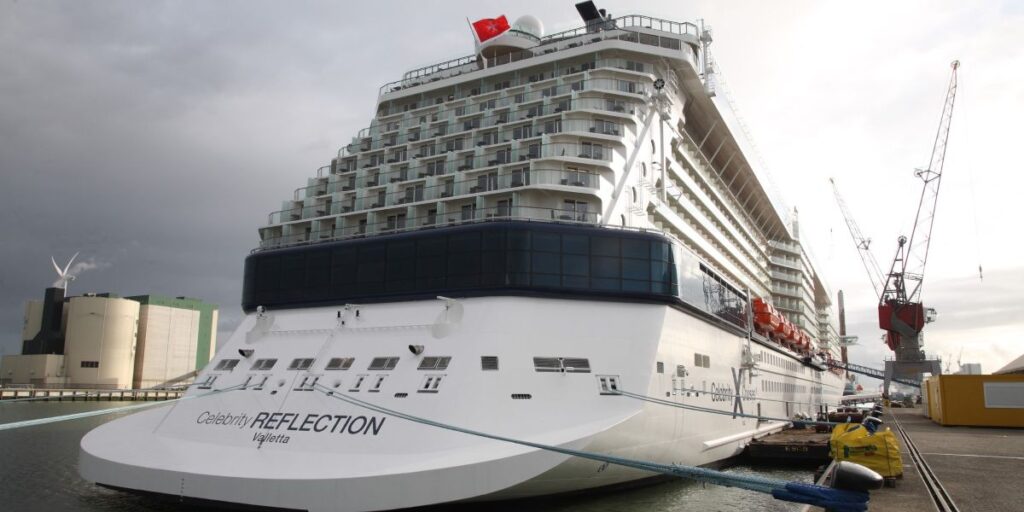
Celebrity Reflection is set to gain 59 additional staterooms during a major refurbishment in early 2027, increasing the Solstice-class ship’s double-occupancy capacity to nearly 3,150 guests.
The new accommodation will be created by repurposing several existing public and recreational areas across the 126,000-tonne ship. The work forms part of Celebrity Cruises’ wider programme to update its Solstice-class fleet, with Celebrity Reflection also due to receive new dining, entertainment and outdoor spaces.
Built in 2012, Celebrity Reflection is the fifth and final ship in the Solstice class. Its forthcoming refurbishment was announced in July 2026 as part of a broader series of enhancements for the vessel.
Public Areas To Make Way For New Cabins
The largest concentration of additional accommodation is planned for Deck 15, where 26 staterooms are expected to replace areas currently used for youth facilities, a basketball court and a video game arcade.
Another 17 outside staterooms will be created around the Grand Foyer on Deck 5. The changes will involve removing the Passport Bar and relocating the ship’s guest relations desk elsewhere on the deck.
Decks 11 and 12 are expected to receive a further 16 staterooms. Space for these cabins will be created by reducing the footprint of Celebrity Reflection’s existing spa and fitness centre.
Together, the changes are expected to add 59 cabins to the ship, taking its capacity at double occupancy to almost 3,150 passengers.
The project continues Celebrity Cruises’ recent practice of adding accommodation to existing Solstice-class vessels during scheduled drydock periods.
Celebrity Eclipse received 10 additional staterooms during a routine drydock in early 2025. Celebrity Solstice subsequently underwent a more extensive modernisation in 2026 that included the addition of 54 staterooms.
New Venues And Expanded Retreat Facilities
The increase in accommodation will be accompanied by a wider overhaul of Celebrity Reflection’s passenger facilities, including 13 new venues as well as refreshed dining and entertainment areas.
Among the additions will be the Celebrity Pool Club, featuring two dedicated bars and new poolside dining options.
Four new entertainment spaces are also planned. These include the 125-seat Boulevard Lounge, which is designed to host activities including games, karaoke and live performances.
The Retreat, Celebrity Cruises’ suite-class offering, will also be upgraded. Plans include an enhanced sun deck with a large hot tub and a redesigned lounge for suite guests.
Elsewhere on the ship, the casino is due to be expanded into space currently occupied by part of a shopping gallery.
The 2027 refurbishment will continue the modernisation of Celebrity Cruises’ Solstice-class fleet while also representing a considerably larger capacity increase for Celebrity Reflection than the additional accommodation installed aboard Celebrity Eclipse in 2025.
Celebrity Reflection is expected to gain 59 new staterooms during a major refurbishment in early 2027, alongside 13 new venues and upgraded guest facilities.
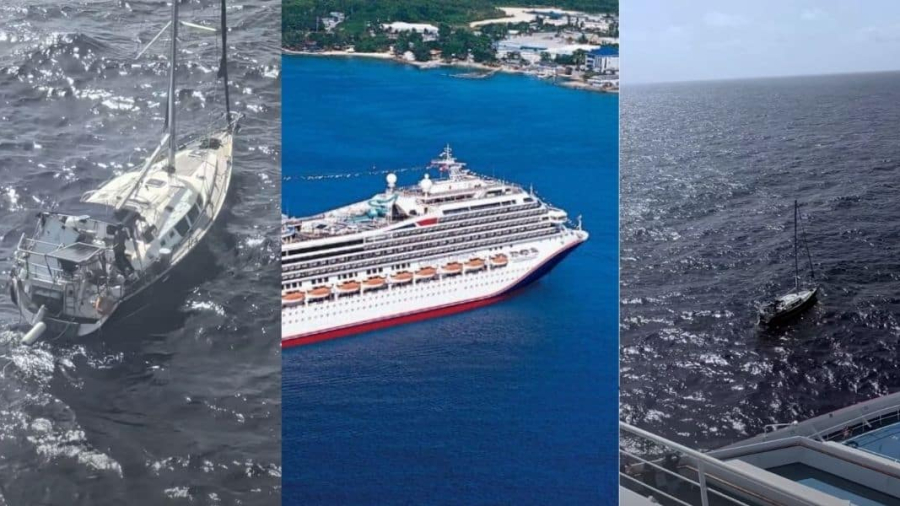
Carnival Conquest successfully rescued a mariner from a disabled sailboat in the Caribbean on Wednesday, 26th August 2026, after responding to a distress relay from rescue authorities.
The 2,980-passenger cruise ship diverted from its planned route to assist the stranded individual, who was the sole occupant of the vessel, and continued to its scheduled port call in Grenada without delay.
The rescue operation unfolded during a sea day as Carnival Conquest sailed between ports on a 14-day Caribbean itinerary.
Under the International Convention for the Safety of Life at Sea (SOLAS), all cruise ships are legally obligated to respond to distress calls and render assistance when possible, regardless of the circumstances surrounding the emergency.
This international maritime law has been a cornerstone of seafaring safety for over a century, ensuring that vessels in peril receive aid from any ship capable of providing it.
Cruise ships, with their advanced communication systems, medical facilities, and trained crew, are particularly well-equipped to respond to such emergencies.
Passengers Document Rescue Operation From Ship Decks
Guests aboard Carnival Conquest witnessed the dramatic rescue unfold from the ship’s decks, with many documenting the incident on social media.
The ship’s captain kept passengers informed throughout the operation via announcements over the public address system, explaining the nature of the rescue mission.
Video footage shared by passengers captured the small sailboat bobbing significantly in the ocean swells as the massive cruise ship approached.
The sailboat’s sails were completely stowed, suggesting the vessel may have experienced mechanical failure or lost steering capability.
Maritime experts note that stowing sails in such circumstances is standard safety protocol when a vessel becomes disabled.
“When we arrived on scene, we found a sailboat with a single passenger that appeared to be very happy to see us,” one guest posted on Facebook, describing the relief evident in the stranded mariner’s demeanour.
Carnival Cruise Line Confirms Successful Rescue Mission
Carnival Cruise Line issued an official statement confirming the rescue operation and providing details about the incident.
“Carnival Conquest rescued a mariner from a disabled sailing vessel on August 26 while sailing to Grenada,” the cruise line stated in a response to Cruise Hive.
The statement continued: “After receiving a distress relay from rescue authorities, the Conquest diverted to the vessel’s location and safely brought the sole occupant aboard.
The individual remains in the care of the ship’s team as Carnival Conquest proceeds to St. George’s, Grenada, as scheduled.”
The efficiency of the operation demonstrates the cruise line’s preparedness for such maritime emergencies, with crew members trained specifically for rescue scenarios.
Carnival’s fleet maintains regular drills and protocols to ensure swift response capabilities when distress calls are received.
Standard Protocol Followed For Rescued Individual Aboard
Following established maritime rescue procedures, the rescued mariner was provided with immediate medical assessment, food, and appropriate care upon boarding Carnival Conquest.
As is standard practice for rescued individuals who are not paying passengers, the person would not have unrestricted access to the ship’s public spaces and recreational facilities.
The individual was expected to remain in the care of the ship’s medical and security team throughout the voyage to Grenada, where they would most likely be disembarked and turned over to local authorities.
This protocol ensures both the safety and wellbeing of the rescued person whilst maintaining the security and routine operations of the cruise ship.
Carnival Conquest’s crew would have also documented the precise location of the abandoned sailboat, recording its coordinates and condition for maritime authorities.
This information is crucial for warning other vessels in the area about the presence of the derelict craft, which could pose a navigation hazard.
Carnival Conquest Operating Special Adults-Only Caribbean Voyage
The rescue occurred during one of Carnival Cruise Line’s distinctive SEA voyages – Sailings Exclusively for Adults.
These special sailings are invitation-only cruises not available for general public booking, with eligible guests aged 21 and older receiving email invitations when such voyages are scheduled.
The adults-only concept has proven popular amongst cruisers seeking a more relaxed atmosphere without the presence of children and families.
These sailings maintain all of Carnival’s signature entertainment and dining options whilst creating an environment tailored to adult preferences.
The 14-day Caribbean itinerary departed Miami, Florida, on Friday, 21st August 2026, featuring an extensive roster of Eastern Caribbean destinations.
The voyage includes port calls at St. Thomas, St. Croix, Dominica, Antigua, and additional islands before returning to Miami on Friday, 4th September 2026.
Ship Maintains Schedule Despite Rescue Diversion
Despite the unplanned diversion to assist the stranded sailor, Carnival Conquest’s itinerary remained unchanged.
Satellite tracking confirmed the ship arrived at St. George’s, Grenada, on Thursday, 27th August, precisely as scheduled in the original cruise programme.
This punctuality demonstrates the cruise line’s operational efficiency and the relatively brief nature of the rescue operation.
Modern cruise ships maintain sufficient speed and manoeuvrability to accommodate such humanitarian diversions without significantly impacting passenger itineraries.
The ability to maintain schedule is particularly important for cruise passengers who may have arranged shore excursions, tours, or other time-sensitive plans at each port of call.
Carnival’s successful execution of the rescue whilst honouring its commitment to guests showcases the balance cruise lines must strike between maritime obligations and customer service.
Carnival Conquest Specifications And Caribbean Deployment
Carnival Conquest entered service in December 2002 as one of the cruise line’s popular Conquest-class vessels.
The 110,000-gross-tonne ship accommodates 2,980 passengers at double occupancy, with capacity expanding to nearly 3,700 guests when all berths are occupied.
The vessel spans 952 feet in length and features 13 passenger decks offering an array of dining venues, entertainment options, and recreational facilities.
Conquest-class ships are known for their spacious layouts, multiple pools, and the signature RedFrog Pub that has become a Carnival staple.
Currently based in Miami, Carnival Conquest primarily operates Caribbean itineraries ranging from week-long getaways to extended 14-day voyages exploring the Eastern and Southern Caribbean islands.
The ship underwent significant refurbishment as part of Carnival’s fleet-wide enhancement programme, receiving updated staterooms, new dining concepts, and refreshed public spaces.
Maritime Rescue Operations Increasingly Common For Cruise Ships
Cruise ships regularly participate in maritime rescue operations throughout the world’s oceans, with several high-profile incidents occurring annually.
The frequency of such rescues has increased as cruise traffic has expanded and more recreational sailors venture into busy shipping lanes.
In recent years, cruise vessels have rescued migrants attempting dangerous sea crossings, assisted disabled yachts during ocean races, and provided emergency medical evacuations for smaller vessels lacking advanced medical facilities.
The sophisticated communication systems aboard modern cruise ships mean they are often amongst the first to receive distress signals in many regions.
These rescue operations, whilst disruptive to cruise schedules, are viewed positively by passengers who appreciate witnessing maritime humanitarian efforts firsthand.
Many guests report that being aboard during a rescue creates a memorable and meaningful experience that underscores the long-standing traditions of seafaring assistance.
The maritime community relies on this mutual aid system, recognising that any vessel could require assistance at some point.
Cruise lines maintain extensive training programmes to ensure their officers and crew can execute rescues safely and efficiently whilst minimising impact to paying passengers.
Royal Caribbean has spent years building one of the strongest loyalty programmes in cruising, and for its most dedicated guests the perks can be genuinely valuable.
Free drinks, laundry, lounge access, priority benefits and special dining privileges are all part of the reason some cruisers keep coming back again and again. The more you sail, the more you get back, and eventually the very highest-status guests can end up with benefits that make a big difference to the onboard experience.
But there’s an obvious problem with any loyalty programme that keeps adding more people at the top.
What happens when too many guests qualify for the perks that are supposed to feel exclusive?
Recent Harmony of the Seas Sailing Highlights Issues
Some of Royal Caribbean’s most loyal cruisers have been left fuming aboard Harmony of the Seas after finding out that a perk they expected to use throughout their cruise is heavily restricted.
The ship left Barcelona on 26th July 2026 for a rare 13-night summer transatlantic sailing to Port Canaveral, and it has attracted a huge number of Royal Caribbean regulars.
According to Jordan from JJ Cruise, there were around 250 Pinnacle Club members onboard, along with just under 200 Masters-level casino players.
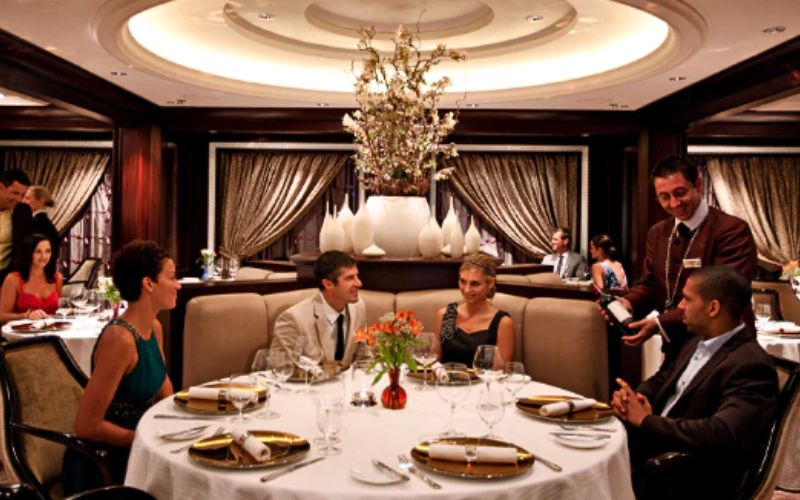
Both groups would normally have the opportunity to dine in Coastal Kitchen, the restaurant primarily reserved for suite guests. But with so many eligible passengers onboard, there simply wasn’t enough room for everyone.
Only Around 50 Pinnacle Guests Are Getting Access
According to JJ Cruise, Masters players were told that they won’t be able to use Coastal Kitchen for dinner on this sailing, while only around 50 of the roughly 250 Pinnacle members onboard were given access.
That has understandably caused a lot of frustration. The cruise’s Facebook group has apparently been full of complaints, and Jordan said he also saw passengers getting angry about the situation around the ship.
For some of these guests, Coastal Kitchen wasn’t just somewhere they hoped to try once during the cruise. They had expected to dine there regularly and had planned their meals around having access, so finding out after boarding that they weren’t going to get in was a big disappointment.
The obvious alternative would be to book some speciality restaurants instead, but that wasn’t straightforward either. JJ Cruise says speciality dining was effectively full from the start of the sailing unless passengers had booked before the cruise or made reservations very quickly once onboard.
Jordan and Jared had bought the Unlimited Dining Package for around $25 per day, which is a great deal on a ship like Harmony of the Seas. But if you can’t actually get a table at the restaurants, then suddenly that value disappears pretty quickly.
For some of the guests who had expected Coastal Kitchen access, that leaves them relying more heavily on the Main Dining Room. There’s nothing wrong with that, of course, but I can see why somebody who has sailed enough with Royal Caribbean to reach Pinnacle, or spent enough in the casino to reach Masters, might feel disappointed when that wasn’t what they had expected on a 13-night cruise.
Want the best Royal Caribbean deal?
Get a free quote from Cruise Mummy’s trusted travel agent, with exclusive onboard credit and expert help at no extra cost.
Royal Caribbean Hasn’t Broken Its Own Rules
It’s important to say that Royal Caribbean hasn’t actually removed a guaranteed benefit here. Pinnacle Club access to Coastal Kitchen is subject to availability, and the Crown & Anchor terms specifically allow the cruise line to restrict access when there are too many suite guests and Pinnacle members onboard.
In those situations, Royal Caribbean can give priority to the Pinnacle members with the highest number of cruise points, which appears to be what is happening on Harmony of the Seas.
So technically, the cruise line is following its own rules. But I think there’s still a difference between knowing that a benefit is “subject to availability” and getting onboard to find out that around 200 other Pinnacle members are also competing for a very small number of places.
The bigger issue here seems to be communication. Royal Caribbean knew how many Pinnacle members were booked, how many Masters players were sailing and how many suite guests would be onboard, so this shouldn’t really have come as a surprise once the ship left Barcelona.
Royal Caribbean Surely Knew This Would Be A Problem
This is an unusual cruise in several ways. Transatlantic sailings often attract lots of experienced cruisers anyway, but this one is taking place in the middle of summer and JJ Cruise says there are more than 2,000 children onboard.
Harmony of the Seas has also just returned from a major refurbishment which added more cabins, increasing the number of passengers the ship can carry. With families filling many cabins to capacity, there are likely to be far more people staying in suites too, and those guests naturally take priority in Coastal Kitchen because the restaurant is part of the suite experience they have paid for.
None of that means Royal Caribbean could have somehow created hundreds of extra seats. But it does mean the cruise line should have had a pretty good idea before departure that Coastal Kitchen access for Pinnacle and Masters guests was going to be severely restricted.
An email before the cruise would at least have given people a chance to change their plans. They could have booked speciality restaurants earlier, bought a dining package with the situation in mind, or simply adjusted their expectations before they got onboard.
JJ Cruise says Masters players were given $200 onboard credit because they couldn’t use Coastal Kitchen, which I actually think is a fairly generous gesture. But it would still have been better if guests had known about the issue in advance rather than discovering it once the cruise had already started.
Some Guests Are Taking It Out On Crew
One part of this story that really doesn’t sit well with me is the suggestion that some passengers have been directing their frustration at crew members working in the restaurants.
Whatever you think about Royal Caribbean’s handling of this, the maître d’ at Coastal Kitchen hasn’t decided how many Pinnacle members should be allowed in. The crew member at Chops Grille hasn’t personally oversold speciality dining either.
If passengers think Royal Caribbean has handled the situation badly, then they absolutely have the right to complain. But that complaint needs to go to Royal Caribbean rather than the crew members who are simply having to enforce decisions made elsewhere.
The Bigger Problem Is What Happens As Loyalty Grows
What makes this story more interesting than just one busy restaurant is that it highlights a problem all cruise loyalty programmes eventually have to deal with.
Royal Caribbean wants people to cruise again and again. Crown & Anchor is there to reward that behaviour, and it works because passengers gradually build up points, move through the tiers and receive better perks as they do.
The problem is that once somebody reaches Pinnacle, they stay there. Another guest then reaches Pinnacle, and another, and the number of people at the top of the programme keeps increasing.
That isn’t such a big problem when the benefit is something that can be given to everyone fairly easily, such as a discount or a drinks voucher. It becomes much harder when the perk relies on something with a fixed capacity, like a restaurant, lounge or priority area.
Coastal Kitchen is a very obvious example of that. There are only so many tables, and suite guests have to come first. If hundreds of Pinnacle and Masters guests are also eligible to use it, eventually the numbers just don’t work.
More People Are Starting To Cruise Younger
Cruise lines also have another issue to think about, which is that people are discovering cruising at a younger age.
Royal Caribbean in particular has spent years building ships that appeal to families and younger holidaymakers, with waterparks, surf simulators, huge entertainment venues and ships that are marketed as destinations in their own right.
Somebody who starts cruising regularly in their 20s or 30s could potentially have another 30, 40 or even 50 years in which to build up Crown & Anchor points. Obviously not everyone who sails on Icon of the Seas at 28 is going to become a Pinnacle member, but if Royal Caribbean keeps successfully turning younger cruisers into repeat customers, plenty eventually will.
That’s great for the cruise line in one sense because those are exactly the customers it wants to keep. It just creates an awkward problem later when more and more people qualify for benefits that were easier to offer when far fewer passengers had them.
Bigger Ships Don’t Solve Everything
Royal Caribbean can continue building bigger ships and carrying more passengers, but that doesn’t mean every loyalty benefit can grow at the same rate.
You can add hundreds of cabins and thousands of passengers to a ship, but you can’t necessarily make every exclusive restaurant, lounge or priority service much bigger without completely changing what makes it exclusive in the first place.
If half the ship has priority boarding, then priority boarding doesn’t really work. If hundreds of people qualify for an exclusive lounge, suddenly it doesn’t feel very exclusive. And if far more people qualify to use Coastal Kitchen than the restaurant can hold, somebody has to miss out.
Royal Caribbean’s own terms already recognise this, because they specifically explain what happens when too many eligible guests want to use Coastal Kitchen. That suggests the company is well aware that this can be a problem, even if Harmony of the Seas is an unusually extreme example.
Carnival Has Already Had To Deal With This
Carnival Cruise Line has already faced a very similar issue with its own loyalty programme.
When Carnival announced its new Carnival Rewards programme, it revealed that the number of Platinum guests had more than doubled between 2021 and 2024, while the number of Diamond guests had more than tripled.
On some Excel-class ships, Carnival said there were more than 1,200 Platinum and Diamond guests onboard at once. At that point, it becomes very difficult to give everyone benefits that still feel genuinely special.
Carnival’s answer was to completely rethink its loyalty programme. The new Carnival Rewards system moves away from simply accumulating cruise days for lifetime status and instead places more emphasis on spending, with guests generally needing to qualify again during set earning periods.
The announcement caused a huge backlash, particularly among long-standing guests who felt that the goalposts were being moved after years of loyalty. Carnival later softened some of its plans, including protecting lifetime Diamond status for guests who qualify under the old system by 31st August 2026.
The new Carnival Rewards programme launches on 1st September 2026.
Could Royal Caribbean Eventually Follow Carnival?
There’s nothing to suggest that Royal Caribbean is currently planning to copy Carnival, and I certainly wouldn’t read too much into one unusual transatlantic sailing.
But the underlying problem is the same. If more and more people reach the highest Crown & Anchor tiers, Royal Caribbean eventually has to find a way of making sure the benefits still work.
That might mean adding another tier above Pinnacle at some point, changing how many points are required, making certain perks dependent on how many points somebody has compared with other passengers onboard, or replacing some capacity-limited perks with benefits that are easier to offer to large numbers of people.
Royal Caribbean could also simply continue doing what it does now, which is restricting access when necessary and relying on the “subject to availability” wording.
That probably works perfectly well on most cruises. Harmony of the Seas just happens to show what it looks like when the system comes under real pressure.
Loyalty Programmes Can Become Victims Of Their Own Success
I actually think Royal Caribbean has one of the better cruise loyalty programmes, and some of the perks at Diamond, Diamond Plus and Pinnacle can be genuinely valuable.
The strange thing is that the more successful Crown & Anchor becomes, the harder some of those benefits are going to be to deliver.
Royal Caribbean wants people to become loyal customers and keep sailing for decades. But if enough of them do exactly that, eventually you end up with hundreds of “elite” passengers on the same ship all expecting access to something that only has room for a fraction of them.
For now, Harmony of the Seas looks like an unusually extreme example rather than the new normal.
But Carnival has already shown what can happen when the number of top-tier loyalty members grows faster than the benefits designed for them.
Royal Caribbean might not be at that point yet, but I wouldn’t be surprised if this becomes a much bigger conversation in the years ahead.
Want the best Royal Caribbean deal?
Get a free quote from Cruise Mummy’s trusted travel agent, with exclusive onboard credit and expert help at no extra cost.
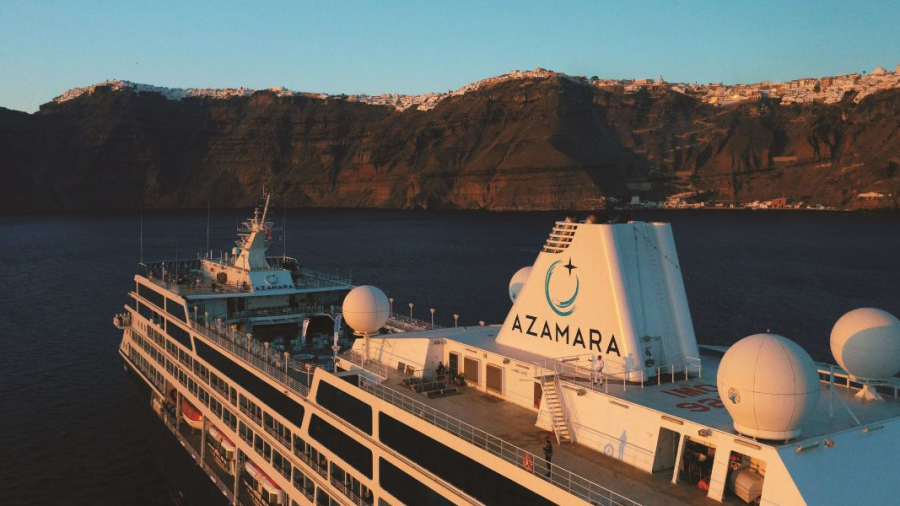
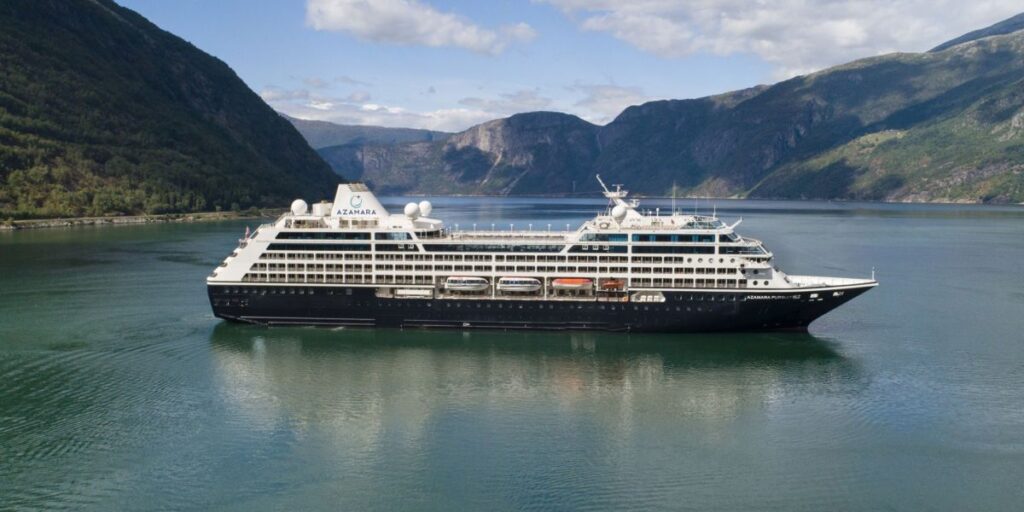
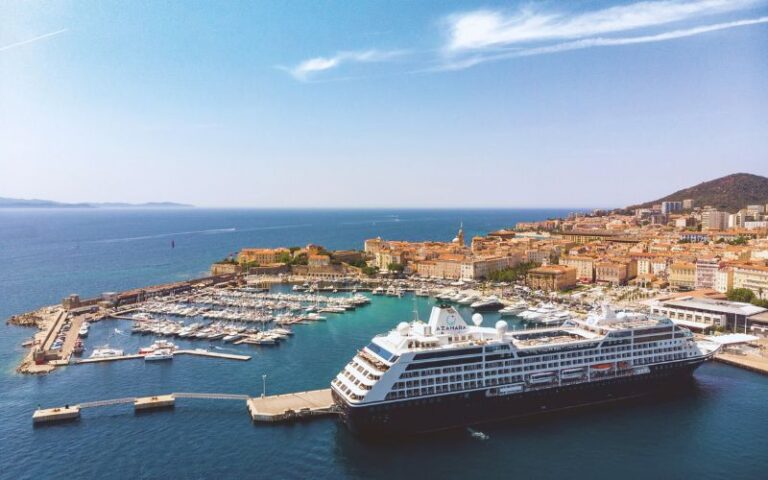
Azamara Cruises has revealed plans for its most ambitious world cruise to date, offering passengers unprecedented flexibility with three distinct voyage options for the first time. The 2029 World Cruise will sail aboard Azamara Quest, departing San Diego and culminating in Copenhagen over a period of up to 195 nights.
The cruise line has positioned the 2029 World Cruise as the longest and most geographically expansive circumnavigation available in that year, surpassing competitor offerings in both duration and port diversity. The full 195-night voyage will traverse five continents, calling at 40 countries and territories across 126 ports of call.
This extensive itinerary includes 12 maiden ports – destinations that Azamara Quest will visit for the first time – adding an element of discovery to the already comprehensive journey. The cruise line has also structured the voyage to maximise time in port, with 65 per cent of the entire sailing spent alongside or at anchor.
The commitment to destination immersion extends beyond simple port calls. Azamara has scheduled 16 overnight stays and 60 late-night departures, allowing passengers extended opportunities to experience destinations after dark and explore without the pressure of early departures.
Flexible Options For Different Travel Preferences
Understanding that not all passengers can commit to a full six-and-a-half-month voyage, Azamara has introduced two shorter alternatives that still offer substantial world cruising experiences. This marks the first time the cruise line has offered multiple segment options for a world voyage at launch.
The first shortened option spans 179 nights, sailing from San Diego to London and maintaining the five-continent routing of the full voyage. This itinerary preserves much of the immersive experience with 52 late nights, 16 overnight stays, and all 12 maiden ports included in the journey.
The second alternative offers a 139-night cruise from Sydney to Copenhagen, also spanning five continents but with a different perspective on global travel. This option includes 43 late nights, 11 overnight stays, and four maiden ports, appealing to travellers who prefer the Pacific and European focus.
Michael Pawlus, head of itinerary planning at Azamara Cruises, highlighted the company’s philosophy of deeper destination engagement when announcing the new world cruise collection. The planning team has clearly prioritised quality time in port over simply maximising the number of destinations visited.
“We’re incredibly proud of the 2029 World Cruise Collection and the time we’ve built into each leg of the journey for guests to truly connect with the places they visit,” Pawlus stated. His comments underscore Azamara’s positioning in the premium small-ship segment, where the brand competes by offering more intimate and extended port experiences.
Pawlus also indicated that additional details would be forthcoming in the weeks ahead, building anticipation amongst the cruise line’s loyal customer base. “We believe our guests are really going to love what we’ve created, and we’re excited to give them a closer look at the itineraries and reveal all the details in the weeks ahead,” he added.
Booking Timeline And Commercial Strategy
Azamara has established a staggered booking approach for the 2029 World Cruise options, creating a sense of exclusivity and allowing the cruise line to focus marketing efforts strategically. The full 195-night voyage will open for reservations on 23rd September 2026, nearly three years before the actual departure.
This extended booking window is typical for world cruises, which require significant advance planning from both the cruise line and passengers. The early booking date allows Azamara to secure passenger commitments, whilst giving travellers ample time to arrange extended leave from work, prepare financially, and manage personal commitments.
The two shorter voyage options will become available for booking on 14th October 2026, approximately three weeks after the full world cruise opens. This sequenced approach ensures that passengers interested in the complete circumnavigation receive priority access before partial segments are sold.
When bookings open, Azamara has promised to reveal complete itineraries, details about exclusive events and the brand’s signature AzAmazing Evenings shore experiences, as well as additional cruise inclusions and comprehensive information about the voyage.
Understanding Azamara’s Market Position
Azamara Cruises operates in the premium small-ship segment of the cruise industry, focusing on destination-intensive itineraries aboard mid-sized vessels. The brand’s fleet consists of four ships, each carrying fewer than 700 passengers, allowing access to smaller ports that larger cruise ships cannot reach.
The company has built its reputation on longer port stays, with late-night and overnight calls being standard rather than exceptional. This operational philosophy appeals to experienced travellers who prioritise cultural immersion and in-depth exploration over onboard amenities and entertainment.
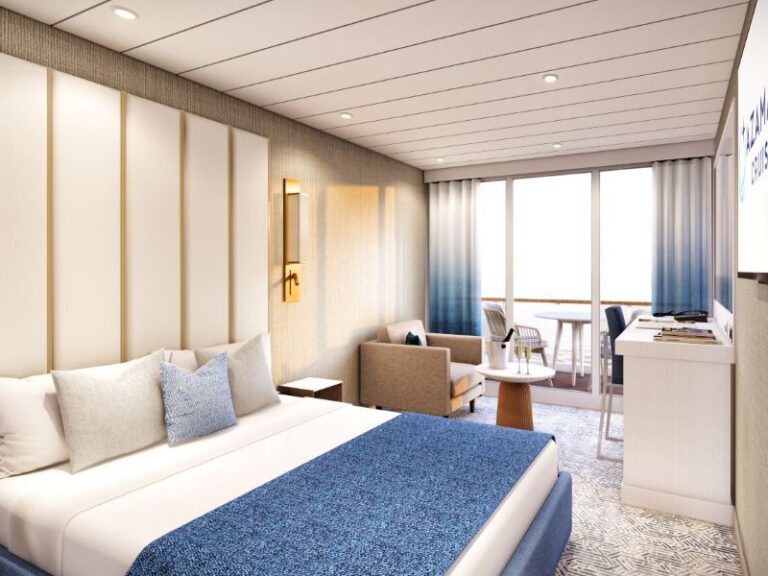
Azamara Quest, the ship designated for the 2029 World Cruise, joined the fleet in 2007 and has a gross tonnage of approximately 30,277 tonnes. The vessel features all-suite and stateroom accommodation across multiple categories, with numerous balcony options that enhance the experience of extended voyaging.
The ship’s relatively intimate size creates a community atmosphere during long voyages, with passengers and crew developing relationships over months at sea. This social dynamic has become one of the appealing aspects of world cruises aboard smaller vessels.
Building On Previous World Cruise Success
Azamara’s announcement of the 2029 World Cruise follows the successful launch of its 2028 offering, which opened for bookings in March. That voyage aboard Azamara Onward spans 175 nights, visiting six continents, 40 countries, and 91 ports during its circumnavigation.
The progression from 175 nights in 2028 to 195 nights in 2029 demonstrates Azamara’s confidence in the world cruise market and its willingness to push boundaries in duration and scope. The additional 20 nights allows for even more destination time and potentially more remote or less-frequently visited ports.
The 2028 world cruise’s inclusion of six continents suggests it includes Antarctica, whilst the 2029 voyage’s five-continent routing likely focuses on more temperate regions. The specific routing decisions reflect both seasonal considerations and the desire to offer varied experiences across different years.
By establishing an annual world cruise tradition, Azamara is competing directly with established players in this niche market, including Cunard, Holland America Line, and Oceania Cruises, all of which have strong world cruise programmes.
The Growing Appeal Of Extended Voyages
The world cruise segment has experienced renewed interest following the pandemic, with cruise lines reporting strong demand for 2025, 2026, and beyond. Extended voyages appeal to retired travellers, remote workers, and those seeking transformative travel experiences that aren’t possible on shorter cruises.
The ability to unpack once and visit dozens of countries without the hassle of flights, hotels, and ground transportation holds particular appeal for older travellers. World cruises also offer excellent value when calculated on a per-night basis, with many cruise lines including enhanced amenities and perks for full-voyage passengers.
Azamara’s decision to offer multiple duration options acknowledges that the traditional six-month world cruise represents a significant commitment not suitable for everyone. The shorter segments allow passengers to experience world cruising without the full time and financial investment.
This flexibility also appeals to those who may have already visited certain regions and prefer to join the voyage for specific continents or cultural areas. The Sydney embarkation option, in particular, opens the cruise to Australian passengers who might find the full San Diego departure less convenient.
What Sets Azamara Apart In The World Cruise Market
Azamara’s emphasis on port-intensive experiences differentiates its world cruise from competitors operating larger ships with more onboard amenities. Whilst some cruise lines focus on the ship as the destination, Azamara positions its vessels as comfortable bases for extensive land exploration.
The inclusion of 12 maiden ports in the 2029 itinerary demonstrates a commitment to offering fresh experiences even for well-travelled world cruisers. These first-time calls require additional operational planning and local partnerships, but create genuine moments of discovery.
The high percentage of port time – 65 per cent of the voyage spent docked or anchored – is substantially above industry averages and reflects the cruise line’s core brand promise. This extended time ashore allows passengers to venture beyond cruise terminal areas and experience destinations more authentically.
AzAmazing Evenings, which Azamara has indicated will be included in the world cruise, are complimentary cultural events exclusive to the cruise line. These experiences have included private concerts in historic venues, theatrical performances, and other cultural programmes that connect passengers with local traditions.
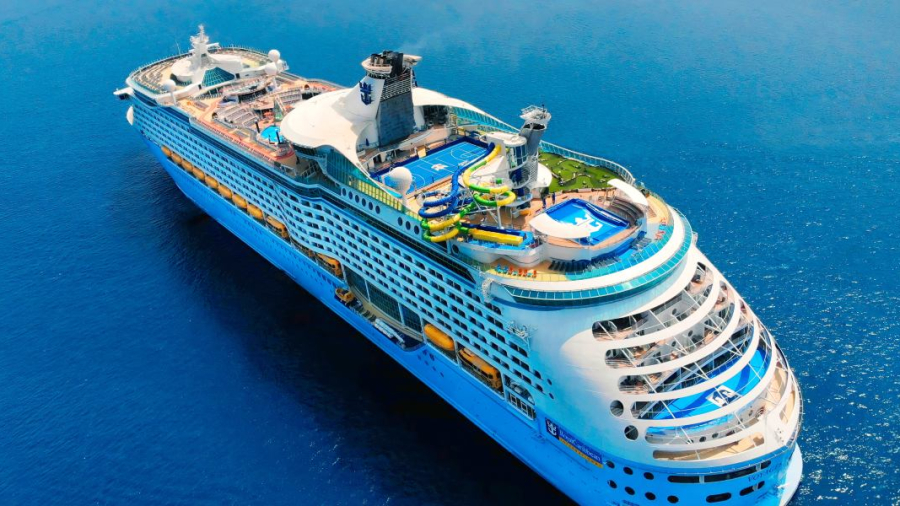
Royal Caribbean International has reached out to passengers booked on Voyager of the Seas’ 4th September 2026 Alaska cruise, offering generous compensation packages to those willing to transfer their bookings to 2027 sailings or cancel entirely. The cruise line is providing a full refund plus substantial credits and reimbursements as it seeks volunteers to give up their berths on the upcoming seven-night voyage from Seattle.
The sailing in question is a seven-night Alaska itinerary departing from Seattle on 4th September 2026. The voyage is scheduled to visit some of Alaska’s most sought-after ports, including Juneau, Skagway, and Victoria, British Columbia, whilst also offering scenic cruising through Endicott Arm and past Dawes Glacier.
Voyager of the Seas will return to her homeport of Seattle on 11th September following the week-long journey. Selected guests received an email from Royal Caribbean outlining the voluntary programme and its various incentive options.
Two Distinct Compensation Packages Available
The cruise line is presenting affected passengers with two primary choices, each designed to minimise disruption whilst freeing up staterooms on the September departure. The first option allows guests to transfer their booking to one of three comparable Alaska sailings in 2027 aboard the same vessel.
Under this transfer option, passengers can select from departures on 27th August, 3rd September, or 10th September 2027. The first two replacement sailings mirror the original itinerary exactly, visiting Juneau, Skagway, Endicott Arm and Dawes Glacier, and Victoria. The third alternative, departing 10th September 2027, offers a slightly different route that includes Sitka instead of the glacier cruising.
Guests choosing this path receive a 100% refund of their cruise fare, excluding taxes and amenities. Royal Caribbean is also offering $200 in non-refundable onboard credit per stateroom and full reimbursement for non-refundable, prepaid travel expenses such as flights and hotel accommodation booked in conjunction with the original sailing.
Cancellation Option Provides Greater Flexibility
The second option available to passengers is a complete cancellation of their September 2026 booking. This alternative may prove more attractive to those who cannot accommodate the nearly year-long delay that the transfer option entails.
Guests selecting the cancellation route will receive a 100% refund of their cruise fare as well as reimbursement for any non-refundable travel expenses already incurred. Beyond these refunds, Royal Caribbean is sweetening the deal with a future cruise credit worth 150% of the fare paid.
This enhanced credit can be applied to any Royal Caribbean sailing departing by 4th September 2027, giving passengers considerably more flexibility than the transfer option. The ability to book an earlier departure – and potentially a more expensive itinerary or ship – makes this cancellation package particularly compelling for many travellers.
Application Process And Critical Deadlines
Royal Caribbean has established a clear timeline for guests to respond to the offer. Interested passengers must submit their applications by 1st September, though the cruise line has not specified whether this deadline refers to the year 2025 or 2026.
The company will contact successful applicants via telephone or email to finalise the arrangements. Any guests who have not received confirmation from Royal Caribbean by 2nd September will remain booked in their existing staterooms aboard the 4th September sailing.
The email sent to affected passengers emphasised the voluntary nature of the programme. “If your plans are set in stone, please mark this email as ‘Read’, and gear up for your upcoming adventure – although, there are some pretty sweet options below,” the communication stated.
Limited Availability Creates Urgency For Interested Guests
Whilst Royal Caribbean is actively seeking volunteers to relinquish their bookings, the cruise line has made clear that these offers are limited and not guaranteed to all interested parties. This caveat suggests that only a specific number of staterooms need to be freed up on the September departure.
The limitation creates a potential scenario where some guests willing to accept the compensation may not ultimately be selected. Royal Caribbean will presumably prioritise applications on a first-come, first-served basis or according to cabin category and booking circumstances.
For passengers who do receive approval, the compensation packages represent substantial value. The transfer option essentially provides a free cruise a year later, whilst the cancellation option offers significant flexibility with the 150% credit – effectively allowing passengers to book a more expensive cruise at no additional cost.
Industry Context Behind Voluntary Compensation Programmes
Though Royal Caribbean has not explicitly stated the reason for seeking volunteers, such offers typically indicate that a sailing has more confirmed bookings than available stateroom capacity. Overselling is a standard practice throughout the travel industry and occurs when companies anticipate that a certain percentage of customers will cancel before the departure date.
Airlines have employed this strategy for decades, often with less generous compensation when passengers are involuntarily denied boarding. The cruise industry has adopted similar practices, though cruise lines generally prefer voluntary arrangements that maintain customer goodwill rather than forcing passengers off sailings.
By offering substantial compensation packages and making the programme entirely voluntary, Royal Caribbean aims to resolve any capacity issues without creating negative publicity or damaging relationships with loyal customers. The advance notice – with applications due potentially a year before the sailing – also provides ample time for affected guests to make alternative arrangements.
Recent Pattern Aboard Voyager Of The Seas
The September offer represents the latest in a series of similar requests Royal Caribbean has made regarding Voyager of the Seas Alaska sailings. As recently as June, the cruise line contacted guests booked on a 19th June sailing aboard the same vessel, offering comparable incentives to transfer or cancel their bookings.
That offer similarly included a full fare refund and future cruise credit for passengers willing to change their plans. Just one week later, passengers booked on the ship’s 17th July sailing received virtually identical offers, with Royal Caribbean again providing future cruise credits and full refunds as enticements.
The pattern suggests potential ongoing capacity management issues aboard Voyager of the Seas during her Alaska season, though the cruise line has not confirmed whether any of these sailings were actually oversold. The repeated nature of these offers, however, indicates that Voyager of the Seas Alaska cruises have proven particularly popular with travellers.
Voyager Of The Seas Alaska Deployment Details
Voyager of the Seas, measuring 137,276 gross tonnes, represents one of Royal Caribbean’s Voyager-class vessels. Launched in 1999, the ship underwent significant refurbishment as part of the cruise line’s Royal Amplified modernisation programme, adding popular features whilst maintaining the classic layout that has made the Voyager class popular with families and first-time cruisers.
The vessel typically accommodates approximately 3,114 passengers at double occupancy, with a maximum capacity of nearly 3,840 guests. Her deployment to Alaska allows Royal Caribbean to offer competitive pricing on Alaska cruises whilst providing many of the signature amenities found across the fleet, including the Royal Promenade, ice skating rink, and rock climbing wall.
Seattle has become an increasingly important homeport for Alaska cruises, competing with Vancouver and other Pacific Northwest ports for the lucrative summer Alaska market. The seven-night itineraries from Seattle offer convenient access for guests from across the United States without the need for international travel or passport complications that can arise with Canadian departures.
Implications For Future Cruise Bookings
The voluntary compensation programme raises interesting questions about booking strategies for cruise passengers. Whilst overselling is standard practice, passengers who prefer guaranteed travel may wish to book closer to departure dates when cruise lines have a clearer picture of actual capacity needs.
Conversely, early bookers typically secure the best pricing and cabin selection, making the strategy a calculated risk. For passengers with flexible schedules, these compensation offers can represent exceptional value – particularly the 150% future cruise credit that effectively provides a significant discount on future travel.
The transparency with which Royal Caribbean is handling the situation – reaching out well in advance and offering substantial compensation – demonstrates the cruise line’s commitment to customer service even when managing complex capacity issues. Passengers who remain booked on the 4th September sailing can proceed with confidence, knowing they will not be involuntarily removed from the cruise.
For the broader cruise industry, such voluntary programmes represent best practice in managing the inevitable complexities of capacity planning whilst maintaining positive customer relationships in an increasingly competitive market.
Want the best Royal Caribbean deal?
Get a free quote from Cruise Mummy’s trusted travel agent, with exclusive onboard credit and expert help at no extra cost.