Several famous cruise stops are sold under the name of a city that is actually an hour or more away. Getting from Civitavecchia to Rome takes about 60 to 90 minutes each way, Le Havre to Paris is a two-hour train ride, and Warnemünde to Berlin is closer to three. None of these ports is a trick, but knowing the real distance before you book lets you choose between a ship excursion, a train or a quieter day closer to the pier.
Cruise lines usually show the port in brackets, for example “Rome (Civitavecchia)” or “Paris (Le Havre)”, and the city is the reason most people book. Below is a straightforward guide to which ports are far from the city they are sold as, how long the journey really takes, and how to plan the day so you are back on board with time to spare.
Cruise ports far from the city: the quick comparison
Distances are approximate road distances to the city centre. Travel times are typical each way in normal conditions and do not include getting from the ship to the station or coach park, queues, or traffic at peak times.
| Port | Sold as | Approx. distance | Typical time each way | Easiest option |
|---|---|---|---|---|
| Civitavecchia | Rome | 70-80 km (45-50 miles) | 1 hr by train, 1-1.5 hrs by road | Regional train to San Pietro or Termini |
| Le Havre | Paris | About 200 km (125 miles) | About 2-2.5 hrs by train, 3 hrs or more by coach | Ship excursion or early train to Saint-Lazare |
| Livorno | Florence / Pisa | About 100 km to Florence, 25 km to Pisa | About 1.25-1.75 hrs to Florence, 20-30 mins to Pisa | Train via Livorno Centrale |
| La Spezia | Florence / Pisa | About 150 km to Florence, 80 km to Pisa | About 1.75-2.5 hrs to Florence by train | Cinque Terre or Portovenere instead |
| Cádiz | Seville | About 120 km (75 miles) | About 1.5-2 hrs by train or road | Regional train from Cádiz station |
| Warnemünde | Berlin | About 240 km (150 miles) | About 2.5-3 hrs by train or coach | Ship excursion (often 12+ hrs long) |
| Tianjin | Beijing | About 180 km (110 miles) | About 1.5-2 hrs via taxi plus bullet train, 2.5-3 hrs by road | Pre-booked transfer or ship tour |
| Laem Chabang | Bangkok | About 120 km (75 miles) | About 2-2.5 hrs by road, more in traffic | Ship excursion or private car |
| Southampton | London | About 130 km (80 miles) | From about 1.25 hrs by train to Waterloo | Train or coach transfer |
| Dover | London | About 125 km (75 miles) | Around 1 hr by high-speed train to St Pancras | Train from Dover Priory |
| Piraeus (for contrast) | Athens | About 12 km (7.5 miles) | 25-30 mins by metro | Metro Line 1 to Monastiraki |
Civitavecchia to Rome: the classic example
Civitavecchia is Rome’s cruise port, sitting on the coast roughly 70 to 80 km north-west of the city centre. Most ships dock at piers a fair way from the port gate, so you will normally take the free port shuttle bus to the exit first.
From there, Civitavecchia station is a short walk along the seafront. Regional trains on the FL5 line run to Rome roughly every 30 minutes on many days, stopping at Roma San Pietro (handy for the Vatican), Trastevere, Ostiense and Termini. The fastest trains take a little over 40 minutes, but an hour is a fair planning figure. Fares are low, typically under €10 each way. Check the timetable for the day of your call, because Sunday and holiday services can be thinner.
Other options for Civitavecchia to Rome include the SIT shuttle coach from the port to the Vatican area and Termini (around 75 minutes), private transfers, and the cruise line’s own coach tours. A taxi or private car usually takes 60 to 90 minutes depending on traffic and costs well over €100 for the vehicle. Realistically, you get five or six hours in Rome on a typical port day, so pick one area, such as the Vatican or the Colosseum and Forum, rather than trying to see everything.
Le Havre to Paris: a long day for a short visit
Le Havre is on the Normandy coast and Paris is about 200 km inland. Direct trains from Le Havre to Paris Saint-Lazare take about 2 hours 5 minutes at their fastest, with many taking closer to 2 hours 20 minutes. Add the taxi or shuttle from the cruise terminal to Le Havre station, and you are looking at five hours or more of travel in a day, leaving perhaps four or five hours in Paris.
Ship excursions to Paris go by coach and can take three hours or longer each way, especially if there is traffic around the Paris ring road. If you have visited Paris before, the closer alternatives are well worth considering: the harbour town of Honfleur is around 30 minutes away, Étretat’s chalk cliffs are under an hour, and Rouen, with its cathedral and old town, is about an hour by train. Le Havre’s own rebuilt centre is a UNESCO World Heritage Site.
Livorno and La Spezia for Florence and Pisa
Ships sold as “Florence” or “Pisa” usually call at Livorno or La Spezia, and the difference matters.
Livorno to Florence
Livorno is the closer of the two. Trains from Livorno Centrale to Florence take roughly 70 to 100 minutes, with direct and connecting services through the day. The catch is reaching the station: the cruise line shuttle often drops passengers in the town centre, not at the railway station, so you may need a city bus or a taxi of about 10 minutes. Allow around two hours door to door. Pisa is much easier, at about 20 to 30 minutes by train or road, which makes a Pisa-and-Lucca day a relaxed option.
La Spezia to Florence
From La Spezia, Florence is a bigger stretch. A regional train with a change at Pisa takes around 2.5 hours, and faster direct trains are about 1 hour 45 minutes when they run. The station is a 20 to 30 minute walk from the port. Many passengers find the Cinque Terre villages or Portovenere, both reachable by local train or boat, a better use of a La Spezia day. Our guide to the best shore excursions for Mediterranean cruises has more ideas for these Italian stops.
Cádiz, Warnemünde, Tianjin and Laem Chabang
Cádiz for Seville
Cádiz is one of the easier long-distance ports. The ship docks right next to the old town, and the railway station is close to the harbour. Regional trains reach Seville in about 1.5 to 2 hours. Seville in summer is extremely hot, though, and Cádiz itself, with its cathedral, beaches and old quarter, is a pleasant day out on foot.
Warnemünde for Berlin
Warnemünde is a seaside resort on the Baltic coast, roughly 240 km from Berlin. Ship excursions to Berlin typically run around 12 hours in total, with 2.5 to 3 hours each way by train or coach and five or six hours in the city. Going independently by train is possible, but the timings are tight and delays on German rail are not unusual, so most passengers choose the ship’s tour for this one. Rostock and Warnemünde are an easy alternative if you would rather not spend six hours travelling.
Tianjin for Beijing
Tianjin’s cruise terminal is in the port district, about 180 km from Beijing. The bullet train between Tianjin and Beijing is quick, but you first need a taxi to the station, which can be 40 to 70 minutes depending on which one you use. Overall, expect around 1.5 to 2 hours each way in good conditions, or longer by road. Tianjin is normally a turnaround port, so many passengers spend a night or two in Beijing before or after the cruise rather than visiting as a day trip.
Laem Chabang for Bangkok
Laem Chabang is Thailand’s main container and cruise port, about 120 km south-east of Bangkok. The drive is around two hours on a clear road, but Bangkok traffic can easily add an hour on the way back. Ship tours and pre-booked private cars are the usual choices. If your ship stays overnight, that is the best chance to see Bangkok properly. Pattaya is much closer if you only have one short day.
Southampton and Dover for London
UK departure ports are often labelled “London”, which confuses some overseas passengers. Southampton is about 80 miles from central London, and the fastest trains to Waterloo take around 1 hour 15 minutes, though many services take longer. Dover is a similar distance, but Southeastern high-speed trains reach St Pancras in around an hour. For a London stay before or after a cruise, factor in luggage and the transfer to the terminal. If you are driving instead, see our guide to Southampton hotels with cruise parking.
How to avoid getting caught out on port day
- Read the brackets. On any itinerary, the name in brackets is where the ship actually docks. Look it up on a map before you book.
- Check your hours ashore. All-aboard time is usually 30 to 60 minutes before departure. Subtract travel both ways and the time to get off the ship to see what is really left.
- Know who waits for whom. Ships generally wait for their own excursions if a coach is delayed. They are not obliged to wait for independent travellers, and missing the ship means paying to catch up at the next port.
- Build in a buffer. Aim to be back at the port at least an hour before all-aboard, and more in cities with heavy traffic such as Bangkok, Rome and Paris.
- Check strikes and timetables. Rail strikes happen in Italy and France, and weekend timetables differ. Look at official rail sites a few days before.
- Carry the essentials. Take the ship’s agent phone number, your cruise card and photo ID, and some local currency for buses or taxis.
What to do instead of the long trip
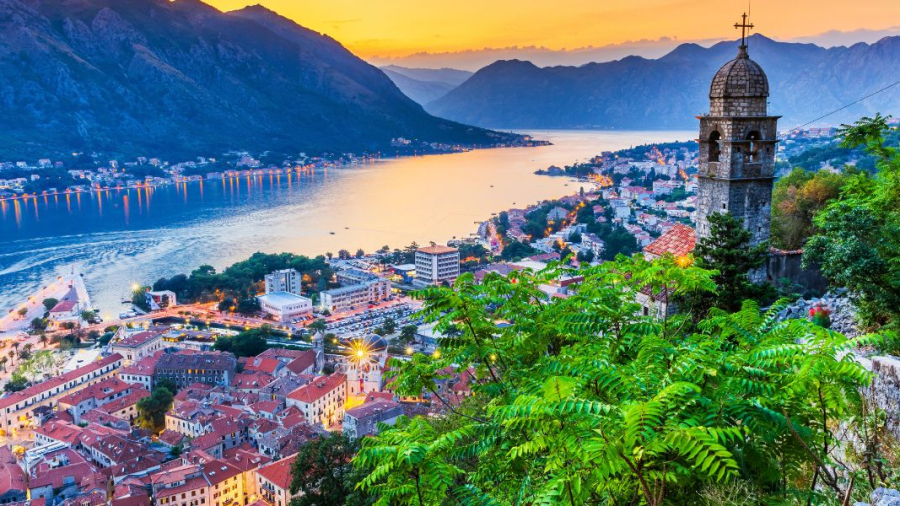
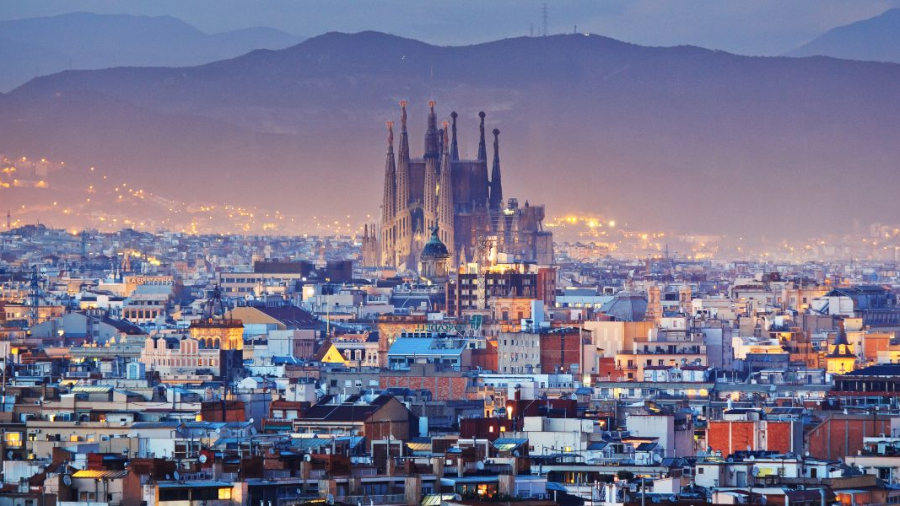
A long transfer is not always the best value. If you have already seen the big city, or the time ashore is short, the port town itself or a nearby attraction can make for a more relaxed day. Good examples include Honfleur from Le Havre, Lucca or Pisa from Livorno, the Cinque Terre from La Spezia, Tarquinia’s Etruscan tombs from Civitavecchia, and the old town of Cádiz. Ports such as Piraeus, Barcelona, Lisbon and Kotor are the opposite case: the city is on the doorstep, so you can explore freely without long transport.
Is an overnight call worth it?
The best way to see a distant city is a cruise with an overnight stop or a turnaround there. Some itineraries stay overnight at Laem Chabang, Tianjin or Le Havre, and a few river-style or smaller-ship voyages sail up to Rouen or into central Bangkok. Another option is to begin or end your trip with a hotel stay in Rome, Paris or London. When comparing itineraries, check the hours in port as well as the price. Our roundup of cruise deals for 2027 is a good place to start.
Alaska has a few outlying docks too, such as Ketchikan Ward Cove, which our Alaska cruise ports guide covers port by port.
Long transfers are only part of the story, so see how to handle Europe's most frustrating cruise ports before you choose your excursions.
FAQs
How far is Rome from Civitavecchia port?
Rome’s city centre is roughly 70 to 80 km from Civitavecchia. By train it takes about an hour, and by road usually 60 to 90 minutes depending on traffic.
How much does a train ticket from Civitavecchia to Rome cost?
Regional trains are inexpensive, usually under €10 each way. Prices can change, so check Trenitalia for the current fare on your travel date.
Can you get a taxi from Civitavecchia to Rome?
Yes. Taxis and pre-booked private cars are available at the port. Expect 60 to 90 minutes each way and a fare well above €100 for the vehicle, so they make most sense for a small group.
How long does it take to get from Le Havre to Paris?
Direct trains to Paris Saint-Lazare take about 2 hours 5 minutes to 2 hours 20 minutes. Coach excursions often take three hours or more each way.
Will the ship wait if I am late back from the city?
Ships usually wait for their own delayed excursions, but not for passengers travelling independently. Leave a generous buffer before all-aboard time.