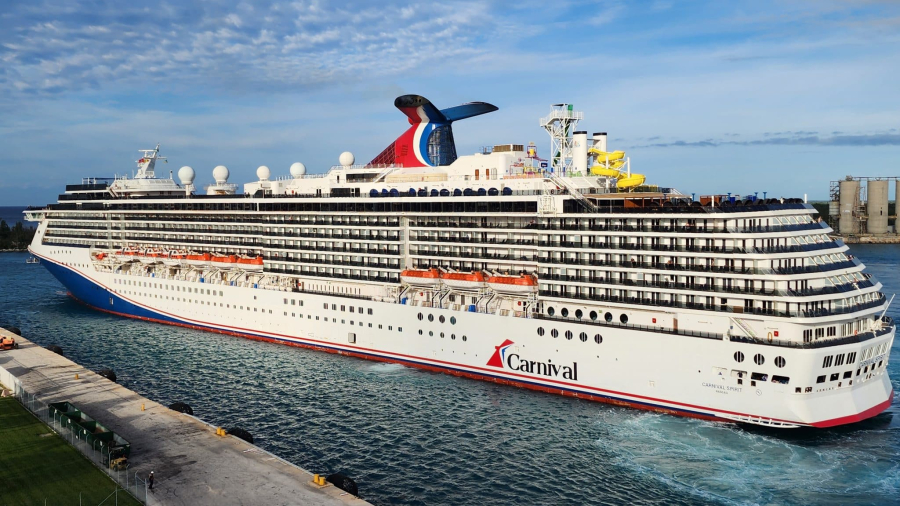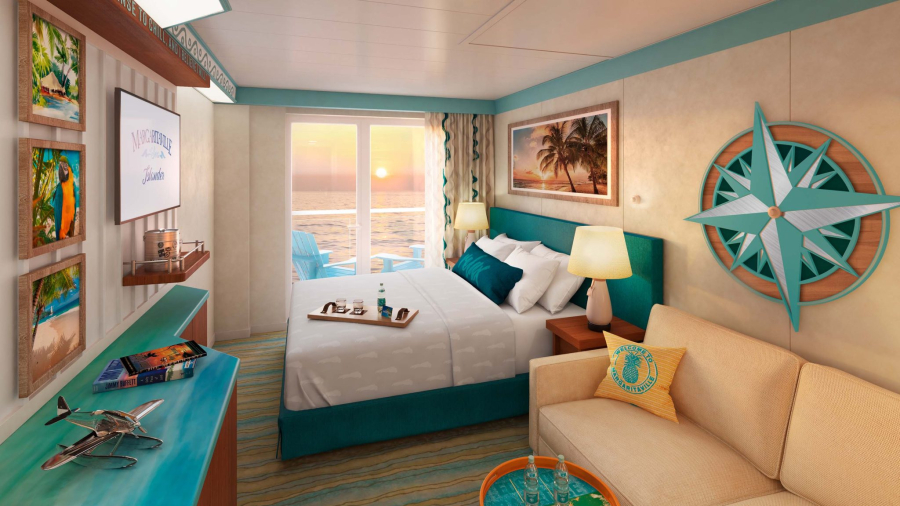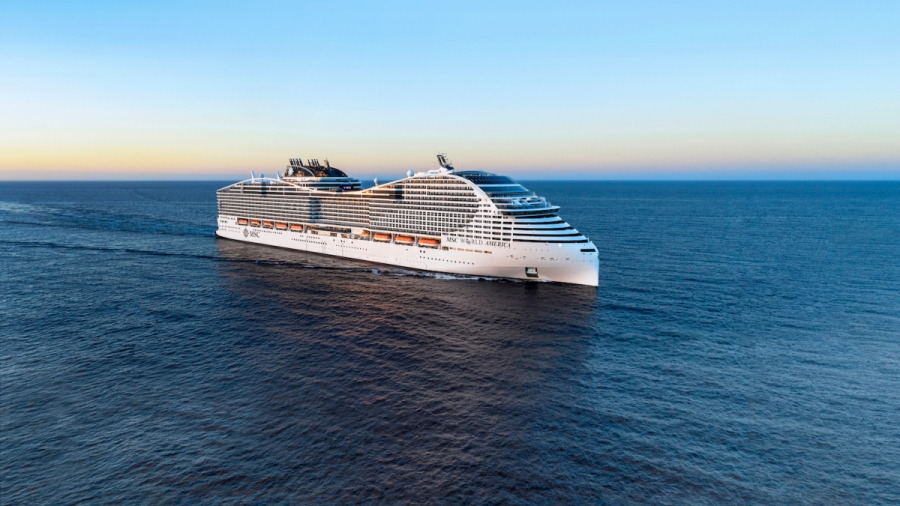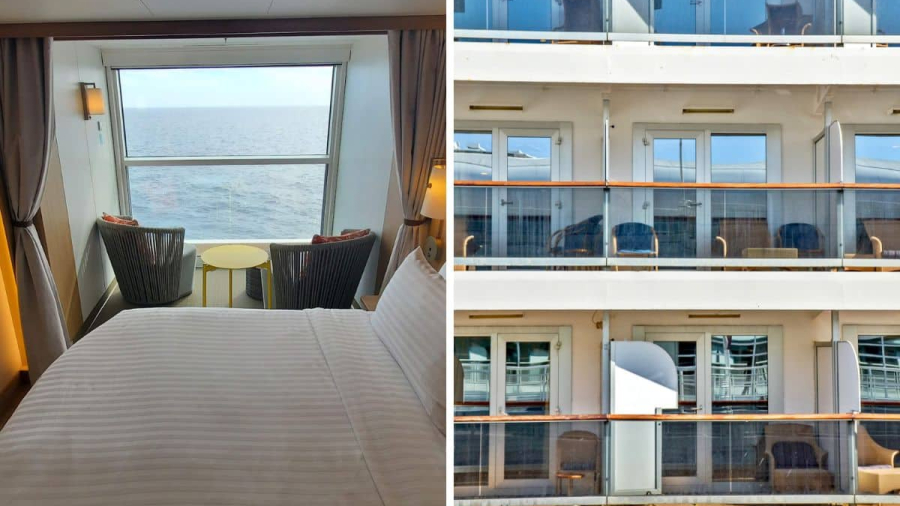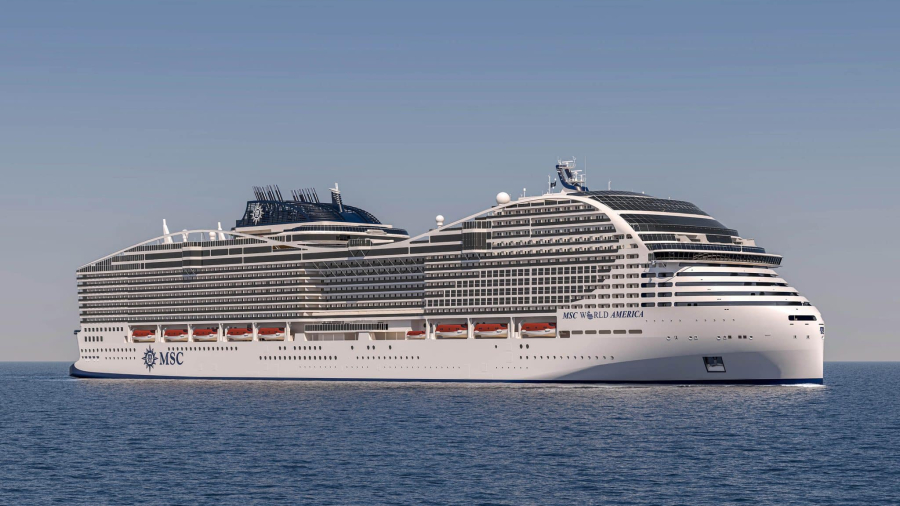
The easiest way to learn how to avoid crowds on a cruise is to go against the flow: be somewhere when everyone else is somewhere else. Eat a little earlier or later than the rush, enjoy the ship while most guests are ashore, and choose a smaller ship, quieter season or private suite area if crowds really bother you.
Below are 12 practical tips, plus a simple timetable showing when the busiest parts of a typical cruise ship are usually packed and when they tend to be quiet.
Before You Book: Choose a Ship and Sailing That Feels Less Crowded
Most crowd problems are decided before you ever step on board. The ship, the cabin type and the dates you pick have more effect than any onboard trick.
1. Look at space per guest, not just ship size
A huge ship is not automatically a crowded ship. What matters is how much room each passenger has, often expressed as the space-to-guest (or passenger space) ratio: the ship’s gross tonnage divided by its passenger count. A higher number usually means wider walkways, more loungers per person and less queuing. Our comparison of cruise ships with the best and worst space-to-guest ratios shows how much this varies between lines.
2. Consider a smaller or more premium cruise line
Ships carrying a few hundred to around 1,000 guests rarely have the lines you see on a 6,000-passenger resort ship. Premium and luxury brands also tend to attract fewer families in school holidays and run more open-seating venues, so the whole experience feels calmer. If peace and quiet is your priority, see our guide to the best cruise lines for a quiet and relaxing vacation, which covers some of the least crowded cruise lines at different budgets.
3. Book a ship-within-a-ship suite
Several big-ship lines now offer a private enclave for suite guests. The best-known are The Haven by Norwegian (NCL), the MSC Yacht Club and The Retreat on Celebrity Cruises. Depending on the ship, these give you a private sundeck or pool, a dedicated lounge and a suite-only restaurant, and NCL and MSC include priority embarkation. You still have access to the rest of the ship, but you always have a quiet place to go back to. If you are weighing this up on Norwegian, our breakdown of NCL suite perks and whether the upgrade is worth it explains what you actually get.
4. Avoid school holidays and peak weeks
Sailings over spring break, summer vacation, Thanksgiving, Christmas and New Year carry the most children and the most third and fourth guests per cabin, which pushes up crowding in pools, buffets and elevators. Shoulder-season dates, such as late April to May and September to early December (outside the holiday weeks), usually feel noticeably emptier. Longer itineraries of 10 nights or more also tend to attract a quieter crowd than three- and four-night getaways.
5. Check which other ships share your ports
Popular Caribbean and Alaska ports can host several large ships on the same day, which means queues for tenders, taxis and attractions. Free tools such as the Crew Center port schedules let you see how many ships are due in on your dates. If a port looks packed, plan your sightseeing for early or late in the day, or pick an excursion that heads away from the main cruise pier.
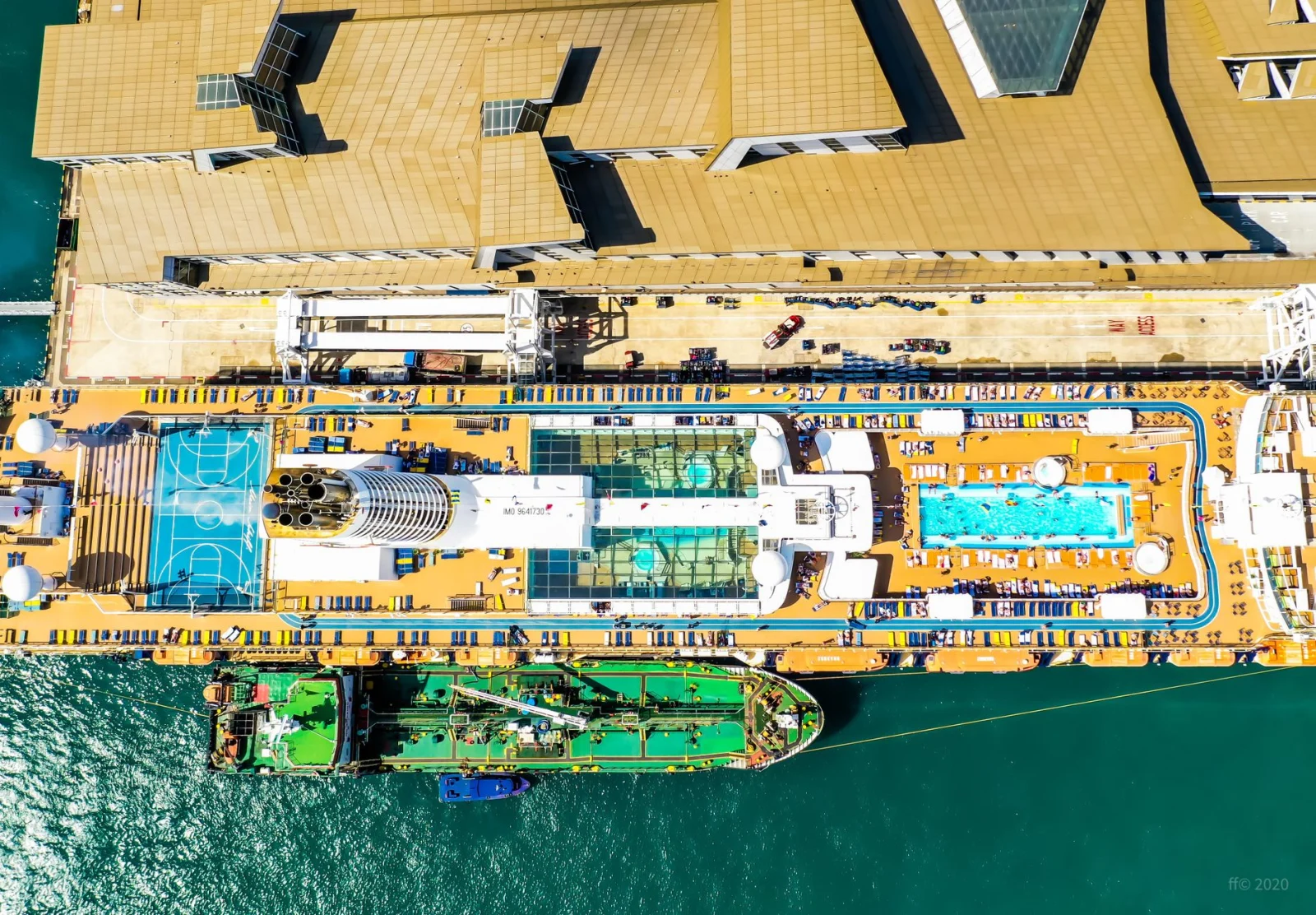
Busiest vs Quietest Times on a Cruise Ship (Timetable)
Every ship and itinerary is different, but crowd patterns on large ships are fairly predictable. This table shows typical peak and quiet times for the areas where people most often run into crowds. Treat it as a rule of thumb rather than a schedule, and check your daily planner or cruise app for your own ship’s times.
| Area | Sea day: busiest | Sea day: quietest | Port day: busiest | Port day: quietest |
|---|---|---|---|---|
| Buffet | 8am to 9:30am and 12pm to 1:30pm | Before 7:30am, after 2pm | Just before the first tours leave, and when guests return mid-afternoon | Late morning to early afternoon |
| Main pool deck | 10am to 4pm | Early morning, during dinner hours | An hour or two after all-aboard | Late morning to mid-afternoon |
| Elevators | Just before shows, dinner seatings and lunch | Mid-morning, mid-afternoon | Gangway rush in the morning and the return before all-aboard | While most guests are ashore |
| Guest services | Embarkation day and the last full day | Mid-sea-day afternoons | Morning, as people ask about tours and tickets | Afternoon while the ship is quiet |
| Gangway or tender | Not applicable | Not applicable | First 60 to 90 minutes after arrival, and the last hour before all-aboard | Mid-morning, and returning mid-afternoon |
| Spa and thermal suite | Late morning to late afternoon | Early morning, evenings | Late afternoon, after guests return | Morning and midday |
The simple pattern to remember: sea days are busiest from mid-morning to late afternoon, while port days are quietest in the middle of the day.
How to Avoid Crowds on a Cruise Once You Are On Board
Once you sail, the goal is to shift your timing slightly away from everyone else’s. These tips cost little or nothing.
6. Pick a later arrival time on embarkation day
Most lines ask you to complete online check-in and choose a terminal arrival time. Many guests grab the earliest slot, so the terminal is often busiest from late morning to around 1pm. A slot an hour or two later usually means a shorter line, and your cabin is more likely to be ready when you board. Do not cut it too fine, though: allow plenty of time before the final boarding cut-off, and arrive in your port city the day before if you are flying in. Our list of costly mistakes to avoid on the first day of a cruise covers what to do once you are on board.
7. Stay on board on a port day
If you have visited a port before, or simply want a rest, staying on the ship can feel like a private yacht. Pools, hot tubs and the spa are often at their quietest, and some lines discount spa treatments on port days. It is also a good chance to enjoy a leisurely lunch in a dining room that would normally be packed.
8. Eat at off-peak times and use the alternatives
The buffet is the classic crowd hotspot. Have breakfast in the main dining room or order room service instead, and take lunch late, after about 1:30pm. Smaller casual venues, such as a deli, pizza counter or poolside grill, are often overlooked. If you want a calm dinner, a specialty restaurant almost always has fewer covers and more space between tables.
9. Book shows, dining and activities in advance
Many large ships let you reserve theater shows, specialty dining and popular activities through the cruise line’s app or website before sailing. Booked slots mean you can turn up a few minutes beforehand instead of queuing. Where shows run twice, the later performance on the first night or two is often less full.
10. Take the stairs and use the quiet ends of the ship
Elevator lobbies fill up just before shows, meals and the all-aboard time. Walking two or three decks is often quicker. Most ships also have overlooked spaces: forward observation lounges, aft decks, promenade decks, libraries and adults-only areas. A short walk around on day one will usually reveal two or three spots you can rely on for the rest of the trip.
Avoiding Lines on a Cruise in Port and at Disembarkation
Some of the longest lines on any cruise happen at the gangway. A little planning helps here too.
11. Go ashore late, or choose quieter excursions
The rush to get off happens as soon as the ship is cleared, especially in tender ports. If you are not on a timed tour, wait an hour and walk straight off. For excursions, smaller-group tours, early starts and destinations away from the main tourist sights tend to be calmer. Return to the ship mid-afternoon rather than in the final hour to avoid the security line at the gangway.
12. Make disembarkation day easy
On the final morning, the main dining room, buffet and elevators can be very busy. Self-assist (walk-off) disembarkation, where you carry your own bags, is often the fastest way off. If you would rather take your time, choose a later disembarkation group and have breakfast once the first wave has left.
Quick Checklist: Avoiding a Crowded Cruise Ship
- Compare space-to-guest ratios and consider smaller or premium ships.
- Avoid school holidays and peak holiday weeks where you can.
- Think about a suite with access to a private ship-within-a-ship area.
- Choose a mid-afternoon terminal arrival slot (with a safety margin).
- Pre-book shows and specialty dining.
- Eat before or after the rush, and try venues other than the buffet.
- Enjoy the pool and spa while most guests are ashore.
- Take the stairs and find the ship’s quiet corners early.
FAQs
What is the least crowded time on a cruise ship?
Port days, once most guests have gone ashore, are usually the quietest. Between roughly 10am and 3pm the pool deck, spa and dining venues are far emptier than on sea days, when the ship is full.
Which cruise lines are least crowded?
Smaller and more premium lines generally feel least crowded because they carry fewer guests for the size of the ship. Luxury lines and premium brands typically offer more space per guest than the big mainstream megaships.
How do I avoid lines on a cruise?
Complete online check-in early, choose a later arrival slot, book shows and specialty dinners in advance, eat at off-peak times, and use the stairs instead of elevators at rush hour.
Is it worth booking a ship-within-a-ship suite to avoid crowds?
If crowds really spoil your holiday, it can be. Areas such as The Haven, MSC Yacht Club and The Retreat give you a private sundeck, lounge and restaurant, so you always have a quiet space to return to.