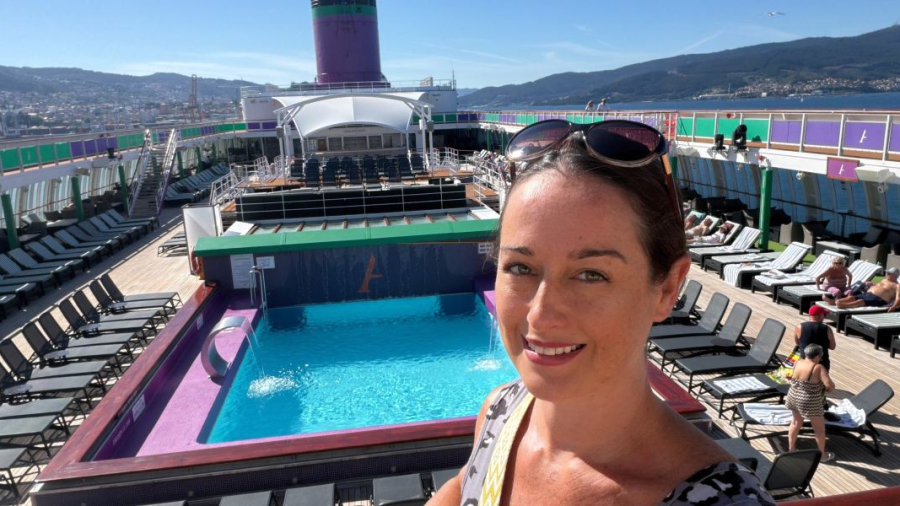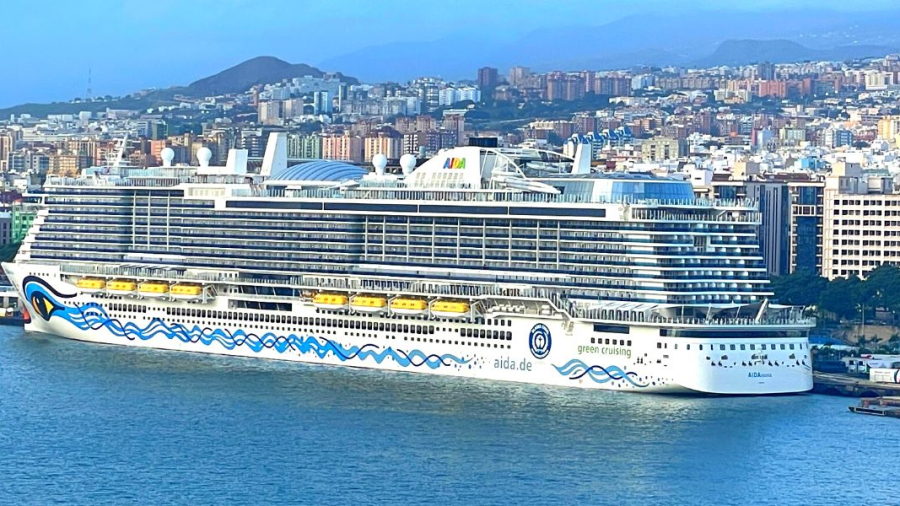
AIDAnova-1.jpg

Couple Sues AIDA Over Reduced Nudist Deck on World Cruise


A German couple has launched legal action against AIDA Cruises seeking a substantial refund after discovering the nudist area aboard AIDAdiva had been dramatically reduced during their 128-day world cruise.
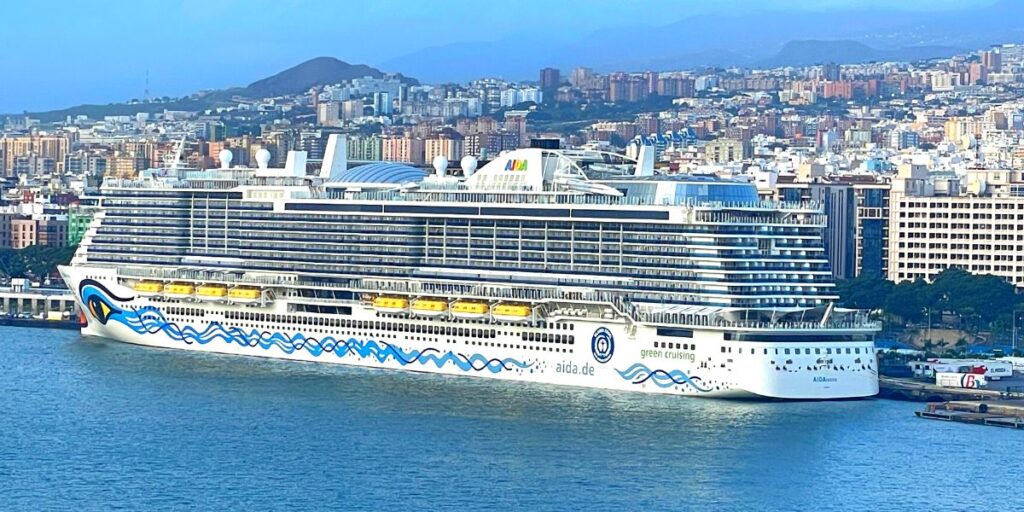
AIDAnova

The passengers, who paid approximately €70,000 for the voyage, are demanding a 22% refund following the ship’s refurbishment that transformed the dedicated space into an exclusive suite-guest amenity.

Sabine Hartmann and Michael B. booked AIDAdiva’s world cruise in February 2024, relying on published deck plans that showed an extensive nudist area on Deck 14.

When the voyage departed from Hamburg on 10th November 2025, however, the couple discovered the space had been completely transformed.

The ship underwent a comprehensive refurbishment between 3rd February and 22nd March 2025.

The renovations included redesigned seating in the main show lounge, stateroom reconfigurations, new dining venues, and updates to both the wellness complex and children’s club.

New Sky Deck Replaces Public Nudist Area With Suite-Only Space

The former nudist area has been converted into what AIDA Cruises describes as the Sky Deck, an “exclusive outdoor area for guests of our suites, offering wonderful panoramic views”.

nude couple on a cruise

The new space features two whirlpools, cabanas, sun loungers and lounge chairs reserved solely for suite passengers.

This transformation represents a significant shift in the ship’s amenities structure.

What was once a public space accessible to all 2,050 guests aboard AIDAdiva has become a private enclave for premium accommodation holders only.

The change eliminates not only the extensive nudist area but also restricts access to what were previously public facilities.

According to the cruise line’s descriptions, the Sky Deck does not permit nudity, fundamentally altering the nature of the space.

Remaining Nudist Area Deemed Inadequate By Passengers

Whilst AIDAdiva still maintains a nudist area following the refurbishment, it has been relocated and significantly reduced in size and amenities.

nude cruise

The couple pursuing legal action claims the replacement space fails to provide an adequate alternative.

“The previously spacious nudist area has been completely eliminated. The newly created nudist cubicle isn’t suitable for a genuine nudist experience,” Michael B. stated.

The passengers also assert that the new location lacks complete privacy, which they consider essential for such facilities.

During the voyage, B. contacted AIDA Cruises requesting that all passengers be granted access to the new Sky Deck area.

The cruise line denied this request, maintaining that the space would remain exclusive to suite guests.

€70,000 World Cruise Featured Unchanged Itinerary

The couple’s world cruise voyage represented a substantial financial commitment at approximately €70,000, equivalent to roughly $79,600 in US currency.

The 128-day journey departed Hamburg on 10th November 2025 and followed an ambitious itinerary spanning four continents.

The voyage included calls at 53 ports across 28 countries before returning to Germany in May.

Notably, there were no substantive changes to the ship’s itinerary itself – the dispute centres entirely on onboard facilities rather than destinations or port visits.

AIDAdiva, part of the AIDA Cruises fleet operated by Carnival Corporation, accommodates approximately 2,050 passengers.

The ship has traditionally catered to German-speaking markets and features amenities specifically tailored to European preferences, including clothing-optional areas that are more common on European vessels than their North American counterparts.

False Advertising Claims Hinge On Marketing Materials

The legal basis for the couple’s claim for a 22% refund may ultimately depend on how prominently the nudist area featured in AIDA’s marketing and advertising materials.

At the time of booking, published deck plans clearly showed the larger nudist space with no indication of planned removal.

If the nudist area was not specifically highlighted or advertised as a key feature on the cruise line’s website or promotional materials, courts may determine it was not a significant aspect of the vacation experience.

In such cases, cruise lines typically retain discretion to modify public spaces during refurbishments.

However, if AIDA Cruises specifically promoted or advertised the nudist area as a distinctive feature when the couple made their booking, the situation could constitute false advertising.

Passengers might be entitled to compensation when facilities explicitly marketed to them are subsequently removed or substantially altered before their sailing.

The timing of the refurbishment – occurring between the booking date in February 2024 and the departure in November 2025 – raises questions about passenger notification.

Whether AIDA Cruises adequately informed booked guests about the extent of changes during this nine-month window may prove relevant to the legal proceedings.

Similar Disputes Emerge Across Cruise Industry

The German couple’s lawsuit reflects broader tensions within the cruise industry regarding advertised amenities and passenger expectations.

Similar frustrations have emerged on other cruise lines when heavily promoted features prove unavailable or substantially modified.

Royal Caribbean’s Icon-class ships have faced comparable passenger dissatisfaction over extended waterslide closures.

Both Icon of the Seas and Star of the Seas are marketed as featuring the largest waterparks at sea, making these facilities central to the ships’ appeal and pricing premium.

When waterslides remain closed for months, passengers who specifically selected these vessels for their aquatic attractions feel justifiably disappointed.

The situation mirrors the German couple’s complaint – passengers paying premium prices for advertised features that prove unavailable during their sailing.

The distinction between actionable false advertising and routine ship modifications often depends on how prominently features are marketed.

Carnival Cruise Line has systematically removed libraries from numerous ships during dry dock renovations over recent years without facing similar legal challenges.

Industry Practice Allows Discretion For Ship Modifications

Cruise lines traditionally maintain considerable discretion to modify vessels between booking and sailing dates.

Standard cruise contracts typically include provisions allowing changes to ship facilities, dining venues, entertainment offerings and other amenities.

These contractual protections exist because cruise ships require constant maintenance and evolution.

Consumer preferences shift, facilities age and require replacement, and cruise lines must balance competing demands for limited public space aboard vessels.

Experienced cruisers recognise that ships undergo regular transformations.

Dining menus evolve seasonally, entertainment programmes rotate, and public venues are periodically redesigned during dry dock periods.

Most such changes generate minimal passenger complaint because they don’t affect heavily advertised signature features.

The challenge emerges when modifications affect facilities that passengers specifically considered when selecting a particular ship or itinerary.

World cruises attract passengers seeking extended voyages with specific onboard experiences, making ship facilities particularly important given the extended duration at sea.

At 128 days, AIDAdiva’s world cruise represents a substantial commitment where passengers spend over four months aboard the vessel.

The onboard environment and available facilities assume heightened importance compared to shorter sailings where port experiences predominate.

Legal Outcome May Establish European Precedent

AIDA Cruises has not publicly commented on the lawsuit, which remains before German courts.

The outcome could establish important precedent regarding cruise line obligations when modifying ships between booking and departure dates.

German consumer protection laws generally favour passengers in disputes with service providers.

If the court determines the nudist area was sufficiently prominent in marketing materials or reasonable passenger expectations, AIDA might face liability for the modification.

A ruling favouring the passengers could require cruise lines operating in European markets to provide more detailed advance notification of ship modifications.

It might also establish thresholds for when facility changes become material enough to justify refunds or compensation.

Conversely, a decision favouring AIDA would reinforce cruise lines’ discretion to modify vessels despite prior bookings.

Such an outcome would emphasise the importance of standard contract terms permitting operational changes.

The 22% refund sought by the couple represents a substantial portion of their €70,000 fare, totalling approximately €15,400.

Whether courts view this percentage as proportionate to the loss of the nudist area will likely depend on expert testimony regarding the facility’s importance to the overall cruise experience.

European nudist facilities aboard cruise ships cater to a specific market segment that values clothing-optional spaces for relaxation.

The complete elimination of a spacious public nudist area in favour of a suite-only clothed space represents a fundamental change in the ship’s character for passengers who prioritised this amenity.

Broader Implications For Cruise Transparency

The lawsuit highlights increasing passenger expectations for transparency regarding ship modifications.

As cruise fares rise and passengers make substantial advance bookings, clarity about vessel facilities assumes greater importance.

Social media and cruise forums enable rapid information sharing about ship changes, creating heightened awareness when advertised features prove unavailable.

Cruise lines face reputational risks when passengers feel misled about onboard experiences, regardless of legal liability.

The case may prompt cruise lines to enhance communication protocols when significant ship modifications occur between booking and sailing.

Proactive passenger notification about facility changes could prevent disputes and allow travellers to modify bookings if alterations substantially affect their plans.

For the broader cruise industry, the lawsuit serves as a reminder that passenger expectations must align with delivered experiences.

Whilst operational flexibility remains necessary, transparency about material changes protects both cruise lines and passengers from disappointment and potential legal action.

TODAY’S BEST CRUISE DEALS!

Don’t miss these offers…

Related Posts

If you found this interesting, please share!


Jenni with Disney Cruise ship at Castaway Cay

A river cruise on the Danube was dramatically interrupted in the early hours of Friday, 24th July 2026, after the river cruise ship Anna Katharina crashed into a quay wall…

Radiance of the Seas in Alaska

A couple’s planned five-day cruise holiday turned into an unexpected trip to the maternity ward when a woman discovered she was 33 weeks pregnant just hours before boarding her ship…

how much is a river cruise

Viking River Cruises has extended an extraordinary compensation package to passengers booked on an oversold Romantic Danube sailing. This offer includes a complete cruise fare refund plus a complimentary replacement…

Holland America MS Zaandam

Holland America Line has issued an urgent appeal to guests booked on a summer 2026 Alaska sailing, offering substantial compensation to passengers willing to voluntarily change their plans after the…


Source link
Radiance-of-the-Seas-The-Lobby-Bar-2-1.jpg

Woman Discovers She’s 33 Weeks Pregnant Hours Before Cruise Departure


A couple’s planned five-day cruise holiday turned into an unexpected trip to the maternity ward when a woman discovered she was 33 weeks pregnant just hours before boarding her ship in Tampa. Lauren Siwinski and her fiancé Gary “David” Glenn arrived in Florida ready to sail on Royal Caribbean’s Radiance of the Seas, only to leave with a newborn baby instead of cruise memories.

Radiance of the Seas in Alaska

Lauren Siwinski and Gary Glenn had followed all the right advice for their cruise departure. They arrived in Tampa a full day before their scheduled sailing on Radiance of the Seas, giving themselves plenty of time to rest and prepare for their five-day voyage at sea.

The couple anticipated a relaxing evening before heading to the port the following morning. Instead, sudden abdominal pain sent Lauren to an urgent care clinic late that night, where a doctor delivered news that would completely upend their travel plans – and their lives.

From Cruise Passengers To Parents In Twelve Hours

The medical examination revealed something extraordinary. Lauren wasn’t simply experiencing stomach cramps; she was 33 weeks pregnant and already in active labour with contractions underway.

According to local news outlet WTSP, the doctor’s words were simple but life-changing: “You guys are pregnant.” An ultrasound confirmed the advanced stage of the pregnancy, leaving the couple stunned and scrambling to shift from cruise mode to parent mode in a matter of hours.

Just twelve hours after walking into that Tampa clinic on 12th July, the couple welcomed their son Sebastian into the world on 13th July. Their cruise cabin was replaced with a hospital room, and their maritime adventure transformed into an entirely different kind of journey.

Complete Absence Of Pregnancy Symptoms Baffles Expectant Mother

Lauren’s experience represents a rare but documented phenomenon known as a cryptic pregnancy, where women show few or no typical pregnancy symptoms. Speaking about her experience, Lauren admitted the complete lack of warning signs left her utterly unprepared for motherhood.

“I had no symptoms at all. Nothing whatsoever. I had no idea there was a human inside of me,” she explained. Even when physical sensations did occur, she misinterpreted them entirely.

“I felt some flutters. But I didn’t think anything of it. I thought it was just my stomach settling from something I ate. Didn’t think it was a human,” Lauren continued, highlighting just how easily the signs of pregnancy can be overlooked or attributed to other causes.

Fiancé Unknowingly Had Partner Working Out At Gym During Pregnancy

Gary Glenn was equally astonished by the revelation, particularly given Lauren’s active lifestyle leading up to their trip. The couple had maintained their regular fitness routine without any indication that Lauren was carrying a child.

Lauren Siwinski and Gary Glenn Radiance of the Seas guests that didn't sail
Credit: CBS Boston

Gary reflected on their gym sessions with a mix of humour and disbelief at the situation. “I had her working out and stuff in the gym with me, and she’s sitting there pregnant. I had no idea. She’s like bouncing this bar off her chest. I’m surprised the baby didn’t shoot out right there, you know what I mean?” he remarked.

His comment underscores the extraordinary nature of cryptic pregnancies, where women can continue strenuous physical activity without realising they’re expecting. The couple’s engagement just two months earlier in May had marked what they thought would be their biggest life change of the year – until Sebastian’s surprise arrival rewrote their plans entirely.

Royal Caribbean’s Strict Pregnancy Policy Explained

Royal Caribbean maintains one of cruise industry’s most stringent pregnancy policies, prohibiting any passenger beyond 23 weeks of gestation from sailing. This restriction exists across all ships in the fleet and applies regardless of itinerary length or destination.

The cruise line’s official policy clearly states the medical limitations aboard its vessels: “There is no Obstetrician/Gynecologist available on the ship, and pregnancies, when unstable and poorly controlled, are potentially life-threatening.” This acknowledgement reflects the reality that cruise ships, despite carrying medical staff and facilities, are not equipped to handle obstetric emergencies or provide neonatal intensive care.

At 33 weeks pregnant, Lauren was a full ten weeks beyond Royal Caribbean’s cutoff point. Had she known about her condition and attempted to board, she would have been denied boarding at the terminal during the check-in process, as cruise lines verify pregnancy status for passengers who appear to be expecting.

Why Cruise Ships Cannot Accommodate Advanced Pregnancies

The cruise industry’s pregnancy restrictions stem from genuine medical limitations rather than arbitrary rules. Onboard medical centres, whilst capable of handling many common health issues, lack the specialised equipment and expertise required for obstetric care and neonatal emergencies.

Cruise ship medical facilities typically staff general practitioners and nurses rather than specialists. They carry basic medical equipment but cannot provide the level of care needed for premature births, complicated deliveries, or newborn intensive care.

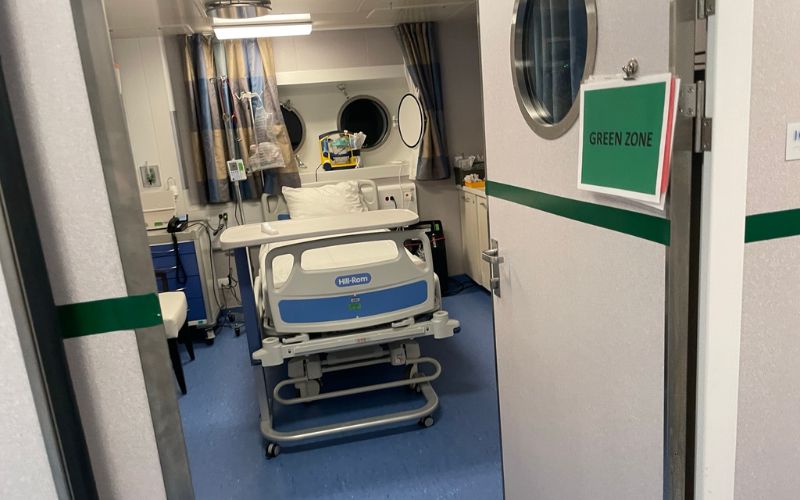
The image shows an inside view of a hospital room, viewed from the doorway. It features a modern Hill-Rom hospital bed centered in the room, with medical curtains partially drawn around it. To the right of the door, there's a sign reading "GREEN ZONE". The environment appears sterile and well-equipped for patient care.

The absence of incubators, ventilators designed for infants, and specialist monitoring equipment makes any shipboard birth potentially dangerous for both mother and baby.

Recent incidents underscore these risks. Just weeks before Lauren’s discovery, another pregnant passenger required medical evacuation from a Carnival cruise ship due to pregnancy complications.

Such evacuations involve coordinating with coast guard services, potentially diverting the ship, and arranging helicopter or boat transfers – all whilst the expectant mother requires urgent care.

These evacuations can cost tens of thousands of dollars and may not be covered by standard travel insurance policies, particularly if a passenger knowingly violated the cruise line’s pregnancy policy. The financial and medical risks make the industry’s restrictions both prudent and necessary.

Baby Sebastian’s Impeccable Timing Prevents Ocean Emergency

The timing of Lauren’s abdominal pains, whilst inconvenient for their holiday plans, may have prevented a dangerous situation at sea. Had Sebastian waited just one more day to make his presence known, Lauren would have cleared port security, boarded Radiance of the Seas, and potentially gone into labour hundreds of miles from shore.

Lauren Siwinski and Gary Glenn With Baby 1

Radiance of the Seas was scheduled for a five-day cruise, likely visiting Mexican ports along the Caribbean or Gulf Coast. A medical emergency whilst the ship was at sea or docked in a foreign port would have created significant complications for the family.

At-sea births, whilst occasionally celebrated in media reports, represent serious medical risks. Without obstetric specialists, proper equipment, or neonatal care facilities, both mother and baby face potential complications that could prove life-threatening.

Even in port, accessing appropriate medical care in a foreign country presents language barriers, insurance complications, and varying standards of medical facilities.

Sebastian’s early arrival on land, in a properly equipped American hospital, ensured both he and Lauren received appropriate care. What seemed like terrible timing for a cruise holiday proved to be perfect timing for a safe delivery.

Rhode Island Community Rallies With Baby Supplies And Support

Following Sebastian’s unexpected arrival, the couple found themselves facing parenthood without any of the typical preparations. Lauren, who works at a daycare facility in Rhode Island, received an outpouring of support from her professional community and loved ones.

Coworkers and family members quickly organised donations of essential baby supplies, clothing, nappies, and equipment to help the unprepared parents. This community response transformed what could have been an overwhelming situation into a manageable transition to parenthood.

The couple now faces a drive back to Rhode Island with their newborn son, introducing Sebastian to family and friends who had no idea he was on the way. Their May engagement will be followed by adjusting to life as parents far sooner than they ever imagined.

Radiance Of The Seas Sails Without Unexpected Parents

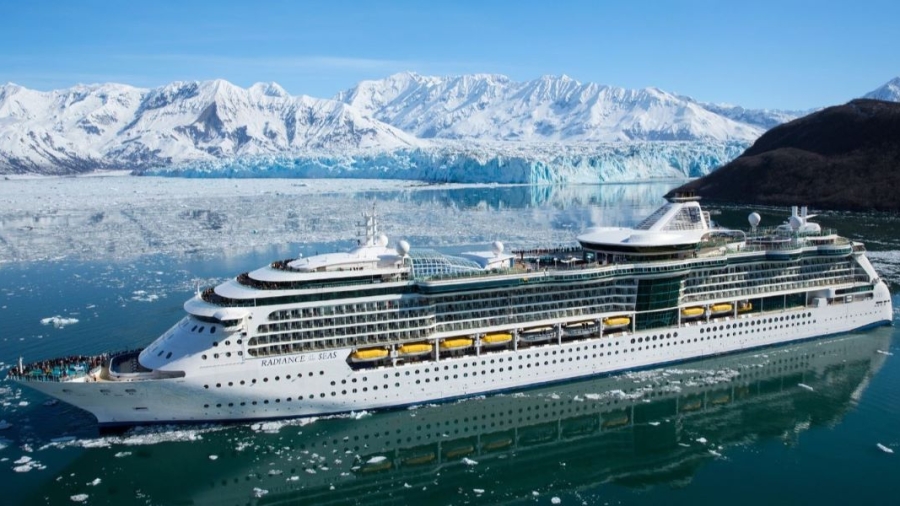
Radiance of the Seas, a Vision-class ship that entered service in 2001, departed Tampa as scheduled without Lauren and Gary aboard. The 90,090-tonne vessel accommodates 2,466 passengers and features the cruise line’s signature glass elevators, self-levelling pool tables, and outdoor Rock Climbing Wall.

The ship regularly operates Caribbean itineraries from Tampa, typically visiting destinations such as Cozumel, Costa Maya, and Grand Cayman. The couple’s cabin sailed empty whilst they adjusted to their new reality in a Tampa hospital, swapping ocean views for the first precious days with their surprise addition.

Whilst missing a cruise represents a financial loss and disappointment, the couple gained something far more valuable. Their story serves as a reminder that life’s most important moments rarely arrive on schedule, and sometimes the best adventures are the ones we never planned at all.

Want the best Royal Caribbean deal?

Get a free quote from Cruise Mummy’s trusted travel agent, with exclusive onboard credit and expert help at no extra cost.

Related Posts

If you found this interesting, please share!


Jenni with Disney Cruise ship at Castaway Cay
how much is a river cruise

Viking River Cruises has extended an extraordinary compensation package to passengers booked on an oversold Romantic Danube sailing. This offer includes a complete cruise fare refund plus a complimentary replacement…

Holland America MS Zaandam

Holland America Line has issued an urgent appeal to guests booked on a summer 2026 Alaska sailing, offering substantial compensation to passengers willing to voluntarily change their plans after the…

A Louisiana woman has been left facing medical bills exceeding $53,500 after suffering a severe injury during a rope swing shore excursion on her inaugural Carnival Cruise sailing. The incident,…

Barcelona with La Sagrada Familia during christmas season

Barcelona city officials have voted to immediately impose the maximum legal tourist tax of €24 per day on cruise passengers making short port calls. This move abandons a planned gradual…


Source link
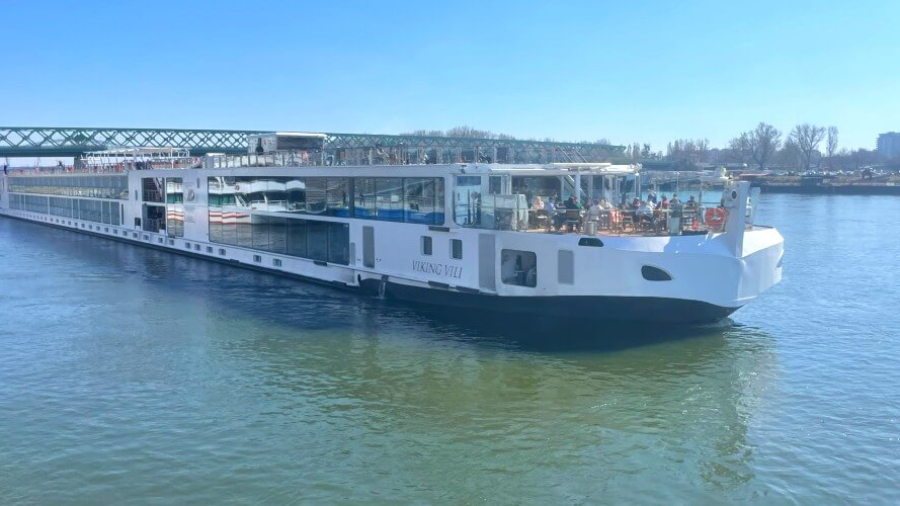
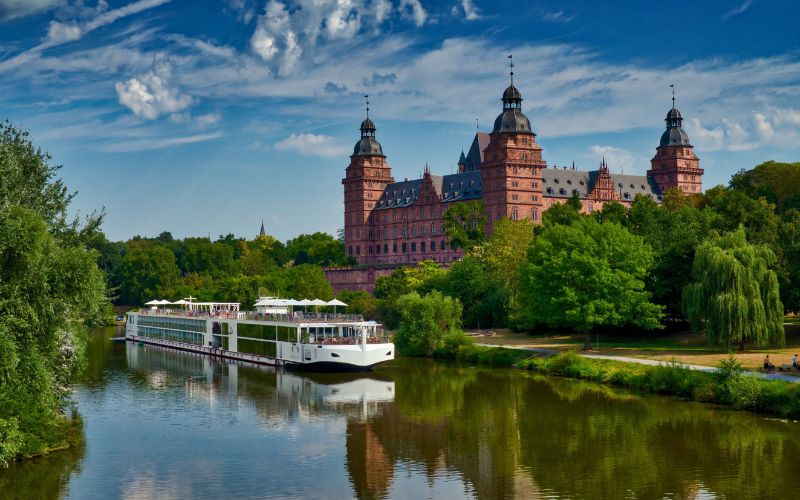
Viking-River-Cruise-Ship-1.jpg

Viking Offers Guests Two Free River Cruises For Rebooking


Viking River Cruises has extended an extraordinary compensation package to passengers booked on an oversold Romantic Danube sailing.

This offer includes a complete cruise fare refund plus a complimentary replacement voyage with upgrades – effectively giving guests two river cruises for the price of one.

how much is a river cruise

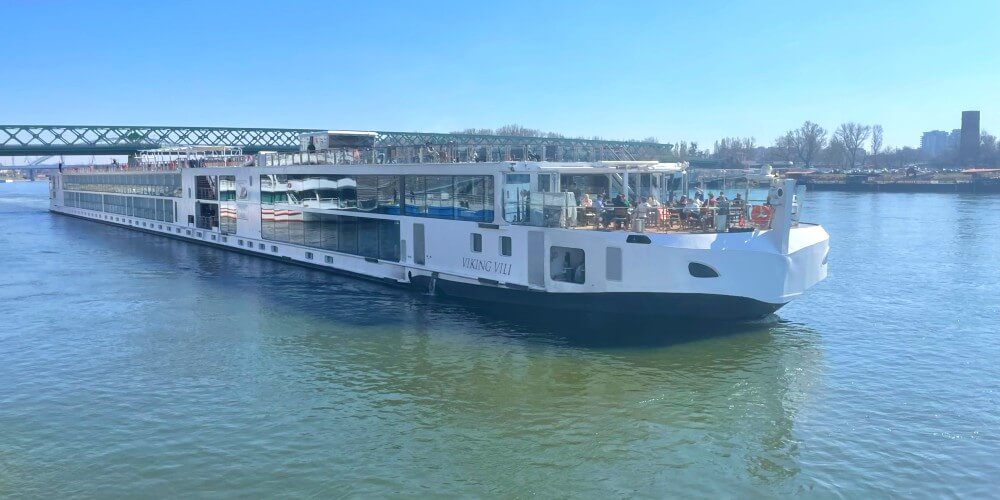
Guests scheduled to embark on the 190-passenger Viking Tor on 24th July 2026 received notification on 21st July that their eight-day Romantic Danube cruise had been oversold.

The sailing was set to depart from Regensburg, Germany, calling at Passau, Krems, and Vienna before concluding in Budapest, Hungary on 31st July.

The email communication from Viking River Cruises informed passengers of the overbooking situation.

It presented what industry observers are calling an exceptionally generous resolution.

Rather than simply denying boarding to excess passengers or offering modest compensation, the river cruise operator crafted a comprehensive package designed to turn an inconvenience into a windfall for affected guests.

Full Refund Plus Complimentary Replacement Cruise Offered

The compensation offer centres on two substantial benefits that effectively provide guests with two complete river cruises.

Passengers who agree to rebook their Romantic Danube journey to a later departure in 2026 or 2027 will receive a 100% refund of their original cruise fare whilst simultaneously receiving their replacement sailing at no additional cost.

“Your July 24 departure of Romantic Danube is currently oversold,” the email read.

“We would like to extend a special offer should you choose to sail on the same itinerary, departing later in 2026 or 2027, instead.”

This arrangement essentially means that guests who paid for their original cruise will receive their money back whilst still experiencing the identical itinerary on a different date without any financial outlay.

Viking ship on the Rhine

For passengers with flexible schedules, the proposition represents an unexpected opportunity to effectively double their value.

Veranda Suite Upgrade Sweetens Already Generous Deal

Beyond the dual-cruise benefit, Viking River Cruises added a stateroom upgrade to the compensation package that further enhances the value proposition.

Guests accepting the rebooking offer will be moved from their originally booked accommodation category to a Veranda Suite, the line’s premium stateroom offering measuring 275 square feet.

These suites represent a significant upgrade over standard staterooms and come with an array of exclusive perks.

Veranda Suite guests enjoy priority embarkation and stateroom access, allowing them to board the vessel and settle into their accommodation ahead of other passengers.

The package also includes complimentary Wi-Fi throughout the sailing and free laundry and shoe-shine service – amenities that typically carry additional charges or are reserved for premium accommodation categories.

The physical features of the Veranda Suites provide enhanced comfort and river-viewing opportunities.

Each suite includes a private veranda where guests can step outside to experience the Danube’s scenery and fresh air.

Viking Longship Main River

Inside, the accommodations feature a spacious sitting area separate from the sleeping quarters, providing room to relax between excursions.

French Balcony Adds Second Viewing Perspective

The Veranda Suites also incorporate a French balcony in the bedroom area.

This features floor-to-ceiling glass doors that open to provide unobstructed views and fresh air whilst maintaining a safety barrier.

This design element allows guests to enjoy the passing scenery from the comfort of their queen-size bed, creating an immersive river cruise experience without leaving their stateroom.

The combination of both a walk-out veranda and a French balcony provides two distinct vantage points for appreciating the Danube’s landscapes, historic towns, and riverside castles that define this popular European river cruise route.

For many river cruise enthusiasts, the opportunity to secure this enhanced accommodation represents substantial value in itself, making the overall compensation package even more compelling.

Complimentary Flight Rebooking Included For Air Passengers

Viking River Cruises extended the compensation package to include guests who purchased their flights through the company’s Viking Air programme.

These passengers are being offered complimentary flight rebooking to align with their newly scheduled cruise departure, removing any additional financial burden or logistical complexity from the date change.

This inclusion addresses what could otherwise be a significant obstacle for accepting the rebooking offer.

International flights represent a substantial portion of many guests’ total travel investment, and having to absorb the cost of changing flights could diminish the appeal of even a generous cruise compensation package.

By including complimentary flight changes, Viking has removed this potential barrier and made the offer accessible to virtually all affected passengers regardless of their booking method.

Industry Context Behind Overbooking Practices

Overbooking remains a standard practice across the travel industry, employed by cruise lines, airlines, and hotels alike to maximise revenue and operational efficiency.

Travel providers analyse historical booking patterns and cancellation rates to predict how many reservations will ultimately result in no-shows or last-minute cancellations.

By accepting slightly more bookings than available capacity, companies can counteract the revenue loss from these anticipated cancellations.

When the predictions prove accurate and cancellations occur as expected, the overbooking strategy successfully fills all available space.

The practice is particularly common during peak travel periods when demand exceeds supply and operators want to ensure maximum capacity utilisation.

However, the strategy carries inherent risk.

If fewer cancellations materialise than anticipated, travel providers face the uncomfortable situation of having sold more space than actually exists.

This forces companies to either deny boarding to confirmed passengers – a public relations nightmare that can result in regulatory penalties and lasting brand damage – or offer compensation packages attractive enough to persuade guests to voluntarily relinquish their spots.

Comparing Viking’s Offer To Industry Standards

The compensation package offered by Viking River Cruises stands out significantly when compared to typical industry practice.

Most overbooking resolutions involve modest onboard credit, slight stateroom upgrades, or future cruise discounts that still require substantial passenger payment.

Recent examples from the ocean cruise sector illustrate the difference in approach.

Royal Caribbean recently addressed an overbooking situation by offering affected guests a complimentary future sailing, but that offer came with a stateroom downgrade rather than an upgrade.

Whilst still providing value, the Royal Caribbean solution required passengers to accept lesser accommodation in exchange for the free cruise.

Viking’s approach of providing both a full refund and a free replacement cruise with upgraded accommodation represents a far more generous resolution.

Industry analysts suggest this reflects both Viking’s premium brand positioning and its commitment to maintaining customer satisfaction even when operational challenges arise.

River cruising attracts repeat customers who often book multiple voyages, making passenger goodwill particularly valuable in this segment.

Implications For Affected Passengers And Future Bookings

For guests on the affected 24th July 2026 sailing, the decision involves weighing schedule flexibility against substantial financial benefit.

Those with rigid vacation schedules or special occasions tied to the original dates may find the offer difficult to accept despite its value.

However, passengers with flexible timing stand to gain thousands of dollars in value by simply shifting their travel dates.

The Romantic Danube itinerary operates throughout the river cruise season, providing numerous alternative departure dates in both 2026 and 2027.

This gives affected passengers considerable flexibility in selecting a replacement sailing that fits their schedules whilst still capturing the full value of Viking’s compensation offer.

The situation also raises questions about Viking’s booking practices and capacity management.

Whilst overbooking is industry standard, the extent of this particular overselling situation – sufficient to prompt such an extraordinary compensation package – suggests either an unusual surge in last-minute non-cancellations or possible errors in the booking system.

Viking has not publicly commented on the underlying cause of the overbooking.

The generous resolution may set passenger expectations for future overbooking situations across the river cruise industry.

This potentially establishes a new benchmark for how premium cruise lines address capacity challenges.

Whether other operators will match Viking’s approach remains to be seen, but the extensive value provided in this instance demonstrates that some cruise lines are willing to absorb significant costs to maintain brand reputation and customer loyalty.

TODAY’S BEST CRUISE DEALS!

Don’t miss these offers…

Related Posts

If you found this interesting, please share!


Jenni with Disney Cruise ship at Castaway Cay
Holland America MS Zaandam

Holland America Line has issued an urgent appeal to guests booked on a summer 2026 Alaska sailing, offering substantial compensation to passengers willing to voluntarily change their plans after the…

A Louisiana woman has been left facing medical bills exceeding $53,500 after suffering a severe injury during a rope swing shore excursion on her inaugural Carnival Cruise sailing. The incident,…

Barcelona with La Sagrada Familia during christmas season

Barcelona city officials have voted to immediately impose the maximum legal tourist tax of €24 per day on cruise passengers making short port calls. This move abandons a planned gradual…

Queen Victoria cruise ship

Cunard has announced an extensive transformation programme for Queen Victoria. The vessel is scheduled to emerge from drydock this autumn featuring refreshed signature spaces, enhanced suite accommodation and new wellness…


Source link
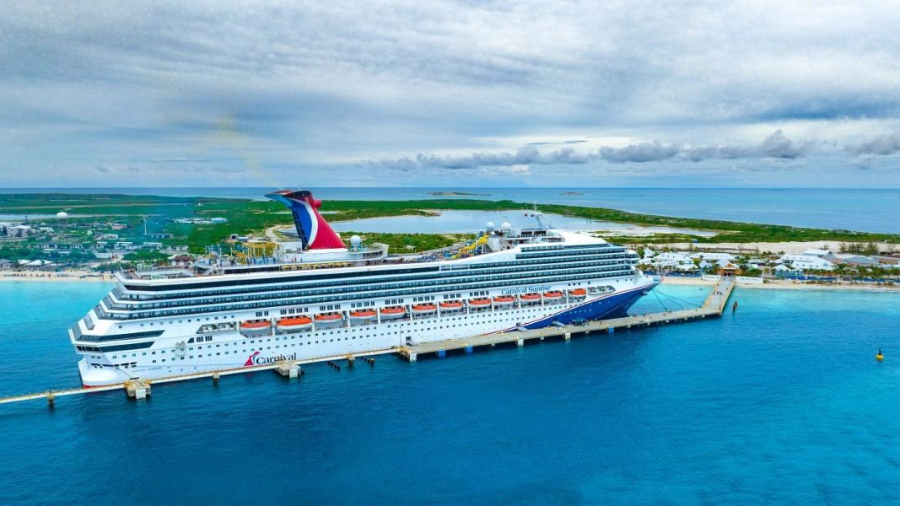
Carnival-Sunrise-2.jpg

Louisiana Woman Suffers Severe Rope Swing Injury During Honduras Shore Excursion


A Louisiana woman has been left facing medical bills exceeding $53,500 after suffering a severe injury during a rope swing shore excursion on her inaugural Carnival Cruise sailing.

The incident, which occurred on the third day of her Western Caribbean voyage whilst visiting Honduras, resulted in emergency medical evacuation and multiple surgeries.

Kirsten Lindsey from Shreveport, Louisiana, was participating in a rope swing activity during a port call in Honduras when the accident occurred.

Video footage of the incident reveals Lindsey standing on an elevated platform whilst holding a knotted rope swing designed to carry participants out over the water below.

As she launched herself from the platform, a retrieval line attached to the top of the swing apparently became entangled between her legs.

The thin retrieval line caught her in a sensitive area as she began to slip from her grip on the main rope, causing her to be suspended briefly by the retrieval line alone before she released her hold and fell into the water.

Blake Ford, Lindsey’s boyfriend who was accompanying her on the cruise, believes the retrieval line was not properly connected or secured.

The malfunction led to the line catching on Lindsey’s body in a manner that was neither intended nor anticipated by the excursion operators.

A GoFundMe has been stated by Blake to raise money towards their expenses.

Initial Assessment Underestimated Severity Of Injuries

In the immediate aftermath of the accident, neither Lindsey nor Ford recognised the full extent of the injury sustained.

Like many accidents that occur during active excursions, the adrenaline and shock of the moment can mask the true severity of trauma to the body.

Carnival Excursion Guest Rope Swing Injury
Credit: Blake Ford

However, within just a few hours of returning to the Carnival cruise ship, Lindsey’s condition deteriorated rapidly.

Her pain levels increased dramatically, and the injury site began to swell significantly, indicating serious internal trauma that required immediate medical attention.

The escalating symptoms prompted Lindsey to seek treatment at the ship’s medical centre, where she would spend more than 12 hours receiving initial care.

Cruise ship medical facilities are equipped to handle many common ailments and injuries, but they are not full-service hospitals and have limitations on the types of procedures and extended care they can provide.

Medical Evacuation Becomes Necessary From Ship

As Lindsey’s condition continued to worsen despite treatment aboard the vessel, medical staff determined that she required more advanced care than could be provided in the ship’s medical centre.

This assessment led to the difficult decision to arrange a medical evacuation, a costly but sometimes necessary measure for cruise passengers who suffer serious injuries or illnesses whilst at sea.

Lindsey was evacuated from the Carnival ship to Costa Maya in Mexico, the nearest port with medical facilities capable of providing more comprehensive care.

Rope Swing Carnival Guest Injured Air Ambulance
Credit: Blake Ford

Medical evacuations from cruise ships are complex operations that involve coordination between the ship’s medical staff, shoreside medical facilities, and often multiple transportation providers.

The couple faced the challenging task of arranging further transportation from Costa Maya back to the United States, where Lindsey could receive the specialised surgical treatment she required.

This involved securing a private air ambulance, one of the most expensive forms of medical transportation available.

Financial Impact Reaches More Than $53,500

The financial burden of Lindsey’s injury has proven substantial, with costs mounting across multiple categories of care and transportation.

Initial treatment at the cruise ship’s medical centre accumulated charges exceeding $3,500, a figure that reflects the premium nature of medical care at sea.

However, the evacuation costs dwarfed the onboard medical expenses.

Ambulance fees in Mexico combined with the private medical jet transportation to Fort Lauderdale, Florida, pushed the evacuation expenses alone to more than $50,000.

Private air ambulance services typically charge between $15,000 and $100,000 depending on distance and medical requirements, making them one of the most expensive aspects of medical emergencies during cruise holidays.

These figures do not appear to include any subsequent surgical procedures or follow-up care Lindsey required once back in the United States.

The total financial impact of the accident will likely continue to grow as she undergoes treatment and recovery.

Understanding Shore Excursion Safety And Liability

The incident occurred during what has been described as an “excursion” whilst the ship was docked in Isla Roatán, Honduras – an island now marketed as Isla Tropicale.

However, neither the specific sailing date nor the cruise ship involved has been publicly identified, with only the detail that the accident happened on the third day of the voyage.

Critically, there has been no indication whether the rope swing tour was purchased through Carnival Cruise Line’s official shore excursion programme or arranged independently by Lindsey and Ford whilst in port.

This distinction carries significant implications for liability, insurance coverage, and the level of safety oversight applied to the activity.

When cruise passengers book excursions directly through their cruise line, those tours have typically undergone vetting processes and are covered by agreements between the cruise line and tour operators.

Cruise lines generally work with established operators who maintain insurance and adhere to safety standards, though the cruise lines themselves typically disclaim liability for injuries during shore excursions through carefully worded terms and conditions.

Independent tours booked directly with local operators or arranged upon arrival at the cruise terminal may offer cost savings and more flexibility, but they come without the oversight or vetting that cruise line-sanctioned tours receive.

Operators near cruise terminals often approach disembarking passengers with attractive offers for activities at lower prices than official excursions.

Popular Honduras Port Presents Multiple Activity Options

Isla Roatán in Honduras, rebranded as Isla Tropicale, has become one of the most frequented ports of call for Carnival ships sailing Western Caribbean itineraries.

The island destination offers cruise passengers a wide array of activities, from beach relaxation to adventure tourism, including zip-lining, snorkelling, diving, and various water sports.

The popularity of Roatán stems from its natural beauty, relatively developed tourism infrastructure, and proximity to major Caribbean cruise routes.

Multiple Carnival vessels call at the port throughout the year, bringing thousands of passengers who disperse across the island’s many beaches, resorts, and activity centres.

Adventure activities like rope swings, zip-lines, and other elevated water entry points have proliferated at beach clubs and tour operators throughout popular cruise destinations.

These activities appeal to passengers seeking memorable experiences and social media-worthy moments, but they also carry inherent risks that vary depending on equipment quality, maintenance standards, and operator training.

The rope swing activity in which Lindsey was injured represents a common offering at tropical destinations, where participants swing out over water from elevated platforms.

When properly designed and operated, such activities can be relatively safe, but equipment malfunctions or improper setup can lead to serious injuries.

Travel Insurance And Medical Coverage Considerations

The substantial costs faced by Lindsey and Ford highlight the critical importance of comprehensive travel insurance for cruise passengers, particularly coverage that includes medical evacuation benefits.

Many travellers assume their domestic health insurance will cover medical emergencies abroad or at sea, but this is frequently not the case.

Standard health insurance policies often provide limited or no coverage for treatment outside one’s home country, and almost never cover the costs of medical evacuation.

Cruise ship medical centres operate independently and typically require payment at the time of service, accepting credit cards or charging expenses to passenger accounts.

Medical evacuation coverage, sometimes called “medevac” insurance, specifically addresses the costs of emergency transportation from remote locations to appropriate medical facilities.

Policies with evacuation benefits ranging from $50,000 to $500,000 are available through specialised travel insurance providers, with premiums varying based on trip cost, traveller age, and coverage limits.

For Lindsey’s situation, appropriate travel insurance with medical and evacuation coverage could have potentially offset the entire $53,500 in expenses.

The relatively modest cost of comprehensive cruise travel insurance – typically 4% to 10% of total trip cost – pales in comparison to potential out-of-pocket medical expenses.

Broader Context Of Cruise Excursion Accidents

Whilst cruise holidays are generally safe experiences, accidents during shore excursions do occur with some regularity across the industry.

Previous incidents have included injuries from zip-lining accidents, ATV rollovers, water sports mishaps, and animal encounters, among others.

Statistics on cruise-related injuries are not comprehensively tracked by any single regulatory body, as cruise lines are not required to publicly report shore excursion accidents.

However, industry observers note that with millions of passengers taking cruises annually and the majority participating in at least one shore excursion, even a small percentage of accidents translates to thousands of incidents each year.

The cruise industry’s relationship with shore excursion safety remains complex.

Cruise lines benefit financially from shore excursion sales whilst simultaneously distancing themselves from liability through contracts that passengers agree to when booking.

Standard cruise ticket contracts include clauses specifying that cruise lines act only as agents in arranging shore excursions and are not responsible for the actions of independent tour operators.

These liability limitations have been upheld in numerous court cases, making it difficult for injured passengers to recover damages from cruise lines for shore excursion accidents.

Passengers typically must pursue claims directly against tour operators, which can be challenging when those operators are located in foreign countries with different legal systems.

Lessons For Future Cruise Passengers

Lindsey’s experience on her first Carnival cruise serves as a cautionary tale for cruise passengers planning shore excursions.

Several practical lessons emerge from this unfortunate incident that can help travellers protect themselves during future cruise holidays.

Firstly, thoroughly research any planned activities, reading reviews from multiple sources and confirming that operators maintain proper insurance and safety certifications.

Ask specific questions about safety protocols, equipment maintenance, and staff training before committing to adventure activities.

Secondly, purchase comprehensive travel insurance that includes substantial medical and medical evacuation coverage before embarking on any cruise.

Review policy details carefully to ensure shore excursion injuries are covered and that evacuation benefits meet or exceed $100,000 for international travel.

Thirdly, consider the trade-offs between independent tours and cruise line-sanctioned excursions.

Whilst official excursions cost more, they typically involve operators with established relationships with the cruise line and may provide an additional layer of accountability, though not guaranteed protection from injury or financial responsibility.

Finally, trust your instincts when evaluating activities and operators.

If equipment appears worn, staff seem poorly trained, or safety briefings are inadequate, it is better to skip the activity than risk serious injury far from home.

NEW DEALS JUST RELEASED!

See the latest Carnival cruise offers…

Related Posts

If you found this interesting, please share!


Jenni with Disney Cruise ship at Castaway Cay
Holland America MS Zaandam

Holland America Line has issued an urgent appeal to guests booked on a summer 2026 Alaska sailing, offering substantial compensation to passengers willing to voluntarily change their plans after the…

Barcelona with La Sagrada Familia during christmas season

Barcelona city officials have voted to immediately impose the maximum legal tourist tax of €24 per day on cruise passengers making short port calls. This move abandons a planned gradual…

Queen Victoria cruise ship

Cunard has announced an extensive transformation programme for Queen Victoria. The vessel is scheduled to emerge from drydock this autumn featuring refreshed signature spaces, enhanced suite accommodation and new wellness…

A Royal Caribbean passenger has shared her family’s experience after her daughter was twice removed from the ship’s casino despite turning 18 during the cruise, prompting questions over how the…


Source link
Holland-America-MS-Zaandam-Cabins-To-Avoid-1.jpg

Holland America Offers Free Cruise To Passengers Willing To Skip Oversold Alaska Voyage


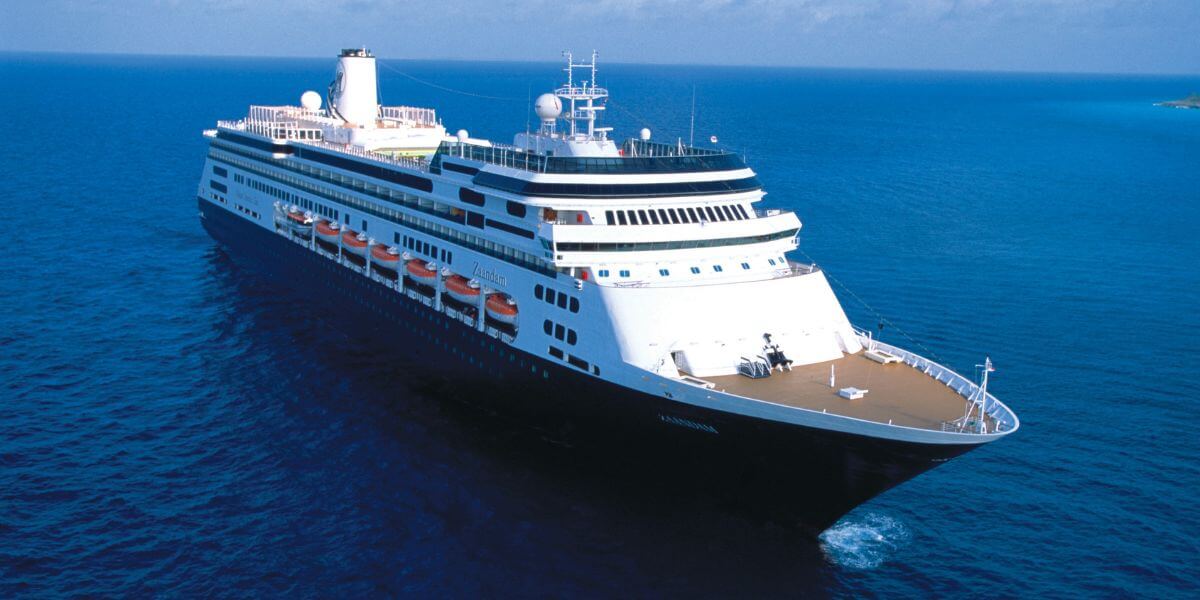
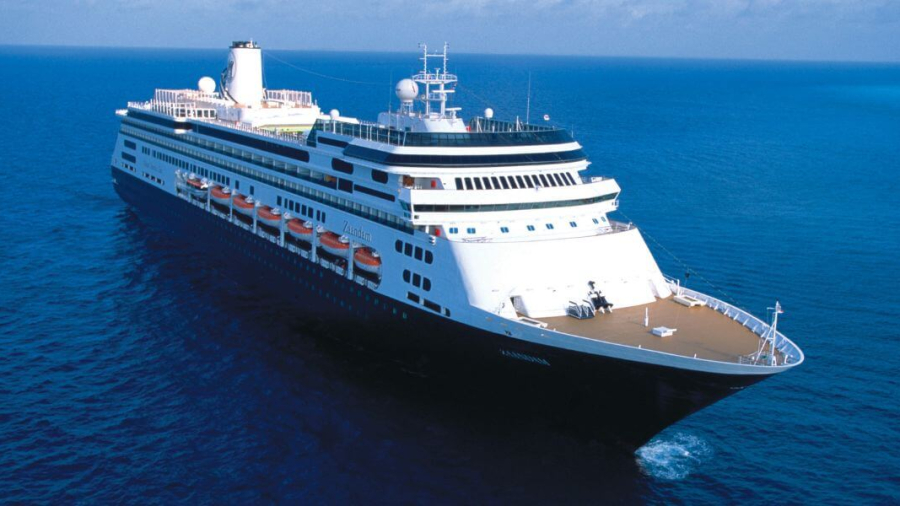
Holland America Line has issued an urgent appeal to guests booked on a summer 2026 Alaska sailing, offering substantial compensation to passengers willing to voluntarily change their plans after the cruise line oversold cabins on the 22nd July 2026 departure aboard Zaandam.

The Seattle-based cruise line is now scrambling to manage the booking error by offering affected passengers a full refund plus a future cruise credit equivalent to the value of their cancelled voyage – essentially providing a complimentary cruise to those willing to step aside. The situation highlights an increasingly common challenge facing the cruise industry as demand for Alaska itineraries continues to surge.

Compensation Package Designed To Encourage Voluntary Rebooking

Holland America Line’s offer to overbooked passengers represents one of the most generous compensation packages seen in recent cruise industry overbooking situations. Passengers who volunteer to change their travel plans will receive a 100 per cent refund of all money paid for the 22nd July 2026 sailing, including their cruise fare, taxes, fees, and any pre-purchased items such as beverage packages, excursions, or speciality dining.

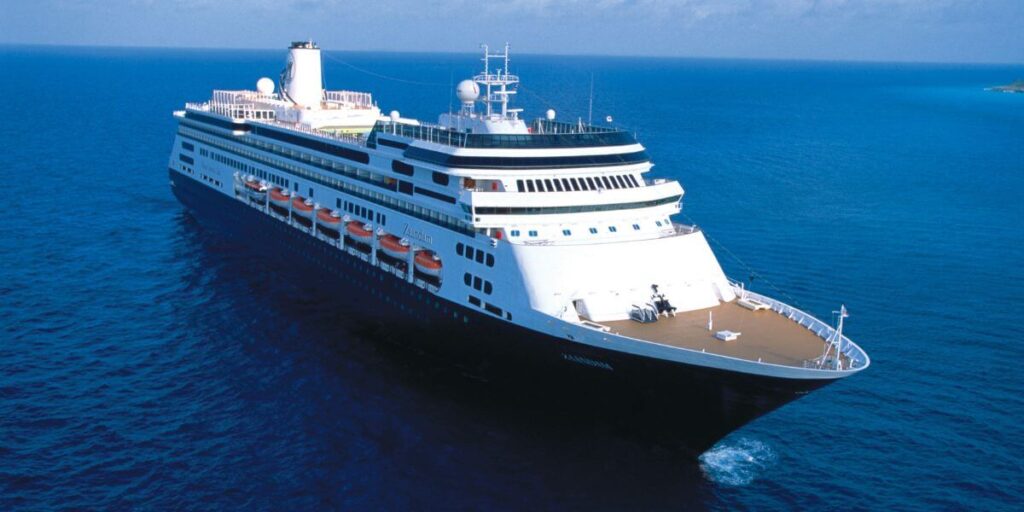
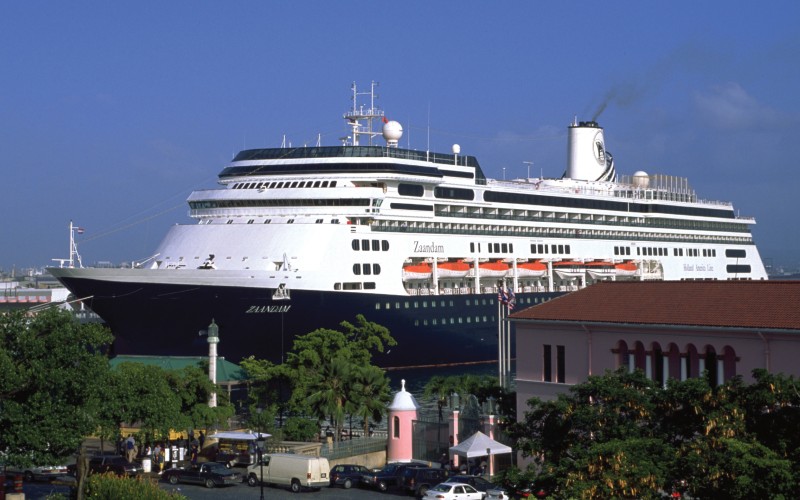
Holland America MS Zaandam

Beyond the full refund, volunteers will also receive a future cruise credit equal to the total amount refunded – effectively doubling their money and providing a free cruise of equivalent value to use on a future Holland America sailing. This credit can typically be applied to any voyage within a specified timeframe, giving passengers considerable flexibility in rebooking.

The cruise line has structured the offer on a first-come, first-served basis, meaning passengers who respond quickly to accept the compensation will be guaranteed the package. Those who delay may find that enough volunteers have already come forward, leaving them on the original sailing without the benefit of the generous offer.

Zaandam’s Alaska Season Proves Unexpectedly Popular

The overbooking situation aboard Zaandam represents a remarkable turnaround for a ship that has faced operational challenges in recent years. The 61,396-tonne vessel, which entered service in 2000, has long been one of Holland America’s smaller and older ships, carrying just 1,432 passengers at double occupancy.

Zaandam underwent significant refurbishment as part of Holland America’s fleet enhancement programme, receiving updates to public spaces, staterooms, and dining venues. These improvements appear to have resonated with passengers, as booking demand for the ship’s Alaska programme has exceeded the cruise line’s expectations.

The 22nd July 2026 departure falls squarely in peak Alaska cruise season, when wildlife viewing opportunities, weather conditions, and daylight hours are at their optimal levels. This prime timing likely contributed to the exceptional booking demand that led to the overselling situation.

Alaska cruises have experienced explosive demand growth following the pandemic recovery period, with cruise lines reporting record booking levels for Glacier Bay transits, Inside Passage routes, and round-trip Vancouver sailings. Holland America Line, which has been sailing to Alaska for more than 75 years, holds a particularly strong position in this market segment.

Industry-Wide Trend Of Overbooking Gaining Attention

The Holland America situation with Zaandam is far from an isolated incident within the cruise industry. Royal Caribbean International has faced similar overbooking challenges on multiple occasions, issuing comparable appeals to passengers with offers of refunds and future cruise credits.

Overbooking has long been a standard practice in the travel industry, employed by airlines, hotels, and cruise lines to maximize revenue and account for expected cancellations. The strategy relies on statistical models that predict a certain percentage of bookings will be cancelled or modified before departure, allowing companies to sell slightly more inventory than physically exists.

However, when cancellation rates fall below projections – often due to improved booking confidence, attractive itineraries, or favourable pricing – companies find themselves with more confirmed passengers than available accommodation. The cruise industry’s overbooking practices have become more visible to consumers in recent years as social media amplifies individual experiences and cruise forums share compensation offers.

Unlike airlines, which can more easily accommodate bumped passengers on subsequent flights within hours, cruise lines face greater logistical challenges. A passenger who gives up their cabin cannot simply board the next day’s sailing, as cruise itineraries operate on weekly schedules with different ports and routes.

How Cruise Lines Manage Oversold Situations

When a cruise line determines that a sailing has been oversold, the company must quickly implement strategies to reduce passenger numbers to match available cabin inventory. The preferred method involves offering voluntary compensation packages that incentivise passengers to reschedule, avoiding the more problematic scenario of involuntarily denying boarding to confirmed guests.

MS Zaandam

Cruise lines typically begin with modest offers and increase compensation levels if insufficient volunteers come forward. Holland America’s immediate offer of a full refund plus equivalent future cruise credit suggests the company is keen to resolve the Zaandam situation quickly and avoid negative publicity.

The first-come, first-served structure creates urgency among passengers who might be flexible with their travel dates. Those with rigid schedules or special occasion celebrations tied to the specific departure will likely decline the offer, whilst passengers with greater flexibility may view the compensation as an attractive opportunity.

If insufficient volunteers accept the offer, cruise lines may increase compensation or begin contacting passengers individually with tailored packages. In worst-case scenarios where voluntary solutions fail, cruise lines may be forced to involuntarily deny boarding to passengers with confirmed reservations – a situation that generates significant customer dissatisfaction and potential legal liability.

The cruise line will also examine its cabin inventory management systems to understand how the overbooking occurred. Whilst some level of overselling is intentional strategy, the magnitude of this situation suggests either unusually low cancellation rates or a booking system error that allowed too many reservations to be confirmed.

Passenger Rights And Expectations In Overbooking Scenarios

Passengers affected by cruise overbooking situations have several important rights and considerations to keep in mind. Those who volunteer to accept compensation packages should carefully review the terms and conditions attached to future cruise credits, including expiration dates, blackout periods, and applicable voyage categories.

Future cruise credits typically must be used within one to two years of issuance and may have restrictions on peak travel periods, specific ships, or destination categories. Passengers should confirm whether the credit can be applied to the cruise fare only or also covers taxes, fees, and port charges – details that significantly affect the practical value of the offer.

Travellers who have purchased non-refundable airfare, hotel accommodation, or shore excursions in conjunction with their cruise face additional complications. Holland America’s standard practice includes reimbursement for reasonable expenses incurred due to cruise line-caused cancellations, though passengers should document all costs and communicate with the cruise line’s customer service department.

Travel insurance policies may or may not cover losses related to cruise line overbooking, depending on the specific policy terms and coverage categories selected. Trip cancellation insurance typically covers cancellations due to passenger circumstances rather than cruise line operational decisions, making it an unlikely source of compensation in this scenario.

Passengers who are denied boarding involuntarily – meaning they did not volunteer to give up their cabin – may have stronger grounds for compensation beyond what the cruise line offers voluntarily. Consumer protection regulations vary by jurisdiction, but involuntary denied boarding typically entitles passengers to more substantial remedies than those who volunteer.

Zaandam’s Historical Context And Fleet Position

Zaandam joined the Holland America Line fleet in May 2000 as the second R-class ship, following sister vessel Rotterdam. The ship was built by Fincantieri’s Marghera shipyard in Italy and represented a significant design evolution for Holland America, introducing larger vessels with expanded amenities whilst maintaining the line’s traditional elegance.

The ship spans 780 feet in length and features 10 passenger decks, with accommodation for 1,432 guests at double occupancy and up to 1,916 at maximum capacity. Zaandam’s interior design pays homage to Dutch musical heritage, with public spaces featuring an extensive collection of guitars signed by legendary musicians including Queen, Eric Clapton, and the Rolling Stones.

Throughout its operational history, Zaandam has sailed diverse itineraries including Panama Canal transits, South America explorations, and seasonal Alaska deployments. The vessel has undergone multiple refurbishment programmes to keep its amenities current with evolving passenger expectations and Holland America’s brand standards.

In recent years, Zaandam gained international attention during the early months of the COVID-19 pandemic when the ship became stranded at sea for weeks with confirmed coronavirus cases aboard. The vessel eventually received humanitarian permission to transit the Panama Canal and disembark passengers in Florida, though the incident remained a challenging chapter in the ship’s history.

The current overbooking situation suggests Zaandam has successfully moved beyond its pandemic-era challenges and regained strong market appeal. Holland America’s decision to deploy the vessel to Alaska – one of the company’s signature destination regions – indicates confidence in the ship’s ability to deliver the premium experience the line’s loyal passengers expect.

Alaska Cruise Market Dynamics And Demand Pressures

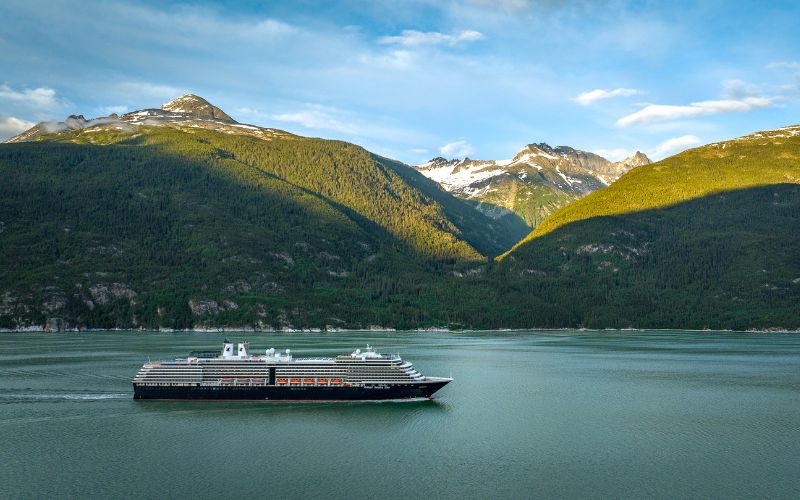
The overbooking of Zaandam’s 22nd July 2026 Alaska sailing reflects broader market dynamics that have made Alaska one of the most competitive and sought-after cruise destinations globally. The region’s dramatic landscapes, abundant wildlife, and cultural attractions draw more than one million cruise passengers annually during the compressed May-to-September season.

Skagway, Alaska

Holland America Line holds a particularly strong position in the Alaska market, operating more ships in the region than most competitors and maintaining its own land-tour infrastructure through Holland America Princess Alaska Tours. The company’s Alaska programme includes exclusive access to proprietary wilderness lodges and motorcoaches that extend cruise vacations into the interior.

Peak summer weeks in July and early August command premium pricing as families with school-age children seek vacation opportunities during traditional holiday periods. The specific 22nd July 2026 departure date falls within this high-demand window, explaining why bookings exceeded available capacity despite the voyage being more than two years away.

Environmental regulations and port infrastructure limitations constrain the number of ships that can operate simultaneously in Alaska, creating supply restrictions that intensify booking competition. Glacier Bay National Park permits only two large cruise ships per day, making itineraries that include this highlight particularly desirable and quick to sell out.

The strong advance booking patterns for Alaska sailings mean cruise lines must manage inventory carefully to avoid both underselling – which leaves revenue on the table – and overselling – which creates the passenger relations challenges Holland America now faces with Zaandam.

Looking Ahead For Holland America And Affected Passengers

Holland America Line now faces the challenge of managing passenger communications, processing volunteer acceptances, and ensuring smooth operations for the eventual sailing with corrected passenger numbers. The cruise line’s customer service teams will field inquiries from affected passengers weighing whether to accept the compensation offer or maintain their original plans.

For passengers who volunteer to give up their cabins, the process of selecting alternative sailings will require coordination with Holland America’s reservations department. The cruise line may offer guidance on comparable Alaska departures with availability, though peak summer dates on popular ships may have limited space.

Those who remain on the 22nd July 2026 Zaandam sailing can expect the cruise line to ensure a positive experience, conscious that the overbooking situation has already created potential goodwill challenges. Holland America’s operational teams will likely be particularly attentive to service delivery and passenger satisfaction on this voyage.

The incident may prompt Holland America Line to review its inventory management practices and overbooking algorithms to reduce the likelihood of similar situations developing on future sailings. Whilst some level of strategic overbooking will likely continue as industry standard practice, the visibility of passenger compensation offers on social media increases reputational risks.

For the broader cruise industry, the Zaandam situation reinforces the importance of transparent communication when operational challenges arise. Cruise lines that proactively offer fair compensation and treat affected passengers with respect typically weather overbooking incidents with minimal long-term brand damage.

TODAY’S BEST CRUISE DEALS!

Don’t miss these offers…

Related Posts

If you found this interesting, please share!


Jenni with Disney Cruise ship at Castaway Cay

A Louisiana woman has been left facing medical bills exceeding $53,500 after suffering a severe injury during a rope swing shore excursion on her inaugural Carnival Cruise sailing. The incident,…

Barcelona with La Sagrada Familia during christmas season

Barcelona city officials have voted to immediately impose the maximum legal tourist tax of €24 per day on cruise passengers making short port calls. This move abandons a planned gradual…

Queen Victoria cruise ship

Cunard has announced an extensive transformation programme for Queen Victoria. The vessel is scheduled to emerge from drydock this autumn featuring refreshed signature spaces, enhanced suite accommodation and new wellness…

A Royal Caribbean passenger has shared her family’s experience after her daughter was twice removed from the ship’s casino despite turning 18 during the cruise, prompting questions over how the…


Source link
emove-the-4.jpg

Royal Caribbean Opens Hidden Secret Garden Bar At Perfect Day At CocoCay


Royal Caribbean has quietly expanded its private island destination in The Bahamas with the opening of a secluded new venue designed for guests looking to escape the busier areas of Perfect Day At CocoCay.

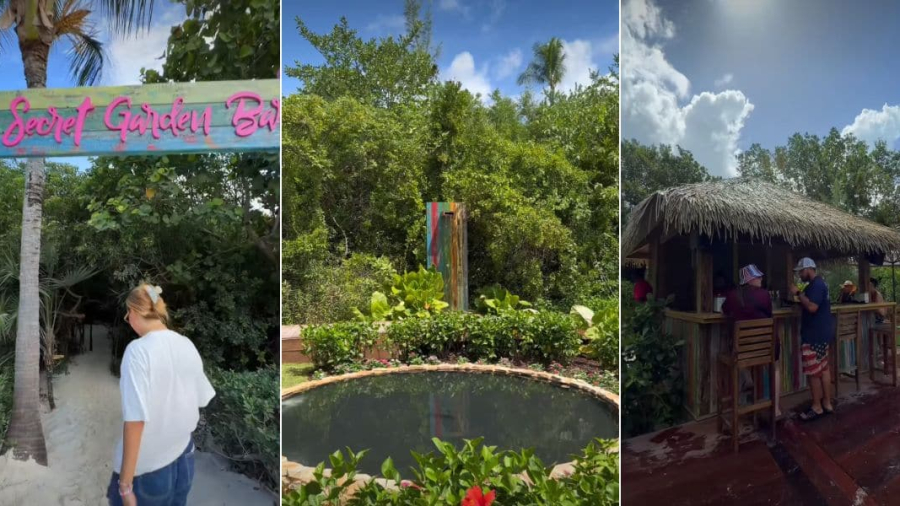
Royal Caribbean Secret Garden Bar at CocoCay

The new Secret Garden Bar opened over the weekend without a formal announcement, introducing a tranquil hideaway featuring shaded seating, tropical landscaping, a small bar and even a selection of books for guests to enjoy during their visit.

Unlike some of the island’s more energetic attractions, the latest addition is aimed at cruisers seeking a quieter experience away from the pools, music and crowds that can be found elsewhere across the destination.

The Secret Garden Bar is located on the northern side of Perfect Day At CocoCay, a private island that features on many Royal Caribbean itineraries throughout the Caribbean and The Bahamas.

Finding The Hidden Retreat

The entrance to the Secret Garden Bar is intentionally understated, with guests entering through an archway before following a sandy pathway into the garden area.

Inside, visitors will find a compact but thoughtfully designed space centred around a wooden boardwalk lined with seating and umbrellas. A reflecting pool runs through the middle of the area, creating a calm atmosphere that contrasts with many of CocoCay’s larger attractions.

At the heart of the garden is a small tiki-inspired bar serving drinks to guests. Seating is limited, with only a handful of bar stools and additional nearby chairs, reinforcing the venue’s intimate feel.

Another distinctive feature is a cosy reading corner complete with a sofa and shelves stocked with books. Guests can relax with something to read, whether they have brought their own book or choose one from the collection available on site.

Signage leading to the Secret Garden Bar can be found along the route towards South Beach, making it accessible while still feeling tucked away from the island’s main pathways.

Included Access For Guests

There is no charge to enter the Secret Garden Bar, although drinks purchased at the venue are charged in the usual way. Guests who have purchased Royal Caribbean’s unlimited beverage package can use it at the bar, as the cruise line’s drink packages are valid throughout Perfect Day At CocoCay.

For visitors looking for an equally peaceful stretch of sand, Cove Beach remains one of the quietest areas on the island. Located beyond South Beach, the beach offers loungers and ocean views without organised entertainment, music or a dedicated bar.

The opening of the Secret Garden Bar further expands the range of experiences available at Perfect Day At CocoCay, which has become one of Royal Caribbean’s most popular destinations thanks to its wide variety of attractions.

The private island combines complimentary beaches, pools and relaxation areas with optional premium experiences including overwater cabanas, the adults-only Hideaway Beach and Thrill Waterpark. Entry to CocoCay itself is included in the cruise fare, with the majority of the island’s attractions also available at no additional cost.

Want the best Royal Caribbean deal?

Get a free quote from Cruise Mummy’s trusted travel agent, with exclusive onboard credit and expert help at no extra cost.

Related Posts

If you found this interesting, please share!


Jenni with Disney Cruise ship at Castaway Cay

A Royal Caribbean passenger has shared her family’s experience after her daughter was twice removed from the ship’s casino despite turning 18 during the cruise, prompting questions over how the…

Brits remain determined to take holidays despite ongoing financial pressures, with almost two-thirds willing to sacrifice everyday treats to save for their next trip, according to new research commissioned by…

Celebration Key Opening Day Carnival

Carnival Cruise Line has marked the first anniversary of Celebration Key on 19th July 2026, revealing that the private Bahamas destination welcomed 2.4 million guests during its inaugural year of…

Maritime technology provider MXP365 has launched a dedicated Babyphone mobile application designed to give parents greater freedom whilst travelling aboard cruise ships with young children. The new app enables secure…


Source link
queenvictoria.jpg

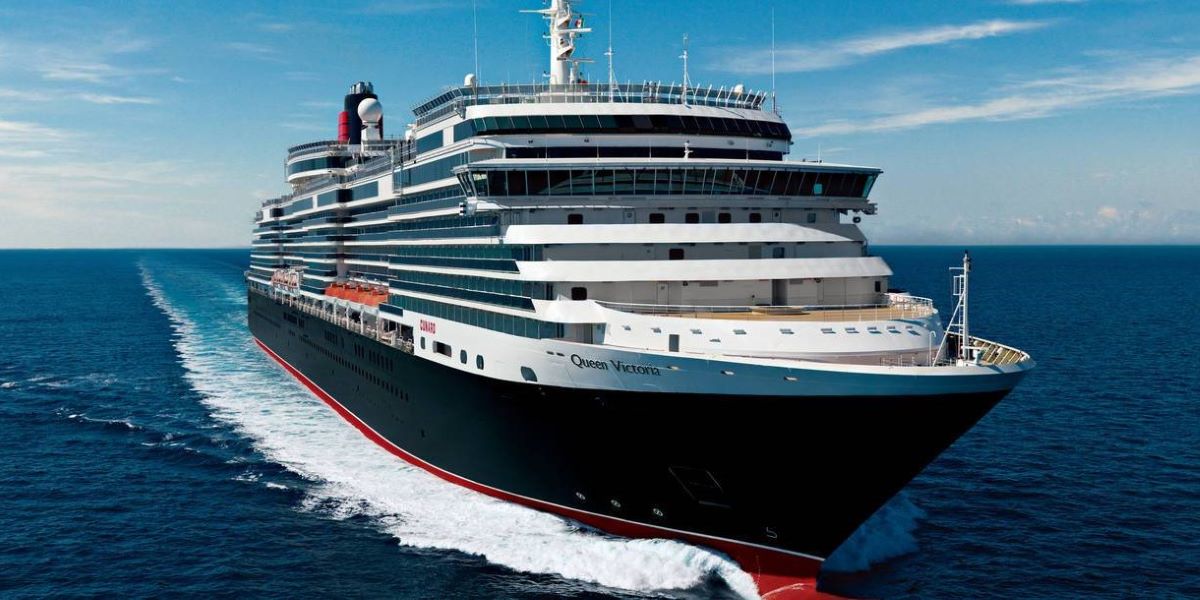
Queen Victoria Enters Drydock For Major Transformation This Autumn


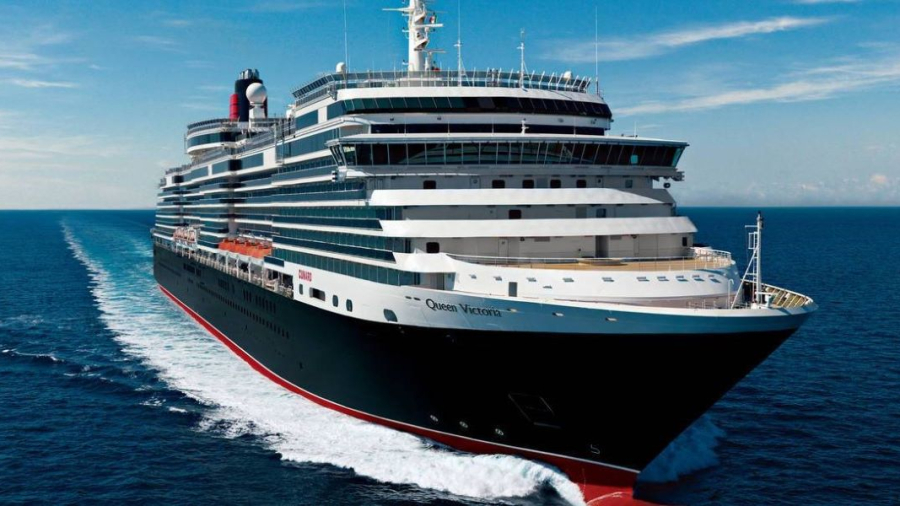
Cunard has announced an extensive transformation programme for Queen Victoria. The vessel is scheduled to emerge from drydock this autumn featuring refreshed signature spaces, enhanced suite accommodation and new wellness dining options.

Queen Victoria cruise ship

The refurbishment will see the ship enter Damen Shiprepair in Rotterdam from 17th October to 5th November 2026. This marks one of the most significant updates to the vessel since her debut in 2007.

The announcement comes as Cunard continues its fleet-wide enhancement strategy. This strategy builds on the successful introduction of Queen Anne in 2024 and ongoing upgrades across the fleet.

Comprehensive Refurbishment Programme Targets Signature Venues

The transformation will focus on Queen Victoria’s most iconic public spaces. It will begin with a complete refresh of the Grand Lobby.

This central atrium serves as the heart of the ship and the first impression for embarking guests. Cunard promises enhancements that will elevate the sense of arrival whilst respecting the vessel’s classic design heritage.

The Queens Room, arguably the most celebrated venue aboard any Cunard vessel, will undergo a complete reimagining. This grand ballroom has long been the centrepiece of the Cunard experience.

It hosts the line’s signature Afternoon Tea service, live orchestral performances and the formal Gala Evenings that define traditional ocean liner travel.

The refreshed Queens Room will maintain its status as the social heart of Queen Victoria. Updates are designed to enhance both daytime and evening programming.

Cunard has indicated that every detail has been carefully considered to preserve the room’s elegant character whilst introducing contemporary refinements that meet modern passenger expectations.

Grills Suite Accommodation Receives Luxury Enhancements

Queens Grill and Princess Grill suites will undergo significant enhancements. Cunard promises sumptuous new furnishings and sophisticated design detailing throughout.

Interior of a Cunard Cruise Queens Grill suite showcasing opulent decor. A king-sized bed adorned with a geometric-patterned red throw and navy blue pillows is centered in the room, complemented by a plush beige sofa and a glass-topped table with a champagne ice bucket and glasses. Rich wood paneling and an orchid arrangement add to the room's luxurious ambiance.
Queens Grill

The Grills concept represents Cunard’s highest tier of accommodation. It offers guests exclusive access to private restaurants, dedicated lounges and enhanced onboard amenities.

The suite refurbishment will introduce updated soft furnishings, refined colour palettes and improved design elements. These will reflect contemporary luxury standards whilst maintaining the classic ocean liner aesthetic that distinguishes Cunard from competitors.

These enhancements come as ultra-luxury and premium cruise lines continue to raise the bar for suite-level accommodation across the industry.

Grills guests represent a significant proportion of Cunard’s most loyal passengers. Many return year after year for world voyages and extended itineraries.

The investment in these accommodations signals Cunard’s commitment to maintaining its position in the competitive luxury cruise market. Suite experiences have become increasingly important to guest satisfaction and revenue generation.

New Britannia Stateroom Category Expands Accommodation Options

Perhaps most significantly for passengers booking standard accommodation, Queen Victoria will introduce eight additional Britannia staterooms as part of the transformation.

These new cabins will include three from a completely new category – Britannia Deluxe Oceanview. They will feature floor-to-ceiling windows offering expansive panoramic ocean views.

Cunard Queen Victoria

This represents a notable shift in cabin design philosophy for Queen Victoria. The ship originally launched with more traditional porthole and picture window configurations typical of vessels designed in the mid-2000s.

The floor-to-ceiling window trend has become increasingly popular across the cruise industry. Passengers demonstrate a strong preference for maximum natural light and unobstructed sea views.

The new Britannia staterooms will become available for booking from 20th July 2025. This is for voyages sailing from 11th November 2026 onwards.

This early release date provides passengers with several months to secure preferred accommodation categories before the ship returns to service with her enhanced configuration.

The addition of new staterooms, whilst modest in number, suggests some reconfiguration of public or technical spaces.

Modern cruise ship refurbishments often identify opportunities to convert previously underutilised areas into revenue-generating accommodation. This is particularly true for premium categories that command higher per-passenger yields.

Pavilion Wellness Café Completes Fleet-Wide Rollout

Queen Victoria will become the third and final Queen in the Cunard fleet to receive The Pavilion Wellness Café. This completes the rollout of this wellness-focused dining concept across the line’s flagship vessels.

The venue first launched aboard Queen Anne in 2024 and was subsequently introduced on Queen Elizabeth during her 2025 refurbishment.

The Pavilion represents Cunard’s response to evolving passenger preferences around health-conscious dining and sustainable food sourcing.

The venue will serve breakfast, lunch and daytime dining with a menu emphasising plant-based cuisine alongside sustainably sourced meat, fish and dairy options.

This wellness-oriented approach reflects broader trends across the cruise industry. Passengers increasingly expect healthy, sustainable and dietary-inclusive options beyond traditional cruise buffet fare.

The Pavilion’s menu design acknowledges the growing proportion of cruisers who follow plant-based diets. This could be for health, environmental or ethical reasons, whilst maintaining options for passengers who prefer traditional protein sources.

The café concept also aligns with Cunard’s broader sustainability initiatives. The emphasis on sustainably sourced ingredients supports the line’s environmental commitments.

As cruise lines face increasing scrutiny over their environmental impact, food sourcing and waste reduction have emerged as key areas.

These areas can demonstrate tangible progress in passenger-facing changes.

President Emphasises Heritage Preservation In Transformation Approach

Katie McAlister, president of Cunard, emphasised the careful balance between enhancement and heritage preservation in announcing the transformation programme.

“We are thrilled to have the opportunity to refine the experiences and spaces the Queen Victoria offers, with every decision approached with deep respect for the heritage and charm that make her who she is,” McAlister stated.

She continued: “From the Grand Lobby to the Queen’s Room, every detail has been thoughtfully considered to ensure the Queen Victoria continues to deliver the timeless luxury she is known and loved for.

We can’t wait to welcome guests back onboard to experience these beautiful enhancements for themselves.”

This messaging reflects Cunard’s awareness of its passenger base. This base includes many traditional cruisers who value the line’s adherence to ocean liner heritage and classic cruise experiences.

Unlike contemporary resort-style cruise ships, Cunard vessels maintain formal nights, traditional afternoon tea, ballroom dancing and other elements that hark back to the golden age of transatlantic travel.

The challenge for any heritage brand undergoing refurbishment lies in modernising facilities and amenities to meet contemporary expectations.

This is while preserving the distinctive character that attracts loyal passengers. McAlister’s comments suggest Cunard has approached this transformation with particular sensitivity to maintaining Queen Victoria’s essential identity.

Queen Victoria’s Service History And Fleet Position

Queen Victoria entered service in December 2007. She is Cunard’s second ship following the introduction of Queen Elizabeth 2’s successor, Queen Mary 2, in 2004.

Originally designed as a Vista-class vessel for Holland America Line, the ship was transferred to Cunard during construction. She was modified to incorporate classic ocean liner design elements.

At approximately 90,000 gross tonnes with capacity for around 2,000 passengers. Queen Victoria occupies the middle position in Cunard’s three-ship fleet.

She is larger than the 90,900-tonne Queen Elizabeth but smaller than the 151,400-tonne Queen Mary 2. The latter remains the only true ocean liner in service and continues to operate regular transatlantic crossings.

The ship has undergone previous refurbishments during scheduled drydock periods. However, the 2026 transformation represents the most extensive update to her public spaces and accommodation.

This investment demonstrates Cunard’s long-term commitment to the vessel. She is expected to remain in service for at least another decade.

Queen Victoria primarily operates Mediterranean and Northern Europe itineraries during summer months. This includes Caribbean, Canaries and world voyage deployments during winter seasons.

Her size and classic styling make her particularly well-suited to European ports. Her elegant profile and traditional design resonate with the continent’s maritime heritage.

Industry Context For Mid-Life Cruise Ship Transformations

The Queen Victoria transformation fits within a broader industry pattern. These mid-life refurbishments are designed to extend vessel lifecycles and maintain competitiveness.

As newbuilds have become increasingly expensive, large cruise ships now cost upwards of one billion dollars. Cruise lines have intensified efforts to refresh and update existing tonnage.

These transformation programmes typically occur when vessels reach 15 to 20 years of age. This is a point at which original furnishings, décor and systems require replacement regardless of operational condition.

Strategic refurbishments allow lines to introduce contemporary amenities and design trends.

This can be done without the massive capital expenditure of newbuild projects. For premium and luxury lines like Cunard, maintaining product quality through regular investment is particularly critical.

Passengers paying premium fares expect facilities that reflect current luxury standards. This is even aboard vessels that may be decades old.

The introduction of trending amenities like wellness dining and floor-to-ceiling windows helps ensure Queen Victoria remains competitive with newer vessels in the premium cruise market.

The timing of Queen Victoria’s transformation also allows Cunard to apply lessons learned from Queen Anne’s introduction. Design refinements were implemented aboard that vessel.

Fleet-wide standardisation of signature venues like The Pavilion creates operational efficiencies. This ensures consistent guest experiences across all three Queens.

Implications For Passengers And Future Bookings

For passengers with existing Queen Victoria bookings during the drydock period, Cunard will likely offer alternative arrangements. This could include transfers to sister ships or future cruise credits.

The relatively brief three-week drydock window from 17th October to 5th November 2026 minimises disruption to the autumn schedule.

Passengers sailing aboard Queen Victoria from 11th November 2026 onwards will experience the transformed vessel. The ship is expected to return to service shortly after completing her Rotterdam drydock.

The timing positions the refreshed Queen Victoria to showcase her new features during the crucial Caribbean season and subsequent world voyage deployment.

The introduction of the new Britannia Deluxe Oceanview category may prompt some passengers with existing bookings in standard Oceanview staterooms to consider upgrading.

Cunard has not yet announced pricing for the new category. However, the floor-to-ceiling windows are likely to command a premium over traditional Oceanview staterooms.

For loyal Cunard passengers who have sailed Queen Victoria previously, the transformation offers an opportunity to experience familiar venues in refreshed form.

They will also discover new additions like The Pavilion. The enhancements may also attract passengers who typically sail aboard Queen Mary 2 or Queen Elizabeth to try Queen Victoria.

This is particularly true for those interested in the new wellness dining options.

The transformation represents a significant moment for Queen Victoria as she approaches her twentieth anniversary. It ensures this elegant vessel remains a cherished member of the Cunard fleet for years to come.

Need Help Booking a Cunard Suite?

Get expert advice on the best suite to book, plus any added perks available on selected cruises.

Related Posts

If you found this interesting, please share!


Jenni with Disney Cruise ship at Castaway Cay

A Royal Caribbean passenger has shared her family’s experience after her daughter was twice removed from the ship’s casino despite turning 18 during the cruise, prompting questions over how the…

Royal Caribbean has quietly expanded its private island destination in The Bahamas with the opening of a secluded new venue designed for guests looking to escape the busier areas of…

Brits remain determined to take holidays despite ongoing financial pressures, with almost two-thirds willing to sacrifice everyday treats to save for their next trip, according to new research commissioned by…

Celebration Key Opening Day Carnival

Carnival Cruise Line has marked the first anniversary of Celebration Key on 19th July 2026, revealing that the private Bahamas destination welcomed 2.4 million guests during its inaugural year of…


Source link
Barcelona-1.jpg

Barcelona Accelerates Cruise Tax to Maximum €24 Per Passenger


Barcelona city officials have voted to immediately impose the maximum legal tourist tax of €24 per day on cruise passengers making short port calls.

This move abandons a planned gradual increase that would have reached that level by 2029. Combined with existing regional fees, cruise visitors will now pay €30 daily – one of the highest such charges in Europe.

Barcelona with La Sagrada Familia during christmas season

This increase comes as the Spanish city intensifies efforts to combat overtourism and redirect cruise traffic toward homeporting operations.

Dramatic Tax Hike Approved by Barcelona Finance Commission

The decision to accelerate the tax increase was finalized during a meeting of Barcelona’s Economy and Finance Commission on 15th July 2026, according to local news outlet Metropoli Abierta.

The move represents a significant departure from the city’s original timeline, which called for a measured approach to raising cruise passenger fees over several years.

Under the previous plan, Barcelona’s municipal cruise tax stood at just €4 per person and was scheduled to double to €8 in 2025.

From there, the tax would have incrementally increased each year until reaching the legal maximum of €24 in 2029. By jumping directly to the maximum rate, city leaders are signaling an urgent desire to address what they describe as unsustainable levels of cruise tourism.

The new €24 municipal tax will be collected in addition to a pre-existing €6 regional government fee charged by Catalonia.

This brings the total daily tax burden for short-stay cruise passengers to €30 per person – equivalent to approximately $34.24 in US currency.

The combined charges make Barcelona one of Europe’s most expensive cruise destinations from a taxation perspective.

Short Port Calls Targeted While Homeporting Passengers Exempt

The structure of Barcelona’s new tax regime reveals the city’s strategic priorities. The €24 daily charge applies specifically to cruise passengers visiting Barcelona for fewer than 12 hours.

These passengers typically arrive on ships making single-day port calls as part of Mediterranean itineraries.

Barcelona

Homeporting passengers, however, will remain exempt from the increased tax. These are cruise guests who begin or end their voyages in Barcelona, often spending additional nights in hotels and generating more substantial economic impact through dining, shopping, and tourism activities beyond the immediate port area.

This exemption underscores Barcelona’s intention not to eliminate cruise tourism entirely, but rather to reshape it in favor of longer-staying visitors who contribute more to the local economy.

This approach aims to create less concentrated impact on the city’s infrastructure and residents. Homeporting operations also generate employment at the port itself, including provisioning, maintenance, and logistical services that benefit local businesses.

The tax structure creates a financial incentive for cruise lines to consider Barcelona as a turnaround port rather than a port of call.

Whether this approach will successfully shift operational patterns remains to be seen. Cruise line deployment decisions involve complex considerations, including airline connectivity, hotel capacity, and existing terminal facilities.

Collection and Implementation Timeline

Though individual passengers are technically responsible for the tax, cruise lines typically collect these charges on behalf of their guests and remit payment to local authorities.

The fees generally appear as part of the taxes and port charges section of cruise fare breakdowns, often paid before passengers even board their ships.

Whilst Barcelona’s city council has approved the immediate implementation of the €24 tax, the measure must still be formally enacted into law.

Local officials expect this legislative process to conclude during fiscal meetings scheduled for the end of 2026, after which the new tax rate will take effect.

This timeline gives cruise lines several months to adjust their fare structures, update booking systems, and communicate the increased costs to passengers who have already reserved Mediterranean cruises calling at Barcelona.

The advance notice also allows travelers to make informed decisions about whether to proceed with bookings or consider alternative itineraries.

City Leaders Cite Unsustainable Overcrowding

Supporters of the dramatic tax increase have justified the measure by pointing to what they characterize as unsustainable levels of cruise tourism in Barcelona.

City officials argue that the sheer volume of cruise passengers arriving on short port calls creates overwhelming pressure on the city’s historic center, public transport systems, and popular attractions.

Barcelona new terminal

Barcelona currently welcomes nearly 4 million cruise passengers annually, making it one of the busiest cruise ports in the Mediterranean and indeed all of Europe.

On peak days during the summer season, multiple large cruise ships can simultaneously disgorge thousands of passengers into the city’s narrow medieval streets and waterfront areas.

Local authorities are simultaneously discussing an annual passenger cap of 3.5 million cruise visitors. Such a limit would represent a reduction of approximately 500,000 passengers from current volumes – a significant decrease that would require either fewer ship calls or restrictions on vessel size.

The debate over cruise tourism in Barcelona reflects broader tensions between the economic benefits of tourism and quality of life concerns for residents.

Whilst cruise ships bring revenue to port operators, taxi drivers, tour operators, and merchants, locals have increasingly complained about crowded public spaces, rising housing costs driven by short-term holiday rentals, and a sense that their city has been transformed primarily for visitor consumption.

Previous Measures to Reduce Cruise Impact

The new tax represents only the latest in a series of measures Barcelona has implemented to manage cruise tourism.

In recent years, the city has taken several concrete steps to limit the impact of cruise operations on residents and the urban environment.

Previously, Barcelona implemented a partial cruise ban prohibiting vessels from docking at the Northern docks, spanning from Muelle Barcelona Norte to the World Trade Centre.

This restriction was primarily designed to reduce air pollution in the city center, as cruise ships berthed closer to residential neighborhoods were identified as significant contributors to local air quality problems.

In 2025, the city reduced the number of operational cruise terminals at Barcelona’s Adossat Wharf from seven to five.

This physical limitation on berthing capacity directly constrains the number of ships that can call simultaneously, helping to prevent the most extreme overcrowding situations during peak season.

Looking ahead to 2030, Barcelona plans a major infrastructure overhaul that will see terminals A, B, and C demolished and replaced with a single larger, more modern cruise terminal.

This consolidation reflects an effort to modernize port facilities whilst maintaining – or even reducing – overall capacity, prioritizing efficiency and environmental performance over pure passenger throughput.

Barcelona Part of Wider European Anti-Cruise Movement

Barcelona’s aggressive stance on cruise tourism places it within a growing movement across European destinations seeking to limit or reshape cruise operations.

Numerous Mediterranean and Atlantic ports have implemented similar measures, reflecting widespread concerns about overtourism and its impacts on historic cities and fragile island environments.

Within Spain itself, other popular cruise destinations have imposed their own restrictions. The island of Ibiza now limits port access to a maximum of two cruise ships at any one time.

Palma, the capital of Majorca, has established a daily cap of three cruise ships, with the additional stipulation that only one of those vessels can be a mega-ship carrying more than 5,000 passengers.

The Greek Islands, which have experienced particularly acute overtourism challenges at destinations like Santorini and Mykonos, implemented a seasonal cruise tax that took effect during the summer of 2025.

These charges vary by island and season, with higher fees applied during peak months when visitor pressure is most intense.

Italy has introduced various measures at popular cruise destinations including Venice, which has banned large cruise ships from the historic lagoon entirely, redirecting them to an industrial port.

France has considered similar restrictions for sensitive coastal areas, whilst Croatia has implemented passenger limits at Dubrovnik, one of Europe’s most overwhelmed medieval cities.

The Netherlands has taken a different approach, with Amsterdam restricting cruise ship visits and the size of vessels that can call at the city center terminal.

These diverse measures reflect a common theme: European destinations that once eagerly courted cruise tourism are now grappling with its consequences and seeking more sustainable models.

Implications for Mediterranean Cruise Itineraries

The dramatic increase in Barcelona’s cruise passenger tax will have tangible implications for Mediterranean cruise pricing and itinerary planning.

For a family of four on a seven-night Western Mediterranean cruise calling at Barcelona for a day, the new tax adds €96 (approximately $110) to the total holiday cost – a significant increase that may influence booking decisions.

Cruise lines face several options in response. They can absorb some or all of the increased cost to remain competitive, though this would reduce already thin profit margins on European deployments.

Alternatively, they can pass the full tax increase to passengers, potentially making Barcelona itineraries less attractive compared to cruises visiting alternative ports.

Some cruise lines may choose to reduce the frequency of Barcelona calls or eliminate the destination entirely from certain itineraries, instead featuring Spanish alternatives such as Valencia, Malaga, or Cartagena.

Others might pivot toward homeporting operations in Barcelona to avoid the tax whilst still serving the valuable Spanish market.

The broader question is whether Barcelona’s approach will prove effective in achieving its goals.

If the tax successfully reduces short port calls whilst encouraging homeporting, it could be viewed as a model for other overtourished destinations.

However, if cruise lines simply redirect passengers to other Spanish ports, Barcelona may lose tourism revenue without achieving meaningful relief from overcrowding.

Industry Response and Passenger Sentiment

The cruise industry has historically opposed punitive taxation measures, arguing that cruise tourism brings substantial economic benefits to port cities through shore excursions, local spending, and port-related employment.

Industry bodies such as the Cruise Lines International Association (CLIA) maintain that cruise passengers contribute significantly to local economies.

They argue that excessive taxation ultimately harms the businesses that depend on cruise visitors.

From the passenger perspective, the increased tax is likely to generate frustration, particularly among cruise enthusiasts who view port charges and taxes as already excessive.

Online cruise forums and social media groups have seen growing complaints about the cumulative effect of various fees, with some passengers questioning whether Mediterranean cruises still represent good value.

However, passenger sentiment is not monolithic. Some cruise travelers express understanding for destinations seeking to manage overtourism, particularly those who have personally witnessed the crowds at popular ports during peak season.

There is growing awareness within the cruise community that sustainable tourism practices may require accepting higher costs or visiting alternative destinations.

For Barcelona residents, the tax increase is generally welcomed by those who have felt overwhelmed by tourism.

Though, some business owners dependent on cruise visitors have expressed concern about potential revenue losses.

This divide between residents and tourism-dependent businesses is common in overtourished destinations worldwide and reflects the complex trade-offs involved in tourism management.

TODAY’S BEST CRUISE DEALS!

Don’t miss these offers…

Related Posts

If you found this interesting, please share!


Jenni with Disney Cruise ship at Castaway Cay
Queen Victoria cruise ship

Cunard has announced an extensive transformation programme for Queen Victoria. The vessel is scheduled to emerge from drydock this autumn featuring refreshed signature spaces, enhanced suite accommodation and new wellness…

A Royal Caribbean passenger has shared her family’s experience after her daughter was twice removed from the ship’s casino despite turning 18 during the cruise, prompting questions over how the…

Royal Caribbean has quietly expanded its private island destination in The Bahamas with the opening of a secluded new venue designed for guests looking to escape the busier areas of…

Brits remain determined to take holidays despite ongoing financial pressures, with almost two-thirds willing to sacrifice everyday treats to save for their next trip, according to new research commissioned by…


Source link
Royal-Caribbean-Casino-Royale.jpg

Royal Caribbean Birthday Casino Dispute Sparks Debate Over Mid-Cruise Age Policies


A Royal Caribbean passenger has shared her family’s experience after her daughter was twice removed from the ship’s casino despite turning 18 during the cruise, prompting questions over how the cruise line applies age-related policies when guests celebrate milestone birthdays while at sea.

Royal Caribbean Casino Royale

According to the lengthy social media post, the family booked the sailing specifically to celebrate their daughter’s 18th birthday before she left for college, with gambling legally in the ship’s casino forming the centrepiece of the celebration.

The family said they spent more than $10,000 on the holiday and contacted Royal Caribbean several times before sailing to clarify how turning 18 during the voyage would affect casino access.

The passenger said she was repeatedly instructed to visit Guest Services once onboard.

After midnight on her daughter’s birthday, Guest Services reportedly updated her SeaPass card to reflect her new adult status and confirmed she was now eligible for age-restricted activities, including issuing a ticket for an adults-only onboard event.

Believing the same status would apply across the ship, the family visited the casino shortly after midnight. However, after playing for around an hour, the teenager was escorted from the casino after her parents had returned to their stateroom.

The following morning, the passenger said Guest Services advised that casino systems sometimes took several hours to update following a birthday and suggested returning later that day.

When the teenager returned after lunch, she was again removed from the casino, this time from a craps table in view of other guests.

Conflicting Guidance Between Departments

The passenger said she escalated the matter through casino management, where she was allegedly told eligibility to gamble was determined by a guest’s age on embarkation day rather than their actual age during the sailing.

Slot machines of Casino Royale

According to the post, she asked where that policy was published but was unable to find wording matching that explanation within Royal Caribbean’s publicly available Casino Royale FAQs or International Age Policy.

She argued that the published casino policy simply states that guests aged 18 or over may gamble on Caribbean itineraries, while the cruise line’s wider age policy explains that guests celebrating milestone birthdays during a cruise can receive updated age-based privileges for the remainder of the voyage.

The passenger said those two policies appeared inconsistent with the way the casino was applying the rules.

She also claimed a casino manager told her a similar situation had occurred just weeks earlier involving another guest.

Guest Services later offered complimentary speciality dining and Royal Caribbean merchandise as a goodwill gesture, according to the post, but the family declined.

With only one full day of the cruise remaining, the passenger said the casino contacted the family to confirm the decision had been reversed and her daughter would be allowed to gamble after all.

However, she said casino staff explained the onboard system was unable to award Casino Royale loyalty points in this specific circumstance because of a technical limitation.

The passenger suggested the issue may have been caused by the casino’s internal systems rather than a written guest policy, adding that she appreciated the decision being overturned but believed it should not have required multiple escalations or two public removals from the casino.

She concluded by urging Royal Caribbean to clarify its policy for guests celebrating milestone birthdays during a sailing, recommending that families request written confirmation before travelling if similar situations are important to their plans.

Story Divides Cruise Community

The post quickly attracted hundreds of comments, with many readers focusing on the apparent inconsistency between Guest Services and casino staff.

Some commenters said the passenger had highlighted a genuine issue, arguing that different departments should provide consistent guidance and that Royal Caribbean should clearly publish any embarkation-day age restrictions if they exist.

Slot machines of Casino Royale

Others said the cruise line ultimately corrected the situation, but agreed clearer policies would help avoid confusion for future passengers celebrating birthdays onboard.

However, the story also generated significant criticism.

The original post was later shared in the popular Facebook group Entitlement of the Seas, where members repost cruise-related stories they believe demonstrate unreasonable passenger behaviour.

Many commenters there questioned whether gambling should have been the focus of an 18th birthday celebration, while others argued the family could simply have booked a cruise departing after the birthday to avoid any uncertainty.

Several also suggested the issue did not justify the length of the original post, with some describing it as an overreaction.

Others defended the passenger, saying the discussion was less about gambling itself and more about receiving conflicting information from different departments after repeatedly seeking clarification before and during the cruise.

At the time of writing, Royal Caribbean has not publicly commented on the incident.

Want the best Royal Caribbean deal?

Get a free quote from Cruise Mummy’s trusted travel agent, with exclusive onboard credit and expert help at no extra cost.

Related Posts

If you found this interesting, please share!


Jenni with Disney Cruise ship at Castaway Cay

Royal Caribbean has quietly expanded its private island destination in The Bahamas with the opening of a secluded new venue designed for guests looking to escape the busier areas of…

Brits remain determined to take holidays despite ongoing financial pressures, with almost two-thirds willing to sacrifice everyday treats to save for their next trip, according to new research commissioned by…

Celebration Key Opening Day Carnival

Carnival Cruise Line has marked the first anniversary of Celebration Key on 19th July 2026, revealing that the private Bahamas destination welcomed 2.4 million guests during its inaugural year of…

Maritime technology provider MXP365 has launched a dedicated Babyphone mobile application designed to give parents greater freedom whilst travelling aboard cruise ships with young children. The new app enables secure…


Source link

Jenni-on-Ambassador-Cruise.jpg

Brits Still Prioritise Holidays Despite Cost Pressures, New Cruise Line Research Finds


Brits remain determined to take holidays despite ongoing financial pressures, with almost two-thirds willing to sacrifice everyday treats to save for their next trip, according to new research commissioned by Ambassador Cruise Line.

Jenni on Ambassador Cruise

The survey of 2,043 UK adults found that 65% would cut back on non-essential spending such as eating out, hobbies and trips to the cinema in order to afford a holiday, highlighting the continued importance of travel even as households face rising living costs and economic uncertainty.

While demand for holidays remains strong, affordability is playing an increasingly significant role in booking decisions.

More than half of respondents (51%) said the cost of a destination is one of the biggest influences when choosing where to travel, with flight prices cited by 38% as the biggest obstacle to booking a holiday in 2026. Accommodation costs followed closely behind, with 31% identifying hotel prices as a major barrier.

Value For Money Driving Holiday Choices

The research suggests that getting the best possible value has become the UK’s top purchasing priority. Half of those surveyed (50%) said value for money is the most important factor when making purchases, favouring holidays that include accommodation, meals and entertainment, or those offering discounts and added extras.

a couple booking their cruise together on a hotel bed

Despite increasing attention on environmental sustainability across the travel industry, relatively few consumers appear to be making travel decisions based on environmental concerns. Just 8% of respondents said a holiday’s environmental impact influences their choice of destination or holiday type, making it one of the least significant considerations across every age group surveyed.

Even with continued geopolitical uncertainty and cost of living pressures, three-quarters of respondents said they intend to book their next holiday rather than delaying plans to see how conditions develop.

Older travellers appeared particularly confident. Around 30% of those aged 55 and over said they have already booked their next holiday, demonstrating a willingness to continue travelling regardless of wider economic or global events.

Ambassador guests

The research also highlighted notable differences between age groups when it comes to perceived travel barriers. Only 4% of those aged 55 and above said language differences discourage them from booking overseas holidays, compared with 15% of 18 to 24-year-olds, suggesting younger travellers are significantly less confident about navigating foreign languages.

Younger Travellers Influenced By Heatwaves And Social Media

With the UK experiencing its third heatwave of the summer, younger adults were found to be far more likely to change their holiday plans because of rising temperatures.

Among respondents aged 18 to 24, 35% said recent hot weather had influenced their travel plans, while 41% said they were considering a “coolcation” in destinations with milder climates, such as Northern Europe or the Nordic countries.

Norwegian Fjords

By comparison, just 3% of those aged 65 and over said recent heatwaves had affected their plans, while 90% said they intended to stick with their existing staycation or overseas holiday regardless of the weather.

Travel inspiration also varies significantly between generations. Nearly half (46%) of people aged over 45 still rely primarily on traditional search engines when researching holidays, while almost one-third (31%) continue to seek advice from travel agents.

Among adults aged between 18 and 44, however, social media has become the dominant source of travel inspiration, with 65% saying they use social platforms rather than more traditional channels. That figure falls to 24% among travellers aged 45 and above.

Ambassador in Norway

Artificial intelligence has yet to become a mainstream travel planning tool. Overall, just 14% of respondents said they use AI to generate holiday ideas, although usage rises to 19% among those aged 18 to 44, compared with 9% of people aged 45 and over. Meanwhile, word of mouth remains particularly influential among those aged 45 to 64, while newspapers continue to provide travel inspiration for 16% of respondents aged 65 and above.

“A holiday abroad – once seen as the height of luxury – has clearly become a modern-day necessity for many. So long as they can guarantee value, Brits are willing to make everyday sacrifices because they recognise the benefits that travel brings – whether that’s spending quality time with loved ones, exploring new destinations or simply switching off from the busyness of modern-day life.

“This is particularly true of the older demographic who show greater confidence and willingness to travel despite geopolitical uncertainty and perceived barriers such as language differences, elevated costs of land-based accommodation in Europe or flight disruptions.

“Amidst the backdrop of the ever-rising cost of living, value – or ‘bang for your buck’ – is of even greater importance. As such, holidaymakers would do well to explore alternative types of holiday rather than sticking with the traditional hotel and flight itineraries which are proving the biggest barriers due to affordability and unreliability. No-fly cruises, for example, can offer fantastic value for money – thanks to affordable yet memorable itineraries, a mix of inclusive amenities, destination experiences and ‘all in’ pricing incorporating bed, board and entertainment.”

Christian Verhounig, CEO of Ambassador Cruise Line

Ambassador Cruise Line commissioned the survey through Mortar Research UK in July 2026, with responses gathered from 2,043 people across the UK.

Get an exclusive 5% off Ambassador cruises with my code CRUISEMUMMY

Treat yourself with this code – works on all cabin categories including solo fares! Terms apply.

Related Posts

If you found this interesting, please share!


Jenni with Disney Cruise ship at Castaway Cay
Celebration Key Opening Day Carnival

Carnival Cruise Line has marked the first anniversary of Celebration Key on 19th July 2026, revealing that the private Bahamas destination welcomed 2.4 million guests during its inaugural year of…

Maritime technology provider MXP365 has launched a dedicated Babyphone mobile application designed to give parents greater freedom whilst travelling aboard cruise ships with young children. The new app enables secure…

Storm clouds

A tropical depression forming in the northeastern Gulf of Mexico is poised to disrupt cruise operations along the US Gulf Coast this week. Vessels sailing from New Orleans and Galveston…

A Carnival Cruise Line guest has gone viral after claiming her family’s holiday was disrupted when crew allegedly confiscated an unusual personal hygiene item inspired by ancient Roman practices. Heather…


Source link