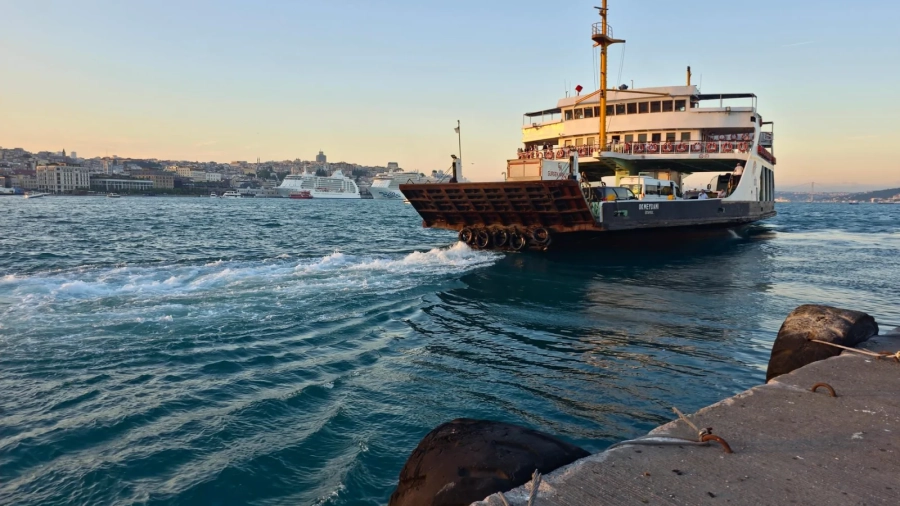
A harbor pilot is a highly experienced local mariner who climbs aboard a ship near the entrance to a port and guides it through the channel, alongside the berth and back out to sea again. On a cruise ship, the captain stays in command, but the pilot brings detailed knowledge of local tides, currents, traffic and hazards that no visiting crew could match. In most major ports in the US, the UK and elsewhere, taking a pilot is a legal requirement for large ships.
Free: download our 2027 Luxury Cruise Calendar →
If you have ever seen someone scramble up a rope ladder on the hull at dawn, you have seen a harbor pilot (harbour pilot in the UK) at work. Here is what they do and what to watch for on your next sailaway.
What is a harbor pilot?
A harbor pilot, also called a maritime pilot, marine pilot or ship pilot, is a mariner with specialist knowledge of one particular stretch of water. The International Maritime Pilots’ Association describes pilots as highly trained experts in navigating ships in specific waters, with extensive knowledge of local conditions.
Pilots are not part of the ship’s crew. They work for, or are licensed by, a local pilotage organization and board each vessel for one job: bringing it in, taking it out, or moving it between berths.
Why ports make pilotage compulsory
Even the most experienced cruise captain might call at a given port only a handful of times a year. Local pilots handle these waters every day, in every kind of weather. That is why most busy ports make pilotage compulsory for ships over a certain size.
In the US, the American Pilots’ Association notes that each of the 24 coastal states runs its own compulsory pilotage system, with pilotage fees set by government and paid mainly by foreign-flag shipping. Since nearly all large cruise ships are registered abroad, the pilot who boards in Miami, Galveston or Seattle is normally a state-licensed pilot. US-flag ships in domestic (coastwise) trade fall under a separate federal pilotage system overseen by the US Coast Guard, which also oversees pilotage on the Great Lakes.
In the UK, the Pilotage Act 1987 gives Competent Harbour Authorities (CHAs) the duty to decide whether pilotage should be compulsory in their area and to authorise the pilots who work there. The UK Maritime Pilots’ Association represents around 500 pilots, which it says is over 80% of the UK’s authorised pilots.
How do pilots board ships?
Boarding is one of the riskier routines in shipping. There are three main methods.
- Pilot boat and pilot ladder. By far the most common. A fast, sturdy pilot boat comes alongside the moving ship, which slows down and creates a sheltered “lee” on one side. The pilot steps from the boat onto a rope ladder with wooden steps hanging down the hull, then climbs up to an open shell door or the deck. Under international SOLAS rules, a pilot should not have to climb more than 9 metres (about 30 feet) on the ladder alone; for higher freeboards, a combination of pilot ladder and the ship’s accommodation ladder (a stairway lowered down the side) is used.
- Through a shell door. Many cruise ships have a dedicated pilot door low in the hull, so the climb is short and the pilot steps straight into a crew area before being escorted up to the bridge.
- By helicopter. In some places, such as parts of Norway and northern Europe, pilots can be lowered by helicopter when sea conditions or distances make a boat transfer impractical. The Norwegian Coastal Administration says its pilots board by pilot boat or helicopter at designated points along the coast.
Boarding has caused serious accidents, often linked to badly rigged or poorly maintained ladders. In June 2025 the International Maritime Organization (IMO) adopted amendments to SOLAS Regulation V/23 and new performance standards for pilot transfer arrangements. According to classification society DNV, these apply to all pilot transfer arrangements from 1 January 2028, with existing ships needing to show compliance at their first survey on or after 1 January 2029.
Who is in charge: the captain or the pilot?
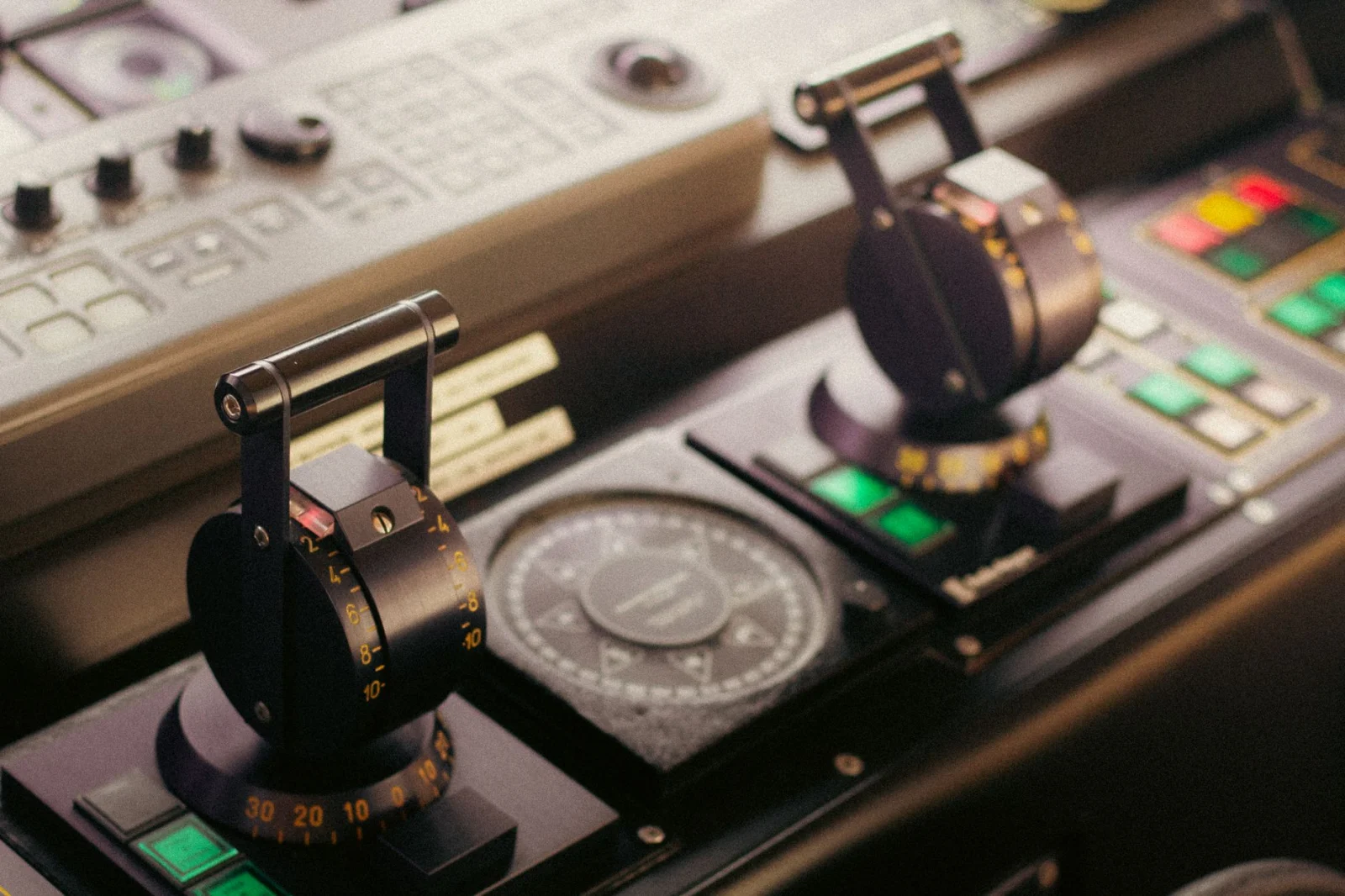
This is one of the most common questions cruise passengers ask. In almost every port, the answer is that the master (captain) remains in overall command and keeps legal responsibility for the ship. The pilot advises and, by agreement, often gives the helm and engine orders, but the captain can step in or overrule at any time if they believe the ship is at risk. IMO guidance on pilots (Resolution A.960) is clear that having a pilot aboard does not relieve the master or the officer of the watch of their duties.
There is a notable exception. In the Panama Canal, the canal authority says it takes control of each vessel during its transit, and its pilots board and steer all vessels from start to finish. Panama Canal pilots therefore have a level of authority that goes further than that of a typical harbor pilot.
The master-pilot exchange
When the pilot reaches the bridge, the first job is a structured conversation known as the master-pilot exchange. It usually covers:
- The planned route, speed and turning points, and where the ship will berth or swing
- The ship’s handling details: draft, engine and thruster power, any defects
- Tides, current, wind and expected traffic
- How many tugs will be used, where they will attach, and how lines will be handled
Ships carry a “pilot card” summarising their key data, and modern pilots often bring their own portable navigation unit (a laptop or tablet with precise positioning) to cross-check the ship’s systems.
Tugs and bridge teamwork
Modern cruise ships have powerful bow thrusters and pod propulsion, so many can berth without tugs in calm conditions. In strong wind, narrow basins or where local rules require it, the pilot will usually coordinate one or more tugs by radio. On the bridge, the captain, the officer of the watch, the helmsman and the pilot all have defined roles, with orders repeated back aloud so everyone knows what is happening.
How to become a harbor pilot: training and licensing
| Region | Who licenses pilots | Typical route in |
|---|---|---|
| United States (foreign-flag ships) | Individual coastal states, often via a state pilot board | Years as a licensed ship’s officer, a competitive exam, then a multi-year apprenticeship on the local waterway |
| United States (US-flag coastwise ships) | US Coast Guard (federal pilotage endorsement) | Licensed mariner plus route-specific trips and exams |
| United Kingdom | Competent Harbour Authorities, such as port authorities | Experienced officer or master, then local training and graded authorisations by ship size |
| Norway | Norwegian Coastal Administration (state pilot service) | Experienced mariners trained into the state pilot service |
Florida is a good example of the US model. The Florida Harbor Pilots Association says candidates must be US citizens aged at least 21 with at least two years of sea service as a licensed officer and a suitable license, then pass a demanding exam on seamanship and detailed port knowledge. Successful candidates become deputy pilots for a training period of two to three years, gradually handling larger vessels, before sitting a further exam for a full license. In the UK, the UKMPA notes that it typically takes about 10 years of experience before a pilot is cleared for the largest and most challenging ships.
Harbor pilot salary: how much do pilots earn?
Pay varies hugely by port, workload and how pilots are organised. Many US pilots work as members of self-governing associations rather than as salaried employees, and income at the busiest ports has been widely reported in the hundreds of thousands of US dollars a year. Business Insider reported in 2024 that harbor pilots can earn around $434,000 a year. Treat any figure as a rough guide: rates are set by regulators and vary widely between ports and countries.
Famous pilotage areas for cruise ships
- Southampton, UK. Britain’s busiest cruise port sits at the head of a winding approach past the Isle of Wight, with a tight turn near Calshot and strong tidal influence. Big ships rely on local pilots and often tugs to make the turn and swing off the berth.
- Miami and Port Everglades, Florida. Narrow cuts, busy cruise terminals with many ships arriving on the same morning, and crosswinds make these classic harbor pilot territory. Florida’s state-licensed pilots handle the traffic.
- Panama Canal. Canal pilots take control for the whole transit, working with locomotives at the older locks and tugs at the newer, larger locks.
- Alaska’s Inside Passage and Puget Sound. The Southeast Alaska Pilots’ Association says it typically sends two pilots to a cruise ship, each staying aboard for an average of 3 to 11 days, boarding at a station south of Ketchikan and leaving at Cape Spencer. Ships sailing from Seattle take Puget Sound pilots for the inland waters.
- Norwegian fjords. Norway’s state pilot service has just under 300 active pilots and some 25 pilot stations. If you are planning one of the Norwegian fjords cruises from the UK, you will almost certainly have a Norwegian pilot on the bridge as you thread the narrow fjords. The same applies on Northern Lights cruises from the UK heading up the coast towards Tromsø and the Arctic.
What passengers can watch for
Watching the pilot handover is one of the best free shows on a cruise. Here is what to look out for:
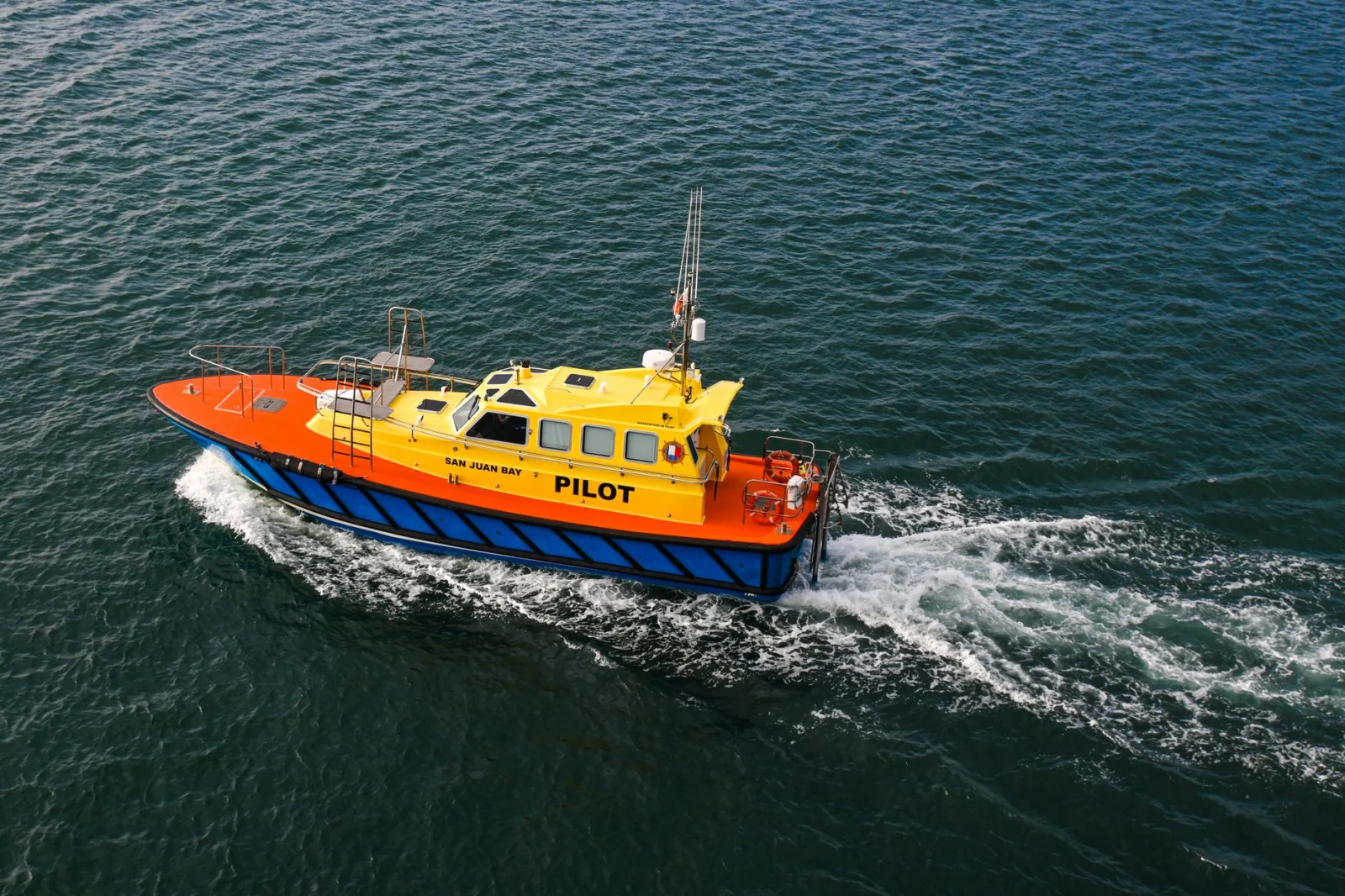
- The pilot boat. Usually brightly painted, often orange, red or black, and marked “PILOT” in large letters. Arrivals are frequently early in the morning, so set an alarm and head to an open deck low down on the side the boat approaches.
- The ladder and pilot door. Crew rig the pilot ladder and open the shell door shortly before the boat arrives.
- Flag H. Once the pilot is aboard, the ship may fly the international code flag “H” (vertical red and white halves), meaning “I have a pilot on board”.
- Pilot boat lights at night. A pilot vessel on duty shows a white light above a red light.
- The drop-off on departure. On the way out, the pilot leaves the same way, often at speed in open water. The ship then picks up speed for the open sea.
Some lines show the bridge view on the cabin TV, which lets you follow the approach. If you are still choosing a sailing, browsing cruise deals for 2027 with scenic approaches such as fjords, Alaska or the Panama Canal in mind is a good way to see expert pilotage up close.
FAQs
What does a ship pilot do?
A ship pilot boards a vessel near a port or waterway and advises the captain on navigating local waters safely, often giving helm and engine orders and directing tugs during berthing and departure.
Can a cruise ship enter port without a pilot?
In most major ports, large cruise ships must take a pilot by law. Some regulators grant exemption certificates to masters who regularly visit the same port and pass local tests, but this varies from place to place.
Does the pilot take over from the captain?
Usually not. The captain stays in command and remains responsible for the ship, while the pilot provides local expertise. The Panama Canal is a key exception, where canal pilots take control of the vessel for the transit.
How do harbor pilots get on and off the ship?
Most pilots transfer from a pilot boat by climbing a pilot ladder or stepping through a shell door in the hull. In some areas, including parts of Norway, they may also be lowered or lifted by helicopter.
Is being a harbor pilot dangerous?
Yes, boarding a moving ship from a small boat is considered hazardous, particularly in bad weather or if the ladder is poorly rigged. New IMO rules on pilot transfer arrangements apply from 1 January 2028 to improve safety.