
In the cruise vs all inclusive resort debate, neither option wins for every family. A mainstream cruise usually costs less for a family that can drive to the port and wants to see several places in one week. An all-inclusive resort is often the better deal for families who want one beach, bigger rooms, no schedule and drinks with no extra charges. If half your family wants a cruise and the other half wants a land vacation, the fairest approach is to compare real totals, take their objections seriously and think about a short trial sailing first.
Free: download our 2027 Luxury Cruise Calendar →
This guide sets out those numbers and the honest trade-offs, so you can make the decision together instead of one side talking the other into it.
Cruise vs All Inclusive Resort: The Core Difference
Both are “pay once, mostly relax” vacations, but they include different things.
- A cruise includes your cabin, meals in the main dining room and buffet, most entertainment, pools, kids’ clubs and transport between ports. On mainstream lines, alcohol, specialty coffee, soda, Wi-Fi, specialty restaurants, shore excursions and daily gratuities usually cost extra.
- An all-inclusive resort usually includes your room, all meals, snacks, drinks (alcoholic and non-alcoholic), non-motorized water sports and evening entertainment. Flights, airport transfers, spa treatments, motorized water sports, off-site trips and sometimes local taxes are usually extra.
The real difference is pace. A typical 7-night Caribbean cruise stops at three or four ports on a fixed timetable. A resort keeps you in one place, and you do whatever you like each day. Some families love the variety of a cruise. Others find the schedule tiring.
Cost Comparison: Cruise or Resort for a Family of Four
The ranges below are for a 7-night Caribbean or Mexico trip for two adults and two children, using mainstream cruise lines (such as Royal Caribbean, Carnival, Norwegian or MSC) and budget to mid-range all-inclusive resorts. They are estimates based on published 2026 prices. Fares and room rates change all the time with season, school holidays and demand, so check current prices before you compare.
| Cost item (7 nights, family of 4) | Mainstream cruise | All-inclusive resort |
|---|---|---|
| Fare or room rate (one shared cabin or room) | About $2,000–$5,200 (roughly $500–$1,300 per person, inside to balcony) | About $4,200–$11,200 (roughly $150–$400 per person per night, budget to mid-range) |
| Taxes, port fees and resort taxes | About $400–$1,200 ($100–$300 per person) | From included to $1,000+, depending on the country |
| Gratuities | About $475–$520 (automatic, roughly $17–$18.50 per person per day, children included) | Optional, often $100–$300 in cash tips |
| Drinks | $0 to $1,800+ (packages run roughly $50–$100 per adult per day, plus soda packages for kids) | Included |
| Wi-Fi | $0–$400 ($15–$30 per device per day) | Usually included |
| Excursions | About $300–$1,600 (three or four ports) | $0–$800 (optional day trips) |
| Getting there | $0 if you drive to a US port; $1,200–$2,500+ if you fly, plus a pre-cruise hotel night | About $1,200–$3,000+ in flights, plus $50–$200 for airport transfers |
| Realistic total | About $3,500–$9,000 | About $5,800–$15,000 |
Three things stand out:
- Getting there often decides it. A family that lives within driving distance of Galveston, Port Canaveral, Miami, Fort Lauderdale or another homeport avoids four airfares completely. For a family that has to fly either way, the gap shrinks a lot.
- Drinks close the gap. If the adults want cocktails all week, cruise drink packages add up quickly. On several major lines, including Royal Caribbean and Carnival, if one adult in a cabin buys the alcohol package, every adult in that cabin has to buy it too. Families who don’t drink alcohol usually save the most by cruising.
- Gratuities keep rising. Carnival, Princess, Holland America and MSC all raised their daily service charges in 2026. Carnival now charges $17 per person per day for standard cabins. Royal Caribbean charges $18.50. For four people over a week, that adds roughly $500 to the bill, and it applies to children as well.
So is a cruise worth it on price alone? For a drive-to family with light drinking habits, it often is. For a family that flies in and wants unlimited drinks for the adults, a well-chosen resort can cost about the same or less. Watch for sales, because cruise deals for 2027 sailings such as kids-sail-free offers and onboard credit can change the numbers a lot.

Answering Your Family’s Objections Honestly
Reluctant relatives usually have a specific concern. Answer that concern directly, and admit when it has a point.
“The cheap fare is a trap with hidden fees”
This is partly true. The advertised fare leaves out taxes, gratuities, drinks, Wi-Fi and excursions. Before anyone agrees, build the full budget with the table above and decide in advance what you will and won’t buy. Prepaying gratuities and any packages before you sail makes the onboard bill much less of a surprise.
“I’ll get seasick”
Modern large ships have stabilizers, and most Caribbean routes are fairly calm for much of the year. Rougher days still happen, especially in winter or around storms. Booking a cabin low down and near the middle of the ship helps, and so do over-the-counter remedies. Our guide on whether you’ll get seasick on a cruise covers myths and practical tips. If someone gets motion sickness easily even on calm water, that is a fair reason to choose a resort.
“I’ll be bored or feel trapped”
Large ships have water slides, shows, sports courts, kids’ and teen clubs and quiet adults-only areas. Port days give you time ashore. Sea days are the real test. Some people love them, but someone who gets restless might struggle with two or three in a row. Pick an itinerary with more port stops and fewer sea days.
“It’ll be crowded”
This one is fair. A big ship can carry several thousand passengers, so pool decks, buffets and embarkation can feel busy, especially on port mornings and the last day. Busy times are easier with an early breakfast, the main dining room instead of the buffet, and staying on board while others head ashore. A large resort can feel crowded too, but you usually have more room to spread out.
“The cabin is too small for four”
This is true for standard cabins, which are often under 200 square feet, while many resort rooms are far larger. If space matters, look at family cabins, connecting cabins or two cabins across the hall from each other. Older teenagers often prefer their own room anyway. Factor that into the cost comparison.
When a Resort Is Genuinely the Better Choice
A fair comparison should say when the land vacation wins. A resort is likely the better pick if:
- You have a baby or toddler. Many cruise lines set minimum sailing ages and limit nursery places, and naps are easier when you are not following a port timetable.
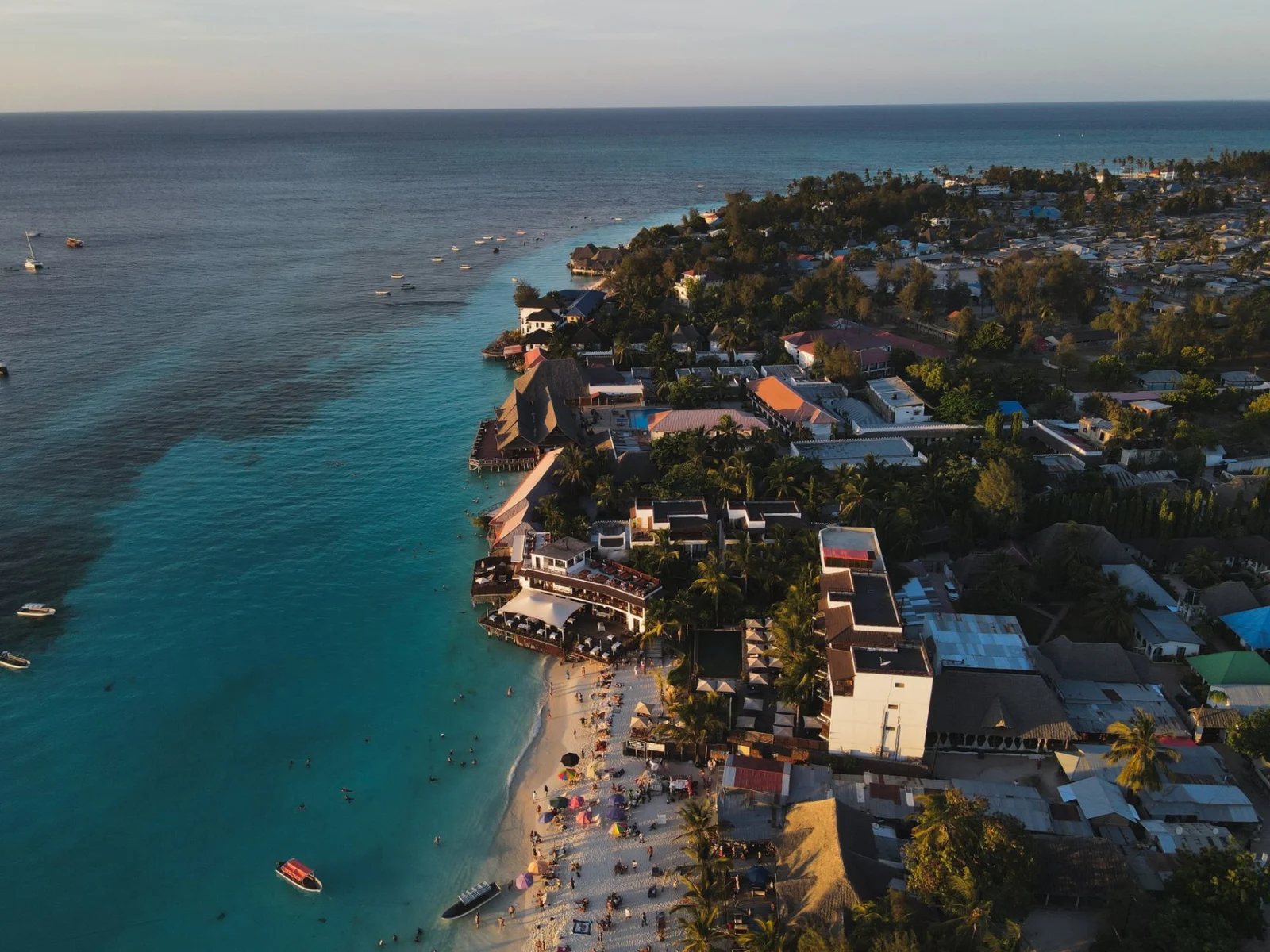
- Your family mainly wants to lie on one good beach and swim every day.
- Both adults enjoy drinks and want them included without doing the maths.
- Someone in the family gets badly seasick or feels anxious being out at sea.
- You want to choose your exact arrival and departure dates, or stay longer than a week.
- You are traveling in peak hurricane season (August to October) and want simpler plans if the weather changes. Ships may change itineraries, while resorts can be hit directly.
A cruise usually comes out ahead for families with children aged roughly 5 to 15, for groups who want to see several islands without repacking, and for anyone who likes evening shows and plenty of activities. If drinks are the deciding issue, some cruise lines do include more in the fare. You can compare the best all-inclusive cruise lines, but expect a higher starting price.
How to Win Over Reluctant Relatives (Fairly)
- Suggest a 3- or 4-night trial cruise. Short Bahamas sailings leave Florida ports year-round, often at prices that cost less than a long weekend at a resort. It is a low-risk way to find out whether your family likes cruising before you commit to a full week.
- Let the skeptic choose something. Give them the cabin type, the itinerary or the main shore excursion to pick. People tend to enjoy a trip more when they helped plan it.
- Show the full budget. Put the cruise and the resort side by side with every extra included. Being open about the costs is more convincing than an advertised fare.
- Plan a beach day in port. Many Caribbean itineraries include a private island or beach stop, which gives the resort fans the same kind of day they wanted.
- Agree on a “next time” deal. Cruise this year and do the resort next year, or the other way round. Taking turns removes much of the tension.
If you decide to try a cruise, our guide on how to plan a cruise for the first time walks you through choosing a cabin, packing and the day you board.
FAQs
Is a cruise cheaper than an all-inclusive resort?
Often, but not always. For a family that can drive to a US port, a mainstream cruise usually costs less overall. Once you add flights, drink packages and Wi-Fi, a budget or mid-range resort can cost about the same or less.
Is there such a thing as an all-inclusive cruise?
Yes. Some premium and luxury lines include drinks, gratuities and Wi-Fi, and sometimes excursions, in the fare. Mainstream lines charge for these separately, though they often sell bundles that work out cheaper.
Is $2,000 enough for a cruise?
For two people on a short 3- to 4-night sailing in an inside cabin, $2,000 can be enough if you drive to the port and keep extras modest. For a family of four on a 7-night cruise, it usually isn’t once you add taxes, gratuities and excursions.
Is a cruise worth it for a family that has never cruised?
It can be, especially with school-age children and a homeport you can drive to. If you are not sure, a short trial cruise is the lowest-risk way to find out.