[ad_1]
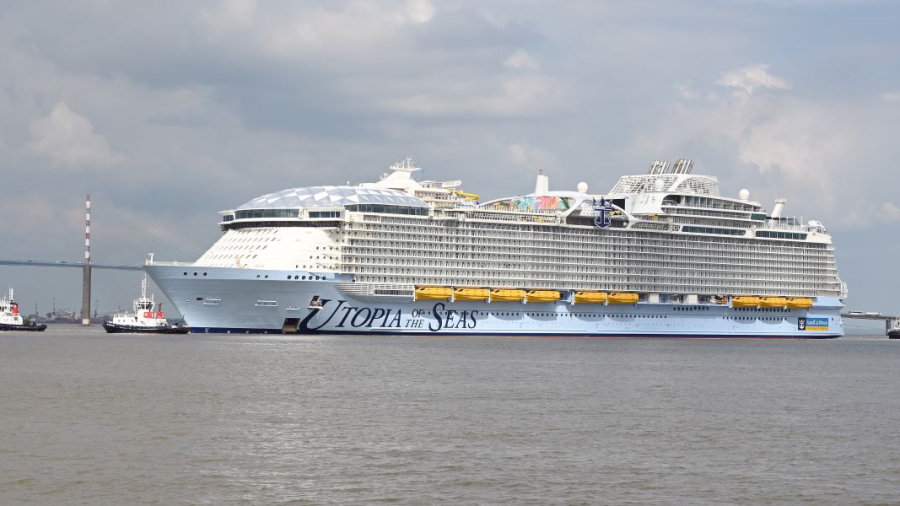
Royal Caribbean International has contacted passengers booked on Utopia of the Seas’ 4th September 2026 sailing from Port Canaveral, asking volunteers to move to later departures in exchange for substantial compensation.
The cruise line is offering full refunds plus complimentary upgrades to Ocean View Balcony staterooms for guests willing to transfer to alternative sailings within the following month.

The email sent to passengers ahead of the three-night Bahamas sailing asked whether guests and their travel parties had flexible arrangements.
Royal Caribbean presented the opportunity as a question rather than a directive, seeking volunteers rather than forcing changes to existing bookings.
According to the communication, passengers who agree to move their cruise will receive a complete refund of their paid cruise fare.
Additionally, they will be transferred to one of three alternative sailings with a complimentary upgrade to an Ocean View Balcony stateroom at no extra cost.
The cruise line did not provide an official explanation for the request in the email.
However, industry observers note that similar offers have historically been extended when vessels face overbooking situations or when operational considerations require passenger redistribution.
Three Alternative Sailings Offered Within Four Weeks
Unlike some previous voluntary change programmes that have asked passengers to switch ships or ports entirely, Royal Caribbean’s latest offer maintains consistency for affected guests.
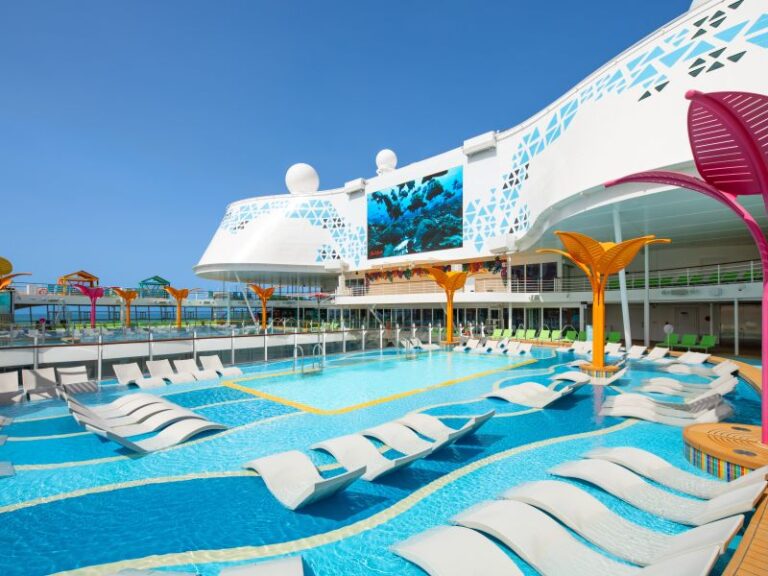
All three replacement options depart from Port Canaveral aboard Utopia of the Seas, ensuring minimal disruption to travel logistics.
The alternative departure dates include 11th September 2026, 18th September 2026, and 2nd October 2026.
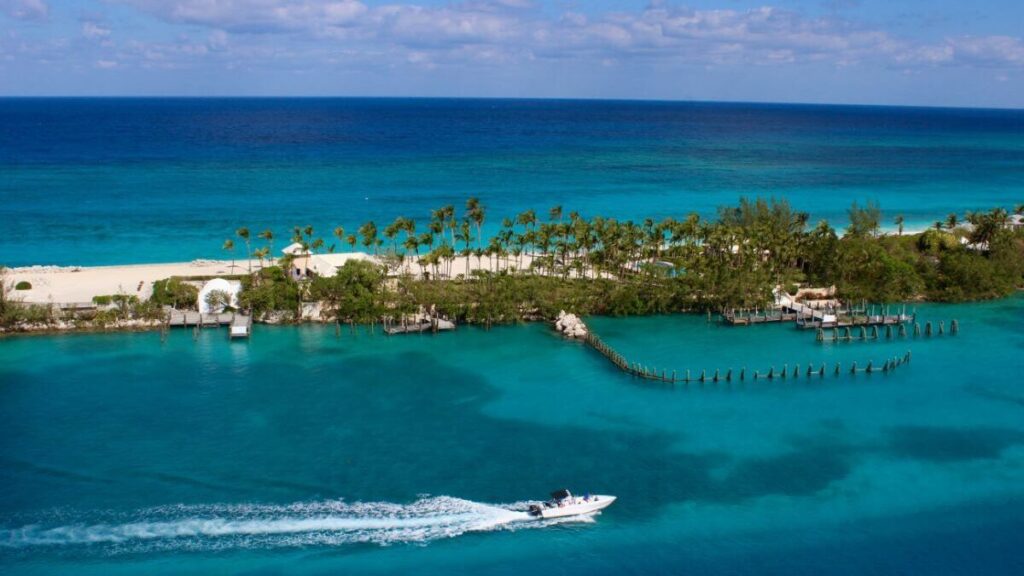
Each sailing follows an identical three-night Bahamas itinerary, calling at Nassau and the cruise line’s private island destination, Perfect Day at CocoCay, before returning to Port Canaveral.
This arrangement means passengers who accept the offer need only delay their holiday by one to four weeks.
In exchange, they essentially receive a free cruise upgrade, as the balcony stateroom category typically commands significantly higher fares than inside or ocean view accommodations.
The original 4th September sailing was scheduled to return to Port Canaveral on 7th September 2026.
All replacement cruises follow the same three-night duration and port calls, maintaining the Bahamas focus that attracted passengers to the original booking.
Similar Offer Extended To Harmony Of The Seas Passengers
The Utopia of the Seas offer was not an isolated incident. Royal Caribbean simultaneously contacted passengers booked on a two-night Harmony of the Seas sailing departing 3rd September 2026, also from Port Canaveral.
Interestingly, these Harmony passengers were offered the opportunity to transfer to the same 4th September Utopia of the Seas sailing that other guests were being asked to vacate.
This cross-ship manoeuvring suggests the cruise line may be addressing capacity balancing across multiple vessels rather than a simple overbooking scenario.
One Harmony of the Seas passenger shared their experience on social media, noting the peculiarity of being directed toward the very sailing from which Utopia guests were being moved.
This simultaneous shuffling of passengers between ships indicates complex logistical planning by Royal Caribbean’s yield management team.
The coordination of these offers across two ships departing on consecutive days from the same homeport demonstrates the sophisticated inventory management systems cruise lines employ.
Royal Caribbean operates multiple vessels from Port Canaveral, Florida’s second-busiest cruise port, requiring careful orchestration of passenger flows and ship capacity.
Passengers Express Mixed Reactions To Voluntary Switch Programme
Reactions among booked passengers varied considerably, with some expressing enthusiasm whilst others felt disappointed at not receiving the offer.
One guest posted in the unofficial Royal Caribbean forum on Reddit about their eagerness to accept the compensation package.
“Did anyone else get this offer for Utopia this weekend? We are booked in an inside room and submitted our ‘yes’ to this about an hour after getting the email,” the passenger wrote.
They noted, however, that confirmation had not yet arrived despite their prompt response.
The disparity in who received offers created confusion within the cruise community.
Several passengers booked on the same 4th September sailing reported they had not received any communication, though they observed others discussing the offer in the sailing’s dedicated Facebook group.
Some cruisers expressed disappointment at being excluded from the opportunity, viewing the package as exceptionally generous.
The prospect of receiving a full refund plus a significant stateroom upgrade whilst only postponing travel by a few weeks struck many as an attractive proposition.
This selective distribution of offers is common practice in the cruise industry.
Lines typically target specific stateroom categories or booking channels when seeking volunteers, using algorithms to determine which passengers to approach based on various factors including stateroom type, fare paid, and loyalty status.
Understanding The Mechanics Of Cruise Overbooking
Whilst Royal Caribbean has not confirmed the reason behind this particular offer, overbooking remains a common practice across the travel industry.
Airlines, hotels, and cruise lines regularly sell more inventory than they can accommodate, calculating that a predictable percentage of customers will cancel or modify their plans.
For cruise lines, overbooking serves as a revenue protection strategy.
When passengers cancel close to departure, ships risk sailing with empty staterooms that could have been sold.
By slightly overselling capacity, cruise lines ensure maximum occupancy even when last-minute cancellations occur.
The practice becomes problematic only when fewer cancellations materialise than anticipated.
In such cases, cruise lines must find volunteers willing to accept compensation in exchange for moving to alternative sailings, exactly as Royal Caribbean has done with the Utopia of the Seas departure.
Utopia of the Seas, with capacity for 5,668 passengers at double occupancy, represents one of Royal Caribbean’s largest vessels.
The ship entered service in 2024 as the second Oasis-class vessel dedicated to short Bahamas sailings from Port Canaveral, following sister ship Oasis of the Seas.
Managing inventory across such a large vessel requires sophisticated systems.
Even a handful of staterooms can represent significant revenue, motivating cruise lines to maximize every available berth through strategic overbooking and yield management practices.
Cruise Line’s History Of Voluntary Compensation Programmes
Royal Caribbean has extended similar offers to passengers on previous occasions.
Cruise industry news outlet Cruise Hive has documented multiple instances where the cruise line sought volunteers to switch sailings in exchange for compensation.
A recent example involved Voyager of the Seas’ Alaska sailing, also departing on 4th September 2026.
In that case, Royal Caribbean offered passengers the option to cancel their booking entirely for a full refund plus future cruise credit, providing an alternative to switching sailings.
The consistency of these programmes demonstrates Royal Caribbean’s established protocols for managing capacity challenges.
Rather than unilaterally moving passengers or downgrading accommodations, the cruise line seeks volunteers through attractive incentive packages.
These voluntary programmes contrast sharply with the more heavy-handed approaches occasionally necessary when operational issues force sailing cancellations.
By offering substantial compensation, Royal Caribbean maintains goodwill whilst addressing whatever logistical or commercial considerations prompted the request.
The cruise industry has learned from past controversies involving denied boardings and forced cabin changes.
Proactive volunteer programmes, though costly in the short term, preserve customer relationships and brand reputation far more effectively than involuntary changes.
Port Canaveral’s Role In Royal Caribbean’s Florida Operations
Port Canaveral serves as a crucial homeport for Royal Caribbean, hosting multiple vessels on year-round itineraries.
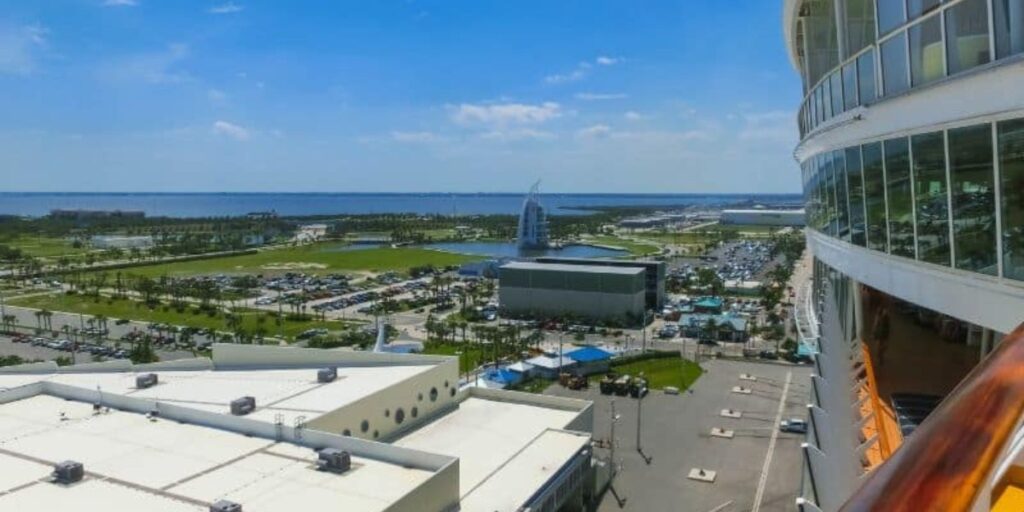
The port’s proximity to Orlando’s theme parks and excellent highway access make it an attractive embarkation point for domestic travellers, particularly those combining cruise holidays with pre- or post-cruise stays.
Royal Caribbean operates several ships from the port, including Utopia of the Seas on short Bahamas getaways and other vessels on longer Caribbean itineraries.
This concentration of capacity requires careful coordination to prevent operational conflicts and manage passenger flows through terminal facilities.
The port has invested heavily in infrastructure to accommodate the world’s largest cruise ships.
Utopia of the Seas measures 236,857 gross tonnes and spans 1,188 feet in length, requiring specialized berthing facilities and passenger handling capabilities.
Florida remains the global epicentre of cruise operations, with Port Canaveral ranking among the busiest cruise ports worldwide.
The state’s year-round warm climate, lack of state income tax, and extensive tourism infrastructure make it ideal for cruise operations serving the North American market.
What This Means For Future Cruise Bookings
For prospective cruise passengers, incidents like this highlight both the complexities and opportunities within cruise booking practices.
Whilst overbooking can create inconvenience, voluntary compensation programmes often result in significant value for flexible travellers.
Passengers booking cruise holidays should understand that their contracts typically permit the cruise line to make certain changes to itineraries, ships, and sailing dates.
Reading the terms and conditions carefully helps set appropriate expectations about what protections exist should changes become necessary.
Those with rigid travel schedules may wish to book well in advance in higher-demand stateroom categories, as cruise lines typically approach lower-fare, more flexible passengers first when seeking volunteers.
Business travellers or those coordinating with non-refundable air travel face greater risk from any sailing changes.
Conversely, flexible travellers might view such offers as opportunities.
The compensation packages Royal Caribbean offers volunteers often exceed the original booking value, effectively providing free upgrades and enhanced experiences for minimal inconvenience.
The incident also underscores the importance of monitoring email communications from cruise lines in the weeks before departure.
Passengers who ignore pre-cruise emails might miss opportunities or important operational updates affecting their bookings.
Industry Context And Passenger Rights
The cruise industry operates under different regulatory frameworks than airlines, particularly for voyages embarking and disembarking at the same US port.
These “closed-loop” cruises, including the Bahamas sailings from Port Canaveral, follow distinct rules compared to international air travel or one-way cruise itineraries.
Passenger rights vary considerably depending on jurisdiction and circumstances.
When cruise lines proactively seek volunteers with compensation, passengers retain control over whether to accept.
Involuntary changes typically trigger different contractual provisions, though cruise line terms of service generally permit significant operational flexibility.
Royal Caribbean, as part of Royal Caribbean Group, maintains established customer service protocols refined over decades of operation.
The company’s approach to capacity management reflects industry-wide practices whilst incorporating brand-specific policies designed to maintain its reputation for customer satisfaction.
As cruise ships grow ever larger and sailing frequencies increase, capacity management will remain a persistent operational challenge.
The cruise industry’s return to full operations following the pandemic pause has brought renewed focus to yield management and overbooking practices as lines seek to maximize revenue from each sailing.
Royal Suite Class Deals
I recommend booking with luxury specialists Panache Cruises for the best service.
Related Posts
[ad_2]
Source link