Yes, you can be denied boarding a cruise, and it usually happens for avoidable reasons. The most common are the wrong or expired travel documents, arriving after check-in closes, being too far into a pregnancy, travelling with a baby under the minimum age, or failing the pre-boarding health questions. If you’re refused at the terminal for one of these reasons, cruise lines’ terms generally say you won’t get a refund.
Free: download our 2027 Luxury Cruise Calendar →
Below are 16 reasons, grouped by type, with how to avoid each. Rules vary by line and change often, so confirm details with your cruise line and official government sites.
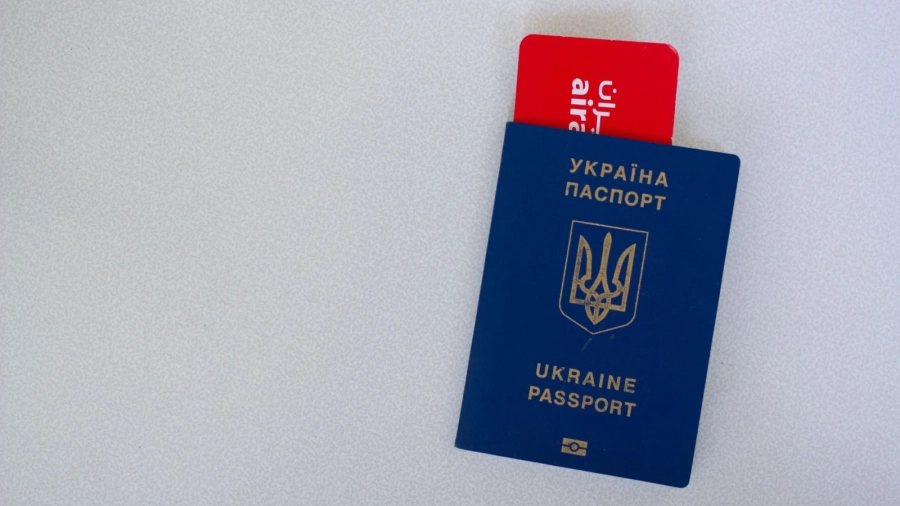
Documents and ID: the top reasons cruisers are denied boarding
Most denied boarding cases on a cruise come down to paperwork. Cruise lines can be fined for carrying guests who can’t legally enter a country on the route, so staff won’t take the risk.
1. Your passport is expired or doesn’t have enough validity left
Many lines and countries want your passport valid well after the trip ends. Royal Caribbean’s UK booking conditions require a passport valid for at least six months after your return date. Holland America recommends the same six-month buffer and requires it for voyages that end outside the US.
How to avoid it: Check the expiry date when you book, counting six months from the last day of the cruise, and renew early if needed.
2. You have the wrong ID for a closed-loop cruise
A closed-loop cruise starts and ends at the same US port and stays within the Western Hemisphere, for example Miami to the Bahamas and back. On these sailings, US citizens can use an original or certified US birth certificate plus a government-issued photo ID instead of a passport. US children under 16 can sail with just a birth certificate. Hospital souvenir certificates and photocopies aren’t accepted.
These rules only cover US citizens. UK and other non-US passengers need a full passport, plus an ESTA or visa (see reason 3).
How to avoid it: Take a passport anyway. If you have to fly home early from a foreign port, a birth certificate won’t get you on a plane.
3. You don’t have a visa or electronic travel authorisation
More countries now require online permission before travel, and cruise lines check for it at the pier:
- US ESTA: UK and other Visa Waiver Program nationals need an approved ESTA to start a cruise from a US port, even if they arrive by sea. It costs roughly $40 and lasts two years, or until your passport expires if sooner.
- UK ETA: Most non-visa nationals visiting the UK, including Americans, Canadians, Australians and Europeans, now need a UK Electronic Travel Authorisation. Since February 2026 carriers have been checking ETA status before boarding for sea arrivals. It costs £20 on GOV.UK and covers multiple visits over two years. Every passenger needs their own, including babies. British and Irish citizens don’t need one. Holland America warns that guests without a required ETA may be denied boarding without a refund.
- EU ETIAS: As of November 2026, ETIAS has still not started, despite years of delays. When it does start, UK and US citizens will need one (expected to cost €20) to enter most of Europe. Check the official EU site before any Mediterranean or Northern Europe cruise.
- Canada eTA: If you fly into Vancouver to start an Alaska cruise, most visa-exempt nationals, including Britons, need a Canadian eTA. US citizens are exempt.
How to avoid it: Apply on the official government site a few weeks ahead; copycat sites charge more.
4. Your booking name doesn’t match your passport
Manifests go to border authorities, so a booking under “Liz” when your passport says “Elizabeth”, or a married name your passport doesn’t show yet, can cause problems.
How to avoid it: Make sure your booking matches your passport exactly, including middle names, and correct it when you complete online check-in. If you’ve recently changed your name, bring the marriage certificate or deed poll that links your documents.

Timing, age and pregnancy rules
5. You arrive after check-in closes
Cruise ships don’t wait. Royal Caribbean requires all guests to be checked in and on board no later than 90 minutes before the published sailing time. Its US FAQ ties this to when port operations close. Carnival says guests must be on board by the final boarding time printed on their boarding pass. Its ticket contract states that no-shows are not refunded, even when traffic wasn’t your fault.
How to avoid it: Arrive in your port city the day before. Our guide to embarkation day mistakes to avoid covers how to plan your arrival.
6. You’re 24 weeks pregnant or more at any point in the cruise
Almost every major line, including Royal Caribbean, Carnival and P&O Cruises, refuses guests who will enter their 24th week of pregnancy before or during the sailing.
How to avoid it: Work out your gestation on the last day of the cruise, not the first, and bring a doctor’s letter confirming your due date.
7. Your baby is below the minimum sailing age
Royal Caribbean’s minimum age for infants is six months on the day of sailing. Babies must be 12 months old for transatlantic, transpacific, Hawaii, Australian and selected South American cruises, and for any itinerary with three or more consecutive sea days.
How to avoid it: Before booking, count the consecutive sea days on the itinerary, not just the total length of the cruise.
8. Young adults are sailing without a qualifying adult
On Royal Caribbean ships sailing from the US or Canada, guests under 21 must share a stateroom with someone aged 21 or over, with limited exceptions. Carnival requires under-21s to share with someone aged 25 or over, unless they are travelling with a spouse, with a parent in a nearby cabin, or are on active military duty.
How to avoid it: Read the age rules for your departure port before you pay a deposit.
9. A child is travelling without written consent from an absent parent
If a child is sailing with only one parent, with grandparents, or with another adult, cruise lines and border officials may ask for proof that the absent parent or parents agree.
How to avoid it: Bring a signed consent letter from the absent parent or parents with their contact details. Add the child’s birth certificate and any custody papers.

Health, behaviour and security checks
10. You fail the pre-boarding health questionnaire
Every guest completes a health questionnaire asking about vomiting, diarrhoea, fever and other signs of contagious illness. Because norovirus spreads quickly on ships, guests with symptoms may be assessed by medical staff, isolated or refused boarding.
How to avoid it: Answer honestly. If you fall ill in the days before you sail, contact your cruise line and your insurer straight away. Our guide to cruise travel insurance explains which policies cover cancellation for illness.
11. You’re drunk or disruptive at the terminal
Every cruise line’s guest conduct policy lets it refuse anyone who is intoxicated, aggressive or a safety risk.
How to avoid it: Wait until you’re on board for the first drink, and stay polite even if the queues are slow.
12. You’ve broken the line’s rules on a previous cruise
Cruise lines keep records of guests who broke their code of conduct on earlier sailings. Carnival’s ticket contract lets it refuse boarding based on past code of conduct violations. This is often called a “do not sail” list.
How to avoid it: If you’ve had trouble on a past cruise, check with the line before booking.
13. A criminal record bars you from a port on the itinerary
Canada can refuse entry to people with certain convictions, including drink-driving offences. Many Alaska cruises that start in Seattle have to call at a Canadian port, so a past DUI can lead to being denied boarding even on a round trip from the US.
How to avoid it: Check each country’s entry rules before booking, and ask an immigration adviser whether you need a special permit.
14. You bring banned items and refuse to give them up
Terminal security scans every bag. Items such as weapons, clothes irons, candles, surge-protected extension leads and, on many lines, drones are routinely taken away. Refusing to hand over something dangerous, or carrying anything illegal, can get you refused. See our list of the most commonly confiscated items at cruise ports before you pack.
How to avoid it: Check your line’s prohibited items list and pack medical items with a doctor’s note.
Payment and special equipment
15. You haven’t paid the balance
Your cruise ticket is only valid once the full fare has been paid. Final payment is usually due several weeks to a few months before departure, depending on the line and cruise length. Miss it and the booking can be cancelled automatically.
How to avoid it: Put the balance due date in your calendar when you book.
16. You haven’t declared a mobility scooter or medical equipment
Royal Caribbean asks guests to complete a Guest Special Needs form at the time of booking if they’re bringing a motorised wheelchair or scooter, with its dimensions, and warns that size limits may apply.
How to avoid it: Tell your cruise line’s accessibility team about the equipment when you book, and bring written confirmation that it has been approved.
Quick checklist: can you be denied boarding a cruise for this?
| Check | When to do it | What to confirm |
|---|---|---|
| Passport validity | At booking | Valid 6+ months after the cruise ends |
| ESTA, UK ETA, Canada eTA, visas | 4-6 weeks before | Approved, and linked to the passport you’ll travel with |
| Name on booking | Online check-in | Matches your passport exactly |
| Pregnancy and infant ages | At booking | Under 24 weeks on the last day of the cruise; baby old enough for the itinerary |
| Minors’ paperwork | 2 weeks before | Consent letter, birth certificates |
| Final payment | Balance due date | Paid in full |
| Mobility or medical equipment | At booking | Declared and approved in writing |
| Arrival time | Embarkation day | Inside your boarding slot and well before the cutoff |
What happens if you’re denied boarding?
For reasons within your control, such as documents, lateness or pregnancy, cruise lines’ terms generally rule out a refund, and port taxes may be the only money you get back. Travel insurance might cover some cases, for example a delayed flight or a sudden illness, but missing paperwork is usually excluded. If this is your first time sailing, our first time cruise tips cover what to sort out before you leave home.
FAQs
Can you be denied boarding a cruise with an expired passport?
Yes. An expired passport isn’t valid for international cruises. The exception is US citizens on closed-loop sailings, who can use a birth certificate and photo ID instead. Many lines also want six months’ validity after the cruise ends.
Do you get a refund if you’re denied boarding a cruise?
Usually not. Cruise lines’ terms say no refund is due when you’re refused for missing documents, late arrival or ineligibility, though you may be able to recover some port taxes or claim on travel insurance.
Can you be denied boarding a cruise for being late?
Yes. Royal Caribbean requires guests to be on board 90 minutes before sailing, and Carnival enforces the final boarding time on your boarding pass. After the cutoff, you won’t be allowed on board.
Do Americans need a UK ETA for a cruise that stops in Britain?
Usually yes. Most non-visa nationals, including US citizens, need a UK ETA to visit the UK, and cruise lines check for it before boarding. Check GOV.UK for your nationality and route.
Can a cruise refuse you for being pregnant?
Yes. Major lines refuse guests who will reach 24 weeks of pregnancy at any point during the cruise, and many ask for a doctor’s letter confirming your due date.