
You don’t really think about medication when you’re booking a cruise.
You think about the ship, the cabin, the ports, whether you’ve packed enough for warm evenings on deck. Then, usually quite late in the day, it hits you – what about your tablets? Can you put them in a weekly pill organiser? Do they need to stay in the original box? And what if one of the countries on your itinerary has rules you know nothing about?
The good news is that taking medication on a cruise is usually very straightforward. Most people bring what they need, board without any fuss, and never get asked about it at all.
The catch is that a few small details can matter a lot if they go wrong.
It’s not normally the ship itself that causes problems. It’s everything around it – the flight, the airport, security, and the fact that you may be entering several different countries, all with their own rules.
So before you travel, there are really three things worth checking:
• how you’re packing your medication
• what your cruise line allows on board
• whether any of your ports have restrictions on what you’re carrying
Get those right, and the rest is usually pretty simple.
Don’t Worry – You Can Take (Most) Medications Onto A Cruise Ship
In general, yes, you can take medication on a cruise. That includes prescription drugs, over-the-counter treatments, and most medical supplies.

Cruise lines are used to this. They expect passengers to travel with medication, and they’re not trying to make life difficult. For most people, it’s a complete non-issue.
- You can take most prescription and over-the-counter medication on a cruise without any issue.
- Keep medication in your hand luggage, not your checked suitcase.
- Original packaging is the safest option, even if you normally use a pill organiser.
- Bring enough for the full trip, plus extra in case of delays.
- Check the rules for every country on your itinerary, not just the cruise line’s policy.
- Carry a prescription copy or doctor’s letter for anything controlled, injectable, or likely to raise questions.
- Don’t assume medical cannabis or cannabis-based products will be allowed, even with a prescription.
Where people come unstuck is when they assume that because something is fine on the ship, it must also be fine everywhere else involved in the trip. That’s not always true.
You may be flying before you cruise. You may be going through airport security. You may be visiting countries with much stricter rules than the UK. That’s why it’s worth thinking about the whole journey, not just embarkation day.
Read more: The 14 Most Commonly Confiscated Items at Cruise Ports (and What to Pack Instead)
Cruise Line Medication Rules Compared
Most major cruise lines are broadly similar when it comes to medication. Prescription medicines are generally allowed, and you’re expected to bring enough for the full cruise, ideally with a little extra in case of delays.
The smaller differences tend to be around practical things such as whether medication should stay in its original packaging, whether you need to tell the cruise line about certain medical equipment, and whether they can provide refrigeration for medication that needs it.
Below is a simplified comparison of what you can usually expect from the bigger cruise lines:
| Cruise Line | Medication In Original Packaging? | Is There A Fridge In Cabins For Storing Temperature Controlled Meds? |
|---|---|---|
| Ambassador Cruise Line | Yes | Yes on Ambience & Renaissance, only in limited cabins on Ambition. Use Guest Services. |
| Carnival | Yes | Yes but guests are told not to use them. Limited mini-coolers can be borrowed otherwise use Guest Services. |
| Celebrity Cruises | Yes* | Coolers that may not be cold enough – best to use Guest Services. |
| Costa | “If possible” | Coolers aren’t cold enough. Medical fridges occasionally supplied, or use Guest Services |
| Cunard Line | Only specifies “for flights” | Use Guest Services. |
| Disney Cruise Line | “Recommended” | Yes – but check with the Health Center onboard if temperature has to be strictly regulated. |
| Fred. Olsen | Not specified | Yes |
| Holland America | Yes | In most cabins – otherwise use Guest Services. |
| MSC Cruises | Yes | Coolers aren’t cold enough. Use Guest Services |
| Norwegian Cruise Line | Yes | Coolers aren’t cold enough. Medical fridges occasionally supplied, or use Guest Services |
| P&O Cruises | Yes | Coolers aren’t cold enough. Medical fridges occasionally supplied, or use Guest Services |
| Princess Cruises | Yes | Yes – but check with Guest Services if temperature has to be strictly regulated. |
| Royal Caribbean | “Advised” | Coolers aren’t cold enough. Medical fridges occasionally supplied, or use Guest Services |
| Virgin Voyages | Yes | Coolers that may not be cold enough – best to use Guest Services. |
Where there isn’t a link to a cruise line’s policy, that simply means there isn’t a relevant section published on its website. I’ve checked directly with those cruise lines to confirm the details.
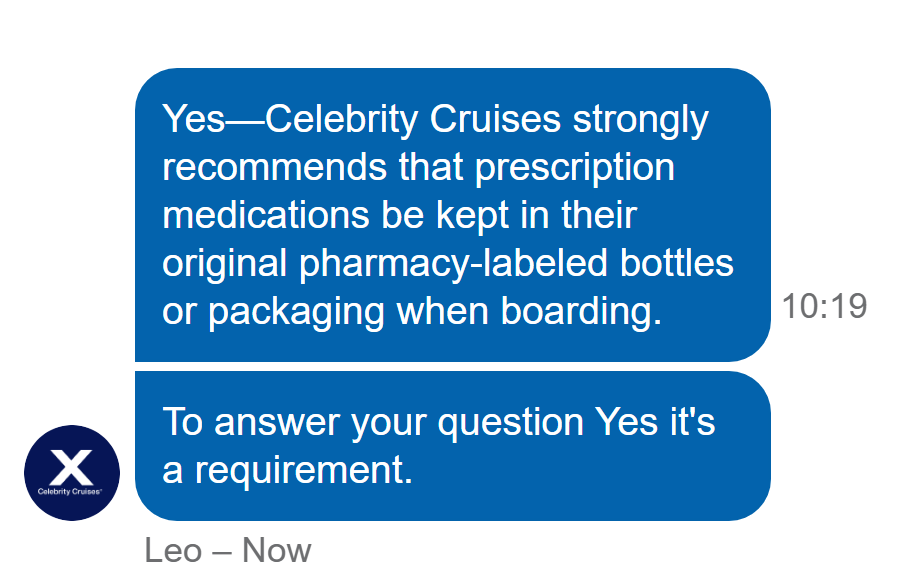
Celebrity Cruises’ wording is slightly inconsistent, as it describes original packaging as both “strongly recommended” and a “requirement”. Realistically, it’s safest to treat that as required.
Original Packaging Vs Pill Dispensers – What’s Actually Allowed?
This is the bit that confuses people most, because the official guidance and real-life experience don’t always sound like they match.
Most cruise lines say medication should be kept in its original packaging, with the pharmacy label visible. Sometimes that’s framed as a requirement, sometimes as strong advice, but the general message is the same.
At the same time, plenty of regular cruisers will tell you they use pill organisers all the time and have never had a problem.
Honestly, both can be true.
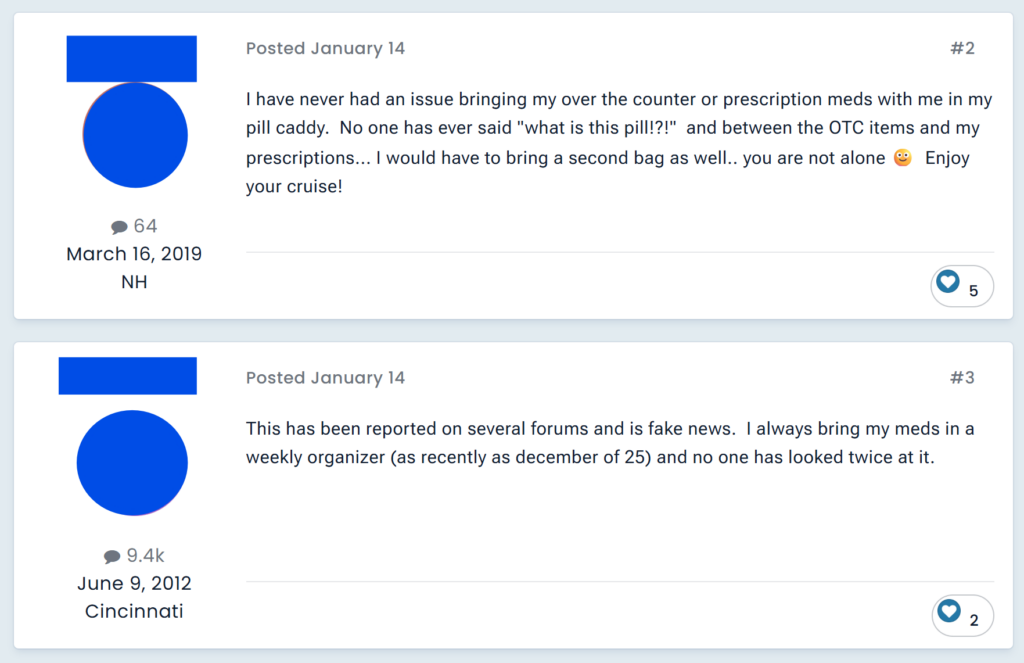
In day-to-day reality, cruise staff rarely inspect medication closely. Most people aren’t stopped, questioned, or asked to explain what’s in their organiser. But that doesn’t mean the rule is meaningless. It just means you may not be checked.
The issue is what happens if you are.
Original packaging makes everything much easier. It shows exactly what the medication is, who it belongs to, and that it’s been legitimately prescribed or purchased. If you’re dealing with airport security, embarkation staff, or border officials in a stricter country, that clarity helps.
Loose tablets in a pill organiser are much harder to identify. Even when they’re completely legitimate, they can invite extra questions simply because they’re not obvious at a glance.
Honestly, the bigger risk usually isn’t the cruise line at all. It’s airport security or border control in one of your ports of call, where rules may be stricter and staff may be less relaxed about unlabelled medication.

So while pill organisers are undeniably convenient – and for some people essential – they’re best used as a backup to original packaging, not a replacement for it.
The most sensible approach is to take both. Travel with your medication in its original boxes or labelled containers, then use a pill organiser once you’re on board if that makes daily life easier.
That way, you’re covered if anyone asks questions, and you’re not relying on luck or vague reassurance from people online who “never had a problem”.
Because chances are, you won’t have a problem either. But it’s not something you want to be sorting out at the check-in desk while a queue forms behind you.
Medications That Are Restricted or Banned in Certain Countries
A medication that’s completely routine in your home country can be restricted – or even banned – somewhere on your itinerary. It doesn’t matter that it’s prescribed, labelled, and essential. Local laws still apply.
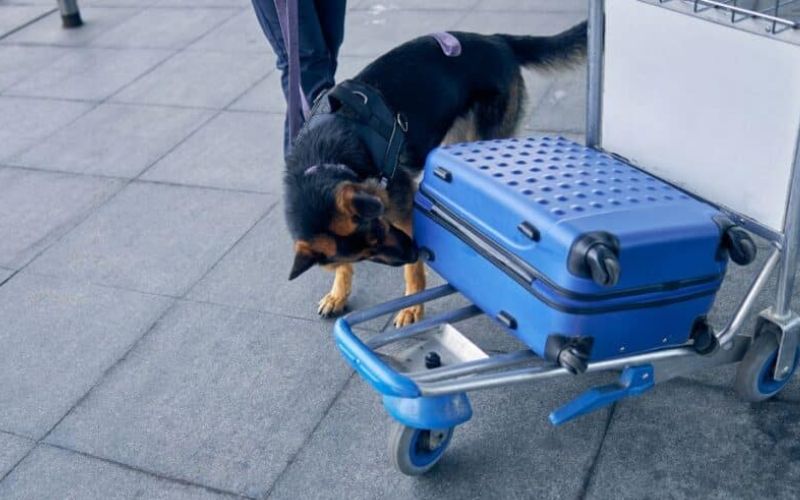
Some countries take a much stricter approach to controlled substances, and that includes medications many people take every day.
A few examples that regularly trip people up:
- United Arab Emirates: anti-anxiety meds, sleeping tablets, and strong painkillers (including codeine) may need approval in advance.
- Japan: certain ADHD medications and stimulants aren’t allowed at all, even with a prescription, except with special clearance.
- Singapore: strict drug laws apply to some sedatives and sleeping pills – documentation is key.
- Thailand: controlled medications like codeine can require a permit, especially in larger quantities.
- Indonesia (including Bali): some prescription drugs, particularly stronger painkillers, are tightly restricted.
Even something as familiar as codeine can sit in a grey area depending on where you are and how much you’re carrying.
And it’s worth saying again – cruise line policies don’t override any of this. A medication can be perfectly fine on board and still be an issue when you step ashore.
Sometimes you won’t be asked about it at all. Other times, especially in stricter destinations, you might be stopped and questioned.
Checking official government or embassy guidance for each country might feel like overkill, but it’s the one thing that removes the guesswork.
Read more: 12 Things That Are Banned on Cruise Ships (But Fine on Land)
Cannabis-Based Medications – A Special Case
Even with a valid prescription, cruise lines won’t allow cannabis or cannabis-derived products on board. That can include oils, edibles, and CBD products depending on how they’re classified.
That’s before you even factor in local laws, which in many countries are far stricter than people expect.

So you can end up in a situation where your medication is legal at home, banned by the cruise line, and illegal in one or more of your ports.
If this applies to you, it’s worth speaking to your doctor well in advance about alternatives that are actually suitable for travel.
This isn’t something that tends to get waved through quietly. Rules around cannabis are usually clear, and they’re enforced.
Read more: Everything You Need To Know About Bringing Marijuana On A Cruise – Edibles, Pens, Delta 8
Controlled Drugs Explained In Plain English
“Controlled drugs” sounds more intimidating than it needs to. It simply means certain medications are more tightly regulated because they carry a higher risk of misuse. Many of them are commonly prescribed and taken without any issues day to day.
The difference shows up when you travel.
There may be limits on how much you can carry, extra documentation required, or stricter checks at borders. In some cases, you may need permission before you travel.
If you’re unsure whether your medication falls into this category, it’s worth checking before your trip rather than trying to figure it out mid-journey.
Carrying A Doctor’s Letter Or Prescription Copy Can Be Helpful
Most people won’t be asked for proof of their medication. But if you are, having something to hand makes things much smoother.

A prescription copy is a good baseline. For anything more sensitive – controlled drugs, injectables, or larger quantities – a doctor’s letter is a sensible extra.
It should confirm:
- your name and date of birth
- the medication
- the dosage
- that it’s for personal use
Nothing complicated, just clear and official.
You’ll probably never need to show it. But if you do get asked, it can turn a potentially awkward situation into a quick formality.
Travelling With Medical Equipment (CPAP, Oxygen, Injectables, Dialysis)
Tablets are one thing. Equipment takes a bit more planning.
Cruise lines are generally well set up for this, but they do expect advance notice.
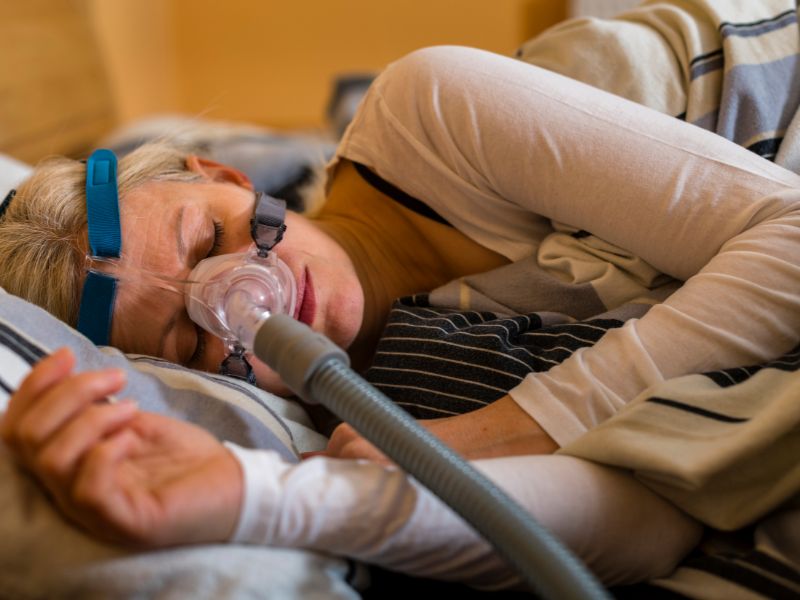
There are medical facilities on any cruise ship, but they’re designed to handle emergencies or unexpected treatments. If you need use of a CPAP machine, oxygen canisters, injectable meds or you’re on Peritoneal dialysis treatment, you need to bring your own equipment and make sure you’ve cleared it with the cruise line in advance.
If you’re on haemodialysis, you may be able to book a specific cruise which has a dialysis treatment room onboard for you.
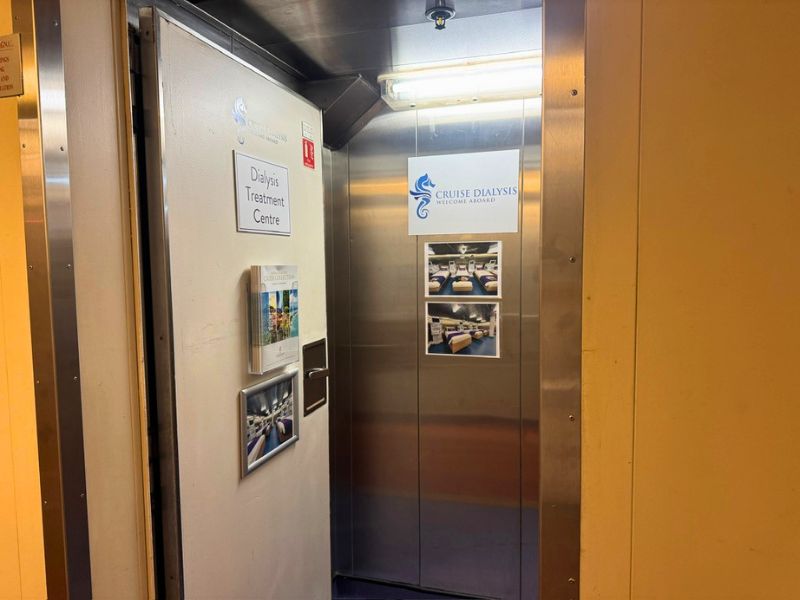
If you plan to bring any medical equipment, you should let the cruise line know in advance. There may be some nuanced rules on things like the size of oxygen canisters that you’ll need to consider.
Also for CPAP machines, consider distilled water requirements. Cruise lines may be able to provide it but some may charge. Again, ask in advance.
Travelling With Liquid Medication And Airport Security
A quick bit of reassurance for you – liquid medication isn’t treated the same as toiletries. You can carry more than 100ml in your hand luggage if it’s essential and for personal use.

Still, a bit of preparation helps.
Keep it in your hand luggage, not checked bags. If it’s a larger quantity, mention it at security rather than waiting to be asked. And make sure it’s clearly labelled so there’s no confusion about what it is.
Sometimes it’ll be screened separately. That’s routine, not a red flag.
If you’re unsure how it’ll be handled, just give yourself a bit of extra time at the airport. It removes the stress.
TODAY’S BEST CRUISE DEALS!
Don’t miss these offers…
Practicalities of Medication Onboard
Once you’re on the ship, things tend to settle down. At that point, it’s less about rules and more about making sure your medication stays effective and easy to manage.
Keeping Medication At The Right Temperature
Cabin mini coolers aren’t always true fridges, and they’re not reliable for medication that needs strict temperature control.
If that applies to you, it’s worth requesting a medical fridge ahead of time or speaking to Guest Services as soon as you board.
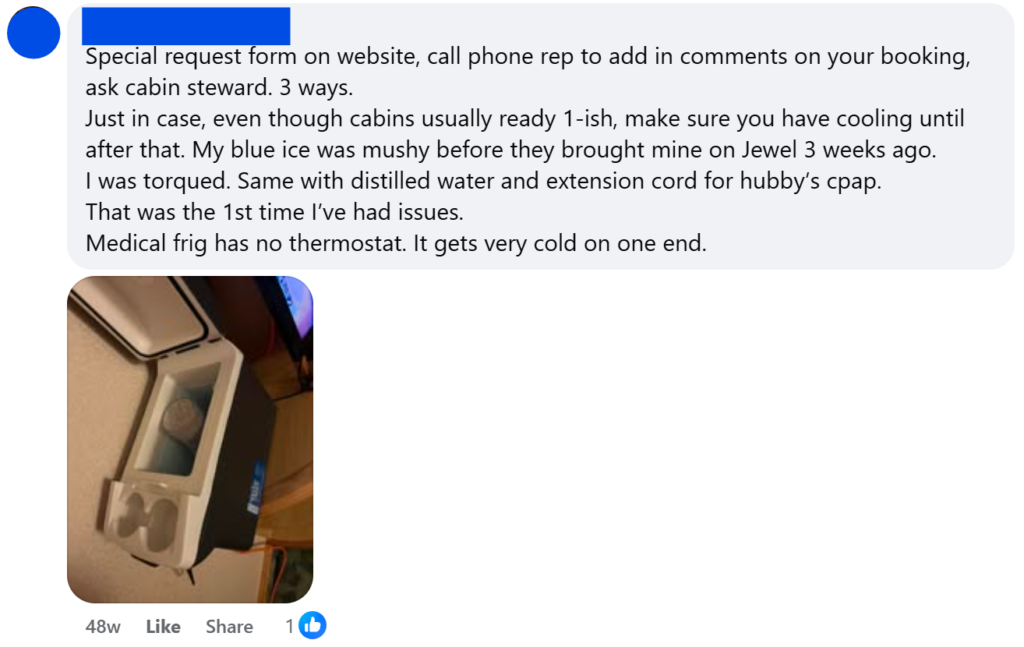
Also think about embarkation day – there’s a good chance you won’t be getting access to your cabin until later in the afternoon or even early evening, so you might not have access to cooling equipment for a large part of your day.
Most people in this situation use ice packs or other coolers in their hand luggage, just to make sure their meds stay at the right temperature until they can get it stored properly onboard.
Where To Store Medication In Your Cabin
Some people overlook this, but it’s worth thinking about. Bathrooms seem convenient, but they’re usually too warm and humid – extractor fans on cruise ships aren’t always the best!
A drawer or shelf in the main cabin area is a better option – somewhere dry, relatively cool, and out of direct sunlight. Or you could always use the safe, if it’s not something you’re going to need emergency access to at any point, such as allergy medication.
Time Zones And When To Take Your Medication
Crossing time zones can throw off your usual routine more than you expect – it’s another of those little things that people just don’t consider!
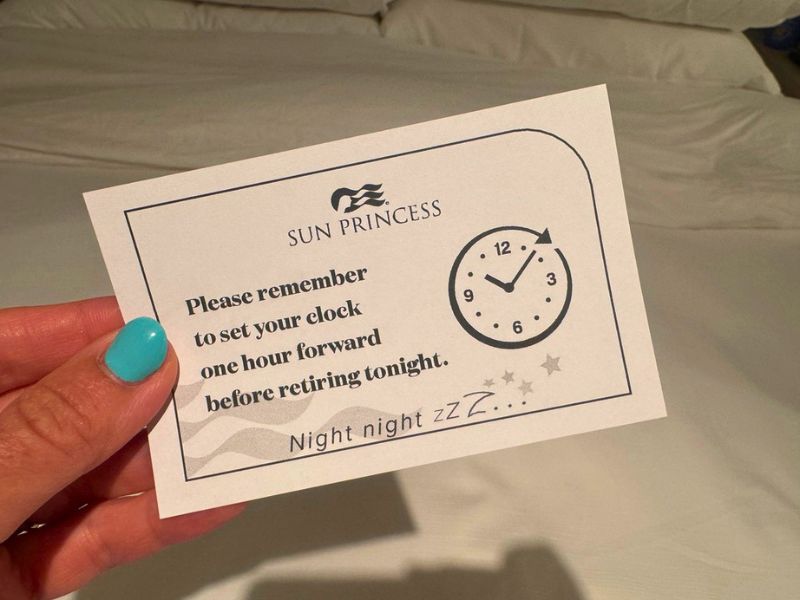
For most medications, a slight shift isn’t a problem. But if timing matters, it’s worth planning ahead.
Gradual adjustments tend to work better than sudden changes, and if the timing is critical, your GP or pharmacist can give you specific guidance before you travel.
Sharps Disposal Onboard
You won’t be left to deal with this on your own.
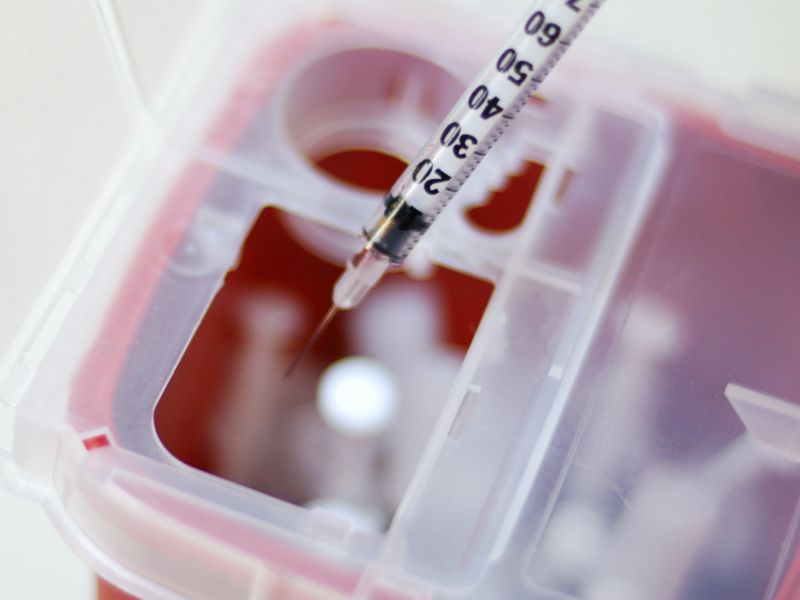
Sharps containers are available on board, usually via Guest Services or the medical centre. When one fills up, it can be collected and replaced.
It’s worth sorting early so it’s not something you’re thinking about later in the trip.
What Happens If You Forget Or Lose Your Medication
Forgetting your medication, accidentally not bringing enough, or losing it – all sound like nightmare scenarios, but all are manageable. Don’t panic!
The ship’s medical centre is your first stop. They won’t have everything, but they can often help with basic medication or short-term solutions.
For more specific prescriptions, things depend on where you are. You may need to arrange a replacement in port, which can involve seeing a local doctor first.
This is where having documentation helps. A prescription copy, GP details, or even a photo of the medication can make the process quicker.

It’s also why bringing extra is so important. Replacing medication abroad isn’t always fast or straightforward.
The team onboard your ship can hopefully help direct you to a reputable pharmacy ashore, if needed, or give you information on who to contact port-side for official recommendations.
Unfortunately, in some ports, there will be some dodgy retailers offering cheap medication – don’t risk it.
Medication You Can Buy On A Cruise Ship
Think convenience, not pharmacy – that’s the sort of thing you’ll find on a cruise ship.
You’ll usually find basics on board, either in the shop or via the medical centre:
- pain relief (paracetamol, ibuprofen)
- seasickness remedies
- cold and flu treatments
- antihistamines
- simple stomach medications
That’s enough for minor issues, but the range is limited. It’s also more expensive than buying it at home.
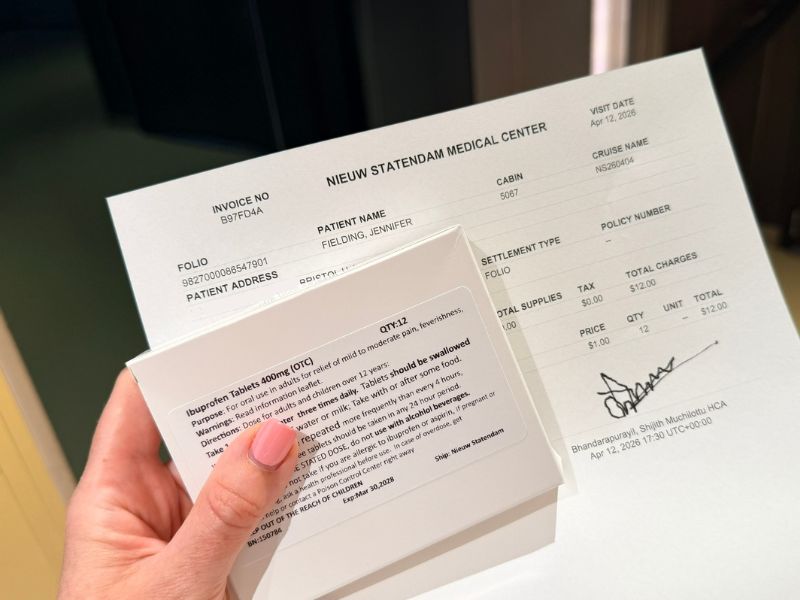
Anything more specific will usually mean seeing the ship’s doctor, which comes with a consultation fee.
Read more: Cruise Ship Doctors: What Passengers Don’t Realise
Why It’s Almost Always Cheaper To Bring Your Own
Prices on board can be surprisingly high, even for simple items.
You’re paying for convenience, and there’s no real competition once you’re at sea.
Something inexpensive at home can easily cost several times more on a ship. It’s fine as a backup. It’s not something you want to rely on. So if you think you might need any of the above, buy before you sail!
Seasickness Medication – What To Bring Vs Buy Onboard
This is one of the few things worth planning for even if you’re not sure you’ll need it.
Most treatments work better if you take them before symptoms start, which is much easier if you already have them with you.
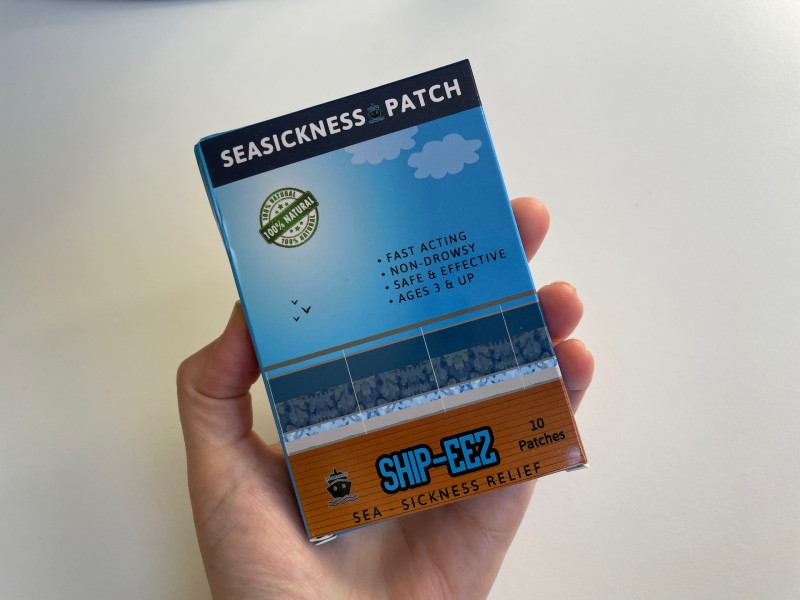
There’s no single best option. Tablets, patches, wristbands, and natural remedies all work for different people.
If you’ve found something that works for you, bring it. Onboard options are usually limited and more expensive. If you’ve never encountered seasickness before then I’d say it’s not an essential purchase before you cruise, but a cheap pack of tablets or patches could be worth buying if you’re at all concerned.
Read more: Cruise Seasickness Tips That Actually Work
Supplements, Vitamins And Non-Prescription Medication
Vitamins, supplements, and over-the-counter medication can generally be packed without much thought.
Where people run into minor issues is with quantity or unclear labelling. Large amounts of unlabelled tablets can attract questions, particularly at airports or in stricter countries.
Herbal supplements can also fall into a grey area if ingredients aren’t clearly listed or widely recognised.
Keeping everything labelled and, where possible, in original packaging avoids most of that.
For small, personal quantities, problems are rare. It’s just about making things easy to explain if anyone does ask.
Final Checklist – Taking Medication On A Cruise
By now, it probably feels like a lot of detail for something that’s usually straightforward.
In reality, it comes down to a few key habits:
- keep medication in your hand luggage
- stick to original packaging where you can
- bring copies of prescriptions or a doctor’s letter if needed
- check rules for every country on your itinerary
- avoid anything that may be banned, including cannabis-based products
- arrange storage or equipment needs in advance
- pack extra in case of delays
- bring basic remedies so you’re not relying on onboard shops
Get those right and, for most people, the whole thing passes without a single issue.
My Recommendation
My recommendation for cruise insurance depends on where you live.
These are trusted price comparison sites that will quickly get you lots of quotes to match your exact needs.
Related Posts
If you found this interesting, please share!

Source link