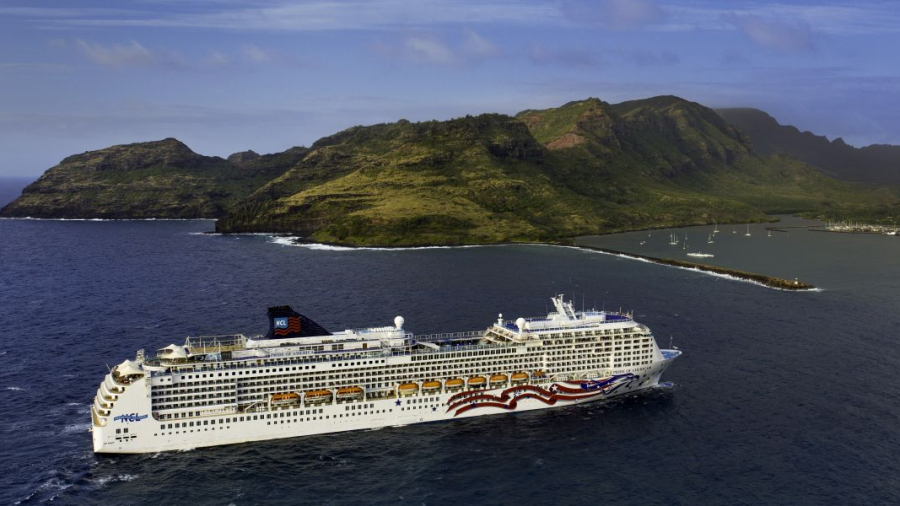
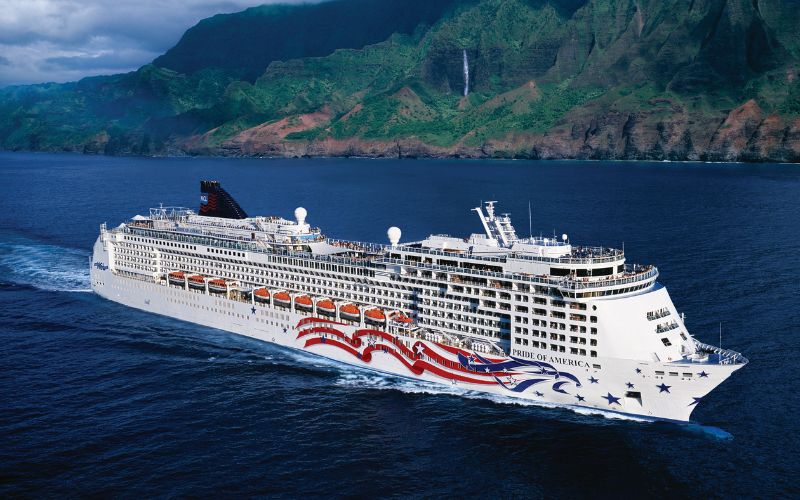
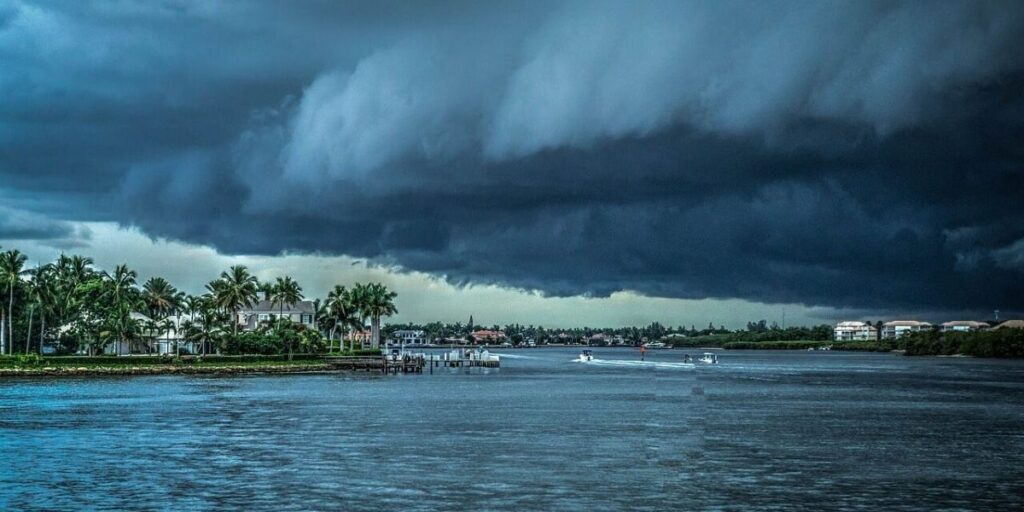
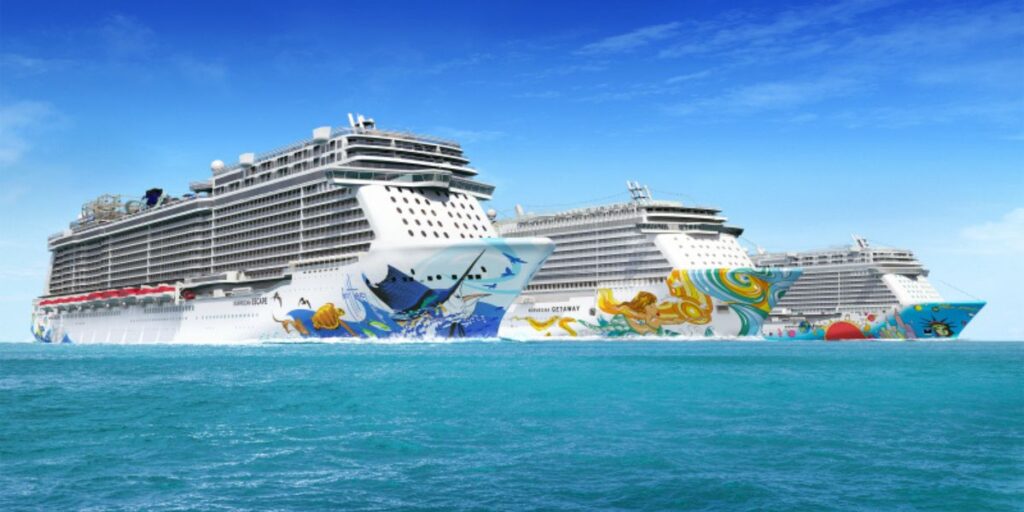
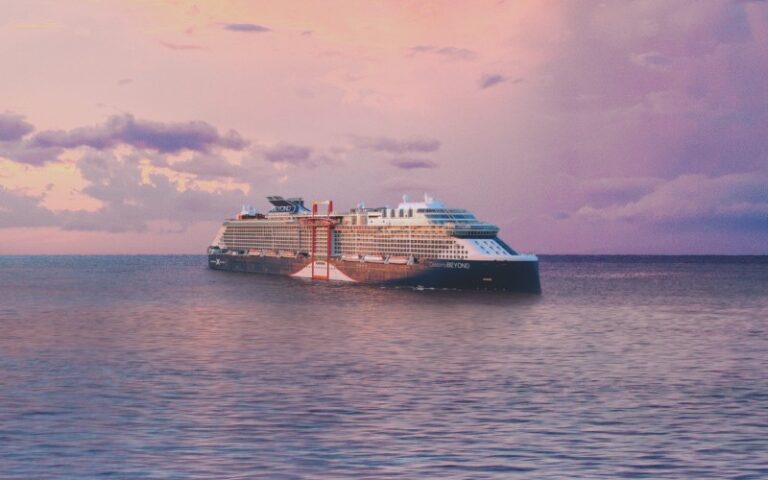
Norwegian Cruise Line’s Pride of America is cutting short its current Hawaii itinerary to return to Honolulu ahead of Tropical Storm Lala, which is expected to strengthen into a Category 1 hurricane before reaching the Hawaiian Islands.
The decision will delay disembarkation by one day and impact both current guests and passengers booked on the following sailing.
The 2,180-passenger Pride of America departed Honolulu on 8th August 2026 for what was meant to be a standard 7-night inter-island cruise through Hawaii.
Guests aboard the vessel have already experienced an overnight visit to Maui and day trips to both Hilo and Kailua-Kona on the Big Island.
However, the developing tropical storm in the Central Pacific has forced Norwegian Cruise Line to make significant adjustments to protect passengers, crew, and the ship itself.
The cruise line issued a letter to current guests explaining the situation and the necessary changes to the itinerary.
“A developing tropical storm in the Central Pacific, southeast of the Hawaiian Islands, is expected to bring strong winds and challenging conditions to the region, resulting in the potential closure of the Port of Honolulu,” Norwegian Cruise Line wrote.
Kauai Overnight Visit Cut Short For Safety
Pride of America’s scheduled overnight port call to Nawiliwili on the island of Kauai has been significantly shortened.
Rather than departing at 5:30 p.m. on 14th August as originally planned, the ship will now leave the port at 6:30 p.m. on 13th August – nearly a full day earlier than scheduled.
This early departure allows the vessel to make a beeline back to its homeport of Honolulu, arriving at 7:00 a.m. on 14th August.
The decision mirrors actions taken by Norwegian Spirit, another Norwegian Cruise Line vessel that Cruise Hive previously reported also rushed back to Honolulu to stay ahead of the storm system.
Both ships are prioritising safety over maintaining their published itineraries, a common practice in the cruise industry when severe weather threatens.
Ship To Weather Storm Outside Harbour Waters
Whilst Pride of America will arrive in Honolulu on the morning of 14th August, the ship won’t remain docked at the cruise terminal during the height of the storm.
Instead, Norwegian Cruise Line has announced that the 2005-built vessel will head to deeper waters just outside Honolulu Harbour to safely weather Tropical Storm Lala.
This strategic positioning allows the ship to avoid potential damage from storm surges and heavy swells that could impact vessels moored at the pier.
“We then intend to head back out to sea ahead of the anticipated port closure, and return to Honolulu on Sunday, 16th August 2026 for disembarkation,” the cruise line informed passengers.
The ship will remain at sea until 5:00 p.m. local time on 14th August before departing for open water, returning only when conditions improve and the port reopens for safe operations.
This approach is standard maritime practice during tropical storms and hurricanes.
Ships are actually safer at sea in deeper water where they have room to manoeuvre and aren’t at risk of being slammed against dock infrastructure by powerful waves.
Delayed Disembarkation Impacts Guest Travel Plans
The revised schedule means that disembarkation, originally planned for 15th August, has been pushed back to 16th August 2026 – a full day later than expected.
This delay creates significant challenges for guests who have booked flights, hotels, and other travel arrangements based on the original schedule.
Norwegian Cruise Line has offered current passengers two options to help accommodate their individual circumstances.
Guests who need to depart on schedule can disembark early when the ship initially arrives in Honolulu on 14th August, allowing them to catch previously booked flights and honour existing hotel reservations.
Alternatively, passengers may remain aboard Pride of America until the official disembarkation process takes place on 16th August, though this requires flexibility with their post-cruise plans.
The cruise line has recommended three hotels with availability for guests needing to extend their Honolulu stays: the Hilton Garden Inn Waikiki Beach, Hilton Waikiki Beach Resort and Spa, and Embassy Suites By Hilton Waikiki Beach Walk.
Norwegian Cruise Line encouraged all affected passengers to contact their hotels as soon as possible to either book new accommodation or extend existing reservations.
Following Sailing Also Faces Delays And Changes
The disruption doesn’t end with the current cruise.
The 7-night sailing that was scheduled to embark on 15th August will also be delayed by one day due to the late disembarkation of the previous voyage.
This creates a domino effect that impacts hundreds of additional passengers who were preparing to board Pride of America for their own Hawaiian adventure.
Guests booked on the following sailing should have been enjoying Maui on 16th August according to the original itinerary.
With embarkation now delayed until 16th August, at least one port call will need to be cancelled or rescheduled for that voyage.
Norwegian Cruise Line has not yet publicly announced how it will handle the revised itinerary for the subsequent cruise, though affected passengers should receive communication directly from the company.
The cruise line’s handling of the delayed embarkation remains unclear at the time of reporting, though industry practice typically involves either shortening the cruise duration or adjusting port calls to accommodate the changed schedule whilst still providing guests with the full value of their booking.
Understanding Port Closure Protocols In Hawaii
The US Coast Guard manages port conditions across Hawaii using a standardised warning system that helps maritime operators prepare for severe weather.
As of the evening of 13th August 2026, nearly every port in Hawaii has been designated as Condition X-Ray, indicating that gale-force winds are expected within the next 48 hours.
This classification serves as a critical warning for cruise ships, cargo vessels, and other maritime traffic to either seek shelter or avoid the area entirely.
The only two Hawaiian ports not yet at Condition X-Ray are Port Allen and Nawiliwili Harbour on Kauai, which will experience the worst weather slightly later than other islands.
These ports are currently at Condition Whiskey, meaning gale-force winds are anticipated within 72 hours.
This graduated warning system allows ship operators like Norwegian Cruise Line to make informed decisions about when to seek shelter and when to avoid specific ports.
Port closures during tropical storms and hurricanes are mandatory safety measures designed to protect both infrastructure and vessels.
High winds can make it impossible for ships to safely navigate narrow harbour channels, whilst violent storm surges can cause moored vessels to break free from their moorings or sustain damage from being pushed against pier structures.
Heavy swells also create dangerous conditions for any attempt to dock or undock, putting both the ship and the pier at risk of catastrophic damage.
Tropical Storm Lala’s Expected Path And Intensity
The National Hurricane Centre, operated by the National Oceanic and Atmospheric Administration (NOAA), has been closely monitoring Tropical Storm Lala’s development and projected path.
As of the evening of 13th August 2026, the storm was positioned approximately 620 miles east-southeast of Hilo on the Big Island, moving west-northwest at 10 miles per hour.
This track puts the storm on a collision course with the Hawaiian Islands.
NOAA meteorologists predict that Tropical Storm Lala will reach Hawaii on the night of Friday, 14th August, or the morning of Saturday, 15th August.
More concerning for residents and visitors alike, the storm is expected to intensify into a fully-fledged Category 1 hurricane before making landfall.
Category 1 hurricanes feature sustained winds of 74 to 95 miles per hour, strong enough to cause significant damage to buildings, uproot trees, and create dangerous conditions both on land and at sea.
All of Hawaii County is currently under a Hurricane Watch, a designation that means hurricane conditions are possible within the next two days.
This watch status indicates that residents and visitors should complete their storm preparations and be ready to take shelter when authorities issue further warnings or evacuation orders.
Pride Of America’s Unique Position In Hawaiian Waters
Pride of America holds a special position in the cruise industry as the only major cruise ship able to operate exclusively within Hawaiian waters year-round.
The vessel is US-flagged and crewed primarily by American citizens, allowing it to comply with the Passenger Vessel Services Act, which typically prohibits foreign-flagged ships from sailing between US ports without calling at a foreign port.
This unique status means Pride of America offers 7-night inter-island cruises that visit multiple Hawaiian destinations without needing to include a stop in Mexico or another foreign country.
The ship’s itineraries typically include overnight stays in both Maui and Kauai, along with day visits to Hilo and Kailua-Kona on the Big Island, providing guests with an immersive Hawaiian experience unavailable on most other cruise vessels.
The 2,180-guest ship entered service in 2005 and has become an institution in Hawaiian tourism, carrying tens of thousands of passengers each year who want to explore multiple islands without the hassle of inter-island flights or hotel changes.
Weather-related itinerary disruptions like the current situation with Tropical Storm Lala are relatively rare but not unprecedented, as Hawaii does sit in the Central Pacific hurricane belt during the late summer and autumn months.
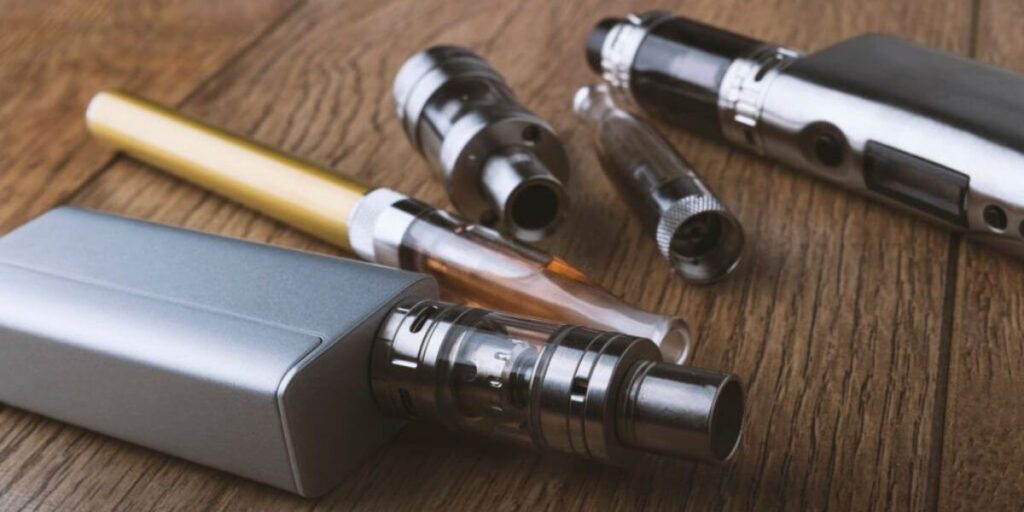
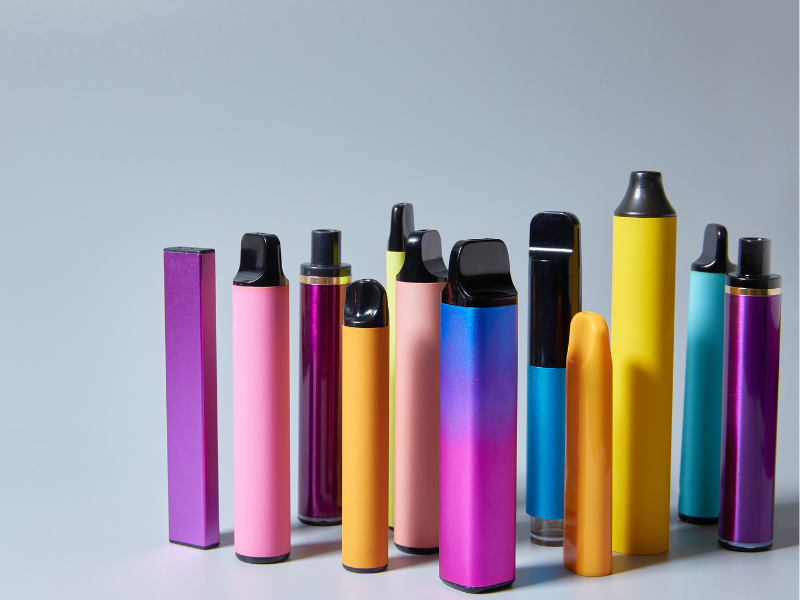
You might assume vaping rules are more relaxed than smoking on a cruise ship. But that’s not always the case.
Some cruise lines treat vapes exactly the same as cigarettes, while others have their own rules that can catch passengers out. Get it wrong, and you could end up with your vape confiscated or even face penalties onboard.
Before you pack your vape, there are a few important things every cruiser should know. Are the rules really as strict as you think?
You Can Bring a Vape With You
You can bring a nicotine vape onto most cruise ships, but it’s generally treated the same as a cigarette. That means you can only use it in designated smoking areas. Vaping in your cabin or on your balcony is prohibited on almost every major cruise line.
However, you can’t bring THC or marijuana products onboard, including weed vapes, edibles or oils. Many cruise lines also ban CBD products, even if they’re legal where you live.
Even though marijuana has been legalized in many countries and US states, the major cruise lines still have strict zero-tolerance policies. This also applies to medical marijuana, so if you rely on it, you’ll need to speak to your doctor before you travel about suitable alternatives for your time at sea.
Bringing prohibited drugs onto a cruise ship can have serious consequences. Depending on the circumstances, they may be confiscated, you could be denied boarding or removed from the ship, and in some destinations you could even face legal action.
Cruise lines take these rules very seriously. All luggage is screened before boarding, and if security finds banned substances, you shouldn’t expect any leniency.
You can’t vape in your stateroom or on your private balcony. Cruise lines generally treat vaping the same as smoking, so it’s only permitted in designated smoking areas.
Exactly where you can vape varies by cruise line and ship. Some only allow smoking and vaping in a few outdoor areas, while others also have indoor smoking lounges or designated casino sections.
On many ships, smoking and vaping are allowed in parts of the casino while you’re playing slot machines, although table games are often smoke-free because you’re sitting much closer to other guests.
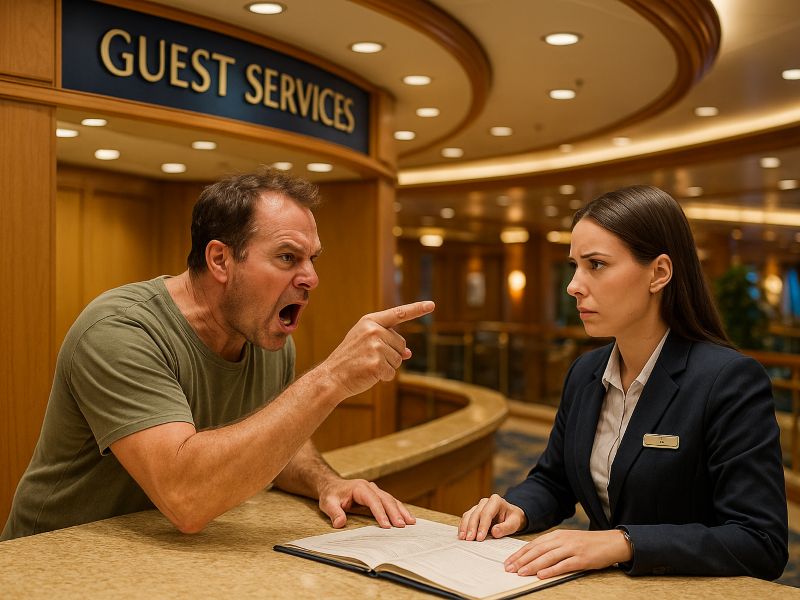
Smoking areas are usually easy to spot thanks to the ashtrays, but if you’re unsure, Guest Services can point you in the right direction.
Some vapers argue that vapour is less intrusive than cigarette smoke, especially as many use e-cigarettes to help them quit smoking. However, cruise lines generally apply the same rules to both in order to minimise the impact on other passengers.
Costa Cruises used to be one of the few exceptions, allowing smoking and vaping on private balconies. However, that policy has now changed, and vaping is now only permitted in the ship’s designated smoking areas. You may still find older information on parts of Costa’s website saying otherwise, but its current contractual terms make the updated rule clear.
Cruise Line’s Individual Policies on Vaping
Here’s a quick look at the vaping policies of some of the world’s biggest cruise lines. They’re broadly similar but it’s worth reading the policy for your chosen cruise line:
Carnival Cruise Line Vape Policy
Carnival Cruise Line treats vaping and e-cigarettes in the same way as traditional cigarettes. They can only be used in designated smoking areas, and vaping is strictly prohibited in cabins and on private balconies.
Guests caught vaping in their cabin or on their balcony face a $500 charge per violation. Serious or repeated breaches may also result in everyone staying in the cabin being removed from the ship without a refund.
Weed vapes, marijuana and CBD products are completely prohibited, even if they have been prescribed for medical use. Carnival follows US federal law, so these items are banned onboard, in cruise terminals, during transfers, on shore excursions and at private islands.
Royal Caribbean Vape Policy
Royal Caribbean only allows electronic cigarettes and vape pens to be used in designated smoking areas onboard. They aren’t permitted in staterooms, on private balconies or in any other indoor public area. Guests who smoke or vape in their cabin or on their balcony will be charged a $250 cleaning fee and may face further action under the cruise line’s Guest Conduct Policy.
Princess Cruises only allows e-cigarettes and vapes to be used in designated smoking areas. These generally include a section of the open deck, and on some ships may also include a cigar lounge or part of the nightclub.
Smoking and vaping are prohibited in all staterooms and on private balconies. Guests who break this rule will be charged a $250 fine for each occurrence, which is added to their onboard account.
The casino is also non-smoking, except for designated slot machines where guests may smoke or vape while actively playing. You can find full details in Princess Cruises’ smoking policy.
NCL Vape Policy
Norwegian Cruise Line treats vaping and e-cigarettes the same as traditional cigarettes. They can only be used in designated smoking areas, which include selected indoor and outdoor locations depending on the ship.
Smoking or vaping in your stateroom or on your balcony is prohibited. Guests who break this rule will be charged a $250 cleaning fee, and may also have to pay for any damage caused to furniture, carpets, towels or other furnishings.
You can find the designated smoking areas for every ship in NCL’s smoking policy.
Disney Vape Policy
Disney Cruise Line only allows e-cigarettes and vapes to be used in designated smoking areas. These are more limited than on many other cruise lines, and on some ships certain smoking areas are only available between 6 pm and 6 am.
Guests who smoke or vape in their stateroom or on their verandah will be charged a $250 stateroom recovery fee to cover the cost of deep cleaning.
If you’re sailing on Disney Adventure, be aware that vapes and e-cigarettes are completely prohibited because the ship sails from Singapore, where they are illegal.
On almost every cruise line, vaping is treated the same as smoking a traditional cigarette. That means you won’t be able to vape in your cabin or on your balcony, and you’ll need to stick to the ship’s designated smoking areas instead.
If you’re used to taking a quick puff whenever you fancy it, that might take a little getting used to. But it’s not worth breaking the rules. Depending on the cruise line, you could be hit with a hefty fine, charged for extra cleaning or even removed from the ship.
The good news is that as long as you know the rules before you sail, bringing your vape onboard shouldn’t be a problem. Just make sure you only use it where it’s allowed, and you’ll avoid any unpleasant surprises.
You can spend months planning a cruise and still get caught out within minutes of stepping off the ship.
The thing is, cruise passengers are an easy audience for scammers to spot. Sometimes, at least. Think about it – thousands of visitors arrive at once, most are unfamiliar with the local area, and everyone’s trying to make the most of a limited few hours ashore.
Add in busy terminals, language barriers and the usual holiday excitement, and it’s no surprise that some ports have become hotspots for tourist scams.
Don’t panic – most cruises pass without a single issue, and millions of people explore ports every year without problems. But a little awareness goes a long way…
1. Fake Taxi Drivers And Inflated Fares
This is probably the most common cruise port scam of all, and it happens everywhere from Miami to Barcelona.
Some drivers target cruise passengers specifically because they know travellers are unfamiliar with local fares and often in a hurry to get to the port, airport or a major attraction. The scam varies slightly too – some drivers might refuse to use the meter or claim it’s broken. Others take unnecessarily long routes to inflate the fare, since they think you’re clueless about where you’re going.
There have also been reports of fake rideshare drivers approaching passengers outside terminals pretending to be official Uber or Lyft drivers. Once luggage is in the car, the fare suddenly jumps – and arguments become difficult when your bags are locked in the boot.
Even legitimate taxis can try their luck. Some passengers have discovered extra zeros added to card machines or “tourist pricing” applied once they realise you’ve arrived from a cruise ship.
Official taxi ranks are always the safest option. If you’re using rideshare apps, only get into the exact vehicle listed in the app and verify the registration plate before you throw your suitcases in the back.
It’s also worth researching typical fares in advance. Knowing roughly what a journey should cost makes it much easier to spot when something feels off.
And if you’re worried? Look for someone who works at the port and they’ll be able to give you a hand.
Independent shore excursions can be fantastic. In many ports, local operators offer smaller groups, lower prices and more personal experiences than cruise line tours.
But not every excursion company is as reliable as it appears online.
Some passengers have arrived to find overcrowded minibuses, attractions swapped for souvenir stops, or surprise “dock fees” added at the last minute. Others have booked tours that looked professional online, only to discover they were heavily subcontracted once they arrived.
One of the biggest risks is booking with people standing near the pier offering tours on the spot. Genuine local operators do exist, but scammers know cruise passengers are tempted by last-minute deals.
The biggest red flag is pressure. If someone insists you must book immediately because “the last seats are going”, it’s usually better to walk away.
Before sailing, spend a little time checking recent reviews on independent sites and cruise forums. Reliable operators tend to have consistent feedback from multiple cruisers over a long period, rather than a handful of glowing reviews posted within weeks of each other.
And if you’re booking independently, always keep an eye on return times. The ship won’t wait for late passengers unless the excursion was booked through the cruise line.
I’d always recommend Shore Excursions Group – tons of 5* reviews, a very generous return-to-ship guarantee and they’re very careful about the tour operators they work with.
Save up to 40% on Cruise Excursions!
Choose from over 4,000 excursions with a return-to-ship guarantee
3. “Free Gift” And Resort Pass Traps
If someone in a cruise port starts offering free bracelets, free drinks, free beach access or a free spa treatment, there’s usually a catch somewhere. And yes, I know that might sound obviously, but people can forget this when they’re cruising – they’re giddy about being on holiday.
These scams are especially common in Caribbean ports where representatives stand near the terminal promising luxury resort access or VIP beach clubs at “no cost”. What they don’t mention upfront is the lengthy timeshare presentation or aggressive sales pitch attached to the offer.
Other versions are simpler but just as awkward. Someone places a bracelet on your wrist, hands you a “gift”, or starts a friendly demonstration before demanding payment afterwards. The idea is to create social pressure and make tourists feel uncomfortable walking away.
Many people will accept something politely before realising they’ve accidentally started a sales interaction they never wanted.
The easiest rule is also the simplest: avoid accepting unsolicited freebies from strangers in busy tourist areas. A firm “no” is all that’s needed.
If you genuinely want a resort day pass, book through a reputable operator or directly with the resort itself rather than someone approaching you outside the port gates.
4. Skincare And Beauty Product Scams
This is one of the cruise world’s most talked-about scams, particularly in parts of the Caribbean and the Bahamas.
Passengers are lured into luxury-looking skincare shops with free samples and demonstrations promising dramatic results in minutes.
Once inside, the atmosphere can become surprisingly intense. Staff move quickly from friendly demonstrations to high-pressure sales tactics, often steering customers towards eye-wateringly expensive creams, serums or beauty devices.
Some travellers later realise they agreed to spend hundreds – or even thousands – far more quickly than they intended. Others claim the amount charged to their card was significantly higher than expected.
These shops often rely on creating urgency and flattery at the same time. You’ll hear phrases like “today only”, “special cruise guest pricing” or “this product usually sells for much more”.
The products themselves aren’t always fake, but the prices can be wildly inflated compared with what similar items cost elsewhere.
If you do buy anything, check the amount carefully before paying and never feel pressured into making a quick decision. Any genuine luxury brand should still be there tomorrow.
Also, a quick word of warning – this isn’t just a port-side scam. On rare occasions, people have talked about similar things happening in an onboard spa on a ship.
If that ever does happen, just go straight to Guest Services and let them know.
5. Public Transport And Ticket Scams
Not every scam involves someone directly stealing from you. Some rely on confusion instead.
Cruise passengers using public transport for the first time in a foreign city can easily get caught out by unfamiliar systems, especially in busy European ports.
One well-known example involves ticket validation machines. In some cities, buying the ticket isn’t enough – you also need to validate it onboard or at the station before travel begins. Tourists who miss that step can face hefty fines from inspectors.
There have also been reports of broken validation machines, conflicting instructions from drivers and unofficial “helpers” giving misleading advice.
Most of the time, these situations are legitimate misunderstandings rather than organised scams, so don’t instantly assume the worst. Still, tourists often feel targeted because locals seem to avoid the same penalties.
A little preparation helps enormously here. Download official transport apps where possible, check how validation systems work before travelling and keep hold of tickets until the journey is fully complete.
And if someone approaches offering to “help” buy tickets from a machine, be cautious before handing over cash or cards.
6. Pickpocket And Distraction Scams
Crowded cruise ports are ideal environments for pickpockets.
Busy shuttle buses, packed tourist streets and popular attractions create exactly the sort of distractions opportunistic thieves look for. And many scams rely less on stealth and more on confusion.
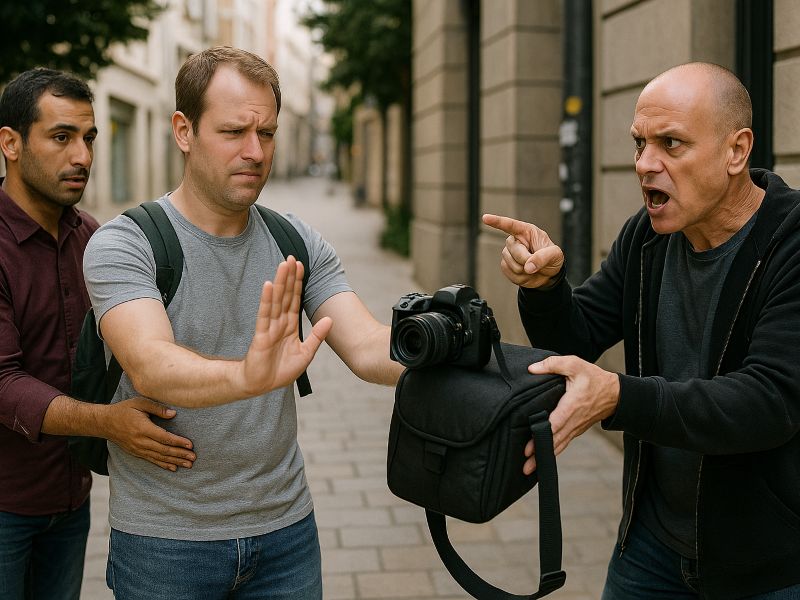
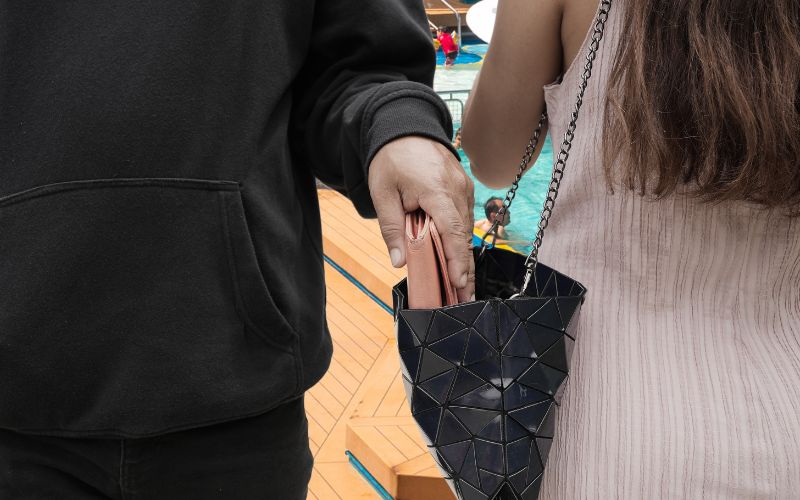
One common tactic is the distraction approach – someone spills something near you, asks you to sign a petition, tries to sell souvenirs aggressively or starts an argument nearby while another person targets bags, wallets or phones.
Another version involves overly helpful strangers offering to give you a hand with luggage on steep streets or station steps.
Mediterranean ports are particularly known for pickpocketing hotspots, especially around major landmarks and public transport hubs, but it can happen anywhere tourists gather in large numbers.
That said, there’s no need to become paranoid. Most visits ashore are completely uneventful.
Simple precautions make a huge difference:
keep valuables zipped away
avoid carrying large amounts of cash
don’t leave phones loose on café tables
stay especially aware in crowded areas
The easier target is usually the distracted one.
7. Fake WiFi Networks And QR Codes
Many cruise passengers search for free WiFi almost immediately after leaving the ship, especially if roaming charges are expensive. Scammers know this and sometimes create fake networks with names designed to look official, such as “Port_Free_WiFi” or “Cruise Terminal Guest”.
Once connected, travellers may unknowingly enter passwords, payment details or personal information into fake login pages.
QR code scams are also becoming more common. Fraudsters place fake QR code stickers over genuine signs, directing users to cloned payment pages or malicious websites.
These scams can be surprisingly convincing because people naturally trust signage inside ports, cafés and tourist areas.
Using mobile data is generally safer than public WiFi where possible. If you do connect to public networks, avoid logging into banking apps or entering payment details.
And before scanning any QR code, take a second to check whether the sticker looks tampered with or oddly placed over another sign.
8. Fake Visa, ETA And Cruise Booking Websites
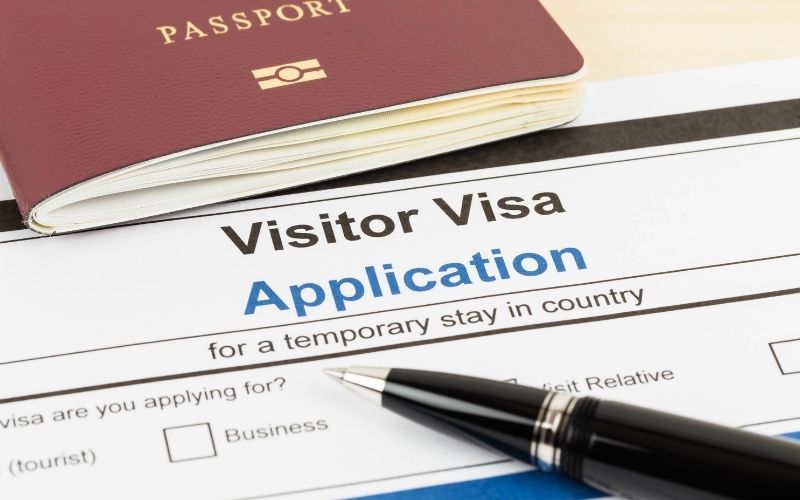
As more countries introduce electronic travel authorisations and online visa systems, fake websites have exploded alongside them.
Some sites charge huge “processing fees” for applications that should cost far less. Others are outright phishing scams designed to collect passport details and card information.
Cruise passengers can be particularly vulnerable because visa requirements vary by itinerary, and many travellers are rushing to complete forms shortly before departure.
Fake cruise booking websites and phishing emails are also becoming more sophisticated. Some cloned cruise line pages look almost identical to the real thing, especially on mobile devices.
One common tactic involves emails claiming there’s a problem with your booking or payment, urging you to click a link immediately to avoid cancellation.
The safest approach is always to access cruise bookings and visa applications directly through official websites rather than links sent by email or social media adverts.
If a site looks rushed, contains spelling mistakes or promises “guaranteed approval”, that’s usually a major warning sign.
Cruise passengers often need quick access to local currency, especially in ports where smaller shops and taxis don’t accept cards.
The bad news? Exchange booths in tourist areas don’t always offer fair deals.
Some advertise “zero commission” while building huge markups into the exchange rate itself. Others rely on confusion around unfamiliar currencies, particularly when travellers are tired or rushing back towards the ship.
ATM scams are another issue in busy tourist areas. Card skimmers, hidden cameras and distraction tactics still exist in some destinations, particularly around standalone cash machines.
One of the most common tricks isn’t technically a scam at all, but it still catches plenty of travellers out – dynamic currency conversion. That’s when a card machine asks whether you’d prefer to pay in your home currency instead of the local one.
It sounds helpful, but the exchange rate is usually much worse.
As a general rule, bank-operated ATMs inside banks are safer than standalone machines in tourist hotspots, and paying in local currency almost always gives a better rate.
What To Do If You Think You’ve Been Scammed
Even careful travellers can get caught out occasionally, so don’t panic if something feels wrong after the fact.
If money has been taken from your card unexpectedly, contact your bank immediately and freeze the card if necessary. Take screenshots, photographs and copies of receipts wherever possible, especially if you need to make an insurance claim later.
For serious incidents in port, report the issue to local police and let the ship’s guest services or security team know once you’re back onboard. Cruise lines can’t investigate every dispute ashore, but they may be able to advise on local reporting procedures.
Most importantly, don’t let one bad experience overshadow an otherwise brilliant holiday.
A little caution in busy tourist areas is usually all it takes to avoid the vast majority of these scams altogether.
TODAY’S BEST CRUISE DEALS!
Don’t miss these offers…
Final Word
Cruise scams make headlines because they’re frustrating, memorable and often happen when people least expect them. But they’re still the exception rather than the rule.
The vast majority of cruise passengers never experience anything more serious than an overpriced taxi or an overly pushy salesperson ashore. A bit of awareness – and a healthy scepticism towards anything that seems too good to be true – is usually enough to avoid the most common problems.
Cruising remains one of the easiest and most enjoyable ways to see the world. Knowing what to watch out for simply means you can spend less time dealing with hassle in port and more time enjoying the holiday you actually paid for.
Cruisers are a friendly bunch… right up until someone saves six sunbeds with a pair of flip-flops and disappears for three hours.
Spend enough time at sea and you start noticing the little things people do that quietly drive everyone else mad. Some are annoying. Some are baffling. A few should probably be banned altogether, or at least that’s what people will say!
And while nobody likes to admit they complain onboard, cruise passengers can turn almost anything into a heated debate by day three…
1. Chair Hogs at Sunrise
There’s something that’s actually almost impressive about the dedication of cruise chair hogs!
While most passengers are still asleep, these determined early risers are already marching onto the pool deck at dawn, strategically placing towels, books and the occasional lonely flip-flop across an entire row of loungers.
The real frustration isn’t just the saved chairs – it’s that half of them stay empty until lunchtime. Because once they’ve reserved their loungers, those cruisers will nip back to bed, or go enjoy a leisurely breakfast, or even head ashore if the ship’s in port!
Cruise lines constantly threaten crackdowns, but the towel wars continue on practically every sailing. Nothing sparks passive-aggressive muttering faster than watching somebody stroll back to their “reserved” lounger four hours later with zero shame whatsoever.
Cruise ships somehow turn perfectly normal adults into people who abruptly stop in the middle of walkways like they’ve hit an invisible forcefield.
Maybe they’re checking the daily planner. Maybe they’re deciding where to eat. Maybe they’ve spotted a friend three decks away. Whatever the reason, there’s always somebody causing a human traffic jam outside the buffet entrance.
The problem gets even worse on mega ships where thousands of passengers are all trying to move around at once. Suddenly one family stopping side-by-side becomes the maritime version of a motorway pile-up.
Bonus annoyance points if they stop directly outside an elevator. Those guys are awesome…
3. Buffet Queue Jumpers
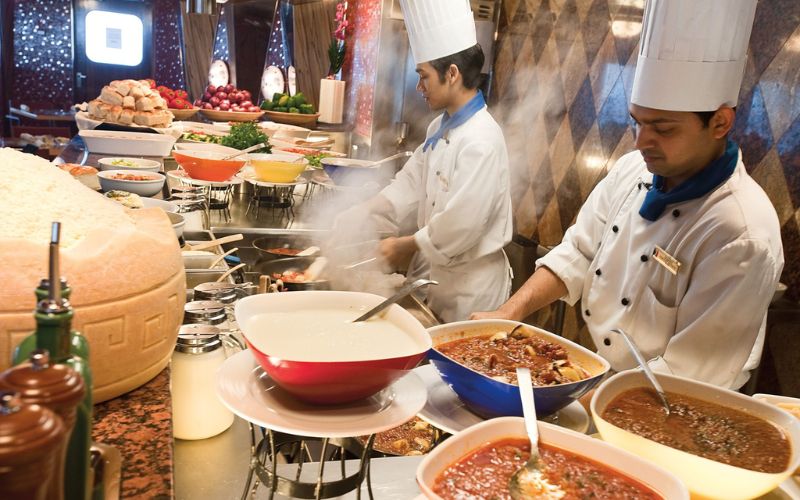
Cruise buffets can sometimes feel like fascinating social experiments. Most passengers politely shuffle along, waiting their turn for scrambled eggs or roast potatoes. Then there’s always one person who treats the whole thing like supermarket sweep.
Queue jumpers appear from nowhere. They squeeze into tiny gaps. They hover awkwardly beside trays waiting for fresh food to arrive before anyone else can grab it.
And somehow, despite buffet layouts being almost identical across cruise lines, there’s always confusion about where the queue actually starts.
I don’t actually mind a queue-jumper if they’re just nipping in for one or two items. After all, the queue for the bacon my stetch right past the mushrooms, so if you just want mushrooms, go for it. As long as you’re respectful and don’t aggressively push in!
4. Loud Balcony Neighbours
Balconies are supposed to be peaceful little private escapes. But there’s often a decent chance your neighbours will treat theirs like an all-night pub garden.
Some passengers genuinely seem unaware that sound travels incredibly easily between balconies. Conversations, phone calls, music and drunken late-night chats drift straight through the partitions.
Then there are the smokers who technically aren’t supposed to be smoking out there, but somehow think nobody notices. We do notice, though.
The worst offenders are the groups who decide midnight is the perfect time for balcony drinks and storytelling. Lovely for them. Less lovely for the people next door trying to sleep before an early excursion.
Cruise ship elevators bring out survival instincts nobody knew they had.
You’ll wait patiently for several minutes watching full lifts arrive one after another while people inside refuse to move an inch away from the buttons. Then finally one arrives with space for three people… and somehow eight still attempt to squeeze in.
There’s also an unwritten battle over whether to wait or simply take the stairs. On sea days especially, elevators become strangely emotional places.
And somehow there’s always one child repeatedly pressing every single deck button while their parents stare into the middle distance pretending not to notice.
One complaint that is definitely justified though – those people who try to cram into an elevator before letting people get off. Just wait 10 seconds!
6. Theatre Seat Savers
Saving one extra theatre seat for your partner? Fair enough.
Saving twelve seats with cardigans, handbags and cocktails while your entire group finishes dinner elsewhere? Straight to cruise jail.
The pre-show scramble in cruise theatres can get surprisingly intense, especially on newer ships with popular productions, or on ships where the theatres aren’t the biggest. People arrive ridiculously early to claim prime spots, only to defend entire empty rows like security guards.
It becomes even more irritating when late arrivals expect everyone to shuffle around mid-performance so their giant group can sit together. Or worse is when they don’t turn up, leaving the seats empty when others have had to miss out!
Nobody wants to become territorial over seats on holiday. And yet somehow cruise entertainment has a magical ability to turn grown adults feral.
7. Kids Treating the Ship Like a Playground
Most kids onboard are absolutely fine. You barely notice them. Then there are the ones sprinting through corridors at full speed at midnight while slamming cabin doors hard enough to shake neighbouring walls.
Cruise ships naturally give children freedom they don’t usually get at home, which is partly why families love cruising. But occasionally that freedom turns into total chaos while exhausted parents quietly give up trying to intervene. Or they just don’t seem to care at all in the first place.
Stairwells become playgrounds. Elevators become amusement rides. Hot tubs become unofficial swimming lessons.
Nobody expects children to sit silently all cruise long. But there’s definitely a line between “having fun” and “running completely wild across Deck 12”.
8. People Using Speakerphone by the Pool
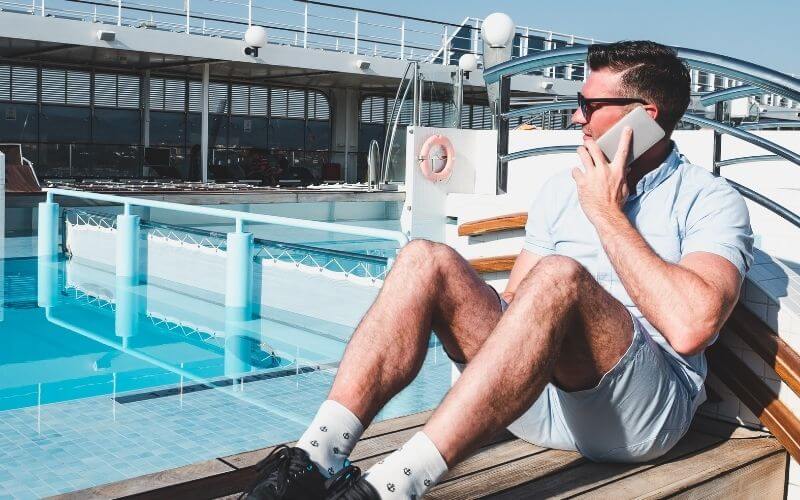
For reasons science may never fully explain, some cruise passengers genuinely believe the entire pool deck wants to hear their video call.
Maybe it’s a friend back home. Maybe it’s somebody loudly discussing dinner plans. Either way, nobody relaxing beside the pool needs accidental front-row access to someone else’s conversation.
Music played through phone speakers is equally bad. Especially when several people decide to do it at once, creating a strange overlapping soundtrack of dance music, TikTok clips and muffled FaceTime calls.
Cruise ships already have enough background noise without passengers personally contributing to it through terrible phone speakers.
Headphones exist for a reason, people.
9. Unlimited Drink Package Behaviour
Drink packages can absolutely be worth it. Unfortunately they also inspire some truly fascinating behaviour by day two.
Suddenly passengers who barely drink at home become determined to “get their money’s worth” from sunrise cocktails onwards. Pool bars turn chaotic. Frozen drinks appear before breakfast. Somebody always ends up loudly insisting they’re “not even tipsy” while walking sideways.
Most people on a cruise handle drink packages perfectly responsibly. But every cruise has at least a few passengers treating the unlimited cocktails like an Olympic endurance challenge nobody asked for and it does spoil the fun a bit.
10. Cabin Door Slammers
Cruise cabin doors are surprisingly heavy, and this is something everyone discovers approximately once.
And then there’s those handful of passengers who just never seem to learn.
At all hours of the day and night, corridor silence is interrupted by enormous slams echoing deck after deck. Early risers heading for excursions. Late-night wanderers returning from the casino. Families repeatedly entering and exiting adjoining cabins every five minutes.
It’s one of those cruise annoyances that sounds minor until you’re trying to sleep and the cabin opposite appears determined to recreate a SWAT raid at 6am.
The strange part is that people often don’t realise they’re doing it. Meanwhile half the corridor quietly hates them by day four.
11. People Who Never Wash Their Hands
Cruise ships work incredibly hard to keep passengers healthy, which makes it so frustrating when some people completely ignore basic hygiene.
You know how some cruise lines actually pay people to stand outside a buffet and sing songs encouraging people to wash their hands? How have we got to a place where that person is needed?!
And still, some guests will just confidently stroll straight past. Others somehow leave public toilets without touching a sink once.
Then come the buffet horrors – grabbing pastries with bare hands, touching serving utensils after coughing, or letting children treat food stations like interactive exhibits. Yuck!
Nothing destroys your appetite faster than watching somebody sneeze into their hand before reaching for bread rolls. Cruise passengers love complaining about outbreaks onboard, but sometimes fellow guests are part of the problem.
12. Overcrowded Hot Tubs
Hot tubs onboard always look relaxing in promotional photos but there are never enough hot tubs to go around…
On sea days especially, hot tubs become mysteriously overcrowded from morning onwards. Sometimes they’re packed with loud groups clutching cocktails. Sometimes they’ve been unofficially claimed by children cannonballing endlessly while adults hover awkwardly nearby wondering whether to give up entirely.
And there’s always one person sitting directly beside the jets for two straight hours refusing to move. Which is worrying, when they’re often getting drinks.
How are they going to the bathroom? Oh.
13. Last-Minute Pier Runners
Every cruiser secretly loves watching pier runners. Nobody admits it, but it’s true. It’s properly fun.
There’s always a crowd lining upper decks filming late passengers sprinting dramatically toward the ship while security staff wait impatiently nearby.
To be fair, sometimes delays genuinely aren’t passengers’ fault. Traffic happens. Tours overrun. Ferry schedules collapse. But occasionally you can absolutely tell somebody ignored “all aboard” time because they wanted one final cocktail near the beach.
The reason people complain isn’t just the delay – it’s the stress. Nobody wants to wonder whether departure will be held up because someone lost track of time in Cozumel.
Still, everyone watches. And heaven forbid the pier runner acts like they don’t care. That’s when the booing starts!
14. The WiFi Complaints
Cruise WiFi has improved massively over the past few years, yet complaints about it somehow remain completely undefeated.
Guests expect flawless streaming in the middle of the ocean while thousands of other people attempt exactly the same thing simultaneously. Then outrage erupts when Instagram takes three extra seconds to load.
Older cruise internet packages were genuinely terrible, so some frustration is fair. But modern ships now offer speeds that would’ve seemed impossible not long ago.
Of course, that doesn’t stop people angrily testing connection speeds every hour before announcing to Facebook that “the WiFi onboard is unusable” using the very WiFi they claim doesn’t work.
15. People Wearing Swimwear in the Buffet
There’s always debate around cruise dress codes, but most passengers can agree on one thing – nobody really wants to see dripping swimwear beside the pasta station. This is another gross scenario and yet it happens!
Every sailing has at least a handful of guests wandering into the buffet barefoot and soaking wet straight from the pool deck. Sometimes without cover-ups. Occasionally without much else either.
It’s not about formal rules or being overdressed. It’s more the strange combination of wet swimsuits and self-service food areas that feels slightly chaotic. Crew rarely say much unless somebody pushes it too far, so the silent judging falls entirely to fellow passengers trying to enjoy lunch in peace.
16. Cruise Ducks Everywhere
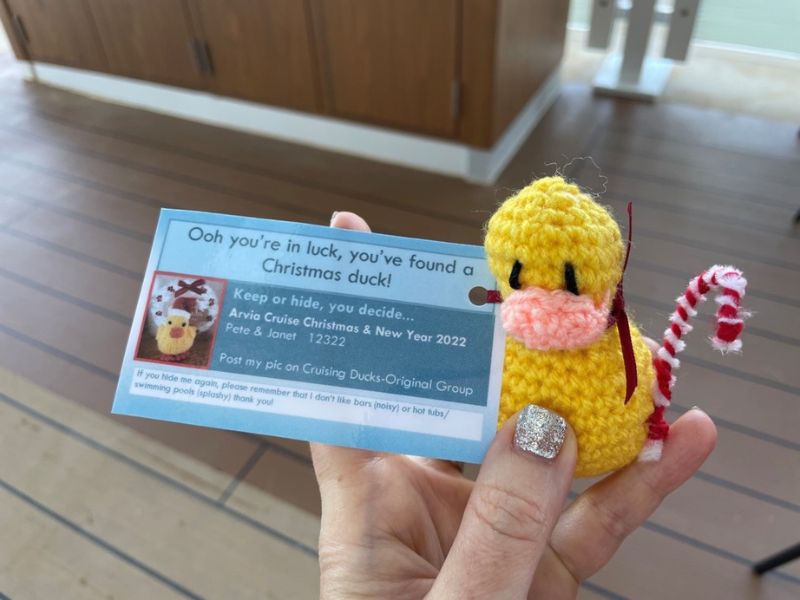
Cruise ducks somehow became one of cruising’s strangest traditions. Some passengers absolutely love hiding tiny rubber ducks around ships for others to find. Families treat it like a floating treasure hunt. Kids get ridiculously excited spotting them tucked beside artwork or hidden near staircases.
Other passengers absolutely cannot stand them. To critics, cruise ducks are clutter. They create mess. They encourage people to crawl around public areas searching behind decorations like detectives in a crime drama.
The funniest part is how seriously both sides take it. Few cruise topics escalate faster online than innocent little rubber ducks mysteriously dividing the entire cruising community into opposing camps.
I’m fine with the duck craze, personally, though I won’t go out of my way to join in.
17. The Buffet Plate Pile-Up
Cruisers often behave very differently around “included” food, as if they’ve never been full before.
Even people who eat modestly at home suddenly return from evening shows carrying towering late-night buffet plates like they’re preparing for hibernation.
There’s always someone balancing pizza, chips, cake, noodles and ice cream simultaneously despite clearly only wanting half of it. Then tables end up abandoned with mountains of untouched food and melting desserts.
Part of it is excitement, just getting giddy at the variety of options available. Partly it’s the weird cruise mentality that encourages people to maximise absolutely everything. You have to get your money’s worth, right?!
Still, watching enormous amounts of wasted food being cleared away night after night can get surprisingly frustrating after a while. Especially when buffet queues are already packed.
Cruise line excursions regularly trigger the exact same conversation onboard.
“Yes, it’s expensive… but what if we miss the ship?”
Passengers know cruise-sponsored tours offer protection and convenience, but that doesn’t stop the sticker shock when prices appear in the planner. Suddenly a simple beach transfer somehow costs the same as a decent restaurant meal back home.
Then there’s the frustration when excursions feel rushed, overcrowded or overly commercialised once you actually arrive.
I use Shore Excursions Group, because their pricing is often much more competitive than the cruise lines’, and they’ll still always get you back to the ship. They have a guarantee – if you miss the ship, they’ll pay for you to meet it at the next port AND give you $1,000pp as an apology. Almost makes me want to miss the ship!
Save up to 40% on Cruise Excursions!
Choose from over 4,000 excursions with a return-to-ship guarantee
19. Tender Queue Chaos
Tender ports always sound lovely in theory. Small boats ferrying passengers ashore to picturesque destinations feels wonderfully old-school cruise travel.
Until you’re stuck in a giant queue at 8am holding a numbered ticket while hundreds of equally impatient passengers slowly lose morale around you.
Tendering works reasonably well on smaller ships, but on larger vessels it can become painfully slow. Weather delays make everything worse. Mobility issues complicate things further. And once frustration starts building, the atmosphere changes quickly.
The thing is, you just have to learn to be patient. Trust me, you’ll get plenty of time ashore. Try to let that frustration go!
20. Motion at Sea
Cruise ships are enormous these days, but they still move. That’s generally how boats work.
Even so, every sailing seems to include passengers acting personally betrayed whenever the ocean behaves like… ocean.
OK, on very rare occasions it can be pretty bad…
But on a more typical cruise, even light vibrations become dramatic conversations in elevators. Mild swaying inspires frantic weather Googling. Somebody inevitably declares they “never felt movement like this before” despite cruising annually.
To be fair, seasickness genuinely can ruin trips for some people. But there’s always a difference between understandable discomfort and passengers demanding perfectly still conditions in the middle of the Atlantic.
Cruise lines have mastered the art of selling absolutely everything possible once you step onboard. This varies depending on who you’re sailing with, as some are worse than others, but even on one of the better lines, it’s not always fun to be reminded of extras you’ve not yet paid for.
Speciality dining. Spa packages. Bingo. Art auctions. Photography packages. Premium desserts. VIP seating. Extra attractions. Better drinks. Faster internet. More exclusive sun decks.
Occasionally it feels like you can’t walk ten metres without somebody trying to upgrade something.
Some cruisers genuinely don’t mind it because ignoring sales pitches becomes easy after day one. Others find the constant upselling exhausting, especially when cruises already aren’t cheap holidays to begin with.
The irony is that most people complaining about onboard spending will still somehow return home with a surprisingly large bill anyway.
22. Influencer Photo Shoots
Cruise ships are beautiful places and so naturally people want photos.
But there’s a growing category of passengers turning entire public areas into full-scale social media productions complete with outfit changes, portable lighting and dramatic slow-motion posing.
You’ll spot them blocking staircases, monopolising infinity pools or spending 40 uninterrupted minutes attempting the exact same sailaway shot while everybody awkwardly waits nearby.
Most people taking holiday photos aren’t bothering anyone. It’s the extreme versions that become unintentionally hilarious.
Yes, I’m technically a cruise influencer, and I do use my phone a lot. I usually get up at silly-o’clock in the morning to go film what I need when the ship is dead, so that a) I’m not annoying other guests, and b) it’s easier to film without having people walking in front of my shot. It works so much better.
23. Complaining About the Food… Then Going Back for More
Passengers complain the buffet is repetitive while returning three times daily. They declare desserts disappointing moments before ordering another two. Somebody loudly announces the pizza is “terrible” while actively eating a fourth slice.
Of course, food is subjective and not every meal onboard will be brilliant. But cruise ships feed thousands of people every single day, which is honestly quite impressive when you think about it.
The funniest complainers are usually the ones behaving like unpaid restaurant critics despite clearing every plate entirely.
24. The “Everything Was Better Before” Cruisers
Every cruise has at least one veteran passenger explaining how cruising peaked approximately 15 years ago.
The food used to be better. The service was better. The entertainment was better. Formal nights were better. Passengers were classier. Buffets were quieter. Sunbeds were easier to find. Everything, apparently, has declined dramatically since 2009.
To be fair, some complaints are valid. Cruising absolutely has changed over the years. But certain passengers seem determined to spend entire holidays mourning the golden age of cruising instead of enjoying the one they’re currently on.
Ironically, complaining about modern cruisers has quietly become one of cruising’s most enduring traditions itself.
Cruise ships bring together thousands of people in a floating hotel with unlimited food, limited sunbeds and just enough cocktails to lower everybody’s patience levels slightly by day four. So honestly, it’s impressive things run as smoothly as they do.
Most of these annoyances are harmless, even if they inspire plenty of eye-rolling along the way. And the funny thing is, half the habits people complain about are probably things we’ve all done ourselves at some point – yes, even saving a theatre seat “just for two minutes”.
Still, if you can avoid slamming doors, hogging loungers and blasting TikToks by the pool, your fellow passengers will probably appreciate it.
And if not? At least you’ll give them something to complain about.
Norwegian Cruise Line has released its extensive Summer 2028 deployment, opening bookings for more than 450 voyages across 20 ships departing from 25 homeports worldwide. The programme features sailings to nearly 150 destinations spanning 51 countries, with 175 overnight stays and late departures strategically positioned across 53 ports.
The deployment represents one of the line’s most ambitious seasonal offerings, with almost 80 per cent of voyage time allocated to port stays rather than sea days. This structure reflects the cruise industry’s growing emphasis on destination immersion and extended port experiences, catering to passengers seeking more in-depth exploration of the regions they visit.
Marc Kazlauskas, president of Norwegian Cruise Line, emphasised the value of early booking opportunities. “It’s never too early to start planning your next vacation,” he stated. “With the Summer 2028 voyages now on sale, guests can take advantage of a greater selection of destination-rich itineraries with almost 80 per cent of voyages spent in port, more choice of preferred staterooms and exceptional value.”
He added that the season brings together some of the line’s most exciting voyages yet, with expanded opportunities for guests to immerse themselves in the destinations they visit.
Current Promotional Offers Drive Early Bookings
Norwegian Cruise Line is coupling the deployment announcement with its End of Summer Sale, which runs through 18th August 2026. The promotion offers 50 per cent off all cruises and up to $750 in onboard credit per stateroom on select sailings.
The sale combines with the line’s Free at Sea package, which bundles unlimited beverages, specialty dining meals, excursion credits and Wi-Fi access. These stackable offers represent a significant value proposition for passengers willing to commit to travel plans more than two years in advance, a strategy that has become increasingly common in the cruise industry as lines seek to lock in future revenue and gauge demand for new deployments.
Great Stirrup Cay And Waterpark Anchor Bahamas Programme
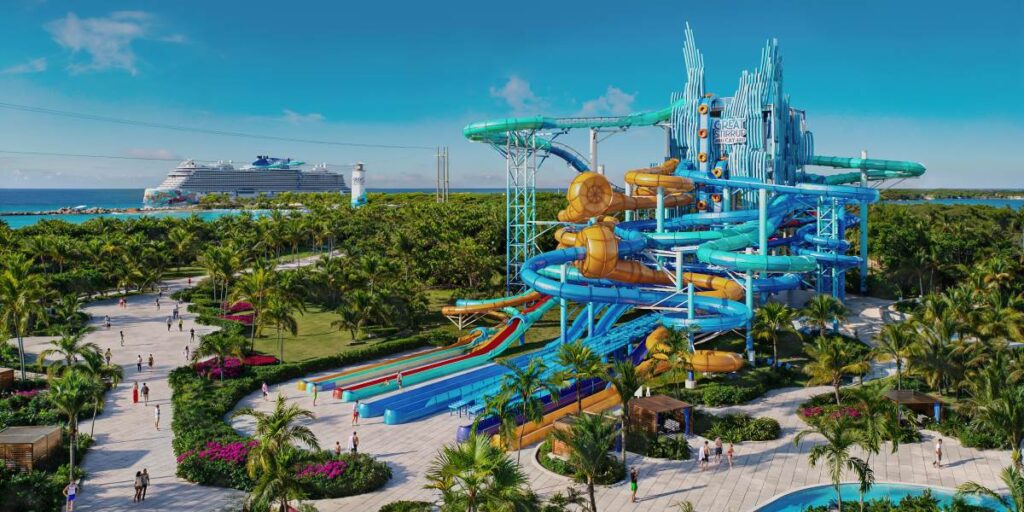
Norwegian’s private island destination in the Bahamas features prominently in the Summer 2028 deployment. Norwegian Luna, Norwegian Aqua and Norwegian Aura will all call at Great Stirrup Cay, providing passengers access to the Great Tides Waterpark scheduled to open on 4th September 2026.
Norwegian Aqua will spend her inaugural full summer season operating three- and four-night roundtrip Bahamas cruises from Miami. These short getaways cater to the growing market for brief escapes that allow passengers to sample cruise experiences without extensive time commitments, whilst also serving as an introduction to Norwegian’s newest vessels for first-time cruisers and those considering longer voyages.
The waterpark investment represents Norwegian’s continued enhancement of its private island amenities, competing with similar facilities developed by Royal Caribbean and other major cruise operators. Private island destinations have become crucial differentiators in Caribbean itineraries, offering controlled environments where cruise lines can ensure consistent quality experiences.
Caribbean Routes Feature Inaugural Calls And Resort-Style Destinations
Norwegian Aura will operate seven-day roundtrip Eastern Caribbean voyages from Miami, visiting Puerto Plata in the Dominican Republic, St Thomas in the U.S. Virgin Islands, Tortola in the British Virgin Islands, and Great Stirrup Cay. This combination offers passengers a mix of established cruise ports with shopping and beach experiences alongside Norwegian’s private island amenities.
In the Western Caribbean, Norwegian Prima returns to Galveston, Texas, with seven-day roundtrip itineraries featuring Harvest Caye, Belize – Norwegian’s resort-style destination that offers controlled experiences similar to Great Stirrup Cay but positioned to access Central American attractions and ecosystems.
Norwegian Luna will sail a special 10-day repositioning voyage from Miami to New York City in May 2028. The itinerary includes inaugural visits to Aruba, Curaçao and San Juan, Puerto Rico, marking the ship’s first calls to these destinations and offering extended time in ports typically visited on shorter Caribbean itineraries.
Norwegian Escape will offer alternating Eastern and Western Caribbean roundtrip voyages from Orlando’s Port Canaveral, all including calls to Great Stirrup Cay. This deployment positions Norwegian to capture the substantial Central Florida market, where passengers can easily combine cruise holidays with theme park visits.
Norwegian Jewel Makes Morocco Debut With Atlantic Expansion
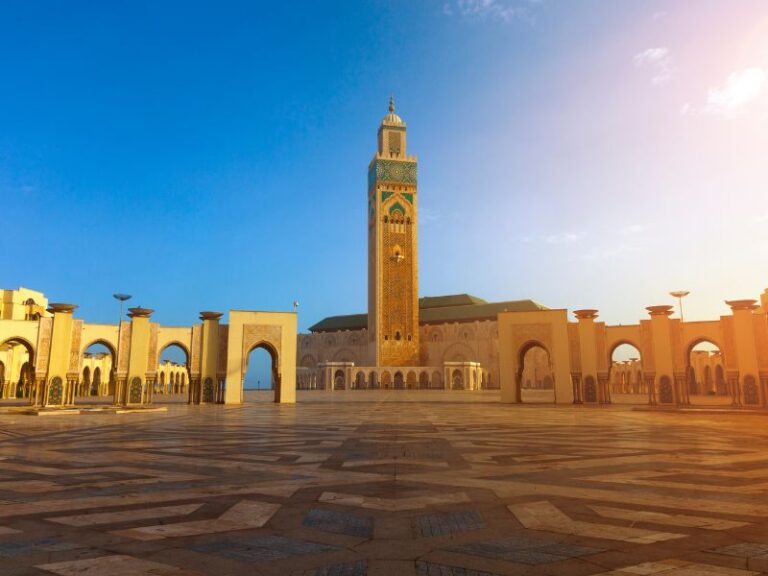
Norwegian Jewel will introduce new territory for the line with a 12-day Canary Islands roundtrip voyage from Barcelona, Spain, featuring debut calls to Casablanca and Agadir in Morocco. The itinerary also includes maiden visits to Arrecife in Lanzarote and Santa Cruz de Tenerife in Spain’s Canary Islands.
This deployment reflects Norwegian’s strategy to differentiate its Mediterranean and Atlantic offerings from competitors by venturing into ports less frequently visited by major cruise lines. Morocco has seen growing cruise interest as passengers seek North African cultural experiences, whilst the Canary Islands offer year-round temperate weather and volcanic landscapes distinct from typical Mediterranean destinations.
Norwegian Jewel will also operate an 11-day repositioning sailing between Barcelona and London’s Southampton in May 2028, along with a new nine-day roundtrip voyage from Southampton in September 2028. These sailings provide alternatives to traditional Mediterranean itineraries whilst positioning the ship for Baltic deployments.
Baltic Programme Features Capital Cities And Extended Itineraries
Throughout the Baltic season, Norwegian Jewel will offer seven-, nine- and 10-day voyages between London’s Southampton, Copenhagen in Denmark, and Helsinki, Finland. The ship will also operate five roundtrip sailings from Copenhagen with visits to celebrated capital cities including Tallinn in Estonia, Riga in Latvia and Klaipeda in Lithuania.
These itineraries cater to culturally-focused passengers interested in Northern European history, architecture and the distinct character of Baltic nations. The overnight stays and late departures included in Norwegian’s deployment allow for evening exploration and cultural performances typically unavailable during standard daytime port calls.
The Baltic region has emerged as a premium cruise destination, particularly during summer months when extended daylight hours and moderate temperatures create ideal touring conditions. Norwegian’s multi-port itineraries compete with similar offerings from competitors whilst the variety of embarkation points provides flexibility for European and North American passengers.
Norwegian Getaway Captures Midnight Sun Season In Northern Europe
Norwegian Getaway will sail 10- and 11-day Northern Europe itineraries between London’s Southampton and Reykjavik, Iceland, during the peak midnight sun season when extended daylight maximises shore exploration opportunities. The ship will visit destinations across Norway, Iceland, Belgium, the Netherlands and France.
Significantly, Norwegian Getaway will make inaugural calls to Grundarfjörður, Iceland, and Vik, Norway – the latter marking Norwegian Cruise Line’s first-ever visit to the destination. These maiden calls demonstrate the line’s commitment to introducing lesser-known ports that offer authentic experiences beyond the standard Northern European cruise circuit.
Later in the season, Norwegian Getaway will operate three Baltic Sea voyages of nine and 11 days, featuring the ship’s first turnaround in Helsinki and a maiden call to Klaipeda, Lithuania. This inaugural homeport usage in Helsinki provides new embarkation opportunities for Scandinavian passengers and those connecting through the Finnish capital’s international airport.
Mediterranean Itineraries Add Croatian And Italian Ports
For the first time, Norwegian Dawn will call to Zadar, Croatia, and Cagliari, Sardinia. Throughout Summer 2028, the ship will sail 10- to 11-day voyages featuring Lisbon in Portugal, Barcelona in Spain, and Rome’s Civitavecchia and Venice’s Ravenna in Italy as ports of call.
Zadar represents one of Croatia’s increasingly popular Adriatic destinations, offering Roman ruins, medieval churches and seaside promenades with fewer crowds than Dubrovnik or Split. Cagliari provides access to Sardinia’s distinctive culture, archaeology and beaches, representing a Mediterranean alternative to more heavily visited Italian ports.
Norwegian Viva will continue offering nine-, 10- and 12-day voyages connecting Rome’s Civitavecchia, Venice’s Ravenna, Barcelona and Istanbul in Turkey. Norwegian Pearl returns with seven-day Greek Isles voyages between Venice’s Ravenna and Athens’ Piraeus, providing efficient island-hopping itineraries.
Norwegian Epic will sail roundtrip from Rome’s Civitavecchia with nine- to 12-day Greek Isles itineraries, whilst Norwegian Star will traverse the British Isles and Northern Europe with calls to Belfast in Northern Ireland, Newhaven for Edinburgh, and Invergordon in Scotland. This deployment structure offers passengers varying itinerary lengths and embarkation points across Mediterranean and Northern European regions.
Alaska Deployment Features Weekend Departures And Glacier Viewing
Norwegian Cruise Line will deploy four ships to Alaska between April and October 2028, offering weekend departure flexibility from Seattle. Norwegian Encore, Norwegian Bliss and Norwegian Joy will sail seven-day roundtrip voyages departing from Seattle’s Pier 66 on Fridays, Saturdays and Sundays, accommodating various work schedules and travel preferences.
Glacier sightings will feature on every sailing, including Norwegian Joy’s extended nine- to 11-day itineraries that allow for additional ports and more extensive Inside Passage exploration. The guaranteed glacier viewing addresses one of Alaska cruising’s primary attractions whilst the varied departure days differentiate Norwegian from competitors typically offering single weekly departures.
Norwegian Jade will return with seven-day voyages operating roundtrip from Vancouver, British Columbia, and Whittier, Alaska, featuring scenic cruising through either Glacier Bay or Hubbard Glacier. The dual embarkation points provide options for passengers accessing Alaska from different regions whilst the alternating glacier routes offer variety for repeat cruisers.
Alaska remains one of cruising’s most popular seasonal destinations, with Norwegian competing against numerous lines for market share during the compressed summer season when weather conditions permit Inside Passage navigation and wildlife viewing reaches peak activity levels.
Bermuda Programme Expands With Philadelphia Regional Debut
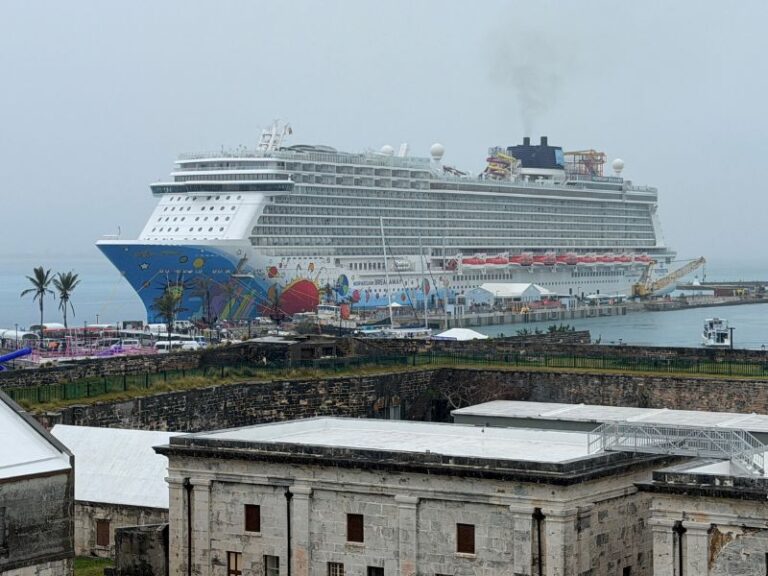
Norwegian Cruise Line will operate its fifth consecutive season from Philadelphia with the regional debut of Norwegian Gem in April 2028. The ship will offer seven-day Bermuda sailings featuring overnight calls at the Royal Naval Dockyard, allowing extended exploration of the island’s beaches, historic sites and cultural attractions.
Joining Norwegian Gem in Bermuda service, Norwegian Luna will sail five- and seven-day voyages from New York City, whilst Norwegian Breakaway returns with week-long sailings from Boston including additional calls to Halifax, Nova Scotia. The varied departure ports and itinerary lengths provide options for passengers throughout the northeastern United States and eastern Canada.
Bermuda’s proximity to East Coast ports makes it ideal for seven-day itineraries without excessive sea days, whilst the island’s infrastructure and attractions support extended stays. The overnight calls represent a key selling point, differentiating these itineraries from standard cruise patterns and allowing passengers to experience Bermuda’s evening dining and entertainment offerings.
Philadelphia’s inclusion marks Norwegian’s continued commitment to regional homeporting beyond traditional hubs, reducing travel requirements for Pennsylvania, New Jersey and Delaware residents whilst utilising available berth capacity in secondary markets.
South Pacific Programme Continues Multi-Country Deployment
Norwegian Spirit will continue offering 11- to 13-day itineraries across the Pacific, homeporting in Sydney, Australia, Lautoka in Fiji, Papeete in French Polynesia, and Honolulu from April through October 2028. This extended deployment maintains Norwegian’s presence in the South Pacific year-round cruise market.
The multiple homeport strategy allows passengers to create custom itineraries by selecting embarkation and disembarkation points that align with broader travel plans, potentially combining cruise experiences with land-based exploration of Australia, New Zealand or Hawaiian Islands. The 11- to 13-day length accommodates the distances between South Pacific destinations whilst providing sufficient port time for meaningful exploration.
Norwegian Spirit’s South Pacific deployment serves a distinct market segment seeking tropical destinations, indigenous cultures and remote islands beyond Caribbean and Mediterranean offerings. The positioning also captures Australian and New Zealand cruise markets during their autumn and winter seasons, when domestic demand for warm-weather escapes peaks.
Princess Cruises has unveiled its most comprehensive Alaska deployment to date for the 2028 summer season, with eight ships operating 185 departures across 14 unique itineraries between late April and late September. The cruise line is offering voyages ranging from four to 16 days, departing from five West Coast cities and visiting 16 destinations throughout the Last Frontier.
The 2028 Alaska season represents one of Princess Cruises’ largest commitments to the region, building on nearly six decades of experience in Alaskan waters. Eight vessels from the line’s fleet will be positioned in the Pacific Northwest and Alaska throughout the peak summer months, providing guests with unprecedented choice in ship, itinerary length, and departure port.
Departures will commence in late April and continue through late September, capturing the full breadth of Alaska’s cruise season. This extended operational window allows the cruise line to accommodate travellers seeking early-season glacier viewing as well as those preferring late-summer wildlife spotting opportunities when salmon runs are at their peak.
The deployment spans five departure cities – Seattle, Vancouver, Whittier, San Francisco, and Los Angeles – offering convenient embarkation options for guests travelling from various regions of North America. Both roundtrip and one-way voyage configurations are available, with the latter providing opportunities for extended land-based explorations before or after the cruise portion.
Eight Ships Offering Varied Itinerary Options
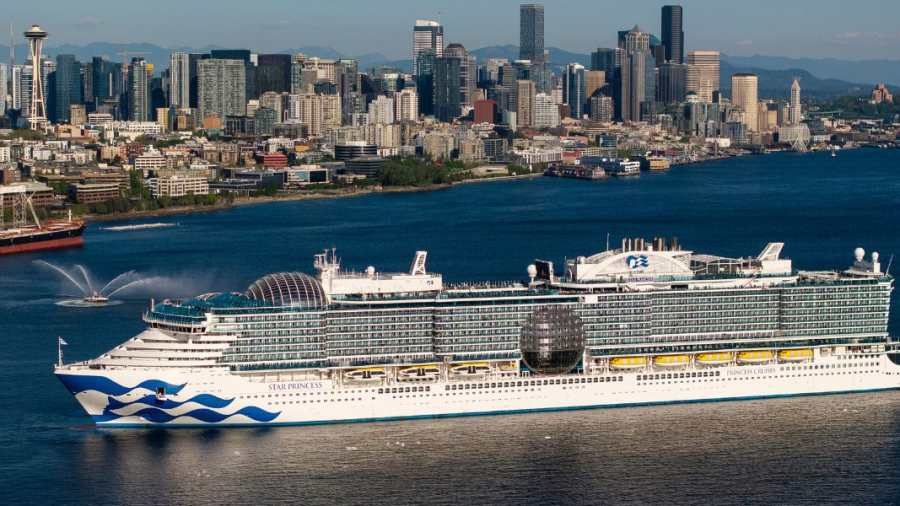
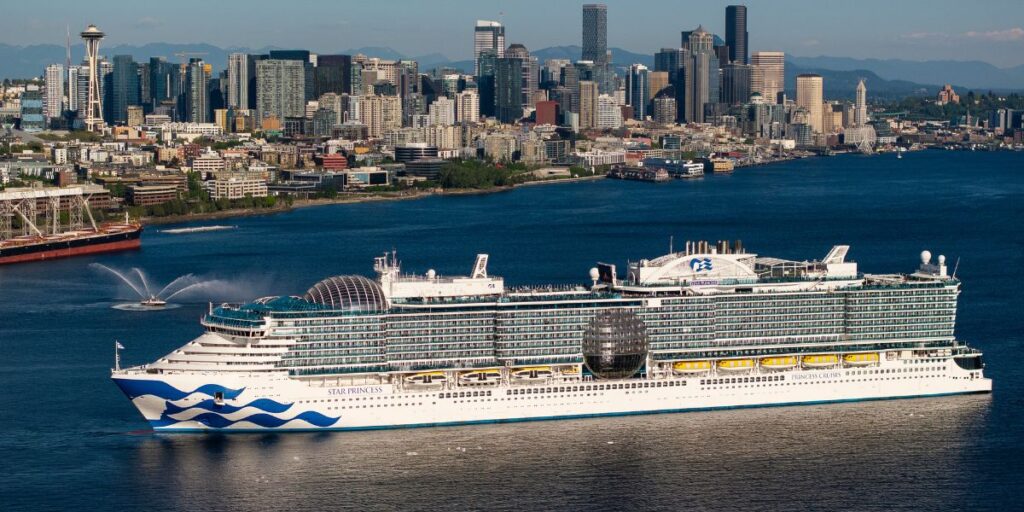
Star Princess will operate seven- and nine-day itinerary options from Seattle and Vancouver, providing guests with medium-length voyage choices from two major Pacific Northwest cities. The vessel’s deployment represents a continuation of Princess Cruises’ strategy of positioning newer, larger ships in the Alaska market.
Discovery Princess will focus on seven-day one-way sailings between Vancouver and Whittier, with options for guests to combine back-to-back voyages into 14-day experiences. This configuration allows travellers to explore both the Inside Passage and Glacier Bay regions whilst enjoying the continuity of remaining aboard the same vessel.
Emerald Princess will offer the most diverse range of sailing lengths, including one four-day voyage from Vancouver, seven-day roundtrip Vancouver itineraries, and one 16-day Inside Passage roundtrip from Los Angeles. The extended 16-day voyage provides an opportunity for a more leisurely exploration of Alaska’s coastal regions with additional port calls.
Royal Princess will similarly operate one four-day sailing from Vancouver to Seattle, seven-day roundtrip Seattle cruises, and one seven-day voyage from Seattle to Vancouver. The shorter four-day option serves as an ideal introduction to Alaska cruising or a quick getaway for those with limited holiday time.
Coral Princess will concentrate on seven-day one-way sailings between Vancouver and Whittier, which can be combined for 14-day roundtrip voyages. This vessel has long been a favourite among Alaska cruisers due to its mid-sized profile, which allows for a more intimate experience whilst still offering comprehensive onboard amenities.
Crown Princess will operate seven-day one-way cruises between Vancouver and Whittier with combinations available for 14-day trips, plus one nine-day roundtrip sailing from Vancouver. The variety in itinerary length provides flexibility for guests seeking either a traditional week-long cruise or a more immersive extended voyage.
Island Princess will feature seven-day roundtrip cruises from Vancouver as well as one-way options between Whittier and Vancouver that can be combined for 14-day itineraries. The ship’s smaller size relative to some fleetmates allows for a classic cruise experience reminiscent of Princess Cruises’ early decades in Alaska.
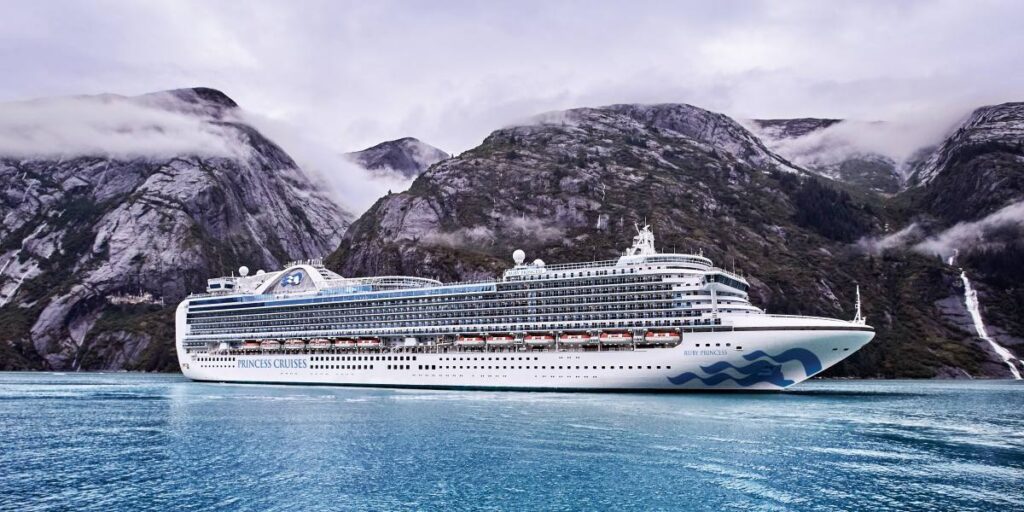
Ruby Princess will operate 10-day roundtrip sailings from San Francisco, offering California-based travellers a convenient departure point that eliminates the need for flights to Seattle or Vancouver. These longer voyages include additional days at sea and coastal cruising as the ship transits to and from Alaskan waters.
Sixteen Destinations Spanning Alaska And British Columbia
Princess Cruises’ 2028 Alaska programme will call at 16 different destinations, encompassing both popular ports and lesser-visited communities. The itineraries include Alaska’s most sought-after ports of call such as Icy Strait Point, Skagway, Juneau, and Ketchikan, each offering distinct experiences ranging from cultural immersion to adventure activities.
Icy Strait Point remains a favourite for its authentic Tlingit heritage and exceptional whale-watching opportunities. The port, which is privately owned by the Huna Totem Corporation, provides guests with access to ZipRider, one of the world’s longest ziplines, as well as wildlife excursions and cultural demonstrations.
Skagway serves as the gateway to the historic Klondike Gold Rush region, with the White Pass & Yukon Route Railroad offering one of North America’s most scenic rail journeys. Juneau, Alaska’s capital city, provides access to Mendenhall Glacier and numerous hiking trails, whilst Ketchikan showcases the world’s largest collection of totem poles alongside opportunities for salmon fishing.
In Canada, port visits are scheduled for Prince Rupert and Victoria, with specific calls depending on itinerary length, ship, and sailing date. Prince Rupert offers access to the northern British Columbia wilderness and First Nations cultural experiences, whilst Victoria provides a charming conclusion or beginning to voyages with its British colonial architecture and world-famous Butchart Gardens.
Glacier Bay And College Fjord Among Scenic Highlights
To offer guests prime sightings of tidewater glaciers, Princess Cruises has planned sailing days in Glacier Bay National Park, College Fjord, Endicott Arm, and other key areas. These scenic cruising experiences represent highlights of Alaska voyages, with ships slowing or stopping to allow passengers optimal viewing and photography opportunities.
Glacier Bay National Park requires permits that limit the number of vessels allowed entry each day, making these sailings particularly valuable. The park encompasses 3.3 million acres of wilderness and features multiple tidewater glaciers that calve directly into the sea, creating dramatic displays of ice falling into the water.
College Fjord, located in Prince William Sound, features 16 glaciers named after prestigious American universities. The fjord provides opportunities to view multiple glaciers during a single sailing day, with Harvard Glacier at its head stretching five kilometres in width.
All itineraries and scenic cruising are subject to change based on weather and safety conditions. In March and April 2026, different cruise lines removed Tracy Arm Fjord from itineraries due to rockslide risk and geological instability, demonstrating how operational decisions prioritise passenger safety even when it means altering popular scenic elements.
Cruisetours Extend Experiences Into Alaska’s Interior
Guests seeking to spend additional time immersing themselves in Alaska will find Princess Cruises’ cruisetours particularly appealing. These pre- and post-cruise extensions provide opportunities to experience the state’s interior and culture beyond what can be accessed from coastal ports.
Depending on which cruisetour guests select, the land-based schedule includes visits to Denali National Park, Kenai Fjords National Park, and Wrangell-St. Elias National Park, coupled with stays in Princess-owned wilderness lodges. These properties are strategically located to provide access to Alaska’s most spectacular interior regions whilst offering comfortable accommodations and dining.
Denali National Park, home to North America’s highest peak, offers wildlife viewing opportunities including grizzly bears, caribou, Dall sheep, and moose. Kenai Fjords National Park provides access to the Harding Icefield and additional glacier viewing, whilst Wrangell-St. Elias National Park encompasses the largest protected wilderness in the United States.
Princess Cruises operates custom glass-domed railway cars that give guests stunning views of the landscape as they travel through Alaska. These specially designed carriages feature floor-to-ceiling windows that maximise visibility of the dramatic scenery passing by.
Those who want to be even closer to the scenery can step out onto open-air viewing platforms. These outdoor spaces allow for unobstructed photography and the opportunity to experience Alaska’s fresh air and natural sounds whilst travelling between destinations.
The railway journey forms an integral part of many cruisetours, connecting coastal cruise terminals with interior lodges and national parks. The leisurely pace of rail travel allows guests to appreciate the changing landscapes, from coastal rainforests to interior tundra and mountain regions.
Exclusive Excursions Range From Fishing To Rafting
As with cruise shore excursions, Princess Cruises’ cruisetours offer exclusive excursions such as salmon fishing, wildlife-spotting day cruises, historic tours, and rafting adventures. These activities are designed to provide hands-on experiences that create lasting memories beyond passive sightseeing.
Salmon fishing excursions allow guests to try their hand at catching Alaska’s famous fish species, with experienced guides providing instruction and equipment. Wildlife-spotting day cruises venture into remote waters where bears, whales, and seals can be observed in their natural habitats.
Historic tours explore Alaska’s gold rush heritage, indigenous cultures, and pioneer settlements, whilst rafting adventures offer adrenaline-pumping experiences on glacier-fed rivers. The range of activities ensures that guests of varying interests and activity levels can find suitable options.
Nearly Six Decades Of Alaska Experience
“Alaska is one of the world’s most awe-inspiring destinations, and Princess has spent nearly 60 years helping guests experience it in a way few others can,” said Jim Berra, Princess Cruises Chief Commercial Officer. “Our 2028 season brings together glacier-filled voyages, unforgettable wildlife and cultural experiences, Princess Wilderness Lodges and Rail, along with seamless cruisetours that take guests deeper into the Great Land – creating a complete Alaska vacation.”
Princess Cruises’ extensive history in Alaska dates back to the late 1960s, making the line one of the longest-serving cruise operators in the region. This experience has allowed the company to develop relationships with local communities, refine itineraries based on seasonal patterns, and invest in land-based infrastructure that competitors cannot easily replicate.
The cruise line’s commitment to Alaska extends beyond ship deployments to include ownership of wilderness lodges and railway cars, creating a vertically integrated vacation experience. This approach allows Princess Cruises to control quality throughout the entire guest journey whilst offering unique experiences unavailable on other cruise lines.
With bookings now open for the 2028 season, guests interested in experiencing Alaska with Princess Cruises are encouraged to reserve early. Alaska sailings traditionally fill quickly, particularly for peak summer departure dates and specific ship-itinerary combinations, making advance planning essential for those with specific preferences.
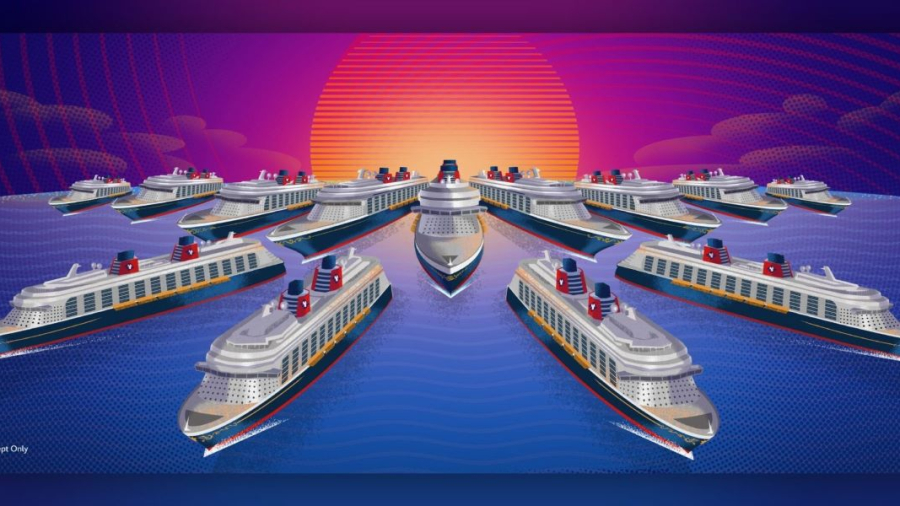
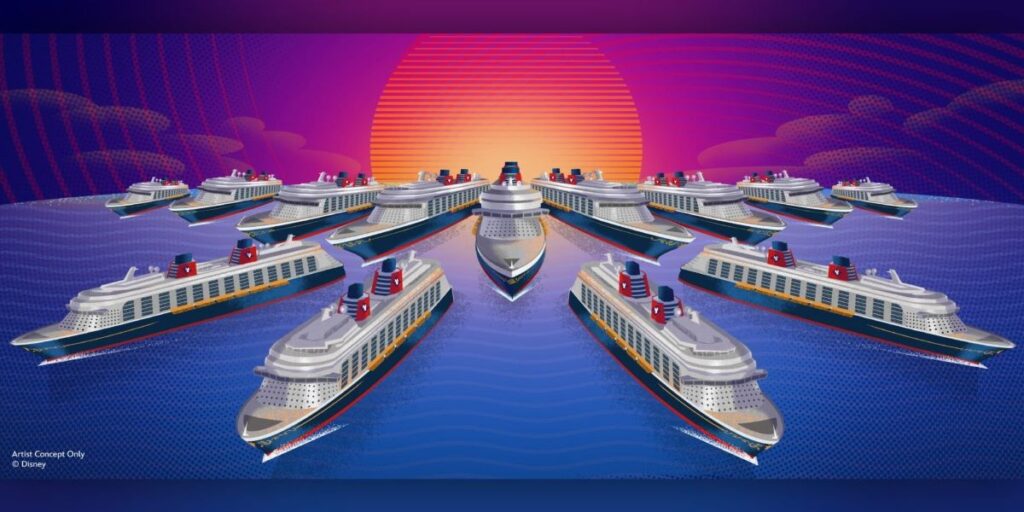
Disney Cruise Line has accelerated delivery of two newbuild vessels, with both now scheduled to enter service during 2029 instead of being staggered over consecutive years.
The revised timeline was disclosed during the Walt Disney Company’s recent earnings call, marking a significant shift in the cruise line’s expansion strategy.
The delivery acceleration affects the first two ships of a new class that Disney ordered from Meyer Werft in mid-2024.
Originally, the German shipyard was scheduled to deliver the prototype vessel in 2029 and the second ship in 2030, with a third sister vessel planned for 2031.
Documents released during the Walt Disney Company’s presentation now show both the first and second ships arriving in 2029.
The third vessel in the series has also been moved forward, now expected for delivery in 2030 rather than 2031.
This represents an ambitious timeline compression that will see Disney Cruise Line welcome three newbuilds within a single calendar year in 2029, rather than spreading deliveries across three consecutive years as initially planned.
Smaller Vessel Design Focuses On Intimate Guest Experience
The new class represents a departure from Disney’s recent trend towards larger ships.
These vessels are believed to measure approximately 105,000 gross tonnes, making them substantially smaller than the cruise line’s latest newbuilds.
Guest capacity is expected to reach around 3,000 passengers, offering a more intimate cruising experience compared to the mega-ships that have dominated recent orderbooks across the industry.
The smaller size may enable Disney to access ports that cannot accommodate its larger Wish-class vessels, potentially opening new itinerary opportunities.
Meyer Werft’s construction of these vessels at its German facilities continues the cruise line’s long-standing relationship with the renowned shipbuilder.
The yard has proven expertise in delivering Disney’s specialised requirements, including the intricate theming and entertainment spaces that distinguish Disney ships from conventional cruise vessels.
Disney Believe Arrives In Late 2027 As Fourth Wish-Class Ship
Beyond the new smaller class, Disney Cruise Line continues to expand its fleet of larger vessels.
The Disney Believe, the fourth ship in the Wish-class series, remains on schedule for delivery by Meyer Werft in late 2027.
At 140,000 gross tonnes, the Disney Believe matches the substantial size of her sister ships.
The vessel will feature the signature design elements and innovative attractions that have defined the Wish class since the debut of Disney Wish in summer 2022.
Disney has promised to reveal additional details about the Disney Believe later this year.
Cruise enthusiasts are particularly eager to learn about the ship’s deployment plans and which signature attractions and themed spaces will appear onboard.
The Wish class has introduced groundbreaking features to the Disney fleet, including the AquaMouse water attraction, immersive Star Wars dining experiences, and elaborately themed districts that transport guests into Disney storytelling worlds.
Industry observers expect the Disney Believe to build upon these innovations whilst introducing new surprises.
Disney Cruise Line Japan Prepares For 2029 Launch
A significant development in Disney’s global expansion comes through Disney Cruise Line Japan, which is preparing to launch operations with its first dedicated vessel.
The Japan-focused cruise line represents a partnership between the Walt Disney Company and Oriental Land Co. (OLC), the operator of Tokyo Disney Resort.
The unnamed Wish-class vessel destined for Japanese service was ordered from Meyer Werft in 2024.
Current plans call for delivery in late 2028, with the ship making its operational debut in early 2029.
This vessel will sail exclusively from Japanese ports, marking Disney’s first permanent deployment in Asian waters.
The full-time Japan presence reflects the enormous popularity of Disney properties in the country and the cruise line’s confidence in the region’s cruise market potential.
Unique Partnership Structure For Japanese Operations
The operational structure of Disney Cruise Line Japan breaks new ground for the brand.
The venture will be operated through a partnership between OLC and the Walt Disney Company, leveraging OLC’s deep understanding of Japanese consumer preferences and operational expertise.
The NYK Group, one of the world’s largest shipping companies with extensive cruise experience, will serve dual roles as ship manager and business consultant.
This arrangement brings maritime expertise and local market knowledge to support the venture’s success.
OLC’s involvement is particularly significant given the company’s track record of operating Tokyo Disneyland and Tokyo DisneySea to standards that consistently exceed their international counterparts.
The partnership suggests Disney Cruise Line Japan may set new benchmarks for cruise operations in Asian markets.
The Japan-based Wish-class ship will require customisation to serve Japanese passengers, including dining concepts, entertainment programming, and service standards tailored to local preferences whilst maintaining Disney’s signature guest experience.
Disney’s revised delivery schedule underscores an extraordinarily aggressive expansion phase.
The cruise line, which operated just four ships until recently, is in the midst of doubling and then tripling its capacity within less than a decade.
The Disney Wish entered service in June 2022 as the first of the new generation.
The Disney Treasure followed in late 2024, with the Disney Destiny scheduled to debut in late 2025.
The Disney Believe will arrive in 2027, followed by three ships in 2029 and another in 2030.
This expansion will transform Disney Cruise Line from a boutique operator into a mid-major cruise company with global reach.
The fleet growth supports Disney’s strategy of capturing family cruise market share whilst maintaining the premium positioning and distinctive guest experience that command higher fares.
Industry analysts have noted that Disney’s cruise operations deliver some of the highest per-passenger revenues in the industry.
The combination of premium pricing, high onboard spending, and strong occupancy rates makes fleet expansion particularly attractive for Disney’s overall business performance.
Strong Financial Performance Drives Continued Investment
The Walt Disney Company’s latest earnings results demonstrate robust performance across its parks and cruising businesses.
For its fiscal third quarter, the company reported net income of $2.8 billion on revenues of $22.7 billion.
Revenues from parks and cruising businesses increased by ten percent, driven by strong demand at resort destinations and aboard Disney’s cruise ships.
The cruise line’s contribution to this segment has grown substantially as newer, larger ships have entered service.
Disney’s willingness to accelerate newbuild deliveries reflects confidence in sustained demand for cruise holidays.
The company is making substantial capital commitments at a time when other cruise operators are proceeding more cautiously with orderbook expansion.
The financial strength demonstrated in these results provides Disney with the resources to execute its ambitious fleet expansion whilst continuing to invest in parks, resorts, and entertainment content.
For cruise operations specifically, the performance validates the strategy of premium positioning and family-focused product development.
Industry Implications And Future Outlook
Disney’s accelerated delivery schedule has broader implications for the cruise industry and shipbuilding sector.
Meyer Werft will need to manage an intense construction timeline to deliver multiple Disney ships within compressed timeframes whilst also fulfilling orders for other cruise lines.
The decision to bring forward deliveries may reflect Disney’s desire to capitalise on strong demand conditions sooner than originally planned.
Alternatively, shipyard scheduling adjustments or construction efficiencies may have created opportunities to advance completion dates.
For cruise passengers, the expanded fleet promises greater choice in sailing dates, itineraries, and departure ports.
Disney has historically struggled to meet demand with limited inventory, often selling out popular sailings well in advance.
Additional ships will improve availability whilst potentially moderating the premium pricing that currently characterises Disney cruises.
The introduction of a smaller ship class also signals strategic flexibility.
These 105,000-tonne vessels can access destinations where the 140,000-tonne Wish-class ships face limitations, potentially enabling Disney to offer European, Mediterranean, or exotic itineraries that require port flexibility.
As Disney Cruise Line approaches the end of this decade with a dramatically expanded fleet, the brand’s influence on family cruising and premium market segments will only grow stronger.
The combination of established Disney intellectual property, innovative ship design, and expanding global presence positions the cruise line for continued success in an increasingly competitive marketplace.
Get Expert Help Planning Your Disney Cruise
Get your trip planned to perfection, at no extra cost
Celebrity Cruises has unveiled an unprecedented European deployment for 2028–2029, featuring four of its Edge-class vessels in the region simultaneously for the first time.
The announcement, made on 10th August 2026, marks the cruise line’s most extensive European season to date whilst also expanding itineraries across all seven continents.
Unprecedented Edge-Class Deployment Reshapes European Strategy
The deployment of Celebrity Beyond, Celebrity Xcel, Celebrity Ascent, and Celebrity Apex throughout Northern Europe represents a significant strategic shift for the premium cruise line.
This marks the first time Celebrity Cruises has positioned such a substantial portion of its newest and most advanced vessel class in European waters during a single season.
Celebrity Beyond’s inclusion is particularly notable, as the 141,420 gross-tonne ship has not visited European shores since 2023.
Her return follows a comprehensive dry dock overhaul scheduled for November 2026, which will introduce new onboard venues including the Mediterranean restaurant Bora and the Celebrity Pool Club.
These enhancements position the vessel to compete more effectively in the premium European cruise market, where dining and outdoor spaces are increasingly important differentiators.
The Edge-class ships, known for their outward-facing design philosophy and innovative features such as the Magic Carpet cantilevered platform, offer a modern interpretation of luxury cruising that has resonated particularly well with contemporary travellers.
By concentrating four of these vessels in Europe, Celebrity is making a clear statement about the region’s importance to its overall commercial strategy.
Northern European Itineraries Span Iceland To Norway’s Fjords
Celebrity Beyond will anchor the Northern European programme with 14-night itineraries exploring Iceland’s dramatic landscapes.
These voyages will call at Reykjavik, Isafjordur, Akureyri, and Seydisfjordur, offering guests comprehensive access to the island nation’s geological wonders, from geothermal areas to volcanic formations.
The vessel will subsequently navigate through Norway’s legendary fjords, visiting Geiranger, Alesund, Flam, Nordfjordeid, and Bergen.
These Norwegian itineraries have become increasingly sought-after amongst cruise enthusiasts, with the UNESCO World Heritage-listed Geiranger fjord remaining one of the most photographed natural attractions in Scandinavia.
Celebrity Summit, measuring 91,003 gross tonnes, will later complement these offerings with round-trip voyages from Reykjavik.
This positioning allows guests to spend additional time exploring Iceland’s capital whilst using the ship as a floating hotel, a deployment strategy that has proven successful for cruise lines seeking to maximize time in destination rather than transit.
Scandinavian And British Isles Programmes Expand Regional Coverage
Celebrity Apex will undertake 12-night Scandinavian voyages encompassing Oslo, Skagen, Stockholm, Tallinn, Helsinki, and Copenhagen.
These itineraries provide a comprehensive survey of Baltic capitals, each offering distinct cultural experiences from Stockholm’s island architecture to Tallinn’s medieval old town.
The vessel will also operate 12-night British Isles cruises visiting England, Scotland, and Ireland.
British Isles itineraries have experienced renewed popularity in recent years, driven partly by passengers seeking English-language destinations and partly by the region’s rich maritime heritage and dramatic coastal scenery.
This dual deployment strategy for Celebrity Apex maximizes the vessel’s utilization during the European season whilst offering two distinct product offerings.
Passengers interested in Nordic culture can select the Scandinavian itineraries, whilst those drawn to Celtic heritage and British history have an alternative option aboard the same ship class.
Mediterranean Deployments Feature Three Edge-Class Vessels
Celebrity Xcel, Celebrity Ascent, and Celebrity Eclipse will concentrate on Mediterranean itineraries ranging from seven to 11 nights.
These voyages will encompass Italy, France, Spain, Morocco, Portugal, Greece, and Turkey, providing access to some of the world’s most historically significant destinations.
The Mediterranean has long represented the backbone of European cruise deployment, with the region’s combination of favourable weather, cultural attractions, and well-developed port infrastructure making it ideal for cruise operations.
Celebrity’s decision to position three ships in this region reflects both passenger demand and the market’s capacity to absorb additional capacity.
Celebrity Constellation, measuring 90,940 gross tonnes, will complement these deployments with 10- to 11-night voyages through Italy and Croatia.
Croatia has emerged as one of the Mediterranean’s fastest-growing cruise destinations, with ports such as Dubrovnik and Split offering well-preserved historic centres and stunning Adriatic coastal scenery.
Year-Round European Presence Includes Return To Egypt
Celebrity Infinity will maintain a year-round European presence, extending Celebrity’s regional footprint beyond the traditional summer season.
This deployment includes the cruise line’s first visits to Egypt since 2023, reopening access to one of the world’s most historically significant destinations.
Egypt’s return to Celebrity’s programme signals renewed confidence in the region’s stability and infrastructure.
The country’s ancient monuments, particularly those accessible from Mediterranean ports, represent some of the most sought-after shore excursion opportunities in cruising.
Visits to Egyptian ports typically feature excursions to archaeological sites that have captivated travellers for centuries.
Year-round deployment also allows Celebrity to capture shoulder season demand, when travellers seeking milder temperatures and fewer crowds often find optimal conditions for cultural exploration.
This strategy has become increasingly important as cruise lines work to extend their operating seasons and improve vessel utilisation rates.
Global Deployment Spans Alaska To Antarctica
Beyond Europe, Celebrity Cruises has detailed comprehensive global deployments for 2028–2029.
In Alaska, Celebrity Edge will return for a fifth consecutive season, establishing the vessel as a mainstay in the region.
She will be joined by Celebrity Equinox, which at 121,878 gross tonnes will undertake her inaugural Alaska season with seven-night Vancouver to Seward voyages.
Celebrity Millennium will offer round-trip Alaska sailings from Vancouver, providing an alternative for passengers who prefer not to arrange positioning flights to different cities.
Alaska cruising has experienced consistent growth, with the region’s glaciers, wildlife, and indigenous culture drawing increasing numbers of visitors each summer season.
“We’re delighted to give our guests more ways than ever to experience the world’s most extraordinary destinations in 2028 and 2029,” said Laura Hodges Bethge, president of Celebrity Cruises.
“From the breathtaking fjords of Norway to the untouched beauty of Antarctica, these itineraries offer endless opportunities to explore.”
South Pacific And Asian Itineraries Expand Destination Portfolio
Celebrity Edge and Celebrity Solstice will operate 23 sailings across the South Pacific, departing from Sydney and Auckland.
These deployments cater to the Australasian market whilst also attracting international travellers seeking to explore the region’s island nations and coral reef systems.
Celebrity Solstice and Celebrity Millennium will subsequently explore Asia, offering diverse itineraries across Japan, Malaysia, Thailand, Vietnam, Indonesia, and China.
Asian deployments have become increasingly important for cruise lines, with the region’s growing middle class and improving port infrastructure creating new opportunities for growth.
A particular highlight includes Celebrity Millennium’s overnight stay in Hong Kong on New Year’s Eve.
Overnight port calls allow guests to experience destinations more thoroughly, including evening entertainment and dining options that day calls cannot accommodate.
Hong Kong’s spectacular New Year’s Eve fireworks display over Victoria Harbour provides an especially compelling reason for the extended stay.
South American And Antarctic Voyages Offer Expedition-Style Experiences
Celebrity Equinox will operate 12- to 16-night voyages across South America and Antarctica, spanning five countries.
These itineraries will feature local cuisine, wildlife exploration, and a special 16-night holiday sailing through Antarctica over New Year’s Eve.
Antarctic cruising represents one of the industry’s premium offerings, with limited vessel capacity and high operating costs resulting in higher per-passenger revenues.
The continent’s pristine wilderness, penguin colonies, and dramatic ice formations create experiences that passengers often describe as life-changing.
The South American components of these voyages provide cultural context for the Antarctic exploration, with ports in Argentina and Chile offering distinct culinary traditions and landscape diversity.
This combination of cultural immersion and natural wonder has proven particularly appealing to experienced cruisers seeking destinations beyond traditional Caribbean and Mediterranean routes.
Industry Context Reflects Growing Cruise Demand
Celebrity’s expansive 2028–2029 deployment comes against a backdrop of robust industry growth.
According to the Cruise Lines International Association’s 2026 State of the Cruise Industry Report, global cruise passenger volume reached 37.2 million in 2025, demonstrating cruising’s increasing appeal as a holiday format.
European cruising has particularly benefited from this growth, with multiple cruise lines expanding their regional offerings.
The continent’s combination of cultural attractions, diverse port options, and well-developed tourism infrastructure makes it especially suitable for cruise deployment.
Additionally, European itineraries typically command higher per-passenger revenues than Caribbean voyages, making them financially attractive for premium cruise lines.
Celebrity’s expansion also reflects confidence in the broader economic environment and consumer spending on travel experiences.
The deployment of newer, larger vessels suggests the cruise line anticipates sustained demand through the end of the decade.
Fleet Expansion Supports Increased Global Presence
Celebrity Cruises has steadily expanded its global presence in recent years.
The cruise line’s newest vessel, Celebrity Xcel, debuted in November 2025 as reported by industry observers, adding significant capacity to the fleet.
The cruise line is scheduled to introduce Celebrity Xcite, its sixth Edge-class ship, in 2028.
Construction of the vessel began with a steel-cutting ceremony in October 2025, marking another milestone in Celebrity’s fleet modernisation programme.
The Edge-class ships have proven commercially successful, justifying continued investment in the design platform.
This fleet expansion enables Celebrity to increase deployment across multiple regions simultaneously without reducing presence in core markets.
The ability to position four Edge-class ships in Europe whilst maintaining comprehensive programmes in Alaska, Asia, and other regions demonstrates the operational flexibility that a larger, more modern fleet provides.
Marella Cruises has unveiled a significant expansion of its non-alcoholic drinks portfolio, adding 28 new zero-alcohol options across its entire fleet from August 2026.
The UK cruise line will offer 18 alcohol-free cocktails, six zero-percent ABV spirits, four alcohol-free wines, plus non-alcoholic beer and cider alternatives as part of its All Inclusive package.
The enhancement comes after Marella Cruises reviewed customer feedback and identified gaps in its existing beverage programme.
Luke Saunders, food and drink development manager at Marella Cruises, confirmed the line had listened carefully to guest requests for more sophisticated non-alcoholic alternatives.
“We are pleased to be expanding our non-alcoholic drinks menus onboard across our ships,” Saunders said.
“After listening to customer feedback and reviewing the gaps in our menu, we want to enhance a customer’s experience onboard and cater to those who would prefer a non-alcoholic alternative.”
The move reflects a broader industry trend towards inclusivity in cruise ship beverage programmes, acknowledging that growing numbers of passengers are reducing alcohol consumption or abstaining entirely.
This shift mirrors consumer behaviour globally – not just in the cruise sector – where health-conscious travellers increasingly seek premium zero-alcohol alternatives that don’t compromise on taste or sophistication.
All Inclusive And Premium Package Enhancements Detailed
With the changes, all passengers sailing with Marella Cruises will benefit from an expanded selection of non-alcoholic beverages included within the line’s standard All Inclusive offering.
The base package will now feature zero-percent red, white, rosé and sparkling wines, alongside Heineken 0 percent beer and Somersby 0 percent cider.
Additionally, Marella has confirmed it will introduce gluten-free Estrella beer to its All Inclusive drinks selection, addressing another frequently requested dietary accommodation from guests.
This addition demonstrates the cruise line’s commitment to catering for diverse dietary requirements beyond just alcohol-free preferences.
Guests who upgrade to Marella’s Premium All Inclusive package will enjoy access to an even more extensive selection, including six premium zero-percent ABV spirits from the acclaimed Lyre’s range and 18 specially crafted alcohol-free cocktails.
This tiered approach ensures all passengers have access to quality non-alcoholic options whilst providing enhanced choices for those seeking the premium experience.
Lyre’s Premium Spirit Range Joins Marella’s Bar Programme
The Premium All Inclusive package will feature six distinct zero-alcohol spirits from Lyre’s, a brand recognised globally for producing non-alcoholic spirits that closely replicate the taste profiles of traditional liquors.
The selection includes Lyre’s London Dry Gin, American Malt Bourbon, White Cane Rum, Agave Blanco Tequila, Coffee Originale and Lyre’s Italian Spritz.
Lyre’s has established itself as a leader in the non-alcoholic spirits category, with products available in more than 70 countries worldwide.
The brand’s inclusion in Marella’s offering signals the cruise line’s commitment to sourcing premium, recognised names rather than generic alternatives.
These spirits provide the foundation for Marella’s expanded cocktail menu, enabling bartenders to create sophisticated zero-alcohol versions of classic cocktails.
The spirits can be enjoyed neat, over ice, or mixed into any of the 18 signature alcohol-free cocktails now available fleetwide.
Eighteen Crafted Alcohol-Free Cocktails Debut Across Fleet
Marella’s new alcohol-free cocktail menu features 18 specially developed drinks designed by the cruise line’s beverage development team.
These cocktails utilise the Lyre’s spirits range combined with fresh ingredients to deliver complex flavour profiles that rival their alcoholic counterparts.
Signature offerings include the “Grapefruit Refresher”, which combines Lyre’s London Dry with pink grapefruit and soda for a crisp, refreshing drink.
The “Nojito” reimagines the classic mojito using Lyre’s White Cane rum alternative with fresh mint, lime and soda.
For guests seeking more complex flavours, the “Summer Sour” blends Lyre’s London Dry with lemon, soda, mint and basil, whilst the “Gentle Fashioned” offers a zero-alcohol take on the Old Fashioned, using Lyre’s American Malt with bitters and orange peel.
Each cocktail has been crafted to provide visual appeal and taste sophistication without the alcohol content.
The inclusion of these cocktails in the Premium All Inclusive package means guests can experiment with different flavour combinations throughout their voyage without additional charges.
This represents considerable value for passengers who might otherwise face premium pricing for speciality cocktails.
Marella’s All Inclusive Model Continues To Evolve
Marella Cruises operates an All Inclusive pricing model that distinguishes it from many competitors in the UK cruise market.
The line’s standard package includes meals across multiple dining venues, selected drinks throughout the day, and gratuities, providing guests with predictable cruise costs.
The Premium All Inclusive upgrade extends the beverage selection to include premium spirits, branded drinks, and now this comprehensive zero-alcohol range.
This tiered structure allows Marella to cater to different passenger preferences and budgets whilst maintaining the simplicity of inclusive pricing.
By incorporating these new non-alcoholic options into existing packages rather than charging separately, Marella reinforces its commitment to the All Inclusive philosophy.
Passengers selecting alcohol-free options receive the same value proposition as those consuming alcoholic beverages, eliminating any sense of penalty for choosing not to drink.
This approach contrasts with some cruise lines where premium non-alcoholic options carry additional charges, potentially discouraging guests from selecting them.
Marella’s inclusive model removes this barrier entirely.
Industry Context And The Mindful Drinking Movement
The cruise industry has witnessed significant growth in demand for quality non-alcoholic beverages, reflecting broader societal trends around mindful drinking and wellness-focused lifestyles.
Research indicates that younger generations particularly are consuming less alcohol than previous cohorts, with many adopting “sober curious” approaches to social drinking.
This demographic shift has prompted hospitality businesses globally to enhance their zero-alcohol offerings, moving beyond basic soft drinks to include sophisticated alternatives that allow non-drinkers to participate fully in social experiences.
Premium hotels, restaurants and bars have invested heavily in developing non-alcoholic drink programmes to meet this demand.
Cruise lines have been somewhat slower to respond to this trend compared to land-based hospitality venues, making Marella’s comprehensive expansion particularly noteworthy.
The decision to include 28 new options represents one of the most significant non-alcoholic beverage enhancements announced by a UK-focused cruise line.
Additionally, many passengers choose not to drink for health, religious, or personal reasons unrelated to wellness trends.
Pregnant women, designated drivers returning from port excursions, and those taking medication all benefit from having appealing alternatives to alcoholic beverages throughout their cruise.
Implementation Timeline And Fleet Coverage
The enhanced non-alcoholic drinks programme will roll out across Marella’s entire fleet from August 2026, ensuring consistency of offering regardless of which ship passengers choose.
This fleetwide implementation requires coordination across multiple vessels and training for bar staff to prepare the new cocktails to standard specifications.
Marella currently operates five ships: Marella Explorer, Marella Explorer 2, Marella Discovery, Marella Discovery 2, and Marella Voyager.
These vessels serve predominantly UK passengers with cruises departing from British ports including Southampton, Newcastle, and Dover, alongside fly-cruise itineraries from Mediterranean and Caribbean homeports.
The August 2026 timeline provides Marella with adequate lead time to procure stock, train crew members, and update menus and promotional materials across all vessels.
It also allows the cruise line to market this enhancement to guests booking cruises for late summer 2026 onwards.
Luke Saunders expressed enthusiasm about the upcoming launch: “We are looking forward to our new and returning customers trying out 0 percent cocktails for when they are next onboard.”
This statement suggests Marella anticipates the new options will appeal both to loyal repeat passengers and first-time cruisers.
Competitive Positioning In The UK Cruise Market
Marella’s beverage enhancement strengthens its competitive position within the UK cruise market, where it competes primarily with P&O Cruises, Cunard, and Ambassador Cruise Line for British passengers.
Each line takes different approaches to beverage pricing and inclusivity, with Marella’s All Inclusive model representing a key differentiator.
P&O Cruises traditionally operates on a pay-as-you-go beverage model, though it has introduced drinks packages in recent years. Ambassador Cruises is similar – drinks packages are available, but entirely optional.
Cunard similarly charges for most beverages beyond basic options.
By expanding its non-alcoholic range significantly, Marella addresses an underserved segment of the market whilst reinforcing its value proposition.
The enhancement provides tangible benefits to existing customers and offers a compelling talking point for sales and marketing efforts targeting new guests.
The timing also positions Marella favourably as consumer interest in wellness travel continues to grow.
Cruise lines increasingly compete on lifestyle and experience factors beyond traditional measures like ship size or destination variety, and a comprehensive zero-alcohol programme aligns well with wellness positioning.
Free cruises sound like the ultimate travel hack – and for some people, they’re very real. Not through loyalty points or casino perks, but by sharing something they already love doing.
From teaching bridge to leading photography walks at sunrise, cruise lines regularly bring guests onboard to run sessions, workshops, and talks.
And the surprising bit? Many of these roles don’t require you to be a world-famous expert. But there’s a catch most people don’t hear about until much later.
What “Teaching Onboard” Actually Means
Cruise lines often run enrichment programmes – think of them as a timetable of activities that go beyond quizzes and pool games. On longer sailings especially, there’s demand for structured, engaging sessions that give passengers something to learn or immerse themselves in.
That’s where guest hosts come in. Instead of being full crew members, they’re usually passengers with a skill to share. In return for hosting sessions – whether that’s a daily class, a few talks across the voyage, or informal meet-ups – they may receive a free or heavily discounted cabin.
The exact deal varies wildly, which is where things get interesting.
Who Can Get Free Cruises By Teaching On A Cruise?
1. Bridge And Card Game Instructors
Bridge is a cruise staple, particularly on longer voyages and more traditional lines. A dedicated bridge instructor will typically organise daily sessions, tournaments, and beginner lessons.
It’s not just about knowing how to play – you need to be able to teach it clearly and keep a group engaged over multiple sea days. Some instructors travel almost full-time this way, moving from one sailing to another. On certain lines, it’s one of the more established “free cruise” routes, but competition can be surprisingly high.
2. Clergy And Faith Leaders
Many cruise lines – especially those with a large British or American passenger base – will have a clergy member onboard for Sunday services and pastoral support.
This role is often more about presence than packed schedules. Services might only take place once or twice during a sailing, but the expectation is that the clergy member is available to passengers throughout. In return, they’re typically offered a complimentary cabin, sometimes for themselves and a partner.
3. Guest Lecturers And Enrichment Speakers
If you’ve got a deep knowledge of a subject – history, wildlife, politics, even true crime – guest lecturing can be one of the most rewarding ways to cruise.
These speakers are particularly common on expedition cruises or itineraries with a strong destination focus. Think talks on Norwegian fjords before sailing through them, or wildlife briefings ahead of an Antarctic landing. Cruise lines usually look for credible experience or professional backgrounds, but you don’t always need to be an academic – engaging delivery matters just as much.
4. Arts And Crafts Hosts
From watercolour painting to knitting circles, arts and crafts sessions are hugely popular with passengers looking for a slower-paced activity.
Hosts might run daily workshops or drop-in sessions, helping people complete small projects over the course of the cruise. It’s a sociable role, often with repeat attendees, and it suits people who are patient and happy to guide beginners. Materials are sometimes provided by the cruise line, but not always – and that’s one of those small details worth checking upfront.
5. Photography Experts
Photography hosts often wear a few hats. They might run classroom-style sessions on composition or editing, host photo walks in port, and offer informal advice throughout the sailing.
With so many people keen to improve their holiday photos, this is a popular enrichment area. Cruise lines tend to favour those with a strong portfolio or teaching experience, but enthusiasm and approachability count for a lot. Early mornings and late evenings can be part of the deal if you’re chasing the best light.
6. Dance Instructors
Ballroom and Latin dance are cruise classics, especially on ships with dedicated dance floors. Instructors usually host classes ranging from absolute beginner to more advanced sessions, often leading into evening dances.
Some roles are filled by professional couples, but solo instructors can also be brought onboard. It’s a fairly visible position – you’re not just teaching, you’re helping to create a lively atmosphere onboard. Energy levels matter here just as much as technical skill.
7. Language Teachers
On longer or more culturally focused itineraries, basic language sessions can be a hit. Think “Italian for travellers” or simple conversational Spanish before a series of port stops.
These aren’t formal classes – they’re designed to be fun, accessible, and immediately useful. You don’t necessarily need to be a qualified teacher, but you do need to keep things light and engaging. Passengers aren’t looking for homework – they want confidence to order a coffee or ask for directions.
8. Fitness And Wellness Coaches
Yoga, Pilates, meditation, even posture workshops – wellness has become a big part of cruise programming in recent years.
Some ships already have dedicated fitness staff, but guest instructors may be brought in for specific styles or themed sailings. Sunrise yoga on deck is a common highlight. It’s worth noting that this can be one of the more demanding roles physically, with multiple sessions and high expectations around professionalism.
TODAY’S BEST CRUISE DEALS!
Don’t miss these offers…
9. Music And Performance Coaches
This is a slightly lesser-known one, but some cruises bring onboard vocal coaches, choir leaders, or even amateur theatre directors.
Passengers might rehearse throughout the sailing and then put on a small performance at the end. It’s a great way to build a sense of community onboard, but it does require organisation and confidence managing groups. Not every cruise line offers this, but it’s more common than people think.
10. Cookery And Food Demonstrators
Food-focused sessions can range from simple demonstrations to interactive workshops. Think knife skills, regional dishes, or even chocolate-making.
These roles are sometimes filled by guest chefs or specialists rather than professional instructors. On certain itineraries, there’s a strong link to destinations – local cuisine, wine pairings, that sort of thing. It’s a good fit if you’re comfortable speaking in front of a crowd and keeping things entertaining as well as informative.
11. Technology Tutors
Not everyone onboard is confident with smartphones, tablets, or cameras – and that’s where tech tutors come in.
These sessions can be surprisingly popular, covering everything from organising photos to using social media or video calling family back home. Patience is key here, as skill levels vary massively. It’s less glamorous than some roles, but often in steady demand.
12. Wine And Drinks Experts
Wine tastings, cocktail workshops, whisky appreciation – these sessions can be a real highlight for guests.
Cruise lines usually look for formal qualifications or industry experience here, particularly for wine. Sessions might be ticketed rather than included, which changes the dynamic slightly. It’s not just about knowledge – presentation and storytelling play a big role in making these events memorable.
13. Special Interest Hosts (From Genealogy To Astronomy)
This is where things get really varied. Genealogy experts helping passengers trace family roots, astronomy guides leading stargazing sessions at sea, even hobbyists running niche interest groups.
If there’s a genuine audience for it, there’s a chance it could work onboard. These roles tend to pop up on themed cruises or longer voyages where passengers are looking for something a bit different.
What Cruise Lines Expect In Return
This isn’t a free holiday where you occasionally show up for an hour. Cruise lines expect commitment, reliability, and a polished experience for guests.
You’ll usually be given a schedule in advance – sessions, meet-and-greets, possibly even social hosting duties in the evenings or helping out on excursions.
You’ll likely have to provide your own resources, such as art supplies or musical instruments.
You’ll be epresenting the cruise line, so professionalism matters. It’s closer to a working holiday than a traditional break.
How You Actually Land One Of These Roles
There’s no single application portal for this, which is where many people get stuck.
Some cruise lines work with agencies that specialise in guest speakers and enrichment hosts. Others recruit directly, particularly for niche skills. Networking can play a surprisingly big role – having a visible profile in your field, even at a local level, helps.
A clear proposal outlining what you can offer – including session ideas and how they’d benefit passengers – can go a long way. It’s not just about what you know, but how you’d translate that into an onboard experience.
Not Actually “Free”
Here’s the bit most people don’t realise: “free” rarely means everything is covered.
You might get a complimentary cabin, but still need to pay port taxes, gratuities, flights, or even some onboard expenses. Internet access and drinks packages aren’t always included either.
And then there’s the time commitment. You’re not free to do whatever you like all day – your schedule comes first. That said, you still get to experience the ship, visit ports, and enjoy the journey in a way most crew can’t.
Final Word
Getting a free cruise by teaching your hobby isn’t a myth – but it’s not quite as effortless as it sounds either. For the right person, though, it’s a brilliant way to travel with purpose. You’re not just ticking off destinations, you’re adding something to the experience for other passengers too.
And if you’ve got a skill people genuinely want to learn? You might be closer to your next cruise than you think.