
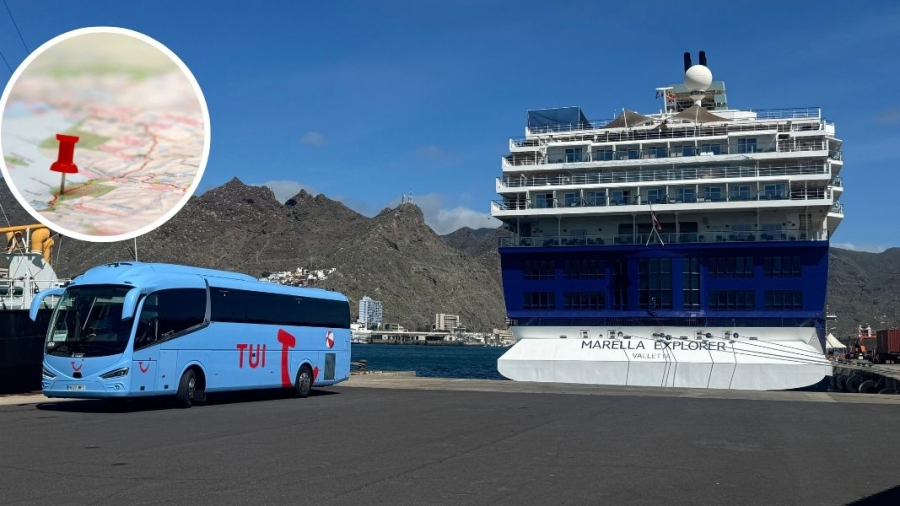
This is a sponsored post for Marella Cruises.
There are plenty of things I check before I book a cruise. The destinations matter, obviously, and I always want to know how long we’ll actually get in each port, rather than just being impressed by a long list of places on the itinerary.

But one of the first things I look for is the number of sea days. I’m not necessarily trying to find a cruise with as few as possible, either, because sometimes a sea day is exactly what an itinerary needs.
For me, the important thing is getting the balance right. And that balance depends just as much on the ship as it does on where you’re sailing.
I Always Count the Sea Days Before I Book
I really enjoy a good sea day, especially when it falls at the right point in a busy itinerary. There’s something lovely about waking up knowing that you don’t have to set an alarm for an excursion, check when the last shuttle leaves town or spend the afternoon repeatedly looking at your watch because you absolutely cannot miss the ship.

Instead, you can have a leisurely breakfast, spend some time by the pool, join in with an activity, have lunch and actually explore some of the ship you’ve paid to spend a week on. It’s surprisingly easy to reach the end of a port-heavy cruise and realise there are bars, lounges or other spaces you’ve barely visited.
But there can be too many sea days for the wrong cruise. One day at sea breaking up several busy days ashore can feel perfectly timed, whereas three or four close together might start to drag if the ship doesn’t have enough going on to keep you entertained. Some cruise lines, like Marella Cruises, prefer to keep sea days to a minimum for this exact reason! You get more options for ports to explore, but the freedom to stay onboard if you prefer.
That’s why I never judge the sea days without looking at the ship as well.
A Port Every Day Sounds Amazing… But Not Always
When you’re looking at cruise itineraries online, one packed with ports can seem like the obvious winner. If I can visit six destinations in a week instead of four, surely I’m getting more for my money?

The problem is that sightseeing is tiring. You might be up early for breakfast before heading ashore, spend most of the day walking around or taking an excursion, get back onboard in time to shower and change, have dinner and catch a show, then wake up the following morning and do it all again.
I love destination-heavy cruises when I’m visiting somewhere I really want to explore, but after several consecutive port days I definitely start appreciating the idea of a morning when I don’t have to be anywhere. A well-placed sea day can make the whole cruise feel much more relaxing without taking much away from the amount you get to see. The second day of your cruise – just after you’ve spent day one travelling to the ship – is often ideal. Marella typically does this.
And, of course, having a port day on the itinerary doesn’t mean you actually have to go ashore.
Sometimes I Stay Onboard in Port
If I’ve already visited somewhere, don’t fancy any of the excursions or simply wake up and decide I’d rather have a relaxing day, I’m quite happy to stay on the ship. You often get a completely different experience while most other passengers are ashore, with quieter pools, plenty of seats in the lounges and much less competition for everything onboard.
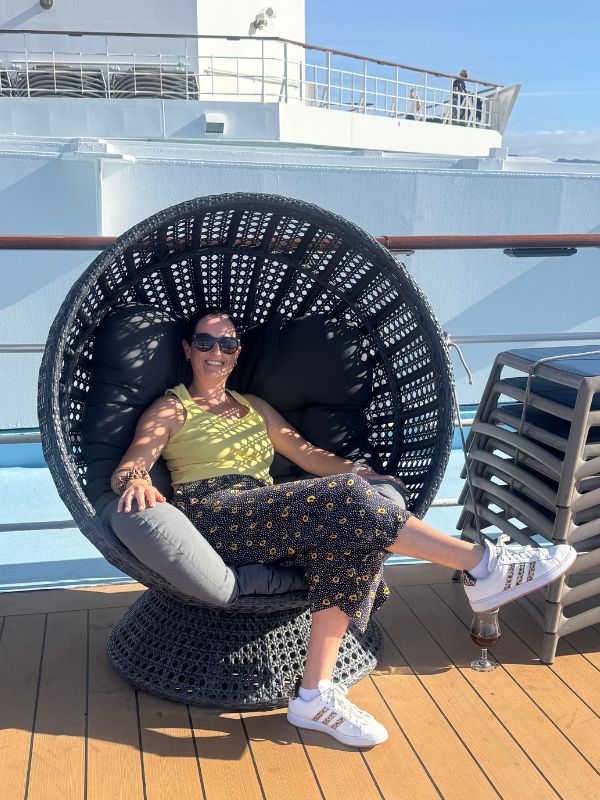
This can be a particularly good trick on the biggest cruise ships, where thousands of passengers heading ashore can make a dramatic difference. A ship that felt incredibly busy the previous afternoon can suddenly feel strangely peaceful.
It matters a little less when you’re sailing on a smaller or mid-sized ship, because you’re not dealing with those enormous passenger numbers in the first place. Those ships are much more manageable in size than the latest mega-ships carrying 6,000 or 7,000 guests, so you don’t necessarily need everyone else to leave before you can enjoy the onboard spaces.
You’ll still notice the ship is quieter on a port day, of course, but sea days don’t automatically mean feeling as though the entire population of a small town has decided to use the swimming pool at once.
I Don’t Always Want to Spend Days Just Getting There
There are some fantastic cruises sailing directly from the UK, and not having to fly is a huge advantage for many people. I’ve enjoyed plenty of no-fly cruises myself, and sometimes the sea days getting to and from the destination are a big part of the appeal.

But it depends on what I want from that particular holiday. If I’m booking seven nights because I want to explore the Mediterranean, for example, I might prefer to actually spend most of those seven nights in the Mediterranean rather than using several days of the itinerary sailing there and back.
You know who’s really good for this? Marella Cruises. They only offer fly-cruises, but that’s by design – for the type of sailing they offer, it’s a big advantage. You fly straight to the region where you’ll be cruising, take your (included) transfer to board the ship there and can start exploring almost immediately, so much more of a one-week holiday can be devoted to the destinations you chose it for.
It also means the sea days that do appear on the itinerary are there because they fit naturally into the route. You can still get that welcome chance to relax and enjoy the ship, without needing several extra days simply to travel between the UK and your main cruise region.
Save Up To £300 On All Inclusive Marella Cruises
Use CRUISE200 for £200 off Canary Islands & Mediterranean
Use CRUISE300 for £300 off Caribbean & Transatlantic
Book by 30th September 2026 – terms apply
The Ship Changes How Many Sea Days I Want
I’d happily book a cruise with several sea days if I knew there was enough onboard to fill them. A whole day can disappear surprisingly quickly once you’ve had breakfast, spent some time by the pool, joined an activity, stopped for lunch, had a drink somewhere and perhaps caught some daytime entertainment.

It’s also nice to have enough time onboard to enjoy the facilities properly. When I’m sailing on a really port-intensive itinerary, I can sometimes feel as though I’ve barely seen the ship by the time the cruise ends, because every morning starts with heading ashore and every evening is spent recovering from whatever I’ve done that day.
That balance suits Marella’s ships quite nicely. There are pools, bars, restaurants, entertainment and activities to keep you occupied during a sea day, but the ships themselves are still a manageable size, so you’re not spending half your time walking between opposite ends of an enormous floating resort.
For me, that’s an important distinction. I want enough happening onboard that a sea day feels like part of the holiday, but I don’t necessarily need the ship itself to be the entire reason I’ve booked the cruise.
I Look at Where the Sea Days Fall Too
The total number of sea days only tells you part of the story, because where they fall can completely change the rhythm of a cruise.
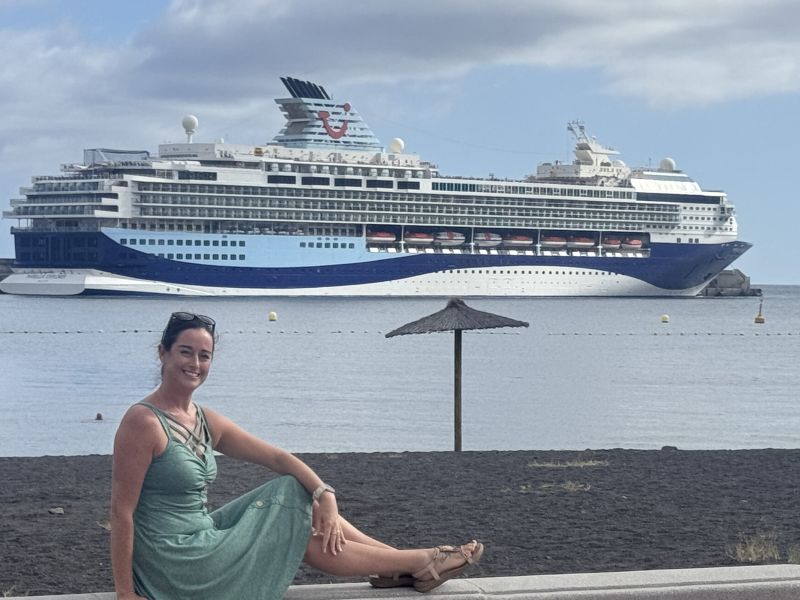
If I’ve got three busy port calls followed by a day at sea, that can be perfect. I’ve had plenty of time exploring, and now I can have a lie-in, enjoy the ship and recharge before the next destination.
A sea day at the beginning of the cruise can work well too, because it gives you time to settle in and work out where everything is without feeling as though you need to rush ashore immediately. And I’m quite fond of having one towards the end, particularly after a busy itinerary, because it gives you a chance to finish the holiday at a slightly slower pace.
So when I’m comparing two cruises, I don’t just count how many times the itinerary says “at sea”. I look at what comes before and afterwards, because a sea day in exactly the right place can make a surprisingly big difference.
I Care About the Hours in Port as Well
The number of destinations is another thing that can be slightly misleading when you’re comparing itineraries. A cruise might technically visit seven ports, but that doesn’t necessarily make it better than one visiting five if some of those calls are very short.

I’d often rather have fewer destinations and enough time to enjoy them properly. Arriving early and staying until the evening gives you much more freedom to explore without constantly thinking about getting back onboard, and a late departure can even give you the chance to experience somewhere after most of the daytime visitors have disappeared.
There’s nothing wrong with a short port call when it works for the destination, but I don’t judge an itinerary by the number of pins on the map alone. I want to know how useful those days ashore will actually be.
Final Word
There isn’t a perfect number of sea days – no formula that says a seven-night cruise should have exactly one sea day, or that anything with three is automatically too many. It depends on where I’m sailing, what I want to see and, crucially, what ship I’m going to be spending those days on.
For a week exploring somewhere like the Mediterranean, I’d usually lean towards a destination-heavy itinerary with perhaps one or two sea days to break things up. On a transatlantic cruise, the days at sea are part of the whole experience, so I’d approach choosing the ship very differently.
There are even times when I’d happily book a cruise with no sea days at all, especially if the destinations are the main reason I’m going. I can always choose to stay onboard for a few hours if I decide I need a break.
That’s one reason Marella’s approach works so well for destination-focused cruising. Flying straight to the region means you can fit plenty of ports into the itinerary while still having the occasional sea day where it makes sense, and there’s enough happening onboard that those days don’t feel wasted.
For me, that’s the balance I’m looking for. I want enough time ashore to feel as though I’ve properly explored somewhere, but enough time onboard that I still come home feeling like I’ve been on a cruise rather than completed a seven-day sightseeing endurance challenge.
Save Up To £300 On All Inclusive Marella Cruises
Use CRUISE200 for £200 off Canary Islands & Mediterranean
Use CRUISE300 for £300 off Caribbean & Transatlantic
Book by 30th September 2026 – terms apply