
The best inside cabin cruise tips come down to four things: choose a quiet, midship location; deal with the darkness on purpose (a nightlight, an alarm, a “window” channel on the TV); use every bit of wall and under-bed space for storage; and charge your devices in a way your cruise line actually allows. Get those right and a windowless cabin works as a calm, cheap, very dark bedroom, which is all most cruisers need it to be.
Free: download our 2027 Luxury Cruise Calendar →
Interior cabins are usually the lowest-priced way onto a ship, and on a busy itinerary you may spend little more than sleeping and showering time in the room. The 14 interior cabin tips below are practical fixes for the common complaints: no daylight, limited storage, too few sockets and the occasional noise problem. If you are still deciding whether to book one at all, our guide to balcony vs inside cabins and whether a balcony is worth the extra covers the price and lifestyle trade-offs in detail.
Before You Book: How to Choose the Best Interior Cabin
Most of the comfort in an interior cabin cruise is decided before you ever board. Two cabins at the same price can feel very different depending on where they sit on the deck plan.
1. Book midship, on a lower or middle deck
The middle of the ship, and the lower passenger decks, move the least in a swell. If anyone in your group is prone to seasickness, a midship interior on a low deck is often a steadier choice than a pricier balcony high up at the front. Midship also keeps you closer to the main elevators and stairs, so you spend less time walking long corridors.
2. Check what is above, below and beside the cabin
Open the deck plan for your ship and look at the decks directly above and below your cabin number. Things to avoid where you can:
- Pool decks, buffets and sports courts above you (chairs scraping and early-morning set-up).
- Theatres, nightclubs and bars below you (bass travels through steel).
- Crew doors, service areas and laundry rooms next to you (trolleys and doors at all hours).
- Cabins right beside the elevator lobby (late-night chatter as people wait).
A cabin with ordinary staterooms on every side, above and below is usually the quietest you can find.
3. Look for an interior cabin with a “view”
Some lines sell interior cabins that solve the darkness problem for you. Royal Caribbean offers Virtual Balconies in select interior staterooms: a floor-to-ceiling screen showing a real-time feed from outside the ship. According to Royal Caribbean, they are found on Symphony, Harmony, Spectrum, Anthem, Ovation, Quantum, Navigator, Explorer and Voyager of the Seas, but not every interior cabin on those ships has one, so check the category before you pay. Royal Caribbean’s Voyager- and Freedom-class ships also have Promenade-view interiors with a window looking onto the indoor Royal Promenade. On Disney Cruise Line’s Disney Dream and Disney Fantasy, interior staterooms have a “magical porthole” that shows a live view outside with occasional animated characters, which children tend to love. These usually cost a little more than a standard interior but much less than an ocean-view room.
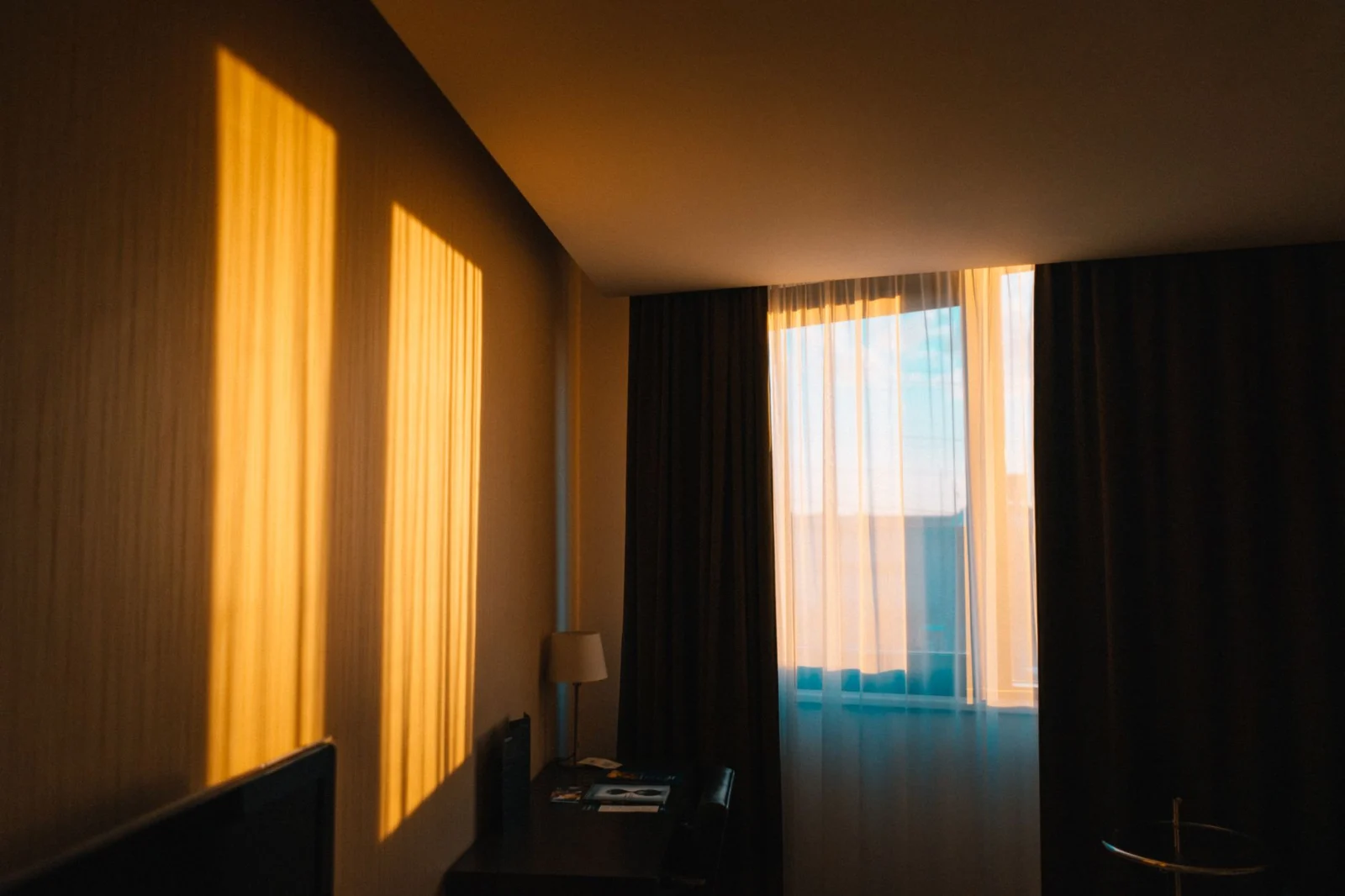
Interior Cabin Tips for Light, Sleep and Waking Up
An inside cabin with the lights off is close to pitch black. That is great for sleeping off a late night, but it can be disorientating at 3am or leave you sleeping through breakfast.
4. Pack a small nightlight
A battery or plug-in LED nightlight (or a motion-sensor stick-on light) lets you find the bathroom without waking anyone or switching on the main lights. Leaving the bathroom light on with the door ajar works too, but it is brighter and can leak under the door. A small light is one of the simplest cruise interior cabin hacks and takes up almost no space.
5. Use the TV as your window
Most mainstream ships have a TV channel showing a live bow camera or the bridge view, often with the ship’s position and weather. Switching it on in the morning tells you whether it is sunny and whether you have arrived in port yet. If your ship has an app, it may show the same information on your phone.
6. Set an alarm, every day
Without daylight your body clock has no cue that morning has arrived. Set a phone alarm for shore days and anything you have booked, such as excursions, tender tickets or speciality breakfasts. A light-based sunrise alarm clock is an option if you find a sudden alarm harsh. On many lines a continental breakfast can be ordered to the cabin the night before for a set delivery time, which doubles as a gentle wake-up call (check whether your line charges a delivery fee).
Cruise Interior Cabin Hacks for Storage
Interior cabins are often around 150 to 185 square feet on mainstream lines, so storage is about using vertical space and hidden space well. For a detailed look at one line’s layouts, our Carnival interior room guide shows how the space is typically arranged.
7. Bring magnetic hooks
Cabin walls and ceilings on most ships are steel behind the panelling, so strong magnetic hooks will hold lanyards, hats, swimwear, day bags and the next day’s outfit without damaging anything. Some refurbished cabins have wood or laminate panels in places, so test a few spots with a fridge magnet first. Keep magnets away from your room key card, credit cards and any medical devices.
8. Hang an over-the-door organiser
A clear pocket shoe organiser hung on the bathroom or cabin door holds sunscreen, chargers, toiletries, sunglasses and small items that would otherwise crowd the desk. Choose one with over-the-door hooks rather than suction cups or adhesive, which can fail in humid bathrooms or mark the walls.
9. Pack a few extra slim hangers
Cabins come with hangers, but often not enough for two people on a long sailing with formal wear. A handful of slim, non-slip or cascading hangers lets you fit more in the wardrobe. Your cabin steward can also bring more hangers if you ask.
10. Store suitcases under the bed
On most cruise ships the bed is raised high enough for standard suitcases to slide underneath once unpacked. Nest smaller bags inside larger ones first. If yours do not fit, ask your steward, who can sometimes store them elsewhere or suggest the best layout.
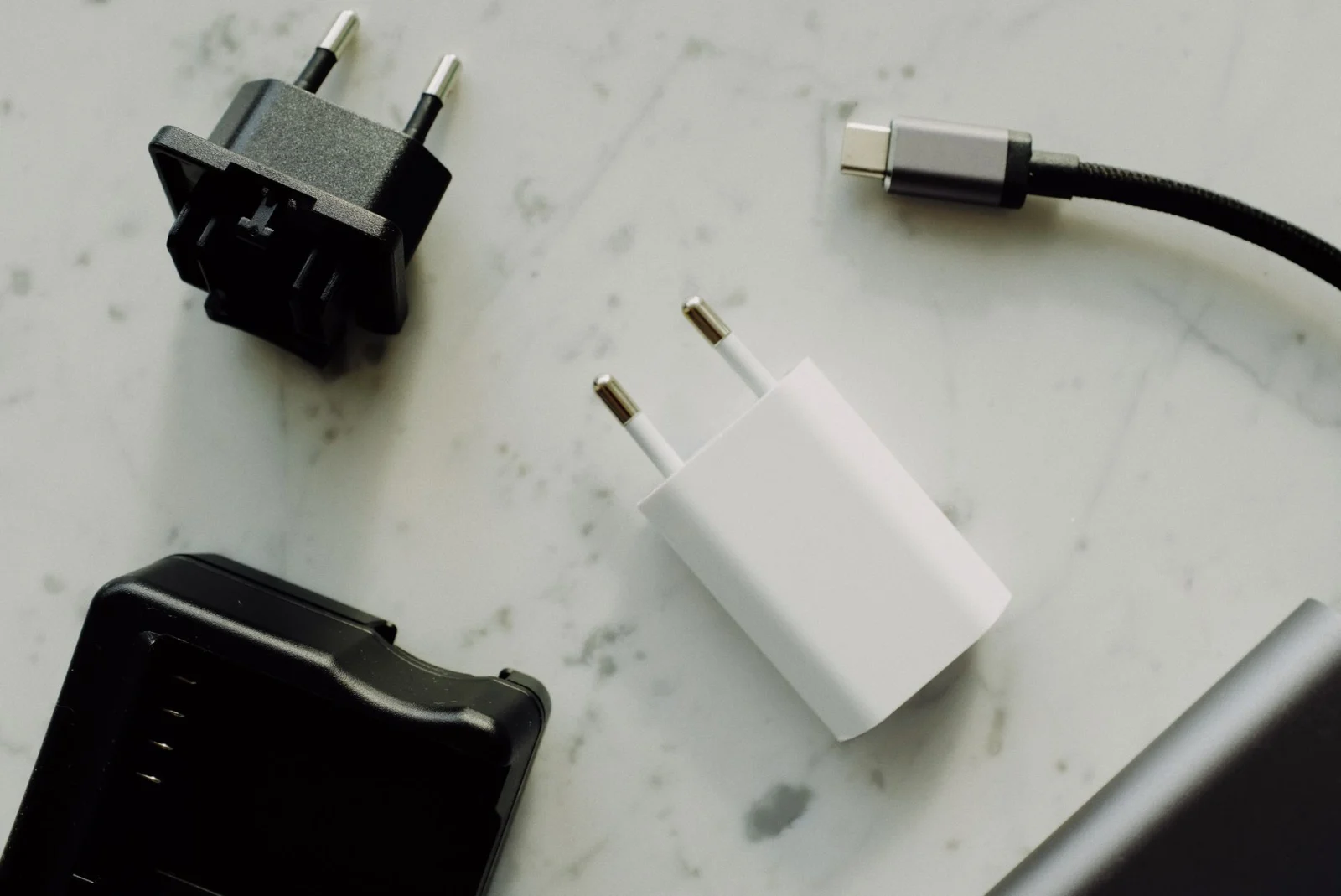
Power, Temperature and Noise in an Interior Cabin
This is where a lot of older interior cabin tips have gone out of date. Many lists still tell you to pack a surge protector, but most big cruise lines ban them.
11. Charge with a USB hub, not a power strip
Ships’ electrical systems differ from homes, and surge-protected strips have been linked to fire risk at sea. Royal Caribbean’s prohibited items policy lists extension cords, power strips and multi-plug outlets, while allowing device and USB chargers that carry a recognised US or European safety certification. In September 2024 the line clarified that multi-port USB-only chargers are fine, but blocks that combine USB ports with regular outlets are not. Carnival takes a slightly different line: power strips and extension cords without surge protection are allowed when used with proper caution, but surge-protected ones are not. The safest choice for any line is a certified multi-port USB charger (with USB-C ports if your devices use them) and a long USB cable so you can charge your phone at the bedside.
12. Plan for temperature and white noise
Interior cabins have no outside wall, so they tend to stay at a steady temperature, though air-conditioning can run warm or cool depending on the ship. Ask your steward or guest services to adjust it if the controls do not help. Fan rules vary by line. Carnival allows portable electric fans up to 12 inches in diameter, used with caution, and does not routinely supply them. Other lines are less explicit, so check your line’s prohibited items list before packing one. A small battery or USB-powered fan avoids the socket question entirely. For noise, earplugs or a white noise app on your phone are an easy fix for corridor sounds.
13. Make friends with your cabin steward early
Introduce yourself on embarkation day and mention anything that would help: extra pillows, more hangers, a different wake-up routine or which times of day suit you for servicing.
Getting the Most From Time Outside the Cabin
14. Get out on deck every morning
The simplest fix for a windowless room is to treat it as a bedroom only. Take your morning coffee to an open deck, a quiet promenade or a window seat in the buffet so you see daylight early. This helps with jet lag and body-clock confusion on longer trips. Many ships have quiet adults-only sun decks, observation lounges or libraries that work as your “balcony” for the day.
Travelling with children? Our guide to inside cabin cruises for families covers bed layouts, nap times and whether a family really needs a window.
What the Big Cruise Lines Allow in Your Cabin
Rules change, so always check your own line’s current prohibited items page before you pack. As of late 2026, the published policies of the two largest US lines look like this:
| Item | Royal Caribbean | Carnival |
|---|---|---|
| Surge-protected power strip | Not allowed | Not allowed |
| Non-surge power strip or extension cord | Not allowed | Allowed with proper caution |
| Multi-port USB-only charger | Allowed with US or European safety mark | Allowed |
| Charger mixing USB ports and outlets | Not allowed | Check before sailing |
| Portable fan | Not named on the list; check before sailing | Allowed up to 12 inches |
| Clothing iron or garment steamer | Not allowed | Not allowed |
Is an Interior Cabin Worth It?
For most cruisers who spend their days ashore or around the ship, yes. An interior cabin cruise usually costs significantly less than a balcony on the same sailing, and the savings can pay for excursions, a drinks package or a longer trip. The darkness that some people dislike is a plus for light sleepers and anyone recovering from late nights. It is less ideal on scenic itineraries such as Alaska or the Norwegian fjords, on long sea-day stretches, or if you get claustrophobic. A useful rule of thumb: if the price gap to a balcony would pay for something you would genuinely enjoy more, such as a special excursion or an extra night, the interior is the better buy.
FAQs
Is an interior cabin worth it on a cruise?
For many people, yes. Interior cabins are the cheapest way to sail and are ideal if you mostly use the room for sleeping. They are less suited to scenic routes, long sea days or anyone who dislikes small, windowless spaces.
Can you bring a power strip on a cruise?
It depends on the line. Royal Caribbean bans power strips, extension cords and multi-plug outlets but allows certified USB chargers. Carnival allows power strips without surge protection but bans surge protectors. A multi-port USB charger is the safest option.
How do you know if it is morning in an inside cabin?
Set a phone alarm, use the TV’s bow-camera or bridge channel to check the light outside, or leave a small nightlight on. Some Royal Caribbean and Disney interior cabins have virtual windows showing a live view.
Are inside cabins better for seasickness?
Location matters more than cabin type. A midship interior on a lower deck moves less than cabins at the front, back or top of the ship, which makes it a good choice for anyone prone to motion sickness.
Do magnetic hooks work on cruise ship walls?
On most ships, yes, because cabin walls are steel behind the panels. Test with a magnet first, as some refurbished cabins use wood panels in places, and keep magnets away from key cards.