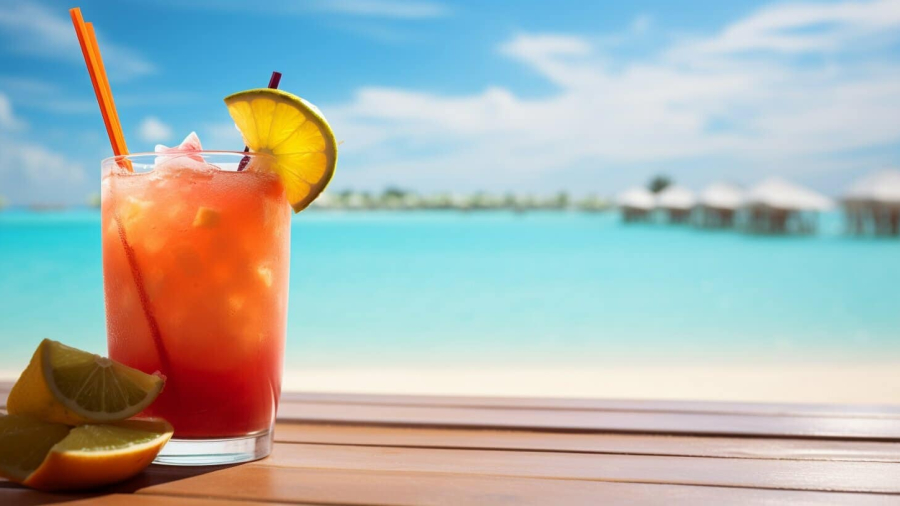
royal-caribbean-drink-prices.jpg

Royal Caribbean Drink Prices (2024)

Please stay in the Loop with Our Free Cruise Newsletter: Uncover the Latest News and Exclusive Deals. Sign Up

Royal Caribbean offers a wide range of drinks on its cruises, but not all are included in the fare. To help you plan your budget, here are the updated drink prices for Royal Caribbean in 2024.

Royal Caribbean Drink Prices, Key Takeaways:

  • Royal Caribbean offers a variety of complimentary beverages, including iced water, iced tea, lemonade, and flavored waters.
  • Specialty coffees and premium non-alcoholic beverages will incur an additional charge.
  • Soda on Royal Caribbean costs $3.50 per can, while bottled water is priced at $3.25.
  • Bottled beers range from $7.00 to $8.00 per serving, and wine prices vary greatly.
  • Cocktails and mixed drinks are priced between $10 and $14 per serving.
  • Royal Caribbean drink packages have dynamic pricing, with options for both alcoholic and non-alcoholic beverages.
  • The value of a drink package depends on individual drinking habits and preferences.

Knowing the prices of drinks and the available drink packages can help you budget for your Royal Caribbean cruise and make the most of your onboard experience.

What Drinks are Included in a Royal Caribbean Cruise?

When you embark on a Royal Caribbean cruise, you’ll have access to a variety of complimentary beverages. These include iced water, iced tea, lemonade, and flavored waters at the buffet and main dining room. So, whether you’re looking to quench your thirst or have a refreshing drink with your meals, these options are included in your fare. Additionally, breakfast juices, coffee, and tea are also part of the complimentary beverage offerings.

It’s important to note that while many non-alcoholic beverages are included, there may be additional charges for specialty coffees and other premium non-alcoholic drinks. So, if you’re a fan of specialty coffee or have a hankering for a more indulgent non-alcoholic beverage, it’s good to be aware that these will come at an extra cost.

Overall, Royal Caribbean provides a generous selection of complimentary beverages to keep you hydrated and satisfied throughout your cruise. Whether you’re sipping on a glass of lemonade by the pool or enjoying a cup of coffee with breakfast, these offerings are sure to enhance your onboard experience.

What Non-Alcoholic Drinks Cost Money on Royal Caribbean?

If you’re planning a cruise with Royal Caribbean and wondering about the prices of non-alcoholic drinks, I’ve got you covered. Here’s a breakdown of the costs you can expect for soda, specialty coffee, bottled water, and energy drinks on Royal Caribbean ships.

Soda Prices

On Royal Caribbean, a can of soda will cost you $3.50. Whether you prefer classic cola or a refreshing lemon-lime soda, be prepared to spend this amount for each can you order. It’s worth noting that if you purchase a soda package, you can enjoy unlimited soda throughout your cruise at a better value than buying individual cans.

Specialty Coffee Prices

If you’re a coffee lover, you’ll find a variety of specialty coffee options on Royal Caribbean ships. The prices for specialty coffees range from $4.00 to $5.00 per serving. So whether you’re craving a classic cappuccino to start your day or a decadent mocha as an afternoon pick-me-up, you’ll need to budget accordingly for these premium coffee experiences.

Bottled Water and Energy Drinks

If you prefer bottled water over tap water or want an energy boost from drinks like Red Bull or Powerade, you’ll need to pay for them on Royal Caribbean. Bottled water can be purchased for $3.25 per bottle, while energy drinks range from $4.00 to $4.50. These prices will help you plan and budget for your preferred non-alcoholic beverages during your cruise.

Non-Alcoholic Drink Price
Soda $3.50 per can
Specialty Coffee $4.00 – $5.00 per serving
Bottled Water $3.25 per bottle
Energy Drinks $4.00 – $4.50 per serving

Now that you know the prices of non-alcoholic drinks on Royal Caribbean, you can plan and budget accordingly for your cruise. Whether you choose to indulge in a specialty coffee or prefer to stick with complimentary options, there’s no shortage of refreshing beverages to enjoy onboard. Just keep in mind that prices are subject to change, so it’s always a good idea to check with the cruise line for the most up-to-date information. Cheers to a fantastic cruise experience!

How Much is Beer on Royal Caribbean?

If you’re a beer lover, you may be wondering about the prices of beer on Royal Caribbean cruises. Well, I’ve got the information you need! On the ships of Royal Caribbean, you can enjoy a variety of bottled beers at reasonable prices. Whether you prefer domestic or international brands, there’s something for everyone.

Beer Type Price
Domestic (e.g., Bud Light, Coors Light) $7.49
International (e.g., Heineken, Blue Moon) $7.99
Craft Beer $7.99

As you can see, the average price for a bottle of beer on Royal Caribbean is around $7.49 to $7.99. This allows you to enjoy your favorite brew while taking in the beautiful views and exciting activities onboard.

Whether you’re lounging by the pool, dining at one of the specialty restaurants, or catching a show at the theater, having a cold beer in hand can enhance your cruise experience. So, sit back, relax, and indulge in a refreshing beer on your Royal Caribbean vacation!

How Much Does Wine Cost on Royal Caribbean Ships?

When it comes to enjoying a glass of wine on a Royal Caribbean cruise, you have a range of options to choose from that cater to different tastes and budgets. The wine prices on Royal Caribbean ships vary depending on the label, brand, and vintage. Let’s explore the wine list with prices to help you plan your onboard experience.

Wine by the Glass

If you prefer to savor a single glass of wine, Royal Caribbean offers a variety of options. The prices for a glass of wine range from $8 for a glass of Beringer White Zinfandel to $24 for a glass of Moet & Chandon champagne. Most glasses of wine fall around the $11 mark, giving you the opportunity to indulge in your favorite varietals without breaking the bank.

Wine by the Bottle

For those who enjoy sharing a bottle of wine with friends or family, Royal Caribbean offers an extensive selection that caters to different preferences. The prices for bottles of wine range from $40 to $231, depending on the label and vintage. Whether you’re a fan of bold reds, crisp whites, or sparkling wines, you’re sure to find a bottle that suits your taste.

Wine Type Price Range
House Wines $40 – $55
Reserve Wines $60 – $120
Champagne and Sparkling Wines $80 – $231

With such a wide range of wine options available, you can enhance your dining experiences and celebrate special moments during your Royal Caribbean cruise. Cheers to discovering new flavors and creating lasting memories onboard!

What Are the Costs of Cocktails and Mixed Drinks on Royal Caribbean?

When it comes to enjoying a refreshing cocktail or mixed drink on a Royal Caribbean cruise, you’ll find a variety of options to suit your tastes. From classic favorites to signature creations, the drink menu offers something for everyone. But what are the costs of these libations? Let’s take a closer look at the prices of cocktails and mixed drinks on Royal Caribbean.

Signature Cocktails:

One of the highlights of the Royal Caribbean drink menu is the selection of signature cocktails. These handcrafted creations are designed to tantalize your taste buds and quench your thirst. The Lime and Coconut cocktail, a tropical blend of rum, coconut cream, and lime, is a popular choice among cruisers. Priced at $14 per serving, it’s a refreshing sip of paradise. Other signature drinks, such as the Goombay Smash and the Coco Loco, can be enjoyed for the same price.

Classic Cocktails:

If you prefer the timeless elegance of classic cocktails, Royal Caribbean has you covered. Indulge in a martini, old-fashioned, or mojito for $11 each. These well-crafted libations are made with premium spirits and expertly mixed to perfection. Whether you’re relaxing by the pool or enjoying an evening in the ship’s lounge, a classic cocktail is always a sophisticated choice.

Specialty Cocktails:

In addition to the signature and classic options, Royal Caribbean offers a range of specialty cocktails that cater to specific tastes. Whether you’re a fan of fruity concoctions or prefer something with a bold kick, there’s a specialty cocktail for you. Prices for these unique libations range from $11 to $14. From the refreshing Bahama Mama to the tangy Mango Tango, there’s a flavor to suit every palate.

With the prices of cocktails and mixed drinks on Royal Caribbean, you can plan your onboard adventures accordingly. Whether you’re looking to indulge in a signature creation, savor a classic cocktail, or try a specialty concoction, there’s a drink to suit every taste and budget.

What Are the Prices of Royal Caribbean Drink Packages?

When planning your Royal Caribbean cruise, it’s important to consider the prices of the drink packages available. These packages can provide excellent value for those who plan on enjoying a variety of beverages throughout their trip. Below, you’ll find the current pricing for Royal Caribbean drink packages in 2023:

Drink Package Price Range (Per Day)
Deluxe Beverage Package (alcohol included) $63 – $98
Royal Refreshment Drink Package (non-alcoholic) $29 – $38
Classic Soda Package $12.99

The Deluxe Beverage Package, which includes a wide selection of alcoholic beverages, ranges in price from $63 to $98 per day. This package is perfect for those who enjoy cocktails, wines, and other alcoholic beverages throughout their cruise. The Royal Refreshment Drink Package, priced between $29 and $38 per day, provides unlimited access to non-alcoholic beverages, such as specialty coffees, bottled water, and soft drinks.

If you prefer to stick to soda, the Classic Soda Package is available for $12.99 per day. This package allows you to enjoy unlimited fountain sodas during your cruise. Whether you’re a soda lover or someone who enjoys a variety of alcoholic and non-alcoholic beverages, there is a package to suit your needs and budget.

It’s important to note that these prices are subject to change and may vary depending on the length of your cruise and the specific ship you choose. Additionally, Royal Caribbean occasionally offers promotions or discounts on drink packages, so it’s worth checking for any deals before making your purchase. By choosing the right drink package, you can enjoy a worry-free and cost-effective onboard experience with Royal Caribbean.

Is a Royal Caribbean Drink Package Worth It?

Bionic Bar®Bionic Bar®
At Bionic Bar®, meet two robotic bartenders who know how to shake, stir, and mix up your night out. With moves as fluid as the Pimm’s in your cup, these mecha mixologists can create an almost endless combination of cocktails, from classic cosmos to custom-crafted sips designed by you.

When planning a Royal Caribbean cruise, one important consideration is whether or not to purchase a drink package. As an avid cruiser and a lover of both alcoholic and non-alcoholic beverages, I’ve often pondered this question myself. To help you make an informed decision, let’s explore the value of a Royal Caribbean drink package and whether it’s worth the investment.

Firstly, it’s essential to assess your drinking habits and preferences. If you enjoy indulging in a variety of cocktails, beers, wines, and non-alcoholic beverages throughout your cruise, a drink package can offer significant savings. Paying individually for each drink can quickly add up, whereas a drink package provides a fixed cost for unlimited options.

Additionally, a drink package allows you to try new and exciting beverages without worrying about the price. It enhances your onboard experience, allowing you to savor your favorite drinks and discover new favorites without hesitation. Whether you’re lounging by the pool, enjoying a show, or dining at one of the many specialty restaurants, a drink package ensures that you can enjoy your favorite libations anytime, anywhere.

However, it’s crucial to evaluate your individual needs and calculate the costs. Consider the duration of your cruise, the number of sea days versus port days, and the overall value you anticipate getting from the package. If you’re not a frequent drinker or prefer to have only a few beverages during your trip, it might be more cost-effective to pay for drinks individually.

In conclusion, a Royal Caribbean drink package can be worth it if you enjoy a wide variety of beverages and want the convenience of unlimited drinks throughout your cruise. It ensures hassle-free enjoyment and can provide significant savings compared to paying for each drink separately. Nevertheless, it’s important to assess your drinking habits and do the math to determine if a drink package aligns with your budget and preferences. Cheers to finding the perfect option for your Royal Caribbean adventure!

The Best Time to Buy Royal Caribbean Drink Packages

If you’re considering purchasing a drink package for your Royal Caribbean cruise, timing can make a big difference in terms of cost savings. To help you get the best deal, here are some insights on the best time to buy your drink package.

Black Friday Deals and Promotions

Black Friday is known for offering great discounts on a wide range of products and services, and Royal Caribbean is no exception. Keep an eye out for special Black Friday deals on drink packages, as this is often the best time to snag a discounted price. Take advantage of these limited-time offers to save on your onboard beverages.

In addition to Black Friday, Royal Caribbean occasionally offers promotions and price drops throughout the year. Stay updated on their website or sign up for their newsletter to be notified of any deals or discounts that may become available before your cruise.

Purchase Early

Another tip for getting the best price on a Royal Caribbean drink package is to purchase it as soon as you book your cruise. By doing this, you can secure the lowest price available at that time. Prices for drink packages may increase as your sail date approaches, so it’s best to lock in the lowest price early on.

By being strategic and taking advantage of promotions and early booking, you can maximize your savings and enjoy a worry-free experience onboard your Royal Caribbean cruise.

Final Thoughts

For those looking for convenience and savings, the drink packages offered by Royal Caribbean can be a worthwhile investment. By estimating your beverage consumption and comparing it to the cost of a package, you can determine if it’s the right choice for you. Keep an eye out for promotions and discounts to snag the best deal.

So, whether you’re sipping a complimentary iced tea or indulging in a signature cocktail, Royal Caribbean ensures that you won’t go thirsty. Cheers to a refreshing and enjoyable cruise experience with a wealth of beverage options to enhance your journey.

Plan Your Trip?

Need help planning a trip? Check out these helpful links:

Royal Caribbean Drink Prices FAQs

What Drinks are Included in a Royal Caribbean Cruise?

Wonder of the SeasWonder of the Seas

Complimentary beverages on Royal Caribbean include iced water, iced tea, lemonade, flavored waters, breakfast juices, coffee, and tea.

What Non-Alcoholic Drinks Cost Money on Royal Caribbean?

Specialty coffees and premium non-alcoholic beverages like soda, juice from a bar, and bottled water incur additional charges.

How Much is Beer on Royal Caribbean?

Bottled beers on Royal Caribbean ships range from $7.00 to $8.00 per serving, with domestic and international options available.

How Much Does Wine Cost on Royal Caribbean Ships?

(2024) Royal Caribbean Drink Prices | 19(2024) Royal Caribbean Drink Prices | 19

Wine prices on Royal Caribbean vary, starting from $8 for a glass of Beringer White Zinfandel to $24 for a glass of Moet & Chandon champagne. Bottles of wine range from $40 to $231.

What Are the Costs of Cocktails and Mixed Drinks on Royal Caribbean?

Cocktails and mixed drinks on Royal Caribbean ships are priced between $10 and $14 per serving, with specialty cocktails and new libations ranging from $11 to $14.

What Are the Prices of Royal Caribbean Drink Packages?

Royal Caribbean drink packages have dynamic pricing. The Deluxe Beverage Package ranges from $63 to $98 per day, non-alcoholic packages range from $29 to $38 per day, and the Classic Soda Package is priced at $12.99 per day.

Is a Royal Caribbean Drink Package Worth It?

(2024) Royal Caribbean Drink Prices | 19(2024) Royal Caribbean Drink Prices | 19

The value of a drink package depends on your drinking habits and preferences. For those who consume a variety of alcoholic and non-alcoholic beverages, a drink package can offer cost savings. However, it’s important to calculate the costs and consider your individual needs before purchasing a package.

When Is the Best Time to Buy Royal Caribbean Drink Packages?

It is best to purchase a drink package when you book your cruise to secure the lowest price. Black Friday deals often offer the best discounts on drink packages. Royal Caribbean occasionally offers promotions and price drops, so it’s worth watching for any deals before your cruise.

What Drinks are Included in a Royal Caribbean Cruise?

(2024) Royal Caribbean Drink Prices | 19(2024) Royal Caribbean Drink Prices | 19

Royal Caribbean offers various beverage options, from complimentary drinks to premium cocktails. Knowing the prices of drinks and the available drink packages can help you budget for your Royal Caribbean cruise and make the most of your onboard experience.
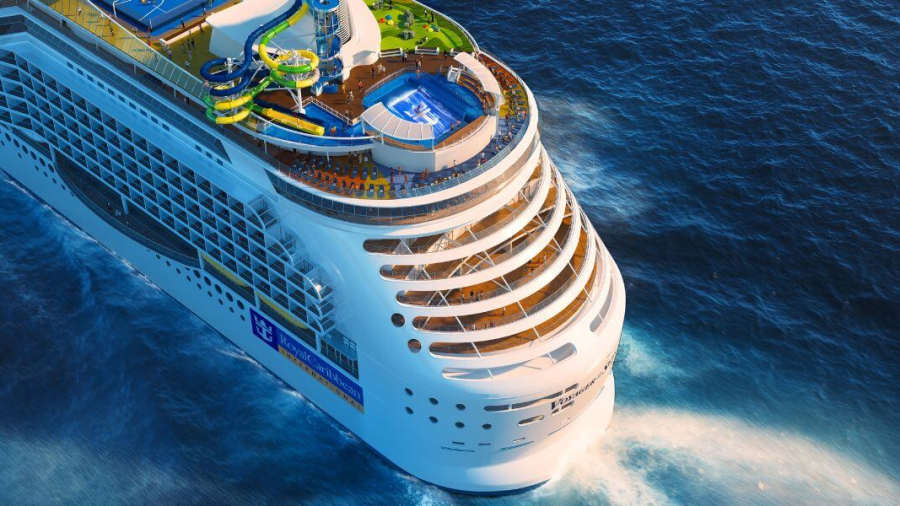
Source link

Voyagerof-the-Seas-cabins.jpg

Major Plumbing Issue Greets Guests On Royal Caribbean Cruise Ship

Guests embarking on a cruise on Royal Caribbean’s Voyager of the Seas were greeted by a major plumbing issue with no running water onboard.

According to a guest who posted on Reddit, this meant that no sinks were available for hand-washing, and none of the toilets were able to flush.

The ship is in Piraeus, the port near Athens, with guests arriving for a 7-day trip around the Greek Isles.

The guest said that they first tried the buffet and found that the drinks machines were dispensing pure syrup, and because no notices had been posted anywhere, they assumed it was just a drinks issue.

But then, on visiting the bathrooms, they found that the toilets weren’t flushing and the taps in the sink weren’t working, with no hand sanitiser available in the bathrooms either.

The guest spoke to the Guest Services team who confirmed it was a ship-wide issue, and that repairs would take at least another hour, having already been without water for two hours.

I’ll update once I know more, especially if the repairs take longer than planned!

NEW DEALS JUST RELEASED!

Don’t miss the latest Royal Caribbean offers…

Related posts

If you found this interesting, please share!

Cruise Mummy

Jenni Fielding is the founder of Cruise Mummy. She has worked in the cruise industry since 2015 and has taken over 30 cruises. Now, she helps over 1 million people per month to plan their perfect cruise holidays.

Read more about me

Queen Anne

2024 has a lot to be excited about, including some brand-new cruise ships! I mean you can tell from the title – we still have 10 ships due to launch…

Adora Mediterranea

A cruise ship caught fire while docked in Jeju, South Korea this week, with three crew members injured as a result. The Adora Mediterranea, sailing for Chinese-American cruise line Adora…

Princess Cruises has announced that its Premier cruise fare will now offer guests even more benefits, with the addition of not just MedallionNet Max but also unlimited speciality dining. Guests…

Carnival Magic

Carnival Cruise Line was forced to issue a rare passenger alert on Tuesday 14th August, as it had to cut short its visit to Grand Turk. Due to deteriorating weather…

Source link

cruiseshipsportmiami.jpg

6 Activities on Cruise Ships You Can’t Do Anymore

While many aspects of cruising have remained the same over the past few decades, there are a number of activities what were common place on cruise ships many years ago that are no longer allowed (for various reasons).  Here are six few activities that you can no longer participate in while on a cruise.

Our free cruise newsletter offers the latest news and deals: Sign Up

cruise ships in Miami

1. Messages in a bottle – Passengers would write a message along with their name and address, put it into a bottle and toss it into the sea. They were hoping that someone on a distant shore would reply back after finding the bottle. Many passengers never heard back, but some received a nice surprise in the mail months after their cruise.

Cruise lines ended this practice more than 20 years ago as you can no longer throw anything into the ocean.

2. Skeet shooting – Passengers were once able to practice their skeet shooting off the back of the ship for $1 a shot.  Skeet shooting on cruise ships was stopped a couple decades ago.

Thanks to the video below that was posted on YouTube, we can get a look at this now banned activity that took place on Carnival Ecstasy in 1991.

3. Streamers at sailaway – Common place in the 70’s and 80’s, passengers would throw streamers and confetti over the side of the ship as they celebrated sailaway, waving to their family and friends on the dock.

This fun celebration was featured in many episodes of the hit TV show The Love Boat. Sound like a lot of fun? It was, but the practice of throwing anything overboard is obviously no longer allowed.

4. Hitting golf balls into the ocean – Passengers were once allowed to practice their drives by hitting golf balls off of the ship and into the ocean.

The practice was stopped in 1990 after the International Maritime Organization passed a law outlawing the dumping of plastic waste into the sea. Golf simulators were added to some ships while a few luxury ships, switched to biodegradable golf balls made of fish food.

The A-Team filmed an episode in 1985 (Season 4, Episode 2) on Carnival Cruise Line’s M.S. Tropicale and in one scene, you can see a passenger hitting golf balls off of the aft of the ship.

5. Smoking in the dining rooms and staterooms – Just a few years ago, passengers were able to not only smoke on their balconies, but also in their staterooms.  Now, all cruise lines have now ended this practice and every stateroom and balcony are smoke-free zones.

Passengers smoking in the ship’s dining rooms has been outlawed for even longer, with some cruise lines making the change as early 1990s. Smoking is currently prohibited in all enclosed dining venues on cruise ships.

balcony on cruise ship

6. Visits from friends and family on embarkation day – Years ago, family and friends of passengers were able to board the ship on embarkation day to not only wish their loved ones a bon voyage, but to also get a taste of the on board experience. Tighter security measures ended this practice over 20 years ago.
In 2010, Princess Cruises launched a “Bon Voyage Experience” where friends and family can come aboard for up to 4 hours on embarkation day.  The cost was $39 per person and included a four-course lunch in the dining room, a guided ship tour, and a souvenir photo. The program was limited to 50 guests on each embarkation day and the cost could be applied towards a future cruise with Princess.

Princess Cruises ended this program in 2019.

Source link

cruiseship200000grosstons.jpg

5 Cruise Lines Will Have Ships 200,000 Gross Tons or Larger by 2030

It’s no secret that cruise ships continue to get larger and larger, especially from the mainstream cruise lines.

Our free cruise newsletter offers the latest news and deals: Sign Up
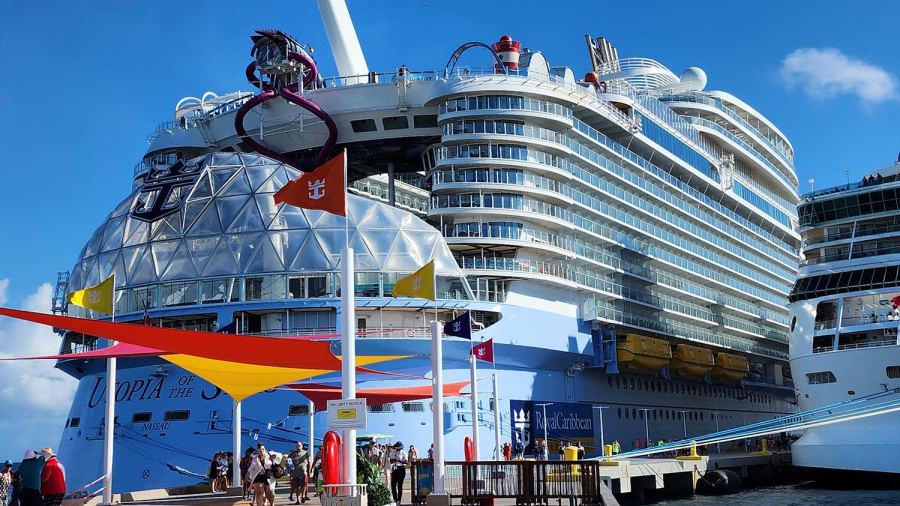
Utopia of the Seas
Royal Caribbean’s Utopia of the Seas is the newest cruise ship over 200,000 gross tons in size. Photo Credit: Cruise Fever

Royal Caribbean was the first cruise line to ever build a ship over 200,000 gross tons in size when Oasis of the Seas debuted in 2009. 

It wasn’t until 13 years later when a second cruise line, MSC Cruises, launched a ship over 200k in 2022.

There are currently eight ships in service over this size. They are:

  • Oasis of the Seas
  • Allure of the Seas
  • Harmony of the Seas
  • Symphony of the Seas
  • Wonder of the Seas
  • MSC World Europa
  • Icon of the Seas
  • Utopia of the Seas

Note: Gross tons is a measurement of a ship’s overall internal volume and has nothing to do with weight.

By the time 2030 rolls around, five cruise lines will have ships larger than 200,000 gross tons.  They are Royal Caribbean, MSC Cruises, Disney Cruise Line, Carnival Cruise Line and Norwegian Cruise Line. Here is a look at these future ships.

Royal Caribbean has three more mega cruise ships coming out, two more Icon Class and another Oasis class.  By 2028, Royal Caribbean will have 10 cruise ships over 200,000 gross tons in their fleet.

Royal Caribbean Icon of Seas in PortMiami
Royal Caribbean’s Icon of the Seas is the largest cruise ship ever built and the first over 250,000 gross tons.

MSC Cruises is adding three more mega ships to their fleet, all sister ships to MSC World Europa.

MSC World Europa was MSC’s first cruise ship over 200,000 gross tons when the vessel debuted in late 2022. Photo Credit: MSC Cruises

MSC World America will debut in 2025, MSC World Asia in 2026, and one unnamed ship in 2027. They will be around 205,000 gross tons in size.

Disney Cruise Line will add one mega ship to their fleet when Disney Adventure debuts in 2025.  This 208,000 gross ton ship was originally the first of two Global class ships from Star Cruises.

Artist rendering of Disney Adventure

After the cruise line filed for bankruptcy, the ship which only partially finished was sold to Disney and renamed Disney Adventure. The second ship was sold for scrap since it was still early in the vessel’s construction.

Carnival Cruise Line, the first cruise line to ever have a ship over 100,000 gross tons, will add three mega ships starting in 2029.

This new class from Carnival will be 230,000 gross tons in size with a ship coming out every two years after the first in 2029.

We currently have zero details on this new class from Carnival.

The fifth cruise line adding a mega ship by the end of the decade is Norwegian Cruise Line. NCL has four 200,000 gross ton ships on order and they are currently scheduled to debut in 2030, 2032, 2034 and 2036.

Norwegian Cruise Line has not given any more details about this new class of ships.

There have been some ship prototypes that dwarf these current ships.  One was a 430,000 gross ton ship that will likely never be built. Another was a mile-long Freedom ship that was more of a pipedream than reality.

Source link

1490716911_m-B34-031-24-03-2017-30.jpg

New Cruise Ships Under Construction/Ordered by Cruise Lines 2024-2033

Cruise lines are continuing to order and build new cruise ships to meet the growing demand for cruises.  Below is a list of cruise ships that are currently under construction or have been ordered by the mainstream cruise lines from now until 2033.

Our free cruise newsletter offers the latest news and deals: Sign Up
A Royal Caribbean cruise ship under construction at the shipyard.

The passenger count is based on double occupancy and many times can change before a cruise ship has been completed. The gross tonnage can also change a little from the time a ship is ordered until it enters service.  Cruise lines are listed alphabetically.

Carnival Cruise Line

Carnival Cruise Line has 27 cruise ships in service and currently has five new cruise ships on order including their largest ever at 230,000 gross tons.

4th Excel Class Ship

  • Scheduled to be completed in 2027
  • 5,400 passengers
  • 183,900 gross tons

5th Excel Class Ship

  • Scheduled to be completed in 2028
  • 5,400 passengers
  • 183,900 gross tons

1st Mega Ship

  • Scheduled to be completed in 2029
  • 6,200 passengers
  • 230,000 gross tons

2nd Mega Ship

  • Scheduled to be completed in 2031
  • 6,200 passengers
  • 230,000 gross tons

3rd Mega Ship

  • Scheduled to be completed in 2033
  • 6,200 passengers
  • 230,000 gross tons

Celebrity Cruises

Celebrity Cruises has one more Edge class ship coming out.

Celebrity Xcel

  • Scheduled to be completed in 2025
  • 3,260 passengers
  • 140,600 gross tons

Disney Cruise Line

Disney Cruise Line currently has eight more ships debuting either under construction or on order.

Disney Treasure

  • Scheduled to be completed in 2024
  • 2,500 passengers
  • 140,000 gross tons

Disney Destiny

  • Scheduled to be completed in 2025
  • 2,500 passengers
  • 140,000 gross tons

Disney Adventure

  • Scheduled to be completed in 2025
  • 6,000 passengers
  • 208,000 gross tons

4th Wish Class

  • Scheduled to be completed in 2028
  • 2,500 passengers
  • 140,000 gross tons

Disney Cruise Line recently announced an order for four more new ships that will debut between 2027-2031. They have yet to give any other details about these new vessels.

MSC Cruises

MSC Cruises has been the world’s fastest growing cruise line and they now have three more ships coming out, all World class vessels.

MSC World America

  • Scheduled to be completed in 2025
  • 5,400 passengers
  • 205,700 gross tons

MSC World Asia

  • Scheduled to be completed in 2026
  • 5,400 passengers
  • 205,700 gross tons

4th World Class Ship

  • Scheduled to be completed in 2027
  • 5,400 passengers
  • 205,700 gross tons

Norwegian Cruise Line

NCL has six more cruise ships on order including their first 200,000 gross ton ship.

Norwegian Aqua

  • Scheduled to be completed in 2025
  • 3,570 passengers
  • 156,300 gross tons

4th Prima Class Ship

  • Scheduled to be completed in 2026
  • 3,570 passengers
  • 156,300 gross tons

5th Prima Class Ship

  • Scheduled to be completed in 2027
  • 3,650 passengers
  • 169,000 gross tons

6th Prima Class Ship

  • Scheduled to be completed in 2028
  • 3,650 passengers
  • 169,000 gross tons

1st Mega Ship

  • Scheduled to be completed in 2030
  • 6,200 passengers
  • 200,000 gross tons

2nd Mega Ship

  • Scheduled to be completed in 2032
  • 6,200 passengers
  • 200,000 gross tons

Princess Cruises

Princess Cruises has one more new ship coming out that is part of a their Sphere class and will be the largest in their fleet.

Star Princess

  • Scheduled to be completed in 2025
  • 4,300 passengers
  • 175,000 gross tons

Royal Caribbean

Royal Caribbean is the world’s largest cruise line with 28 ships in service and they have three more cruise ships under construction or on order. 

Star of the Seas

  • Scheduled to be completed in 2025
  • 5,600 passengers
  • 250,800 gross tons

3rd Icon Class Ship

  • Scheduled to be completed in 2026
  • 5,600 passengers
  • 250,800 gross tons

7th Oasis Class ship

  • Scheduled to be completed in 2028
  • 5,700 passengers
  • 231,000 gross tons

Virgin Voyages

Virgin Voyages, the adults only cruise line, has one more cruise ship being added to their fleet.

Brilliant Lady

  • Scheduled to enter service in the fall of 2025
  • 2,700 passengers
  • 110,000 gross tons

Cruise Fever will update this article as cruise lines announce order for new cruise ships.

Source link

pexels-photo-6663361.jpeg

Massage Therapy — A Tune-Up For Cruise Travelers

The best and most interesting parts of the globe are often just a few kilometers from our homes, businesses, and native countries. Traveling this far for holidays, conferences, or simply as a tourist is exciting and fun. However, our cruise travel experiences are also associated with some difficulties. You need to select, prepare, pack, and unpack your bag. Even if you go on a vacation for 2-3 days, you still need to spend a lot of time and resources to get ready for the trip. This is no fun and can even stress some people. 

Massage Therapy

The good news is that you can make your vacation experience more pleasant and smoother. All you need to do is relax before and after your trip to your travel agenda. Therapy with a Moroccan bath can also be a good alternative. The treatment may help you cope with stress and worry while also reviving and healing your whole body from weariness or chronic pain. It is up to you what treatment to choose. Therapeutic, Swedish, deep tissue, hot-stone, or even sports massages can be a good solution. So, let us share a couple of facts proving the core benefits of massage treatments to your unforgettable travel experience. 
1. Reduce Stress During Your Cruise Trip

Traveling is usually exciting, but it also comes with certain issues to solve. Some of the main drawbacks are trip preparations, packing a bag, and the inconvenience experienced on board to mention a few. Massage treatment may reduce stress and soothe your mind and body after a long journey.

2. Eliminate Back Pain

Sitting for lengthy periods of time creates back pain, which is uncomfortable for the body. A decent massage may help relieve back discomfort and provide relaxation even after travel.

Traveling for extended periods of time may have a negative impact on both your physical and mental health. However, receiving a decent massage treatment may help mitigate the effects of changing time zones by sensitizing blood flow and lowering stored tension in the body.

3. Get Rid of Body Aches

Massage treatment helps to revitalize and relieve bodily pains, which are common after spending multiple hours in a car or on a cruise ship. Massage treatment reduces muscular stiffness and promotes healthy blood circulation.

4. Promote Healthy Sleep

A professionally performed massage treatment will relieve bodily pains and aches gathered throughout the journey preparation procedure. This promotes good sleep and removes irritants.

5. Promote Calmness

A therapeutic massage stimulates the brain chemical that causes good sensations, allowing you to enjoy nature’s exquisite work and making your cruise trip truly unforgettable. After the treatment session, you will be fresh and full of energy to explore the new world.

6. Reduce Stress

Studies have shown that receiving a massage helps lower your cortisol levels. Cortisol is the hormone involved with the fight reaction; when the body perceives a frightening situation, it raises the cortisol level in your system. Cortisol puts your body on alert, allowing it to react quickly to any perceived threat — a sensation we associate with stress. Lowering your cortisol levels helps your body and mind to relax, making you feel much more tranquil.

7. Relieve Headache

One of the leading reasons for headaches is a lack of blood circulation to the brain. Massaging the neck and head may almost magically relieve these headaches by triggering blood flow. When the blood flow to the brain returns to normal, the headache goes away, and you’re ready to tackle the remainder of the day with a grin.

8. Get in a Better Mood

According to studies, a massage is likely to raise serotonin levels in your brain. Serotonin is a neurotransmitter associated with happiness. As a result, your mood will be much improved after your massage therapy.   

Bring Your Travel Experience to a New Level

Getting a massage during your vacation comes with multiple advantages: it makes you feel relaxed and free, and it may work as a pain reliever if necessary. From relaxation to recovery and all in between, a massage may help you achieve the condition of body and mind you seek — and it does so without the use of any steroids or medications.

Source link

LIVESTREAM2-46.png

How Fast Is A Knot And Why It Matters?

A knot is a unit of measurement used to determine the speed of a ship or aircraft. It equals one nautical mile per hour, making it a commonly used term in the maritime industry.

What is a Knot?

The term “knot” dates back to the 17th century when sailors would use a log line with regularly spaced knots to measure the speed of their ships.

The logline, with knots tied along its length, would be thrown overboard, and the number of knots that passed through their hands in a specific amount of time would determine the ship’s speed. Today, knots remain the preferred unit of measurement for speed on ships and are used by cruise ship captains to measure their vessels’ speed through the water accurately.

How Fast Is A Knot?

A knot is a unit of speed equal to one nautical mile per hour (1 knot = 1.15 mph). It is the speed at which one nautical mile is traveled in an hour. To put this into perspective, 6 knots would be approximately 7 mph, 20 knots would be 23 mph, and 30 knots would be 35 mph.

History of Knotted Measurement

The history of knotted measurement holds significant importance in maritime navigation. In the 17th century, sailors relied on a clever device called a “common log” to measure the speed of their ships using knots. This measurement technique became essential for accurate navigation.

The process involved lowering a piece of wood, known as the common log, into the sea from the ship’s stern while the ship was in motion. The log was attached to a line with evenly spaced knots. As the ship moved forward, sailors would count the number of knots that passed through their hands within a specific time interval.

By calculating the number of knots passed in a given period, sailors could determine the ship’s speed in nautical miles per hour, also known as knots. This measurement system allowed for more precise navigation, especially during long-distance travel or unfamiliar waters.

The term “knots” refers to the measurement unit derived from this process. Today, cruise ship captains and sailors continue to use this method to measure and monitor their vessel’s speed accurately. While modern technology has provided more advanced tools for speed calculation, the history of knotted measurement remains a crucial aspect of maritime navigation.

Measuring Speed in Knots

Measuring speed in knots has been a longstanding practice in the maritime industry. Originating in the 17th century, this unit of measurement has been essential for sailors to accurately determine their vessels’ velocity.

The term “knot” refers to the speed of one nautical mile per hour. To calculate the ship’s speed, sailors would use a method involving a piece of wood known as the common log. This log was attached to a line with evenly spaced knots.

By observing the number of knots that passed through their hands within a specified time interval, sailors could precisely determine the ship’s speed in knots. This system provided a reliable and practical means of navigation, especially during long-distance journeys or when encountering unfamiliar waterways.

As a unit of measurement, knots continue to be widely used in the maritime industry, allowing cruise ship captains and sailors to navigate with accuracy and confidence in their vessel’s speed and positioning.

Defining the Nautical Mile

The nautical mile is a fundamental unit of measurement in marine navigation, used to determine distances on the Earth’s surface. Unlike the regular land-based mile, equivalent to 5,280 feet, a nautical mile is based on the Earth’s longitude and latitude coordinates.

Specifically, a nautical mile is defined as one minute of latitude or about 1.852 kilometers (approximately 1.15078 miles). This creates a practical system for accurately measuring distances at sea, as the Earth’s longitude and latitude lines provide a consistent framework for navigation.

The international standard for the nautical mile was established in the 17th century and has since been adopted by countries worldwide, including the United States and the United Kingdom. This standardization allows for precise and uniform communication regarding distances, ensuring accuracy and safety in marine navigation.

Converting MPH to Knots

Converting miles per hour (MPH) to knots is common in marine navigation. You can use a simple conversion factor of 0.868976 to convert MPH to knots. Here’s how you can perform the conversion manually:

1. Start by identifying the speed in miles per hour that you want to convert to knots.

2. Multiply the speed in MPH by the conversion factor of 0.868976. The formula for the conversion is Knots = MPH x 0.868976.

3. Perform the calculation. For example, if the speed is 60 MPH, the conversion would be Knots = 60 x 0.868976 = 52.1376 knots.

4. Round the result to the nearest whole number if desired. In this case, the speed in knots would be approximately 52 knots.

Following these steps and using the conversion formula can easily convert MPH to knots. This can be particularly useful in marine navigation and communication, ensuring accurate speed measurements and adherence to standard units in the maritime industry.

What Is The Maximum Speed for Cruise Ships

Cruise ships are known for their luxurious amenities, world-class entertainment, and breathtaking views. But have you ever wondered how fast these massive vessels can actually go? The maximum speed of a cruise ship may surprise you.

Most modern cruise ships have a maximum speed of around 30 knots, which is equivalent to approximately 34.5 miles per hour. However, it’s important to note that cruise ships generally do not consistently travel at their maximum speed. The actual cruising speed of a ship can vary depending on a variety of factors, such as weather conditions, route, and fuel efficiency.

One notable cruise ship that stands out in terms of speed is the Cunard Line’s Queen Mary 2. With a maximum speed of 30 knots, the Queen Mary 2 is one of the fastest operational cruise ships in the world. This majestic vessel is renowned for its elegance and grandeur, offering passengers a truly unforgettable experience.

In conclusion, while the maximum speed of most cruise ships is around 30 knots or 34.5 miles per hour, this does not necessarily mean they always travel at that speed. The Queen Mary 2, with its impressive speed capabilities, showcases the technological advancements in the cruise ship industry. So, next time you’re on a cruise, take a moment to appreciate the sheer engineering marvel that allows these ships to traverse the high seas with ease.

Using Minute of Latitude in Measurement

In the maritime industry, the concept of the “Minute of Latitude” plays a crucial role in measuring speed and navigation. A minute of latitude is a unit of angular measurement used to divide the Earth’s surface into smaller, more manageable portions. It is derived from the fact that the Earth completes one full rotation in 24 hours, resulting in 360 degrees of longitude.

The minute of latitude is a standard unit of measurement in navigation because it remains consistent regardless of the distance traveled. It allows for accurate calculations of speed and distance, even on long journeys. This is especially important when determining a ship’s position and estimating arrival times.

To calculate speed, the minute of latitude is used in combination with the time it takes for a ship to travel between two points. By dividing the distance traveled in nautical miles by the time taken in minutes, the speed in nautical miles per minute can be determined. This measurement can then be converted to knots by multiplying it by a factor of approximately 1.15.

Additionally, the minute of latitude is applied in calculating distance. By multiplying the speed in knots by the time in minutes, the distance covered in nautical miles can be obtained.

In conclusion, the “Minute of Latitude” is an essential unit of measurement in the maritime industry as it enables accurate calculations of speed and distance. By utilizing this concept, navigators can confidently navigate their vessels and ensure the safe and efficient operation of maritime travel.

Uses for knots in Navigation and Travel

Knots, a unit of measurement used in navigation and travel, have various applications in ensuring accurate calculations and precise navigation. This unit, derived from the minute of latitude, allows ships and sailors to determine their speed, estimate arrival times, and calculate distances covered during their journeys.

One essential use of knots in navigation is determining a ship’s speed. By measuring the time it takes for a ship to travel between two points, the distance covered in nautical miles can be divided by the time in minutes to calculate the speed in nautical miles per minute. This measurement can then be converted to knots by multiplying it by approximately 1.15. Captains and navigators rely on these measurements to maintain a steady and safe pace during their voyages.

Furthermore, knots are crucial in calculating distances covered during travel. The distance in nautical miles can be accurately determined by multiplying the speed in knots by the time in minutes. This allows sailors to plot their courses, estimate arrival times, and maintain efficient navigation.

Overall, knots serve as a vital unit of measurement in navigation and travel, providing sailors and navigators with valuable information to ensure successful and safe journeys. Whether it’s determining a ship’s speed or calculating distances, using knots helps maintain accuracy and precision in marine navigation.

Using Knots for Cruise Ship Captains

Cruise ship captains heavily rely on knots as a unit of measurement in their navigation and travel. Knots determine the speed at which a cruise ship travels and the distance it has covered during its journey.

Speed is critical for cruise ship captains to ensure a safe and efficient voyage. By measuring the time it takes for the ship to travel between two points, the distance covered in nautical miles can be divided by the time in minutes to calculate the speed in nautical miles per minute. This speed can then be converted to knots by multiplying it by approximately 1.15. Cruise ship captains use these measurements to maintain an optimal pace throughout their journey.

Additionally, knots are crucial in calculating the distance a cruise ship covers. The distance in nautical miles covered can be accurately determined by multiplying the speed in knots by the time in minutes. This information lets captains plot their routes, estimate arrival times, and make informed decisions during their voyage.

In conclusion, knots serve as a vital unit of measurement for cruise ship captains, enabling them to determine the speed and distance their ships cover. These accurate calculations inform navigation decisions and ensure passengers and crew a smooth and efficient voyage.

How Accurate are Measurements with Knots?

Measurements using knots as a unit of speed have some limitations that can introduce potential errors. One such limitation is the dependence on accurate and up-to-date equipment. Outdated or malfunctioning speed measuring devices can lead to inaccurate readings, jeopardizing the ship’s safety. Human error is also a factor that can affect the accuracy of knot measurements. Variations in the interpretation of data or recording errors can impact the measurements’ reliability.

Another challenge is the influence of changing wind speeds and sea currents. Cruise ships may experience varying environmental conditions during their journey, including gusts of wind or strong currents. These factors can impact the ship’s speed and make it difficult to maintain a consistent speed in knots.

Cruise ship captains rely on their experience and navigational skills to make adjustments and account for potential errors to mitigate these limitations. Regular maintenance and calibration of equipment also play a crucial role in ensuring accurate measurements. Finally, technological advancements continue to improve the accuracy and reliability of speed-measuring instruments.

Types of Knots Used for Measurement

Knots are a unit of measurement commonly used in nautical and aviation contexts to measure a vessel’s or aircraft’s speed.

The term “knot” refers to a speed of one nautical mile per hour, equivalent to approximately 1.15 statute miles per hour or 1.85 kilometers per hour. To accurately measure this speed, special knots are used.

The most commonly used knot for measuring speed is the “nautical mile per hour knot,” also known as the “international knot.” This knot is defined as one nautical mile per hour and is used worldwide as the standard unit for measuring the speed of ships and aircraft.

Another knot that is sometimes used for measurement is the “land knot.” This knot is defined as one statute mile per hour and is used to measure the speed of vehicles on land. Both types of knots are essential for accurate measurements and play a crucial role in various industries that rely on speed calculations, such as navigation, meteorology, and transportation.

Nautical Terms and Their Meanings

Nautical terms are crucial in measuring speed and distance in maritime navigation. One such term is “knot,” which is commonly used to measure the speed of a vessel. A knot refers to one nautical mile per hour. It originated in the 17th century when sailors would use a rope with evenly spaced knots tied to it. They would throw this rope overboard and count the number of knots pulled out in a set amount of time. This method allowed them to determine the speed of the ship.

Another related term is “nautical mile,” which is the unit of measurement used in maritime navigation. Unlike the land mile, which equals 5,280 feet, a nautical mile equals one minute of latitude. This measurement is significant because it remains consistent regardless of the vessel’s location on the Earth’s surface. Therefore, speed and distance in maritime navigation are typically measured in knots and nautical miles.

To summarize, the nautical terms “knot” and “nautical mile” are essential in maritime navigation to measure speed and distance accurately. A knot represents one nautical mile per hour, while a nautical mile is equal to one minute of latitude. These terms are widely used by sailors, including cruise ship captains, to ensure accurate measurements of their vessel’s speed and distance traveled.

Different Types of Nail Knots Used to Measure Speed.

Nail knots are commonly used in maritime navigation to measure speed accurately. These knots are tied at regular intervals along a rope, allowing the captain to calculate the vessel’s speed. Here are the different types of nail knots used for this purpose:

1. Single Knot: The single nail knot is the most basic type. It involves making a loop with the rope and passing one end through it. It is simple to tie and provides a straightforward measurement of speed.

2. Double Knot: The double nail knot is a variation of the single knot. Two loops are made in this case, and both ends are passed through the loops. This knot provides enhanced stability and is less prone to coming loose.

3. Triple Knot: The triple nail knot is the most secure and reliable type. It involves creating three loops and passing both ends through them. This knot offers maximum resistance to unraveling.

When using nail knots to measure speed, it is important to tie them tightly and regularly to ensure accurate measurements. Diagrams demonstrating the different types of nail knots can be found in sailing navigation guides and manuals. By utilizing these knots effectively, cruise ship captains can precisely determine the vessel’s speed and navigate the seas accordingly.

Calculating Speed with Different Units of Measurement

When it comes to measuring speed, there are various units of measurement used across different contexts. One commonly used unit to calculate speed in maritime navigation is the knot. A knot is a nautical term that refers to the speed of one nautical mile per hour. This measurement is derived from the 17th-century practice of using a rope with knots tied at regular intervals to determine the speed of a vessel. A knot equals approximately 1.15 statute miles per hour or 1.85 kilometers per hour. This conversion allows for accurate measurements when comparing speed across different modes of transportation. Whether on a cruise ship or any other vessel, “knots” remain a staple for calculating and discussing speed at sea.

MPH to Knots Conversion Formula

Knots are the unit of choice when measuring the speed of a cruise ship or any vessel at sea. However, converting to knots is a simple process if you are more familiar with miles per hour (mph).

You need to use the MPH to Knots conversion formula to convert mph to knots. The conversion factor is 1.150779. To obtain the speed in knots, you multiply the miles per hour by this conversion factor.

For example, if a cruise ship is traveling at 20 mph, to find out how fast it is moving in knots, you would multiply 20 by 1.150779. The result would be approximately 23.02 knots.

This conversion formula is essential for accurately measuring the speed of a cruise ship or any vessel in nautical terms. By using knots as the unit of measurement, cruise ship captains and sailors can communicate speed in a standardized and recognized manner.

In summary, when converting speeds from miles per hour to knots, multiply the speed in miles per hour by the conversion factor of 1.150779 to obtain the speed in knots. This ensures accurate measurements and clear communication regarding the vessel’s speed.

Knot speed and Knots to Mph FAQs

How Fast is a Knot?

Norwegian PrimaNorwegian Prima

A knot is equal to one nautical mile per hour (1.852km/h or 1.15078 mph).

What is 20 knots on a cruise ship?

Norwegian VivaNorwegian Viva

A cruise ship moving at 20 knots is traveling as fast as a land vehicle at about 23 mph (37 km/hr).

How many miles is a knot?

One nautical mile per hour is used to measure speed. A nautical mile is slightly more than a standard mile.

Is a knot equal to a mile?

One knot equals one nautical mile per hour, or roughly 1.15 statute mph

What is a knot and how is it used to measure speed?

A knot is a unit used to measure the speed of a vessel or aircraft. It is equal to one nautical mile per hour. Speed is measured in knots rather than miles per hour because it is the standard unit for measuring speed in the maritime and aviation industries.

How is speed measured in knots different from miles per hour?

Speed is measured in knots and miles per hour is a land measurement. One knot is equal to 1.15 miles per hour. The difference between a nautical mile and a land mile is due to the curvature of the Earth. Nautical miles are used for sea distance while land miles are used for land distance.

How can I convert knots to miles per hour?

To convert knots to miles per hour, you can use the conversion factor of 1.15. Simply multiply the speed in knots by 1.15 to get the equivalent speed in miles per hour.

Why are knots still used to measure speed instead of miles per hour?

Knots are still used to measure speed because they are a time-honored tradition in the maritime industry. It also makes it easier for sailors and maritime professionals to communicate about speed using a standard unit.

What is the history behind the adoption of the international nautical mile?

The international nautical mile was adopted in 1954 as the standard unit for sea distances. It was based on the length of one minute of latitude. This standardization helped to ensure consistency in navigation and communication among maritime professionals.

How was speed measured using knots in the past?

In the past, speed was measured using a device called a “common log.” This device consisted of a rope with uniformly spaced knots at regular intervals. Sailors would count the knots that passed through a specific point over a certain time period to determine the speed of the vessel.

What is the top speed typically measured in knots for a cruise ship?

The top speed of a cruise ship is typically around 21 knots, although some ships may be capable of reaching speeds exceeding 25 knots under optimal conditions.

Why are knots used to measure speed on ships and not other units?

Knots are used to measure ship speed because they provide a consistent and standardized unit for navigation and communication. By using knots, sailors can convey speed information accurately, regardless of the vessel’s size or type.

What is the significance of measuring speed in knots for ship navigation?

Measuring speed in knots is significant for ship navigation as it provides a common language for maritime professionals to communicate and navigate effectively. It ensures that speed measurements are accurate and universally understandable, contributing to safe and efficient navigation at sea.

How does one calculate the speed of a vessel using knots?

To calculate the speed of a vessel using knots, one would count the number of knots passing through the ship at regular intervals within a specific timeframe. By knowing the distance between the knots, one can determine the speed of the vessel in knots, providing crucial information for navigation and voyage planning.

Source link

passport1.jpg

Do You Need A Passport To Go To The Bahamas

When planning a trip to the Bahamas, you must familiarize yourself with the requirements for entering the country. While a valid passport is generally required for air travel, alternative forms of travel identification are available if you plan to enter the Bahamas by sea.

If you travel to the Bahamas by air, you must have a valid passport as a proof of citizenship. The passport should be in good condition and have at least six months of validity before its expiration date. This is a standard requirement for many countries, and it is recommended to check the expiry date of your passport well in advance to avoid any last-minute issues.

do you need a passport to go to the bahamasdo you need a passport to go to the bahamas
Photo by Kendrick Major on Pexels.com

Do You Need A Passport To Go To The Bahamas?

However, if you plan to enter the Bahamas by sea, alternative forms of travel identification are accepted. These include a passport card, a birth certificate, a government-issued photo ID, or an enhanced driver’s license. Be sure you have the proper documents as you don’t want to have a problem reaching the white sand beach. 

It’s important to note that while these alternative forms of identification are accepted for sea entry, carrying a valid passport book with you is always a good idea. This will serve as a backup and will allow for more accessible travel if you need to fly back to your home country or transit through other countries during your trip.

In summary, while a valid passport is generally required for air travel to the Bahamas, there are alternative forms of travel identification that are accepted for entry by sea. It is always advisable to check the specific requirements and recommendations of the Bahamian government or your travel agency before your trip to ensure a smooth and hassle-free travel experience.
Requirements for Entering the Bahamas

The specific requirements may vary depending on your travel mode and country of citizenship. Below, we will outline the essential documents you need to enter the Bahamas and explore the beautiful beaches and breathtaking landscapes this Caribbean destination offers. Whether traveling by air or sea, it is crucial to have the appropriate identification to fulfill the Bahamas’ entry requirements.

Visas and Entry Requirements

Visas and Entry Requirements for Traveling to the Bahamas

When planning a trip to the beautiful beaches of the Bahamas, it’s important to understand the visa and entry requirements for different categories of travelers.

For U.S. citizens and U.S. permanent residents, a valid passport is required to enter the Bahamas. No visas are necessary for stays of up to 90 days for tourism, business activities, or visiting family or friends. However, travelers should have a return ticket and proof of funds to cover their stay.

Canadian citizens and Canadian permanent residents also need a valid passport, but no visas are required for stays of up to 90 days. Again, having a return ticket and proof of funds is recommended.

Latin American citizens and citizens from other countries are usually required to obtain a visa before traveling to the Bahamas. They should contact their nearest Bahamian embassy or consulate for specific requirements.

Regardless of nationality, all travelers are advised to have a valid passport, with at least six months validity remaining, and carry it with them at all times while in the Bahamas. This ensures a smooth entry process when going through immigration.

In summary, a valid passport is necessary to enter the Bahamas for U.S. citizens, U.S. permanent residents, Canadian citizens, and Canadian permanent residents. Visas are generally optional for stays of up to 90 days, but having a return ticket and proof of funds is recommended. Travelers from Latin American countries and other nations may need a visa before their trip.

Valid U.S. Passport Requirements

When traveling to the Bahamas from the United States, a valid U.S. passport is a requirement for all citizens. This applies to both adults and children.

For air travel, a U.S. passport book is mandatory. However, when traveling by sea, there are alternative options. U.S. citizens can use a passport card, a wallet-sized card valid for land and sea crossings between the U.S. and the Bahamas. Another option is a birth certificate accompanied by a government-issued photo ID.

Always carrying a valid passport when traveling abroad is essential, as it serves as proof of identity and citizenship. In case of unforeseen circumstances or emergencies, having a valid passport can facilitate assistance from U.S. consular services.

Additionally, for any international travel, it is recommended that the passport has at least six months of validity remaining. This ensures a smooth entry process when going through immigration. So, check your passport’s expiration date before planning your trip to the beautiful Bahamas beaches.

Other Forms of Acceptable Travel Identification

When planning a trip to the Bahamas, it is crucial to ensure you have the proper travel documents. While a valid passport is typically required, other forms of acceptable travel identification can be used instead.

One alternative is a passport card, a wallet-sized travel document that can be used for land or sea travel between the United States and certain selected countries, including the Bahamas. The passport card is a cost-effective option for those who do not anticipate air travel during their trip.

Additionally, the Western Hemisphere Travel Initiative (WHTI) allows other forms of identification to be accepted when traveling to the Bahamas. This includes enhanced driver’s licenses, trusted traveler cards such as NEXUS or SENTRI, and specific federally recognized tribal photo IDs.

It is important to note that while these alternative forms of identification are accepted for travel to the Bahamas, they may have specific limitations.

For example, a passport card cannot be used for international air travel and is only valid for travel to selected countries in the Western Hemisphere. It is always advised to check the specific travel requirements and restrictions before embarking on your trip.

Renewing and Replacing Your Passport

If you already have a passport, but it is expired or will expire soon, it is vital to know the process for renewing your passport. The process for renewing a passport is usually straightforward and can typically be done by mail.

However, if your passport has been lost, stolen, or damaged, you must follow the process for replacing your passport. This will require submitting additional documentation and an in-person appointment at a passport acceptance facility.

Whether you are renewing or replacing your passport, it is important to plan ahead and allow enough time for processing, especially if you have upcoming travel plans. Keep in mind that some countries have specific passport validity requirements, so it is advisable to check the passport requirements for your destination before renewing or replacing your passport.

Renewing Your U.S. Passport

Renewing your U.S. passport is a fairly straightforward process that requires a few crucial documents and adherence to the proper application procedure. You will need your current, undamaged passport, a completed DS-82 application form, a passport photo, and the requisite fee to renew your passport.

The application procedure involves completing the DS-82 form online or by mail, ensuring that all information is accurate and up-to-date. You will then need to submit your application along with your current passport, passport photo, and payment.

The timeframe for passport renewal can vary but typically takes around 4-6 weeks. However, if you need your passport sooner, you can opt for expedited service, which reduces the processing time to 2-3 weeks for an additional fee.

When renewing your passport, following the steps to avoid delays or errors is essential. Double-check all your information, including your name, date of birth, and photo. Ensure your passport photo meets the size, background, and appearance requirements.

To ensure a smooth renewal process, it’s recommended to submit your passport renewal application well in advance of any upcoming travel plans. This will allow sufficient time for processing and avoid any stress or last-minute complications.

Renewing your U.S. passport is necessary to continue enjoying the freedom of international travel. By following the requirements and procedures, you can ensure a seamless renewal process and be well-prepared for future adventures.

Replacing a Lost or Stolen U.S. Passport

If your U.S. passport is lost or stolen while in the Bahamas, it is crucial to take immediate action to ensure your safety and obtain a replacement.

The first step is to report the incident to the local authorities. Visit the nearest police station and file a police report detailing the loss or theft of your passport. This report will be essential for your replacement passport application.

Next, contact the nearest U.S. embassy or consulate. They will provide guidance and assistance throughout the process. Schedule an appointment and bring all relevant documents, such as your police report, proof of U.S. citizenship, and proof of identity.

Complete the necessary passport application forms. If you have access to the internet, you can fill out the DS-11 form online or complete it manually at the embassy or consulate. Make sure to answer all questions accurately and honestly.

After completing the application forms, you must pay the required fee for the replacement passport. The fee may vary, so checking the current rates on the U.S. Department of State’s official website is advisable.

Once you have submitted your application, it will take some time for your replacement passport to be processed. Stay in contact with the embassy or consulate for updates on the status of your application.

Remember, taking immediate action is crucial in case of a lost or stolen passport. By following these steps and cooperating with the authorities, you can ensure a smooth process for replacing your U.S. passport in the Bahamas.

Closed-Loop Cruises

Closed-loop cruises offer a unique exception to passport requirements when traveling to specific destinations, including the Bahamas. A closed-loop cruise is a cruise that both starts and ends at the same U.S. port with stops at foreign ports.

A valid passport book is optional for individuals traveling on closed-loop cruises. Instead, they can use a government-issued photo ID, such as an enhanced driver’s license, and proof of U.S. citizenship, such as a birth certificate. This makes it easier for passengers to enjoy their cruise without needing a passport.

Closed-loop cruises are available to various destinations, including Alaska, Bermuda, Canada, Hawaii, Mexico, and Caribbean countries. These cruises allow travelers to explore these stunning locations without needing a passport as long as they start and end at a U.S. port.

Whether you’re dreaming of whale watching in Alaska or relaxing on the pink sand beaches of Bermuda, a closed-loop cruise offers a convenient and passport-free way to experience these popular cruise destinations. So pack your bags, grab your photo ID and proof of U.S. citizenship, and prepare to embark on an unforgettable journey.

This said, having a valid passport is highly recommended in case you experience a family emergency, business emergency or even a medical problem that would require you to return home for and travel by air. Not having a passport will cause headaches while trying to return to your port of entry. 

Air Travel to the Bahamas

When traveling by air to the Bahamas, it is essential to have the necessary documentation to enter the country. One of the essential requirements is a valid passport. All air travelers need to have a valid passport for at least six months beyond their intended stay in the Bahamas. Additionally, the passport must have at least two blank pages for entry and exit stamps.

It is important to note that enhanced driver’s licenses are not accepted for air travel to the Bahamas. Travelers must have a valid passport, and it is recommended to have a passport book rather than a passport card. A passport card does not meet the requirements for entry into the Bahamas by air.

Ensuring that you have a valid passport and meet the necessary requirements will ensure a smooth travel experience when visiting the beautiful islands of the Bahamas.

Closing Thoughts on Needing a Passport to Visit the Bahamas

In closing, the importance of having a valid passport when planning a trip to the Bahamas cannot be emphasized enough. While some travelers may consider alternative travel documents such as an enhanced driver’s license or birth certificate, it is crucial to understand that these options are not accepted for air travel to the Bahamas.

Having a valid passport can ensure travelers are protected from various unforeseen circumstances. Firstly, in a medical emergency during the trip, a valid passport is often required for medical evacuation or repatriation. With it, travelers may be able to access necessary medical care or return home.

Not having a passport can also result in missed connections for those embarking on a cruise from the Bahamas. Cruise ships have strict guidelines and may only allow passengers to board with a valid passport. This can leave travelers stranded in a foreign country without accommodations or a means to return home.

In light of these potential scenarios, it is clear that having a valid passport is a must for anyone planning to visit the Bahamas. It ensures smooth entry into the country and provides peace of mind and flexibility in the face of unexpected events. So, before setting off on your adventure to the beautiful beaches and azure waters of the Bahamas, obtain a valid passport to avoid any potential complications.

Source link

20221203_055927-scaled.jpg

Upside Down Pineapple Meaning On A Cruise Ship?

If you’ve ever heard about the upside-down pineapple symbol, you may think it’s just a tropical fruit. However, in the swinging community, it has a different interpretation.

Upside-down pineapples have become a secret code that indicates if someone is open to the swinging lifestyle. But did you know that the secret meaning of an upside-down pineapple changes entirely when found on a cruise ship?

Upside Down Pineapple Meaning?

The symbol is believed to have originated from an old sailor’s tradition. According to legend, sailors who returned to port after a long voyage would place a pineapple at their door front porch or gate to tell their family and friends they were back home. Over time, this symbol became associated with hospitality and welcome.

What Does a Pineapple Symbolize?

The pineapple is a tropical fruit synonymous with hospitality, warmth, and friendship. This prickly fruit has a fascinating history, dating back to centuries ago when it was considered a symbol of wealth, prestige, and power.

Today, the pineapple symbolizes so much more, from swinging parties to popular pineapple decor and décor trends, making it a versatile and recognizable symbol across cultures and lifestyles. Let’s explore the various meanings behind this delicious fruit.

Friendship

Pineapples have long been a symbol of hospitality and friendship. In fact, in the past, pineapples were often given as gifts to guests as a symbol of welcome and hospitality. Over time, the pineapple’s symbolism has evolved, often used by people to convey a message of friendship and camaraderie.

Hospitality

The pineapple has a long-standing history as a symbol of hospitality. In many decades of the 17th and 18th centuries, pineapples were considered a luxury item because they were not easy to come by and required many resources to grow. As such, they became a symbol of wealth and prestige, often served as a centerpiece at formal gatherings and presented to guests as a sign of hospitality.

Good Fortune

Throughout history, pineapples have been connected to good fortune due to their symbolic representation of wealth and prosperity.

During this time, pineapples were a luxury commodity transported from their native Caribbean islands to Europe.

Their rarity and exotic nature made them highly prized, and they quickly became a symbol of power among European aristocrats. Often, pineapples were displayed prominently at feasts and events as a show of wealth and prestige.

In fact, during colonial times, a ripe pineapple was often used as a symbol of alliance or friendship in politics. Leaders would exchange the fruit as a sign of goodwill and commitment to working together.

What is the significance of an upside-down pineapple?

The secret symbol associated with upside-down pineapples in the swinging lifestyle refers to swingers who are “open to play.” It is often displayed in various forms, standard accessories including pineapple-themed clothing, door-knockers, and tattoos. Its popularity surged with the rise of the Internet, which allowed for more accessible communication and the spread of information.

What is the historical background of the upside-down pineapple and its connection to swinging?

It’s uncertain how the upside-down pineapple became a secret, unofficial symbol for swingers. However, it is believed to have emerged during the 1970s swinger culture when like-minded adults would signal to each other that they were open to sexual encounters, a relationship, or wife swapping.

It’s thought that the upside-down pineapple became a discreet identifier because, on the surface, it appeared to be a simple yet elegant decoration. Still, those in the know would recognize its true secret meaning.

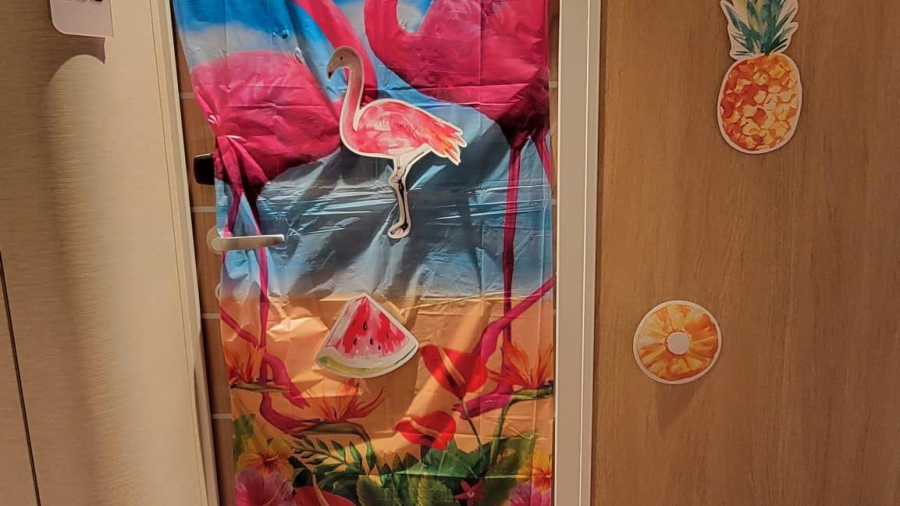
Today, swingers use the upside-down pineapple in various forms to signal their openness to play. Swingers have used real pineapples outside their cruise ship cabins and hotel room doors at land-based resorts, campgrounds.

They have used illustrated motifs on their cabin door doors and handles. Some swingers even wear pineapple shirts or pineapple-themed clothing or have tattoos.

Is the upside down pineapple symbol commonly seen on cruise ships?

While pineapples may be a popular décor item on cruises, it’s not common to see the upside-down pineapple symbol used as a secret sign for swingers.

This is especially true on regular cruises that cater to families and couples. Most passengers likely need help understanding the symbol’s meaning, and using it in such a public setting wouldn’t make sense.

Instead, swingers often use dating sites to connect with other swingers and like-minded couples rather than relying on the pineapple’s symbolism. While some may still use the pineapple as a symbol to identify themselves, it once was more common.

It’s worth exploring other symbols or signals swingers may use to identify each other, such as pink flamingos. Yes, Pink Flamingos is another secret sign.

You may also find other symbols or codes more prevalent in the swinging community today. It’s important to note that not all swingers use symbols or codes, and some prefer to keep their lifestyle completely private.

Does Clothing with Pineapples on it Automatically Identify Someone as a Swinger?

The answer is no. While pineapple clothing may be a strong sign that someone could be involved in the swinging community, it’s not a definite indicator. Every day, many individuals wear clothing with pineapples on them without having any associations with pineapple meaning the swinger lifestyle.

Is it recommended not to wear clothing with pineapple prints?

Although wearing pineapple clothing at swinging party doesn’t necessarily mean you’re part of the swinging community, it’s understandable that some may feel uncomfortable and want to steer clear of it.

There’s always the possibility of an awkward encounter or mistaken assumptions if someone unfamiliar with the swinger code approaches you based solely on your clothing.

However, if you still want to wear your favorite pineapple clothes, there are ways to do so while being prepared for any potentially uncomfortable situations.

You can politely explain the meaning behind the symbol if questioned or brush off any assumptions made by others without needing to disclose your personal lifestyle choices.

What other symbols are used to identify swingers?

While the upside-down pineapple has gained widespread recognition as a symbol of the swinging lifestyle, it is not the only symbol used for this purpose on cruise ship.

Various jewelry pieces can also signal to others that someone is a part of the swinger community, with anklets, toe rings, and thumb rings being the most obvious way common examples.

You may even see the occasional upside-down pineapple tattoo as you stroll on an open cruise ship deck. A Flamingo and Pink Flamingoes have also been reportedly used as secret symbols to find like-minded people for parties and sexual partners, partner swapping on cruise ships and elsewhere.

A Black Ring

Some in the swinger community also use a black ring to signify their lifestyle. Usually made of either metal or rubber, this black ring is worn on the right middle finger and can signal to others that the wearer is part of the swingers’ scene. 

Unicorns

Unicorns, also known as single ladies, are growing in the swinger community. While not part of a couple, these women still seek out sexual encounters with couples and other single swingers.

Unicorns often use symbols to identify themselves, such as a black ring on the left middle finger or a necklace with an upside-down pineapple hanging from it. 

Garden Gnomes

Garden Gnomes have recently become a subtle symbol associated with the swinger lifestyle. While garden gnomes are often seen as a decorative items in many gardens, they are also used to indicate that the homeowner is part of the swinging community. 

Strong Emoji Usage

Stay on the lookout for the strong usage of pineapples and unicorns, and you may find swinging couples or unicorn-seeking couples for play. This is often most used on dating apps but may spill over into other social interactions.

The History of Pampas Grass and Swinging

Pampas grass has long been associated with the swinger lifestyle. Many believe it was first used as a signal to other swingers in the 60s and 70s during the sexual revolution when it was used to decorate the backyards or gardens of people who were part of the scene. 

Pineapple Upside-Down Swingers FAQ

What makes the pineapple famous?

The pineapple has become a widely recognizable symbol of the swinging lifestyle, but its history goes beyond the secret signals. The pineapple is often used to symbolize hospitality and welcome others into one’s life. Many cultures also see it as a sign of good luck and fortune. In some countries, it is even customary to gift someone with a pineapple when visiting their home for the first time.

What do Pineapple Tattoos stand for?

Pineapple tattoos have long been associated with the swinging lifestyle, although they can represent different meanings to different people. For some, it may symbolize hospitality and welcoming others into their lives.

For swingers, it is a sign of openness to alternative lifestyles. Alternatively, it could be simply a fashion statement or a way for like-minded people to recognize each other without having to disclose too much information.

What Are Swingers?

Swingers are couples or individuals engaging in partner-swapping, often outside a committed relationship. This lifestyle choice is typically born from a desire to explore different sexual experiences and can involve multiple partners.

Swingers may meet up at physical locations such as resorts, campgrounds, cruise ships, or virtually through dating sites. It’s not uncommon for swingers to use symbols to identify themselves, such as the upside-down pineapple.

Is the Swinging Lifestyle Common?

The swinging lifestyle is not as typical as some may assume. Although it has been around since the 1970s, there are still misconceptions and stigmas attached to it. Many people choose to keep their involvement in the swinging community private for fear of being judged or ridiculed.

In fact, some couples who participate in the lifestyle don’t even identify themselves as swingers but instead describe themselves as “open-minded.”

Is there any connection between swinging and the pineapple upside-down cake?

cake, pineapple, upsidecake, pineapple, upside
Upside Down Pineapple Meaning On A Cruise Ship? 16

The pineapple upside-down cake is an iconic dessert that has been around for decades. Although it likely originated from a recipe book, its popularity has recently increased.

Some suggest that the upside-down pineapple cake is connected to the swinging lifestyle because it resembles an inverted pineapple, often used by swingers as a secret code or symbol. However, it’s more likely that the cake was created to take advantage of the sweetness and tartness of the pineapple fruit.

What does the upside-down pineapple mean on a cruise?

The upside-down pineapple symbol is associated with swinging or the world of non-monogamy.

Why do people use the upside-down pineapple symbol on a cruise?

People use the upside-down pineapple as a secret code for swinging or to indicate their involvement in the swinger community.

Should I avoid wearing clothes with the upside-down pineapple motif on a cruise?

It’s recommended to avoid wearing clothes or accessories with the upside-down pineapple symbol if you are not involved in the swinging lifestyle to prevent any misunderstandings.

What are the final words regarding the use of the upside-down pineapple symbol on a cruise?

If you are not part of the swinger community, it’s best to refrain from using the upside-down pineapple symbol to avoid any misconceptions or uncomfortable situations.

What is the original meaning of the upside-down pineapple symbol on a cruise?

The exact origin of the upside-down pineapple as a secret code for swinging is not clear, but it is commonly used as a discreet way to signal participation in the swinger lifestyle.

How is the upside-down pineapple symbol used to signal involvement in swinging on a cruise?

The upside-down pineapple symbol can be worn as a badge, attached to clothing, displayed on a door, or used in other subtle ways to indicate an interest in the swinger community.

Is the presence of swingers indicated by wearing pineapples on a cruise?

Yes, many people wear or display the upside-down pineapple symbol to signal their involvement in swinging or to seek out swinger parties while on a cruise.

What should I know about the use of the upside-down pineapple symbol on a cruise if I am not part of the swinging community?

If you are not part of the swinger community, it’s important to be aware of the significance of the upside-down pineapple and to be cautious about its use to avoid misunderstandings or awkward encounters.

Are children present on cruises where the upside-down pineapple symbol is used?

Yes, there are often children present on cruises, so it’s important to be mindful of the implications of wearing or displaying the upside-down pineapple symbol in such environments.

Can the use of the upside-down pineapple symbol on a cruise lead to overly awkward encounters?

Wearing or using the upside-down pineapple symbol inappropriately can lead to overly awkward encounters or overly friendly interactions, particularly if you are not involved in the swinging lifestyle.

Final thoughts

To summarize, various symbols common accessories, and signs indicate an individual’s involvement or interest in the swinger lifestyle.

The upside-down pineapple is mainly associated with swinging, but it is crucial to consider the context before drawing any conclusions. While it may be a secret code for swingers among some groups, a pineapple upside down could represent friendship, hospitality, and good fortune in other instances.

Remembering that a single symbol or sign cannot always convey one specific meaning is essential. The same sign may have different connotations depending on the situation, region, or culture. So, it’s best to carefully consider the context before jumping to conclusions.

Source link

NorwegianBliss-scaled-scaled.jpg

7 Mistakes To Never Make When Booking Your Cruise 

First-time cruisers aren’t the only travelers who are likely to mistakes when booking your cruise. Most of us have discovered some new things – perhaps learning the hard way – that we wished we had known before buying our cruises. 

Booking Your Cruise

No matter how many sailings you’ve been on, you can always gain useful knowledge or pick a few new tips and tricks to make your voyage is as smooth as possible. Check out our seven mistakes you should never make when booking your cruise.

Not Asking About Drydock Schedules

Ships routinely get refurbished. If you sail right before or right after the ship is scheduled to be overhauled during a drydock session, contractors could realistically be cruising with you and working on the ship while you are trying to enjoy your vacation. Also, certain public areas and attractions might even be shut down.  

Cutting it Too Close

Don’t fly into your port city to join the cruise on embarkation day. If you are embarking or disembarking at a cool destination, like New York City, Rome or Miami, for example, you’ll want to make sure you plan for enough time to explore these top travel spots. Coming in a day before your cruise starts also ensures that flight delays don’t cause you to miss the ship.  

Picking the Wrong Cabin

Check the ship’s layout and aim to book a cabin that isn’t directly above, below or next to a busy area. The map of cabin locations and details is typically available on a cruise line’s website.  

You don’t want to hear clanking pots and pans from the kitchen, blaring tunes from the disco or chairs scraping the floors while you’re trying to enjoy some peace and quiet in your stateroom. If you are prone to seasickness, book a cabin in the middle of the ship on a lower deck. Have mobility issues? Maybe you want to be near the elevators.

Ignoring the Calendar

It’s not necessarily a mistake to sail in hurricane season, but don’t be surprised if seas get stormy (hello, seasickness) during your voyage. You’re more likely to have your itinerary altered and should consider travel insurance (with coverage for hurricanes or severe weather disruption) when you book for hurricane season (from June through November). Also, if you sail during spring break, expect the ship will be packed with partiers and families with kids. Cruises during summer and other holidays also mean it’s more likely that you will find larger groups of families traveling with children onboard.

Cruise CompeteCruise Compete

Not Monitoring Prices

To get your best deal, book during special cruise sales, which often run during wave season (a cruise line deals period that runs roughly from January to March) or around holidays. Consider a travel agent who specializes in cruises to help monitor when fares drop. They can ensure you don’t miss special promotions, such as onboard credit and drinks packages. Cruise travel professionals also often thank you for your business by offering goodies like onboard credit or other cruise perks.

Inaccurate Budgeting

Your costs don’t end when you send the final payment for your listed cruise fare. Onboard, be ready to pay for drinks, gratuities, excursions, specialty dining, and souvenirs.  

Choosing the Wrong Ship 

Ship vibe and layout is important. Some are more luxurious, others offer more activities and amenities (like waterslides, rock climbing walls, go-kart tracks, Escape Rooms and laser tag). Maybe you want a ship with fun and interactive youth programs for your kids and teens. Or maybe you seek great food and service with a low-key, relaxing environment on a cruise that focuses on fantastic itineraries. 

Make sure you’re getting onto a ship that has a good array of activities and amenities that you and your family will enjoy.

Plan Your Trip?

Need help planning a trip? Check out these helpful links:


This article is brought to by Cruise Compete. CruiseCompete.com allows you to easily compare multiple offers from Cruise Experts


Source link