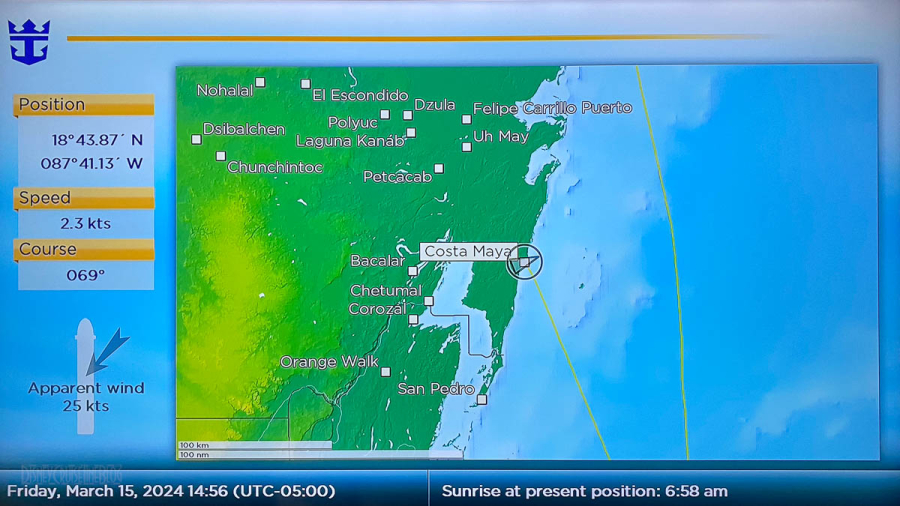
RCCL-Wonder-Seas-Stateroom-TV-Map-Day-6-Costa-Maya-20240315.jpg

7-Night Western Caribbean Royal Caribbean Cruise – Costa Maya, Mexico – March 15, 2024 • The Disney Cruise Line Blog

Trip log, day six. Costa Maya, Mexico (7:30 AM – 2:30 PM).
7-Night Western Caribbean Royal Caribbean Cruise from Port Canaveral, Florida 
March 15, 2024
Cruise Compass – Day 6 | The Social Feed – Day 6
Wonder of the Seas Deck Plan

RCCL Wonder Seas Stateroom TV Map Day 6 Costa Maya

Up early with pretty much an empty schedule for the day. No plans onboard, and no plans ashore other than a casual walk around the port. I haven’t been taking regular photos around the ship and decided this morning would be a great opportunity to walk around. I started at the Boardwalk and checked out the Aqua Theatre. I caught a glimpse of a show earlier in the cruise, but didn’t spend anytime in this area.

Flanking the Aqua Theater and Abyss slide are rock walls which our daughter’s friend climbed later in the day while we were ashore. I heard it was challenging, but fun. Our daughter wanted to do it, but even with 7-nights, we ran out of time.

I think the Abyss slide looks the best in darkness, it just looks so cool when viewed from different vantage points.

I didn’t have a decent photo of the exterior of Playmakers to go along with our dinner pictures the other day, so here is a look at Playmakers from the Boardwalk with tables outside with open windows looking inside. I wasn’t kidding about this being a great place to watch sports, even early in the morning, they were running replays, as well as some live events from around the world.

RCCL Wonder Seas Playmakers

My photo walk consisted mostly of the Boardwalk as I soon made my way back to Vitality Café for my morning caffeine craving while Emily was working out. While Startlink was still connecting to a data center in Mexico, my VPN was working allowing me to do some work!

RCCL Wonder Seas Vitality Cafe Office

For the most part, the boring was chill. We headed to Central Park for a coffee refill at the Park Cafe (you can get the complimentary drip coffee here, but they do not serve any specialty coffees) and a light breakfast. On our way, we saw a lovely table with chess pieces setup waiting for guests to play. There was also a medallion in the pavers with the ship name and build year.

Park Cafe offers a selection of breakfast items in a quick service fashion, or made to order while you wait.

Yes, the plants in Central Park are real!!! There are horticulturists tending to the plants and there is even a built in irrigation system. I really don’t know why I am so fascinated by this, but I am. I know big resorts have live plants indoors, but I guess I am stunned a cruise line is willing to spend the resources necessary for the staff and upkeep when they could easily go the cheap route and use fake plants. I guess real plants is some consolation for not being able to see the ocean from most places onboard, at least you can see some nature. We really loved this area and all of the details.

Just before 9:30 AM, we made our way to the gangway.

RCCL Wonder Seas Gangway

To say it was windy would be an understatement. We felt the ship moving while onboard (Emily remarked that she was rocking and rolling in the gym), and didn’t think much of it until we were ashore and felt the wind coming ashore and saw the ship rocking. 

The video below includes some speed up footage that exaggerates the rocking, but it does provide an interesting look at the motion while tied up to the dock.

We haven’t been to Costa Maya since December 11, 2012. So I just had a vague idea what the port had to offer. Essentially, I knew it was a compound with shops, food and beverage locations, and a pool along with meeting areas for port adventures. I dug into the into my archives to share the following gallery of images from that 2012 cruise on the Disney Fantasy.

As you can see, right off the bat, there have been some changes to the color palate as well as some physical changes and additions.

Below is a look at the site map posted at the Costa Maya Port.

Costa Maya Port Area Map

We began our time ashore walking around looking for souvenirs for the good folks back home. This was the place for NCAA and NFL merchandise.

Minutes after purchase, my new hat was stolen by my kid even though she is a Buccaneers fan.

Costa Maya NFL Cleveland Browns Hat

We continued to walk around the port shops. I mostly stayed outside in the walkways, and occasionally walked off here and there to take photos or look out at the water while the girls wandered in the shops. Thankfully, the port area isn’t that big so even though we lost line of sight contact with each other, we still managed to reconnect.

One of the new features since my last visit was a bird aviary that you could explore for a small fee. I was hooked by the flamingos, especially one that was napping. This was outside the aviary which anyone can enjoy for free.

I just placed my camera on the fence post and let it record while I was waiting for the family. This one flamingo was not interested in entertaining the crowd like the others in the exhibit.

Not sure how often the Costa Maya port’s wifi password changes, but it was easy to guess. All caps, COSTAMAYA.

Costa Maya Port Guest Free WiFi Password

There are a number of options for food and beverage around the port if you so choose to eat and drink ashore. The pools have swim up bars which will be pictured later.

We made our way around the port shops and ended at a bar without a line. We ordered a beer and a margarita on the rocks served in a souvenir palm tree cup. 

Costa Maya Beer Palm Tree Sipper

By this point, we covered the port property and moved near the main pool area finding a few chairs. Although we wore swim suits ashore, we did NOT bring any towels. The weather was fantastic so it would be a shame to skip out on the pool experience.

Costa Maya Weather

The pool rules mention for use only by patrons of the bars and restaurants, but even as busy as it was, I did not see any enforcement of this policy.

As much as I wanted to join in the swimming, I didn’t really want to air dry, so I just relaxed on the loungers while the family enjoyed the dip in the water.

There is another pool area that is a little more on the quiet side, but not technically quiet.

Costa Maya Other Pool

When the pool time was over, we started to make our way back to the ship stopping at a few shops to buy a few souvenirs we spotted earlier.

Once again, I wondered off and climbed up the stairs where folks were taking group photos. There is a nice view of the port area at the top.

Another popular photo op was the Costa Maya sign near security checkpoint at the pier.

Costa Maya Photo Op Sign

I encourage you to take a minute on your walk back to the ship to enjoy the view of your ship from pier.

Costa Maya Wonder Of The Seas

We made it back onboard a little after 1PM, roughly 90 minutes or so before all aboard time.

RCCL Wonder Seas Decl 16 View Of Costa Maya

This next part goes against my typical recommendation of eating lunch ashore at a local restaurant. There was a great looking spot along the water that was calling our names, but for the sake of research, we had other plans. We were trying to fit in lunch at El Loco Fresh, the quick service location on the ship.  As great as Donald’s Cantina is on the Disney Wish and BlueIguana Cantina on the Mardi Gras, El Loco Fresh was a disappointment & we should’ve opted to eat ashore.

RCCL Wonder Seas El Loco Fresh Burrito

The balance of the afternoon was spent on the pool deck where I finally found a pool with warm water, and even discovered an actual hot tub! To be fair, I wasn’t out searching each day, so this isn’t a ‘woe is me’ statement on day 6.

It was “Wear Your Best” night, and since we already had Formal night earlier in the cruise, we treated this as semi-formal (which just meant it was another opportunity to bring out the tux).

The main dining room was serving the Royal Night Menu.

RCCL Wonder Seas MDR Royal Night Menu

The cod just as disappointing as my lunch burrito, others at the table said the tortellini was tasty with others enjoying the lobster. Our server brought a second lobster tail to those at our table who ordered lobster without anyone asking.

The desserts were solid and its required that someone must order the Baked Alaska when served on a cruise ship. Overall, the pies were great in the main dining rooms. It was also great to be out of the dining room in about 45 minutes every night, leaving time to do other things around the ship (especially for those of us that are not out late and are early-to-bed and early-to-risers).

After dinner, the adults and the teens went in different directions. The adults headed up to deck 12 to one of the themed restaurants called Wonderland for some after dinner drinks at the bar. It is not difficult to find since the theming spills out into the hallway and even to the elevator doors.

RCCL Wonder Seas Wonderland Elevators

The entrance to Wonderland is an archway with whimsical flowers and Alice’s Adventures in Wonderland inspired elements.

According to Royal Caribbean’s description, Wonderland Imaginative Cuisine is all about pushing the culinary envelope. Dishes are designed to tantalize your taste buds and present a visual feast. Find crispy crab cones topped with fluffy avocado mousse, gazpacho served with pepper spheres and bread foam, and dreamy desserts that will take your breath away. Pair your meal with cocktails described as “magical” elixirs crafted to deliver full-sensory experiences.

I found the ceiling lights to be quite wonderful, so much I started taking random pictures of the lights while others at the bar looked on wondering if I consumed the wrong magical elixir. By others I mean my wife and our friend.

The special cocktail menu was very concise with 4 themed offerings.

Actually, there are technically 5 drinks, Down the Rabbit Hole is available with either the red or blue pill.

There was a big group of folks at the bar which were also from Central Florida. They requested blue eyed blonde shots from the bartender who made them in flutes. At some point, they added us in to the order which was cool, and all until we realized they were all on the drink package and they assumed were are as well… there went another punch on my drink card.

While we didn’t go to any of the evening shows during the cruise, we did reserve spots for an adult comedy show in the Attic, which is just where you’d think you find a venue named after the space under the roof of a house, on deck 4.

The show was fun; there were two comics that performed and both were great. While we had reservations, we casually showed up and found seats. Once a certain time hit, they start allowing guests in from the standby line (which we realized was available for most of the reservation required experiences).

RCCL Wonder Seas The Attic Comedy Club Adult Comedy LIVE

Since The Attic was on a lower deck, obviously, we were near the casino which managed to take back $20 in just under a minute. The multipliers and bets on the slot machines are too complicated for this noob. Basically, I learned the hard way to reset the bet amounts when sitting down to a slot machine. The old one arm bandits are more my speed.

As our night wound down, we temporarily forgot on demand movies were not included when we decided to watch Disney’s Wish. At this point in time, the Disney+ streaming date for Wish was still a few weeks away, so we streamed Hangover 2 to close out the night.

This was a much needed day of not doing much after nearly a full day ashore touring Roatan. It’s vacation after all, and doing nothing at times is something I like to fit into my vacations.

RCCL Wonder Seas Tipping Sheet Debarkation Group Luggage Tags

With tonight’s room cleaning, we received some documents on the bed including a tip envelopes and tips for an easy departure along with luggage tags.

Remember that time I said to enjoy the view from the pier as you walk back to your cruise ship? Well, I found this gem of the Disney Fantasy in Costa Maya from our December 2012 Western Caribbean Cruise. Looking back, our all aboard time was 1:00AM on the 13th. While not that late, I did head back out around 10PM to take some pictures of the ship, including this gem which has been sitting unseen on a hard drive for well over a decade.

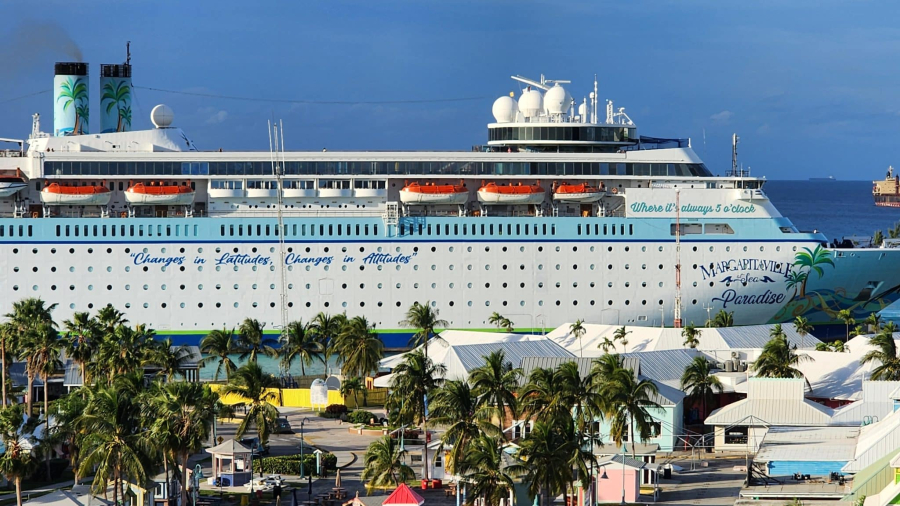
Costa Maya 2012 Disney Fantasy
Disney Fantasy – Costa Maya – December 11, 2012 10:00PM

Complete Trip Log Index

Source link

20231212_081539-scaled.jpg

Margaritaville Adds Longer Cruises on Another Ship

Margaritaville at Sea, once known for only offering two night cruises to The Bahamas, has added longer cruises on another cruise ship.

Our free cruise newsletter offers the latest cruise news and deals: Sign Up

Margaritaville at Sea

Starting in September, Margaritaville at Sea will begin sailing a series of four night cruises from the Port of Palm Beach that will have two port stops. In addition to the signature stop in Grand Bahama Island, the ship will also visit Key West and have one sea day.

The cruises will take place on Margaritaville at Sea Paradise, a ship that usually only sails two and three night cruises with a stop in Freeport, Bahamas.

The ship will offer a total of five, four night sailings that will sail between September and December 2024.  These six longer sailings are now open for bookings.

The longer sailings on Paradise are in addition to the cruise line’s four through seven night cruises that will be offered from Tampa on their newest ship, Margaritaville at Sea Islander.

Islander was purchased by the cruise line and is currently receiving a massive makeover to make it everything Margaritaville.

This new ship will enter service in June 2024.

Margaritaville’s Ships and Cruises Offered

Margaritaville at Sea Paradise from the Port of Palm Beach:

  • Two night cruises, stop in Freeport
  • Three night cruises, stop in Freeport
  • Four night cruises, stops in Freeport and Key West

Margaritaville at Sea Islander from Tampa:

  • Four night cruises, stop in Cozumel or Progreso
  • Five night cruises, stops in Cozumel and Progreso
  • Five night cruises, stops in Key West and Cozumel
  • Five night cruises, stops in Key West and Progresso
  • Six night cruises, stops in Key West and Cozumel/Progreso
  • Seven night cruises, stops in Progreso, Costa Maya, and Cozumel
  • Seven night cruises, stops in Belize, Cozumel, and Costa Maya
  • Seven night cruises, stops in Key West, Cozumel, Belize, and Costa Maya
  • Seven night cruises, stops in Jamaica, Grand Cayman, and Cozumel

Learn the cruise secrets most people don”t know and cruise like a boss. Check out for a better cruise vacation. (Sponsored)

Source link

cruise-travel-insurance.jpg

7 Things You Need To Know Before Buying Cruise Insurance

If you’re about to book a cruise and then plan on booking your travel insurance immediately with the first provider you can find, you need to slow down.

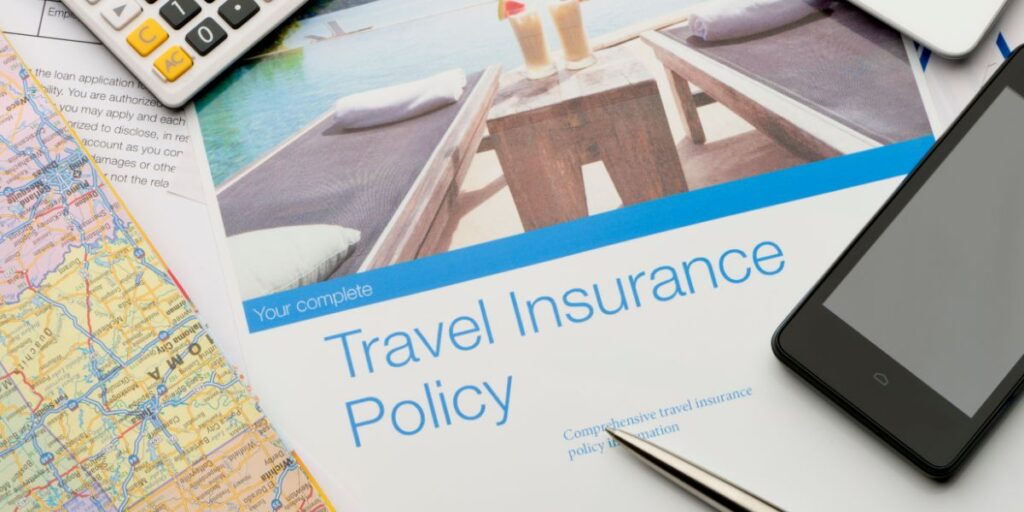
A brochure for 'Your complete Travel Insurance Policy' on a table with travel essentials, including a map, calculator, and smartphone, emphasizing the importance of comprehensive travel insurance for cruises.

Don’t get me wrong – booking your insurance quickly is the right thing to do – but just diving in without properly considering it could lead you to some serious problems further down the line.

These tips will help you to make sure you get a policy that’s right for you – one that’s not too expensive, but also one that has you covered should anything go wrong while you’re on your cruise.

1. The day you book should be the day you buy insurance

The right thing to do when booking a cruise is to then pay for your cruise insurance on the same day, but you still need to do your research and check different policies.

But yes – once the cruise is booked, get the insurance booked. And there are two main reasons for that.

A cheerful woman in a yellow summer dress and straw hat talks on her smartphone while reclining on a bed with a laptop, tablet, and smartphone nearby, evoking a relaxed yet connected lifestyle.

Firstly, you want your cancellation cover to be in place as quickly as possible, because you never know what might happen. You might book a cruise, but then the next day it gets cancelled and you’re out of pocket. Or something happens to you or someone you’re travelling with, and now you can’t go.

If you’ve booked your insurance already, you can make a claim. If you were waiting, then you’re out of luck – you can’t book it after the problem has come to light.

The second reason is related to pre-existing medical conditions. If you have any, then you need to make sure you book your insurance typically within 2-3 weeks of paying your deposit on your cruise (it’ll vary slightly by provider). 

If you don’t, then the insurance isn’t valid. That’s because, the further out you cancel a cruise, the more money the cruise line will give you back as a refund – and therefore, the less an insurer has to pay to top you up.

With pre-existing conditions, they want you to have your insurance as soon as possible, to mitigate some of the risk.

2. You have to be honest about pre-existing conditions

I know that cruise insurance can be expensive, but that doesn’t mean you can lie when you take out your policy to cover up any pre-existing conditions you or your travelling group might have.

Insurers are not the kind to just give you a payout without doing some investigation work, and so if you try to make a medical claim while you’re sailing, or you cancel before you travel because of a medical problem, they are going to then make sure you didn’t have any undeclared conditions that caused the issue.

Close-up of hands pouring white pills from an orange prescription bottle, symbolizing medication management or healthcare.

And when (not if) they do find out, you’re not going to get a penny out of them.

So you might have saved a little bit by covering up your conditions, but then if you suffer something along the lines of the horror stories of people who didn’t have insurance, you might be thousands of pounds/dollars in debt.

Don’t take the risk. List everything, and at least then you’ll know you’re covered.

3. It’s your responsibility to update your policy if needed

The fact that cruise insurance companies want you to get your insurance as soon as possible, especially if you have pre-existing conditions, does not let you get away with it if your circumstances then change later.

By taking insurance out on the same day you book your cruise, you might be paying for the policy up to a years in advance. And a lot could happen in that year – including the unfortunate chance that you might develop a medical condition.

If that condition doesn’t stop you cruising, but there’s a chance it could have an impact on you while you sail, you do have to update your insurer, and potentially pay a top-up for your premium.

If it’s only something minor, you’ll probably just be told that your policy can remain the same (get it in writing, though – don’t call).

A young woman talks on her phone while assisting an elderly lady in a blue shirt who is writing on a paper, likely involving caregiving or a health consultation.

Your insurance covers you for your cruise in the future, based on your circumstances now. And if those circumstances change, the policy can still be invalidated.

4. You might save money with an annual plan

Even if you only have one cruise planned right now, it’s worth doing a search to see how much an annual cruise insurance plan would cost you, compared to a single-trip policy.

You might be surprised to see that the price difference isn’t huge, and so it could be worth taking out the annual plan anyway, just in case you love your cruise so much that you book another within the next few months.

Not only that, but specialist cruise insurance can actually cover you for other types of travel too. Depending on your policy, you might be protected for land holidays within the 12 month period as well.

Always check annual prices before committing to a single trip – because two single-trip policies will definitely cost a lot more.

My Recommendation

My recommendation for cruise insurance depends on where you live.

These are trusted price comparison sites that will quickly get you lots of quotes to match your exact needs.

5. Cancellation cover is not always comprehensive

Cruise insurance is designed primarily to cover your medical costs while you’re travelling, and to protect you if your cruise is cancelled for reasons outside of your control.

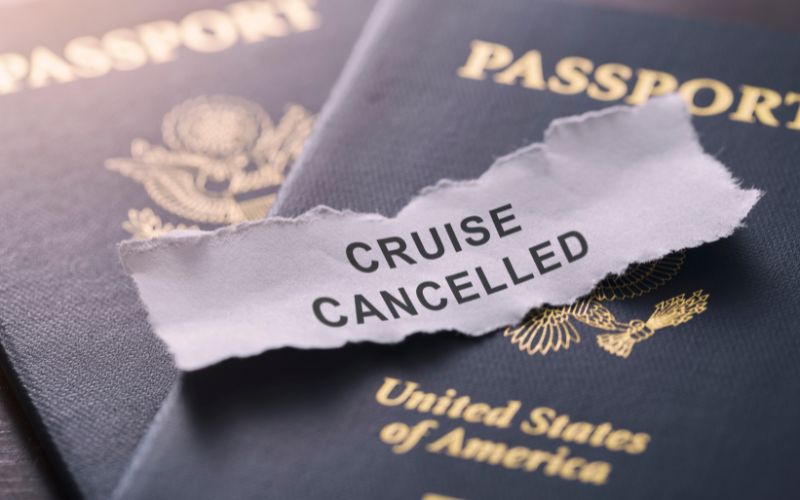
Torn piece of paper with the text 'CRUISE CANCELLED' placed on top of two United States passports, indicating a disrupted travel plan.

But you shouldn’t assume that you’ll get the full price of your cruise back – that depends on your policy. 

You’ll usually have a set amount that’s included, with the cheapest policies maybe only covering you for around £1,000 or $1,000 and the best offering you around five times that, unless you take out a specialist policy.

You also won’t get a double refund if your cruise line gives you some money back. Insurance exists to top you up if you don’t get all your fare back from the cruise line. 

Again, the closer you are to your sailing date, the less you’ll get back from the cruise line – but if they give you 50% back, your insurance policy will hopefully cover the other 50%.

Just make sure you check what you’re getting, and don’t think that claiming on your insurance guarantees a full refund.

6. There may be lots of extras to consider for your policy

There isn’t just a standard cruise insurance policy that you can take out – instead, policies will have different inclusions, including some extra packages that may come with the policy or that you can pay extra to add on.

One of the most common is missed port cover, where you’ll get money back if your ship has to miss a port on your itinerary – which can happen due to the weather.

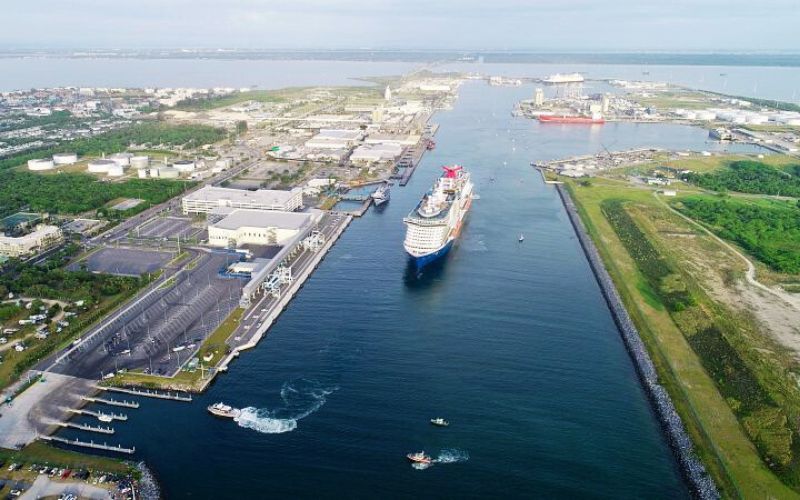
Aerial view of a Carnival cruise ship docked at Port Canaveral, Florida, with the vast expanse of the port infrastructure visible in the background, illustrating the scale and operation of a major cruise ship port.

There’s also cabin confinement cover, for those rare times you might get a vomiting bug and be asked to quarantine in your cabin for 24 hours until symptoms have died down. That’s not a fun way to cruise, so you can get money back for that.

Explore your options before you buy a policy, and make sure you get good coverage for the things that matter to you – it’s better to pay a small amount extra now, than risk missing ports or being stuck in your cabin without getting any refund.

7. Not every excursion might be covered

It’s also important to note that cruise insurance doesn’t cover absolutely everything about your cruise. In fact you might be surprised by the things your cruise insurance doesn’t cover.

One that often catches people off guard is the excursions on your cruise. Typically, most will be covered. If you trip on some steps while taking a walking tour of a city, and you need treatment for a sprained ankle, you’ll be able to get help with the costs.

But cruises often have exciting excursions involving a lot of thrills, such as water sports, off-road safaris, white-water rafting or shark diving. And there’s a good chance your standard insurance policy – even one designed for cruises – won’t cover you for those.

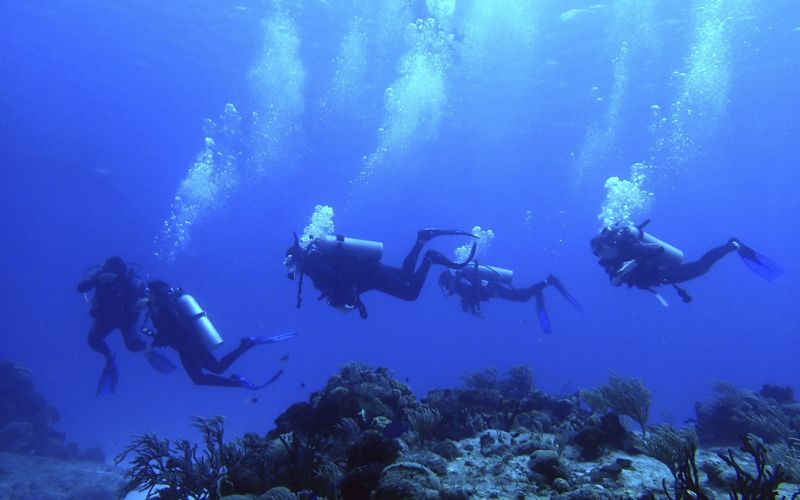
Scuba divers in Cozumel

If you’re an adrenaline junkie, make sure you check what your policy covers before you buy, and ask insurers about specialist cover for the experiences you simply can’t miss.

How To Get The Best Price

Whatever you do, don’t pay for your cruise and then just pay for the first insurance policy you find. It might not be right for you, and you might also pay a lot more than you need to.

My Recommendation

My recommendation for cruise insurance depends on where you live.

These are trusted price comparison sites that will quickly get you lots of quotes to match your exact needs.

Use a price comparison site – it’s no more effort, since you’ll be putting in the same details as you would with a single insurer, but the site will then get you a list of different quotes to choose from, so you can see at-a-glance what you’ll get depending on how much you’re willing to pay.

I’d recommend Compare Your Cruise Insurance for anyone in the UK, and Aardy for any US cruise passengers. If you live elsewhere, search online for a price comparison site for cruise insurance specifically, and you should find one.

Don’t miss my Cruise Insurance Buyer’s Guide for more information on what to expect from a policy, the typical costs and more.

Related Topics

If you found this interesting, please share!

Cruise Mummy

Jenni Fielding is the founder of Cruise Mummy. She has worked in the cruise industry since 2015 and has taken over 30 cruises. Now, she helps over 1 million people per month to plan their perfect cruise holidays.

Read more about me

Source link

Untitled-design179.jpg

Carnival Fans React as New Gift for VIFP Passengers is Revealed

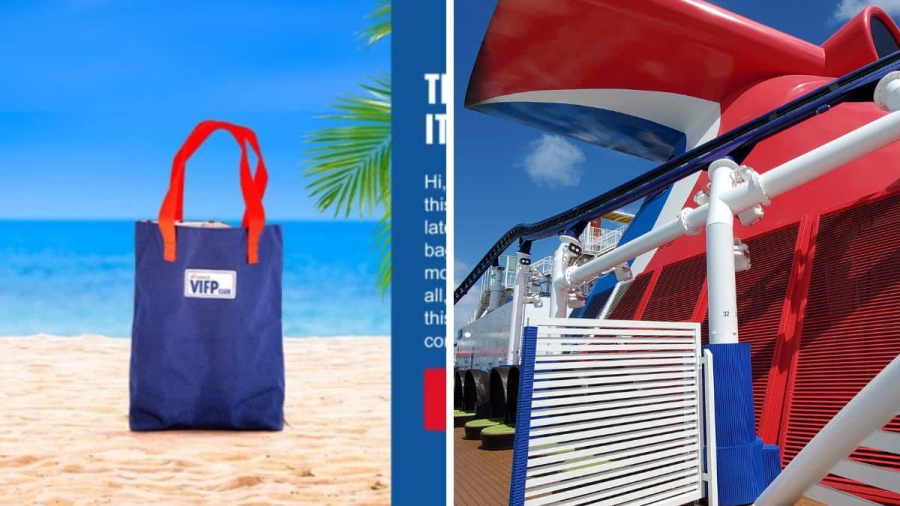
Carnival Cruise Line revealed a new gift for its loyal passengers: a brand new tote bag.

Our free cruise newsletter offers the latest cruise news and deals: Sign Up

Available on several ships in the fleet and rolling out across all Carnival ship in the next few weeks, the tote bag is exclusively for VIFP guests. 

Carnival offers new tote bag as VIFP gift

Standing for Very Important Fun Person, VIFP Club members are simply guests who have signed up for the loyalty program.  Even first-time passengers with the cruise line can sign up before their cruise and take advantage of VIFP benefits.

Returning guests automatically reach “Red” status and are able to redeem a free 1.5 liter bottle of water on their cruise.

Now, a stylish tote bag can be added to the perks of joining the program.

The reveal, made by Carnival Brand Ambassador John Heald on his Facebook page, introduced the practical tote bag.

An image of the tote was shared along with a message from Carnival which stated,

“Hi, VIFP members!  We’re checking in this month to let you know about the latest gift: a brand-new, redesigned tote bad.  If you look closely, it’s even monogrammed with your initials – after all, you do go by “VIFP,” right?  Look for this one on a ship near you in the coming months!”

The response from Carnival fans was overwhelmingly positive, with many expressing enthusiasm for the simple but useful gift.

One commenter exclaimed, “”I always look forward to the VIFP gifts, and this one looks like a winner. Can’t wait to see it onboard!”

Several Carnival enthusiasts praised the tote bag as a much-needed addition to their cruise experience, with one remarking, “I appreciate Carnival thinking about everyday usefulness. It’s not just a souvenir, but something I’ll actually use.”

Many Carnival fans praised the utility of the tote bag, mentioning various uses for it both on and off the ship. From carrying groceries to organizing yarn projects, Carnival fans saw the bag as a versatile accessory that would remind them daily about their cruise.

Questions about the availability of the tote bag on specific ships and for different VIFP levels were commonly brought up, but some mentioned already receiving the tote on Carnival Celebration, Carnival Dream, and several other ships.

As Heald stated, it will take a few weeks before the tote bags are available fleet wide. 

About the VIFP Club

There is no cost to join this program.  It’s a simple way for Carnival guests to keep track of loyalty points and get rewarded for cruising often with the cruise line.
According to Carnival’s website,

“If you’re a Past Guest, the program recognizes you for your continued loyalty to Carnival with increasing recognition and benefits as you cruise more and more. New to Carnival? The VIFP Club is a warm welcome to the Carnival experience and gives you access to VIFP members-only rates and promotions.”

Carnival’s VIFP program has five tiers:

  • Blue (First Sail): This is the starting tier for everyone.
  • Red (2nd Sail – 24 points): You get basic benefits like member offers and a free bottle of water.
  • Gold (25-74 points): Same perks as Red, plus a commemorative loyalty pin for each cruise.
  • Platinum (75-199 points): Along with previous benefits, Platinum unlocks priority boarding.
  • Diamond (200+ points): Top tier with exclusive offers, priority boarding, and potential for premium beverage packages or onboard credit.

Points are earned per night cruised, so everyone advances at the same pace.

Read more:  Cruise line loyalty programs compared

Learn the cruise secrets most people don”t know and cruise like a boss. Check out for a better cruise vacation. (Sponsored)

Source link

Large cruise ship sailing on open sea, illustrating why cruise travel insurance matters for UK passengers

Cruise Travel Insurance: A UK Buyer’s Guide for 2026-27

Cruise travel insurance is a travel policy that includes (or adds) cover for the risks specific to a holiday at sea: medical treatment in the ship’s private medical centre, evacuation from the ship, missed port departures, cabin confinement and itinerary changes. For UK cruisers it is effectively essential, because your GHIC does not cover treatment on board and several major lines require suitable cover before you sail. In February 2026, average quotes for a 10-night Mediterranean cruise ranged from roughly £31 to £93 for a single trip, depending mostly on age.

This guide explains what cruise insurance covers, what the cruise add-ons actually mean, how much to expect to pay and what to check before you buy. It is factual guidance rather than financial advice. Every policy is different, so always read the policy wording and the Insurance Product Information Document (IPID) before you commit.

What does cruise travel insurance cover?

A cruise policy is built on the same core sections as any good travel policy, with cruise-specific extras on top. These are the core sections to look at.

Cancellation

Cruises are usually paid in full well before departure, often 90 days or more ahead, and cancellation charges rise steeply as the sailing date gets closer. Cancellation cover can reimburse non-refundable costs if you have to cancel for an insured reason, such as serious illness, injury or bereavement. Check that the cancellation limit is at least as much as the total cost of your cruise, flights and pre-paid extras, per person.

Emergency medical expenses

This is the most important section. Medical centres on cruise ships are generally run privately, and you will be charged for consultations, tests and medicines, usually straight onto your onboard account. If you need hospital treatment ashore, costs in places such as the USA, Caribbean or Alaska can be very high. Most UK insurers offer medical limits in the millions of pounds. Several lines specify a minimum, so check your cruise line’s booking conditions as well as the policy.

Repatriation and ship-to-shore evacuation

If you fall seriously ill at sea, you may need to be taken off by tender, rescue boat or helicopter, then flown home once you are fit to travel. Check that the policy names ship-to-shore transfers or evacuation specifically, rather than assuming general medical cover includes it.

Cruise interruption

If you have to leave the cruise part-way through, for example because you are admitted to hospital in port, cruise interruption (sometimes called curtailment) can pay back the unused part of the holiday. It may also cover the cost of rejoining the ship at the next port, if that is possible.

Baggage and personal belongings

Baggage cover pays out for lost, stolen or damaged items, usually with a single-item limit and a valuables limit. If your case is delayed on the way to an overseas embarkation port, delayed baggage cover can help with essentials. Some cruise policies also include formal wear hire for the gala nights if your evening clothes go missing.

Is my GHIC enough on a cruise?

No. The NHS Business Services Authority states that a UK GHIC or EHIC does not cover any medical treatment you receive on board a cruise ship, even when the ship is docked. The card may still help with state-provided emergency or necessary treatment if you are taken to a public hospital in a European country, so it is worth carrying. It cannot replace insurance at sea, though, and it does not cover repatriation, evacuation or private treatment.

Can you cruise without insurance?

Travel insurance isn’t a legal requirement, but many cruise lines make it a condition of booking. P&O Cruises says all guests must have suitable travel insurance and may ask for proof. MoneySavingExpert notes that Cunard, P&O and Royal Caribbean are among the operators that require specific cruise cover. Even where a line doesn’t check, sailing uninsured means you would have to pay medical bills, evacuation and the cost of getting home yourself. Those costs can run into tens of thousands of pounds.

Passengers relaxing on a cruise ship deck at sea, the setting where cruise travel insurance matters most
Treatment at sea is private, so insurance is what pays the bill. Photo: Nothing Ahead on Pexels

The cruise add-ons explained

These are the extras that set cruise insurance apart from a standard policy. They are usually small fixed benefits rather than full refunds, so check the limits in the policy wording.

Cruise extra What it usually covers What to check
Missed port departure Costs of reaching the ship at its next port if you are late back to the ship (or miss embarkation) because of transport failure, accident or similar Whether it applies at the start of the cruise, on excursions you booked yourself, or both
Cabin confinement A daily cash benefit if the ship’s doctor confines you to your cabin for medical reasons Daily amount, maximum days, and whether it needs written confirmation from the doctor
Itinerary change / missed port A fixed payment for each scheduled port missed because of bad weather or other reasons Many policies exclude missed ports where the line has already paid compensation
Unused excursions Pre-paid shore excursions you could not use because of illness or a missed port Maximum limit and whether excursions booked independently count
Cruise interruption The unused part of your cruise if you have to leave the ship How the refund is worked out (per day, or a percentage of cost)
Formal wear hire Hiring evening clothes if yours are lost or delayed Usually a modest limit

How much does cruise insurance cost?

Prices depend on age, medical history, destination, trip length, the cost of the holiday and the level of cover. As an indication, MoneySavingExpert’s February 2026 averages for a £2,000, 10-night Mediterranean cruise (no medical conditions, standard limits) were:

Traveller age Single trip (average) Annual multi-trip (average)
25 about £31 about £43
60 about £40 about £68
70 about £93 about £151

Treat these as a rough guide only. Your own quote may be very different. Declaring pre-existing medical conditions usually raises the price, and worldwide cover that includes the USA, Caribbean or Alaska costs more than Europe-only cover.

How to get the right cruise insurance at a fair price

  1. Buy soon after booking. Cancellation cover only works if the policy is in place before something goes wrong, so it makes sense to arrange cover as soon as you have paid your deposit.
  2. Choose the right region. A Mediterranean cruise that calls at Turkey, Egypt or Morocco, or a Canary Islands sailing, may need a different area band from an all-EU itinerary. Check how your insurer treats every port on the route, including any flights to the ship.
  3. Compare single-trip and annual policies. An annual multi-trip policy can work out cheaper if you take two or more holidays a year. However, Which? reported in January 2026, citing Go.Compare analysis of Defaqto data, that 32% of annual policies include cruise cover only as a paid add-on and 14% offer none at all. Check that the cruise section is actually included.
  4. Check trip-length limits. Most policies with cruise cover cap each trip at about 31 to 59 days, and some are shorter for older travellers. This matters for world cruises, long voyages and back-to-backs.
  5. Consider a joint or family policy. Couples and families can often insure everyone on one policy, which is usually simpler and sometimes cheaper than separate policies.
  6. Use comparison sites carefully. Comparison sites make it quick to see prices, but you must select cruise cover and then check the details yourself. Compare excesses, medical limits, cancellation limits and the cruise section, not just the headline price.
  7. Declare every medical condition. Non-disclosure is one of the most common reasons claims are turned down. Specialist insurers cover many conditions that mainstream policies decline.

If you are still choosing a sailing, our cruise booking tips cover deposits and payment deadlines, which affect when you need cover to start.

Passport, boarding documents and travel insurance paperwork laid out ready for a cruise holiday
Keep your policy number and emergency line with your cruise documents. Photo: Marta Branco on Pexels

FCDO advice, ABTA protection and insurance: how they fit together

FCDO travel advice. The Foreign, Commonwealth & Development Office advises travellers to get appropriate insurance that covers their itinerary, activities and emergency expenses. Most insurers will not cover you in a country or area the FCDO advises against all travel, or all but essential travel. Check FCDO advice for each port of call before you book, and again shortly before you sail.

ABTA and ATOL. If you book a cruise package with an ABTA member, or a fly-cruise that is ATOL protected, you are protected if the travel company goes bust: you get a refund before travel, or help getting home if you are already away. That protection does not cover medical bills, cancellation for personal reasons or cutting a trip short. Travel insurance covers those, so the two do different jobs and most cruisers benefit from having both.

Supplier failure. If you book parts of a trip separately, such as a scheduled flight to Miami or a hotel before embarkation, check whether your policy covers the failure of those suppliers. Not every policy does.

Practical checklist before you sail

  • Pack your policy number and the 24-hour emergency assistance number, and save them on your phone.
  • Ask the medical centre for itemised bills and keep every receipt. Insurers usually need them for a claim.
  • Get written confirmation of cabin confinement or missed ports from the ship (Guest Services can usually provide this).
  • Contact your insurer’s assistance line early in any serious medical situation, before agreeing to an evacuation or hospital transfer where you can.
  • Carry your GHIC for land-based care in Europe.

First cruise? Our first time cruise tips cover everything else to sort before embarkation day. If you are still looking for a sailing, see our roundup of cruise deals for 2027.

Ship doctors can charge for even minor treatment, so it is worth reading our guide on how to prevent seasickness on a cruise as well as checking your cover.

Baggage delay cover matters most if you’re flying with one of the airlines with the worst lost luggage records, because a ship won’t wait for a missing suitcase.

Insurance will not fix a document problem, so also read our guide to passport validity rules for cruises, including the UK rules for Europe.

FAQs

Do I need special insurance for a cruise?

Usually, yes. Standard travel policies often leave out cabin confinement, missed port departure, itinerary changes and ship-to-shore evacuation, and several lines, including P&O Cruises, Cunard and Royal Caribbean, require suitable cruise cover. Check that your policy includes a cruise section.

Does my annual travel insurance cover cruises?

Not always. Which? reported in January 2026 that about a third of annual policies offer cruise cover only as a paid add-on, and 14% don’t offer it at all. Check your policy wording or ask your insurer.

Does the GHIC work on a cruise ship?

No. According to the NHS Business Services Authority, the GHIC and EHIC do not cover any treatment on board a cruise ship, even in port. They may help with state treatment in a European hospital ashore.

How much is cruise travel insurance in the UK?

As a rough guide, MoneySavingExpert’s February 2026 averages for a 10-night Mediterranean cruise were about £31 to £93 for a single trip, depending on age. Medical conditions and worldwide cover raise prices.

Is ABTA protection the same as travel insurance?

No. ABTA and ATOL protect your money if the travel company fails. Travel insurance covers medical emergencies, personal cancellation and curtailment.

Sun setting over a calm ocean horizon, the view on a long repositioning cruise crossing

Repositioning Cruise Tips: 12 Things to Know Before You Book (2027)

A repositioning cruise is a one-way sailing that moves a ship from one cruising region to another when the seasons change, such as from the Caribbean to Europe in spring or from Alaska to Hawaii or Australia in autumn. These voyages often cost less per night than regular cruises and include more sea days, but they need extra planning for one-way flights, time changes, weather and travel documents.

What Is a Repositioning Cruise?

Cruise lines follow the weather and the demand. Alaska, Northern Europe and the Mediterranean are summer destinations, while the Caribbean, Australia and South America peak in the northern winter. Twice a year, ships have to get from one region to the other, and rather than sail empty, the cruise lines sell those relocation voyages as cruises.

That is a repositioning cruise (sometimes called a “repo” or relocation cruise). Because it starts in one city and ends in another, often on a different continent, it works differently from a round-trip cruise. Itineraries are typically longer, commonly around 12 to 20 nights for ocean crossings, with a run of consecutive sea days in the middle and a handful of ports at each end. Shorter coastal repositioning cruises of two to five nights also exist, for example along the US West Coast or between Seattle and Vancouver.

When Repositioning Cruises Are Offered and Where They Go

The two main windows are spring (roughly March to May), when ships head north for summer, and autumn (roughly September to November), when they head south or west for winter. Exact dates vary by cruise line and year, so always check the current schedule.

Route Typical direction and season Typical length What to expect
Transatlantic Florida or New York to Europe in spring; Europe (Southampton, Barcelona, Rome) to Florida in autumn About 10 to 16 nights Several sea days in a row; stops such as Bermuda, the Azores, Madeira or the Canary Islands
Panama Canal West Coast to Florida in autumn; Florida to the West Coast in spring About 14 to 20 nights A full canal transit plus Mexican, Central American and Caribbean ports
Alaska to Hawaii or California Vancouver or Seattle to Honolulu or Los Angeles in autumn; reverse in spring About 5 to 16 nights Shorter coastal runs or longer Pacific sailings with four or more sea days
Transpacific Asia (often Japan) to Alaska or Vancouver in spring; reverse in autumn About 14 to 21 nights Crossing the International Date Line; cool, sometimes rough North Pacific weather
Asia or Hawaii to Australia Into Australia and New Zealand around September to November; out around March to May About 14 to 30 nights South Pacific islands, long sea stretches, crossing the equator
Short coastal repositions Either season, between nearby home ports About 2 to 5 nights A low-cost way to sample a ship

For travelers in the US, the most common options are transatlantic crossings to and from Florida and the Northeast, Panama Canal sailings between the coasts, and Pacific voyages from the West Coast. Many transatlantic repositioning cruises start or end in Southampton, England, which is also the home port for Cunard’s Queen Mary 2, a ship that runs scheduled Southampton to New York crossings of around seven nights.

White wake trailing behind a ship across the open blue sea during a long ocean crossing
Long stretches of open ocean are the signature of a repositioning cruise. Photo: Merve Şahin on Pexels

Repositioning Cruise Tips: Money and Logistics

1. Compare the price per night, then add the extras

The headline appeal is value. Because sailings have many sea days and run at less popular times, the fare per night is often lower than on a regular seven-night cruise to the same region. Do the maths on a per-night basis, then add the costs that grow with trip length: daily gratuities or service charges, drinks or Wi-Fi packages priced per day, and specialty dining. On a 15-night voyage, per-day charges alone can add a noticeable sum, so check each line’s current rates before you compare.

2. Price the one-way flight before you commit

A cheap cruise fare can be cancelled out by an expensive one-way flight home. Search the flight at the same time as the cruise, and compare a simple one-way ticket with an open-jaw (multi-city) return, which sometimes costs less. The guide to finding cheap flights with Google Flights explains how to track prices and test multi-city searches. Leave a buffer: fly in at least a day before embarkation, and avoid booking a flight for the morning you disembark until you know the ship’s arrival time and how long immigration usually takes.

3. Treat the final port as a destination

Ending in Barcelona, Rome, Lisbon, Southampton, Honolulu or Sydney is an opportunity. Adding two or three nights at the end lets you explore without the cost of a separate long-haul flight, and it gives you a buffer if the ship arrives late. Check where the cruise terminal actually is, too: Rome’s port is Civitavecchia, about an hour or more from the city, and Southampton is roughly two hours from central London by road.

4. Check passports, visas and entry rules for a one-way trip

Round-trip cruises from US ports can sometimes be taken by US citizens with a birth certificate and government photo ID. That does not work for a one-way voyage that starts or ends abroad: you will need a valid passport. Many countries also expect it to be valid for several months beyond your travel dates.

  • United Kingdom: US citizens and most other visa-free visitors need a UK Electronic Travel Authorisation (ETA) before traveling, including when a cruise begins or ends in Southampton.
  • Europe: The EU’s Entry/Exit System registers non-EU travelers at Schengen borders. The separate ETIAS travel authorization had not yet become mandatory at the time of writing, with reports pointing to 2027 at the earliest. Check the official EU site before you travel.
  • United States: Non-US travelers arriving by ship generally need an ESTA or a visa.

Rules change, so confirm requirements with the cruise line and official government websites when you book and again before you sail.

5. Look at port taxes and fees

Port taxes and government fees are usually shown separately from the fare and vary by itinerary. A crossing with few port calls can carry modest fees, while a long voyage with many stops can carry more. Compare the full price including taxes, not just the advertised fare.

6. Insure the whole journey

A repositioning cruise involves long-haul flights, overseas embarkation and, often, remote stretches of ocean far from a port. Travel insurance that covers missed departures, medical care at sea and medical evacuation matters more than usual. The cruise insurance buyer’s guide covers what to look for in a policy.

Grey ocean waves rolling under a cloudy sky on a cool day at sea
North Atlantic and North Pacific crossings can bring cool, changeable weather. Photo: Ray Bilcliff on Pexels

Repositioning Cruise Tips: Life on Board

7. Know which way the clocks will move

On a long east-west crossing, the ship changes its clocks gradually, usually by an hour on several nights. Sailing west (for example, Europe to the US) generally means gaining hours, giving you a run of 25-hour days, which many passengers find an easy way to adjust without jet lag. Sailing east (the US to Europe, or Asia to North America) means losing an hour on those nights, which can feel tiring. Transpacific and South Pacific voyages also cross the International Date Line, where a calendar day is either skipped or repeated.

8. Choose your cabin side for sun or shade

On an east-west ocean crossing in the northern hemisphere, one side of the ship faces south for much of the day. Heading west, that is the port (left) side; heading east, it is the starboard (right) side. If you want sun on your balcony, pick the south-facing side; if you prefer shade, pick the other. On crossings with cooler weather, a sunny balcony can make a real difference.

9. Expect changeable weather and pack layers

Spring and autumn crossings can bring cool, windy days and rougher seas, especially in the North Atlantic and North Pacific, followed by warm, humid weather as the ship nears the Caribbean, Hawaii or the tropics. Pack layers, a light waterproof jacket and something warm for the deck. If you are prone to seasickness, bring remedies, and consider a cabin on a lower deck and closer to the middle of the ship, where motion is usually felt least.

10. Plan your sea days

Five to eight sea days in a row is the defining feature of an ocean crossing. Some passengers love the quiet; others find it too long. Cruise lines usually add extra lectures, classes, trivia, shows and spa offers on these voyages. Bring books and downloaded entertainment, and look through these fun things to do on a cruise ship for ideas. Spa treatments and popular restaurants book up fast on sea days, so reserve early.

11. Pack for the flight, not just the ship

The ship does not care how much luggage you bring, but your one-way flight will. Long voyages tempt people to overpack, so check your airline’s baggage limits and fees for the flight at the end. Plan on doing laundry partway through: many ships have self-service launderettes or paid laundry bags, which lets you pack lighter.

12. Use a short repositioning cruise to try a ship, and set price alerts

If you are not sure about a long crossing, a two- to five-night coastal repositioning cruise is an inexpensive way to sample a new ship or cruise line. For longer voyages, set fare alerts with the cruise line, a travel agent or a price-tracking site. Repositioning fares can fall closer to departure if cabins remain unsold, though the best cabins and lowest grades can sell out, so weigh waiting against choice.

Transatlantic Repositioning Cruise: What Is Different

A transatlantic repositioning cruise is the most popular type for US and UK travelers. Westbound autumn crossings typically leave from Southampton, Barcelona, Rome (Civitavecchia) or other European ports and end in Fort Lauderdale, Miami, Tampa, New York or another East Coast port. Southern routes often stop in Madeira, the Canary Islands or the Azores before a long stretch to the Caribbean or Florida; northern routes from Southampton may call in Ireland, Iceland or Bermuda depending on the itinerary.

Expect around six to eight consecutive sea days on a typical crossing. Atlantic hurricane season runs from June 1 to November 30, so autumn crossings can occasionally be rerouted, and ports at the US end may be swapped or skipped. Spring eastbound crossings avoid most of that but lose an hour on several nights.

Is a Repositioning Cruise Right for You?

A repositioning cruise usually suits travelers who:

  • Enjoy sea days and the ship itself as much as the ports
  • Have the time for a 12- to 20-night trip, plus travel at each end
  • Want a lower price per night and are flexible on dates
  • Like the idea of combining a cruise with a stay in a new city

It may not suit those who want a port every day, have limited vacation time, are very prone to seasickness, or would face a costly one-way flight home.

With so many sea days, our guide on how to avoid cruise weight gain has realistic tips for buffets, drinks and staying active on board.

Repositioning season is one of several low-fare windows; our guide to the cheapest time to cruise covers the rest by region.

UK cruisers looking for a flight-inclusive option can compare the Marella repositioning cruises for 2027.

FAQs

What is a repositioning cruise?

It is a one-way cruise that moves a ship between cruising regions at the end of a season, for example from the Caribbean to Europe in spring or from Alaska to Hawaii in autumn.

Are repositioning cruises cheaper?

They are often cheaper per night than regular cruises, but the total fare for a long voyage can still be high, and one-way flights and per-day charges add to the cost.

When are repositioning cruises offered?

Mainly in spring (about March to May) and autumn (about September to November), when ships move between summer and winter regions.

How long is a transatlantic repositioning cruise?

Most run around 10 to 16 nights, with roughly six to eight sea days in a row during the crossing.

Do I need a passport for a repositioning cruise?

Yes. Because these cruises start and end in different countries, a valid passport is needed, and some destinations, such as the UK, also require an electronic travel authorization.

Gloria-Gaynor-Crystal.jpg

Gloria Gaynor to Grace Crystal Serenity This October

Music fans can sail for an extraordinary adventure this October as the luxury cruise ship Crystal Serenity departs from Québec City to Fort Lauderdale on October 26th with a special guest onboard – Gloria Gaynor.

Gloria Gaynor sails with Crystal Cruises

This 14-night journey is a grand celebration of music featuring the iconic singer, celebrated for classic hits like “I Will Survive” and “Never Can Say Goodbye.”

Cruise guests can look forward to the ultimate cruising indulgence with the fresh ocean air, the sophisticated atmosphere on board, and unforgettable performances by a Grammy Award-winning artist that will become part of their cherished travel experiences.

On the cruise, Gaynor will captivate guests with her greatest hits, enchanting everyone with her powerful voice and ageless appeal. Her performances do more than entertain; they unite and inspire, celebrating themes of strength and togetherness.

Additionally, passengers will enjoy a unique opportunity to join an intimate Q&A session with Gaynor, gaining insight into the life and motivations of this incredible artist.

The journey begins in the historically rich Québec City, blending old-world charm with a lively cultural feel. Then, Crystal Serenity heads toward the energetic and ever-awake New York City for a luxurious overnight stay packed with exploration possibilities. Next, the ship visits Boston, where historic sites mingle with contemporary attractions during another enriching overnight stay.

As the ship makes her way toward the sunny shores of Fort Lauderdale, a peaceful stop in Nassau offers a slice of paradise with its pristine beaches and clear waters. Each destination has been carefully chosen to enrich guests’ cruise experience by combining cultural insights with opportunities for relaxation.

Aboard Crystal Serenity, attention to detail ensures supreme comfort and sophistication. Crystal Cruises is known for its spacious accommodations, exquisite dining experiences, and top-tier amenities, guaranteeing a voyage as spectacular as the destinations visited.

Keith Cox, Vice President of Entertainment at Crystal, reflects on the experience, stating, “Hosting Gloria Gaynor is a testament to our commitment to providing outstanding entertainment experiences for our guests. Her legendary status and unparalleled talent perfectly align with the calibre of entertainment that Crystal is known for.”

The choice to feature Gloria Gaynor on this voyage emphasizes Crystal Cruises’ dedication to crafting exceptional experiences that resonate with travellers.

Gaynor shared her own excitement, stating, “I am overjoyed to join Crystal Serenity for what promises to be an unforgettable voyage. Music has the power to bring people together, and I am honoured to share my passion with the discerning guests of Crystal.

Suite Deals

I recommend booking with luxury specialists Panache Cruises for the best service.

Related Posts

If you found this interesting, please share!

Cruise Mummy

Jenni Fielding is the founder of Cruise Mummy. She has worked in the cruise industry since 2015 and has taken over 30 cruises. Now, she helps over 1 million people per month to plan their perfect cruise holidays.

Read more about me

Source link

image-56.jpeg

9 Reasons Cruise Insurance Is So Expensive

When you’re already paying a not-inconsiderable amount for your cruise holiday, it can then feel like a bit of a kicker when you have to add insurance on top of that.

And then when you see the prices, you might be wondering what’s going on. Cruise insurance can be way more expensive than other types of travel insurance.

That’s no excuse not to get it though. You do need it. You don’t want to end up like these people.

Here’s why it can cost more than regular insurance, so you can see that it’s often justified.

1. You’re At Sea

The most basic but obvious reason for cruise insurance being more expensive than other travel insurance is the fact you’re often at sea.

And that means two things:

  1. You don’t have access to all the medical facilities you might need immediately
  2. It can be a lot harder to get you to a hospital if things get serious
Seabourn cruise ship at sea

On most cruises, you’re going to be within a day or two of a port of call, so you can get to a hospital or other medical centre for non-urgent treatment without too much stress.

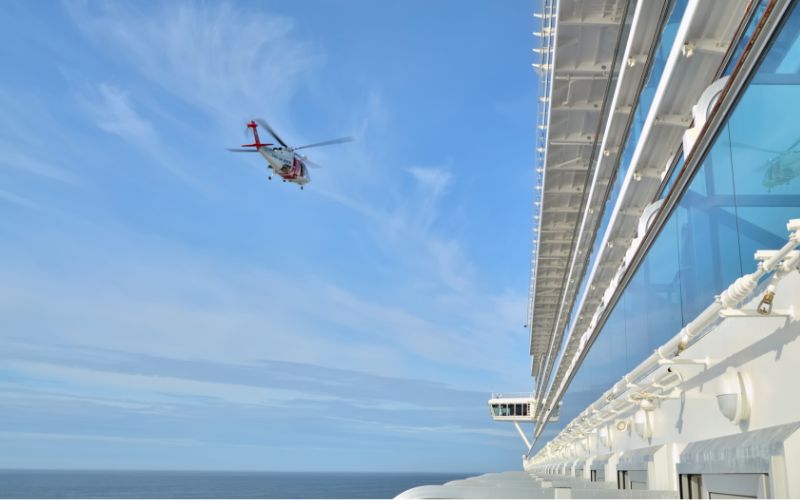
But if something serious happens, you’re going to have to manage with the onboard medical facilities, or you’ll looking at an emergency evacuation – either causing the cruise ship to change course, or a helicopter coming to pick you up.

helicopter flying over a cruise ship

As you can imagine, these are all extremely expensive solutions – and so cruise insurance needs to be high because the insurance companies need to make enough money to cover all the costs when they do need to pay out.

The vast majority of people who buy cruise insurance aren’t going to need airlifting to hospital, but for the occasional ones that do, insurers need to earn enough to cover those costs and still turn a profit.

2. You Visit Multiple Countries

Visiting multiple countries on one holiday will push the prices of your insurance up, because it adds an extra layer of uncertainty to your situation if something does go wrong.

The MSC Meraviglia cruise ship departs from a port at sunset, its decks lined with lifeboats and gleaming under the warm sky, juxtaposed against a backdrop of urban high-rises, embodying the elegance of oceanic travel.

This could be because the insurer has to account for the fact that you might need assistance in one of the countries with limied healthcare, even if the majority of your cruise ports have excellent hospitals.

Or there’s the factor of what happens if you get sick, but then recover. You can’t just hop in a taxi after being discharged from hospital to get back to your hotel. Your insurer will need to pay for flights so that you can catch up with the ship.

3. Cruises Are More Liable To Be Cancelled

Cruise insurance doesn’t just cover the cost of medical problems, but it’s also used to help cover the costs of cancelled cruises. And cruises are going to be cancelled more than other types of holiday.

Road sign against a bright blue sky dotted with fluffy clouds reads 'CRUISE CANCELLED' in bold white letters, conveying a clear message about a change in travel plans.

That’s because of various factors including problems with the ship, or stormy weather – issues which can affect a hotel but not to the point that it usually causes you to have to cancel your entire trip. But with a cruise, those factors can be much more problematic.

It’s also a lot harder for a cruise company to offer you an alternative at short notice. If a flight is cancelled because of bad weather, you’ll normally be offered a different flight within a day or so. Or if a hotel is overbooked, you’ll be transferred to another.

But that can’t happen with cruise ships since there aren’t enough ships from the same cruise line, in the same part of the world, with enough spare cabins. This means more outright cancellations, and therefore more insurance payouts.

4. Drinks Packages Exist

Cruise lines certainly like to make sure their guests are having fun, and one way they’ll often do that is to permit guests to book a drinks package.

Beverage info point in a cruise ship setting, featuring a blue stand with text 'Scegli il tuo PACCHETTO BEVANDE PREFERITO. Choose your PREFERRED DRINKS PACKAGE.' and a QR code, accompanied by a vibrant banner of refreshing drinks, promoting onboard amenities.

These offer unlimited drinks during the day, which means that guests can easily become intoxicated, and essentially remain that way during the entire cruise, just topping themselves up each morning.

To be clear though, you aren’t going to be able to claim on your insurance for injuries or accidents that occur while you are intoxicated. That’s just going to wipe out any claim you might have.

But if you’re injured by someone else who is drunk – accidentally or, heaven forbid, on purpose – then you could potentially make a claim.

And with so many people using drinks packages to their fullest, that’s a lot of potential for accidents or even assaults to occur, which in turn means higher premiums to cover that cost.

5. Cruises Are Still Popular With Older Guests

While cruise ships have definitely started to become a lot more family-focussed, adding facilities aimed at kids and at younger adults, there’s still a huge proportion of passengers that are older, with many people still cruising into their 70s, 80s, 90s and sometimes even older.

An older couple shares a tender moment on a cruise ship deck, elegantly dressed with the man in a tuxedo and the woman in a pink jacket, both smiling and holding champagne glasses, epitomizing timeless romance and luxury travel.

Naturally, that means those passengers are at higher risk of making claims, as they’re more likely to have existing medical conditions that could cause problems, or they’re just more likely to suffer from injury or illness while sailing.

That means they will pay a significantly higher cost for cruise insurance, but it will also drive up prices for multigenerational families too.

If you’re cruising with parents/grandparents, be aware that a family policy might be a lot more expensive than you planned for.

6. Airlines Are Losing More Luggage Than Ever

Does it seem like airlines are just getting worse? Well when it comes to baggage handling, statistics show that they are, with the latest statistics showing that 26 million bags were lost in a year.

A variety of colorful suitcases on a luggage conveyor belt in an airport setting, conveying the concept of travel and the handling of personal belongings during transit.

That’s including all travel, but many cruise passengers will fly to their ship and so it’s their cruise travel insurance that’s responsible for the flight. You wouldn’t typically buy separate travel insurance for the cruise and the flight portions of your trip.

So, with more bags going AWOL, that means more payouts by insurers, which means higher costs. It doesn’t contribute to cruise insurance being more expensive than other travel types, but it does partially account for it being expensive in itself.

7. People Often Take More Risks When Cruising

When you’re cruising, you don’t tend to just stay on the ship. You’ll spend a lot of time in port, exploring each city or town that you visit, and you might also take part in various shore excursions that might involve some adventurous activities. 

These could include horse riding along the beach, or a safari tour – things that are thrilling, but that might increase your risk levels compared to a more relaxing beach holiday. And that can make insurance costs be higher.

A paint horse, guided by a handler, wades through the crystal-clear turquoise waters of a tropical beach, with a cruise ship visible on the horizon, merging the allure of exotic vacations with unique equestrian experiences.

However, the most extreme shore excursions likely won’t be included in your cruise insurance, so you need to check that when you take out a policy. If you’re planning on swimming with sharks, or any water sports, you might need to take out specialist cover – which, again, will add even more expense.

8. The Chances Of Becoming Ill Can Be Higher

Cruise lines will try to deny it, but sickness bugs such as norovirus can be surprisingly common. You aren’t guaranteed to get sick when you cruise, but there is an increased risk – because, if you’re on a ship, illnesses get onto every surface and no matter how hard the crew works, germs spread.

View from a window-side table in a serene room overlooking the sea, with a distant cruise ship sailing along the horizon, capturing a peaceful moment of ocean-view dining or contemplation.

So there’s a potentially increased risk of getting sick when you’re cruising, which could result in you needing to claim for medical issues, or maybe cabin confinement if you’ve added that onto your policy.

9. Cruises Are Often Longer Than Land Holidays

While this won’t apply if you’re booking a shorter cruise, bear in mind that many cruises last longer than your typical 7-14 night land holiday.

Some may last 18-21 nights, or you could be on a much longer itinerary, and that means much higher insurance prices.

Three friends enjoying a cruise, with a woman pointing towards the horizon while they all stand at the ship's railing against a clear blue sky, capturing the joy and adventure of sea travel.

It’ll scale up too, for the length of your trip. Don’t expect a 4-week cruise to have double the insurance of a 2-week cruise. You’re likely more at risk the longer you sail, so the insurance costs might ramp up considerably for those longer sailings.

How To Get The Best Price

While cruise insurance can be expensive, you can bring the cost down if you’re smart and use a price comparison website.

Instead of just going direct to one insurance provider, using a comparison site means you’ll get the best prices possible, and a wider choice of policies with different levels of cover.

My Recommendation

My recommendation for cruise insurance depends on where you live.

These are trusted price comparison sites that will quickly get you lots of quotes to match your exact needs.

And just like with most types of insurance, it’ll vary on which provider is cheapest for you – what’s expensive for one family might be cheap for another depending on their cruise, medical history and more.

For the UK I recommend Compare Your Cruise Insurance, and if you’re in the US then Aardy is a good site to use

If you’re based elsewhere, search online for cruise insurance price comparison and you should find a good option to use.

Make sure you check out the 7 things you need to know before buying cruise insurance too, as that’ll help you find the right policy at the right price.

I also have a Cruise Insurance Buyer’s Guide for you.

Related Topics

If you found this interesting, please share!

Cruise Mummy

Jenni Fielding is the founder of Cruise Mummy. She has worked in the cruise industry since 2015 and has taken over 30 cruises. Now, she helps over 1 million people per month to plan their perfect cruise holidays.

Read more about me

Source link

cruise-travel-insurance.jpg

8 Horror Stories From Cruisers Who Had No Insurance (It All Went Horribly Wrong!)

You should never travel on a cruise without buying insurance. Too much can go wrong, and leave you with some serious problems to face up to, financially and logistically.

cruise travel insurance policy

And that’s what these stories show. Thankfully there aren’t hundreds of horror tales out there about cruise passengers who didn’t have insurance, because most people know how important it is.

But there are some nightmare stories to share, which highlight why insurance is so important – and in some of these cases, passengers had insurance but still weren’t covered!

So let’s take a look at real horror stories related to cruise insurance so that you can see it really isn’t worth taking the risk when you book your next cruise escape.

1. Stranded In The Bahamas

Aerial view of a tropical island in the Bahamas with a clear view of the airport runway, surrounding turquoise waters, and scattered cloud shadows, capturing the essence of being stranded in a picturesque location.

One of the most shared cruise insurance nightmare stories is that of Bruce Campbell, a US tourist who took a cruise to the Bahamas with his wife, sailing with Carnival.

During the cruise, Bruce showed signs of a stroke, and had to be evacuated to a hospital in Freeport, where he was told that the hospital couldn’t manage his worsening condition and they would need to transfer. But because they had declined to take out insurance, they couldn’t afford it.

The couple set up a GoFundMe page, but that takes time and so they couldn’t get the money. The government offered to loan them the money, but as the cruise was taking place over the Christmas holidays, they would’ve had to wait for the government offices to re-open.

Eventually, they did make it home, thanks to an anonymous donor who paid $20,000 of their own money to cover the cost of the flights back to the US. Sadly Bruce did not make a full recovery and passed away a couple of days later.

Bruce Campbell and his wife smiling while seated in a plush, horse-drawn carriage, with the driver wearing a colorful tropical shirt, capturing a joyful moment of their vacation.

Carnival did help the couple by paying the medical bills for the three days they spent in the Freeport hospital, which the cruise line wasn’t obligated to do. The couple still complained that they felt the cruise line could’ve done more, though.

This definitively shows why insurance is a must – they could have transferred to another hotel quickly and without the financial stresses involved had they been covered.

After all, not everyone will be able to find an anonymous donor willing to pay a five-figure sum to fly you home.

2. Hefty Bills Following A Fall

Hefty Bills smiling in front of a storefront next to a whimsical golden statue, her bright orange long-sleeve shirt adding a pop of color to the cheerful urban scene.

Denise Hammond, a US cruise passenger onboard a Carnival ship, was enjoying a Pacific cruise in late 2023 when she had a fall and fractured her hip and her arm.

She was treated onboard for three days before the ship reached Manado in Indonesia, where was was transferred to a local hospital. However, it wasn’t equipped to treat her fully, which meant a transfer to a Singapore hospital, with a cost of $60,000 for the transfer and a $40,000 deposit needed.

Instead, Denise’s daughter Rachel was able to raise enough money via GoFundMe to get Denise airlifted to a hospital in Bangkok, where she was finally able to get the surgery she needed – 13 days after her original fall!

The Hammond family claimed that Denise had “great insurance” but that the company was refusing to pay out, which reinforces the need for everyone to make sure they get comprehensive cruise cover and are insured against anything that could go wrong. 

It’s reported that the insurance did at least help Denise to secure flights home after her treatment, but it’s not clear why the insurance company wasn’t helping with the massive medical bills.

3. The Gamble That Didn’t Pay Off

Chris Redman and family

The Redman family took a cruise to Canada in 2022 to fulfil a dream, but it quickly became a nightmare as Chris, the mom of the family, suffered a heart attack while on the ship.

Thankfully she was able to be saved thanks to the amazing treatment of the crew on the ship, but she was transferred to a hospital in Canada which discovered more serious issues. Chris then had to be flown back to New Jersey for open heart surgery in order to save her life.

The cost of the medical care on the ship alone was $7,000 and the flight back to New Jersey, with the medical team involved, cost between $12,000 and $15,000. The total out-of-pocket expenses for the incident were well over $20,000, but the family had chosen not to get insurance.

According to the GoFundMe established by a family friend, “Deciding whether to get that insurance feels like a gamble no one wins – paying a lot of money for a week’s worth of insurance just about no one ever needs, or finding yourself with no coverage in an emergency.”

The GoFundMe page also stated that the cruise line refused to take insurance unless it had been purchased directly with the cruise line. 

That’s extremely unlikely – most major cruise lines will accept proper cruise insurance whether booked through the cruise line or independently. Some small cruise lines might have a policy like this in place, but I’ve never found evidence of it.

It’s unclear whether the statement in the GoFundMe simply meant that Chris didn’t have proper cruise insurance and was hoping their regular medical insurance would cover costs, which it typically won’t.

4. “Nobody Told Us We Should Have Insurance”

A large white cruise ship with a distinctive red funnel docked in a harbor, with modern high-rise buildings in the background under a clear blue sky, evoking a sense of unexpected travel issues with the mention of insurance.
Matthew Baker, CC BY-SA 3.0

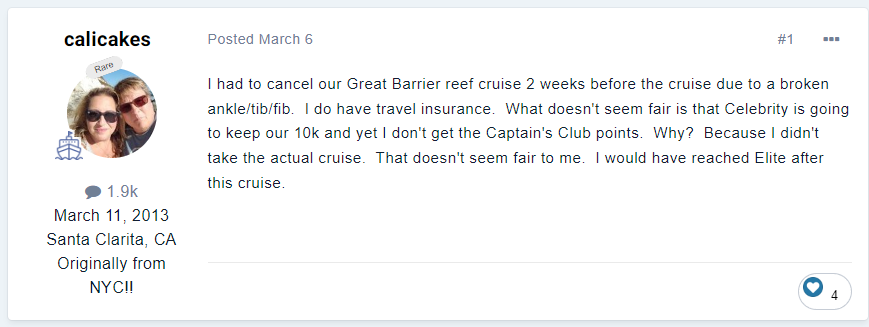
While the horror stories of huge medical bills while stranded in foreign countries are (thankfully) rare, there are plenty of nightmare tales of people who’ve had to cancel a cruise before they sailed and realised they weren’t about to get a refund since they weren’t insured.

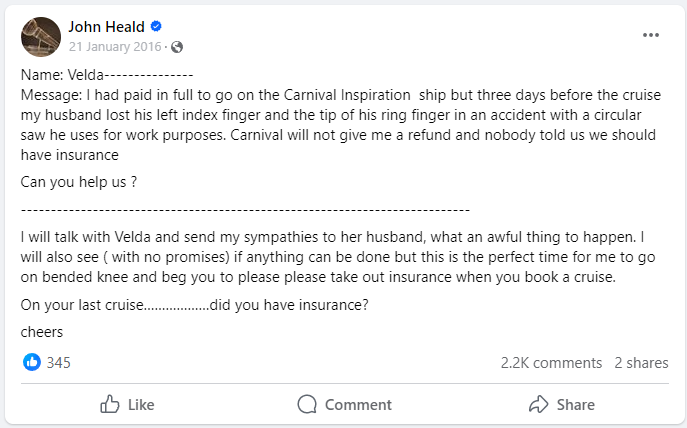
This story was sent to John Heald, the Brand Ambassador for Carnival, and detailed a couple who had to cancel their cruise due to a workplace accident three days before they were due to sail.

A Facebook post by John Heald dated 21 January 2016, addressing Velda, who shares her unfortunate experience of her husband injuring his fingers before their Carnival Inspiration cruise, leading to a plea from John about the importance of travel insurance.

As it was well past the final payment deadline, the cruise line is not bound to offer a refund as per the terms of the contract guests signed. And the guests claimed that this was unfair and that nobody had told them to take out insurance.

Cruise lines always recommend guests purchase insurance. Claiming ignorance will never work – it is the responsibility of the traveller to ensure they have the proper cover in place for incidents just like this one.

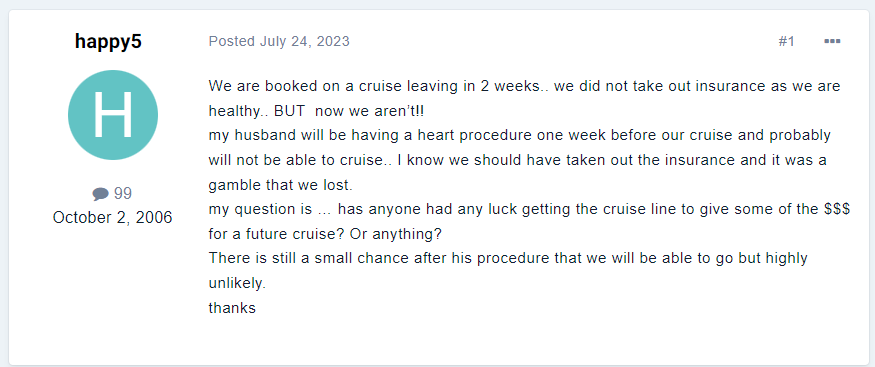
5. “We Were Healthy… Now, We Aren’t!”

Another person who admits that they took the gamble of cruising without insurance, and then lived to regret it.

This passenger booked a cruise with their partner, and because they felt healthy, they decided not to take out insurance.

A forum post by user 'happy5' dated July 24, 2023, expressing regret for not purchasing travel insurance for an upcoming cruise due to a sudden health issue, and seeking advice on obtaining some refund from the cruise line.

Then, just a week before the cruise, the husband needed to have a heart procedure and would no longer be able to sail.

Again, the cruise line is in no obligation to give a refund, since selling the place onboard at that late stage would be extremely difficult. The contract you sign when you book your cruise states that you are liable for the fare once you get past a certain date.

Lesson learned, you would hope – don’t assume that, just because you’re healthy now, things won’t go wrong before you travel! You never know what’s around the corner for you.

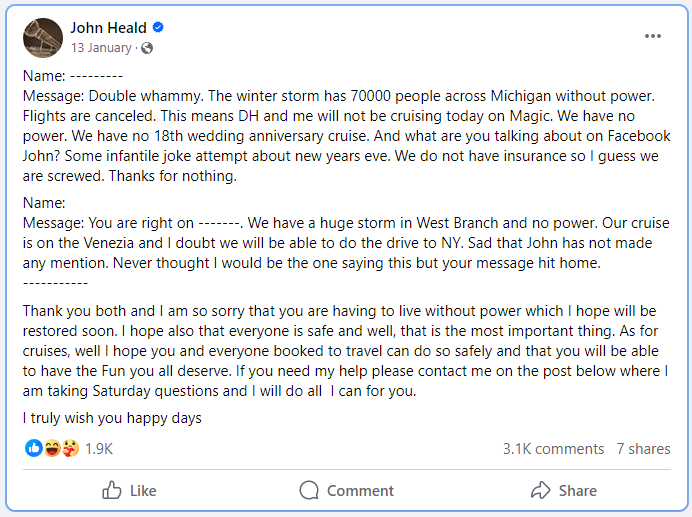
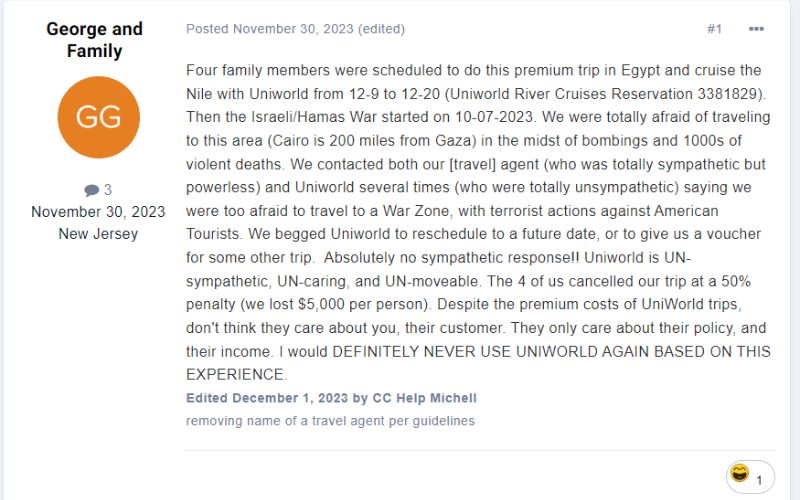
6. “I Guess We Are Screwed. Thanks For Nothing.”

A dramatic scene of a stormy weather with heavy rain and lightning striking over a deserted road, flanked by dense pine forests, emphasizing the intensity and danger of driving in such severe conditions.

Sometimes it’s not a medical issue that can prevent you from joining your cruise, but the elements.

You can’t predict the weather, especially if you’re booking a cruise months out. And if there are storms which mean you can’t even get to the ship, you need to make sure you have travel insurance for cruises that will refund you.

Because guess what – it’s not Carnival’s fault that there are storms holding up your flights either. And nor is it Carnival’s fault that you didn’t make contingency plans for your travel, and what you would do if flights were grounded due to the stormy weather.

Screenshot from John Heald's facebook page.

The attitude of this person shows that they feel Carnival should bear the responsibility of the lost money, whereas if the passenger had just taken out insurance as they should’ve done, they would at least have got most of their money back and could cruise again in future.

7. Close Family Emergency

This one didn’t end up being quite the horror story that it could’ve been, but it’s a great example of unnecessary stress caused by gambling.

This passenger revealed that they had a close family emergency within a month of their cruise, past the final payment deadline, and they had chosen not to get cruise insurance. They later revealed that the emergency was their dog being diagnosed with cancer.

A senior dog with a wise expression, lying on a turquoise cushion with a backdrop of a warm-patterned sofa, capturing a moment of rest and the care needed for an aging pet's comfort.

Thankfully, as the diagnosis was further explored, it was revealed to be treatable, and it sounds like the passenger was still able to go on their cruise and leave their dog with family members during the treatment.

A screenshot of an online post titled 'Can't Go on Cruise - No Insurance - Am I Screwed?' where a user discusses a dilemma of a booked 12-day cruise in Asia without travel insurance, complicated by a family emergency due to their dog's illness, and seeks advice on possible remedies.

But take heed – it’s not just human medical emergencies that could stop you. If you have a beloved pet then something could happen with them to make you feel like you need to cancel.

Just make sure you’ve read your cruise insurance policy though, as they might only cover cancellation for human medical conditions.

Read more: X Things Your Cruise Insurance Won’t Cover You For!

Indeed, there’s another guest who wrote in to John Heald on Facebook about cruising, dogs and insurance:

Screenshot from John Heald's facebook page

This guest didn’t take out insurance, and then while on their cruise they felt too sad to continue their sailing as they were missing their dogs too much.

A King Charles Spaniel puppy and a brown Labrador Retriever sitting together outdoors, with the curious puppy looking up at the older dog against a backdrop of greenery and flowers, illustrating a tender canine companionship.

But without insurance, they were unable to get a flight home without paying for it themselves, and they were unhappy that Carnival would not help. Quite what they expected the cruise line to do is another thing – should a cruise line pay to fly you home if you decide not to continue with your cruise?

(OK, one British cruise line does offer this, but only if you’re unhappy within the first couple of days of your cruise).

Not all cruise insurance policies will cover you for cancellation just because you’ve changed your mind either, but some do offer the option of cancellation for any reason. Another reason to be careful when taking out a policy, so you know exactly what you’re covered for.

And then, if you do get dog-sick, you could at least fly home if you really needed to, and had the cover in place.

8. World Politics At Play

One more thing you can never predict when planning a cruise is what’s going to be happening in the world, and how that might impact your travel plans.

If your cruise is cancelled because of world events, the cruise line will refund you. But sometimes it isn’t quite that straightforward.

A forum post by user 'fibola' on October 19, 2023, detailing frustrations over a lack of travel insurance for a Caribbean cruise, issues with a travel agency's response to cancellation inquiries, and a call for more flexibility and sensitivity from the company in light of a cancelled flight from Israel.

That’s a post from a cruise passenger in Israel, who had booked a cruise out of the US to the Caribbean.

Obviously, the cruise is unaffected by world events, but the passenger was unable to get a flight from Israel to the US to begin their cruise, due to the ongoing conflict in the country at the time. 

They were not past the final payment date, but they weren’t too far out from their cruise, so cancelling would’ve meant sacrificing 75% of their cruise fare. They couldn’t risk leaving it longer, as that might mean losing 100% of their fare.

If they had bought insurance, they could’ve recovered most of the costs of their cruise, but they hadn’t and they claimed that it’s common in Israel to only buy insurance a few days before you travel.

They didn’t blame the cruise line for their failure to buy a suitable insurance policy, but they were angry that the company hadn’t shown flexibility to help them in this situation.

But it goes to show, you should always make sure you’re insured from the moment you’ve booked, and not to put off the purchase.

Then there’s this scenario, also related to the Israel/Palestine conflict:

A screenshot of a post by 'George and Family' from November 30, 2023, on a travel forum, expressing their distress over being unable to cancel a Uniworld River Cruise in Egypt due to the Israeli/Hamas War without losing a significant amount of money, highlighting the lack of compassion and inflexibility in the company's cancellation policy.

The cruise line has, understandably, refused to offer a refund on the river cruise because of world events taking place 200 miles from where the cruise is sailing. The cruises aren’t cancelled, and so the guest is not entitled to a refund.

The passenger is worried about travelling there and so has lost around $5,000 per person on the trip. But if they had comprehensive cruise cover, they may have been able to get more money back.

Again, it would depend on the policy, because it wouldn’t be automatic to get a refund on a cruise that is sailing. If you choose not to cruise, that’s different from having a reason that is outside your control and that’s stopping you from cruising.

Bonus – Loyalty Points Fairness?

This story doesn’t concern insurance directly, but I found it while researching this guide and wanted to put it to you.

A forum post by 'calicakes' on March 6, detailing the cancellation of a Great Barrier Reef cruise due to an injury, with travel insurance covering costs but the loss of Captain's Club points with Celebrity Cruises is called into question, reflecting the user's disappointment over the perceived unfairness in loyalty benefits.

The passenger had to cancel their cruise close to their sailing date. They did have insurance, so would’ve received an almost complete refund from their policy, barring their excess payment. The cruise line kept their money, as it was past the final payment date.

But the passenger felt it was unfair that they wouldn’t be getting their loyalty points for the cruise. After all, they paid for it, and the cruise line got to keep the money, but the policy is you have to sail to get the points.

Who’s right? Should the passenger get their loyalty points despite only being slightly out of pocket, due to their insurance refund?

The Bottom Line

Whether it’s avoiding medical emergencies abroad, or dealing with unexpected reasons to cancel your cruise before you travel, you always have to make sure you have cruise insurance in place.

And don’t dawdle over it. Buy your insurance on the same day you book your cruise. Then if anything happens that would stop you sailing, you know you’ll at least get most of the money back.

The good news is that, for every horror story I found when researching this guide, there were hundreds of success stories where people had used their travel insurance when on a cruise, either for a medical emergency, or to get a refund before they sailed.

Make sure you check out my Cruise Insurance Buyer’s Guide for more information on what to look out for when choosing a policy, and how to get the best prices for your cruise insurance.

Related Topics

If you found this interesting, please share!

Cruise Mummy

Jenni Fielding is the founder of Cruise Mummy. She has worked in the cruise industry since 2015 and has taken over 30 cruises. Now, she helps over 1 million people per month to plan their perfect cruise holidays.

Read more about me

Source link

Island-Princess-scaled.jpg

Princess Cruises Changes Cruise Itineraries to “Avoid Certain Areas”

Princess Cruises has announced a revision to two long cruise itineraries to avoid the Middle East and the Red Sea. The cruise line said that these changes were made after extensive consultation with global security experts and government authorities.

Our free cruise newsletter offers the latest cruise news and deals: Sign Up

Island Princess cruise ship

Princess Cruises is changing their two world cruises in 2025 on Island Princess and Crown Princess.

The 116 day world cruise on Island Princess will depart on January 5, 2025 from Ft. Lauderdale, Florida.  The February 16 through April 9 portion of the itinerary has been changed for the safety of the guests and crew on the ship.

Guests who were booked to join the cruise in Dubai on March 14, 2025 will now embark in Cape Town, South Africa on March 9. Guests who were scheduled to disembark in Dubai will now get off in Cape Town.

Guests who will have their cruise cut short by four days will receive a refund equivalent to four days of the cruise fare.  Guests who have an extra four days added to their cruise will not have to pay anything extra.  All of these guests will also receive $300 in on board credit as a gesture of good will from the cruise line.

The revised portion of the cruise is as follows:

The second world cruise from Princess Cruises that is impacted by these changes is Crown Princess.

This May 31, 2025 cruise from Auckland will bypass the Red Sea and a transit of the Suez Canal. The ship will now travel to Africa instead of the Red Sea and Asia portion of the itinerary.

The new itinerary is still being finalized and Princess Cruises will announce it shortly.

Crown Princess will be the largest ship ever to sail a world cruise in 2025 at 113,000 gross tons in size.

Terry Thornton, chief commercial officer of Princess Cruises, said the following about these two changes,

“A Princess World Cruise is truly the voyage of a lifetime and after careful consideration with guidance from global security experts and government authorities, we know our guests will understand and appreciate the change to our upcoming 2025 itineraries to avoid certain areas.

These global events beyond our control have necessitated these reroutings but we are pleased to continue to ensure these world cruises retain destination-rich itineraries with incredible stops along the west Africa coast and the Mediterranean.”

Princess Cruises is one of nine cruise lines owned by Carnival Corporation. They currently have 16 ships in their fleet with one more (Star Princess) entering service in late 2025.

Learn the cruise secrets most people don”t know and cruise like a boss. Check out for a better cruise vacation. (Sponsored)

Source link