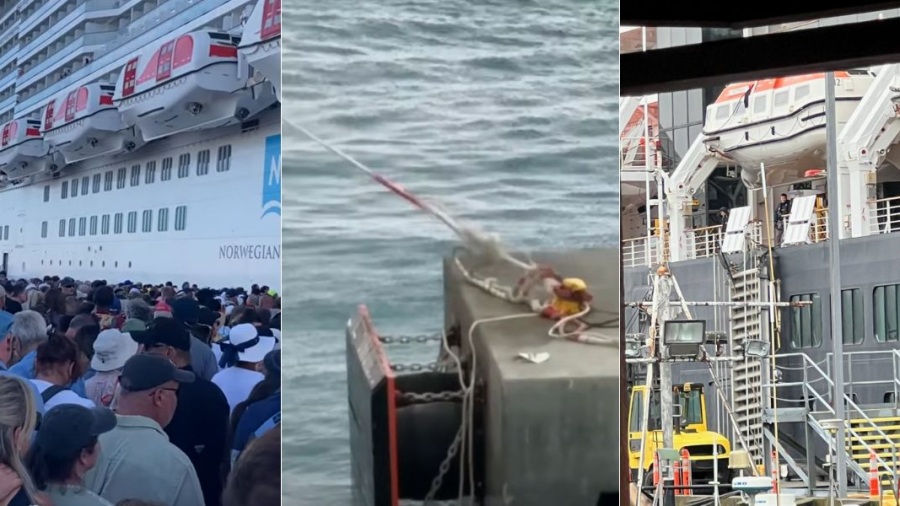
The cruise cabins to avoid are the ones with something noisy or busy directly above, below or beside them: under the pool deck or buffet, under a nightclub or theater, next to elevators, crew doors or laundry rooms, and far forward or low aft where you get anchor and engine noise. If you are prone to seasickness, also skip high-deck cabins at the very front and back. The quickest fix is to choose a cabin with other cabins on the deck above, the deck below and both sides.
None of these locations will ruin a cruise for everyone. A heavy sleeper may never notice the gym above, and a family with teenagers may love being close to the elevators. This guide explains what each problem location actually does, who it bothers, and what to book instead, plus a simple two-minute deck plan check you can do before you pay a deposit.
The worst cabins on a cruise ship, at a glance
Use this table as a shortlist. The “who it bothers” column matters as much as the problem itself, because a location that is a deal-breaker for a light sleeper can be a non-issue for someone else.
| Cabin location | Typical problem | Who it bothers most | Book instead |
|---|---|---|---|
| Under the pool deck or buffet | Sun loungers dragged early in the morning, late-night cleaning, deliveries | Light sleepers, late risers | A cabin two or more decks below the lido, with cabins directly above |
| Under or beside a nightclub, theater or bar | Bass and footsteps late at night, show changeovers | Early sleepers, families with young children | Cabin decks well away from entertainment venues |
| Under a sports court, kids club or gym | Bouncing balls, running, dropped weights | Anyone napping during the day | A cabin with a cabin deck above |
| Next to elevators and stairwells | Chatter, door chimes, groups gathering | Light sleepers | Three to six doors along the corridor, so the elevators stay handy but not next door |
| Beside crew doors, service areas or laundry rooms | Carts, doors and crew traffic at all hours | Light sleepers | Cabins flanked by other cabins on the plan |
| Lowest passenger deck, far forward | Anchor chain noise in anchor ports, bow thruster rumble while docking | Early sleepers on itineraries with tender ports | Midship on a low to middle deck |
| Low deck, far aft | Engine hum and vibration, thruster noise | Anyone sensitive to vibration | Midship or higher aft decks |
| High deck, far forward or aft | More pitching and movement in rough seas | Seasickness-prone cruisers | Midship, low to middle deck |
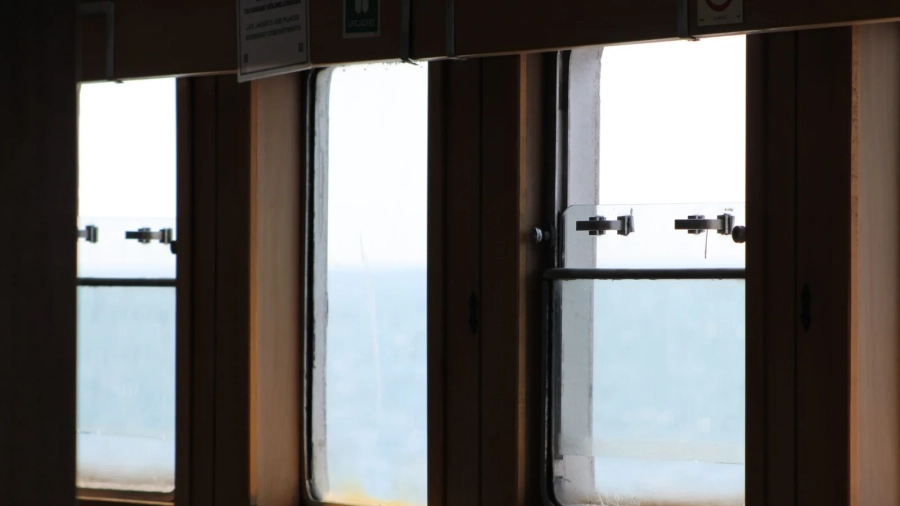
| Obstructed-view oceanview or balcony | Lifeboats, tenders or structure blocking the view | Anyone paying extra for a sea view | A non-obstructed cabin, or an inside cabin if the view doesn’t matter |
| Connecting cabins (when you only book one) | The connecting door lets through more sound than a solid wall | Light sleepers, couples wanting privacy | A standard cabin without an adjoining door |
| Inward-facing balconies or windows | Overlooked by passers-by and opposite cabins, venue noise | Anyone who wants a private balcony | Sea-facing balcony |
Noisy cruise cabin locations to avoid
Noise is the number one reason people regret a cabin choice, and nearly all of it comes from what sits above, below or next to you. Cruise ships are built with steel decks that carry sound and vibration surprisingly well, so a venue one deck up can be easier to hear than one across the corridor.
Under the pool deck, buffet or sun deck
The top outdoor decks are busy from very early in the morning, when crew set out and clean loungers, until late at night, when the buffet and pool areas are cleaned and restocked. Chairs scraping on a teak or composite deck are the classic complaint. The cabins directly beneath take the brunt of it.
Near theaters, nightclubs, bars and the atrium
Entertainment venues often run until the early hours, and production shows involve rehearsals and set changes outside show times. Cabins directly above or below a venue, or close to an open atrium with live music, can hear bass and applause. On ships with multi-deck atriums, cabins near the central stairs can also pick up the background buzz of the busiest public space on board.
Below sports courts, kids clubs and the gym
Basketball courts, pickleball courts, running tracks, kids clubs and fitness centers all create impact noise. It mostly happens during the day, so this matters most if you like a nap between ports or a lie-in on sea days.
Beside elevators, stairwells and crew doors
Being close to the elevators is genuinely convenient, especially for anyone with limited mobility. The trade-off is a steady stream of people talking as they wait, plus elevator chimes. Crew doors and service corridors are worse because they are used around the clock for luggage, room service and housekeeping carts. Self-service laundry rooms, found on several lines including Princess and Cunard, bring doors and chatter during the day too.
Low and far forward, low and far aft
The lowest cabin decks at the bow sit close to the anchor machinery and the bow thrusters. On a cruise with tender ports, the anchor chain going down at dawn is a loud wake-up call. At the stern, lower decks are closer to the propulsion and can feel more engine hum and vibration, particularly when the ship is maneuvering in port.
The two-minute “sandwich check” for any cabin
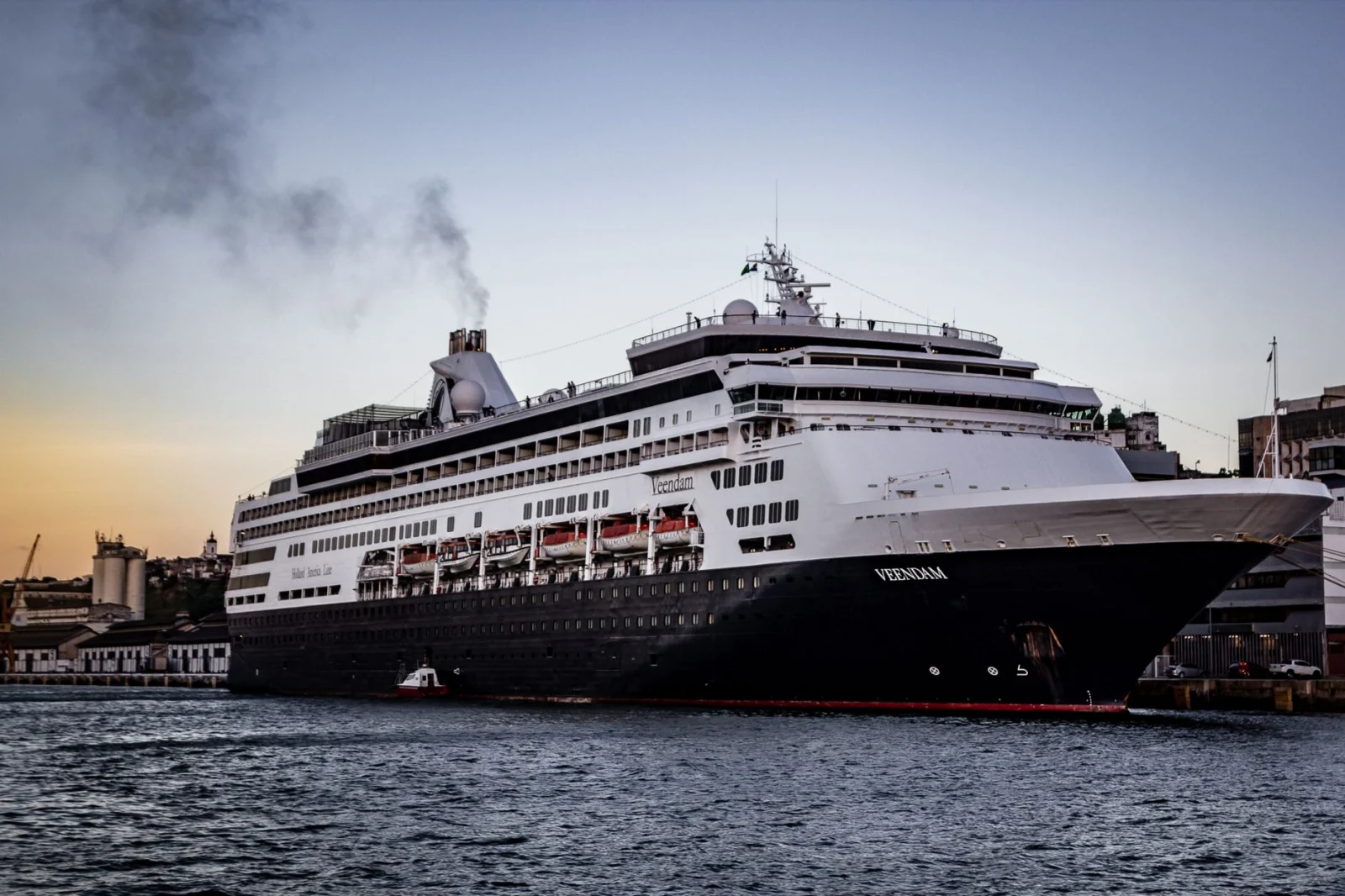
Ship-specific lists are helpful, but you can spot most problem cabins yourself on any ship using the cruise line’s own deck plans. Think of your cabin as the filling in a sandwich, and check every slice around it.
- Check the deck above. Find the same position on the next deck up. You want to see more cabins. Pools, buffets, galleys, sports courts, theaters and nightclubs above you are the main red flags.
- Check the deck below. Do the same one deck down. Bars, lounges, theaters and the galley below can carry noise upward, especially late at night.
- Check left and right. On your own deck, look at the doors either side. Blank or unlabeled spaces on a deck plan usually mean crew areas, storage or machinery.
- Check across the corridor. Elevators, stairwells, laundry rooms and pantries opposite you mean more foot traffic outside your door.
- Check the symbols. Deck plans usually mark connecting cabins, obstructed views and accessible cabins with icons. Read the key, then zoom in on your cabin.
- Check the position along the ship. Midship on a low to middle deck is the steadiest. The very front and back, especially on high decks, move more.
If your chosen cabin has cabins above, below and on both sides, and nothing busy opposite, you have passed. This works on any line, from a small luxury ship to a mega-ship.
Cabin types and features that can disappoint
Obstructed-view cabins
Many oceanview and balcony cabins on the lifeboat decks look out onto tenders, lifeboats or structural supports. Lines usually sell these at a lower price and label them, and some, such as Royal Caribbean, describe the level of obstruction on their deck plans. A partial obstruction can be a good value trade. A full one means you are paying for daylight rather than a view, so compare the price with an inside cabin before booking.
Connecting cabins
Connecting cabins are brilliant for families and groups who book both sides. If you only book one, the internal door between the cabins lets through noticeably more sound than a solid wall, so you may hear your neighbors’ TV or conversation.
Inward-facing “balconies” and windows
Some newer ships have cabins that face inside the ship rather than out to sea. Royal Caribbean’s Oasis Class has balconies overlooking Central Park and the Boardwalk, while its Icon Class adds neighborhoods such as Surfside. These can be fun for people-watching, but passers-by and cabins opposite can see in, and venues below can be loud. Some lines also sell “virtual balcony” inside cabins with a screen instead of a window, and infinite or enclosed-style balconies that work more like a large window than a traditional open balcony. None of these is bad, but know what you are buying.
Smoking areas and the casino
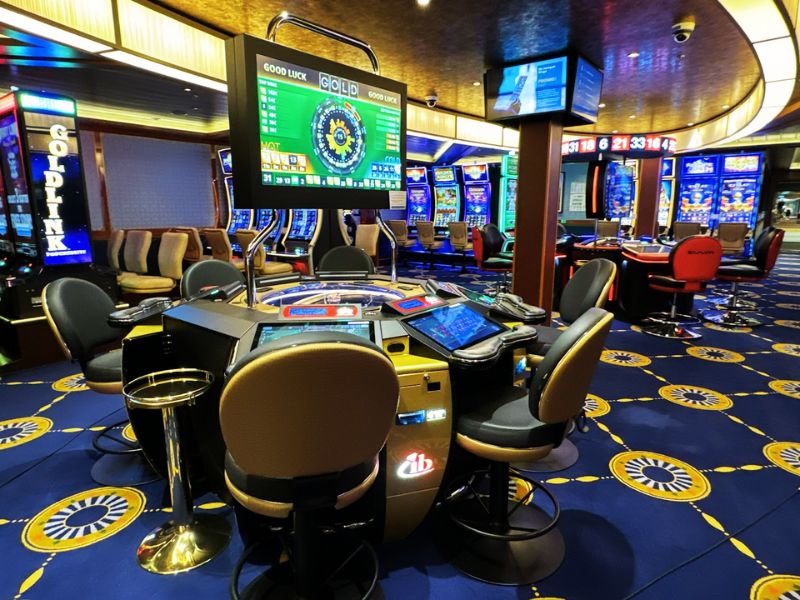
Most mainstream lines restrict smoking to designated outdoor areas and, on many ships, part of the casino. Cabins on the deck directly above a smoking area can sometimes get drifting smoke on the balcony. If you are sensitive to smoke, check where the line’s designated smoking areas are on your ship and avoid balconies directly above them.

Best location for a cruise cabin if you get seasick
A ship pivots around its middle, a bit like a seesaw, so the bow and stern rise and fall more than the center. Rolling from side to side is also more noticeable the higher up you are. That makes the worst part of a cruise ship for seasickness a high-deck cabin at the very front or back. The steadiest choice is midship on a low to middle deck.
Modern ships use stabilizers, which reduce rolling in most conditions, so many passengers never feel much at all. Season and route matter too: open-ocean crossings and winter sailings in places like the North Atlantic tend to be rougher than calm Caribbean or Mediterranean summer routes. If motion is a real concern, combine a midship cabin with a lower deck and talk to your doctor about seasickness remedies before you sail.
For a deeper look at how deck height affects noise, motion and convenience, see our guide to the best deck on a cruise ship for every type of cruiser.
Why problem cabins vary by ship class
The general rules above apply everywhere, but the specific cabins to avoid change from ship to ship. Newer mega-ships have many more venues spread across many more decks, so a quiet-looking cabin can sit under a nightclub, a water slide landing or a sports court. Older and smaller ships tend to stack public rooms on a few decks and cabins on the rest, which makes them easier to read.
Ship classes also introduce their own quirks, such as inward-facing neighborhoods, glass-enclosed balconies or venues that only appear on that design. That is why it pays to look for a ship-specific guide once you know which ship you are sailing on. For example, we cover the newest Royal Caribbean ship in detail in our Utopia of the Seas cabins to avoid guide.
Guarantee cabins: the hidden way to end up in a bad spot
A guarantee booking means you pay for a category, such as “balcony”, and the cruise line chooses the exact cabin later. The price is often lower, and sometimes you get an upgrade. The catch is that guarantee cabins are typically allocated from what is left, which can include cabins under the pool deck, beside crew doors or with obstructed views. If any of the locations in this guide would genuinely spoil your trip, choose your own cabin. Our guide to reasons not to book a guarantee cabin covers the trade-offs in more detail.
Quick tips for picking a better cabin
- Book early if you have a specific cabin in mind. The best-placed midship cabins tend to sell first.
- Use the official deck plans from the cruise line website, which are kept up to date when ships are refurbished. Third-party plans can be out of date after a dry dock.
- Look at cabin photos and reviews for your exact cabin number on cruise forums to confirm obstructed views or unusual layouts.
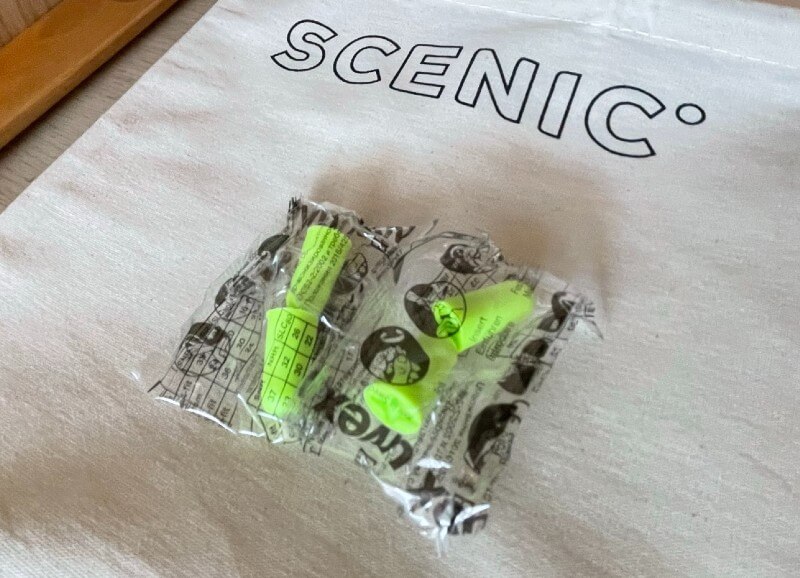
- Pack earplugs or a white noise app as a backup. Even the best cabin can have a noisy neighbor.
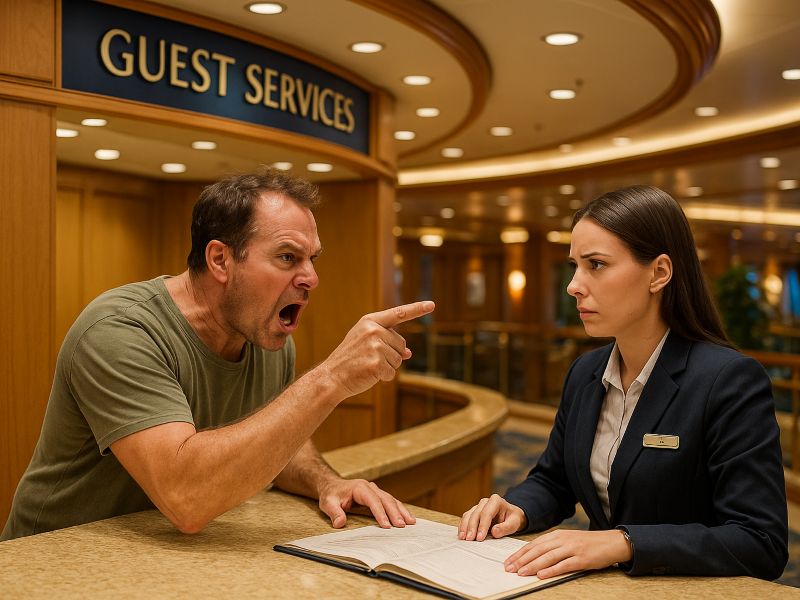
- Ask about moving if you do end up somewhere unbearable. Guest services can sometimes offer another cabin if the ship isn’t full, though nothing is guaranteed.
FAQs
What is the best area to stay in on a cruise ship?
For most people, a midship cabin on a low to middle deck, with cabins above, below and on both sides. It has the least motion, is close to elevators without being next to them, and avoids most noise from public venues.
What are the worst cabins on a cruise ship?
Cabins directly under the pool deck, buffet, nightclubs or sports courts, cabins beside crew doors or elevators, and low cabins at the very front or back near the anchor and engines. Fully obstructed-view cabins are also a common disappointment.
Which part of a cruise ship is worst for seasickness?
High decks at the very front or back of the ship move the most. A midship cabin on a lower deck is the steadiest choice.
Are guarantee cabins worth it?
They can be if you are flexible and want a lower fare, but you give up control over location. If noise or motion would spoil your trip, pick your own cabin instead.
Is the back of a cruise ship loud?
Lower aft decks can pick up engine hum, vibration and thruster noise, especially when the ship maneuvers in port. Higher aft cabins are usually quieter and are popular for their wake views.